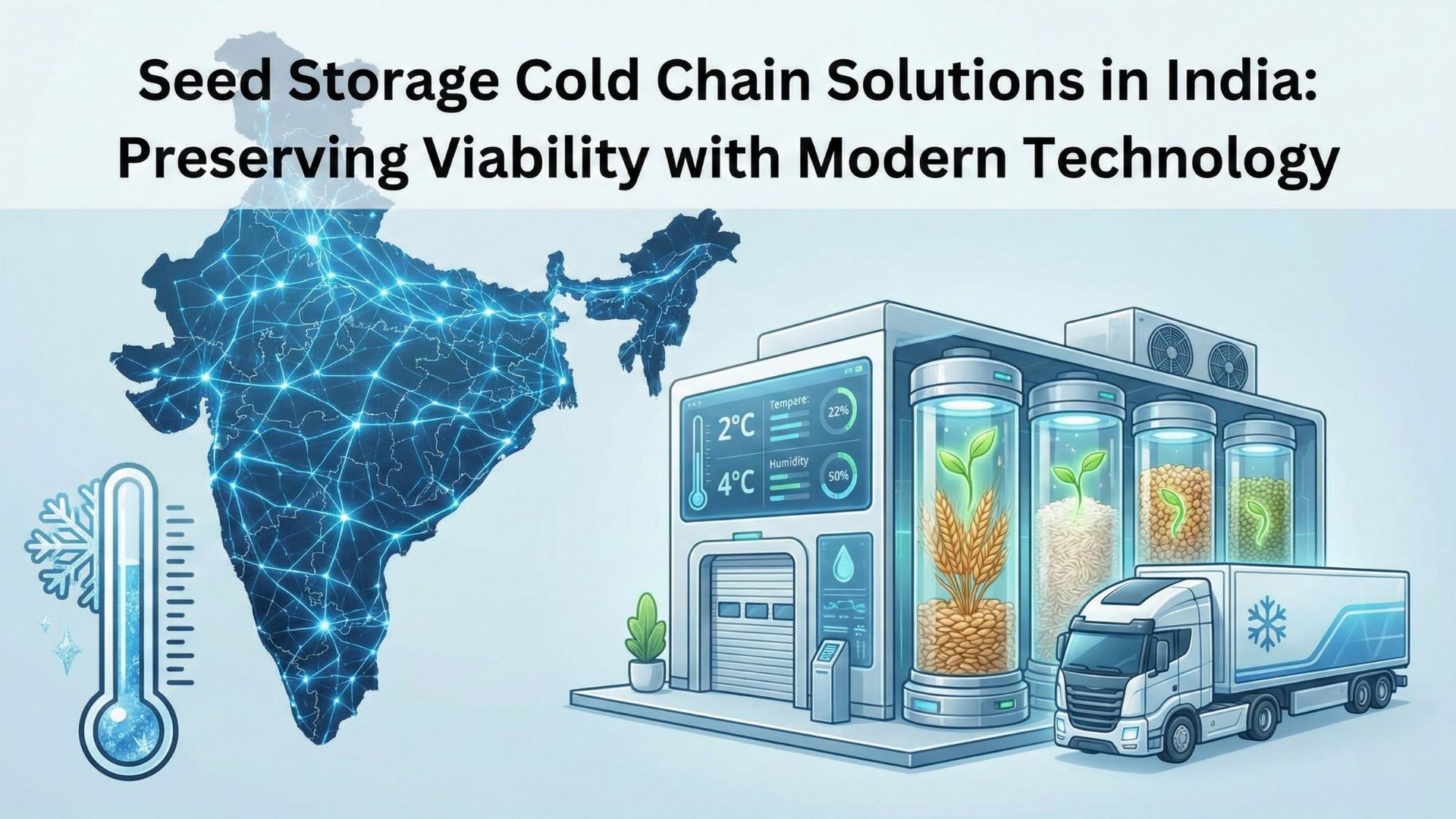
Seed Storage Cold Chain Solutions in India
Every grain, fruit, and vegetable begins with a seed. For India’s agricultural producers, seed companies, and policymakers, ensuring those seeds remain **viable and vigorous** until planting is a top priority. Seeds are living, breathing materials – if they are not stored under the right conditions, they can lose their ability to germinate. This is where cold chain solutions for seed storage come into play. In India’s tropical climate, a robust cold chain infrastructure is not just a luxury but a necessity to secure the future of agriculture. Below, we delve into why cold chain storage is critical for seeds, the challenges faced in India, and the cutting-edge solutions that address these challenges.
Why Cold Chain is Critical for Seed Storage
Seeds might appear dry and dormant, but they are biologically active and sensitive to their environment. Temperature and humidity have a direct impact on seed longevity and germination potential. Without controlled storage, seeds can age rapidly or succumb to mold and pests. Here’s why a cold chain is so important for seed preservation:
- Temperature Control: High temperatures accelerate the aging process in seeds, causing a loss of vigor and germination capacity. A proper cold storage keeps seeds in the optimal range (typically around 0–10°C) to slow down metabolic activity and aging.
- Humidity Control: Excess moisture is a seed’s enemy. In humid conditions, seeds absorb moisture from the air, leading to fungal growth, **aflatoxin contamination**, and premature sprouting or rot. Maintaining a low relative humidity (often around 30–40% RH or lower) in storage prevents these issues and helps preserve seed dryness.
- Pest and Disease Prevention: Many insect pests (like weevils) and microbes thrive in warm, damp environments. Cold, dry storage conditions significantly reduce pest activity and inhibit the growth of mold and bacteria that can destroy seeds.
- Extended Viability: With the right cold chain facilities, seeds can remain viable for much longer periods – often several planting seasons – without significant drop in germination rates. This is crucial for creating seed reserves and ensuring supply for unpredictable future needs.
In essence, an effective cold chain for seeds creates an artificial winter, slowing biological processes to a crawl. As a rule of thumb in seed science, every 5°C drop in storage temperature (and each 1% reduction in seed moisture content) can **double the seed’s storage life**. By leveraging cold chain technology, Indian agriculture can bank high-quality seeds and buffer against seasonal variability and crop failures.
Challenges in Seed Storage in India
India faces unique challenges in maintaining seed quality due to its geography and developing infrastructure. Understanding these challenges highlights why investment in seed cold chain solutions is vital:
- Tropical Climate Extremes: Much of India experiences high heat and humidity, especially during summer and monsoon seasons. In ambient storage (e.g., traditional godowns or farm stores), seeds can quickly absorb moisture and overheat. It’s common for germination rates to drop drastically when seeds are stored through an Indian summer without climate control. For example, a batch of wheat or soybean seed stored in a non-cooled, non-dehumidified room may lose a significant percentage of viability within a few months of hot, humid weather.
- Post-Harvest Handling Gaps: Small and marginal farmers often save seeds from one harvest to the next. However, due to lack of awareness or resources, these seeds might be stored in burlap sacks or ordinary warehouses that do not protect them from the environment. By sowing season, a portion of these seeds may be moldy or insect-damaged. Such losses directly impact farmers’ incomes and the next crop’s success.
- Infrastructure and Power Reliability: In rural areas, continuous electricity for refrigeration is not always guaranteed. Traditional cold storage facilities (designed for produce or dairy) may not be available in every region, and not all are equipped for the **low-humidity** requirements of seed storage. Power outages can disrupt storage conditions, so solutions must account for backup systems or alternative energy (like solar).
- Lack of Awareness and Standards Enforcement: While India has regulations like the Seeds Act (1966) and Seed Rules that set standards for germination and purity, enforcement can be uneven. Some seed producers or distributors might underestimate the importance of specialized storage. Additionally, many farmers are not fully aware that storing seeds in a cool, dry place can make a difference of tens of percentage points in germination success. This knowledge gap means the demand for seed cold storage has historically been lower than it should be.
- Volume and Diversity of Seeds: India’s agriculture is incredibly diverse – from cereals and pulses to vegetables, spices, and oilseeds. Each type of seed has slightly different optimal storage conditions (for instance, some vegetable seeds are fine at 10°C, whereas others benefit from near-freezing temperatures). A one-size-fits-all storage might not be ideal for all seeds. Designing facilities that accommodate a range of seed types, or setting up multiple chambers for different requirements, can be complex and requires technical expertise.
These challenges underscore the need for tailored cold chain solutions. The good news is that modern technology and engineering expertise – as offered by companies like Rinac – can overcome these hurdles. From energy-efficient designs to remote monitoring, today’s seed storage solutions are more reliable and accessible than ever before. In the next section, we explore the specific cold chain components that form a comprehensive seed storage infrastructure.
Cold Chain Solutions for Seed Preservation
Building an effective seed storage cold chain involves multiple components working in harmony. It’s not just one cold room or one freezer – it’s a suite of solutions addressing storage, transportation, and internal handling. Below are key solutions that together form an end-to-end cold chain for seeds:
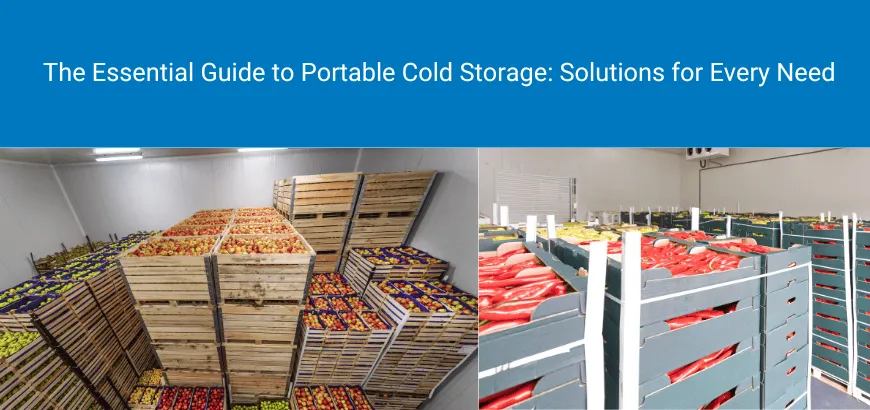
Modular Cold Rooms
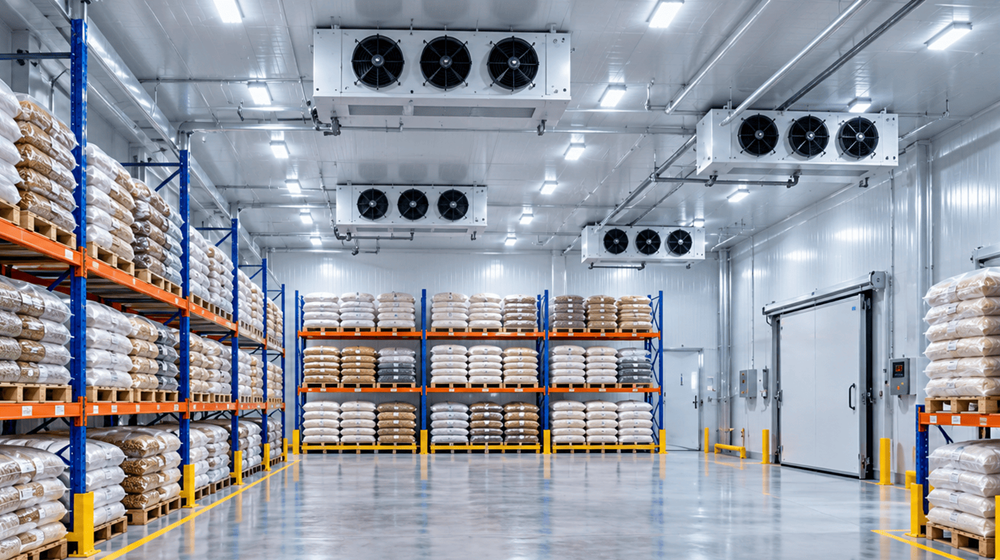
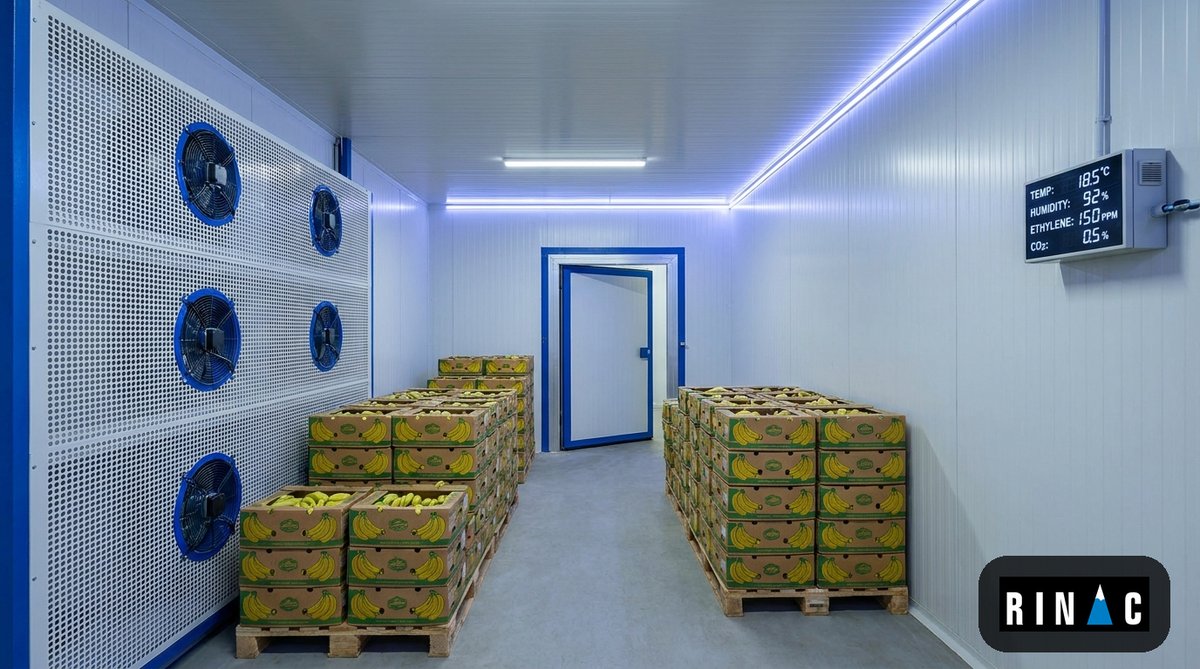
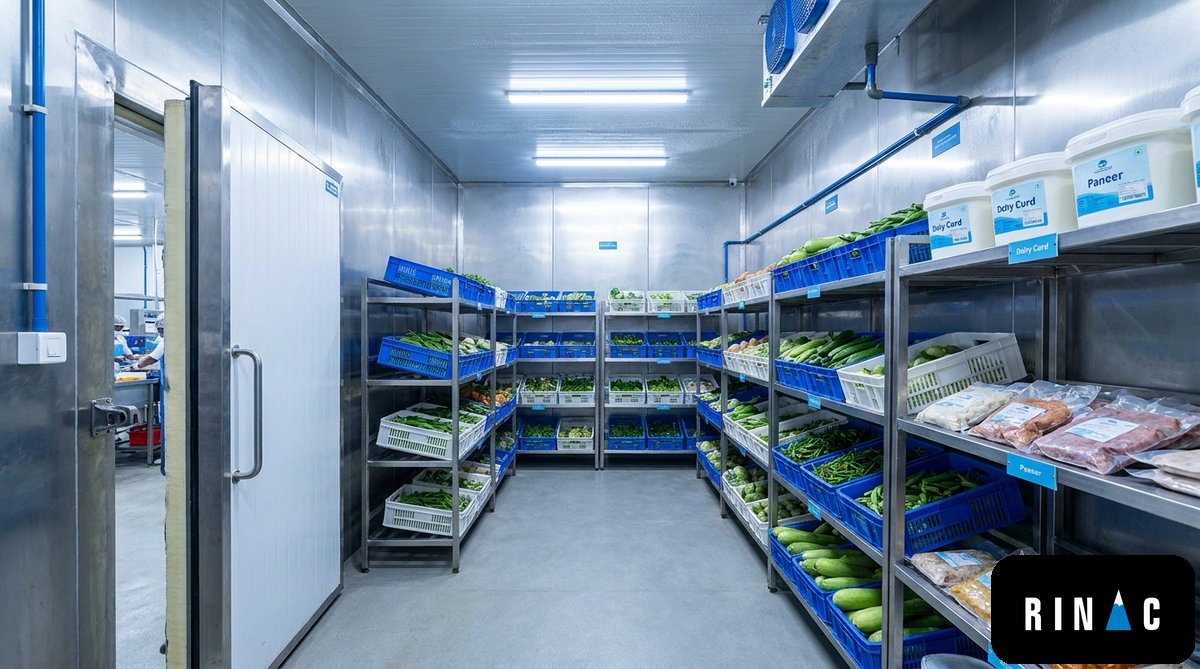
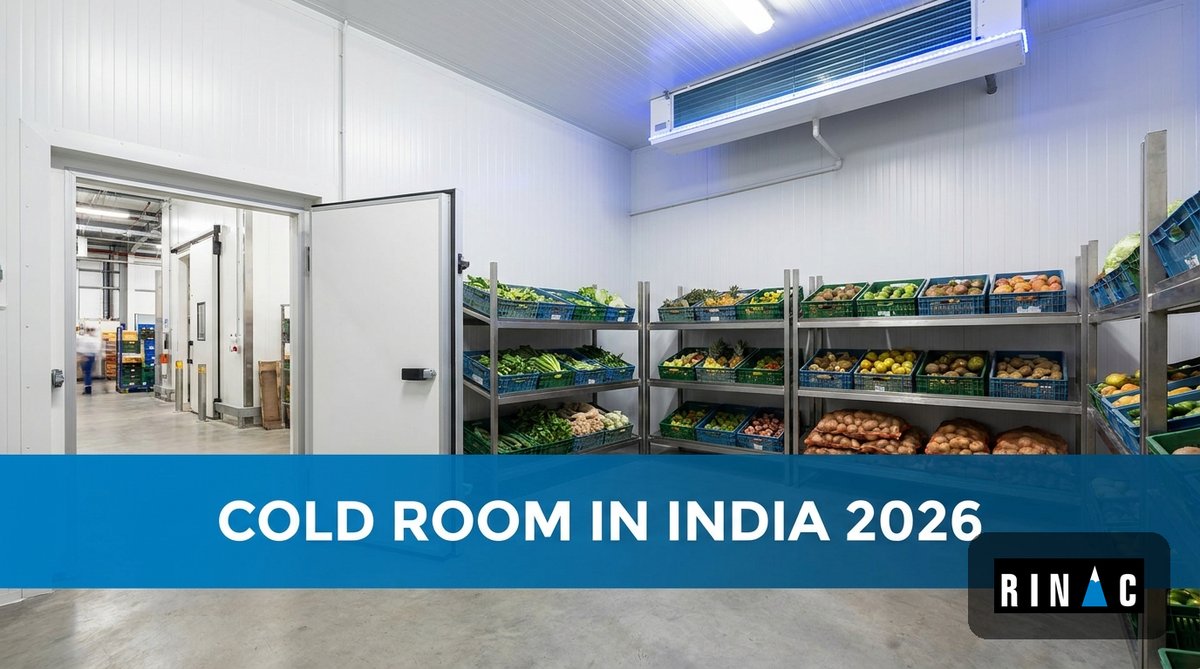
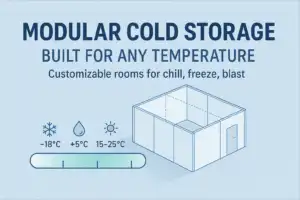
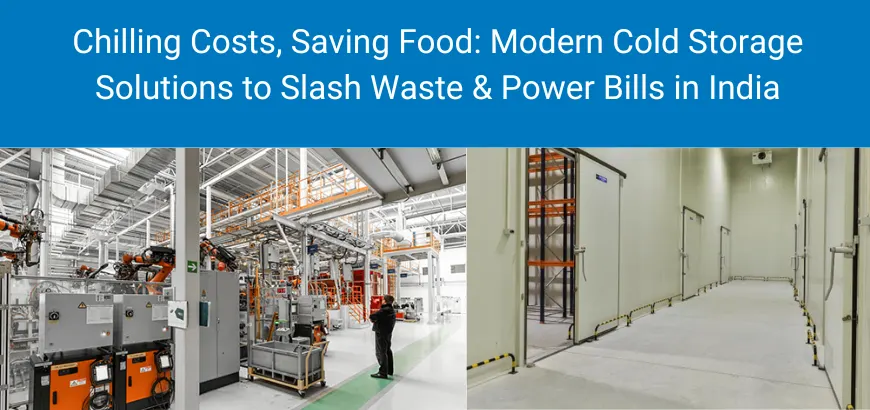
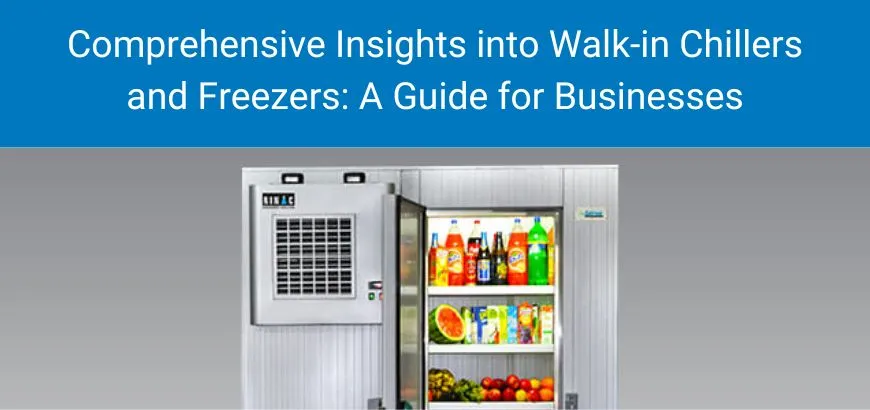
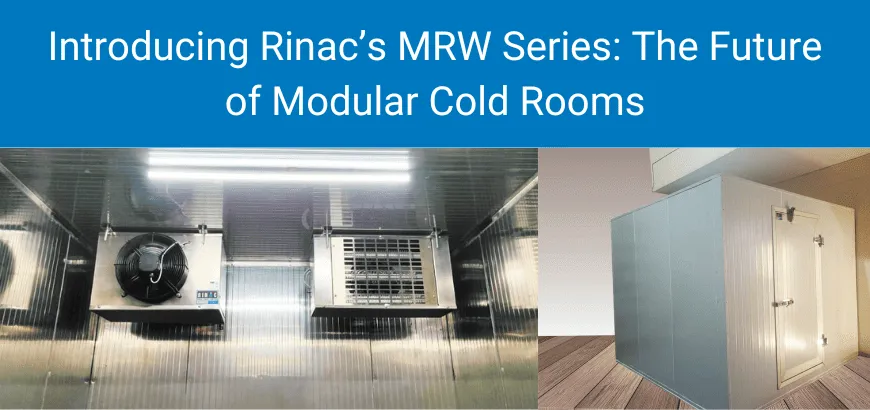
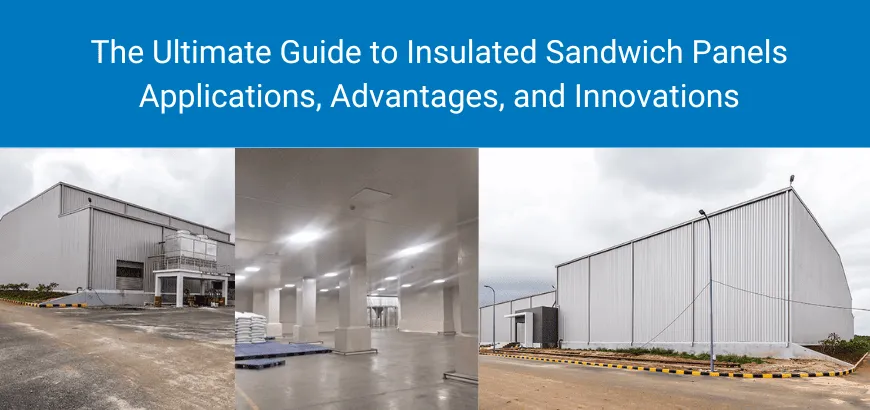
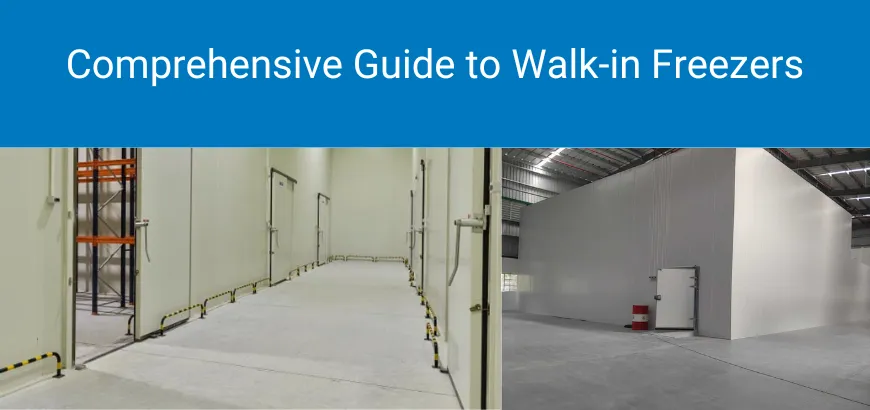
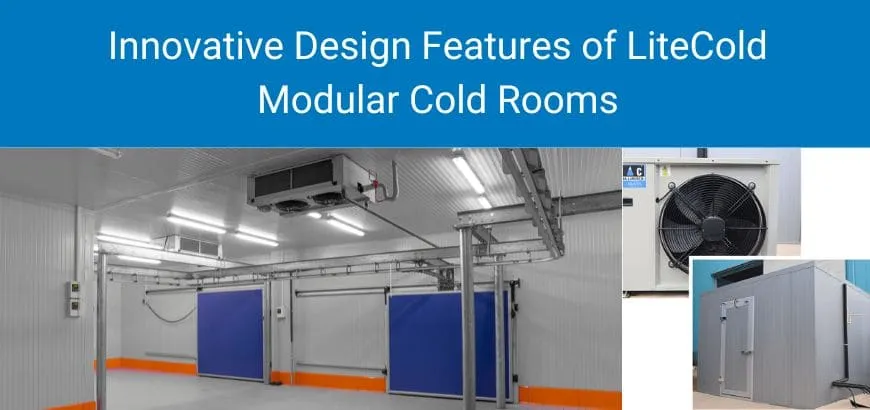
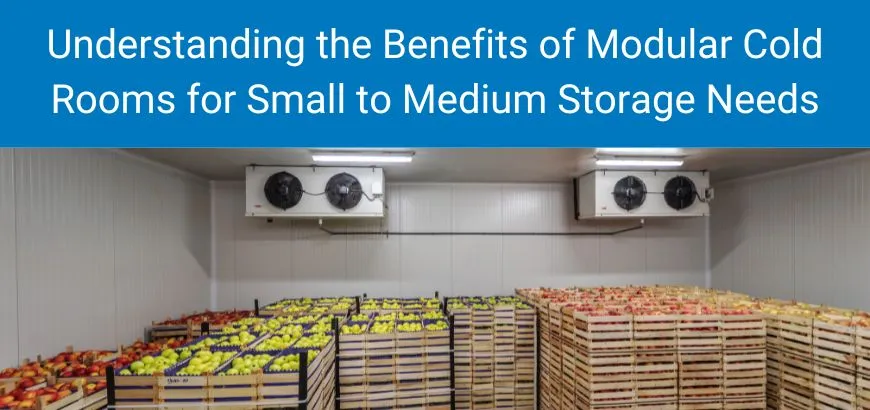
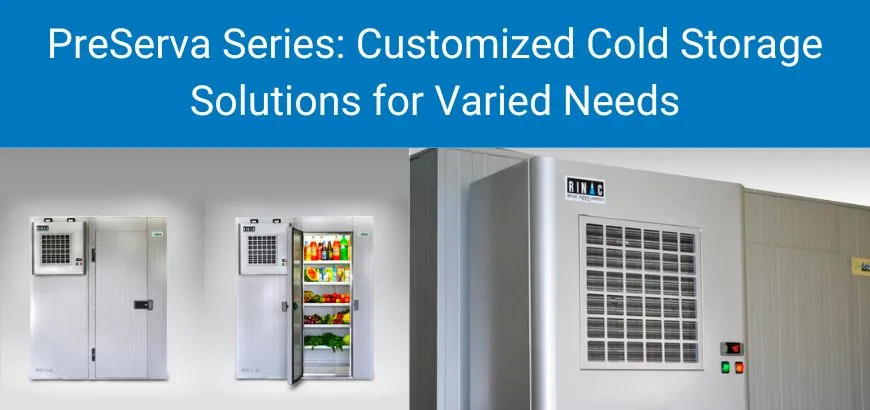
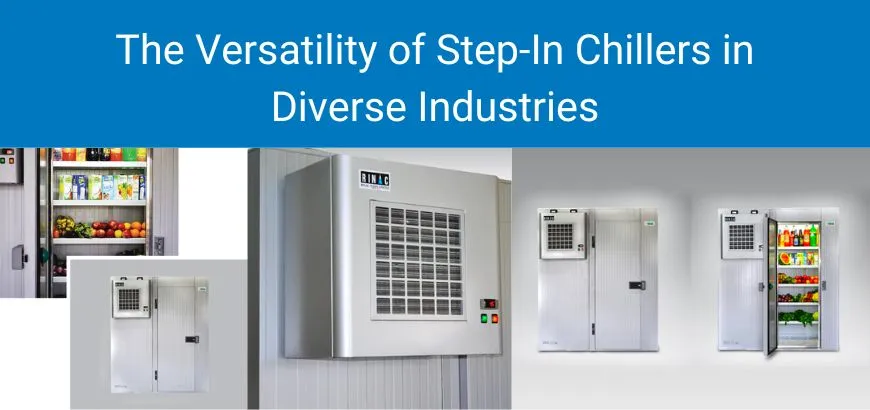
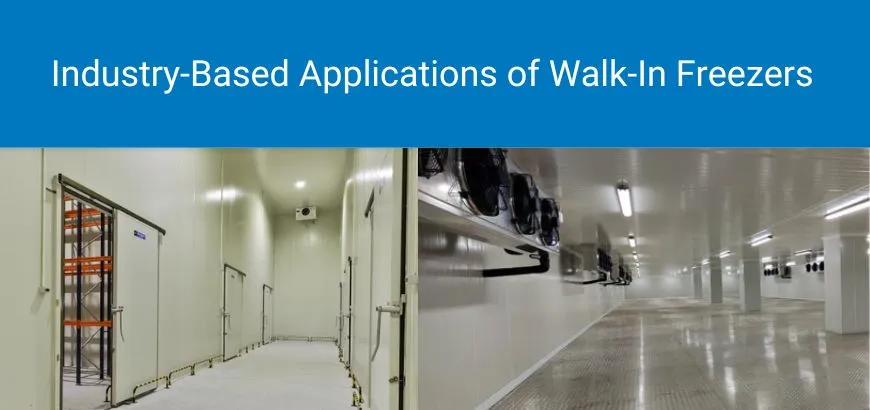
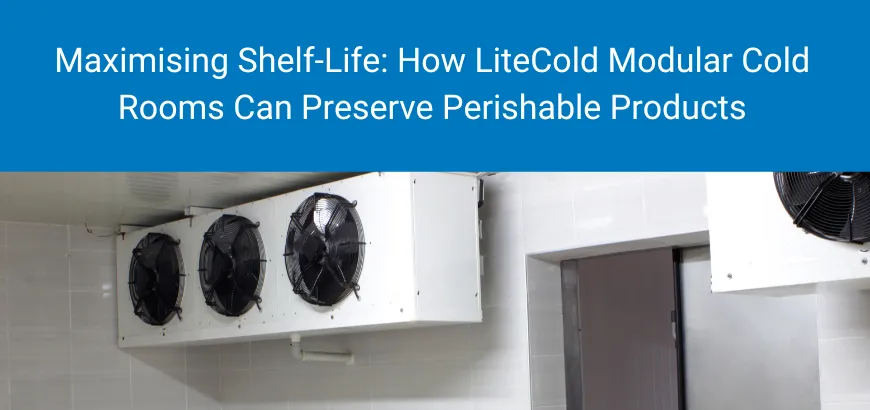
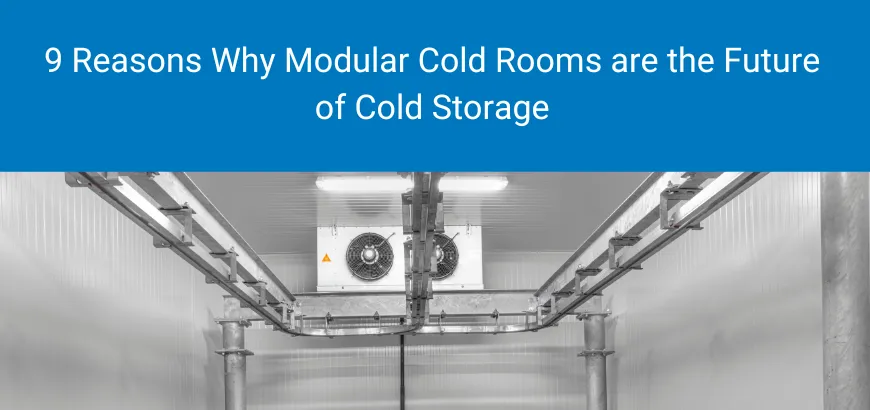
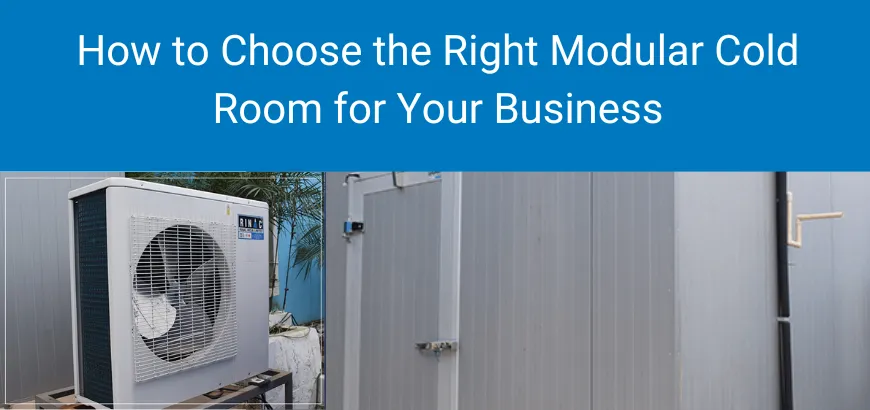
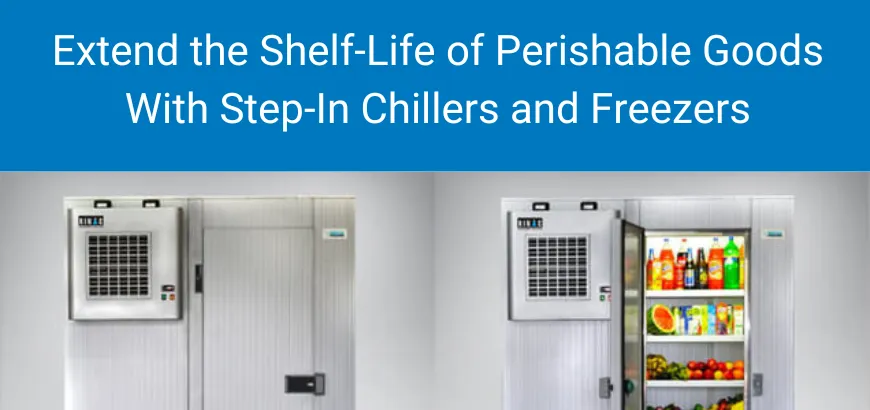
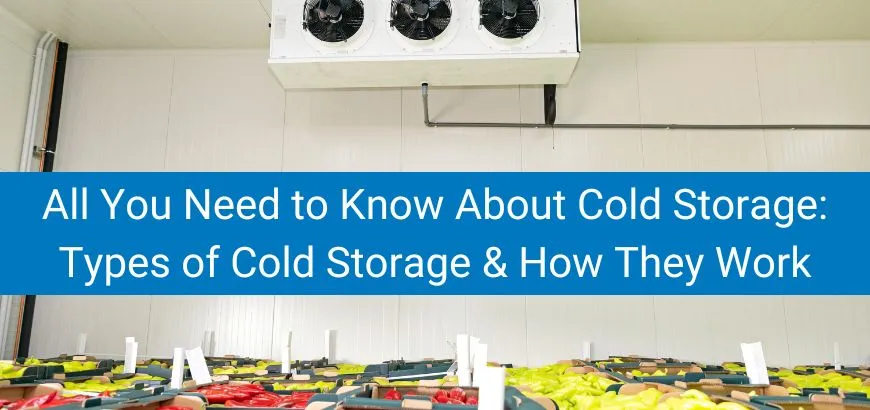
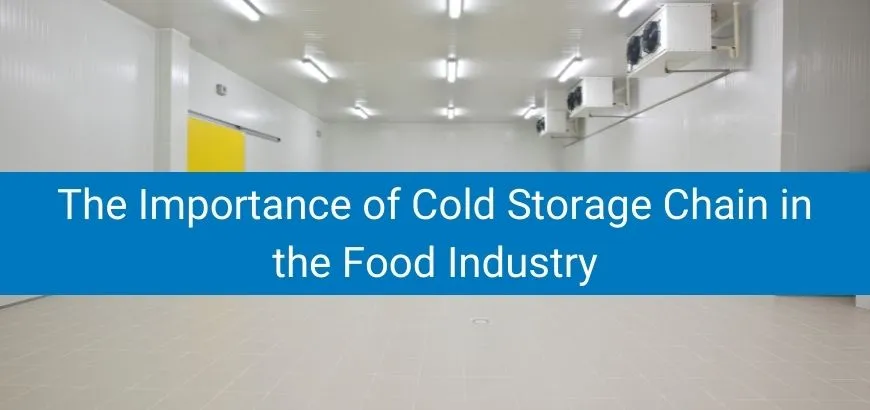
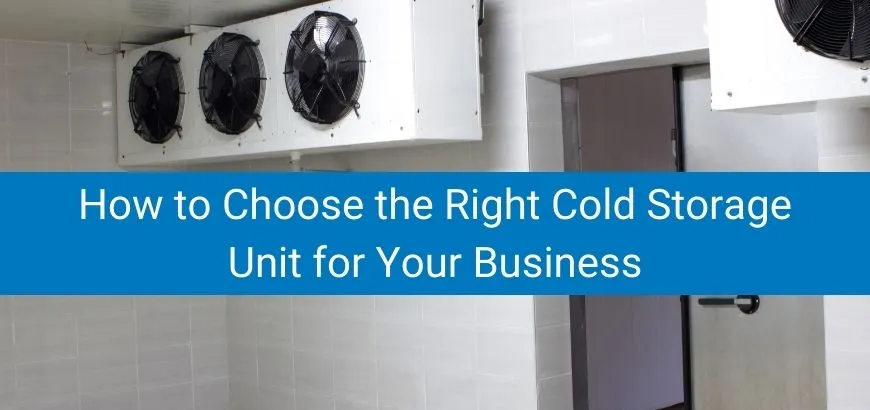
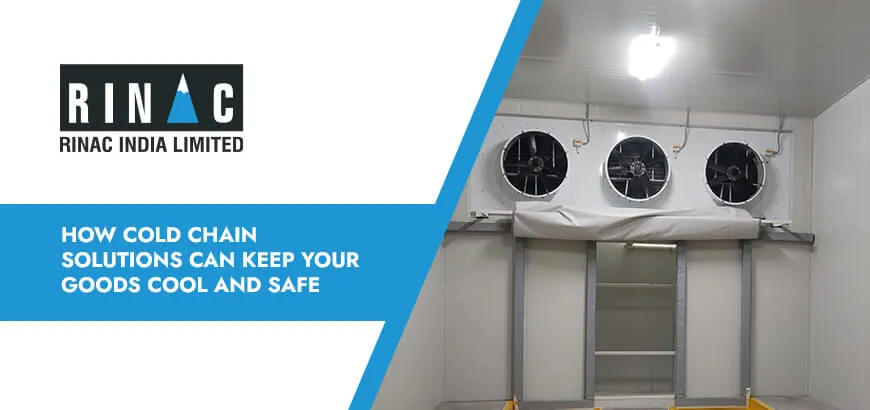
Modular cold rooms are insulated, temperature-controlled storage rooms that can be quickly assembled on-site. They are highly scalable, coming in various sizes or being built as per custom dimensions. For seed storage, modular cold rooms offer a flexible way to create the needed environment virtually anywhere – from a seed processing plant to a farm cooperative’s facility. These rooms maintain stable low temperatures (often in the range of 0°C to 15°C as required) and can be outfitted with controls to manage humidity as well. The modular nature means they can be expanded or relocated as needs grow or change.
- Fast Deployment: Since they use prefabricated insulated panels, modular cold rooms can be installed much faster than civil-construction warehouses. This is ideal for government or NGO projects aiming to quickly set up village-level seed banks or seasonal storage before a harvest.
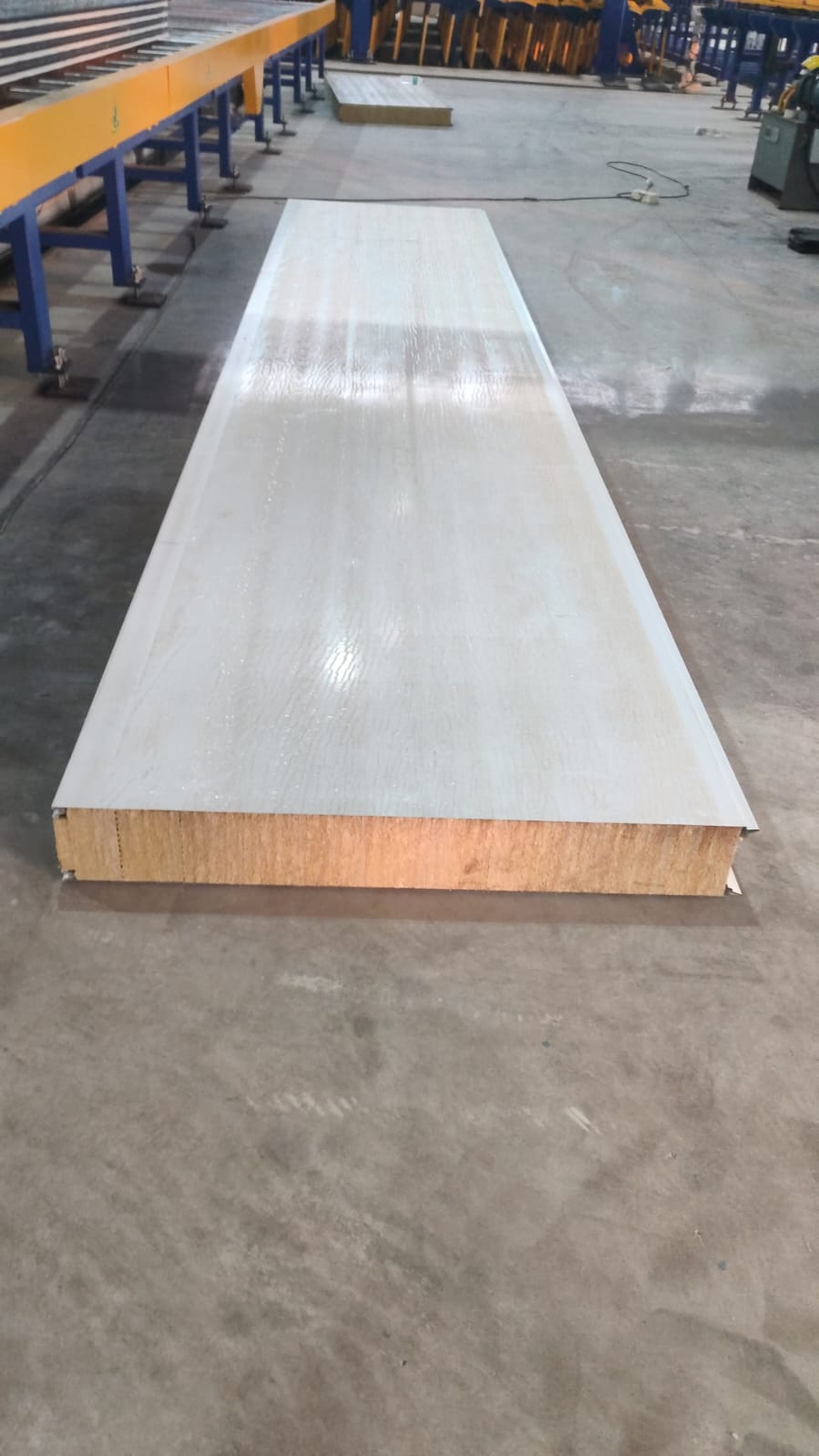
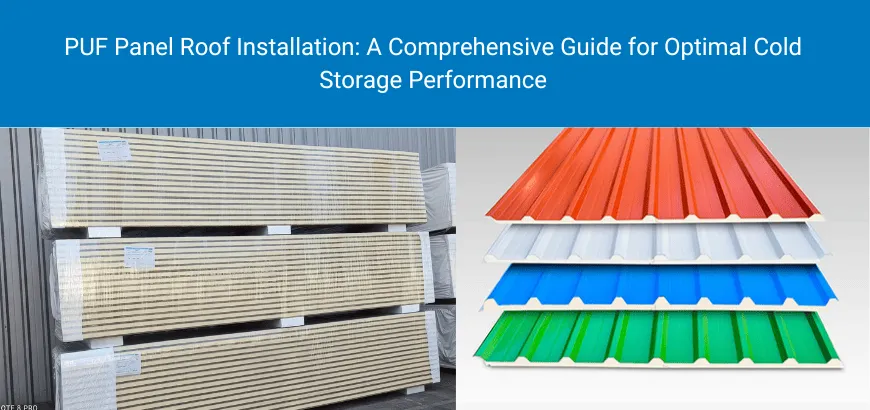
- Energy Efficiency: Modern modular cold rooms use high-performance insulation (like PUF/PIR panels) that keep cooling efficient. Paired with energy-efficient refrigeration units (and even solar power integration in some cases), they keep running costs manageable – a crucial factor for widespread adoption in rural areas.
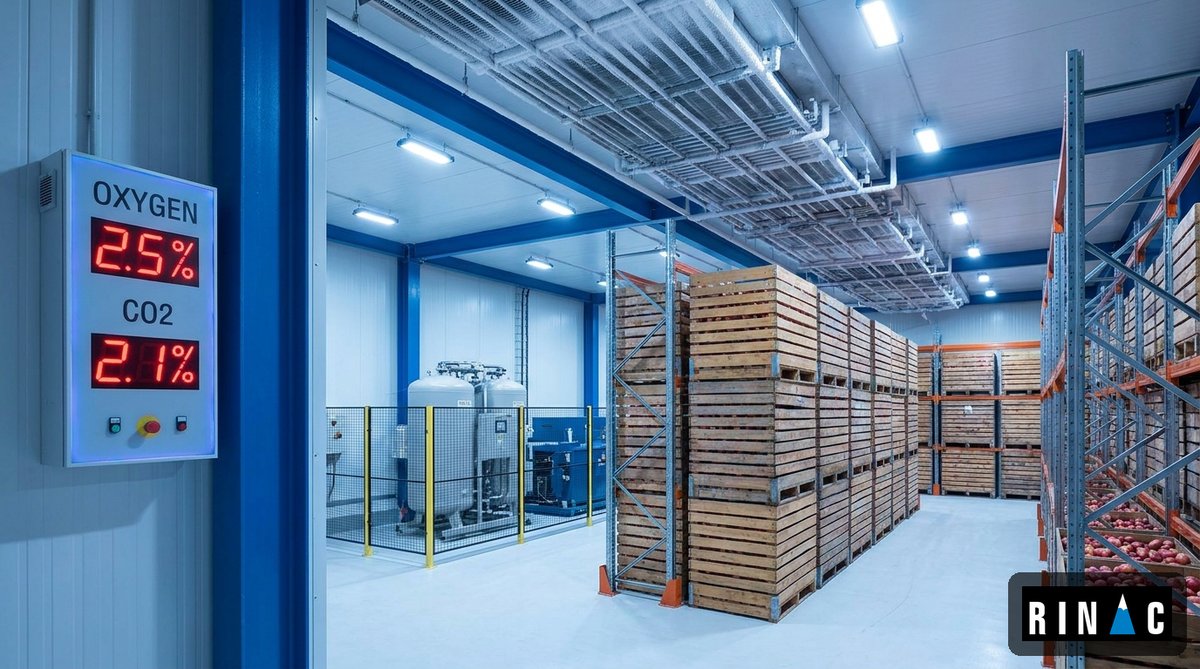
- Precise Control: These cold rooms come with digital thermostats and often IoT-based monitoring. Seed managers can maintain a target temperature and get alerts if conditions deviate. By adding humidity control systems or dehumidifiers, a modular room can double as a low-humidity seed vault.
In practice, a modular cold room might be used by a state seed corporation or a large seed company to store breeder and foundation seeds. It ensures that high-value seeds remain in prime condition before they are distributed for multiplication or sale. The **flexibility and reliability** of modular cold rooms make them a cornerstone of seed cold chain infrastructure.
Low-Humidity Chambers
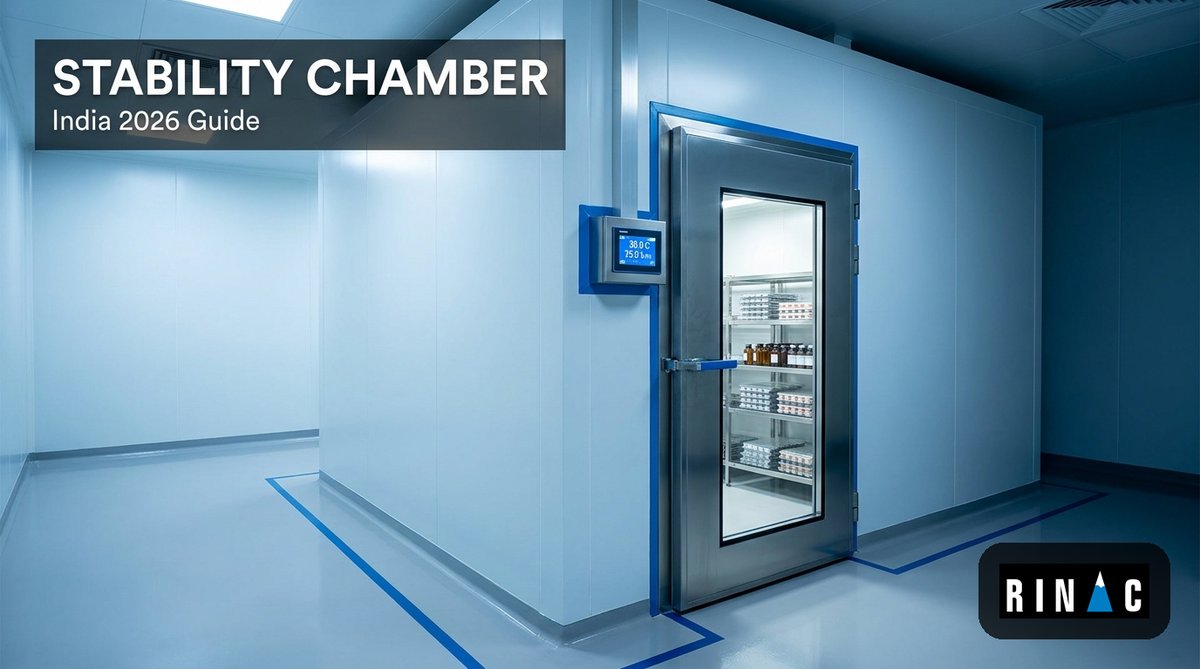
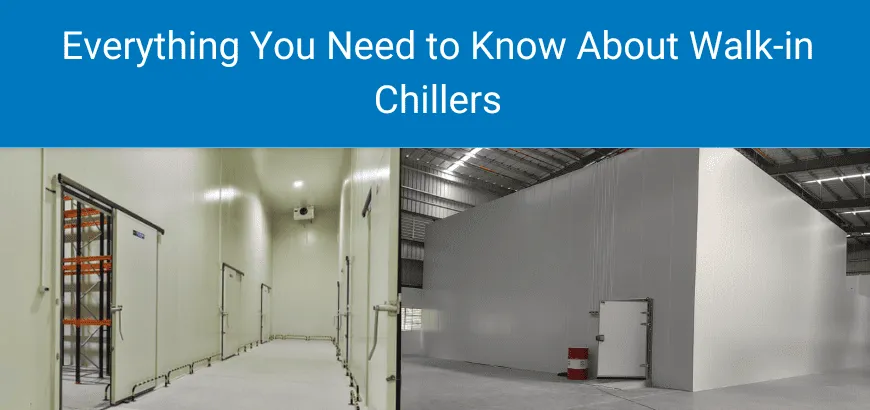
While keeping seeds cool is important, keeping them dry is equally critical. Low-humidity cold storage chambers are specialized facilities designed to maintain very low relative humidity (often in the 20%–50% range) along with refrigeration. Rinac’s Low Humidity Chambers are engineered for exactly this purpose – ideal for seeds and other hygroscopic materials that must avoid moisture uptake.
Traditional cold rooms can sometimes have higher humidity as a byproduct of cooling (since condensing moisture is part of refrigeration). Low-humidity chambers use innovative designs such as **de-humidifying coil technology**, desiccant systems, or integrated refrigeration control that removes moisture from the air without needing separate standalone dehumidifiers. This has multiple benefits:
- Prevents Fungal Growth: In a dry atmosphere, mold and fungi struggle to grow. Seeds stored in such chambers are far less likely to develop storage fungi, which means better germination and no mycotoxin issues. For example, maintaining RH ~30% can prevent fungus in high-oil seeds like groundnuts or maize that are otherwise prone to aflatoxin if moisture creeps in.
- Preserves Seed Dormancy: Dry conditions help keep seeds in a true dormant state, effectively pausing their biological clock. Even if temperatures rise slightly for a short period, seeds will not germinate or deteriorate as long as the environment stays arid. **Moisture-related aging** is minimized, extending shelf life significantly.
- Energy and Cost Savings: By designing the chamber to handle humidity and temperature together, operating costs drop. There is no need for a bulky external dehumidifier machine running constantly. In fact, advanced low-humidity cold rooms can reduce energy consumption by up to 30–40% compared to an equivalent setup with separate cooling and dehumidification equipment. This integrated approach is both space-saving and cost-effective.
Such chambers are crucial for seed banks and research centers where seeds of critical crops or genetic resources are stored for years. For instance, a seed vault preserving indigenous varieties or breeder seeds will rely on low-humidity cold storage to keep those precious seeds viable for future generations. By investing in specialized chambers, organizations ensure that even five or ten years down the line, the stored seeds will sprout effectively when needed.
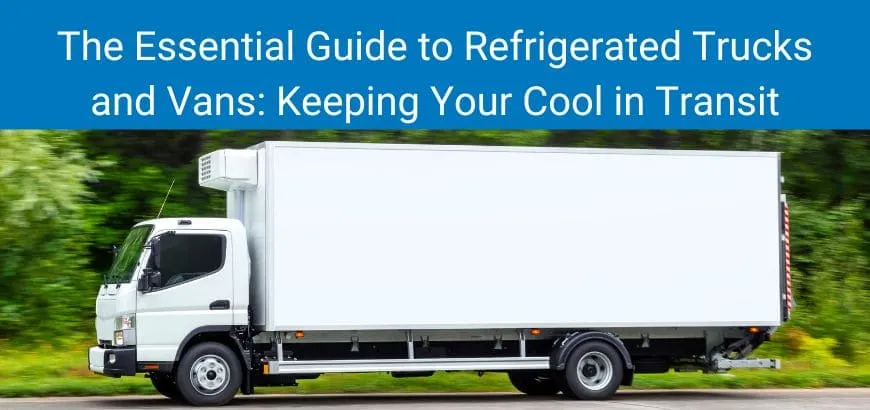
Eutectic Refrigerated Trucks
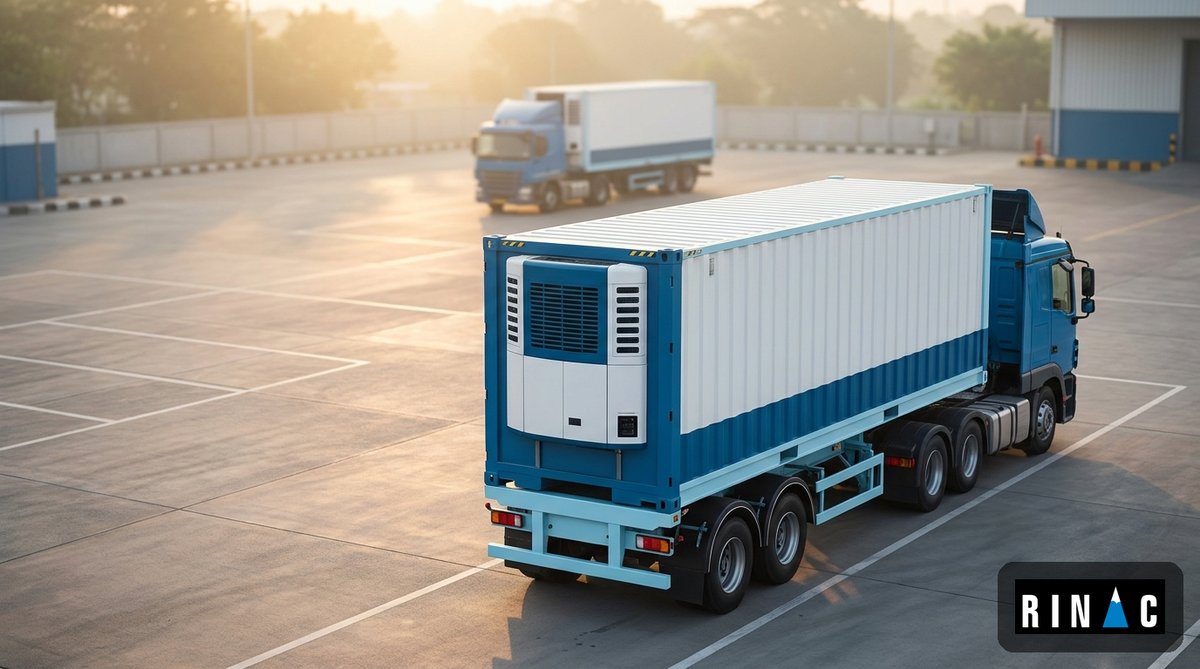
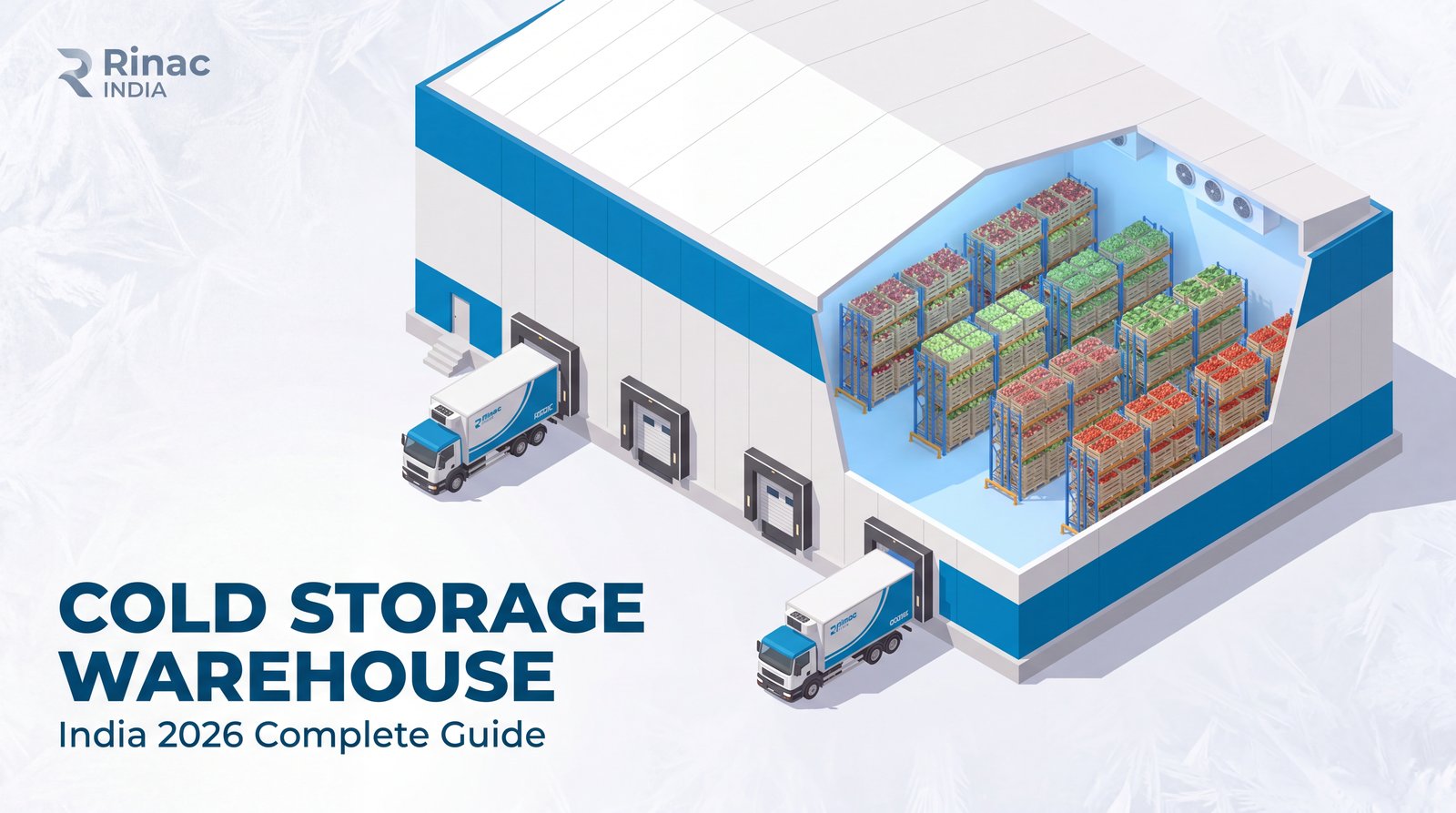
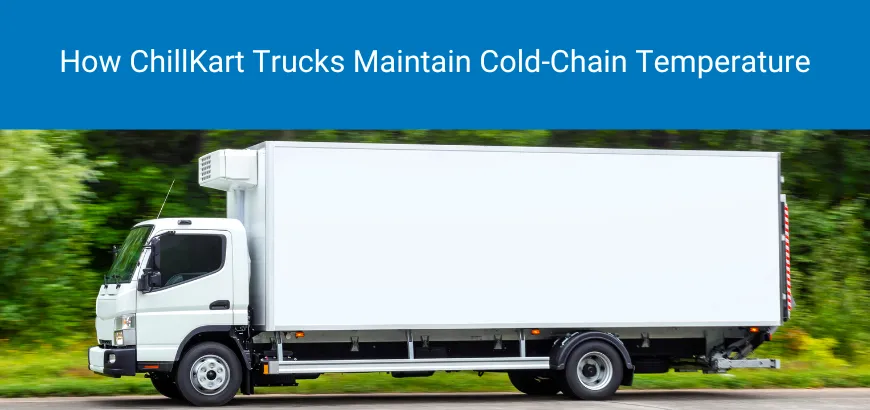
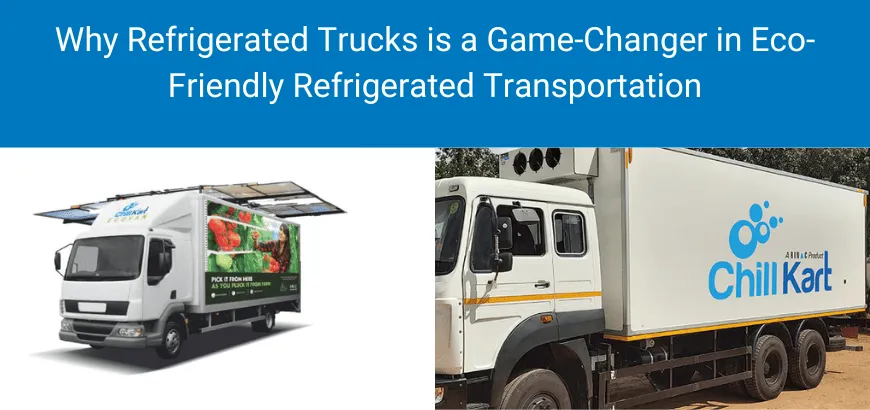
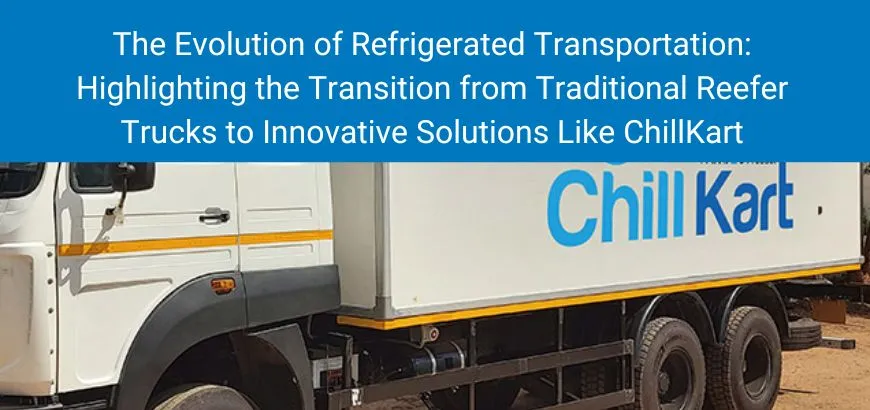
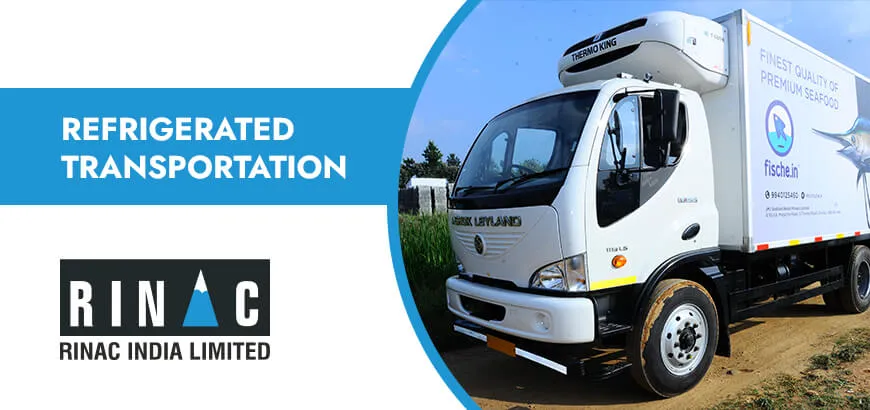
Having perfect storage at the warehouse or seed bank is one thing – but seeds often have to travel long distances in India, from centralized storage facilities to regional distribution centers, and onward to local dealerships or farmer cooperatives. This is where refrigerated transportation comes in. Eutectic trucks (often branded by Rinac as “Chill Kart” vehicles) are a smart solution for cold chain transport, especially in regions where consistent en-route power supply is a challenge.
Eutectic refrigerated trucks use cold plates or eutectic fluid reservoirs that freeze when the truck is plugged into power (or charged overnight), and then slowly release cooling during the journey without needing continuous generator power. For seed transport, these trucks offer distinct advantages:
- Temperature Stability: Eutectic systems can maintain a set temperature (for example, 4–8°C or even sub-zero if required) for many hours. Seeds can be loaded at the origin and will remain cool throughout transit, even if the truck makes multiple stops or faces delays. This is crucial when moving seeds in the Indian summer or across states.
- Reliability in Remote Areas: Conventional reefer trucks rely on diesel-driven compressors which must run constantly. In contrast, eutectic reefers do not depend on engine power once charged. This makes them very reliable for remote or rural deliveries – the cooling doesn’t falter even if the truck engine is off during loading/unloading or if there’s no fuel. It also means less risk of mechanical failure ruining a seed shipment.
- Cost-Effective Operations: Eutectic trucks are known for energy efficiency and lower operating costs. Charging the eutectic plates during off-peak electricity hours (or at a facility with solar panels) can be cheaper than running a diesel refrigeration unit continuously. Over time, seed distributors and companies find these trucks reduce fuel costs and maintenance expenses. They’re also quieter and more eco-friendly (lower emissions), an added bonus if government stakeholders are considering green initiatives.
By deploying refrigerated vehicles, seed companies and government seed distribution programs can ensure that the quality maintained in cold storage isn’t lost in the “last mile” of delivery. Whether it’s sending high-yield paddy seeds to a coastal region or hybrid vegetable seeds to a distant hill state, eutectic reefer trucks keep the supply chain unbroken and seeds safe from heat exposure during transit.
Optimized Storage Systems
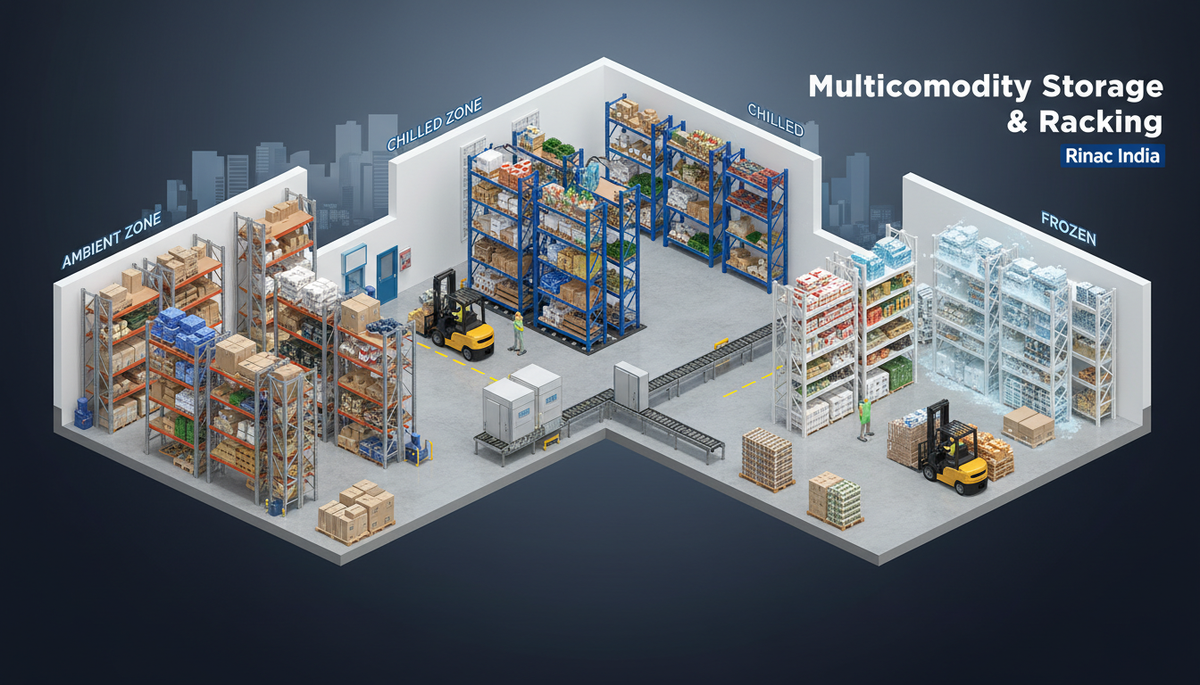
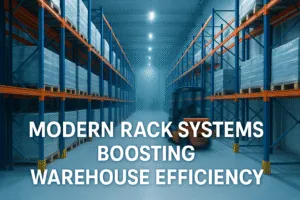
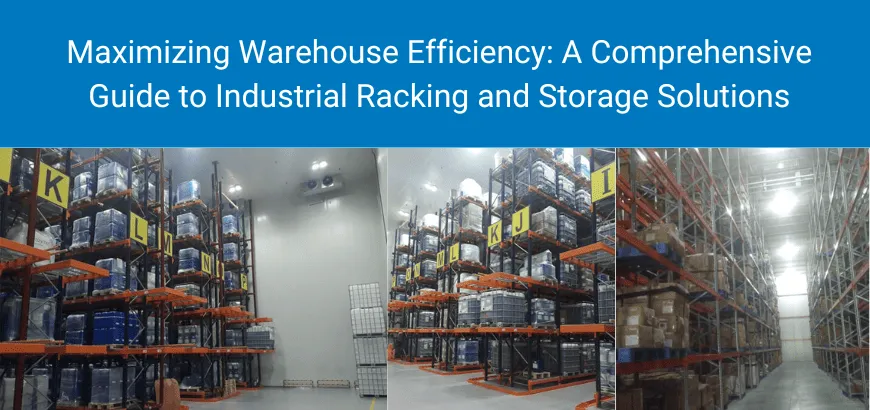
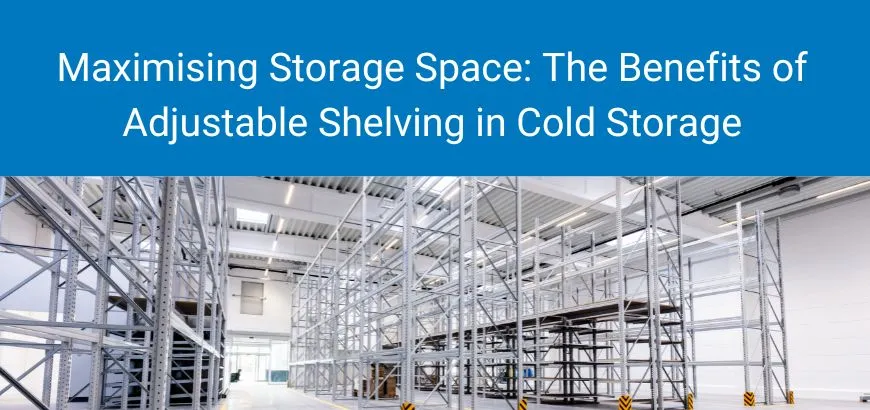
An often overlooked aspect of seed cold chain infrastructure is the **internal storage system** – essentially, how seeds are organized and stored *inside* the cold rooms or warehouses. Proper shelving, racking, and packaging are critical to maintaining uniform conditions and preserving seed quality. Rinac offers specialized storage systems (like its StorEdge racking solutions) that complement cold rooms for efficient space utilization and airflow.
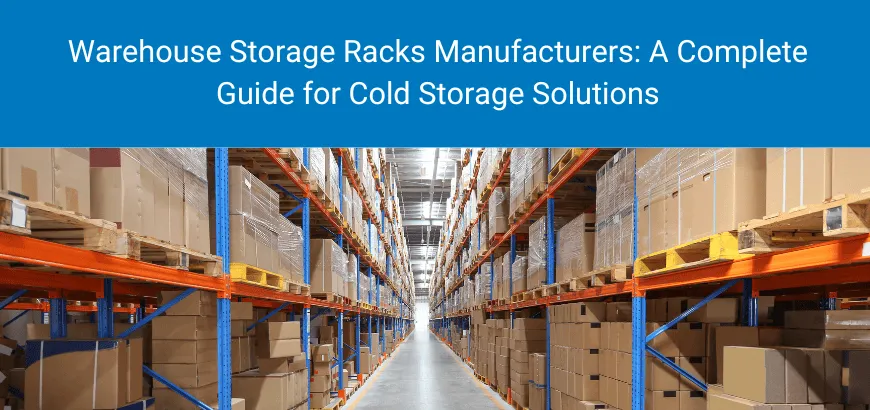
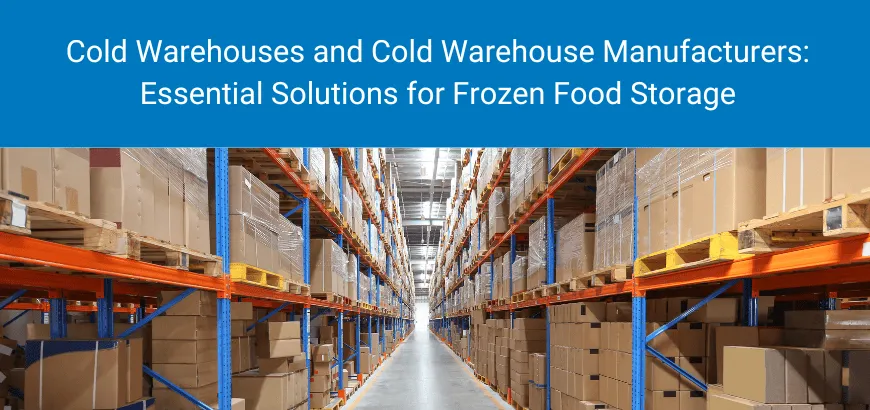
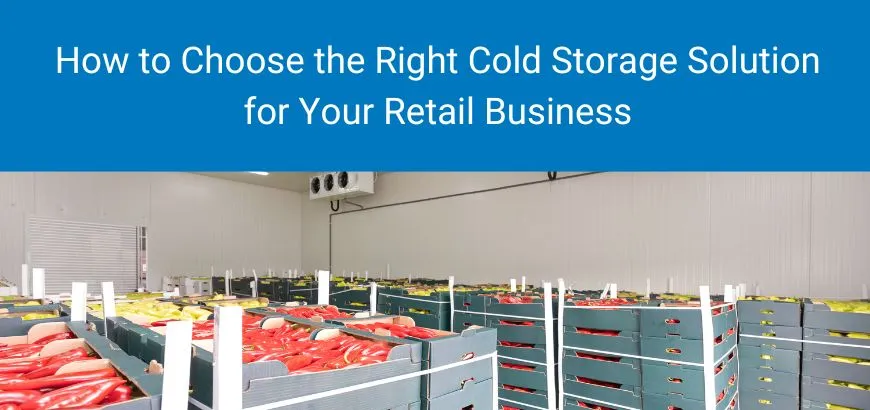
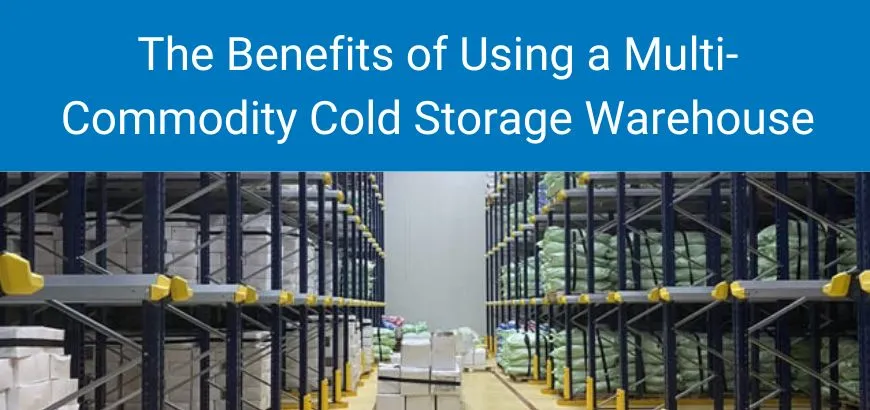
- Warehouse Racking: Seeds are typically stored in bags, sacks, or sealed containers. Using robust, coated racks helps in stacking these items vertically, maximizing floor-to-ceiling space in cold stores. This is especially beneficial for large seed vaults or commercial seed warehouses that handle high volumes. Rack-assisted storage also keeps seed lots off the ground (protecting from any condensation on floors) and allows good air circulation around each pallet or bag, maintaining even temperature and humidity.
- Mezzanines and Vertical Storage: In some cases, adding a mezzanine floor or multi-tier racking can double the storage capacity without expanding the footprint. For government seed depots in land-constrained locations, this can be a cost-effective way to increase capacity within an existing cold room. Strong, purpose-built storage systems ensure safety when storing heavy seed sacks on higher levels.
- Inventory Management & Ease of Access: A well-designed storage system is not only about capacity – it’s about organization. Racks can be labeled and arranged by seed type, batch, or expiry date, making it easier for managers to practice FIFO (first-in, first-out) so that older seed lots are used first. Shelving that is compatible with forklifts or pallet jacks means faster handling and less time with doors open (which could let in warm air). All this contributes to maintaining the cold chain integrity.
- Integrated Monitoring: Advanced storage setups may include sensors on shelves (monitoring temperature or humidity at different heights), and RFID tagging of seed lots for traceability. This kind of integration ensures that conditions are uniform throughout the storage and that any deviation (like a pocket of warm air in a corner) is detected and addressed. It’s part of a modern approach where the cold chain is monitored end-to-end.
By implementing optimized storage systems alongside cold rooms and chambers, seed facilities in India can achieve both efficiency and preservation. The combination of **proper infrastructure (cooling and dehumidification)** with **smart storage practices** forms a resilient seed cold chain. It means that from the moment seeds enter the storage until they are dispatched for planting, they remain in a controlled environment every step of the way.
Industry Initiatives and Outlook
Recognizing the importance of quality seeds in agriculture, various stakeholders in India – from government agencies to private companies – are stepping up efforts to improve seed storage and distribution:
- Government Programs: The Government of India has prioritized seed quality under schemes like the National Mission on Agricultural Extension & Technology and through organizations like the National Seeds Corporation (NSC) and State Seed Corporations. These bodies have been modernizing their storage facilities, increasingly incorporating cold rooms and low-humidity storage for breeder and foundation seeds. Moreover, institutions such as the ICAR’s National Bureau of Plant Genetic Resources (NBPGR) maintain a National Gene Bank with ultra-cold and low-humidity vaults in New Delhi for long-term conservation of critical germplasm. These efforts underscore a national commitment to preserving seed diversity and viability.
- Public-Private Partnerships: There is a growing trend of collaboration between government and private solution providers. For instance, state governments or agricultural universities may partner with cold chain companies (like Rinac) to set up regional seed vaults or to equip existing seed stores with modern climate control. Such partnerships bring in technical expertise and ensure that facilities are built to global standards while being tailored to local needs.
- International Cooperation: Given the global importance of seed security, India often engages with international bodies (like the FAO or CGIAR institutes) for developing best practices in seed storage. Knowledge transfer and sometimes funding support for cold chain projects have helped in creating model facilities in some states. This global outlook means Indian stakeholders stay updated on the latest technologies – whether it’s advanced IoT monitoring for seed stores or novel refrigeration methods – and can implement them with local adaptations.
- Increasing Market for Quality Seeds: On the industry side, seed companies are finding that investing in better storage directly correlates with their product quality and reputation. With the Indian seed market growing (India is one of the world’s top seed producers), companies differentiate themselves by delivering seeds that perform exceptionally well in germination tests. They are adopting **international standards** – for example, storing carryover seed lots in cold conditions to sell in the next season without quality loss, or keeping parental lines in cold storage to ensure hybrid seed production is consistent year-round. This market-driven demand for cold chain solutions is accelerating adoption.
- Awareness and Training: Beyond infrastructure, educating users is key. Many initiatives now include training farmers and warehouse managers on seed handling. Even the best cold room needs proper practices – like drying seeds to safe moisture levels before storage, using moisture-proof packaging, or simple steps like fumigating seeds before storage to eliminate pests. Organizations are producing guidelines and manuals in regional languages on these topics. The more people understand **why** and **how** to use seed cold chain solutions, the more effectively those solutions will be utilized across the country.
The outlook for seed storage cold chain in India is promising. We are moving toward a future where **village-level seed banks** with solar-powered cold rooms could become common, and where each state has a network of refrigerated seed warehouses linked by cool transit routes. These developments align with India’s broader goals of doubling farmer incomes, improving food security, and becoming a major exporter of high-quality seeds. With robust cold chain infrastructure, seeds – the very foundation of agriculture – can be safeguarded against the uncertainties of climate and time.
Frequently Asked Questions (FAQs)
How do cold chain solutions improve seed germination rates?
Cold chain solutions keep seeds in their ideal storage environment – cool and dry – which significantly slows down seed deterioration. By preventing heat and moisture damage, the seeds maintain a high level of vigor. When planted, seeds that have been stored properly germinate at rates close to their original viability, meaning more seedlings and a better crop stand for farmers. In short, a reliable cold chain preserves the germination power of seeds, ensuring they sprout as expected when sown.
What types of seeds benefit the most from cold storage?
Almost all orthodox (dry-storable) seeds benefit from cold, low-humidity storage. This includes cereal grains (wheat, rice, maize), pulses, oilseeds (like mustard, soybean, groundnut), and vegetable seeds. High-value horticulture seeds (such as hybrid vegetable and flower seeds) especially require cold chain storage to maintain their viability. Even seeds that are typically stored at room temperature will last longer and perform better when kept in cool, dry conditions. The key is that the seeds must be dry (low moisture content) before cold storage – most commercial seeds are dried to about 8% or lower moisture, which is ideal for cold storage.
Are low-humidity chambers necessary if we already have a cold room?
A standard cold room controls temperature but not always humidity. In many cases, cooling a space can actually raise the relative humidity (due to condensation of moisture). For seeds, controlling humidity is as important as temperature. **Low-humidity chambers** or modifications to cold rooms ensure that the air stays dry (e.g., 30% RH) while also cold. If your existing cold room has high humidity, seeds might absorb moisture and lose viability or develop mold over time. Thus, if seed storage is your goal, it’s recommended to either install a dedicated low-RH chamber or equip your cold room with dehumidification capabilities. Doing so provides a complete environment for seed preservation.
How do eutectic trucks compare to regular refrigerated trucks for seed transport?
Eutectic trucks are a type of refrigerated vehicle that use frozen coolant plates (eutectic systems) to maintain temperature, rather than running a compressor constantly off the engine. For seed transport, eutectic trucks offer very stable cooling even if the engine is off, which is useful during loading/unloading or intermittent travel. They are also more energy-efficient and can be “charged” during off-peak hours or with renewable energy. Regular refrigerated trucks (reefers) do maintain cold temperatures too, but they rely on continuous power or diesel, which can be less reliable in remote deliveries. Eutectic trucks excel in scenarios with inconsistent power supply or long hours on the road; they ensure seeds remain within safe temperature ranges door-to-door.
What is the ideal storage environment for most agricultural seeds?
The widely recommended storage conditions for orthodox seeds are **cool and dry**: roughly 0°C to 10°C temperature, and around 30% or lower relative humidity. In practical terms, many seed banks store seeds at about 4°C and 20–30% RH. The seeds should also be kept in airtight containers (to maintain their low moisture content). These conditions drastically slow down aging – seeds can remain viable for years, and in some cases decades, under such an environment. It’s also important that seeds are initially dried to the proper moisture level (typically 5–8% depending on the species) before placing them in cold storage; otherwise, if high-moisture seeds are cooled, they could be damaged by ice or fungal growth.
How can small farmers or local cooperatives afford cold storage for seeds?
Costs have been a concern, but there are several ways small stakeholders are adopting seed cold storage economically. First, modular cold rooms come in small sizes and can be shared – for example, a cooperative or FPO (Farmer Producer Organization) might set up a community seed bank where each member stores some seeds. Government subsidies and schemes are increasingly available for rural cold storage and solar-powered cold rooms, reducing the investment burden. Additionally, the energy-efficient designs (like solar-integrated cold rooms or eutectic freezers) have low operating costs. Over time, the reduction in seed loss and the ability to reuse seeds (instead of buying new seed every season) often pay back the investment. Many pilot projects in India have shown that even a modest 5 or 10 MT cold room can dramatically improve a village’s seed security and eventually pay for itself by the value of saved seeds.
What maintenance do seed cold storage facilities require?
Maintaining a seed cold storage is similar to other cold chain facilities, with a few additional considerations for seeds. Regular maintenance includes: checking the refrigeration system (compressors, condensers) for proper function, ensuring door seals are tight, and cleaning evaporator coils for efficient cooling. For low-humidity chambers, one must also service the dehumidification components or desiccant units to ensure continued moisture control. It’s recommended to calibrate temperature and humidity sensors periodically for accurate readings. Also, facility managers should implement pest control measures – even though the chamber is cold, periodic inspection for any insect presence (especially in seed bags) is wise. Generators or backup power systems should be tested so that even during outages the environment stays controlled. With a preventive maintenance schedule in place, modern cold rooms and chambers are quite robust and can run for years without major issues, keeping seeds safe season after season.
Rinac is at the forefront of these innovations – from designing modular cold rooms and low-humidity seed vaults, to providing eutectic reefer trucks and advanced storage solutions. Get in touch with us today to explore how our end-to-end cold chain expertise can safeguard your seeds and empower India’s agricultural future.