Cold Chain Subsidies 2026: How to Access 35–50% Government Grants in India
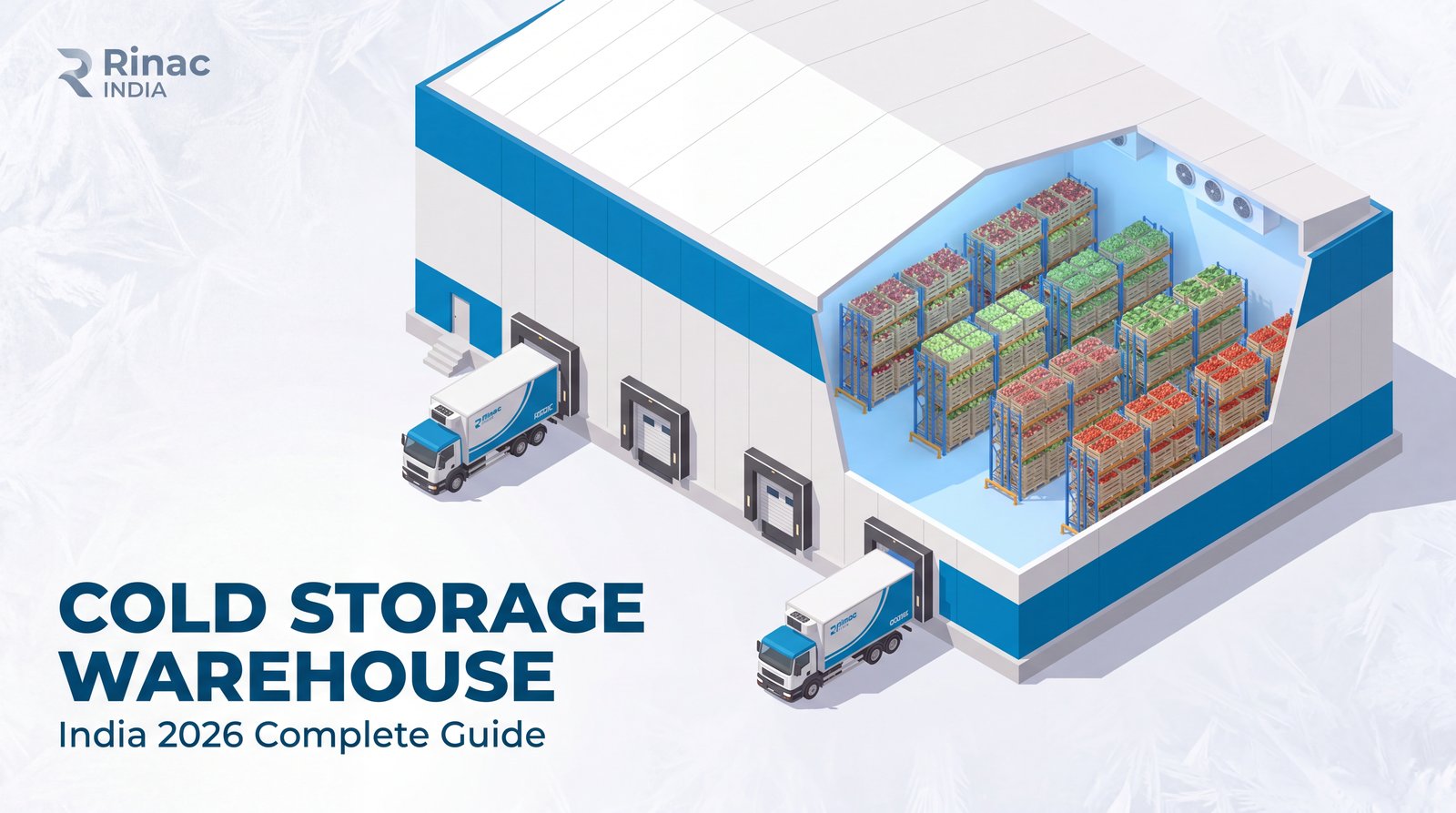
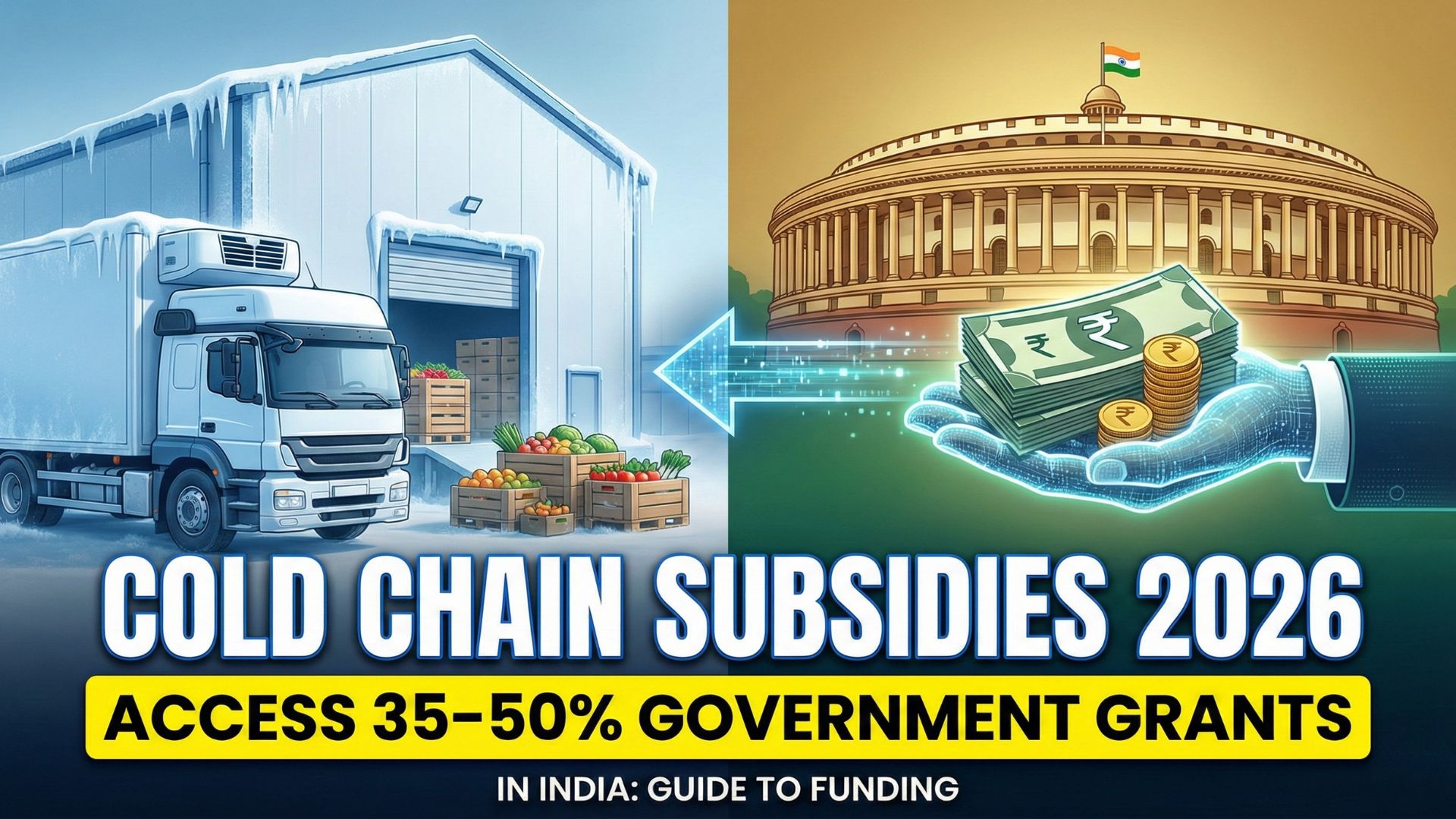
Cold chain infrastructure — including cold storage, refrigerated transport and processing units — is becoming central to India’s agribusiness growth. To boost investments and reduce food loss, the Government of India offers subsidies covering up to 50% of project cost through flagship schemes, helping entrepreneurs, startups, FPOs, MSMEs and farmers scale their cold chain projects effectively.
TL;DR: What You Must Know
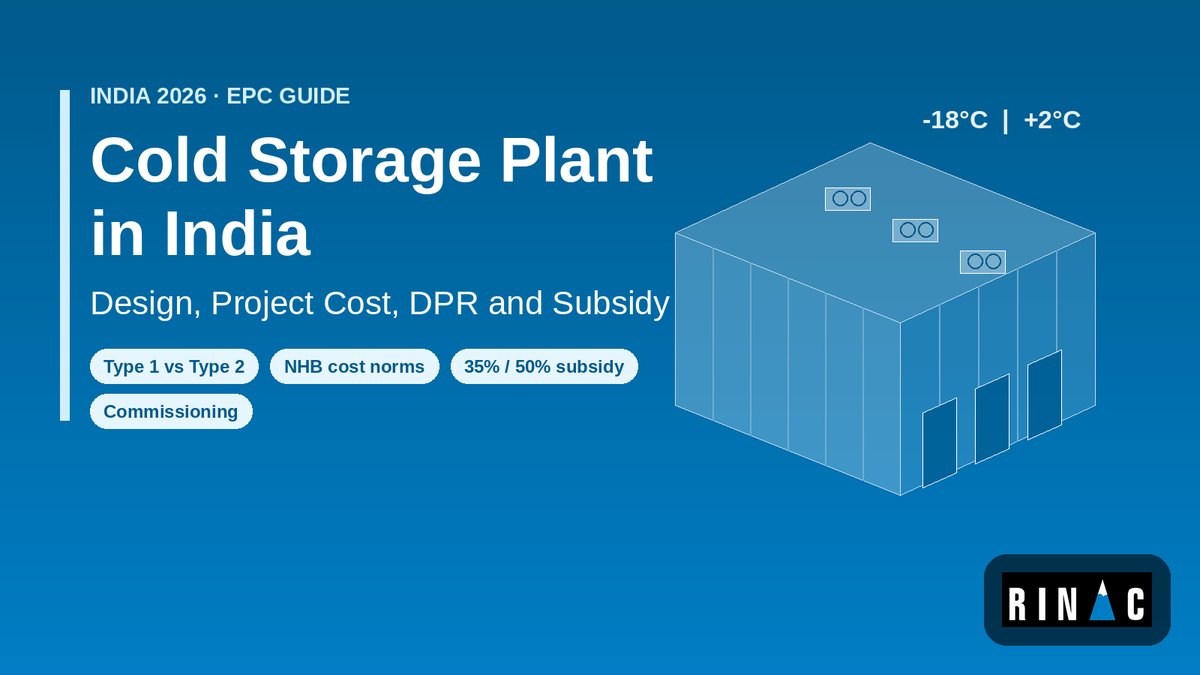
- Government schemes provide significant grants (typically 35% in general areas and up to 50% in difficult/hilly/North Eastern regions) for cold chain infrastructure.
- Subsidies are often credit-linked and released after project completion.
- Eligible entities include private companies, cooperatives, FPOs, SHGs and MSMEs.
- Max grant per project can range up to ₹7.5–₹10 crore or more depending on the component.
- Application is typically through the SAMPADA / MoFPI portal with a detailed project report and bank sanction.
Government Schemes That Support Cold Chain Grants in India
The core subsidy programs available for 2026 include:
1. Integrated Cold Chain & Value Addition Infrastructure (ICCVAI)
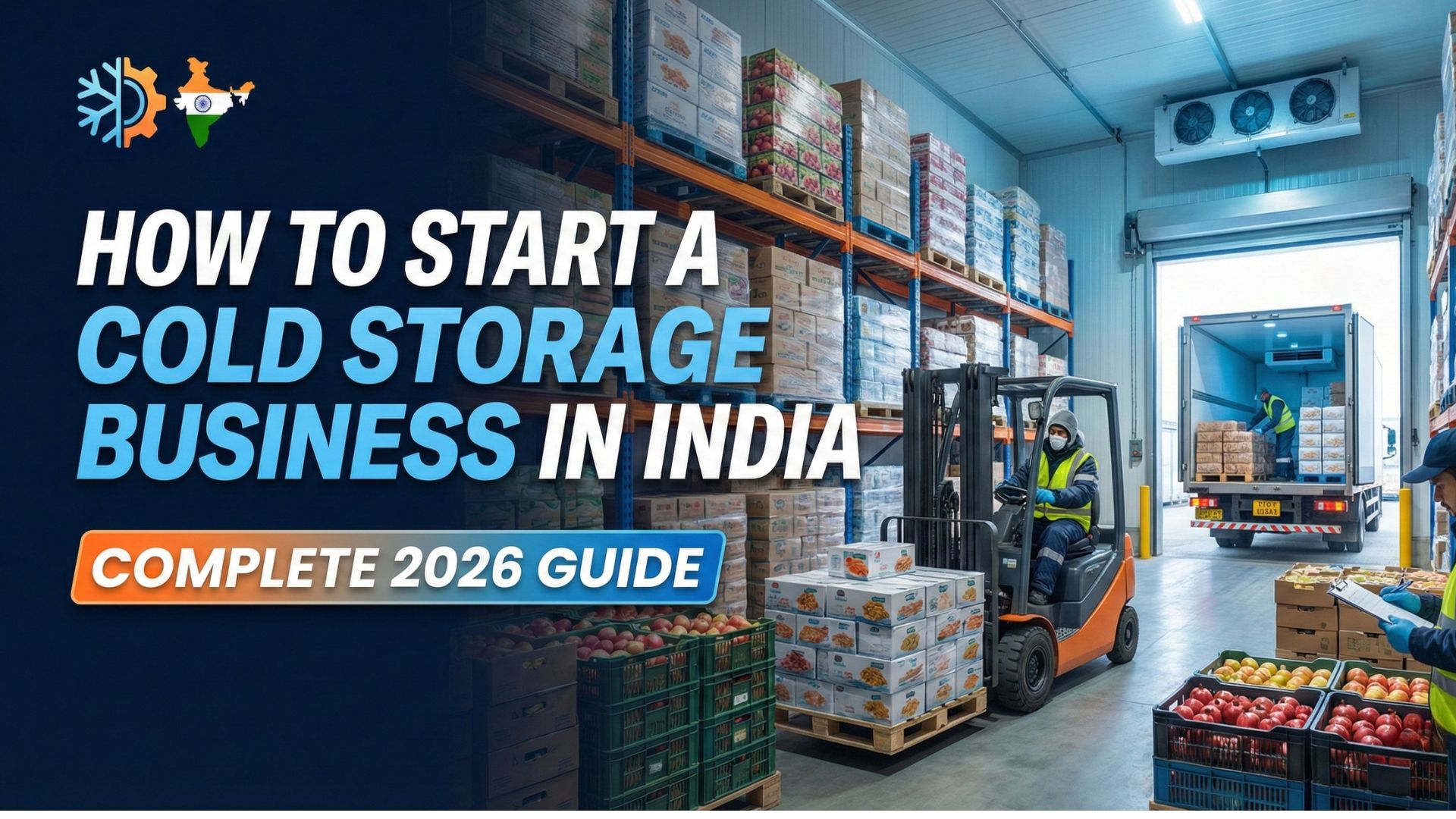
This central scheme under the Ministry of Food Processing Industries aims to create uninterrupted cold chain infrastructure from farm gate to consumer markets. It includes cold storage, pre-cooling units, grading lines, refrigerated transport and more. Projects are eligible for credit-linked subsidies based on the project’s capital cost.
2. NHB Capital Investment Subsidy for Cold Storage
The National Horticulture Board (NHB) administers a capital investment subsidy for building, expanding or modernizing cold storage units for horticultural products. The scheme supports cold storage projects with significant financial assistance.
Subsidy Rates & Financial Support
| Location / Category | Subsidy Percentage | Typical Maximum Grant |
|---|---|---|
| General Areas | 35% of eligible project cost | Up to ₹7.5–₹10 crore |
| North Eastern / Hilly / Scheduled Areas | 50% of eligible project cost | Up to ₹7.5–₹10 crore |
| Special Categories (FPOs / SC/ST / SHGs) | Often 50% in priority zones | Project dependent |
Who Can Apply?
The following categories are typically eligible to receive cold chain subsidies:
- Entrepreneurs and private companies engaged in cold chain, processing, or logistics
- Farmer Producer Organizations (FPOs) and cooperatives
- Self-Help Groups (SHGs) and rural businesses
- MSMEs and startups (Udyam registered)
- State agencies and select public sector entities
What Kind of Projects Qualify?
Typical cold chain components eligible for grant support include:
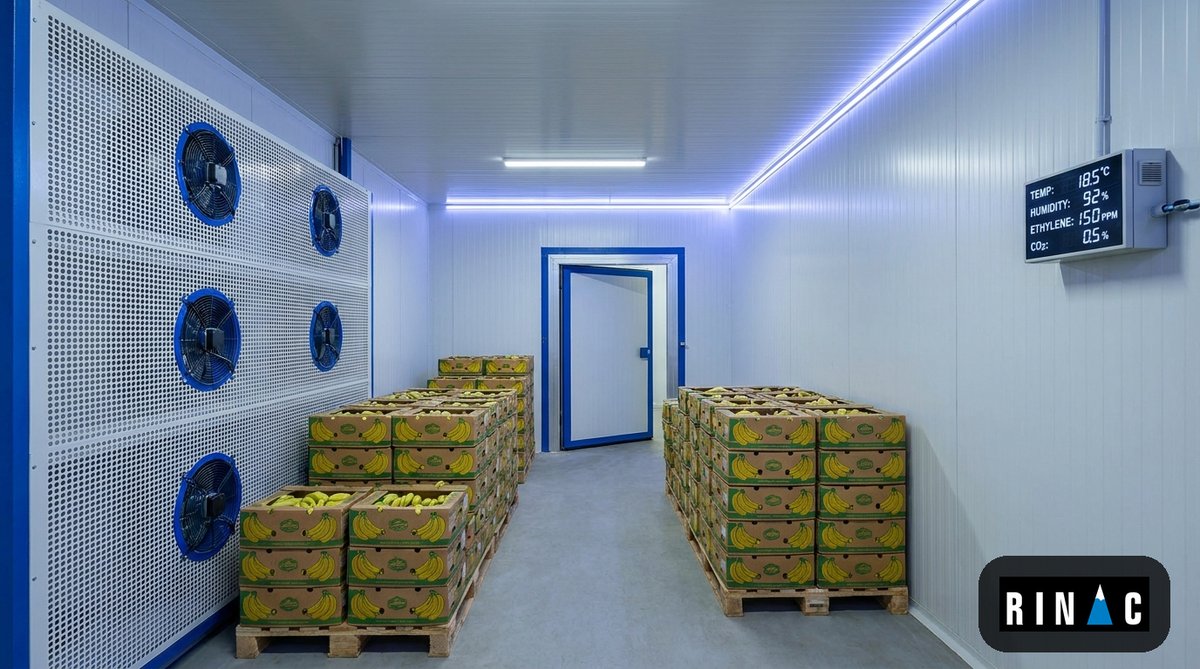
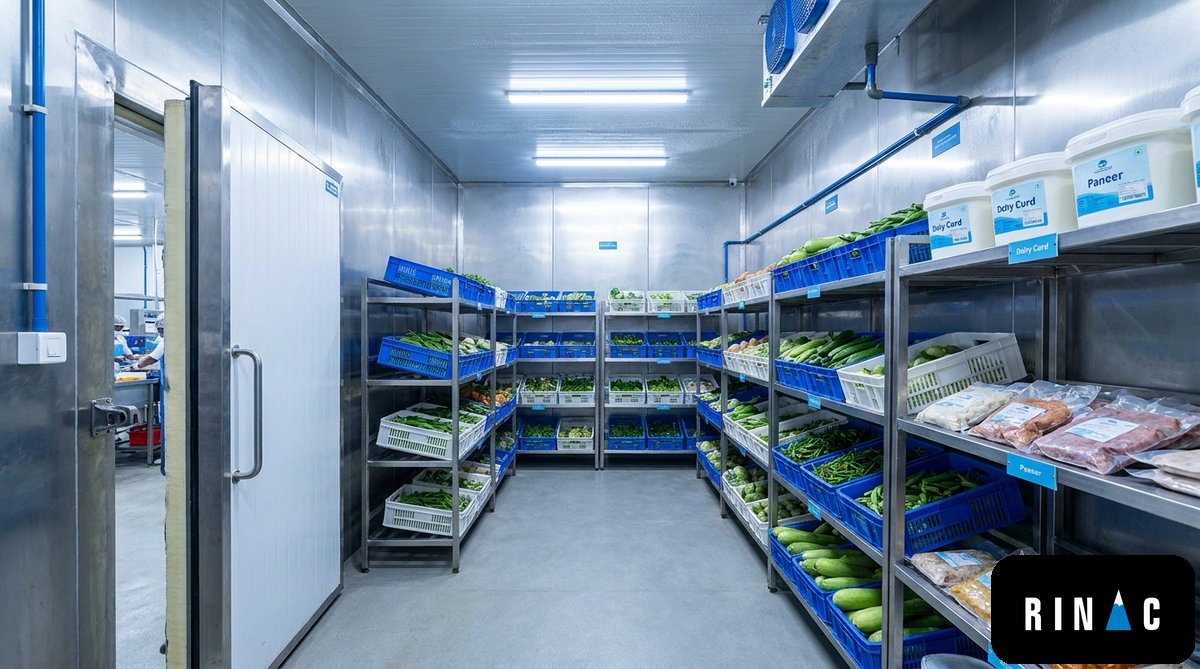
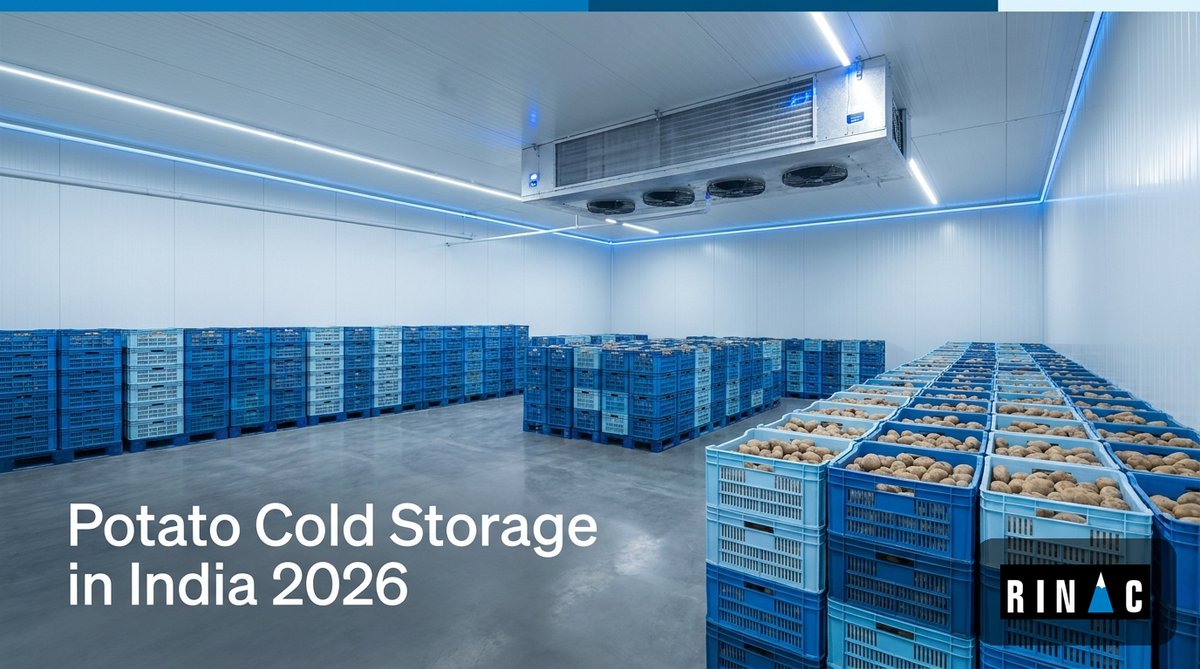
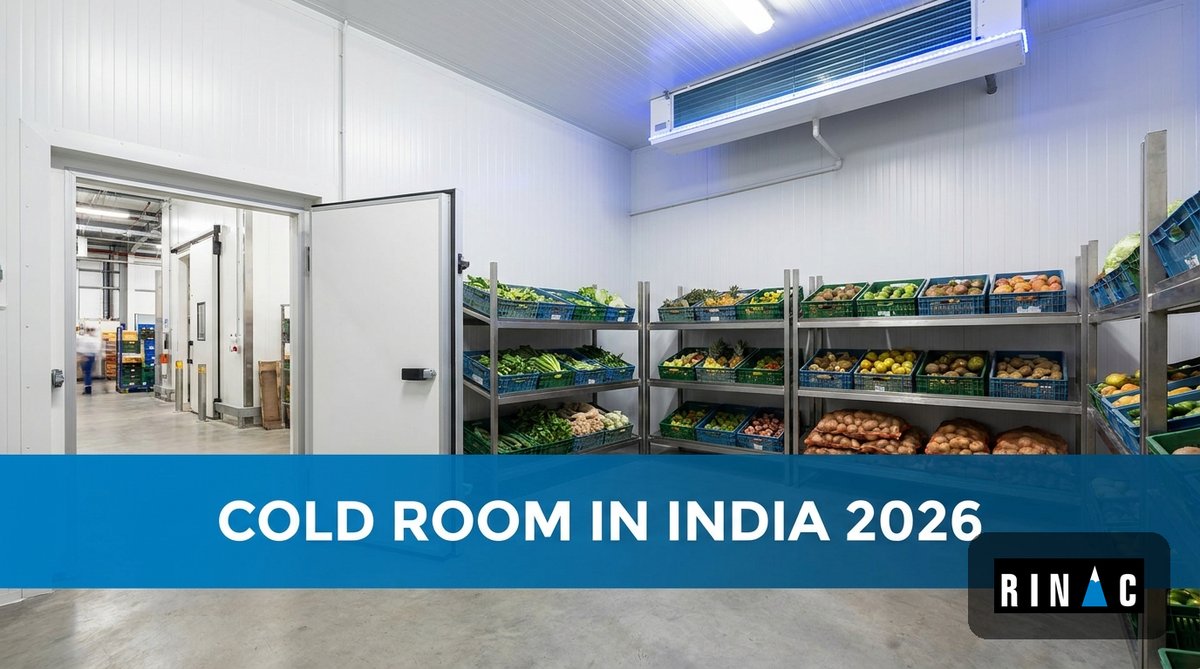
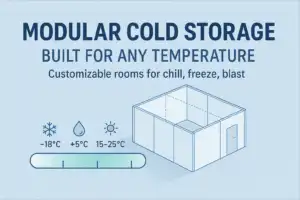
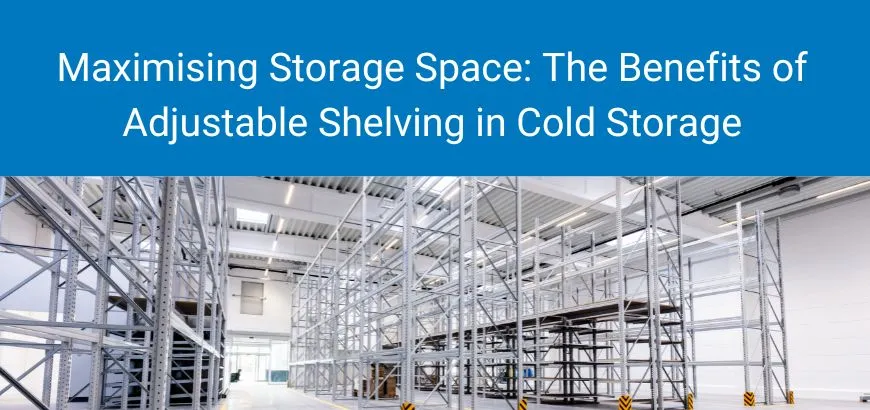
- Multi-temperature cold storage units
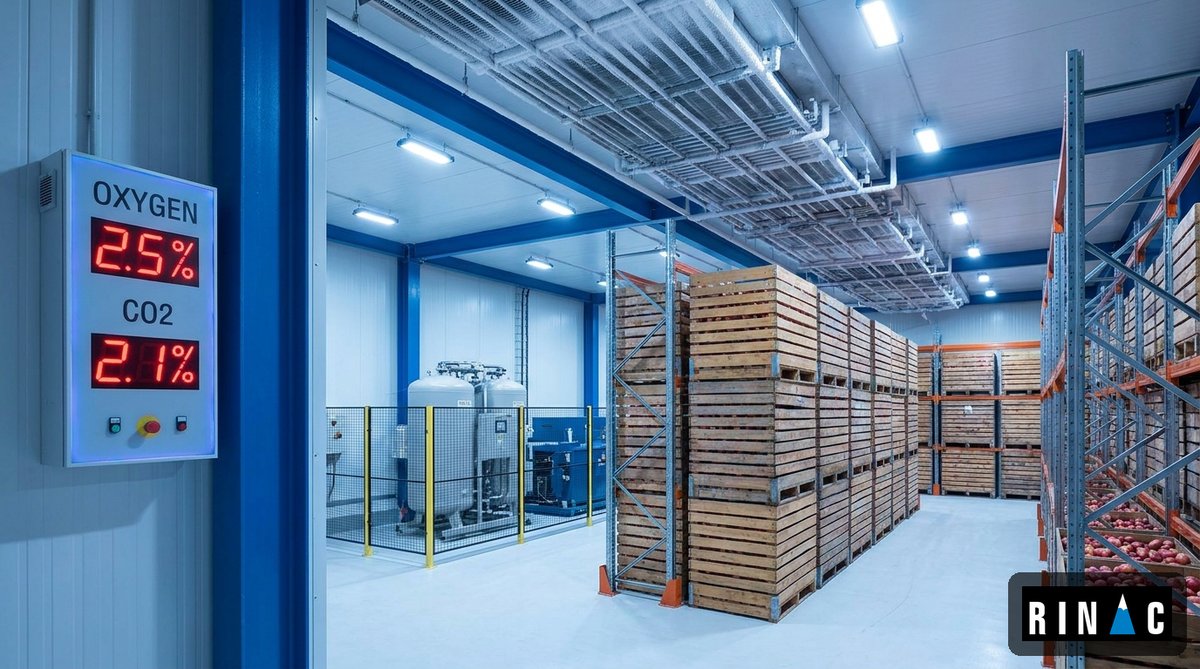
- Controlled atmosphere (CA/MA) storage
- Pre-cooling and post-harvest sorting/grading facilities
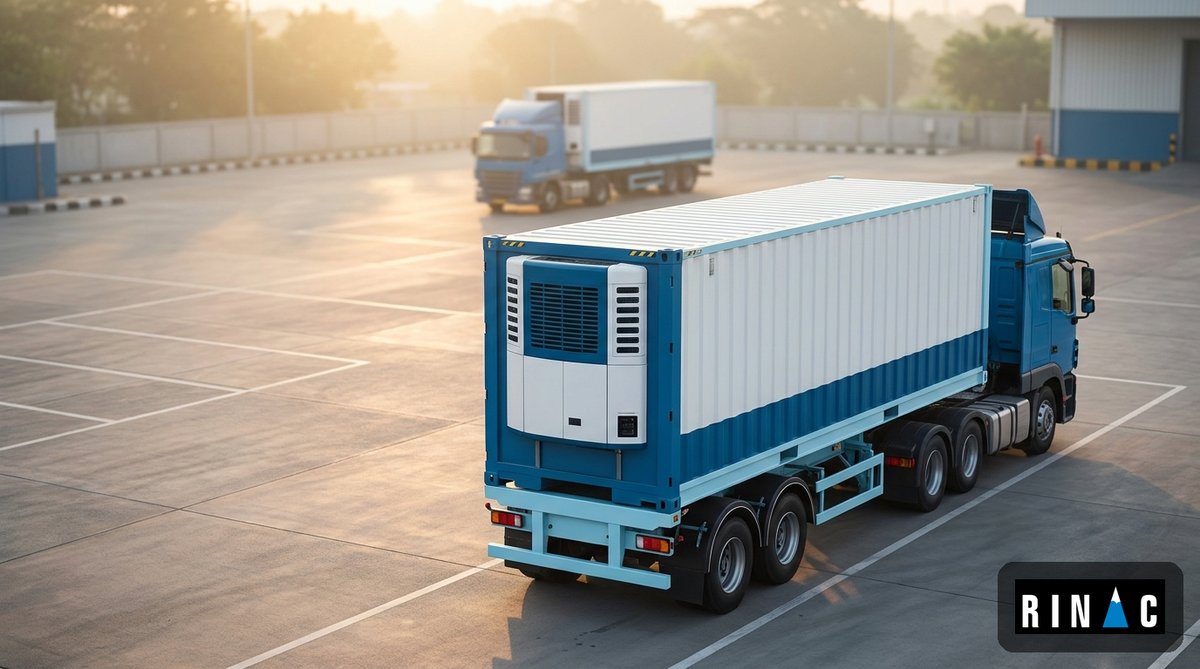
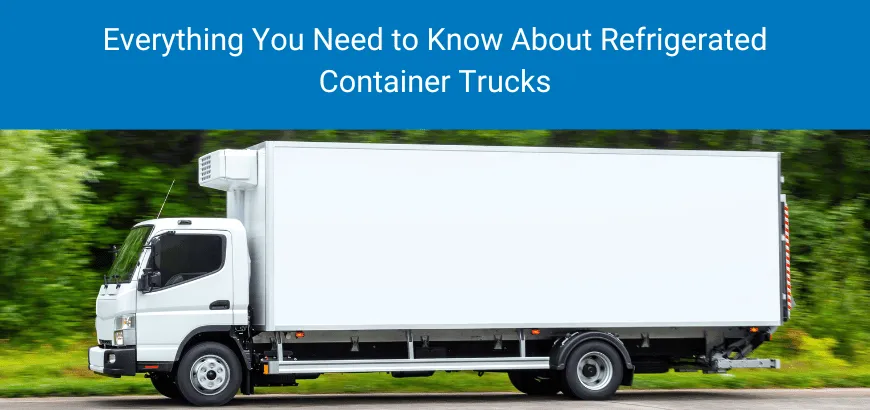
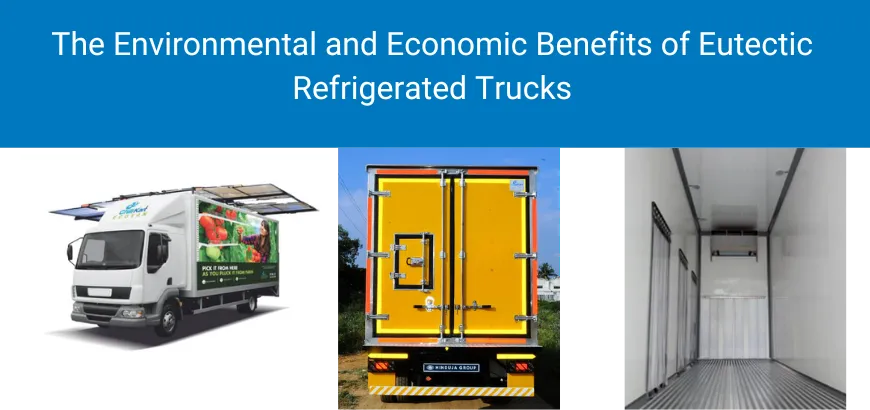
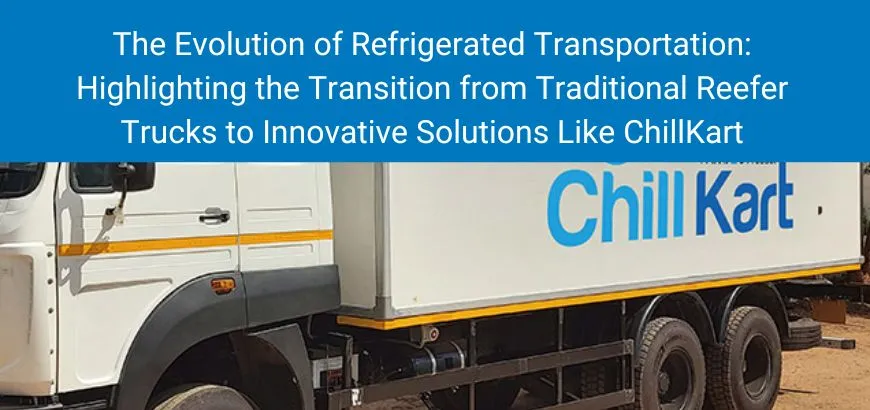
- Refrigerated transport (reefers)
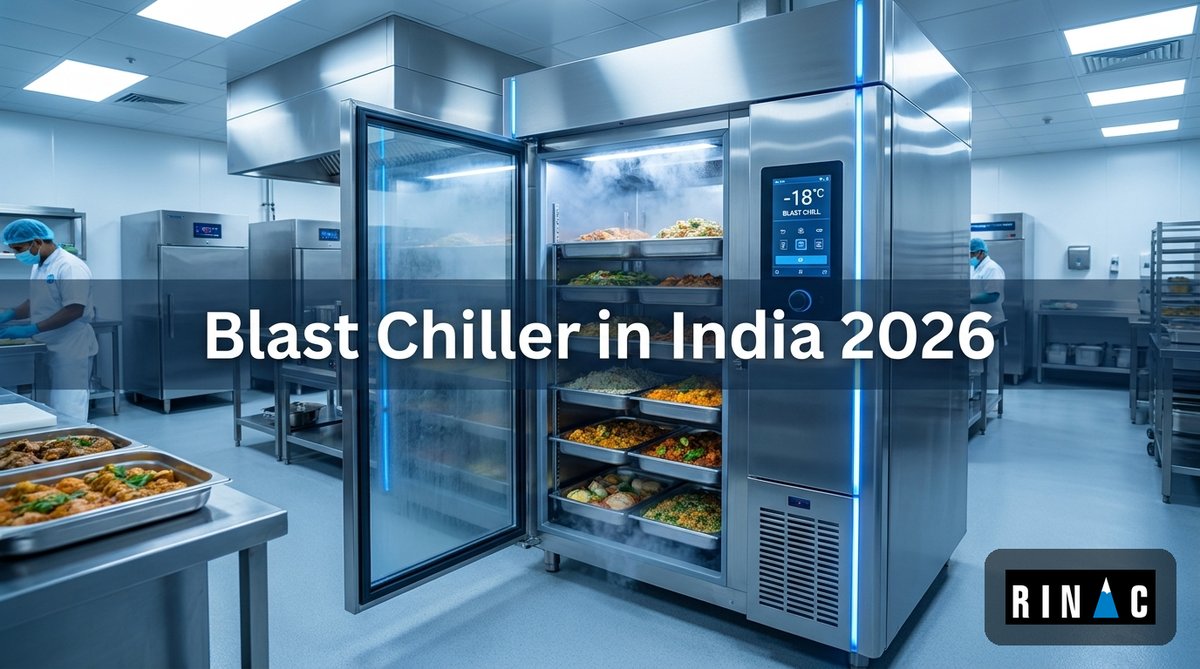
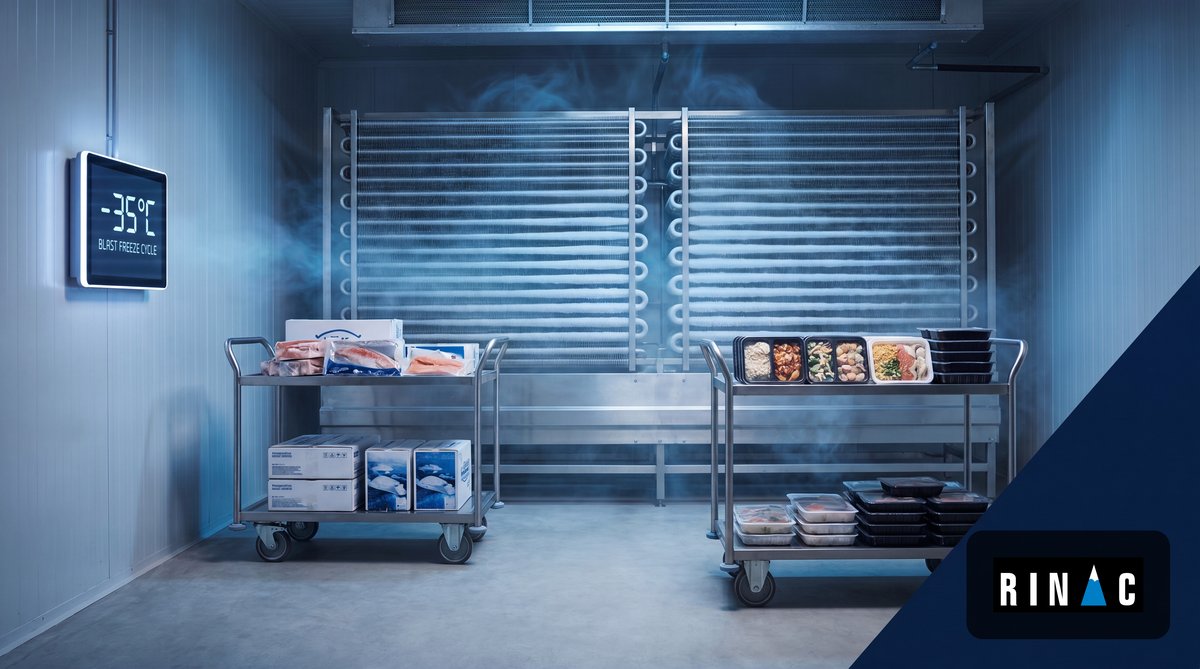
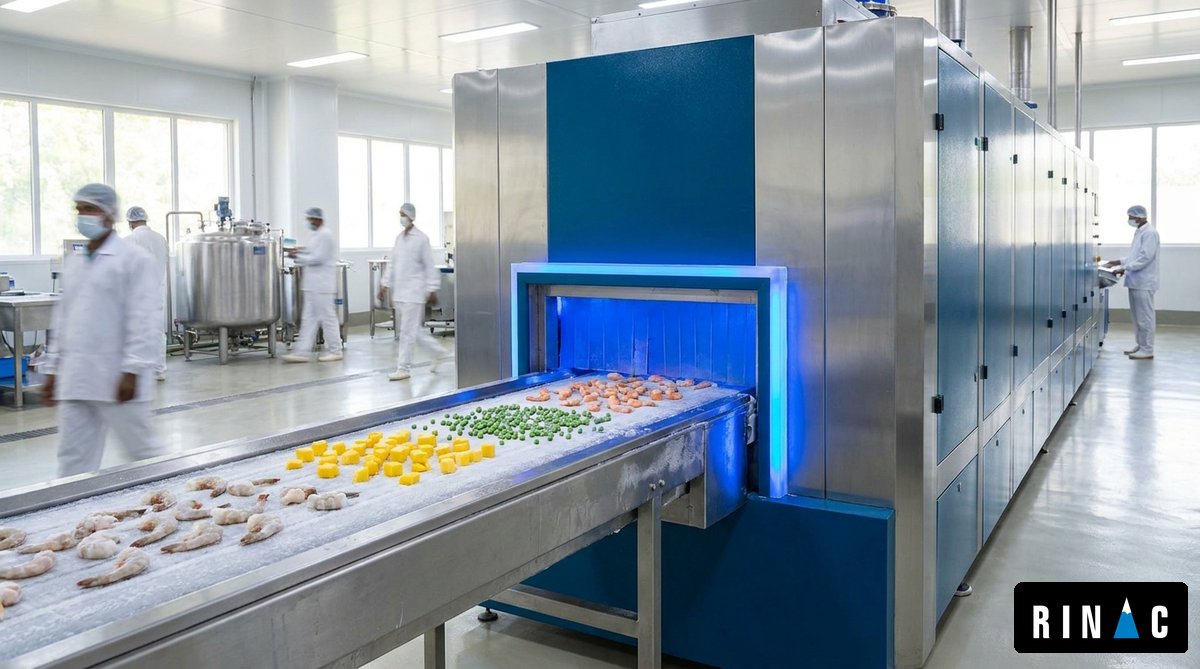
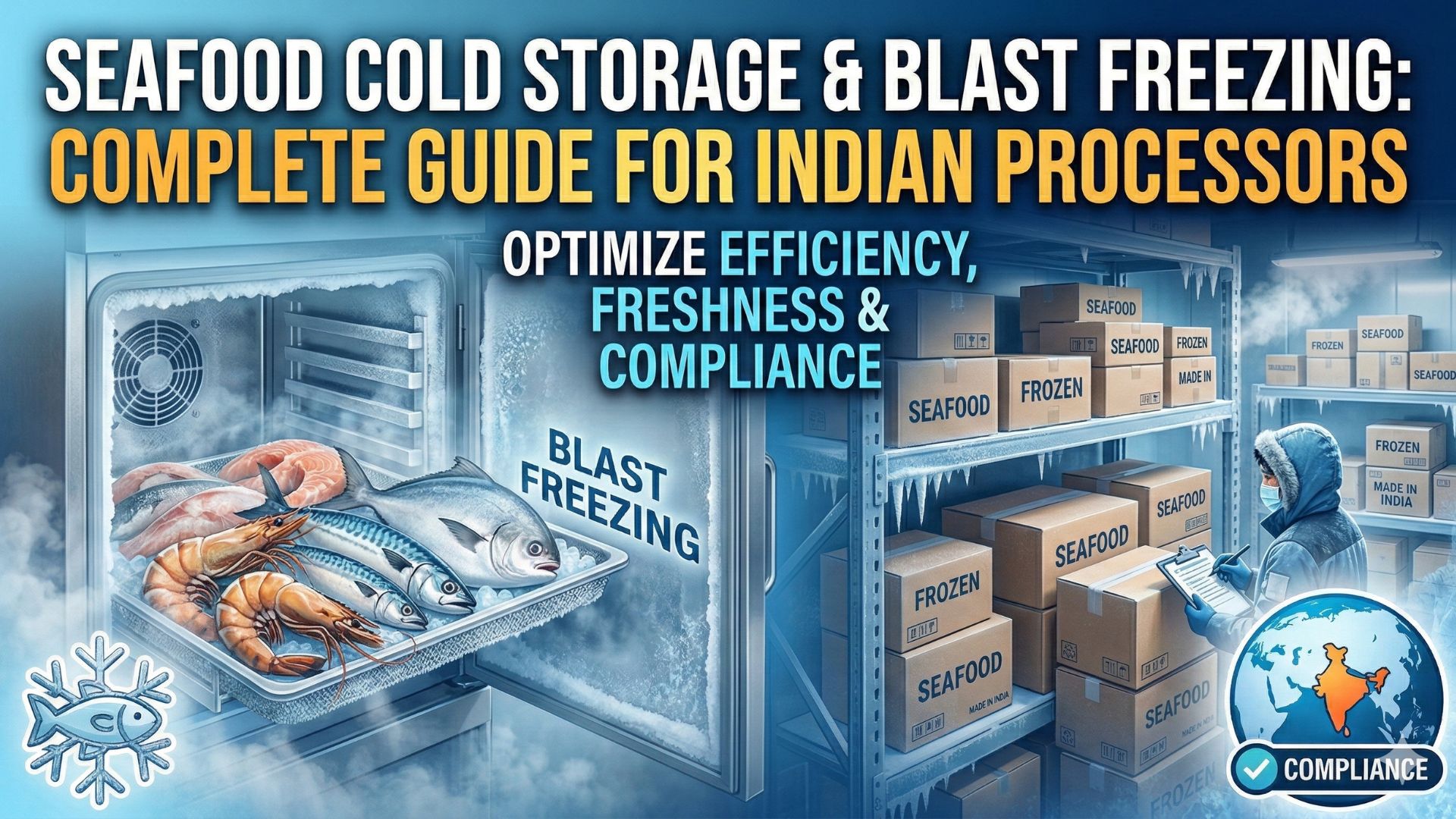
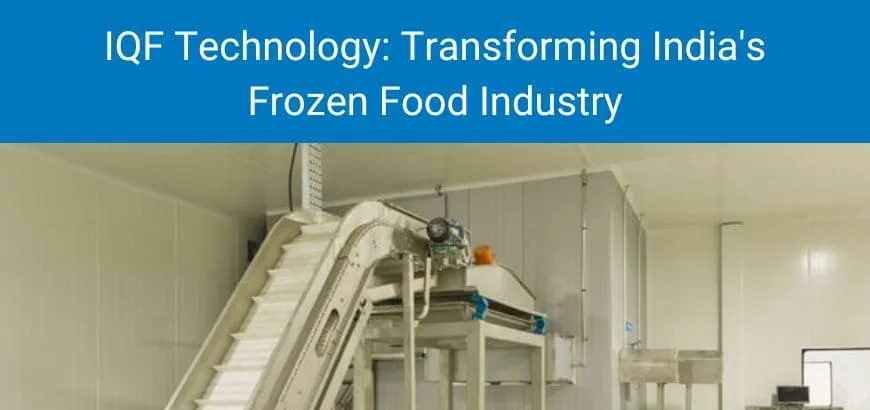
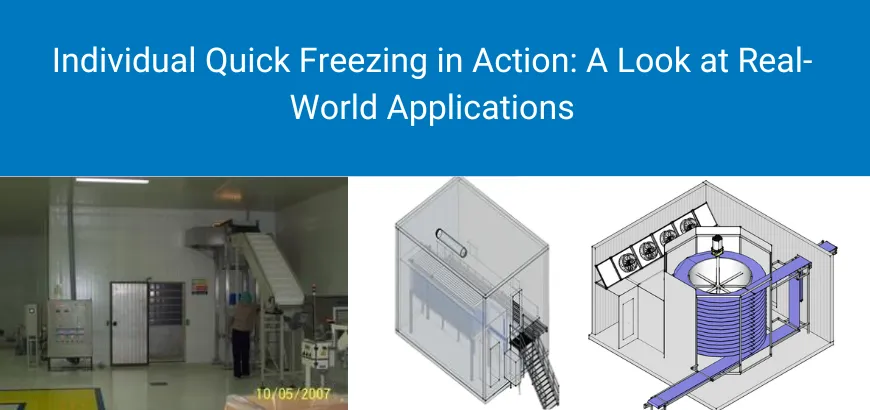
- Value-addition units like IQF blast freezers
- Energy-efficient systems and automation
Step-by-Step: How to Apply
- Register on the SAMPADA / MoFPI Portal
Create an account on the government subsidy platform and obtain your login credentials. - Prepare a Detailed Project Report (DPR)
Include technical specifications, financial projections and cost estimates. This is a key document for approval. - Secure Bank Loan Sanction
Subsidies under many schemes are credit-linked, requiring a bank term loan to be sanctioned before the project can be approved. - Submit Application & Documents Online
Upload your DPR, loan sanction letter, company registration and other supporting documentation. - Technical & Financial Evaluation
Government committees review project feasibility and compliance with scheme norms. - Verification & Subsidy Release
After project completion and inspection, the subsidy is released — usually in back-ended instalments.
Why Cold Chain Subsidies Matter
India loses a significant proportion of perishable produce due to inadequate storage and handling infrastructure. Cold chain investments help:
- Reduce post-harvest losses, improving farm incomes
- Ensure consistent supply of perishable goods nationwide
- Boost exports of horticultural and processed products
- Encourage advanced technology and sustainability
Cold chains are closely linked with other growth areas such as agri logistics infrastructure and pharmaceutical cold storage readiness, which are key for India’s economy.
Common Mistakes to Avoid
- Submitting incomplete or poorly detailed DPRs
- Not securing required bank sanction before application
- Failing to comply with technical and safety standards
- Late application submission or missing deadlines
Frequently Asked Questions
What is a credit-linked subsidy?
A credit-linked subsidy is released after project completion and is tied to a bank loan; you must first secure the loan and complete the project to receive the grant.
Can startups and MSMEs apply?
Yes. Eligible startups, MSMEs, FPOs, cooperatives and private entities can apply for cold chain grants.
Is there a maximum subsidy limit per project?
Limits vary by scheme component, but central grants can go up to ₹7.5–₹10 crore or more, depending on location and type of infrastructure.
How long does it take to get approval?
Processing timelines vary depending on completeness of documents, DPR quality, and review periods. Planning ahead improves timelines.
How Rinac Helps You Win Government Grants
At Rinac, we support entrepreneurs and agribusinesses with:
- Subsidy application and advisory support
- Detailed Project Report (DPR) preparation
- Startup Growth Suite for financial modelling and compliance documentation
- End-to-end government liaison support
Leverage our expertise to prepare winning proposals and secure up to 50% government grant support for your cold chain project.