India is the world’s second-largest producer of fruits and vegetables—but a big share never reaches consumers in saleable condition. Studies estimate that roughly 20–30% of fruits and vegetables are lost post-harvest, with cold chain gaps (no pre-cooling, inadequate cold rooms, poor transport) being a major contributor. At the same time, the Government of India is investing heavily in horticulture infrastructure through schemes such as:
-
Mission for Integrated Development of Horticulture (MIDH) – which provides capital investment support for construction, expansion and modernization of cold storages up to 5,000 MT capacity for horticulture produce. Pradhan Mantri Kisan Sampada Yojana (PMKSY) and its Integrated Cold Chain & Value Addition Infrastructure sub-scheme, which support end-to-end projects from farm-gate pre-cooling and pack houses to cold storage and reefer transport.
-
Operation Greens, targeting supply chain stabilization and reduced post-harvest losses for key fruit and vegetable crops.
Against this backdrop, cold storage is no longer a “good-to-have”—it’s a core part of how Indian agriculture and horticulture will grow, stabilize farmer incomes, and serve domestic and export markets.
Rinac India Limited is positioned exactly in this space as a “solution architect and builder of cold chain infrastructure and clean modular construction,” with 30+ years of experience, pan-India projects, and turnkey capabilities from design to commissioning.
This blog looks specifically at cold storage for agriculture and horticulture in the Indian context, and how integrated solutions—from farm-gate to retail—can reduce waste and improve returns, especially when paired with Rinac’s offerings for this domain.
1. What do we mean by agricultural & horticultural cold storage?
Agricultural & horticultural cold storage refers to a set of temperature- and humidity-controlled facilities and processes that protect perishable produce after harvest. It normally includes:
-
Pre-cooling immediately after harvest (forced-air, hydro, or vacuum cooling)
-
Pack houses with sorting, grading, and hygienic handling
-
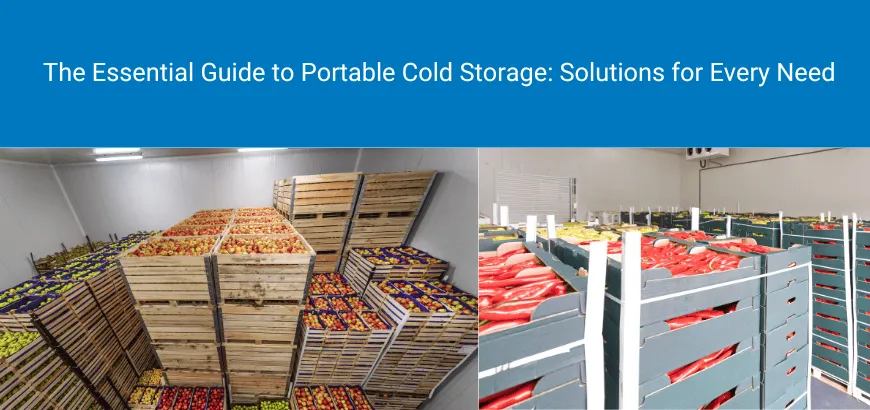
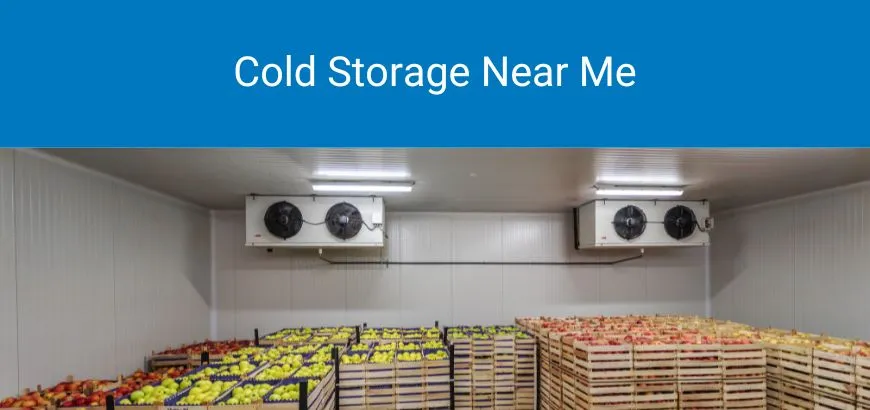
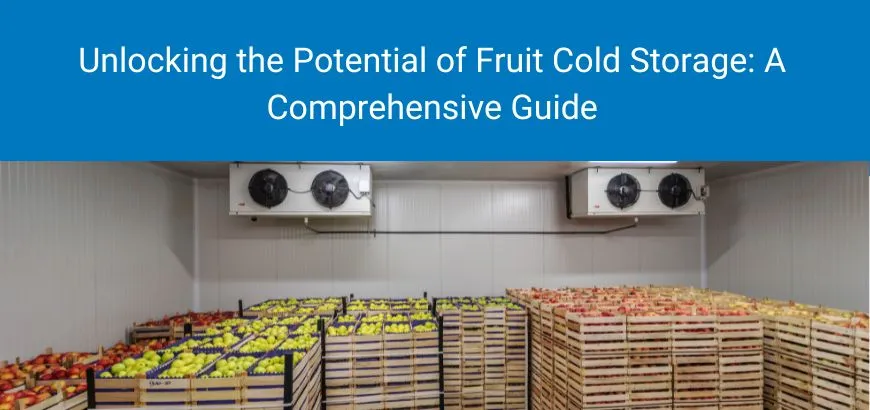
Cold rooms and warehouses designed for specific commodities or multi-commodity use
-
Controlled Atmosphere (CA) and Modified Atmosphere (MA) chambers for high-value fruits and long-term storage
-
High-humidity chambers or low-RH storage, depending on crop
-
Refrigerated transport (reefers, insulated vans, refrigerated containers)
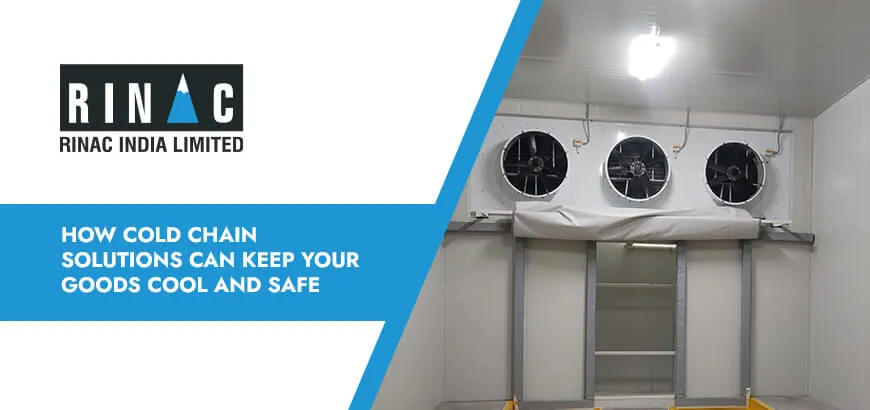
Rinac’s Agriculture & Horticulture Cold Chain Solutions page describes a complete farm-to-retail cold chain covering pre-cooling, pack houses, cold storage rooms, CA/MA chambers, racking, and reefer transport, as well as modular cold rooms and display solutions at the retail end.
2. Indian market context: where cold storage creates the most impact
2.1 Fruits & vegetables
India’s horticulture production has grown steadily, but temperature and humidity abuse remains common in:
-
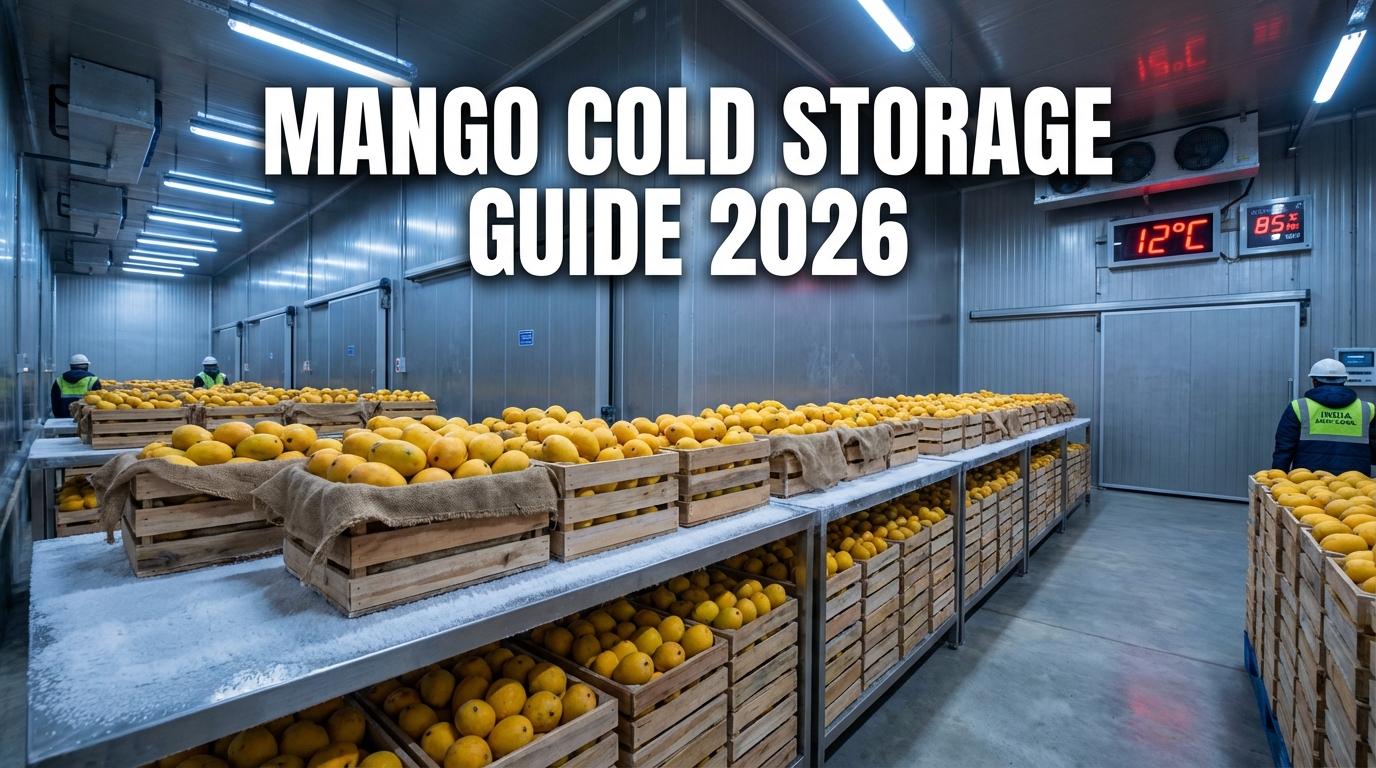
Mango, banana, apple, grapes, citrus
-
Tomato, onion, potato, leafy greens, beans and other vegetables
Typical recommended storage conditions are:
-
Many fresh vegetables: 0–5°C with high RH (90–95%), with slight variations by commodity
-
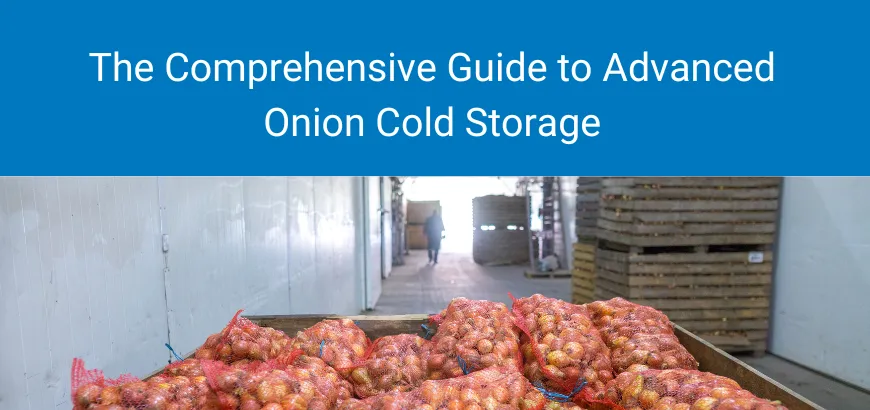
Onions and garlic: moderate temperatures and lower RH (65–75%) to prevent sprouting and rot
-
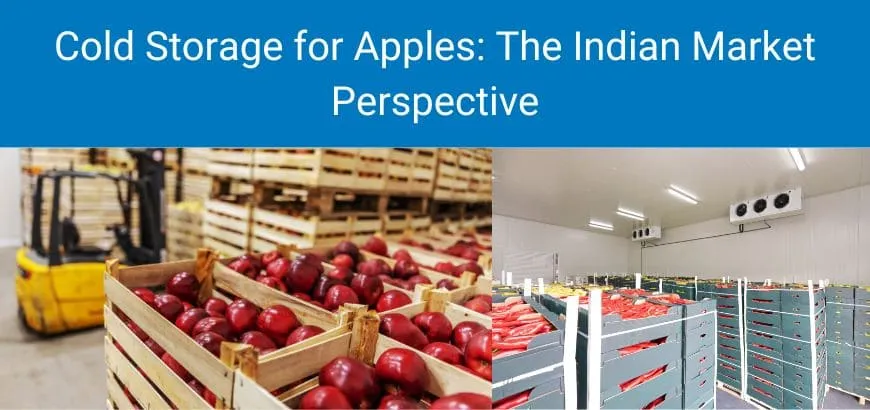
Apples and grapes: near-zero temperatures with high humidity and, for export or long storage, controlled atmosphere environments.
Without appropriate cold rooms, produce often sits at ambient temperatures in mandis and aggregation points, accelerating respiration, weight loss, fungal growth, and price volatility.
2.2 Flowers and nursery plants
Cut flowers and nursery plants are highly sensitive to temperature and dehydration; even a few hours at high temperatures can drastically reduce vase life and marketability. Cold rooms at farm-gate, collection centres, and airports help maintain quality for domestic and export markets.
2.3 Seeds and planting material
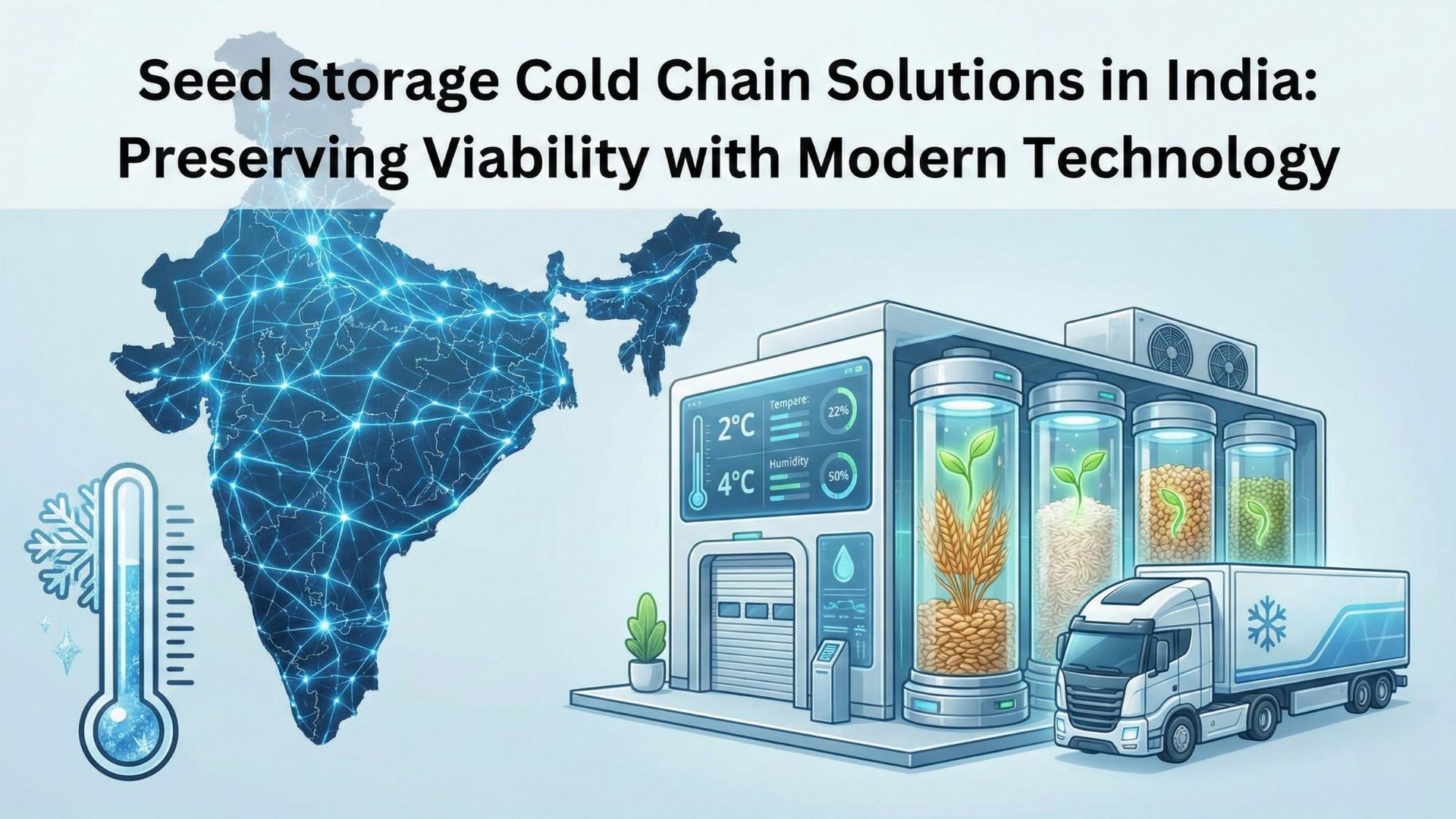
India’s seed industry and government seed corporations need storage with tight control of temperature and humidity, often lower RH than for fresh produce. Dedicated low-humidity seed storage chambers and modular seed warehouses help maintain germination rates and genetic viability over multiple seasons.
3. From field to fork: a practical cold chain flow for Indian horticulture
Rinac’s Agriculture & Horticulture industry page breaks the cold chain down into three clear stages, all of which are highly relevant to Indian conditions:
Stage 1: Harvest, pre-cooling, processing and packaging
At or near the farm:
-
Pre-cooling units (forced-air, hydro, or vacuum coolers) to rapidly remove field heat from fruits and vegetables
-
Pack houses equipped with sorting, grading and waxing systems, blanching where needed, and hygienic handling lines
-
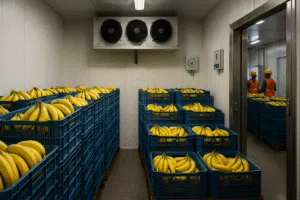
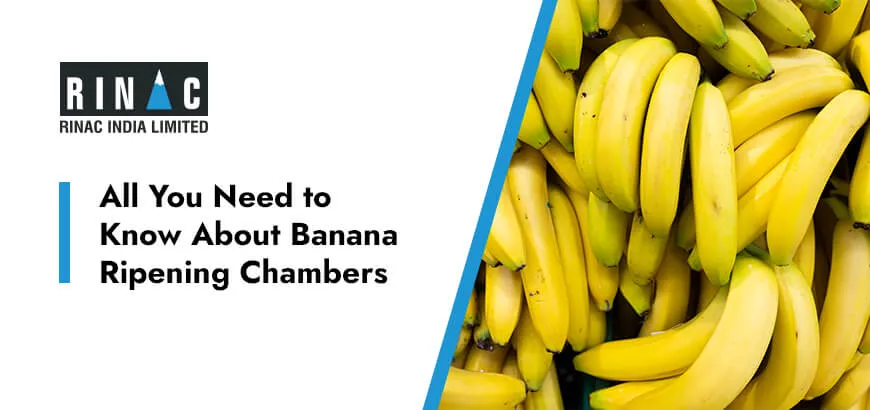
Ripening chambers for bananas and other climacteric fruits, enabling controlled ripening and compliance with ripening standards instead of uncontrolled chemical practices
These facilities are increasingly being supported under schemes like MIDH and PMKSY, which encourage integrated projects from pre-cooling to storage and transport.
Stage 2: Temperature-controlled storage and value addition
Depending on the business model:
-
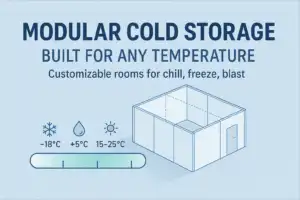
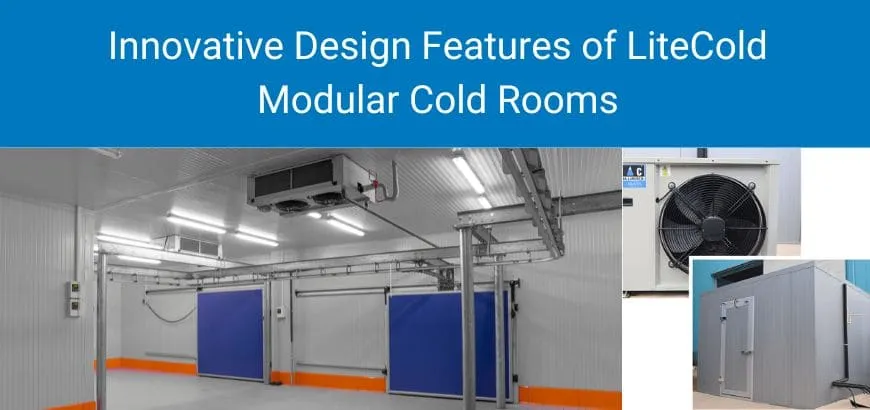
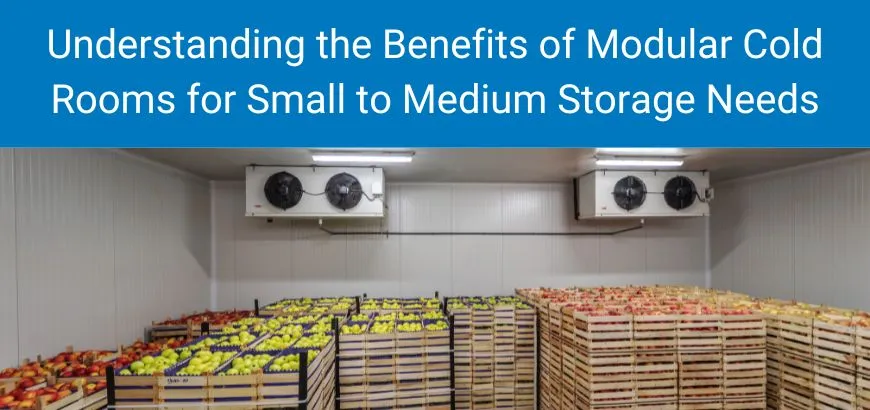
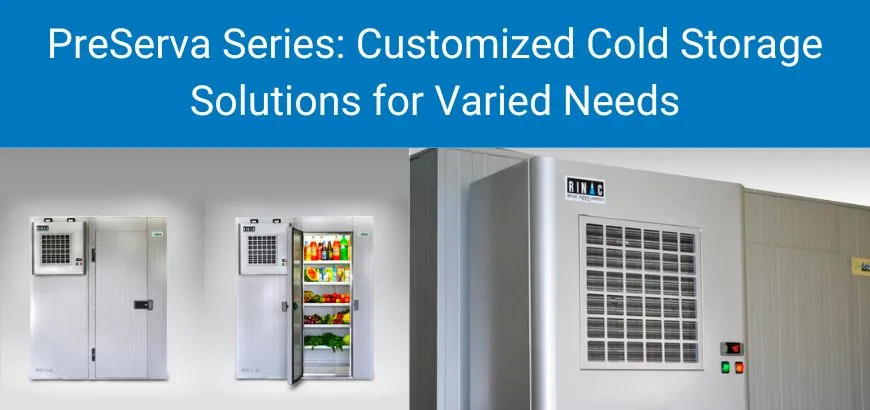
Modular cold rooms for FPOs, small aggregators, and rural entrepreneurs
-
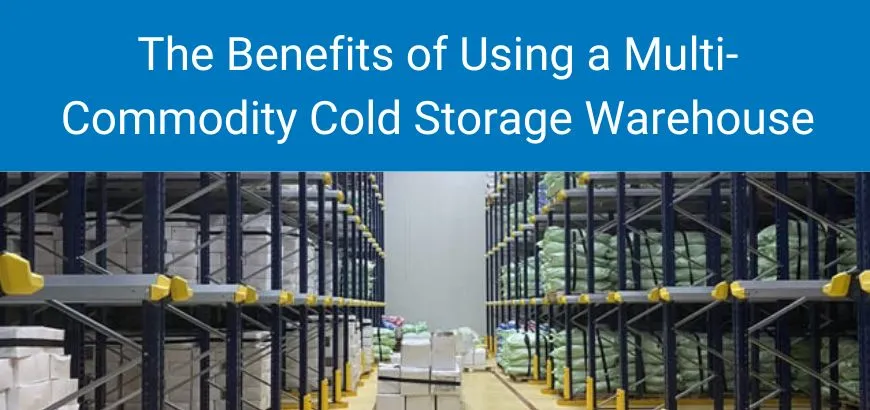
Multi-commodity cold stores at mandi or district level
-
High RH chambers for most fruits and vegetables and low RH chambers for onions, garlic and seeds
-
CA/MA chambers for long-term storage of high-value fruits (apples, kiwifruit, exotic fruits)
-
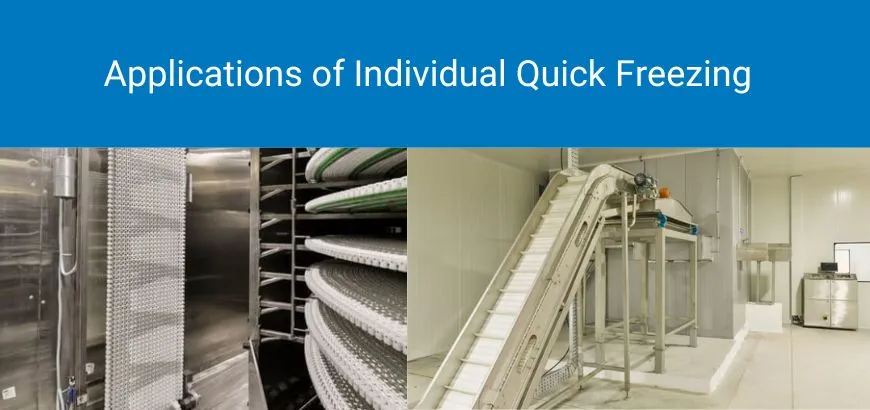
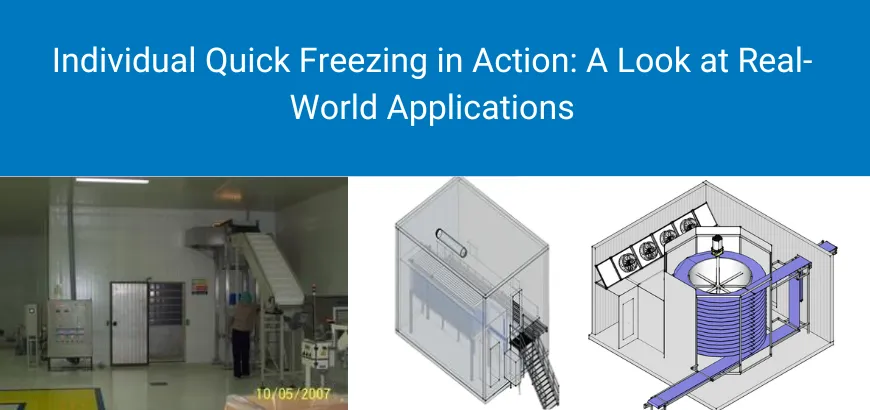
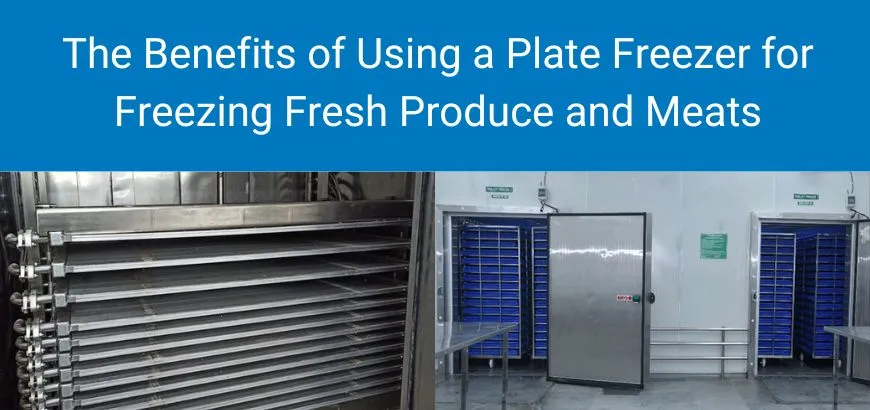
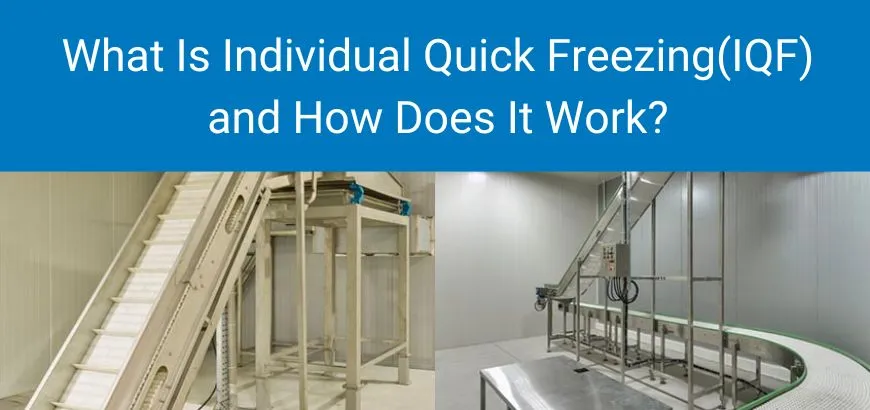
Blast chillers and freezers / IQF systems where freezing and export-grade value addition is part of the business model
Stage 3: Transportation, distribution and retail
Cold chain integrity needs to continue beyond the warehouse:
-
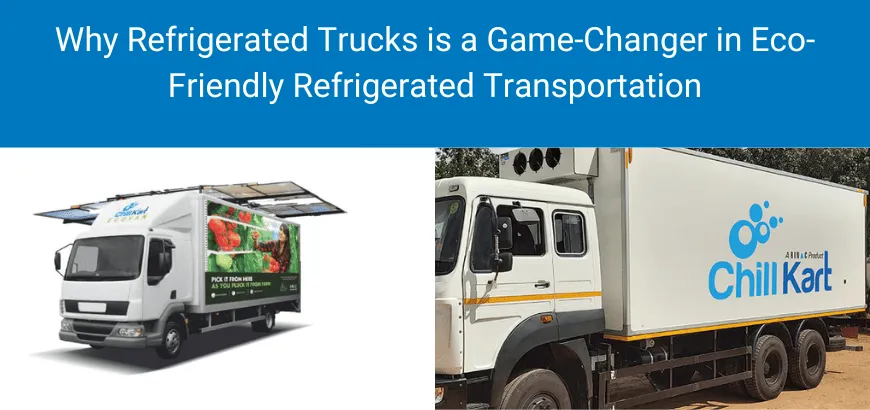
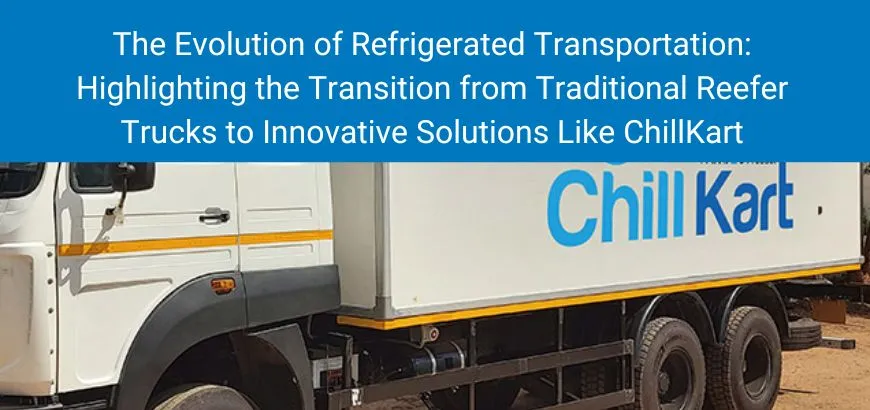
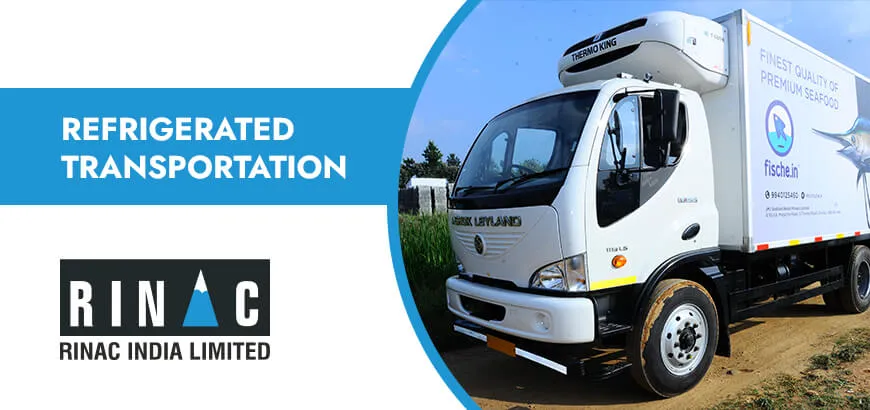
Refrigerated trucks and insulated vans that keep produce within target temperature bands during transport
-
Refrigerated containers for vehicles for regional distribution and last-mile logistics
-
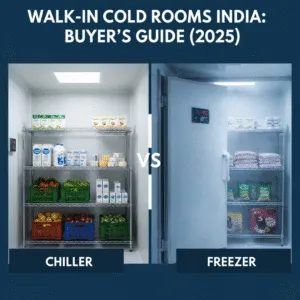
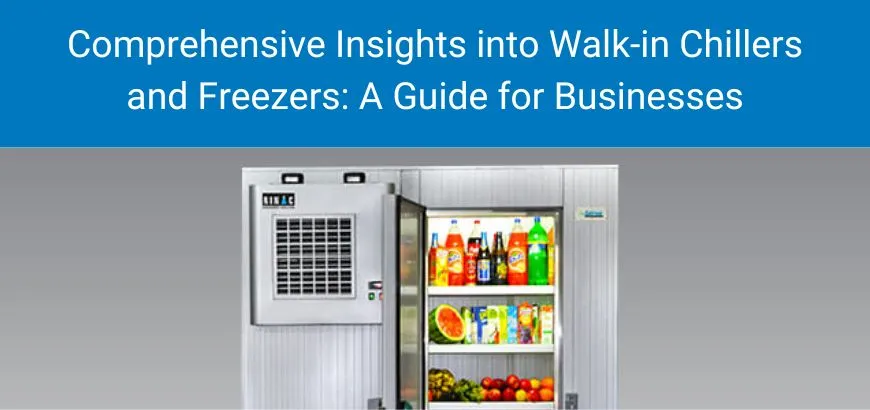
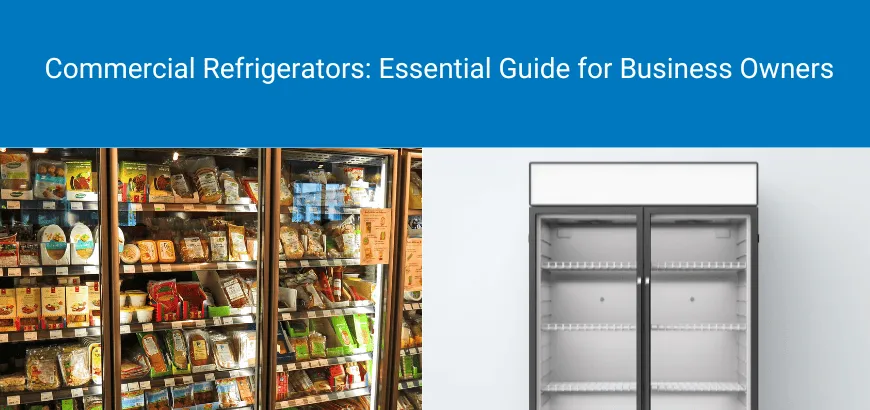
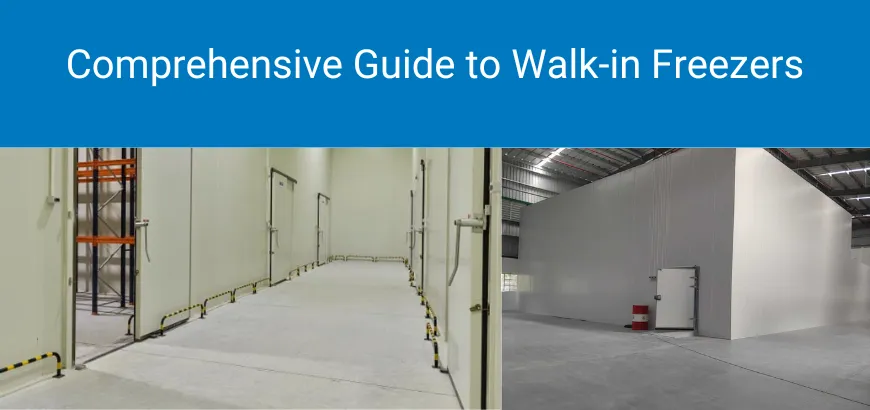
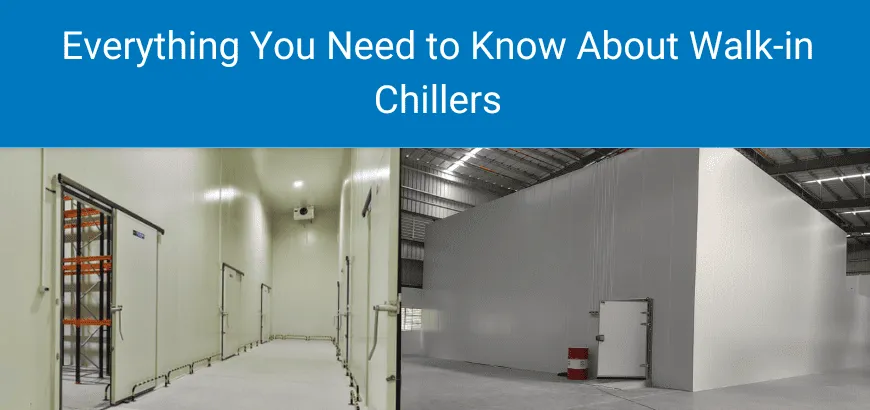
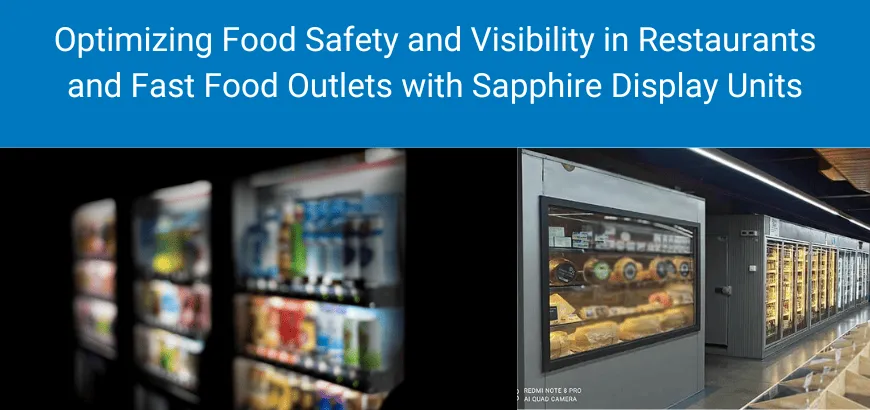
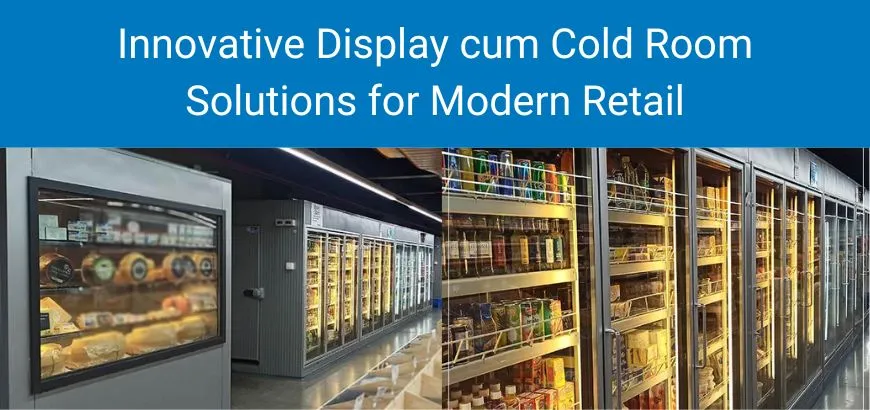
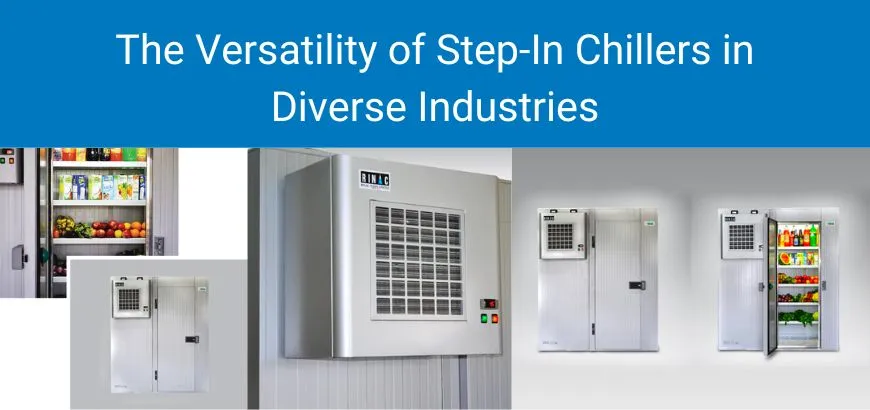
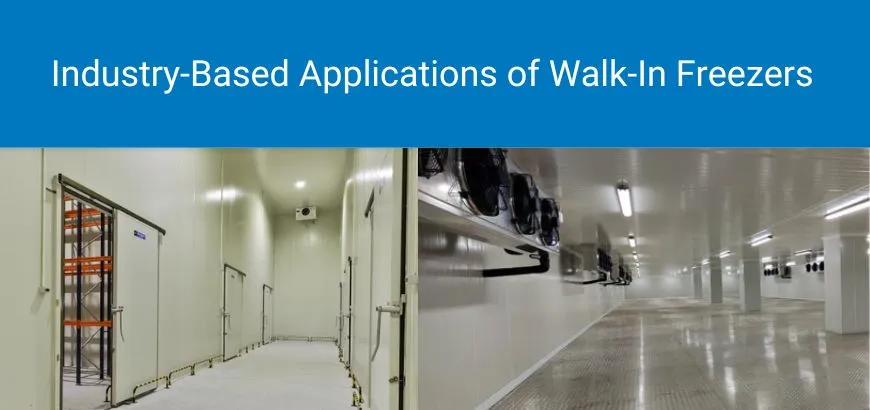
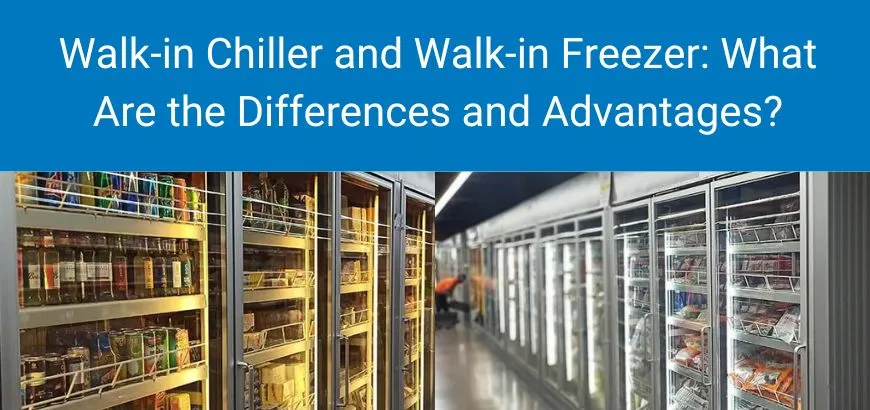
At the retail end: walk-in chillers/freezers, modular cold rooms and display coolers to maintain quality until final sale
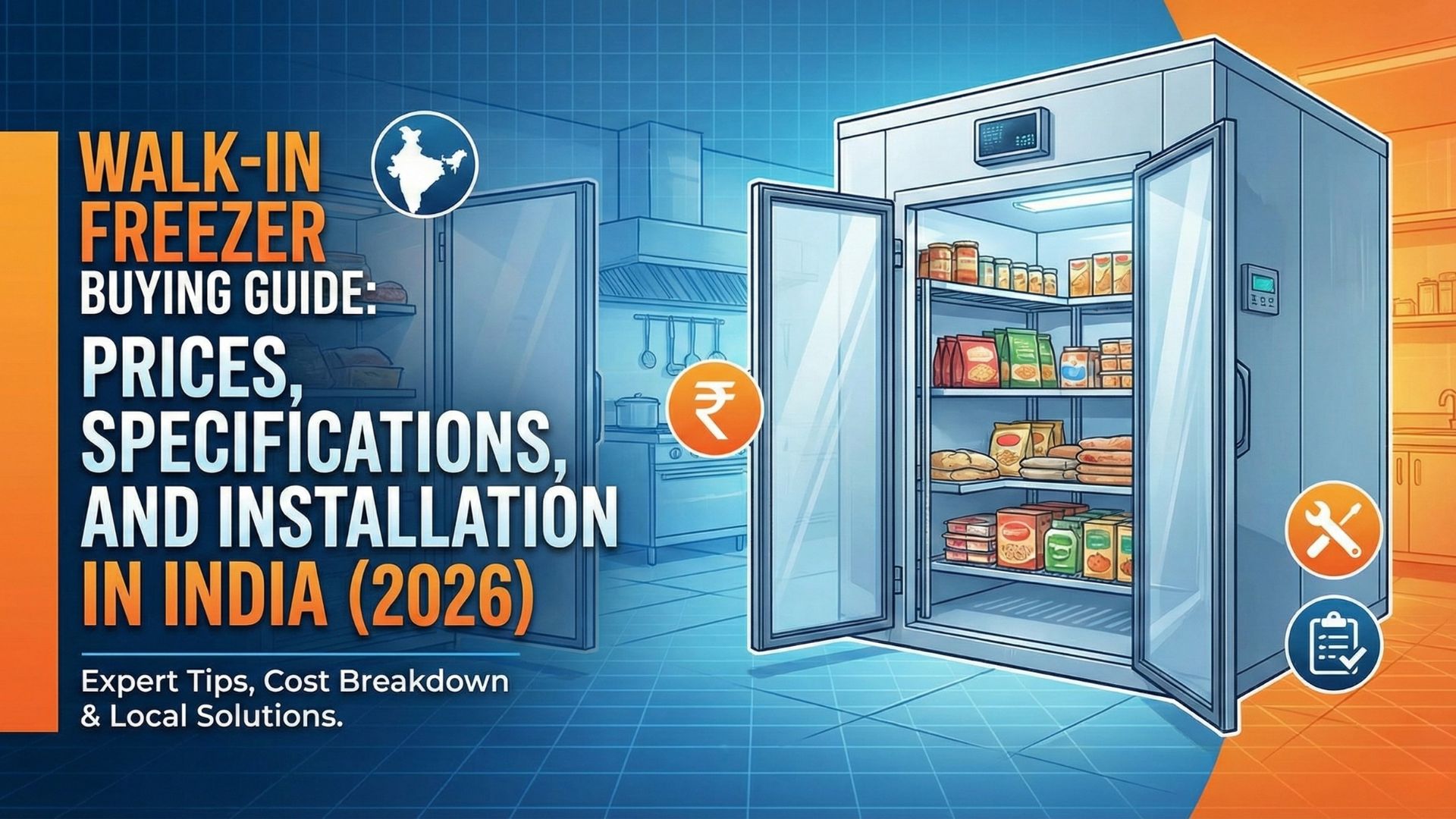
Rinac’s portfolio covers all these points with solutions such as walk-in chillers/freezers, refrigerated containers, CA/MA chambers, high-RH and low-RH chambers, and modular display cum cold rooms.
4. Design considerations for Indian agriculture & horticulture projects
Every project is different, but some design principles are consistent across Indian conditions.
4.1 Commodity mix & storage duration
-
Single-commodity stores (e.g., only potatoes or only apples) allow tighter optimization of temperature, humidity, and stacking.
-
Multi-commodity stores offer flexibility but require careful zoning, air circulation design, and operation protocols so that conditions remain within recommended ranges for each group of produce.
A clear understanding of peak harvest volumes, expected holding time (buffer vs long-term storage), and export requirements should drive decisions on chamber sizing, insulation thickness, and refrigeration capacity.
4.2 Climate, location & infrastructure
-
Many horticulture clusters in India face high ambient temperatures, humidity, and power interruptions, especially in remote areas.
-
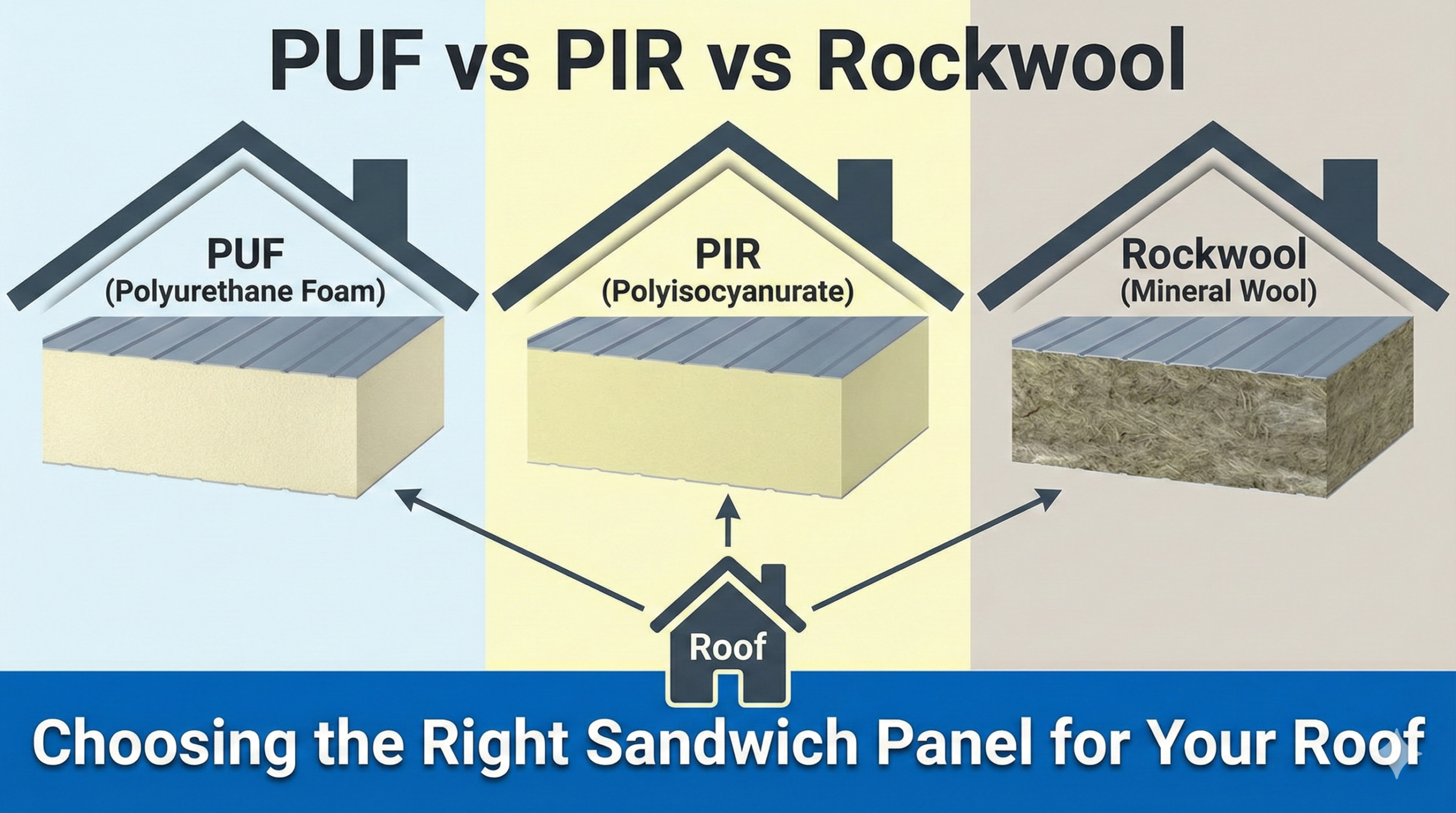
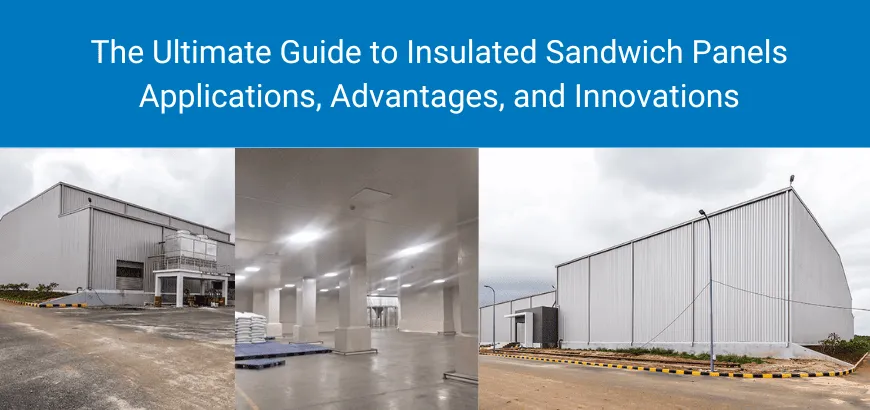
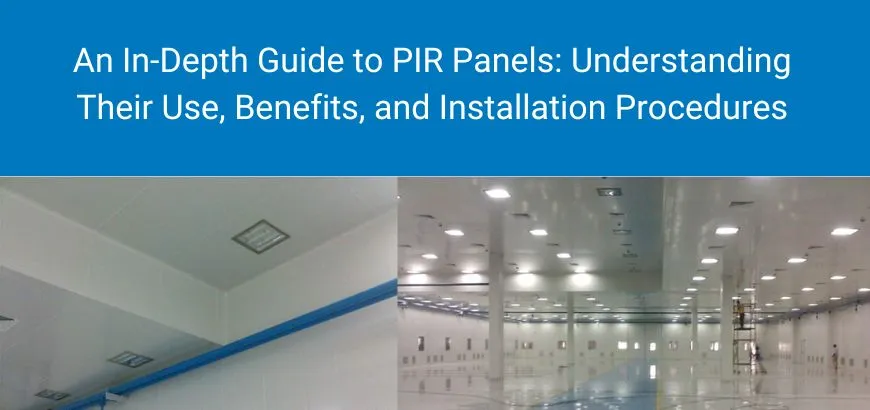
Systems need robust insulation (RPUF/PIR sandwich panels), efficient compressors, and well-designed refrigeration circuits to minimize heat gain and manage operating costs.
-
Where grid power is unreliable or expensive, solar-assisted cold rooms and energy-efficient designs can significantly improve viability, especially for smallholders.
4.3 Food safety & regulatory compliance
While detailed compliance depends on the product and customer, most horticulture cold storage facilities in India must align with:
-
FSSAI requirements for food safety and hygiene
-
HACCP and GMP guidelines in integrated food processing or export-oriented facilities
Rinac’s cold chain and modular construction solutions are designed to help customers build facilities aligned with such standards, drawing on in-house engineering, ISO-certified quality systems, and experience across food and pharma projects.
4.4 Monitoring, control & IoT
For high-value fruits, vegetables, and seeds, continuous monitoring is as critical as the physical infrastructure itself. Rinac’s agriculture & horticulture solutions highlight:
-
Advanced temperature and humidity control
-
IoT-enabled monitoring and real-time tracking, providing alerts so operators can take preventive action
-
Data logging to support audits, quality assurance, and long-term performance optimization
5. Who benefits from horticulture-focused cold storage in India?
5.1 Farmer Producer Organisations (FPOs) and cooperatives
FPOs and cooperatives can use farm-gate pre-coolers, small modular cold rooms, and pack houses to:
-
Reduce immediate price pressure at harvest
-
Aggregate better-quality lots for institutional buyers or processors
-
Improve bargaining power by timing sales more strategically
Subsidies under MIDH and similar schemes can make such projects more attainable for smaller entities, subject to eligibility and state-wise guidelines.
5.2 Traders and commission agents at mandis
For APMC yards and wholesale markets:
-
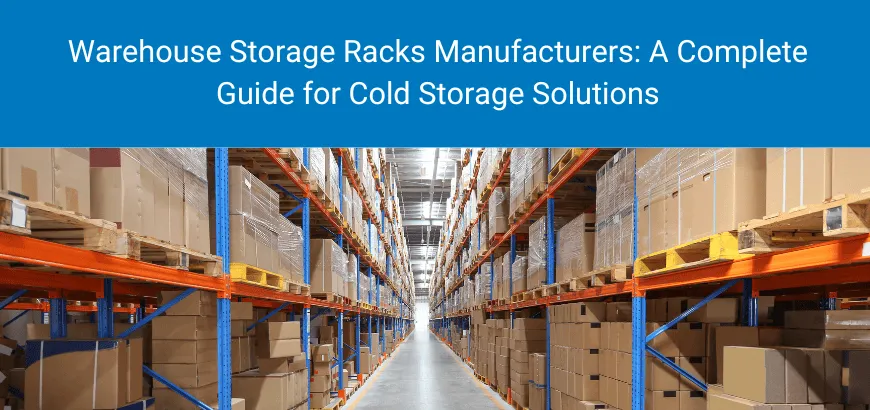
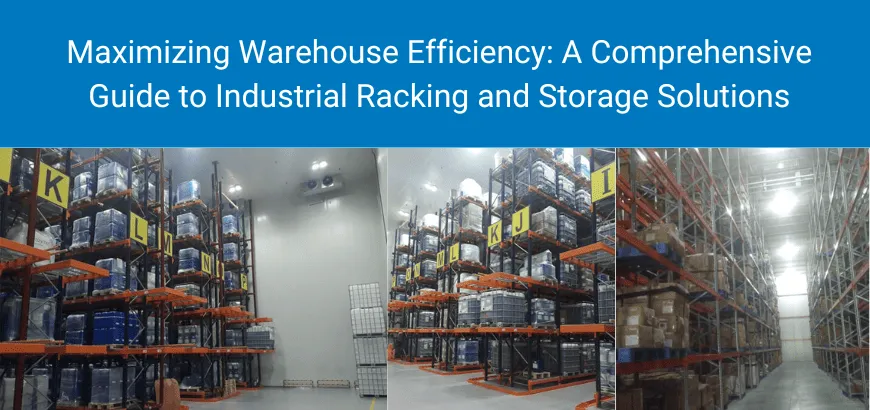
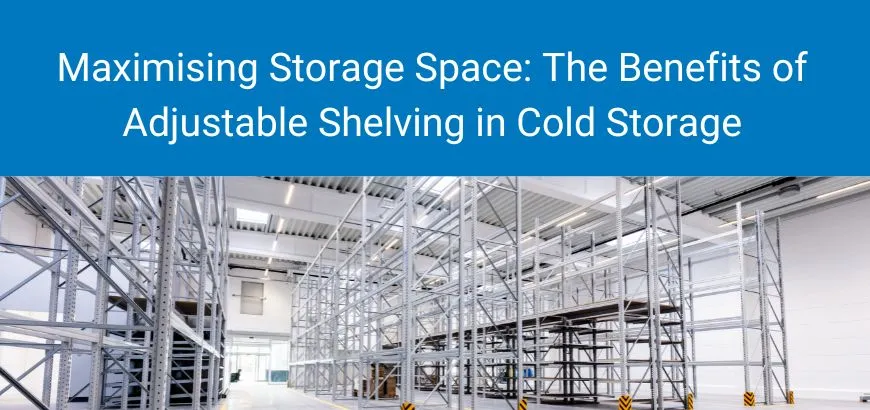
Multi-commodity cold stores with suitable racking allow efficient handling of potatoes, onions, and seasonal fruits/vegetables.
-
Cold chain can help reduce distress sales and stabilize supply during lean periods.
while profitability is influenced by market prices, storage tariffs, and crop cycles, cold storage remains a powerful tool that can significantly enhance opportunities and returns when aligned well with market conditions.
5.3 Processors, exporters and modern retail
Food processors, exporters, and organized retail chains need:
-
Temperature-controlled warehouses with CA/MA and IQF for export-grade produce
-
Integrated ripening, freezing, and storage facilities
-
Refrigerated logistics between production clusters, processing plants, distribution centres and stores
Rinac already works across these segments with turnkey food processing projects, EPC exports, and distribution-level cold warehouses.
6. How Rinac supports agriculture & horticulture cold storage in India
Drawing on decades of experience and pan-India execution capability, Rinac offers an end-to-end portfolio tailored for agriculture and horticulture:
6.1 Pre-cooling, pack houses & processing
-
Forced-air, hydro and vacuum pre-coolers
-
Pack houses with sorting, grading and waxing systems
-
Blanching, hot & humid air treatment and IQF lines for value-added products
(All listed as part of the agriculture & horticulture solutions map.)
6.2 Storage infrastructure
-
LiteCold customizable modular cold rooms for small and medium requirements
-
High RH and low RH chambers for different commodity types
-
CA/MA chambers for long-term, high-value storage
-
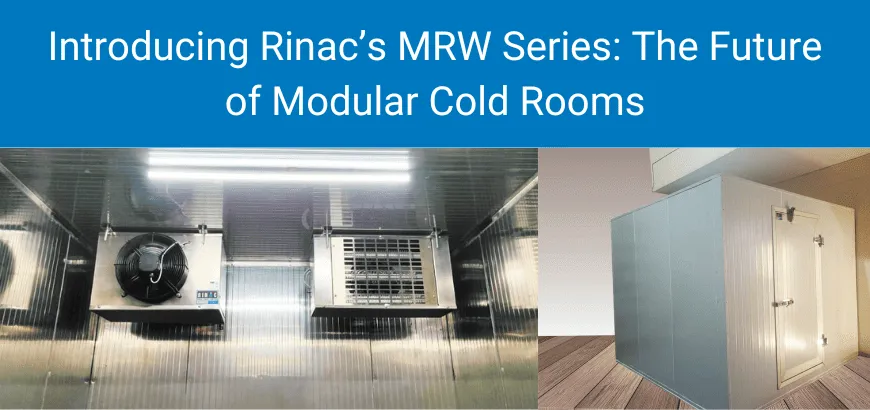
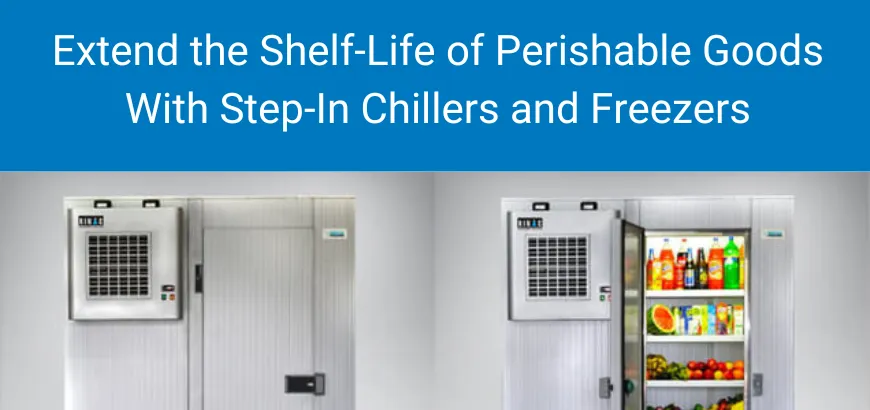
Walk-in chillers/freezers and MRW series cold rooms for distribution centres and processing plants
These are built using Rinac’s insulated sandwich panels and refrigeration systems, engineered for energy efficiency and long-term durability.
6.3 Ripening and specialized solutions
-
Dedicated banana ripening and other fruit ripening chambers designed for controlled, compliant ripening (rather than ad-hoc chemical practices)
-
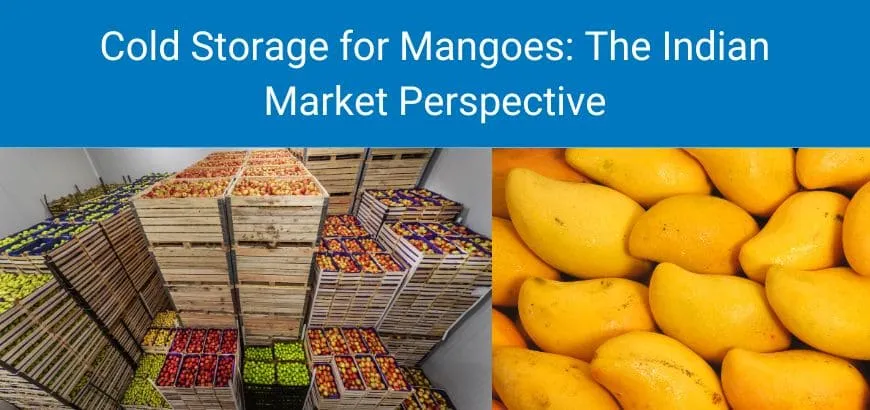
Project-specific solutions for crops like apples, mangoes and grapes, including controlled atmosphere and IQF setups, as covered in Rinac’s recent horticulture-focused blogs.
6.4 Transportation & logistics
-
Refrigerated containers for vehicles and refrigerated trucks/insulated vans for primary and secondary transport
-
Integration with last-mile distribution and retail cold rooms to maintain the cold chain from farmer to consumer
6.5 Turnkey EPC, service & lifecycle support
Rinac operates as a turnkey EPC partner—from early-stage concept and techno-economic studies through detailed engineering, manufacturing, installation, and commissioning, followed by after-sales service.
This single-window approach is especially valuable for agri/horti promoters who are implementing their first cold chain project and want coordinated responsibility across construction, refrigeration and controls.
7. Practical checklist for planning an agri/horti cold storage project in India
If you’re a farmer group, agri-startup, processor, or investor planning a horticulture-focused cold storage project, the following high-level checklist is a good starting point:
Clarify your business model
Farm-gate aggregation, mandi-level storage, processing, exports, or a mix?
Define your crop basket and volumes
Which fruits/vegetables/flowers/seeds, in what seasonal quantities, and for how long must they be stored?
Decide on single vs multi-commodity design
Where flexibility is essential, plan zoning and operating protocols accordingly.
Select the site and utilities strategy
Power availability, backup (DG/solar), water needs (e.g., for hydro-coolers), road access and labour.
Choose technology & configuration
Pre-coolers, pack houses, modular cold rooms, CA/MA chambers, IQF, etc., tailored to your crop and market.
Incorporate monitoring & safety
IoT-based monitoring, alarms, data logging, and basic safety features (fire detection, emergency exits, etc.).
Align with applicable schemes and guidelines
Check how MIDH, PMKSY or state-specific schemes and NCCD/NHB engineering guidelines apply to your project.
Partner with an experienced turnkey provider
Work with a team that understands Indian horticulture, regulations, and the practical realities of operating cold chains across diverse climates.
8. Conclusion: building resilient horticulture value chains with Rinac
For Indian agriculture and horticulture, cold storage is not just about refrigeration units. It’s about designing an integrated, farm-to-market cold chain that:
-
Protects quality and nutrition
-
Reduces avoidable post-harvest losses
-
Gives farmers and agri-businesses more control over when and where they sell
-
Supports compliance with evolving food safety and export requirements
With its breadth of cold chain infrastructure, modular construction, and turnkey engineering expertise, Rinac is well-placed to help stakeholders across India—from FPOs and cooperatives to processors and retailers—build practical, scalable cold storage solutions tailored to local crops and markets.