Complete Guide to Cold Storage Costs in India: 2026 Investment Calculator
Audience: Agri producers, food processors, pharma & vaccine supply-chain teams, retail/FMCG cold-chain planners, and anyone budgeting a cold room or cold storage in India.
Why this matters in January: Budget-season planning, Q4/Q1 CapEx approvals, and harvest-driven storage decisions (including grapes and other perishables) make “how much does cold storage cost in India?” a high-intent question right now.
TL;DR (2026)
- Cold storage costs are not one number. Your total investment depends mainly on temperature range (chiller vs freezer), capacity, insulation + building type, refrigeration design, power availability, and compliance (especially pharma).
- Best quick estimate: Use the 2026 Investment Calculator below to get a realistic range (Budget / Standard / Advanced), plus operating cost and subsidy guidance.
- Featured-snippet table included: See Capacity vs Project Cost for 10MT, 50MT, 100MT, 500MT.
- Big opportunity: Most competitors show specs, not “all-in cost + subsidy + ROI.” Use this guide to budget confidently and build a business case.
How to Estimate Cold Storage Cost in India (in ~10 minutes)
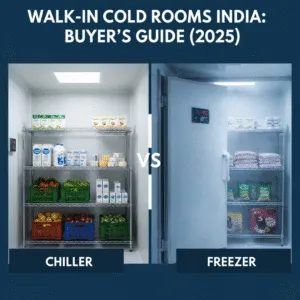
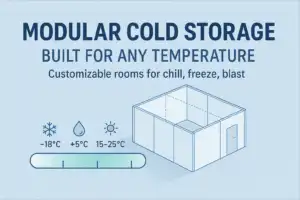
- Pick your storage type: Chilled (+2°C to +8°C), Frozen (-18°C), Multi-zone (two temps), Controlled Atmosphere (CA), or Pharma-grade (tight tolerances + validation).
- Select capacity: 10MT / 50MT / 100MT / 500MT (or your number). Decide if you need future expansion.
- Decide build approach: Modular cold room (fast installation) vs industrial cold storage building (multi-chamber, docks, material handling).
- Confirm power reality: Available sanctioned load, transformer needs, DG backup requirement, and your actual ₹/kWh tariff.
- Define throughput + utilization: Are you storing seasonally (potato/grape) or continuously (dairy/pharma/retail DC)? Utilization changes ROI more than people expect.
- Run the calculator: Use the interactive calculator below to get (a) CapEx range, (b) OpEx estimate, and (c) subsidy guidance.
Tip: Decision-stage buyers usually need two numbers: (1) net CapEx after subsidy and (2) monthly OpEx. This guide gives both.
How Much Does Cold Storage Cost in India? (2026 Pricing Table in ₹ INR)
This table is designed for featured snippets: capacity vs price with an all-in project cost range. These are budgeting ranges (excluding land) and assume a professionally designed system.
| Capacity | Typical Use Case | Budget Build (₹) | Standard Multi-Commodity (₹) | Advanced (Freezing / CA / Pharma-grade) (₹) |
|---|---|---|---|---|
| 10 MT | Farm-gate / small food business / pharmacy backroom | ₹ 8–14 lakh | ₹ 12–20 lakh | ₹ 15–30+ lakh |
| 50 MT | Packhouse hub / small distribution / restaurant cluster | ₹ 25–55 lakh | ₹ 45–90 lakh | ₹ 80 lakh–₹ 1.6+ crore |
| 100 MT | District-level cold room / processing unit buffer storage | ₹ 45–95 lakh | ₹ 85 lakh–₹ 1.7 crore | ₹ 1.4–₹ 3.0+ crore |
| 500 MT | Large multi-chamber facility / wholesale & retail DC | ₹ 0.9–₹ 2.0 crore | ₹ 1.6–₹ 3.8 crore | ₹ 3.0–₹ 7.0+ crore |
Reality check: A public example of a 10 MT solar-powered cold chamber was reported at ₹14.9 lakh (project context varies, but it’s useful for ballpark sizing).
Larger projects can scale dramatically when you add freezing, blast freezers, ripening, processing, automation, docks, and compliance requirements.
CapEx Breakdown: What You’re Actually Paying For
Most “cold storage cost” discussions miss the real budget drivers. In practice, your total project cost is a sum of:
1) Civil + Building Shell
- Site development, foundations, drainage, dock/yard planning
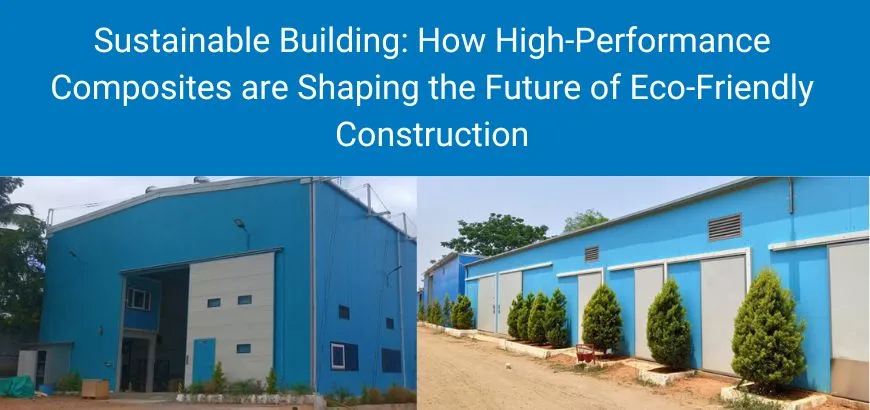
- Structure (RCC / PEB), roofing & cladding
- Insulated envelope design: walls, ceiling, vapor barrier, floor insulation
2) Insulation + Doors + Flooring
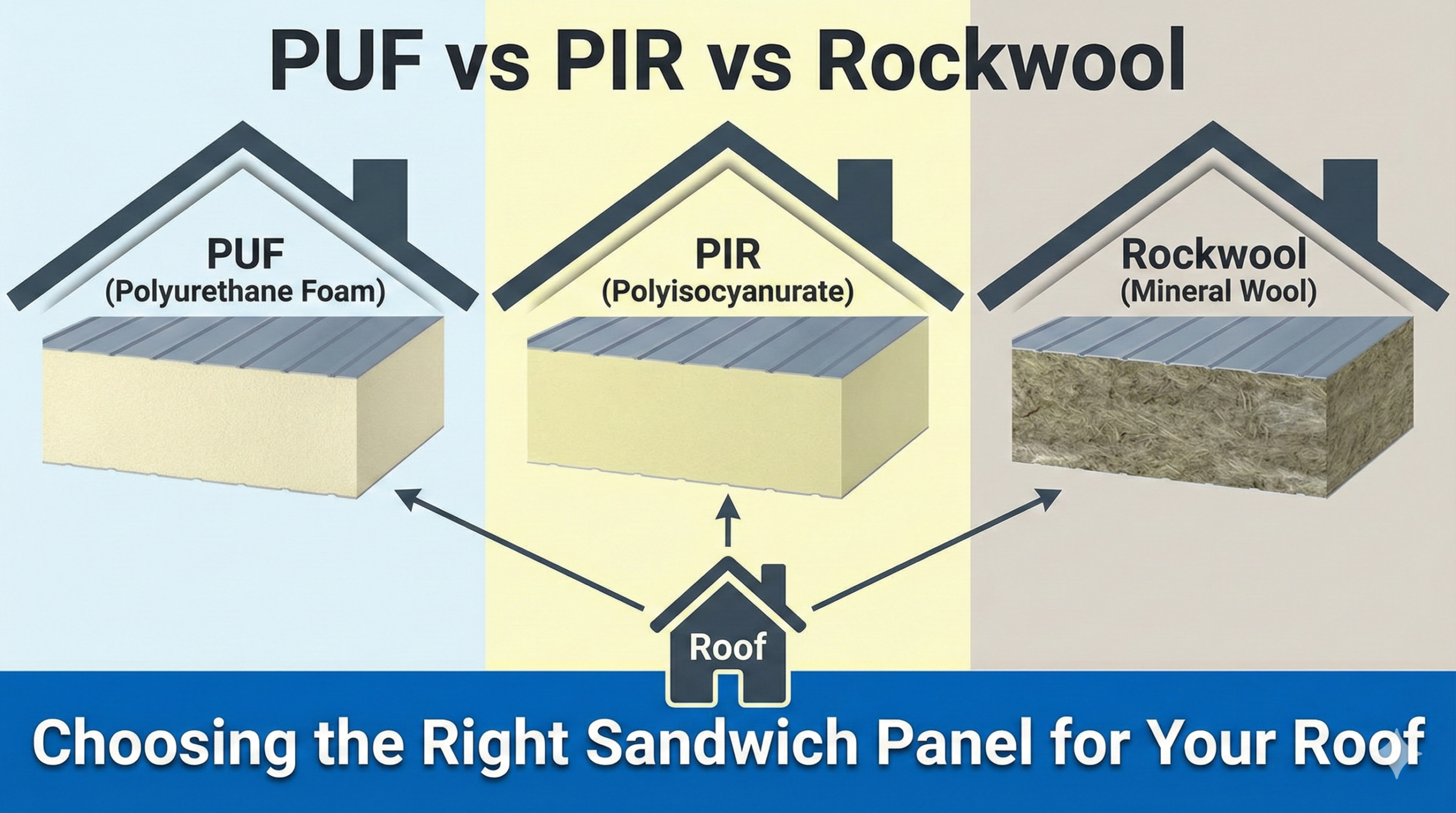
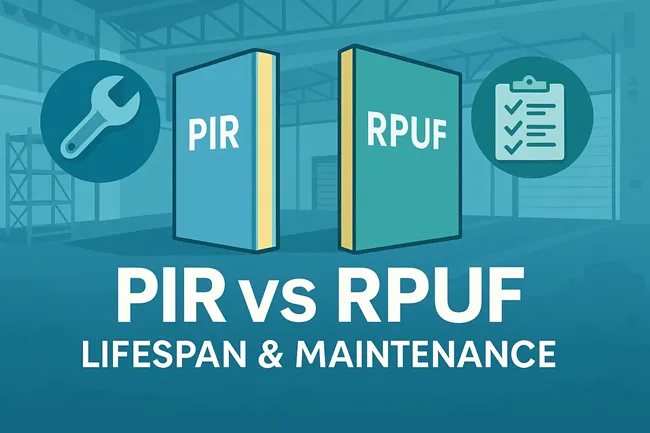
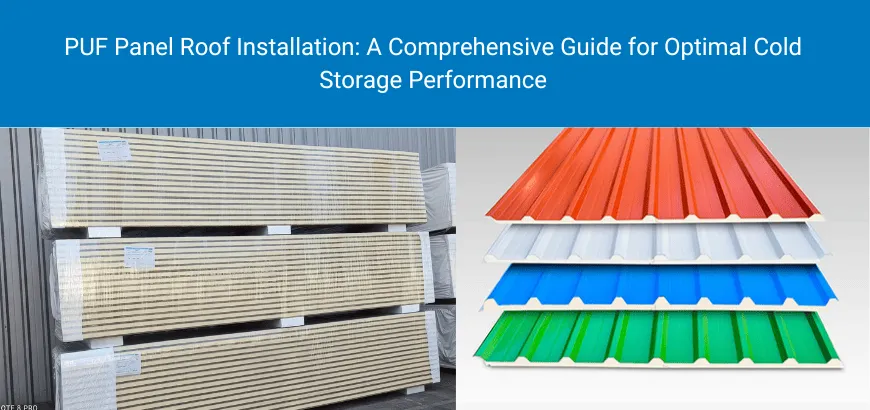
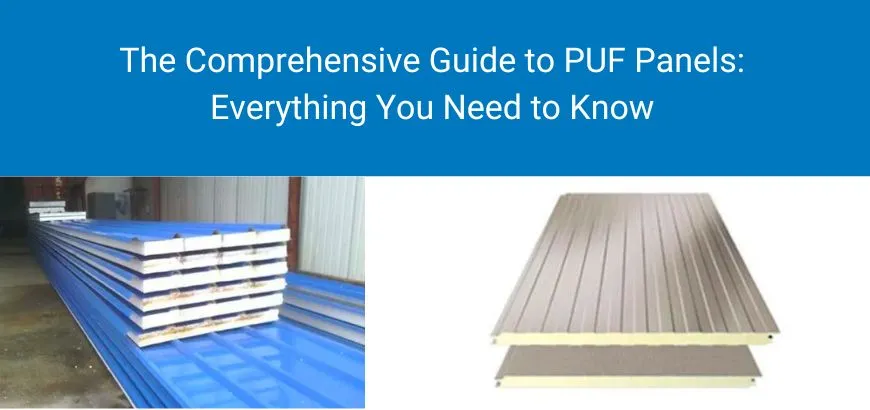
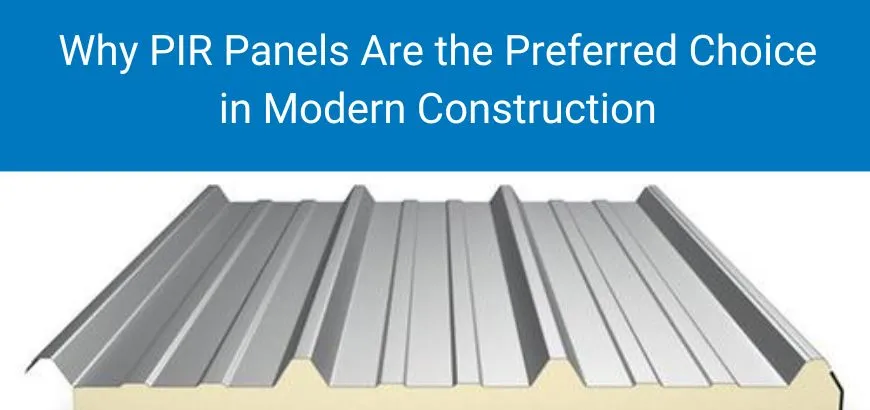
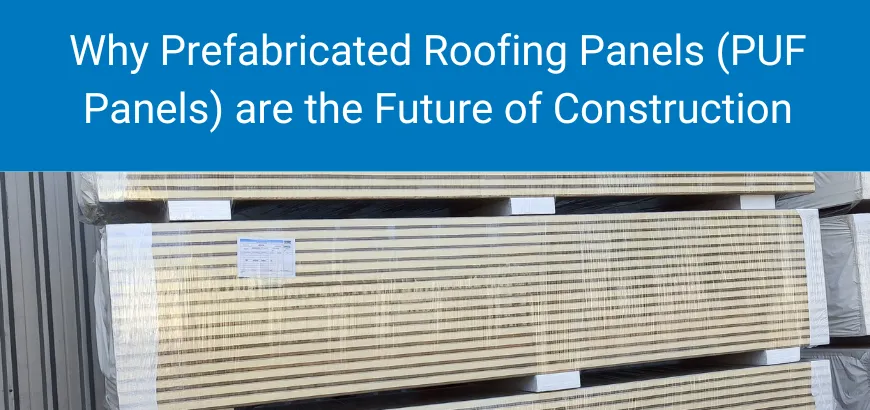
- PUF/PIR insulated panels (thickness depends on chilled vs frozen)
- Doors: hinged/sliding, rapid roll doors for high throughput, air curtains, strip curtains
- Insulated floors: under-slab insulation, anti-skid finishes, drainage design
3) Refrigeration System
- Compressors, condensers, evaporators/air coolers, piping, valves
- Refrigerant choice (e.g., ammonia systems are common for larger cold stores)
- Controls: PLC/automation, sensors, alarms, data logging (critical for pharma)
4) Electrical + Power Infrastructure
- Panels, cabling, VFDs, power factor correction
- Transformer / substation upgrades (often underestimated)
- DG backup sizing (and diesel costs)
- Optionally: solar + hybrid systems
5) Material Handling + Layout
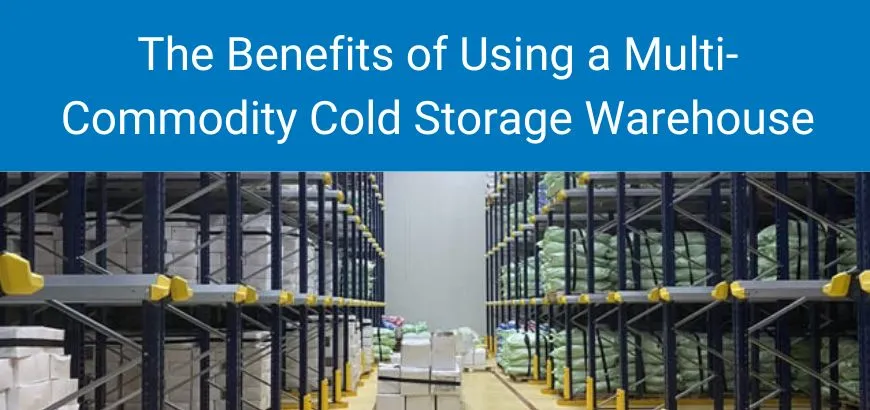
- Racking, pallet flow, forklifts, dock levelers, ante-rooms
- Chamber planning (single zone vs multi-zone)
6) Compliance + Safety
- Fire safety, ammonia safety (if applicable), ventilation
- Pharma: IQ/OQ/PQ validation, clean handling, temperature mapping
7) Soft Costs + Contingency
- Engineering/design, DPR, approvals, project management
- Contingency (recommended), interest during construction, commissioning
Construction Cost per Sq Ft (India 2026): Practical Budget Ranges
Cold storage construction costs are best estimated by separating the structural shell from the thermal envelope.
| Cost Component | Typical 2026 Range | Notes |
|---|---|---|
| PEB structural shell (industrial) | ₹ 300–₹ 600 / sq ft | Varies by span, height, steel rates, and site conditions. |
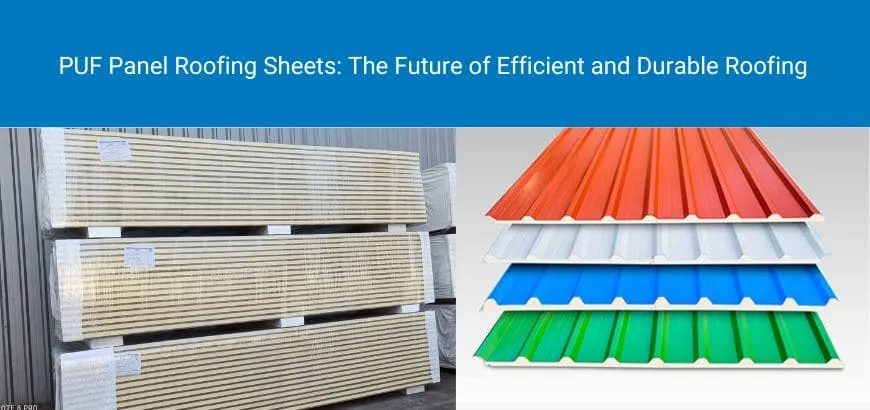
| PUF insulated panels (by thickness) | ~₹ 115–₹ 300 / sq ft | Panel thickness typically increases for freezer rooms; insulation choice impacts long-term electricity cost. |
| Cold room doors & accessories | Project-specific | High-cycle doors and ante-rooms add cost but reduce temperature loss. |
| Insulated flooring & finishes | Project-specific | Floor design is critical in sub-zero rooms (moisture + frost control). |
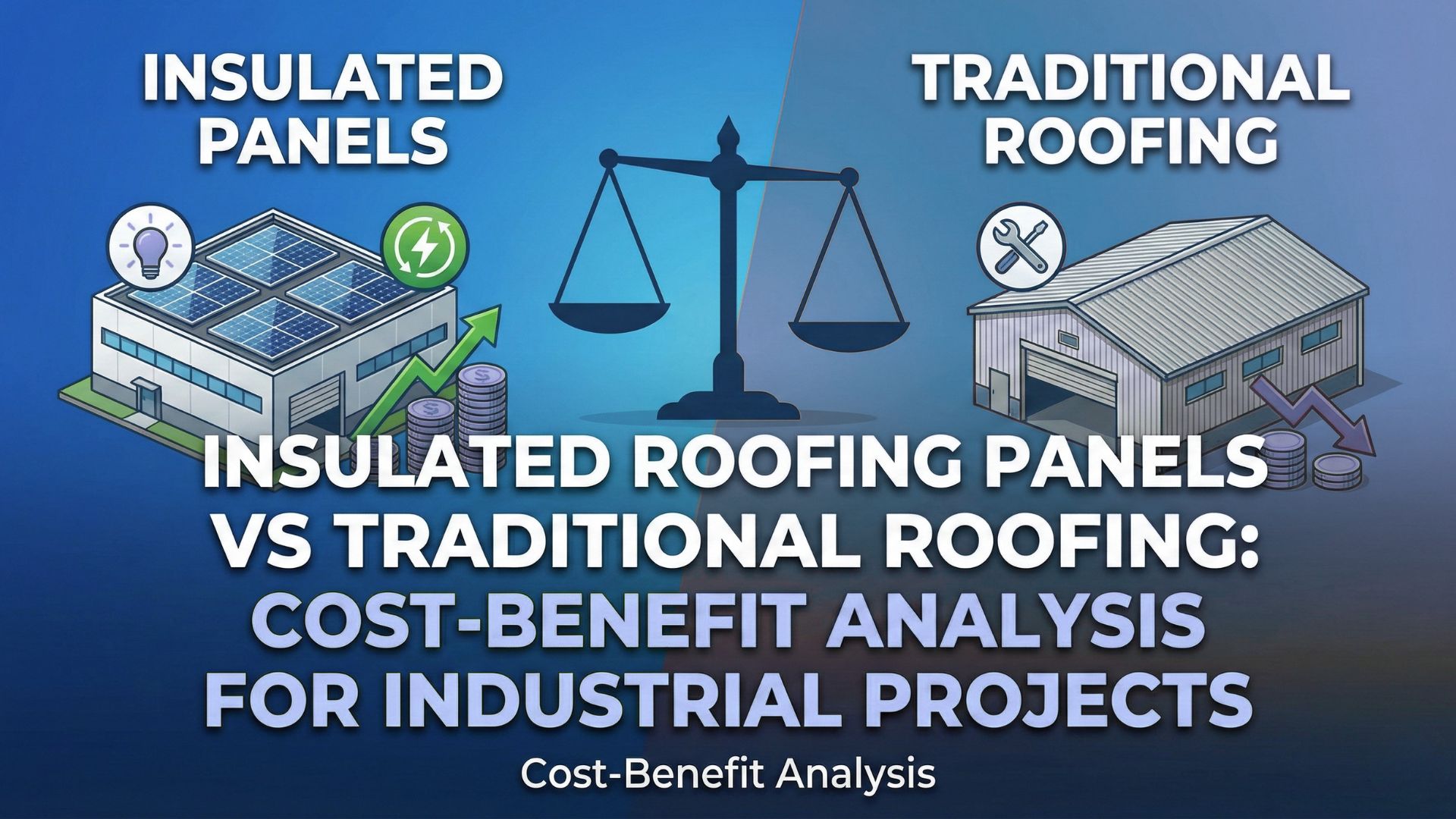
Why this matters: Spending slightly more on insulation and controls can cut operating costs meaningfully over the project life.
Operating Cost Estimates (OpEx): Electricity, Labor, Maintenance (2026)
Electricity: the biggest line item
Cold storages often run long hours daily. Sector analyses and project DPRs use operating assumptions like extended daily runtime and significant monthly power consumption for large facilities.
- Typical operating profile: Large cold storages may operate roughly 16–18 hours/day (annual operating hours can exceed 5,000 hours depending on cycle). Diesel generators are also used for backup in many facilities.
- Industrial tariff benchmark: A recent benchmark for India’s industrial tariff has been cited around $95/MWh (~₹/kWh depends on exchange rate and local utility).
- Example from a 5,000 MT model DPR: Monthly consumption and costs can be substantial (DPR shows ~77,990 units/month and multi-lakh monthly electricity cost in its assumptions).
Labor + handling
Labor varies widely based on throughput (receiving/dispatch), chamber count, and handling equipment. Model DPR staffing for large facilities typically includes management + operators + security + workers across shifts.
Maintenance and spares
A practical budgeting approach for maintenance is to allocate a percentage of CapEx annually (higher if your system is complex: freezing/CA/pharma validation).
Rule-of-thumb OpEx buckets (use the calculator for an estimate)
- Electricity: depends on insulation, ambient climate, door cycles, refrigeration design, and tariff.
- Labor: depends on number of shifts, throughput, and handling.
- Maintenance: compressors, evaporators, controls, sensors, valves, doors, and floor upkeep.
- Diesel backup: if outages are common, DG + fuel becomes material.
Government Subsidy & Grant Calculator (MIDH / NHB / PMKSY)
Important: Subsidy is usually calculated on eligible cost norms, not on your full market price quote. Your net “out-of-pocket” depends on scheme, category (general vs difficult areas), and compliance with guidelines.
1) MIDH (Mission for Integrated Development of Horticulture) – cost norms used for cold storages
- Government guidelines include per-MT cost norms for cold storage types (e.g., Type-I and Type-II) and an additional per-MT norm for Controlled Atmosphere add-ons.
- Assistance commonly follows a 35% (general) / 50% (NE/hilly/scheduled areas) pattern in cold storage-related components routed via state missions.
2) NHB (National Horticulture Board) – capital investment subsidy (cold storage above 5,000 MT)
- NHB publishes cost norms per MT for different cold storage types and an additional cost norm per MT for CA add-on components.
- Subsidy is described as credit-linked, back-ended with 35% (general) / 50% (NE/hilly/scheduled) patterns.
3) PMKSY / MoFPI Integrated Cold Chain – grant-in-aid
- Integrated cold chain projects (not standalone cold storages) can receive grant-in-aid with percentage support and a maximum grant cap per project.
Quick subsidy math (simple)
Estimated Subsidy (₹) ≈ Eligible Cost Norm (₹/MT) × Capacity (MT) × Subsidy %
Eligible cost norm depends on scheme/type and may not equal your vendor quote. Use the calculator below to estimate both: (a) subsidy on norms and (b) your likely net CapEx range.
Budget Checklist: What You Must Confirm Before You Finalize a Cold Storage Quote
- Temperature range: chilled vs frozen changes insulation thickness and refrigeration design.
- Chamber count: multi-chamber + ante-room typically increases CapEx but reduces product mixing and improves operations.
- Door cycles: high-frequency access requires better door strategy (reduces energy loss).
- Power quality + backup: voltage fluctuations and outage frequency can force DG sizing and controls upgrades.
- Product type: potatoes vs grapes vs pharma cartons have different airflow, stacking, and humidity needs.
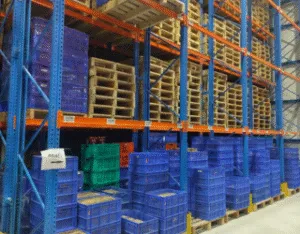
- Material handling: racking, forklifts, docks, and layout determine throughput and labor cost.
- Compliance: pharma-grade projects need validation and monitoring (costly but non-negotiable).
- Expansion plan: plan for adding chambers later (civil + power + refrigeration scalability).
How Rinac Helps You Reduce Total Cost (Not Just Upfront CapEx)
Rinac supports Indian businesses across agriculture, food processing, pharma, and retail cold-chain projects with solutions that can be designed for speed, energy performance, and scalability.
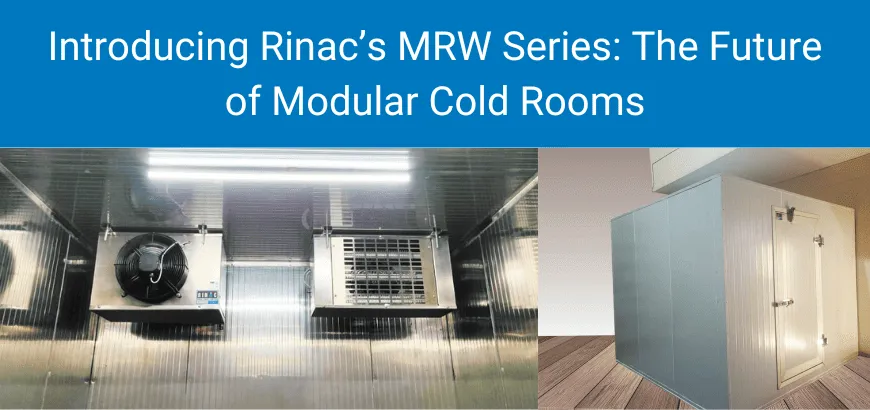
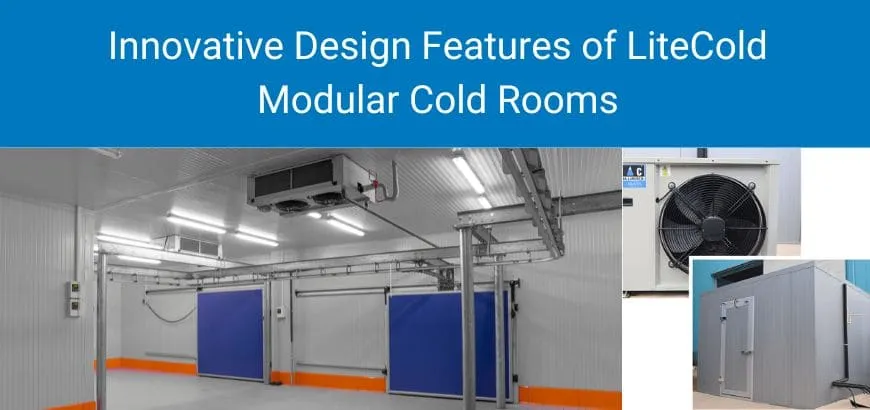
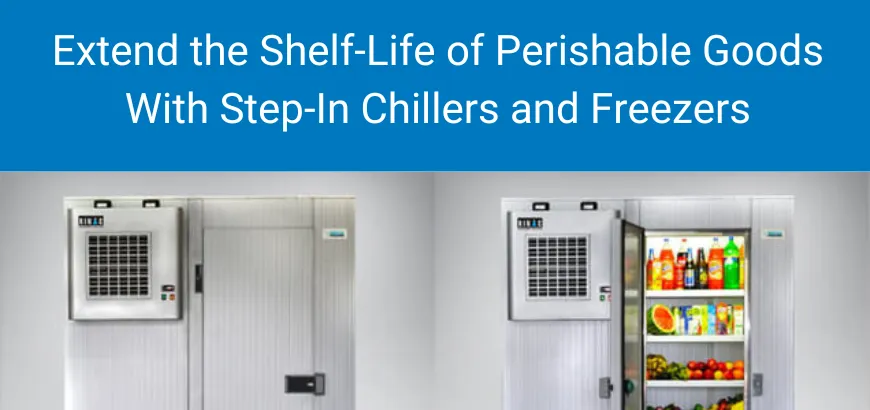
- Modular cold rooms: Fast deployment for 10–100 MT requirements.
- Turnkey cold storage infrastructure: From insulated envelopes to integrated refrigeration and controls.
- Energy-aware design: Better insulation + controls can reduce operating cost over the asset life.
Explore relevant Rinac pages:
CTA: If you share your capacity, temperature, city/state, power tariff, and intended products, Rinac can help you convert the calculator range into a DPR-grade estimate and execution plan.
FAQs: Cold Storage Cost in India
1) How much does cold storage cost in India in 2026?
For budgeting, a 2026 cold storage project can range from ₹ lakhs (small modular cold rooms) to ₹ crores (multi-chamber, freezing, CA, and integrated cold chain facilities). Use the calculator to estimate your range.
2) What is the cold storage cost per MT in India?
It varies widely by design. Government schemes publish eligible cost norms per MT for subsidy calculations (which may be lower than market quotes). Real market costs per MT can be higher depending on refrigeration, insulation thickness, handling, and compliance requirements.
3) What are the biggest drivers of operating costs?
Electricity is usually the #1 driver, followed by labor/handling and maintenance. Better insulation and smart controls can reduce energy waste.
4) Can I get government subsidy for cold storage in India?
Many projects may qualify under schemes routed through state missions (e.g., horticulture-linked support) and integrated cold chain programs (for integrated projects). Subsidy typically depends on area category and eligibility, and is often computed on published cost norms.
5) What should I prepare before requesting a final quote?
Capacity (MT), product mix, target temperature/humidity, number of chambers, throughput (in/out per day), power tariff & availability, and any compliance requirements (especially pharma).
Sources (Credible References)
Use these to validate subsidy norms, operating assumptions, and public planning references:
- MIDH Operational Guidelines (2025–26) – cost norms and components
- NHB Cost Norms (Capital Investment Subsidy) – cold storage types and CA add-on norms
- PIB (Govt. of India) – subsidy/grant patterns for cold storage / cold chain components
- PIB (Govt. of India) – cold storage component and assistance overview
- AEEE – Demand analysis for cooling (cold storage operating assumptions & sector energy)
- Model DPR – 3000 MT cold storage (planning assumptions & cost structure)
- Model DPR – 5000 MT cold storage (power, labor, and operating assumptions)
- Reuters – Industrial power tariff benchmark context (for ₹/kWh sanity check)
- PUF panel price ranges (India – 2025 reference)