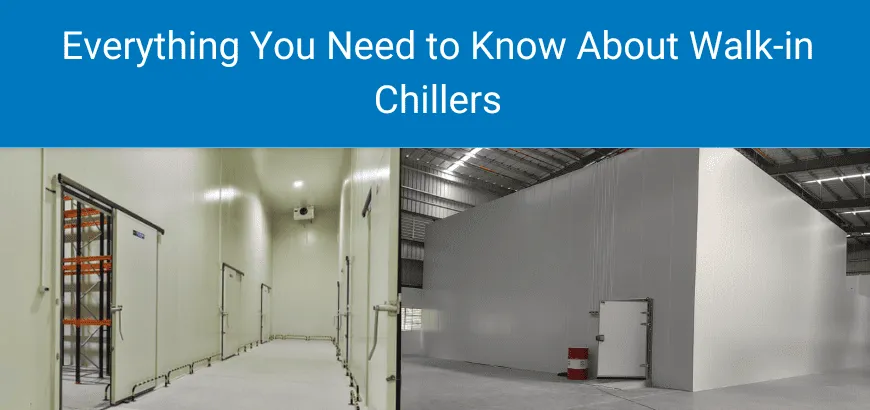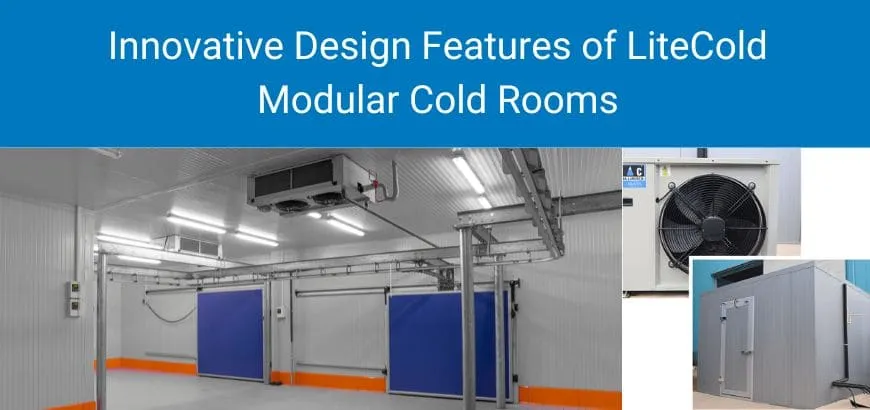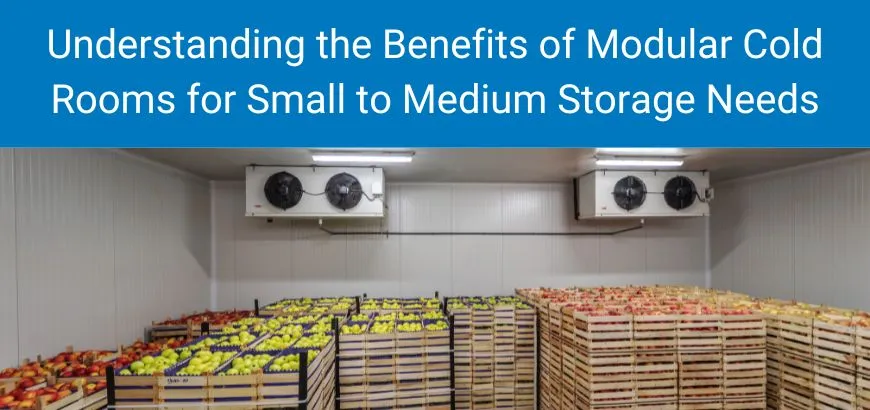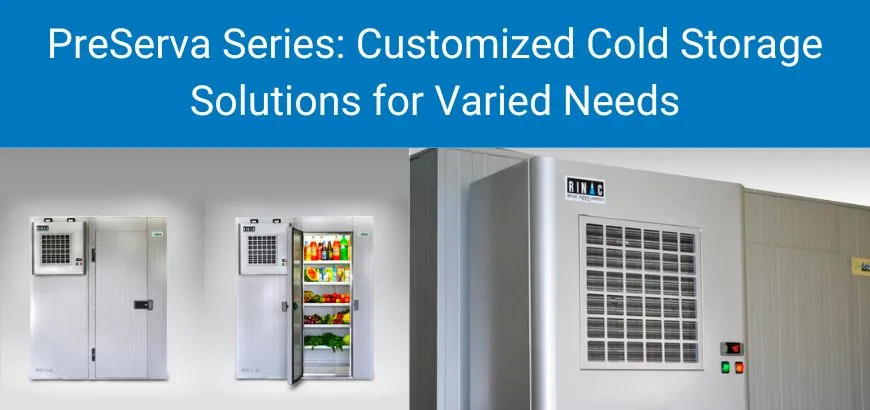
One of the simplest ways to cut HVAC stress (and improve comfort) is to upgrade the “skin” of the building: the roof, walls, and partitions.
Insulated sandwich panels do exactly that, at speed, with consistent quality.
TL;DR
- Sandwich panels reduce heat transfer through roofs/walls by combining metal skins with high-performance insulation cores (RPUF, PIR, Rockwool, etc.).
- Airtight joints matter: interlocking panel systems help reduce air leakage, improving real-world energy performance.
- They support ECBC-aligned envelope targets because U-factor (heat flow) improves as insulation improves.
- Best-fit use cases in India: warehouses, factories, data centres, healthcare facilities, food & pharma spaces, and controlled environments.
- Rinac’s modular panel solutions (InstaBuild, InstaRoof, CoolTop, Firearmet) help teams build faster with energy-efficient envelopes for commercial and industrial projects.
Summary:
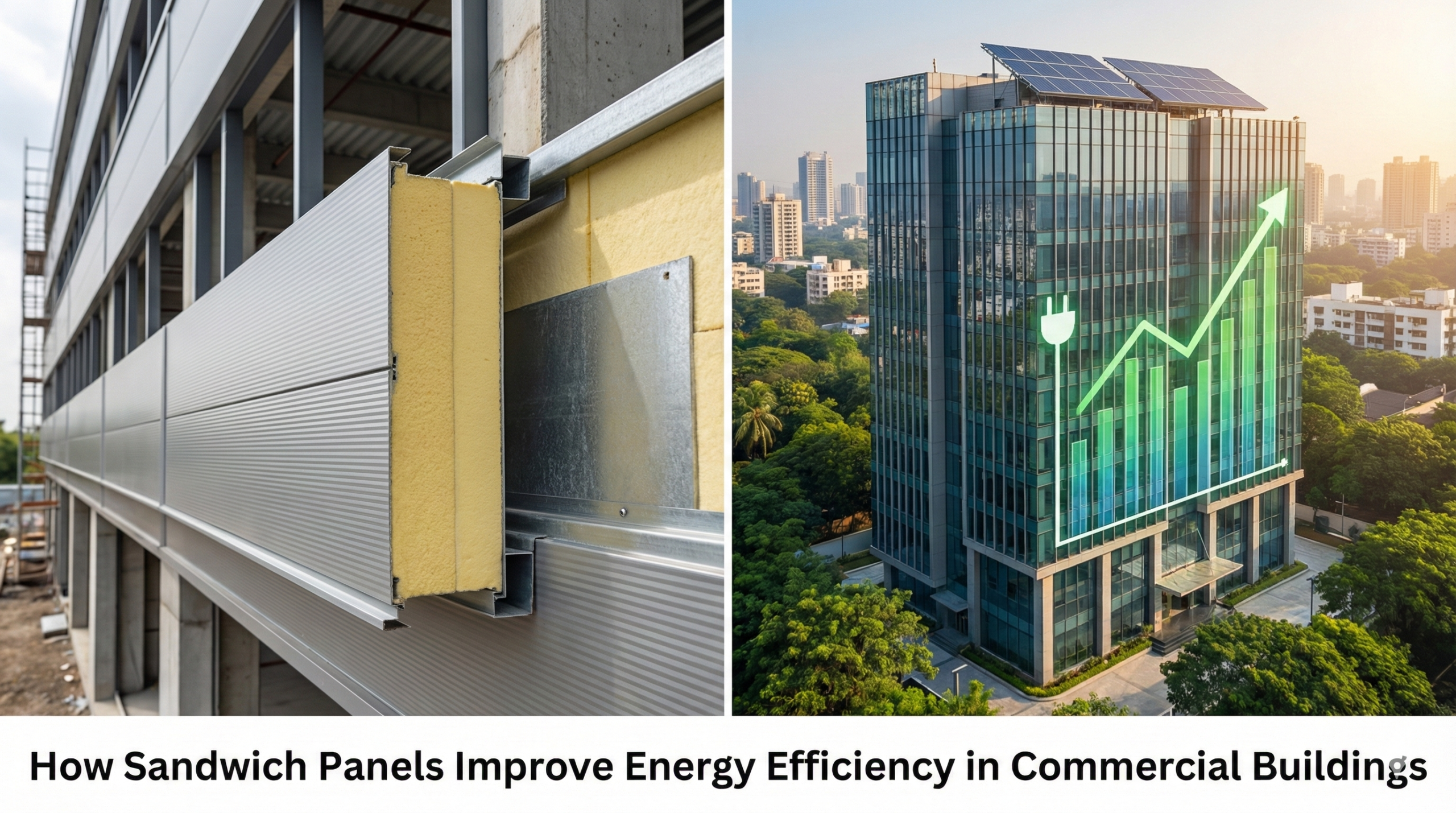
Insulated sandwich panels improve energy efficiency by reducing heat transfer and air leakage across roofs and walls, which lowers cooling/heating loads and improves indoor comfort.
In India, they can help commercial projects meet ECBC-aligned envelope performance goals while enabling faster, cleaner construction.
Why energy efficiency is urgent for Indian commercial buildings
Cooling is becoming a dominant driver of India’s electricity demand, especially during hot months and peak hours.
The International Energy Agency notes that, under current policy conditions, cooling accounts for almost half of the increase in peak electricity demand by 2030.
That makes the building envelope (roof + walls + glazing) a first-order lever: reduce heat gain, and you reduce peak load, HVAC runtime, and operating cost.
This is also why India’s Energy Conservation Building Code (ECBC) exists:
ECBC sets minimum energy performance requirements for new commercial buildings, including building-envelope performance.
ECBC 2017 was launched to reduce energy consumption in buildings and support low-carbon growth.
For many commercial projects, the fastest path to measurable savings is improving the roof and wall assemblies.
ECBC includes prescriptive paths and calculation methods for assembly U-factor (overall heat transfer), which is directly improved by higher-performance insulation layers.
What are sandwich panels?
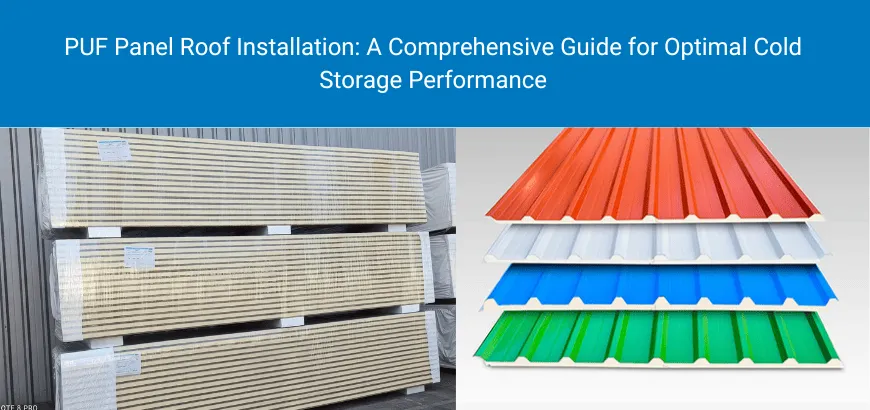
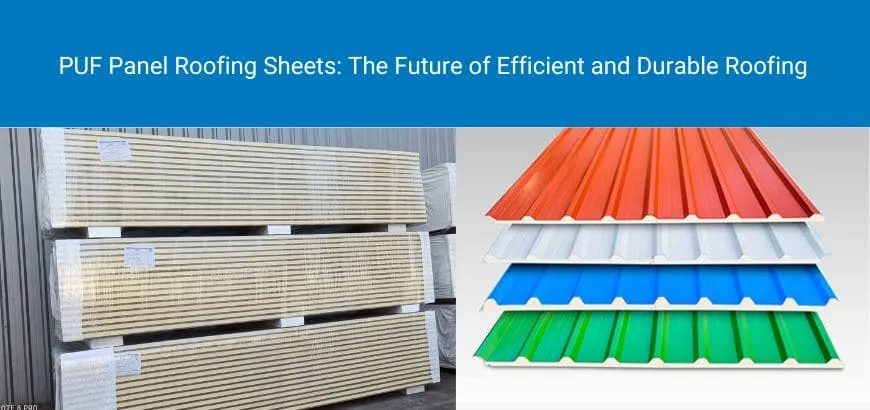
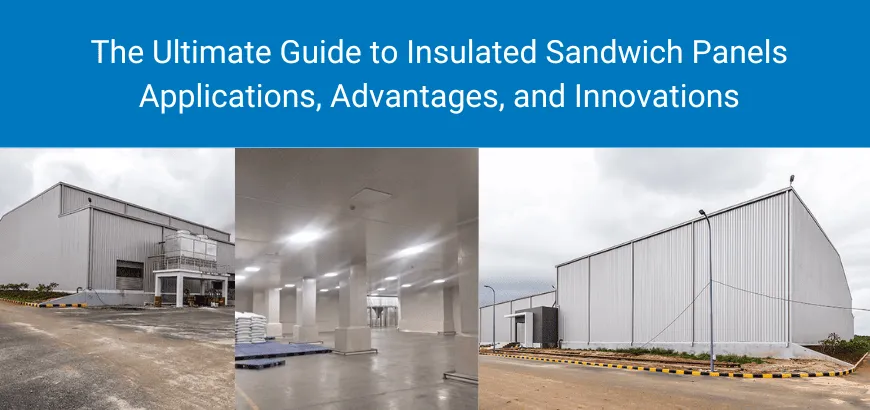
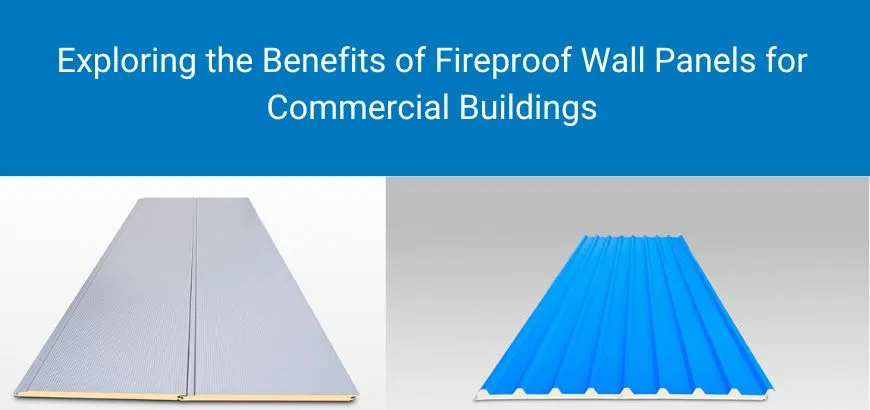
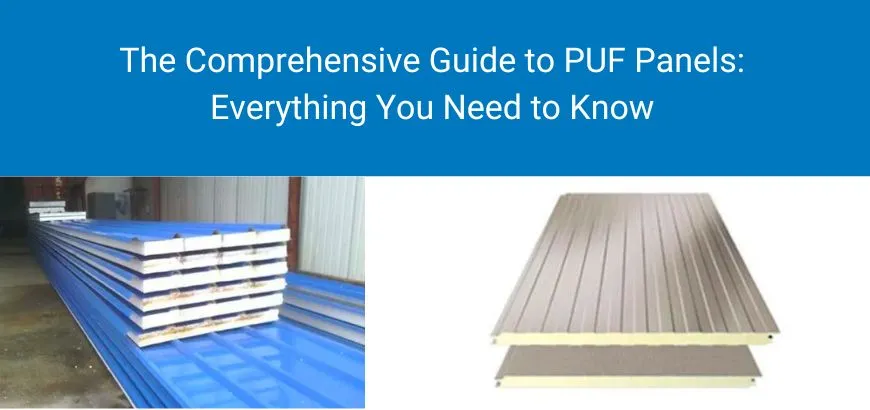
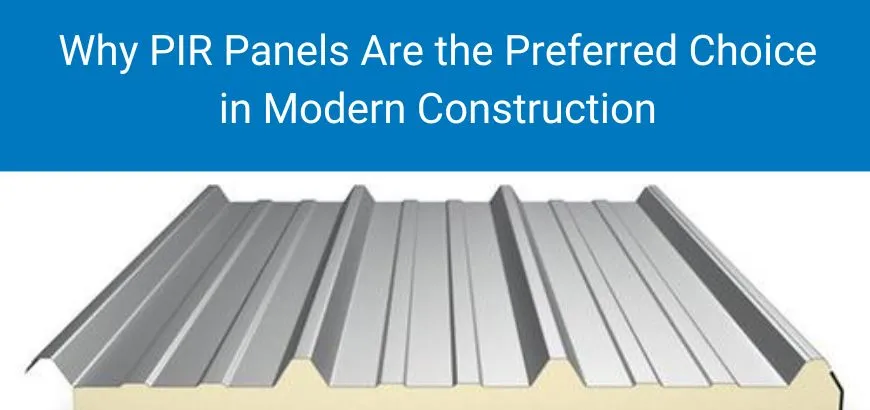
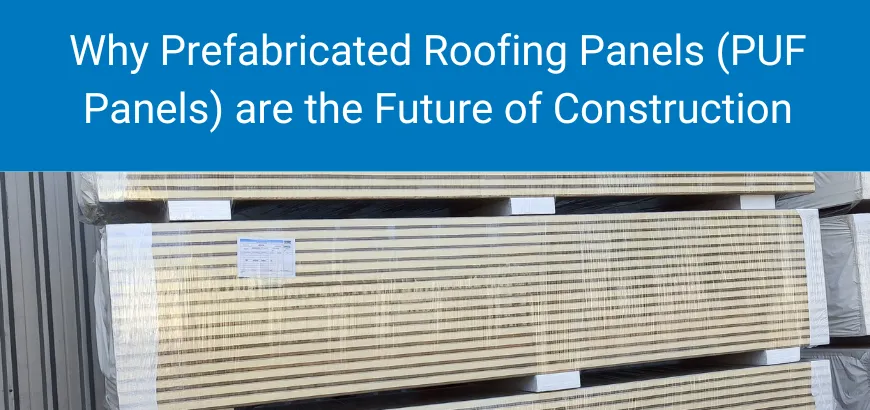
A sandwich panel is a factory-made, “composite” building element typically made of two metal skins (often pre-painted steel) with an insulated core.
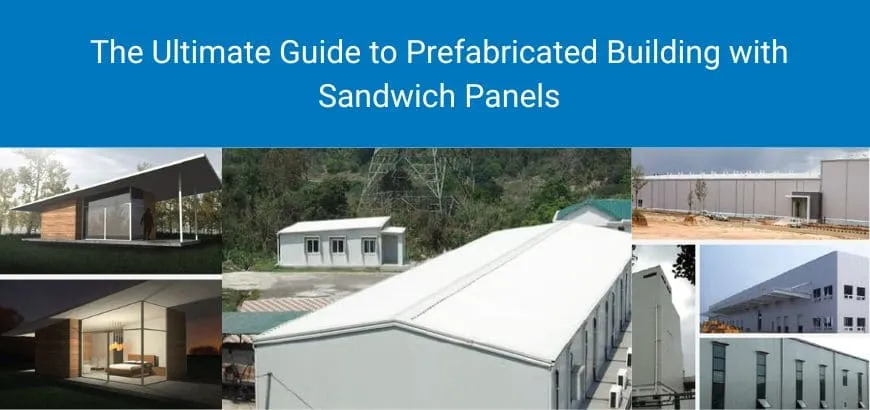
In commercial buildings, these panels are used for roofs, external walls, internal partitions, ceilings, and temperature-controlled enclosures.
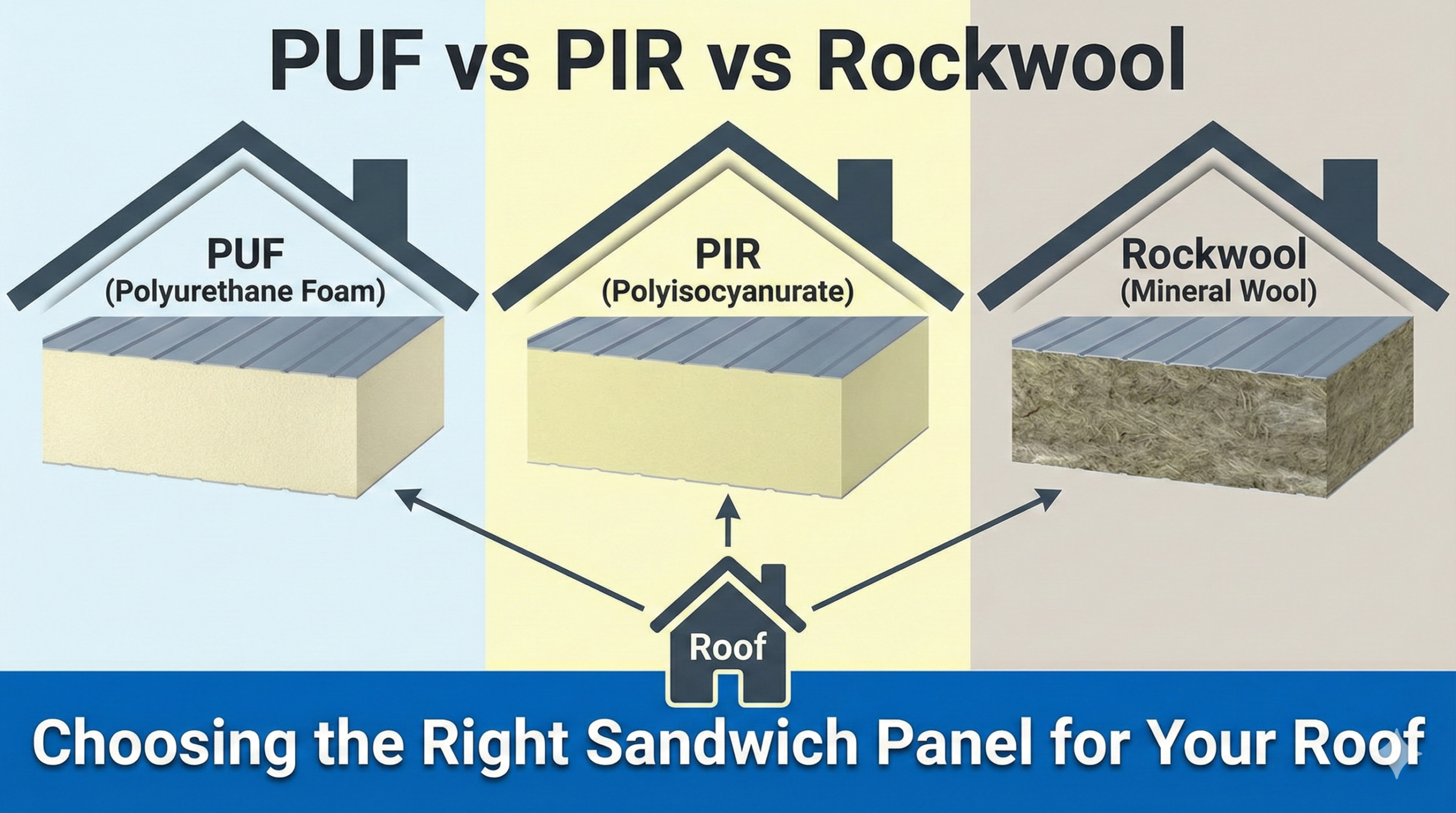
Rinac’s clean modular construction portfolio includes multi-panel insulation options such as RPUF, PIR, FM-rated systems, and Rockwool—selected based on thermal, hygiene, and fire-safety needs.
In practice, insulated panel systems are popular because they are pre-finished, repeatable in quality, and fast to deploy.
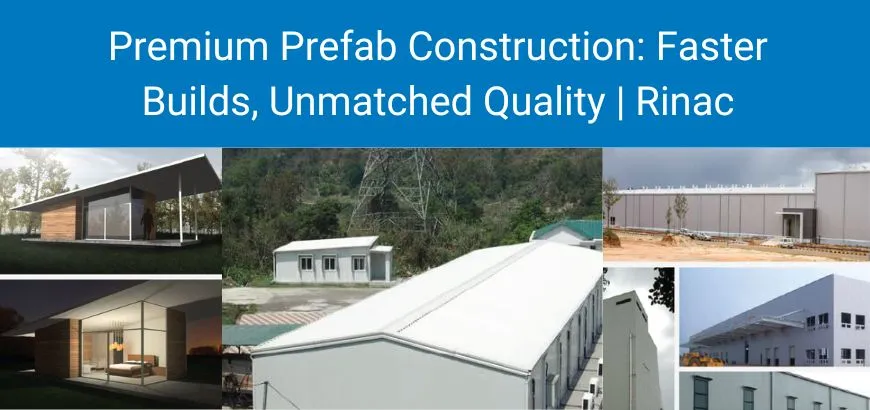
Rinac describes its InstaBuild systems as steel-faced, polyurethane-insulated composite panels designed to create clean, dust-proof, energy-efficient structures with excellent insulation properties.
Related Rinac pages you may want to review alongside this guide:
Construction with Sandwich Panels (Engineering & Construction Solutions),
InstaBuild modular sandwich panel systems,
InstaRoof insulated roofing panels,
CoolTop insulated roofing solution,
and Firearmet FM-approved sandwich panels.
How sandwich panels improve energy efficiency (5 mechanisms)
1) They reduce conductive heat transfer through roofs and walls
The core purpose of insulation is to slow down heat flow.
In hot Indian climates, this helps keep indoor temperatures stable and reduces how hard air-conditioning systems must work.
Polyiso/PIR-type insulation is known for low thermal conductivity; industry references often cite values in the ~0.022–0.028 W/m·K range (exact value depends on product, facing, and test conditions).
Because sandwich panels provide “built-in” insulation across large surface areas (roof and walls), they can deliver consistent thermal resistance with fewer on-site workmanship variables than many multi-layer traditional wall systems.
2) They improve airtightness, reducing unwanted air leakage
In real buildings, energy loss is not only conduction; air leakage can materially increase HVAC loads.
ENERGY STAR’s air sealing guidance highlights that air leakage can account for a large portion of heating and cooling energy use.
Interlocking panel joints can help reduce leakage paths when detailed and installed correctly.
For example, Rinac notes that its InstaRoof panels lock together and provide an airtight seal that prevents air leakage and improves energy efficiency.
3) They create more “continuous insulation,” reducing thermal weak spots
Traditional construction can have thermal weak points at junctions, cavities, and inconsistent workmanship.
Sandwich panel assemblies are designed as continuous systems, which can reduce thermal weak spots across the envelope (especially when details for corners, penetrations, and fasteners are handled properly).
4) They help control condensation risk in warm-humid and mixed climates
Condensation is a hidden energy and maintenance problem: moisture can degrade insulation performance and force HVAC systems to work harder for dehumidification.
Rinac highlights that its insulated wall panel systems use interlocking joints and are designed to reduce radiant heat transfer and condensation.
5) They enable faster delivery of high-performance roofs aligned with code and comfort goals
ECBC includes requirements and guidance that relate to roof performance, and it also recognises measures like cool roofs/vegetated roofs for many roof areas.
In India, where roof solar gain can be significant, insulated roofing panels can be a practical method to reduce heat load and improve comfort.
U-value, ECBC, and how to estimate envelope performance
If you want a simple way to compare envelope options, focus on U-factor (U-value):
it represents how much heat passes through an assembly (lower is better).
ECBC provides methods for calculating overall assembly U-factor (for example, combining typical construction U-factor with the insulation layer contribution).
A quick “back-of-the-envelope” estimate (for intuition)
For a single insulation layer, thermal resistance can be approximated as:
R ≈ thickness / thermal conductivity
and U ≈ 1 / R (for a simplified, insulation-only view).
With a conductivity around 0.022–0.028 W/m·K, thicker insulation yields lower U-values (better performance).
Final design should use full assembly calculations, including skins, fasteners, joints, air films, and thermal bridging.
How this connects to ECBC in India
ECBC is the national framework for commercial building energy performance.
State agencies also publish summaries and compliance guidance.
For example, one ECBC summary (composite climate) shows roof and wall assembly U-factor targets that differ for 24-hour buildings (like hospitals/hotels/call centres) versus daytime-use buildings.
The practical takeaway: better roof and wall insulation makes ECBC compliance easier, especially for long-operating commercial facilities.
What to ask your design team for (so you can compare options)
- Climate zone + operating profile (daytime vs 24×7) mapped to ECBC requirements.
- Overall assembly U-factor calculation (not just “core thickness”).
- Joint and penetration detailing plan (airtightness is where projects often lose performance).
- Fire performance and certifications appropriate for occupancy and risk.
Where sandwich panels deliver the biggest ROI in India
Sandwich panels can benefit almost any commercial building, but they are especially valuable when:
(1) cooling loads are high, (2) operating hours are long, (3) indoor conditions must be controlled, or (4) speed and cleanliness of construction are critical.
This is why insulated panel systems are common in controlled environment industries and modern logistics infrastructure.
High-impact commercial and industrial use cases
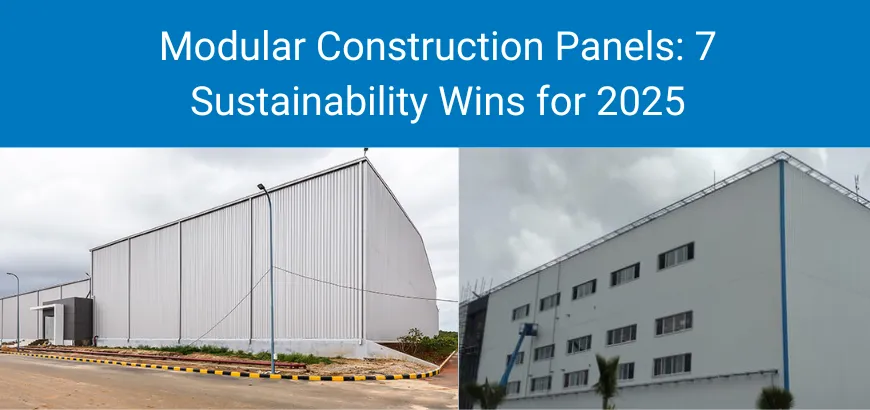
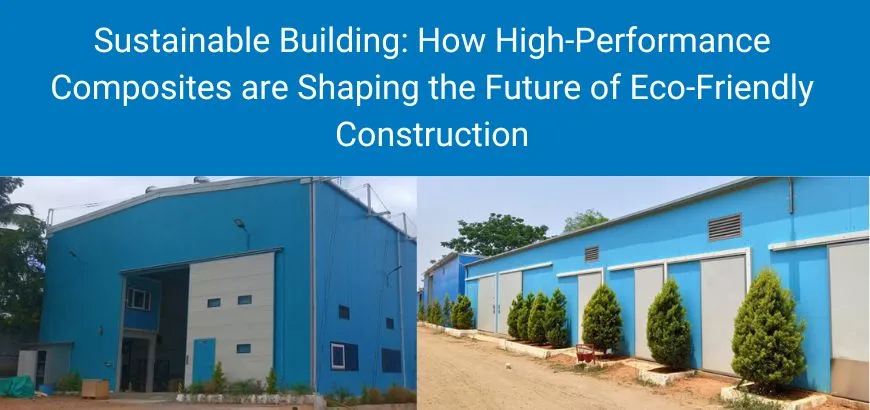
- Warehouses and factories: reduce heat gain through roofs/walls and stabilise indoor comfort.
- Food processing and packaging: support hygiene needs and temperature stability.
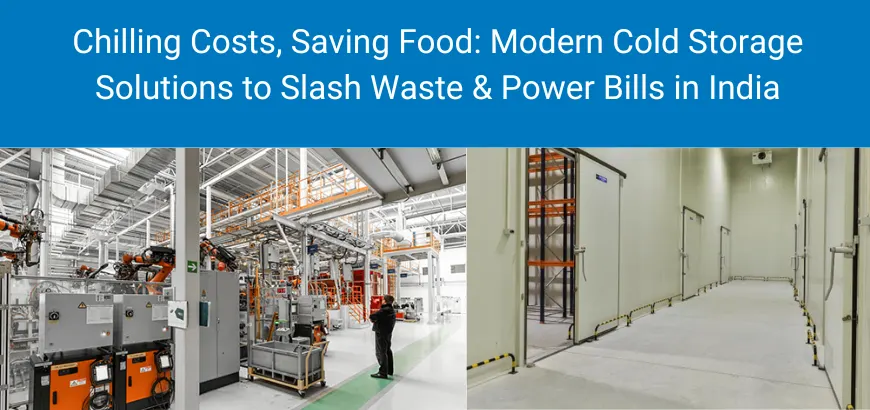
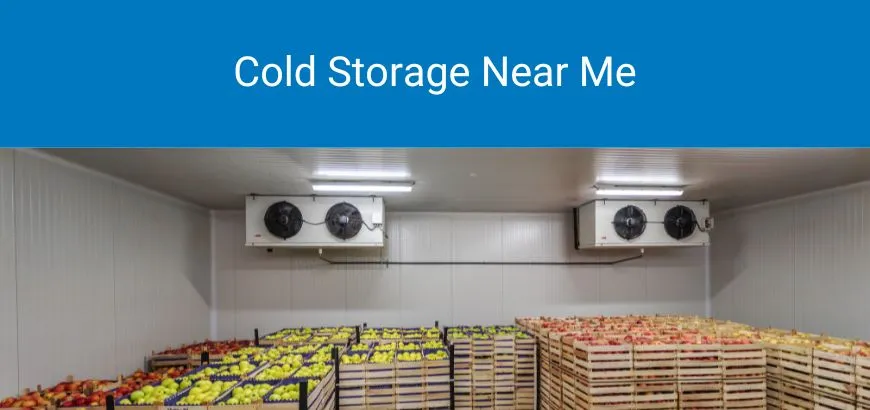
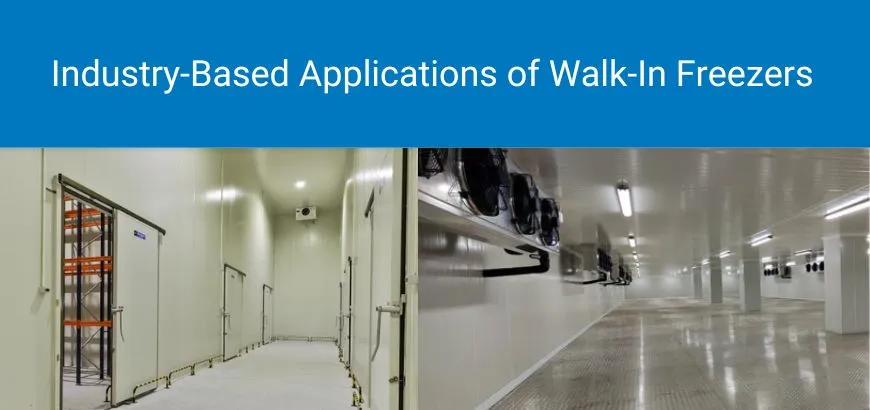
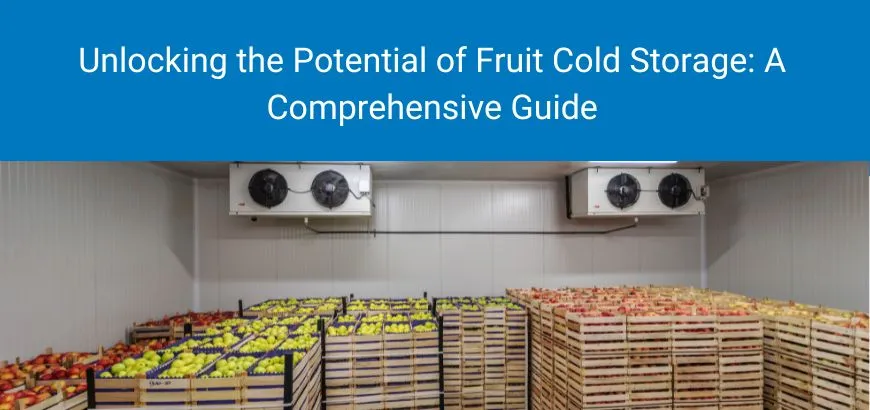
- Cold storages and controlled environment chambers: lower refrigeration loads through a tighter, better-insulated envelope.
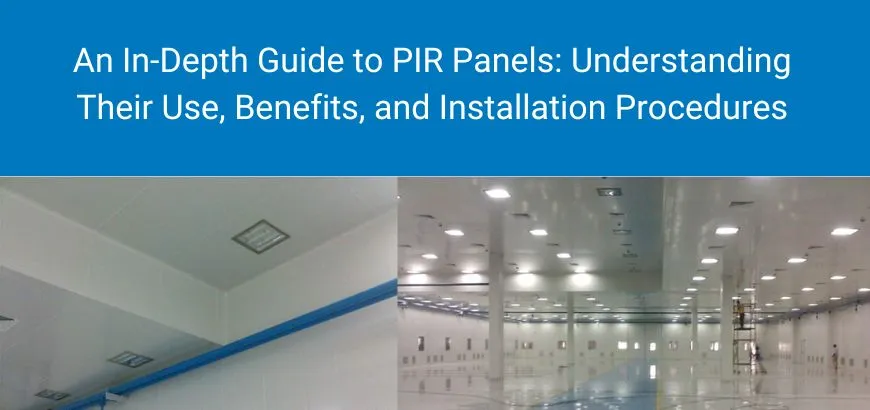
- Pharma cleanrooms and R&D labs: controlled indoor conditions with modular construction benefits.
- Healthcare facilities and operating rooms: stable temperature/humidity requirements (where envelope performance helps HVAC).
- Data centres and precision engineering facilities: continuous cooling sensitivity makes envelope upgrades meaningful.
Specification checklist (architects, builders, facility teams)
To get real energy savings from sandwich panels, specification and installation details matter as much as core thickness.
Use this checklist to avoid “paper performance” and get predictable outcomes on site.
Core selection (performance + safety)
- Thermal performance: ask for tested conductivity / R-values and full assembly U-factor.
- Fire strategy: match core type and certifications to occupancy risk (e.g., FM-approved systems where required).
- Moisture behavior: warm-humid sites need careful vapor and joint detailing to prevent condensation.
System detailing (where projects win or lose energy)
- Joints: interlocking tongue-and-groove (or equivalent) with correct sealants and workmanship.
- Penetrations: define a standard for ducts, conduits, pipes, and fasteners with airtight collars/seals.
- Thermal bridging: minimise metal-to-metal paths; use thermal breaks where necessary.
- Roof water-tightness: slope, flashing, guttering, and correct overlaps to protect insulation performance over time.
Build quality and commissioning
- As-built checks: visual inspection for joint continuity + thermal scan (where feasible) to catch hidden gaps.
- HVAC recalibration: if envelope improves, HVAC sizing/control can often be optimised (do not keep “old oversizing” by default).
- Operations plan: periodic sealing checks around high-movement penetrations (doors, service entries).
Rinac solutions and where they fit
Rinac focuses on cold chain infrastructure and clean modular construction, where energy efficiency, hygiene, and speed of execution matter.
If your commercial building includes temperature-controlled zones, clean areas, or fast-track delivery requirements, Rinac’s panel systems are designed to match those realities.
1) InstaBuild: modular sandwich panel systems
InstaBuild is positioned by Rinac as a prefabricated sandwich panel system used to create clean, dust-proof, energy-efficient structures.
These steel-faced, polyurethane-insulated composite panels support modular construction with reduced site time and improved quality control.
2) Engineering & Construction Solutions: wall, ceiling, roof panel systems
Rinac’s Engineering & Construction Solutions highlight insulated systems such as:
InstaWall (PUF/PIR wall/partition panels),
InstaCeil (PUF/PIR ceiling panels),
and InstaRoof (PUF/PIR insulated roofing panels).
This page also lists commercial/industrial applications including pharma cleanrooms, healthcare facilities, data centres, and food processing units.
3) Insulated roofing: InstaRoof and CoolTop
Roofs are one of the largest heat-gain surfaces in many Indian commercial buildings.
Rinac offers roof-focused solutions like
InstaRoof (30mm/50mm options with PUF or PIR cores) and
CoolTop (insulated roofing positioned for commercial and industrial buildings).
Rinac notes that InstaRoof uses interlocking joints to improve airtightness and reduce air leakage, which supports real-world energy performance.
4) Fire-sensitive occupancies: Firearmet (FM-approved panels)
For projects where fire performance and risk management are critical, Rinac highlights
Firearmet FM-approved sandwich panels
for walls, ceilings, roofs, and cold chain infrastructure.
Next step (practical)
If you want to quantify expected savings for your project, the fastest workflow is:
- Identify your ECBC path (prescriptive or trade-off) and climate zone.
- Define envelope targets (roof/wall U-factor) and operating profile (day vs 24×7).
- Select panel type + thickness based on thermal, fire, hygiene, and durability needs.
- Detail joints and penetrations to protect airtightness (critical for actual performance).
FAQs
1) Do sandwich panels really reduce HVAC energy in commercial buildings?
They can, because they reduce heat transfer through the envelope and can improve airtightness when installed as a system.
The actual reduction depends on climate zone, internal loads, operating hours, glazing, and HVAC controls, so always validate with an envelope U-factor calculation and (ideally) energy modelling.
2) Which core is better for energy efficiency: PUF or PIR?
Both provide strong insulation performance; PIR is often selected when higher fire performance is required, while PUF is commonly used for insulation and controlled environments.
Final selection should align with your fire strategy, compliance needs, and project-specific operating conditions.
3) How do sandwich panels support ECBC compliance?
ECBC includes envelope performance requirements and provides methods to calculate overall assembly U-factor.
Higher-performing insulation assemblies make it easier to achieve lower U-values, which supports ECBC-aligned envelope targets.
4) Are sandwich panels only for cold rooms and factories?
No. They are used in many commercial buildings where faster construction, cleaner interiors, and better insulation are needed (warehouses, logistics hubs, healthcare areas, data centres, and more).
5) What’s the most common reason a panel project underperforms on energy?
Weak detailing at joints, penetrations, and interfaces (doors, service entries, roof-wall junctions).
A high-performance core won’t deliver full benefits if air leakage paths remain.
6) Do insulated roof panels help in Indian summers?
Yes, especially because roofs can be major heat-gain surfaces. Insulated roofing reduces heat flow into the building, lowering heat load and improving indoor comfort.
Rinac positions solutions like InstaRoof and CoolTop for insulated roofing use cases in commercial and industrial settings.
7) How do I decide thickness for a commercial project?
Start with climate zone and operating profile (daytime vs 24×7), then set target U-factor for roof and walls.
Compare assemblies using full U-factor calculations (not just “mm thickness”), and ensure the design includes airtightness and condensation control details.
8) Where can I see Rinac’s sandwich panel offerings quickly?
Start with Engineering & Construction Solutions (Sandwich Panels), explore InstaBuild, and review Firearmet (FM-approved). Brochures are available on the Downloads page.