TL;DR — Quick Summary
- India produces over 24 million metric tonnes of mangoes annually, yet post-harvest losses of 15–20% drain farmer income and export potential every season.
- Variety-specific cold storage is critical — Alphonso needs 12–13°C while Dashehri requires 12°C and Langra thrives at 15°C, each with 85–90% relative humidity.
- Pre-cooling within 2–4 hours of harvest followed by proper cold chain integration can extend mango shelf life from days to 3–6 weeks.
- Government subsidies of 35–50% under PM Kisan SAMPADA and MIDH make cold storage infrastructure investment more accessible than ever for Indian mango businesses.
- A complete cold chain approach — from pre-cooling rooms and cold storage to ripening chambers and refrigerated transport — is essential for capturing India’s growing mango export opportunity.
Table of Contents
- Why Mango Cold Storage Matters More Than Ever in 2026
- India’s Mango Landscape: Production, Varieties, and Market Opportunity
- The Post-Harvest Challenge: Understanding Mango Losses
- Variety-Specific Temperature and Humidity Guide
- Pre-Cooling: The Critical First Step After Harvest
- Types of Cold Storage Solutions for Mangoes
- Ripening Chambers: Controlled Ripening for Market-Ready Mangoes
- Controlled Atmosphere (CA/MA) Storage for Extended Shelf Life
- Building Your Mango Cold Chain: A Step-by-Step Roadmap
- FSSAI Compliance and Food Safety Standards
- Government Subsidies and Financial Support
- Frequently Asked Questions
Why Mango Cold Storage Matters More Than Ever in 2026
As India gears up for the 2026 mango harvest season — typically spanning March through July across different regions — the stakes for mango growers, traders, and exporters have never been higher. India is the undisputed global leader in mango production, contributing nearly half of the world’s output. Yet, the country captures barely 1% of the global mango export market, a gap that points directly to one persistent bottleneck: inadequate post-harvest cold chain infrastructure.
The 2026 season arrives at a pivotal moment. Global demand for premium Indian mango varieties — Alphonso, Kesar, Banganapalli, Dashehri, and Langra — continues to surge across the UAE, USA, UK, and European markets. At the same time, FSSAI regulations have become stricter, and buyers in international markets demand full cold chain traceability. For businesses looking to capitalise on this opportunity, investing in the right cold storage infrastructure is no longer optional — it is the single most impactful decision you can make to protect margins, reduce waste, and unlock export revenue.
This comprehensive guide covers everything you need to prepare for the 2026 harvest — from variety-specific storage temperatures and pre-cooling protocols to cold storage solutions for agriculture, ripening chamber technology, FSSAI compliance, and available government subsidies.
India’s Mango Landscape: Production, Varieties, and Market Opportunity
India cultivates mangoes across approximately 2.2 million hectares, with annual production exceeding 24 million metric tonnes. The major producing states — Andhra Pradesh, Uttar Pradesh, Karnataka, Bihar, Tamil Nadu, and Gujarat — each have distinct harvest windows and variety profiles that create a staggered supply chain running from March through August.
24+ Million MT
India’s annual mango production — nearly half the world’s total output
India’s annual mango production — nearly half the world’s total output
The export picture tells a compelling growth story. India exported over 32,000 metric tonnes of fresh mangoes valued at approximately ₹495 crore in the 2023–24 fiscal year. With the global mango market expected to grow at 6–8% annually through 2029, and premium and organic segments seeing double-digit growth, the opportunity for Indian exporters is substantial — provided the cold chain can support it.
For businesses evaluating how to start a cold storage business in India, mango season represents one of the highest-demand periods, making it an ideal entry point for cold chain investment.
The Post-Harvest Challenge: Understanding Mango Losses
Despite being the world’s largest mango producer, India loses an estimated 15–20% of its mango crop to post-harvest spoilage every year. Some studies place this figure even higher at up to 25–30% when accounting for quality degradation across the supply chain. To put this in perspective, India loses more mangoes post-harvest annually than many countries produce in total.
Industry Insight: Post-harvest losses in the Indian mango supply chain occur at every stage — 2.5% at the farm, 4.5% at the pre-harvest contractor level, 4.35% at wholesale, and over 8% at retail. The cumulative effect devastates farmer income and export competitiveness.
The root causes are well understood: India’s storage facilities can accommodate only about 10% of perishable produce. Tropical harvest temperatures (often 35–42°C) accelerate ripening and decay rapidly. Without timely intervention through pre-cooling and proper cold storage, mangoes move from farm-fresh to unmarketable in just 4–7 days.
The good news? Investments in pre-cooling and refrigerated transport have been shown to reduce post-harvest food loss from 32% to as low as 9%. For mango businesses, this means the technology exists — the challenge is deploying it strategically before the 2026 harvest begins.
Variety-Specific Temperature and Humidity Guide
One of the most critical aspects of mango cold storage is understanding that no single temperature works for all varieties. Indian mango cultivars have distinct cold tolerance thresholds, and storing below these limits causes chilling injury — irreversible damage that results in skin discolouration, pitting, failure to ripen, and off-flavours.
| Mango Variety | Optimal Temperature | Relative Humidity | Expected Shelf Life | Key Harvest States |
|---|---|---|---|---|
| Alphonso | 12–13°C | 85–90% | 3–4 weeks | Maharashtra, Karnataka, Gujarat |
| Kesar | 12–13°C | 85–90% | 3–4 weeks | Gujarat |
| Dashehri | 12°C | 85–90% | 2–3 weeks | Uttar Pradesh |
| Langra | 15°C | 85–90% | 2–3 weeks | Uttar Pradesh, Bihar |
| Chausa | 10°C | 85–90% | 2–3 weeks | Uttar Pradesh |
| Banganapalli | 13°C | 85–90% | 3–5 weeks | Andhra Pradesh, Tamil Nadu |
| Mallika / Amrapali | 12°C | 85–90% | 2–3 weeks | Bihar, West Bengal |
| Totapuri | 12–13°C | 85–90% | 2–4 weeks | Karnataka, Andhra Pradesh |
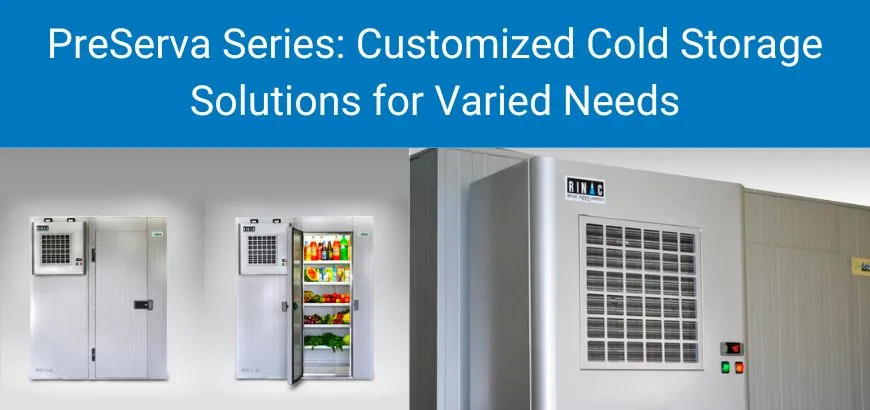
Engineering Note: The general safe storage range for Indian mangoes is 8–13°C. However, most varieties suffer chilling injury below 10°C. Investing in cold rooms with precise temperature control — accurate to ±0.5°C — is essential for maintaining fruit quality across different varieties stored simultaneously. Rinac’s PreServa cold rooms are designed with multi-zone temperature capability to handle exactly this challenge.
Pre-Cooling: The Critical First Step After Harvest
Mangoes are typically harvested when ambient temperatures in India range from 35–42°C. At these temperatures, the fruit’s metabolic rate is extremely high — respiration accelerates, ethylene production spikes, and deterioration begins within hours. Pre-cooling is the single most time-sensitive intervention in the entire mango cold chain.
The objective is to rapidly reduce the fruit’s core temperature from field heat (35–42°C) down to the target storage temperature (8–15°C depending on variety) within 2–4 hours of harvest. This is achieved through dedicated pre-cooling rooms that use forced-air cooling or hydro-cooling techniques.
Pre-Cooling Best Practices for Mangoes
Harvest timing matters. Harvest early morning (before 9 AM) or late afternoon when fruit temperature is naturally lower. Avoid harvesting during peak heat hours. Fruits should be harvested at the mature-green stage for cold storage and long-distance transport.
Forced-air pre-cooling is the most widely recommended method for mangoes. It works by drawing cold air through the packaging around the fruit, removing field heat 4–10 times faster than simple room cooling. The target is to bring fruit pulp temperature below 15°C within 4 hours of harvest.
Hydro-cooling — using chilled water immersion or spray — is another effective option, particularly for operations handling large volumes. It is faster than forced-air cooling but requires careful water quality management. As our guide on pre-cooling and proper handling of fresh produce explains, the right method depends on your throughput and variety mix.
32% → 9%
Post-harvest losses drop dramatically with proper pre-cooling and cold chain integration
Post-harvest losses drop dramatically with proper pre-cooling and cold chain integration
Types of Cold Storage Solutions for Mangoes
Choosing the right cold storage solution depends on your operation’s scale, the mango varieties you handle, and whether you’re storing for domestic markets or export. Here’s how the main options compare for mango storage:
1. High Relative Humidity (RH) Cold Storage
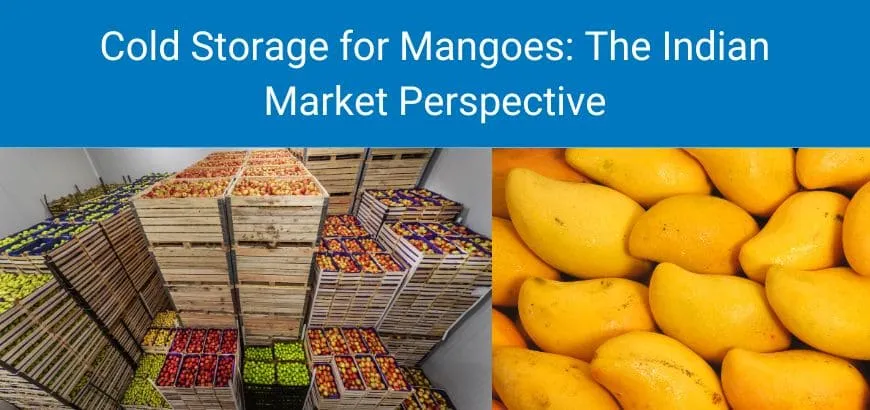
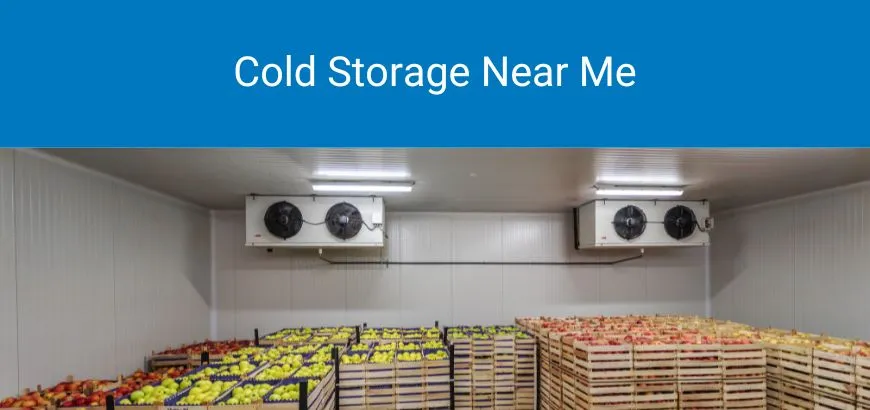
Mangoes require high humidity (85–90% RH) to prevent skin shrivelling and weight loss during storage. High RH cold storage systems are specifically engineered to maintain these precise humidity levels alongside accurate temperature control. This is the go-to solution for mango growers and traders handling large volumes for domestic distribution.
2. Modular Walk-In Cold Rooms
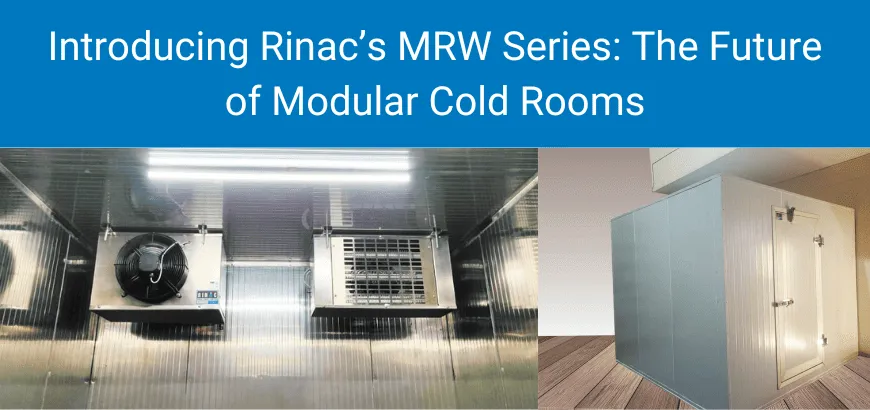
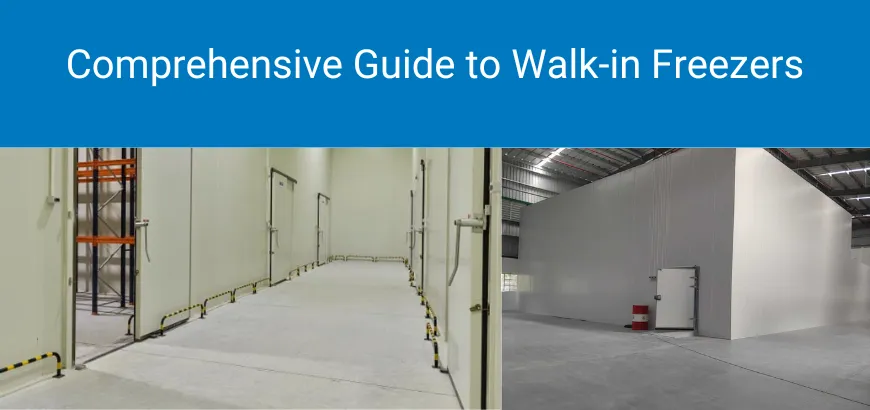
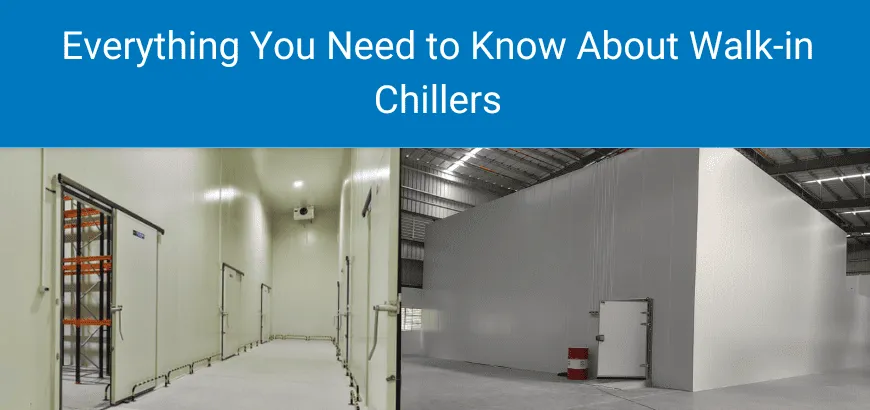
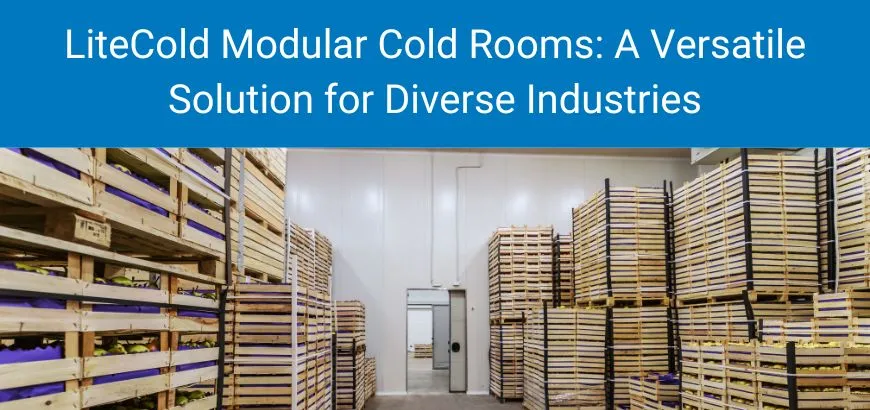
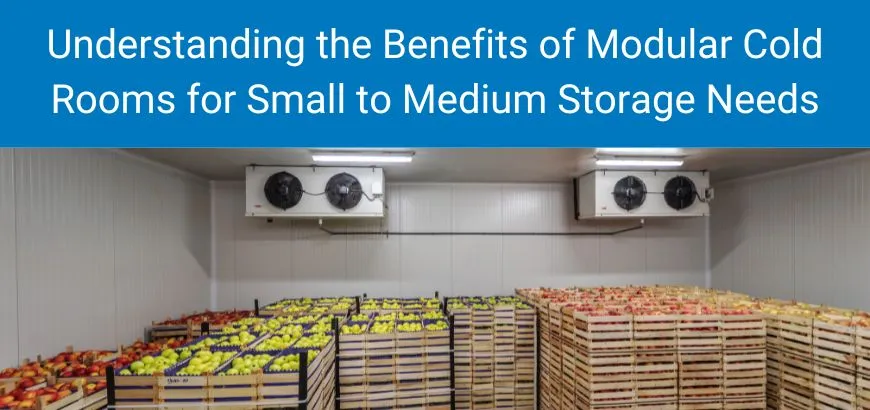
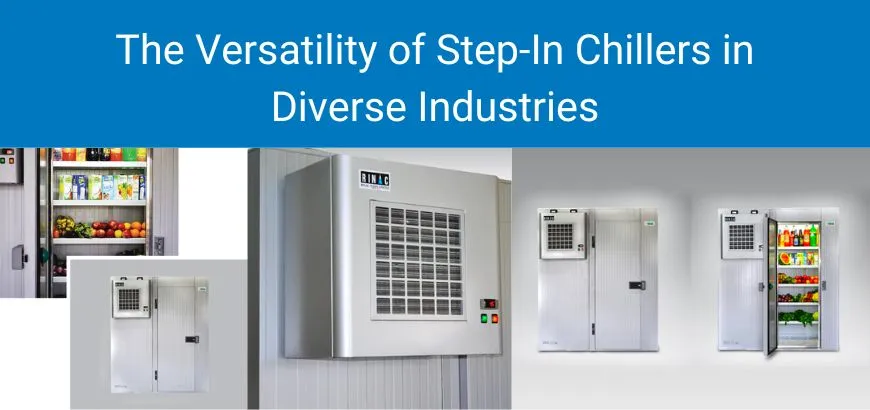
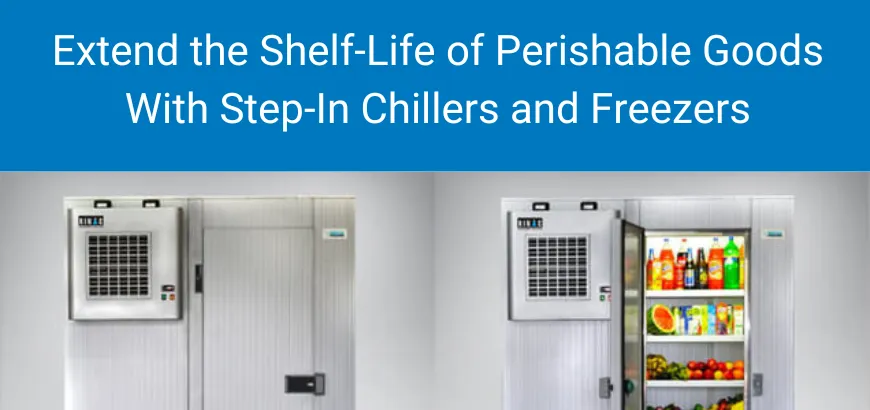
For small-to-medium mango operations — such as FPOs (Farmer Producer Organisations), collection centres, and mandis — modular cold rooms offer a practical, fast-to-deploy solution. Rinac’s MRW Series modular cold rooms and LiteCold modular cold rooms are built with PUF-insulated sandwich panels, require no brick-and-mortar construction, and can be operational within days rather than months.
3. Controlled Atmosphere (CA) and Modified Atmosphere (MA) Chambers
For export-grade mangoes and premium domestic markets, CA/MA chambers offer the gold standard in shelf life extension. By reducing oxygen levels to 3–7% and maintaining CO₂ at 5–8%, CA storage slows respiration and ethylene production far more effectively than temperature alone. We’ll cover this in detail in a dedicated section below.
4. Customised Multi-Zone Cold Storage
Large mango processing and export houses often handle multiple varieties simultaneously, each requiring different temperatures. Rinac’s PreServa Series offers customised multi-zone cold storage where different chambers can maintain different temperature profiles — for example, 12°C for Alphonso in one zone and 15°C for Langra in another — all within the same facility.
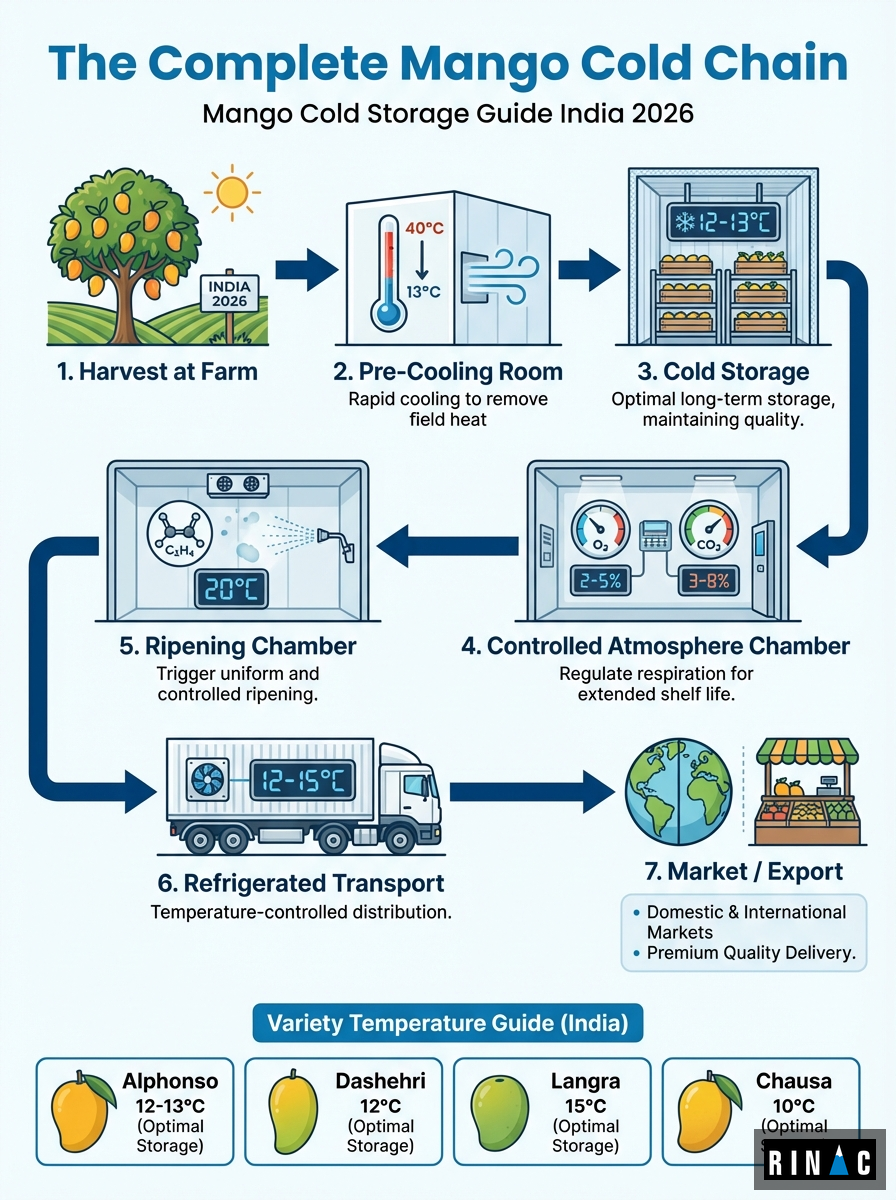
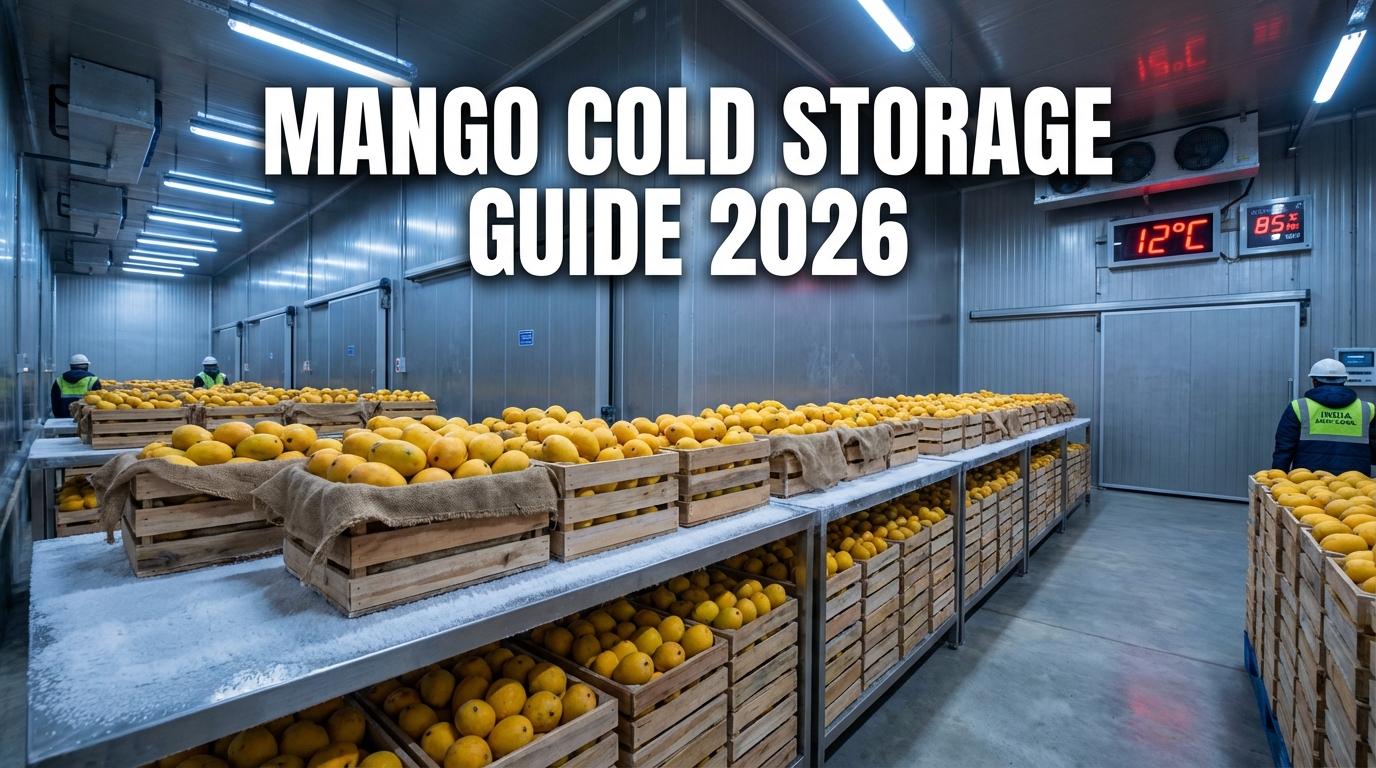
The complete mango cold chain: from farm harvest to market-ready fruit
Ripening Chambers: Controlled Ripening for Market-Ready Mangoes
While cold storage preserves mangoes in their mature-green state, the market demands ripe, ready-to-eat fruit. This is where ripening chambers become an indispensable part of the mango cold chain. They bridge the gap between extended cold storage and consumer-ready product.
Modern ripening chambers use controlled ethylene gas dosing, precise temperature management (typically 18–22°C for mangoes), and forced-air circulation to achieve uniform ripening across the entire batch. This is vastly superior to traditional methods — and crucially, FSSAI-compliant, unlike the banned calcium carbide method still illegally used in some unorganised markets.
FSSAI Alert: Calcium carbide (CaC₂) — commonly known as “masala” in local markets — has been banned by FSSAI as a fruit ripening agent due to health risks including neurological damage. Violators face imprisonment up to three years and fines. Modern ethylene-based ripening chambers are the safe, legal, and commercially superior alternative.
Rinac’s ripening chamber technology, including the specialised BanaBarn platform, uses PUF-insulated modular panels, automatic ethylene dosing, CO₂ scrubbing, and intelligent temperature control to deliver uniform colour development, consistent sweetness, and optimal texture. For a detailed look at ripening technology and compliance, our guide on ripening chambers in India covers the principles that apply equally to mango ripening operations.
Controlled Atmosphere (CA/MA) Storage for Extended Shelf Life
For businesses targeting export markets or seeking to extend the marketing window of premium varieties, Controlled Atmosphere (CA) storage represents the most advanced preservation technology available. Unlike conventional cold storage that relies solely on temperature and humidity, CA storage actively modifies the atmospheric composition inside the chamber.
| Parameter | Regular Cold Storage | CA Storage |
|---|---|---|
| Temperature | 12–13°C | 12–13°C |
| Oxygen Level | ~21% (ambient) | 3–7% |
| CO₂ Level | ~0.04% (ambient) | 5–8% |
| Mango Shelf Life | 2–3 weeks | 4–6 weeks |
| Ethylene Management | Limited (scrubbers optional) | Active suppression |
| Best Use Case | Domestic markets, short transit | Export, premium varieties, long transit |
Research from the Indian Institute of Horticultural Research, Bangalore has demonstrated that Alphonso mangoes stored in CA conditions (5% O₂ + 5% CO₂ at 13°C) extended storage life by 4 weeks, while Banganapalli (5% O₂ + 3% CO₂ at 13°C) achieved an additional 5 weeks — with fruit ripening to bright-yellow colour, good firmness, and acceptable taste after removal.
Rinac designs and installs CA and MA chambers with gas-tight construction, automated atmosphere monitoring, and integrated refrigeration systems tailored for tropical fruit storage. For mango exporters targeting the USA, UK, UAE, and European markets where transit times can exceed 2–3 weeks, CA storage is not a luxury — it is a necessity.
Building Your Mango Cold Chain: A Step-by-Step Roadmap
Preparing for the 2026 harvest season requires thinking beyond individual equipment and planning a complete, integrated cold chain. Here is a practical roadmap for mango businesses:
Step 1: Assess Your Variety Mix and Volume
Map the varieties you will handle and their harvest windows. Determine peak daily throughput — this drives the sizing of pre-cooling and cold storage capacity. For export-oriented operations, factor in the additional buffer needed for phytosanitary inspections and shipping schedules.
Step 2: Install Pre-Cooling at the Collection Point
Pre-cooling should be located as close to the harvest site as possible — ideally at farm-gate collection centres or FPO aggregation points. Rinac’s pre-cooling rooms can be configured as modular units that deploy quickly without permanent construction.
Step 3: Configure Cold Storage with Multi-Zone Capability
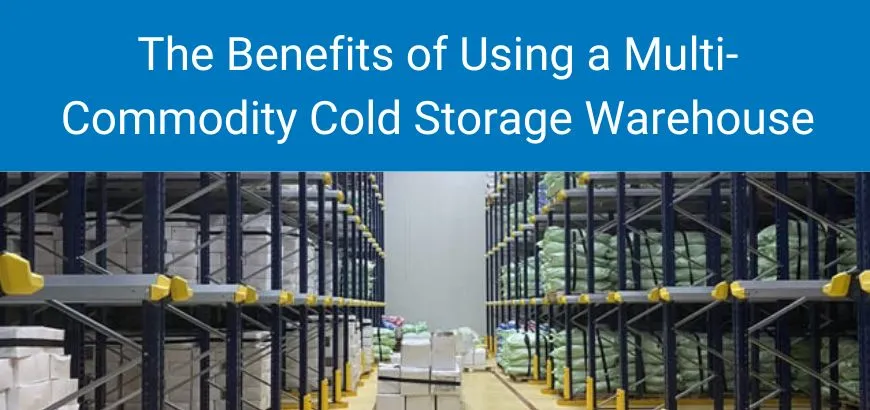
Your main cold storage facility should support multiple temperature zones for different varieties. Ensure PUF or PIR insulated panels of adequate thickness (typically 80–120mm for mango storage temperatures) and energy-efficient refrigeration. As detailed in our guide on modern cold storage solutions, energy costs can account for up to 40% of operating expenses — so choosing the right insulation and compressor technology directly impacts profitability.
Step 4: Set Up Ripening Infrastructure
Install ripening chambers at distribution points close to target markets. This allows you to store mangoes longer in the green state and ripen on demand based on market orders. Automated ethylene management and CO₂ scrubbing ensure consistent, FSSAI-compliant ripening.
Step 5: Secure Refrigerated Transport
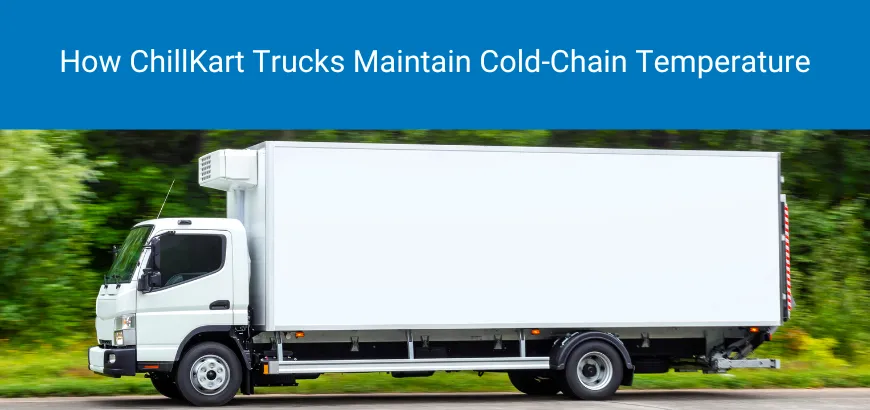
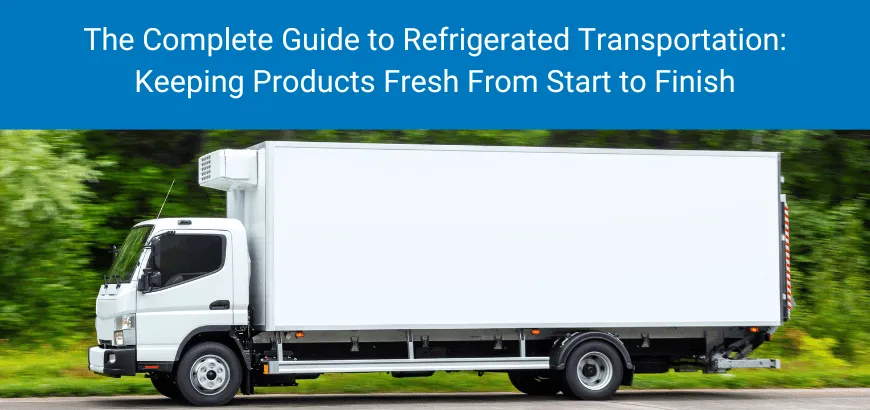
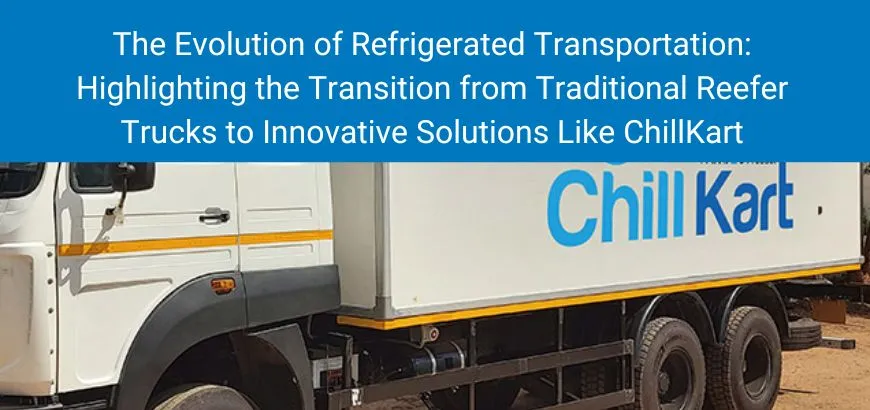
The cold chain is only as strong as its weakest link. Refrigerated transportation — including Rinac’s ChillKart refrigerated vehicles — ensures temperature integrity from cold storage to the distribution point or port. Without this link, all upstream investments in pre-cooling and cold storage are compromised. Learn more about maintaining temperature during transit in our ChillKart cold chain guide.
Step 6: Implement Monitoring and Traceability
Install IoT-enabled temperature monitoring across all nodes — pre-cooling, cold storage, transport, and ripening. Real-time alerts for temperature deviations prevent costly spoilage. For export markets, traceability documentation is increasingly mandatory. Our article on technology transforming cold chain logistics in India covers the latest monitoring and traceability solutions.
Pro Tip: Rinac offers end-to-end solution architecture — from design and engineering through manufacturing, installation, and after-sales service. With 30+ years of cold chain expertise and over 10,000 projects delivered across 23 countries, Rinac’s team can help you design an integrated mango cold chain tailored to your specific varieties, volumes, and market targets. Contact our cold chain experts to start planning for the 2026 season.
FSSAI Compliance and Food Safety Standards
Operating a mango cold storage facility in India requires adherence to several food safety regulations. FSSAI (Food Safety and Standards Authority of India) mandates registration for all food storage and processing facilities, and compliance is non-negotiable for both domestic and export operations.
Key FSSAI Requirements for Mango Cold Storage
Facility registration is mandatory under the Food Safety and Standards Act. All cold storage facilities handling mangoes must hold a valid FSSAI licence. The category of licence (basic, state, or central) depends on your annual turnover and scale of operations.
Ripening agent compliance is a critical area. FSSAI has banned calcium carbide and permits only ethylene gas (at regulated concentrations) for commercial fruit ripening. Facilities must document their ripening protocols and maintain records for inspection.
Hygiene and sanitation standards follow HACCP principles. Cold storage facilities must maintain documented cleaning schedules, pest control measures, and temperature logs. For a comprehensive understanding of compliance requirements, our guide on cold storage compliance with food safety regulations provides actionable checklists.
Export-grade certifications including HACCP, ISO 22000, and phytosanitary compliance (APEDA registration) are required for mango exports. Many international buyers also require GlobalG.A.P. certification at the farm level.
Rinac’s cold chain solutions are designed and manufactured to meet ISO, FSSAI, HACCP, GMP, and IGBC standards — ensuring your mango storage facility is compliance-ready from day one.
Government Subsidies and Financial Support
The Indian government has significantly increased financial support for cold chain infrastructure, recognising its critical role in reducing post-harvest losses and boosting farmer income. For businesses planning mango cold storage investments ahead of the 2026 season, several schemes offer substantial subsidies.
PM Kisan SAMPADA Yojana — This umbrella scheme includes the Integrated Cold Chain and Value Addition Infrastructure (ICCVAI) component, which provides grants for creating integrated cold chains from farm to consumer. Subsidies can cover 35–50% of the project cost, depending on the applicant category and location.
Mission for Integrated Development of Horticulture (MIDH) — Specifically relevant for mango growers, MIDH provides financial assistance for cold storage, ripening chambers, pack houses, and refrigerated transport linked to horticultural produce.
National Cold Chain Grid — The government’s vision to create a seamless cold chain network across India includes incentives for cold storage at the farm-gate level, exactly where mango operations need it most.
For a detailed breakdown of how to access these subsidies, eligibility criteria, and application processes, our comprehensive guide on cold chain subsidies 2026 walks you through every step. Over 1,200 FPOs have already been integrated into subsidised cold chain networks, with participating farmers seeing income improvements of 25–30%.