TL;DR — Quick Summary
- India’s meat market is valued at USD 60 billion (2025) and projected to reach USD 124.2 billion by 2034 — but nearly 90% of meat and poultry still moves in non-refrigerated transport, causing massive spoilage and safety risks.
- FSSAI mandates strict temperature zones: 0°C to 4°C for chilled meat and -18°C or below for frozen meat, with HACCP-based monitoring at every critical control point from slaughter to retail.
- Compliance requires purpose-built infrastructure — blast chillers and freezers, modular cold rooms, IoT-enabled temperature monitoring, and refrigerated transport that maintains the cold chain end to end.
- Government subsidies of 35–50% under PMFME and MoFPI schemes make this the ideal time to invest in FSSAI-compliant cold chain infrastructure for meat and poultry processing.
Why Meat and Poultry Cold Storage Compliance Is a Business Imperative in India
India’s meat industry stands at a critical inflection point. Valued at USD 60 billion in 2025 and growing at a CAGR of 8.42%, it is one of the fastest-expanding protein markets globally. The poultry segment alone — worth USD 32.93 billion — is projected to more than double by 2035. Yet behind these headline numbers lies an uncomfortable reality: the cold chain infrastructure supporting this massive industry remains woefully inadequate.
According to industry estimates, approximately 90% of India’s meat and poultry products still move through poorly packaged, non-refrigerated transport systems. The result is significant spoilage, food safety incidents, and revenue losses that cost the industry crores annually. FSSAI regulations now mandate strict temperature controls at every stage — from slaughter through processing, storage, transportation, and retail — making compliance not just a legal obligation but a competitive necessity. For processors and retailers looking to understand the foundations, our guide on food safety compliance for cold storage companies provides essential context.
This comprehensive guide breaks down FSSAI’s temperature requirements for meat and poultry, outlines HACCP-based best practices, and provides a practical roadmap for building compliant cold chain infrastructure — whether you are setting up a new processing facility or upgrading an existing one.
USD 60 Billion
India’s meat market value in 2025, growing at 8.42% CAGR toward USD 124.2 billion by 2034
India’s meat market value in 2025, growing at 8.42% CAGR toward USD 124.2 billion by 2034
FSSAI Temperature Requirements for Meat and Poultry Storage
The Food Safety and Standards Authority of India (FSSAI), through the Food Safety and Standards (Food Products Standards and Food Additives) Regulations, 2011, has established clear definitions and temperature mandates for meat handling. The 2018 amendments further clarified the classifications of fresh, chilled, and frozen meat — and these standards remain fully applicable through 2026.
Key FSSAI Definitions
Understanding FSSAI’s classification system is the first step toward compliance:
| Category | FSSAI Definition | Required Temperature | Typical Storage Duration |
|---|---|---|---|
| Fresh Meat | Meat not treated for preservation | Process within hours of slaughter | Same day |
| Chilled Meat | Meat subjected to chilling post-slaughter | 0°C to 4°C | 3–5 days |
| Frozen Meat | Meat frozen for long-term preservation | -18°C or below | 6–12 months |
| Deep Frozen Meat | Meat subjected to rapid deep freezing | -30°C to -40°C (blast freezing) | 12+ months |
Critical Compliance Note: FSSAI’s February 2026 amendments introduce new product-specific definitions, including detailed parameters for meat sausages and processed meat products. Facilities must update their SOPs and quality documentation to reflect these changes before the compliance deadline.
FSSAI Licensing Requirements
All meat and poultry cold storage operations must hold an active FSSAI license. The licensing tier depends on your annual turnover: a State FSSAI License (for turnover up to ₹20 crore) costs ₹2,000 to ₹5,000 annually, while a Central FSSAI License (for multi-state operations or turnover above ₹20 crore) costs ₹7,500 per year. Applications are filed through the FoSCoS portal, and facilities are subject to periodic inspection. For businesses planning new ventures, our complete guide to starting a cold storage business in India covers the full licensing and setup process.
HACCP Critical Control Points for Meat and Poultry Cold Chain
HACCP (Hazard Analysis and Critical Control Points) provides the systematic framework that underpins FSSAI compliance. For meat and poultry operations, the seven HACCP principles translate into specific critical control points across the cold chain — each requiring defined critical limits, monitoring procedures, and corrective actions.
The 5 Critical Control Points in Meat Cold Chain
1. Post-Slaughter Chilling: Carcasses must be brought from body temperature (approximately 38°C) to below 7°C within 24 hours, with surface temperature reaching 4°C or below. This rapid initial chilling is where blast chillers become indispensable — they deliver the rapid temperature pulldown that prevents bacterial proliferation in the critical first hours after slaughter.
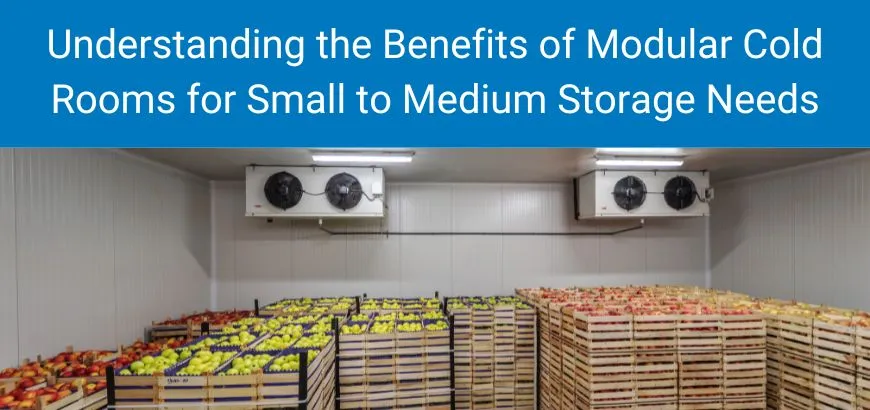
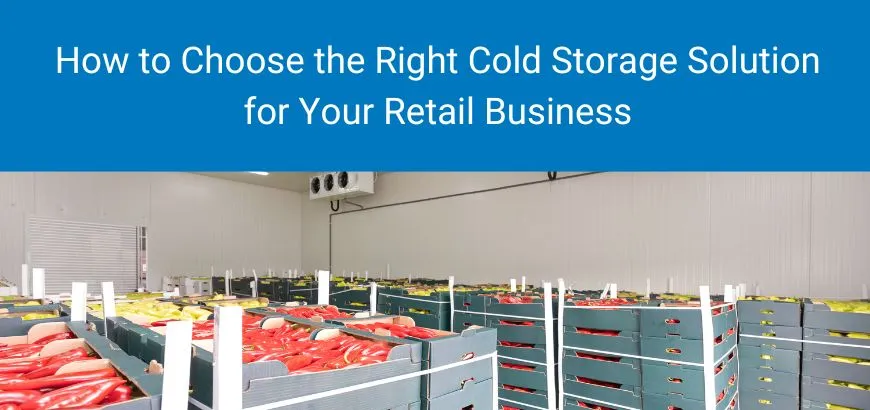
2. Cold Storage Holding: Once chilled, meat must be maintained at 0°C to 4°C (chilled) or -18°C and below (frozen) without interruption. Temperature fluctuations of even 2–3°C can trigger bacterial growth and accelerate spoilage. Purpose-built modular cold rooms with redundant refrigeration systems provide the consistent temperature environment that FSSAI compliance demands.
3. Processing and Cutting: During deboning, portioning, and packaging, product temperature must not exceed 7°C for more than 30 minutes. Processing areas should be maintained at 10–12°C, with dedicated temperature-controlled zones for different operations.
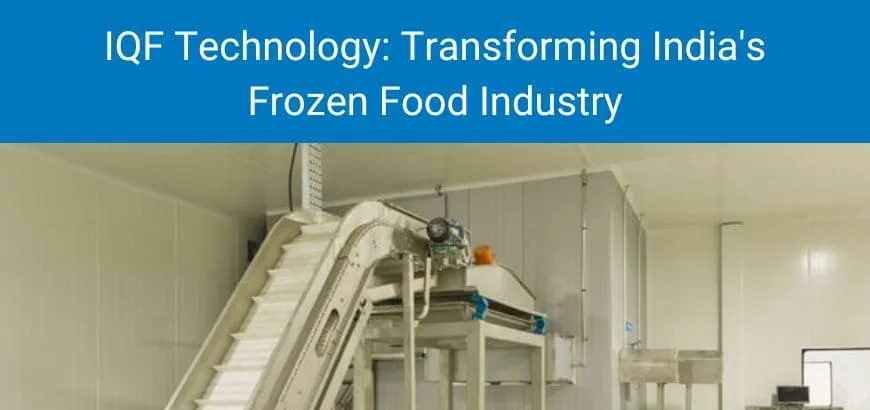
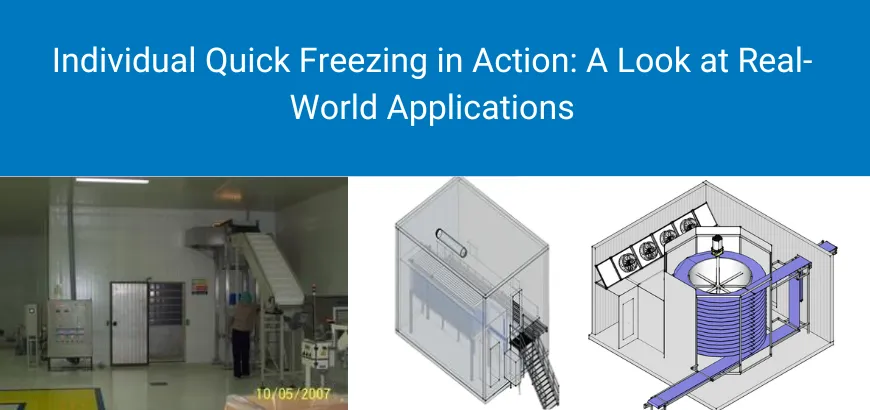
4. Freezing: For products destined for frozen storage, blast freezing at -30°C to -40°C ensures rapid core temperature reduction, minimizing ice crystal formation and preserving texture and nutritional quality. Individual Quick Freezing (IQF) technology is particularly effective for portioned chicken pieces, achieving complete freeze-through in minutes rather than hours.
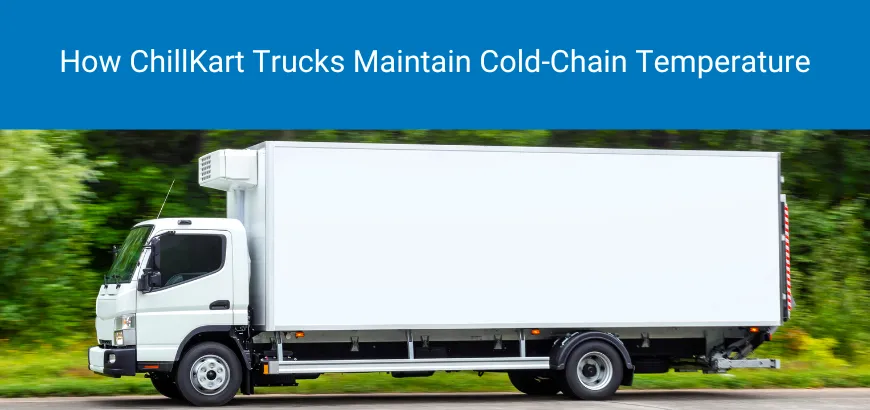
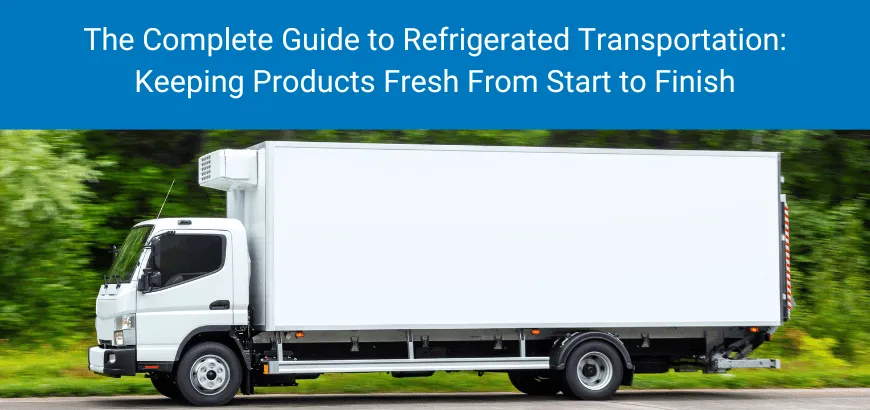
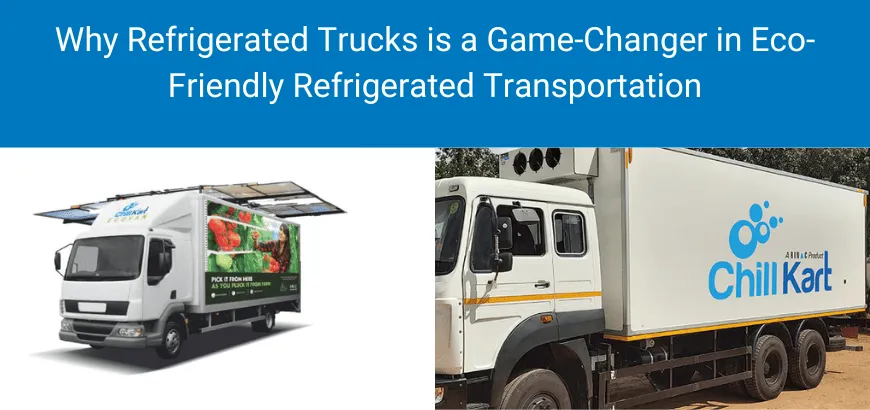
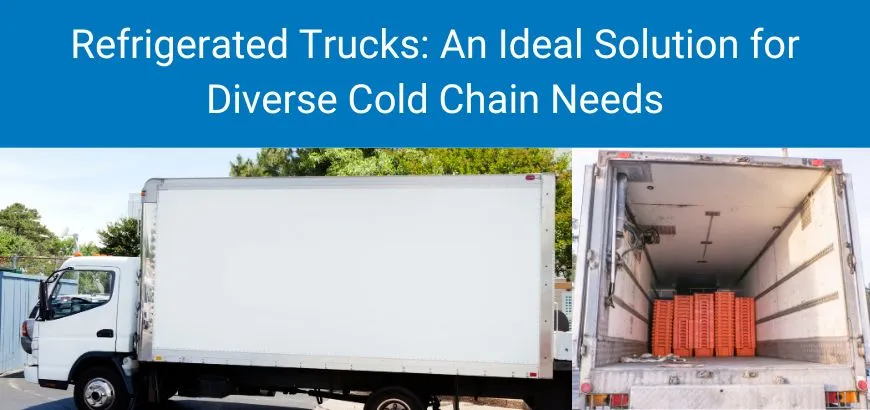
5. Transportation: The final and often weakest link — refrigerated transport must maintain the required temperature throughout transit. FSSAI mandates continuous temperature logging during transport, making real-time IoT monitoring essential. Our article on how ChillKart trucks maintain cold-chain temperature explains the technology behind reliable refrigerated transport.
The Temperature Danger Zone: Meat and poultry exposed to temperatures between 5°C and 60°C for more than 2 hours must be discarded. At temperatures above 32°C — common in much of India for most of the year — this window shrinks to just 1 hour. This is precisely why unbroken cold chain infrastructure is non-negotiable for compliance.
Building FSSAI-Compliant Cold Storage Infrastructure for Meat and Poultry
Compliance is not achieved through documentation alone — it requires purpose-designed infrastructure that can maintain the required temperature zones reliably, day after day. Here is what a modern, FSSAI-compliant meat and poultry cold storage facility looks like:
Multi-Temperature Zone Design
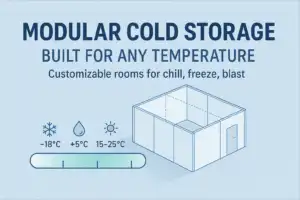
A compliant meat processing facility requires multiple temperature-controlled zones operating simultaneously. The modular approach to cold storage construction makes this achievable — individual rooms can be configured to different temperature setpoints while sharing a common refrigeration backbone.
| Zone | Temperature Range | Purpose | Recommended Equipment |
|---|---|---|---|
| Receiving Dock | 10–15°C | Incoming material inspection | Dock shelters, air curtains |
| Processing Hall | 10–12°C | Deboning, cutting, packaging | Insulated panels (PUF/PIR) |
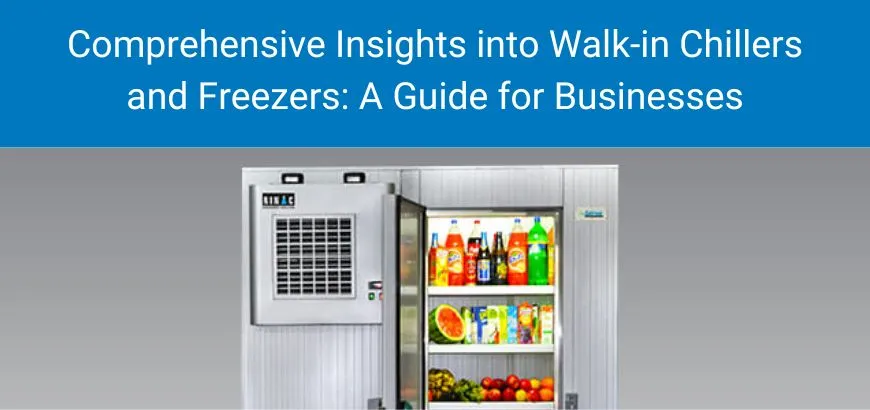
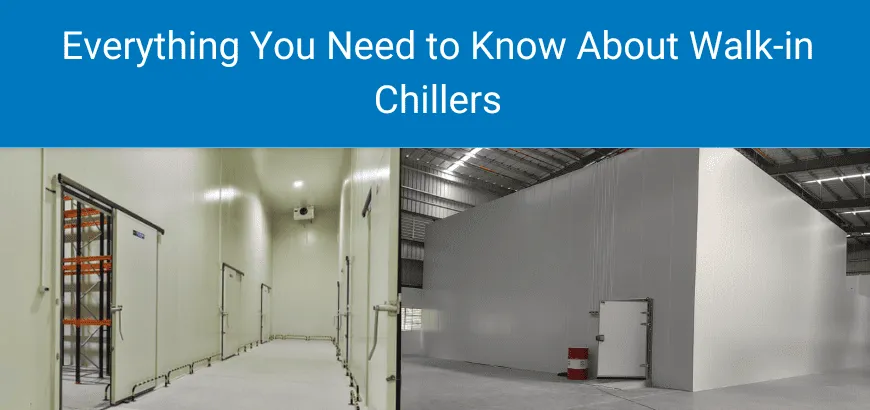
| Chilled Storage | 0°C to 4°C | Short-term chilled meat storage | Walk-in chillers, modular cold rooms |
| Blast Freezing | -30°C to -40°C | Rapid core temperature reduction | Blast freezers, IQF systems |
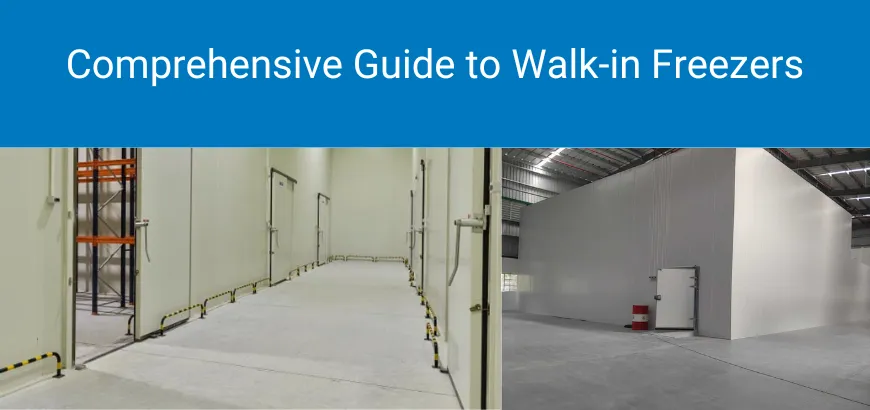
| Frozen Storage | -18°C to -25°C | Long-term frozen meat storage | Walk-in freezers, cold warehouses |
| Dispatch Area | 0–4°C / -18°C | Loading for transport | Dock levellers, reefer connections |
Insulated Building Envelope
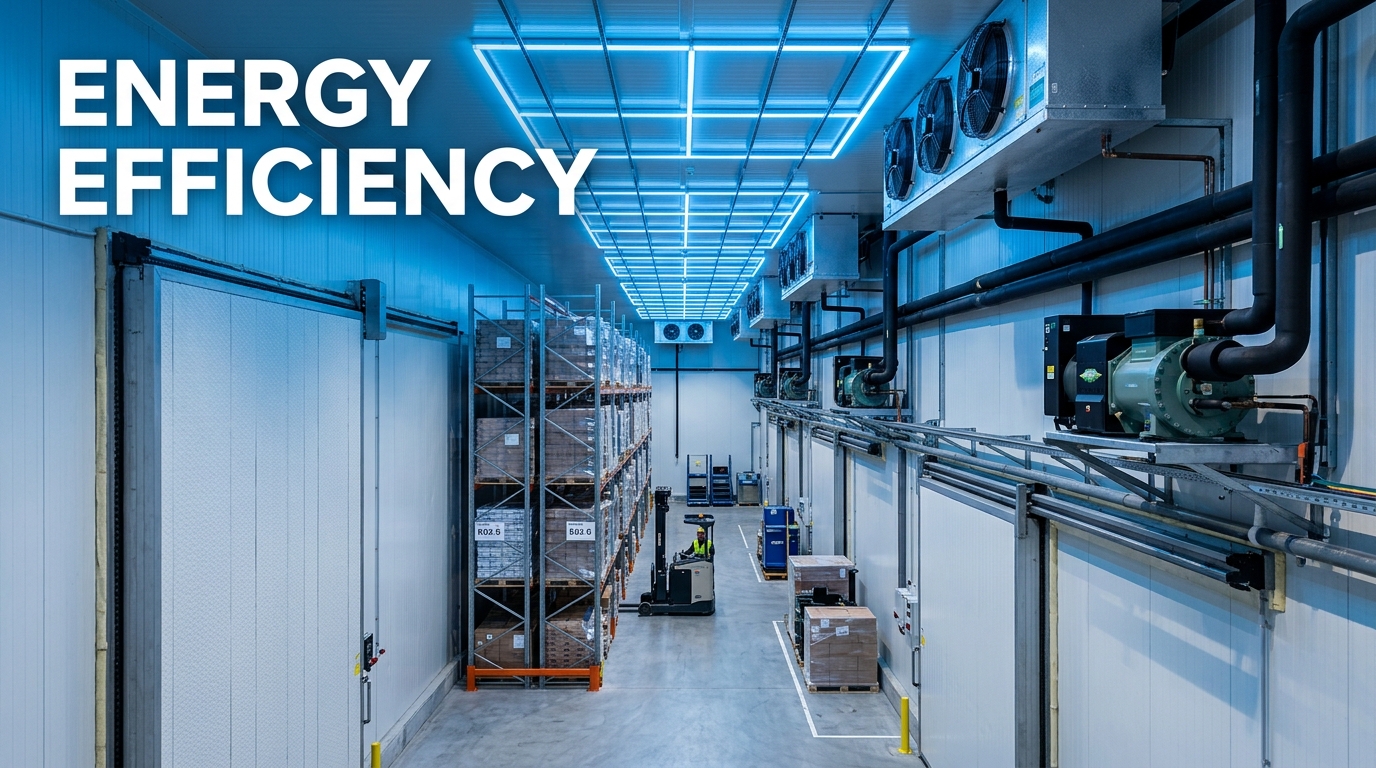
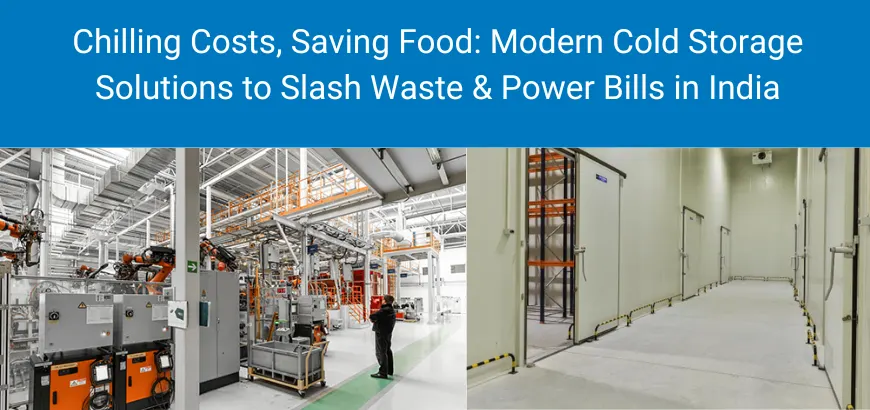
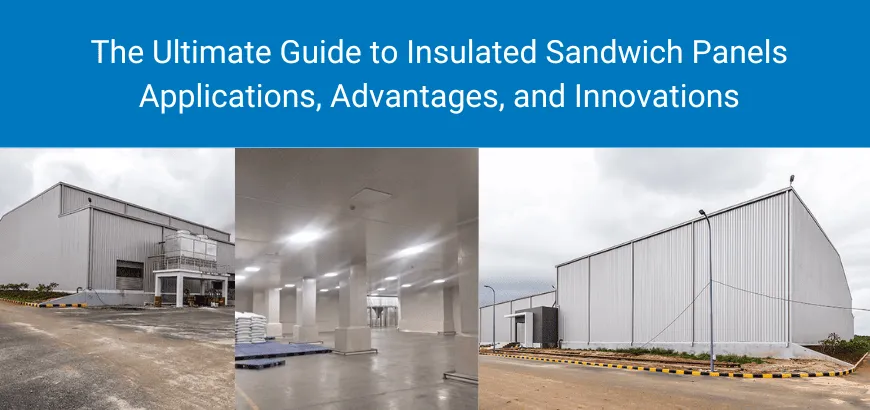
The building itself forms the first line of defense against temperature excursions. PUF (Polyurethane Foam) and PIR (Polyisocyanurate) insulated sandwich panels provide the thermal barrier needed to maintain temperature zones efficiently while minimizing energy consumption. For meat processing facilities where fire safety is a heightened concern, Rinac’s FM-approved Firearmet panels offer both superior insulation and fire-rated protection — a critical consideration given the combustible packaging materials common in meat processing environments.
IoT-Enabled Temperature Monitoring
FSSAI and HACCP compliance both require continuous, documented temperature monitoring. Modern facilities deploy IoT sensor networks connected to cloud-based dashboards with automated alerts. This real-time monitoring approach — covering every cold room, blast freezer, transport vehicle, and display unit — provides the audit trail that regulators require and the operational visibility that prevents costly cold chain breaks. As we explored in our article on technology transforming cold chain logistics in India, IoT integration is rapidly becoming the industry standard.
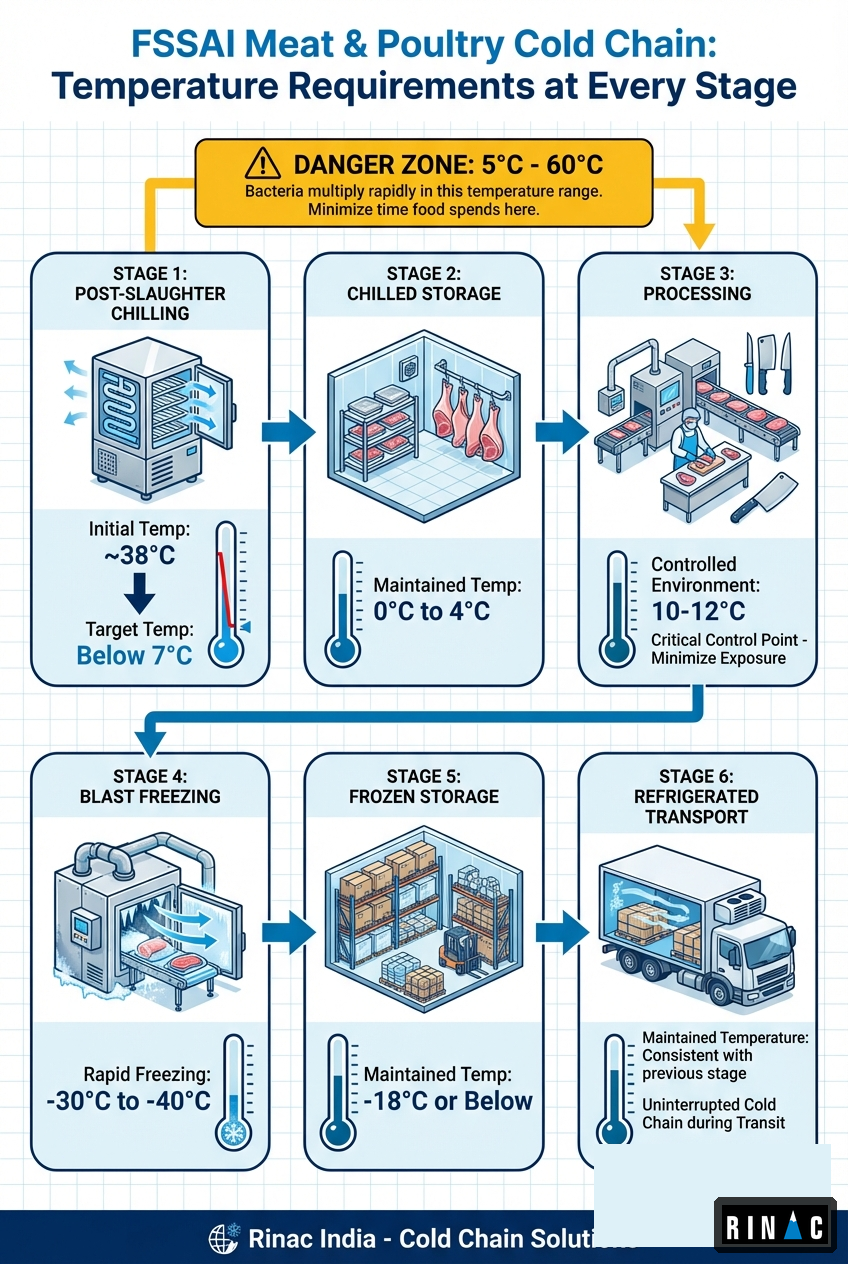
FSSAI-Compliant Meat and Poultry Cold Chain: Temperature Requirements at Every Stage
7 Best Practices for FSSAI-Compliant Meat and Poultry Cold Storage
Beyond getting the infrastructure right, operational discipline is what separates compliant facilities from those that face enforcement actions. Here are the seven best practices that leading meat processors follow:
1. Implement the 2-Hour/4-Hour Rule Rigorously. Chilled meat that has been in the danger zone (5–60°C) for less than 2 hours can be returned to cold storage. Between 2 and 4 hours, it must be used immediately. Beyond 4 hours, it must be discarded. In India’s tropical climate where ambient temperatures regularly exceed 32°C, this window narrows to just 1 hour — making rapid processing workflows and pre-cooled staging areas essential.
2. Establish Separate Zones for Raw and Processed Products. Cross-contamination is a primary concern in meat facilities. FSSAI requires physical separation between raw material handling, processing, and finished product storage. Modular cold room designs allow you to create dedicated zones with independent access points and airflow systems.
3. Maintain Detailed Temperature Logs. Every HACCP critical control point requires documented evidence of temperature compliance. Automated data loggers with tamper-proof records satisfy both FSSAI audit requirements and export certification needs. Target a logging interval of 15 minutes or less for all cold storage zones.
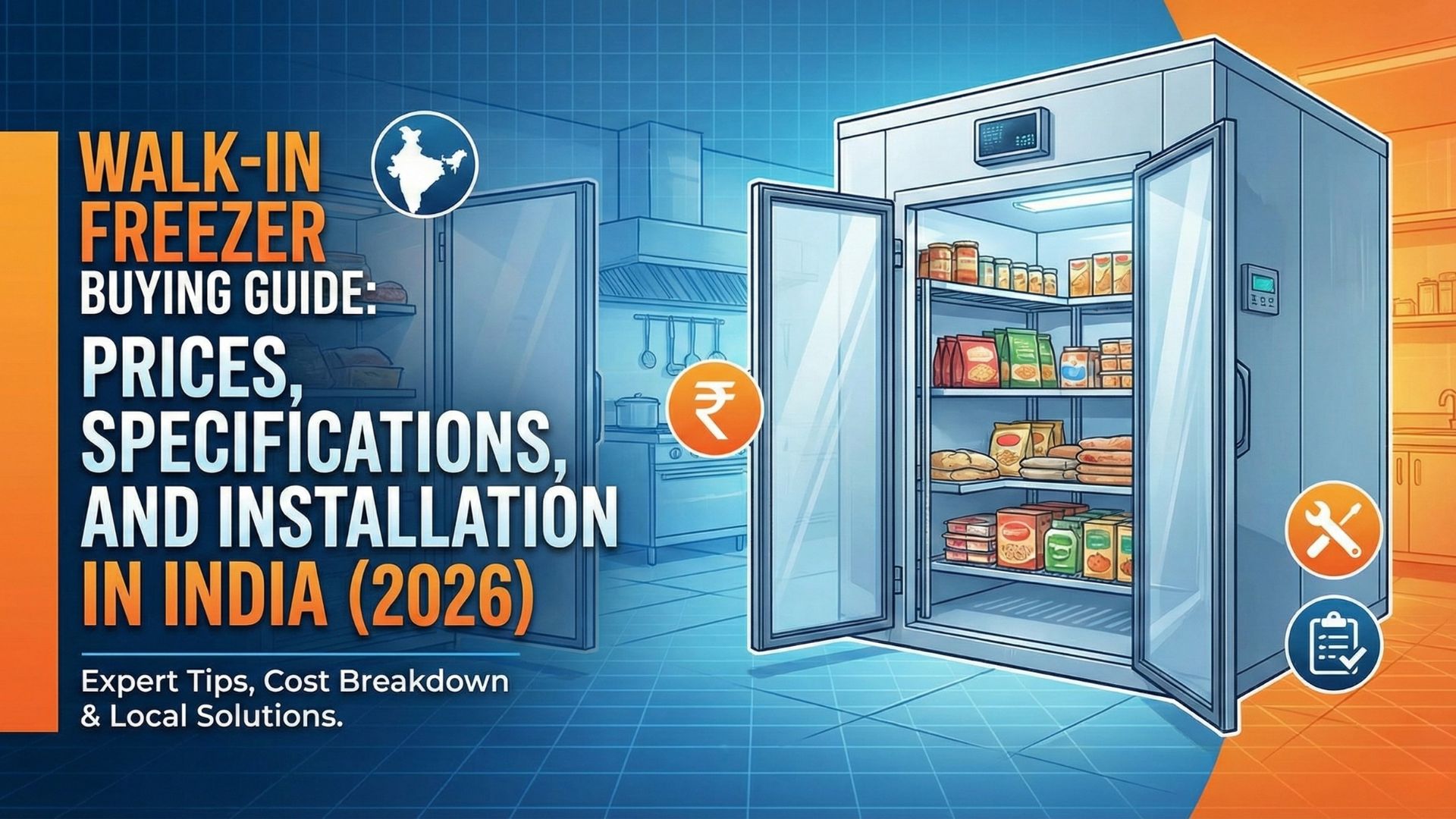
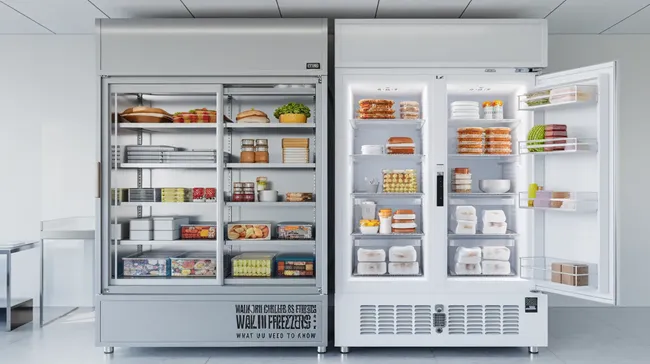
4. Invest in Redundant Refrigeration. A single compressor failure can compromise an entire cold room’s contents within hours. FSSAI-compliant facilities use N+1 redundancy — at least one backup refrigeration unit for every primary unit — with automatic failover. The walk-in freezer buying guide covers the specifications to look for when planning redundant systems.
5. Calibrate Equipment on a Fixed Schedule. Temperature sensors, thermostats, and pressure gauges drift over time. A quarterly calibration schedule — with documented records — ensures that your monitoring data is accurate and your compliance evidence is reliable.
6. Train Staff on Cold Chain Protocols. Human error remains the leading cause of cold chain failures. Every person who handles meat products — from dock workers to truck drivers — must understand the temperature requirements, the danger zone rules, and the correct procedures for loading, unloading, and transferring products between zones.
7. Plan for Power Outages. In many parts of India, grid power reliability remains a challenge. Compliant facilities deploy diesel generators with automatic transfer switches, and design cold rooms with sufficient thermal mass to maintain safe temperatures during the switchover period. Battery-backed IoT sensors continue logging even during power transitions.
Government Support Available: Under MoFPI’s cold chain scheme, businesses can access subsidies covering 35% of eligible project costs (50% in NE states and hill areas). The total allocation for 2025–26 is ₹6,520 crore. Our detailed guide on cold chain subsidies 2026 walks through the application process step by step.
End-to-End Meat and Poultry Cold Chain Solutions from Rinac
Building a compliant meat and poultry cold chain is not about buying individual pieces of equipment — it is about designing an integrated system where every component works together to maintain the temperature integrity that FSSAI demands. With over 30 years of experience and 10,000+ projects delivered across 23 countries, Rinac operates as solution architects who design, manufacture, install, and service the complete cold chain ecosystem.
From blast chillers and freezers for the critical post-slaughter chilling stage, to IQF systems for portioned products, modular cold rooms for multi-temperature storage, and ChillKart refrigerated transport for last-mile delivery — every element is engineered for FSSAI compliance and backed by pan-India after-sales support from 14 branch offices.
10,000+ Projects
Delivered across 23 countries — Rinac’s cold chain solutions serve leading processors including ITC, Britannia, Tata, and Nestle
Delivered across 23 countries — Rinac’s cold chain solutions serve leading processors including ITC, Britannia, Tata, and Nestle