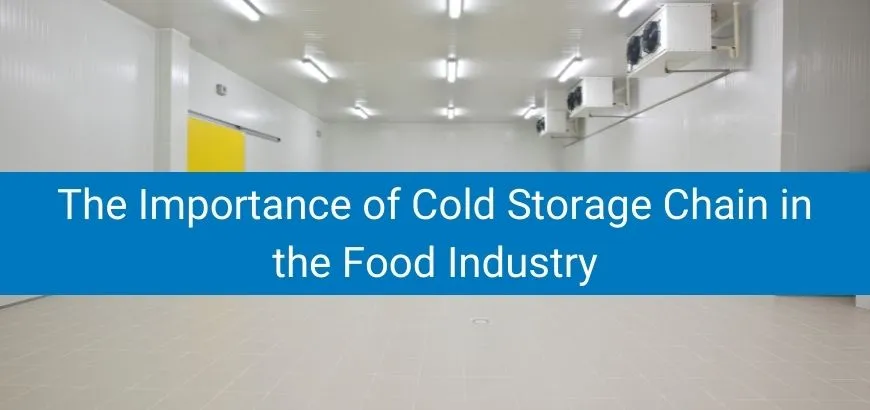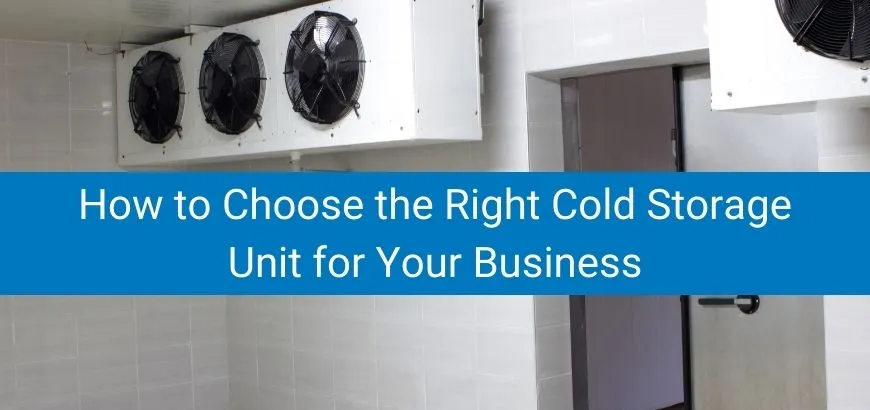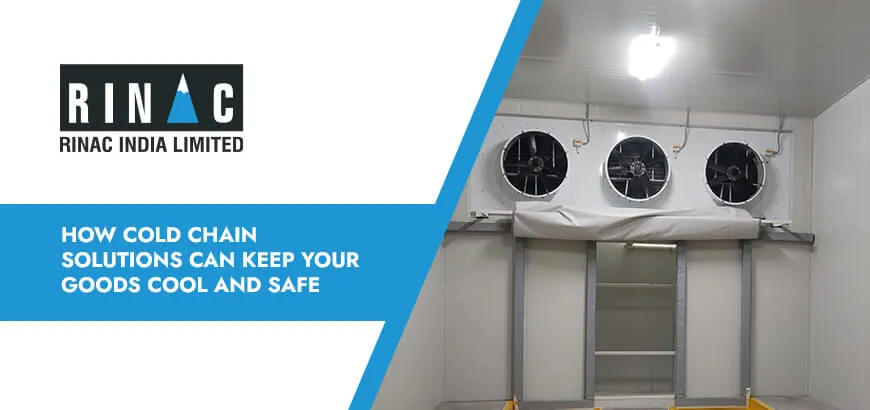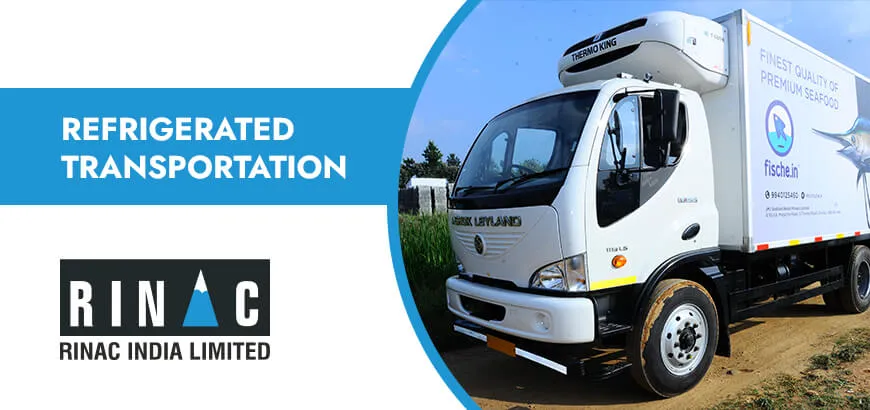
📋 TL;DR — Quick Summary
India’s seafood export industry generated $7.45 billion in FY 2024-25, with frozen shrimp alone contributing nearly 70% of dollar earnings. To compete in global markets, Indian processors need robust cold chain infrastructure — from blast freezers operating at -35°C to -40°C, to IQF systems that freeze individual shrimp in under 20 minutes, and temperature-controlled cold storage rooms maintaining -18°C to -25°C. FSSAI mandates frozen seafood storage at -18°C or below, and PMMSY subsidies of 40-60% are available for setting up processing infrastructure. This guide covers everything Indian seafood processors need to know — from equipment selection and temperature protocols to regulatory compliance and government subsidies.
India’s seafood export industry generated $7.45 billion in FY 2024-25, with frozen shrimp alone contributing nearly 70% of dollar earnings. To compete in global markets, Indian processors need robust cold chain infrastructure — from blast freezers operating at -35°C to -40°C, to IQF systems that freeze individual shrimp in under 20 minutes, and temperature-controlled cold storage rooms maintaining -18°C to -25°C. FSSAI mandates frozen seafood storage at -18°C or below, and PMMSY subsidies of 40-60% are available for setting up processing infrastructure. This guide covers everything Indian seafood processors need to know — from equipment selection and temperature protocols to regulatory compliance and government subsidies.
📑 Table of Contents
- India’s Seafood Industry: A $7.45 Billion Export Powerhouse
- Why Cold Storage Is Critical for Seafood Processing
- Types of Cold Storage for Seafood Processing
- Blast Freezing for Seafood: How It Works
- IQF Technology: The Gold Standard for Export-Grade Seafood
- Temperature Guide: From Catch to Cold Storage
- FSSAI Compliance and Regulatory Requirements
- PMMSY Subsidies and Government Support
- How to Set Up a Seafood Cold Storage Facility
- Equipment Selection: Choosing the Right Cold Chain Infrastructure
- Cost Breakdown and ROI Analysis
- Major Seafood Processing Hubs in India
- Best Practices for Seafood Cold Chain Management
- Frequently Asked Questions
India’s Seafood Industry: A $7.45 Billion Export Powerhouse
India’s seafood sector is a cornerstone of the nation’s agricultural economy, supporting over 28 million livelihoods and ranking as the world’s second-largest fish producer with an 8% share of global output. In FY 2024-25, the country exported a massive 16.98 lakh metric tonnes of seafood worth ₹62,408 crore (US $7.45 billion), according to MPEDA (Marine Products Export Development Authority).
Frozen shrimp dominates this export basket, accounting for 43.67% of total volume and a commanding 69.46% of dollar earnings. The USA remains the largest buyer by value ($2.71 billion), while China leads by volume (3.96 lakh MT). Other major destinations include the European Union ($1.12 billion), South-East Asia, Japan, and the Middle East.
What makes this number even more significant is the Union Budget 2025-26 allocation of ₹2,704 crore — the highest-ever annual support for the fisheries sector — signaling the government’s aggressive push to strengthen India’s position in global seafood trade. With the India-UK CETA agreement granting 100% duty-free access for most seafood products, the export opportunity is only getting larger.
But here’s the critical challenge: an estimated 35% of seafood loss in developing regions is attributed to cold chain failures. For Indian processors targeting premium export markets in the USA, EU, and Japan, the quality of freezing, storage, and cold chain logistics directly determines whether their products command top-dollar prices or get rejected at the port.
This is where investing in the right cold chain infrastructure — from blast freezers and IQF systems to insulated cold rooms and ice machines — becomes not just a compliance requirement but a competitive advantage.
Why Cold Storage Is Critical for Seafood Processing
Seafood is among the most perishable food categories. Unlike grains or processed foods that can tolerate ambient temperatures, fish and shellfish begin to deteriorate within hours of harvest if not properly cooled. The science behind this urgency is straightforward — bacterial proliferation on seafood accelerates rapidly between 5°C and 60°C (the “danger zone”), and enzymatic reactions continue breaking down proteins and fats even at moderate temperatures.
For Indian processors, this creates a time-critical challenge that proper cold storage infrastructure solves across multiple dimensions:
- Quality preservation: Rapid cooling and consistent frozen storage prevent the formation of large ice crystals that damage cell walls in fish tissue, preserving the texture, colour, and flavour that international buyers demand.
- Extended shelf life: Properly blast-frozen shrimp stored at -18°C to -25°C can maintain export quality for 12-18 months — transforming a highly perishable commodity into a globally tradeable product.
- Export compliance: International markets including the USA, EU, and Japan mandate strict cold chain documentation. Without verifiable temperature records from catch to container, your consignment gets rejected.
- Reduced post-harvest losses: India currently loses 20-25% of its seafood harvest due to inadequate cold chain infrastructure. The PMMSY scheme aims to bring this down to 10%.
- Value addition opportunity: Cold chain infrastructure enables processors to produce value-added products — IQF shrimp, breaded fillets, ready-to-cook seafood — that command significantly higher prices than bulk-frozen raw products.
The India cold chain market is projected to grow from $12.77 billion in 2025 to $74.5 billion by 2033 at a staggering 25% CAGR, with the seafood segment being a major contributor to this expansion. Processors who invest in modern cold chain infrastructure today are positioning themselves to capture this multi-decade growth opportunity.
Types of Cold Storage for Seafood Processing
A complete seafood processing facility requires multiple cold storage zones, each serving a specific function in the processing chain. Understanding these different types helps processors design an efficient, compliant facility layout.
1. Raw Material Holding Cold Rooms (0°C to 4°C)
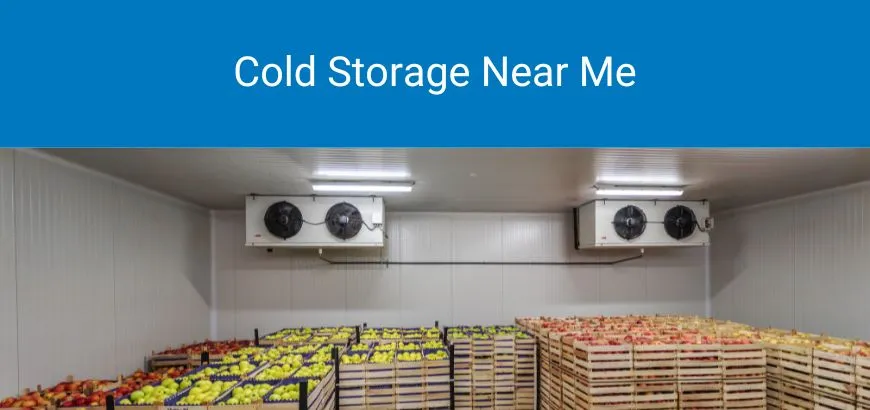
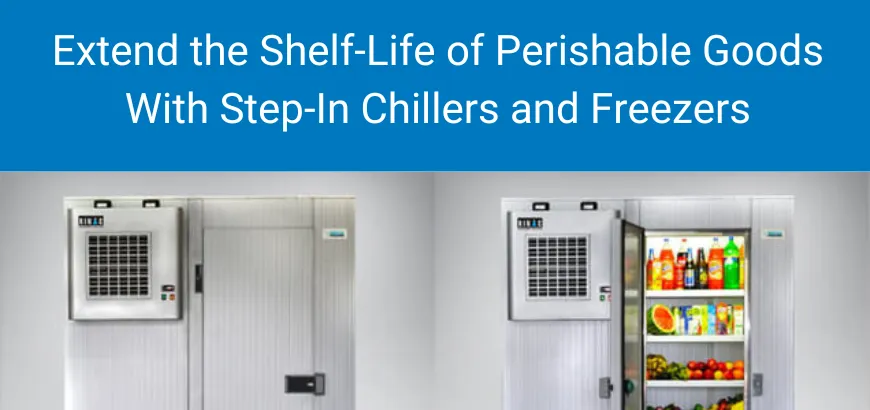
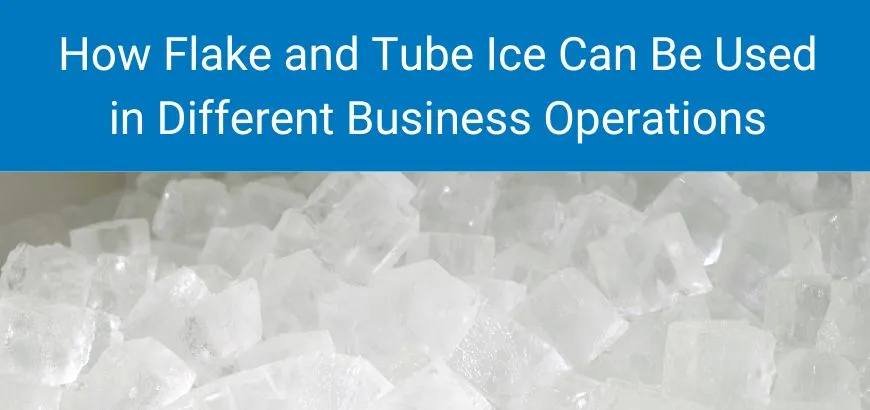
These are the first point of cold chain contact after raw seafood arrives at the processing plant. Walk-in cold rooms maintain temperatures between 0°C and 4°C to hold incoming raw fish, shrimp, or squid before processing begins. FSSAI mandates that raw seafood must be stored separately from processed or cooked products to prevent cross-contamination. High-capacity flake ice machines are essential at this stage to keep raw material iced during sorting and grading.
2. Blast Freezer Rooms (-35°C to -40°C)
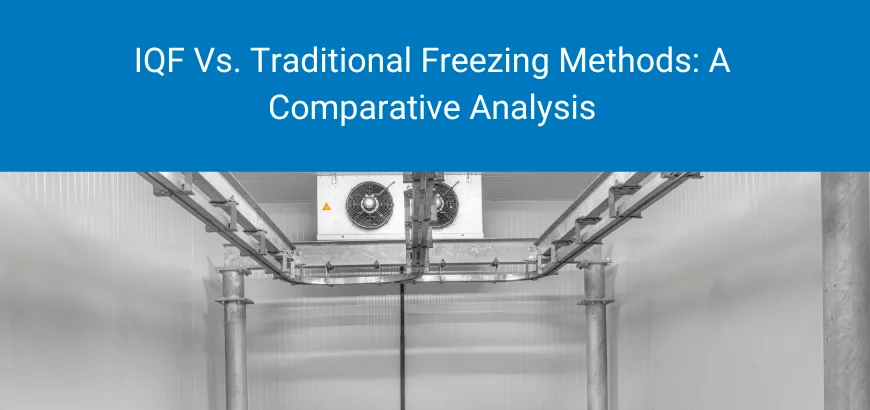
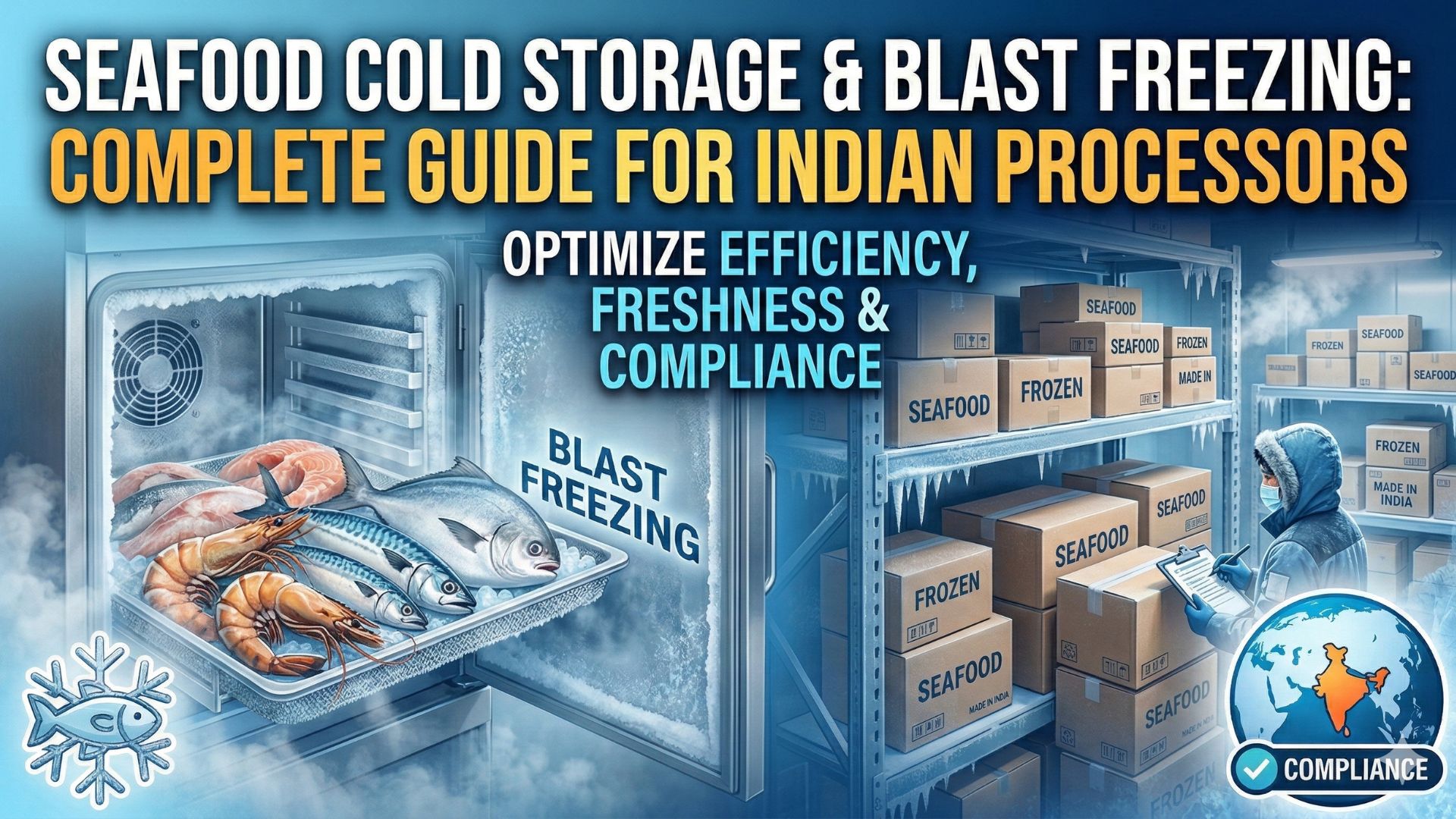
Blast chillers and freezers are the workhorses of seafood processing. These rooms use high-velocity cold air at -35°C to -40°C to rapidly bring the core temperature of seafood products down to -18°C or below. For block-frozen shrimp, the process typically takes 2 hours. Rinac’s blast freezer solutions are specifically engineered for the demanding temperature pulldown requirements of Indian seafood processing, with corrosion-resistant stainless steel interiors and efficient air circulation designs.
3. IQF Tunnel Freezers (-35°C to -40°C)
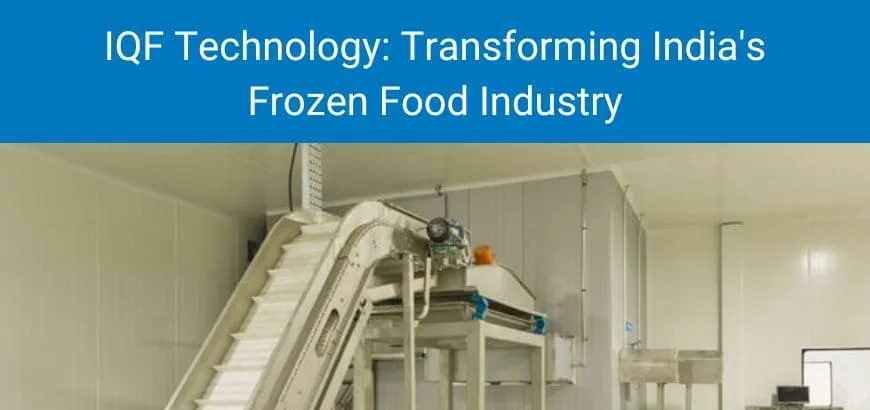
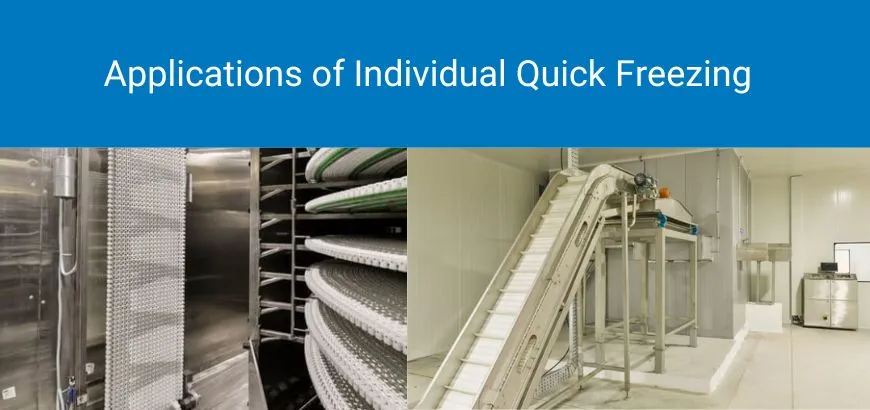
For individually frozen products — which command premium export prices — IQF (Individual Quick Freezing) systems freeze each shrimp, fillet, or squid ring separately as it moves through a tunnel on a stainless steel conveyor belt. IQF processing takes just 3-20 minutes depending on product size, producing free-flowing frozen pieces that are perfect for retail packaging and consumer convenience.
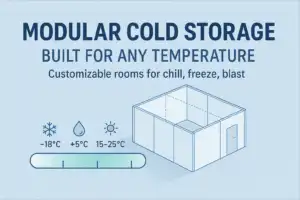
4. Frozen Storage Cold Rooms (-18°C to -25°C)
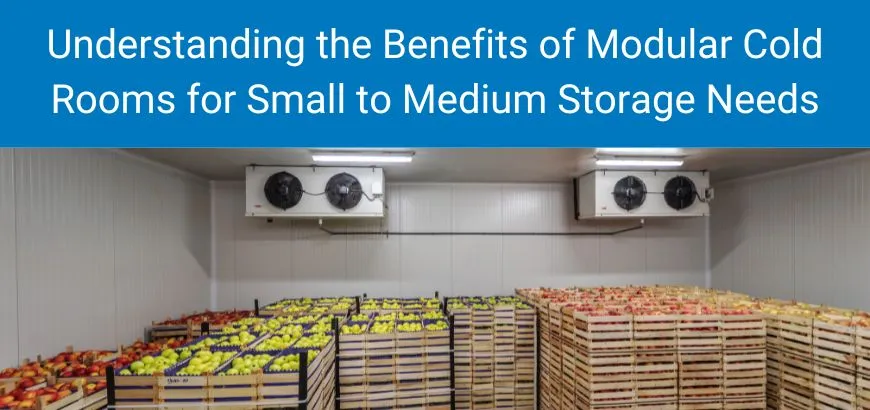
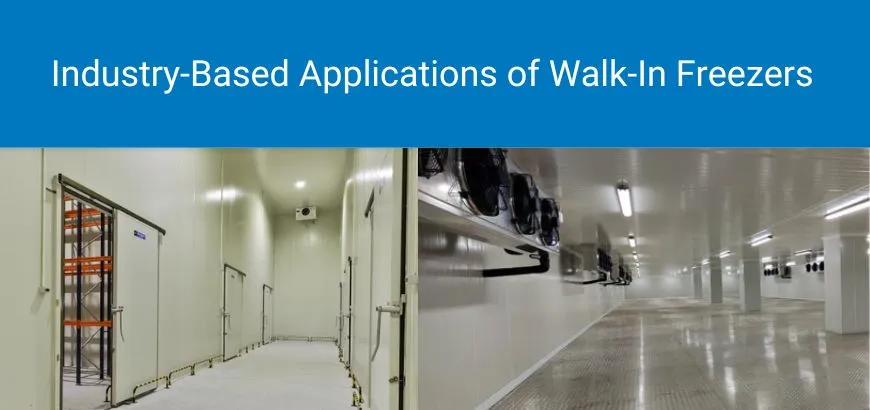
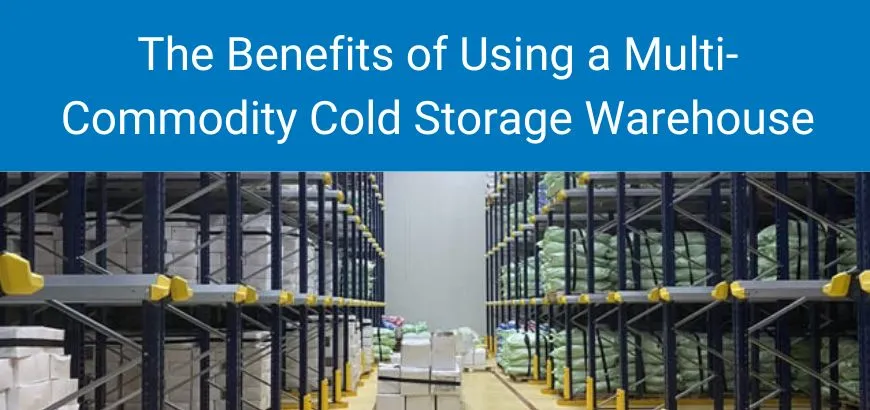
After blast freezing or IQF processing, finished products move to long-term frozen storage. These low-humidity cold rooms maintain a consistent -18°C to -25°C environment. The key challenge here is preventing temperature fluctuations caused by frequent door openings during loading and dispatch. Proper air curtain systems, strip curtains, and dock levelers are essential design elements.
5. Pre-Cooling and Process Cooling Zones
Pre-cooling rooms bring freshly caught or harvested seafood to near-freezing temperatures before primary processing begins. For cooked shrimp processing lines, chilling zones rapidly cool products after cooking to halt the thermal process, preparing them for IQF freezing. Ice bank tanks provide the chilled water supply needed for this critical intermediate step.
Blast Freezing for Seafood: How It Works
Blast freezing is the most widely used industrial freezing method in Indian seafood processing plants. The principle is straightforward but the engineering behind it is critical to product quality.
The Science Behind Blast Freezing
When seafood is placed in a blast freezer, powerful fans circulate air at -35°C to -40°C at high velocity across the product. This creates a large temperature differential that drives rapid heat removal from the seafood. The goal is to pass the product’s core temperature through the critical zone (0°C to -5°C) as quickly as possible.
Why does speed matter? Between 0°C and -5°C, ice crystals form inside the food cells. Slow freezing creates large ice crystals that puncture cell walls, leading to drip loss (moisture loss), mushy texture, and degraded appearance upon thawing. Rapid freezing produces much smaller ice crystals that preserve the cellular structure intact — resulting in a product that looks, tastes, and feels closer to fresh seafood when the consumer thaws it.
Blast Freezing Process for Common Indian Seafood Products
| Seafood Product | Freezing Method | Blast Temp. | Freezing Time | Storage Temp. | Shelf Life |
|---|---|---|---|---|---|
| Block-Frozen Shrimp (2 kg blocks) | Blast Freezer | -40°C | 2-3 hours | -18°C to -25°C | 12-18 months |
| IQF Shrimp (Vannamei/Black Tiger) | IQF Tunnel | -40°C | 15-20 minutes | -18°C to -25°C | 12-18 months |
| Fish Fillets (Surimi, Pomfret) | Blast Freezer / IQF | -35°C to -40°C | 1-2 hours / 10-15 min | -18°C to -25°C | 9-12 months |
| Frozen Squid / Cuttlefish | Blast Freezer | -40°C | 2-4 hours | -18°C to -25°C | 6-9 months |
| Whole Frozen Fish | Blast Freezer | -35°C | 4-8 hours | -18°C to -25°C | 6-9 months |
| Cooked Shrimp (IQF) | IQF Tunnel | -40°C | 10-15 minutes | -18°C to -25°C | 12-18 months |
Rinac’s blast chiller and freezer solutions are designed specifically for the demanding requirements of Indian seafood processing, with high-efficiency evaporator coils, corrosion-resistant stainless steel construction, and advanced defrost systems that maintain consistent performance even in India’s hot and humid coastal climates.
IQF Technology: The Gold Standard for Export-Grade Seafood
If blast freezing is the workhorse, IQF (Individual Quick Freezing) is the thoroughbred of seafood freezing. India exported approximately ₹46,000 crore worth of seafood in FY 2023-24, with IQF products commanding premium prices in the USA, European, and Japanese markets.
How IQF Works for Seafood
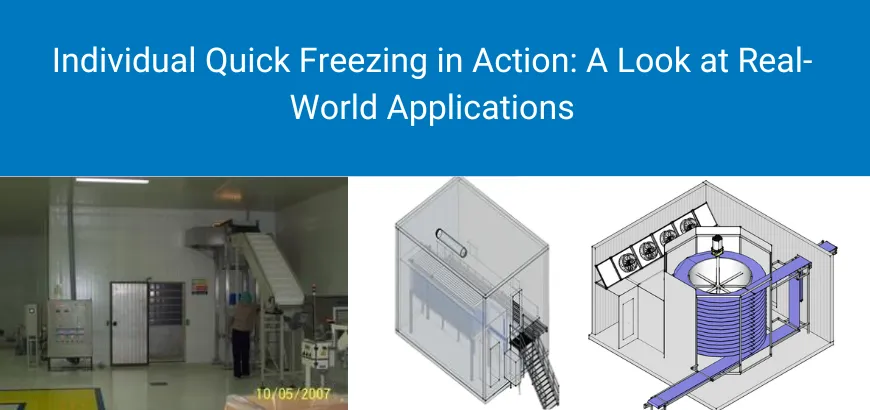
In an IQF system, individual shrimp, fish fillets, or seafood pieces are spread on a stainless steel mesh conveyor belt and moved through an insulated tunnel. Inside the tunnel, cold air at -35°C to -40°C is circulated at high velocity by powerful fans — flowing from both above and below the product. This rapid, uniform airflow freezes each piece individually in just 3-20 minutes, depending on product size.
The result is a collection of individually frozen, free-flowing pieces that don’t stick together. Consumers can pour out exactly the quantity they need without thawing the entire package — a convenience feature that drives the premium pricing of IQF products globally.
IQF vs Block Freezing: Why It Matters for Exports
| Parameter | IQF Freezing | Block Freezing (Blast) |
|---|---|---|
| Product Form | Individual, free-flowing pieces | Solid blocks (2 kg / 5 lb) |
| Freezing Time | 3-20 minutes | 2-8 hours |
| Product Quality | Superior (minimal cell damage) | Good (some drip loss on thawing) |
| Export Price Premium | 15-30% higher | Base price |
| Target Markets | USA retail, EU supermarkets, Japan | Bulk buyers, foodservice, reprocessors |
| Capital Investment | depends | depends |
| Operating Cost | depends | depends |
| Best For | Shrimp, small fillets, value-added products | Whole fish, large fillets, bulk export |
For a deeper technical understanding of IQF technology, read our comprehensive guide: What is IQF? How Does It Work? A Complete Guide 2025.
Temperature Guide: From Catch to Cold Storage
Maintaining an unbroken cold chain from the moment seafood is harvested to the point it reaches the consumer is the single most important factor in seafood quality. Here is the complete temperature protocol that Indian processors must follow:
| Stage | Temperature Range | Purpose | Equipment |
|---|---|---|---|
| Harvest / Landing | 0°C to 4°C (iced) | Immediate cooling to slow bacterial growth | Flake ice machines |
| Transport to Plant | 0°C to 2°C | Maintain cold chain during transit | Refrigerated vehicles |
| Raw Material Storage | 0°C to 4°C | Holding before processing | Walk-in cold rooms |
| Processing Floor | Below 20°C (ambient) | Controlled environment for sorting, grading | HVAC + process cooling |
| Blast Freezing | -35°C to -40°C | Rapid core temp reduction to -18°C | Blast freezers |
| IQF Processing | -35°C to -40°C | Individual piece freezing | IQF systems |
| Frozen Storage | -18°C to -25°C | Long-term quality preservation | Frozen storage rooms |
| Dispatch / Export | -18°C or below | Maintain frozen state during loading | Reefer containers + dock shelters |
⚠️ Critical Rule: FSSAI mandates that frozen food deliveries must be at -18°C or below. Any temperature excursion above this threshold must be documented, and products may need to be rejected or reprocessed. A probe thermometer should be used to verify core temperatures at every handover point.
FSSAI Compliance and Regulatory Requirements
Operating a seafood cold storage facility in India requires compliance with a comprehensive regulatory framework. FSSAI (Food Safety and Standards Authority of India) is the central authority governing food safety, with specific regulations for fish and fish products under Chapter 2.6 of the Food Safety and Standards Act.
Key FSSAI Requirements for Seafood Cold Storage
- Licensing: All seafood cold storage and processing facilities must obtain the appropriate FSSAI license — Central License for units with turnover exceeding ₹12 lakh or operating in multiple states.
- Temperature compliance: Cold foods must be maintained below 5°C; frozen foods at -18°C or colder. The thermal centre of frozen products must reach -18°C after thermal stabilization.
- Separate storage: Raw seafood products must be cold stored separately from processed, cooked, and packaged products to prevent cross-contamination.
- FIFO/FEFO protocols: Storage must follow First-In-First-Out and First-Expire-First-Out rotation systems.
- Record keeping: Comprehensive records of processing, storage temperatures, cleaning schedules, pest control, and product traceability must be maintained for at least one year or the product’s shelf life — whichever is longer.
- Hygiene standards: Regular cleaning and sanitation schedules, personal hygiene protocols for food handlers, and pest control programmes are mandatory as per Schedule 4 of the FSSAI Licensing Regulations.
Additional Requirements for Export-Oriented Units
- MPEDA registration: Mandatory for all seafood exporters in India.
- EIC (Export Inspection Council) approval: Processing plants must be EIC-approved for export.
- HACCP certification: Hazard Analysis and Critical Control Points — mandatory for export-oriented seafood units.
- EU approval: For exports to the European Union, processing plants need specific EU approval numbers.
- BAP/ASC certification: Increasingly required by major buyers in the USA and Europe for aquaculture products.
Working with an experienced cold chain infrastructure partner like Rinac — with over 30 years in the industry and 4 manufacturing facilities — ensures that your cold storage facility is designed and built to meet all these compliance requirements from day one.
PMMSY Subsidies and Government Support
The Indian government has created multiple financial support mechanisms to encourage investment in seafood cold chain infrastructure. The most significant of these is the Pradhan Mantri Matsya Sampada Yojana (PMMSY).
PMMSY at a Glance
- Total investment: ₹20,050 crore over 5 years (FY 2020-21 to FY 2024-25, extended to FY 2025-26).
- Subsidy for General category: Up to 40% of the project or unit cost.
- Subsidy for SC/ST/Women: Up to 60% of the project or unit cost.
- Covered infrastructure: Cold storage, ice plants, processing units, blast freezers, fish transport vehicles, and packaging facilities.
- Cost sharing: For non-beneficiary oriented projects: 60% Central + 40% State (90:10 for North-Eastern and Himalayan states).
Other Government Schemes
- FIDF (Fisheries Infrastructure Development Fund): ₹7,522 crore corpus providing concessional finance with up to 12-year repayment period through NABARD, NCDC, and scheduled banks.
- GST reduction: In September 2025, GST rates were reduced to 5% on over 20 fisheries and aquaculture-related products, lowering input costs for processors.
- India-UK CETA: 100% duty-free access for most seafood products to the UK market, removing tariffs of up to 21.5% on shrimp, lobster, squid, and value-added marine goods.
💡 Pro Tip: When applying for PMMSY subsidies, work with your cold chain partner to prepare a detailed project report (DPR) that includes equipment specifications, capacity calculations, and compliance certifications. Rinac’s team can help you design a facility that qualifies for maximum subsidy benefits while meeting export-grade quality standards.
How to Set Up a Seafood Cold Storage Facility
Setting up a seafood cold storage and processing facility in India involves careful planning across multiple dimensions — location selection, regulatory compliance, infrastructure design, and equipment procurement. Here is a step-by-step roadmap:
Step 1: Market Research and Feasibility Study
Analyze local seafood production volumes and species availability. Identify your target — are you processing for domestic markets, exports, or both? Study the competitive landscape in your region and estimate the capacity requirements based on peak season volumes. Coastal proximity to major fishing harbours and aquaculture zones is critical for minimizing raw material transport costs.
Step 2: Obtain Licenses and Registrations
Secure your FSSAI Central License, MPEDA registration (for exports), and any state-level permissions required for food processing. If you plan to export to the EU, begin the EU approval process early — it can take 6-12 months. Submit your PMMSY subsidy application through your District Fisheries Officer with a comprehensive DPR.
Step 3: Design the Cold Chain Infrastructure
This is where partnering with an experienced turnkey solution provider becomes invaluable. Rinac India Limited, with over 30 years of cold chain expertise and 4 manufacturing facilities, designs and builds complete seafood processing infrastructure including:
- PUF panel-insulated cold rooms for raw material and finished product storage
- Blast freezers with customized capacity for your product mix
- IQF systems for premium export-grade processing
- Flake ice machines and ice bank tanks for raw material handling
- Refrigeration systems using ammonia (NH₃) or CO₂ for energy efficiency
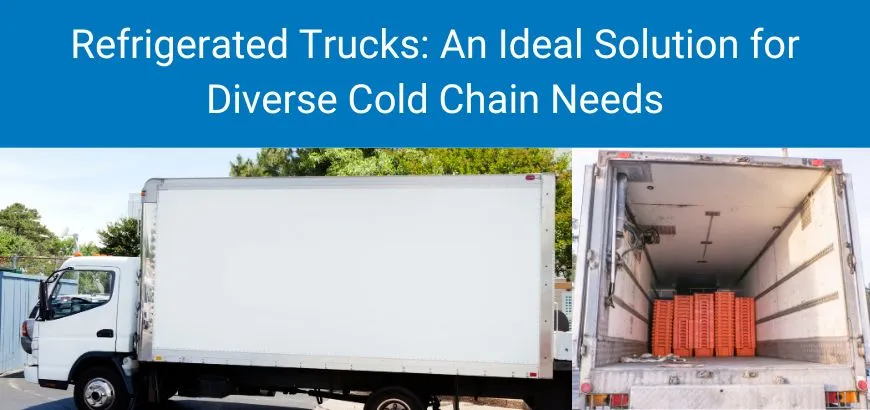
- Refrigerated transport containers for last-mile cold chain integrity
Step 4: Install, Commission, and Train
Professional installation includes not just equipment setup but also calibration of temperature monitoring and alarm systems, commissioning of refrigeration circuits, and comprehensive training for your operations and maintenance teams. Rinac provides end-to-end project management from design to commissioning.
Step 5: Implement HACCP and Quality Systems
Develop your HACCP plan identifying critical control points in the processing chain. Establish SOPs for every step — from raw material receiving to frozen product dispatch. Set up temperature logging systems that provide the verifiable cold chain documentation required by international buyers.
Equipment Selection: Choosing the Right Cold Chain Infrastructure
Selecting the right equipment is the foundation of a profitable seafood processing operation. Here’s what to consider for each major equipment category:
Blast Freezers
Look for blast freezer units with rapid pulldown capability (must reach -40°C from ambient), uniform air distribution across all tray positions, easy-clean stainless steel interiors, and efficient defrost systems. Capacity should be calculated based on your peak daily throughput — typically 500 kg to 10,000+ kg per batch for Indian seafood plants.
IQF Systems
Rinac’s IQF systems offer capacities from 500 to 15,000 kg per hour, with polyurethane panel insulation (15 cm, 40 kg/m³ density), stainless steel grade 304/316 conveyor belts, automated HMI touchscreen controls for belt speed and temperature management, and adjustable inlet/outlet openings to minimize energy loss. For seafood specifically, ensure the system handles the sticky texture of shrimp and the delicate structure of fish fillets without damage.
Cold Rooms
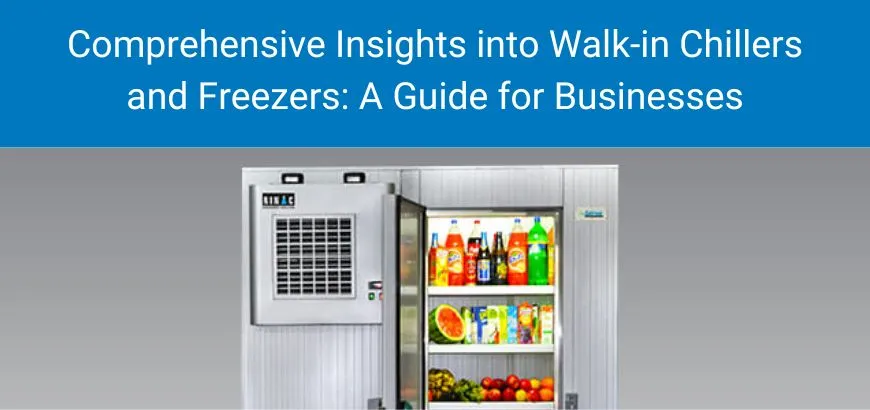
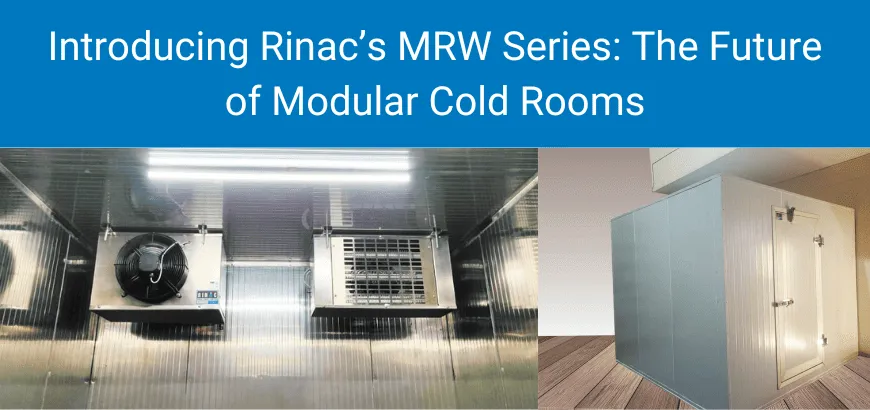
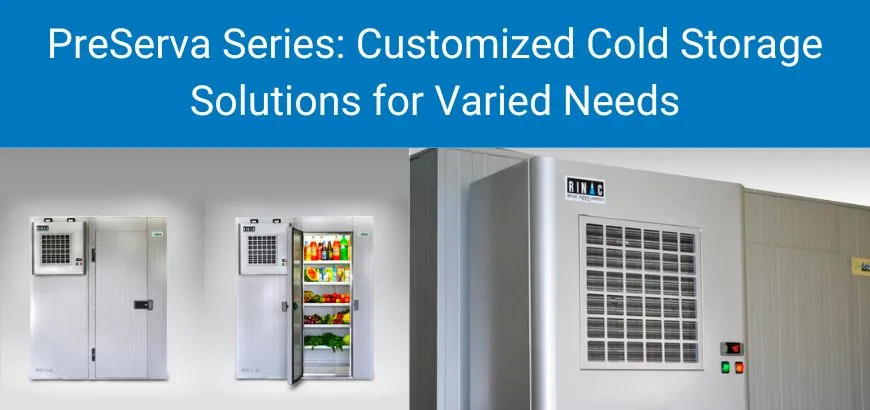
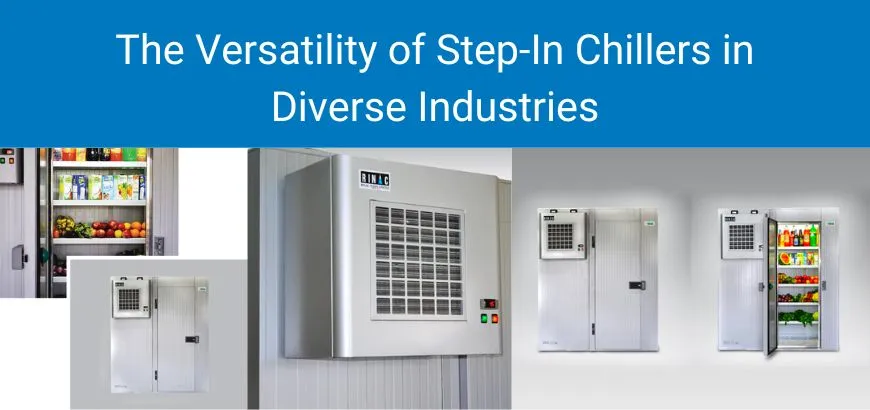
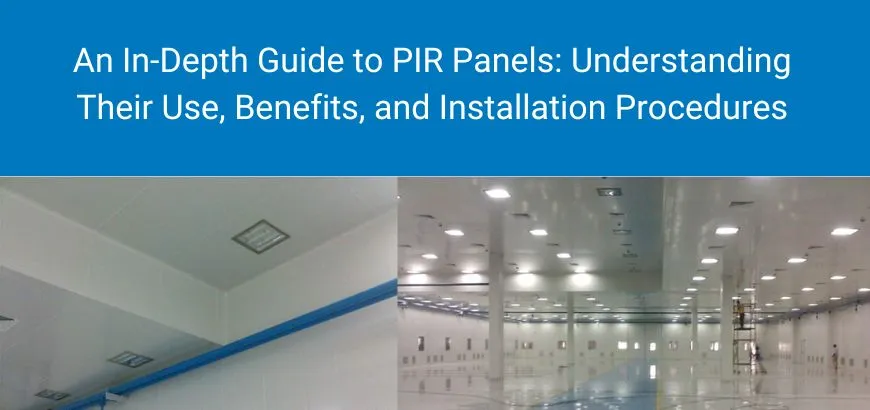
Rinac’s cold room solutions use high-density PUF (Polyurethane Foam) insulated panels that provide excellent thermal insulation in India’s hot and humid coastal climates. For seafood applications, specify food-grade interior finishes, floor drains for washdown cleaning, heavy-duty shelving rated for frozen product weight, and doors designed for frequent forklift traffic.
Ice Machines
Flake ice machines are essential at every seafood processing plant. Flake ice conforms to the shape of fish and shrimp, providing maximum surface contact for efficient cooling. Tube ice machines supplement flake ice for icing during transport and retail display. Calculate ice requirements at 1:1 to 1.5:1 ice-to-fish ratio for proper cooling.
Refrigeration Systems
The refrigeration system is the heart of your cold chain facility. For seafood applications, ammonia (NH₃) systems offer the best energy efficiency for large-scale operations, while CO₂ systems are increasingly preferred for their environmental profile. Rinac engineers complete refrigeration solutions sized to your specific facility layout and temperature zone requirements.
Cost Breakdown and ROI Analysis
Understanding the economics of seafood cold storage helps processors make informed investment decisions. Here’s a representative cost breakdown for different facility scales:
*Costs are indicative and vary based on location, capacity, product type, and customization. Contact Rinac for a detailed quotation specific to your requirements.
Operating Cost Considerations
IQF processing costs approximately ₹2-4 per kg of frozen product, varying by electricity tariff, capacity utilization, and ambient temperature. A 20-ton capacity cold storage typically consumes 1,200-1,500 kWh per day. Energy-efficient refrigeration systems with natural refrigerants (ammonia, CO₂) and frequency-controlled compressors can reduce operational energy costs by 20-30% compared to older systems.
Major Seafood Processing Hubs in India
India’s seafood processing industry is concentrated in coastal states with strong aquaculture and marine fishing traditions. Here are the major hubs and their specialties:
- Andhra Pradesh: India’s largest shrimp producing state, dominating Vannamei shrimp farming and processing. Nellore, Bhimavaram, and Kakinada are key processing centres. Vizag is a leading export port.
- Kerala: Traditional stronghold of marine fishing with major processing infrastructure in Kochi and Alappuzha. Diverse catch including shrimp, squid, cuttlefish, and various fish species.
- Gujarat: Major marine fish processing hub with a diverse catch. Veraval and Porbandar are key fishing harbours with growing cold chain infrastructure.
- West Bengal: Centre for Hilsa fish (basmati patta) processing and freshwater fish exports. Kolkata port handles significant seafood cargo.
- Tamil Nadu: Significant shrimp aquaculture and marine fishing. Chennai and Tuticorin are key processing and export centres.
- Odisha: Emerging shrimp aquaculture hub, particularly around Bhubaneswar and Chilika Lake region, with growing processing capacity.
Rinac serves seafood processors across all these regions through its pan-India network of 6 office locations, providing local project management and after-sales service support that’s critical for continuous cold chain operations.
Best Practices for Seafood Cold Chain Management
Beyond choosing the right equipment, operational excellence determines the quality difference between a good and great seafood processing facility. Here are the best practices that leading Indian exporters follow:
1. Minimize the Catch-to-Chill Gap
The faster seafood reaches its first cold contact point, the better the final product quality. Invest in harbour-side flake ice capacity and refrigerated transport to ensure raw material arrives at your plant at 0-4°C consistently.
2. Never Break the Cold Chain
Design your facility layout to minimize the time products spend outside temperature-controlled zones. Use air curtains and strip curtains on cold room doors. Install dock shelters at loading bays to maintain temperature during container loading.
3. Implement Continuous Temperature Monitoring
Digital temperature logging with automated alerts is no longer optional — it’s a requirement for export markets. Invest in IoT-enabled sensors that provide real-time visibility across every cold zone in your facility, with cloud-based data storage for traceability documentation.
4. Proper Glazing Protects Frozen Products
Glazing (applying a thin layer of ice on the surface of frozen seafood) is critical for preventing dehydration and freezer burn during storage. The glaze should be applied using water maintained at 1°C, and the percentage should conform to buyer specifications — typically 10-20% for shrimp.
5. Preventive Maintenance Is Non-Negotiable
A compressor failure or evaporator coil icing can compromise thousands of kilograms of frozen product. Establish a rigorous preventive maintenance schedule for all refrigeration systems, defrost cycles, door seals, and electrical controls. Rinac offers comprehensive after-sales maintenance programmes to ensure your cold chain operates at peak efficiency year-round.
6. Train Your Team Continuously
Even the best infrastructure fails without trained operators. Regular HACCP refresher training, food safety protocol drills, and equipment operation training should be standard practice. The FOSTAC (Food Safety Training and Certification) programme by FSSAI is a good starting point for building team capabilities.
Frequently Asked Questions
Q1. What is the ideal cold storage temperature for seafood in India?
For frozen seafood, FSSAI mandates storage at -18°C or below. Blast freezing occurs at -35°C to -40°C to rapidly bring the core temperature down. Chilled seafood must be maintained below 5°C. For long-term export-quality frozen storage, temperatures of -18°C to -25°C are recommended to maximize shelf life.
Q3. What is the difference between blast freezing and IQF for seafood?
Blast freezing uses cold air (-35°C to -40°C) blown at high velocity to freeze products in trays or racks, typically taking 1-2 hours for seafood blocks. IQF freezes each piece separately on a conveyor belt in 3-20 minutes, producing free-flowing individually frozen pieces. IQF products command 15-30% higher export prices but require greater capital investment.
Q4. What FSSAI license is required for a seafood cold storage business?
Seafood cold storage facilities require an FSSAI Central License if annual turnover exceeds ₹12 lakh or storage capacity exceeds certain thresholds. Export-oriented processors must additionally register with MPEDA, obtain EIC approval, and secure HACCP certification. For EU exports, a specific EU plant approval number is needed.
Q5. What government subsidies are available for seafood cold storage in India?
Under PMMSY (Pradhan Mantri Matsya Sampada Yojana), general category beneficiaries can receive up to 40% subsidy, while SC/ST and women entrepreneurs can get up to 60%. The FIDF provides concessional finance with up to 12-year repayment periods. The Union Budget 2025-26 allocated ₹2,704 crore for the fisheries sector, and GST on fisheries products was reduced to 5% in September 2025.
Q6. What is the shelf life of blast-frozen seafood?
Blast-frozen shrimp stored at -18°C to -25°C can last 12-18 months. IQF fish fillets maintain quality for 9-12 months. Block-frozen fish typically has a shelf life of 6-9 months. Shelf life depends on species, storage temperature consistency, glazing quality, and packaging integrity.
Q7. Which Indian states are major seafood processing hubs?
Andhra Pradesh leads with Vannamei shrimp farming, followed by Kerala (marine fishing), Gujarat (diverse marine catch), West Bengal (Hilsa and freshwater fish), Tamil Nadu (shrimp and cuttlefish), and Odisha (shrimp aquaculture). These states collectively account for over 80% of India’s $7.45 billion seafood export industry.
Q8. How do I choose between ammonia and freon refrigeration for my seafood plant?
Ammonia (NH₃) refrigeration systems are more energy-efficient for large-scale seafood operations (10+ MT/day) and have lower environmental impact, but require trained operators and safety systems. Freon-based systems are suitable for smaller facilities with simpler operation requirements. CO₂ systems are emerging as an environmentally-friendly alternative. Rinac designs the optimal refrigeration solution based on your specific capacity, product type, and operational requirements.
Q9. What ice production capacity do I need for a seafood processing plant?
The general rule is a 1:1 to 1.5:1 ice-to-fish ratio for proper cooling. A plant processing 5 MT of raw seafood daily needs at least 5-7.5 MT of flake ice per day, plus additional capacity for process cooling and cleaning. Having 20% excess ice production capacity accounts for peak loads and equipment maintenance downtime.
Q10. Can Rinac design and build a complete seafood cold storage facility?
Yes. Rinac India Limited is a turnkey cold chain infrastructure provider with over 30 years of experience and 4 manufacturing facilities. Rinac designs, manufactures, installs, and commissions complete seafood processing cold chain solutions — from cold rooms and blast freezers to IQF systems, ice machines, and refrigeration systems. Get in touch with us to discuss your seafood processing requirements.
Ready to Build Your Seafood Cold Storage Facility?
Rinac India Limited has been designing and building cold chain infrastructure for over 30 years. From blast freezers to IQF systems, cold rooms to complete refrigeration solutions — we deliver turnkey seafood processing facilities across India.
📚 Related Reading
- → What is IQF? How Does It Work? A Complete Guide 2025
- → Blast Chillers and Freezers — Rinac Product Range
- → Individual Quick Freezers (IQF) — Rinac Product Range
- → Cold Rooms — Complete Range of Cold Storage Solutions
- → Ice Machines (Flake and Tube Ice) — Rinac Solutions
- → View All Rinac Cold Chain Products