TL;DR — Quick Summary
- End-to-end turnkey food processing means a single solution architect handles concept, layout, civil works, machinery, refrigeration, automation, FSSAI commissioning and after-sales service, so you sign one contract instead of coordinating 12 vendors.
- India’s food processing sector is on track for USD 535 billion by 2025–26, supported by the PLI scheme (INR 10,900 crore) and PMFME’s 35% capital subsidy of up to INR 10 lakh per micro unit.
- FSSAI’s 2026 reforms (perpetual licences, risk-based inspections, mandatory HACCP-based FSMS) mean a turnkey food processing plant must be designed for hygienic zoning, controlled airflow and digital traceability from day one.
- Typical cost ranges: micro units INR 25–75 lakh, mid-size processing plants INR 3–15 crore, large IQF or ready-to-eat lines INR 20–75 crore — with refrigeration and cold chain accounting for 25–40% of capex.
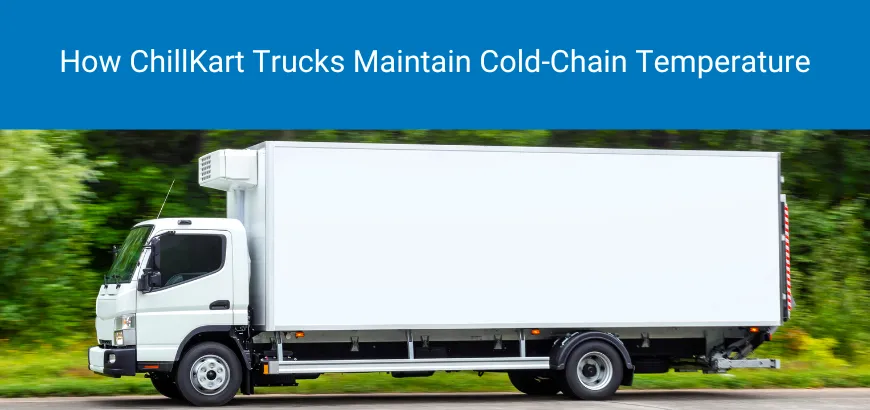
- Rinac has delivered 10,000+ projects across 23 countries, integrating cold rooms, IQF, blast freezers, ripening chambers, refrigerated transport and modular buildings into one accountable, on-time turnkey delivery.
What End-to-End Turnkey Food Processing Actually Means
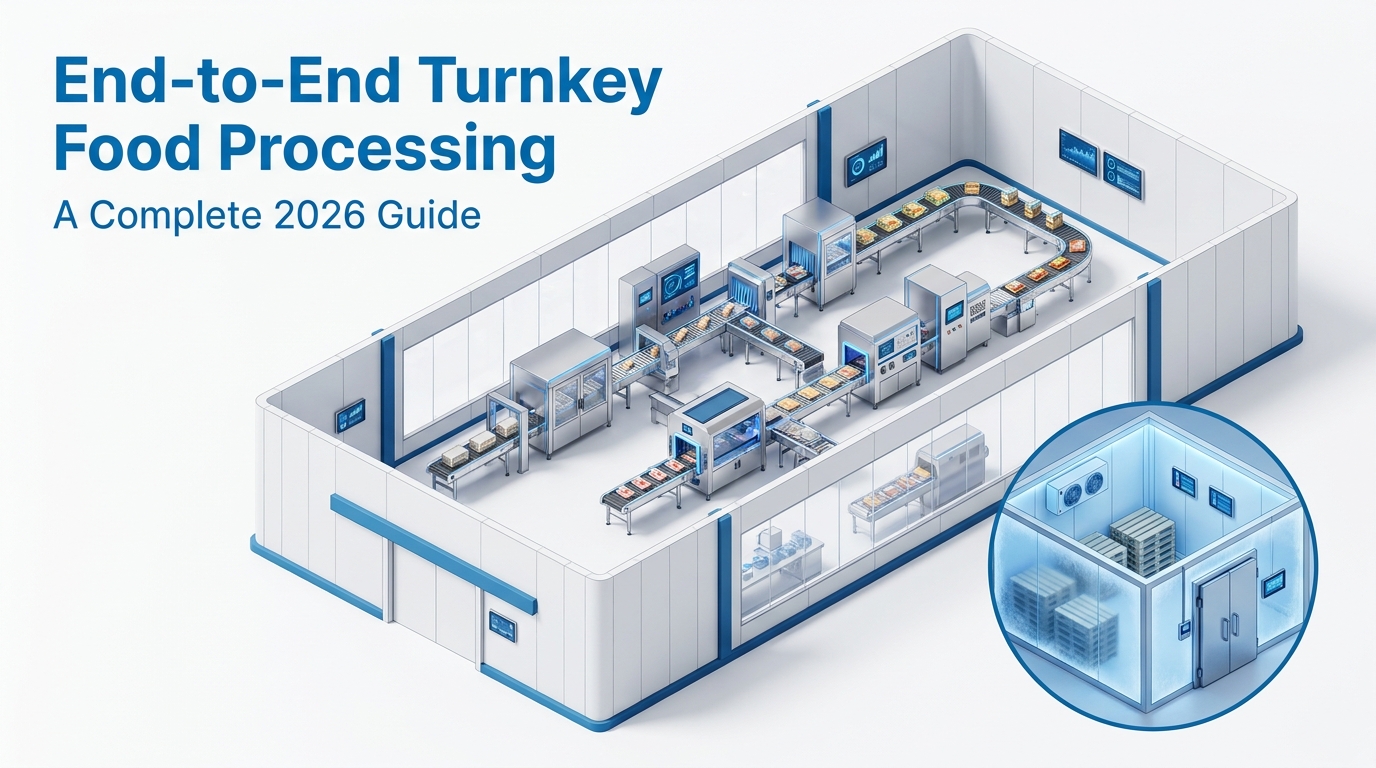
Building a food processing plant in India in 2026 is no longer just an engineering exercise. It is a regulated, capital-intensive, cold-chain-dependent project that touches FSSAI, GMP, fire safety, HACCP, environmental clearances and the new digital traceability rules. End-to-end turnkey food processing compresses all of that into a single accountable scope: one partner, one project plan, one handover.
In a turnkey food processing project, the solution architect owns the entire lifecycle — feasibility study, plant layout, civil and structural design, machinery selection, refrigeration system, utilities, automation, statutory clearances, trial runs, FSSAI commissioning and post-handover service. The food entrepreneur gets a fully functional, certified, production-ready facility. That is the difference between a turnkey food processing plant and a piecemeal build where you hire a consultant, a civil contractor, a machinery supplier and a refrigeration vendor separately and pray they speak to each other.
Key distinction: A “turnkey project” in food processing is not just a building plus equipment. It is a guaranteed, performance-tested production line with documented capacity, energy benchmarks, hygiene zoning, and FSSAI-ready records.
Why Turnkey Food Processing Is the Default Choice in 2026
India’s food processing industry is projected to reach USD 535 billion by 2025–26, and the government is pouring capital into the sector. The Production Linked Incentive (PLI) scheme alone has an outlay of INR 10,900 crore and is targeted to generate 2.5 lakh jobs by 2026–27. The PM Formalisation of Micro Food Processing Enterprises (PMFME) scheme offers a 35% capital subsidy up to INR 10 lakh per unit, while Mega Food Parks unlock up to INR 50 crore per project.
USD 535 Bn
Projected size of India’s food processing sector by 2025–26 (Invest India, IBEF)
Projected size of India’s food processing sector by 2025–26 (Invest India, IBEF)
Three forces are pushing serious entrepreneurs toward turnkey food processing rather than DIY builds:
1. FSSAI 2026 reforms raise the design bar
The 2026 amendments introduce perpetual FSSAI licences (no more renewals), risk-based inspections, mandatory food safety audits and a documented Food Safety Management System (FSMS) built on HACCP, GMP and GHP. Air quality and ventilation must be designed so air does not flow from contaminated to clean zones — a requirement that touches everything from panel selection to AHU placement to drain layout. Retrofitting these into a non-compliant building is far costlier than designing them in from day one. Rinac applies the same compliance lens that we use for meat and poultry cold storage and pharmaceutical cold storage across every food processing facility we deliver.
2. Cold chain is now a design constraint, not an afterthought
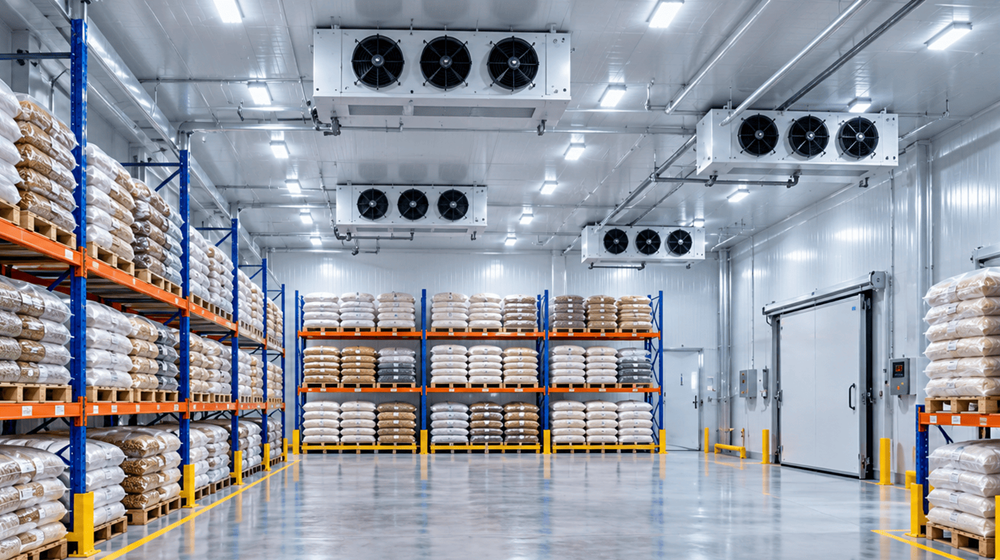
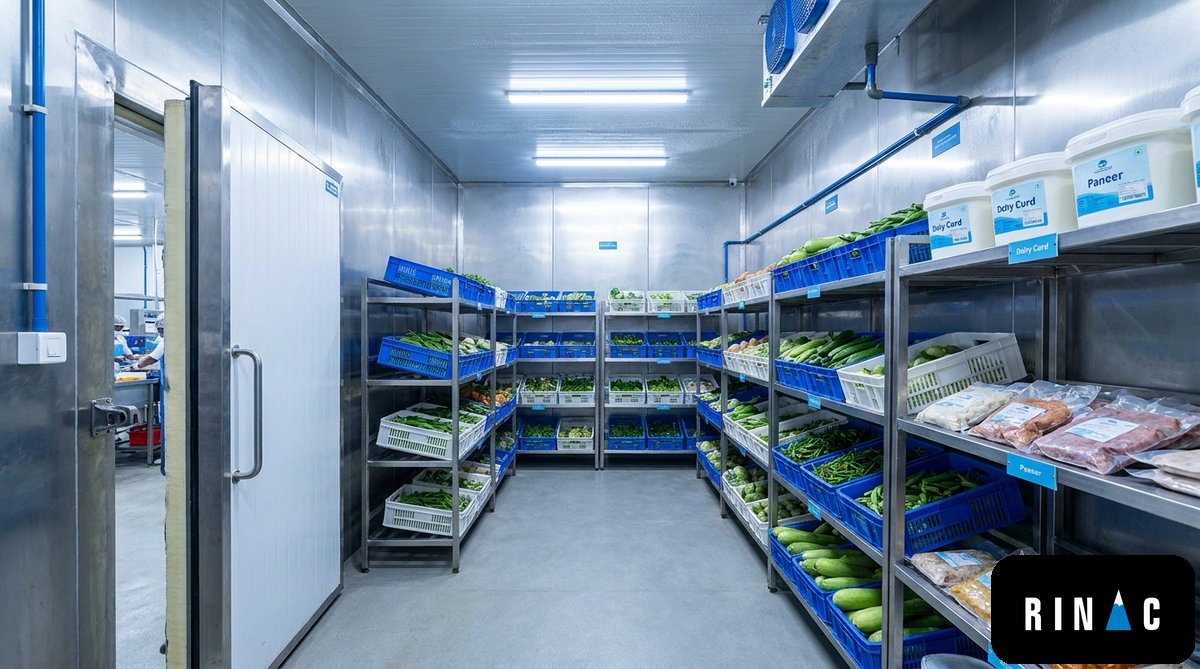
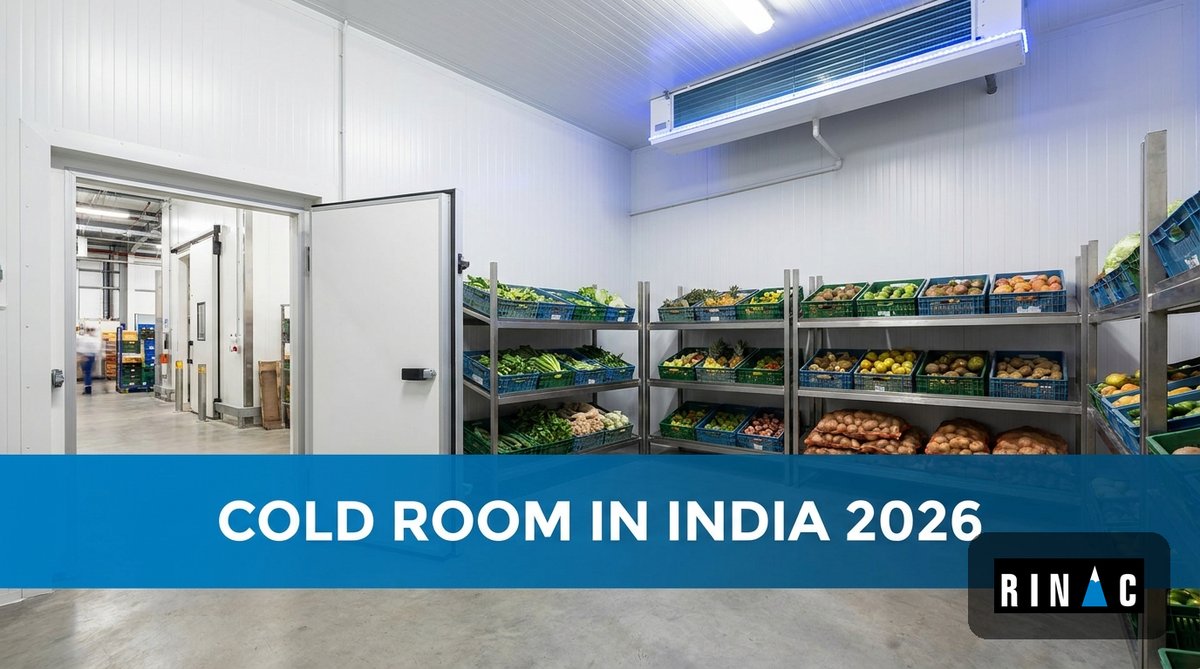
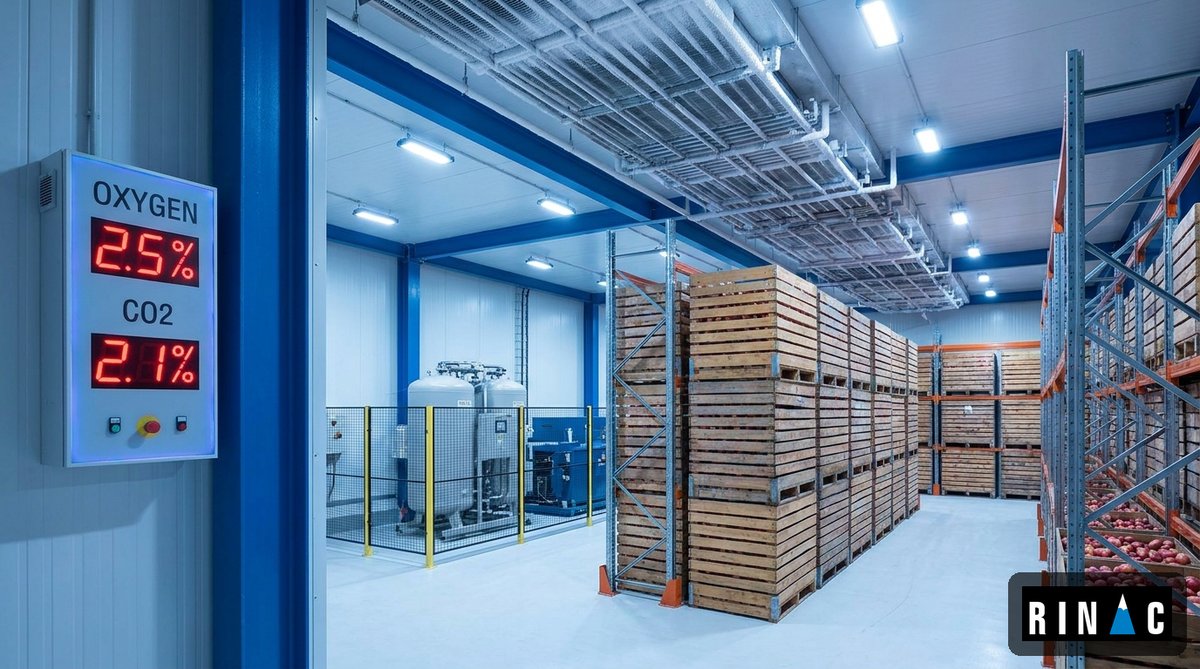
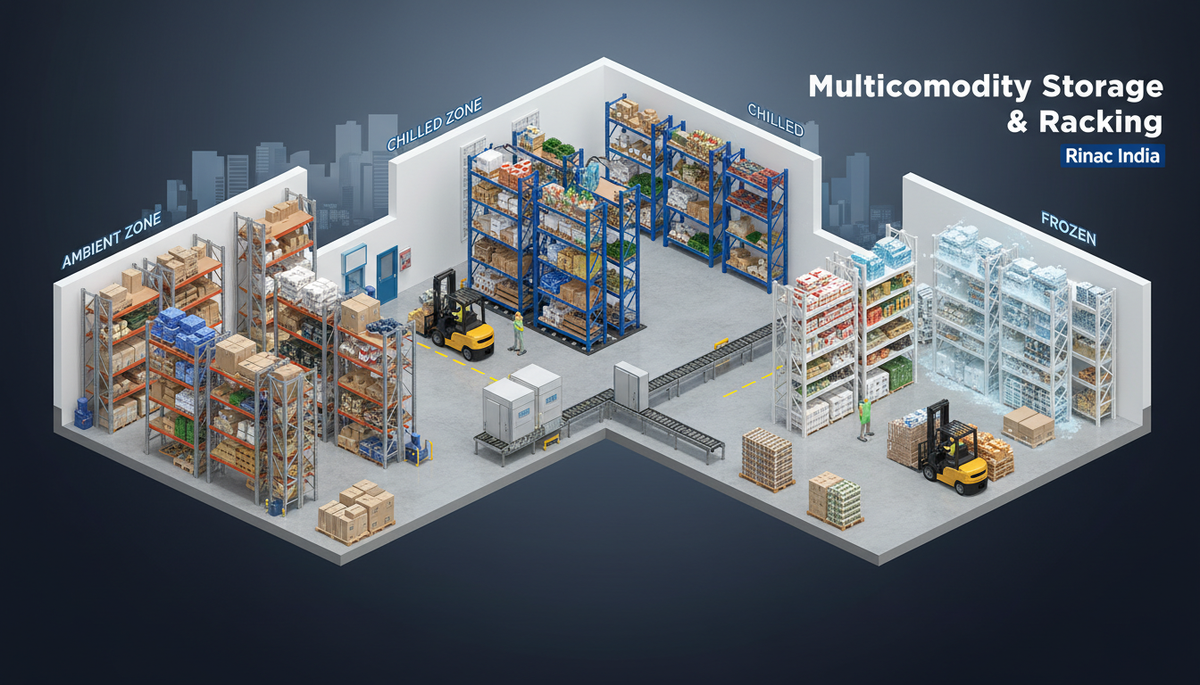
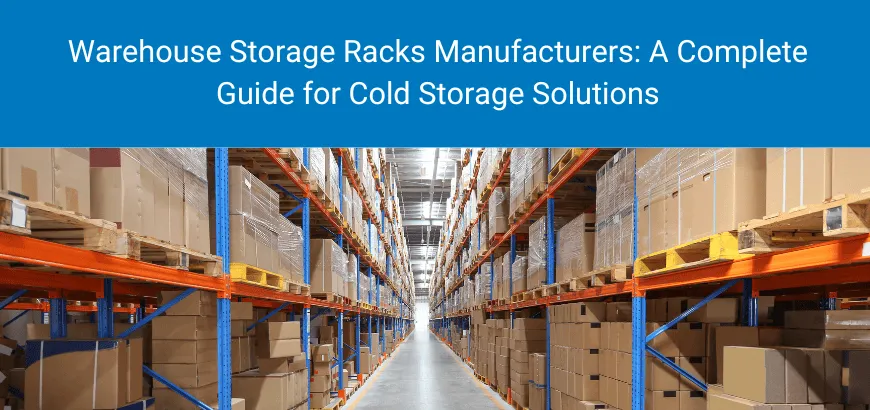
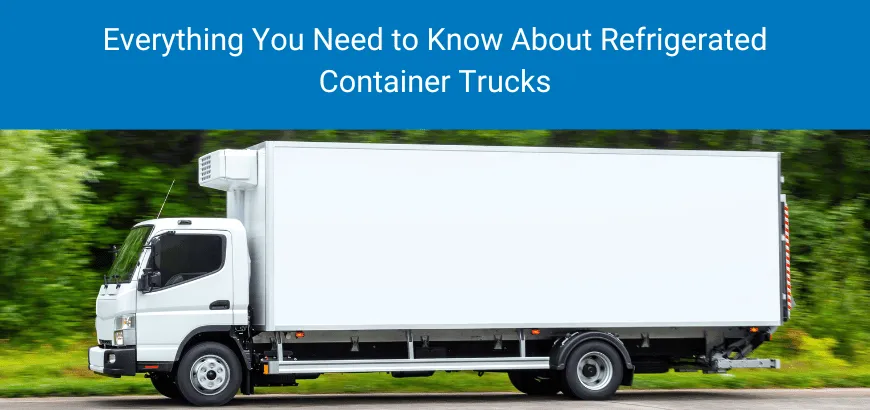
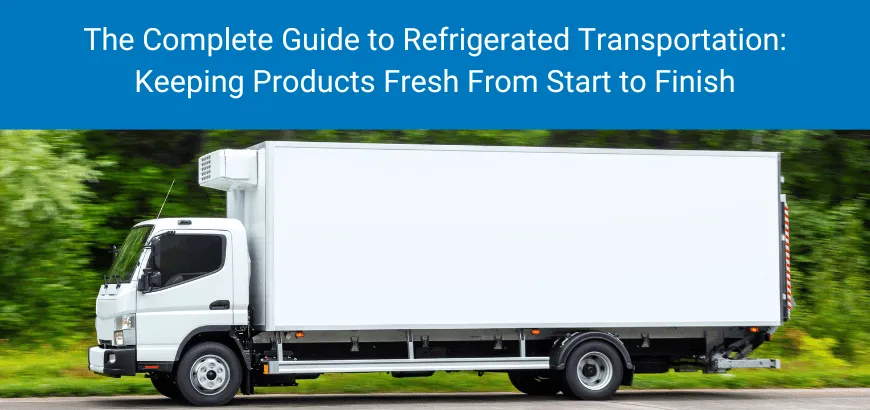
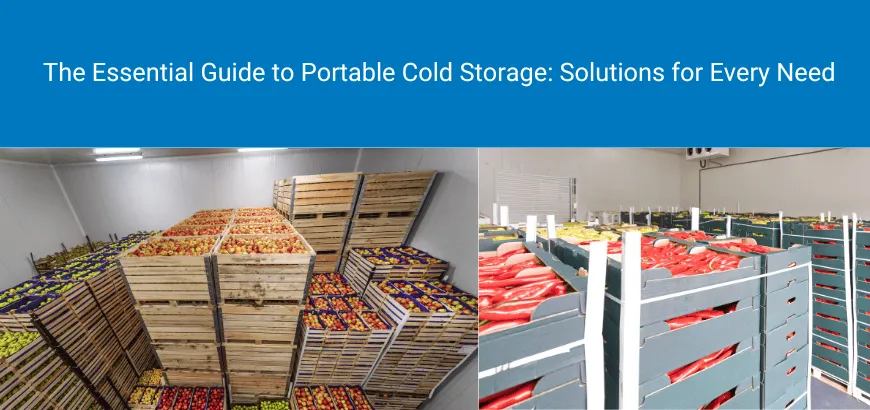
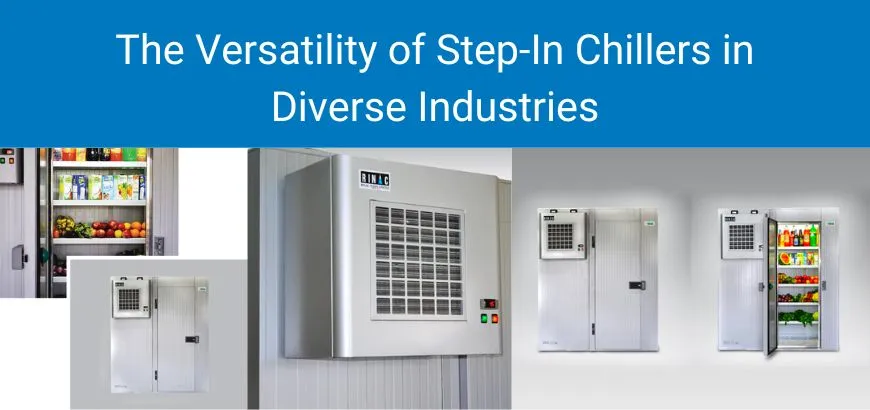
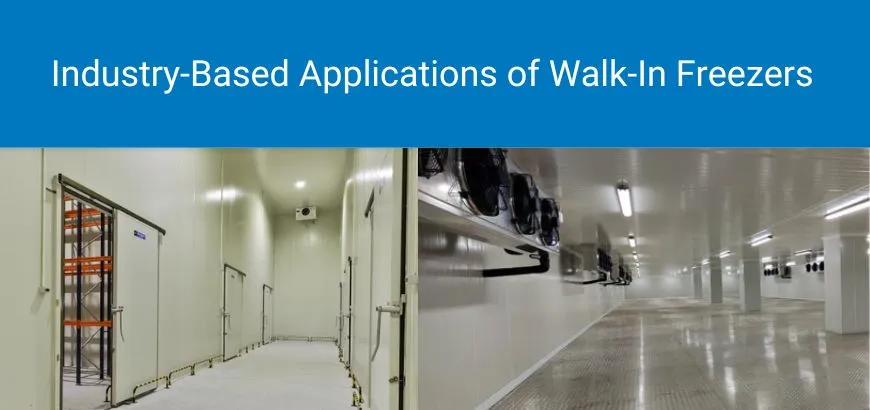
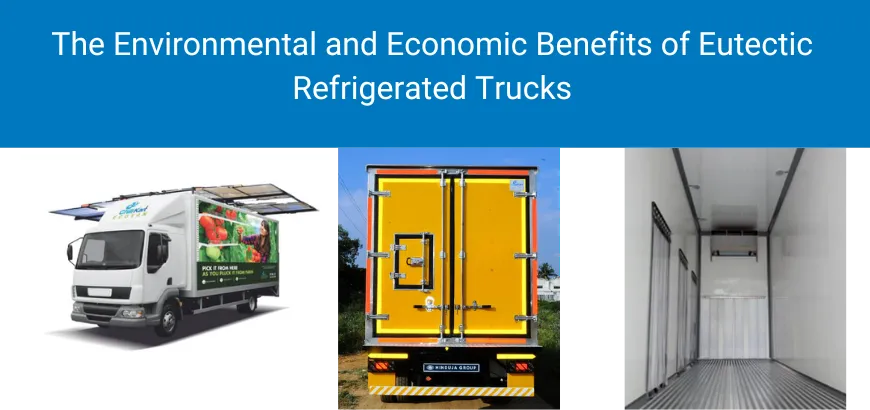
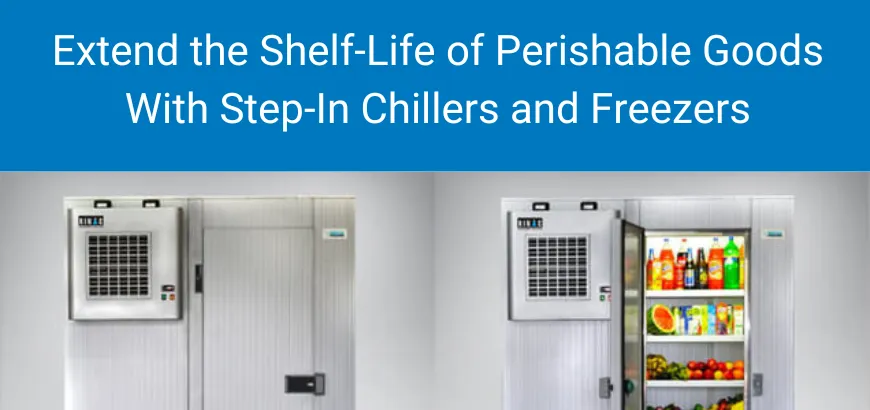
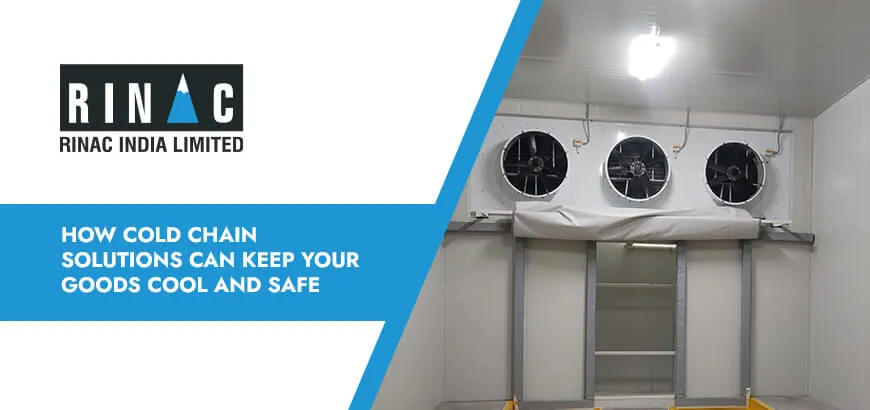
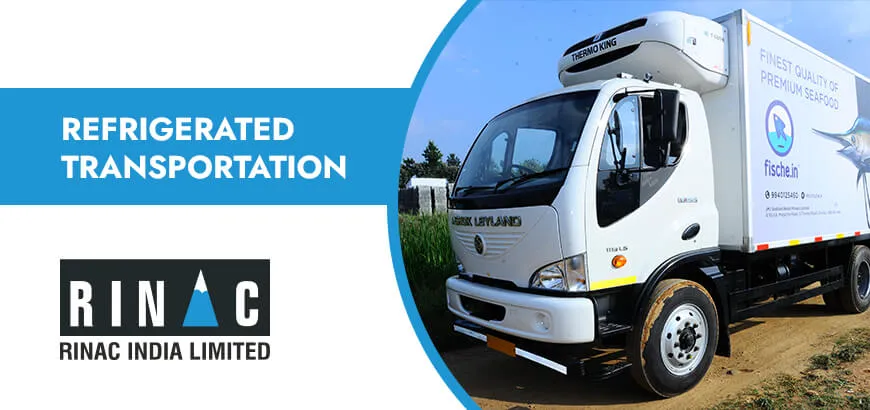
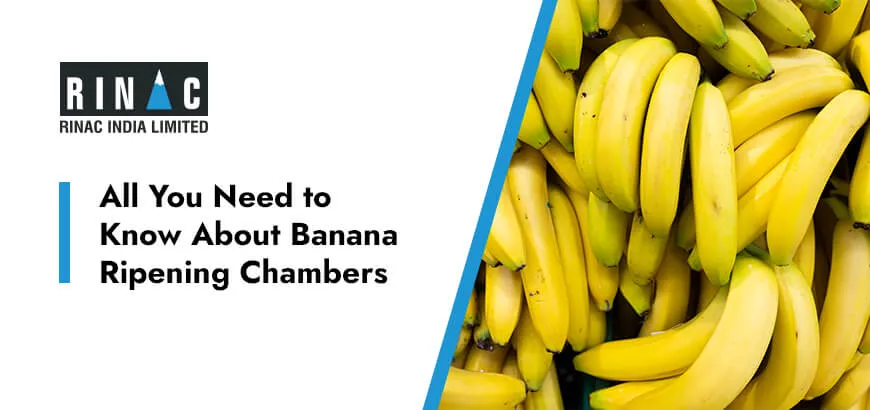
Modern food processing plants — whether dairy, ready-to-eat, frozen, seafood or horticulture — depend on integrated cold chain infrastructure. Pre-cooling, blast freezing, IQF, cold storage, ripening chambers, refrigerated transportation and CA/MA storage all have to be sized, located and sequenced inside the plant. A separate refrigeration vendor working downstream of a generalist civil contractor almost always produces hot spots, condensation, panel leakage and oversized compressors. A single team that designs the building and the refrigeration system avoids every one of those failure modes.
3. Speed and capital discipline matter more than ever
With PLI, PMKSY and Mega Food Park subsidies tied to commissioning timelines, missed deadlines mean lost grants. Turnkey delivery converts a 24–30-month multi-vendor saga into a 9–15-month single-vendor sprint, with one accountable Gantt chart and one penalty clause. That is why brands like ITC, Britannia, Tata, Reliance, Nestle, Pepsico and Haldiram’s have repeatedly chosen Rinac as their cold chain and food processing partner over the last three decades.
The 8 Phases of an End-to-End Turnkey Food Processing Project
A serious turnkey food processing project follows a disciplined, gated sequence. Skipping a phase — or compressing two into one to save weeks — is the single biggest reason food plants underperform on capacity, energy or hygiene. Here is how Rinac structures every project.
Phase 1: Feasibility and concept design
Capacity in MT per day, raw material flow, finished product mix, shelf-life targets, target market and budget envelope are locked in. We model throughput, utility loads, manpower and statutory clearances. The output is a concept design pack that lets you decide go/no-go and apply for PLI, PMFME or PMKSY subsidies with credible numbers.
Phase 2: Detailed engineering and process layout
This is where unidirectional flow, hygienic zoning (high-care, low-care, raw, packaging, dispatch) and FSSAI-mandated air movement get baked into the drawings. Equipment is positioned to eliminate cross-contamination. Utilities, drains, AHUs, refrigeration piping, ammonia or freon system topology, electrical loads and BMS architecture are coordinated as one model.
Phase 3: Civil and structural construction
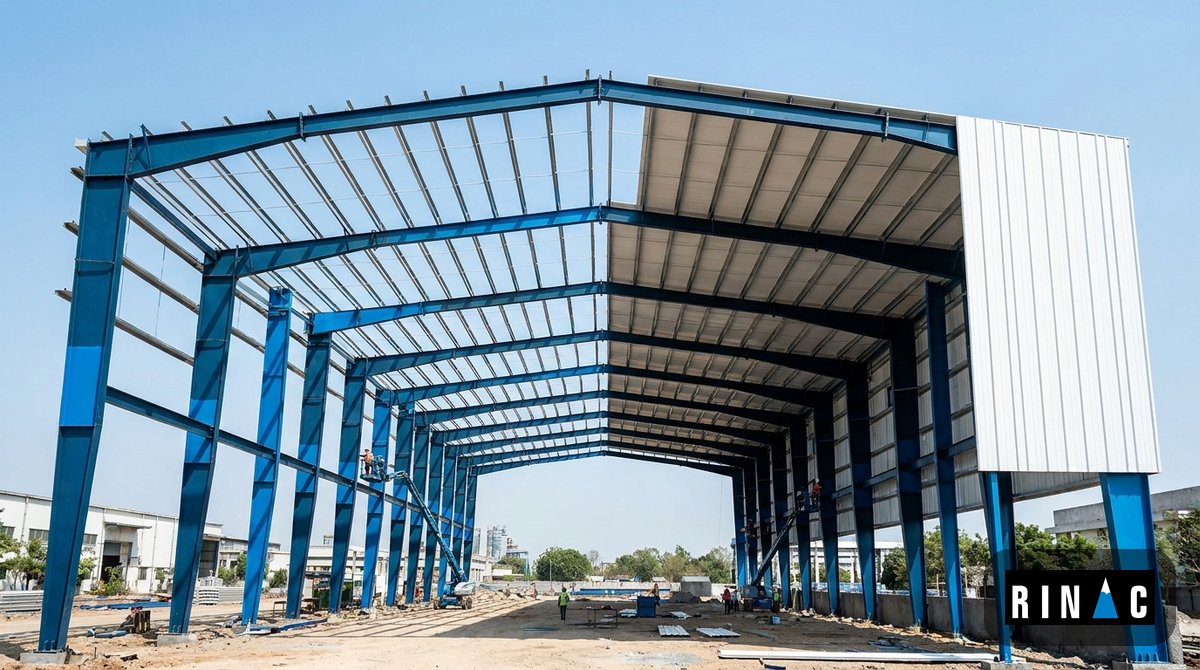
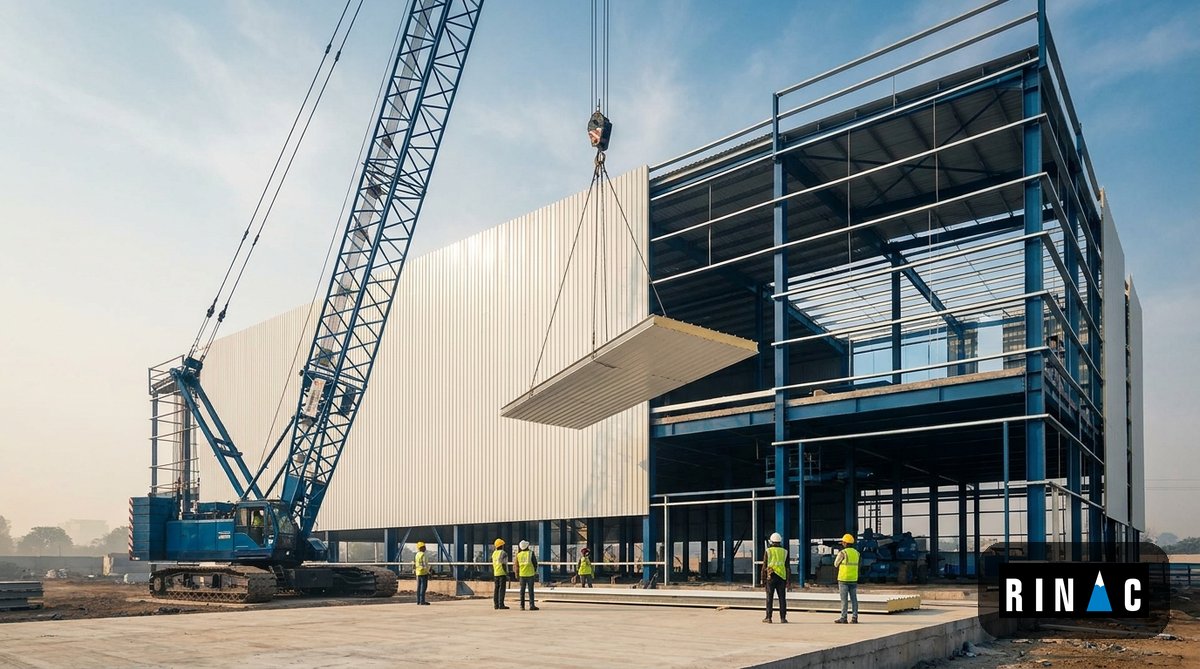
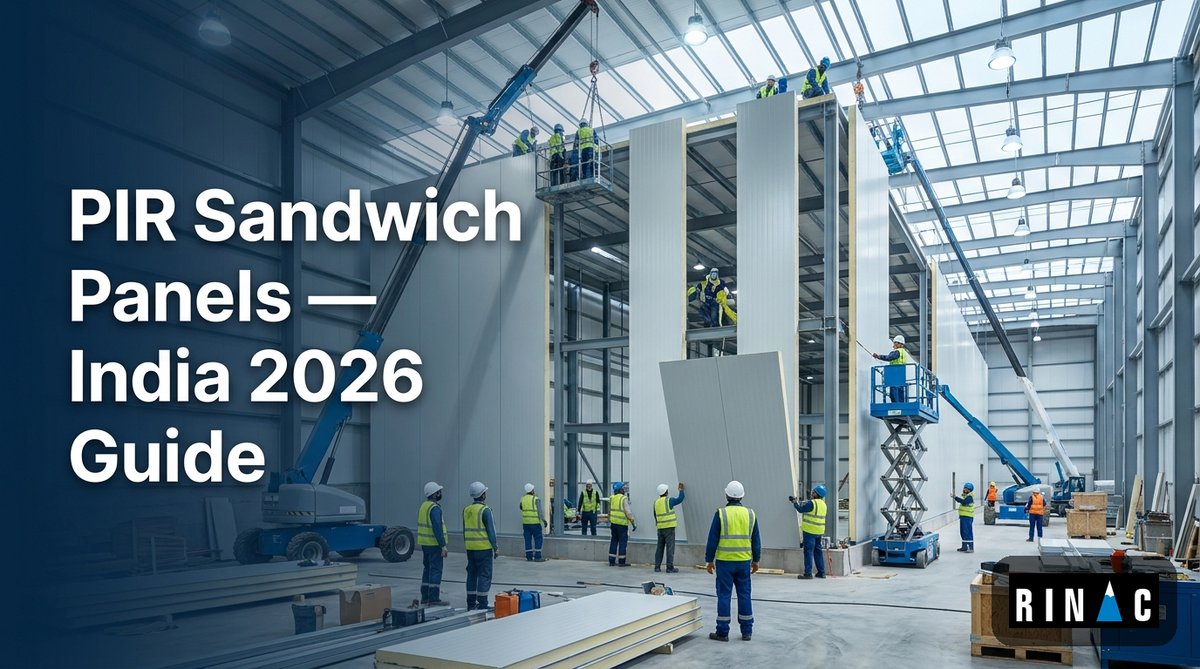
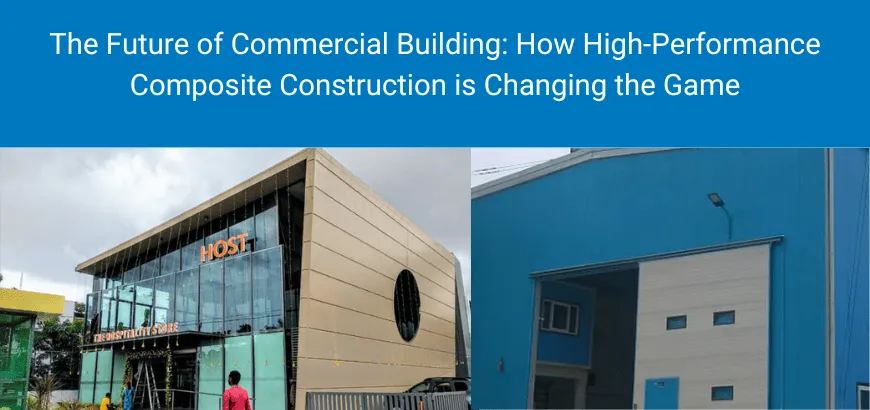
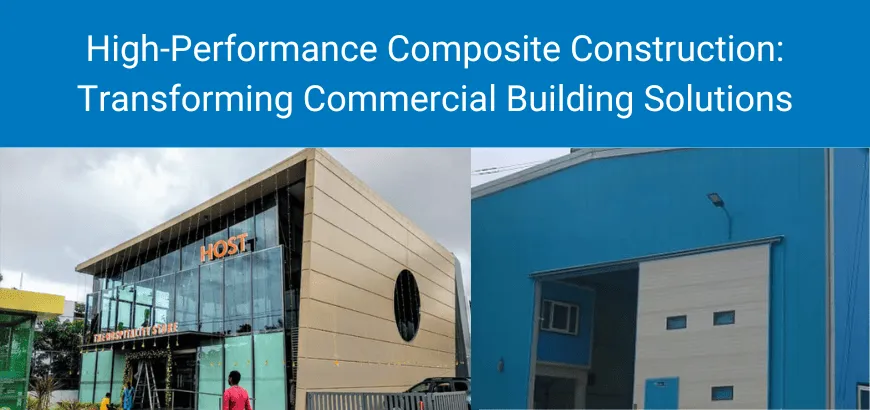
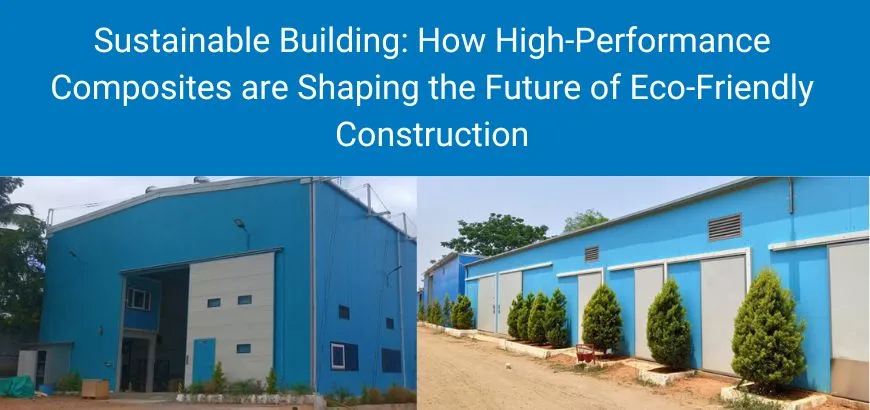
Most modern food processing plants in India are now built using prefabricated modular buildings or Rinac’s patented HPCC (High-Performance Composite Construction). Compared to brick-and-mortar, these cut construction time by 40–60%, deliver hygienic flush-finished surfaces, and are dimensionally stable through India’s humidity swings. Read more on the engineering case in our HPCC deep dive.
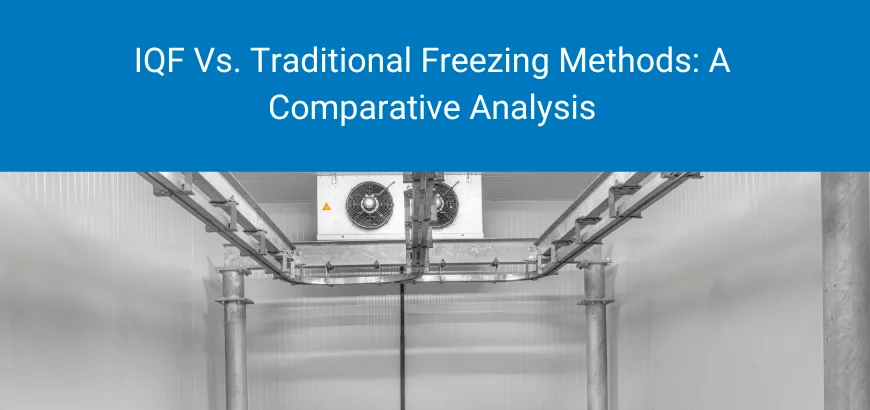
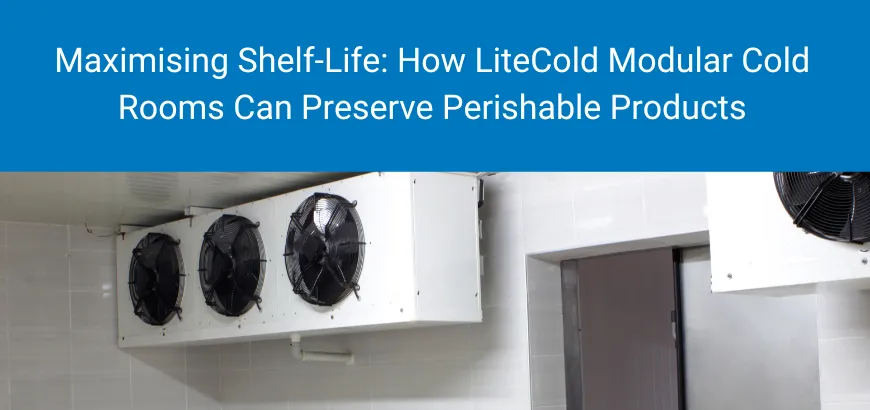
Phase 4: Refrigeration, cold rooms and freezing systems
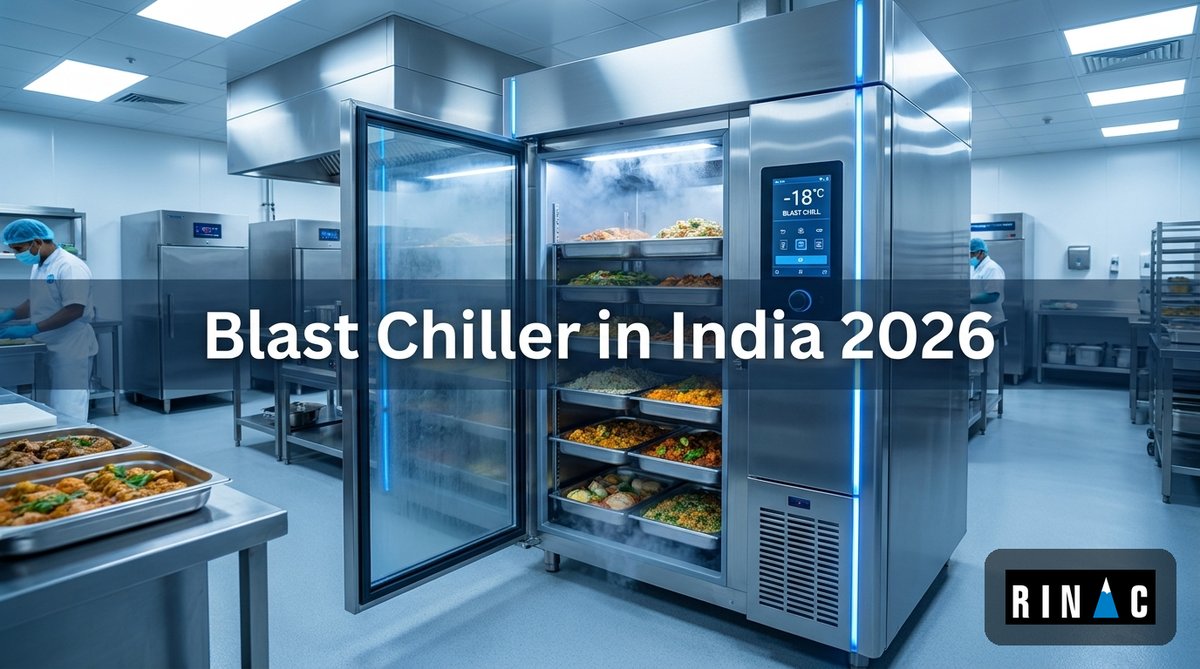
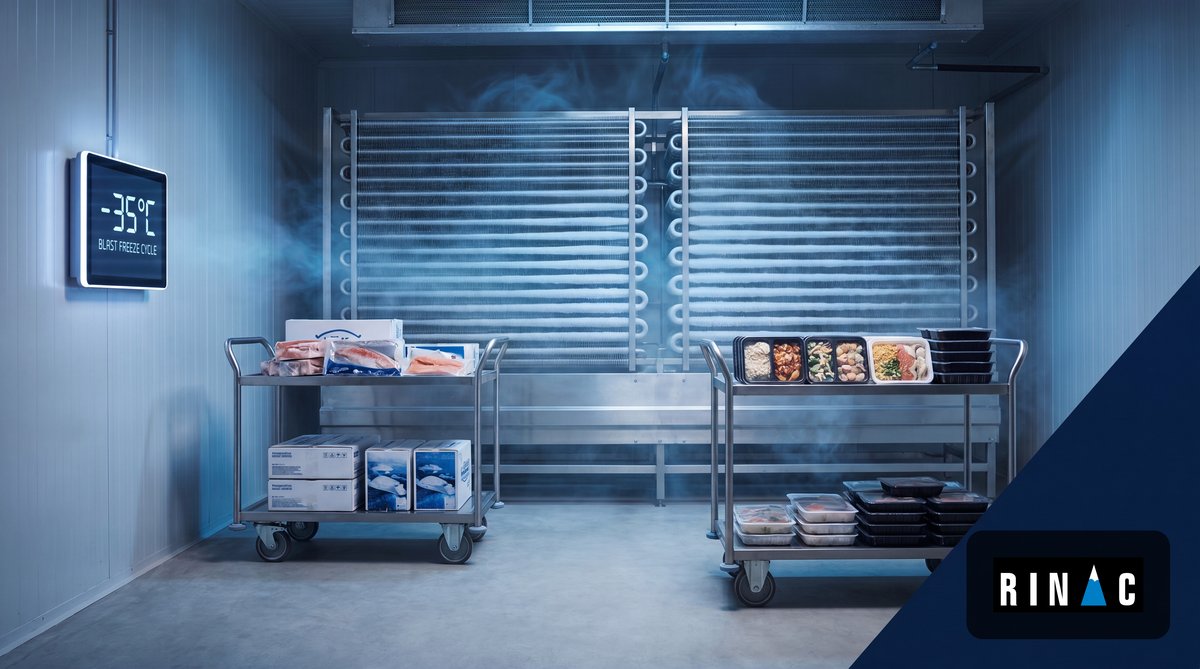
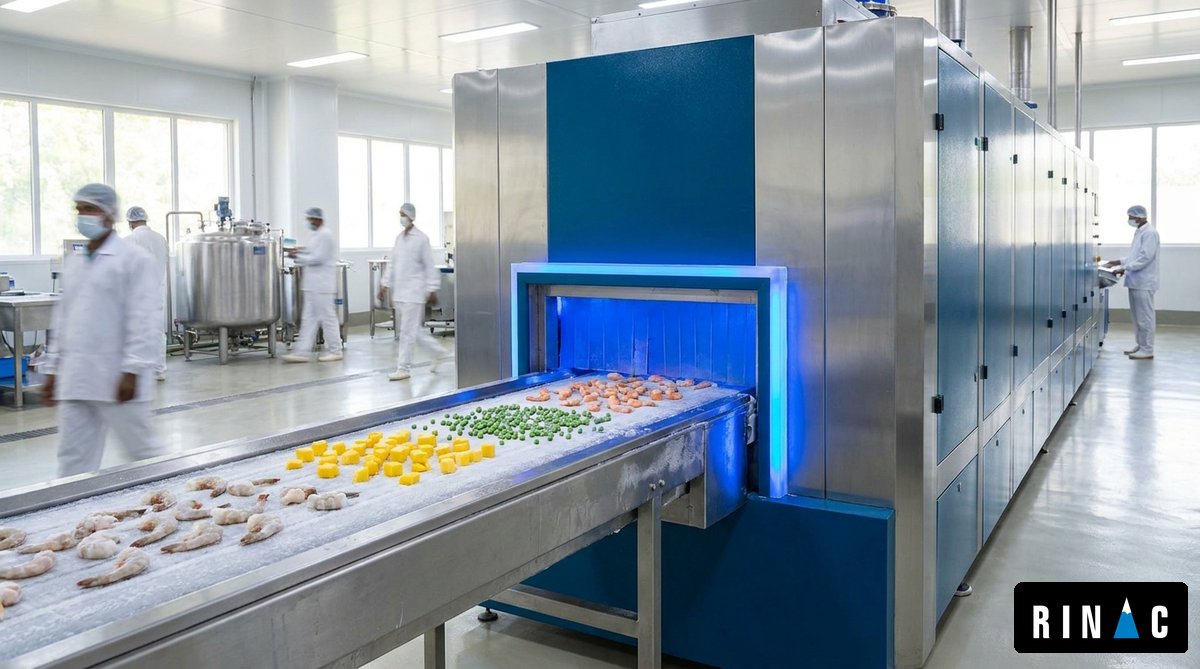
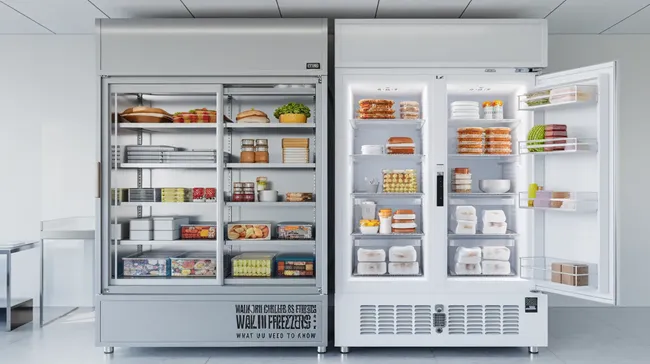
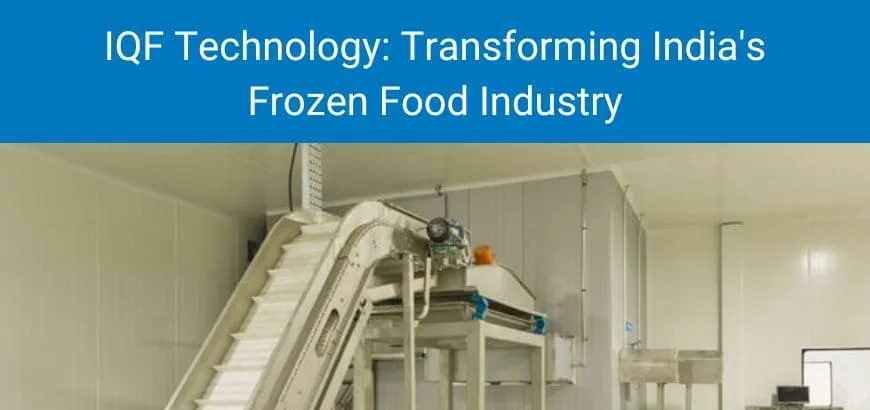
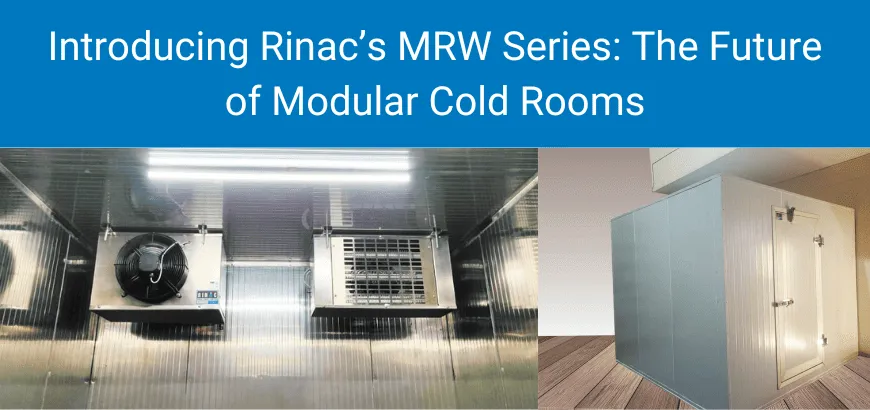
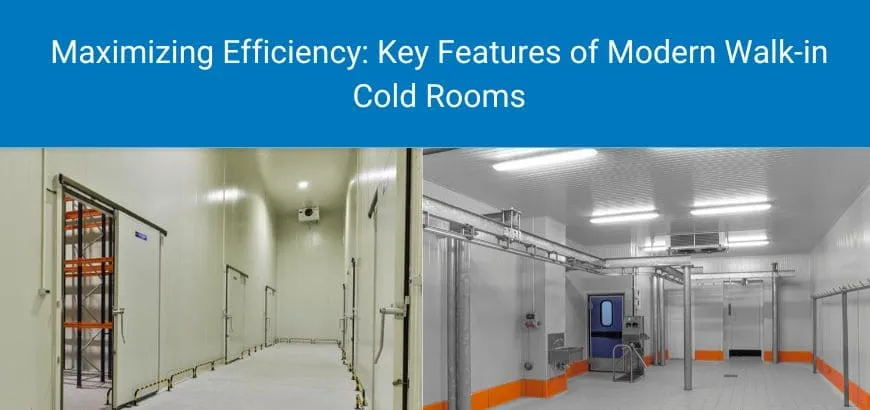
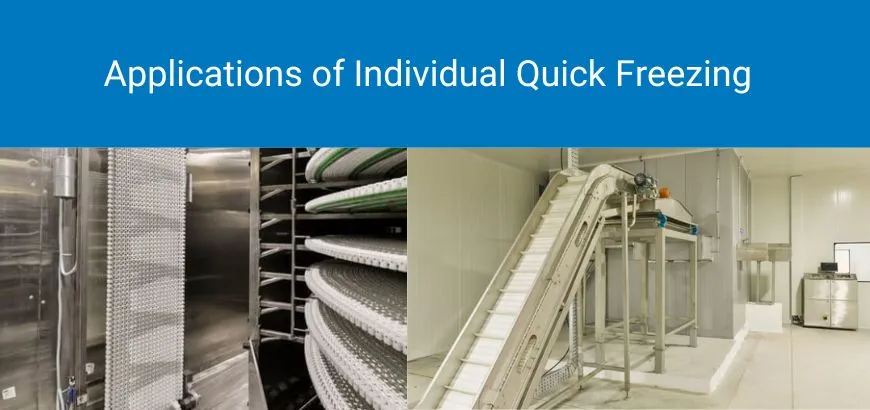
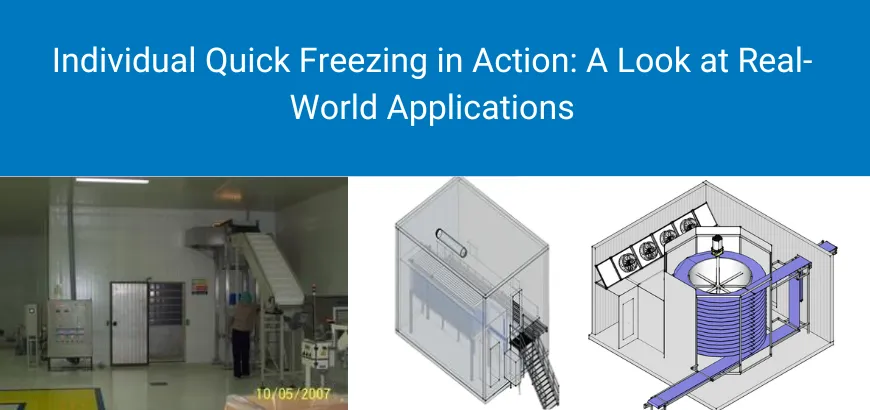
This phase is where most piecemeal projects bleed money. In a turnkey food processing build, the refrigeration team designs cold rooms, blast chillers and freezers, IQF systems, pre-cooling rooms, ripening chambers, CA and MA chambers and the central refrigeration system as one integrated load. The result is right-sized compressors, lower energy bills, and no hot spots. For frozen-food plants, IQF design alone can swing capex by 20–30% — our IQF guide walks through the trade-offs.
Phase 5: Process equipment and automation
Lines for sorting, washing, peeling, slicing, mixing, cooking, filling, sealing and packaging are sourced, installed, integrated and CIP/SIP-ready. Automation, SCADA, IoT temperature loggers and ERP integration are commissioned during this phase — not bolted on later. For a deeper look at how digital cold chain is reshaping operations, see how technology is transforming cold chain logistics in India.
Phase 6: Statutory clearances and FSSAI commissioning
FSSAI Central Licence, BIS, fire NOC, pollution clearances, drug controller (for nutraceuticals), APEDA (for exports) — the turnkey partner files, follows up and closes them. With FSSAI’s new perpetual licences and digital records mandate, the documentation backbone is set up before first production.
Phase 7: Trial runs and performance guarantee
Wet runs with raw material, capacity validation, energy benchmarking, microbial swab tests, refrigeration pull-down tests and HACCP verification all happen in this phase. The plant is only handed over after performance numbers in the contract are demonstrably met.
Phase 8: After-sales service and AMC
India’s ambient temperature, voltage variability and dust profile mean food processing plants need disciplined preventive maintenance. Rinac’s 14 branch offices and 24×7 service desk (1800-4252252) provide pan-India AMC coverage so a refrigeration trip in Indore or Vijayawada is resolved in hours, not days.
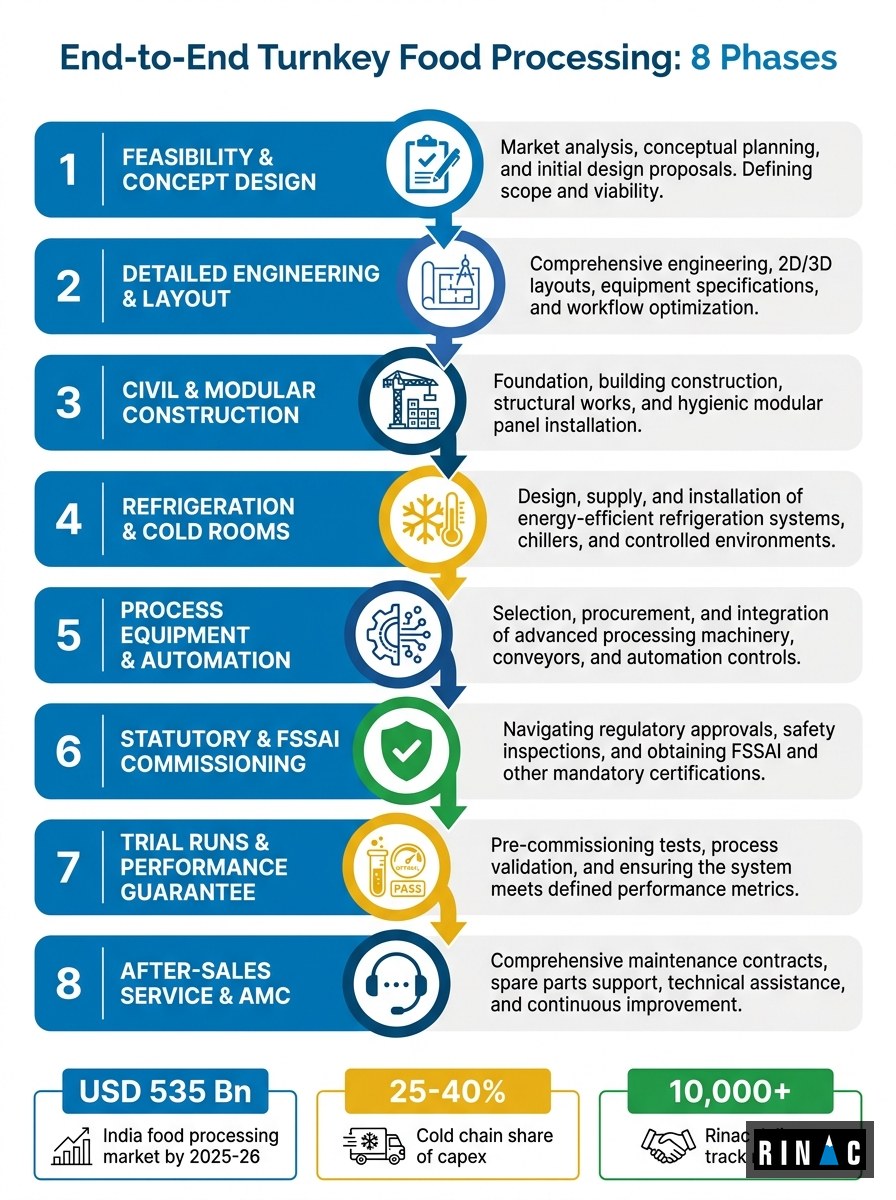
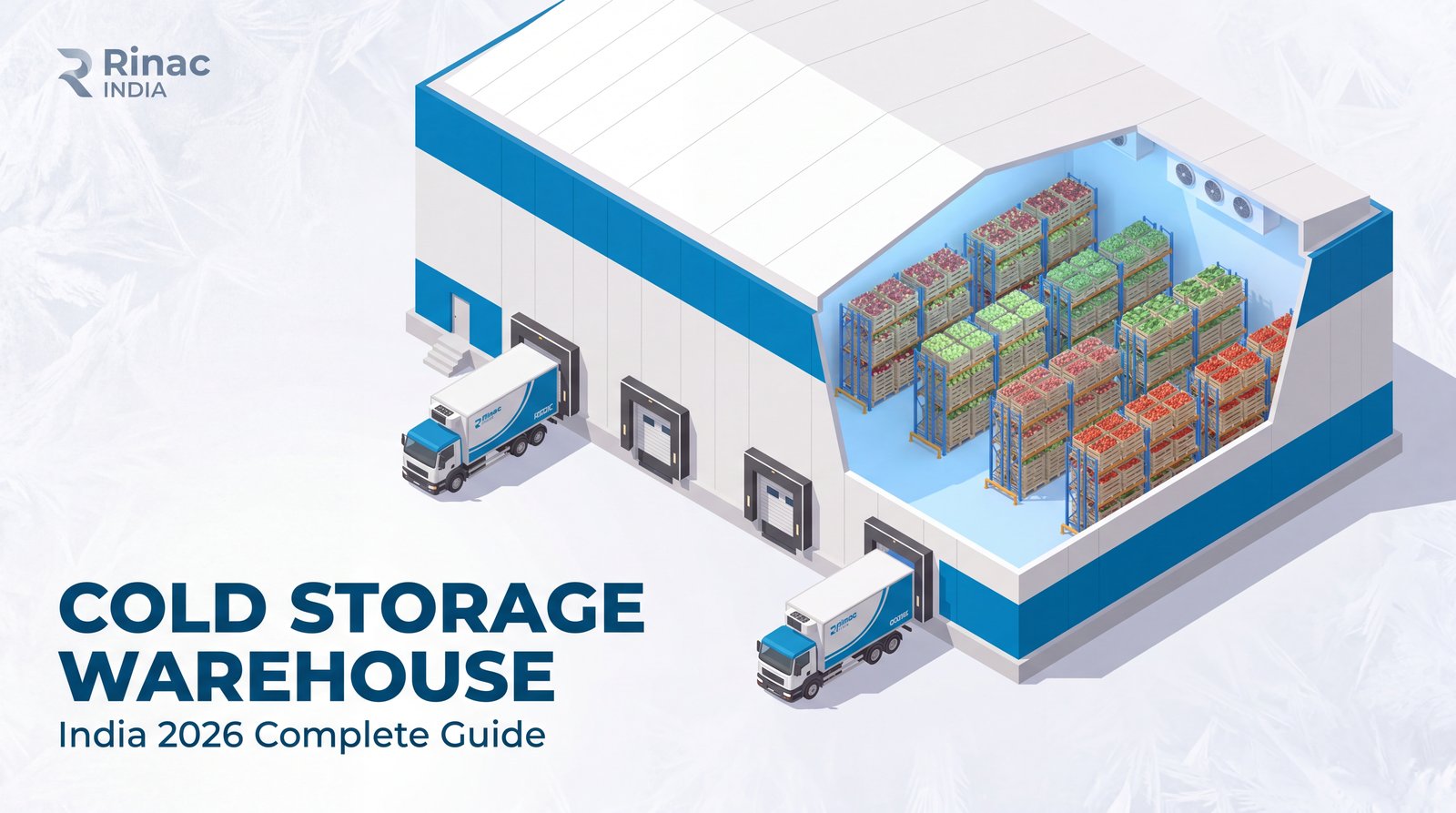
The 8-phase end-to-end turnkey food processing journey integrates civil, refrigeration, automation and compliance under one accountable scope.
Cold Chain Is the Backbone of a Modern Food Processing Plant
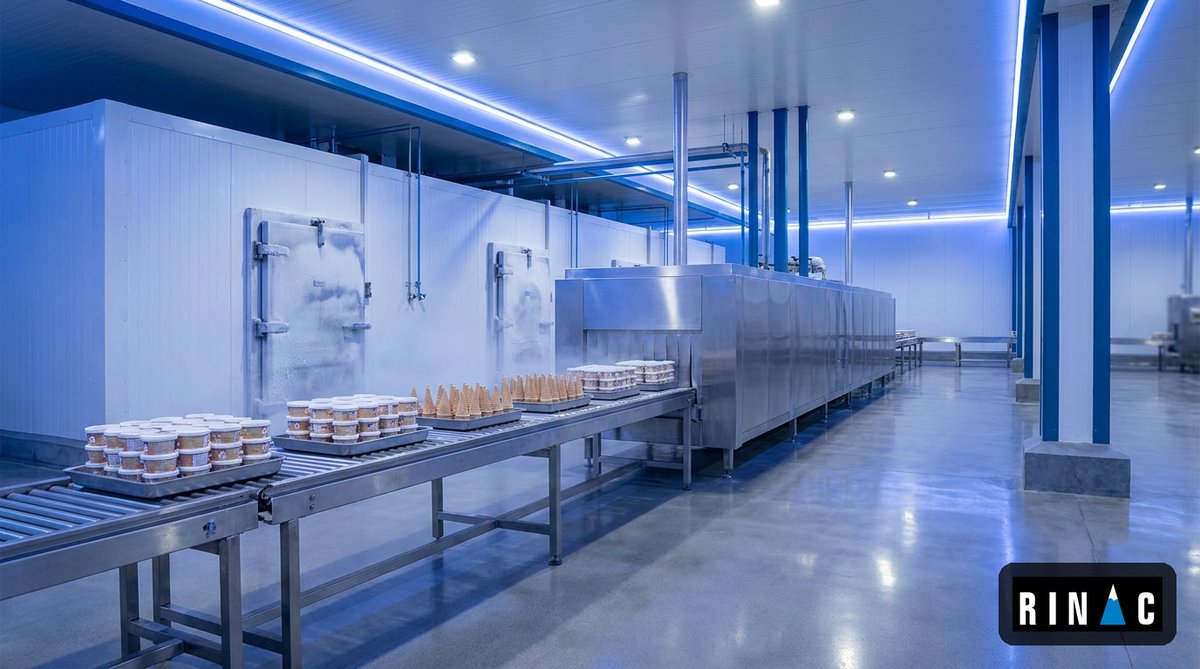
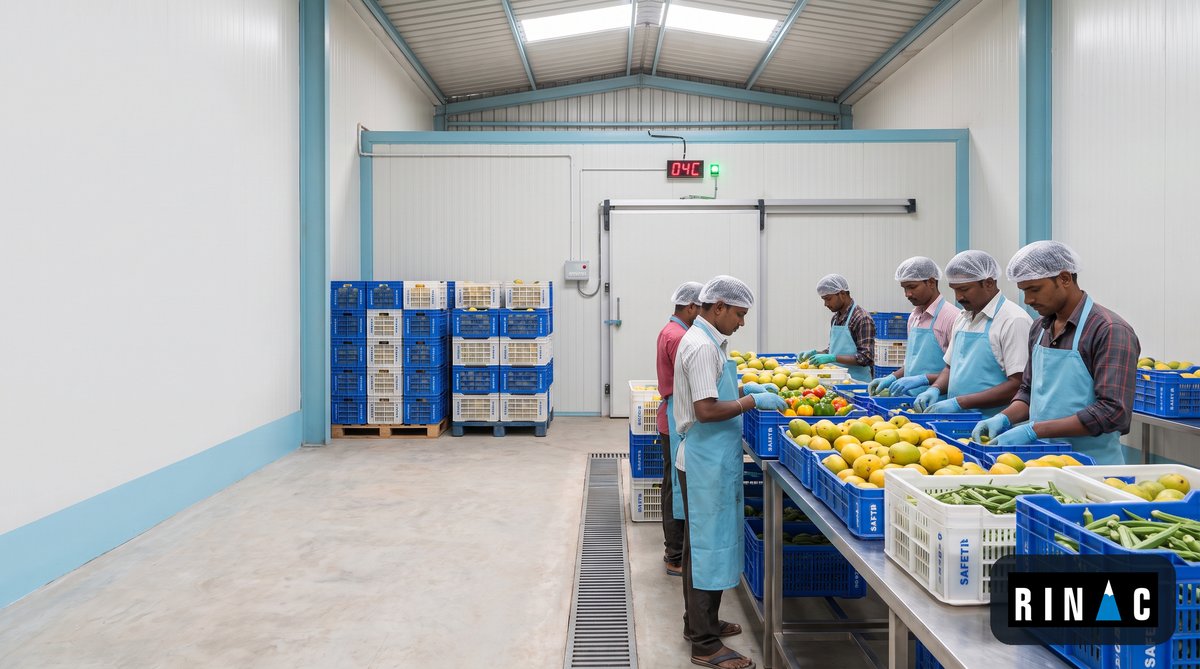
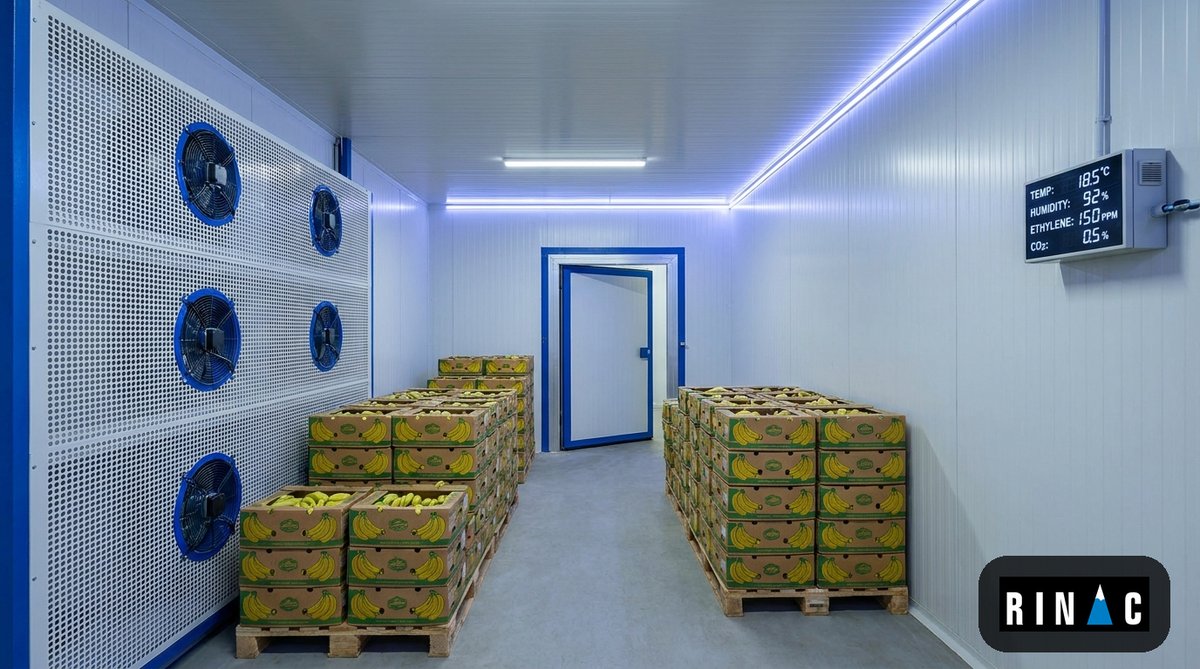
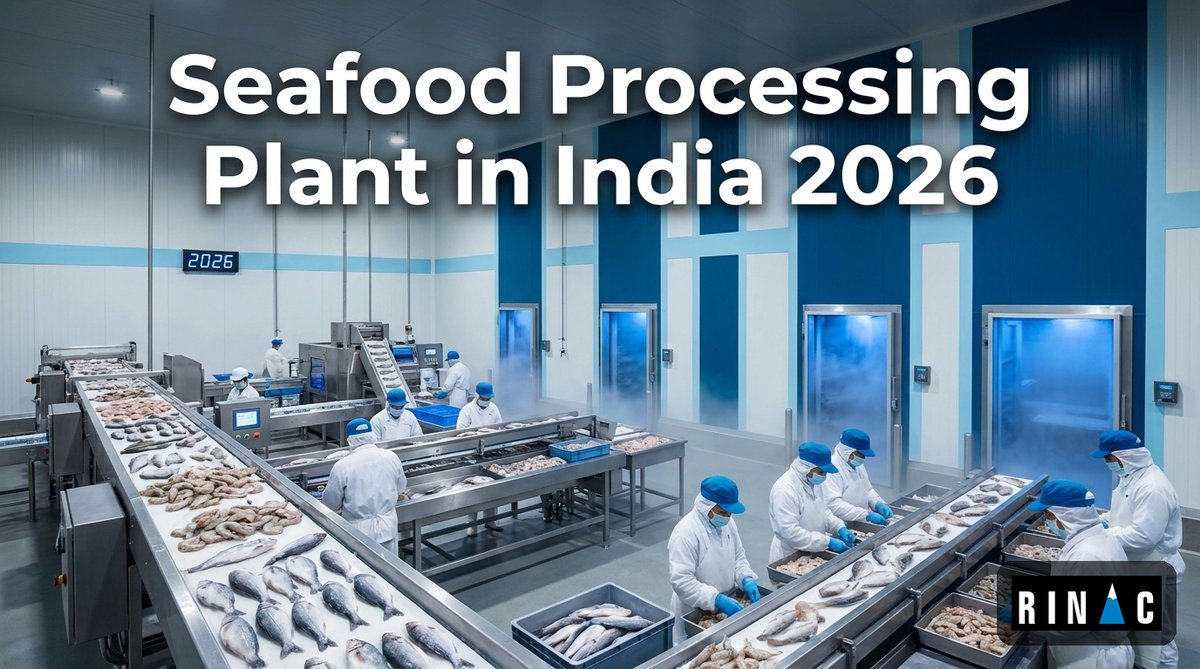
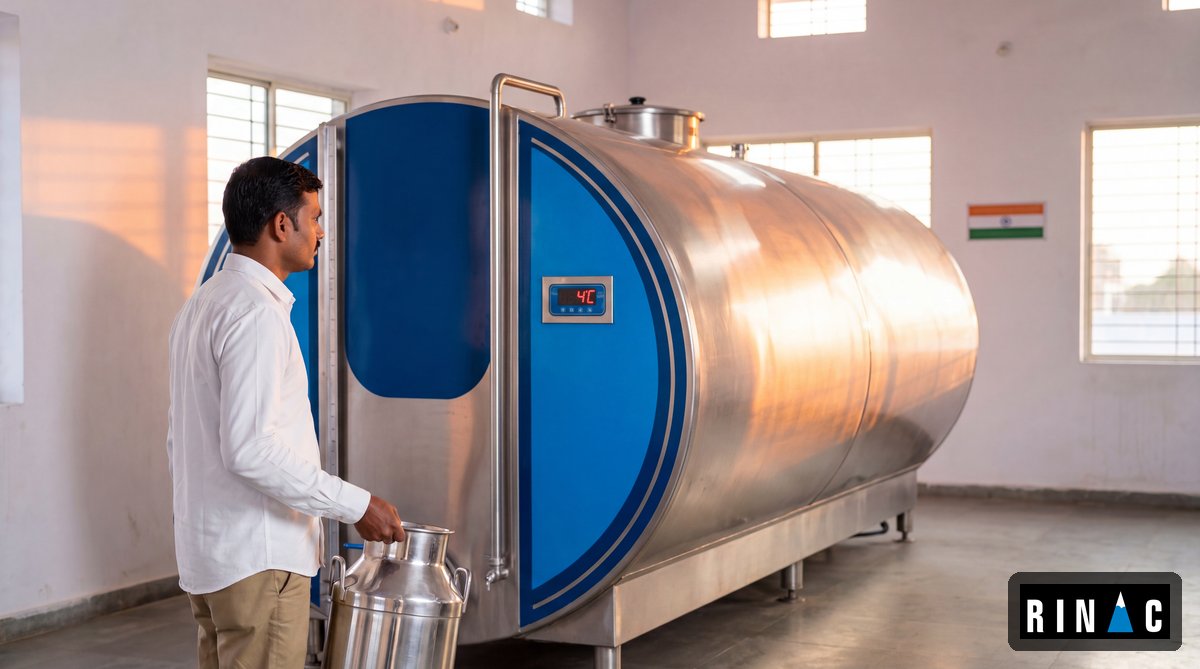
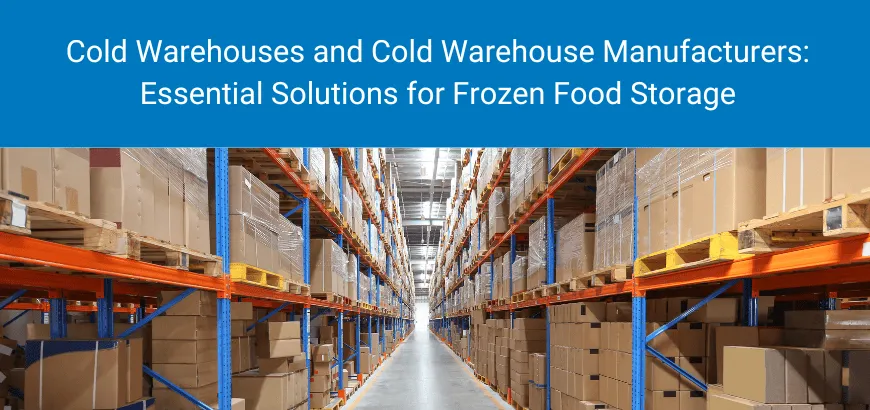
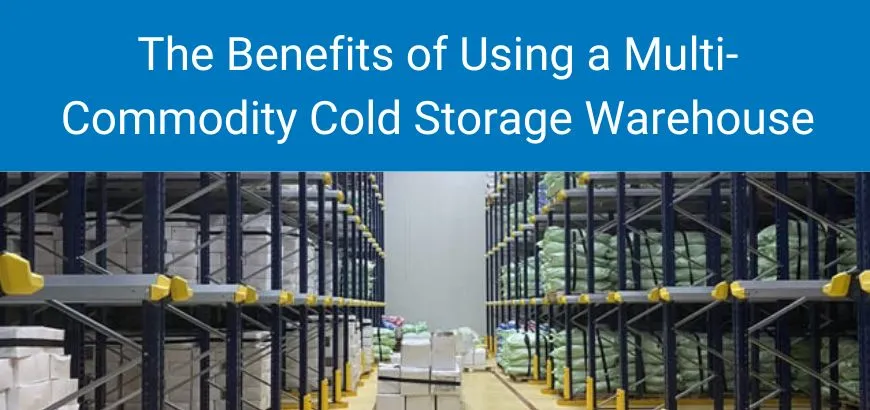
Almost every category of food processing facility in India today is cold-chain-dependent. Dairy needs chilling within 2 hours of milking. Seafood demands blast freezing to −35°C. Frozen ready-to-eat foods rely on IQF tunnels. Mango and banana need ripening chambers. Apples sit in CA storage for 9–12 months. Vaccines need WHO-GMP cold storage. The turnkey food processing partner has to understand all of this fluently.
| Food Processing Category | Critical Cold Chain Components | Typical Temperature Range |
|---|---|---|
| Dairy and ice cream | Chillers, blast freezers, hardening rooms, refrigerated transport | +4°C to −30°C |
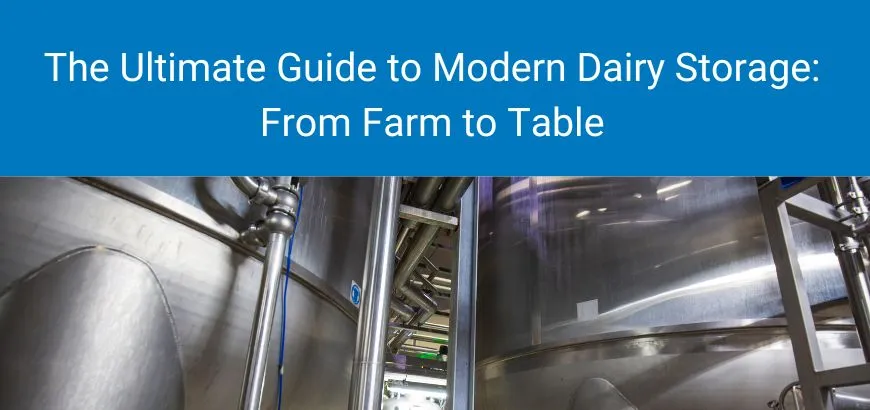
| Seafood and fisheries | Pre-cooling, blast freezing, IQF, cold storage | 0°C to −40°C |
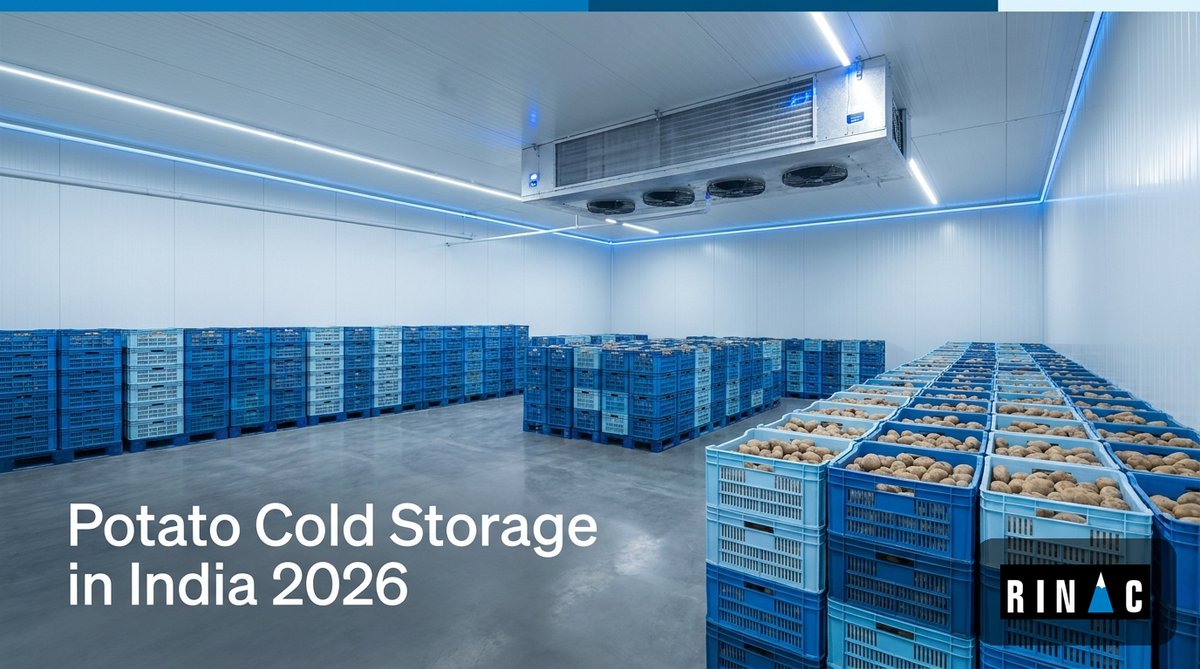
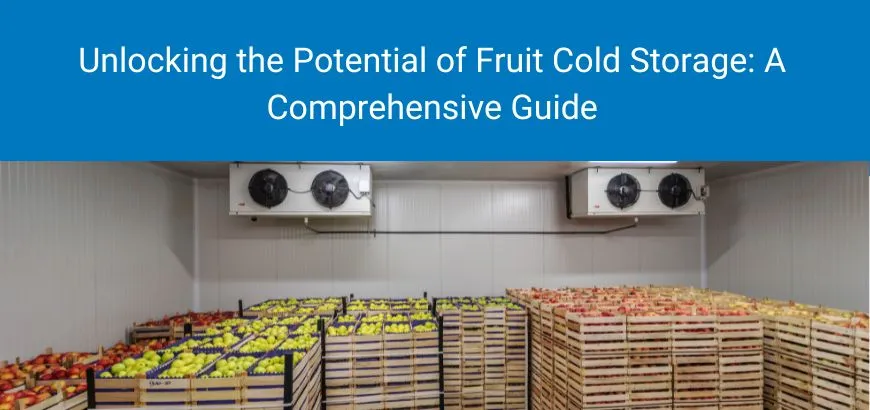
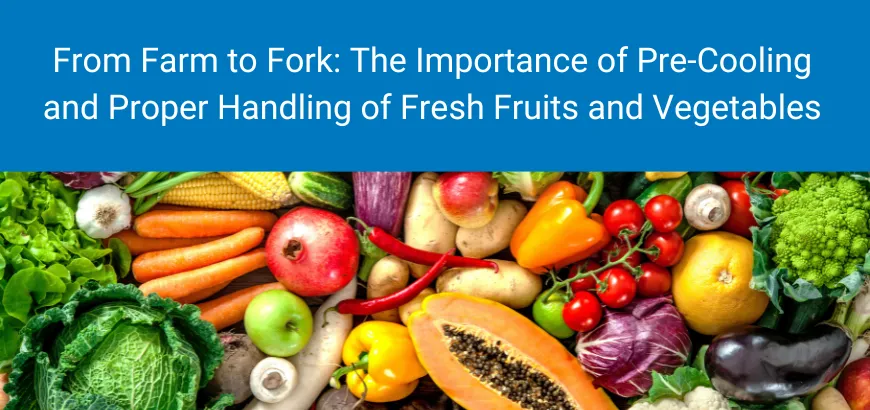
| Fruits and vegetables | Pre-cooling, ripening chambers, CA/MA storage | +0°C to +14°C |
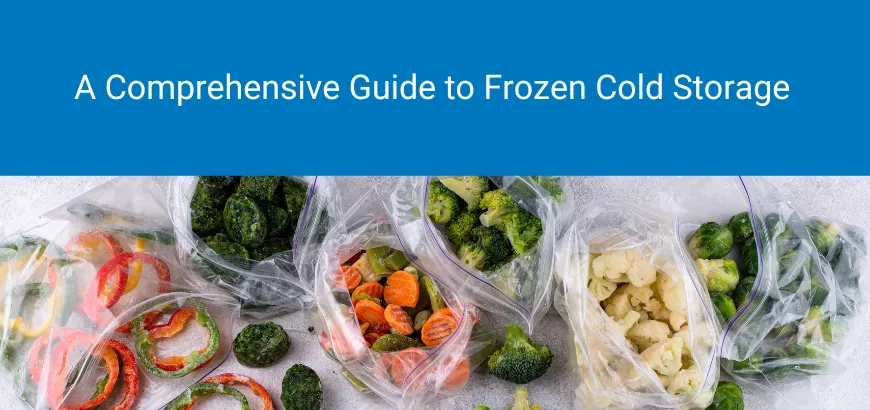
| Frozen ready-to-eat | IQF tunnels, blast freezers, frozen storage | −18°C to −35°C |
| Meat and poultry | Chilling, blast freezing, frozen cold storage | +0°C to −25°C |
| Pharma and nutraceuticals | WHO-GMP cold rooms, ULT freezers, validated cold transport | +2°C to −80°C |
What Does a Turnkey Food Processing Plant Actually Cost?
Cost is the question every promoter asks first. The honest answer is that food processing plant cost depends on capacity, product mix, level of automation, cold chain depth and location. The ranges below are indicative for India in 2026 and are based on Rinac’s delivery experience across micro, mid and large-scale plants.
Refrigeration and cold chain typically account for 25–40% of total capex in any food processing facility. Building shell takes 20–30%, process equipment 25–35%, automation and utilities 10–15%, and statutory plus soft costs the remainder. For a complete read on government grants, see our guide on cold chain subsidies in 2026.
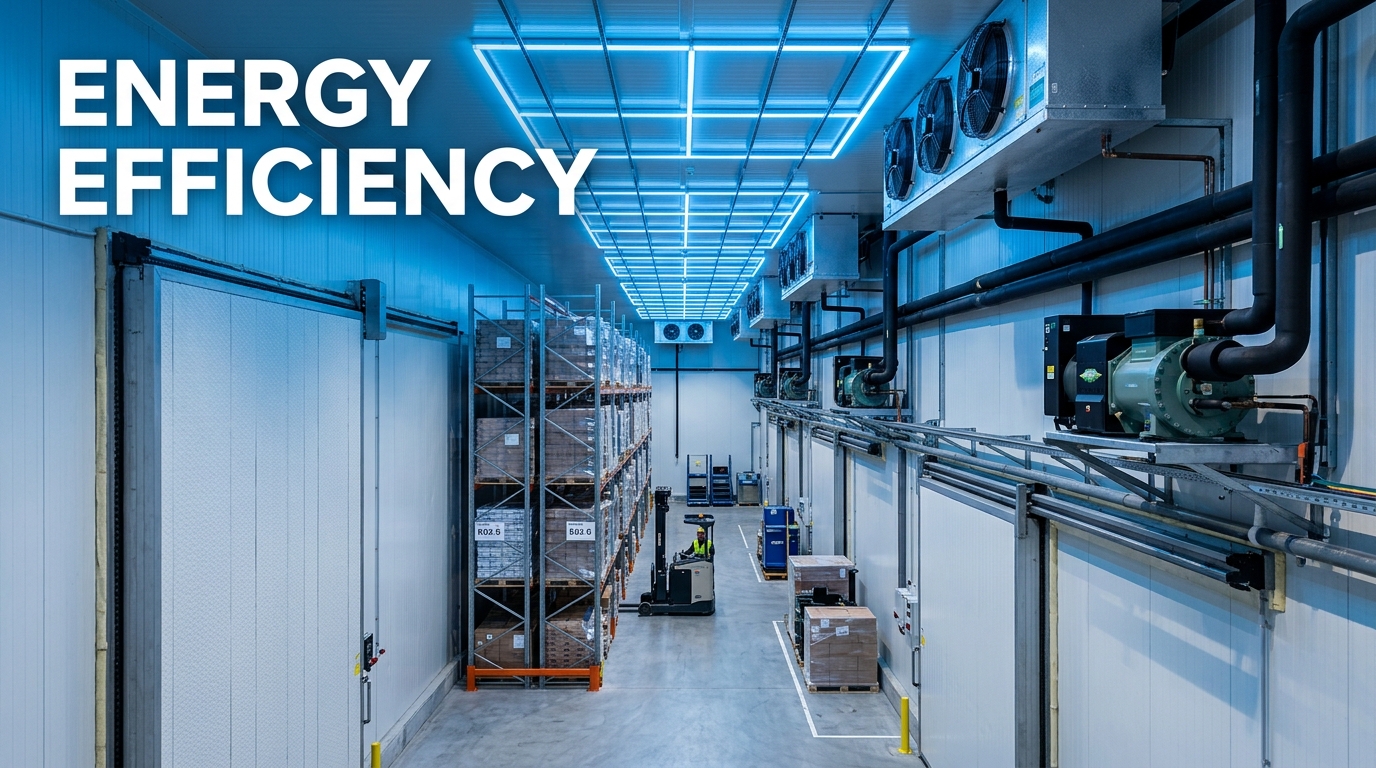
Common cost trap: Buying the cheapest panel or cheapest compressor saves 8–12% on capex but costs 30–50% more in energy bills and earlier replacement. A turnkey food processing plant is a 15–25 year asset — design it for total cost of ownership, not lowest first cost.
FSSAI, HACCP and the 2026 Compliance Stack
The compliance stack for an Indian food processing plant in 2026 is denser than ever. A turnkey food processing partner must deliver a building and a documentation set that pass on day one and stay compliant for two decades. The non-negotiables are:
- FSSAI 2026 perpetual licence with documented FSMS (HACCP + GMP + GHP)
- Risk-based inspection readiness — digital records of production, storage and dispatch, retrievable on demand
- Hygienic zoning with unidirectional flow, no air movement from contaminated to clean zones
- Temperature-mapped cold storage with calibrated loggers and validated cold chain
- BIS, fire NOC, pollution clearances and category-specific approvals (APEDA, EIC, drug controller)
- WHO-GMP, IGBC and ISO certifications for export and premium-segment plants
Rinac’s engineering team designs every food processing facility to clear these without rework, the same way we approach food safety compliance for cold storage operators.
Modular and Prefabricated Construction: The Speed Multiplier
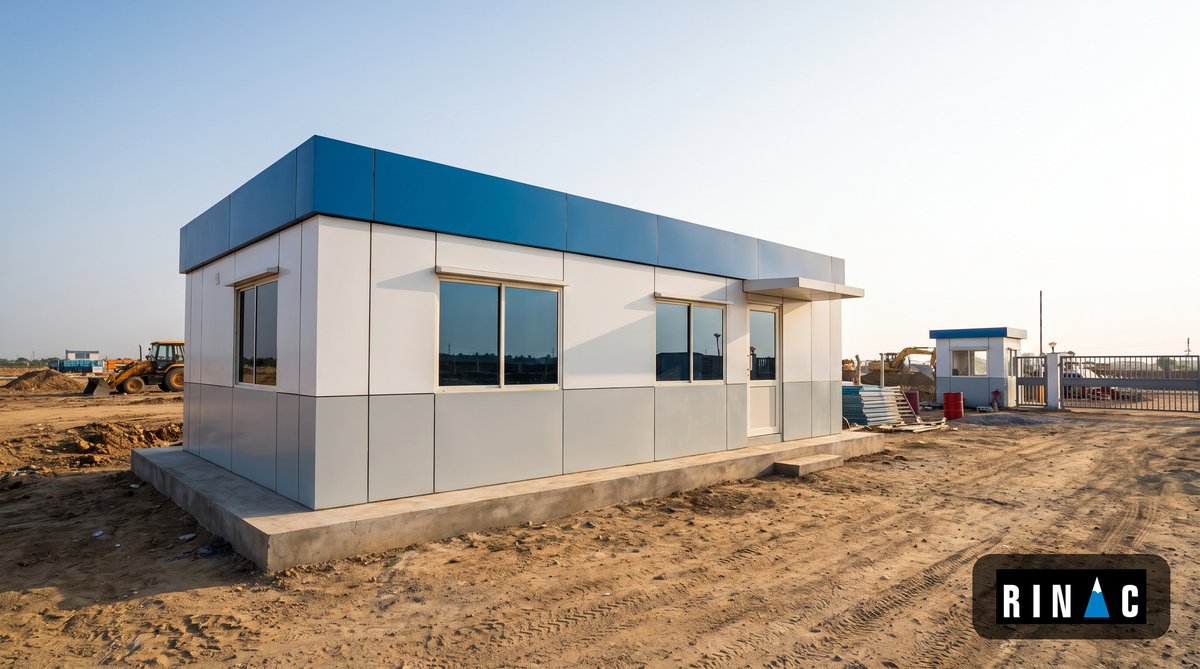
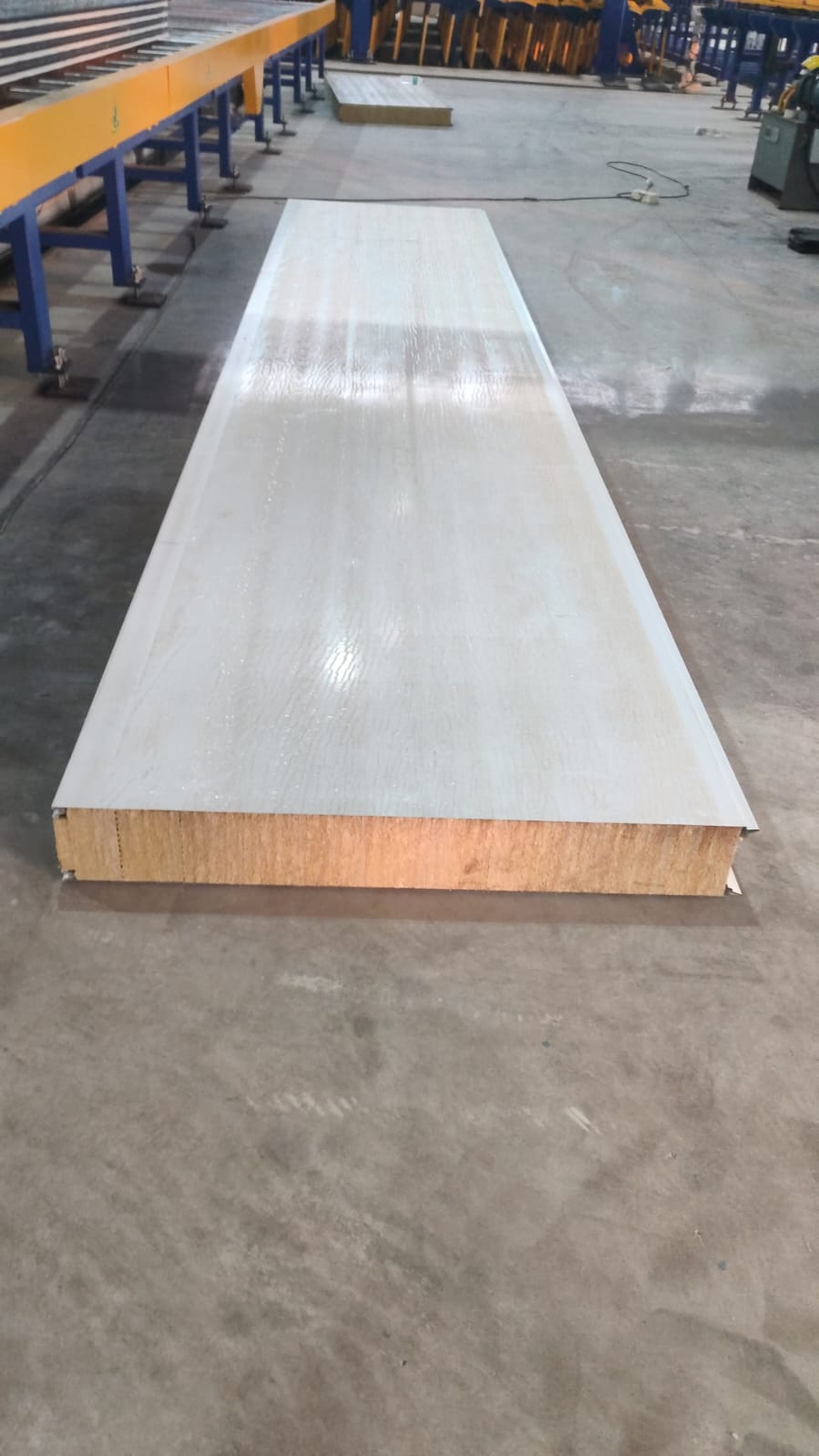
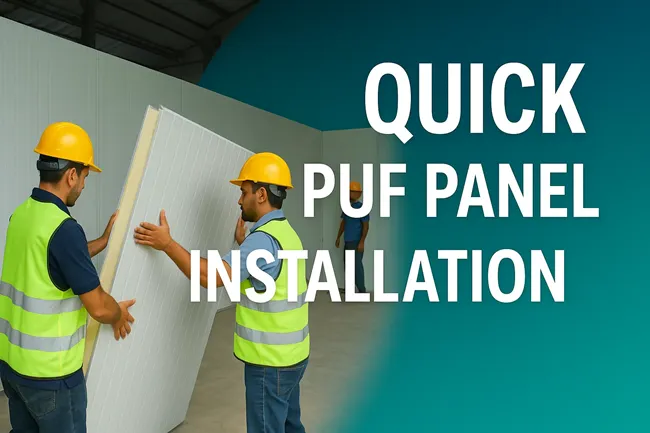
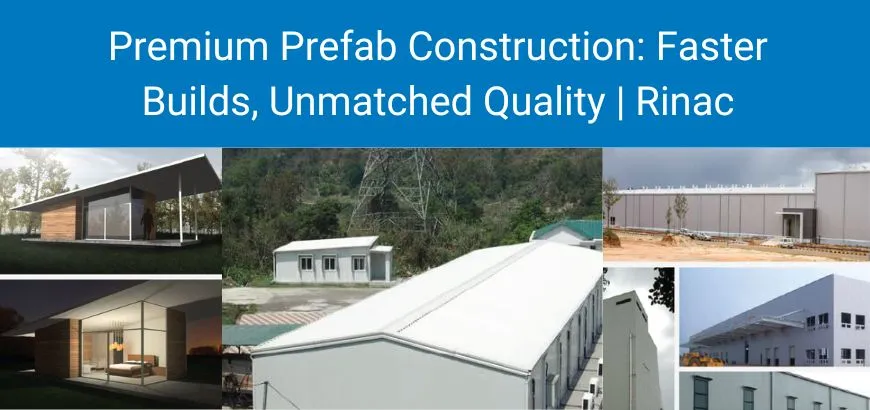
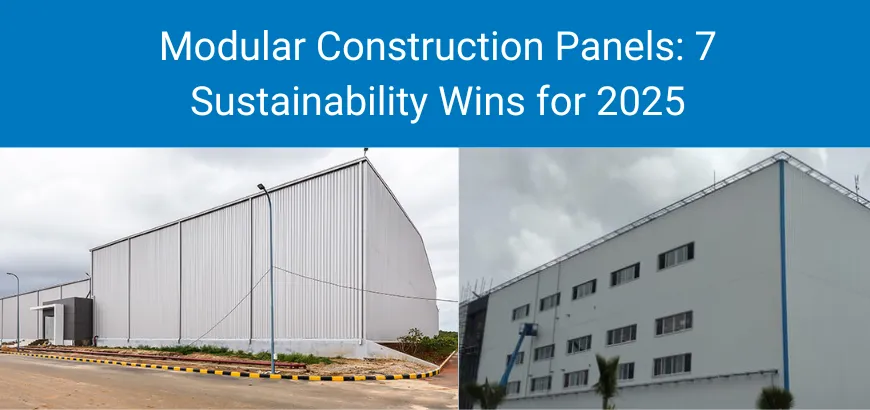
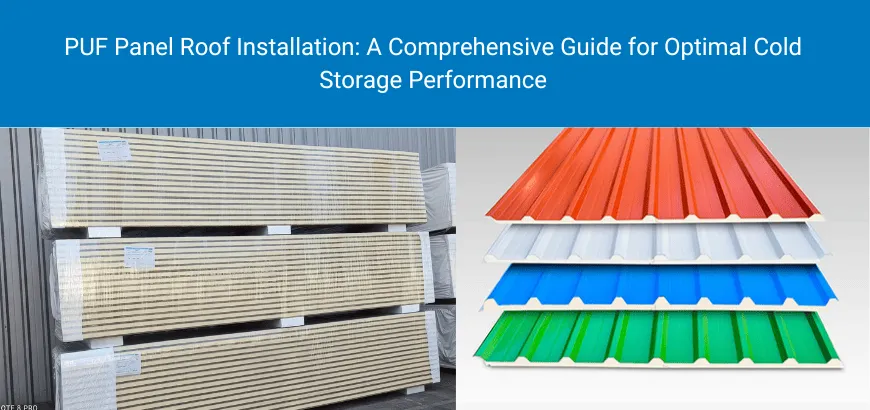
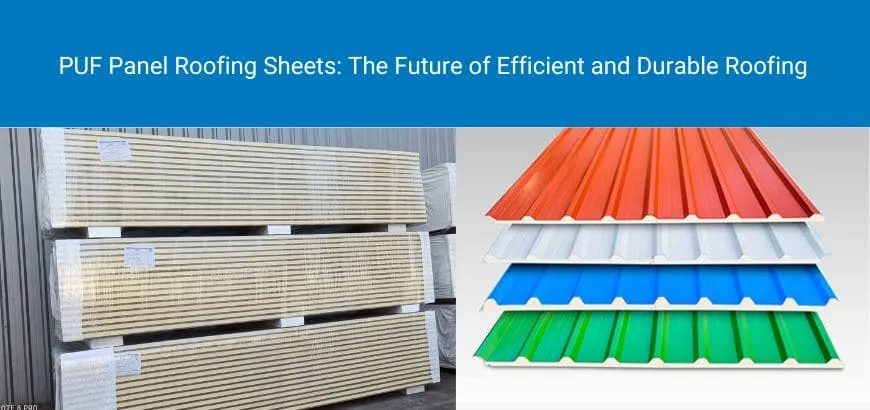
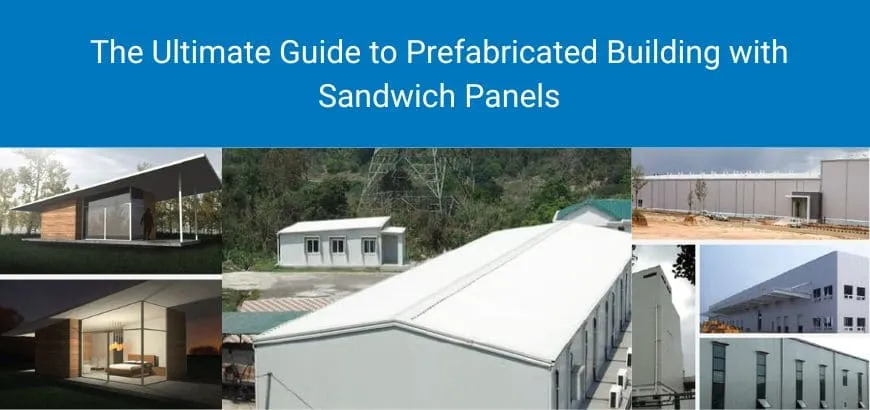
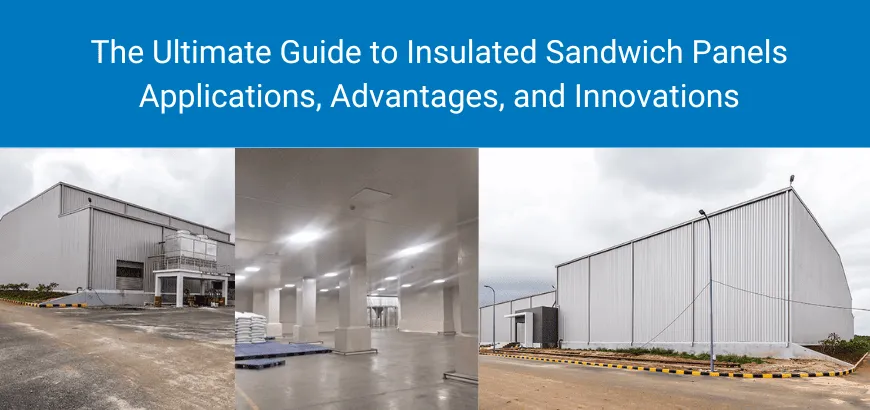
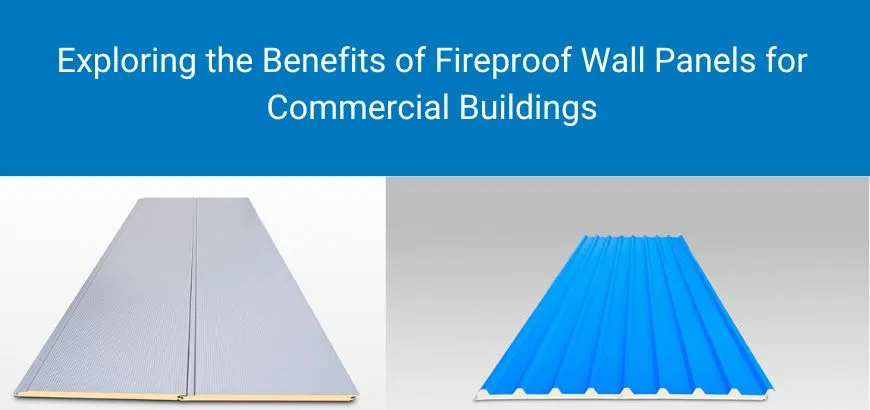
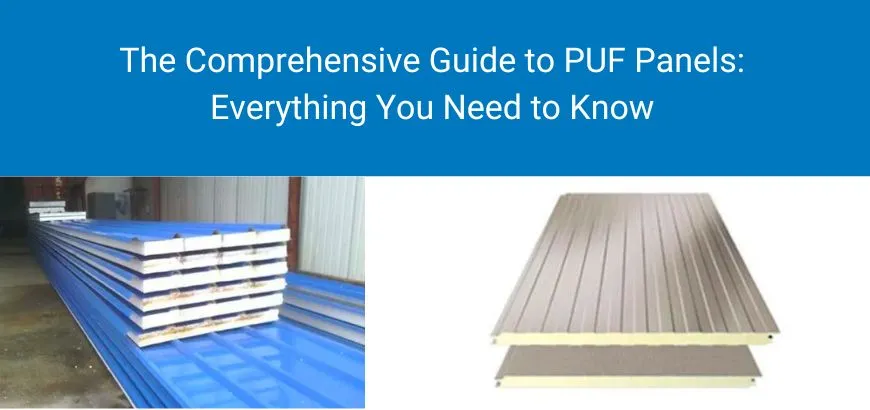
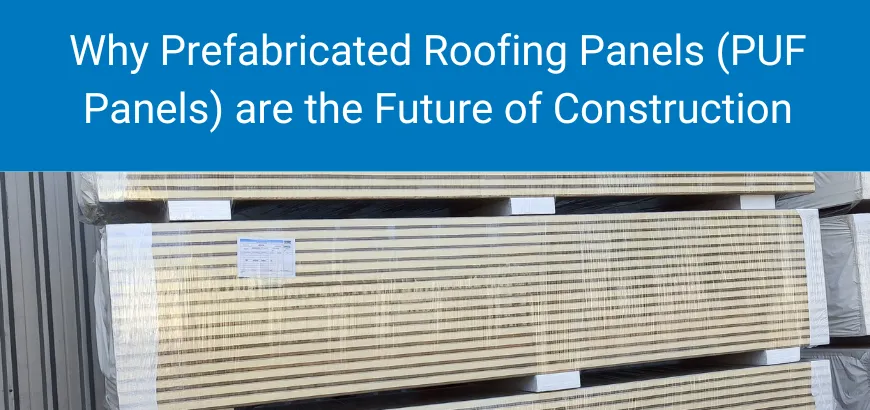
One of the biggest reasons turnkey food processing plants now beat legacy timelines is the shift to modular construction. Rinac’s prefabricated buildings, InstaWall, InstaCeil and InstaRoof panels, plus our patented HPCC system, mean a food processing plant shell can be ready for equipment installation in 10–14 weeks instead of 8–10 months for traditional brick-and-mortar.
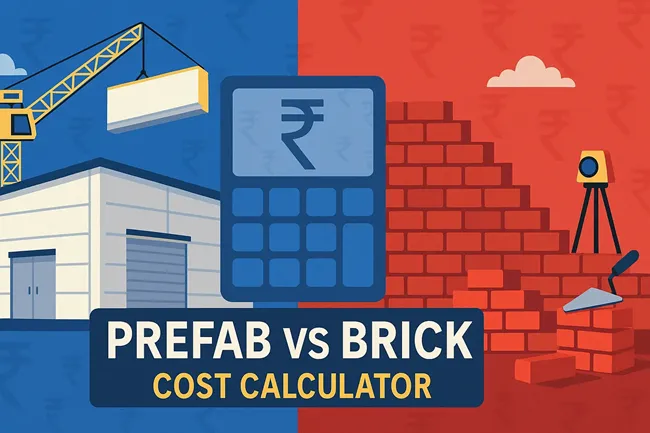
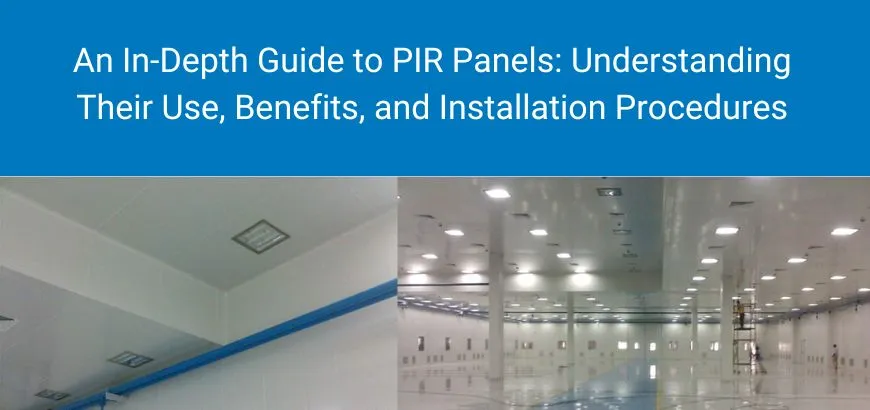
The advantages compound across the project: dimensionally accurate panel joints simplify hygienic finishes, factory-fabricated structures reduce site labour and dust contamination, and the building is fully insulated from day one which lowers refrigeration loads. For a side-by-side cost view, see our prefab vs brick-and-mortar cost calculator and the insulated roofing cost-benefit analysis.
Sustainability win: Modular and HPCC construction cut on-site waste by 60–80% versus conventional builds, lower embodied carbon, and qualify for IGBC green building credits — useful for both ESG reporting and PMKSY scoring.
Choosing the Right Turnkey Food Processing Partner
Not every “turnkey” vendor is genuinely end-to-end. Many subcontract civil to one party, refrigeration to another and machinery to a third — recreating the very fragmentation a turnkey project is supposed to eliminate. When evaluating partners, test for these:
In-house design, manufacturing and service
Ask whether refrigeration, panels, cold rooms, IQF, blast freezers and modular buildings are designed and manufactured in-house. Rinac runs two state-of-the-art manufacturing facilities (Bangalore and Murbad, Maharashtra) and owns the engineering across cold rooms, refrigeration systems, modular buildings and refrigerated transportation. That single ownership is what makes 30+ years of consistent delivery possible.
Track record across food categories
A partner that has only built dairy plants will struggle on a frozen seafood line. Look for cross-category depth. Rinac has delivered 10,000+ projects across dairy, fisheries, meat and poultry, fruits and vegetables, ready-to-eat, bakery, beverages and pharma — for clients including ITC, Britannia, Tata, Reliance, Nestle, Pepsico, Haldiram’s, Patanjali and Frito-Lays.
Pan-India service coverage
A food processing plant breakdown in Indore or Kochi cannot wait for an engineer to fly in from another city. Rinac maintains 14 branch offices (Bangalore, Hyderabad, Mumbai, Ahmedabad, Chandigarh, Indore, Lucknow, Vijayawada, Chennai, Kochi, Pune, Delhi, Kolkata and Balasore) and a 24×7 service desk for AMC and emergency response.
Compliance fluency, not just engineering
Your turnkey partner must speak FSSAI, HACCP, BIS, IGBC, WHO-GMP and APEDA fluently and design for them from the start. This is the difference between a plant that clears inspections and one that bleeds money on retrofits.
Performance guarantees with teeth
Look for contractual guarantees on capacity, refrigeration pull-down, energy consumption and microbial loads — backed by performance trials before handover.
Frequently Asked Questions
Build Your Food Processing Plant with Rinac
Rinac is a 30+ year solution architect for cold chain infrastructure and turnkey food processing plants in India. We have delivered 10,000+ projects across 23 countries, serving 6,000+ clients including ITC, Britannia, Tata, Reliance, Nestle, Biocon, Pepsico, Haldiram’s, Patanjali and Frito-Lays. With two manufacturing facilities, 14 branch offices, 600+ employees and a complete in-house ecosystem covering refrigeration, cold rooms, IQF, blast freezers, ripening chambers, modular buildings, refrigerated transport and after-sales service, we deliver food processing facilities that are designed once, built right and supported for decades.
Or call our enquiry line: 1800-4191166