TL;DR – Quick Summary
- Structural insulated panels (SIPs) are prefabricated composite building elements with a rigid insulation core bonded between two structural facings, built off-site for rapid, energy-efficient construction across cold storage, warehouses, pharma, food processing and modular buildings in India.
- Indian projects typically use PUF, PIR, Rockwool or HPCC-class composite panels as insulated wall panels and insulated panels roof systems, installed 40-60% faster than brick-and-mortar equivalents.
- SIP and insulated panel construction supports FSSAI storage standards, HACCP, WHO-GMP and IGBC Green Logistics Park requirements when specified and installed correctly.
- MoFPI (PM Kisan SAMPADA) and NHB/MIDH schemes offer 35-50% capital subsidies for qualifying cold storage and food processing projects, many of which use insulated panel envelopes.
- Rinac designs, engineers, manufactures and installs insulated panel systems and turnkey structural insulated panels solutions under its InstaRoof, InstaWall, InstaCeil, Firearmet and patented HPCC product lines across India’s 14 branch locations.
Disclaimer: This article is for informational purposes only and is not a substitute for professional engineering, legal or regulatory advice. Prices, subsidy rates, regulations and scheme eligibility criteria change periodically. Always verify current details directly with FSSAI, MoFPI, NHB, relevant state horticulture missions and qualified consultants before acting on any information in this guide. All figures are sourced from publicly available references as of the publication date.
What Are Structural Insulated Panels (SIPs)?
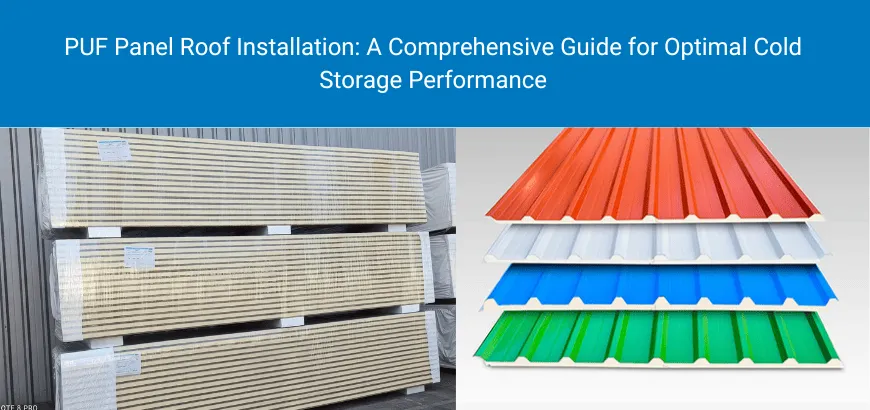
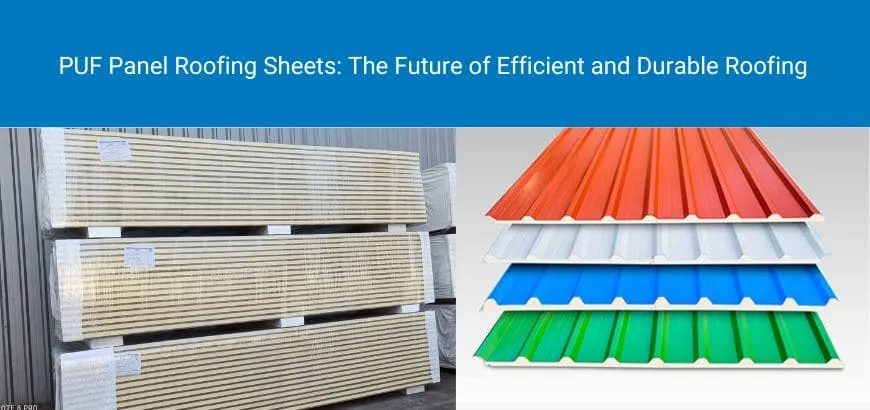
Structural insulated panels are factory-manufactured composite building components that combine structural capacity and thermal insulation into a single sandwich-like element. A typical SIP consists of a rigid insulation core, most commonly expanded polystyrene (EPS), polyisocyanurate (PIR), polyurethane foam (PUF) or mineral wool, bonded between two structural facings such as oriented strand board (OSB), fibre-cement board, pre-painted galvanised steel or stainless steel.
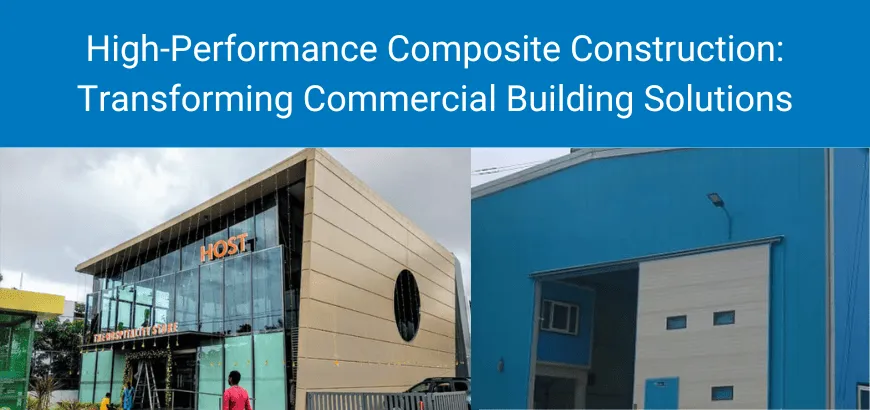
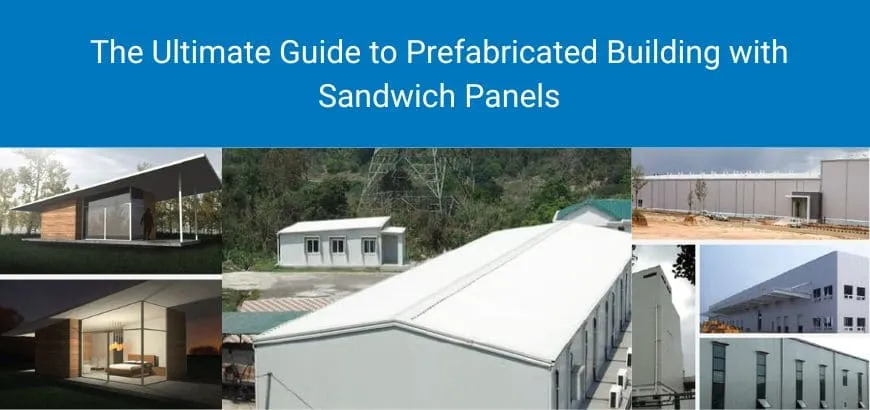
In the Indian context, the broader family of insulated panels includes both classical SIPs (used for homes and low-rise construction) and metal-faced sandwich panels that are the backbone of cold storage, food processing, pharma and logistics facilities. Rinac classifies these under its prefabricated buildings portfolio and its patented HPCC (High-Performance Composite Construction) system.
Answering the common query “what is structural insulated panels”: they are engineered building panels designed to behave structurally like a wall, roof or floor element while simultaneously delivering the insulation performance of a high-R-value envelope. When asked “what are structural insulated panels” used for, the quick answer is: any building where thermal performance, speed of construction and hygienic surfaces matter more than traditional masonry aesthetics.
40-60%
Faster construction vs. conventional masonry when using structural insulated panels
Faster construction vs. conventional masonry when using structural insulated panels
How SIPs Compare with PUF, PIR & Rockwool Sandwich Panels in India
While the term “SIP” is often associated with North American residential construction, Indian industrial and cold-chain projects predominantly specify metal-faced sandwich panels. Understanding the comparison is essential when choosing insulated panels for walls or insulated panels roof systems:
| Panel Type | Core Material | Typical R-value / Use | Common Indian Applications |
|---|---|---|---|
| Classical SIPs | EPS between OSB/fibre-cement | High thermal performance, structural | Structural insulated panels homes, low-rise prefab buildings, modular offices |
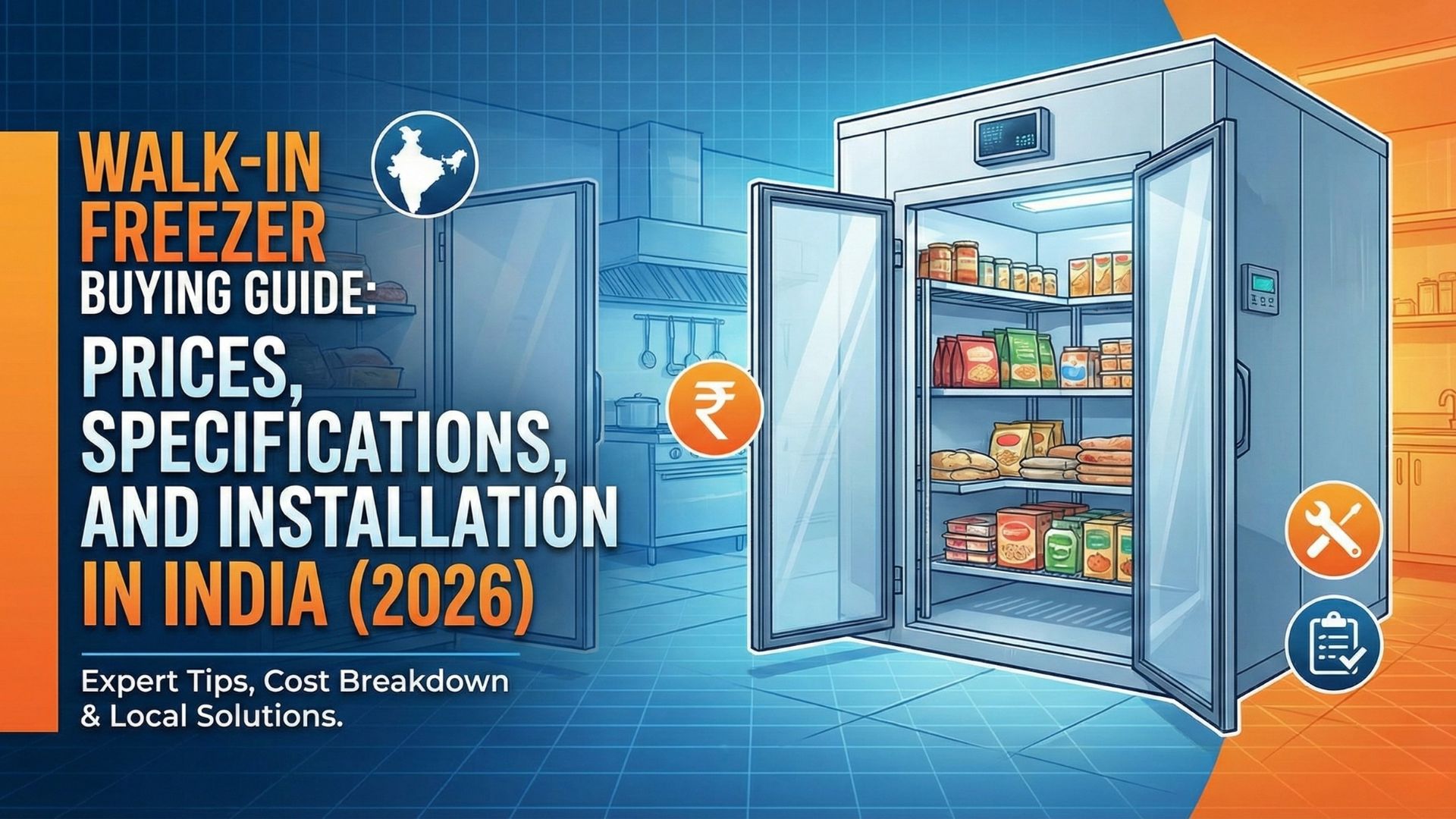
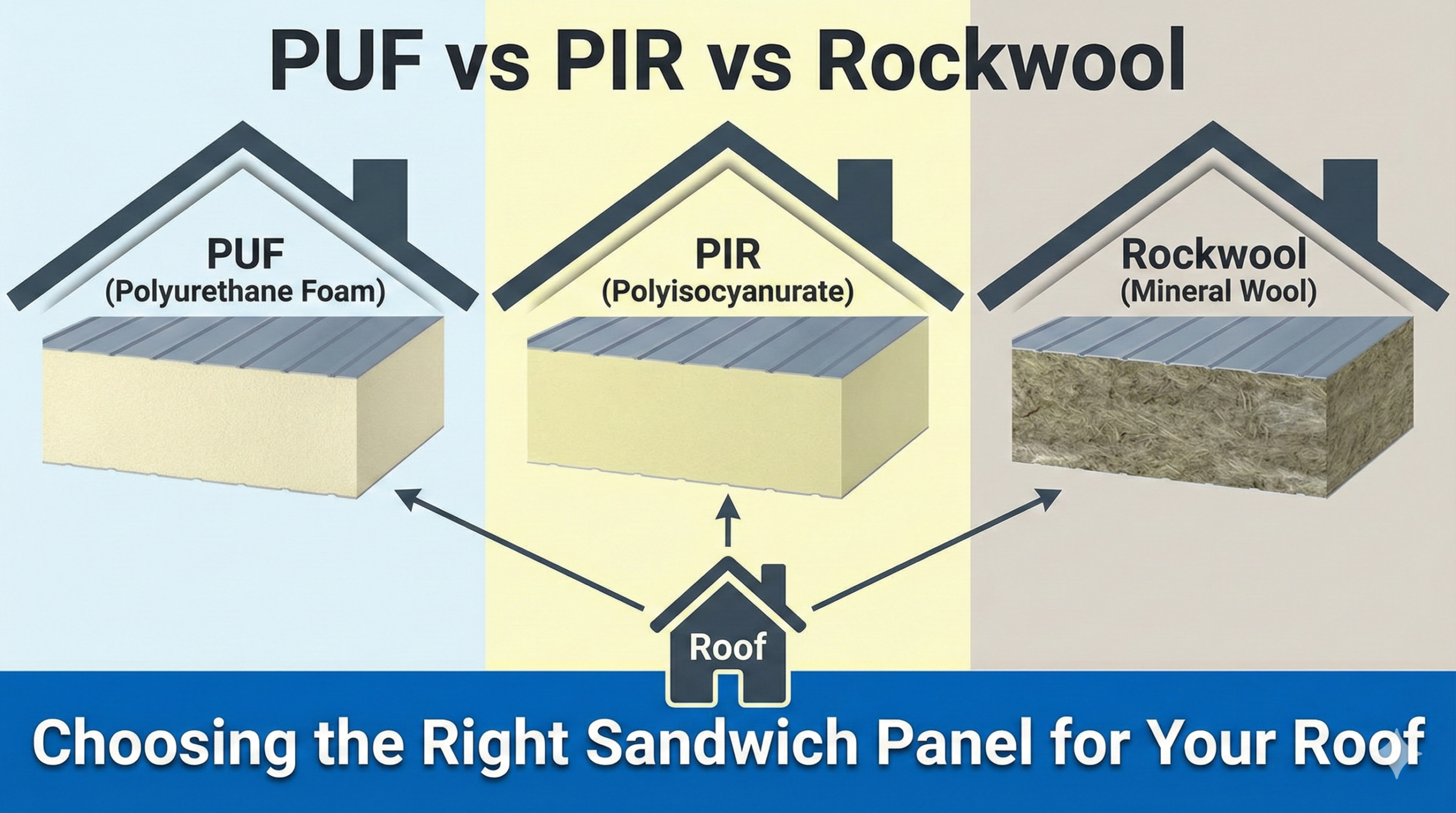
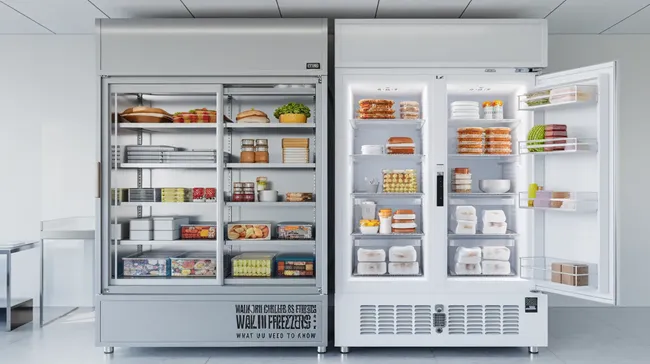
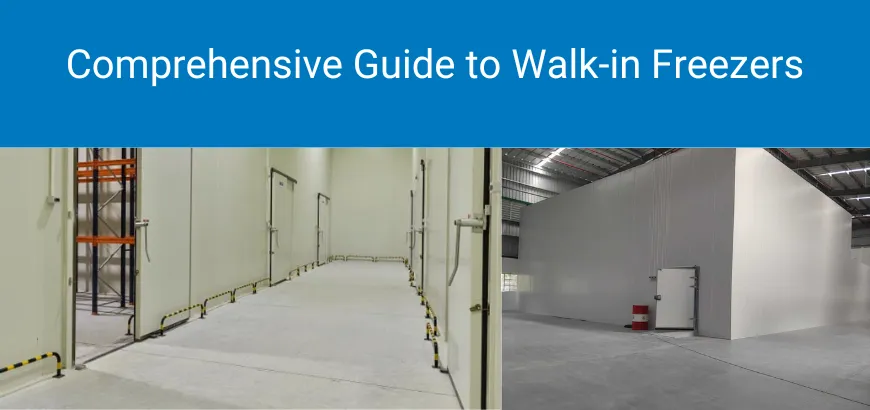
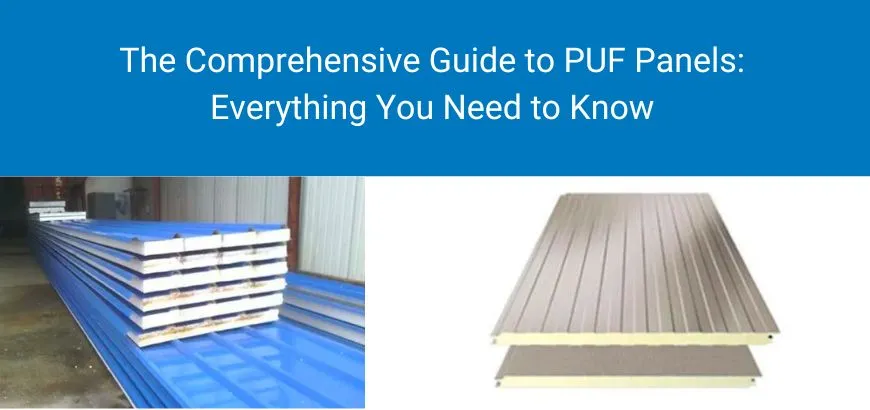
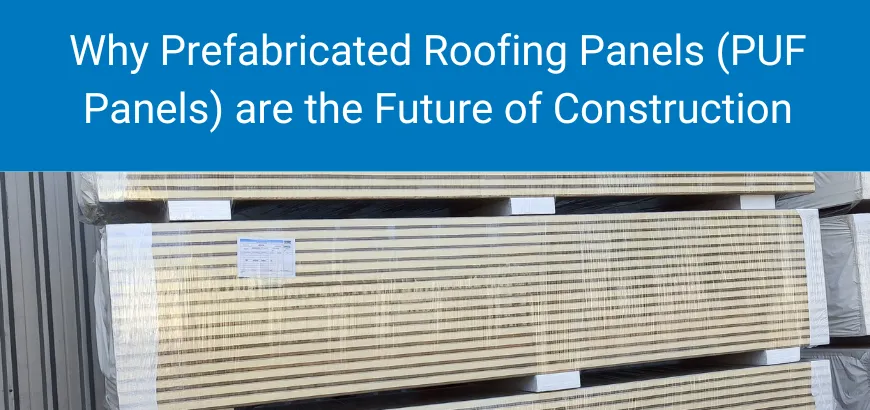
| PUF Panels | Polyurethane foam between metal skins | Cold storage / low-temperature envelopes | Cold rooms, blast freezers, walk-in freezers, processing halls |
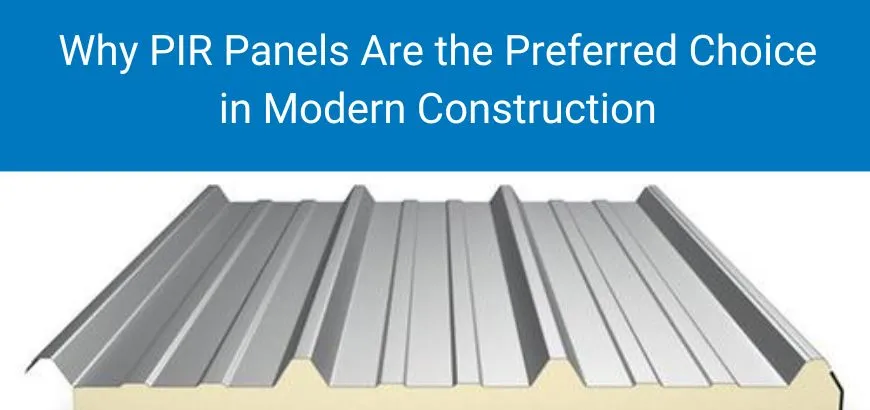
| PIR Panels | Polyisocyanurate foam | Better fire reaction, similar insulation | Food processing, pharma, warehousing with fire requirements |
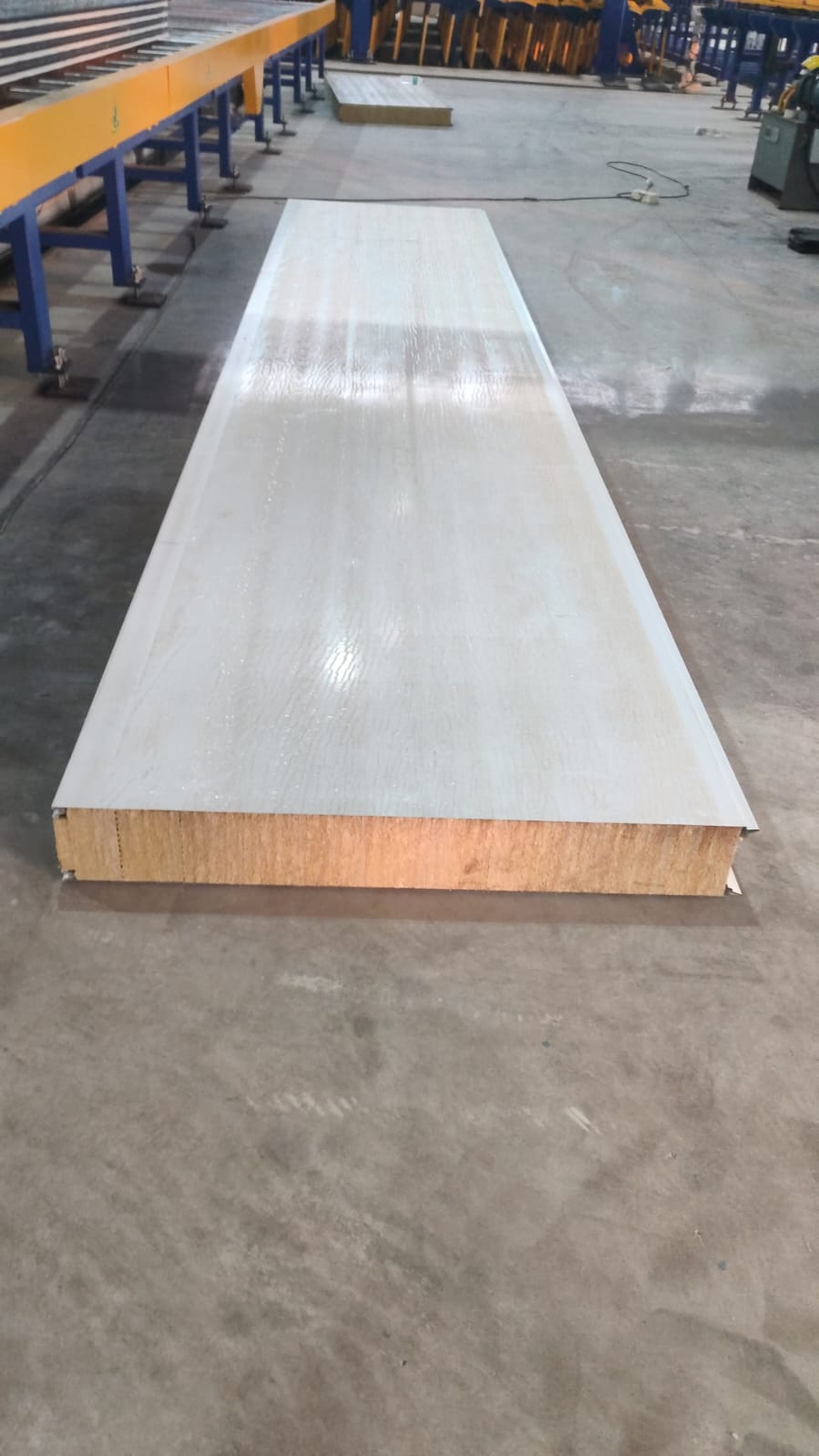
| Rockwool Panels | Mineral (stone) wool | Highest fire rating, acoustic | Data centres, battery facilities, fire-rated partitions |
| HPCC (Rinac patented) | Composite, multi-layer engineered system | Structural + thermal, long-span | Commercial buildings, industrial shells, modular construction |
Rinac has addressed these trade-offs across multiple pieces, including the PUF vs PIR vs Rockwool sandwich panel comparison and the R-Wool Stonewool insulated panels for data centres deep-dive. When teams say wall panels insulated in an RFQ, what they usually need is either a PUF/PIR panel for temperature-controlled rooms or a Rockwool panel for fire-critical boundaries.
Why Structural Insulated Panels Matter for India’s Cold Chain & Modular Construction
India’s cold chain and modular construction story is one of high demand and deep infrastructure gaps. An earlier NABARD Consultancy Services / NCCD assessment identified a cold storage shortfall of roughly 3.2 million metric tonnes, a shortage of 70,000 pack-houses and 52,000 reefers, all of which must be built with hygienic, thermally efficient envelopes [1]. Over 7,600 cold storages were already recorded in earlier national statistics, but capacity still trails demand [2].
Independent market research pegs the India cold chain logistics market at roughly USD 24.85 billion in 2026, growing towards USD 33.12 billion by 2031 [3]. Most of that capacity must be built or retrofitted with engineered insulated panels, making structural insulated panels and sandwich panel systems a practical bottleneck-buster.
Rinac’s position: Over 30 years of engineering, 10,000+ projects delivered across 23 countries, serving 6,000+ clients including ITC, Britannia, Tata, Reliance, Nestle, Biocon and Flipkart, with manufacturing units in Bangalore and Murbad and 14 branch offices nationwide.
Structural Insulated Panels Applications: Cold Storage, Warehouses, Pharma & Food Processing
Insulated structural panels and sandwich panels are specified across Indian industry for any use case that needs controlled temperature, humidity, fire behaviour or clean, washable surfaces:
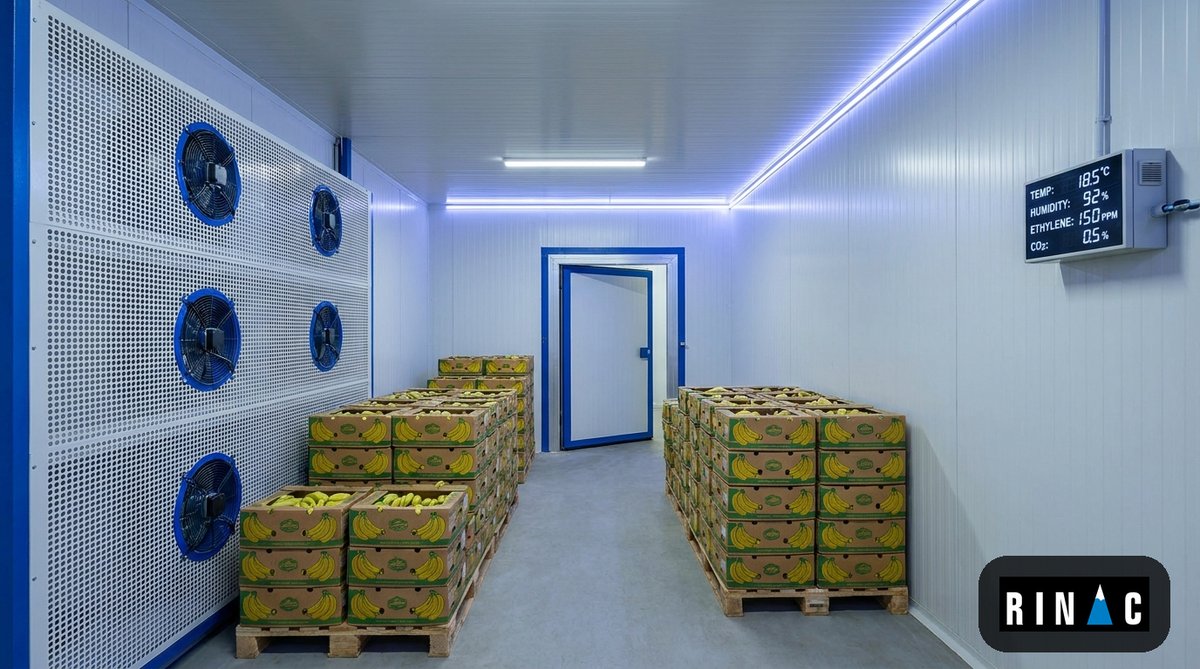
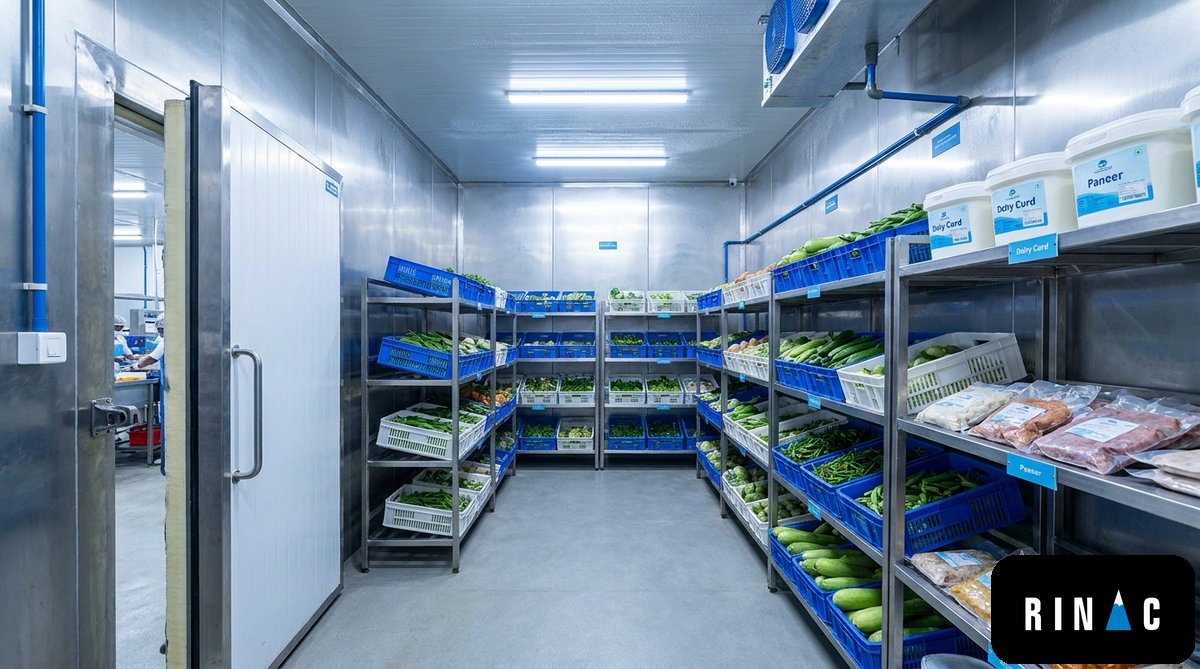
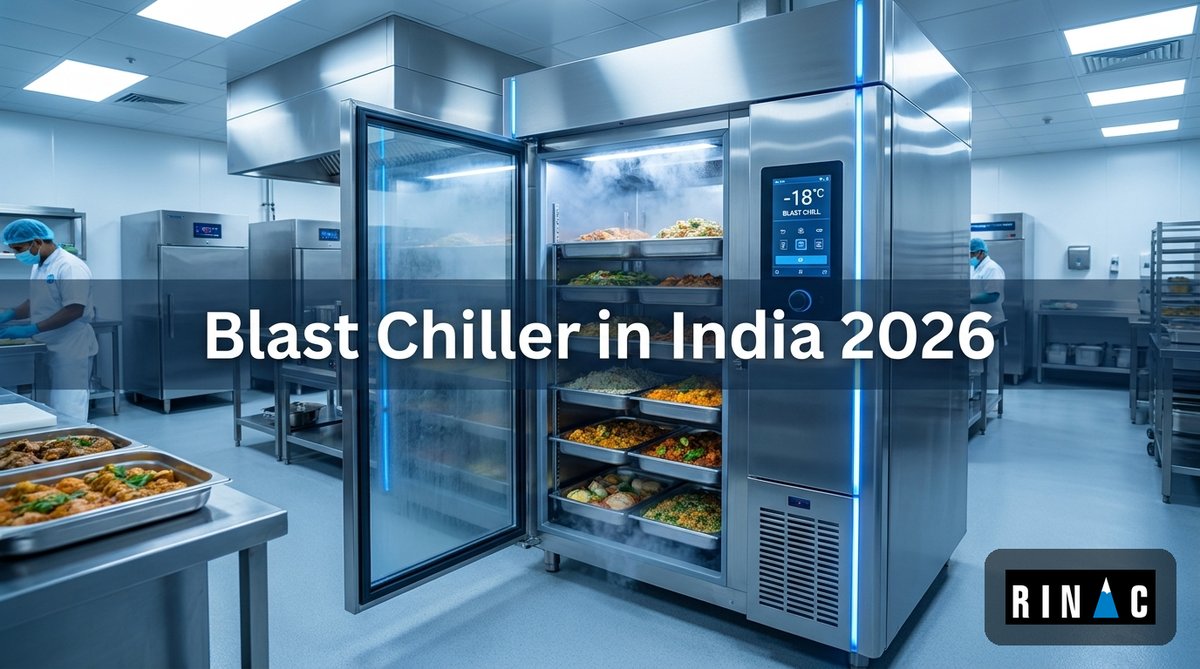
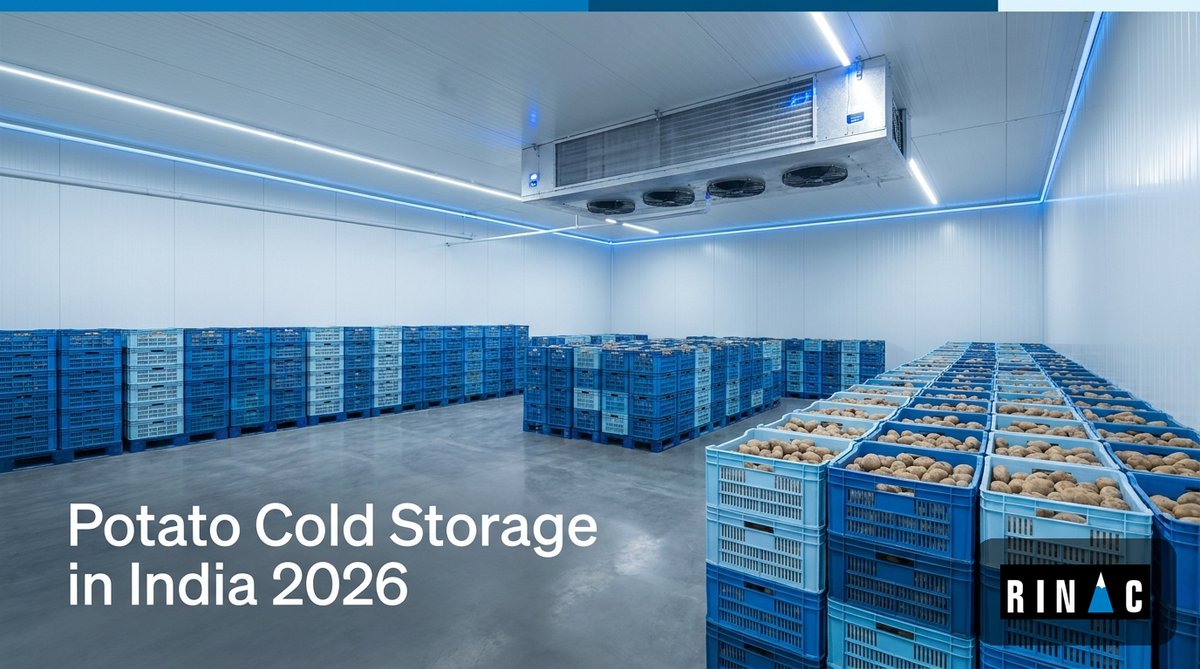
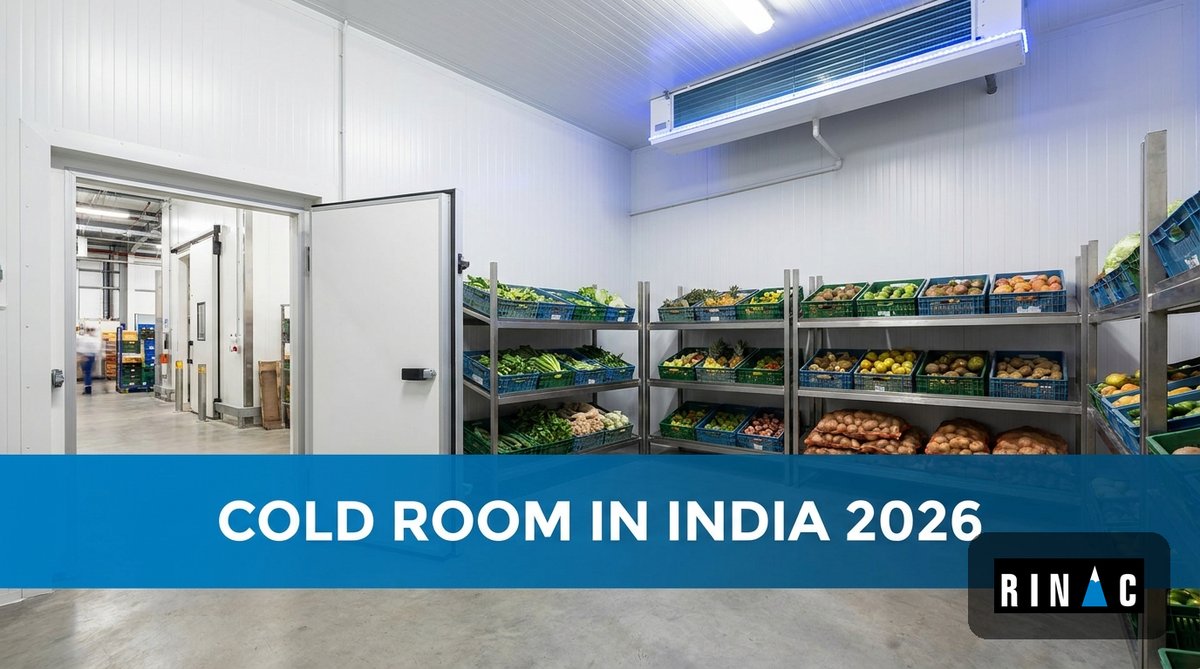
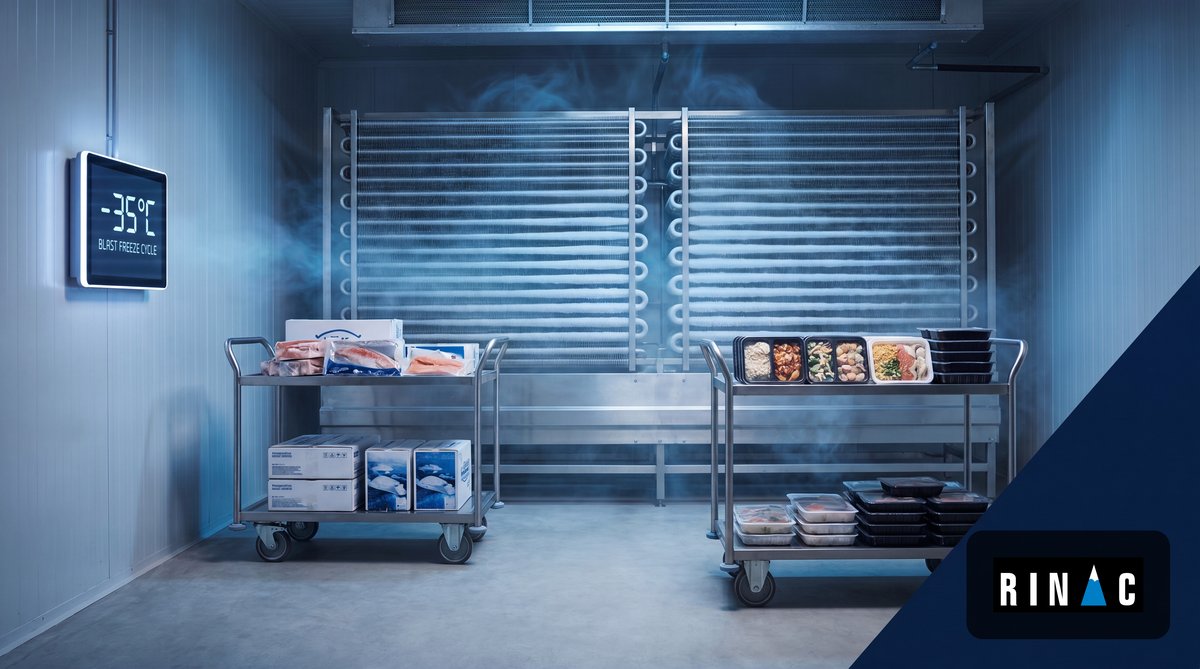
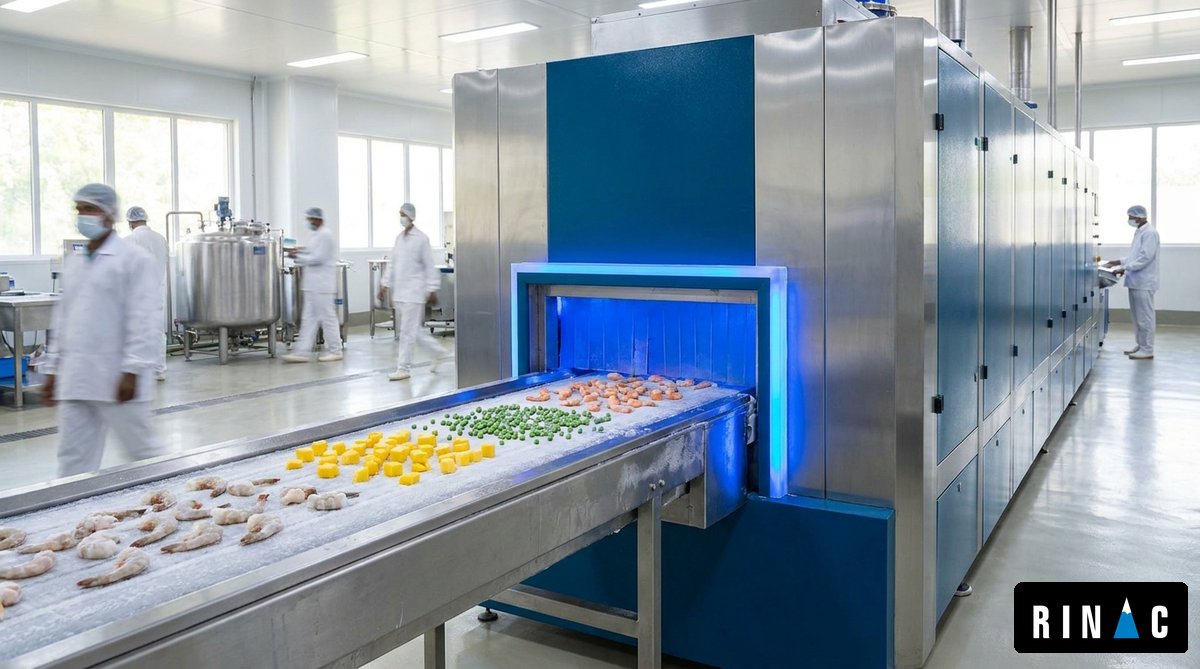
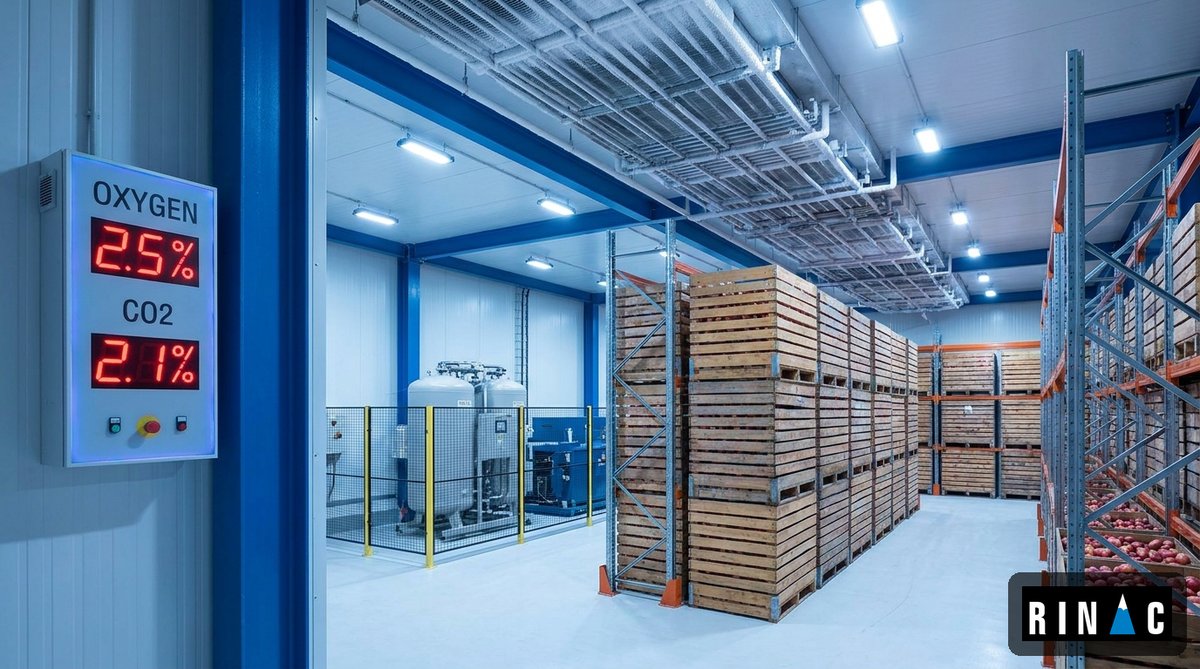
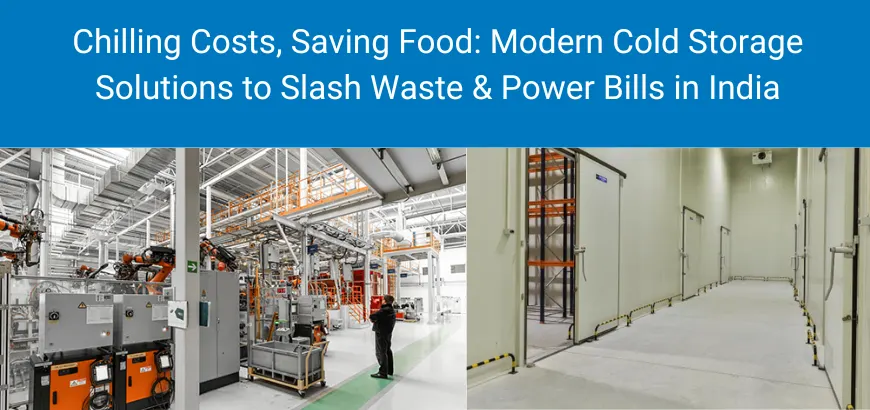
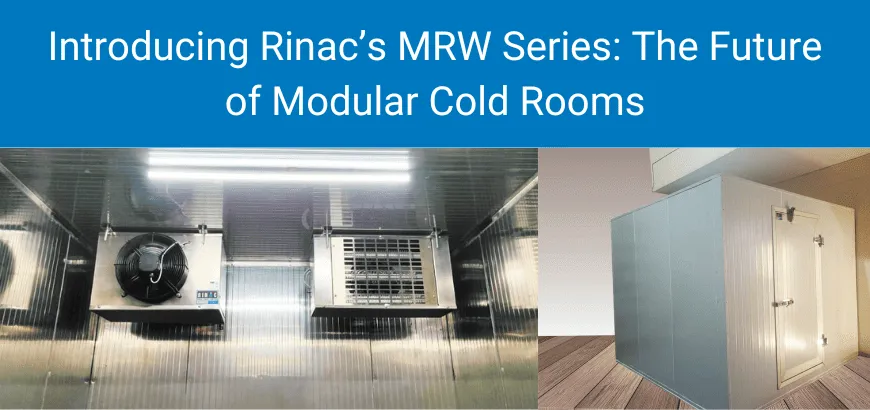
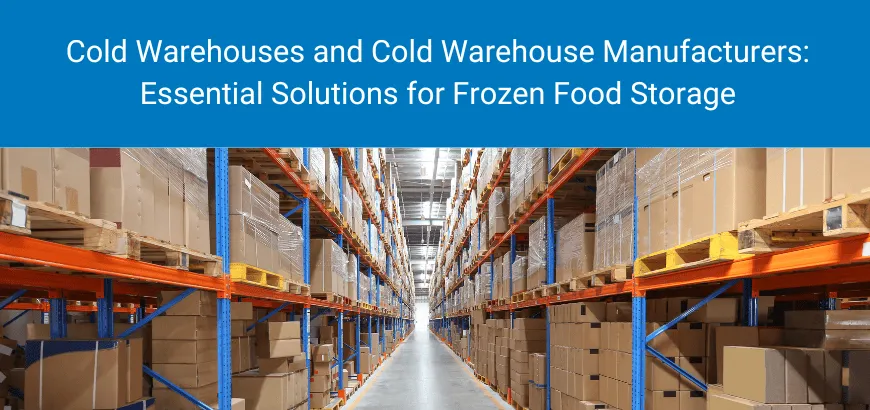
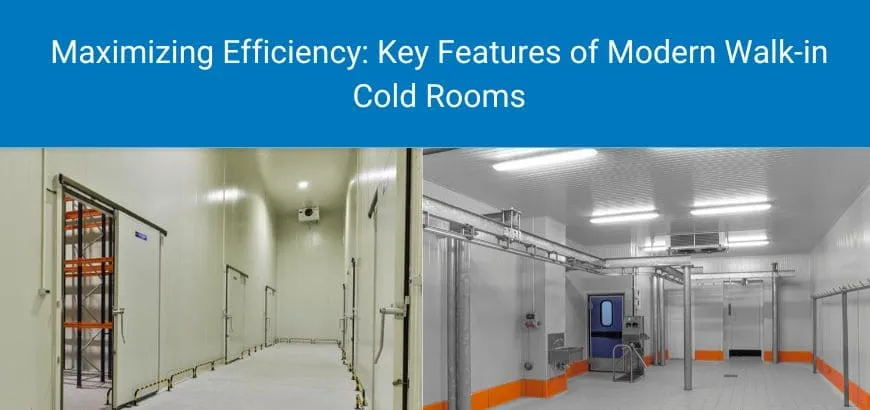
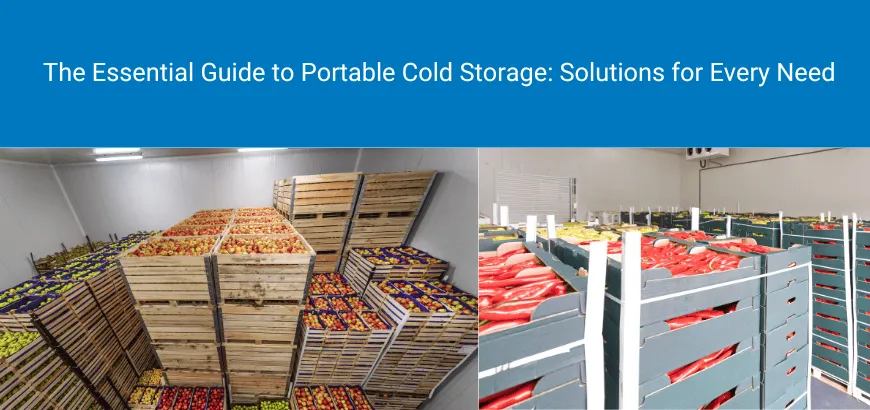
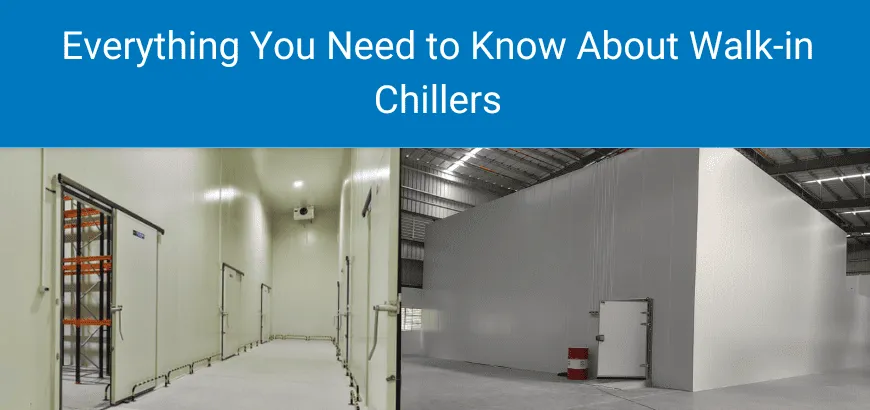
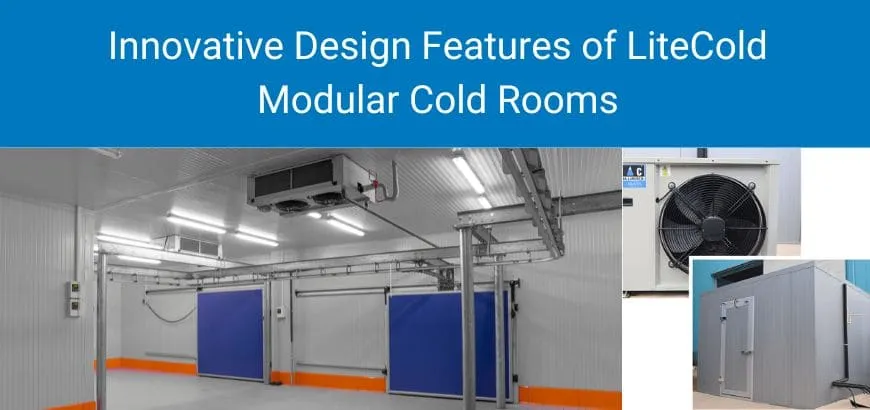
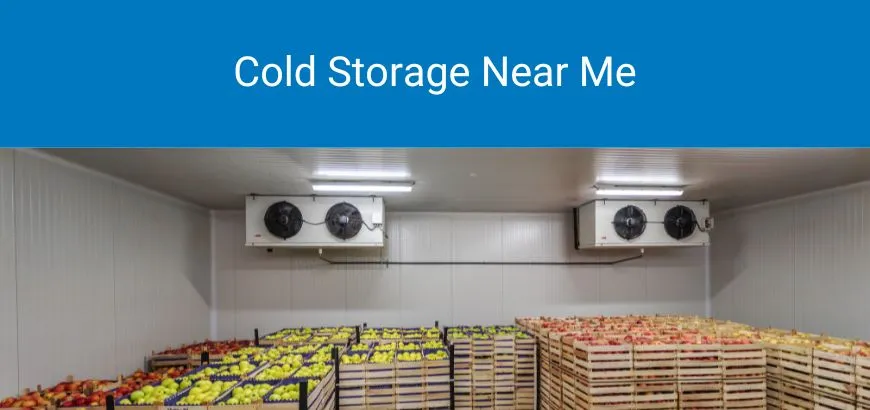
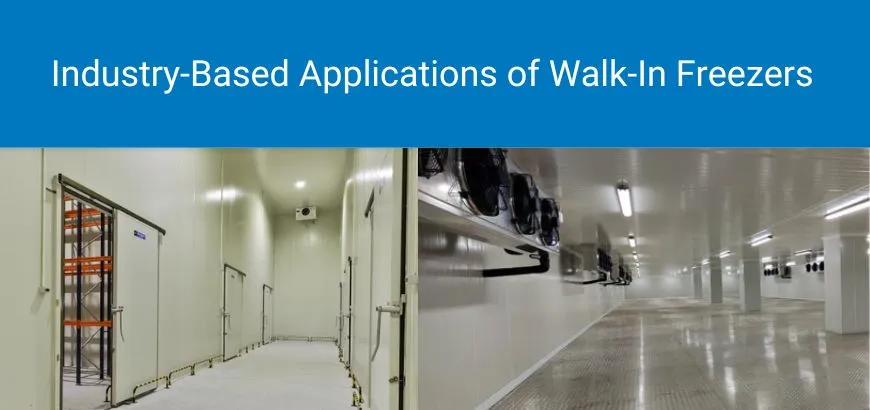
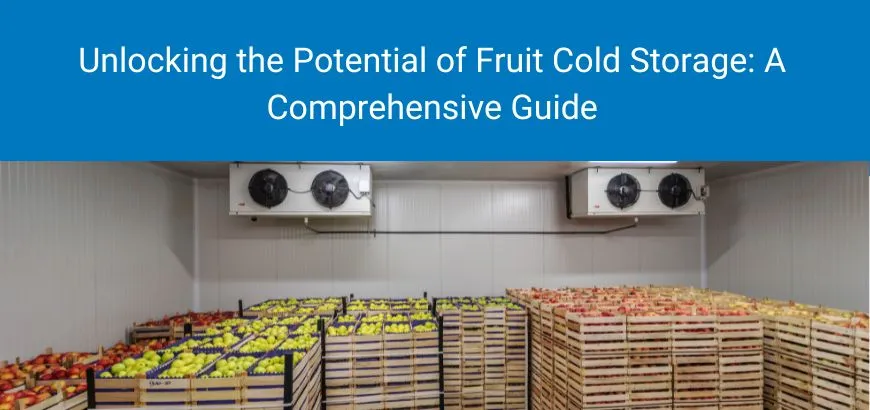
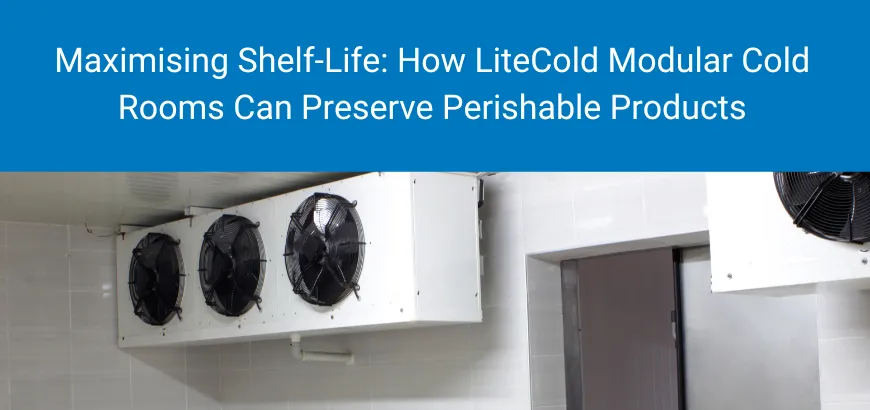
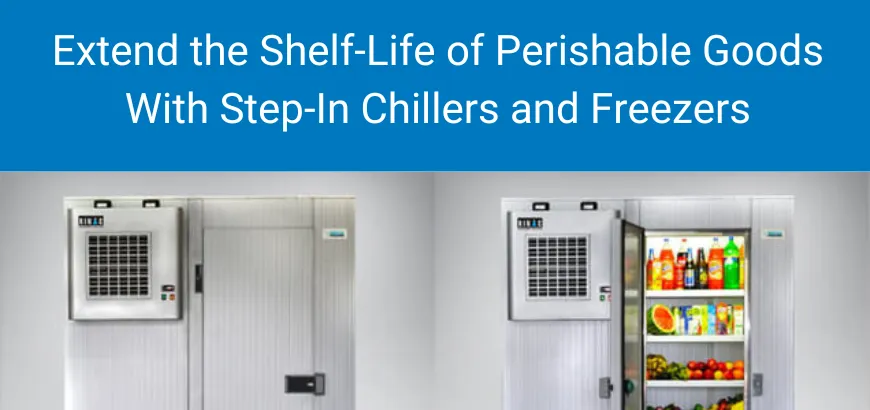
- Cold storage warehouses: PUF/PIR panels form the thermal envelope of chambers operating between +15°C and -40°C. See Rinac’s cold rooms and blast chillers and freezers lines.
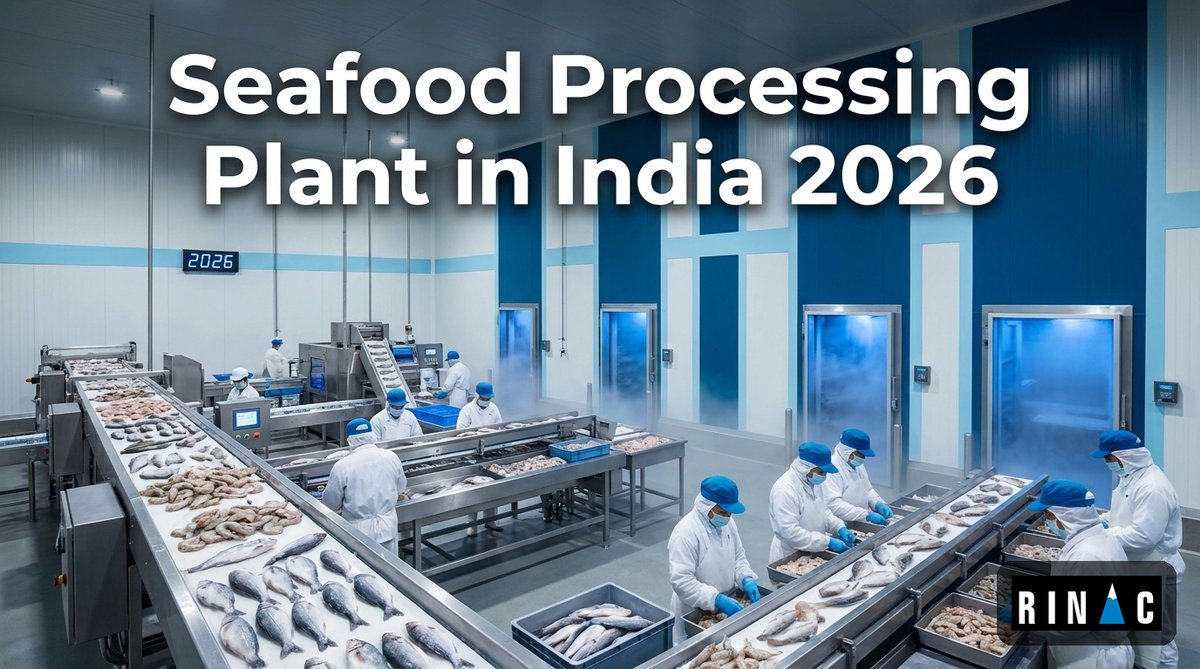
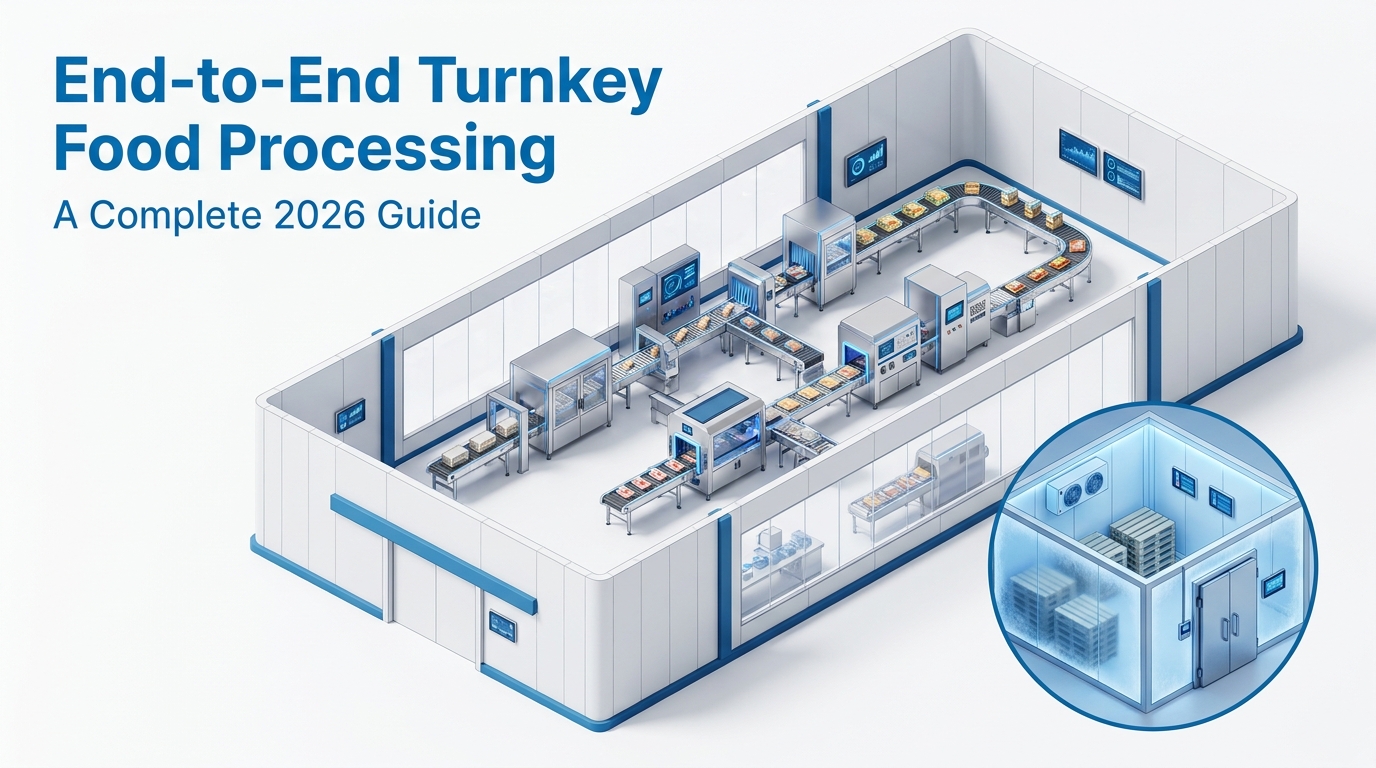
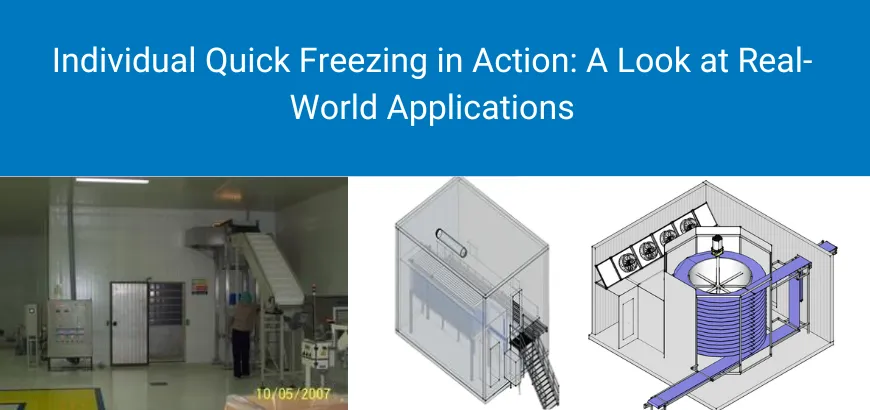
- Food processing plants: As part of turnkey food processing builds, insulated panels create hygienic, crack-free surfaces for wet and dry processing areas.
- Pharmaceutical cold storage: WHO-GMP and cGMP areas require panels with low particulate shedding and documented thermal performance, covered in Rinac’s pharma cold storage 2026 outlook.
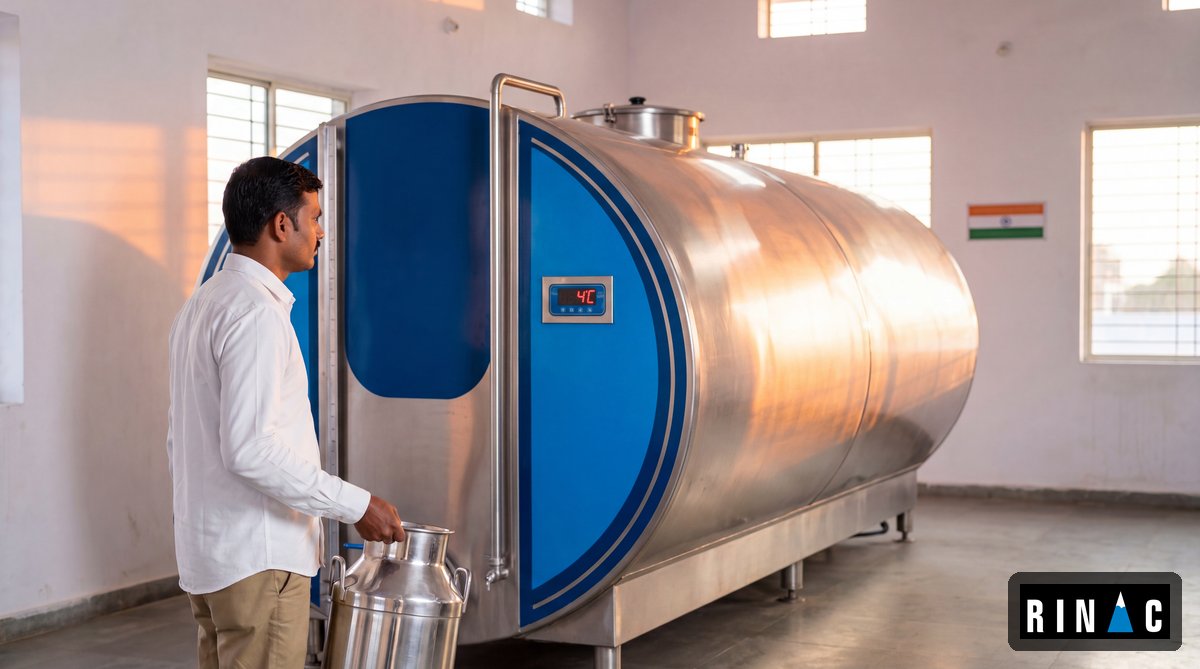
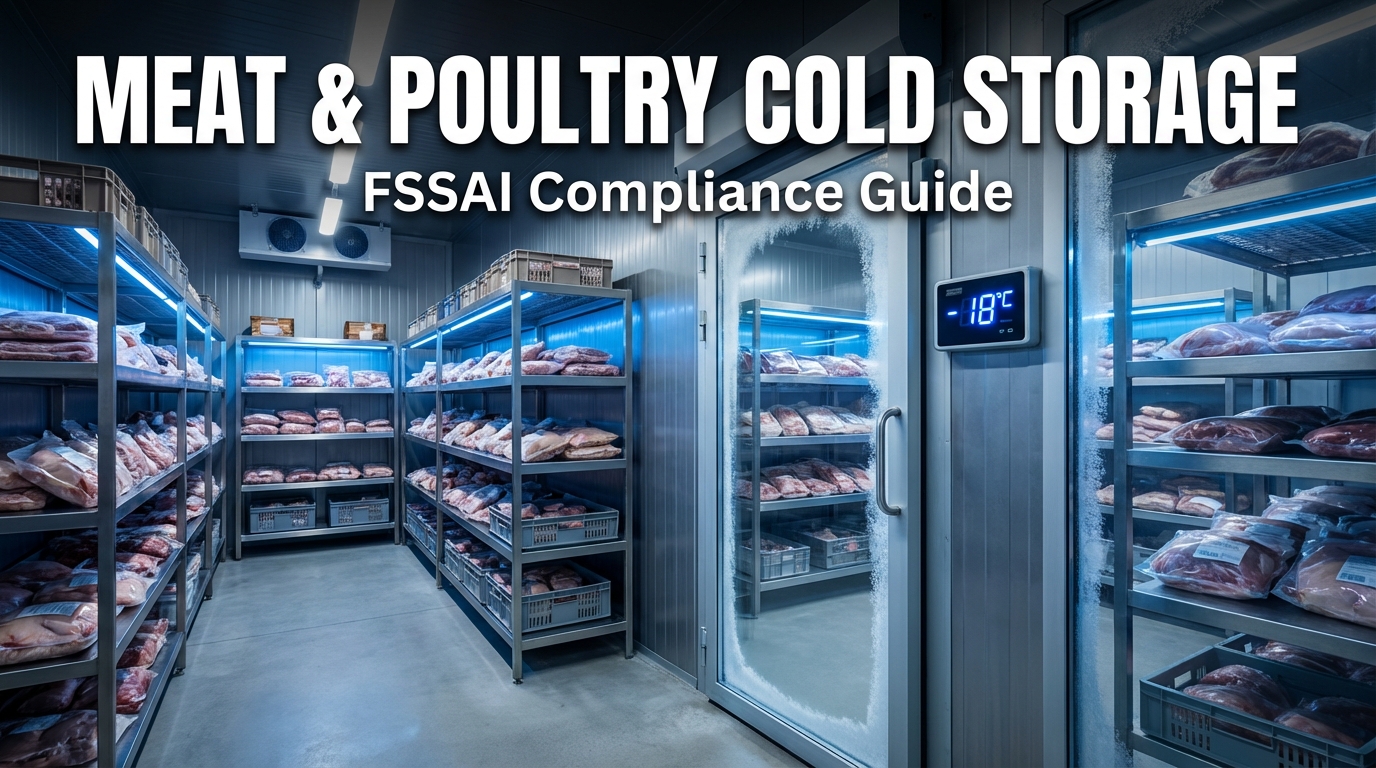
- Dairy, seafood, meat and poultry: See dedicated write-ups on seafood cold storage and blast freezing and meat and poultry cold storage under FSSAI.
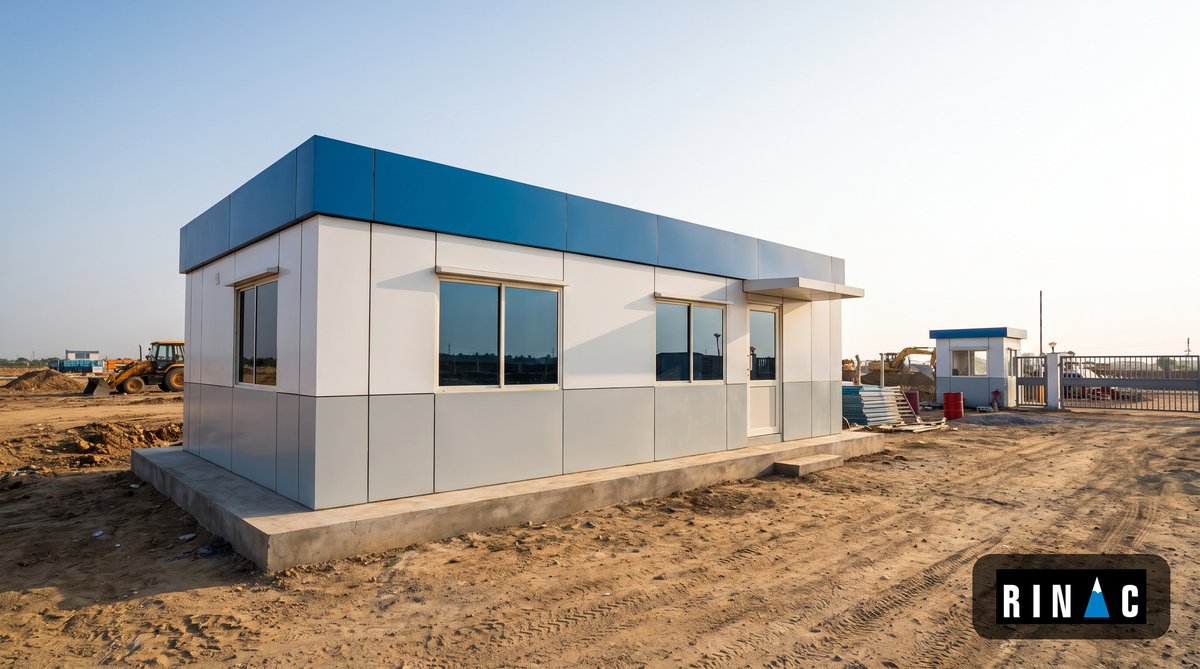
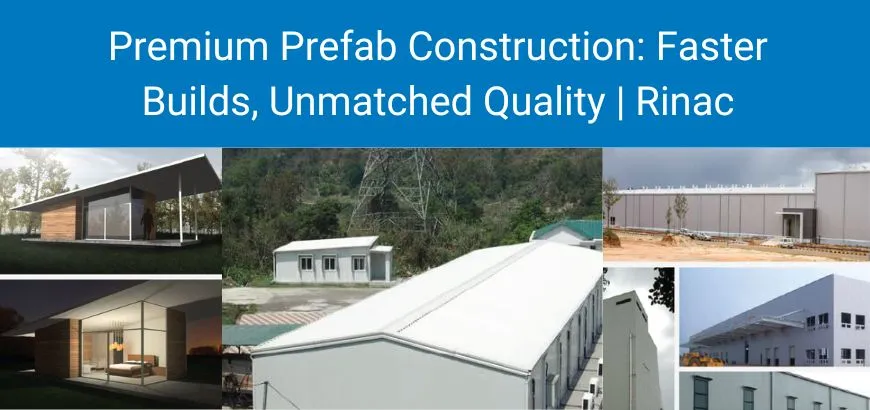
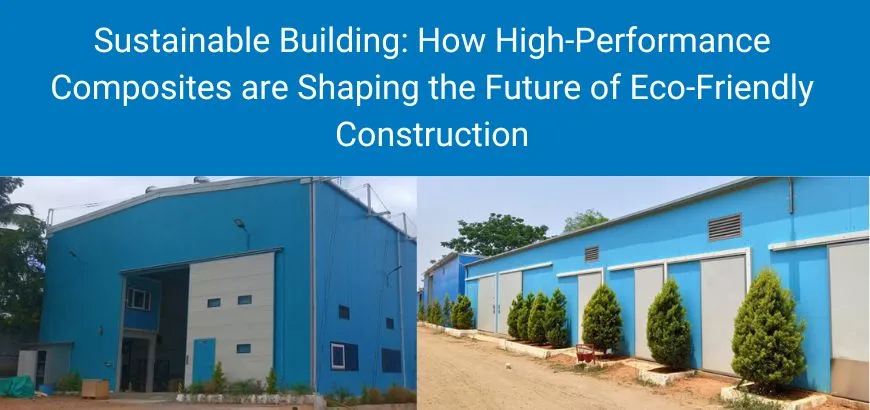
- Modular offices, labs and prefab buildings: SIP-based structural insulated panels homes and modular commercial buildings are gaining ground; Rinac’s premium prefab construction guide covers this in detail.
- Data centres and mission-critical facilities: Rockwool-core panels protect server halls and battery rooms with up to 240 minutes of fire resistance, explained in Rinac’s dedicated R-Wool data centre guide.
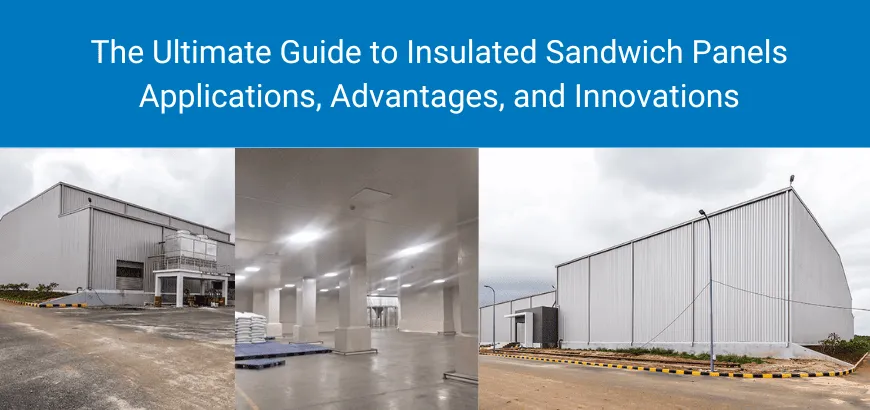
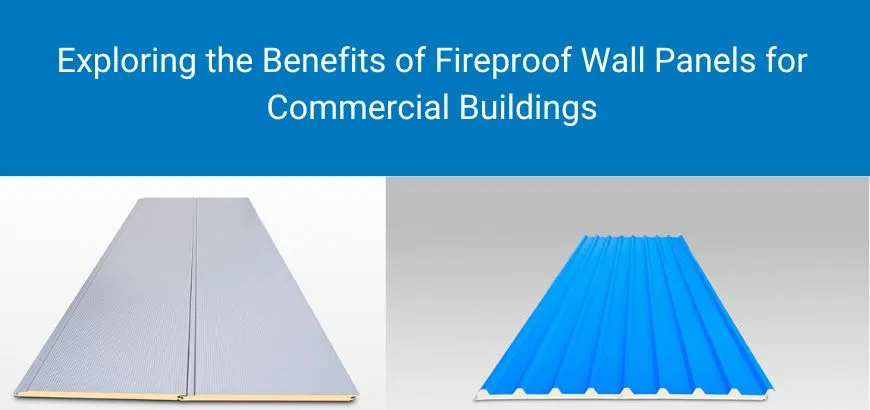
Insulated Wall Panels, Insulated Panels for Walls & Insulated Panels Roof Options
In Indian specification sheets, insulated wall panels and insulated panels roof systems typically share a core insulation material but differ in thickness, facing profile and joint design:
- InstaWall (50 mm partition / wall panels) is Rinac’s prefabricated interior and boundary wall system, suited to modular buildings and clean envelopes.
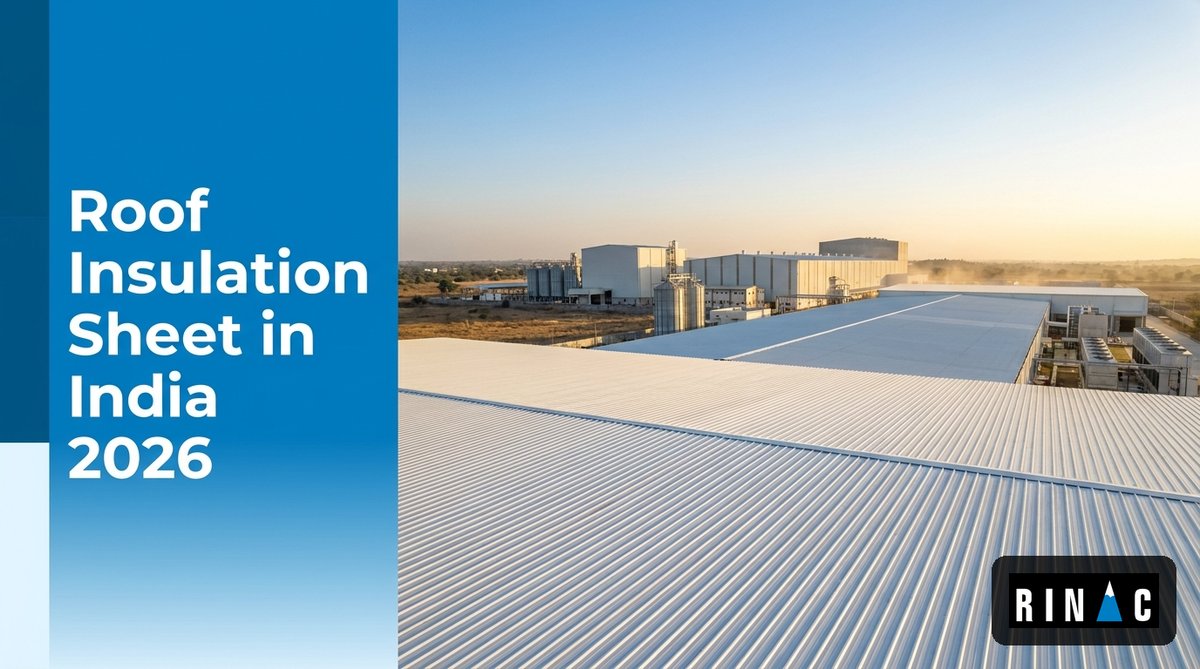
- InstaRoof (30 / 50 mm insulated roof panels) provides the thermal and weather-tight layer over prefab shells and industrial buildings.
- InstaCeil (30 mm ceiling panels) forms the clean, insulated ceiling plane inside cold rooms, food halls and cleanrooms.
- Firearmet FM-approved fire-rated sandwich panels are used where code-driven fire performance is critical, such as logistics parks, warehouses near fuel, or pharma finishing areas.
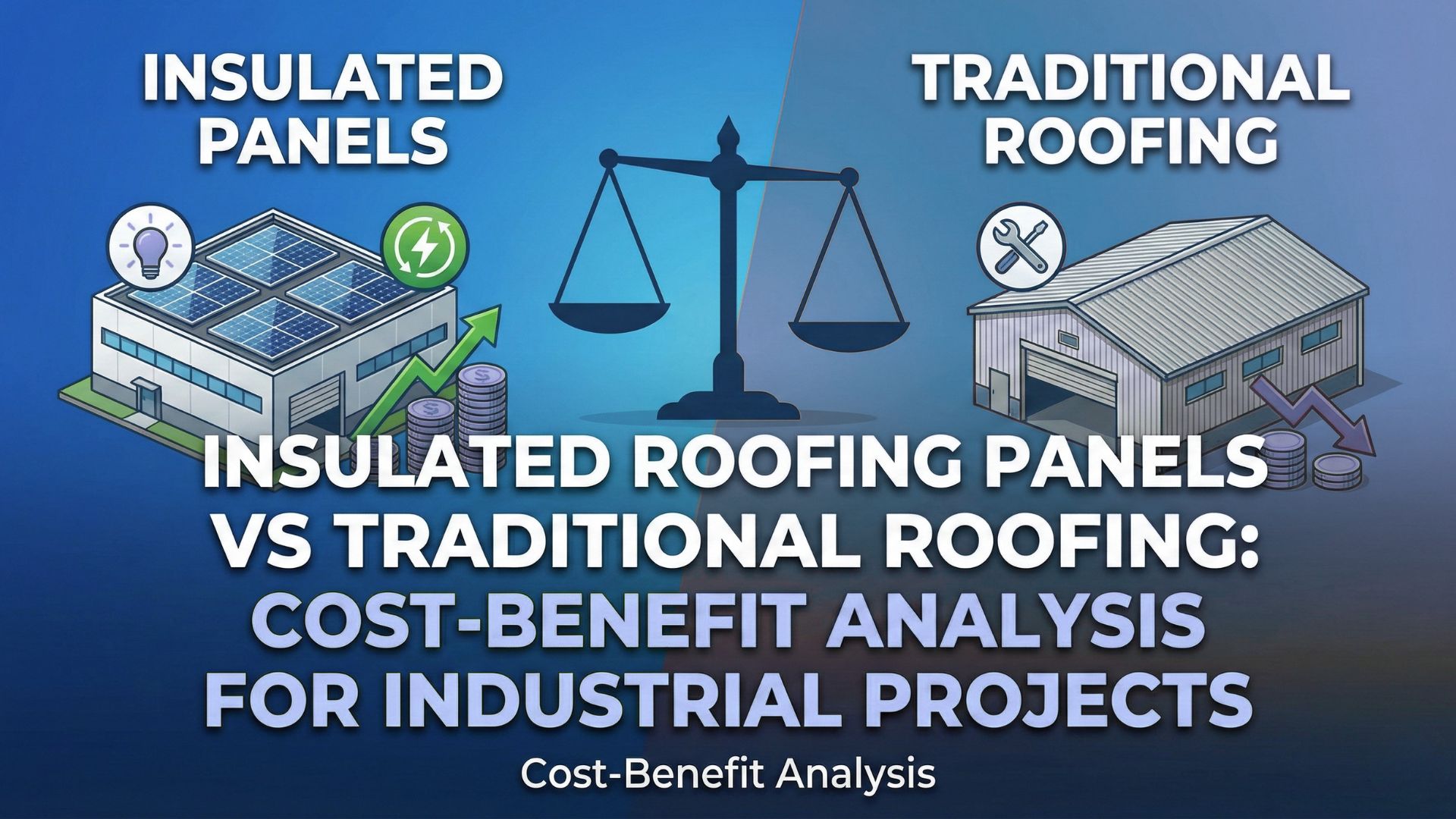
For detailed side-by-side economics of insulated panels roof vs. conventional roofing, Rinac’s team has published an insulated roofing panels vs traditional roofing cost-benefit analysis specifically for Indian industrial projects, plus a deeper look at durability and insulation properties of prefabricated sandwich panels.
Figure: Structural insulated panels at a glance: applications, panel families, compliance and Indian market drivers (2026).
SIP Construction Process: From Engineering to Installation
A typical structural insulated panels project in India follows an engineered, prefabricated workflow quite different from conventional on-site masonry:
- Design & engineering: Loads, thermal requirements, humidity set-points, fire class and layout are translated into panel drawings by structural and refrigeration engineers.
- Manufacturing: Panels are produced on continuous lines at Rinac’s Bangalore and Murbad units with controlled thickness, core density and skin profiles.
- Quality & certification: Production batches are tested and documented against ISO, FSSAI, HACCP, GMP, IGBC and WHO-GMP standards as applicable.
- Logistics: Panels are bundled and shipped to site across 23 countries and India’s 14 branch coverage area.
- Installation: Crews assemble the insulated envelope, followed by refrigeration, racking, MEP and finishing, often in parallel to reduce schedule.
- Commissioning & after-sales: Systems are mapped, validated, handed over, and supported via Rinac’s after-sales service network.
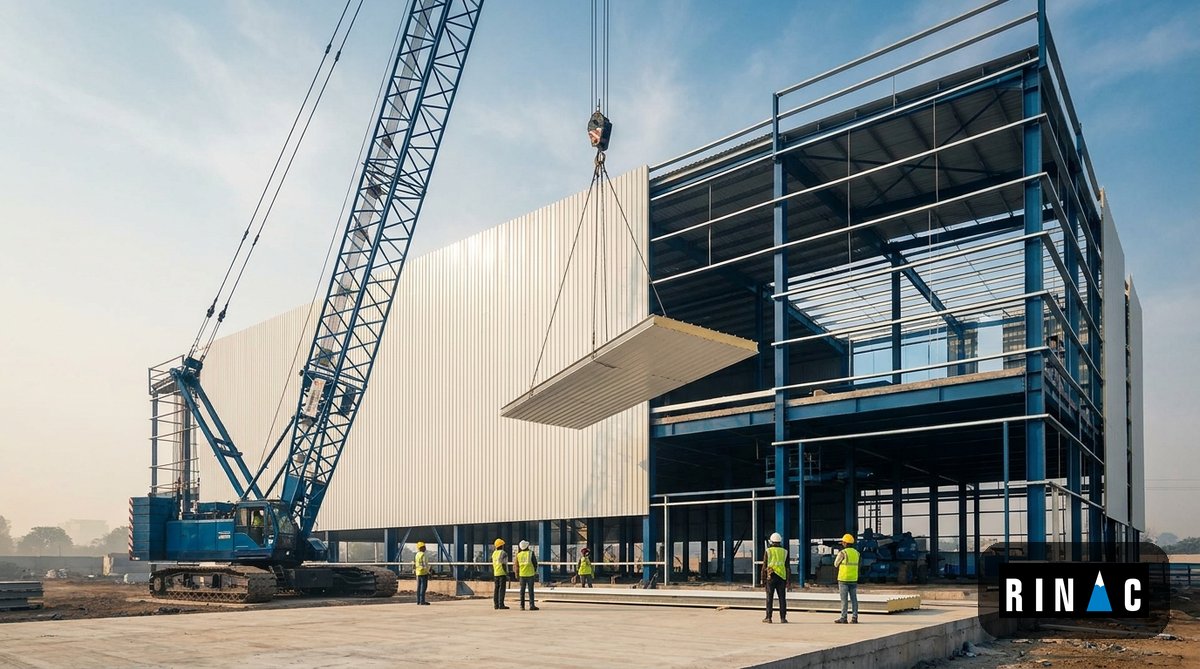
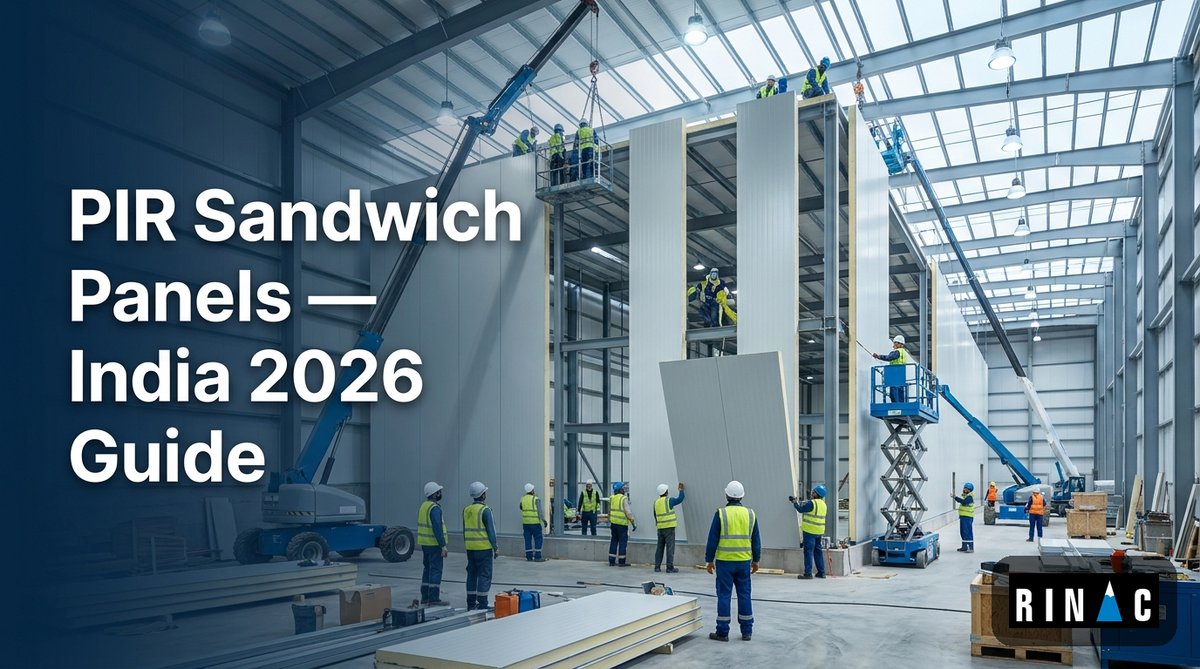
Industry research consistently reports that prefab insulated panel construction is 40-60% faster than traditional methods for comparable scope, primarily because factory-built panels compress on-site activity into weeks instead of months [4].
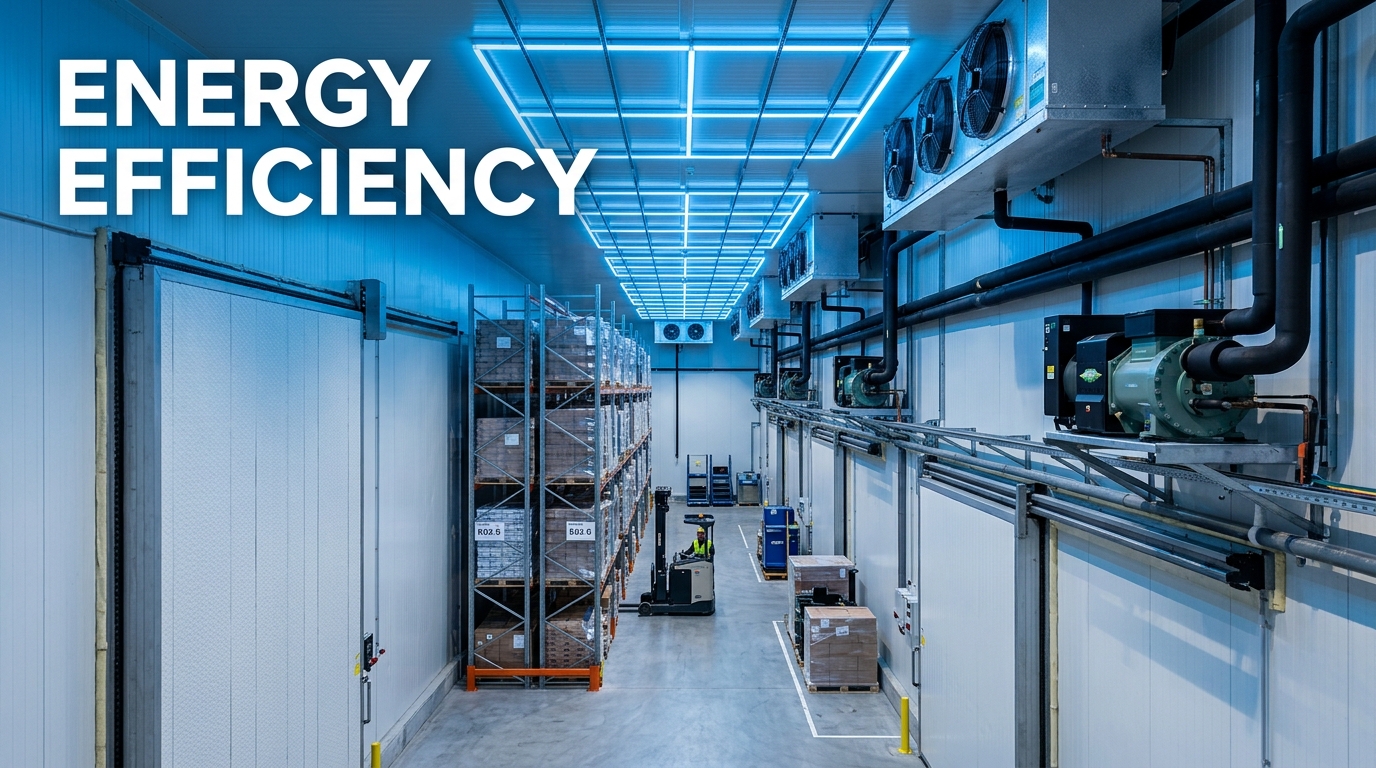
Operational tip: For cold rooms and pharmaceutical facilities, specify temperature monitoring, vapour barriers, floor insulation and door systems at design stage. Rinac’s cold storage energy efficiency playbook shows how envelope, refrigeration and controls together can reduce operating costs by up to 30%.
Indian Market Context: Subsidies, Schemes & Cold Chain Growth
Any structural insulated panels project in India should be evaluated against available central and state schemes, because a well-planned envelope + refrigeration package often qualifies for meaningful capital subsidy:
- PM Kisan SAMPADA Yojana (PMKSY): The Government of India extended PMKSY with an outlay of Rs. 4,600 crore through 31 March 2026, administered by the Ministry of Food Processing Industries (MoFPI). Qualifying cold storage, reefer and processing infrastructure can receive credit-linked capital subsidy as grant-in-aid, with assistance up to Rs. 10 crore per project depending on scope and location [5].
- NHB Capital Investment Subsidy Scheme: The National Horticulture Board offers 35% subsidy in general areas and 50% in North-East, hilly and scheduled areas for cold storage and Controlled Atmosphere storage above 5,000 MT (up to 10,000 MT) [6].
- MIDH scheme: The Mission for Integrated Development of Horticulture supports cold storage up to 5,000 MT at similar 35% / 50% rates, routed through State Horticulture Missions [7].
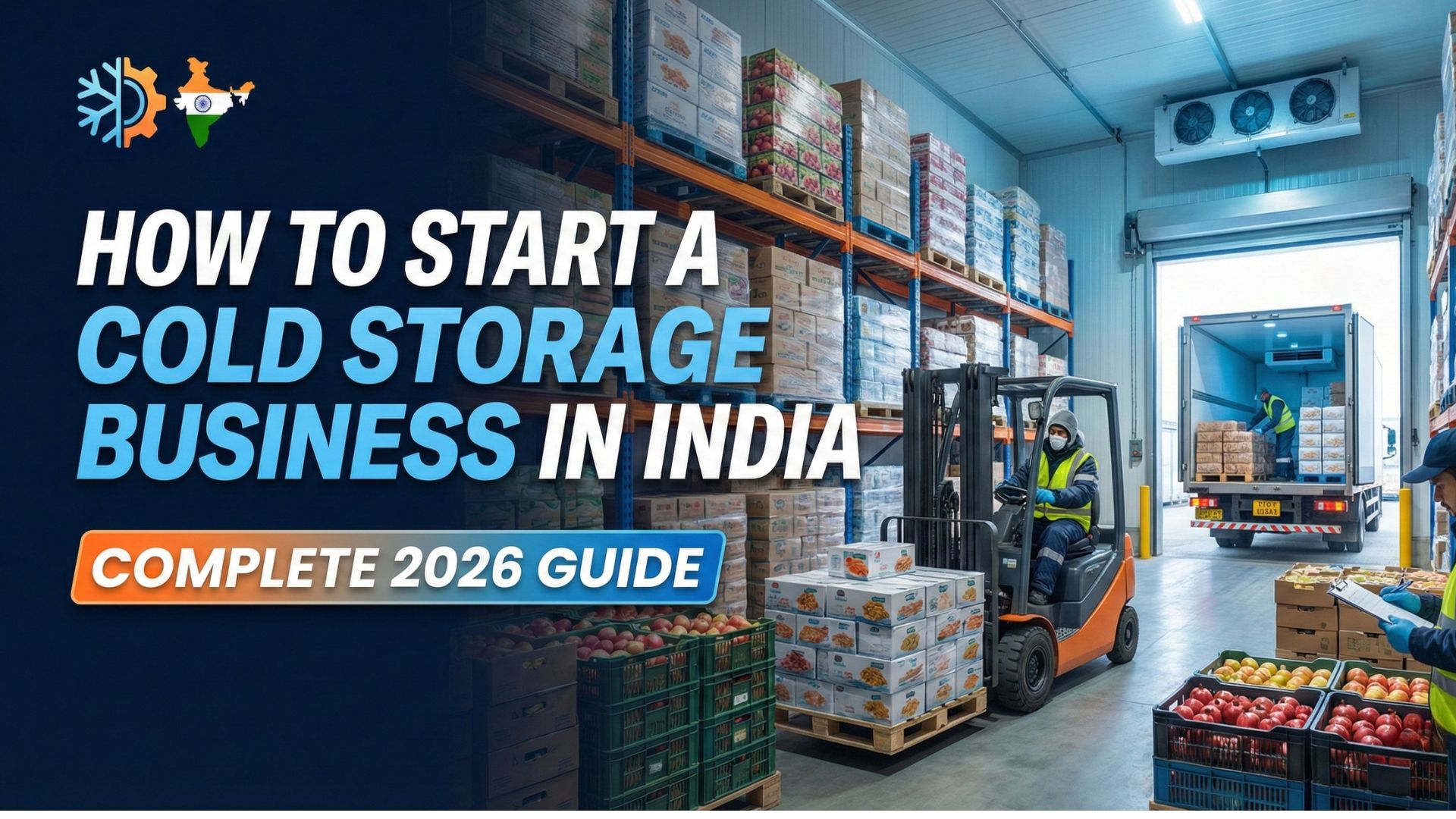
For a step-by-step playbook on claiming these, see Rinac’s cold chain subsidies 2026 guide. Founders and operators evaluating greenfield capacity may also find the how to start a cold storage business in India 2026 guide useful when budgeting the insulated panels line item.
Compliance & Standards: FSSAI, IGBC, HACCP, WHO-GMP
Structural insulated panels and sandwich panels do not achieve compliance on their own: the panel choice must align with the process the building houses.
- FSSAI: Storage areas must be dry, well-ventilated, temperature and humidity controlled, protected from dust, pests and contamination, easy to clean and maintain. FSSAI’s draft 2026 amendments additionally mandate FIFO / FEFO practices and push a digitised, risk-based compliance framework [8]. Chilled dairy products (milk, curd, paneer, buttermilk) must be held at 2-8°C through distribution.
- IGBC (Indian Green Building Council): Cold storages qualify under the IGBC Green Logistics Parks and Warehouses Rating System, with 20-30% energy savings and 30-50% water savings targets depending on level (Certified, Silver, Gold, Platinum). High-performance insulated envelopes are a key contributor to those savings.
- HACCP and ISO: Insulated panels with non-porous skins, coved joints and hygienic profiles support HACCP risk control and ISO-aligned hygiene management.
- WHO-GMP and cGMP: Pharma projects require particulate control, documented materials and validated environmental conditions, all of which affect panel skin selection, joint sealing and commissioning protocols.
Caution: Compliance regimes evolve. FSSAI, IGBC, MoFPI and NHB documents are updated periodically. Always consult current official guidelines and a qualified consultant before freezing your insulated panels specification, especially for pharma, dairy and export-grade seafood facilities.
Cost, ROI & Timeline Considerations for SIP Projects in India
SIP and insulated panel projects are typically evaluated against three levers: capital cost, speed and lifecycle operating cost.
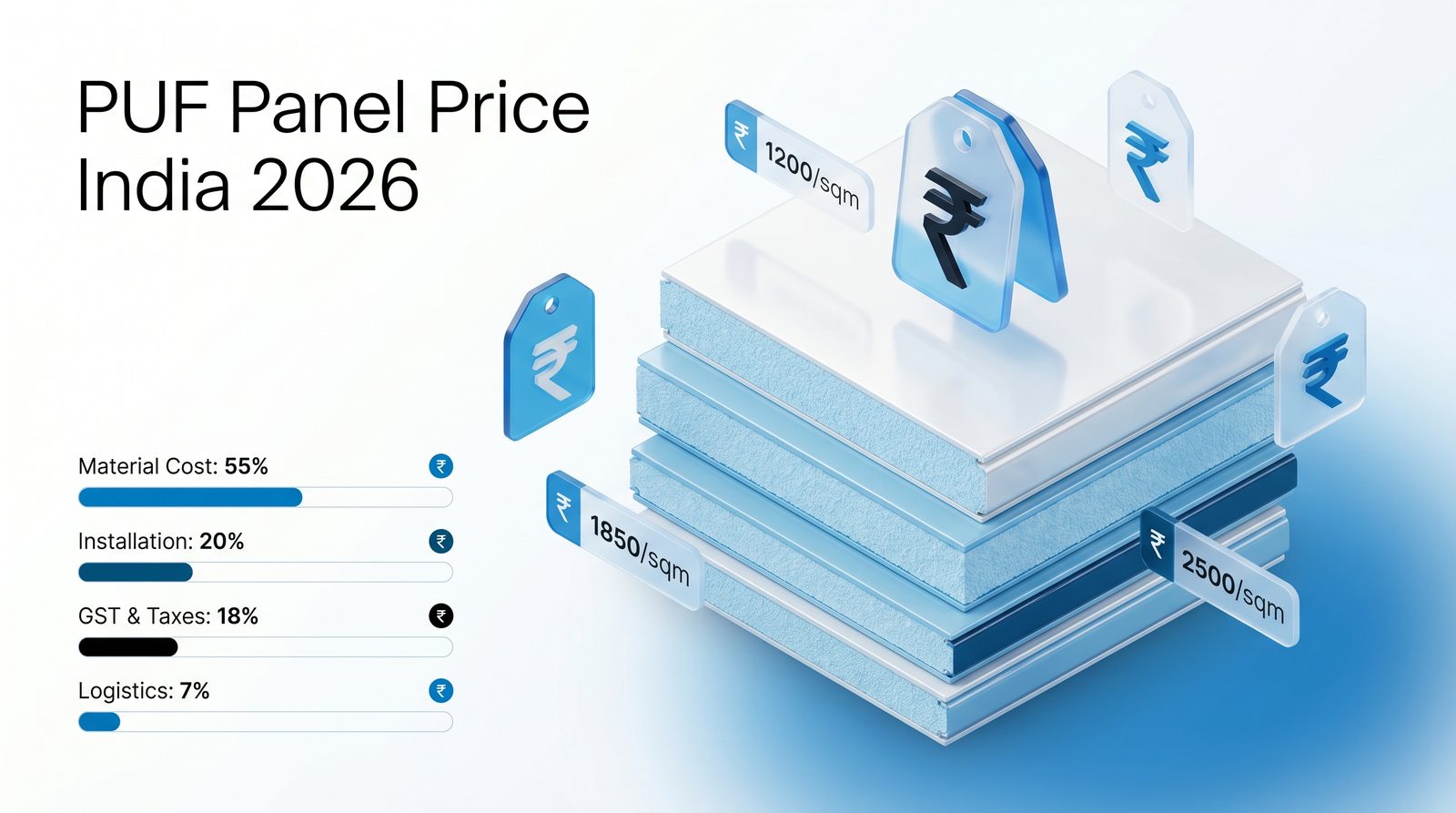
- Capital cost: Panel cost in India varies by core (PUF / PIR / Rockwool / composite), thickness (40-200 mm), skin type (galvanised, pre-painted, stainless) and joint system. Fit-out cost per square metre of envelope tends to compete with, and often beat, equivalent insulated masonry once labour, wastage and rework are priced in.
- Timeline: The core SIP advantage is time. Modular prefab cold storage solutions can be assembled in weeks instead of several months, shortening time-to-revenue for cold chain operators and food processors.
- Operating cost: High-R-value envelopes reduce refrigeration load, and combined with variable-speed compressors, LED lighting and smart controls can drive 20-30% energy savings, as shown in the energy efficiency case studies.
- Lifecycle: Properly specified panels withstand Indian climate (heat, humidity, monsoon, coastal salt air), with documented durability, non-corroding skins and stable insulation values over multi-decade service, especially under composite HPCC construction.
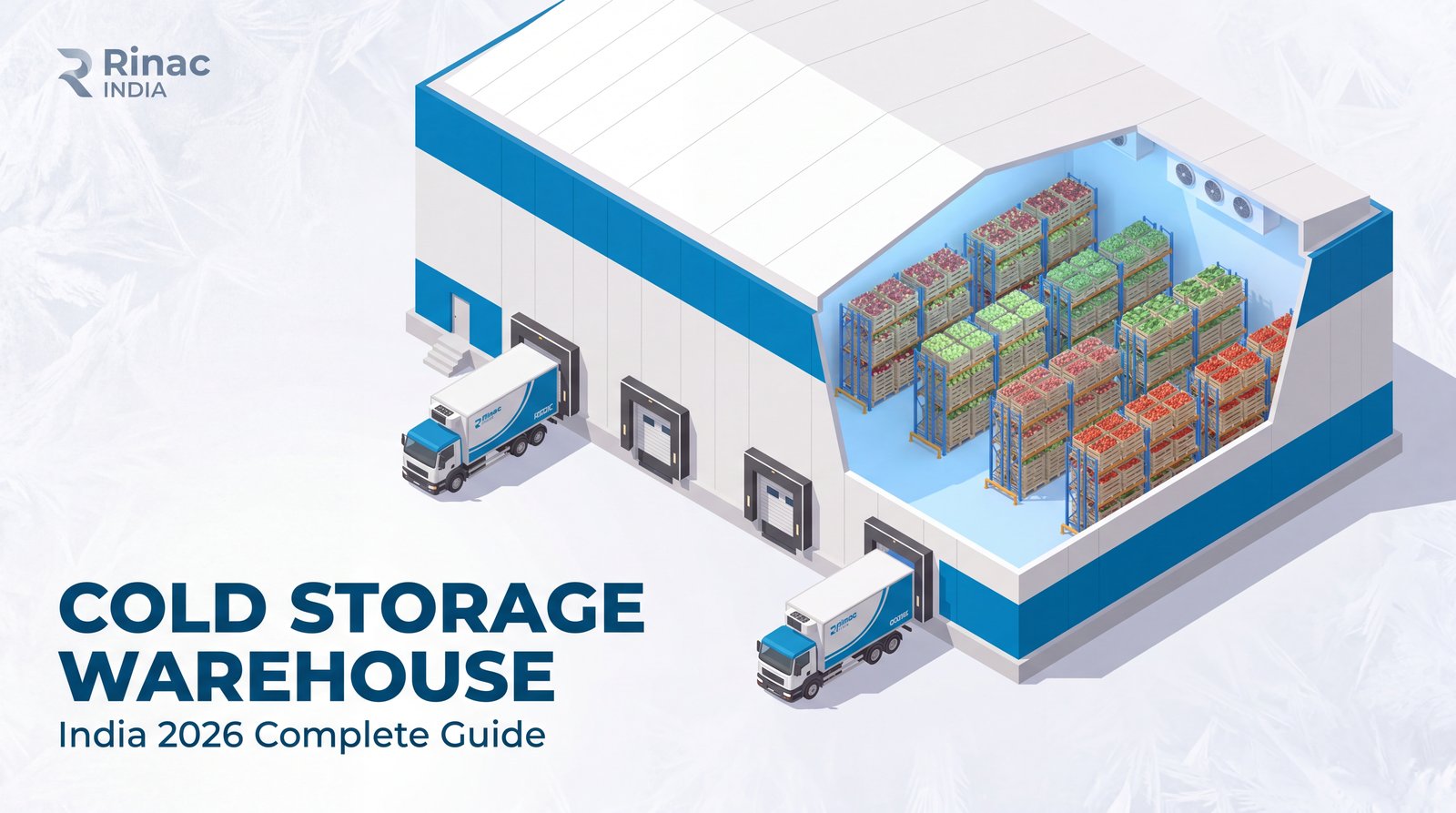
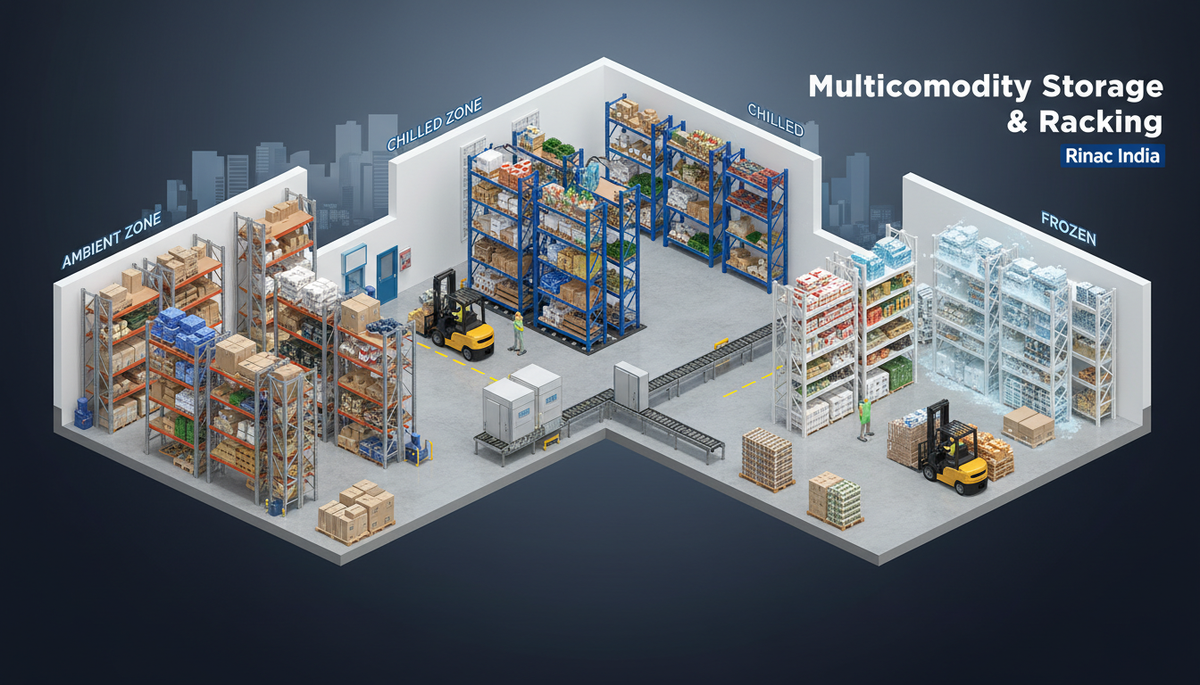
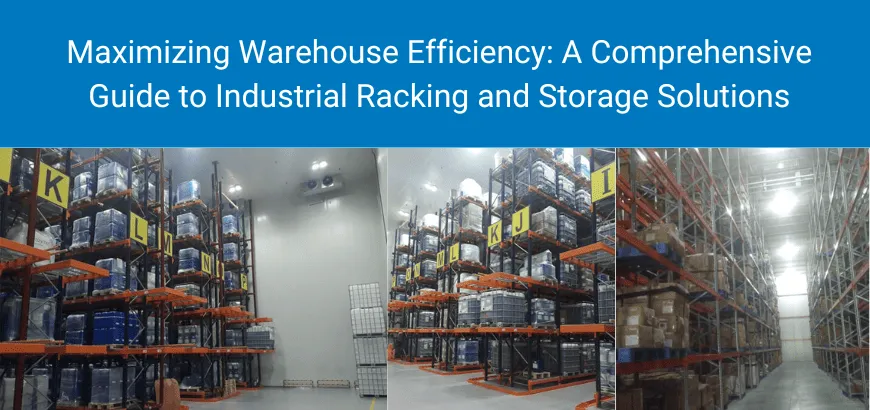
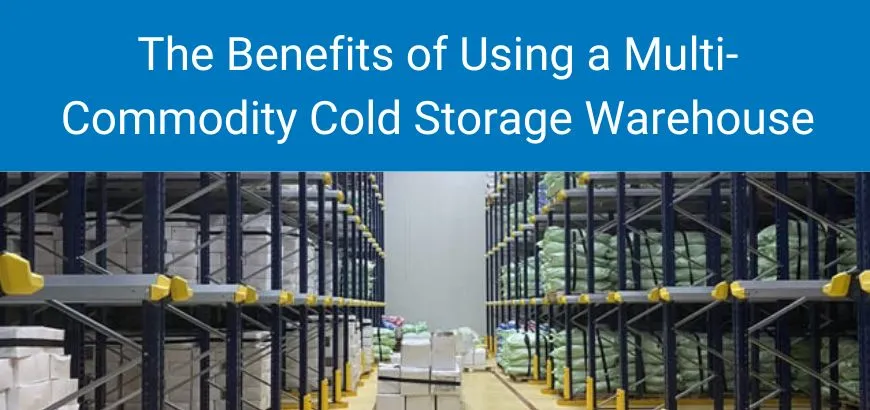
Teams planning multi-commodity warehouses or racking-heavy cold stores may want to pair the panel decision with the multicommodity storage and racking guide and the cold storage warehouse India 2026 guide to lock the envelope, racking and operations together.
Selecting a Structural Insulated Panels Partner: What to Look For
The right partner for a structural insulated panels or sandwich panel package in India should offer more than product: they should own the problem end-to-end. A robust evaluation checklist includes:
- In-house engineering: Structural, thermal, fire and refrigeration design handled under one roof, with documented experience in cold chain, pharma, food processing and modular construction.
- Manufacturing control: Owned production lines (Rinac operates two units in Bangalore and Murbad, Maharashtra) for consistent core density, thickness and skin quality.
- Product breadth: PUF, PIR, Rockwool, HPCC and specialised variants (e.g. Firearmet fire-rated), so the right panel is specified rather than forced.
- Certifications and references: ISO, FSSAI, HACCP, GMP, IGBC, WHO-GMP certifications plus reference projects with marquee clients across food, pharma, dairy, agri and logistics.
- Pan-India coverage and service: Nationwide branch network and dedicated after-sales service to protect warranty, uptime and compliance documentation.
Rinac is positioned as Solution Architects and Builders for cold chain and clean modular construction, supporting projects from concept and feasibility through to handover and long-term support under the “Cooling with a Warm Touch” ethos.
Frequently Asked Questions About Structural Insulated Panels
Sources & References
- National Centre for Cold-chain Development (NCCD), Government of India. Accessed April 2026.
- Press Information Bureau, Government of India: Capacity of Cold Chains. National cold-chain capacity and infrastructure statistics.
- Mordor Intelligence: India Cold Chain Logistics Market Size & Share Analysis. 2026 market size and 2031 projection.
- Ministry of Food Processing Industries (MoFPI), Government of India: About Cold Chain. Cold chain scheme context and structure.
- MoFPI: About PMKSY Scheme. PM Kisan SAMPADA Yojana outlay and assistance framework.
- National Horticulture Board: Capital Investment Subsidy Scheme. NHB subsidy rates and eligibility.
- NCCD: Cold Chain Assistance by Government of India (MIDH). Scheme comparison and subsidy rates.
- Food Safety and Standards Authority of India (FSSAI). 2026 compliance updates, FIFO/FEFO and cold storage requirements.
- Indian Green Building Council: IGBC Green Logistics Parks and Warehouses Rating System. Energy and water savings targets for certified warehouses and cold storages.
Important note before you decide: This article provides general guidance on structural insulated panels for the Indian market and is not a substitute for formal engineering, legal, financial or regulatory advice. Specifications, subsidy rates, compliance requirements and project economics are site-specific. For an accurate design, sizing, cost estimate, subsidy plan and ROI model for your cold storage, warehouse, pharma, food processing or modular construction project, please request a formal consultation with Rinac’s engineering team via rinac.com/contact-us.