TL;DR — Quick Summary
- Controlled atmosphere storage manipulates oxygen, carbon dioxide, nitrogen, ethylene and humidity inside a sealed chamber to slow ripening, preserving fruits like apple, pomegranate, kinnow and pear for months instead of weeks.
- India loses an estimated 30% of its apple harvest post-harvest, much of it because there are too few CA stores in Himachal Pradesh and Jammu & Kashmir [7].
- The National Horticulture Board (NHB), MIDH and PM Kisan SAMPADA together offer a 35–50% credit-linked back-ended subsidy on CA storage projects in India [3] [4].
- CA vs MA: CA actively manages the gas mixture in real time inside a gas-tight chamber; MA passively modifies the atmosphere using semi-permeable films or sealed bags. CA is the right call for long-term bulk storage of high-value fruits.
- Choosing the right CA partner depends on chamber gas-tightness, refrigeration design, ethylene scrubbing technology, FSSAI/HACCP-ready engineering and post-installation service across India.
A note on this guide: The content here is educational. Indian subsidy rates, FSSAI regulations, state horticulture missions and equipment costs change. Always verify the latest with NHB, MoFPI, FSSAI and your state horticulture department before making investment decisions, and engage a qualified engineering partner for project-specific design.
What Is Controlled Atmosphere Storage and Why It Matters for India
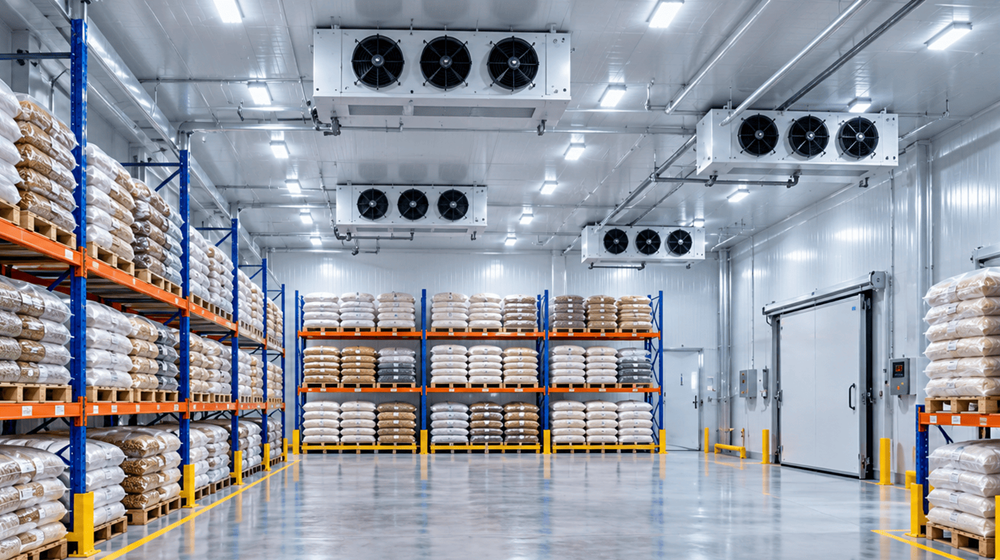
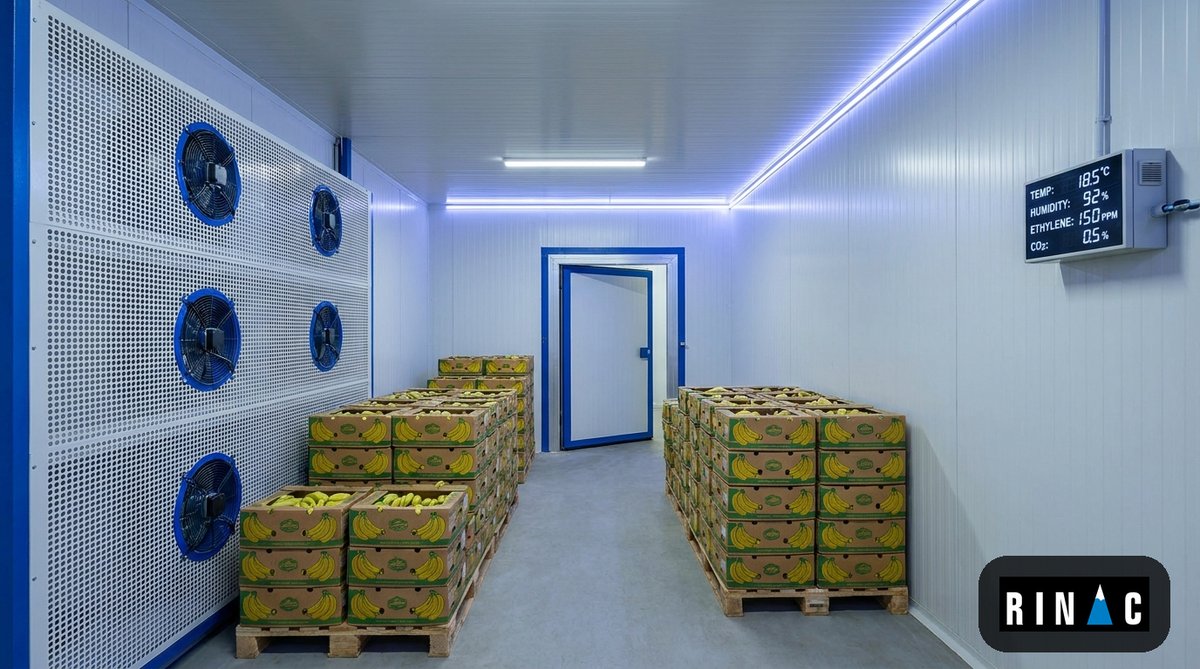
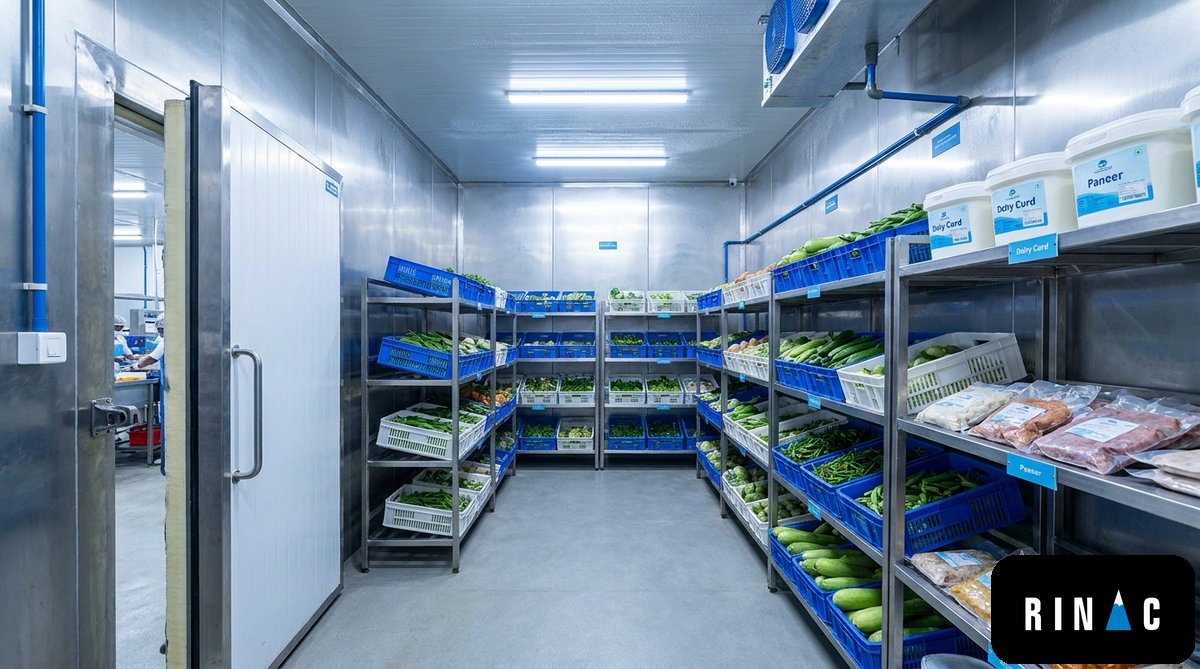
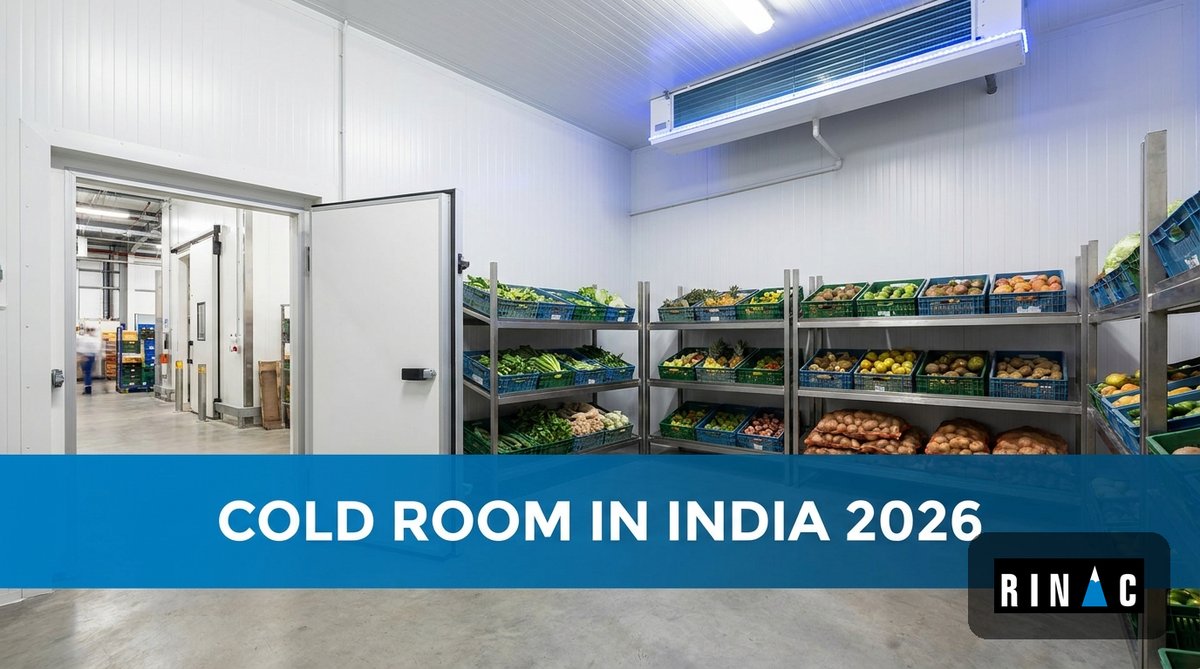
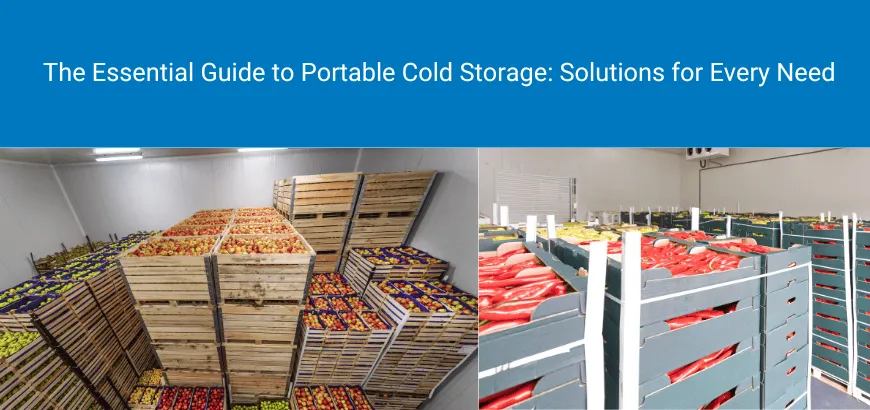
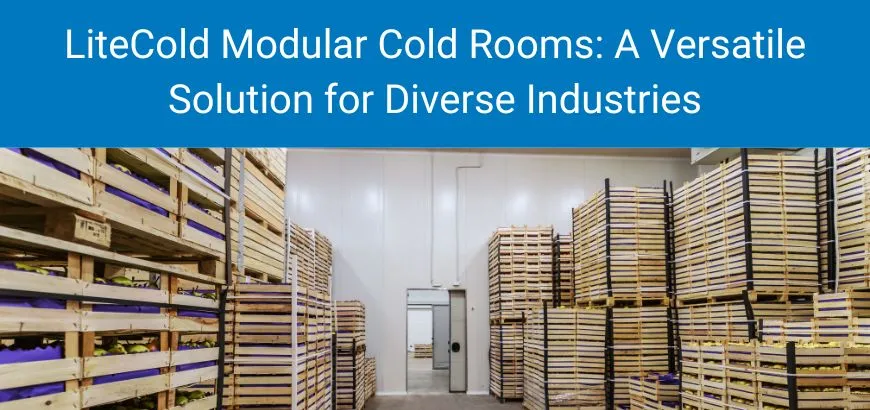
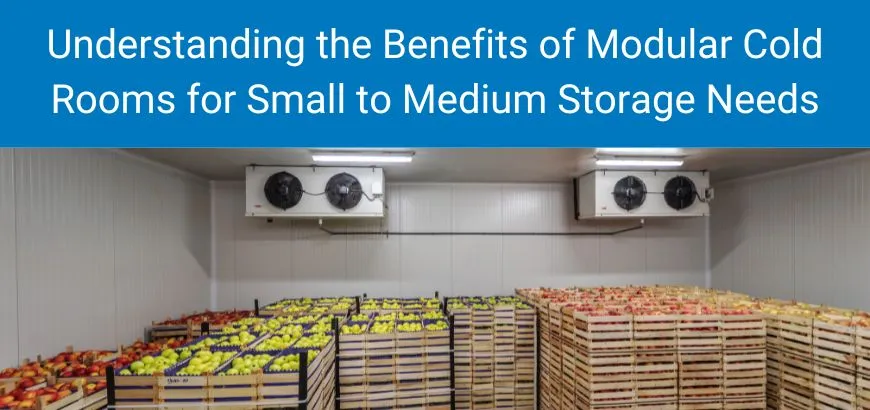
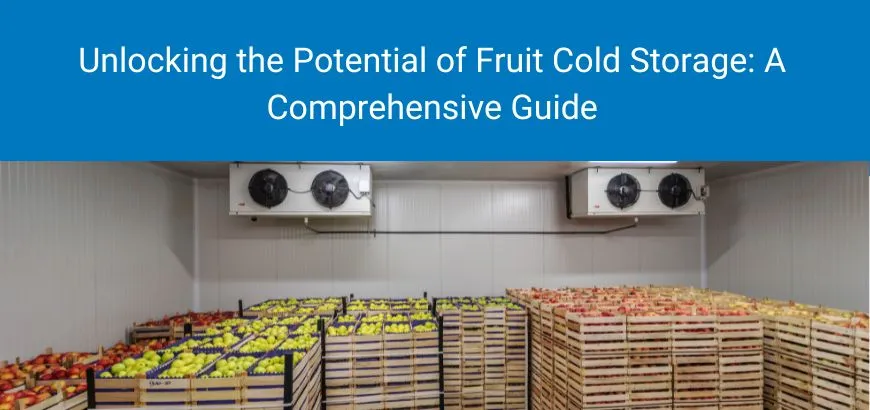
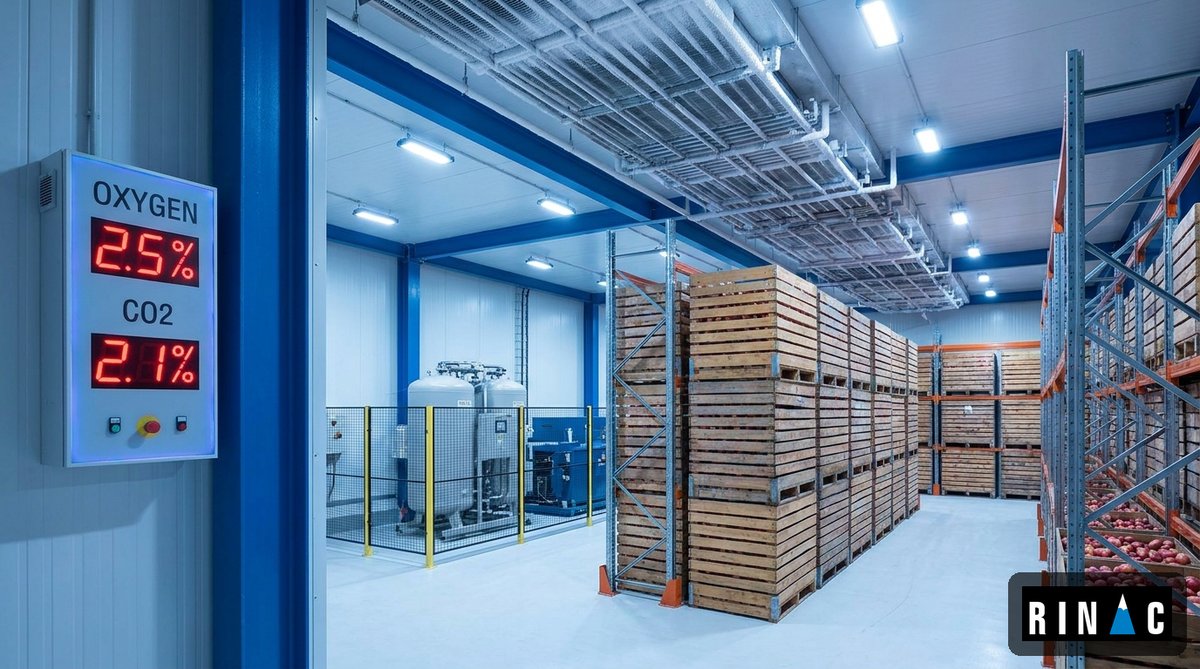
A controlled atmosphere (CA) chamber is a gas-tight, refrigerated room in which the air itself is engineered. Operators reduce oxygen down to roughly 1–5%, raise carbon dioxide to a similar low single-digit range, scrub out ethylene, and hold temperature and relative humidity at narrow setpoints. Apples that would last six weeks in a conventional cold store can hold their crispness, colour and acidity for eight to ten months in a properly run CA chamber.
India is, in many ways, the country that needs this technology most. We are the world’s second-largest producer of fruits and vegetables, yet a significant share of that produce never makes it to a paying customer. Apple alone accounts for an estimated 30% post-harvest loss, concentrated in Jammu & Kashmir and Himachal Pradesh where most of India’s apples are grown [7]. As of June 2025, India has roughly 8,815 cold stores totalling 402.18 lakh metric tonnes of capacity [2], but only a small slice of that is CA. In Kashmir, just eight CA storage projects with a combined ~38,000 MT serve a state that produces close to 1.7 million tonnes of apples a year, and average CA utilisation runs near 60% during peak season [7].
That gap is the opportunity. Companies investing in CA today are not chasing a marginal upgrade over a conventional cold room — they are building infrastructure that lets growers market apples in April, kinnow in March, pomegranates in shoulder seasons, and exporters pack and ship year-round. The economics start to look very different when shelf life extends from weeks to months.
8–10 months
Typical apple shelf life inside a well-run CA chamber, vs 4–8 weeks in conventional cold storage
Typical apple shelf life inside a well-run CA chamber, vs 4–8 weeks in conventional cold storage
At Rinac, the CA conversation usually starts with one question from the customer: How much longer does my produce last, and what does that change for my business? Everything downstream — sizing, refrigeration design, gas systems, control logic — flows from the answer. As Solution Architects with 30+ years across cold storage for agriculture and horticulture in India, we have learned that CA is rarely a standalone purchase. It sits inside a wider cold chain solution that begins at pre-cooling and ends at the retail shelf.
CA vs MA vs ULO vs DCA: Choosing the Right Controlled Atmosphere Storage Technology
Before designing a chamber, it helps to be precise about terminology. Many Indian buyers use "CA", "MA", "ULO" and "DCA" interchangeably, but they describe meaningfully different technologies with different costs and use-cases.
| Technology | How It Works | Best For | Relative Cost |
|---|---|---|---|
| Conventional Cold Storage | Refrigeration only; ambient air composition | Short-term storage of mixed produce, dairy, meat | Baseline (1x) |
| MA (Modified Atmosphere) | Passive: semi-permeable films or bags create a modified gas environment via the produce’s own respiration | Retail packs, bulk transport, short to medium shelf-life extension | Low to medium |
| CA (Controlled Atmosphere) | Active gas-tight chamber: O₂ reduced to ~2–5%, CO₂ held at ~2–5%, ethylene scrubbed, all monitored in real time | Long-term bulk storage of apples, pears, kiwi; off-season retailing | High |
| ULO (Ultra-Low Oxygen) | A stricter form of CA with O₂ held below ~1.5% | Premium apple cultivars with very long storage targets | High |
| DCA (Dynamic CA) | Real-time monitoring of fruit’s stress response (chlorophyll fluorescence) to push O₂ to the lowest safe level | High-end exporters wanting maximum quality retention | Highest |
For most Indian growers and FPCs, the practical choice is between conventional cold storage and a CA MA chamber. ULO and DCA are usually layered on top of an existing controlled atmosphere chamber, and MA shows up at the packaging end of the chain rather than the building level. CA storage for apples remains the highest-volume use-case in India today.
Indian Market Context: Capacity, Crop Demand and the Cold Chain Gap
India’s cold chain is large but uneven. The total cold storage capacity sits at around 402 lakh MT across 8,815 facilities [2], but the National Centre for Cold-chain Development reports that capacity has grown only at a 2.2% CAGR in recent years [5]. Refrigerated transport tells a similar story: roughly 10,000 reefer vehicles in operation against an estimated need of 62,000 [6]. The India cold chain logistics market is projected to cross USD 24.85 billion in 2026 [11], but the share of CA inside that figure remains very small.
Where CA is needed most:
- Apples — Jammu & Kashmir, Himachal Pradesh, Uttarakhand: J&K alone produces ~71% of India’s apples. The state’s CA capacity has grown to ~2.70 LMT with another 0.37 LMT planned, but the gap relative to harvest volume remains substantial [7].
- Pomegranate — Maharashtra, Karnataka, Gujarat: Bhagwa pomegranate gets ~10–15 days at room temperature but holds 12+ weeks in MA bags and longer under CA at ~5% O₂/5% CO₂ [10].
- Kinnow mandarin — Punjab, Rajasthan, Haryana: Modified atmosphere at ~5±1°C extends storage life from 100 days to ~140 days while preserving texture and appearance [12].
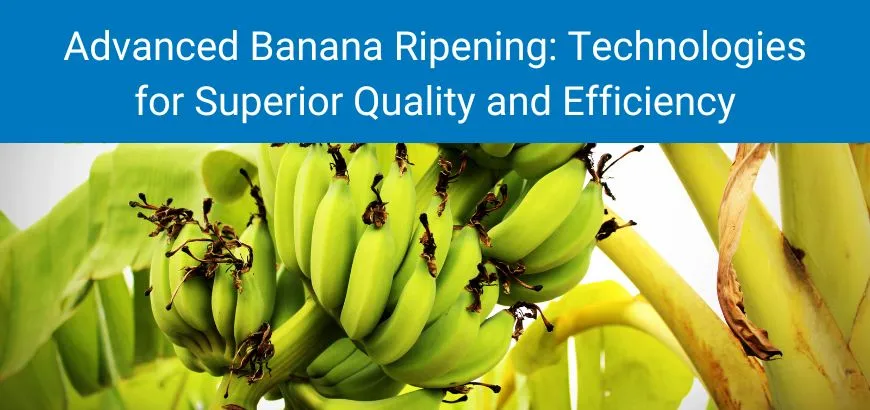
- Banana — Tamil Nadu, Maharashtra, Gujarat, Andhra Pradesh: banana is more often handled through ripening chambers than CA stores, but MAP and ethylene management in chambers extend retail freshness meaningfully.
- Pear, kiwi, plum: all benefit from CA, especially in the export-oriented Northeast and hill states.
Why this matters for investors: a CA chamber that lets a Himachal apple grower sell in March instead of October captures both the off-season price premium and the volume that would otherwise rot. The unit economics of CA are, in effect, a function of the price spread between harvest season and lean season.
How CA Storage Extends Shelf Life — The Engineering Inside the Chamber
A CA chamber is, at heart, an exercise in keeping fruit alive but barely metabolising. Fruits respire after harvest, consuming oxygen and giving off CO₂, water and ethylene. CA slows the entire metabolism by carefully starving the fruit of oxygen without crossing into anaerobic respiration, which would cause off-flavours and tissue damage. Five engineering systems do the work:
1. Gas-tight envelope
The chamber must hold pressure to within a few pascals over a 30-minute decay test. That demands carefully detailed wall and ceiling joints, gas-tight doors with double seals, sealed penetrations for refrigeration piping, and an inflatable bag or breather that absorbs pressure swings as the chamber heats and cools. Without gas-tightness, every other system runs harder for the same setpoint and never quite gets there.
2. Refrigeration with low pull-down
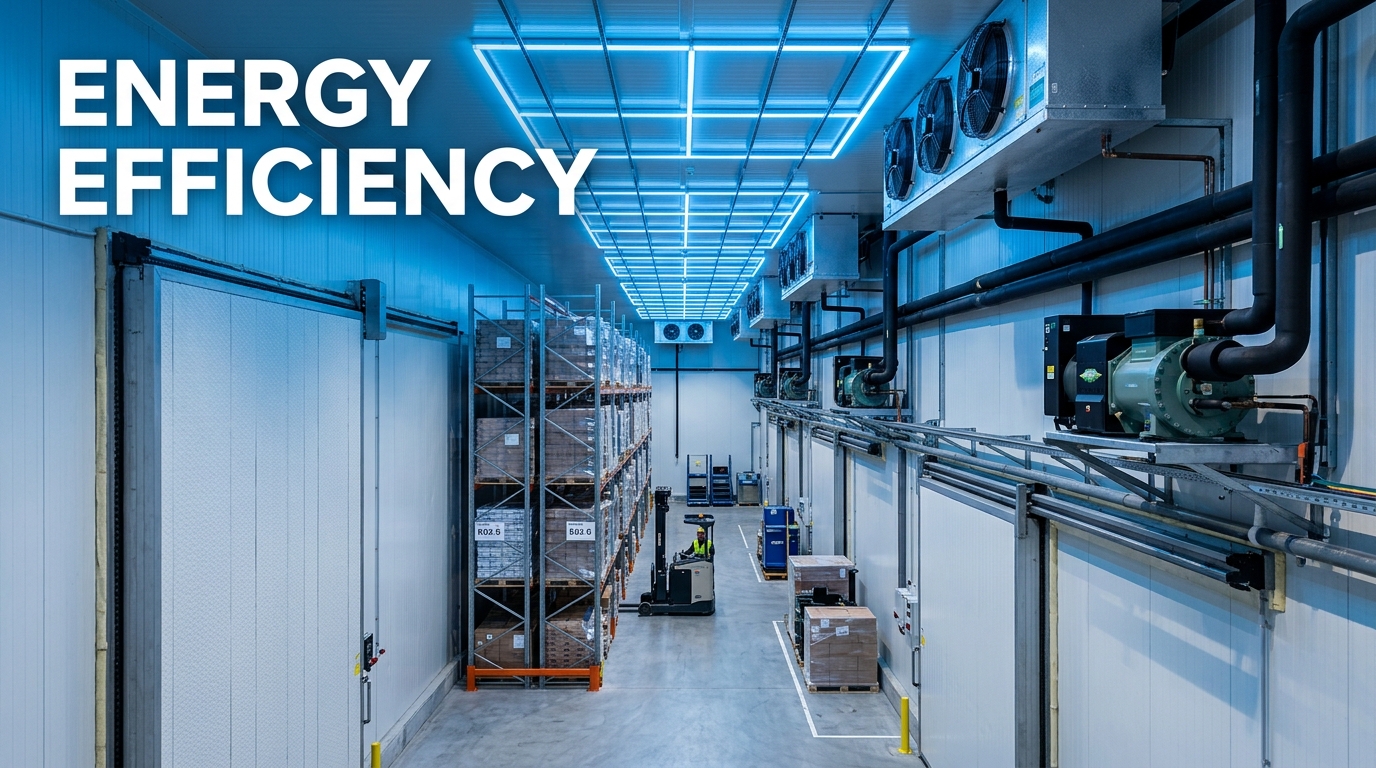
CA temperatures are typically 0°C to 4°C for apples, slightly higher for pomegranate and kinnow. Critically, the refrigeration system must avoid stripping moisture from the produce. That means oversized evaporator coils with low temperature differentials, electronic expansion valves and continuous variable-speed compressor control. Rinac’s cold storage energy-efficiency playbook applies here: a CA chamber should never be designed by simply sizing a regular cold room and adding gas equipment.
3. Nitrogen generator and CO₂ scrubber
Pulling oxygen down to 2–5% is done with a pressure-swing adsorption (PSA) or membrane-type nitrogen generator. CO₂, which the fruit produces, is removed through a lime, activated-carbon or molecular-sieve scrubber. Both systems are sized to the chamber’s volume and the harvest peak respiration load.
4. Ethylene management
Ethylene is the ripening hormone fruits release. Even in trace amounts it accelerates senescence. Catalytic ethylene scrubbers oxidise it to CO₂ and water. For climacteric fruits like apple and pear, ethylene management is what really turns four weeks of storage into eight months.
5. Control system and gas analysers
A modern CA chamber runs on continuous oxygen, CO₂, temperature and humidity monitoring with alarms and trend logging. The control system orchestrates the nitrogen generator, scrubber and refrigeration in a single PLC/HMI interface. For FSSAI/HACCP audits, the data history is as important as the live numbers.
Engineering note: a CA chamber that loses gas-tightness over the season is the single most common reason CA projects underperform in India. Specify the air-tightness test in the contract and witness it before commissioning.
Crop-Specific Applications: Apples, Pomegranates, Kinnow, Banana and Beyond
One CA chamber is not the same as the next. The setpoints are crop-specific and even cultivar-specific.
| Crop | Temperature | RH | O₂ / CO₂ | Indicative shelf life |
|---|---|---|---|---|
| Apple (Red Delicious, Royal, Gala) | 0–1°C | 90–95% | 2–3% / 1–3% | 8–10 months |
| Pomegranate (Bhagwa) | 5–7°C | 90–95% | 3–5% / 5–10% | 3–4 months |
| Kinnow mandarin | 4–6°C | 90–95% | 5% / 0–5% | ~140 days [12] |
| Pear | -1–0°C | 90–95% | 2–3% / 0.5–1.5% | 5–7 months |
| Kiwi | 0–1°C | 90–95% | 2% / 5% | 4–6 months |
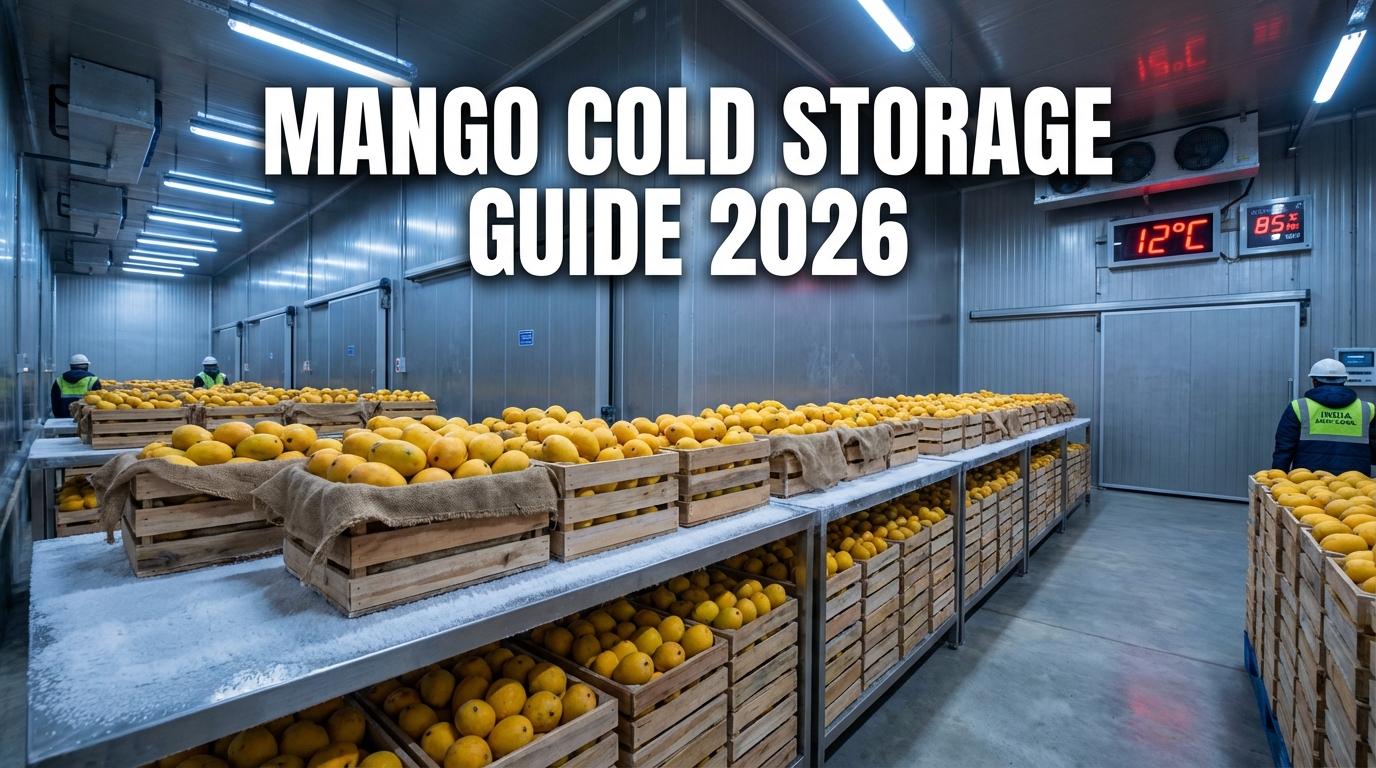
Banana sits in a different category: it is normally pre-cooled and then ripened on demand inside an ethylene-injected ripening chamber. For an in-depth playbook see our guide to banana ripening chambers in India — the technology partners with CA but is not the same product. Mango follows yet a third pattern, covered in our mango cold storage guide for the 2026 harvest season.
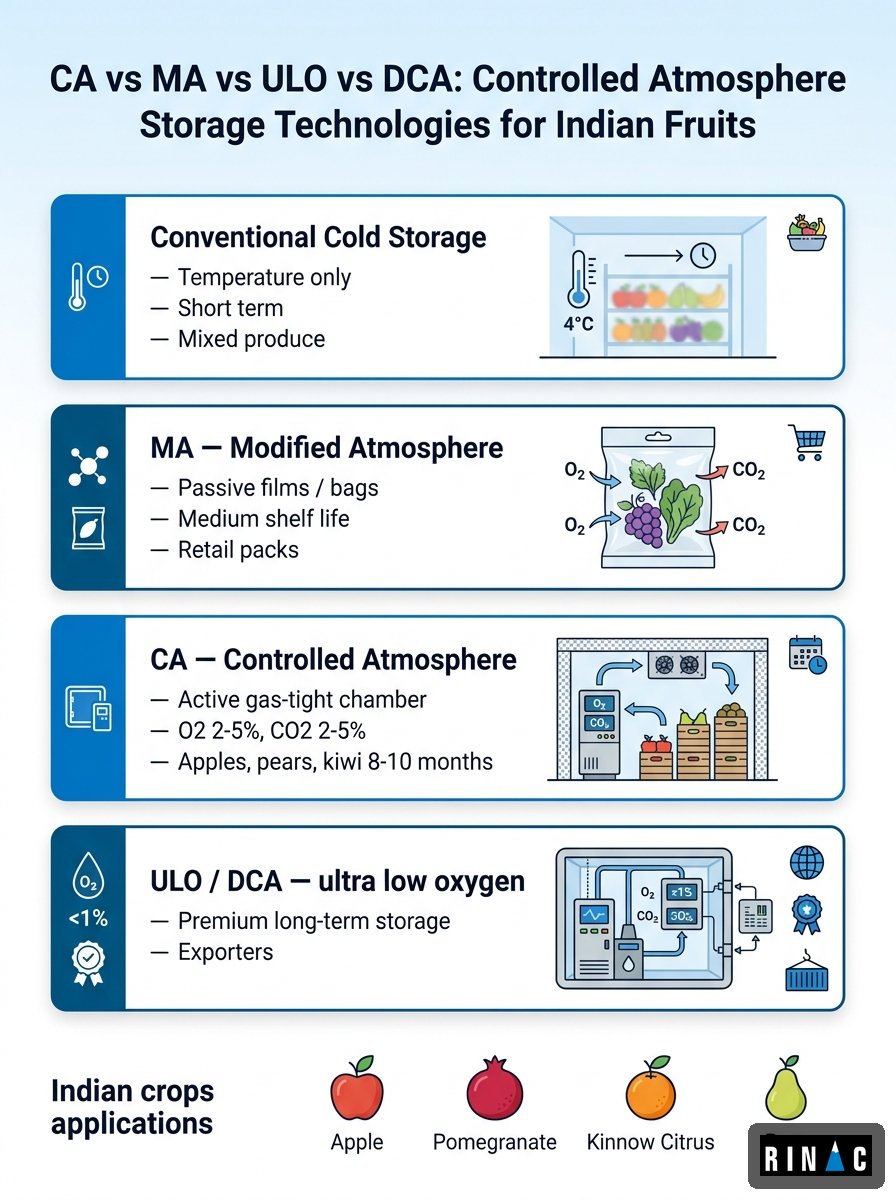
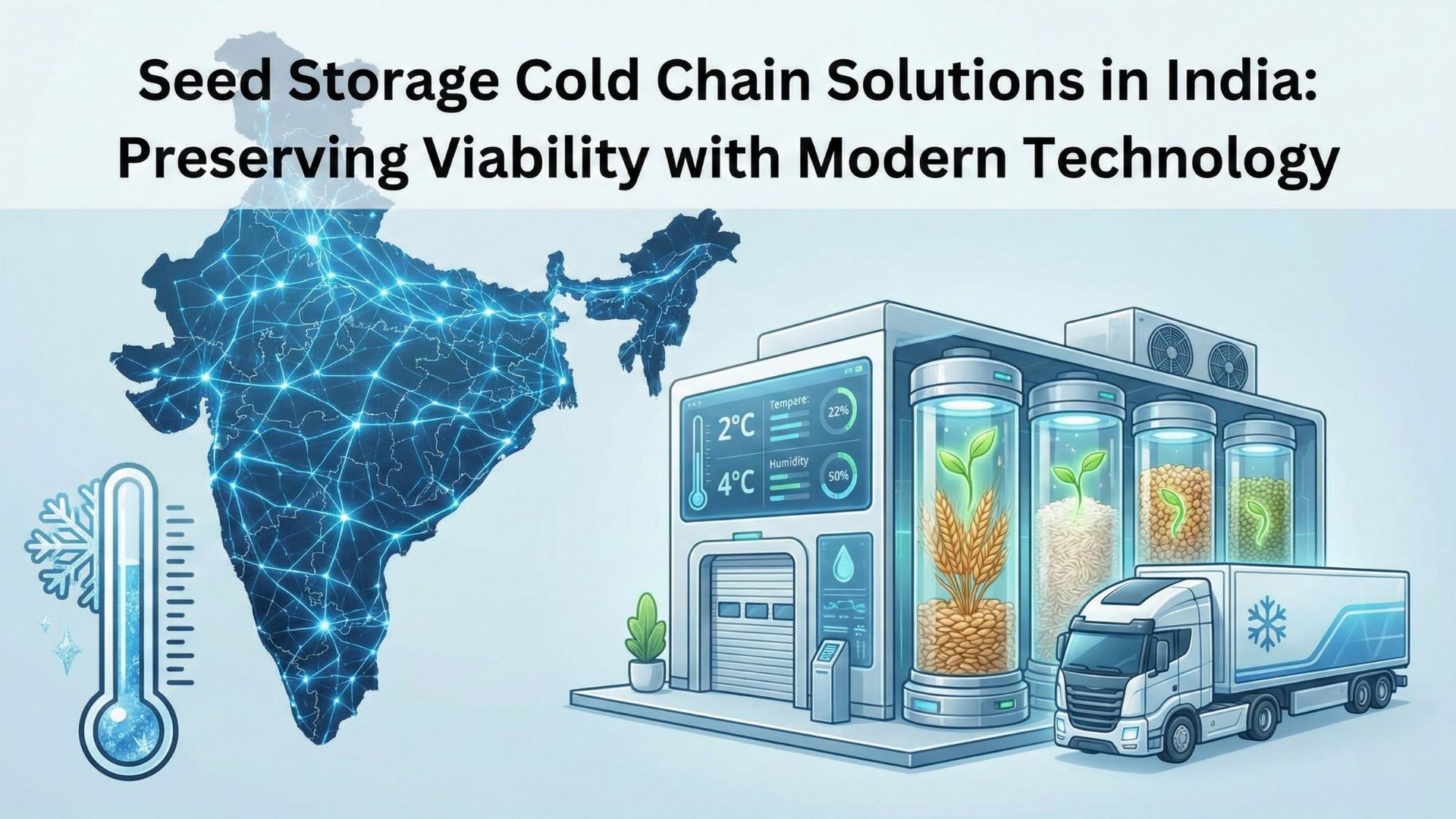
CA, MA, ULO and DCA at a glance — Indian crop applications and indicative shelf life. Source: Rinac engineering reference.
Compliance and Standards: FSSAI, HACCP and ISO for CA Operators
A CA storage facility in India is a food business under the Food Safety and Standards Act, 2006. That places real obligations on the operator beyond temperature management.
- FSSAI licence and Schedule 4 compliance: any cold or refrigerated storage business needs a Central or State FSSAI licence, and must maintain Schedule 4 hygiene, infrastructure and record-keeping practices. The FSSAI inspection checklist for storage and warehousing is published in the licensing regulations [8].
- HACCP / FSMS: the FSSAI’s Food Safety Management System guidance for fruits and vegetables walks operators through hazard analysis, critical control points, corrective actions and verification routines [9]. For CA, the CCPs typically cover gas composition, temperature, humidity, ethylene and traceability.
- ISO 22000: for operators selling into organised retail or export, ISO 22000 (food safety management) usually sits on top of FSSAI compliance.
- Energy-related standards: for facilities chasing IGBC certification or BEE energy benchmarks, evaporator design, lighting and refrigeration controls all matter.
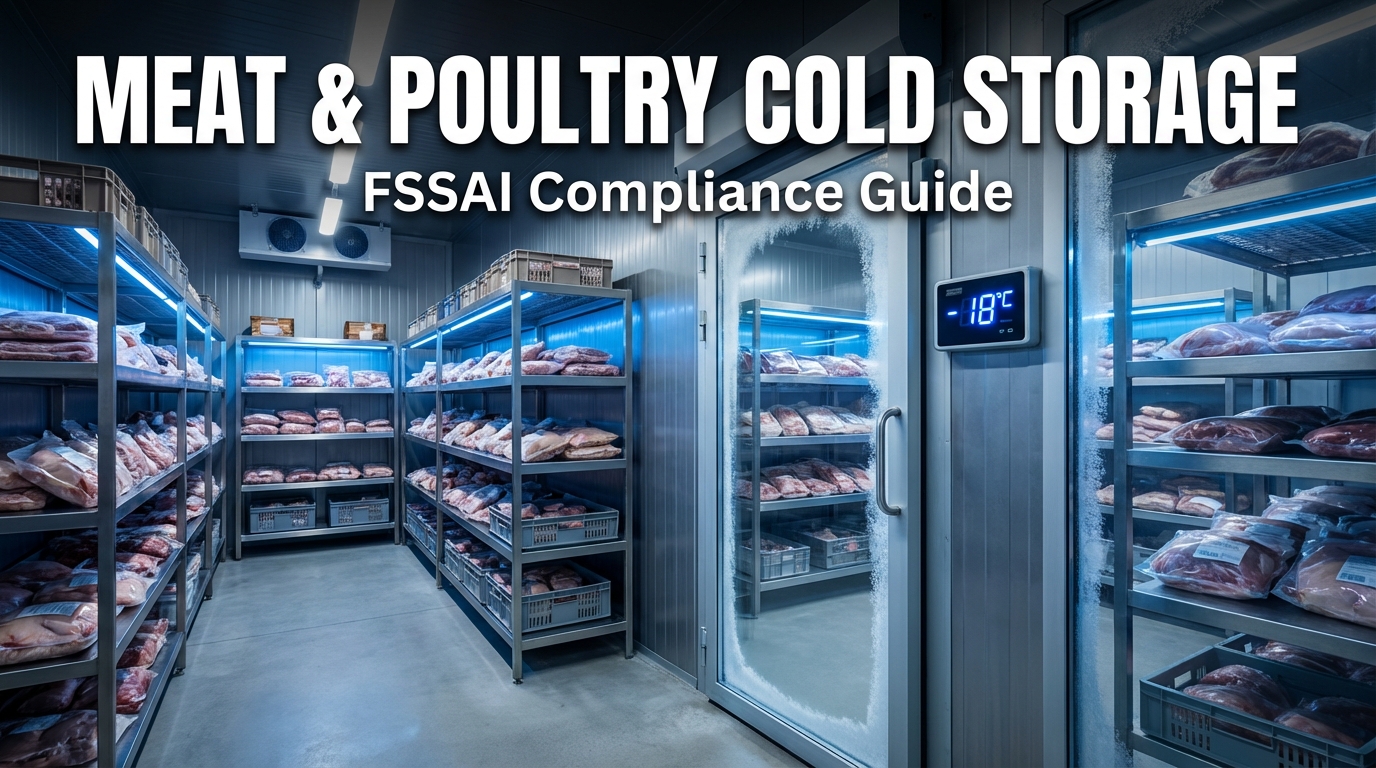
For meat, poultry and seafood operators thinking about adding CA-style controls, our FSSAI compliance guide for meat & poultry cold storage covers the wider regulatory landscape, and the seafood cold storage and blast freezing playbook covers the parallel temperature regime.
Government Subsidies: NHB, MIDH and PM Kisan SAMPADA
Three Government of India schemes touch CA storage. Most projects use one of them; some larger projects layer two.
National Horticulture Board (NHB)
NHB’s Capital Investment Subsidy Scheme covers the construction, expansion and modernisation of cold storages and CA storage. The headline rate is 35% credit-linked back-ended subsidy in general areas and 50% in North-East, hilly and scheduled areas, for cold storage projects between roughly 5,000 MT and 10,000 MT. NHB scheme guidelines also have a separate add-on technology component for adding CA capability to existing cold stores [3].
Mission for Integrated Development of Horticulture (MIDH)
MIDH is the Department of Agriculture & Farmers Welfare’s scheme for cold storage projects up to about 5,000 MT in capacity, with the same 35% / 50% structure routed through state horticulture missions. For most farmer producer companies, MIDH is the natural entry point.
PM Kisan SAMPADA Yojana (Integrated Cold Chain & Value Addition Infrastructure)
MoFPI’s flagship cold chain scheme funds integrated cold chain projects — pre-cooling, sorting, multi-temperature cold storage, controlled atmosphere storage, blast freezing and reefer transport — with financial assistance of up to Rs 10 crore per project, structured as a grant rather than a back-ended subsidy. PM Kisan SAMPADA was approved with an outlay of Rs 4,600 crore through 31 March 2026 [4].
Stacking schemes: a typical CA cold store project below 5,000 MT can apply under MIDH; a 5,000–10,000 MT project under NHB; an integrated farm-gate-to-retail cold chain project covering CA + reefer + pre-cooling under PM Kisan SAMPADA. The eligible project structure differs in each, so build the application around the scheme rather than retrofitting.
For a deeper walk-through of how the schemes interact and how to qualify, see our dedicated guide to cold chain subsidies in India.
CA Cold Storage Cost in India: Capex, Opex and ROI for a Controlled Atmosphere Chamber
CA cold storage cost in India varies widely with capacity, location, gas system choice and finishing standard. The total controlled atmosphere cold storage capex blends civil work, an insulated envelope, refrigeration, gas systems and controls. Public NHB scheme guidelines and MoFPI cold chain norms set notional unit costs that anchor the conversation, but real-world numbers are project-specific. As a rough planning frame for buyers:
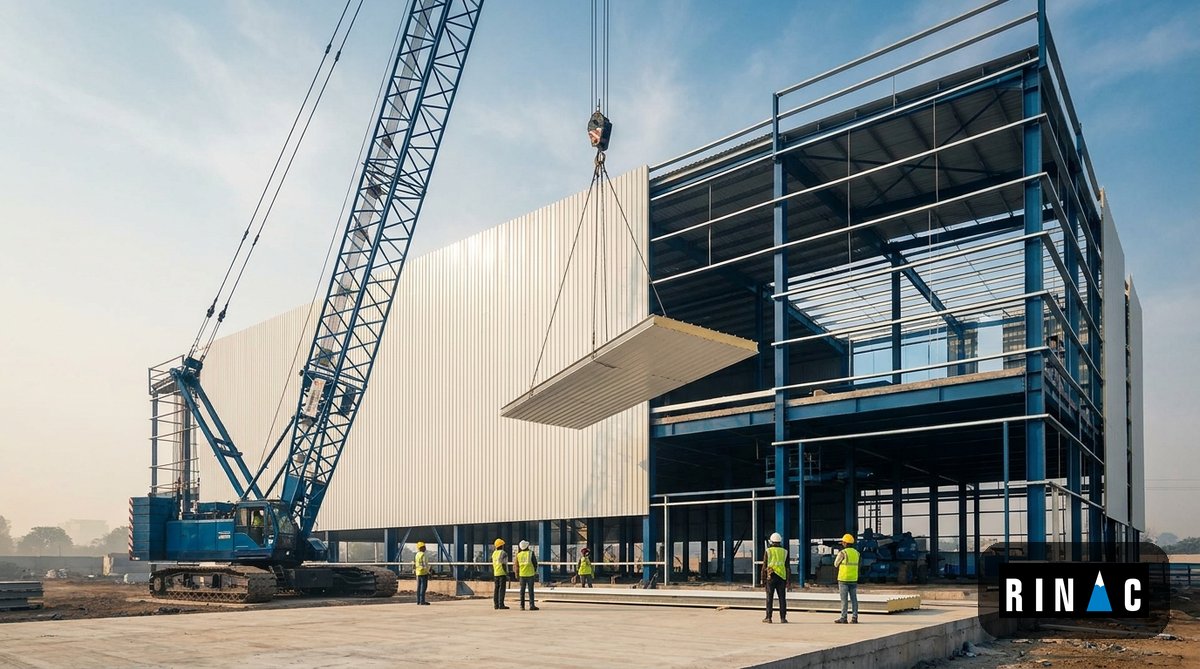
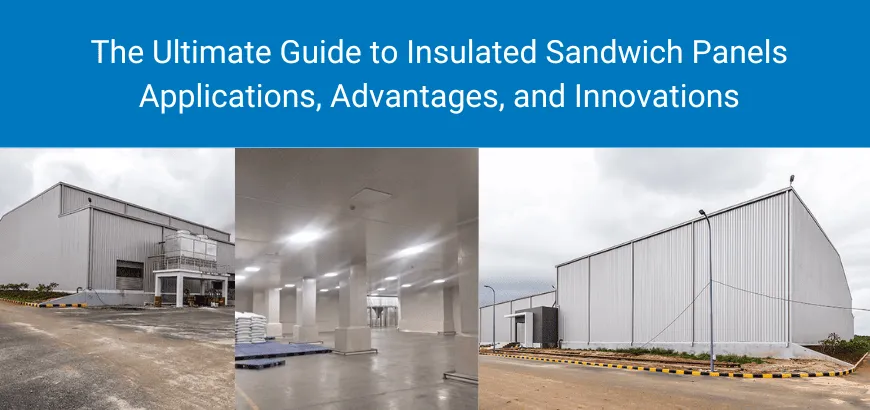
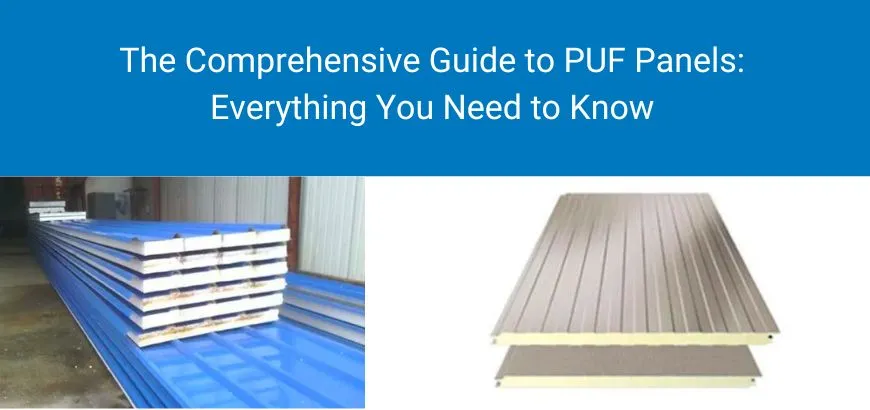
- Civil & insulated envelope: Pre-engineered insulated panel construction (PUF/PIR sandwich panels) is now the default for CA chambers because of speed of build and gas-tightness. For panel choice and current rates see our PUF panel price guide.
- Refrigeration: low-temperature-differential coils, variable-speed compressors and electronic expansion valves cost more upfront but cut energy and dehydration losses across the season.
- Gas systems: nitrogen generator, CO₂ scrubber, ethylene scrubber and analyser package. Sized to chamber volume and respiration load.
- Controls and traceability: PLC/HMI, sensors, alarms, data logging and integration with FSSAI/HACCP records.
- Operating costs: electricity is the largest opex line, followed by manpower and consumables (scrubber media, calibration gases). Energy-efficient design pays back quickly — our cold storage energy efficiency guide walks through the levers.
For a step-by-step business plan covering location, sizing, financing and pricing, the how to start a cold storage business in India guide and our 2026 cold storage cost & investment calculator are good companions to this article. The basic ROI question is always the same: does the off-season price premium (Rs/kg) multiplied by stored tonnage exceed the annualised capex plus opex? For apples in J&K, the answer is generally yes; for lower-value crops, sizing and scheme stacking matter much more.
Choosing a CA Storage Builder in India
CA is unforgiving of poor execution. A 5,000 MT chamber that leaks or overshoots its CO₂ setpoint can cost growers an entire season of stored produce. A few practical checks for buyers:
- Engineering depth: ask for refrigeration design calculations, not just a quote. Coil sizing, evaporator TD and compressor staging should be transparent.
- Gas-tightness guarantee: insist on a contractual pressure-decay test (and witness it). Standard targets are well-documented in CA literature.
- Single-source accountability: CA combines civil, insulated panels, refrigeration, gas systems and controls. A turnkey partner who owns all five interfaces avoids the integration finger-pointing that plagues split scopes.
- Service footprint: CA chambers are operated for years. After-sales response time, spares availability and remote diagnostics matter as much as the day-one specification.
- Track record on similar crops: apple CA, pomegranate CA and kinnow MA are different problems. Reference projects in the relevant crop are a leading indicator.
Rinac has spent 30+ years building cold chain and modular construction infrastructure across India, with 10,000+ projects delivered, two state-of-the-art manufacturing units in Bangalore and Murbad and 14 branch offices for after-sales service. Our portfolio spans CA and MA chambers, cold rooms, blast chillers and freezers, ripening chambers, IQF freezers, refrigerated transportation and turnkey food processing projects. Certifications include ISO, FSSAI, HACCP, GMP, IGBC and WHO-GMP.
Frequently Asked Questions
Sources & References
- Energy Transition in Cold Chain Infrastructure — National Centre for Cold-chain Development (NCCD), 2024.
- Cold Storage Facilities for Perishable Crops — Press Information Bureau, Government of India, 2024.
- Capital Investment Subsidy Scheme — Cold Storage and CA Storage — National Horticulture Board.
- Integrated Cold Chain and Value Addition Infrastructure — Ministry of Food Processing Industries (MoFPI).
- NCCD Reports 2.2% CAGR in Cold Storage Capacity — International Institute of Refrigeration, February 2026.
- Cold Chain Infrastructure in India and Its Future Potential — Invest India.
- Addressing Post-Harvest Losses in Apple Produce of India — Outlook India.
- Storage Warehouse Compliance — FSSAI Schedule 4 — foodsafetystandard.in.
- FSMS Guidance Document — Fruits & Vegetables — FSSAI.
- Effect of MAP on Pomegranate (Bhagwa) Storage Life — J Food Sci Technol, PMC.
- India Cold Chain Logistics Market Size & Share Analysis — Mordor Intelligence, 2026.
- Effect of Pre-Storage Treatments on Kinnow Mandarin — ResearchGate.
Important disclaimer: this article is provided for informational purposes only and does not substitute for professional engineering, legal or regulatory consultation. Subsidy rates, FSSAI regulations, MIDH/NHB/PM Kisan SAMPADA scheme structures and equipment costs change. All figures are sourced from public references as of the publication date and may be revised by the relevant authorities. Verify directly with FSSAI, MoFPI, NHB and your state horticulture department before acting. For project-specific design, sizing, ROI analysis and a formal proposal, request a Rinac consultation via rinac.com/contact-us.