TL;DR — Quick Summary
- A bulk milk cooler (BMC) is the workhorse of India’s dairy cold chain — it brings raw milk from 35–38°C down to 4°C within 3 hours at village-level chilling centres, the single most important step in preventing bacterial spoilage.
- India produced about 242 million tonnes of milk in 2025–26 and contributes roughly 32% of global milk supply, yet 6–15% of production is still lost to inadequate refrigeration — a USD 1.8–2.4 billion annual leakage that BMCs directly address.
- Indicative BMC prices in India range from ₹1.25 lakh for 250 L to ₹12.5 lakh for 10,000 L, with GST 18–28% extra. The National Programme for Dairy Development (NPDD) covers 50% of cost for general states and 75% for NER/Hilly/UTs.
- The full dairy cold chain extends well beyond the BMC — processing-plant cold rooms (2–4°C), butter & ice cream cold storage (−18 to −25°C), and refrigerated transport are equally critical for FSSAI compliance.
- This guide covers capacity selection, total cost of ownership, FSSAI & HACCP requirements, government subsidies, and how Rinac’s 30+ years and 10,000+ projects translate into a turnkey dairy cold chain stack.
Disclaimer: This guide is for informational purposes only and is not a substitute for professional engineering, legal, regulatory, or financial advice. Prices, subsidy percentages, capacity ceilings, and scheme guidelines change over time — verify directly with FSSAI, MoFPI, NDDB, NABARD, and your state Department of Animal Husbandry & Dairying before making any procurement or investment decision. All statistics and claims are cited from public sources as of the publication date (May 2026).
India’s Dairy Story Runs Through the Bulk Milk Cooler
India is the world’s largest milk producer and is projected to deliver around 242 million tonnes of milk in 2025–26, with the country accounting for roughly 32% of global milk supply [1]. Behind this scale sits a network of 22 milk federations, 241 district unions and 1.72 crore dairy farmers spread across 2.35 lakh villages [2]. The piece of equipment that holds this network together at the procurement edge is the bulk milk cooler.
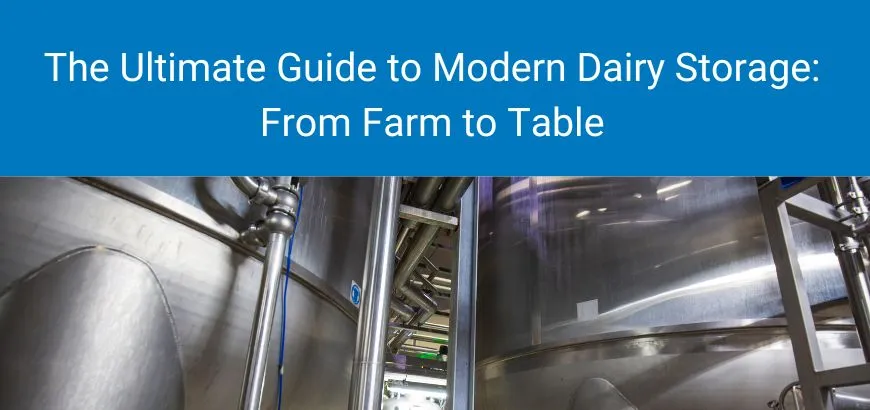
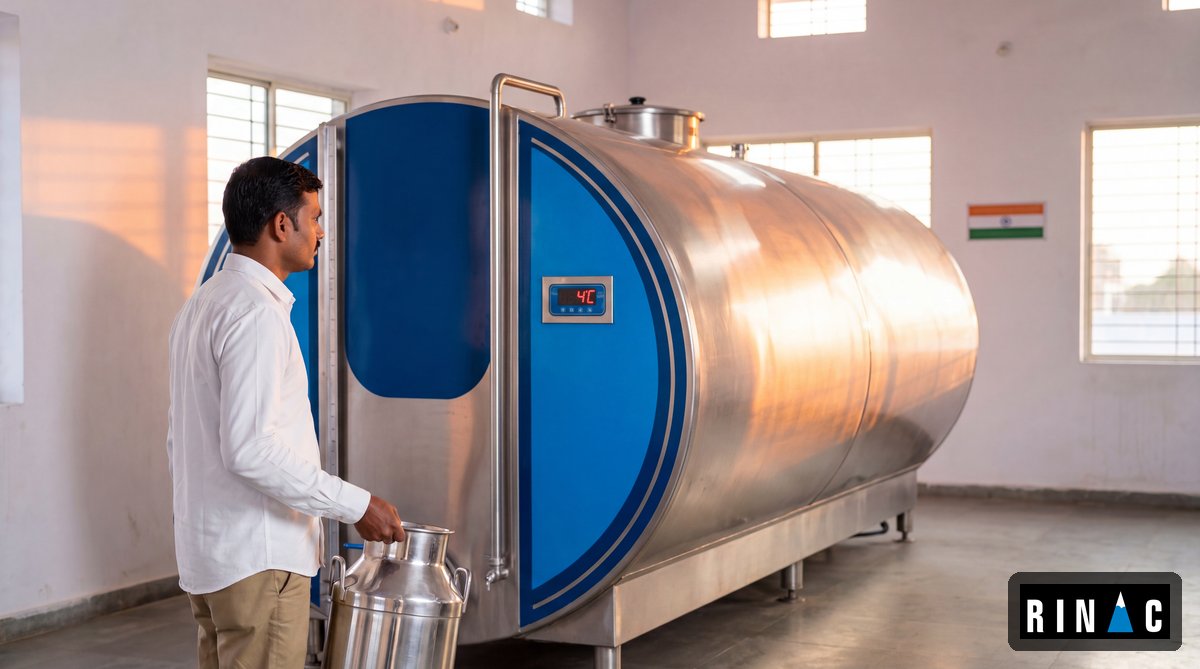
A bulk milk cooler — often abbreviated BMC — is an insulated, jacketed stainless-steel tank with an integrated direct-expansion (DX) refrigeration circuit. Its job is simple but unforgiving: take raw milk arriving at 35–38°C from the morning or evening pour, drop it to 4°C within three hours, and hold it there until the insulated tanker arrives. Miss that window and the bacterial count crosses the threshold that FSSAI accepts for processing-grade milk — the day’s collection is downgraded or rejected.
For dairy decision-makers evaluating cold chain investments, the BMC is the entry point to a much larger conversation about cold storage for milk in India, downstream processing-plant refrigeration, frozen dairy logistics, and FSSAI compliance. This guide walks through all of it — with India-specific cost, subsidy, and standards data.
What Is a Bulk Milk Cooler and Why It Matters
A modern bulk milk cooler is built around four engineered subsystems — the inner SS304 stainless-steel milk-contact tank, an SS304 outer shell, a polyurethane (PUF) insulation layer that limits heat ingress, and a hermetically sealed DX refrigeration loop with an integrated agitator. The agitator is critical: it prevents fat separation while ensuring uniform cooling across the entire batch.
BMCs serve three structural roles in the dairy supply chain:
- Village-level chilling centres operated by primary dairy cooperative societies (DCS), Farmer Producer Organisations (FPOs), and self-help groups (SHGs)
- Bulk milk chilling units (BMCUs) at taluka or block level — larger tanks aggregating multiple villages
- Reception-dock chillers at the dairy processing plant gate — effectively a milk chilling plant in miniature, used to hold milk before pasteurisation
The functional impact is hard to overstate. According to the National Centre for Cold-chain Development (NCCD) and ICAR, 6–15% of India’s milk production is lost to spoilage and inadequate refrigeration, a leakage valued at USD 1.8–2.4 billion every year [3]. Every BMC installed at the village level cuts that leakage at its origin.
242 MT
India’s projected milk production for 2025–26 — the world’s largest output
India’s projected milk production for 2025–26 — the world’s largest output
How a Bulk Milk Cooler Works: The Engineering Behind 4°C in 3 Hours
The performance metric that defines a BMC is pull-down time — the duration required to cool incoming warm milk to 4°C. Indian Standard IS 11942 specifies a maximum of 3 hours for the first batch. Most BMCs are rated for two daily pours (morning and evening), so the refrigeration system must handle the second “hot milk on top of cold milk” load without spiking the temperature beyond 6°C.
Inside the unit, refrigerant (R134a, R404A, or in newer Rinac configurations R290 hydrocarbon for lower GWP) absorbs heat through the dimpled jacket bonded to the inner tank wall. A scraped-surface or sweep agitator runs continuously through cooling and intermittently during storage to maintain milk homogeneity. A temperature controller logs reading every 60 seconds and a quality-control panel records the entry temperature, time-to-target, and any door-opening event — data the dairy union uses for farmer payment audits.
Two cooling architectures dominate the Indian market: direct expansion (DX) systems, where the refrigerant directly cools the milk-jacket, and ice-bank systems, where the compressor builds an ice reservoir overnight on cheap-power tariffs and uses chilled glycol to drop the milk temperature during the morning pour. Ice-bank units suit locations with unreliable grid power or steep peak-hour tariffs. For sites in this category, our ice-bank tank solutions are engineered to integrate directly with BMC installations.
Bulk Milk Cooler Capacities: Picking the Right Size for Your Operation
BMC capacity selection is a function of daily milk pour volume, number of farmers, collection frequency, and pickup truck rotation. The standard rule of thumb in Indian dairy cooperatives: size the BMC to at least 1.5x the single-pour volume so the morning and evening collections both fit before the tanker arrives.
| BMC Capacity | Typical Use Case | Farmer Base Served | Indicative Price (INR, before GST) |
|---|---|---|---|
| 200–250 L | Small SHG / village pilot centre | 25–60 farmers | ₹1.0–1.5 lakh |
| 500 L | Standard village DCS | 60–120 farmers | ₹2.0–2.4 lakh |
| 1,000 L | Active village DCS with growing pour | 100–200 farmers | ₹2.4–3.0 lakh |
| 2,000 L | Sub-district aggregation point | 200–400 farmers | ₹3.5–4.5 lakh |
| 3,000 L | Block-level BMCU | 400–600 farmers | ₹4.3–5.5 lakh |
| 5,000 L | Taluka chilling centre | 600–1,200 farmers | ₹6.5–8.0 lakh |
| 10,000–11,000 L | Large BMCU / processing plant dock | 1,500+ farmers | ₹12–14 lakh |
Sources: indicative prices compiled from public manufacturer listings on IndiaMART and Chadha Sales (2025–26) [4] [5]. GST of 18% on most BMCs and 28% on certain configurations is extra. Verify with a formal quotation against your site requirements.
Capacity sizing rule of thumb: If your village expects a 600 L morning pour growing 15% year-on-year, choose a 1,000 L BMC — not a 500 L. The capex difference is <25% but you buy 5–7 years of headroom and avoid an expensive mid-cycle replacement.
Indian Market Context: Subsidies, Schemes & Cooperative Structures
The Government of India funds bulk milk cooler deployment through three overlapping channels. Understanding which scheme applies to your project — and stacking them where allowed — can transform BMC economics from marginal to compelling.
1. National Programme for Dairy Development (NPDD)
NPDD is the central scheme that explicitly funds bulk milk cooler installation. Under its milk chilling component, central assistance covers 75% of project cost for Milk Unions and Federations in NER, Hilly Areas and Union Territories, and 50% for projects in other states [6]. Eligible agencies include registered Dairy Cooperatives, Multi-State Dairy Cooperatives, Milk Producer Companies, SHGs and FPOs [7]. NPDD also covers automated milk collection units (AMCUs), milk testing equipment, and basic chilling infrastructure alongside the BMC.
2. Rashtriya Gokul Mission (RGM)
RGM, refreshed in March 2025 with an additional ₹1,000 crore allocation taking the total outlay to ₹3,400 crore for the 15th Finance Commission cycle, supports the broader bovine productivity ecosystem in which BMCs sit downstream [8]. While RGM does not directly fund BMCs, its breed-improvement and herd-management programmes drive the pour volumes that justify BMC capex.
3. PM Kisan SAMPADA & the MoFPI Cold Chain Scheme
For larger integrated dairy projects — combining milk chilling, processing, value-added products and refrigerated transport — the Ministry of Food Processing Industries (MoFPI) Cold Chain, Value Addition and Preservation Infrastructure Scheme under PM Kisan SAMPADA Yojana offers 35% grant-in-aid in general areas and 50% in difficult areas, FPOs, SHGs and SC/ST projects, subject to a ceiling of ₹10 crore per project [9]. PM-KSY has been continued with an allocation of ₹4,600 crore till 31.03.2026. To date, MoFPI has approved 372 cold-chain projects creating 38.82 LMT of preservation capacity, benefiting 35.53 lakh farmers.
For a step-by-step walk-through of how to actually access these grants, see our dedicated post on cold chain subsidies 2026: 35–50% government grants in India.
4. NABARD & State-Level Support
NABARD’s Dairy Entrepreneurship Development Scheme (DEDS) provides interest subvention and refinance for individual entrepreneurs and SHGs setting up small-to-medium dairy units. Several states — Maharashtra, Karnataka, Gujarat, Punjab, Andhra Pradesh, Tamil Nadu — layer additional subsidies on top through their state Departments of Animal Husbandry & Dairying. Stacking rules vary; consult the relevant state department before financial closure.
The Amul signal: Gujarat Cooperative Milk Marketing Federation (GCMMF, Amul) announced a ₹10,000 crore (~USD 1.2 billion) capex programme in 2025 covering dairy plant expansion, solar-powered cold chain, and refrigerated transport. The federation targets ₹1 lakh crore turnover by FY27 and is rolling out solar milk chillers that drop incoming milk from 35°C to 4°C off-grid — a strong validation signal for distributed BMC investment [10].
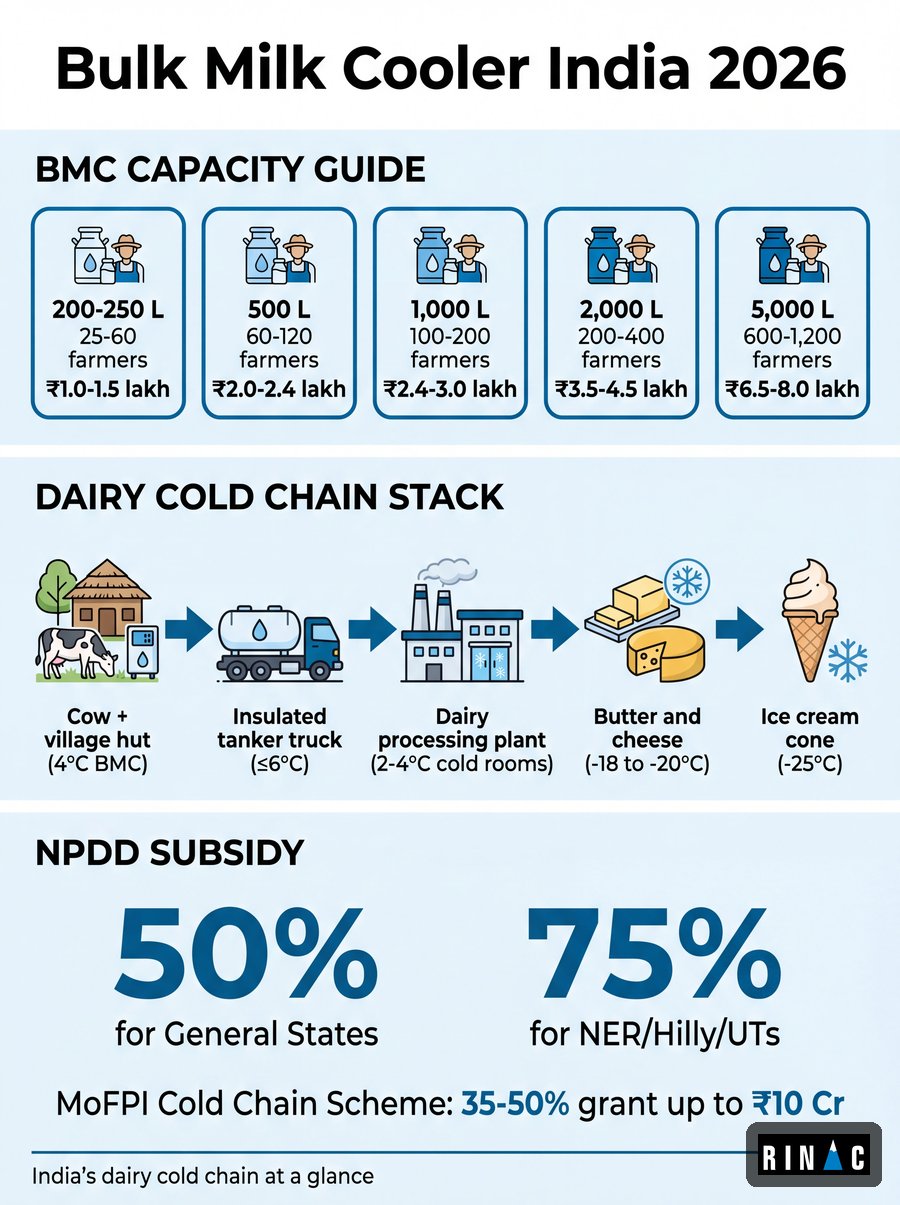
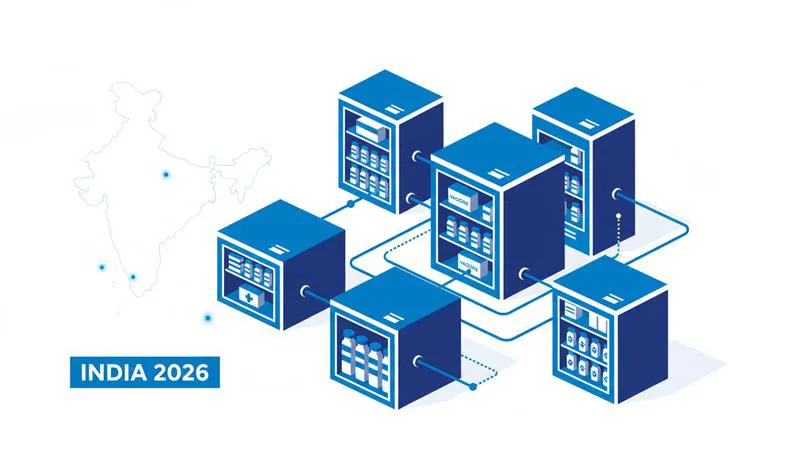
India bulk milk cooler buyer’s reference: capacity, indicative cost, NPDD/PM-KSY subsidy and the dairy cold chain stack.
The Full Dairy Cold Chain: Beyond the Bulk Milk Cooler
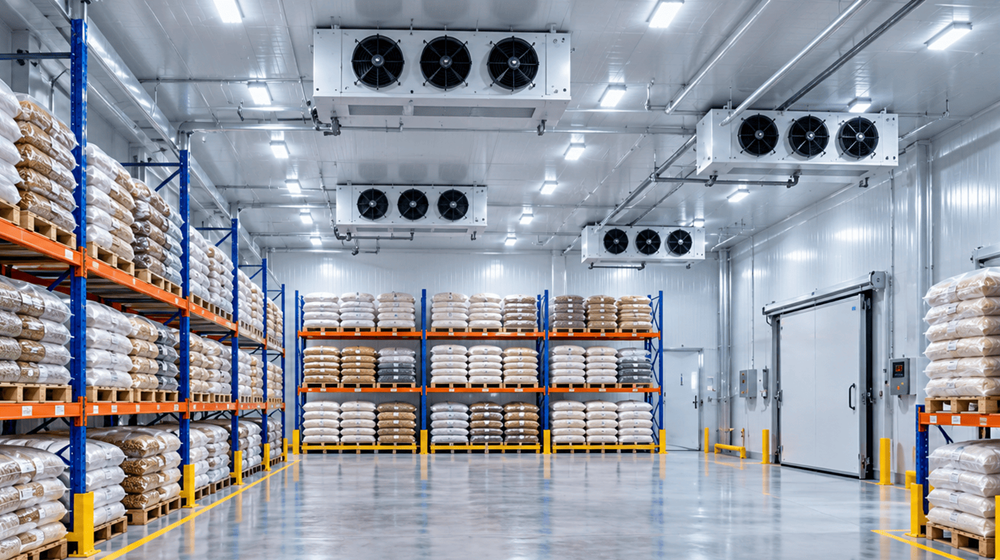
A BMC at the village solves the first 6 hours of milk’s journey. The rest — tanker transport, processing-plant reception, pasteurisation, packing, finished-product cold rooms, frozen dairy storage, and last-mile retail — demands a fully engineered dairy cold chain built around a central milk chilling plant and supporting milk cold storage architecture. Here’s how the temperature stack looks across the chain.
| Cold Chain Stage | Equipment | Target Temperature | Why It Matters |
|---|---|---|---|
| Village collection | Bulk milk cooler (DX / ice-bank) | 4°C within 3 hrs | Suppresses bacterial growth at source |
| Aggregation | BMCU tanks (3,000–10,000 L) | 2–4°C | Holds collection until processing dispatch |
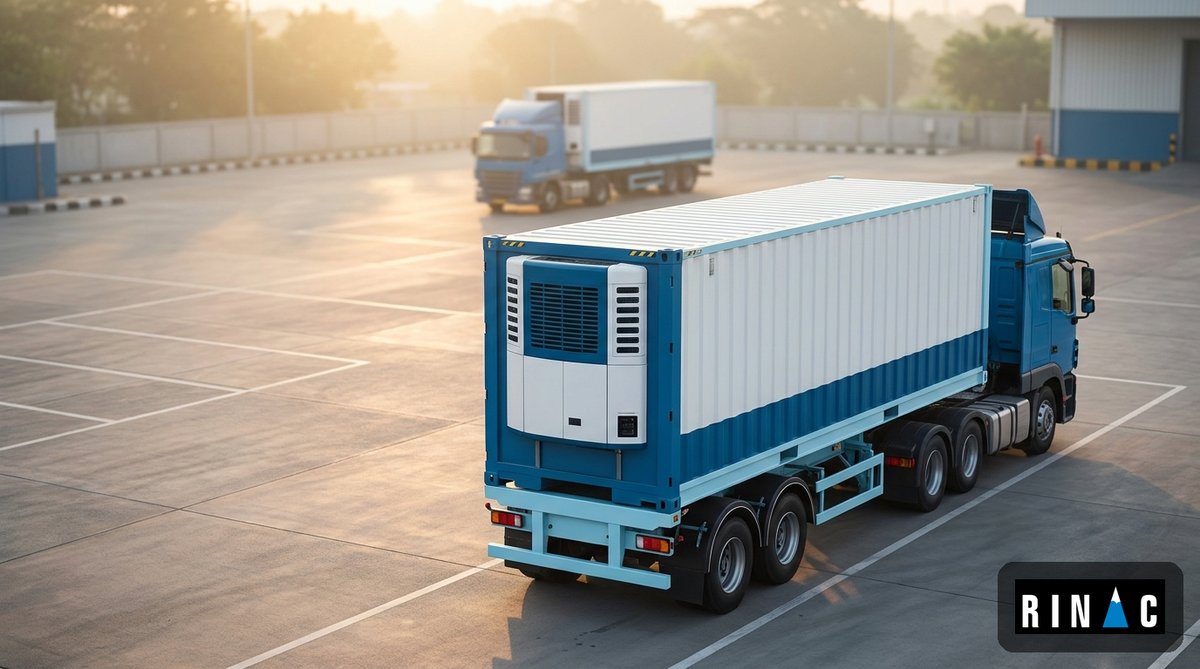
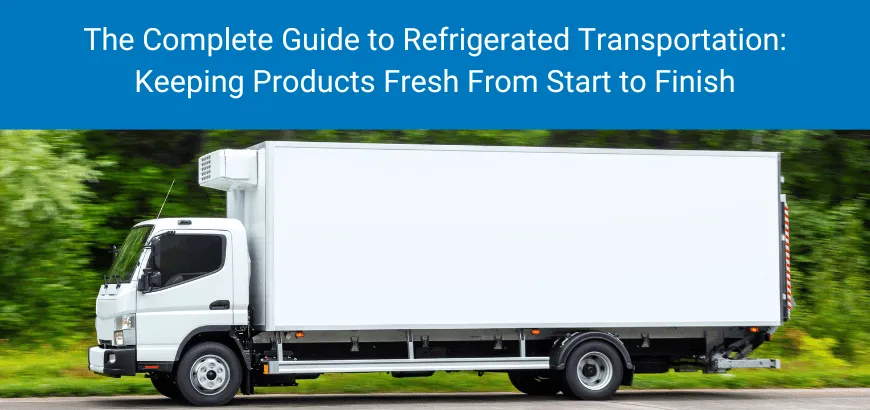
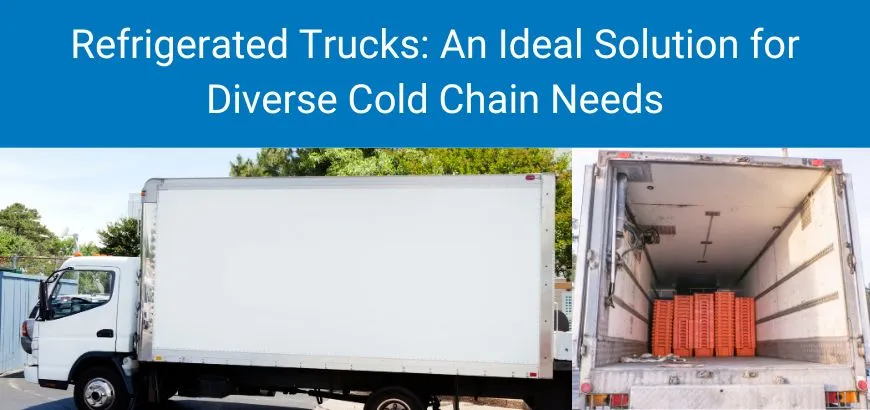
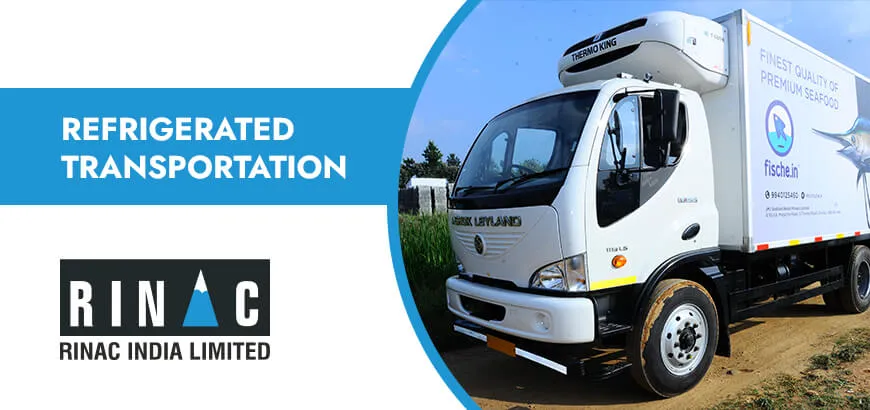
| Transport | Insulated milk tanker / reefer truck | ≤ 6°C | FSSAI handling-grade compliance |
| Plant reception | Reception silo + plate cooler | 4°C | Pre-processing hold |
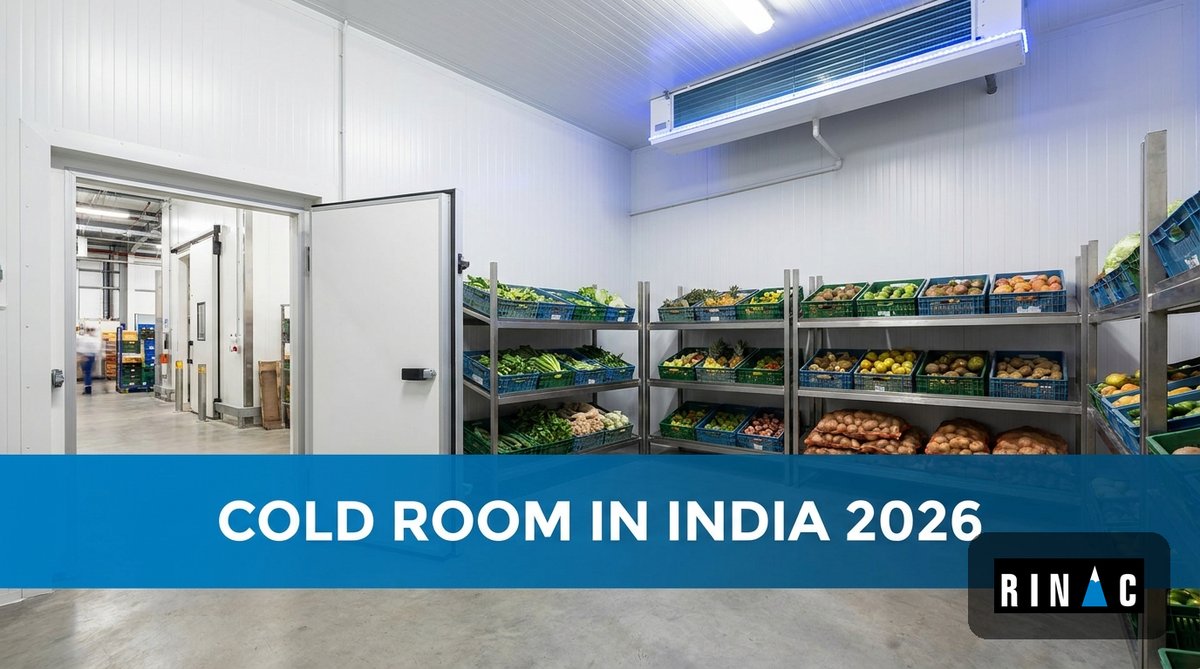
| Pasteurised storage | Walk-in chiller / cold room | 2–4°C | Pasteurised milk ≤ 8°C at retail (IS 13688:1999) |
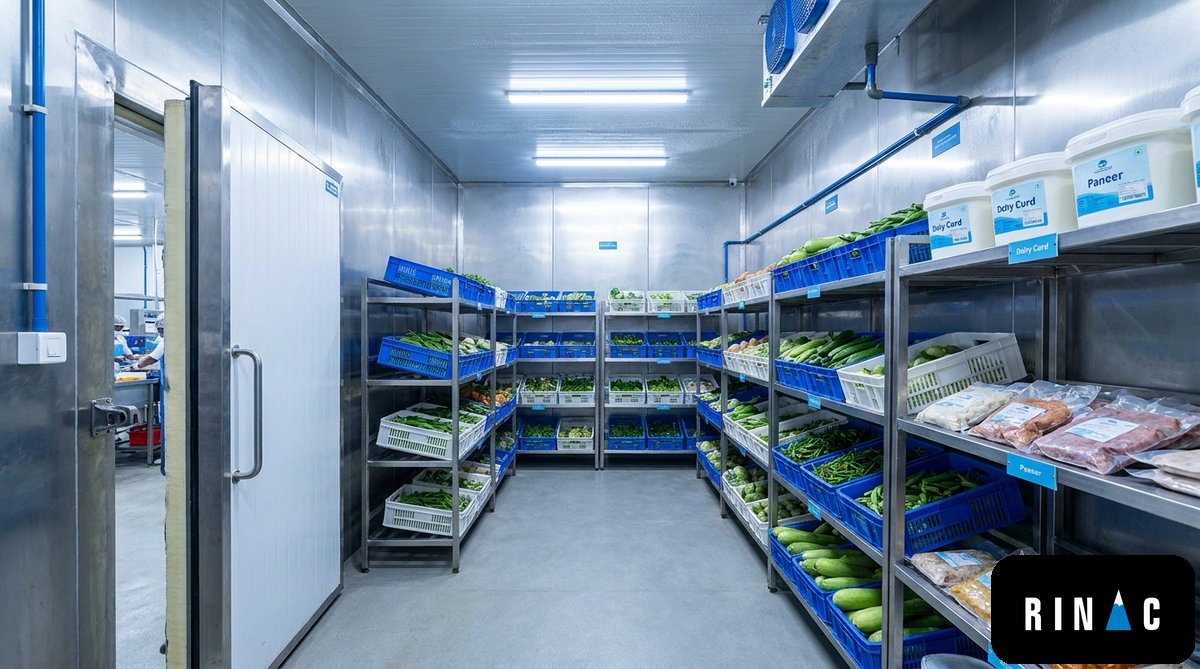
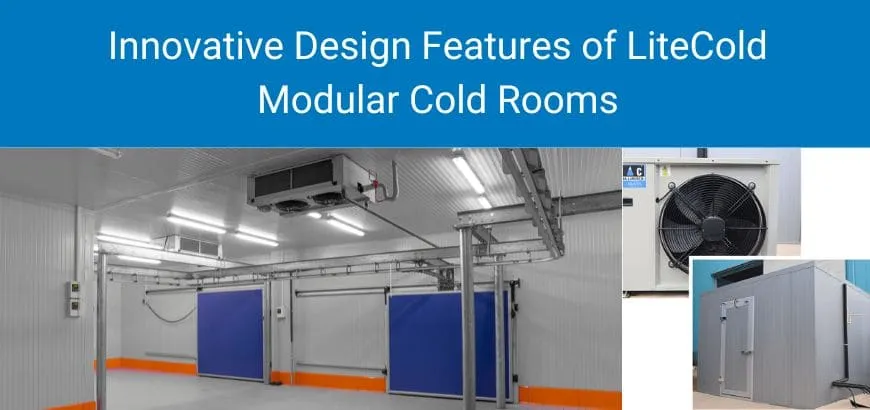
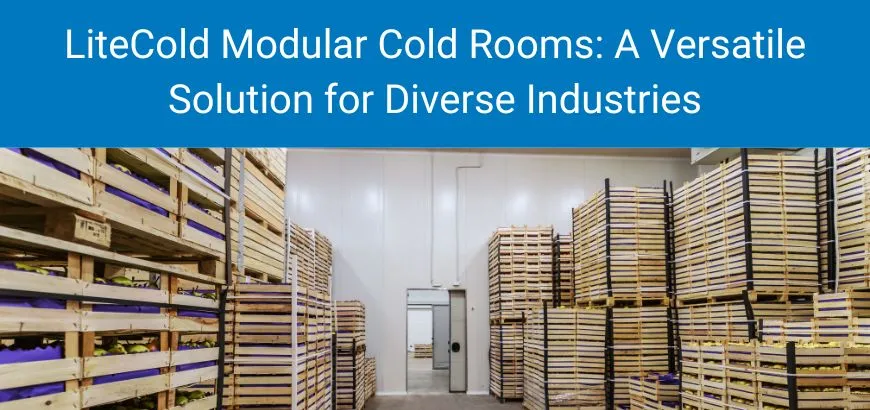
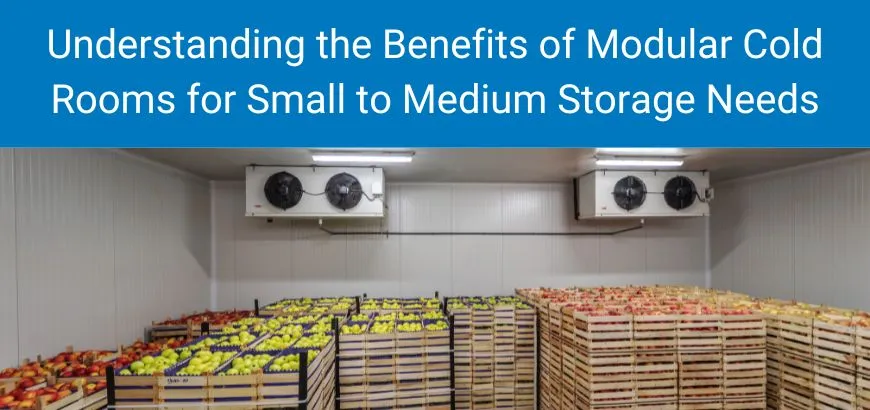
| Cheese / paneer / curd | Modular cold rooms with RH control | 2–6°C, 75–85% RH | Texture & shelf-life retention |
| Butter, ghee, frozen dairy | Low-temp cold storage | −18 to −20°C | Long-term butter / frozen dairy stability |
| Ice cream | Hardening tunnel + freezer storage | −25 to −30°C | Hardness, scoopability, indefinite preservation |
Temperature targets compiled from FSSAI guidance, IS 13688:1999, and International Dairy Foods Association (IDFA) ice cream handling standards [11] [12].
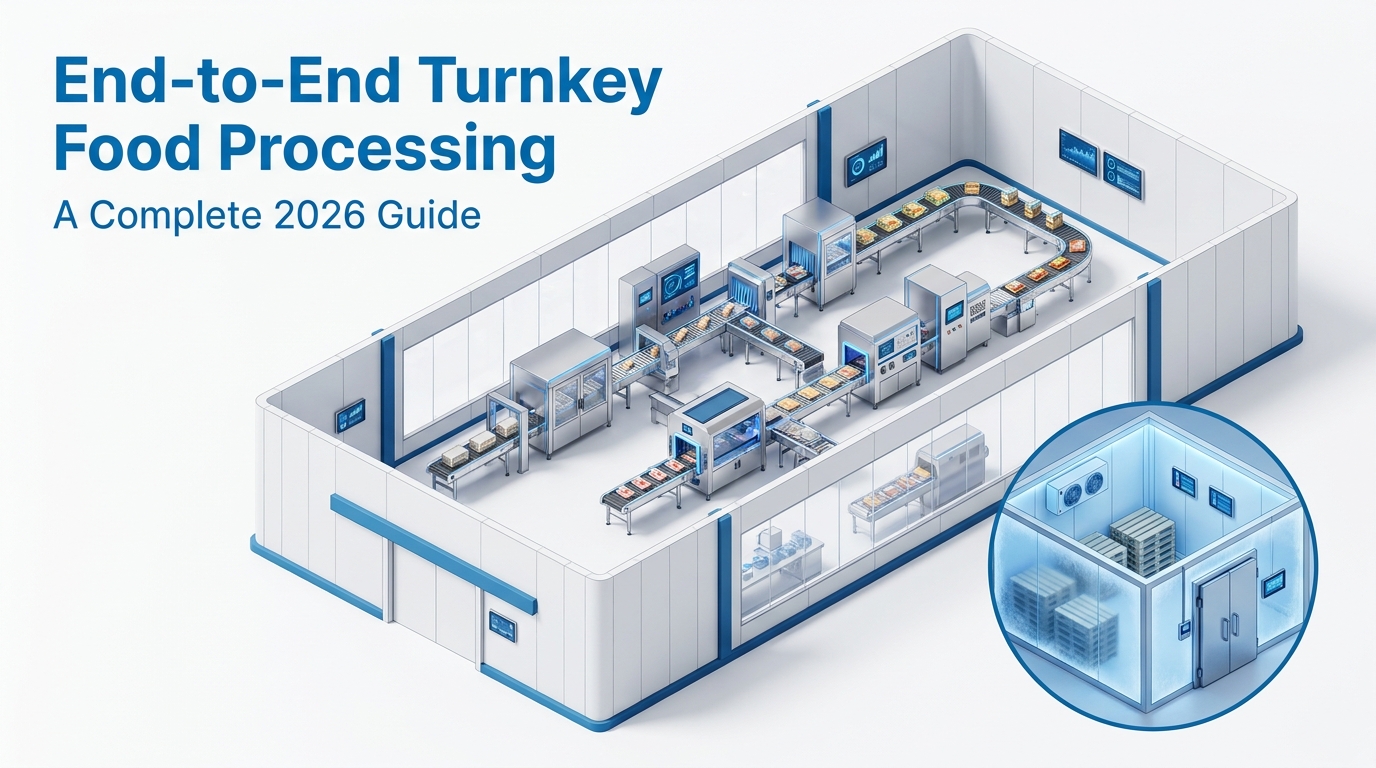
Rinac engineers the full stack — from village BMC integration to processing-plant modular cold rooms, butter and ice cream blast freezers, and refrigerated transportation — under a single turnkey project umbrella. For dairy operators planning a greenfield plant, our end-to-end turnkey food processing practice handles design, manufacturing, civil works, refrigeration, and commissioning under one accountable contract.
Compliance & Standards: FSSAI, HACCP, IS & WHO-GMP
Every link in the dairy cold chain operates inside a tight regulatory envelope. The four standards that matter most for any Indian dairy operator:
- FSSAI (Food Safety and Standards Authority of India): Pasteurised milk must be stored at the manufacturing unit and retail points such that milk temperature does not exceed 8°C, as recommended in IS 13688:1999 [11]. The FSSAI Food Safety and Standards (Food Products Standards and Food Additives) Regulations, 2011 govern microbiological limits, additives, and product standards across milk and milk products.
- HACCP (Hazard Analysis and Critical Control Points): FSSAI requires HACCP implementation for large-scale dairy units. The BMC pull-down (4°C in 3 hrs) is a textbook critical control point — documented, monitored, and auditable.
- IS 11942: The Indian Standard for bulk milk coolers specifying construction, performance, and pull-down requirements. Insist on IS-compliant equipment for any NPDD or PM-KSY funded procurement.
- ISO 22000 / WHO-GMP: For dairy plants exporting or supplying to pharma-grade lactose / casein customers, ISO 22000 (food safety management) and WHO-GMP (where relevant for lactose-derived APIs) layer on top of FSSAI.
Rinac’s dairy cold chain installations are designed and delivered to ISO, FSSAI, HACCP, GMP, IGBC and WHO-GMP reference standards across our manufacturing facilities in Bangalore and Murbad — the certifications dairy customers expect when auditing a vendor for a multi-crore project.
Total Cost of Ownership: What Actually Drives BMC Economics
The headline price of a BMC is roughly 40–55% of its 10-year cost of ownership. The rest sits in four buckets that operators routinely under-budget:
- Energy (35–45% of TCO): A 500 L DX BMC running two pours per day consumes ~12–15 kWh / day. At ₹7–9 / kWh commercial tariff, that’s ₹30,000–40,000 / year. Ice-bank units cut peak draw but increase total consumption by ~10%. Solar-PV integration — the route Amul has scaled to in 2025 — can offset 60–80% of grid load [13]. Our broader cold storage energy efficiency guide covers the levers in depth.
- Maintenance & refrigerant top-up (8–12%): Annual AMC contracts run ₹15,000–35,000 / year depending on capacity. Plate-cooler de-scaling, agitator seal replacement and refrigerant top-up every 18–24 months are unavoidable.
- Power backup (8–15%): Genset capex (3–7.5 kVA depending on BMC size) and diesel consumption during outages. Mandatory for rural sites with > 4 hour daily power gaps.
- Compliance & quality (3–5%): Periodic IS recalibration, FSSAI audit fees, milk sample lab tests.
For a fuller cost picture across the complete cold storage stack, see our complete guide to cold storage costs in India.
Frozen Dairy: When BMCs Aren’t Enough
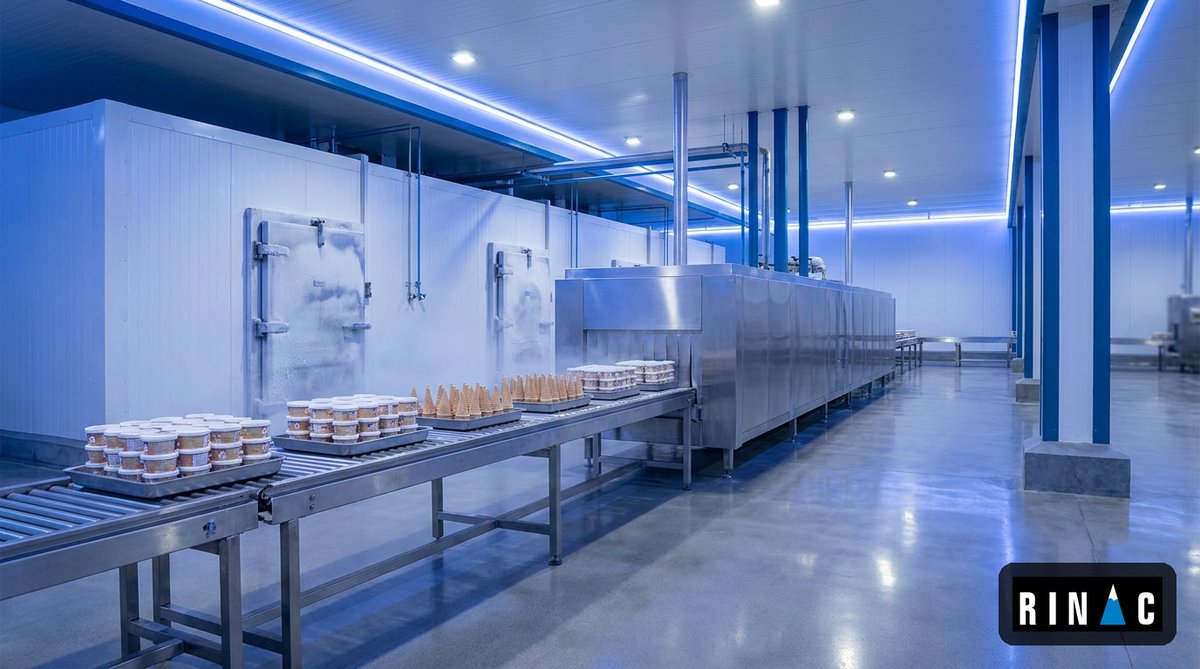
Frozen dairy products — butter, ghee, kulfi, ice cream — require dedicated cold storage for ice cream and other sub-zero infrastructure beyond what any BMC can deliver. Dairy refrigeration at this stage shifts from chilled positive-temperature design to negative-temperature freezer architecture. According to international dairy handling references, hard ice cream is best stored at −18 to −20°C with 85–90% relative humidity, and butter sits in the same window for long-term preservation [12]. For dairy operators stepping into frozen value-add categories, the cold chain investment moves from chilled (2–6°C) to frozen architecture.
The components that come into play at this stage:
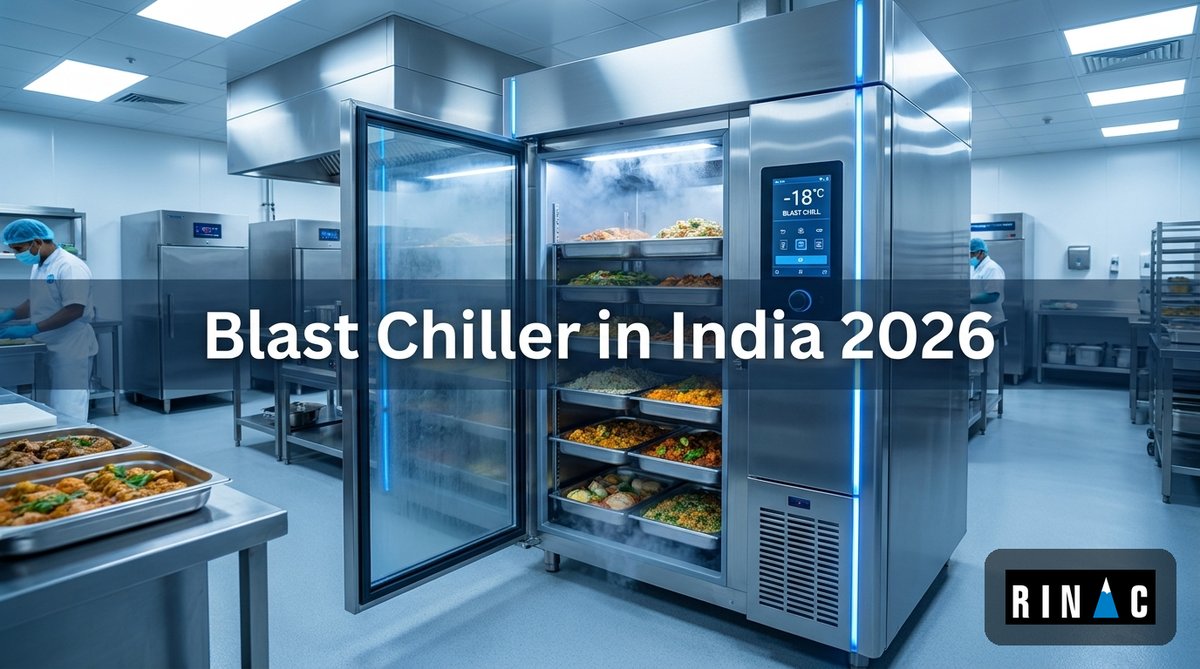
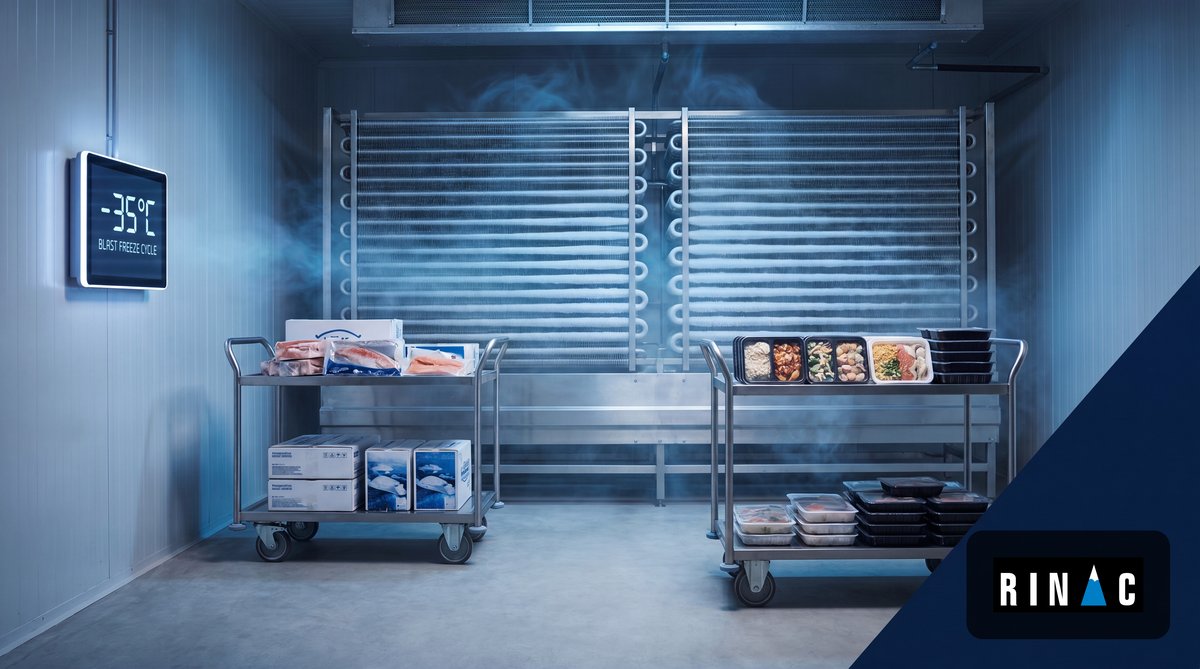
- Blast freezers & hardening tunnels for ice cream and frozen dessert lines — rapidly dropping product core temperature from −5°C to −25°C in 30–90 minutes
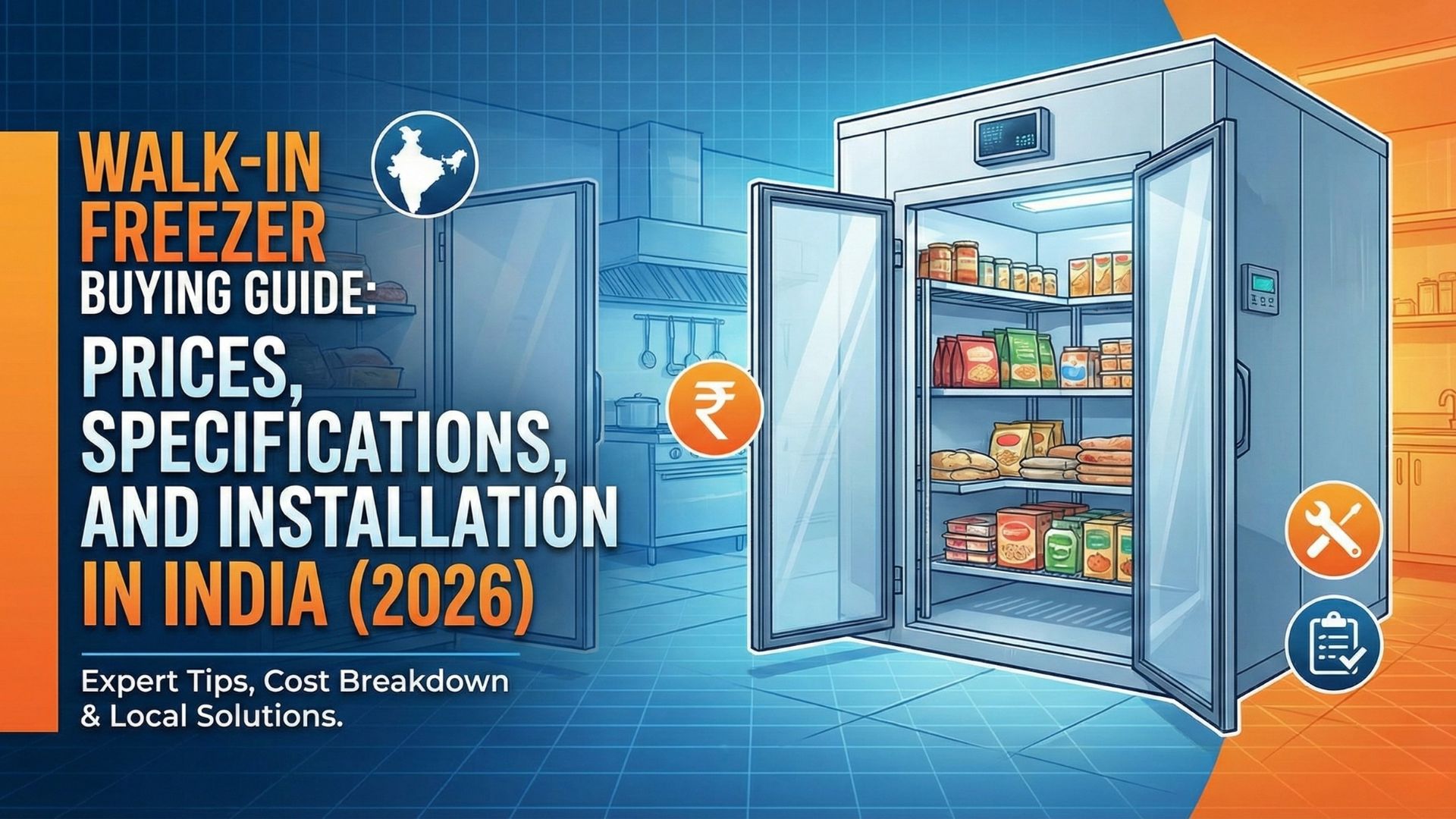
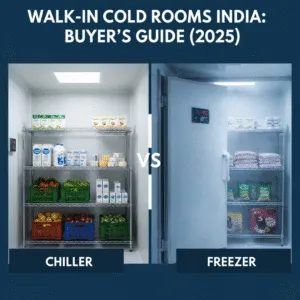
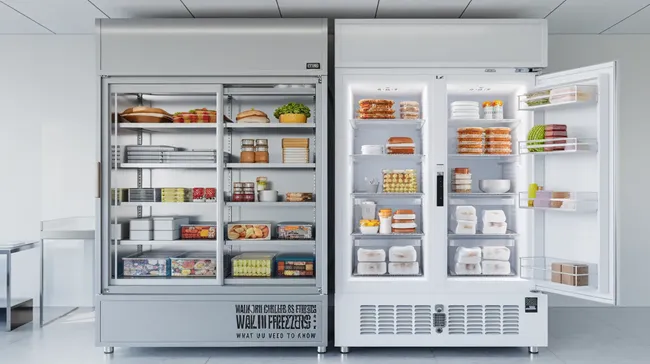
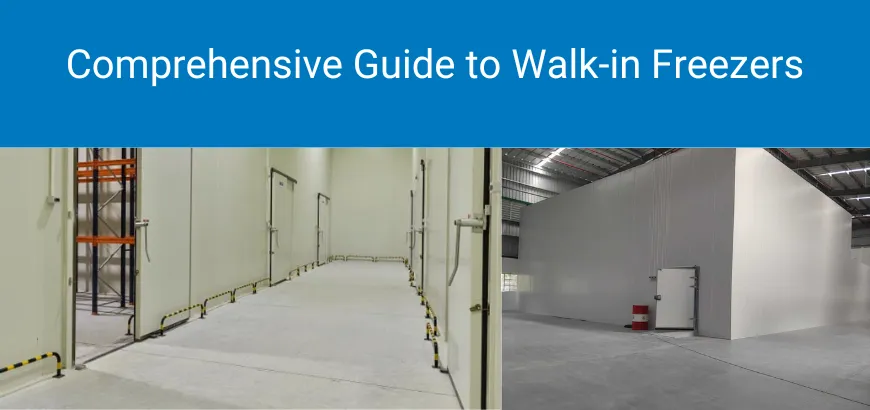
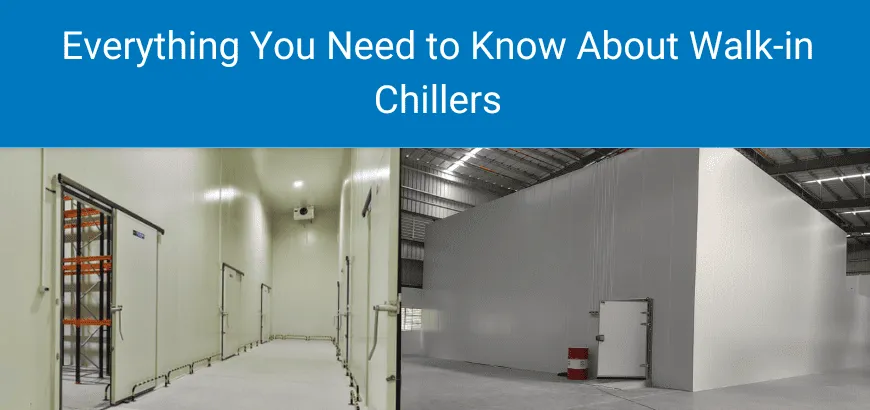
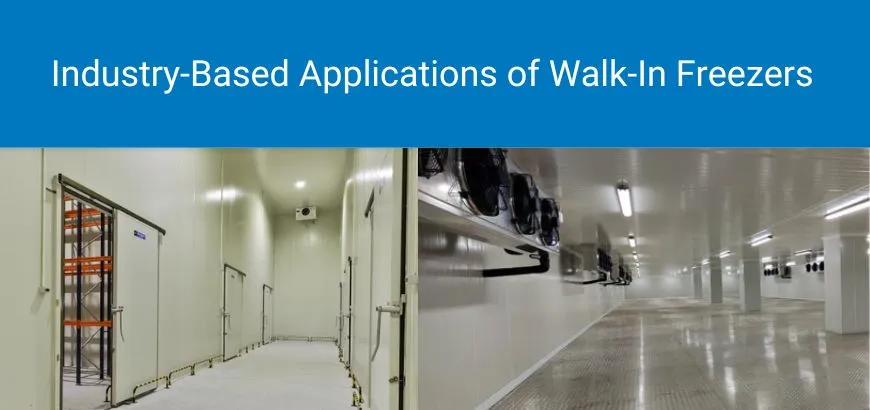
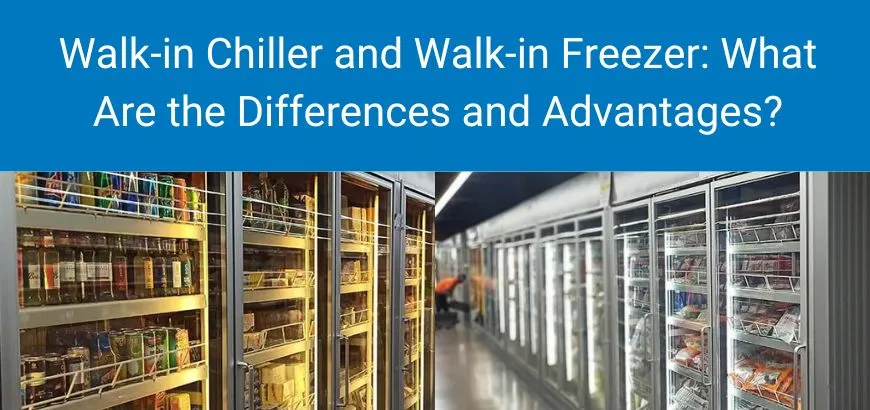
- Walk-in freezers for finished-product storage at −18 to −25°C — see our walk-in freezer buying guide for India-specific specifications and pricing, and our walk-in chillers vs walk-in freezers comparison for the chilled-vs-frozen decision
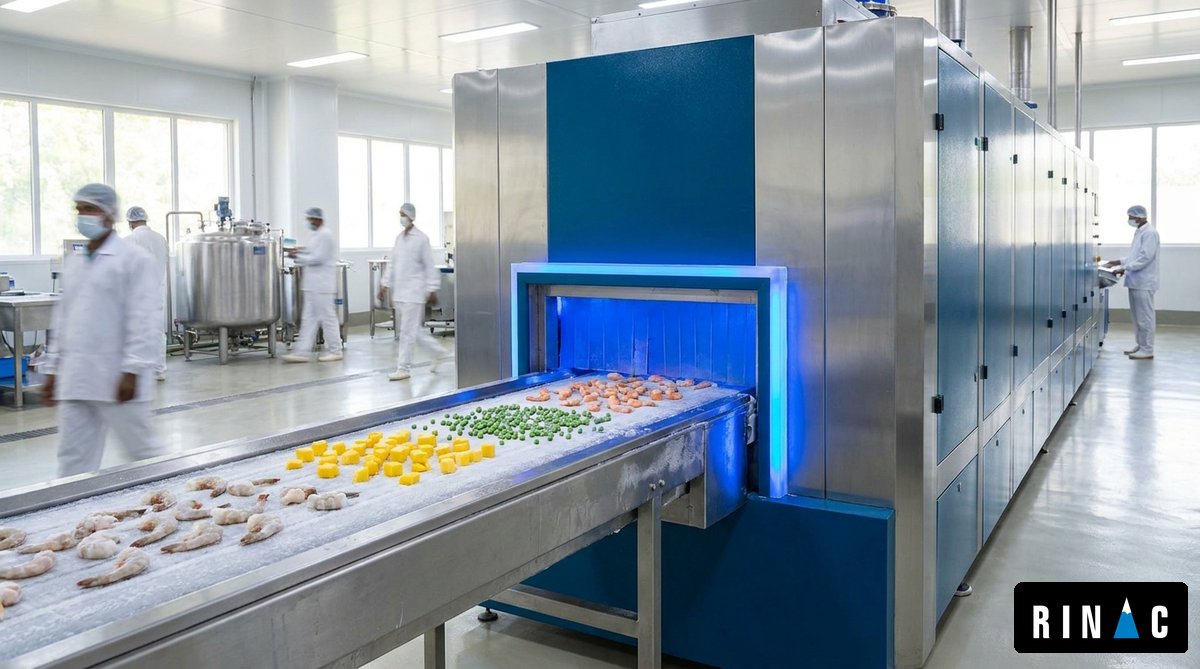
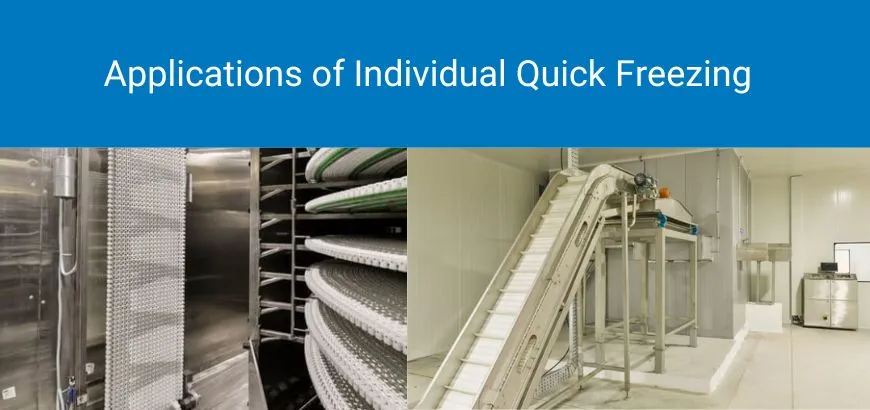
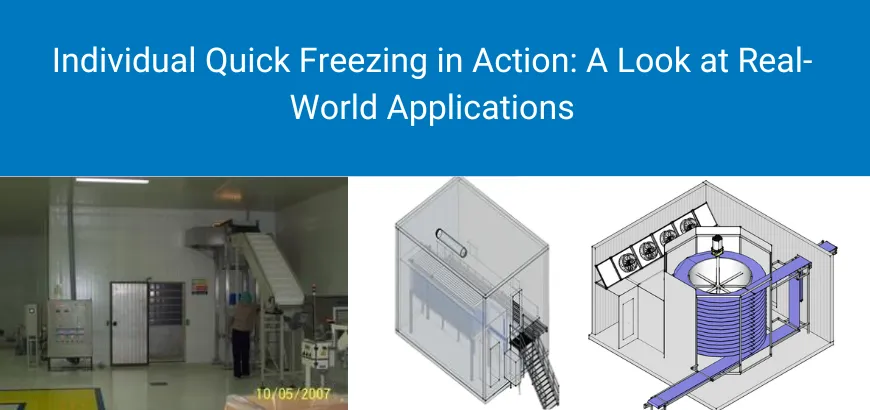
- IQF lines for individually-frozen ingredient applications — our individual quick freezing (IQF) complete guide walks through the technology
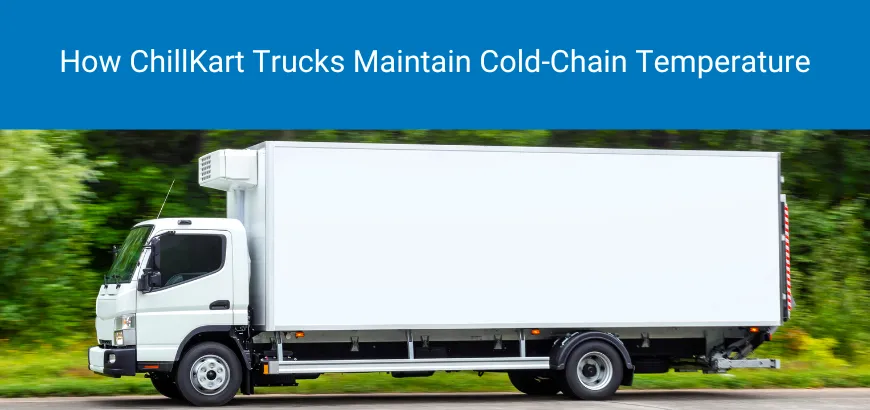
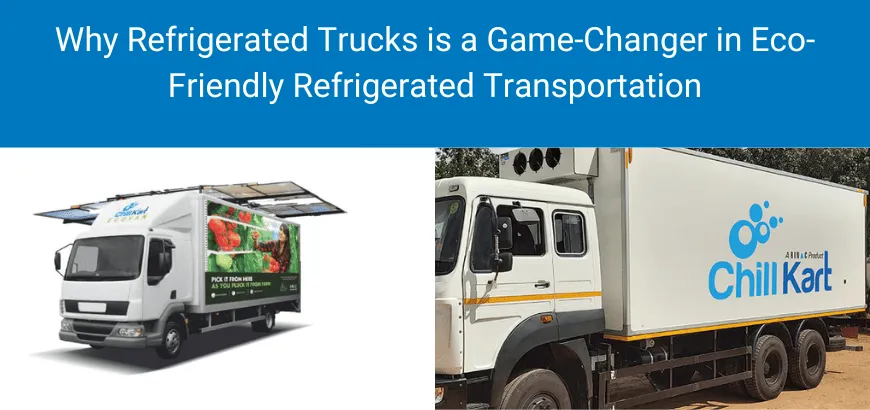
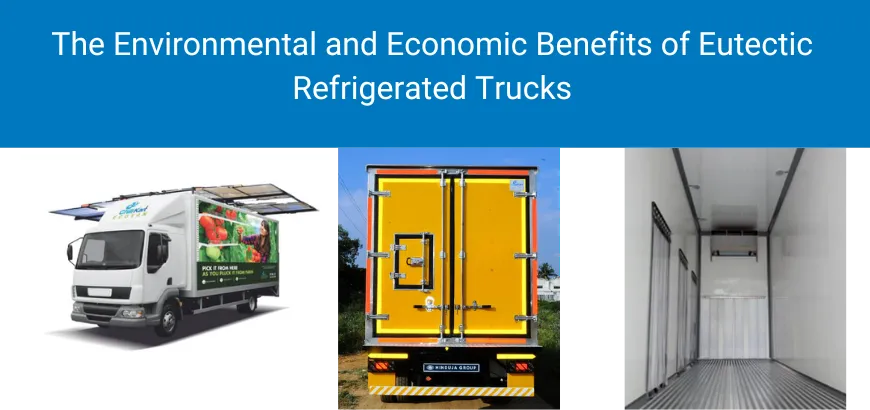
- Refrigerated transport with continuous −18°C maintenance and IoT temperature logging — the Amul fleet upgrade in 2025 set this as the new industry baseline
Rinac is a Solution Architect and Builder of the full dairy cold chain. Across 30+ years and 10,000+ projects in 23 countries, our engineering teams have delivered village BMCs, processing-plant cold rooms, ice cream blast freezers and refrigerated logistics for some of India’s most recognised food and beverage operators — including ITC, Britannia, Nestle, Reliance, Pepsico and Haldiram’s.
Practical Roadmap: How to Move From BMC Plan to Operating Asset
For a cooperative, FPO or private dairy operator considering BMC deployment, the path looks like this:
- Pour-volume baseline (Week 1–2): Measure morning + evening collection at the candidate village(s). Use 12-month rolling data — not a single peak day — to avoid oversizing.
- Site & power survey (Week 2–3): Check grid availability (hours / day), single-vs-three-phase, voltage stability. Site needs 10×10 ft minimum civil pad with shaded protection.
- Subsidy mapping (Week 3–4): Engage your district NPDD coordinator and state Animal Husbandry & Dairying officer. Identify the right scheme (NPDD vs. PM-KSY vs. state) and document eligibility.
- Vendor shortlist & quotation (Week 4–6): Insist on IS 11942 compliance, FSSAI vendor declaration, and a written pull-down test commitment. Compare TCO — not capex alone.
- Order, civil works, installation (Week 6–12): Civil pad + earthing + cabling typically runs 2–3 weeks. BMC delivery and commissioning takes another 2–3 weeks.
- Operator training & HACCP documentation (Week 12–14): CCP log books, temperature recorder calibration certificate, AMC handover.
- Steady-state operation (Month 4+): Daily CCP logging, monthly preventive maintenance, quarterly FSSAI internal audit.
If your project is part of a larger dairy plant build or a multi-village cluster, our team can integrate BMC procurement into a single turnkey programme alongside the processing-plant cold rooms, butter and ice cream cold storage, and refrigerated despatch — see our case studies under engineering construction solutions.
Frequently Asked Questions
Sources & References
- USDA FAS GAIN Report: India Dairy and Products Annual 2025 — milk production projection 2025–26
- IBEF: Development of India’s Dairy Sector — cooperative sector structure, federations and villages covered
- Cold Chain Infrastructure: India’s Dairy Industry — NCCD and ICAR milk-loss estimates
- Chadha Sales: Bulk Milk Cooler price list — indicative public pricing 2025–26
- IndiaMART Bulk Milk Cooler category — capacity and price benchmarks
- Department of Animal Husbandry & Dairying: NPDD scheme — central assistance pattern for milk chilling / BMCs
- NPDD scheme overview — eligible agencies and components
- PIB: National Milk Day & Rashtriya Gokul Mission update (Nov 2025)
- MoFPI: Cold Chain & PM Kisan SAMPADA scheme — 35–50% grant pattern, ₹10 crore ceiling
- Dairy Dimension: Amul ₹10,000 crore expansion (2025)
- FSSAI Guidance Document: Milk & Milk Products — IS 13688:1999 storage temperature 8°C
- IDFA: Tips on Storing & Handling Ice Cream — −18°C frozen dairy reference
- Logistics Insider: Amul Solar Cold Chain 2025
Important disclaimers: The content of this guide reflects publicly available information as of May 2026 and is intended for general education only. It is not professional engineering, legal, regulatory, financial, or investment advice. Subsidy percentages, scheme ceilings, FSSAI rules, IS standards, and indicative prices change over time and vary by state and project category — always verify directly with FSSAI, MoFPI, NDDB, NABARD, your state Department of Animal Husbandry & Dairying, and qualified consultants before making any procurement, capex, or compliance decision. Indicative BMC prices in this article are compiled from public manufacturer listings and are not Rinac quotations. For a project-specific BMC sizing, dairy cold chain design, capex estimation, ROI model, or subsidy mapping, please request a formal Rinac consultation.