TL;DR – Quick Summary
- A cold storage warehouse is a temperature-controlled facility engineered to preserve perishables between +15°C and -40°C across chiller, freezer, and deep-freeze zones.
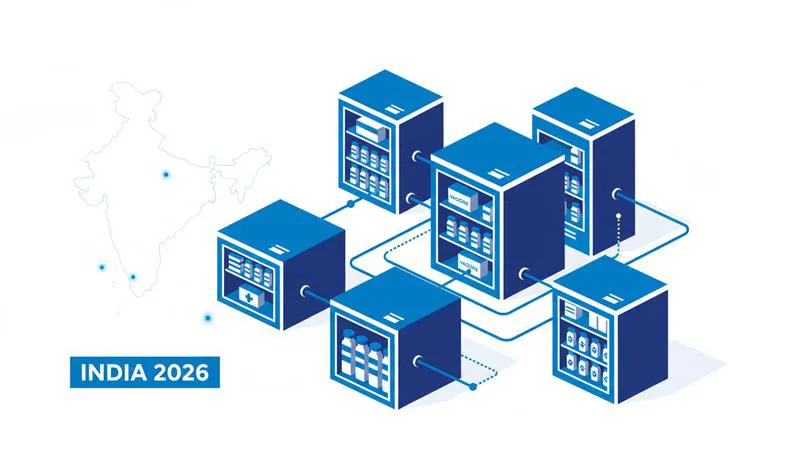
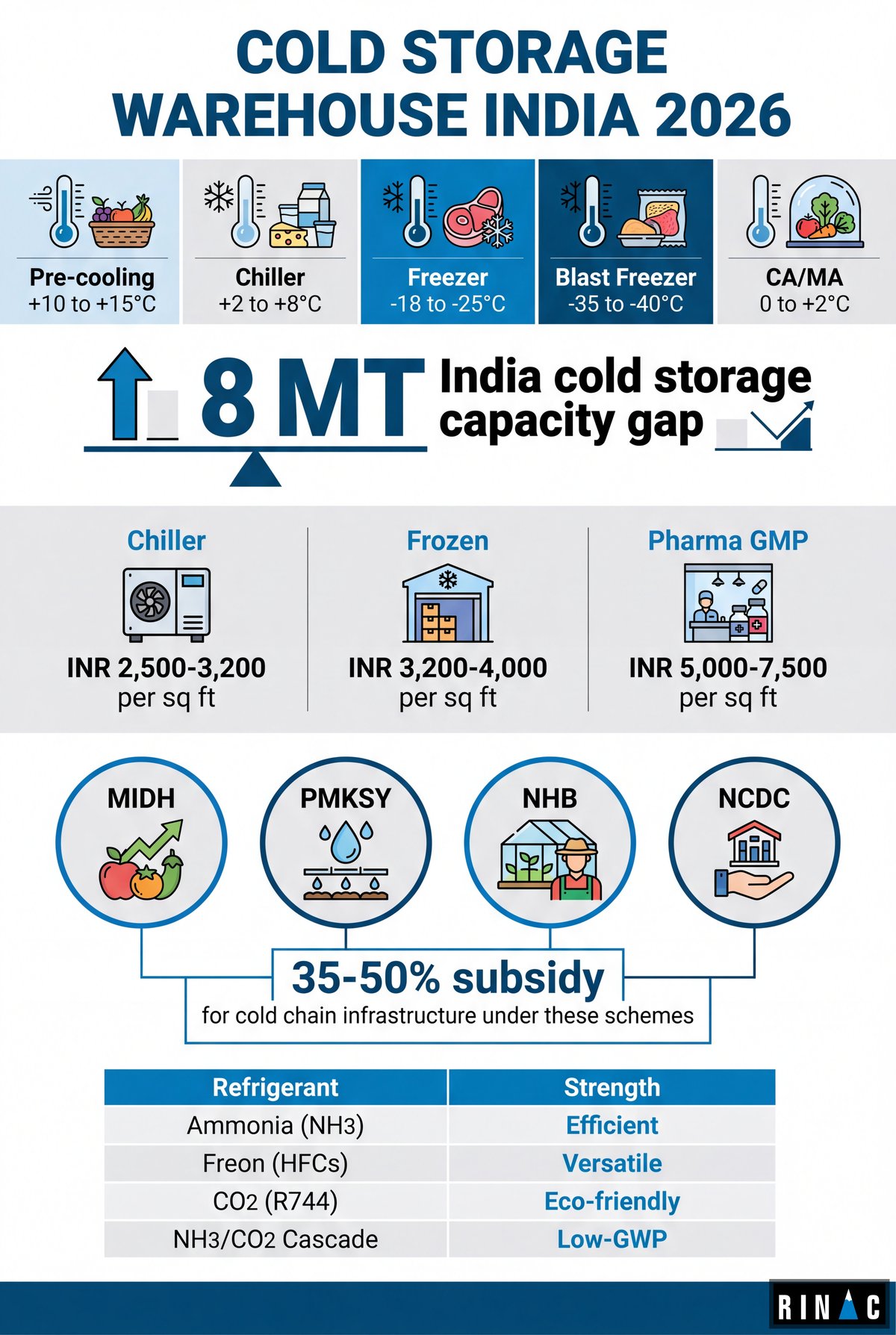
- India needs 35-40 million metric tons of cold storage capacity but operates only about 32 Million MT, creating a structural gap of nearly 8 Million MT.
- Construction cost in India typically ranges from INR 2,500 to INR 4,500 per sq ft depending on temperature, automation, and compliance; OPEX runs 15-40% of CAPEX annually.
- MIDH, PMKSY, NHB, and NCDC offer 35-50% back-ended subsidies for qualifying cold storage warehouse projects.
- Rinac has delivered 10,000+ cold chain and modular construction projects across 23 countries and is a trusted partner to ITC, Britannia, Tata, Biocon, and Flipkart.
Why Cold Storage Warehouses Are India’s Next Infrastructure Frontier
A modern cold storage warehouse is no longer just a big refrigerated box. It is a precision-engineered facility that keeps food, pharmaceuticals, seeds, and industrial inputs alive, safe, and compliant from the moment they arrive until the day they leave. For a country where nearly 30% of horticulture produce is lost to inadequate post-harvest handling, every cold storage project is a lever on food security, export earnings, and public health.
India’s cold chain market was valued at USD 23.28 billion in 2025 and is projected to cross USD 33.12 billion by 2031, growing at roughly 5.91% CAGR. The cold storage segment alone is expected to expand from USD 7.33 billion in 2025 to USD 23.06 billion by 2035, a 12.1% CAGR according to recent industry reports. Layer FSSAI enforcement, the National Cold Chain Grid, and 35-50% government subsidies on top, and the business case for a new cold storage project has never been clearer.
This guide walks operations managers, investors, and facility planners through the full lifecycle of a cold storage warehouse in India: what it is, how to design it, what it costs, how to finance it, and how Rinac India Limited builds it end-to-end as your solution architect.
8 Million MT
Estimated cold storage capacity gap in India (2026)
Estimated cold storage capacity gap in India (2026)
What Is a Cold Storage Warehouse?
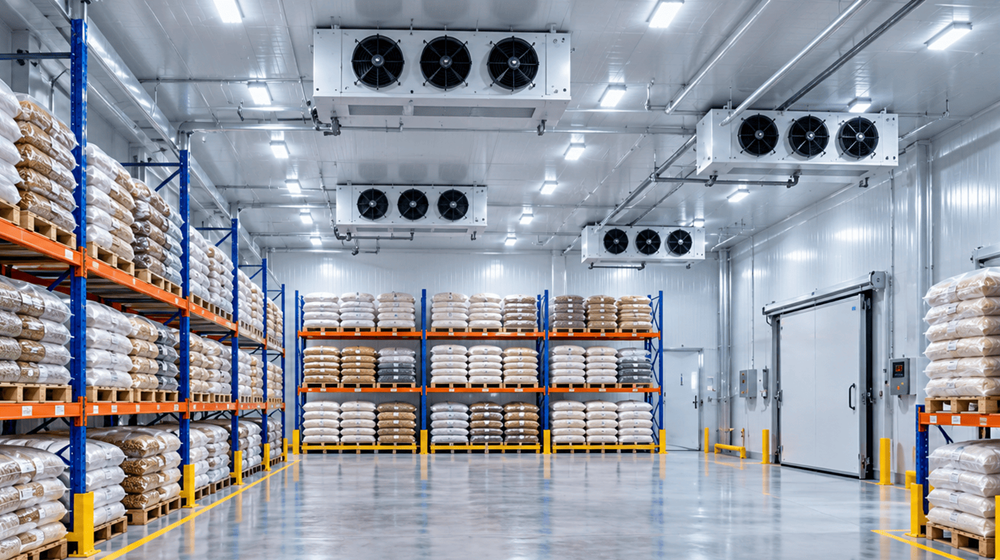
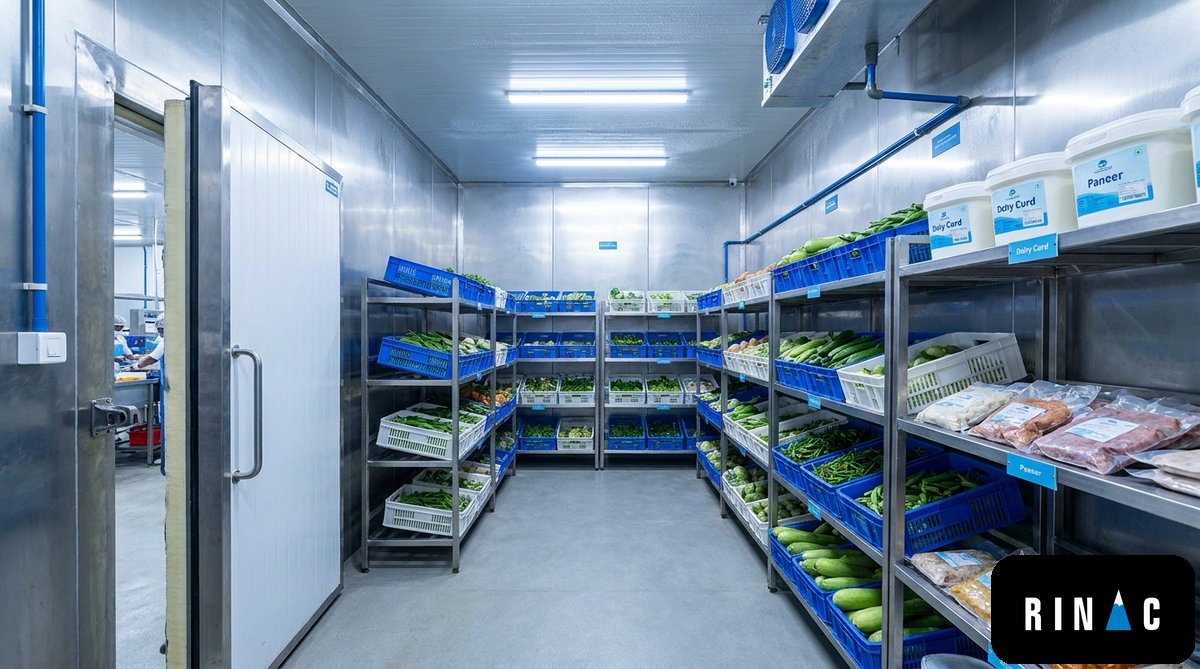
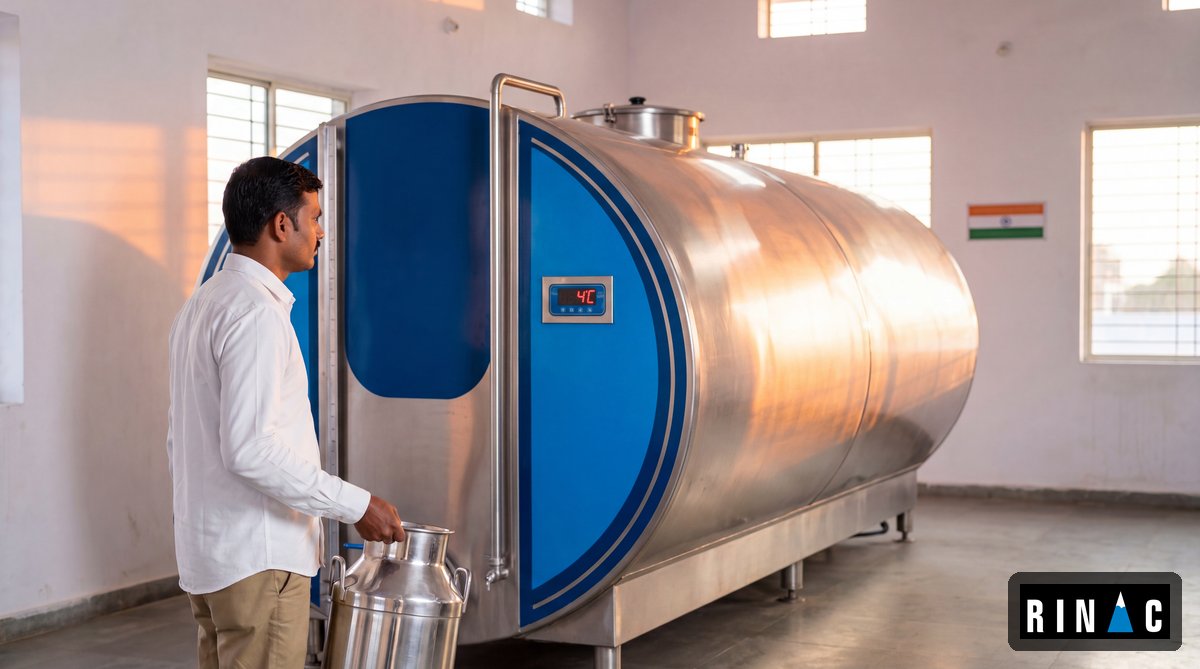
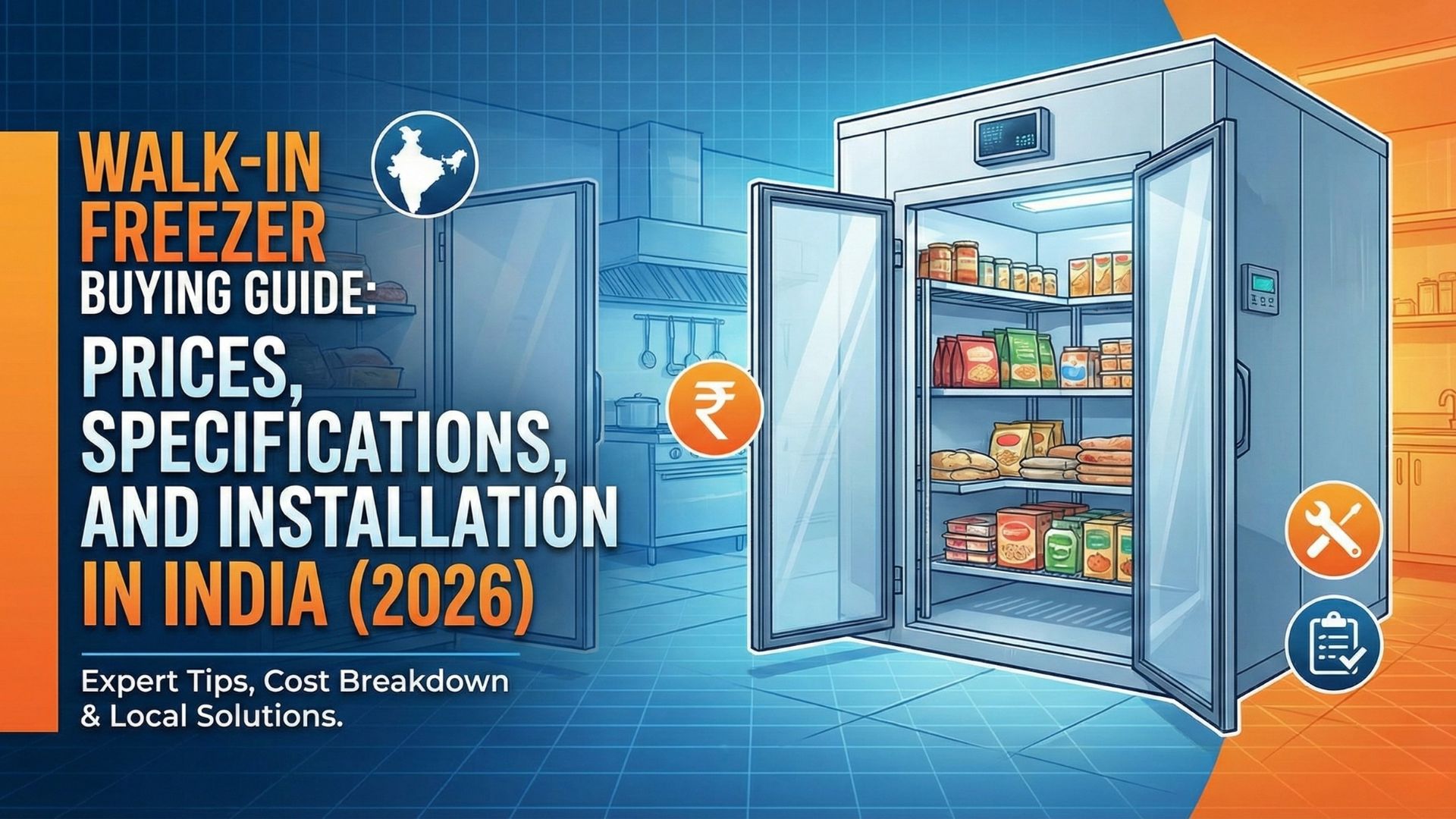
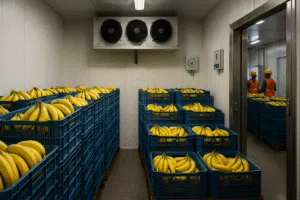
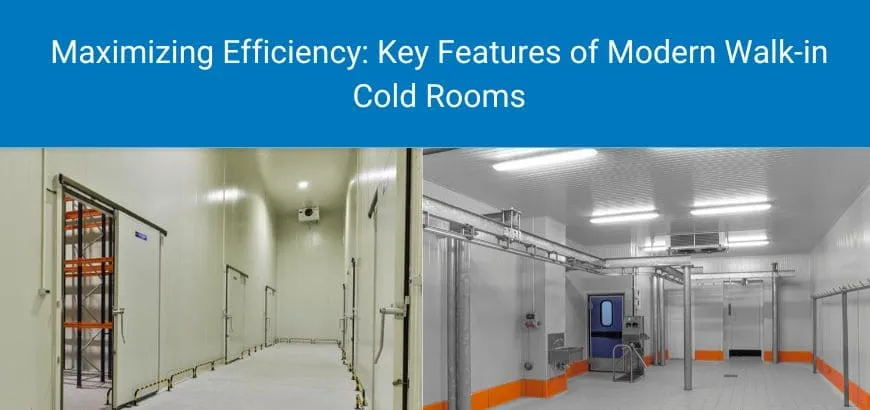
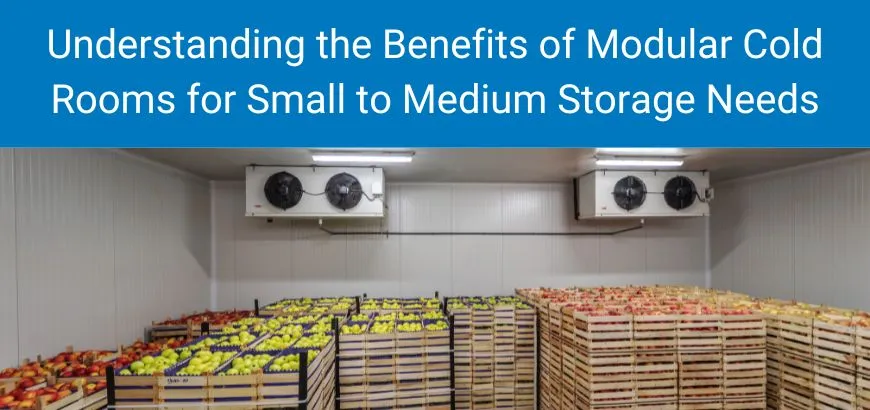
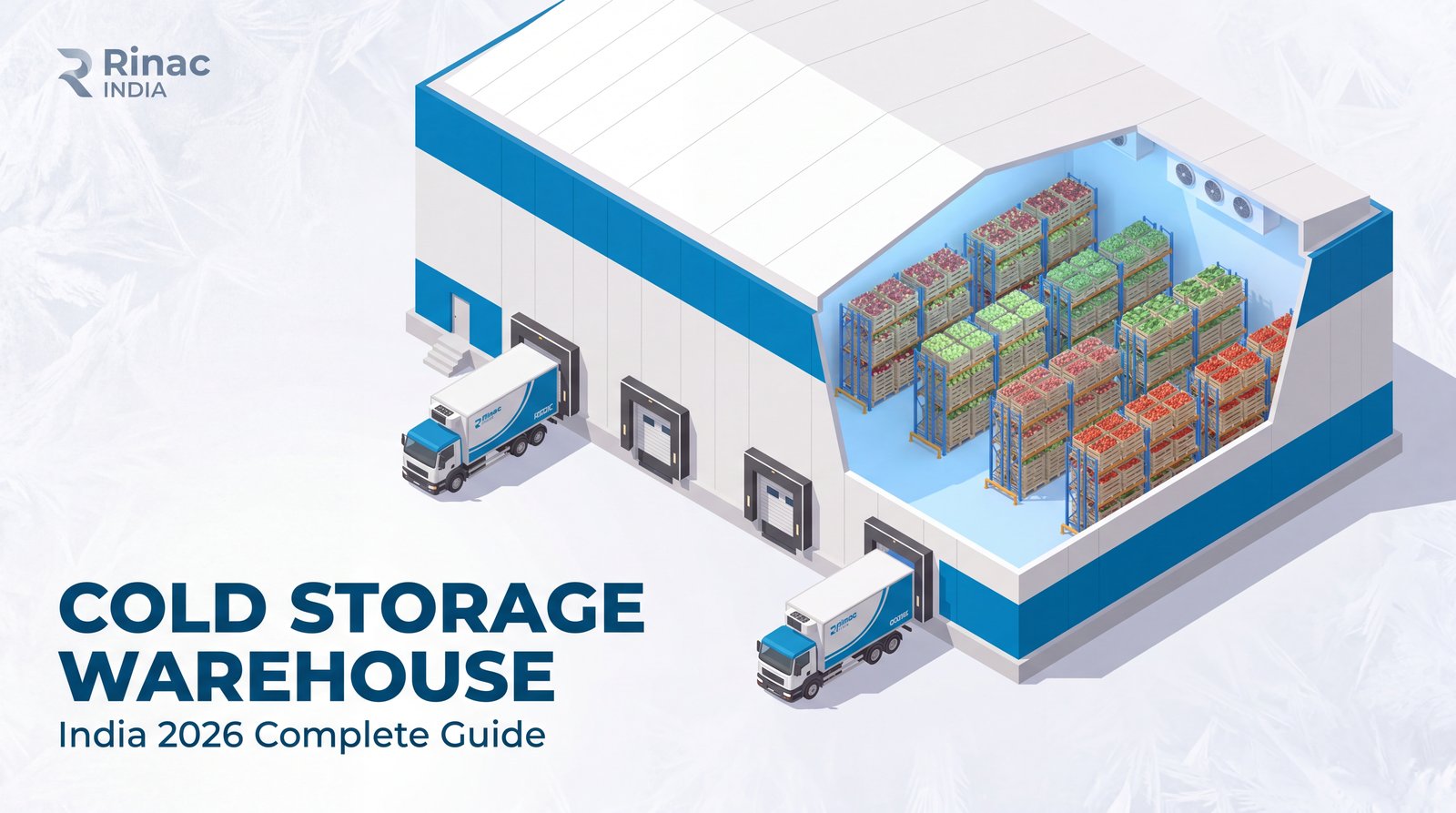
A cold storage warehouse is an industrial facility that maintains a precisely controlled temperature and relative humidity across one or more chambers. Unlike an ambient warehouse, every element – the building envelope, doors, dock, refrigeration system, lighting, and racking – is engineered to minimise heat ingress and protect product integrity. Temperatures range from +15°C for ripening and pre-cooling down to -40°C for blast freezing.
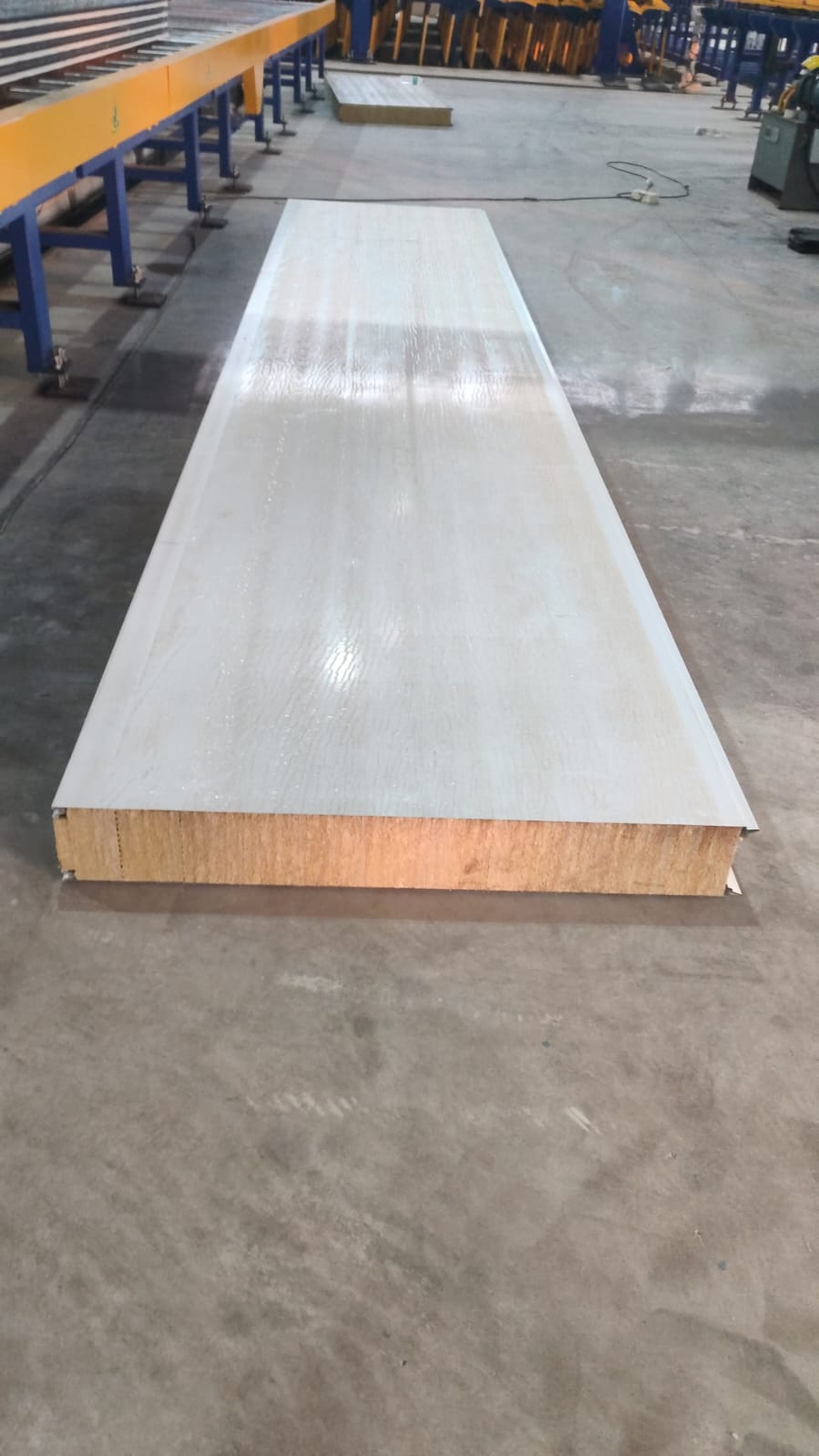
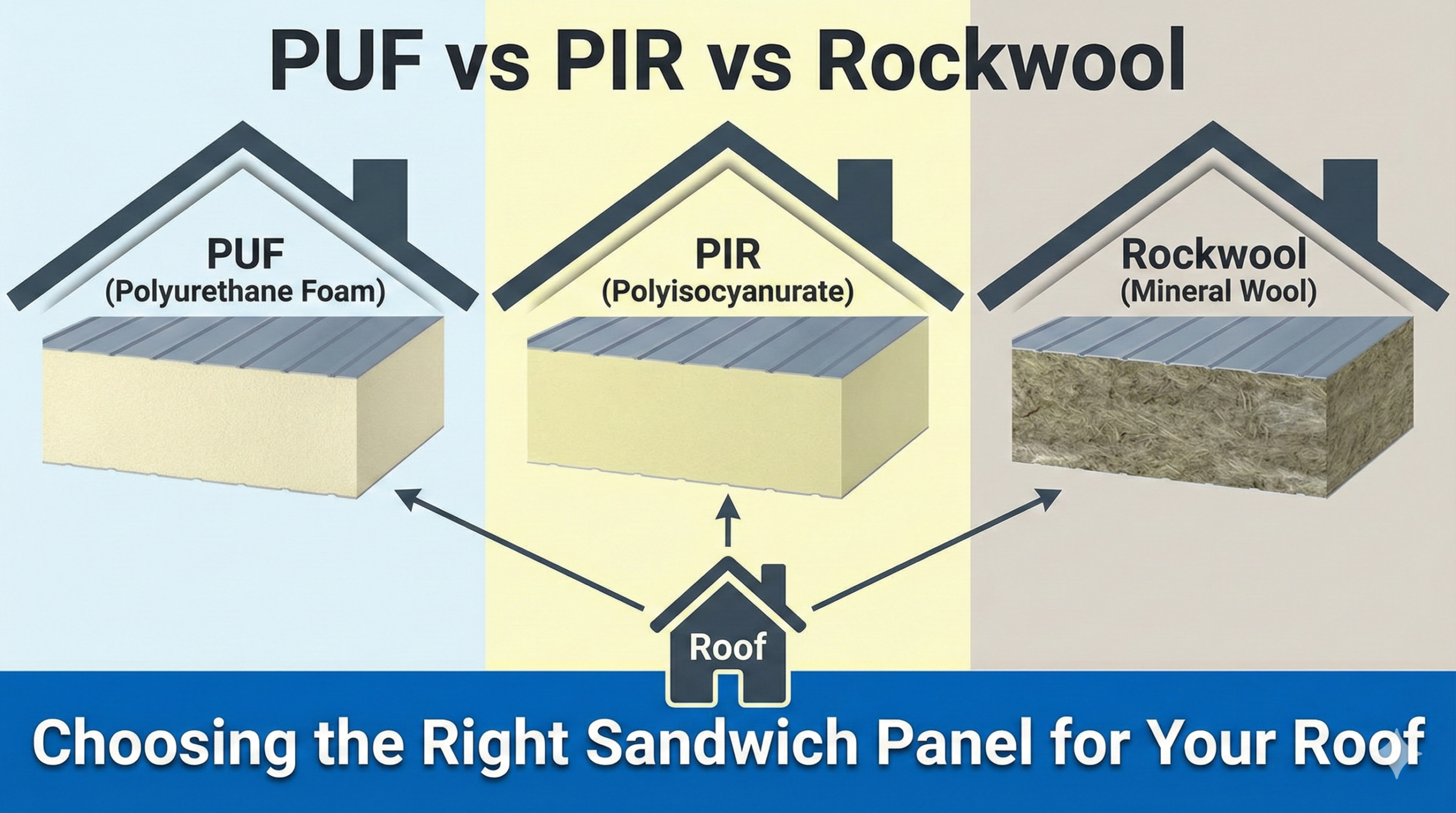
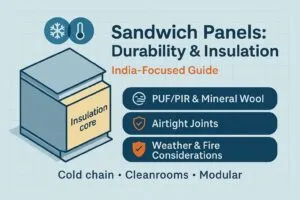
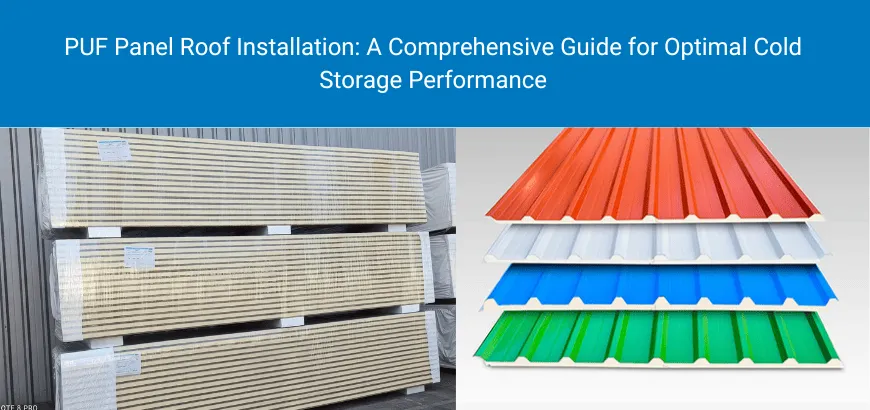
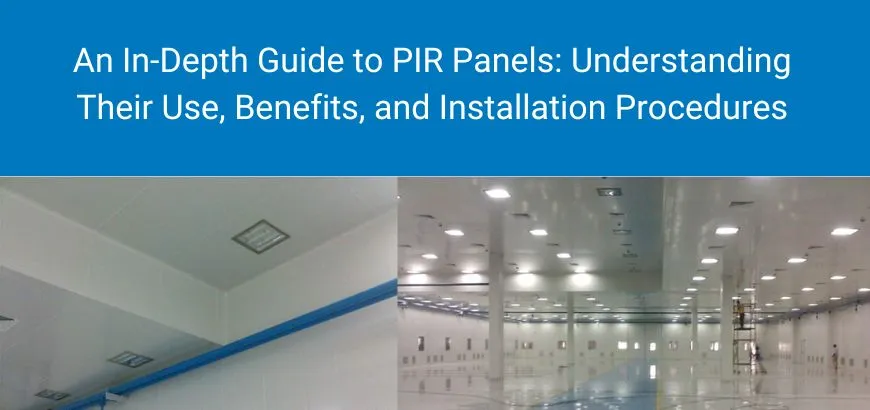
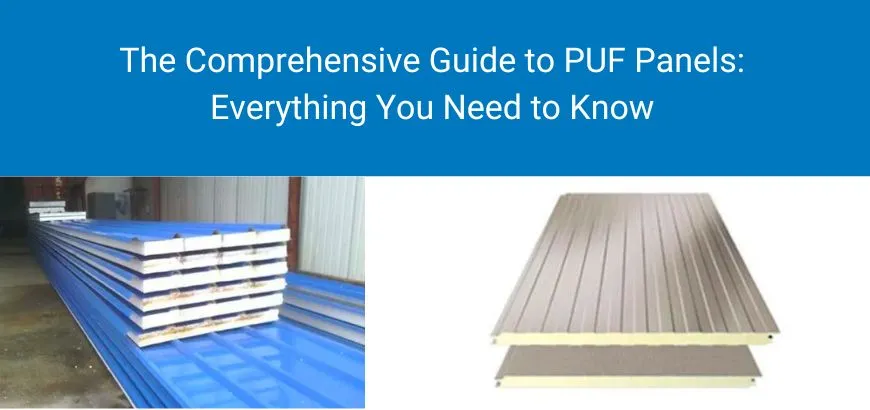
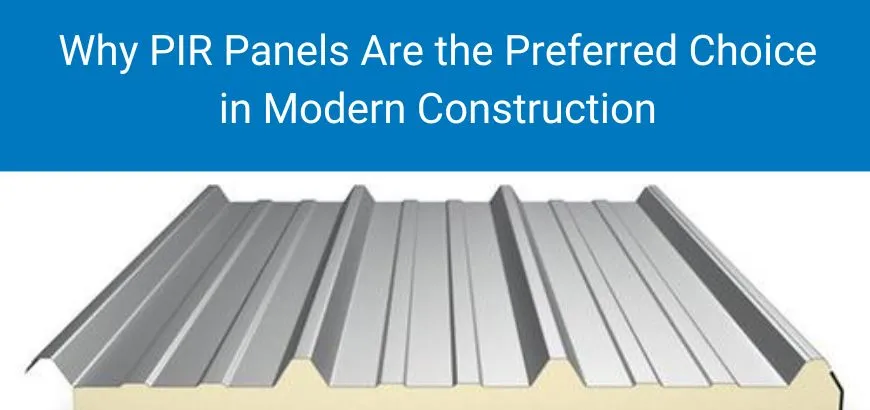
The difference between a conventional warehouse and a cold warehouse storage facility shows up in four places: the insulated envelope (PUF, PIR, or rockwool sandwich panels — note that rockwool is not recommended for cold storage warehouses; it is suitable only for normal-temperature or air-conditioned environments), the refrigeration plant, airflow engineering, and compliance systems. Get any one wrong and you will either burn power, spoil product, or fail an FSSAI or WHO-GMP audit. Get all four right and you unlock 30-40% lower operating costs over a 15-year asset life.
Core Zones in a Modern Cold Storage Warehouse
A well-designed cold storage and warehouse facility typically combines several zones under one roof:
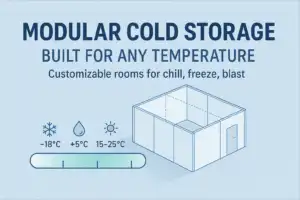
| Zone | Temperature Range | Typical Products |
|---|---|---|
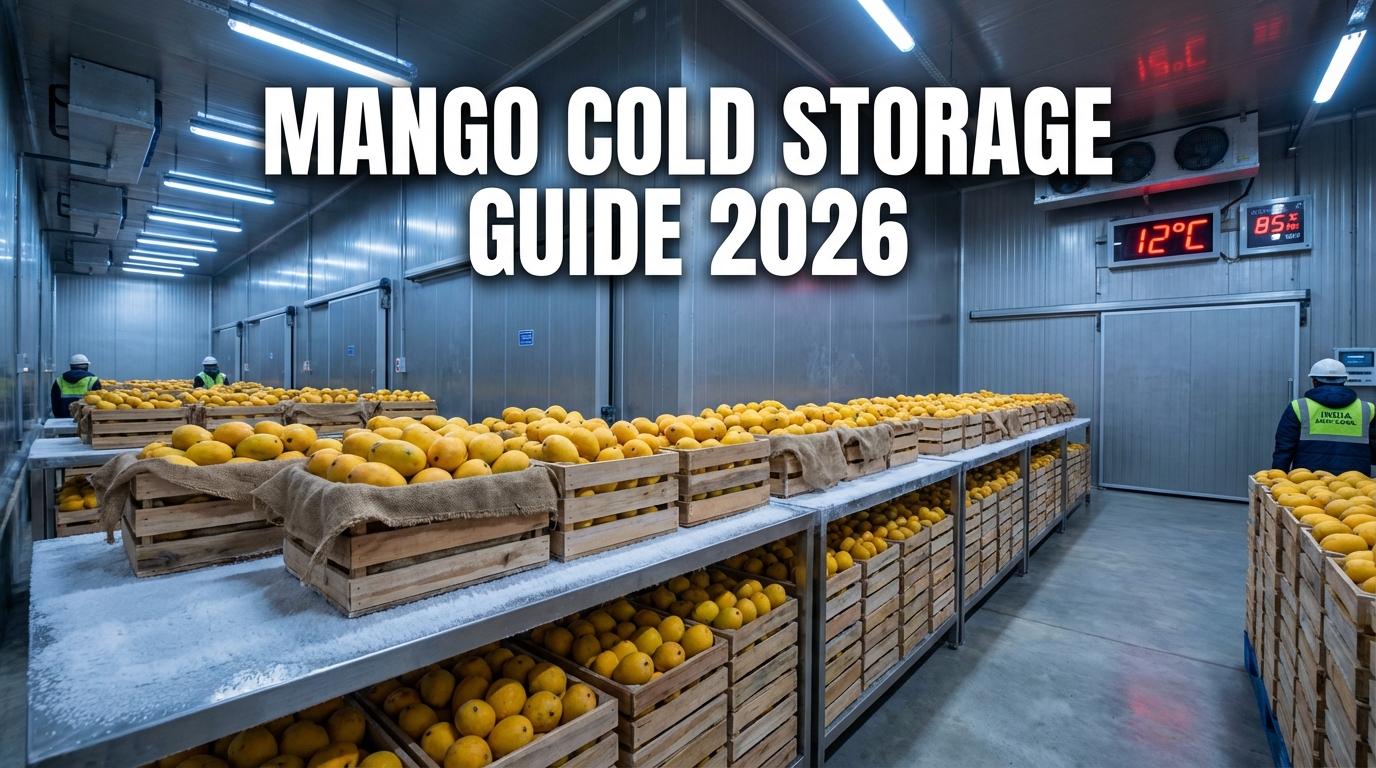
| Pre-cooling room | +10°C to +15°C | Mangoes, grapes, leafy vegetables on arrival |
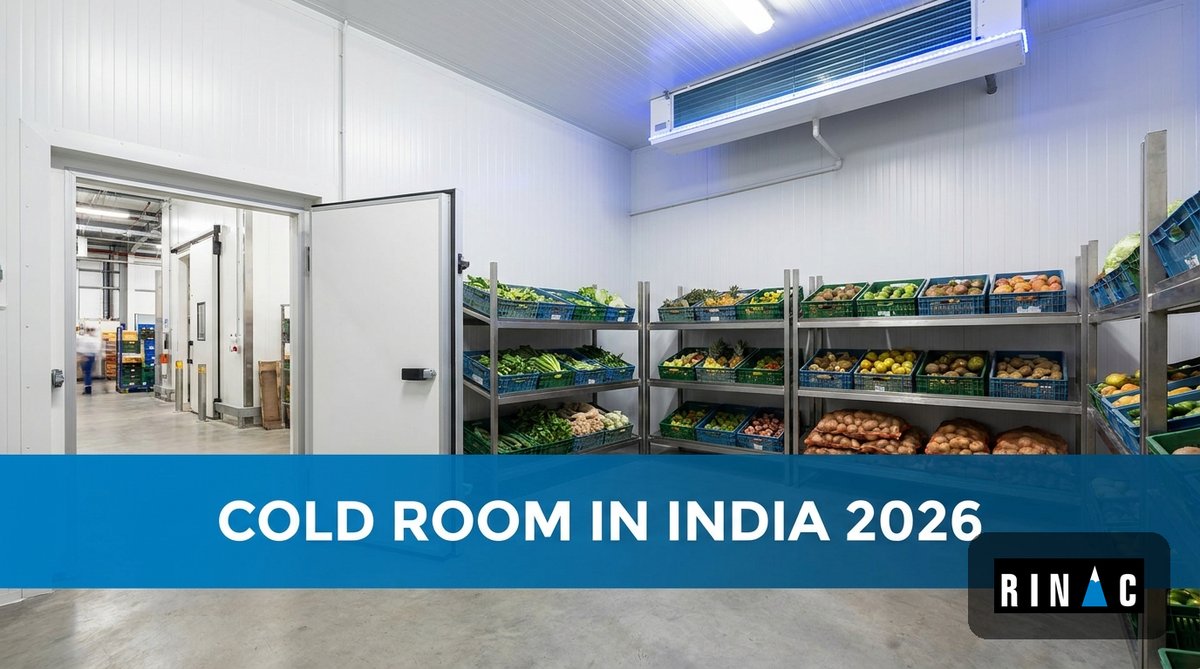
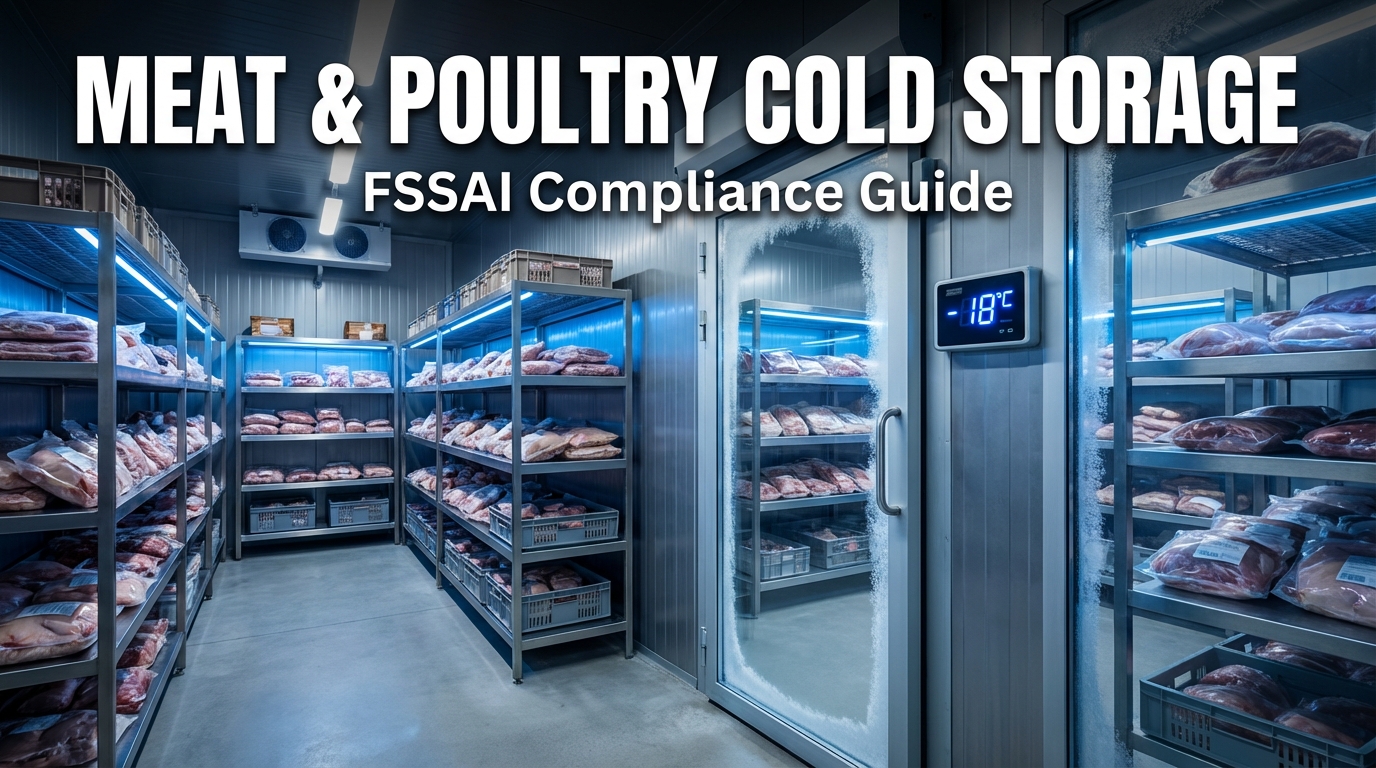
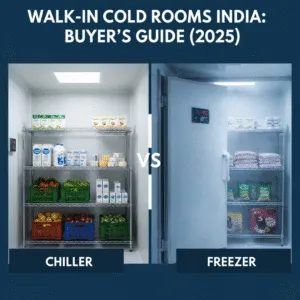
| Chiller room | +2°C to +8°C | Dairy, fresh meat, vaccines, fresh produce |
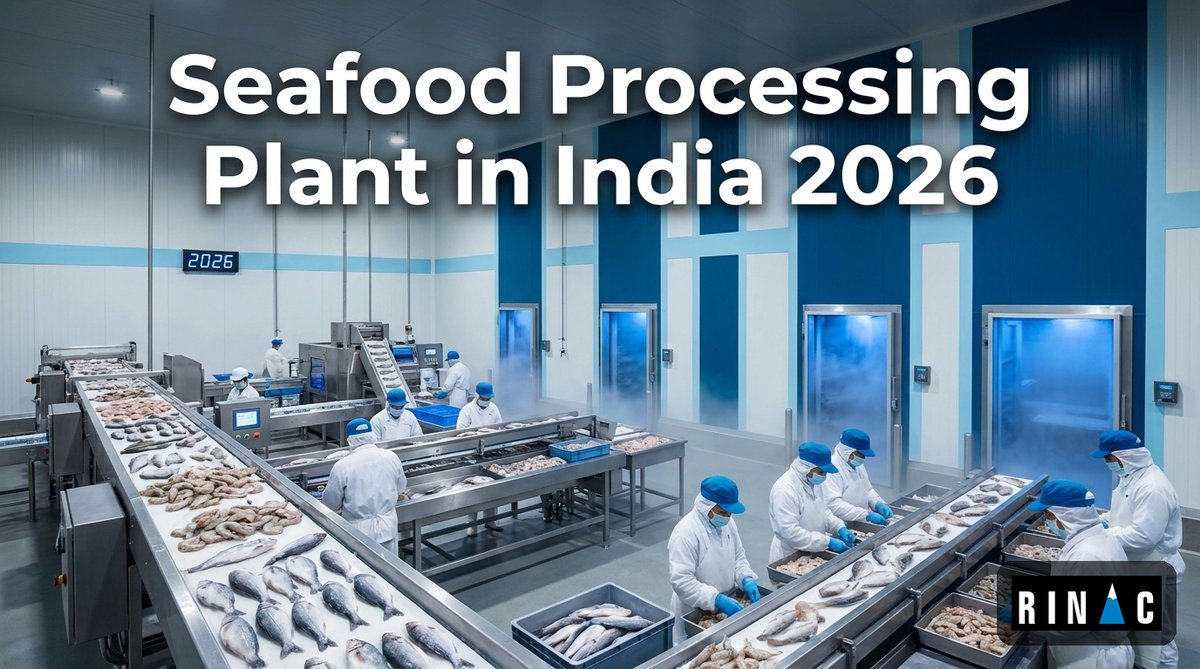
| Freezer room | -18°C to -25°C | Frozen food, seafood, ice cream, IQF products |
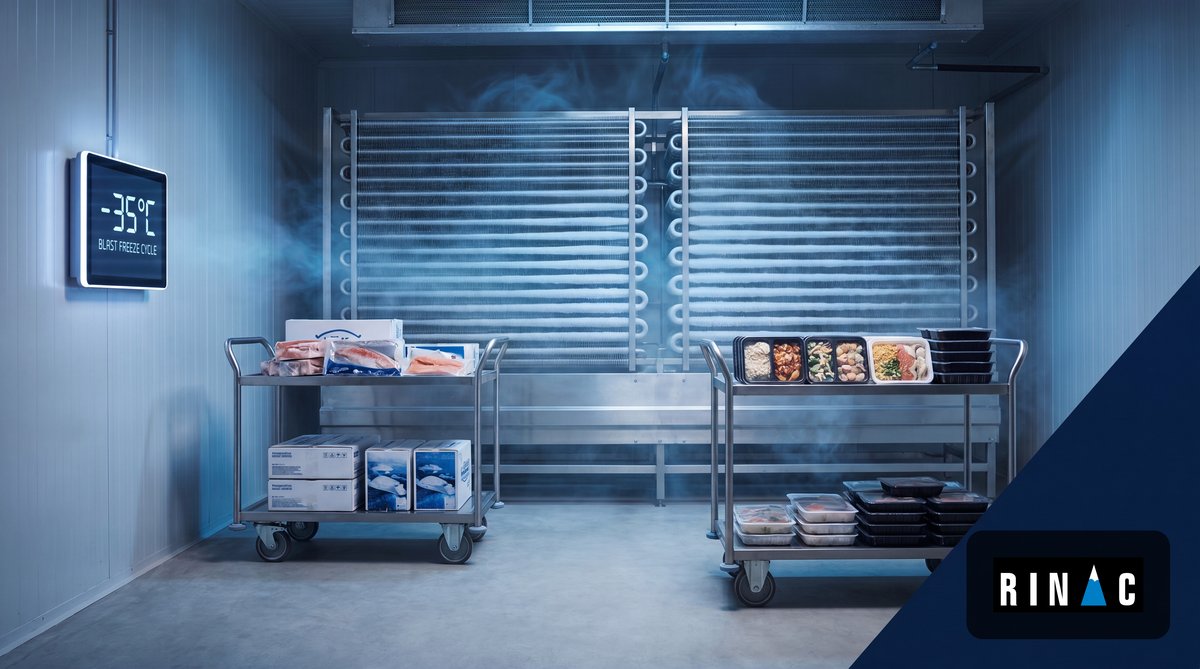
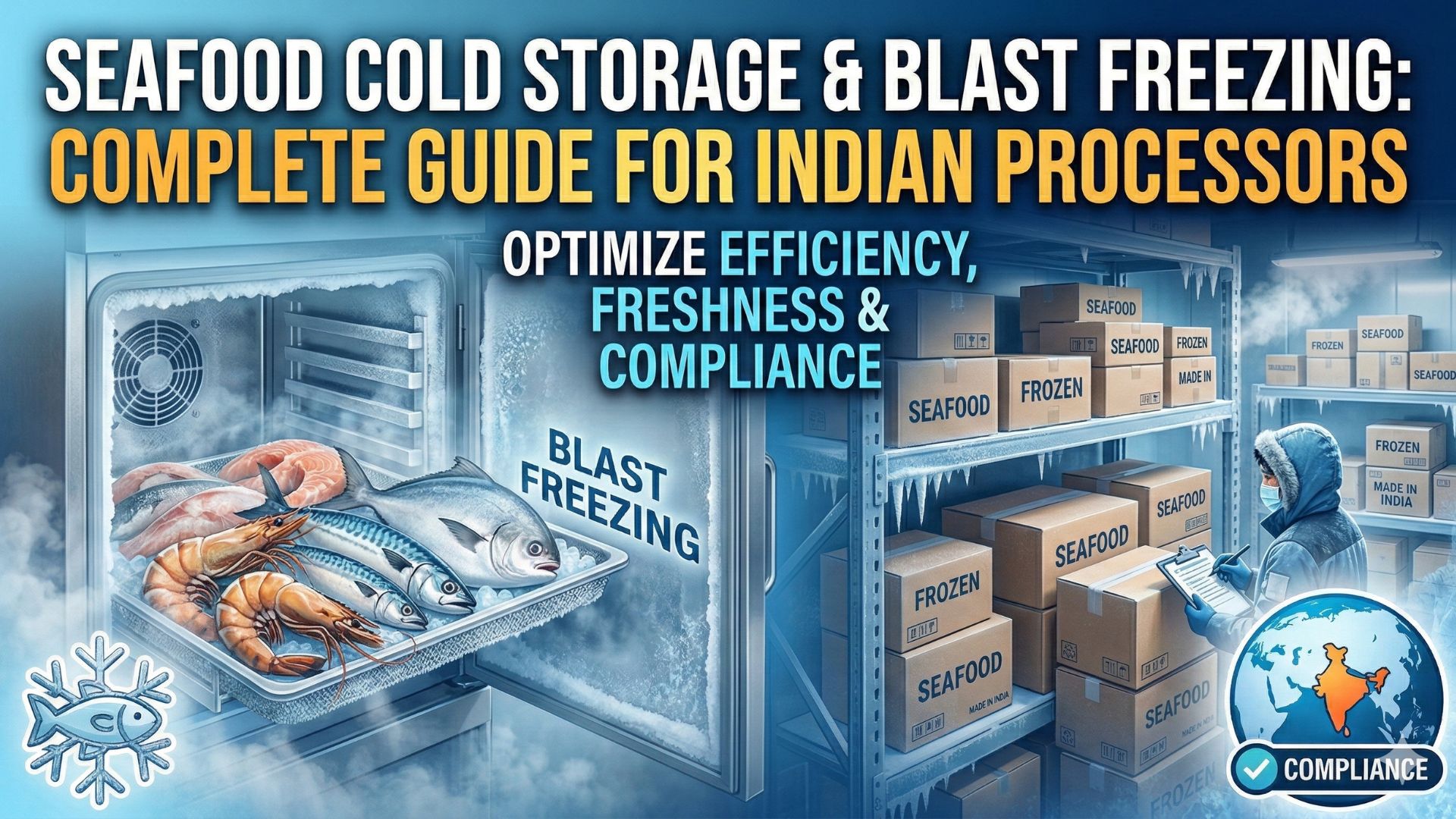
| Blast freezer | -35°C to -40°C | Shrimp, meat blocks, rapid pull-down for IQF |
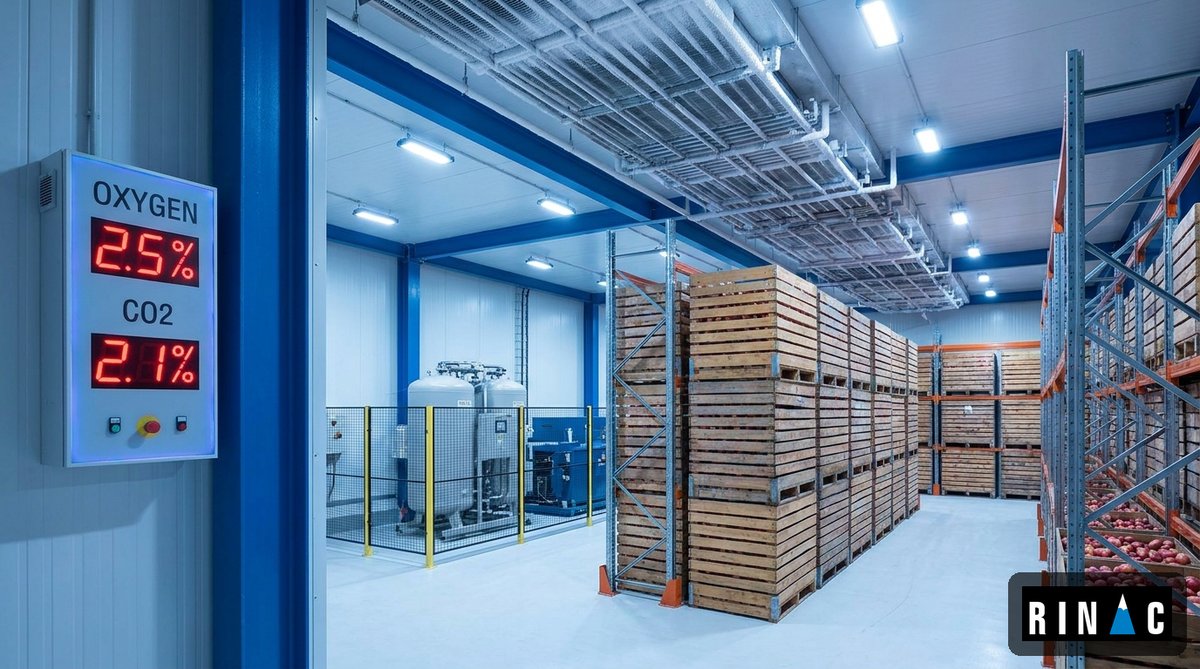
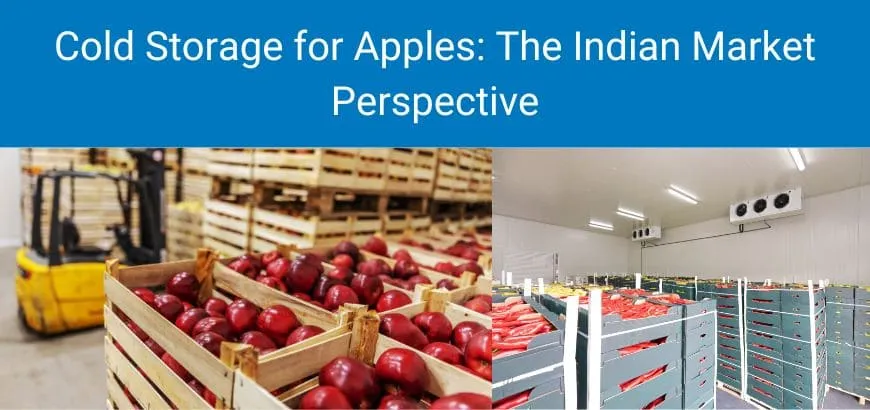
| CA/MA chamber | 0°C to +2°C with controlled O2/CO2 | Apples, pears, kiwis for long-term storage |
India’s Cold Storage Warehouse Market at a Glance
Three forces are driving demand for new cold storage warehouse capacity in India:
1. Structural capacity gap. India needs an estimated 35-40 million metric tons of cold storage to serve its horticulture, dairy, pharma, and seafood sectors, but installed capacity is only around 32 Million MT. The shortfall is roughly 8 Million MT, heavily concentrated in tier-2 and tier-3 cities.
2. Regulatory tightening. The Food Safety and Standards Authority of India (FSSAI) has sharpened cold chain requirements for food-handling facilities. Pharma operators must meet WHO-GMP. Exporters need HACCP and ISO 22000 audit trails. Operating a cold store without temperature data logs and validated refrigeration is no longer viable.
3. Subsidy and policy tailwinds. PM Kisan SAMPADA Yojana, MIDH, NHB, and NCDC collectively offer 35-50% grants on qualifying projects. The National Cold Chain Grid and state-level horticulture missions are actively funding cold storage warehouse in bangalore, Hyderabad, Nashik, Guwahati, and dozens of other hubs.
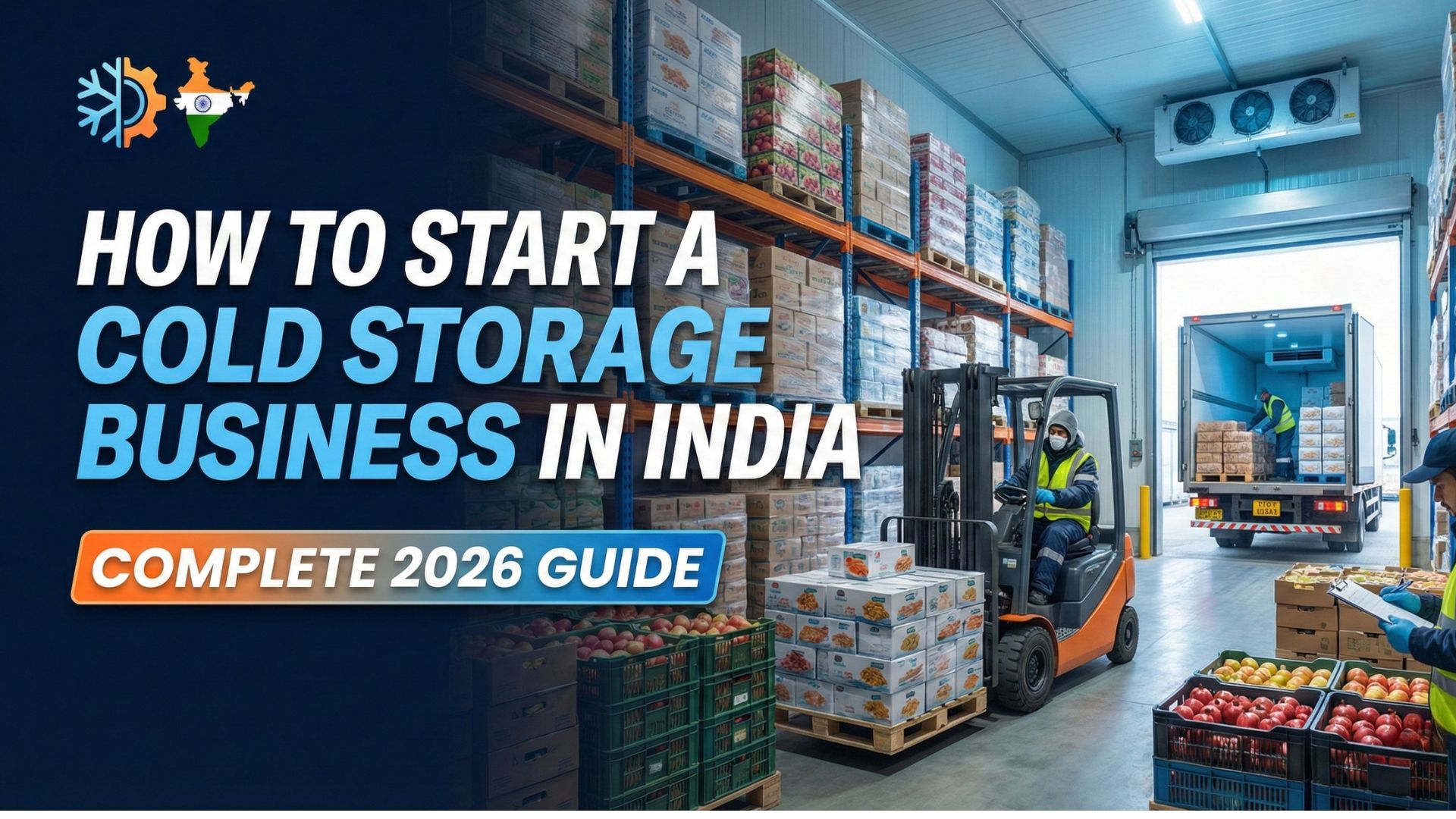
For context on how to enter the market as an operator, read our complete 2026 guide to starting a cold storage business in India.
Types of Cold Storage Warehouses by Temperature and Use Case
Not every warehouse cold storage asset looks the same. The right classification drives panel thickness, refrigeration tonnage, and layout.
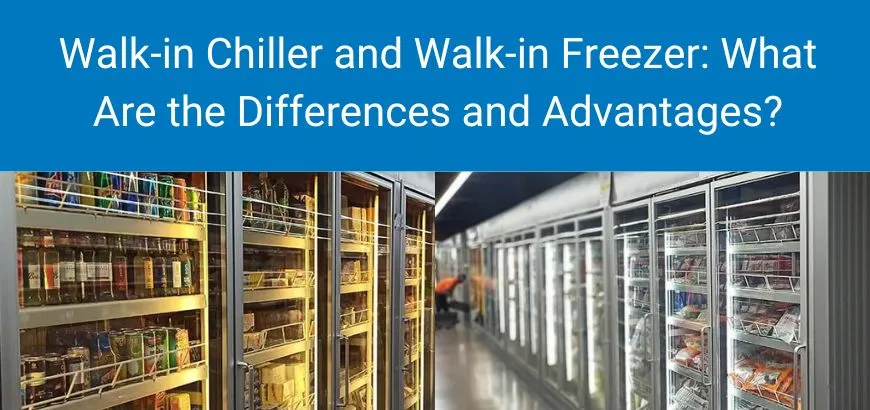
Chiller Warehouses (+2°C to +8°C)
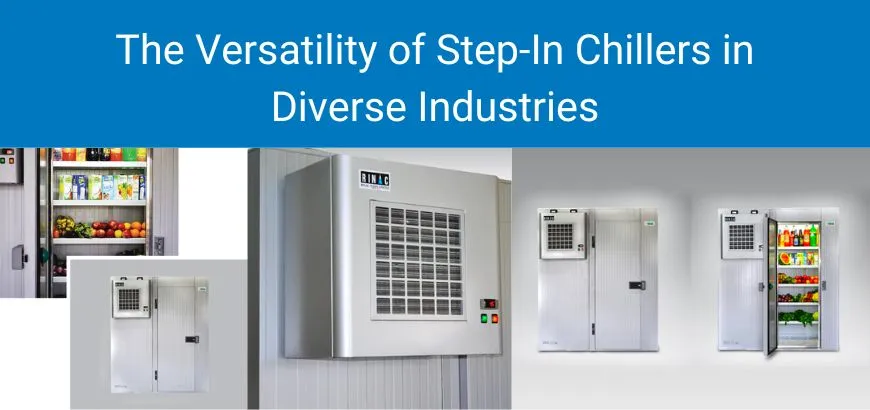
The workhorse of Indian cold chains. Chiller warehouses hold dairy, fresh meat, vaccines, and leafy vegetables. PUF panel thickness is typically 80-100 mm. A 5,000 sq ft chiller room can serve a mid-sized dairy processor or regional pharma distributor.
Frozen Warehouses (-18°C to -25°C)
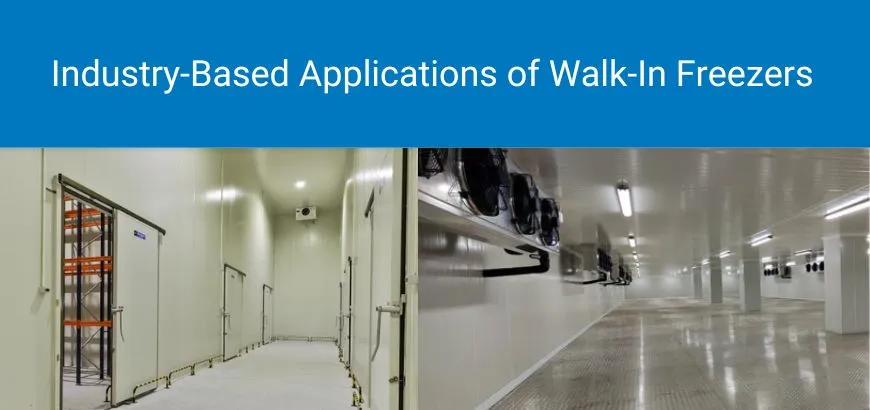
Designed for frozen foods, seafood, and ice cream. PUF panels move up to 120-150 mm. Flooring must be heated to prevent frost-heave. Doors are high-performance sliding or strip-curtain combinations to minimise temperature swings.
Blast Freezers and IQF Tunnels (-35°C to -40°C)
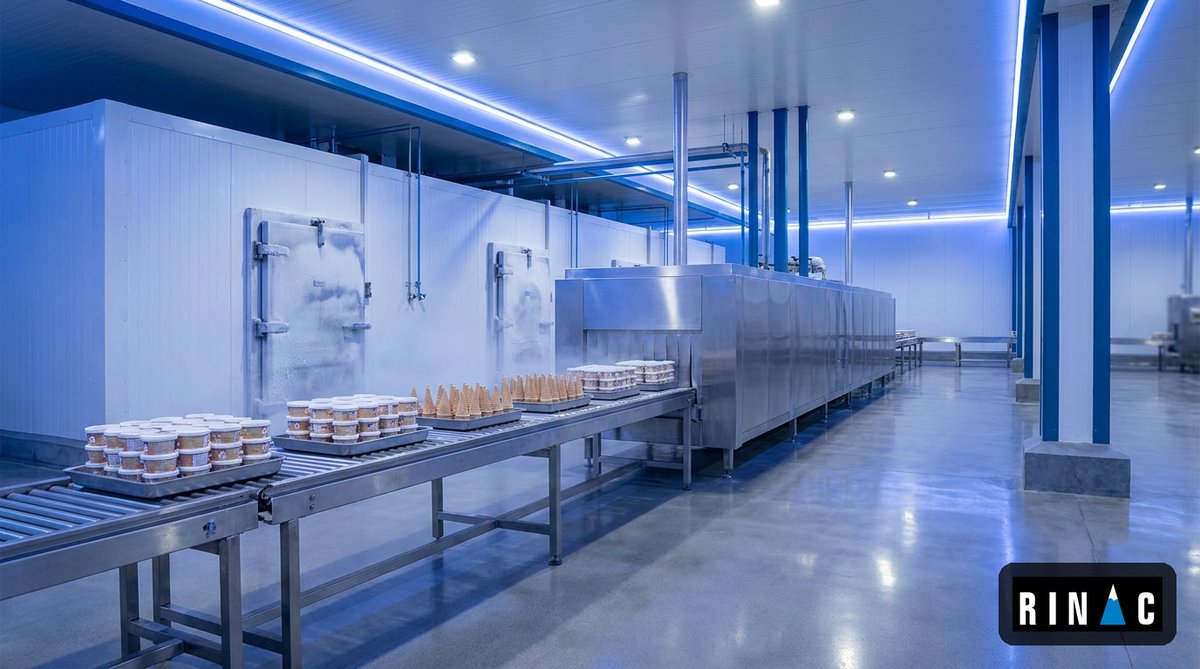
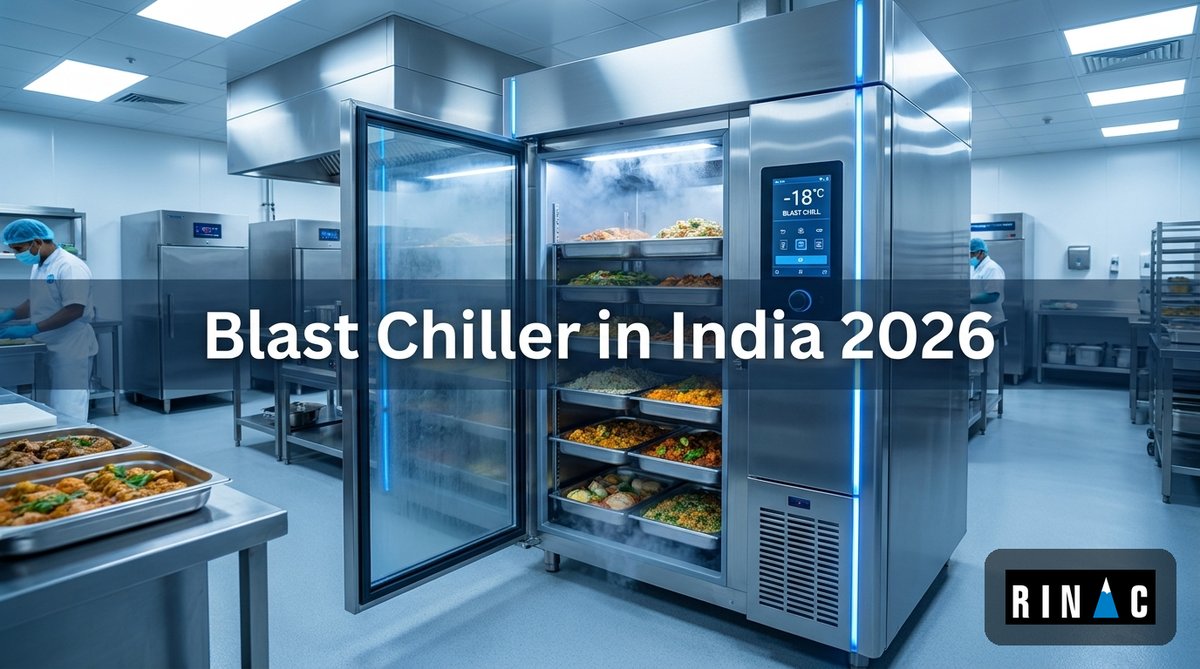
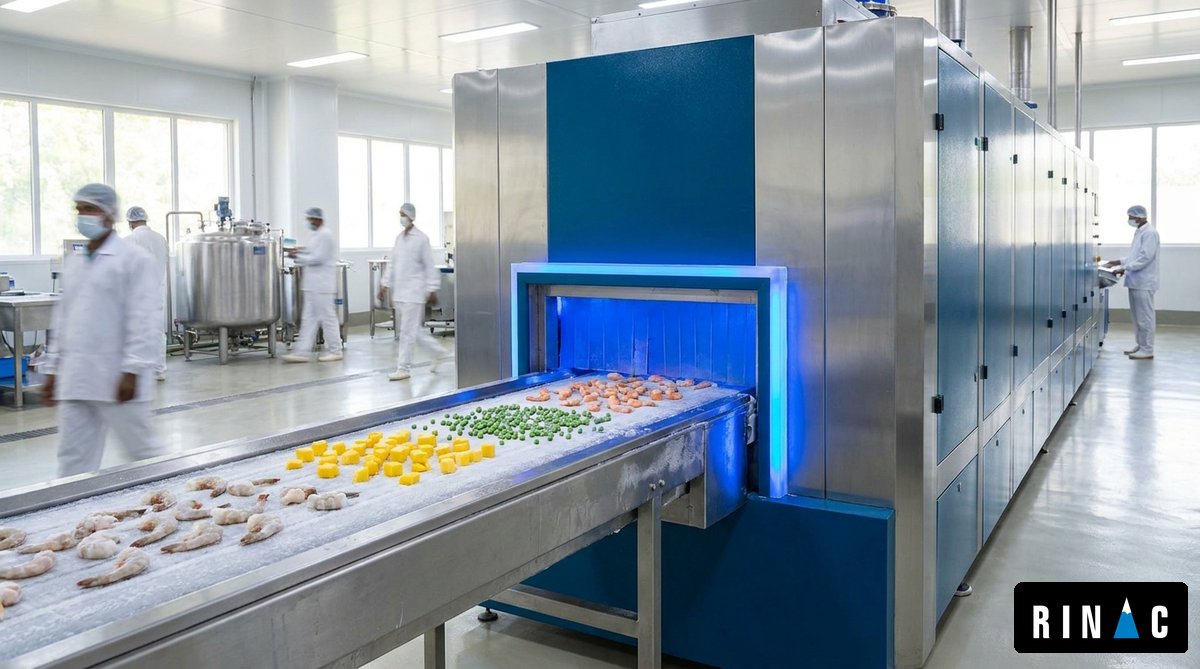
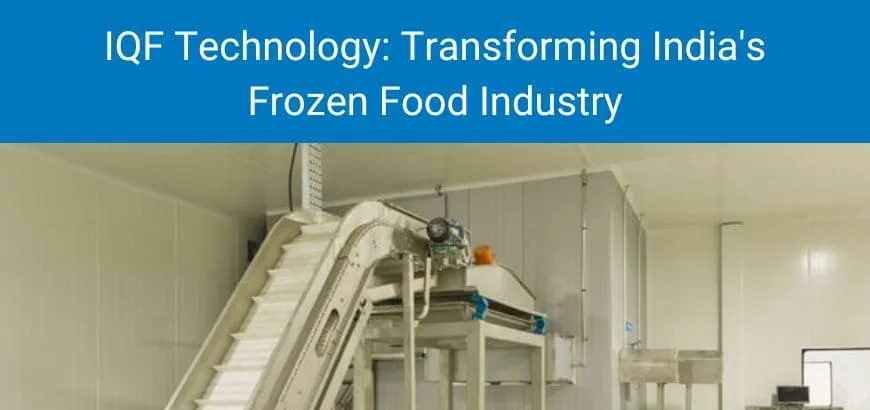
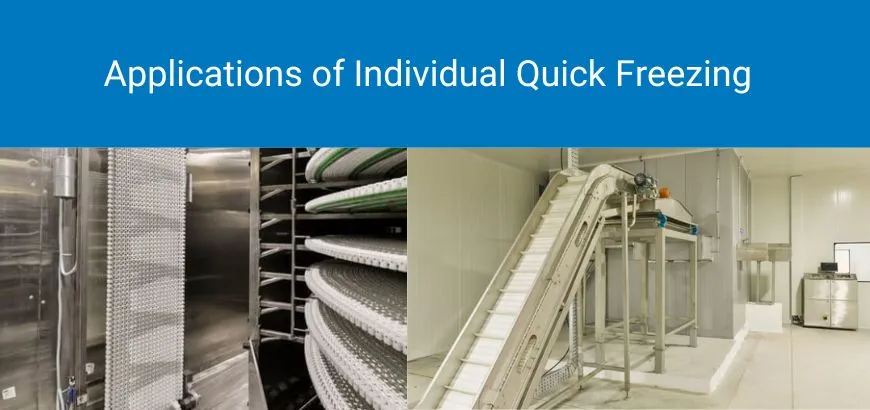
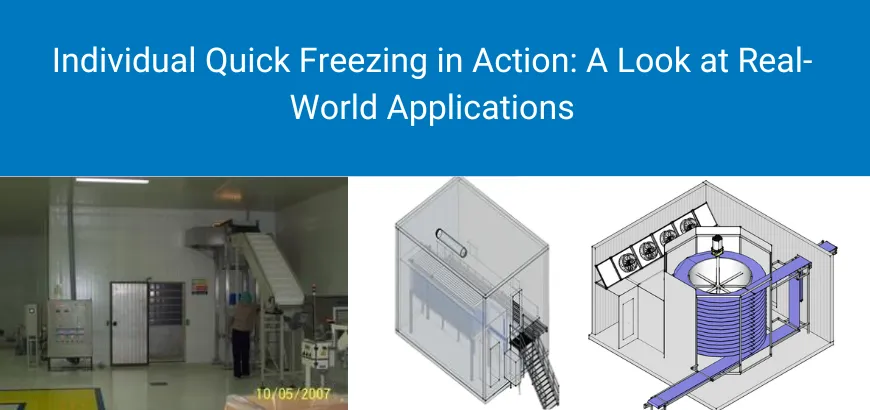
Blast freezers pull product temperature down sharply in 2-4 hours. Individual Quick Freezing (IQF) tunnels take it further, treating each piece separately. These are critical for seafood, ready-to-eat meals, and export-grade meat.
CA and MA Chambers
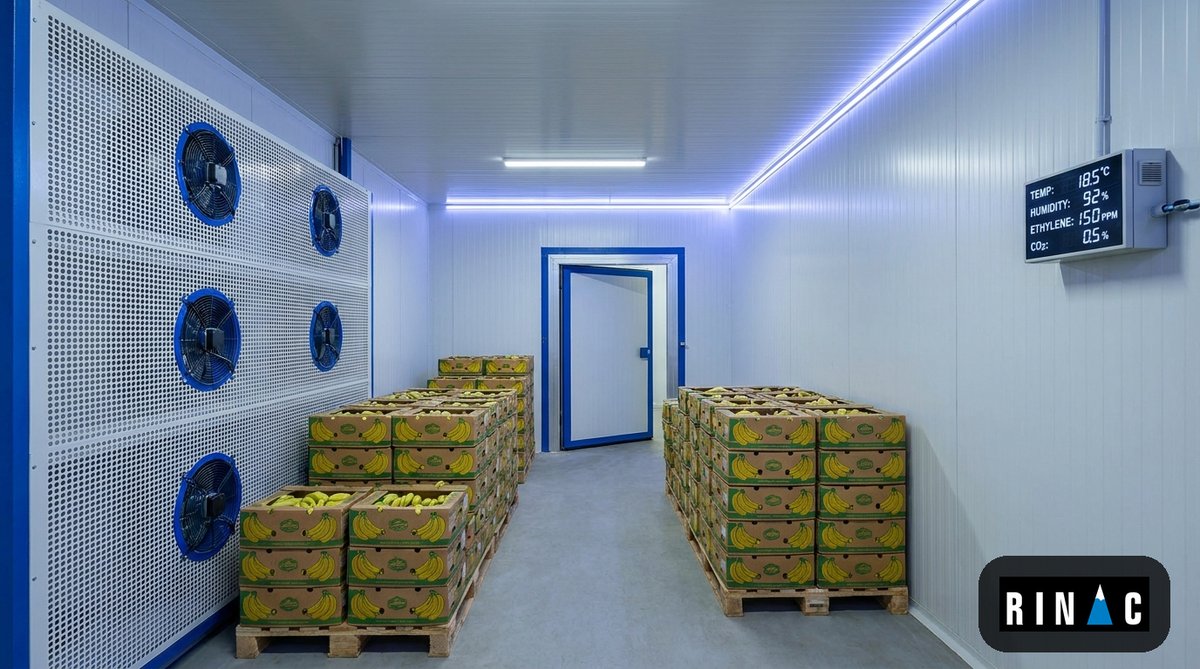
Controlled Atmosphere and Modified Atmosphere chambers hold apples, pears, and kiwis at 0-2°C with precisely tuned oxygen, nitrogen, and CO2 levels. They extend shelf life from weeks to 8-12 months and unlock off-season premium pricing.
Multicommodity Cold Storage Warehouses
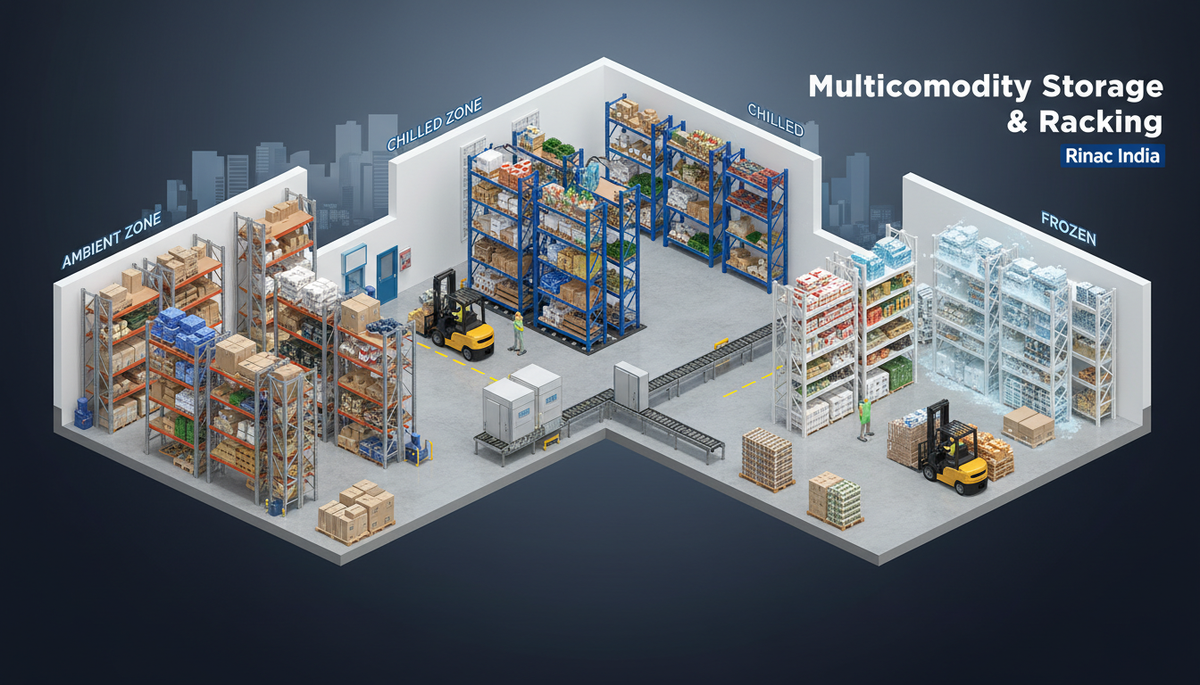
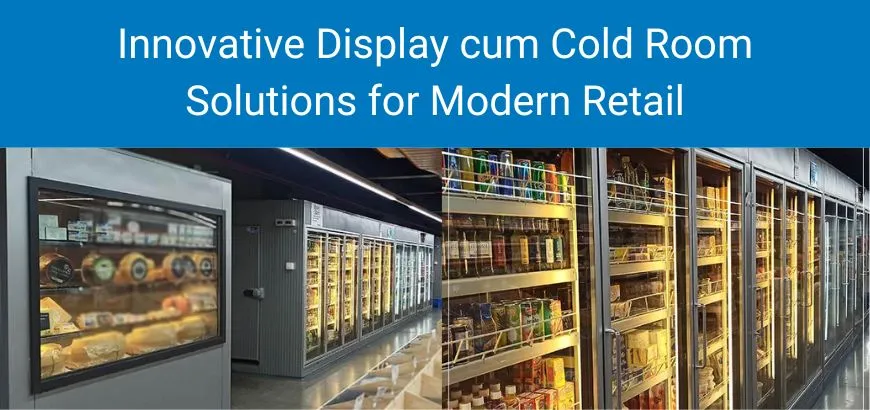
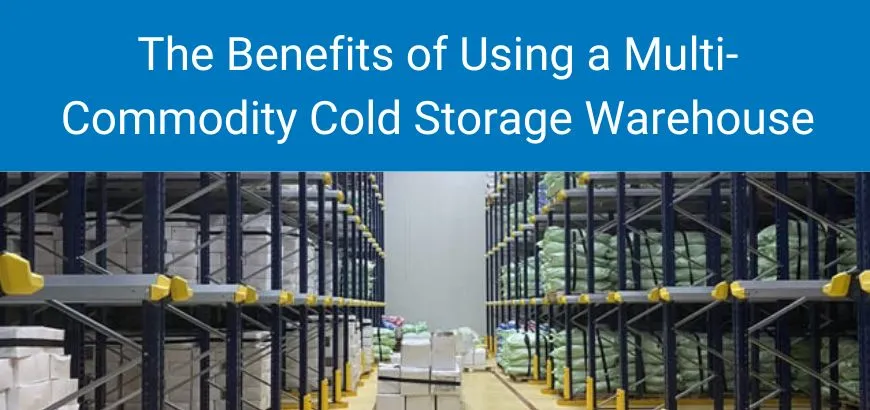
The fastest-growing Indian format. One building houses ambient, chilled, and frozen zones, often with integrated racking systems. This profile suits third-party logistics operators, e-grocery players, and FMCG distribution hubs where SKU mix changes daily.
Designing a Compliant Cold Storage Warehouse
Good design is cheap. Bad design is catastrophic. Every element of a cold storage warehouse has a compounding effect on operating cost, compliance risk, and product quality over 15-20 years.
Site Selection
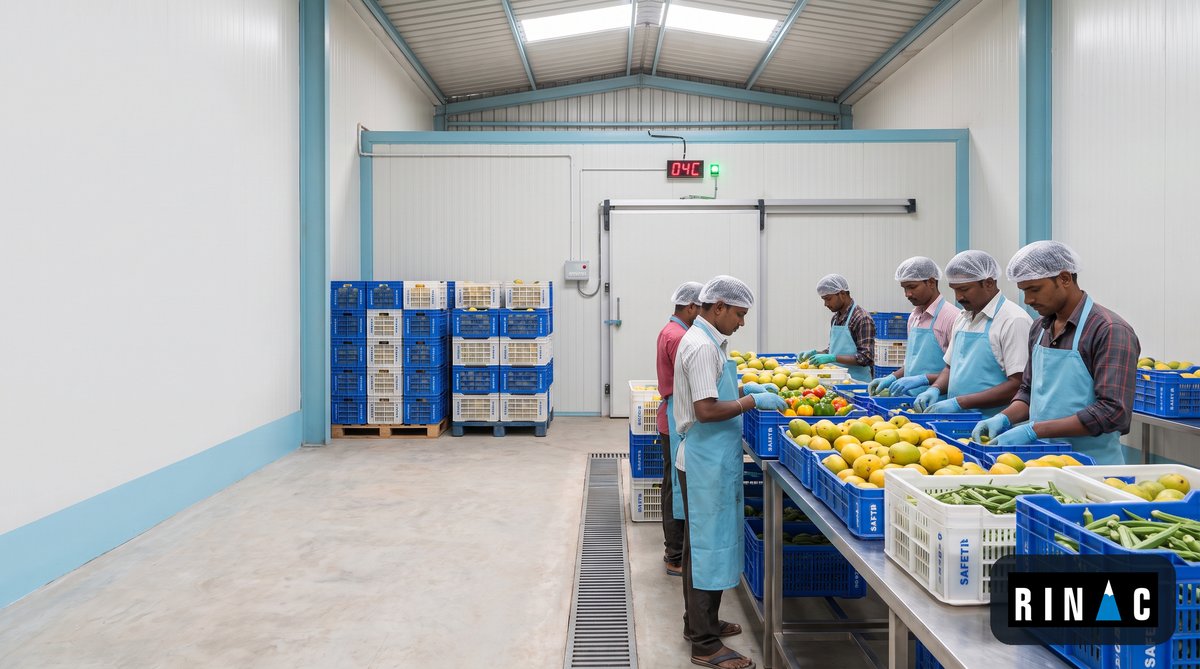
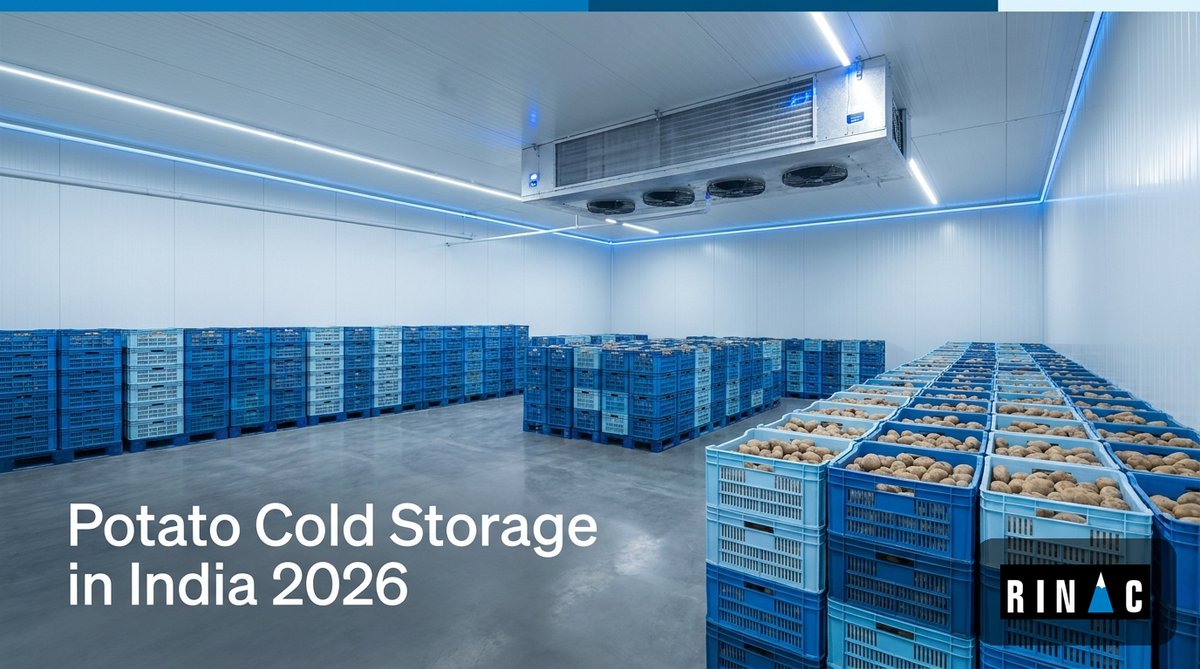
Prioritise sites with reliable three-phase power, road connectivity to feeder roads and highways, and access to water for condenser cooling. Avoid low-lying flood-prone plots. If you are building for horticulture, proximity to farm gate matters more than proximity to city centres.
Civil and Structural Design
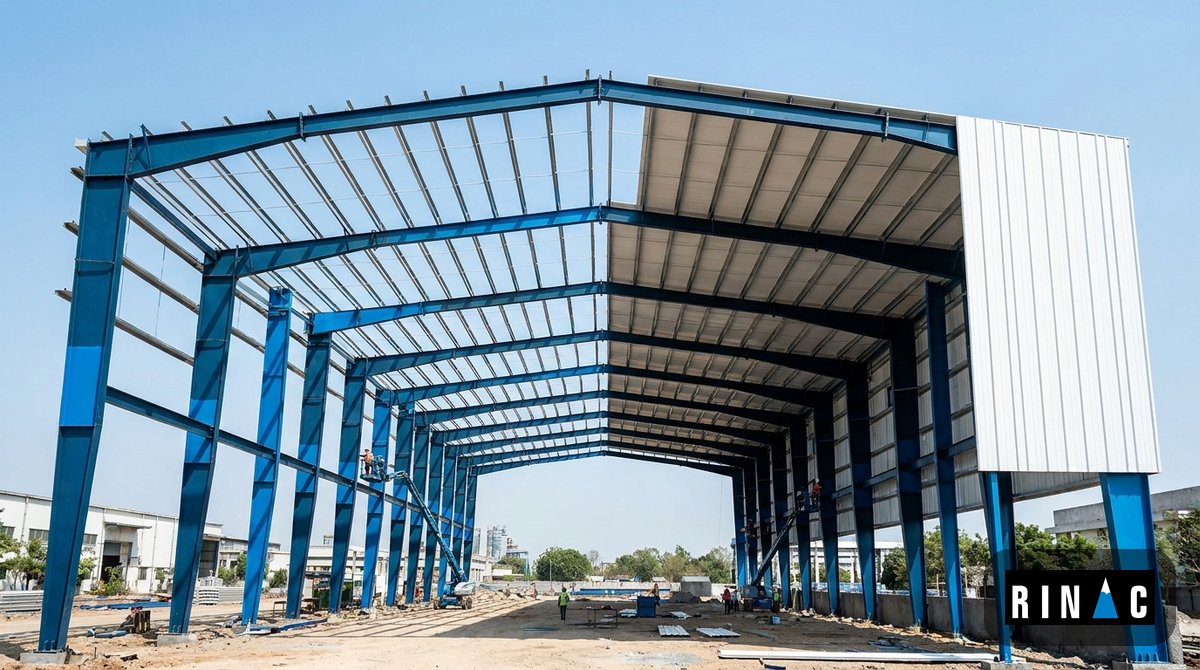
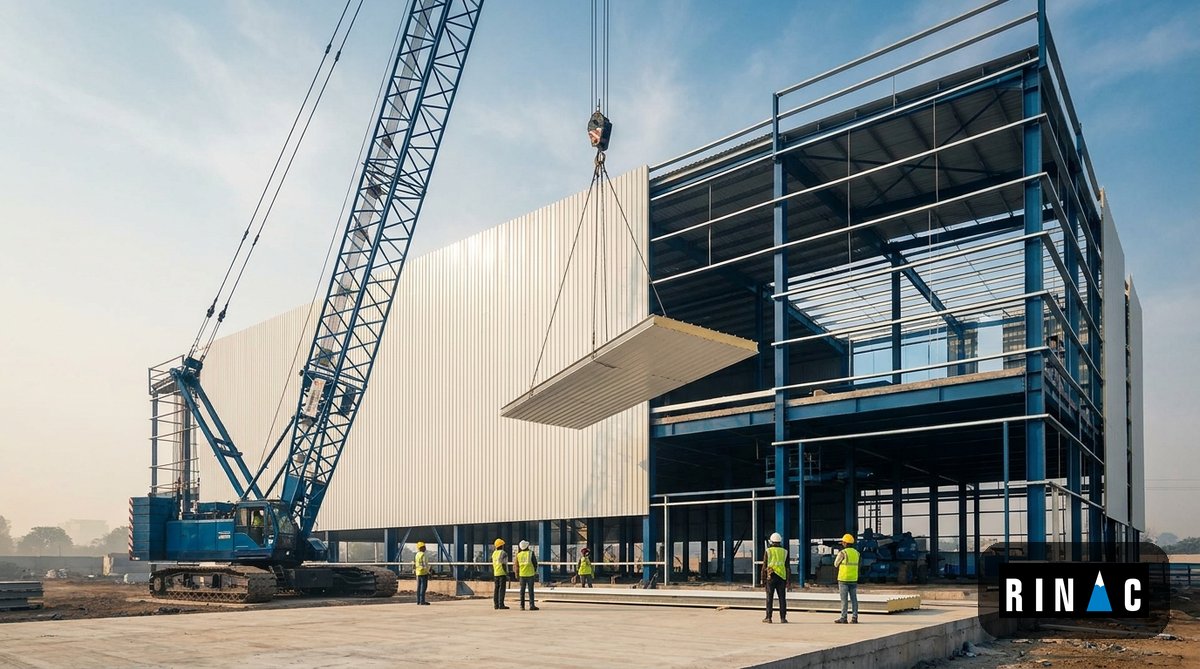
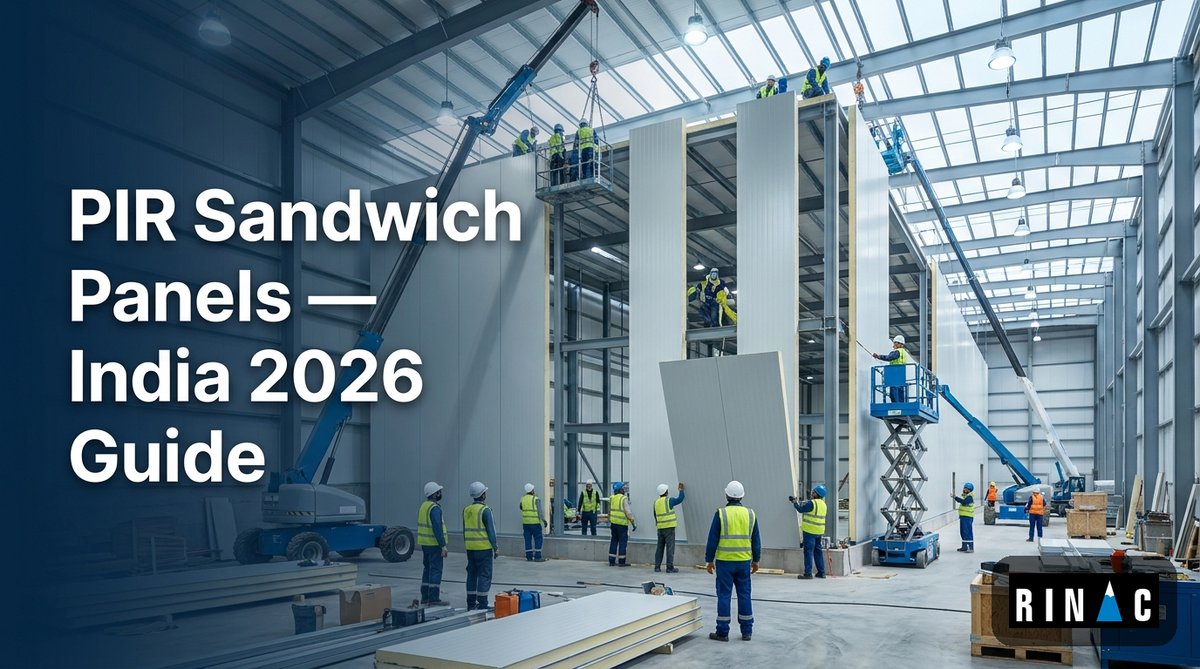
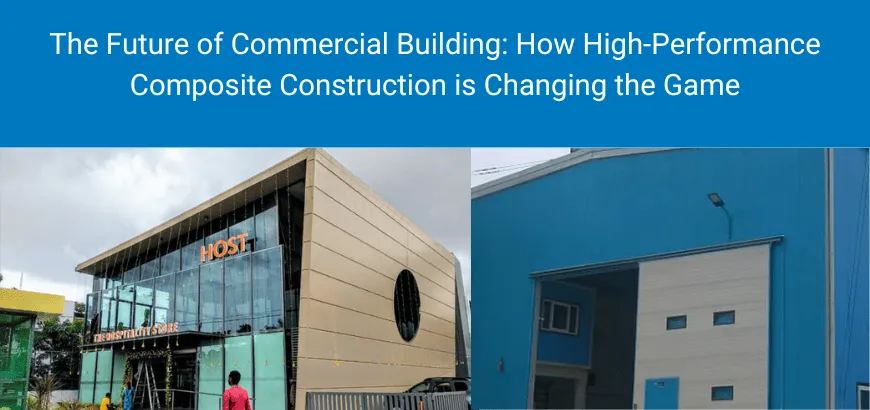
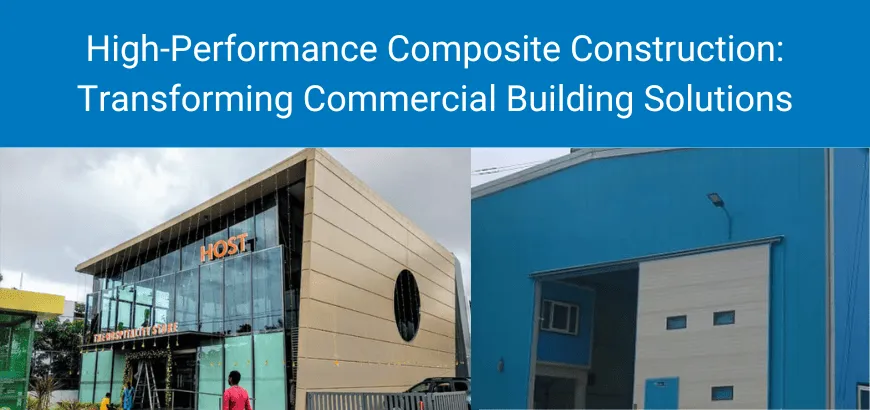
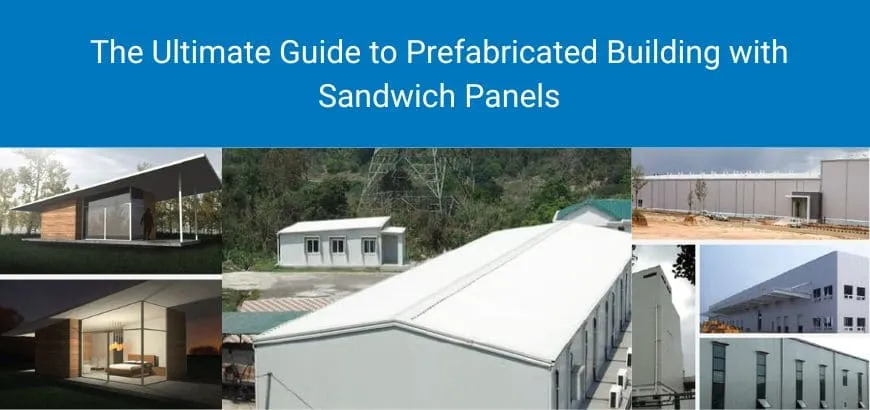
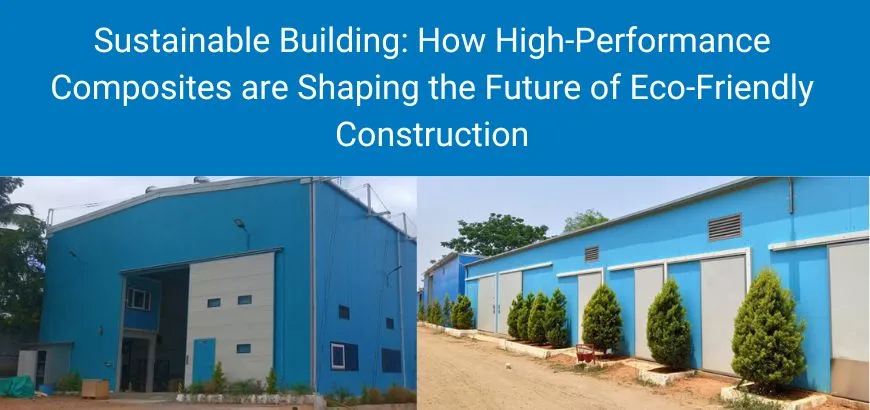
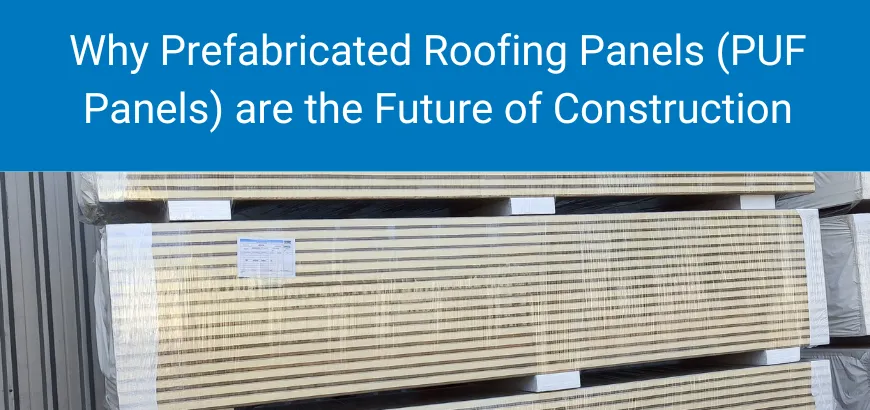
Most modern cold stores use pre-engineered building (PEB) shells combined with insulated panel interiors. Rinac’s patented High-Performance Composite Construction (HPCC) system integrates structure, insulation, and fire rating into a single factory-manufactured system, cutting project timelines by 25-40% compared with conventional RCC.
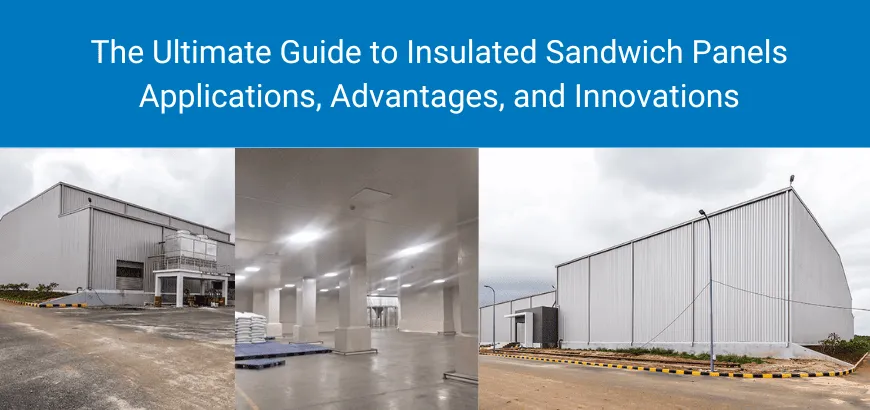
Insulated Panel Specification
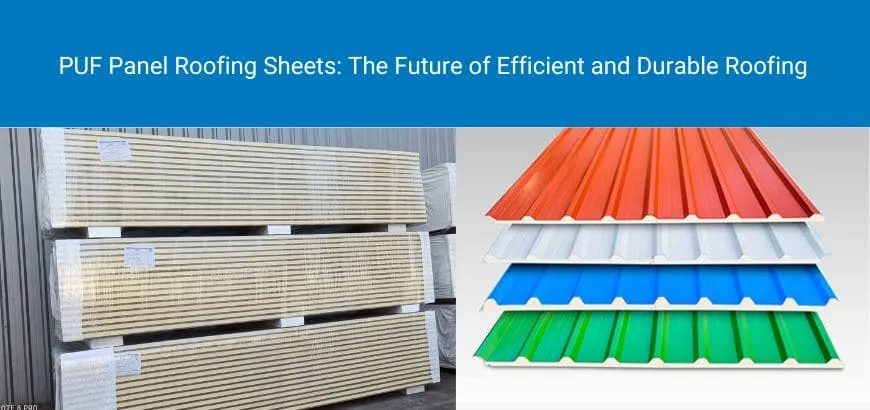
High-quality PUF panels achieve a thermal conductivity of roughly 0.022 W/mK, about 40% better than expanded polystyrene. In practice:
- Chiller rooms (+2 to +8°C): 80-100 mm PUF or PIR panels
- Freezer rooms (-18 to -25°C): 120-150 mm PUF or PIR panels
- Blast freezers (-35 to -40°C): 150-200 mm PIR panels, often with vapour barrier upgrades
- Ripening and pre-cooling: 60-80 mm panels
For fire-sensitive applications such as pharmaceutical cold storage, specify Firearmet FM-approved fire-rated sandwich panels. Full comparison of panel options is available in our PUF vs PIR vs Rockwool guide.
Racking, Dock Design, and Airflow
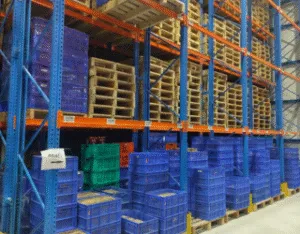
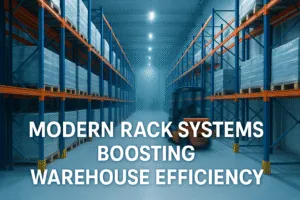
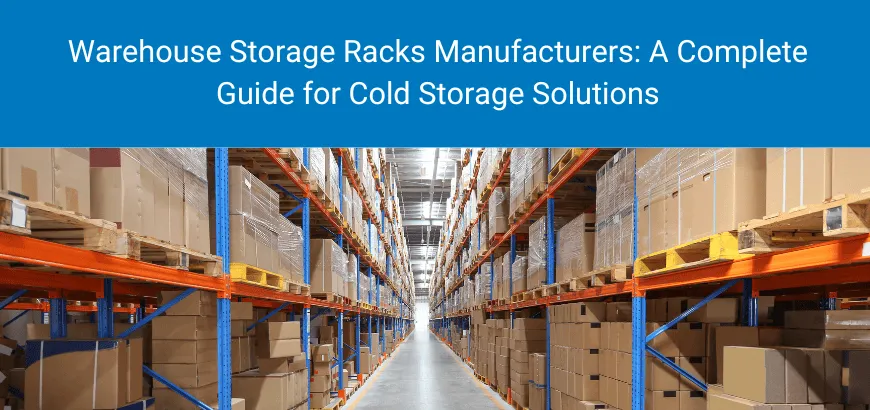
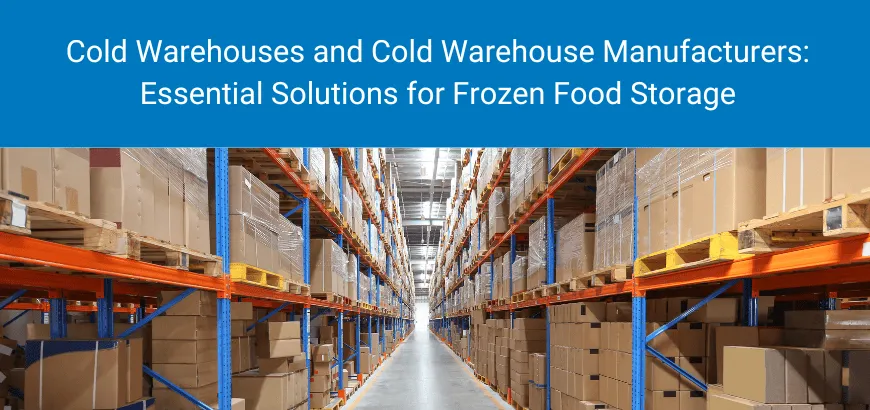
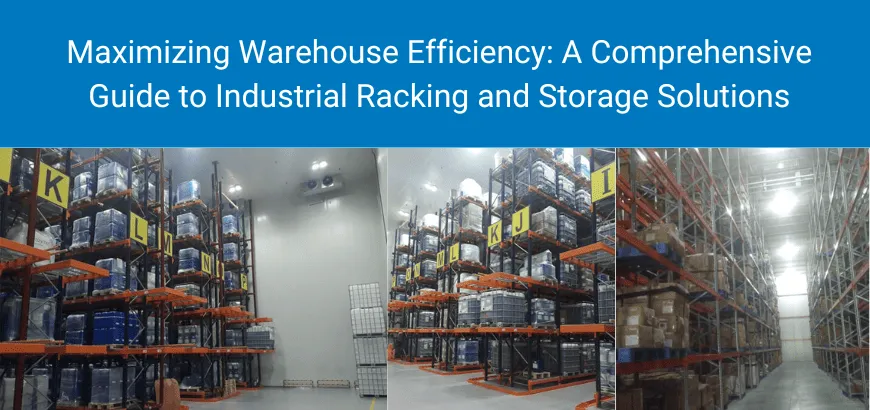
Racking turns cubic volume into usable pallet positions. Selective racks suit low-SKU, high-turnover operations. Drive-in or push-back racks maximise density for single-SKU bulk storage. Mobile racks unlock 80-90% floor utilisation but at higher CAPEX. For high-density, high-throughput operations, automated storage and retrieval systems (ASRS) are increasingly the default choice.
Dock design matters more than most operators realise. Specify air-tight dock shelters, strip curtains, and air-curtain fans to cut warm-air infiltration by 70-80%. Airflow engineering inside the chamber, including evaporator placement, air throw direction, and aisle spacing, determines whether every pallet sees its target temperature.
Rinac design principle: We treat every cold storage project as a thermodynamic system, not a shed with a cooler. That is why we co-engineer the envelope, refrigeration, racking, and controls from day one.
Refrigeration Systems: Ammonia, Freon, or CO2?
The refrigeration plant is typically 30-40% of CAPEX and 50-60% of operating cost. Choosing the right architecture is the single highest-leverage decision in a cold storage project.
| Refrigerant | Strengths | Considerations | Best Fit |
|---|---|---|---|
| Ammonia (NH3/R-717) | Best energy efficiency, low GWP, low running cost | Toxicity requires safety protocols and trained operators | Large-scale (5,000+ MT) cold stores, processing plants |
| Freon (HFC/HFO) | Safer in occupied spaces, standardised components | Higher GWP depending on refrigerant choice | Small and mid-sized chillers, pharma warehouses |
| CO2 (R-744) | Natural, low GWP, excellent low-temperature efficiency | Higher CAPEX, specialist service network | Sustainability-focused new-builds, QSR distribution |
| NH3/CO2 Cascade | Combines efficiency and safety, strong TCO at scale | Higher commissioning complexity | Multi-zone multicommodity cold chains, ice cream plants |
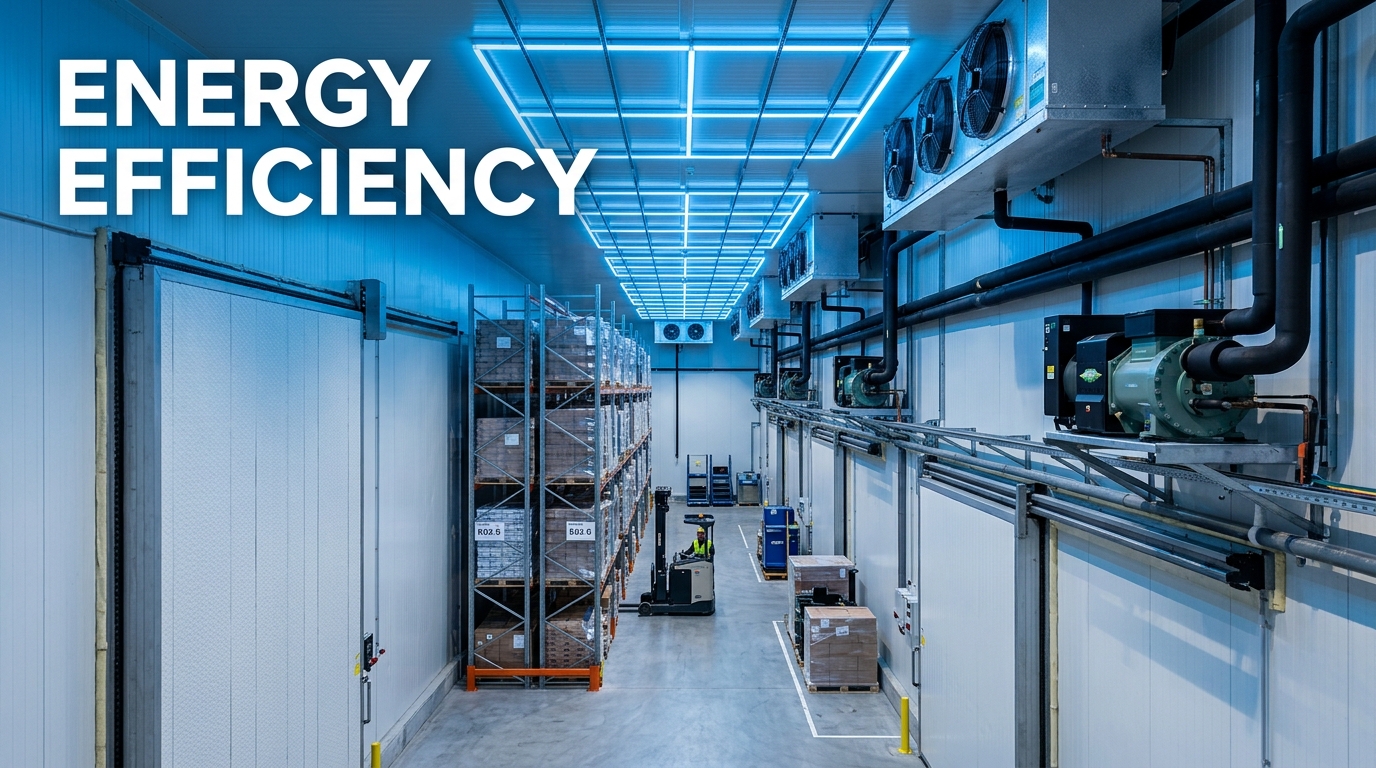
Regardless of refrigerant, always specify VFD-driven compressors, EC fans, and smart controls. These investments consistently deliver 20-35% energy savings, as detailed in our cold storage energy efficiency playbook.
Cold Storage Warehouse Cost: CAPEX and OPEX for India
Cold storage warehouse cost is the single most-searched question from every first-time investor we meet. Here are realistic 2026 benchmarks for Indian projects.
CAPEX Benchmarks (per sq ft, completed facility)
- Ambient / pre-cooling: INR 1,800-2,500 per sq ft
- Chiller cold storage: INR 2,500-3,200 per sq ft
- Frozen cold storage: INR 3,200-4,000 per sq ft
- Blast freezer / IQF: INR 4,500-6,500 per sq ft
- WHO-GMP pharma cold storage: INR 5,000-7,500 per sq ft
Capacity-Based Rules of Thumb
- 100 MT mini cold storage plant cost in India: INR 65 lakh to INR 1.2 crore depending on temperature and automation
- 1,000 MT multi-zone cold store: INR 4.5-7 crore turnkey
- 5,000 MT multicommodity cold store: INR 18-28 crore turnkey
- 10,000 MT cold chain hub: INR 35-55 crore turnkey
OPEX Benchmarks
Operating costs run 15-40% of CAPEX annually. The main buckets are:
- Electricity: 45-60% of OPEX, often 3-4x a dry warehouse
- Maintenance and spares: 8-12%
- Manpower (loaders, operators, supervisors): 12-18%
- Insurance, audits, compliance: 4-6%
- Consumables (pallets, packaging, PPE): 5-8%
Watch out: Many first-time operators underestimate power. A poorly insulated 1,000 MT chiller in a hot Indian city can burn INR 60-80 lakh of electricity a year. A well-engineered Rinac facility with VFDs, EC fans, and smart controls often cuts that bill by 30%.
Government Subsidies for Cold Storage Projects in India
Indian government schemes can fund 35-50% of a qualifying cold storage project on a back-ended basis. The main avenues are:
- Mission for Integrated Development of Horticulture (MIDH): 35% subsidy in general areas, 50% in hilly and tribal areas, for cold stores up to 5,000 MT serving horticulture produce. Channelled through state horticulture departments.
- PM Kisan SAMPADA Yojana (PMKSY): Ministry of Food Processing Industries provides 35-50% grants for integrated cold chain and value addition infrastructure. Continuation approved with INR 4,600 crore allocation through March 2026.
- National Horticulture Board (NHB): Credit-linked back-ended subsidy for cold stores above 5,000 MT capacity.
- National Cooperative Development Corporation (NCDC): Term loans and partial funding for cooperative and FPO-led cold chain projects.
- State incentive packages: Many states layer additional capital and interest subsidies on top of central schemes.
The application process is paperwork-heavy and sequencing-sensitive. Our detailed cold chain subsidies 2026 guide walks through eligibility, documentation, and timelines.
FSSAI, HACCP, and GMP Compliance
Every cold storage warehouse in india handling food must hold an FSSAI licence with the correct Kind of Business code. Pharma operators need CDSCO registration and WHO-GMP for exports. Export-grade food operators layer HACCP, ISO 22000, and BRCGS on top. The practical checklist:
- Temperature data loggers on every chamber with cloud-based audit trails
- Documented SOPs for receiving, storage, loading, and cleaning
- Pest control programme with quarterly audits
- Validated calibration certificates for sensors and instruments
- Staff training records and medical fitness certificates
- Fire safety NOC, lightning arrestor, earthing audits
- Preventive maintenance schedule for refrigeration and electrical plant
For sector-specific compliance depth, explore our guides on pharmaceutical cold storage in India 2026 and cold storage for agriculture and horticulture.
How Rinac Builds Cold Storage Warehouses End-to-End
Rinac India Limited has spent 30+ years doing one thing well: designing and delivering cold chain and modular construction infrastructure. Our track record includes 10,000+ projects across 23 countries and 6,000+ active clients including ITC, Britannia, Tata, Reliance, Nestle, Biocon, Flipkart, Haldiram’s, and Frito-Lays.
For a cold storage warehouse near me or anywhere in India, we operate as solution architects, not just suppliers. A typical Rinac engagement covers:
- Concept and feasibility: Capacity modelling, SKU flow analysis, site survey, and CAPEX/OPEX budgeting
- Engineering design: Building envelope, refrigeration plant, electricals, controls, racking, dock, and fire safety
- Manufacturing: Two ISO-certified facilities in Bangalore and Murbad produce PUF/PIR panels, HPCC systems, and equipment frames
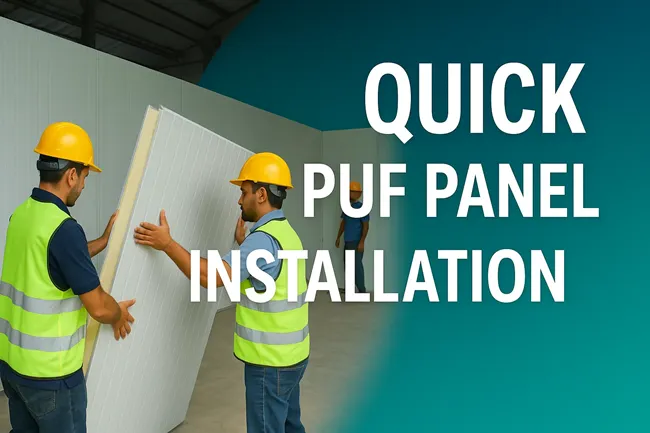
- Installation: Skilled installation teams from our 14 branch offices deliver site work under a single accountable contract
- Validation and handover: Commissioning protocols, temperature mapping, FSSAI/GMP documentation support
- After-sales service: Dedicated 1800-4252252 service desk and AMC coverage across India
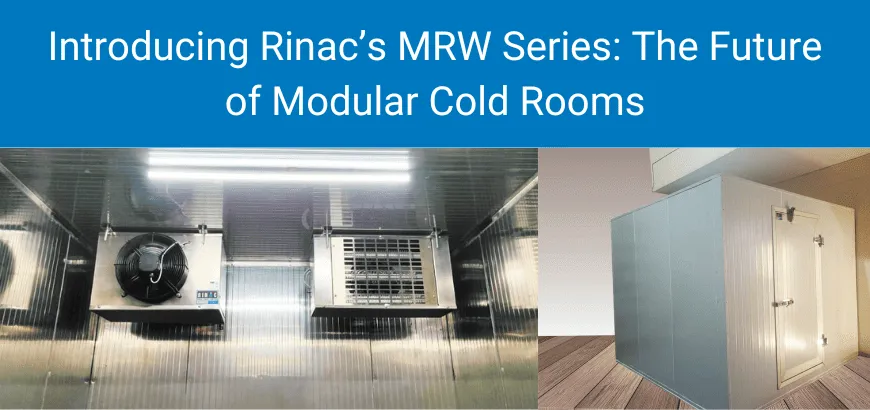
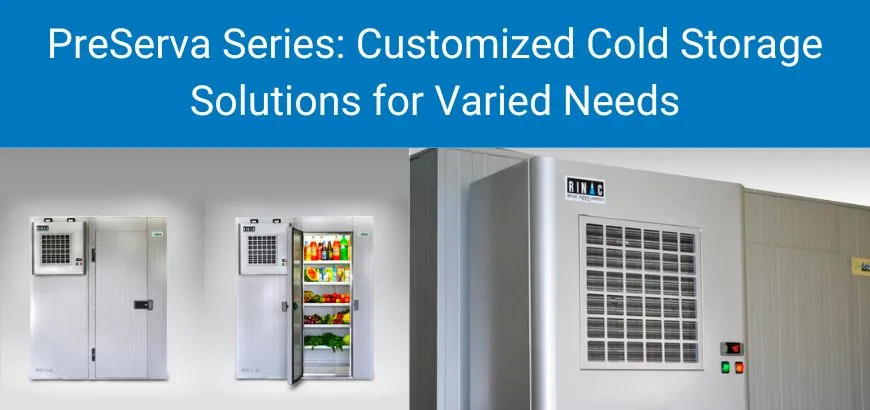
We also hold a portfolio of cold room, racking, and HPCC products so every subsystem comes with the same quality and warranty chain. That single-source accountability is usually the difference between a project that hits timelines and one that slips.
“Rinac’s engineering-led approach meant our multi-temperature facility came online two months ahead of schedule, with electricity consumption 27% below our original estimates.” – typical feedback from a Rinac FMCG client.
Frequently Asked Questions About Cold Storage Warehouses
Ready to Build or Upgrade Your Cold Storage Warehouse?
Whether you are planning a 100 MT farm-gate cold store, a 10,000 MT multicommodity hub, or a WHO-GMP pharma warehouse, Rinac’s engineering, manufacturing, and installation teams can take your project from concept to commissioning under one contract. We will help you size the plant, model the economics, apply for subsidies, and build to a spec that runs efficiently for decades. Speak to our cold chain experts or call our enquiry line today.
Explore related RINAC systems: cold-room panels · insulated sandwich panels. Product data and suitability should be confirmed for the exact project.