TL;DR — Flake Ice Machine in India 2026
- A flake ice machine produces thin, dry, sub-cooled ice flakes that cool perishable products faster and more uniformly than tube, block, or cube ice — making it the workhorse of Indian fisheries, dairy, meat, bakery, and pharma cold chains.
- India’s cold chain logistics market is projected to grow from USD 24.85 billion in 2026 to USD 33.12 billion by 2031 at 5.91% CAGR, with ice-dependent fisheries production reaching 197.75 lakh tonnes in FY 2024-25 and seafood exports of Rs 62,408 crore.
- Indicative India prices in 2026 range from around Rs 80,000 for small lab/commercial flakers (~120 kg/day) to Rs 11–15 lakh for industrial 1–5 TPD systems, with energy use as low as ~75–105 kWh per tonne of ice depending on design.
- Government schemes — PMMSY for fisheries, PMKSY (cold chain component) under MoFPI, and the NHB / MIDH cold chain subsidy — can fund 35% to 55% of capital cost for eligible operators.
- Compliance pivot: under FSSAI, ice in direct contact with food must be made from potable water meeting BIS IS 10500 with twice-yearly NABL water testing — meaning the ice machine, water treatment, and storage are one regulated system.
Why a flake ice machine matters more than ever for India’s cold chain
If you operate in India’s seafood value chain, run a dairy chilling centre, manage a meat or poultry processing line, supply ready meals to QSRs, or commission ice for a pharma stability lab — the right flake ice machine is no longer a back-of-house utility. It is a regulated, energy-intensive, high-uptime asset that sits between your raw material and your finished product.
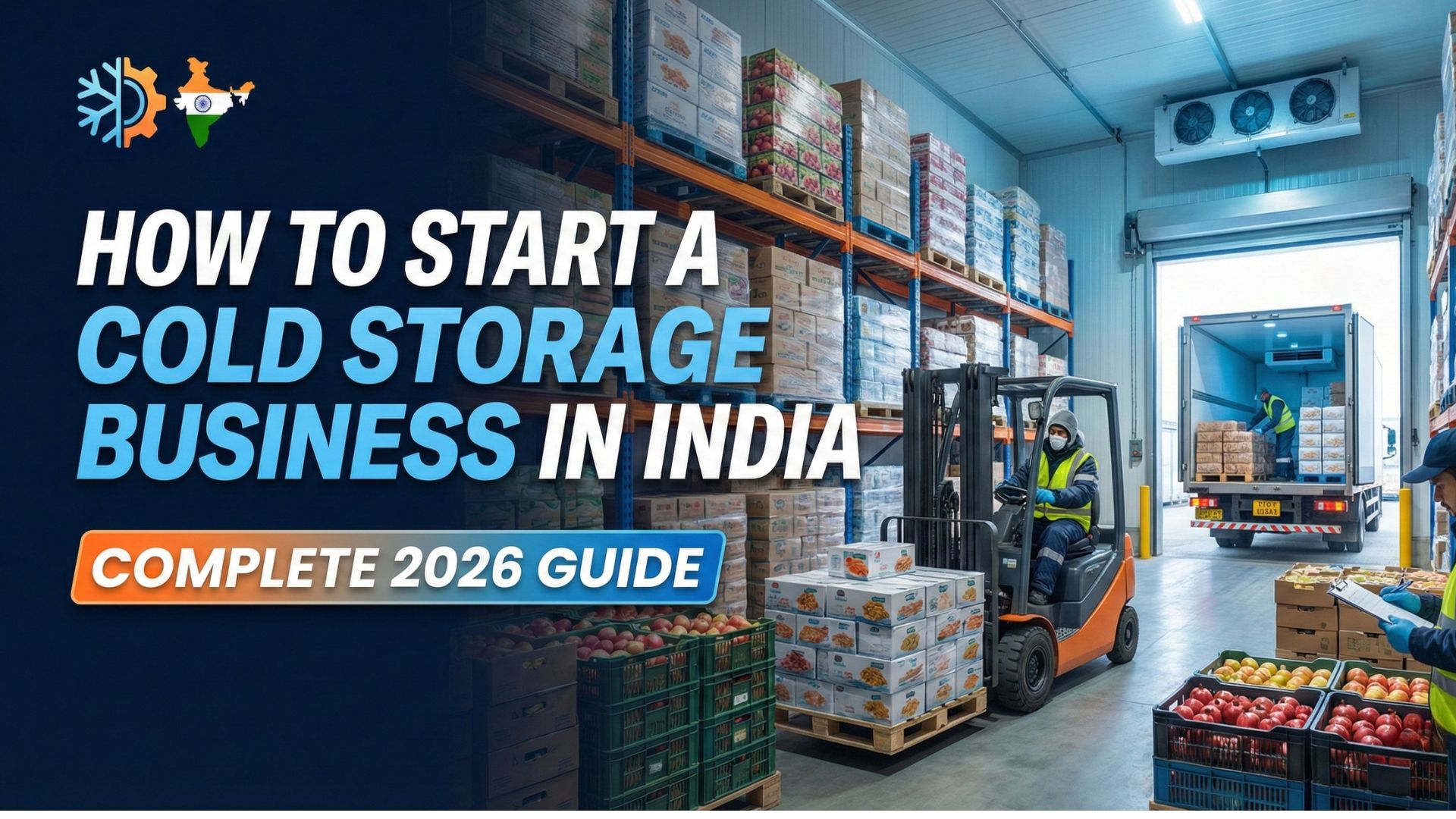
India’s National Centre for Cold-chain Development (NCCD) and NABARD studies have flagged a structural gap: against a notional cold storage requirement of around 35 million metric tonnes, available capacity is roughly 32 MMT, and existing infrastructure handles only about 11% of total perishable produce across the value chain [2]. The gap is not only in cold rooms — it is equally in pack houses, ripening chambers, reefer trucks, and in-line ice supply at the point of harvest, slaughter, milking, or processing [3].
That is why an ice flake machine sized correctly, fed with FSSAI-grade water, and engineered for the Indian climate is now a board-level capex decision — not a procurement footnote. This guide is written for that decision.
USD 33.12 bn
Projected India cold chain logistics market by 2031 (CAGR 5.91%, 2026-2031). Source: Mordor Intelligence [1]
Projected India cold chain logistics market by 2031 (CAGR 5.91%, 2026-2031). Source: Mordor Intelligence [1]
Disclaimer. This article is for informational purposes only and is not a substitute for professional engineering, legal, regulatory, or financial advice. Subsidy quanta, scheme eligibility, FSSAI rules, indicative prices, and tariff structures change. Verify directly with FSSAI, MoFPI, the Department of Fisheries, NHB, NABARD, your state nodal agency, and a chartered cold chain engineer before committing capex. All figures are sourced from public references as of the publication date and rounded for clarity.
What is a flake ice machine, and how is flake ice different from tube, block, or cube ice?
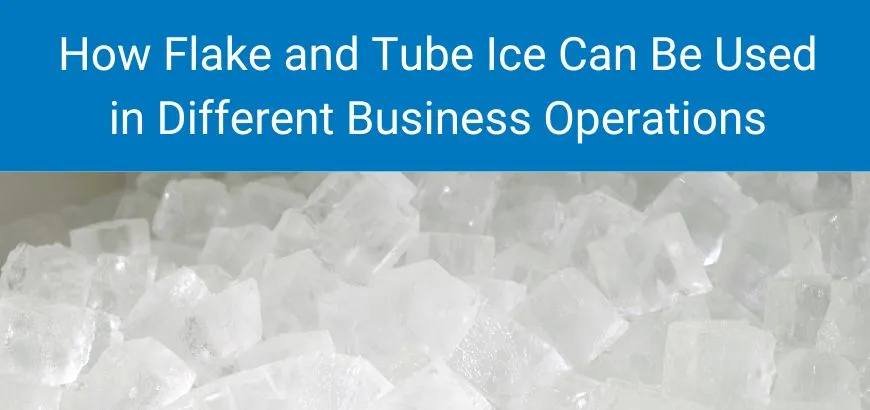
A flake ice machine — also marketed as an ice flake machine, ice machine flake ice, flake ice making machine, flake ice maker machine, ice flake maker machine, ice flake making machine, or sometimes snow flake ice machine — freezes a thin film of water on a refrigerated drum or evaporator, then scrapes off the resulting ice as dry, sub-cooled flakes typically 1.5–2.2 mm thick. Because each flake exposes a large surface area per kilogram and is colder than 0°C, it pulls heat out of fish, meat, poultry, milk, dough, or vaccines faster than equivalent mass of tube, block, or cube ice.
The format matters because the application matters. A trawler offloading sardines does not have the same problem as a wholesale baker dosing ice into a high-speed mixer. The table below summarises how operators in India typically choose between formats.
| Ice format | Typical thickness / size | Cools by | Best Indian use cases |
|---|---|---|---|
| Flake ice | 1.5–2.2 mm; sub-cooled to −5°C to −7°C | High surface contact, no sharp edges, blends easily | Fisheries (boxing of catch), meat & poultry, dairy, bakery dough cooling, IQF feed prep, supermarket fresh display |
| Tube ice | ~22–42 mm hollow cylinders | Slow melt, looks premium | Beverage, hospitality, bagged ice retail, cold drink coolers |
| Block ice | 5–25 kg blocks | Long melt life, transportable | Marine fisheries, traditional fish auction halls, ice transport for areas with weak grid |
| Cube ice | 10–30 g cubes | Aesthetic, slow melt | QSR chains, hotels, banquet, healthcare |
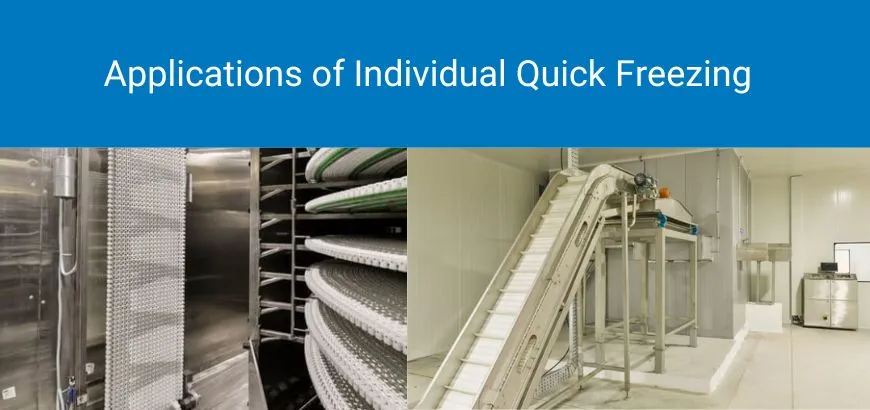
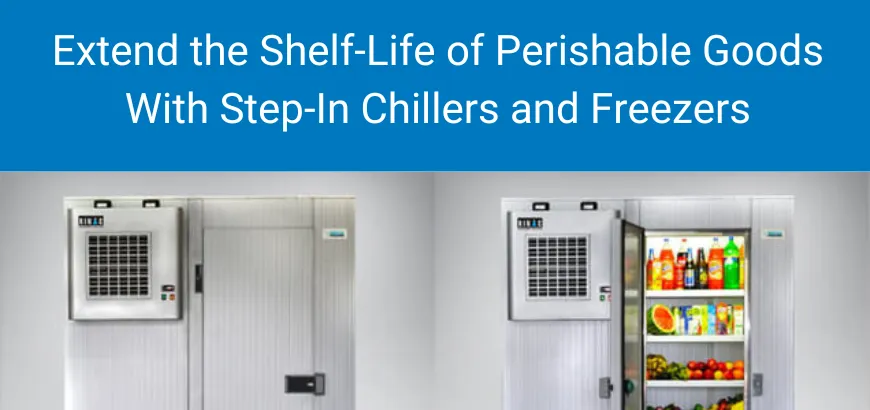
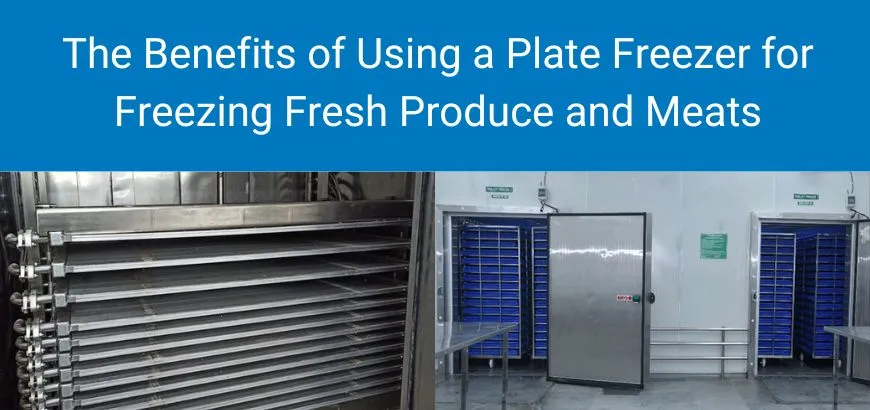
For most cold chain and food processing applications — the audience this guide serves — flake ice wins on three engineering grounds: faster heat transfer per kg of ice, no mechanical damage to delicate produce like prawn or fillets, and simple gravity-fed dispensing into bins, IBCs, and mixers. That is also why fisheries and food processing operators repeatedly pair a flake ice machine with a thermal storage ice bank tank, with individual quick freezers, or with a full turnkey food processing line.
Indian market context: demand, cold chain gap, and subsidy push
Three forces are converging in 2026 to make ice machine procurement strategic, not opportunistic.
1. Fisheries growth is outrunning shore-side ice supply
Fish production in India grew from 95.79 lakh tonnes in FY 2013-14 to 197.75 lakh tonnes in FY 2024-25 — a 106% jump in eleven years, with inland fisheries up 140% in the same window [6]. India is now the second-largest fish producer globally, accounting for around 8% of world output, and seafood exports touched Rs 62,408 crore in FY 2024-25, with shrimp alone at Rs 43,334 crore [7]. Every kilogram of premium-grade fish or shrimp leaving an Indian harbour needs an audited cold chain that begins with clean, sub-cooled ice on the deck or at the landing centre.
2. Dairy losses are still mostly a cooling problem
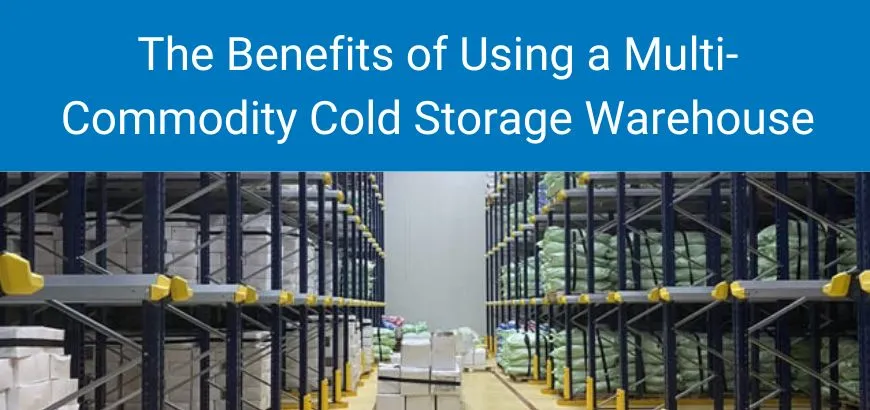
India is the world’s largest dairy producer, accounting for over a quarter of global milk output, with annual production exceeding 220 million metric tonnes. Yet roughly 20–25% of total milk production is lost due to inadequate cold chain infrastructure, and only about 20% of milk is moved through cold chains [12]. A village-level chilling centre with the wrong ice or no ice at all is a daily, recurring cost — this is why a properly sized cold storage and pre-cooling plan for milk almost always pairs a flake ice solution with bulk milk coolers.
3. Subsidies are paying for cold chain hardware
The Government of India is funding a multi-year build-out of cold chain assets across three flagship schemes that fisheries, horticulture, dairy, and food processing operators routinely combine:
- PMMSY (Pradhan Mantri Matsya Sampada Yojana) — Department of Fisheries; Rs 20,050 crore outlay extended to FY26, with Rs 2,500 crore allocated in Union Budget 2026-27, the highest-ever for the scheme. PMMSY supports fishing harbours, modern fish landing centres, processing units, ice plants, and cold chain assets [4][5].
- PMKSY (Pradhan Mantri Kisan SAMPADA Yojana) — MoFPI’s umbrella scheme. As of February 28, 2025, MoFPI had sanctioned 1,608 PMKSY projects including 41 Mega Food Parks and 394 Cold Chain projects, with total subsidy disbursal of Rs 6,198.76 crore. Cold chain projects so far have added 10.3 lakh MT of cold storage, 335 MT/hour of IQF capacity, 175.8 LLPD of milk processing, and 1,860 reefer vehicles [10].
- NHB / MIDH cold chain subsidy — Capital investment subsidy of 40% (general areas) and 55% (NE / hilly / scheduled areas) for cold storages up to 5,000 MT, and 35%/50% for 5,000–10,000 MT projects. One MT of capacity is treated as 3.4 cubic metres of chamber volume for subsidy calculation [9].
For an operator who structures the project right — with the ice plant, the cold rooms, and the value-addition line bundled into a single eligible application — the effective capex burden of a 1–3 TPD flake ice machine can fall by anywhere from 35% to over half. The cold chain subsidy playbook walks through eligibility specifics for fisheries, horticulture, and food processing.
Top applications: where a flake ice machine pays for itself in India
Fisheries and seafood processing
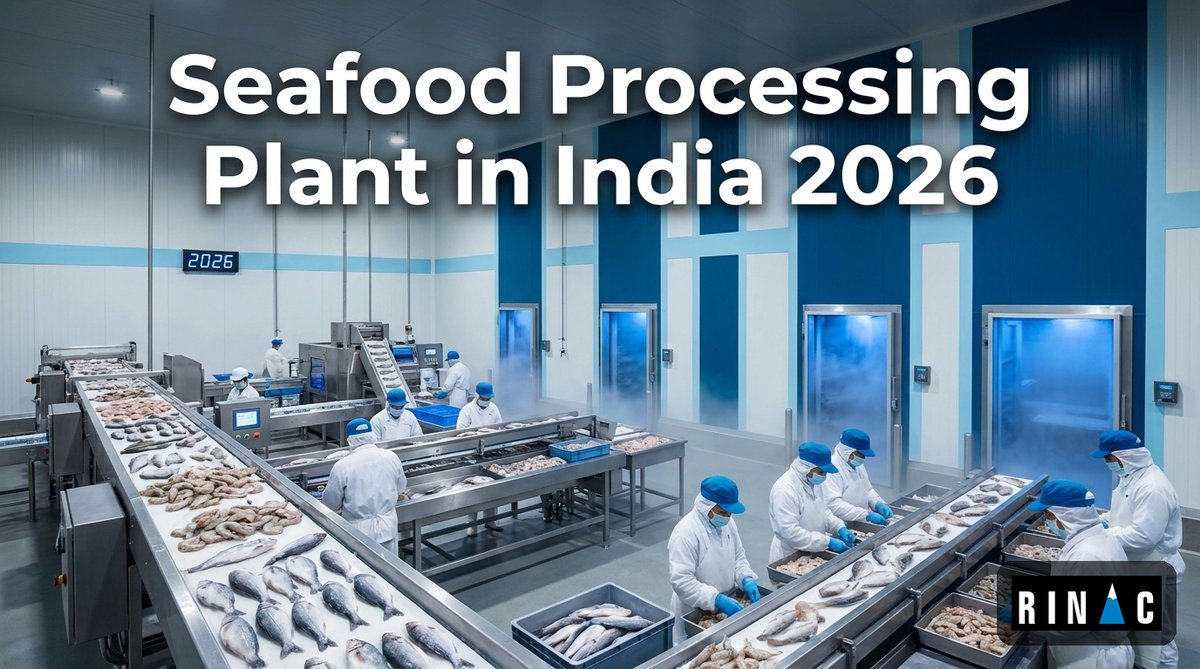
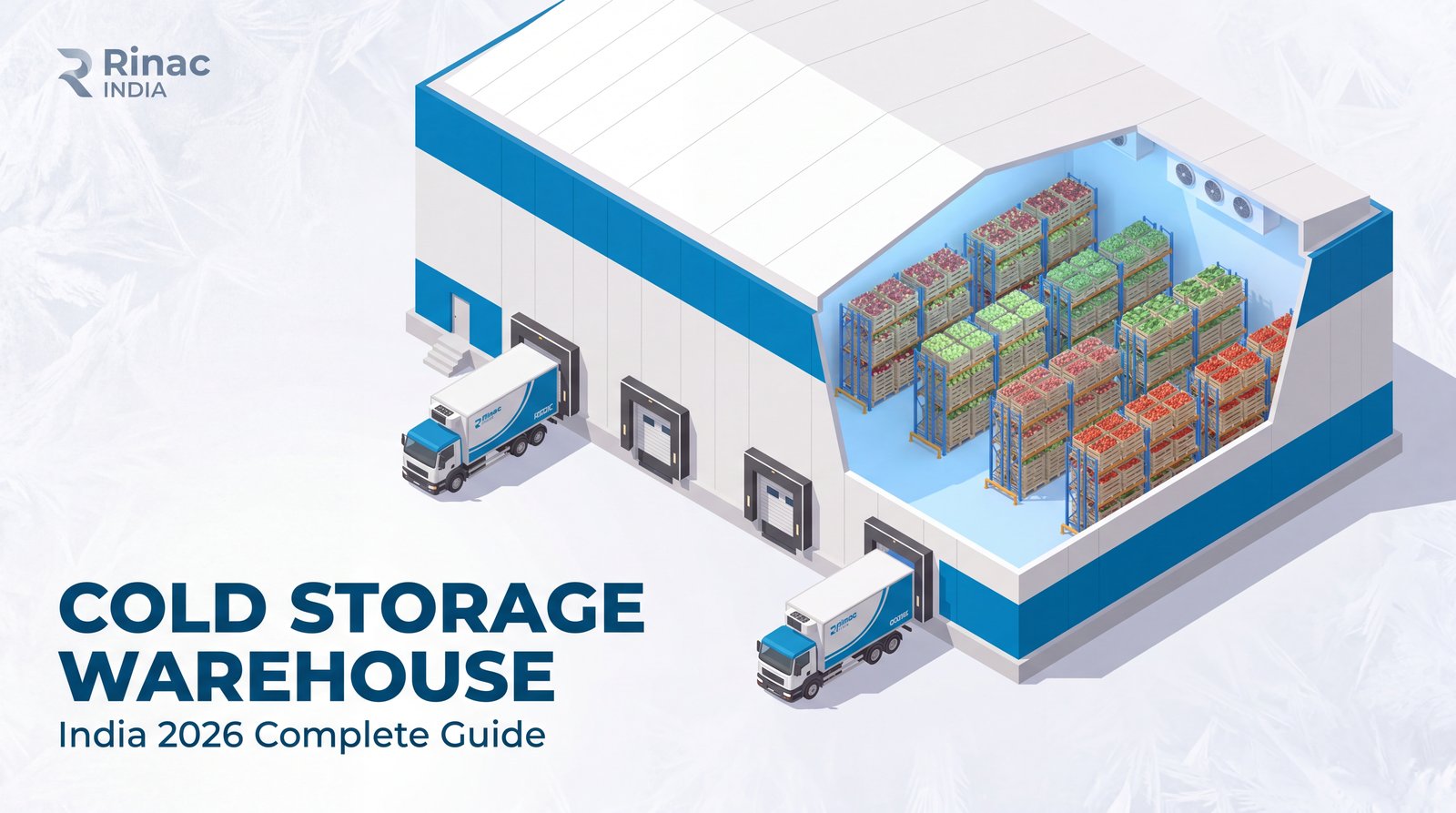
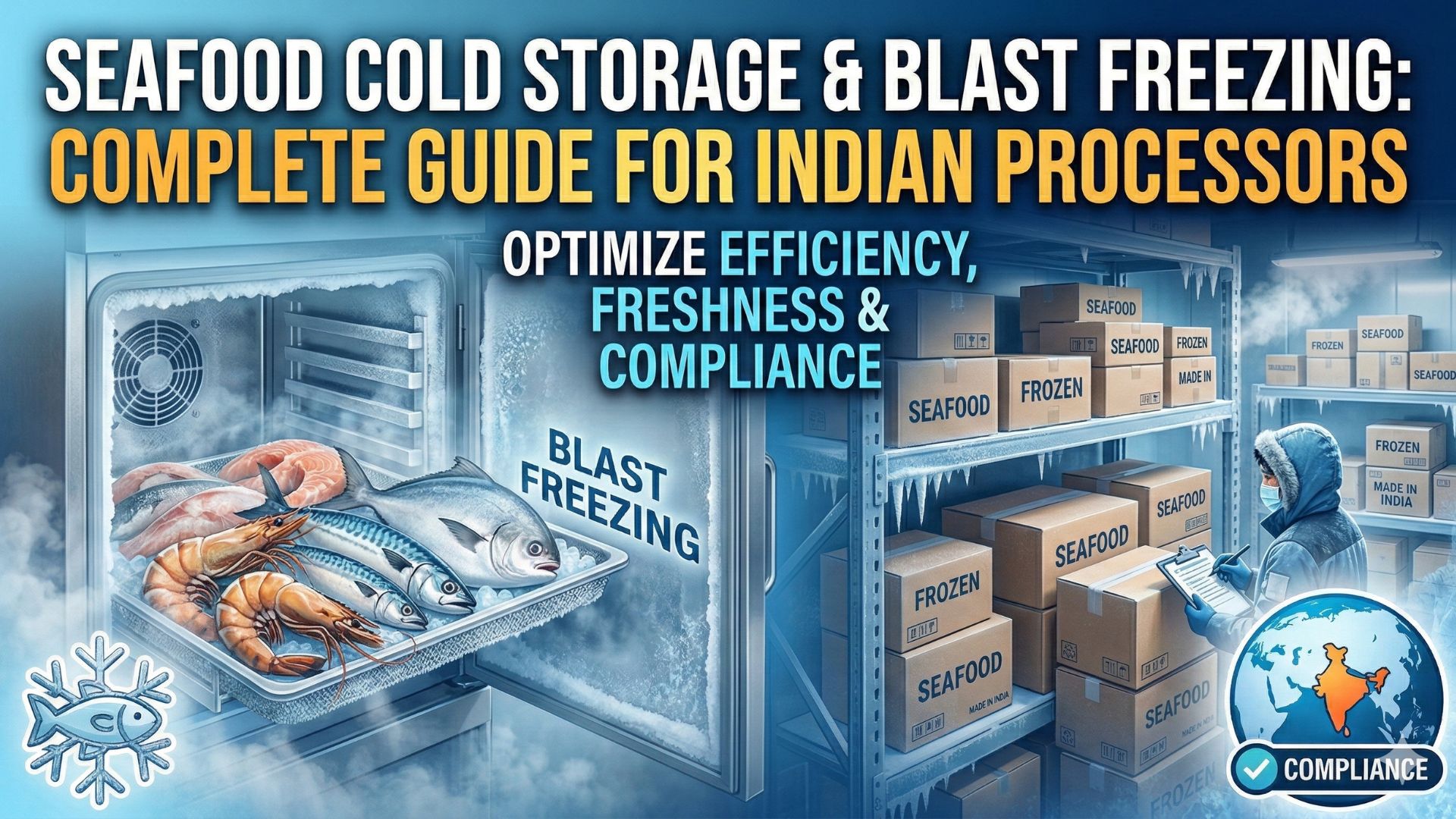
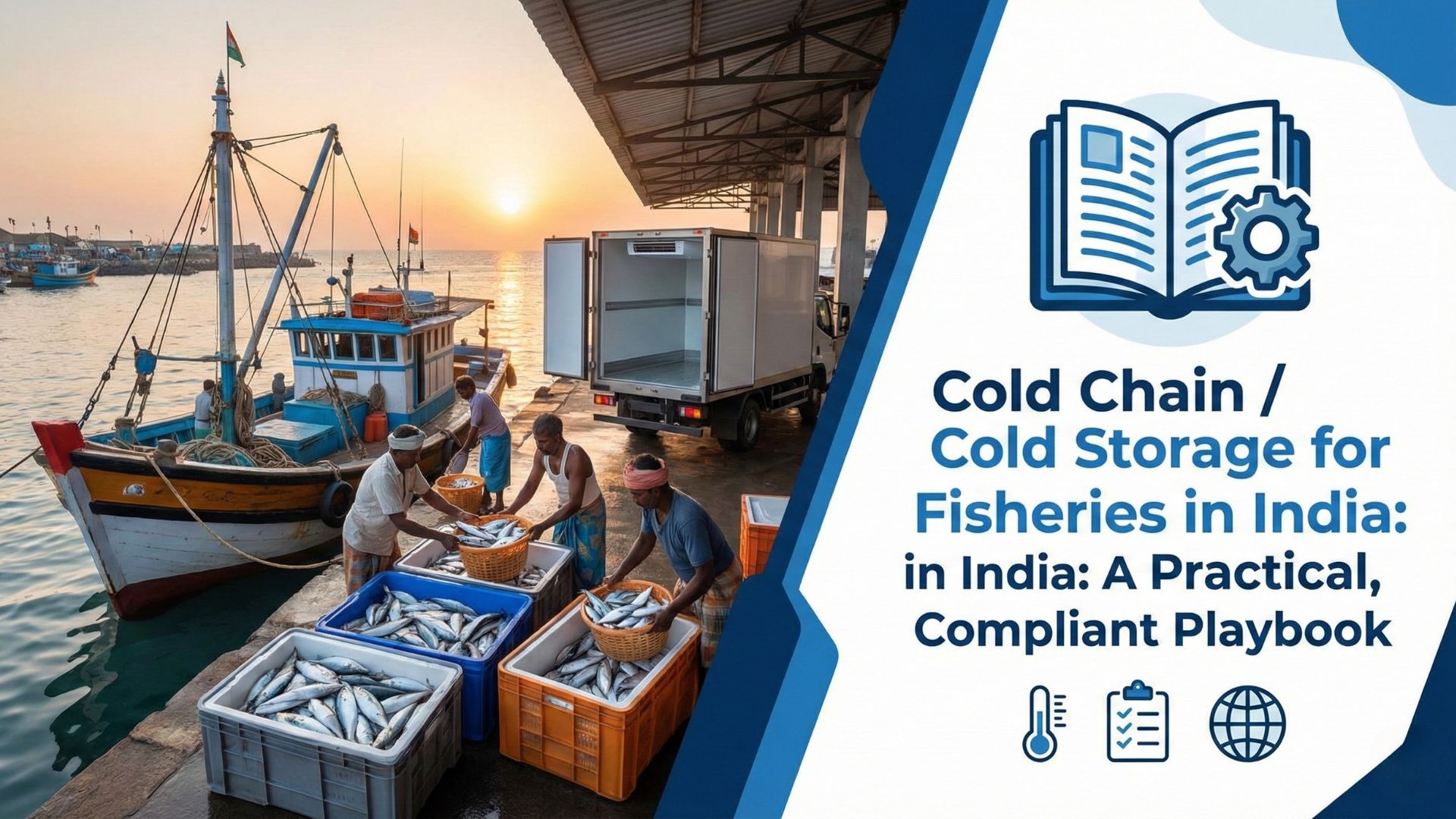
From the moment fish are landed, the temperature curve is unforgiving. Flake ice maintains the catch at 0°C to −1°C in well-mixed ice slurries inside fish boxes, totes, and reefer trucks. For India’s marine fisheries hubs — Veraval, Kochi, Mangaluru, Visakhapatnam, Paradip, Tuticorin, Kakinada — an ice plant factory sized to peak landings is the single biggest determinant of post-harvest grade. Operators who export shrimp, squid, or pelagic species to USA/EU/Japan also need traceable, FSSAI-aligned ice to satisfy MPEDA quality control. See our fisheries cold chain playbook and seafood blast freezing guide for end-to-end design references.
Meat, poultry, and dairy
Indian meat and poultry processors deploying HACCP and BRC-aligned lines use flake ice at the cut-up table, the brining bath, and the immersion chiller to hold carcass temperatures in the post-slaughter danger zone control window. Dairy plants use flake ice for paneer pressing, paneer cooling tanks, ice-cream factory chilled water loops, and cheese curd cooling. Compliance and audit context for these segments is summarised in our meat and poultry FSSAI compliance article.
Bakery, ready meals, and processed foods
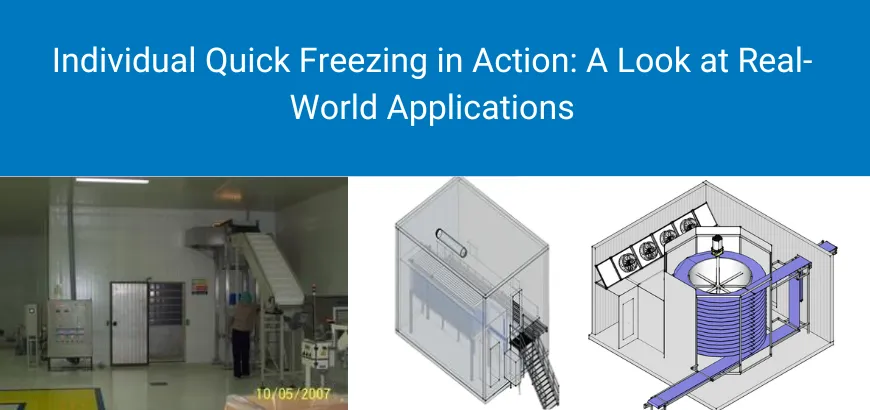
Industrial bakeries dose flake ice into spiral mixers to keep dough below 24°C in Indian ambient summers. Ready-meal lines preparing biryani, curries, and frozen snacks for QSR and Q-commerce channels rely on flake ice to drop product temperatures before packing or before individual quick freezing.
Pharmaceutical and laboratory
Stability rooms, vaccine kit packing, blood banks, and pathology labs use flaked ice for sample transport and exotherm control. India’s pharma industry is bound to WHO-GMP and Indian Pharmacopoeia rules where temperature integrity is the audit trail. A flake ice machine for laboratory applications is typically a small self-contained unit on stainless steel feet, integrated into a controlled-area gowning protocol — very different from a 5 TPD plant for a fisheries harbour.
Concrete cooling and other industrial uses
Mass concrete pours in Indian summer construction (dams, metro tunnels, large rafts) use flake ice in the mixer to limit hydration peak temperature. The same plant can serve a chemical plant heat exchanger, a steel mill quench loop, or an IPL stadium chilled-towel station — the underlying engineering is the same.
Engineering note: The “best” ice format for a given line is rarely the one a vendor sells most often. It is the one that maximises heat transfer per rupee of capex while staying inside the FSSAI water-quality envelope. Treat this as a process question first and a procurement question second.
How to size a flake ice machine for Indian operations
Sizing a flake ice making machine is a heat-load calculation, not a catalogue exercise. The following framework is what engineering teams use when designing a new plant or retrofitting capacity into an existing line.
Step 1: Establish your peak daily ice demand. Use representative ratios for your sector:
- Fisheries: 0.5–1.0 kg of ice per kg of fish at landing, plus 0.3–0.5 kg/kg for boxing and transport
- Meat & poultry: 0.3–0.6 kg of ice per kg of meat at the cut floor, depending on ambient and chiller residence time
- Bakery dough cooling: 5–15% of dough mass in summer, depending on flour temperature and target dough temperature
- Concrete cooling: Up to 50–100 kg of ice per cubic metre of concrete in extreme summer placements
Step 2: De-rate for Indian climate. A nameplate “1 TPD” rating is usually quoted at 21°C ambient and 21°C inlet water. In Chennai or Ahmedabad in May, with air-cooled condensers facing 42°C+ ambient and inlet water at 32°C, real production can fall by 20–30%. Always pick a machine whose worst-case output meets your peak demand — not its nameplate.
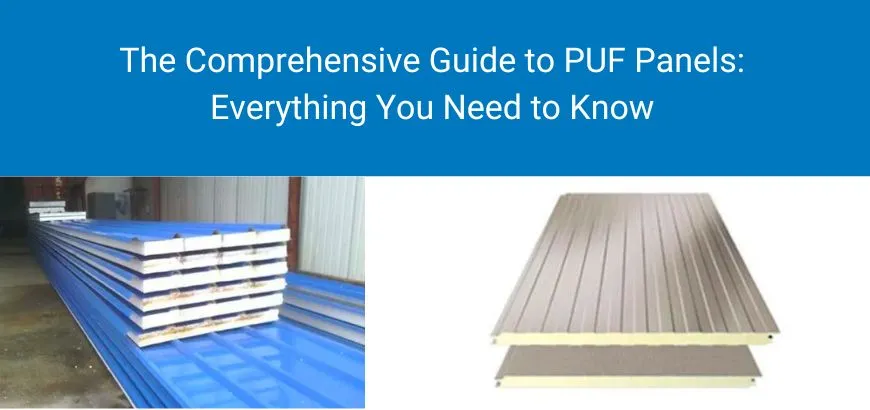
Step 3: Add storage buffer. Ice machines run continuously and best when paired with a properly sized ice silo or rake-type storage bin equal to roughly 8–24 hours of production, with insulated walls in 100–150 mm PUF. This buffers peaks and decouples production from consumption.
Step 4: Right-size electricity and water. Modern industrial flake ice systems achieve a coefficient of performance (COP) of around 3.6 at −10°C / 35°C condensing, roughly twice as efficient as older drum systems at COP ~1.8 at −30°C / 35°C [13]. Best-in-class water-cooled designs land at about 75 kWh per tonne of ice; conventional designs at 105 kWh/MT or higher [14]. Multiply this by your TPD and your local commercial tariff to get a live opex number.
~75 kWh/MT
Best-in-class energy use for water-cooled industrial flake ice. Conventional designs 105 kWh/MT or higher. [14]
Best-in-class energy use for water-cooled industrial flake ice. Conventional designs 105 kWh/MT or higher. [14]
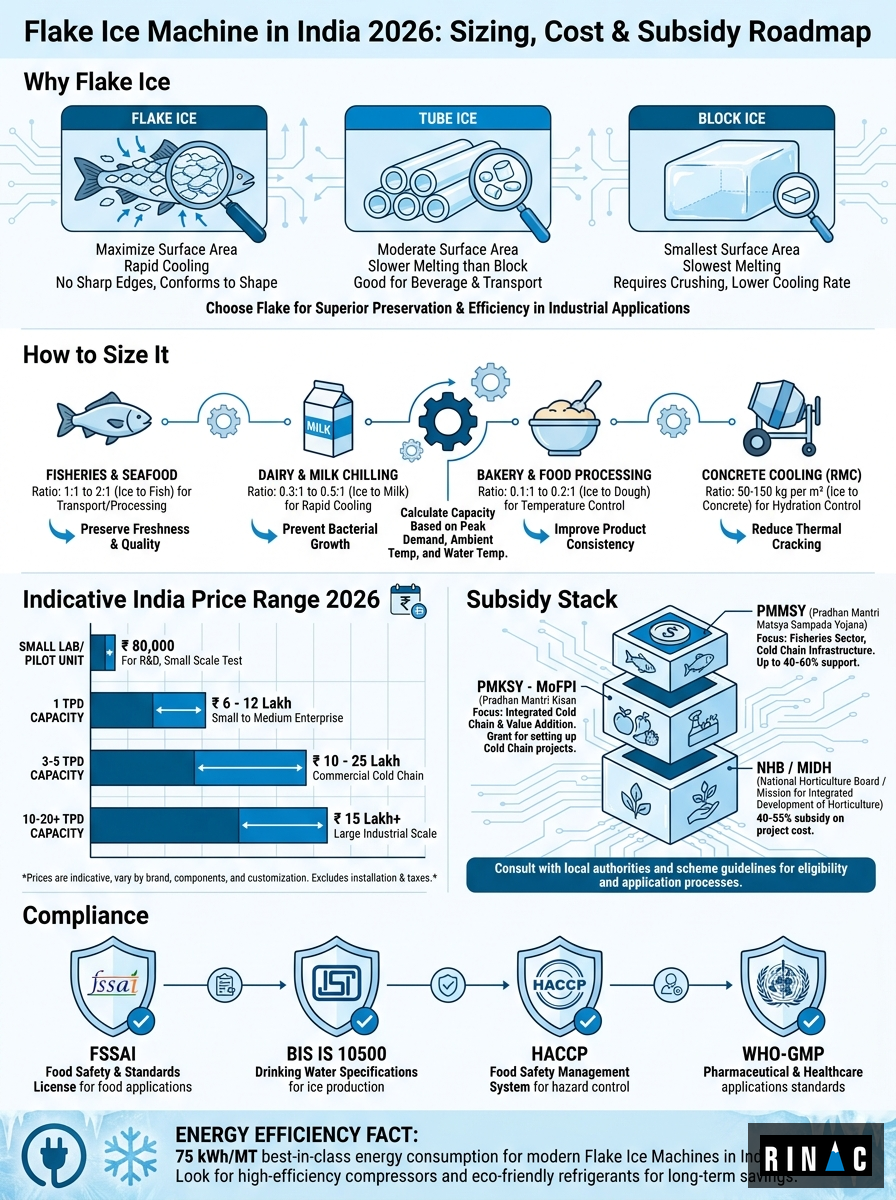
Figure 1. Flake ice machine sizing, capex/opex, and subsidy ladder for Indian fisheries, dairy, meat, bakery and pharma operators (2026).
Cost breakdown: flake ice machine price in India
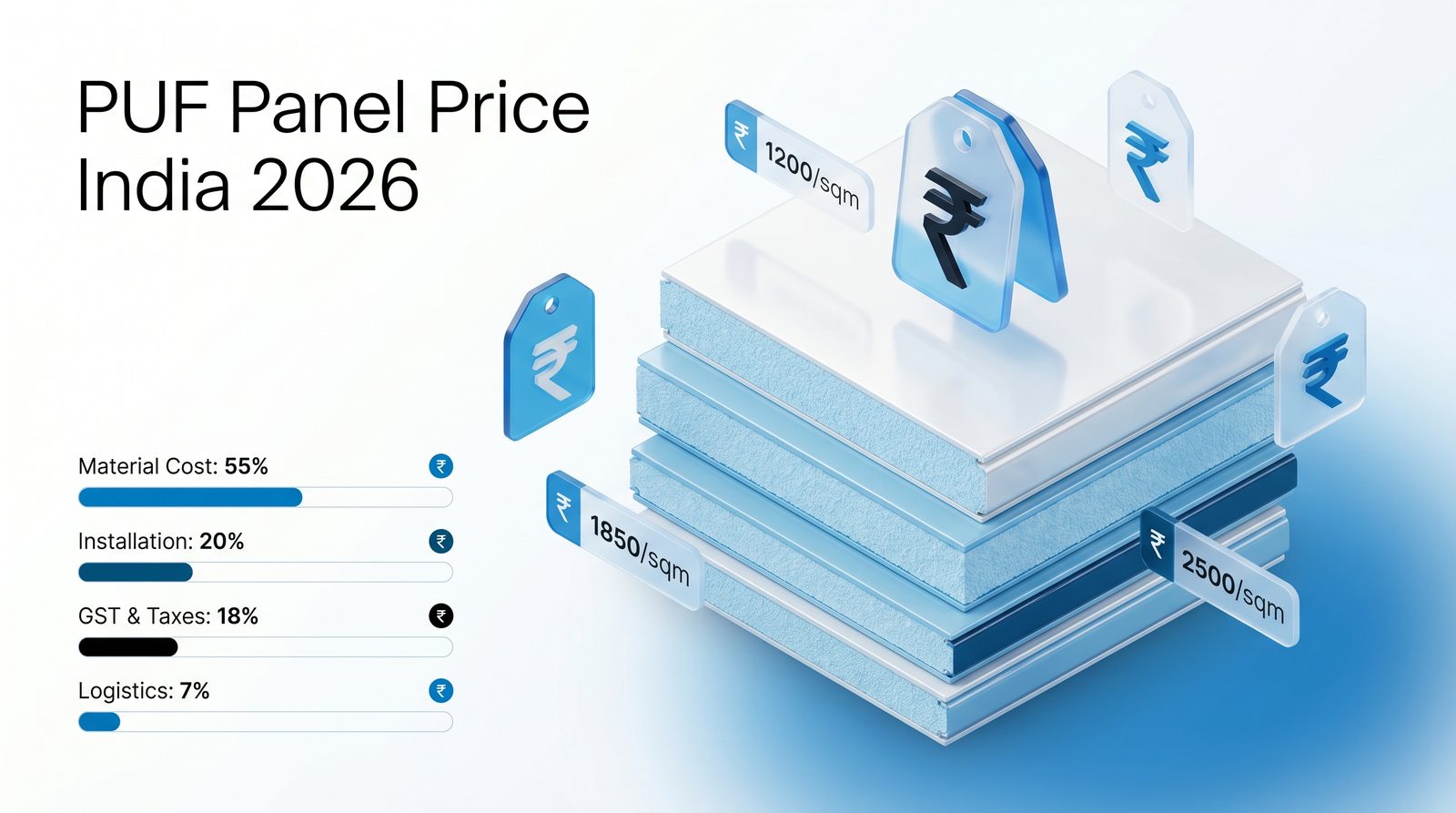
India’s flake ice machine market spans laboratory countertop units to multi-tonne industrial plants. Indicative 2026 ranges from public listings [15] are summarised below for a buyer’s first-pass benchmark; final pricing depends on capacity, condenser type, refrigerant, control panel, hygiene grade, and integration scope. Always treat these as first-mile numbers, not quotations.
| Capacity bracket | Indicative India price (Rs)* | Typical buyer |
|---|---|---|
| 100–200 kg/day (lab/commercial) | ~Rs 80,000 onwards | Pathology lab, retail seafood counter, small bakery |
| 500 kg/day – 1 TPD | ~Rs 6–12 lakh | Mid-size fish landing centre, dairy chilling plant, regional bakery |
| 3–5 TPD industrial | ~Rs 10–25 lakh | Seafood processor, mid-size meat plant, ice supplier |
| 10–20 TPD water-cooled | ~Rs 15 lakh+ (machine alone; full plant higher) | Large fishing harbour, EPC-served exporter, concrete batching plant |
*Indicative public listings as of 2026 from IndiaMart, used for orientation only. Actual quotations vary widely with brand, hygiene class, refrigerant, and scope.
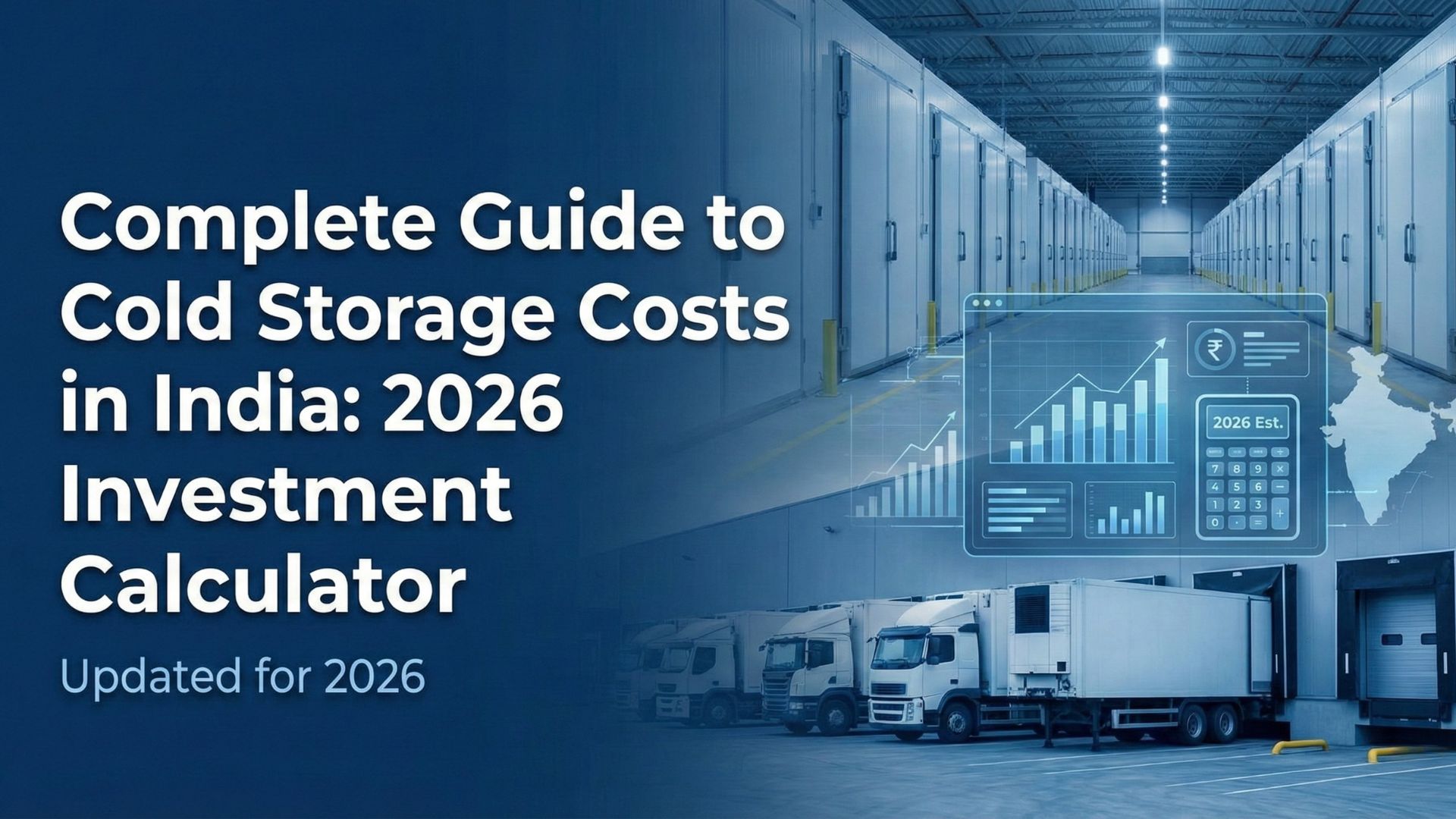
Beyond the machine itself, a realistic capex line includes water treatment (RO + softening to meet IS 10500), an ice silo with insulation, condenser and cooling tower (water-cooled) or condenser hood (air-cooled), refrigerant first-fill, electrical panel, civil pad, and commissioning. A holistic cold storage investment calculator approach works well for the ice plant capex as well.
On opex, the dominant line items are electricity (often 60–75% of running cost), water and water treatment chemicals, planned maintenance contracts, and minor refrigerant top-ups. Energy efficiency strategies for cold storage apply equally to ice plants — VFD compressors, floating head pressure, evaporative or hybrid condensers, and thermal storage to shift load to off-peak tariffs all matter.
Compliance & standards: FSSAI, HACCP, BIS IS 10500, WHO-GMP
Under the Food Safety and Standards (Licensing and Registration of Food Businesses) Regulations, ice and steam used in direct contact with food must be made from potable water and produced, handled, and stored such that no contamination can occur. FSSAI defines “potable water” via BIS IS 10500, the Indian Standard on drinking water specifications. NABL-accredited laboratories must test water at least twice a year; ice from non-potable water is a documented risk for waterborne pathogens including E. coli, Salmonella, Vibrio, and others [8].
For pharmaceutical sites, the equivalent standards are WHO-GMP and Schedule M of the Drugs and Cosmetics Rules, with documented water systems (purified water, water for injection where relevant), traceable production records, and validated cleaning of contact surfaces. For seafood and meat exporters, MPEDA / EIC and importing-country authorities (USFDA, EU) impose additional traceability and microbial limits on ice used at any stage of contact with the product.
Compliance also drives engineering choices — food-grade stainless steel surfaces (often 304 or 316L for the auger and ice chute), CIP-friendly geometry, sloped drains, and microbial monitoring of the ice silo. Rinac is certified to ISO, FSSAI, HACCP, GMP, IGBC, and WHO-GMP, and its ice machine, ice bank tank, and refrigeration system designs reflect these audit expectations.
Audit-ready tip. Treat the ice plant as a regulated water system, not as a stand-alone machine. The chain of records FSSAI, MPEDA, EIC, and WHO-GMP auditors actually open is: water source → treatment → ice machine → storage → dispensing → usage logs. If any link breaks, the whole batch is suspect.
Engineering checklist for choosing the right flake ice maker machine
Use the following checklist when comparing two or three shortlisted suppliers. It is deliberately written from the operator’s perspective — not the seller’s.
- Capacity at site conditions: Demand the manufacturer’s rating curve at India ambient (40–45°C) and India inlet water (28–32°C), not at ISO test conditions.
- Refrigerant: R404A is being phased down; R407F, R448A, R449A, NH3 (ammonia), and CO2 (R744) are increasingly preferred for new builds. Match refrigerant to your safety regime, F-gas policy outlook, and maintenance ecosystem.
- Condenser type: Air-cooled is simplest but loses capacity in Indian summer; water-cooled or evaporative-cooled is more energy-efficient but needs cooling tower water management.
- Ice quality: Sub-cooling temperature, flake thickness, dryness, and consistency should be specified in the contract, not just nameplate TPD.
- Hygiene design: Stainless steel grade, surface finish (Ra), absence of dead legs, ease of CIP and inspection, food-contact certifications.
- Water treatment integration: Make-up water RO/UV/softening must match BIS IS 10500; explicit responsibility for permeate recovery and brine disposal.
- Controls and IoT: PLC + HMI, remote monitoring of evaporator pressure, condensing pressure, oil pressure, ice level, and run hours; integration with your plant SCADA.
- Service network: Pan-India response times, spare parts inventory, MTBF/MTTR commitments, AMC scope.
- Commercial structure: Capex vs leasing/RaaS (Refrigeration-as-a-Service), warranty length, performance guarantee, LD clauses.
- Certifications: ISO 9001, ISO 14001, FSSAI, HACCP, FM-approved panels around the ice plant where required.
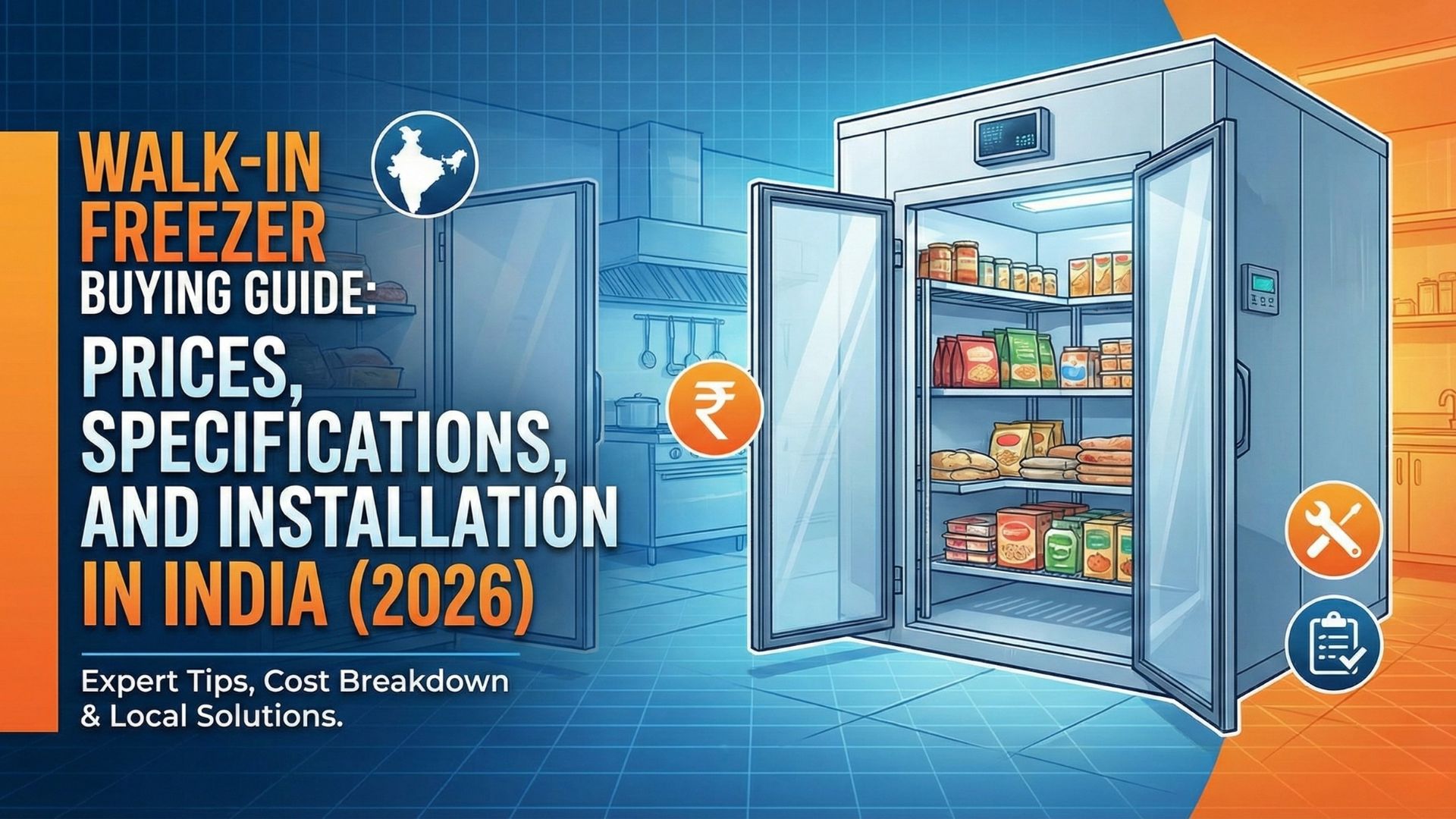
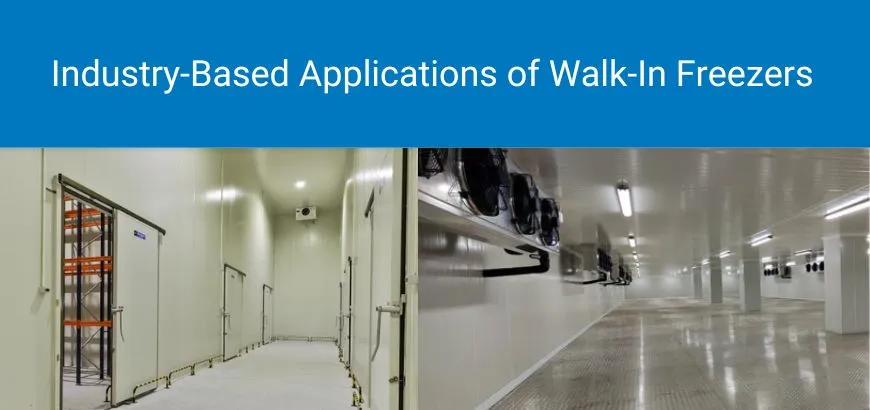
Operators retrofitting an ice plant into an existing facility frequently combine the new machine with a cold storage rebuild, a new walk-in chiller or walk-in freezer, and an investment review under the cold storage business 2026 framework.
Installation, commissioning, and maintenance in Indian conditions
India-specific installation reality differs from the catalogue diagrams. Three patterns recur in the field:
Heat rejection. Air-cooled condensers placed on roofs absorb solar heat; in Hyderabad or Vijayawada in May, the actual condenser inlet air can be 5–7°C above ambient. Designs that assume nominal ambient routinely under-deliver. The fix is correct shading, raising inlet height, switching to water-cooled / evaporative cooling, or oversizing condenser surface area by 15–20%.
Power quality. Voltage dips and harmonics from neighbouring loads stress the compressor motor and the VFD. Plants in industrial estates without a dedicated DG, or fisheries harbours on weak feeders, should specify input chokes, surge protection, and a sized DG with synchronisation.
Water quality drift. Borewell hardness in Maharashtra, TDS spikes in coastal Andhra, and variable inlet water in monsoon months all damage evaporators and reduce ice quality. Plant design should anticipate seasonal water profile shifts — not assume a single design point.
On maintenance, the practical lifecycle is: weekly visual checks (no leaks, no abnormal noise), monthly oil and refrigerant pressure logs, quarterly condenser cleaning (more frequent in coastal areas), and yearly evaporator inspection plus statutory FSSAI water testing. A documented AMC tied to performance KPIs — uptime, kWh/MT, ice quality — is more useful than a bare break-fix contract.
Why operators partner with engineering-led solution architects
Buying a flake ice machine as a standalone box is the most common procurement mistake. The machine is one node in a regulated water + refrigeration + storage + logistics chain. Treating it any other way leaves capex and compliance risk on the table.
Rinac India Limited has spent over 30 years as solution architects and builders of cold chain and modular construction projects, with 10,000+ projects delivered across 23 countries, serving 6,000+ clients including ITC, Britannia, Tata, Reliance, Nestlé, Biocon, Pepsico, and Flipkart. Manufacturing happens in two facilities (Bangalore and Murbad) with 14 branch offices and a pan-India after-sales service footprint, supported by patented technologies including HPCC (High-Performance Composite Construction) and Firearmet FM-approved fire-rated panels.
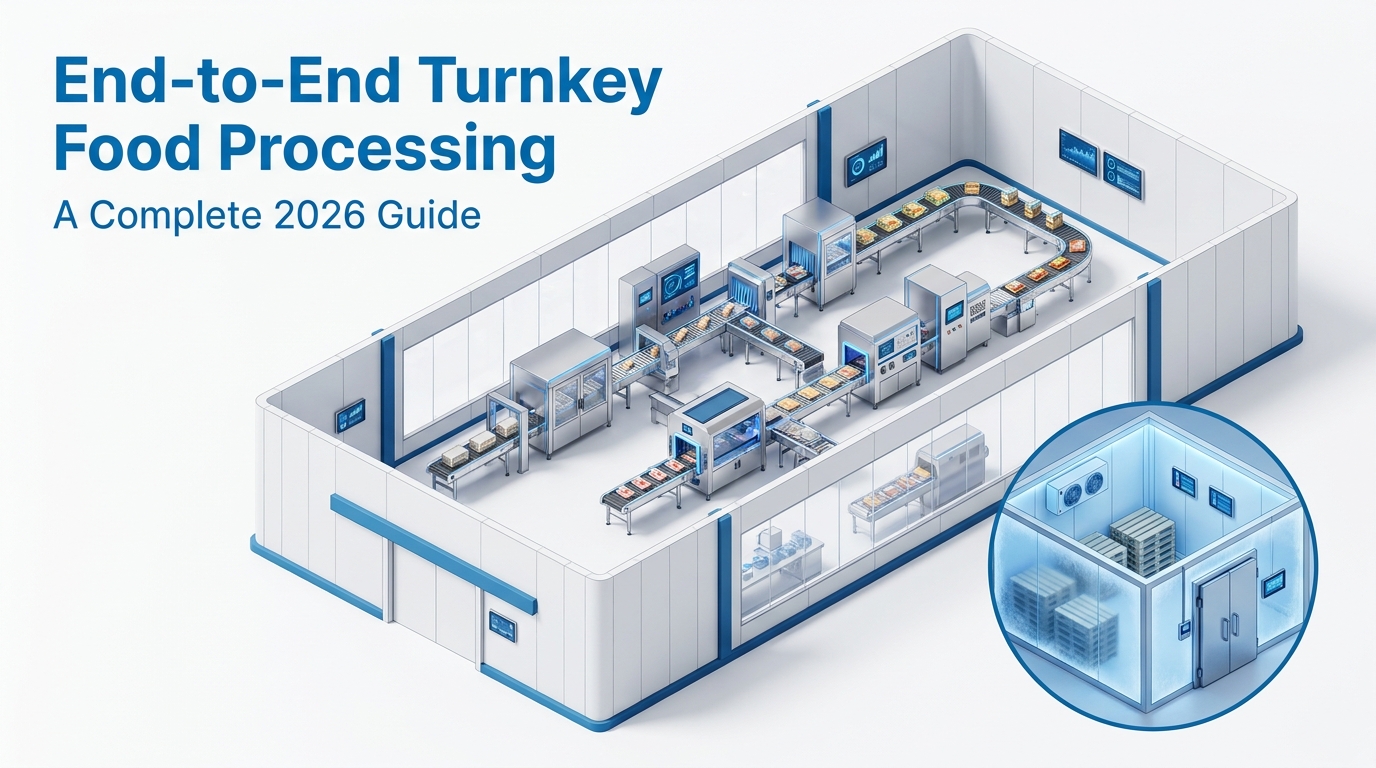
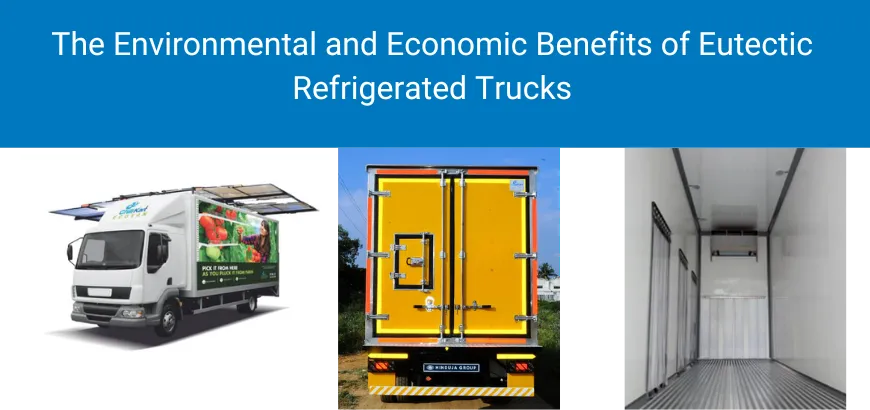
For ice solutions specifically, the relevant Rinac product ecosystem includes flake and tube ice machines, ice bank tanks for thermal energy storage, refrigeration systems, modular cold rooms, blast chillers and freezers, and refrigerated transportation. For greenfield builds, turnkey food processing and engineering construction solutions teams take responsibility from plot to first batch.
Frequently Asked Questions
Sources & References
- India Cold Chain Logistics Market Size & Share Analysis — Mordor Intelligence, 2025.
- Capacity of Cold Chains — PIB / NABARD-NCCD, 2022.
- Cold Chain Infrastructure in India and its Future Potential — Invest India, 2024.
- Pradhan Mantri Matsya Sampada Yojana (PMMSY) — IBEF, 2025.
- Centre allocates Rs 2,500 crore for fisheries sector under PMMSY in Budget 2026-27 — DD News, 2026.
- Fish production has increased to 197.75 lakh tonnes in FY 2024-25 — PIB, 2025.
- India’s marine product exports surge to all-time high of Rs 72,325 cr: MPEDA — Business Standard, 2026.
- FSSAI Guidelines on Quality of Ice in Contact with Food Items — FSSAI / Food Safety Helpline, 2022.
- Revision in the Scheme Guidelines of MIDH and NHB — National Horticulture Board, 2025.
- MoFPI approved 394 Cold Chain projects under PMKSY — PIB / Ministry of Food Processing Industries, 2025.
- About PMKSY Scheme — Ministry of Food Processing Industries, 2025.
- India Dairy Market Size, Trends, Share, Forecast 2033 — Custom Market Insights, 2024.
- Flake Ice Machines: Creating Better Energy Efficiency — Howe Corporation, 2024.
- How to Choose the Best Flake Ice Machine for Your Business — Koller industry buyer’s guide, 2024.
- Ice Flaker / Flake Ice Machine Latest Price — India market reference — IndiaMART, 2026.
- Food Processing Sector Presentation — IBEF, 2025.
Detailed disclaimer. The information in this article is published for general educational purposes and does not constitute professional engineering, legal, regulatory, financial, or tax advice. Government scheme parameters (PMMSY, PMKSY, MIDH, NHB, NCDC, state-level fisheries / horticulture / food processing schemes), FSSAI regulations, BIS standards, GST rates, electricity tariffs, indicative product prices, and any subsidy quanta cited here can change without notice and may vary by state, project size, applicant category, and approval pathway. Confirm current eligibility, percentages, caps, and timelines directly with the relevant authority — FSSAI, MoFPI, the Department of Fisheries, NHB, NABARD, your state nodal agency — before signing any contract or initiating capex. All cited statistics, market sizes, growth rates, and indicative ranges are sourced from public references at the publication date and rounded for clarity. For project-specific design, sizing, ROI modelling, regulatory positioning, and procurement support, request a formal Rinac India consultation via rinac.com/contact-us.