Walk-In Freezer Buying Guide: Prices, Specifications, and Installation in India (2026)
Audience: Indian businesses in food processing, QSR/hospitality, retail, dairy, meat & poultry, pharma/healthcare, cold-chain logistics.
Updated: February 2026 • Reading time: ~12–15 minutes
AI Summary (Key Takeaways)
- A walk-in freezer is typically designed for −18°C to −20°C product storage; size, door openings, and daily loading patterns drive refrigeration tonnage and operating cost.
- India-ready specs start with the building envelope: insulated panels (PUF/RPUF/PIR), tight joints, proper vapour barrier, and a freezer-grade insulated floor.
- Budgetary price in India depends on whether quotes include only panels or a turnkey package (panels + refrigeration + electrical + commissioning). Use the cost table below to sanity-check vendor offers.
- Do not under-spec the door: heated frames, tight gaskets, threshold design, and strip curtains reduce icing and energy loss.
- Controls matter: data logging, alarms, and remote monitoring are essential for pharma and high-value inventory.
- Refrigerants are changing due to HFC phase-down—choose future-ready, serviceable systems and insist on proper documentation.
- Installation quality (base level, sealing, drainage, wiring, airflow clearances) is often the difference between a reliable freezer and chronic icing/breakdowns.
- If you want a proven route, explore Rinac Cold Rooms, LiteCold modular walk-in freezers, and PreServa step-in systems for smaller footprints.
TL;DR
- Target temperature: −18°C to −20°C for most frozen food storage.
- Best-value spec (typical): 100–150 mm insulated panels, freezer-grade floor insulation, insulated/heated door frame, air-cooled condensing unit sized for Indian summer conditions, electric/hot-gas defrost, and digital controls with alarms.
- Fast buying rule: If doors open frequently (QSR/retail), invest more in door + airflow + defrost + monitoring to cut energy and icing headaches.
- Next step: Use the checklist below and get a site survey. For turnkey implementation, see Turn-Key Cold Chain Infrastructure Solutions.
1) What is a walk-in freezer (and who should buy one)?
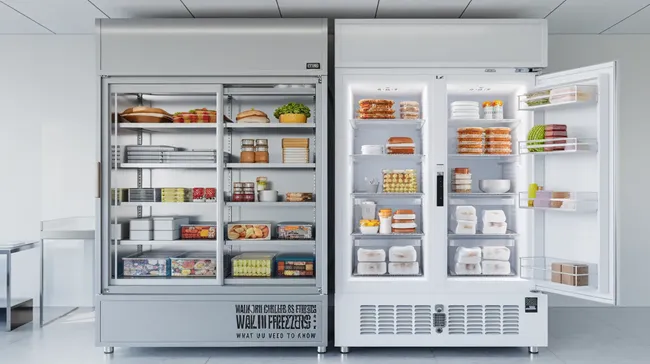
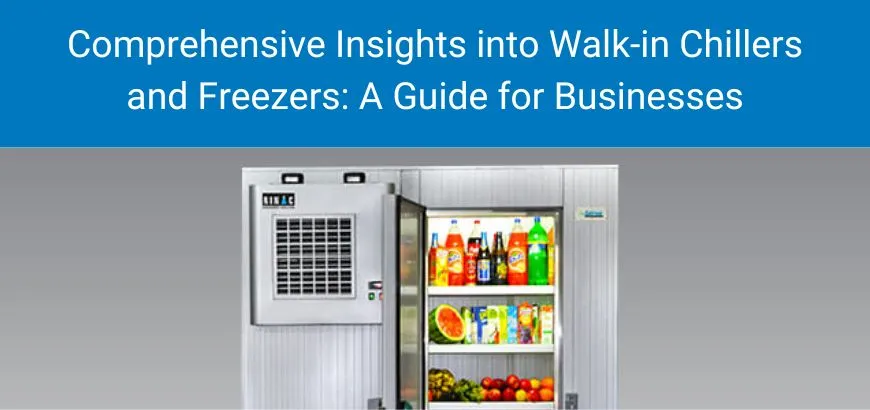
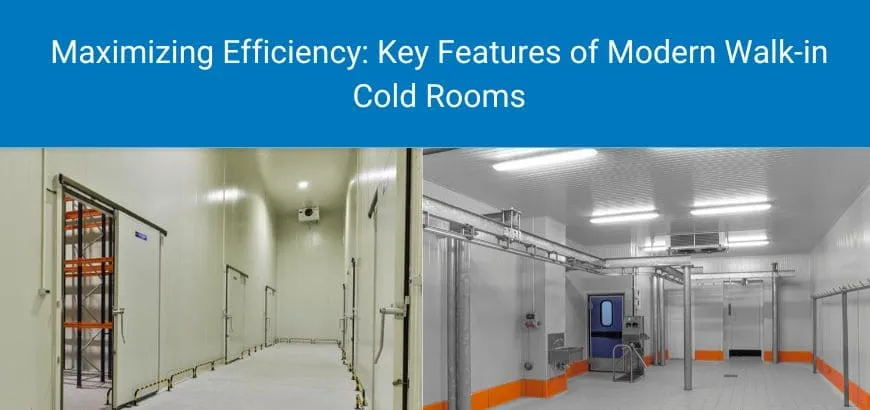
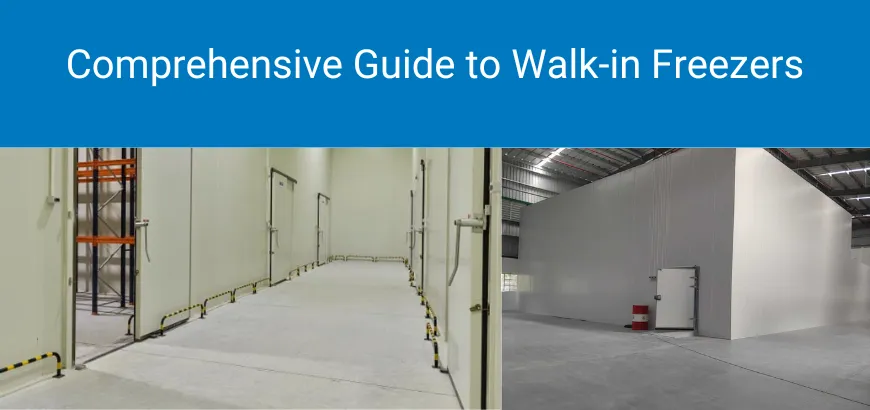
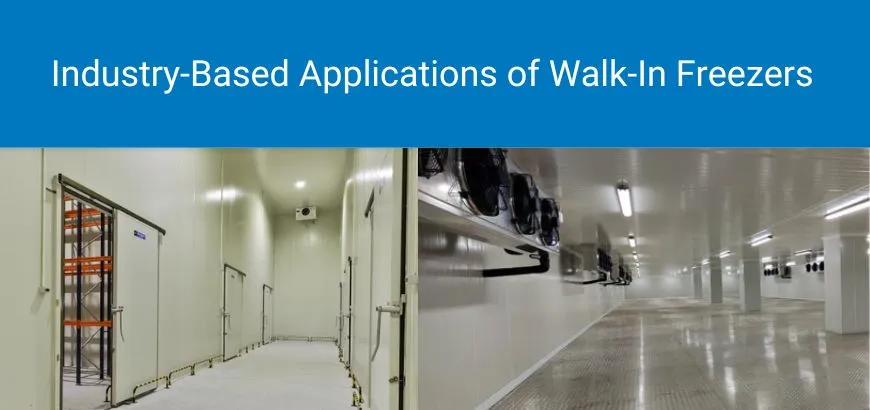
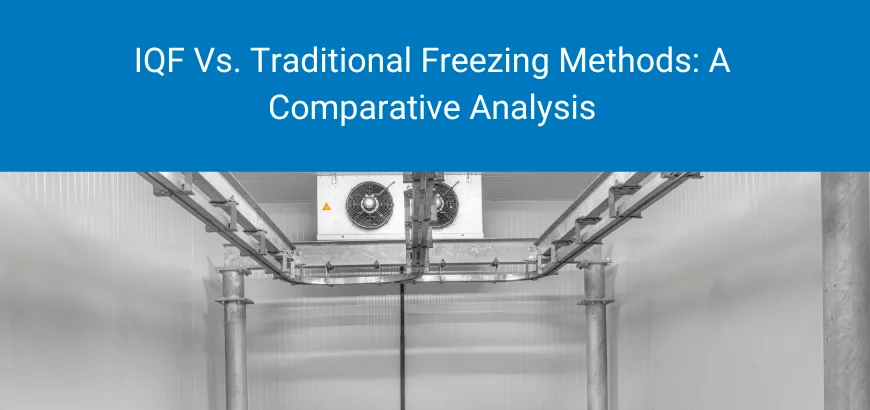
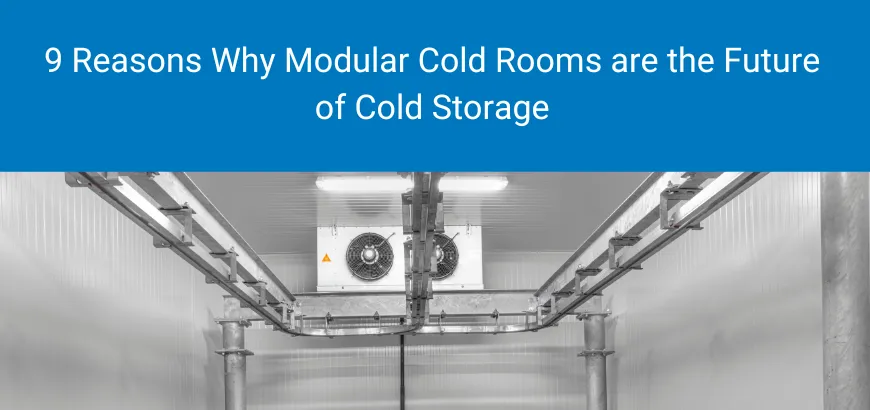
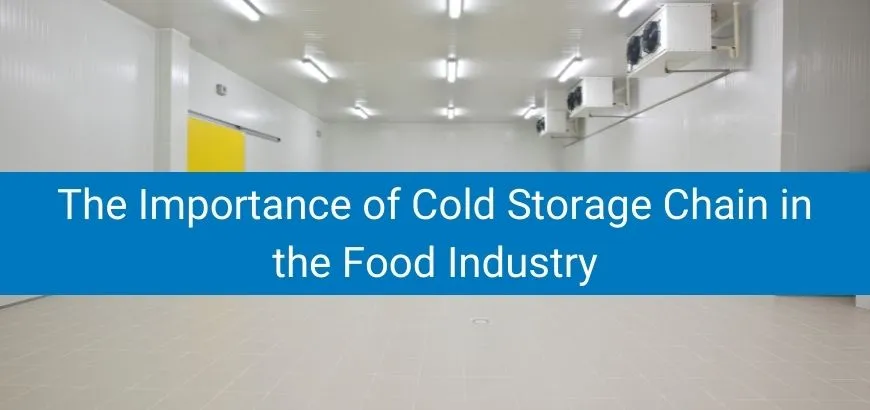
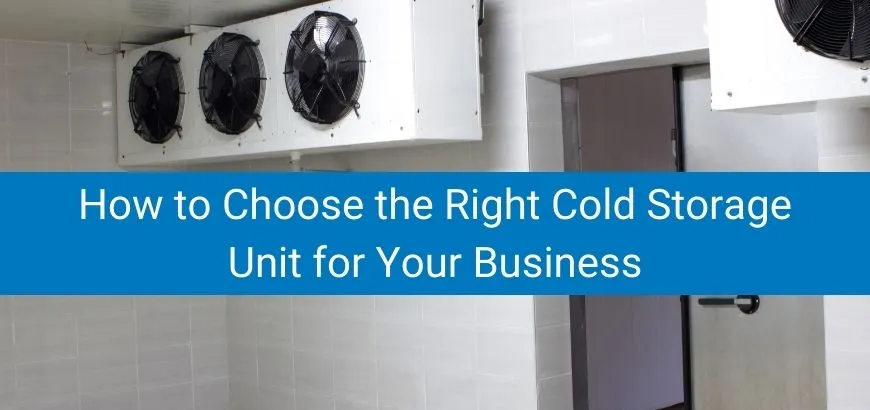
A walk-in freezer is an insulated room with a dedicated refrigeration system designed to hold
products at frozen temperatures—most commonly −18°C to −20°C—so you can store larger volumes than
chest/deep freezers while maintaining consistent temperature, hygiene, and inventory flow.
Common Indian use-cases
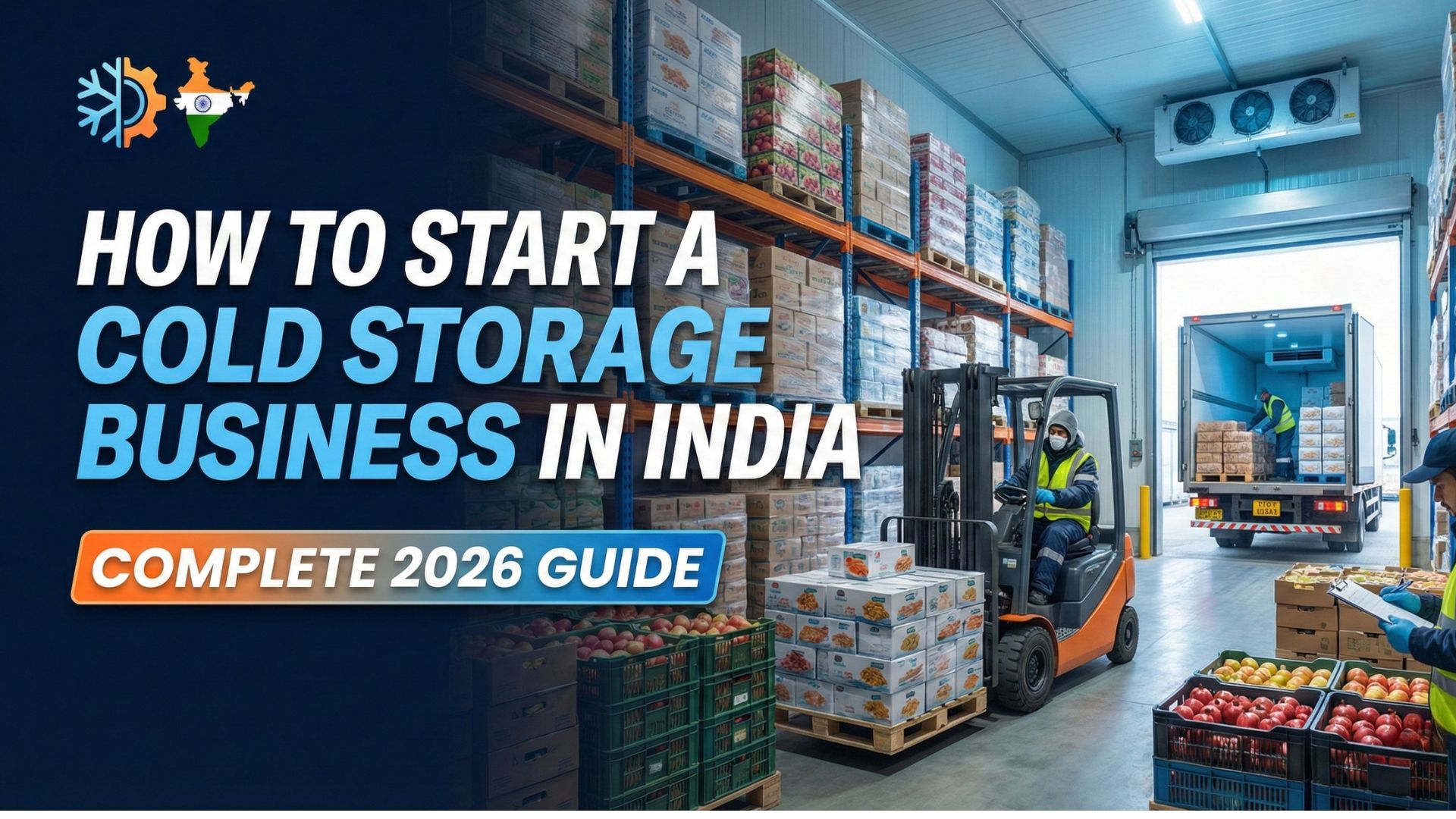
- Food processing & frozen foods: vegetables, meat/poultry, seafood, ready-to-eat products
- QSRs, hotels, cloud kitchens: bulk frozen ingredients with daily loading/unloading
- Retail & distribution: staging frozen inventory before last-mile delivery
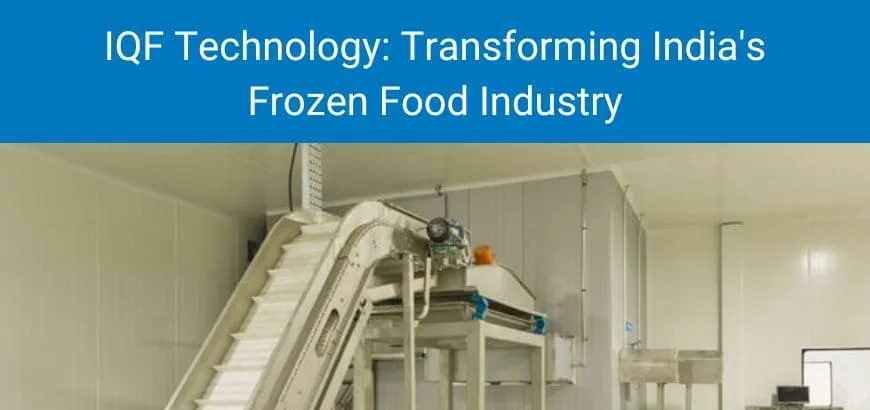
- Dairy & ice cream: frozen storage paired with blast freezing/IQF upstream
- Pharma & healthcare: cold rooms with monitoring/alarm requirements (temperature depends on product)
Quick decision: If your inventory is high-value, compliance-sensitive, or you need frequent access without
temperature swings, a walk-in freezer is usually the right move.
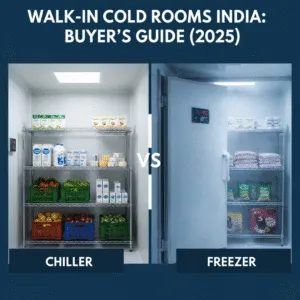
If you’re still comparing freezer vs chiller, read:
Walk-in Chillers vs Walk-in Freezers in India: Buyer’s & Operator’s Guide.
2) Sizing & capacity: how big should you go?
Step 1: Start with inventory and workflow (not dimensions)
Ask these 5 questions:
- Peak inventory: What’s the maximum frozen stock you expect at any time?
- Daily movement: How many times will the door open per hour/day?
- Product type: cartons, crates, pallets, hanging carcasses, tubs?
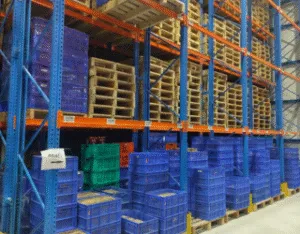
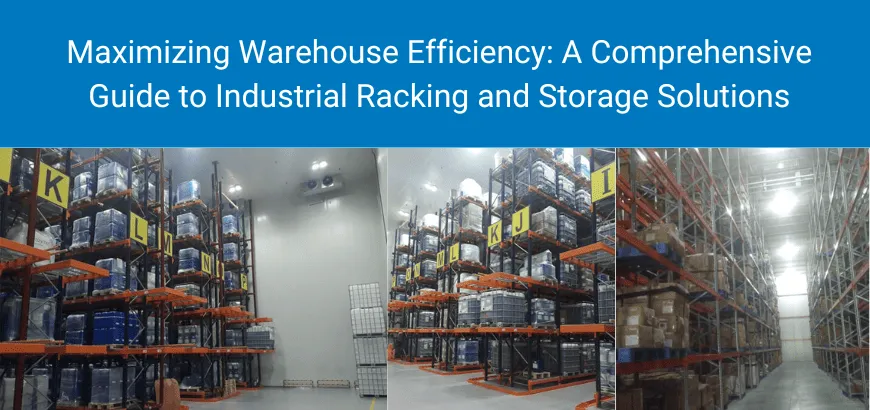
- Storage system: racks, pallets, bins, or floor stacking?
- Growth: Will inventory grow 20–50% within 12–24 months?
Step 2: Use a practical capacity rule
A safe planning range for walk-in freezers is to assume only 55–70% of the internal volume is usable for product,
once you account for airflow clearance, aisles, racks, and evaporator zones.
Step 3: Pick a footprint that fits your site constraints
In many Indian facilities, the limiting factors are power availability, ventilation for the condensing unit,
floor load, and drainage—not just space.
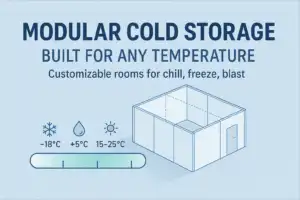
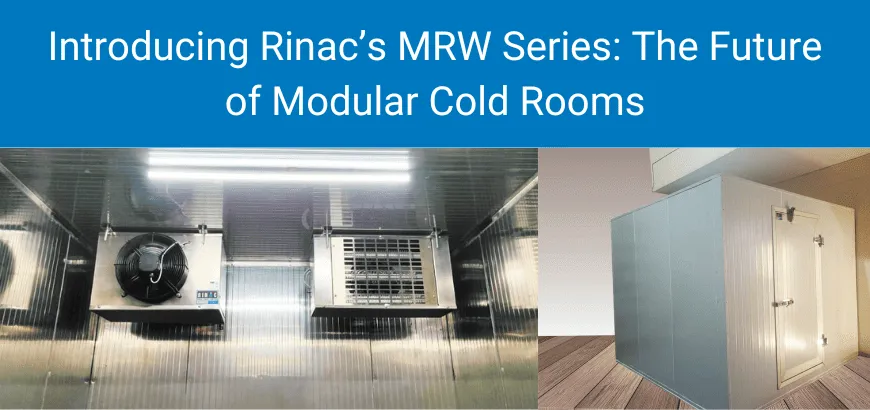
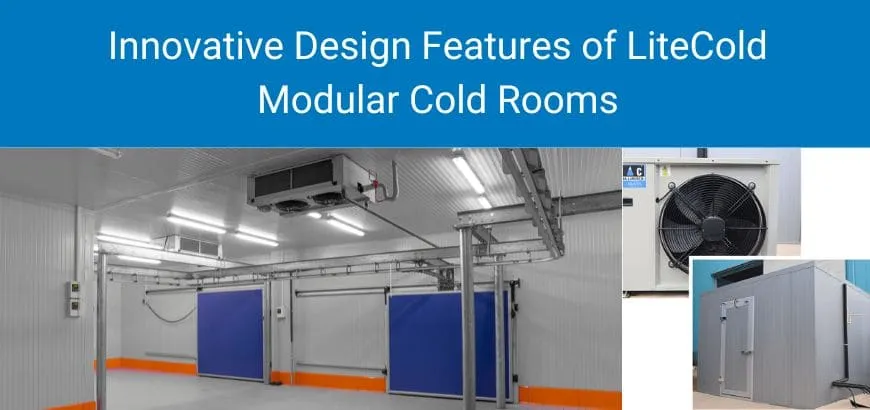
Want a modular, scalable option? Explore LiteCold Modular Cold Rooms
and PreServa Combi if you need both chiller + freezer zones in one compact setup.
3) Key specifications that determine performance & cost
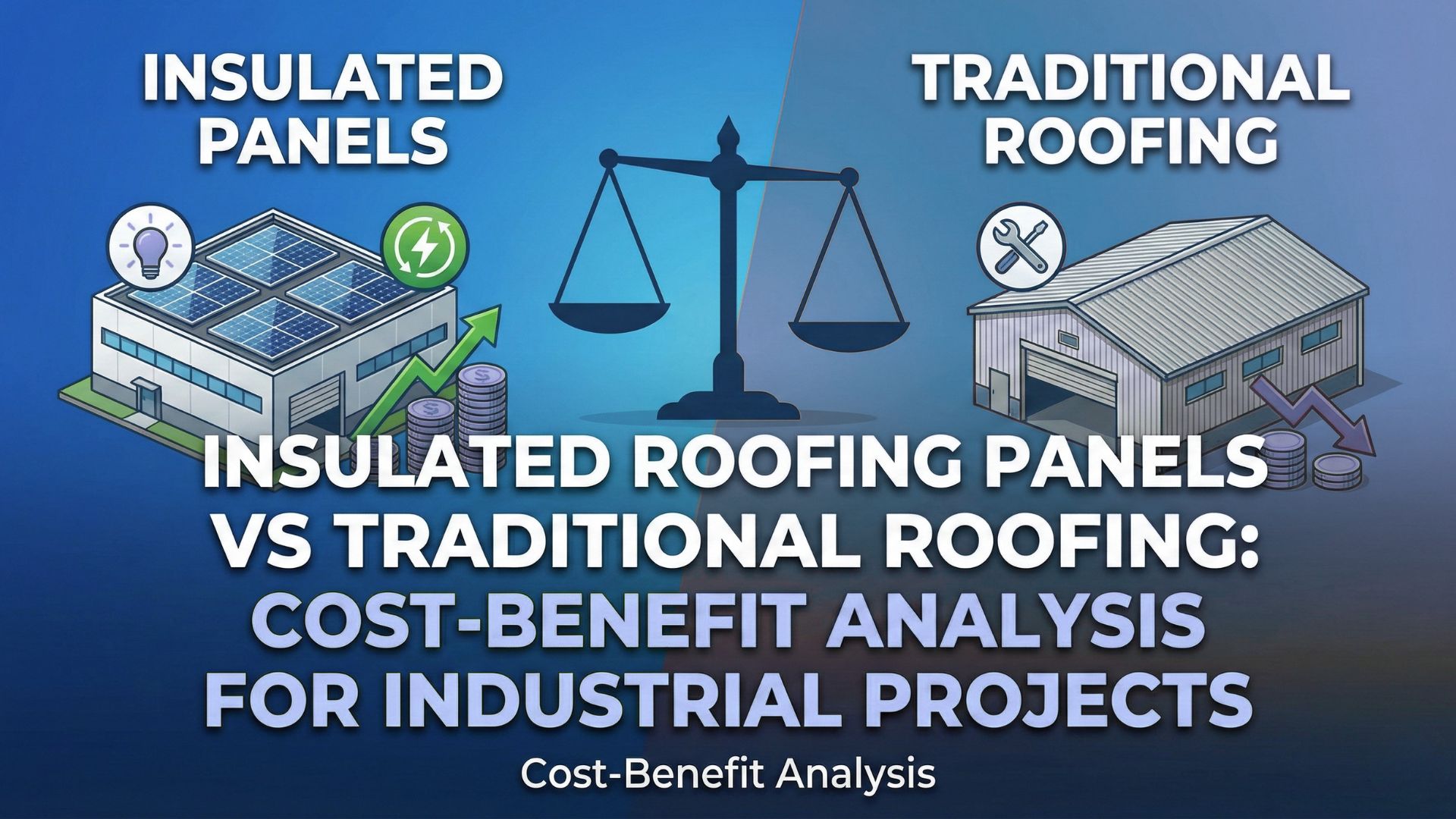
3.1 Insulated panels (walls/ceiling): material & thickness
The insulation system is your freezer’s “fuel tank.” Better insulation reduces heat gain, lowers compressor runtime, and stabilizes temperature.
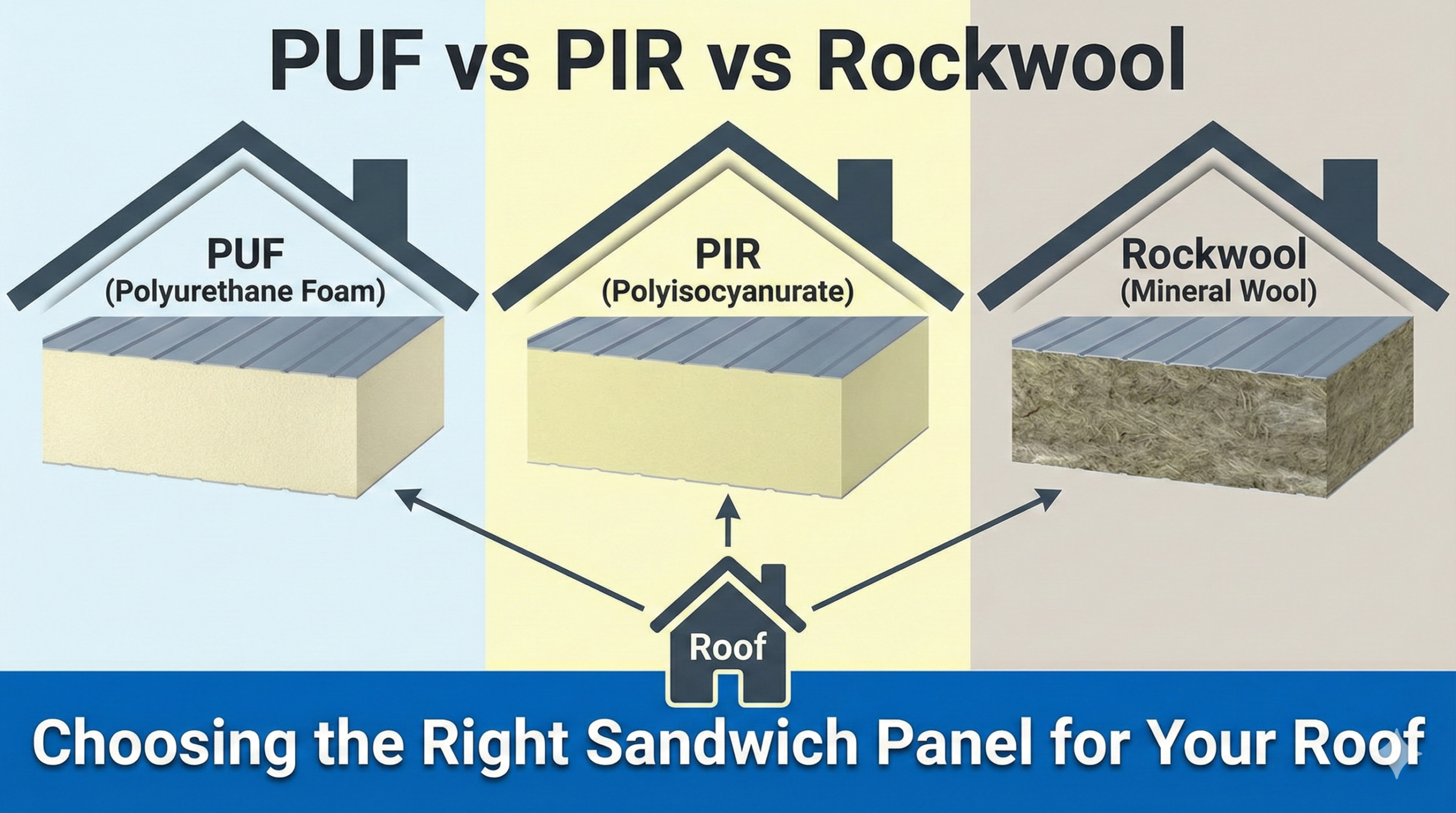
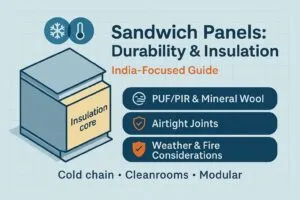
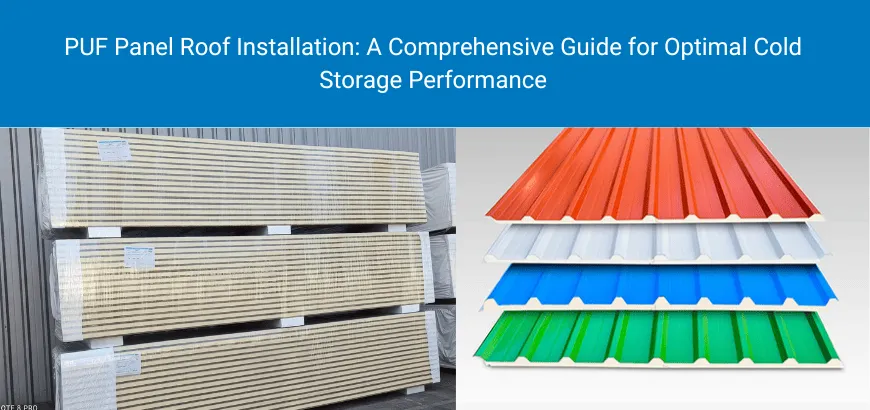
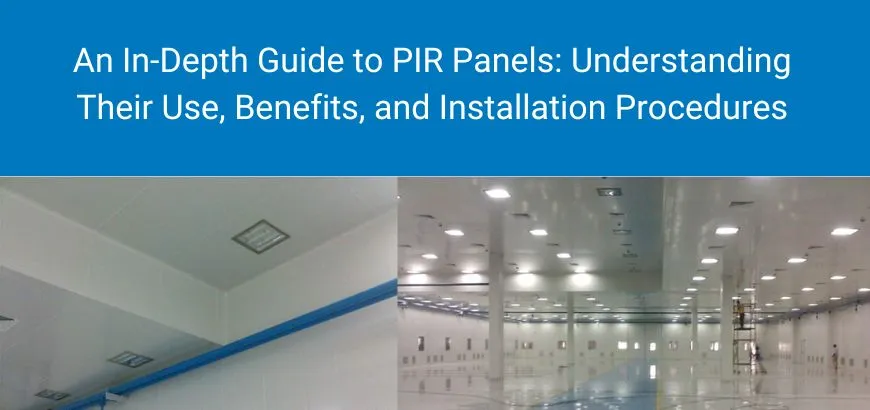
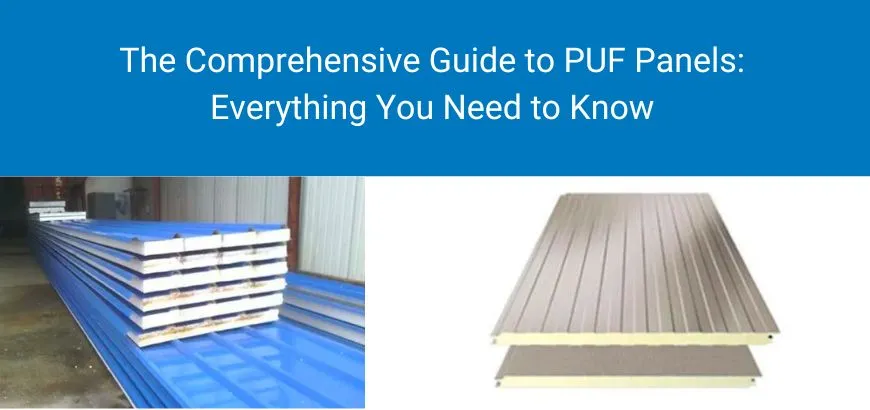
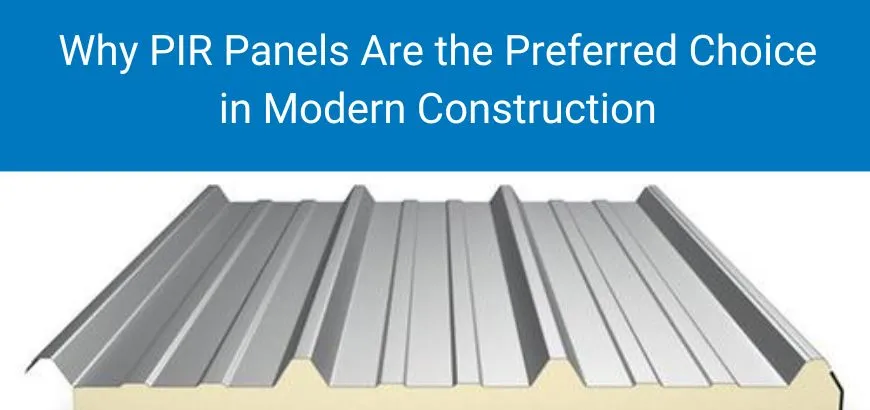
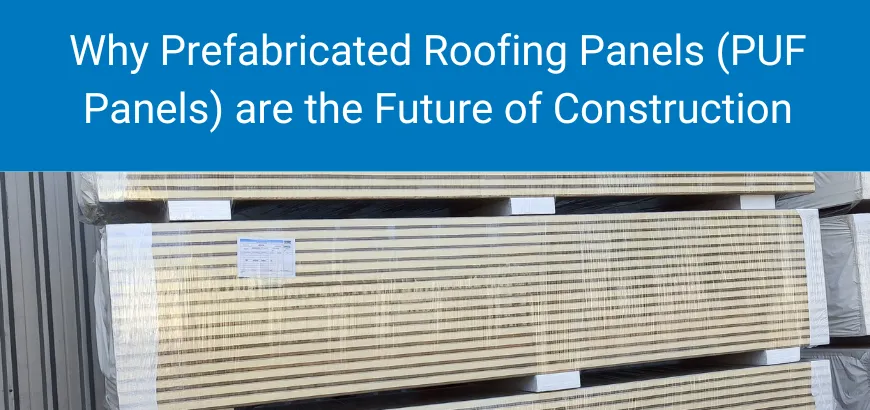
Typical insulated panel cores include PUF/RPUF and PIR. In India, panel thickness choices often track temperature:
- Chillers (+2°C to +8°C): typically 60–80 mm panels
- Freezers (−18°C to −20°C): typically 100–150 mm panels (especially in hotter regions / high door openings)
For deeper insulation guidance, see:
RPUF vs PIR: Which Insulation Wins on Safety and Savings? and
PIR/RPUF Panel Lifespan & Maintenance Checklist.
3.2 Freezer floor: don’t skip it
Floors are frequently under-designed. A proper freezer floor typically needs:
- Insulation below slab (to reduce ground heat gain and prevent condensation)
- Vapour barrier and sealed joints
- Non-slip, hygienic surface suitable for food handling
- Drain strategy that won’t become an icing point (design varies by application)
3.3 Door specification: the #1 source of icing issues
Look for freezer-grade door features such as:
- Thick insulated door leaf with robust gasket system
- Heated door frame / perimeter heater (helps prevent ice build-up at the jamb)
- Automatic closer and safety release from inside
- Optional PVC strip curtains or air curtain for high-traffic operations
- Ramp/threshold design that won’t crack or trap water
3.4 Refrigeration system: capacity, compressor type, and defrost
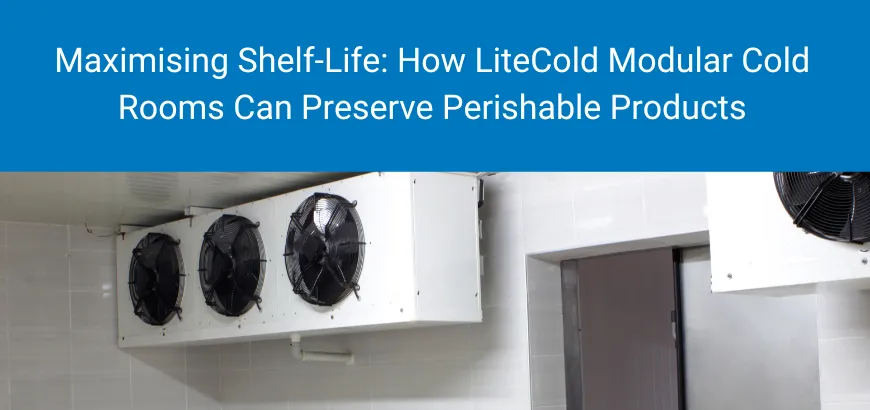
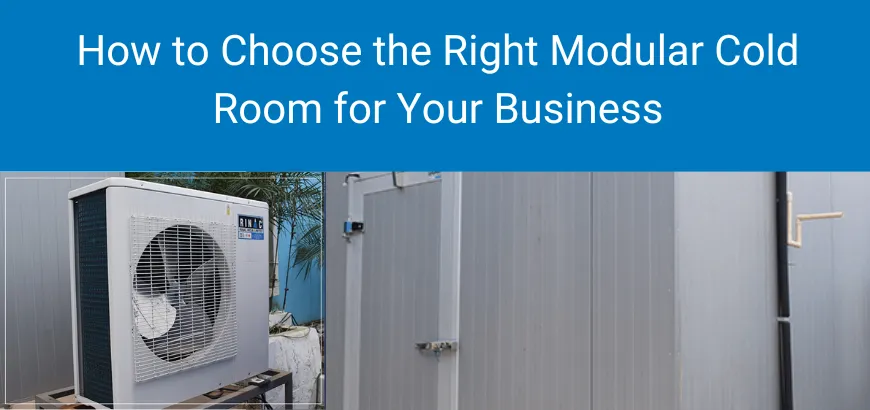
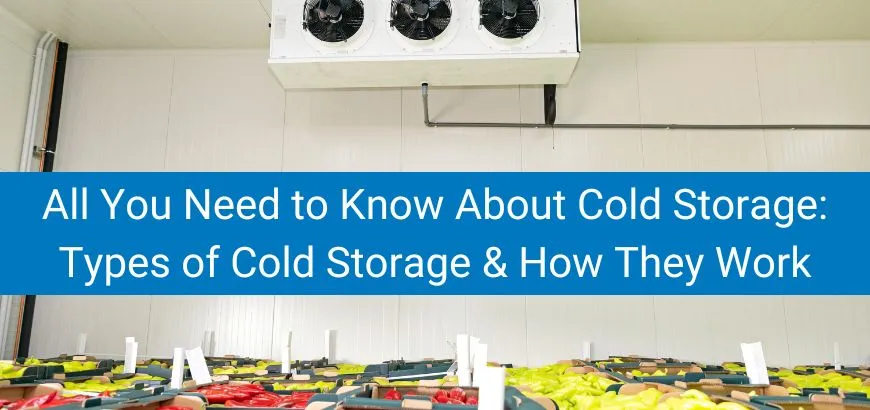
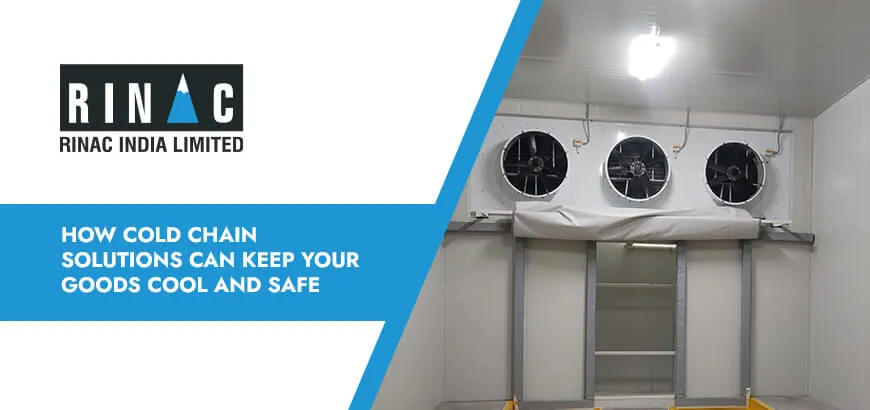
Your refrigeration system is typically a condensing unit (compressor + condenser) plus a unit cooler/evaporator
inside the room. The correct capacity depends on:
- Room size + insulation quality
- Ambient temperature at your site (Indian summers can be extreme)
- Door openings and infiltration
- Product load: are you loading already-frozen goods or warm product?
- Pull-down time expectations (how fast you need to reach setpoint)
Defrost is critical in freezers. Common approaches:
electric defrost (simple, common) or hot-gas defrost (efficient, more complex).
3.5 Controls, monitoring & alarms
At minimum, insist on a digital controller with temperature display and alarm outputs. For compliance-sensitive cold chains, add:
- Data logger with calibrated probes
- Door open alarm and high-temp alarm
- Remote monitoring (SMS/email/app) where feasible
- Power failure alert and restart sequencing
3.6 Safety and standards in India (what to reference in your tender)
When preparing a technical specification / RFQ, reference relevant Indian standards for walk-in cold rooms and insulation.
In addition, align safety and environmental requirements to current refrigeration safety standards.
- BIS walk-in cold rooms specification: IS 2370 (latest edition referenced as IS 2370:2014)
- Thermal insulation code of practice: IS 661
- Ammonia refrigeration safety: IS 4544 (if ammonia is used at plant scale)
3.7 Refrigerants & future-proofing (HFC phase-down)
India has committed to an HFC phase-down schedule under the Kigali Amendment framework. For buyers, the practical takeaway is:
choose systems that can be serviced over their full life, and ask vendors about refrigerant availability, retrofit options, and compliance path.
4) Walk-in freezer prices in India (2026): realistic ranges
Let’s be blunt: “walk-in freezer price” varies wildly online because some quotes include only panels,
while others include a complete turnkey system (panels + refrigeration + controls + installation + commissioning).
Use this section to avoid apples-to-oranges comparisons.
4.1 What your quote should clearly include
- Civil scope: base slab, floor insulation, drains, waterproofing (who does what?)
- Panels: thickness, core type, density, skin material, joint type, sealants
- Door: freezer-grade door with heater (if required), hardware, safety release
- Refrigeration package: compressor type, condenser type, evaporator model, defrost type
- Controls: controller model, alarm outputs, data logging, remote monitoring
- Electrical: panel, cabling, earthing, protections, lights inside the room
- Commissioning: pull-down test, temperature uniformity checks, documentation
- Warranty & AMC: response time and spare availability
4.2 Indicative market price snapshot (online quotes)
The table below uses publicly listed online quotes as a sanity-check baseline. Treat these as indicative:
final pricing depends on temperature, panel thickness, refrigeration sizing, brand, location, and scope.
| Example size (L×W×H) | Typical use | What many “low” quotes may include | Budgetary range you should plan for (India) |
|---|---|---|---|
| 8×8×8 ft | Small restaurant / retail backroom | Often panels + basic refrigeration (varies) | ₹2.5 lakh – ₹8 lakh+ (scope-dependent) |
| 10×10×8 ft | Cloud kitchen / mid-size inventory | Panels; refrigeration may be quoted separately | ₹3.5 lakh – ₹12 lakh+ |
| 12×10×8 ft | Higher-throughput food service | Depends on insulation & controls | ₹5 lakh – ₹16 lakh+ |
| 20×20×10 ft | Distribution / processing buffer storage | Turnkey is strongly recommended | ₹18 lakh – ₹45 lakh+ |
For a more complete cost perspective across cold storage types, use:
Complete Guide to Cold Storage Costs in India: 2026 Investment Calculator.
4.3 Hidden costs people miss
- Electrical upgrades: 3-phase availability, cable runs, stabilizers/UPS for controls
- DG backup sizing: especially for pharma or high-value inventory
- Ventilation/heat rejection: where will the condenser dump heat?
- Hygiene upgrades: floor finish, coving, washable surfaces for food facilities
- Operating cost: energy + defrost + maintenance often matters more than initial capex
5) Installation in India: site readiness & step-by-step process
5.1 Site readiness checklist (before panels arrive)
- Level base: verify slab flatness/level tolerance; uneven floors cause air leaks and icing
- Drainage plan: prevent water pooling near door and floor junctions
- Power readiness: correct voltage, protections, earthing, and cable route to condensing unit
- Ventilation: condenser location with adequate airflow and service clearances
- Access logistics: moving panels & equipment into the facility (forklift/path clearance)
- Food safety zoning: hygienic surfaces and segregation if required
5.2 Installation flow (typical)
- Engineering & drawings: heat load assumptions, panel thickness, equipment sizing, layout and clearances
- Base prep: civil work, floor insulation strategy, vapour barrier, waterproofing
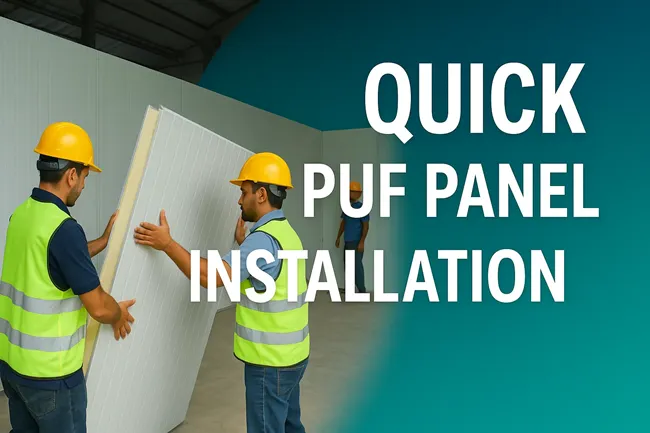
- Panel erection: walls → ceiling → sealing of joints → corners and penetrations sealed
- Door installation: alignment, gaskets, heater wiring (if used), safety release check
- Refrigeration installation: mount evaporator, install condensing unit, piping, insulation, leak test
- Electrical & controls: wiring, protections, controller setup, alarm wiring
- Commissioning: vacuuming, charging, pull-down test, defrost validation, temperature stability check
- Handover: SOPs, maintenance schedule, warranty/AMC details, spares list
Pro tip: Ask your vendor for a commissioning report that includes pull-down curve, steady-state temperature stability,
and alarm tests. For pharma, consider temperature mapping requirements.
If you want turnkey execution (design → install → service), see:
Cold Chain Solutions and
Turn-Key Cold Chain Infrastructure Solutions.
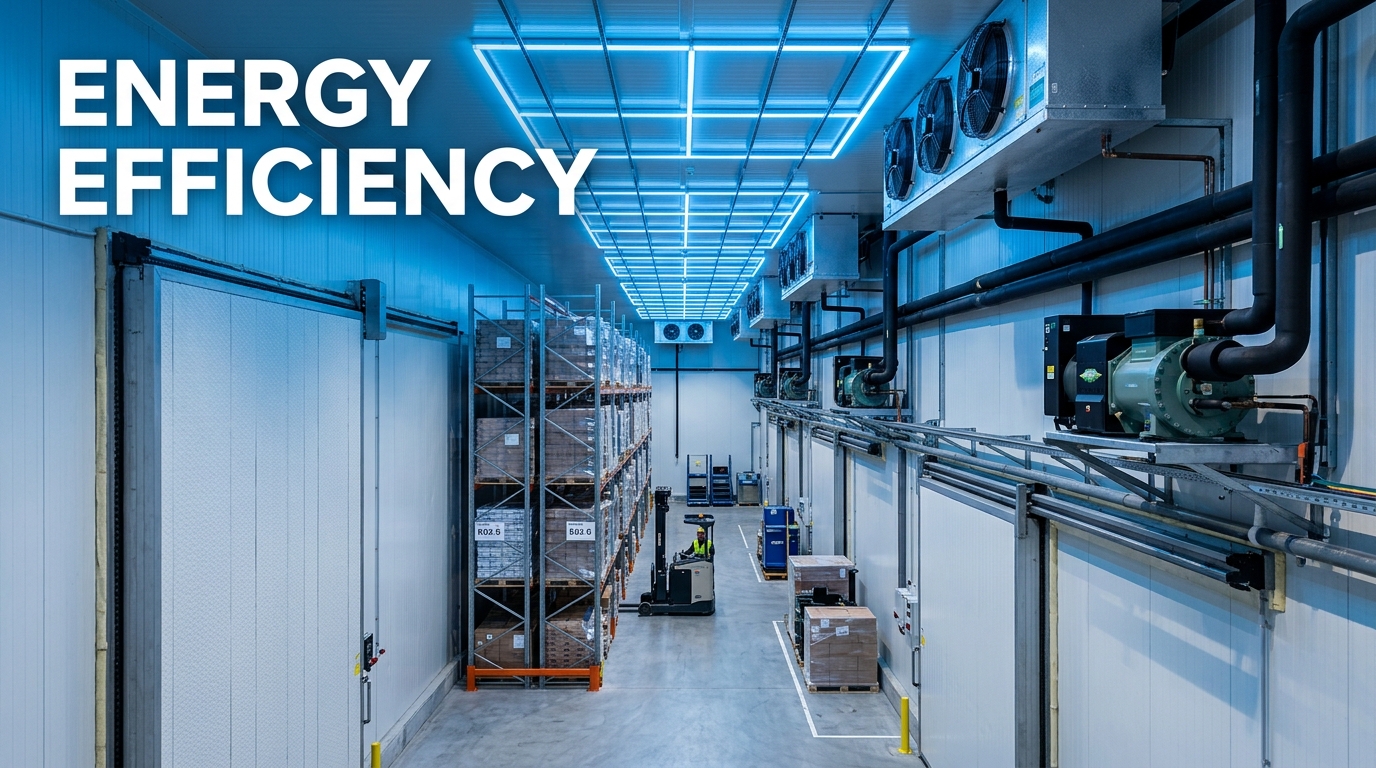
6) Energy efficiency & ROI: how to reduce operating cost
In India, electricity cost + downtime risk can outweigh initial capex. Focus on these levers:
6.1 Reduce heat gain first (envelope + infiltration)
- Choose adequate panel thickness and insist on high-quality sealing
- Use strip curtains / air curtains for high-traffic doors
- Fix door discipline: auto-closer, alarms, staff SOPs
- Keep evaporator airflow unobstructed (don’t stack product up to the unit cooler)
6.2 Improve system efficiency
- Right-size equipment (over-sizing can cause short cycling and humidity/icing issues)
- Use efficient fans, proper defrost scheduling, and reliable controls
- Maintain condenser cleanliness—dust and blocked airflow are common in many industrial areas
- Consider redundancy for mission-critical cold chains (pharma/vaccines/high-value)
For envelope and panel efficiency insights, read:
How Sandwich Panels Improve Energy Efficiency.
7) Grants & subsidies: can you reduce project cost?
If your walk-in freezer is part of a larger cold-chain or food processing project, you may be eligible for government support.
One major route is the MoFPI cold chain scheme (for integrated cold chain & value addition infrastructure),
which has historically offered assistance as a percentage of eligible project cost subject to caps and location category.
Start here for an India-specific, step-by-step overview:
Cold Chain Subsidies 2026: How to Access 35–50% Government Grants in India.
Practical note: Most schemes prefer projects with defined capacity, integration, and documentation (DPR, technical standards,
quotations, and post-commissioning verification). Treat subsidies as a bonus—not your only funding plan.
8) RFQ checklist: questions to ask vendors before you buy
8.1 Technical (must-have)
- What is the design ambient used for sizing? What assumptions are used for door openings and product load?
- Panel details: core type, thickness, density, skin gauge, joint type, sealants, vapour barrier approach
- Door spec: insulation thickness, heater (if any), safety release, threshold/ramp options
- Refrigeration: compressor make/model, condenser type, evaporator model, defrost method, refrigerant type
- Controls: controller model, alarm outputs, logging, calibration plan
- Noise & heat rejection: where will the unit be placed and how is ventilation ensured?
8.2 Commercial & service (avoid future pain)
- Scope clarity: who does civil works, electrical works, and approvals?
- Warranty terms: what is covered vs excluded (door gaskets, sensors, refrigerant leaks, etc.)?
- AMC options: response time, spare availability, preventive maintenance schedule
- Training: operator SOPs (loading pattern, defrost practices, door discipline)
- Commissioning documents and handover checklist
Need service assurance? See After Sales Service and download brochures/spec sheets at
Downloads.
9) How Rinac can help
Rinac supports Indian cold chain projects with modular cold rooms, refrigeration systems, and turnkey delivery—from design to commissioning and service.
Depending on your size and application:
- Small to mid-size walk-in freezer: LiteCold Modular Cold Rooms
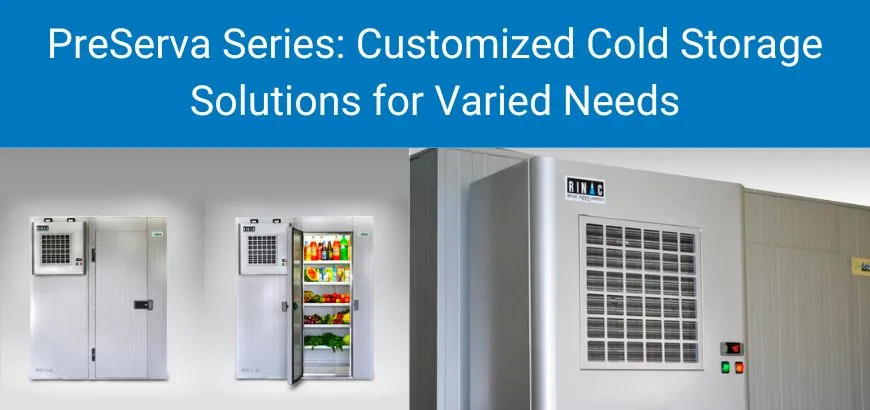
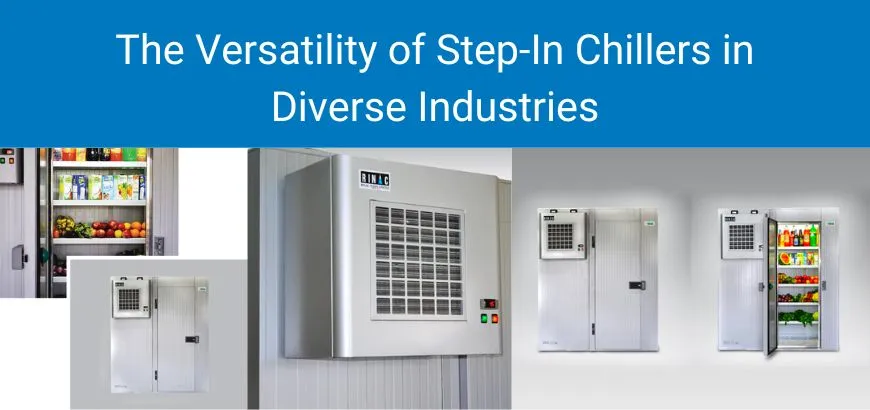
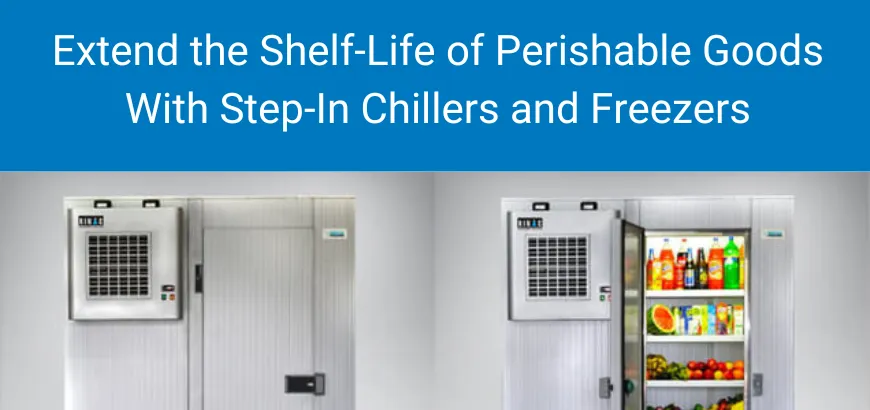
- Compact step-in freezer/chiller: PreServa and PreServa Combi
- Complete cold room portfolio: Cold Rooms
- Fire-rated construction panels (where required): Firearmet FM-approved Sandwich Panels
- End-to-end delivery: Turn-Key Cold Chain Infrastructure Solutions
Request a fast feasibility check
Share your target temperature, approximate inventory, location/city, available space, and door-opening frequency.
Our team can recommend a right-sized specification and layout.
Contact Rinac.
FAQs
What temperature should a walk-in freezer maintain for frozen foods in India?
Most frozen food cold chains target around −18°C (often expressed as “−18°C or colder”) for storage and distribution.
Exact requirements depend on the product category and your internal quality plan.
Is 100 mm panel thickness enough for a walk-in freezer?
It can be, but “enough” depends on ambient conditions, door openings, room size, and run-hours. In high-traffic applications,
thicker panels and better door management can significantly reduce energy cost and icing issues.
Should I choose air-cooled or water-cooled condensing units?
Air-cooled is simpler and widely used. Water-cooled can help in hot locations but requires stable water quality,
water availability, and maintenance. Your site constraints usually decide.
How long does installation typically take?
For many modular walk-in freezers, panel erection can be quick, but total timeline depends on civil readiness, electrical work,
equipment delivery, and commissioning. Plan buffer time for site preparation and testing.
What documents should I ask for at handover?
Equipment datasheets, as-built drawings, wiring diagram, commissioning report (pull-down test + alarm tests),
maintenance schedule, warranty terms, and recommended spares list.
Can I get government subsidy for a walk-in freezer?
A walk-in freezer may be eligible if it is part of a larger qualifying cold-chain/processing project under applicable schemes.
See: Cold Chain Subsidies 2026.
References (External)
This guide was written using publicly available standards/regulatory references and official sources, plus market listings for indicative pricing.
For convenience, the main external references are listed below:
- Bureau of Indian Standards (BIS): IS 2370 (Walk-in cold rooms), IS 661 (thermal insulation) and refrigeration safety standards
- FSSAI guidance and licensing information for cold/refrigerated storage businesses
- MoFPI and related official releases for cold chain assistance patterns
- MoEFCC/Ozone Cell + official releases on Kigali/HFC phase-down commitments
- Codex (FAO/WHO) for quick frozen product storage guidance commonly referencing −18°C