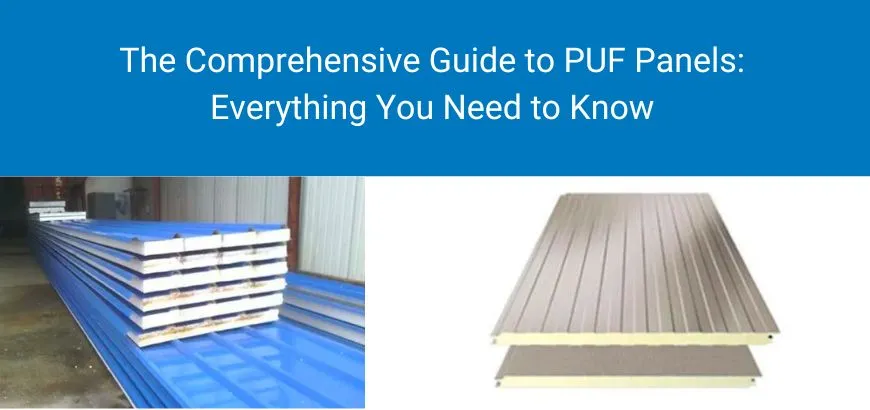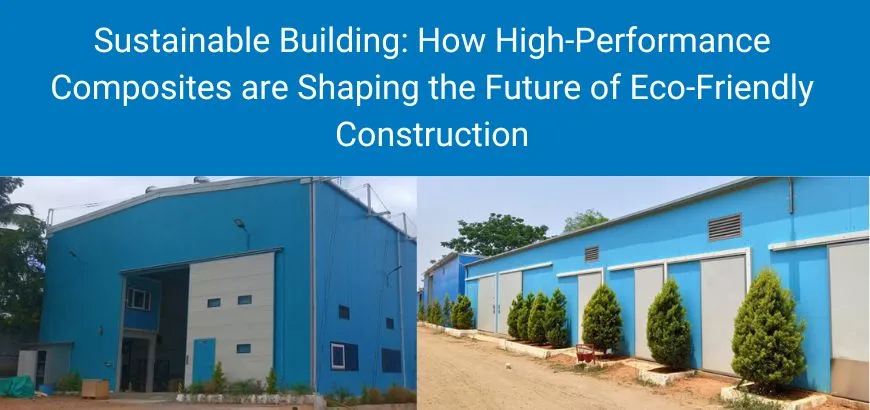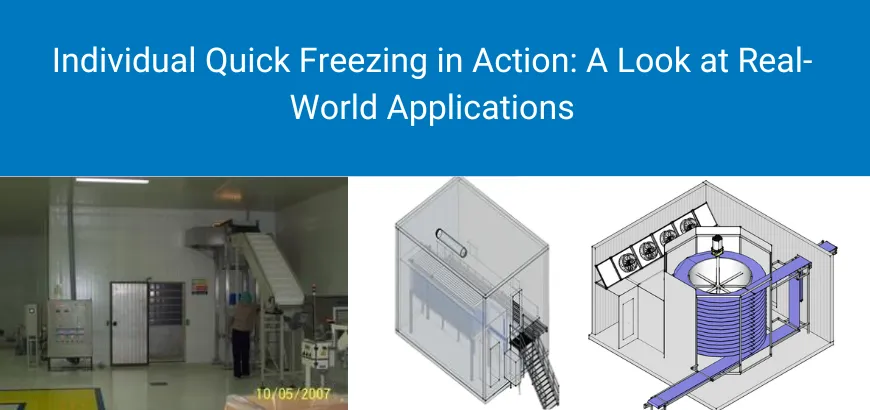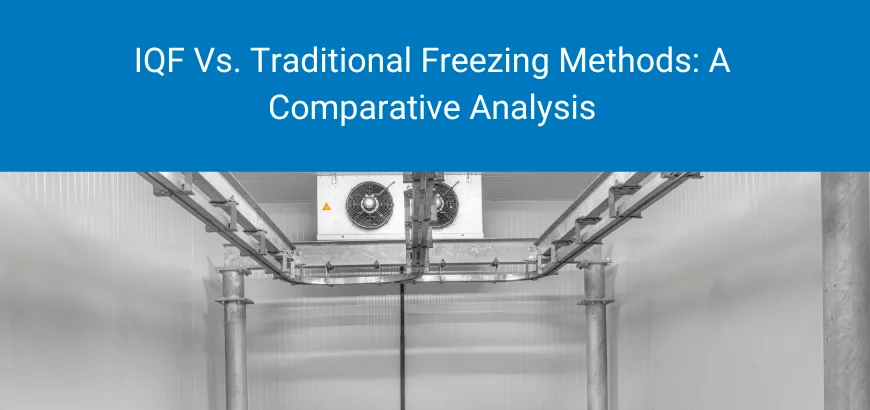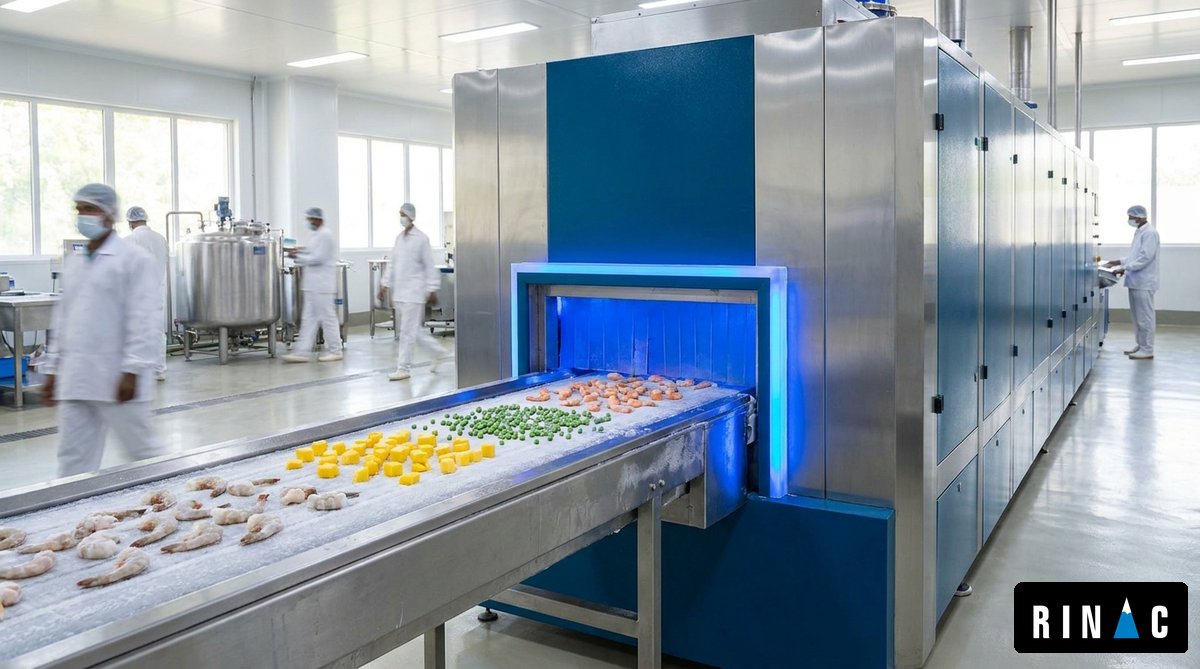
IQF Freezer in India 2026: Complete Buyer’s Guide to Tunnel, Spiral & Fluidized Bed IQF Systems for Seafood, Fruits, Vegetables & Ready Meals
TL;DR – Quick Summary
- An IQF freezer (individual quick freezing) drops the core of each piece from +5°C to -18°C in 8 to 20 minutes, locking in cellular moisture, colour and texture that slow freezing destroys.
- India’s frozen food market grew from INR 191 billion in 2024 toward a projected INR 593 billion by 2033 at 13.4% CAGR [1], and frozen shrimp alone delivered Rs 47,973 crore of seafood exports in FY 2025-26 [2]. IQF is the equipment behind that growth.
- Three IQF freezer types dominate Indian factories: tunnel (versatile, 300 to 3,000 kg/hr), spiral (small footprint, 500 to 5,000 kg/hr) and fluidized bed (best for peas, berries, diced veg, 500 to 5,000 kg/hr).
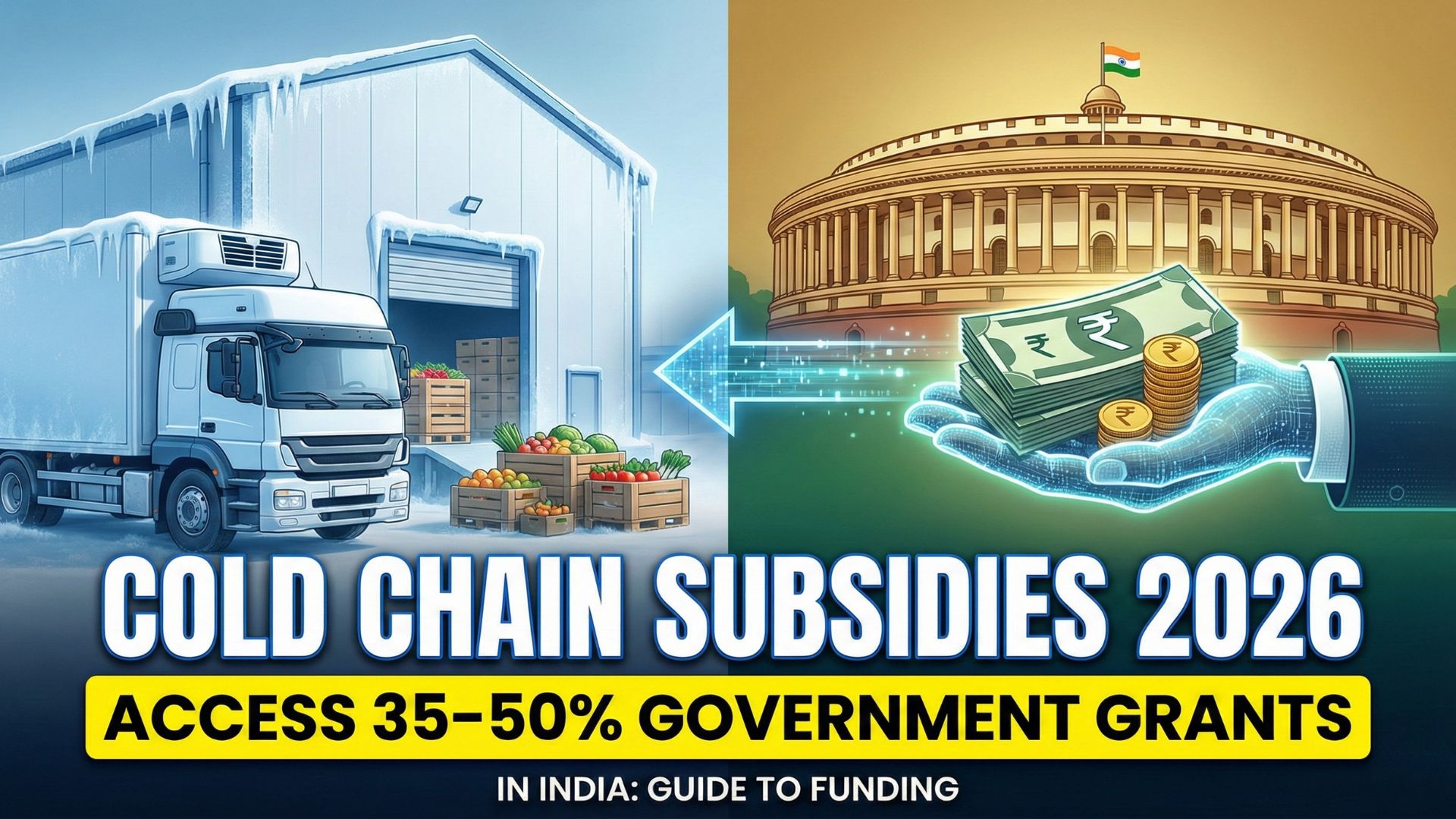
- Capital cost ranges roughly from Rs 15 lakh for a small unit to over Rs 8 crore for high-capacity tunnel lines, with MoFPI’s PM Kisan SAMPADA scheme offering 35% to 50% capital subsidy on integrated cold chain projects that include IQF [3].
- For FSSAI, HACCP and USFDA compliance, every IQF facility needs validated -35°C to -40°C operating temperatures, glycol or ammonia/CO₂ refrigeration, stainless steel contact surfaces, CIP/SIP cleaning, and continuous data logging at the freezer and downstream storage.
Disclaimer: This guide is for informational purposes only and does not substitute professional engineering, regulatory or financial consultation. Prices, subsidy rates and FSSAI, MoFPI, NHB and MPEDA rules change frequently. Verify all scheme conditions and capital expenditure assumptions directly with the relevant authority or with a qualified consultant before committing to a project. All third-party statistics are sourced from public references as of the publication date and are listed in the Sources & References section at the end.
Why IQF Freezers Are the Backbone of India’s Frozen Food Economy
Walk into any modern food factory exporting frozen prawns from Kakinada, frozen mango pulp from Chittoor, frozen peas from Punjab or frozen ready meals from Pune, and you will find the same workhorse at the heart of the line: an IQF freezer. Individual quick freezing turns a perishable raw material into a high-value, shelf-stable, export-ready product without crushing the cellular structure that traditional slow freezing destroys. That single capability is what allows India to ship frozen shrimp worth Rs 47,973 crore in a single financial year [2] and earn over USD 7,886 million from processed food exports through APEDA’s channels in 2024-25 [4].
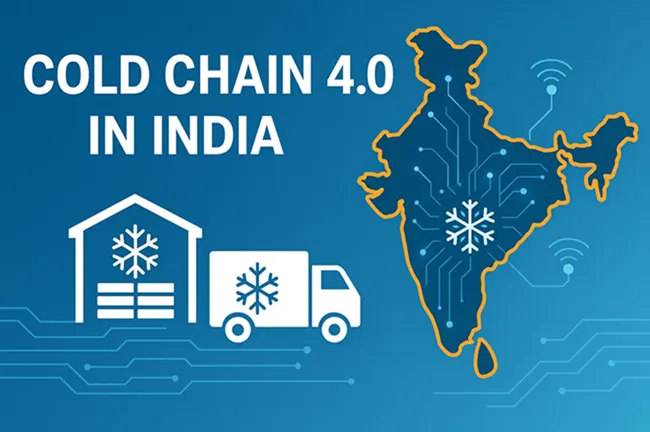
The market signals are unambiguous. Technavio projects India’s frozen food category to add USD 3.21 billion of new revenue at a 20.6% CAGR through 2029 [5]. The broader cold chain market, of which IQF processing is a critical node, is moving from INR 2,535 billion in 2025 toward INR 6,191 billion by 2034 at 10.43% CAGR [6]. Yet the National Centre for Cold-chain Development still pegs India’s structural shortfall at 3.28 million tonnes of cold storage, 52,826 reefer vehicles and 8,200 ripening chambers [7]. That gap is exactly where new IQF capacity earns its return.
If you are evaluating IQF for the first time, our complete primer on what IQF is and how it works is the right starting point. This buyer’s guide goes one level deeper: it focuses on selecting, sizing, financing and operating an IQF freezer specifically inside India’s regulatory and climatic context. As Solution Architects and Builders with 30+ years of cold chain engineering experience across 10,000+ projects, Rinac India sees the same five questions from food processors, EPC contractors and investors. We answer all of them below.
INR 593 Billion
Projected size of India’s frozen food market by 2033, up from INR 191 billion in 2024
Projected size of India’s frozen food market by 2033, up from INR 191 billion in 2024
What an IQF Freezer Actually Does (and Why It Beats Blast Freezing for Loose Products)
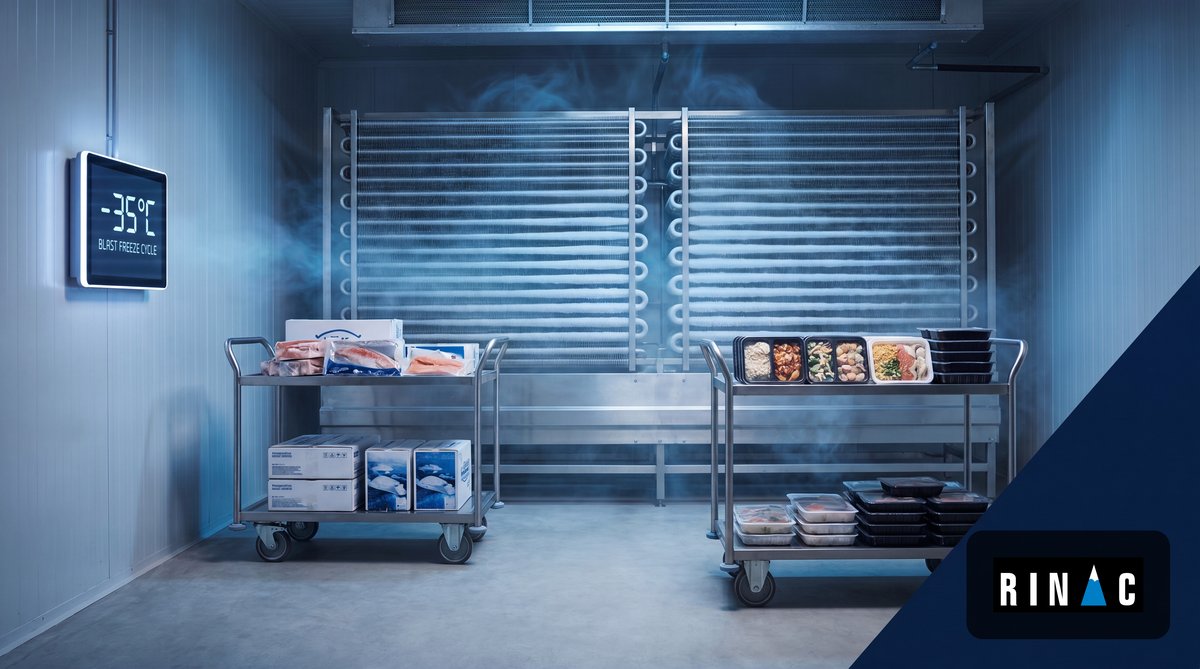
An IQF freezer freezes each piece of product individually as it travels through a cold air or cryogenic environment on a conveyor or fluidized bed. The defining characteristic is speed: the goal is to cross the “zone of maximum crystal formation” between -1°C and -5°C in under 30 minutes so that ice forms as millions of tiny intracellular crystals instead of a few large extracellular ones. Small crystals do not rupture cell walls. The thawed product retains weight, texture, colour and nutrients close to the original raw material.
Operating temperatures inside the chamber sit between -35°C and -40°C, with surface heat-transfer coefficients enhanced by high air velocities (typically 4 to 7 m/s) or, in fluidized bed designs, by air pushed upward through the conveyor with enough force to suspend small product like peas, sweet corn or diced carrots so every face contacts cold air simultaneously. The result is a finished product at -18°C core temperature in 8 to 20 minutes depending on piece size and water content, ready for packaging and cold storage at the same -18°C threshold that FSSAI mandates for all frozen food during storage and transport [8].
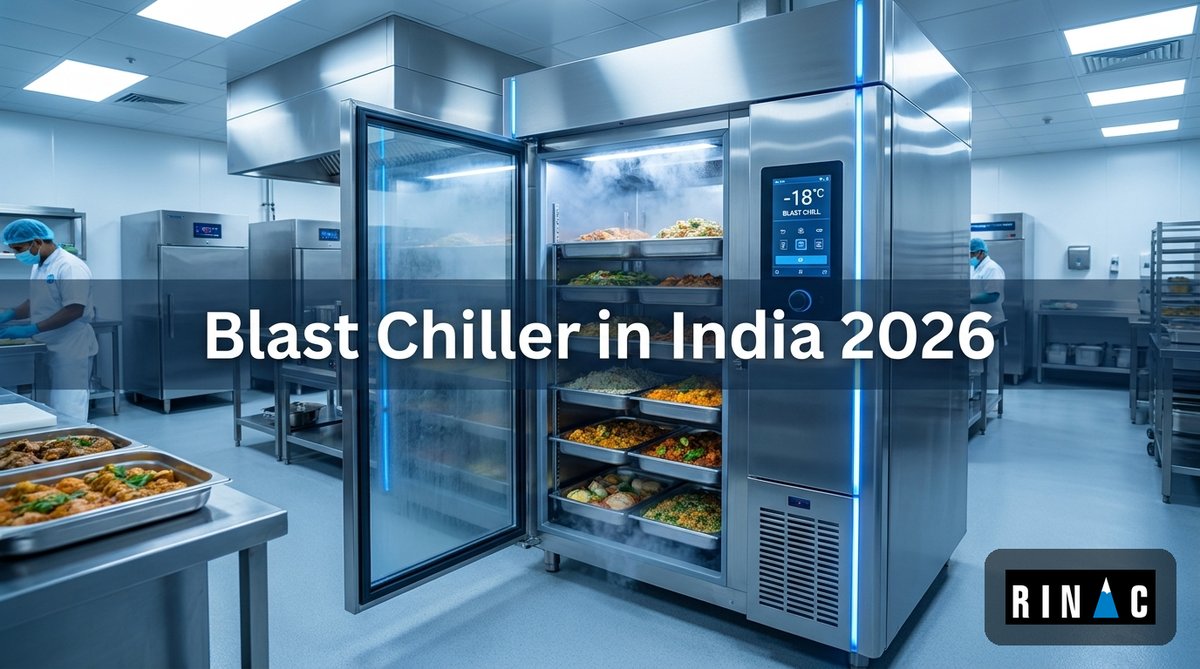
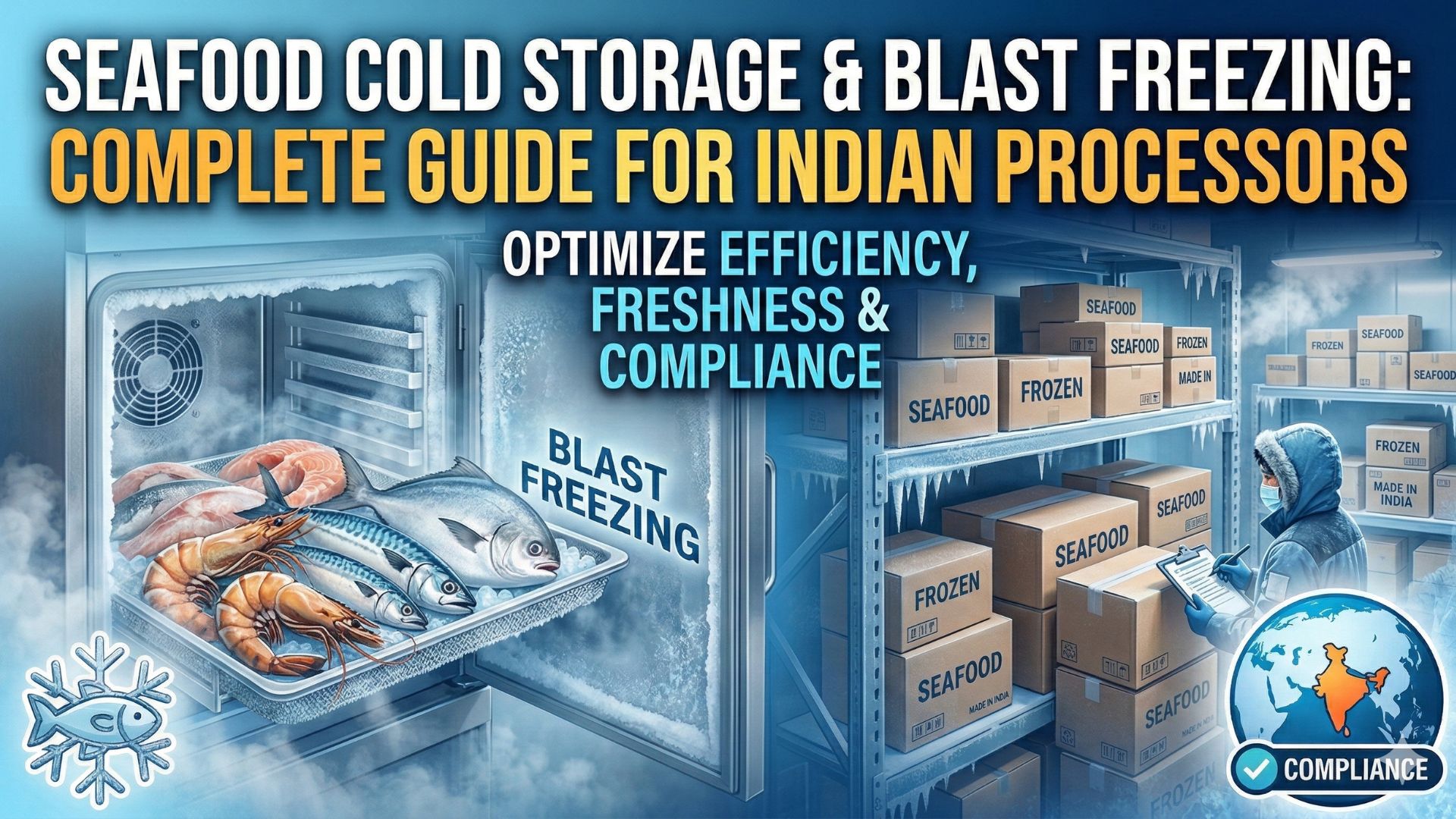
This is fundamentally different from a blast chiller or blast freezer, which freezes product in bulk (boxes, trays, cartons). Blast freezing is the right answer for whole tuna, large fish cuts, beef carcasses, baked goods and cooked ready meals on trays. IQF is the right answer for free-flowing, loose products like prawns, fish fillets, fruit cubes, vegetable pieces, dairy granules and pre-cooked rice. Most modern Indian processing lines run both: blast to handle the larger SKUs, IQF for the high-margin export categories. Our deep-dive on seafood cold storage and blast freezing for Indian processors covers exactly when to combine the two.
The Three IQF Freezer Types You Need to Know
Indian buyers typically evaluate three IQF freezer architectures. Choosing among them is the single most important early decision because the technology dictates throughput, footprint, utility load, sanitation regime and capital cost.
1. Tunnel IQF Freezer
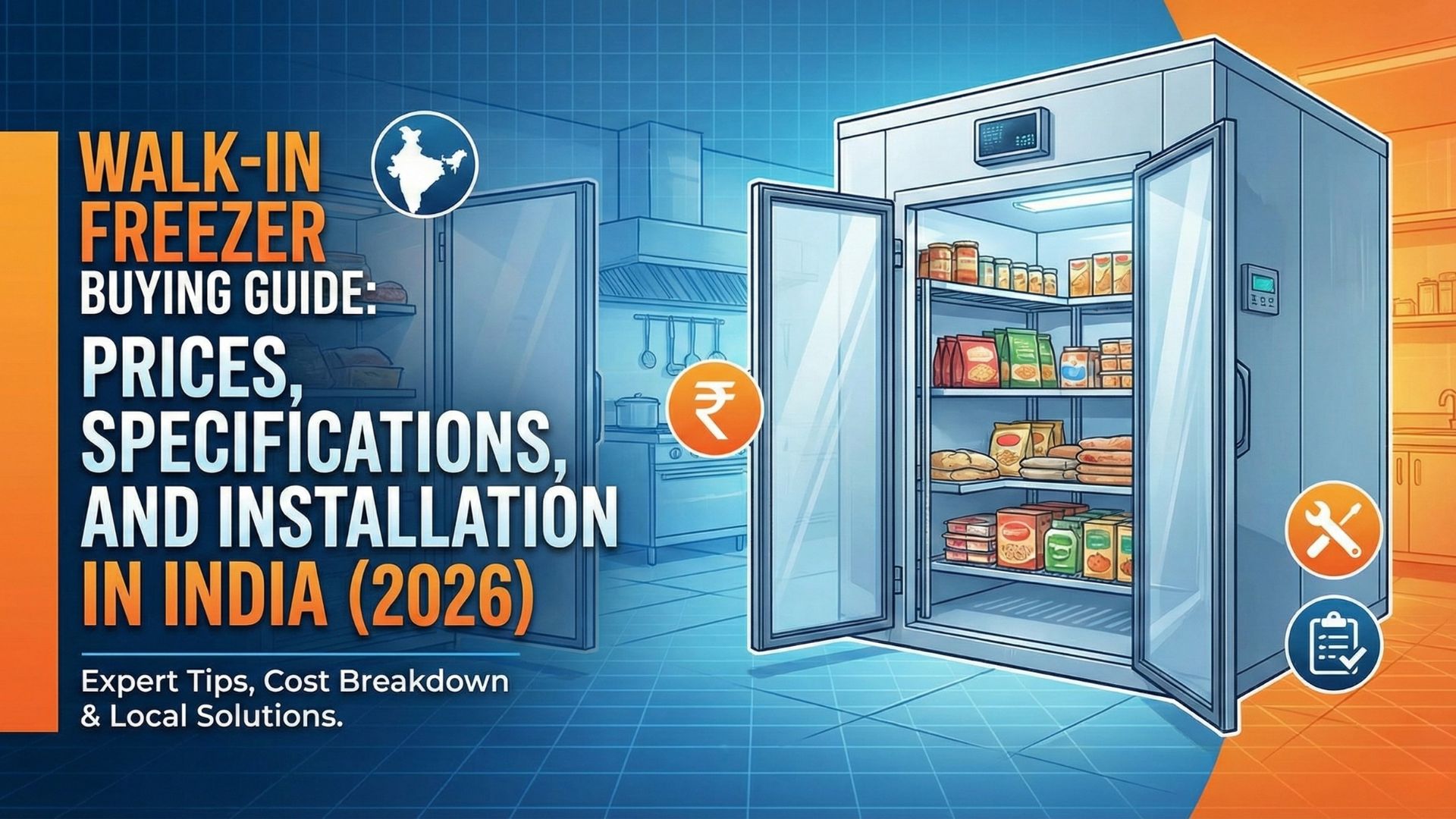
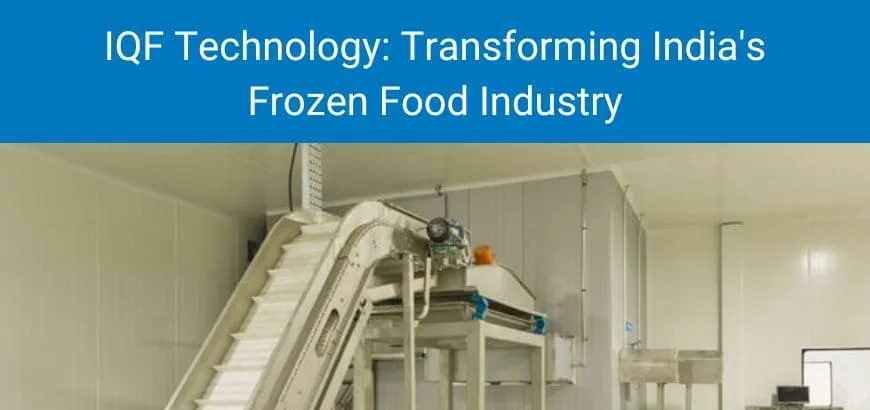
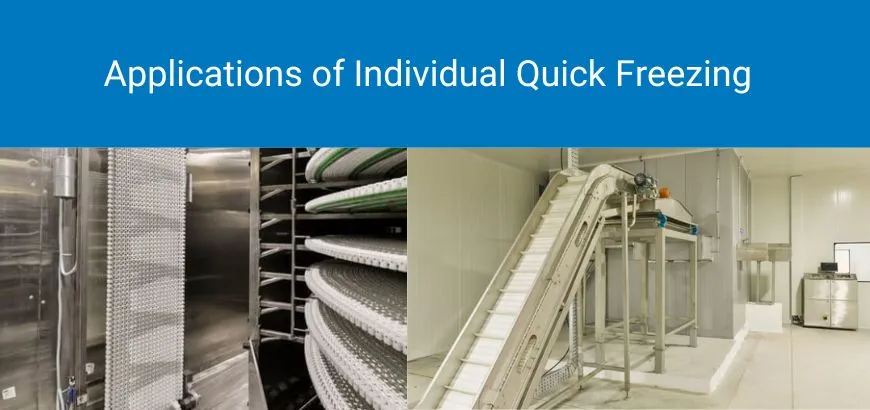
A linear, single-pass conveyor moves product through an insulated tunnel kept at -35°C to -40°C. Tunnel IQF lines typically run 10 to 20 m long, 2 to 4 m wide and 2 to 3 m tall. Throughput ranges from 300 kg/hr at the small end to over 3,000 kg/hr for industrial lines. Tunnel freezers are the most versatile choice for irregular-shape products: chicken pieces, fish fillets, marinated meat, breaded snacks and cooked vegetables. They allow long dwell times for thicker products, and the conveyor can be belt, mesh, plate or modular plastic depending on hygiene and product type.
2. Spiral IQF Freezer
A continuous belt winds vertically around a central drum, giving a long dwell path inside a compact footprint. The same belt length that needs 18 m in a tunnel can be packed into a 6 m diameter spiral tower. Throughput ranges from 500 to 5,000 kg/hr. Spiral IQF is the default for cooked and coated products like nuggets, kebabs, samosas, pizza, biryani portions and ready meals where consistent core freezing is essential and where the long dwell time required by thicker products would otherwise force a tunnel beyond practical length. The trade-off is higher capital cost, more complex sanitation, and the need for ceiling height typically of 6 to 8 m clear.
3. Fluidized Bed IQF Freezer
Cold air is pushed upward through a perforated conveyor at velocity high enough to lift and suspend each piece, creating a “boiling” bed of product where every surface contacts -35°C air. Fluidized bed IQF is unbeatable for free-flowing small products: green peas, sweet corn, diced carrots, IQF beans, berries (blueberry, strawberry diced), pomegranate arils and small shrimp. Freezing times can drop below 5 minutes for peas and 8 to 10 minutes for diced fruit. Throughput up to 5,000 kg/hr is common in large fruit and vegetable plants. Fluidized beds do not work for irregular or sticky product where the air would not lift the pieces evenly.
Quick rule of thumb: Choose tunnel for variety and thicker products, spiral for cooked/coated SKUs and tight floor plans, fluidized bed for high-volume small free-flowing items. Many large Indian plants combine two architectures, for example a fluidized bed pre-freezer feeding a spiral for final hardening.
| IQF Type | Best For | Typical Capacity | Indicative Cost (INR) | Floor Footprint |
|---|---|---|---|---|
| Tunnel IQF | Prawns, fish fillets, chicken parts, marinated meat, breaded items | 300 to 3,000 kg/hr | Rs 35 lakh to Rs 5 crore | 20 to 80 m² |
| Spiral IQF | Nuggets, kebabs, samosas, pizza, ready meals, dimsum | 500 to 5,000 kg/hr | Rs 1 crore to Rs 8 crore | 40 to 100 m² (needs 6 to 8 m height) |
| Fluidized Bed IQF | Green peas, sweet corn, diced veg, berries, pomegranate arils, small shrimp | 500 to 5,000 kg/hr | Rs 60 lakh to Rs 4 crore | 25 to 70 m² |
| Cryogenic IQF (LN₂/CO₂) | High-value items, low volumes, surge capacity, R&D | 50 to 1,500 kg/hr | Rs 15 lakh to Rs 1.5 crore (high opex) | 10 to 30 m² |
Indicative ranges from public Indian listings on IndiaMart and TradeIndia and from Rinac project benchmarks; verify against vendor quotes for your specific scope.
IQF Freezer Price in India 2026: What Actually Drives the Number
“IQF freezer price” is one of the most-searched queries on Google India for a reason: prices vary by more than 50x depending on capacity, type and refrigeration package. Listings on IndiaMart start as low as Rs 1.25 lakh for very small benchtop units, while a 1,500 kg/hr industrial tunnel from Ramtech Refrigeration is listed at over Rs 82 lakh and turnkey high-capacity spiral lines from international OEMs cross Rs 8 crore. The honest answer for any serious Indian processor is that the total project cost depends on six variables:
- Capacity (kg/hr): Doubling throughput typically raises the freezer cost by 50% to 70%, not 100%, because the chamber and refrigeration scale sub-linearly.
- Refrigeration system: Ammonia (NH₃) is the lowest opex and the standard for plants above 500 kg/hr. Synthetic refrigerants (R-507, R-449A) are simpler to commission for smaller lines. CO₂ cascade is gaining ground for high-end exporters. The choice affects 30% to 40% of total system cost.
- Belt and conveyor material: Stainless steel mesh is standard, modular plastic adds cost but improves cleanability for ready meals and seafood.
- Sanitation and CIP/SIP: Built-in clean-in-place systems with automated wash cycles add Rs 25 to 60 lakh but are non-negotiable for USFDA-registered exporters.
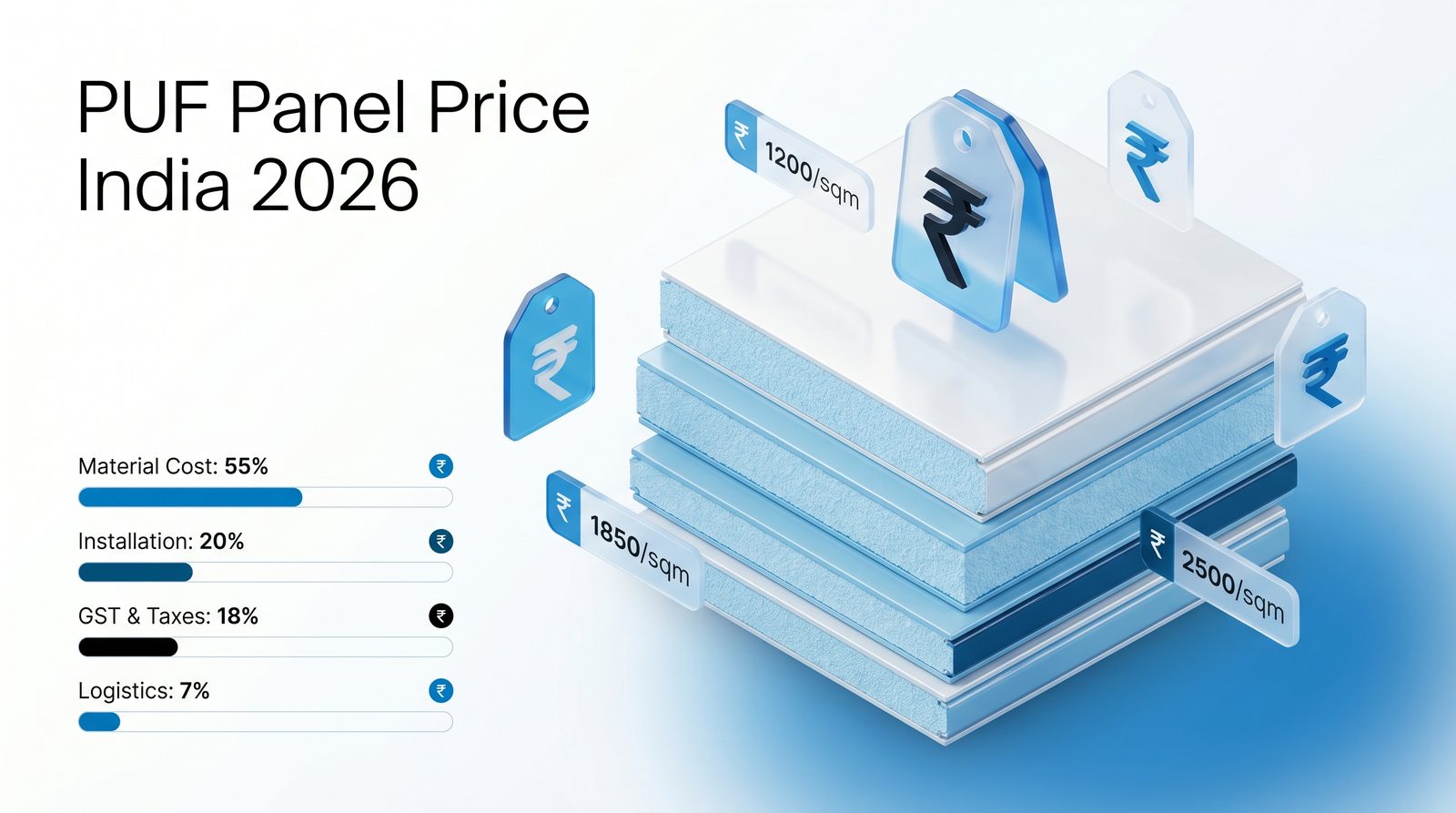
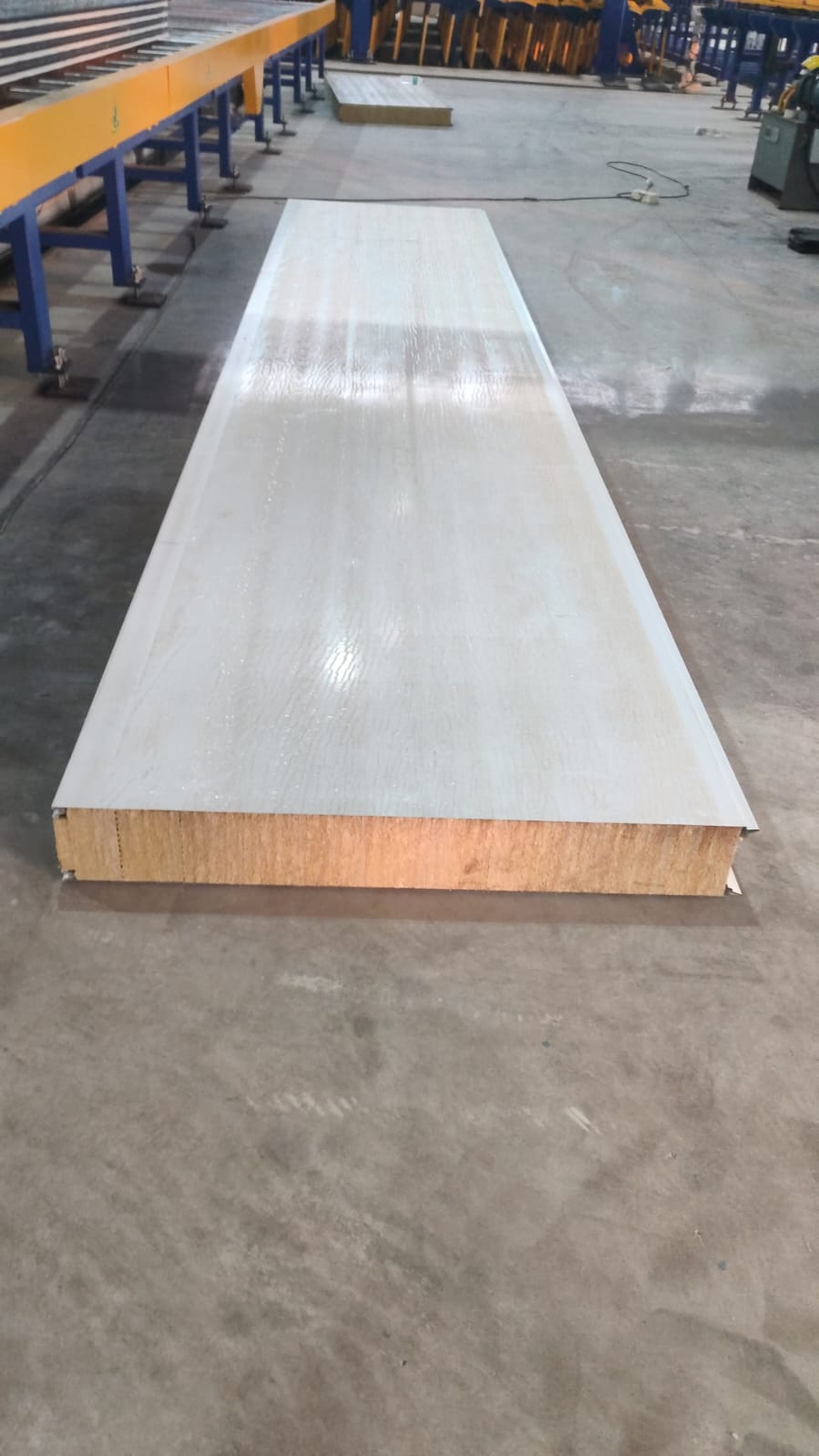
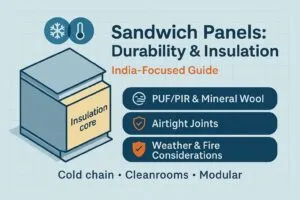
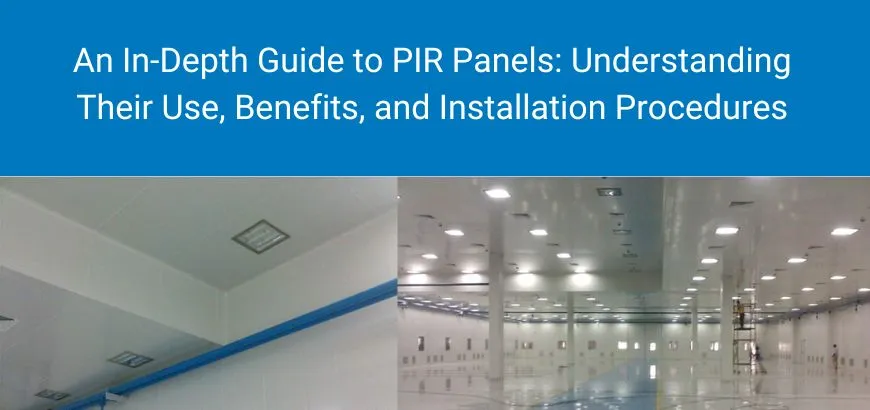
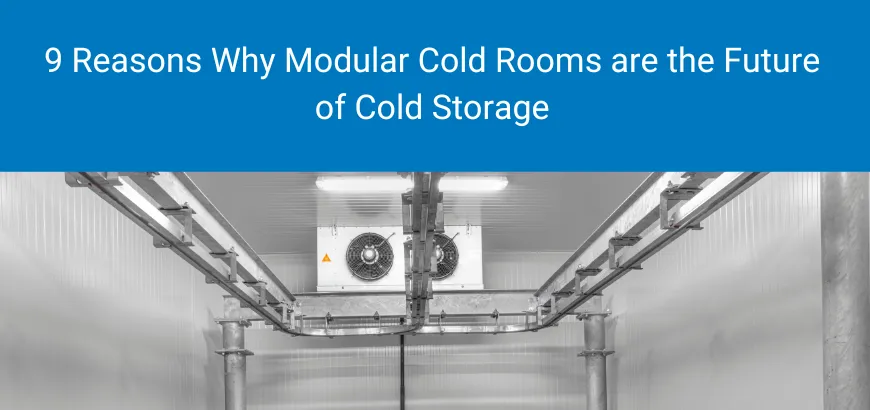
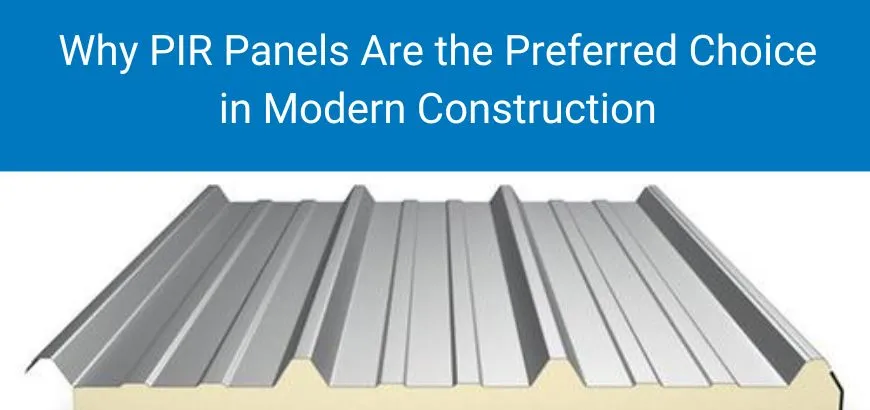
- Insulation and panel system: PUF or PIR sandwich panels at 150 to 200 mm thickness for the freezer envelope. Our PUF panel price guide gives current Indian rates for the panel scope.
- Automation, controls and data logging: PLC-based control with HMI, refrigeration monitoring, alarm management, audit-grade data logging and remote diagnostics. Rs 15 to 40 lakh for a serious system.
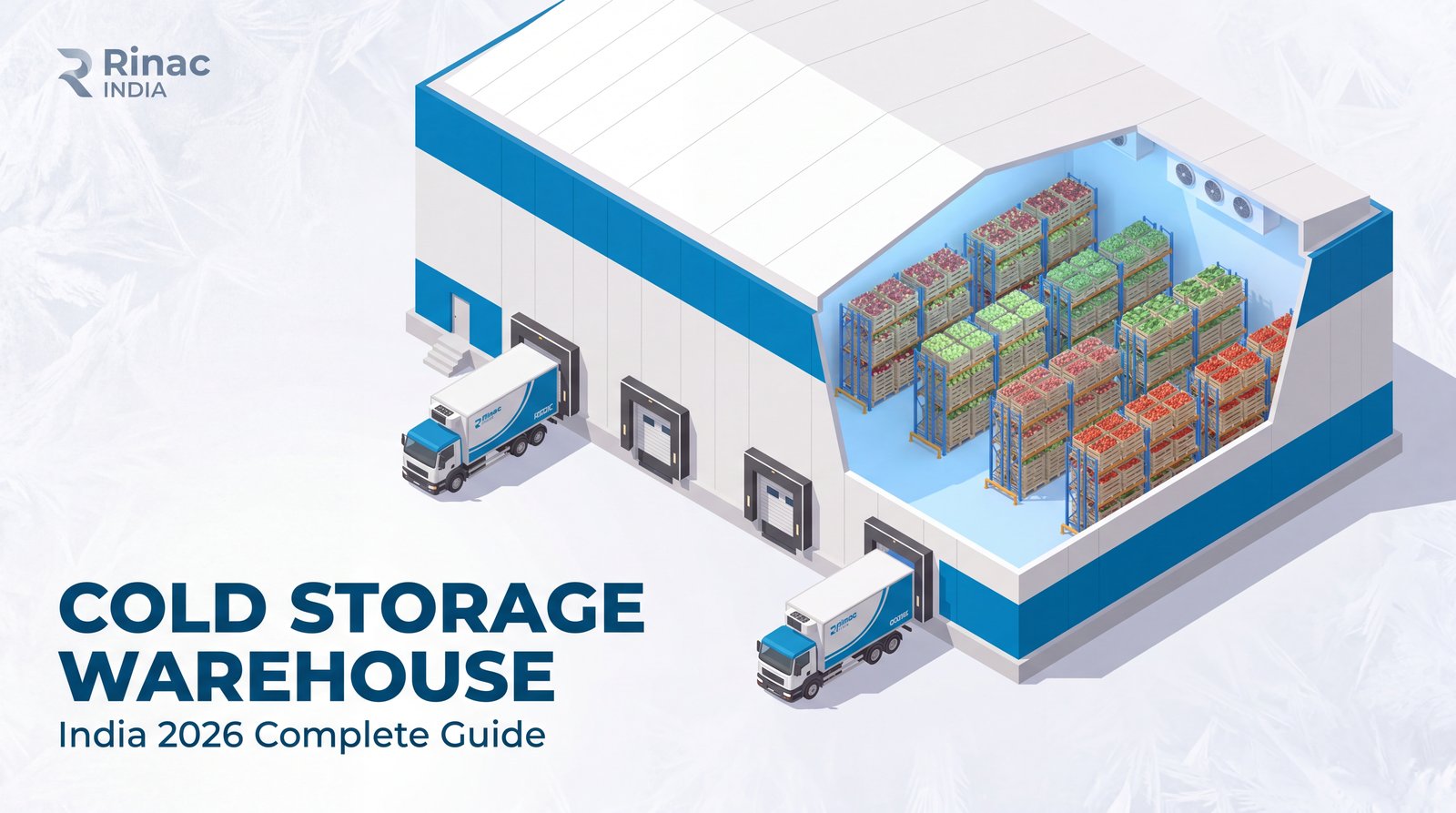
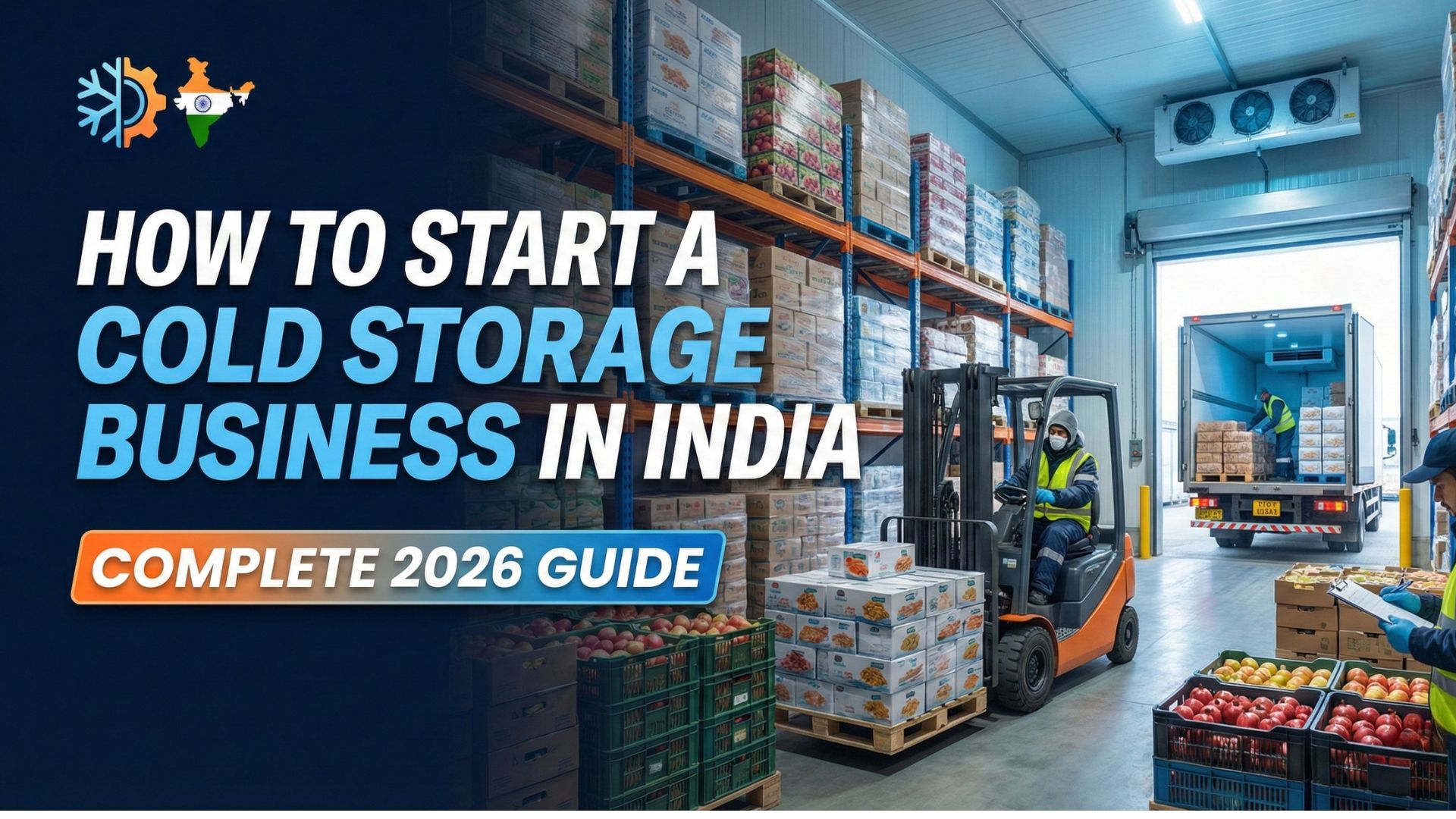
For a holistic view of project economics including building, utilities, panels and balance of plant, our complete cold storage cost guide for India is the right companion read. IQF freezers are usually 25% to 40% of total project capex for an integrated cold chain facility.
Indian Market Context: Government Schemes, Subsidies and Why 2026 Is a Buying Year
India’s policy framework is built around getting more IQF and cold chain capacity into the field. The most important scheme for any IQF buyer is the Integrated Cold Chain and Value Addition Infrastructure component of PM Kisan SAMPADA Yojana, run by the Ministry of Food Processing Industries (MoFPI). The Union Cabinet approved an additional outlay of Rs 1,920 crore in July 2025, bringing total PMKSY funding to Rs 6,520 crore through the 15th Finance Commission cycle ending 31 March 2026 [9].
Under this scheme, the eligible cost of an integrated cold chain project that includes IQF, blast freezing, pre-cooling, multi-product cold storage, packing and reefer vans is reimbursed at 35% in general areas and 50% in difficult areas, where difficult areas include the North-Eastern states, Sikkim, Uttarakhand, Himachal Pradesh, J&K, Ladakh, ITDP areas, and the Andaman, Nicobar and Lakshadweep islands. Proposals from SC/ST entrepreneurs, Farmer Producer Organisations (FPOs) and Self-Help Groups (SHGs) also qualify for the 50% rate [3].
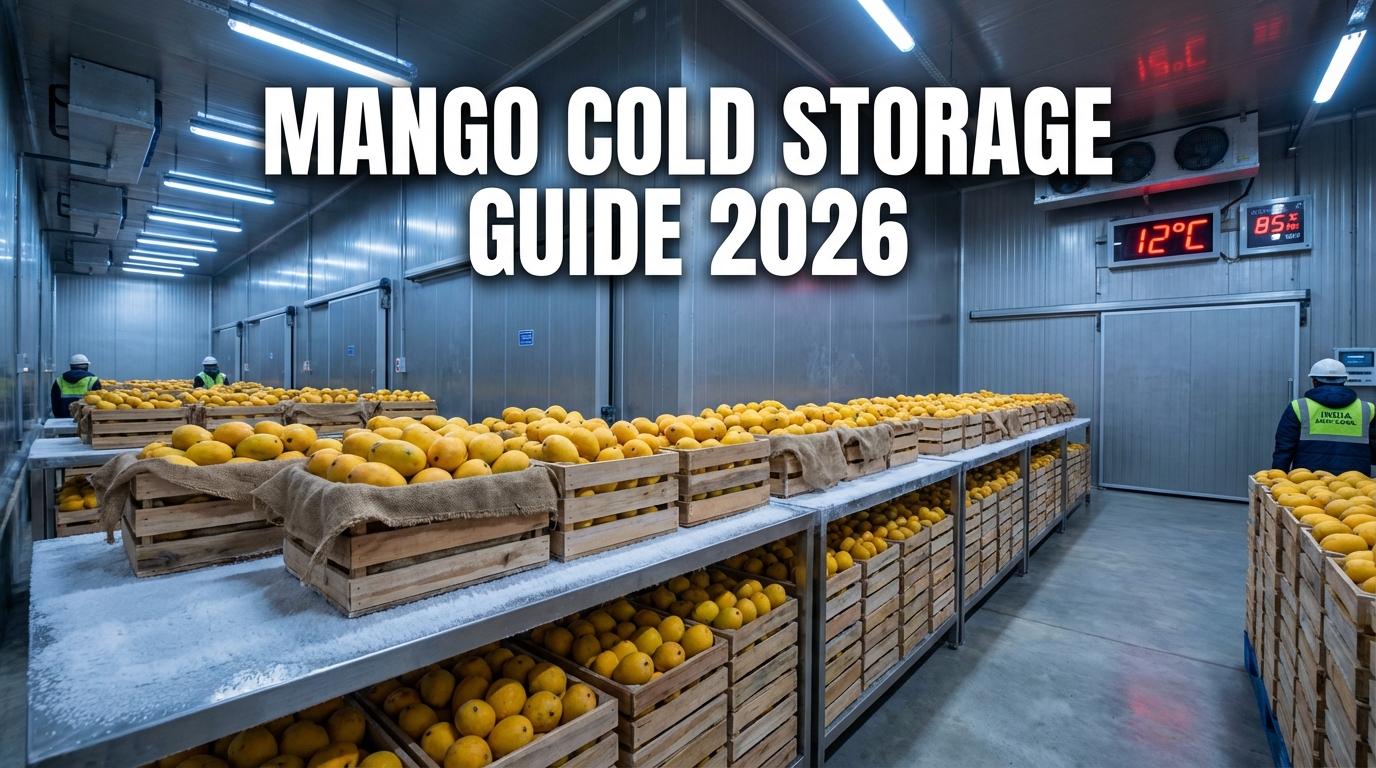
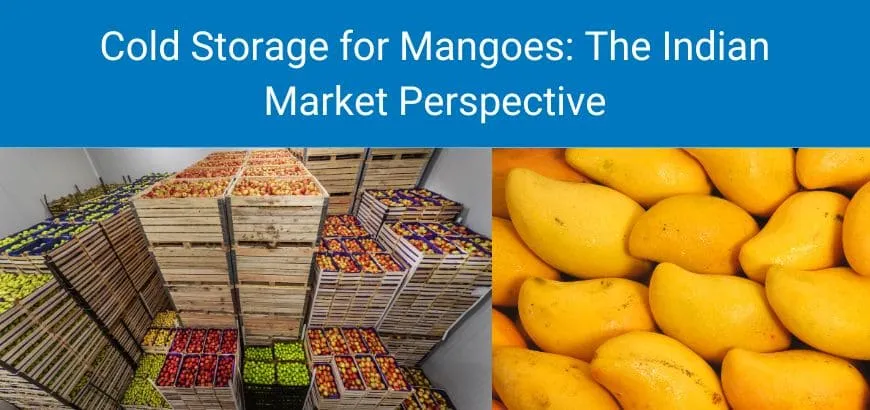
Horticulture-led projects, particularly mango, banana, pomegranate, kinnow and vegetables, can additionally tap the Mission for Integrated Development of Horticulture (MIDH), where GOI contributes 60% of the developmental outlay in most states and 90% in North-Eastern and Himalayan states [10]. Our guide on cold storage for agriculture and horticulture and our mango cold storage guide for the 2026 harvest season walk through MIDH eligibility in detail.
What this means for your IQF business case: If your project qualifies for the 35% PMKSY subsidy, a Rs 4 crore IQF and balance-of-plant investment can be reduced to roughly Rs 2.6 crore net of grant, dramatically shortening payback. The scheme requires the project to be an “integrated” cold chain (pre-cooling, IQF or blast, cold storage, reefer transport) with a minimum specified investment and operational milestones. Engage early with MoFPI’s empanelled consultants.
IQF Applications That Drive the Most ROI for Indian Processors
Seafood and Aquaculture (Shrimp, Prawns, Fish Fillets)
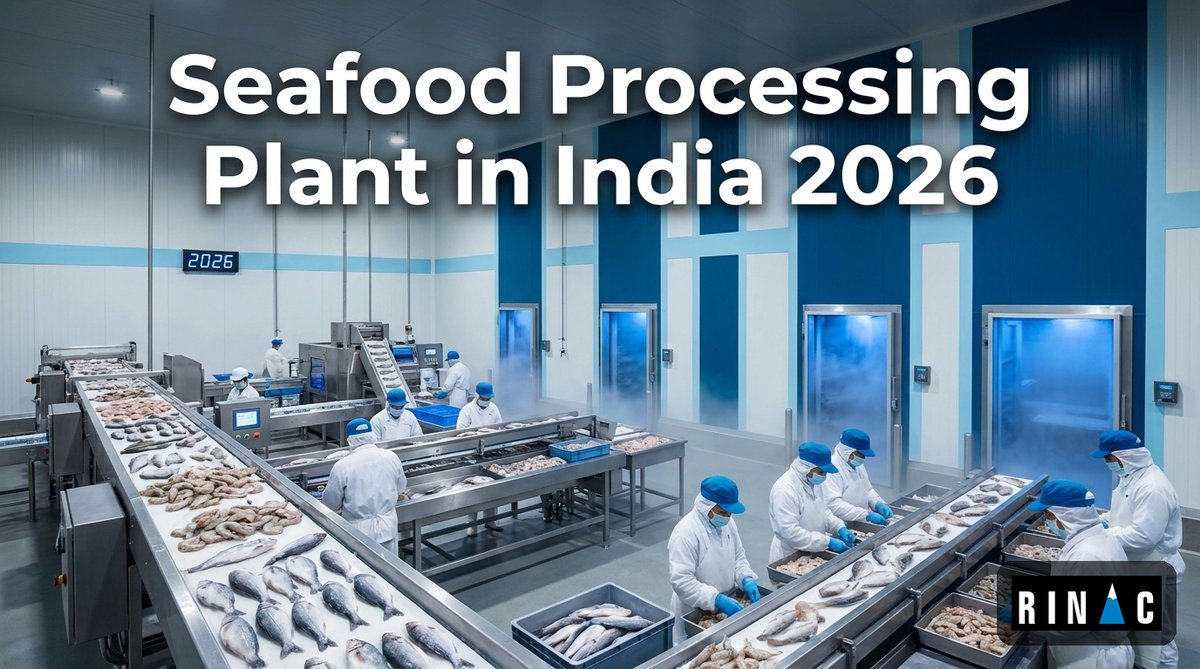
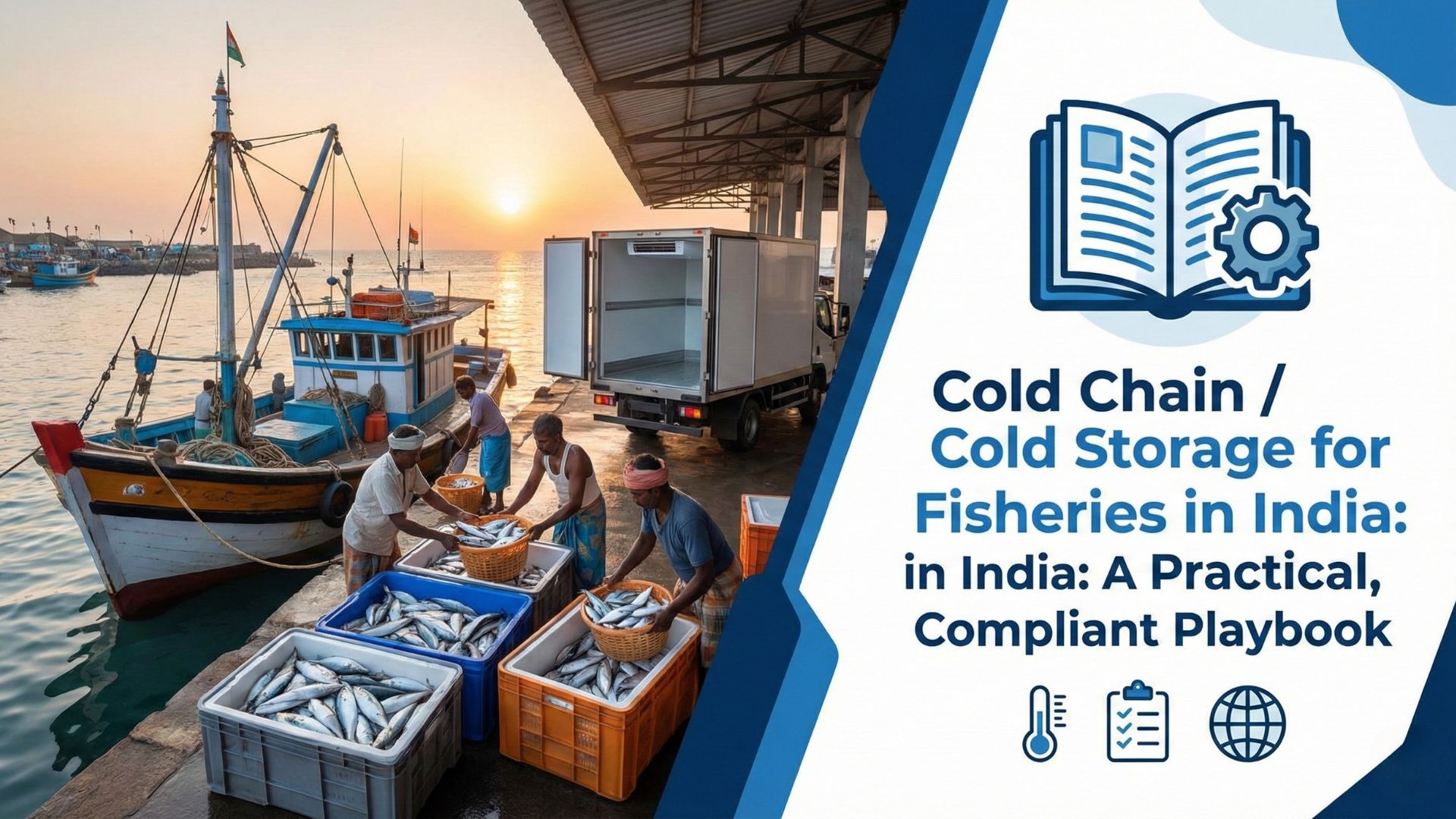
India’s seafood exports hit an all-time high of Rs 72,325 crore (USD 8.28 billion) in FY 2025-26, with frozen shrimp alone contributing Rs 47,973 crore, roughly two-thirds of the basket [2]. IQF tunnel and fluidized bed freezers are the industry-standard hardware in Andhra Pradesh, Tamil Nadu, Gujarat and Kerala shrimp plants. Each prawn freezes individually, retaining glaze, gloss and yield, which directly drives MPEDA-approved exporters’ EU and US prices. Our cold chain playbook for Indian fisheries details the full process from chilled water on the boat to frozen storage at the port.
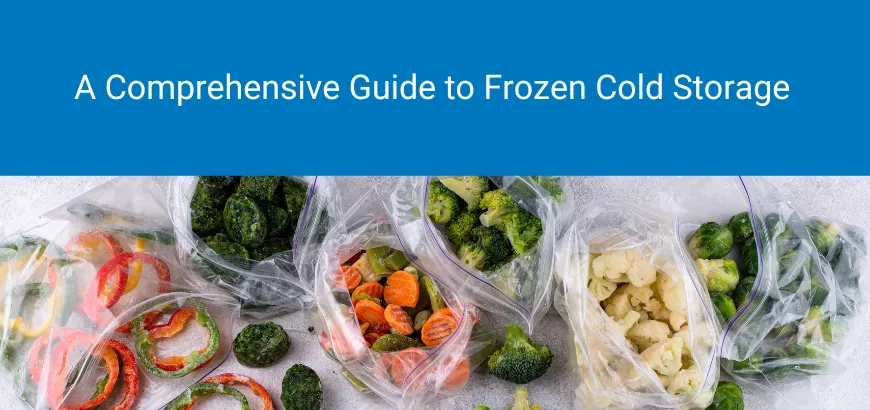
Frozen Fruits and Vegetables for Export
APEDA-registered processed food exports reached USD 7,886 million in 2024-25 [4]. IQF mango cubes, mango pulp blocks, pineapple chunks, sweet corn, green peas, okra and pomegranate arils are the categories pulling that growth. Fluidized bed IQF is the technology of choice for peas, corn and arils; tunnel IQF for mango cubes and pineapple chunks. Mango, in particular, is India’s flagship fruit export, and processors operating CA/MA chambers upstream of an IQF line capture the highest premium.
Ready Meals, Snacks and the QSR Supply Chain
India’s frozen ready-to-eat and ready-to-cook categories, including samosas, parathas, biryani portions, nuggets and dim sum, are the fastest-growing premium segment inside the INR 593 billion 2033 forecast [1]. Spiral IQF freezers are the workhorses here, often integrated downstream of a fryer or steam-cooker. A fully turnkey food processing plant built for an Indian QSR supply chain will typically pair a 2,000 kg/hr spiral IQF with cooked food handling, IQF storage and reefer dispatch.
Dairy and Poultry
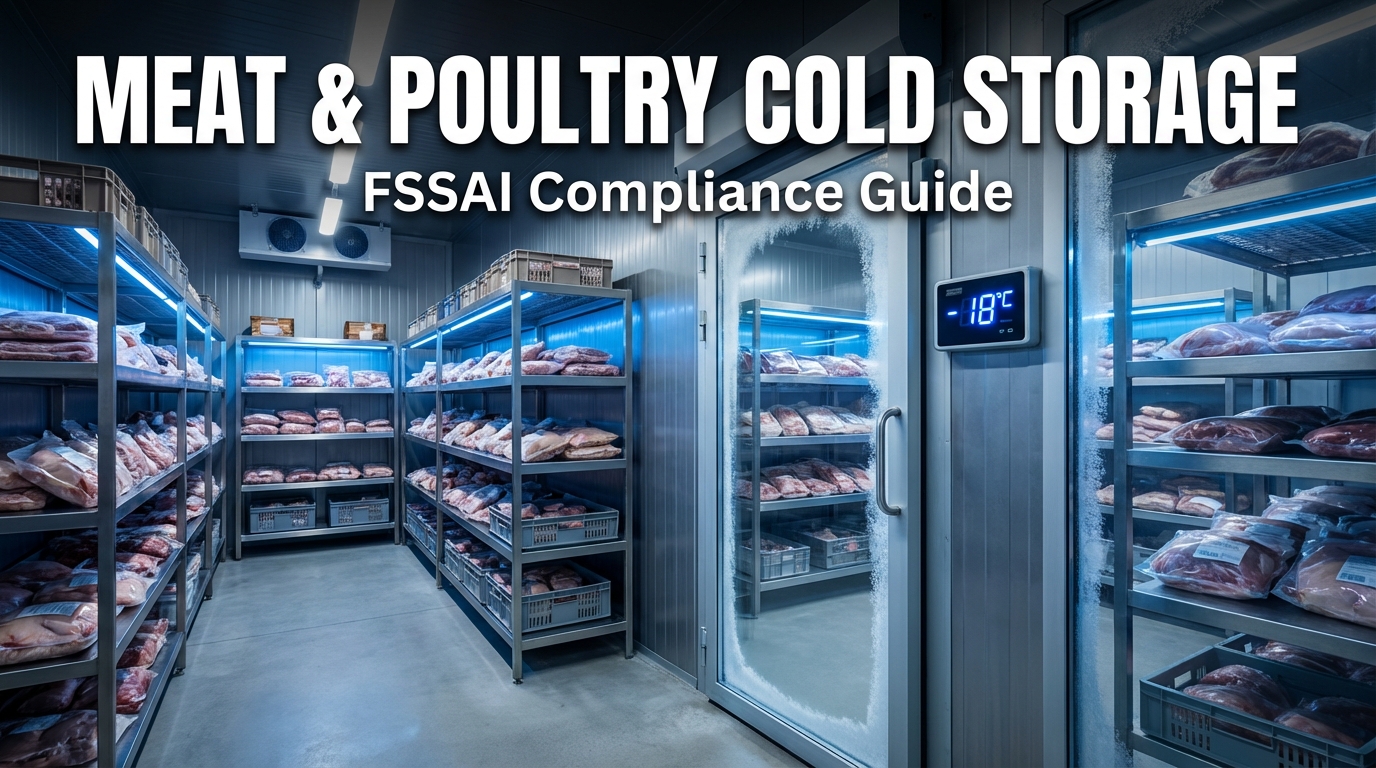
IQF granulated ghee, IQF paneer cubes, IQF chicken nuggets, IQF marinated meat and IQF eggs all rely on the same physics. The dairy and poultry industries combine IQF with conventional FSSAI-compliant meat and poultry cold storage at -18°C or below. Our work with leading Indian dairy and protein brands shows that adding an IQF line is what unlocks the move from regional to pan-India distribution.
Compliance & Standards: FSSAI, HACCP, ISO, USFDA, BRC and WHO-GMP
Compliance is not a paperwork exercise; it is a design constraint that determines materials, layout, refrigeration and data logging. Any serious IQF installation in India is built to satisfy:
- FSSAI (Food Safety and Standards Authority of India): -18°C or colder in storage and transit, food-contact surfaces in 304 or 316 stainless steel, hygienic design, validated cleaning protocols, traceability records [8].
- HACCP: A documented hazard analysis with critical control points typically at receiving, IQF entry and exit, packaging, and frozen storage. Continuous temperature logging at the freezer exit is the most common CCP.
- USFDA, BRC, IFS: Required for exporters to the US, UK, EU and Middle East. The bar covers materials of construction, pest control, allergen management, supplier audits and full electronic traceability.
- ISO 22000 / ISO 14001 / ISO 9001: Food safety management, environmental management and quality systems.
- WHO-GMP and Schedule M: For pharmaceutical and nutraceutical IQF applications, where the freezer becomes a controlled manufacturing area with documented validation.
- IGBC Green Rating: Increasingly relevant for new builds claiming PMKSY’s premium ratings and for ESG-conscious customers.
Rinac India is certified to ISO, FSSAI, HACCP, GMP, IGBC and WHO-GMP, and our engineering documentation pack supports clients through USFDA, EU and Middle East audits as standard practice.
Energy, Refrigeration and Sustainability
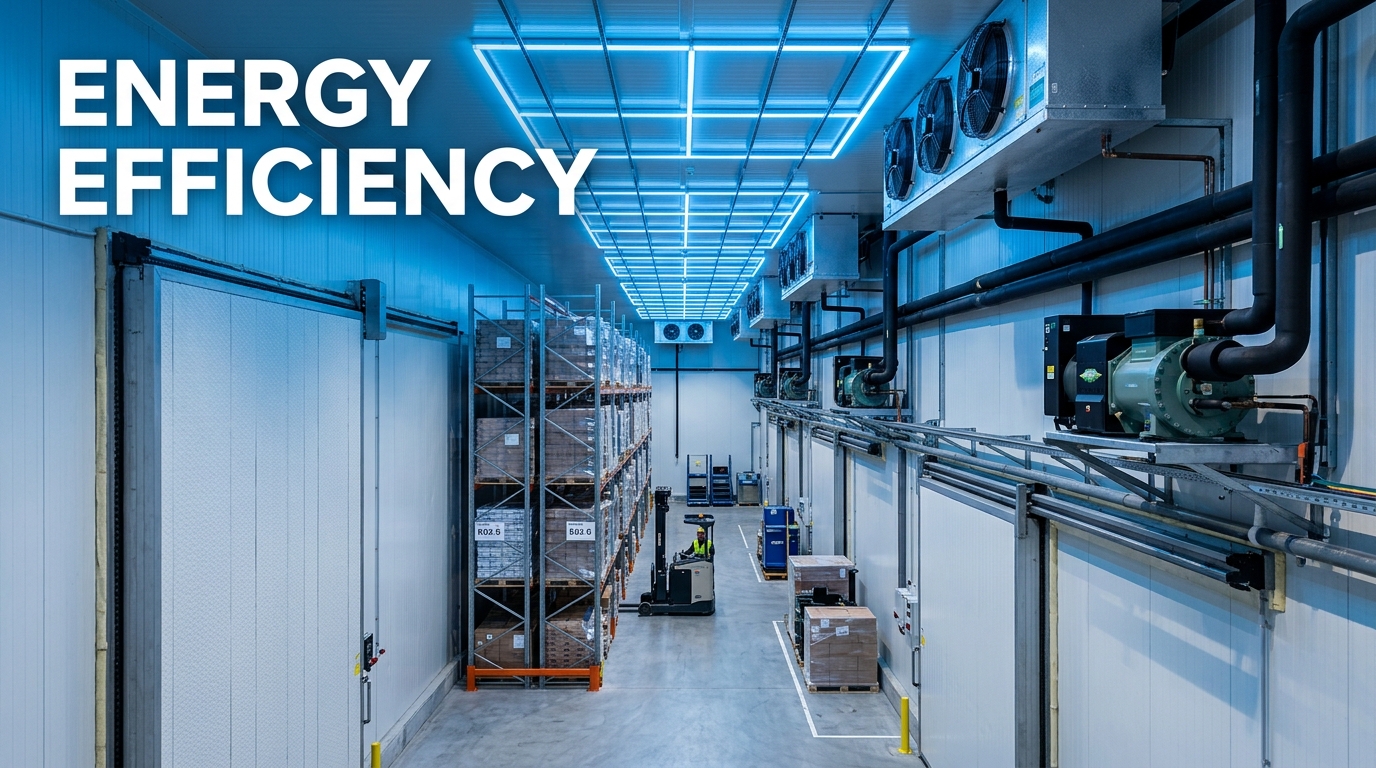
Energy is the single largest opex line for any IQF facility in India. A 1,500 kg/hr tunnel IQF will draw 200 to 400 kW depending on product, ambient conditions, glaze water load and how well the building envelope is engineered. The four levers Rinac uses to drive that down are:
- Refrigerant choice: Ammonia (NH₃) and CO₂ cascade for low GWP and low long-run opex.
- VFD compressors and EC fans: 20% to 35% energy savings versus fixed-speed legacy systems, as detailed in our cold storage energy efficiency guide.
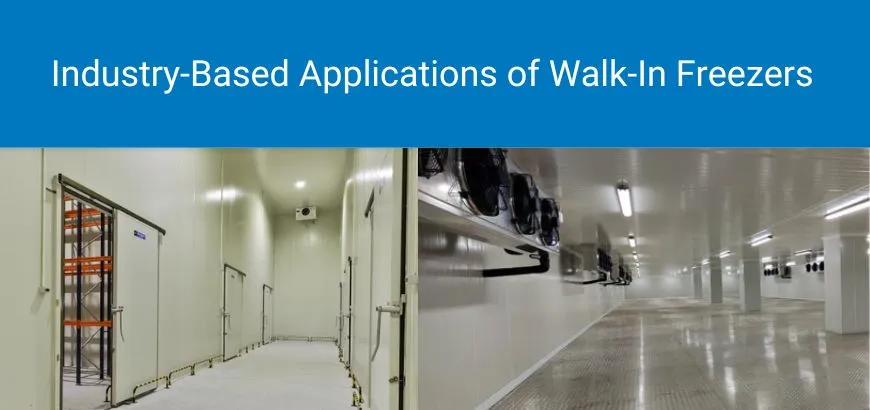
- Envelope and door discipline: 150 mm to 200 mm PUF/PIR sandwich panels, properly engineered strip curtains and rapid-roll doors, validated to FM and IGBC standards.
- Heat recovery: Capturing condenser heat to pre-heat washdown water, defrost water and CIP cycles.
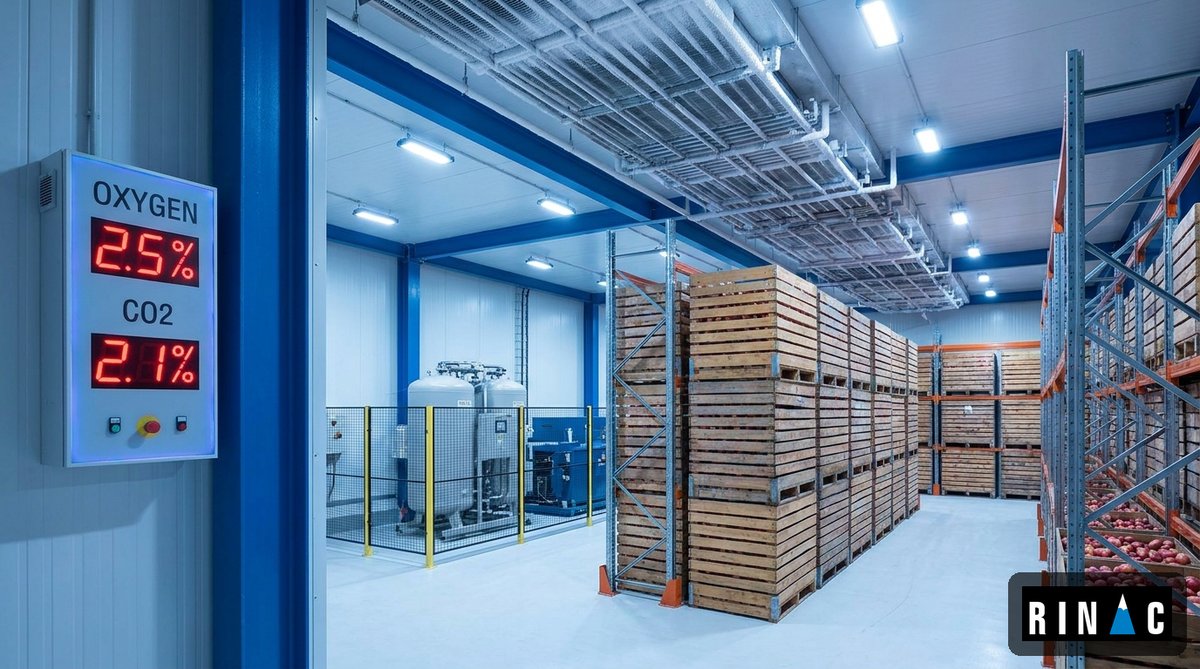
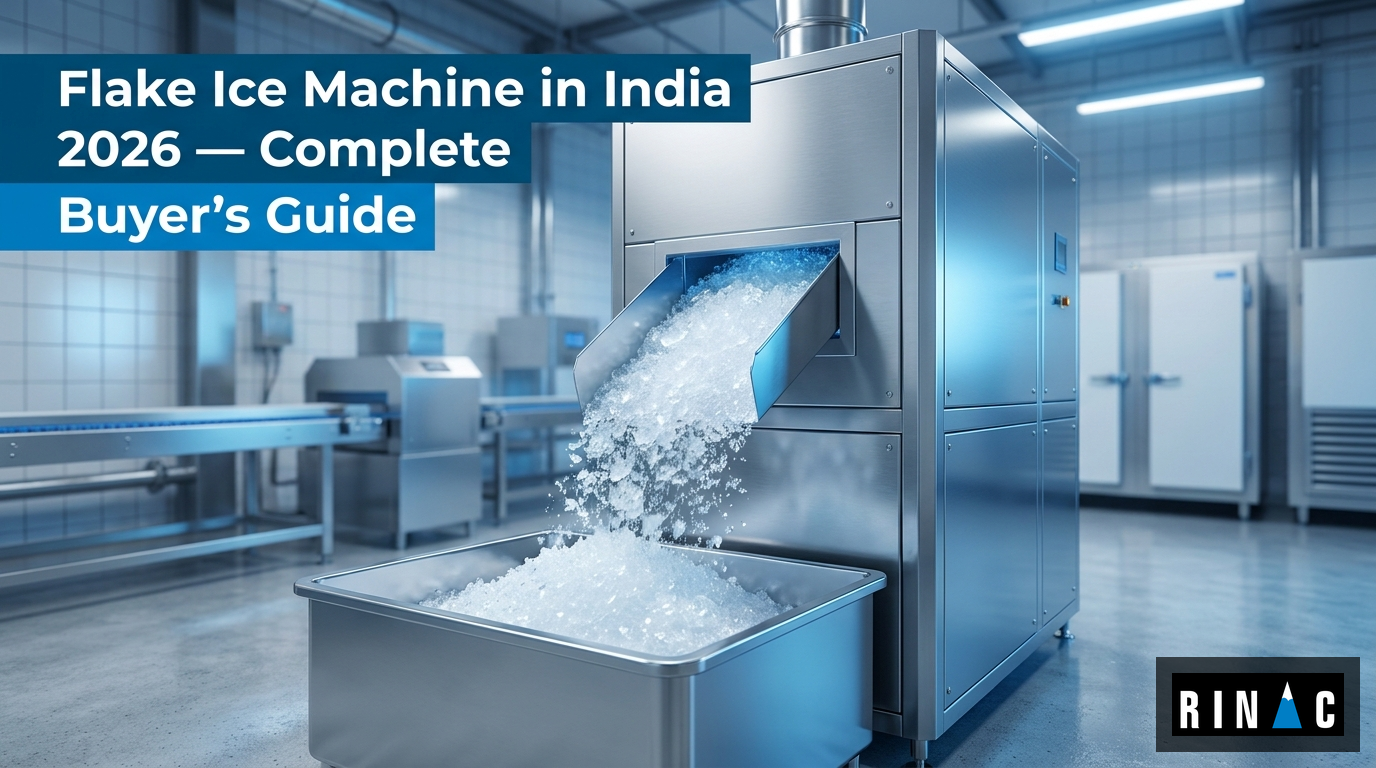
A facility that combines IQF with a properly sized central refrigeration system and flake ice production (see our flake ice machine buyer’s guide) typically achieves the lowest kWh/kg-frozen in the Indian market.
Sizing an IQF Freezer: A 7-Step Process
Most IQF projects fail not because the equipment is wrong but because it was sized wrong. The Rinac sizing protocol that has been refined across 10,000+ projects follows seven steps:
- Define the SKU list: List every product the line will run for the next five years, with peak season multipliers.
- Calculate peak throughput in kg/hr at the highest single SKU, including ramp-up and shift patterns.
- Specify entry and exit temperature per SKU: typically +5°C in, -18°C core out.
- Calculate heat load: sensible plus latent plus respiration (for fruits and vegetables) plus packaging plus conveyor mass plus infiltration.
- Choose the architecture (tunnel, spiral, fluidized) using the rule of thumb above.
- Specify refrigeration package: NH₃, CO₂ or HFC; condenser type; defrost strategy; redundancy.
- Engineer the building envelope, utilities and downstream cold storage as one integrated system, not three projects.
“The single biggest mistake we see in Indian IQF projects is sizing the freezer for the launch SKU rather than the five-year SKU plan. Get the long-term throughput modelling right, and the rest of the project, including the PMKSY subsidy application, lines up behind it.” — Rinac engineering team
Why Buyers Choose Rinac India
Rinac India is a Solution Architect and Builder of cold chain infrastructure with 30+ years of engineering experience, 10,000+ projects delivered across 23 countries, and 6,000+ clients including ITC, Britannia, Tata, Reliance, Nestlé, Biocon, Pepsico and Flipkart. Our IQF practice spans every segment a serious buyer evaluates:
- End-to-end design, manufacture, installation and after-sales for tunnel, spiral, fluidized bed and cryogenic IQF freezers across our IQF product line.
- Patented HPCC (High-Performance Composite Construction) and Firearmet fire-rated sandwich panels for the freezer envelope, two of our four awarded patents.
- Two state-of-the-art manufacturing facilities (Bangalore and Murbad, Maharashtra) for fast lead times and full quality control.
- 14 branch offices across India (Bangalore, Hyderabad, Mumbai, Ahmedabad, Chandigarh, Indore, Lucknow, Vijayawada, Chennai, Kochi, Pune, Delhi, Kolkata and Balasore) with pan-India after-sales coverage.
- ISO, FSSAI, HACCP, GMP, IGBC and WHO-GMP certifications across every project.
6,000+
Clients served across India and 23 countries, including the leading Indian seafood, dairy, fruit and ready-meal exporters
Clients served across India and 23 countries, including the leading Indian seafood, dairy, fruit and ready-meal exporters
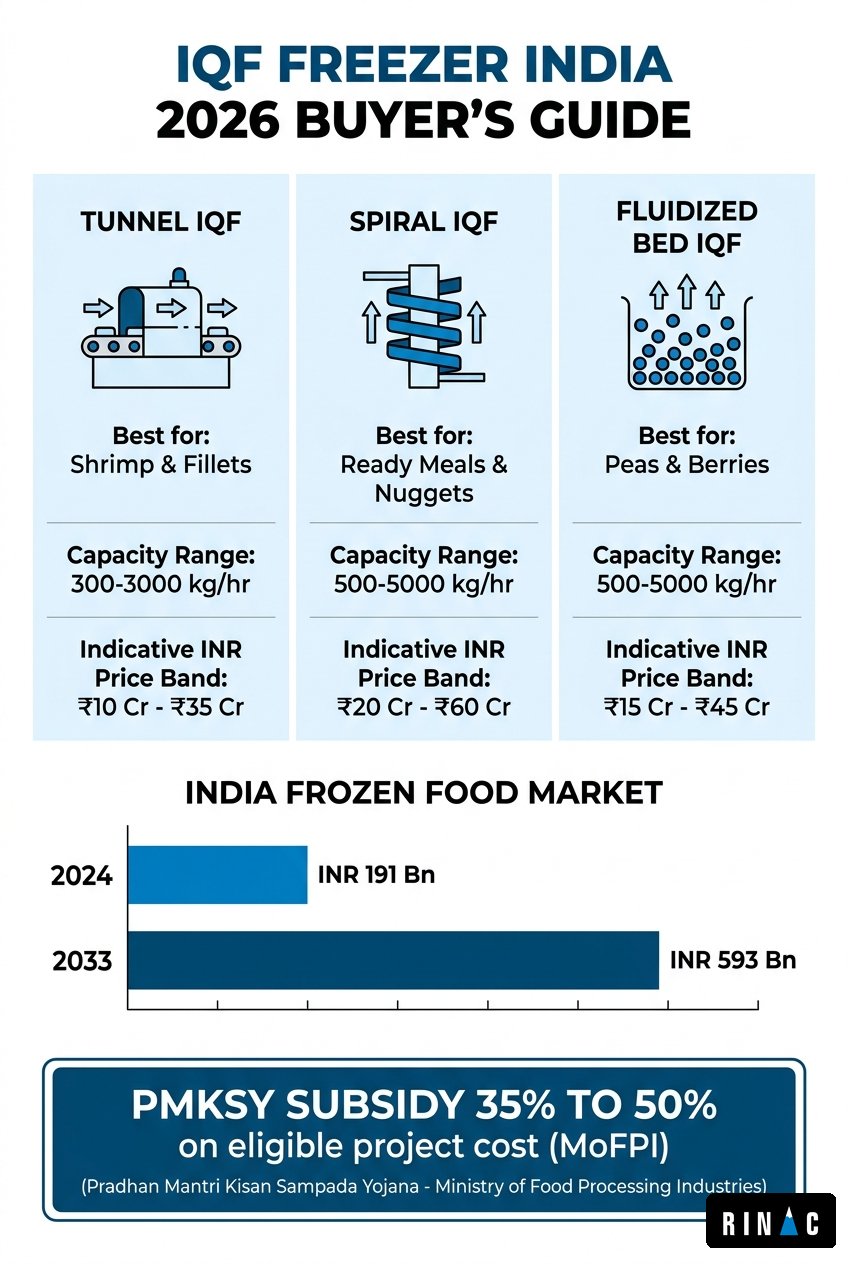
IQF freezer types, capacities, applications and PMKSY subsidy at a glance.
Frequently Asked Questions
Sources & References
- IMARC Group, Indian Frozen Foods Market Size and Outlook (2025).
- MPEDA via FFOODS Spectrum, India’s Seafood Exports Hit All-Time High of Rs 72,000 Crore (April 2026).
- Ministry of Food Processing Industries, Integrated Cold Chain and Value Addition Infrastructure Scheme (2025).
- APEDA, Processed Foods Exports Data 2024-25.
- Technavio, Frozen Food Market in India Growth Analysis 2025-2029.
- IMARC Group, India Cold Chain Market Size, Share & Outlook (2025).
- NCCD / NABCONS, All India Cold-chain Infrastructure Capacity Assessment.
- FoodSafetyMantra, FSSAI Compliance Checklist 2026.
- Press Information Bureau, PMKSY Additional Outlay of Rs 1,920 Crore Approved (July 2025).
- NCCD / Ministry of Agriculture, MIDH Operational Guidelines 2025.
- Invest India, Cold Chain Infrastructure in India and its Future Potential (2025).
- IBEF, From Farms to Fridges: How Cold Chain Infrastructure Is Transforming India’s Agriculture (2025).
Important Disclaimer: The price ranges, capacities, subsidy rates and compliance requirements described in this guide are indicative public-domain references as of May 2026. Actual project cost depends on site, scope, capacity, product mix, automation level, refrigeration choice and balance-of-plant configuration. Subsidy eligibility and disbursement are subject to MoFPI, NHB, MIDH and state-agency operating guidelines that change periodically. Before committing capital, validate every assumption directly with the relevant government department, an empanelled scheme consultant, an FSSAI/HACCP auditor, and a qualified refrigeration engineer. Rinac India accepts no liability for decisions made solely on the basis of this article. For a project-specific design, sizing study, ROI model and PMKSY application support, request a formal consultation via rinac.com/contact-us.