TL;DR – Quick Summary
- A PIR sandwich panel uses polyisocyanurate foam between two metal facings, delivering better fire performance and slightly better insulation than standard PUF panels.
- PIR panels typically carry a 15–25% price premium over PUF panels of the same thickness; with 50 mm PUF panels at roughly ₹130–165 per sq ft ex-factory in India, budget approximately ₹150–205 per sq ft for PIR before freight and installation.
- PIR chars and self-extinguishes instead of melting, stays stable up to around 200°C versus roughly 110°C for standard PUF, and achieves superior fire ratings — the key reason insurers and auditors increasingly specify it.
- India’s cold chain market is projected to grow from INR 2,535.87 billion in 2025 to INR 6,190.91 billion by 2034, and government schemes (PM Kisan SAMPADA, MIDH, NHB) offset 35–50% of eligible cold chain project costs — panels included.
- Choose PIR for cold storage, clean rooms, food processing, and pharma facilities where fire safety, FSSAI/WHO-GMP compliance, and insurance economics matter most.
Disclaimer: This article is for informational purposes only and is not a substitute for professional engineering, legal, or regulatory consultation. Prices, subsidies, and regulations change — verify directly with FSSAI, MoFPI, NHB, and your state agencies before acting. All figures are sourced from public references as of the publication date.
Why PIR Sandwich Panels Are Having Their Moment in India
If you are planning a cold storage facility, clean room, or food processing plant in India in 2026, the PIR sandwich panel deserves a place on your shortlist. India operates 8,815 cold storages with a combined capacity of 402.18 lakh metric tonnes as of June 2025, according to NCCD data [1] — and nearly every one of those facilities depends on insulated panels for its thermal envelope. As fire safety norms tighten and insurance premiums climb, the conversation among Indian project owners is shifting from “what is the cheapest panel?” to “what panel protects my investment?”
That shift favours polyisocyanurate. This guide covers everything a decision-maker needs: what a PIR sandwich panel is, how the PIR panel vs PUF panel comparison plays out, realistic 2026 pricing in rupees, fire ratings, applications, government subsidies, and how to select from PIR panel manufacturers in India. If you want the fundamentals first, our in-depth guide to PIR panels and installation procedures is a good companion read. Drawing on 30+ years and 10,000+ projects delivered across 23 countries, Rinac’s engineering teams have specified insulated panels for nearly every climate zone in India — this guide distils that experience.
What Is a PIR Sandwich Panel? (PIR Panel Full Form and Construction)
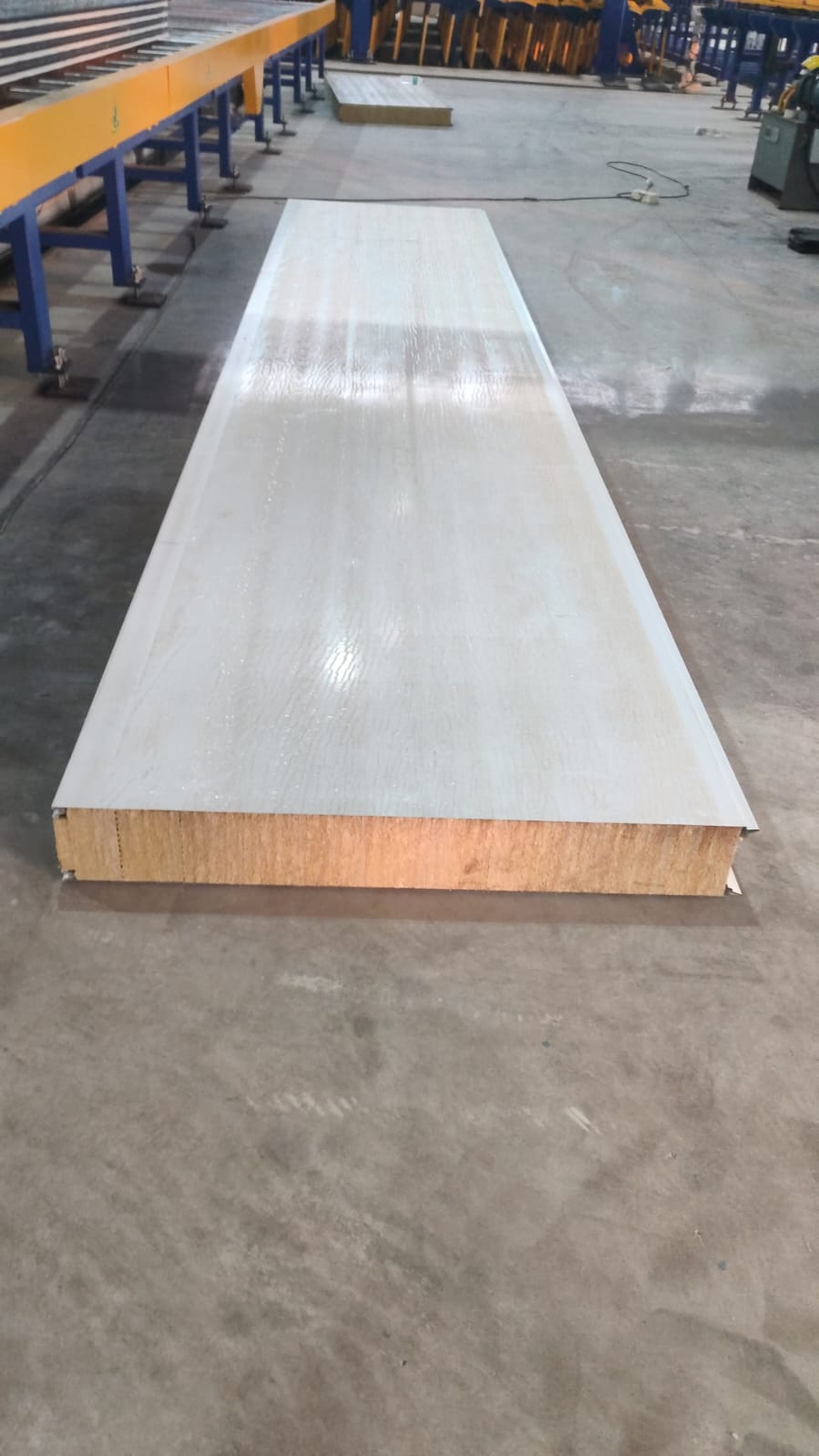
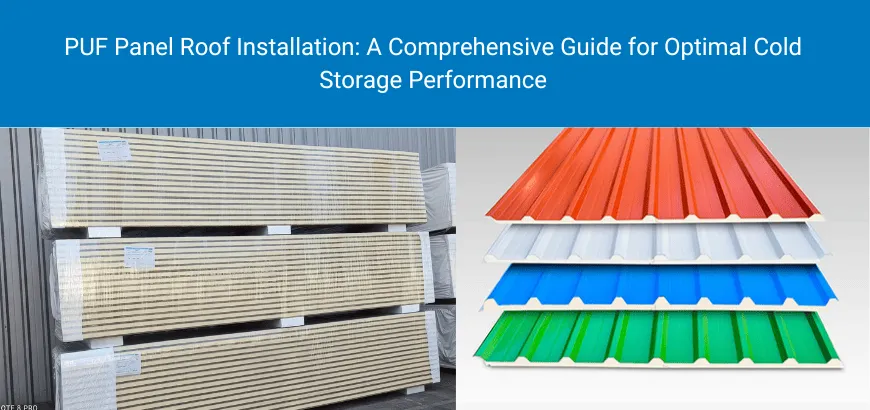
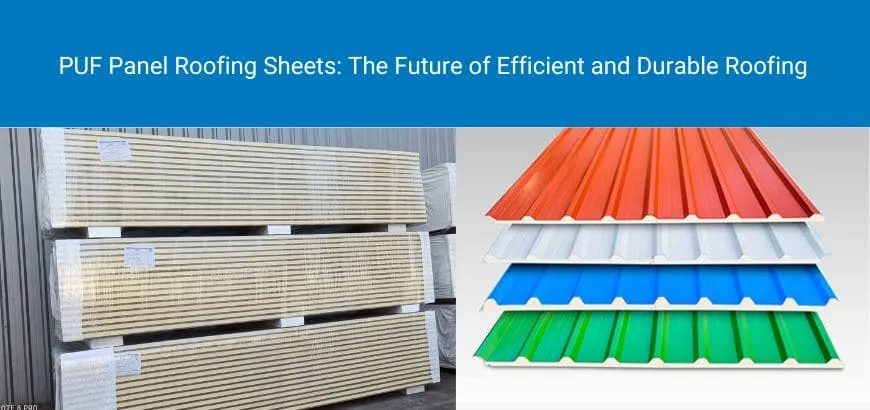
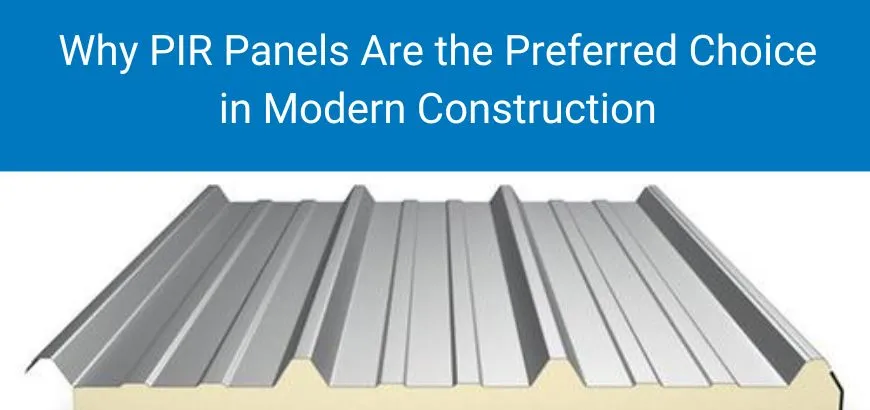
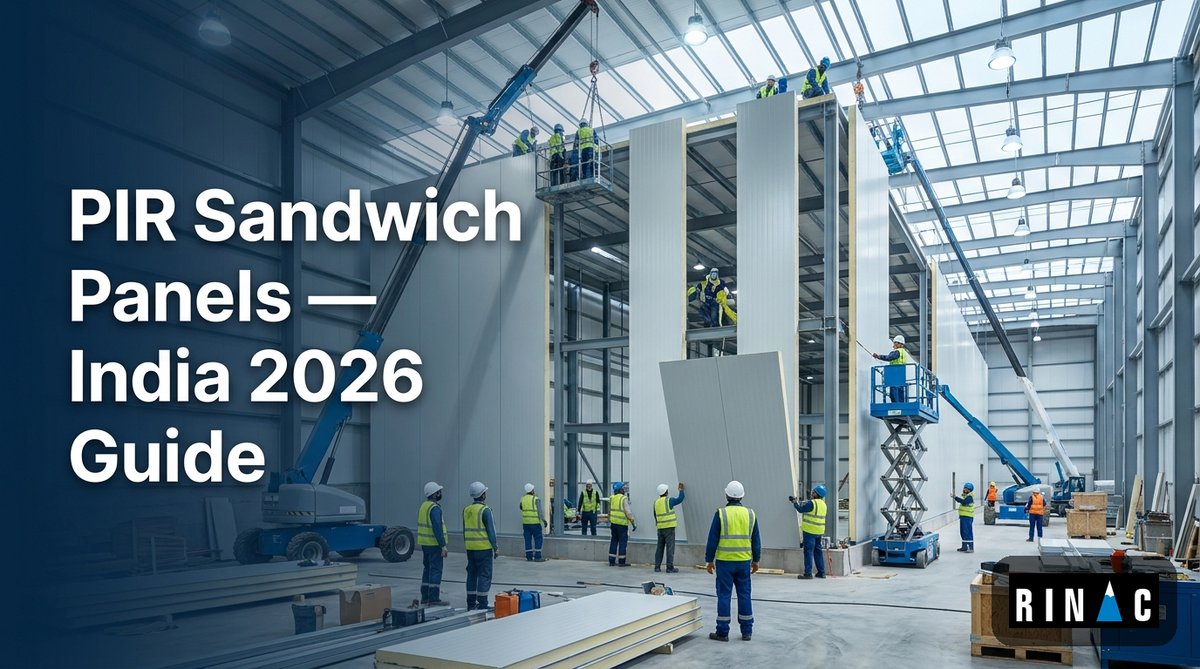
The PIR panel full form is polyisocyanurate panel. A PIR sandwich panel consists of a rigid polyisocyanurate foam core bonded between two facings — typically pre-painted galvanised iron (PPGI), stainless steel, or aluminium. The “sandwich” construction gives the panel structural rigidity, while the closed-cell foam core does the thermal work.
Chemically, PIR is a close cousin of polyurethane (PUF/PUR), but it is produced with a higher ratio of isocyanurate groups in its molecular structure. That ring structure makes the foam more thermally stable, more fire resistant, and a marginally better insulator [2]. A typical pir insulation panel achieves a thermal conductivity (lambda) of roughly 0.022–0.027 W/mK, versus about 0.025–0.035 W/mK for standard polyurethane [2] — so the same wall thickness insulates slightly better, or you can hit the same U-value with a thinner panel.
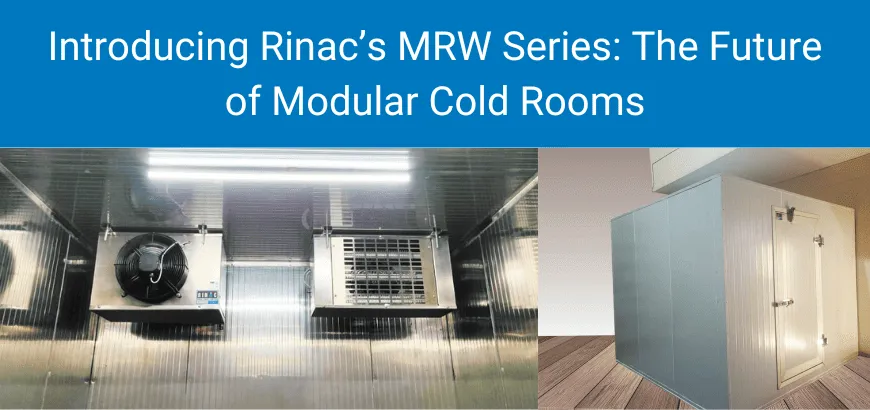
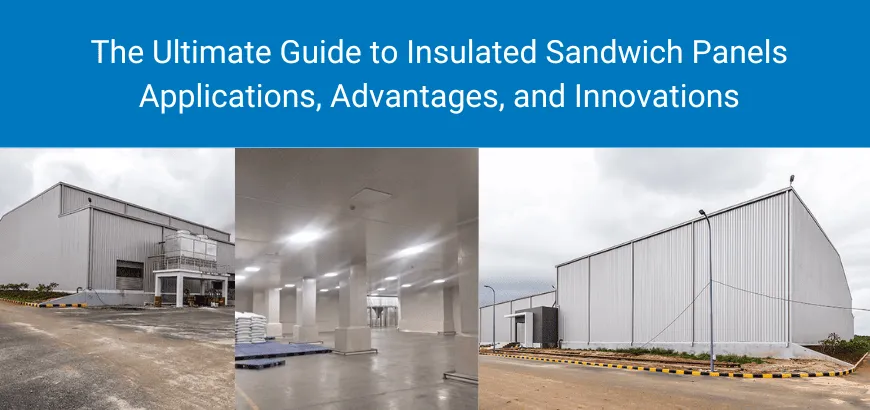
Panels are produced in continuous lines in thicknesses from 30 mm to 200 mm, with tongue-and-groove or cam-lock joints for vapour-tight assembly. Rinac manufactures insulated sandwich panels — including its FM-approved fire-rated Firearmet range — at its Bangalore and Murbad (Maharashtra) facilities, which also supply the company’s prefabricated buildings and modular cold rooms.
PIR Panel vs PUF Panel: Which Should You Choose?
The pir panel vs puf panel question is the most common one our engineers field, and the honest answer is: it depends on what failure mode worries you more — heat ingress or fire. Here is the side-by-side comparison (sandwich panel PIR vs PUF, same facings and thickness):
| Parameter | PUF (PUR) Panel | PIR Panel |
|---|---|---|
| Thermal conductivity (λ) | ~0.025–0.035 W/mK [2] | ~0.022–0.027 W/mK [2] |
| Fire behaviour | Combustible; softens and degrades from ~110°C [3] | Chars and self-extinguishes; stable to ~200°C [3] |
| Smoke generation | Higher | Lower [4] |
| Indicative cost (same thickness) | Base | +15–25% premium [3] |
| Typical fit | General cold rooms, budget-led projects | Fire-sensitive, audited, insured facilities |
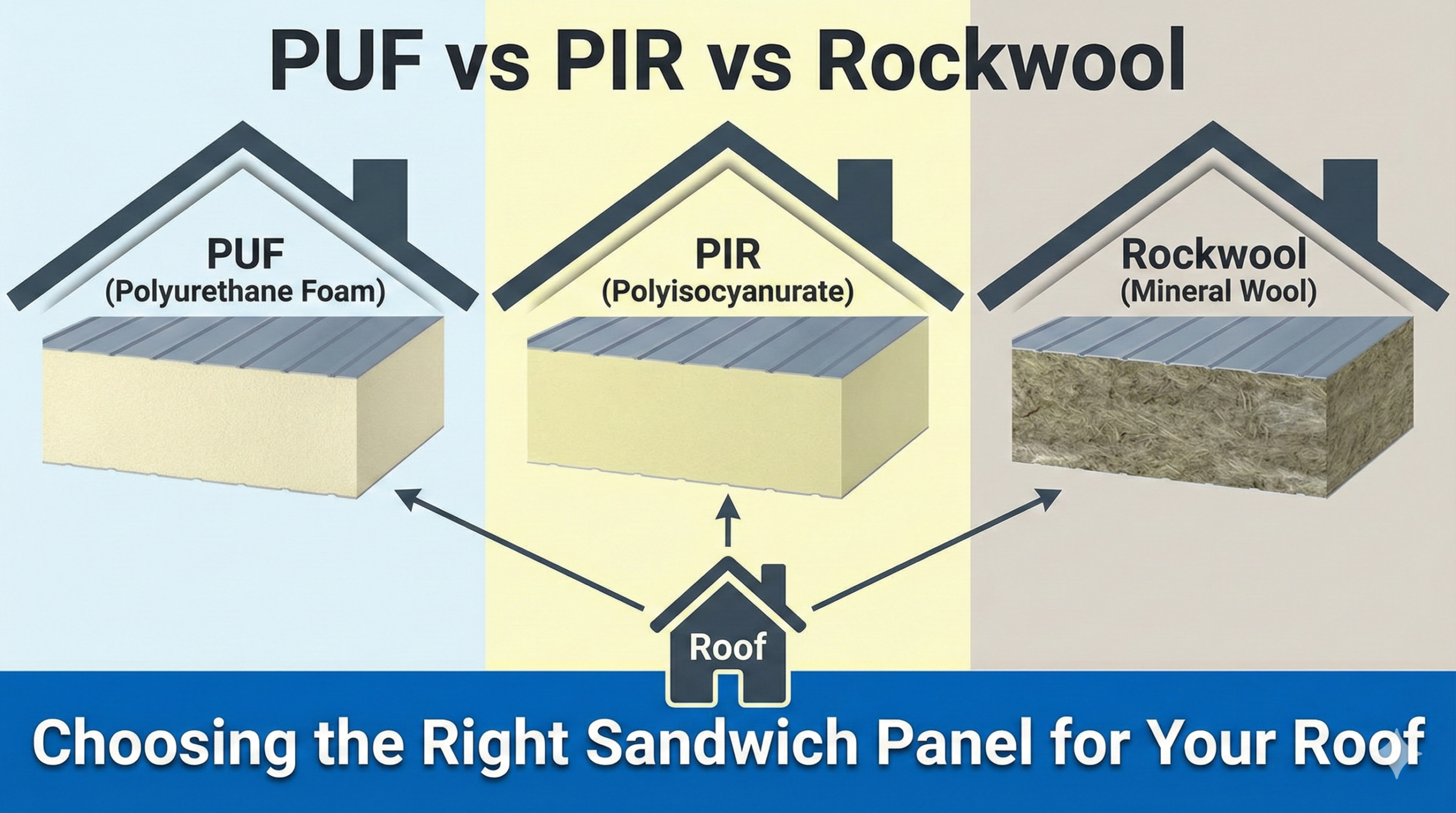
For most ambient warehouses and small cold rooms, PUF remains a perfectly sound, economical choice — see our PUF panel price guide for India 2026 for that side of the equation. But where a fire would destroy high-value inventory, halt a production line, or trigger a compliance failure, the PIR premium is usually the cheapest insurance you will ever buy. For a three-way comparison including stone wool, read our guide on choosing between PUF, PIR and Rockwool panels, and our deeper dive on RPUF vs PIR safety and savings.
Engineer’s note: thermal performance differences between PUF and PIR are real but modest. The decisive differences are fire behaviour and high-temperature stability — specify based on your risk profile, not the datasheet’s lambda value alone.
PIR Panel Fire Rating: Why Polyisocyanurate Leads on Fire Safety
The pir panel fire rating advantage comes down to chemistry. When exposed to flame, polyisocyanurate does not melt or drip; it forms a protective char layer that self-extinguishes and slows fire spread [4]. Standard PUF, by contrast, begins to degrade at around 110°C, while PIR remains stable up to roughly 200°C [3]. Premium PIR panel systems can also achieve FM Approvals certification — the global benchmark insurers use when underwriting panel-built facilities.
This matters in India for three practical reasons. First, fire is the single largest insurable loss risk in cold storage, where panel cores, packaging, and refrigerant piping concentrate fuel. Second, National Building Code provisions and state fire NOCs increasingly scrutinise panel core material in food and pharma occupancies. Third, FM-approved or fire-rated panels can materially improve insurance terms. Rinac’s patented Firearmet FM-approved fire-rated sandwich panels were developed precisely for these projects, and for non-combustible requirements we also offer R-Wool stone wool panels.
Caution: “Fire retardant PUF” and true PIR are not the same thing. Some suppliers market lightly modified PUF as fire-safe. Ask for the foam’s certified reaction-to-fire class, test reports, and — for insurer-grade projects — FM approval documentation before you sign.
PIR Sandwich Panel Price in India 2026
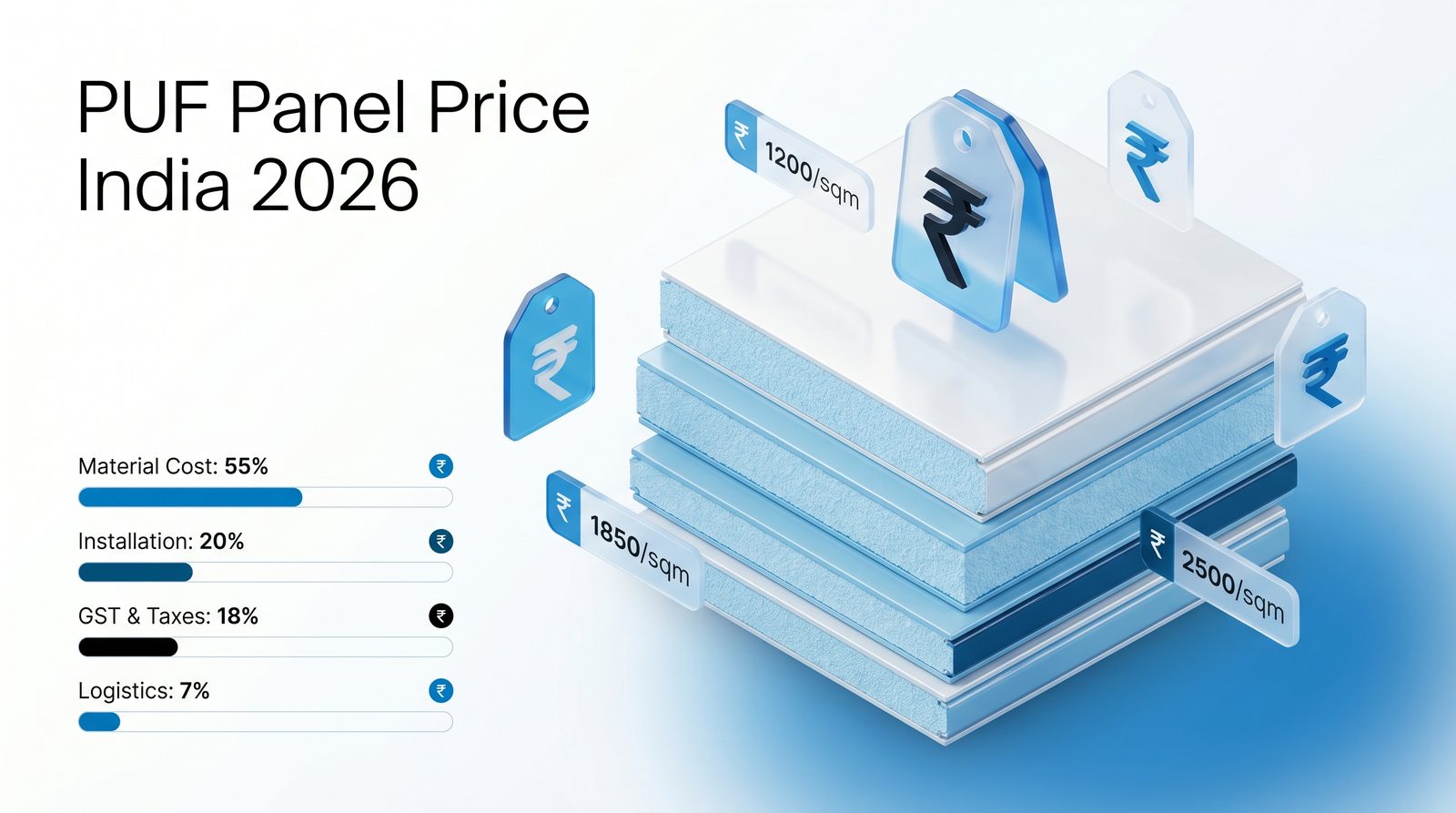
PIR panel price in India is best understood as a premium over the PUF baseline. Publicly available 2026 market guidance puts a standard 50 mm PUF sandwich panel with PPGI facings at roughly ₹130–165 per sq ft ex-factory [5], with PIR commanding a 15–25% premium for the same thickness [3]. That implies the following indicative ex-factory ranges:
| Panel Thickness | Typical Application | Indicative PIR Price (ex-factory)* |
|---|---|---|
| 50 mm | Partitions, clean room walls, ambient enclosures | ₹150–205 per sq ft |
| 80–100 mm | Chiller rooms (0 to 5°C), processing halls | Higher per sq ft; quote-specific |
| 120–150 mm | Frozen stores (−18 to −25°C), blast freezing areas | Higher per sq ft; quote-specific |
*Derived from the cited public PUF baseline plus the cited PIR premium; actual quotes vary with steel prices, facing specification, coating, order volume, and freight. Always obtain a project-specific quotation.
Three cost behaviours worth knowing. Regional pricing varies by roughly 5–22% depending on distance from manufacturing hubs and freight [5] — one reason Rinac’s two manufacturing plants (Bangalore and Murbad) plus 14 branch offices help compress delivered cost. Bulk orders attract meaningful discounts. And lifecycle cost favours PIR more than sticker price suggests: better lambda means lower refrigeration load for the life of the building, a theme we unpack in our PIR/RPUF panel lifespan and maintenance checklist.
15–25%
Typical PIR price premium over PUF of the same thickness — often recovered through insurance terms and energy savings
Typical PIR price premium over PUF of the same thickness — often recovered through insurance terms and energy savings
Where PIR Sandwich Panels Earn Their Keep: Applications
Across Rinac’s 16+ industry segments, these are the applications where we most often specify PIR sandwich panels:
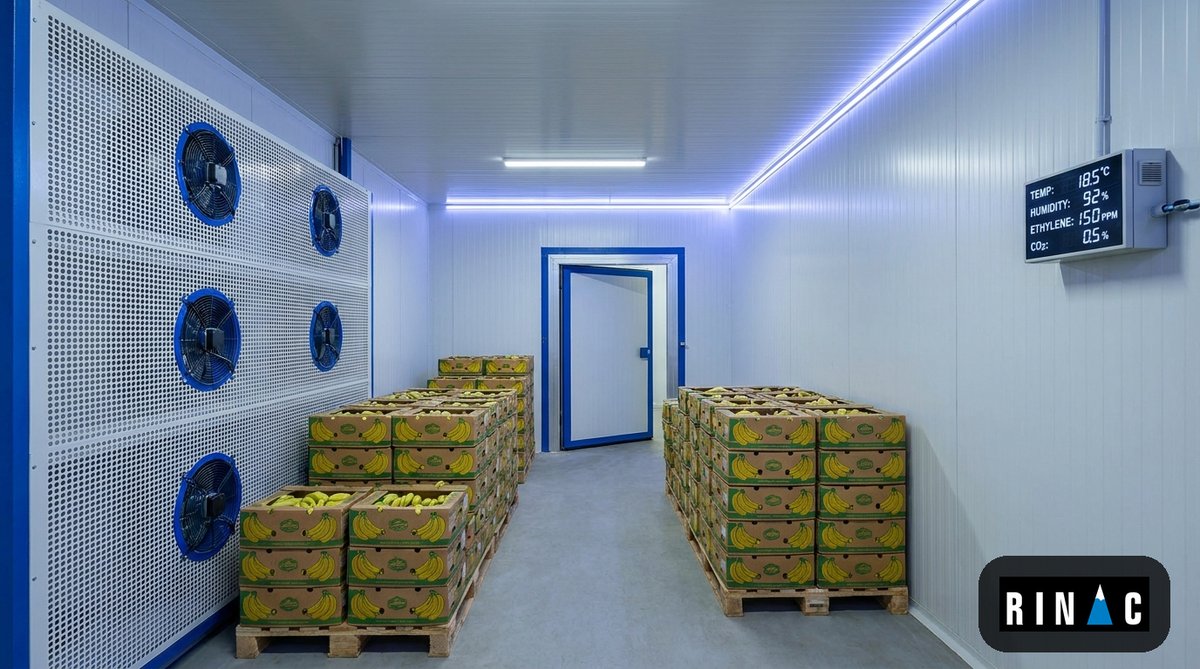
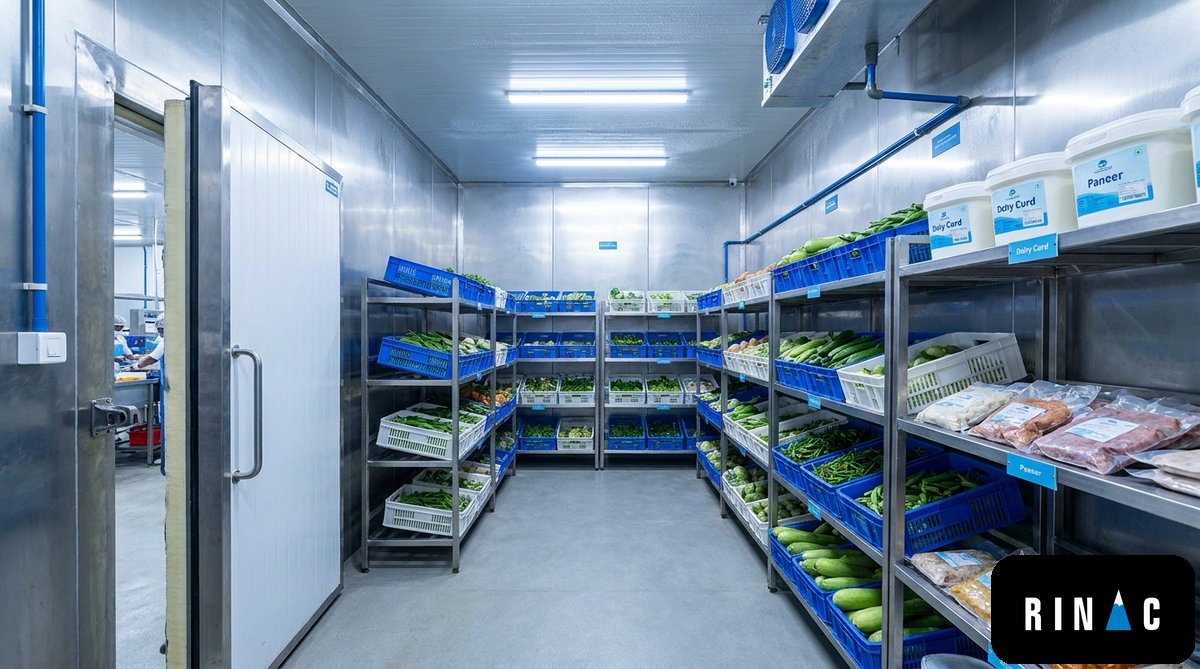
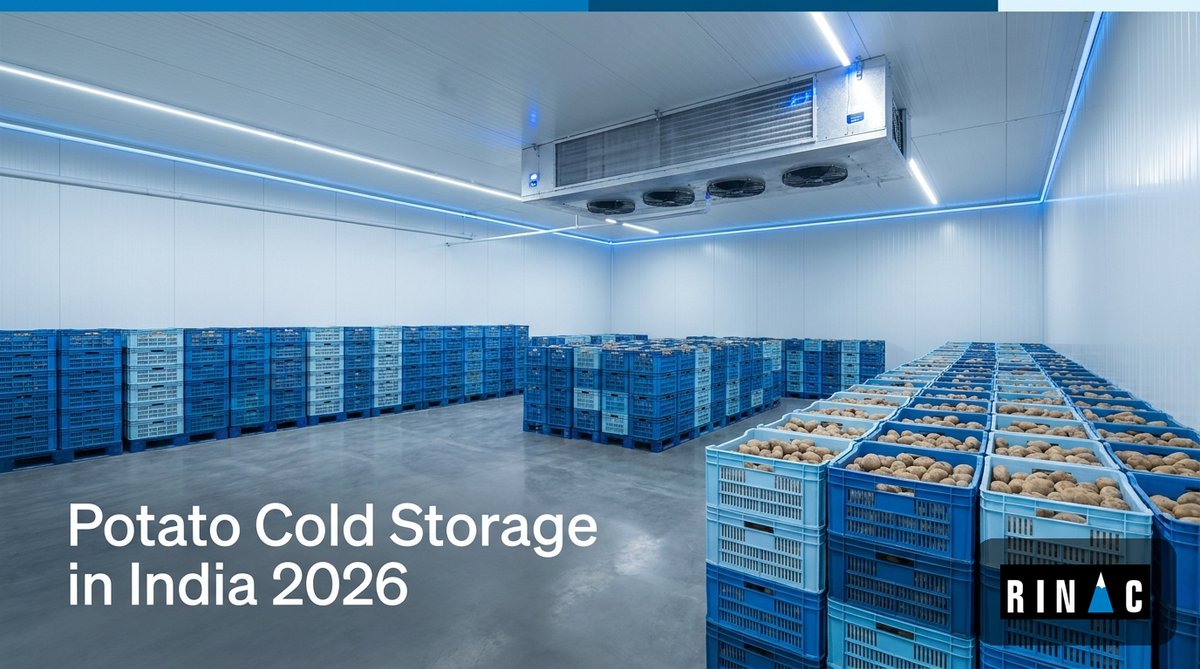
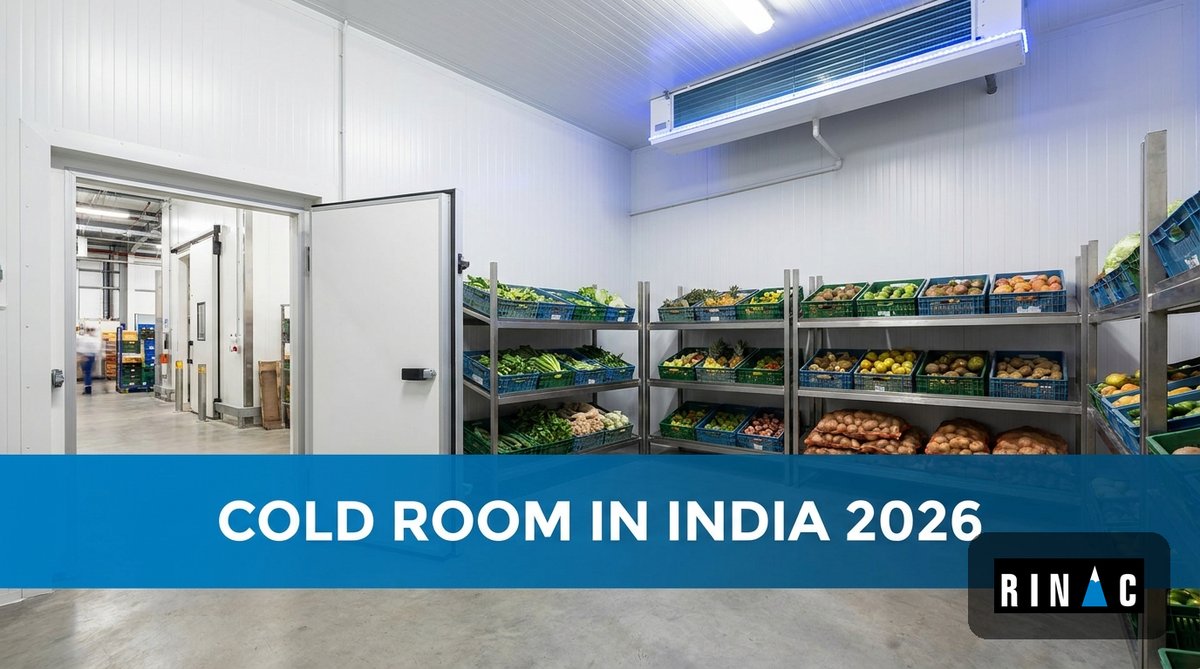
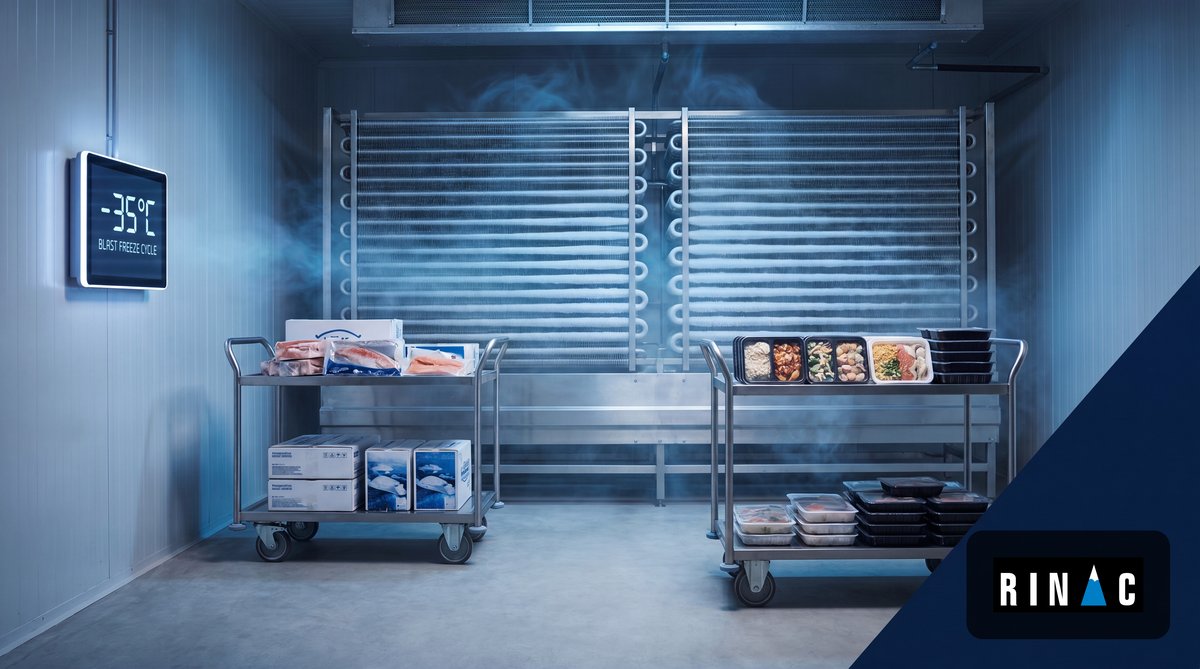
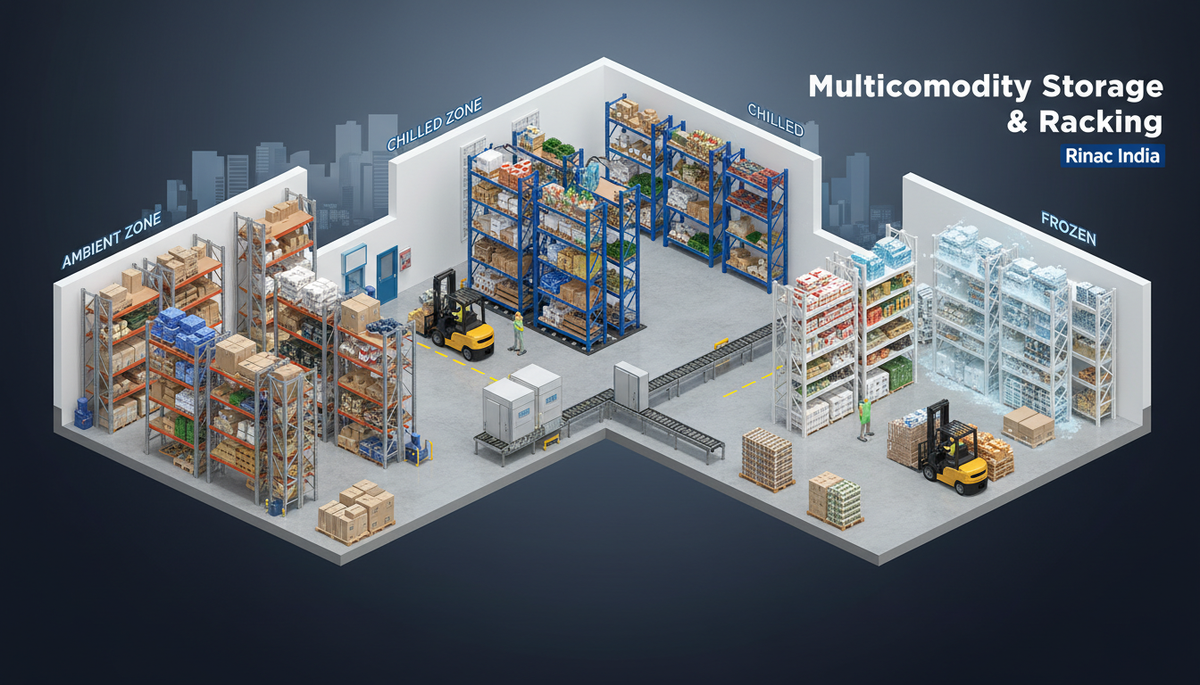
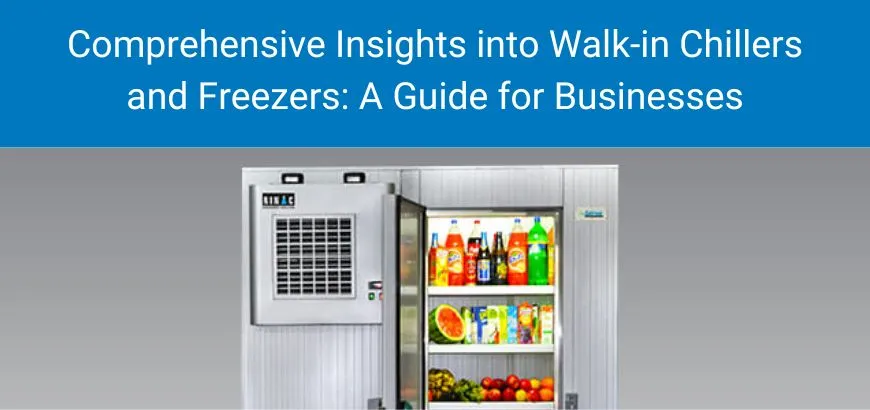
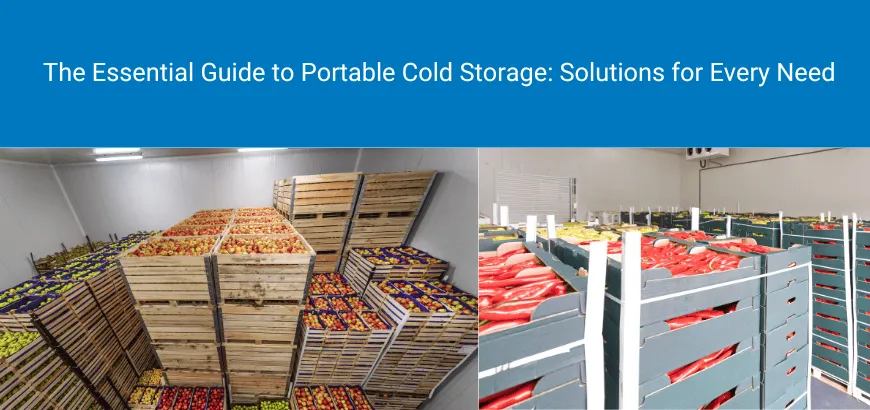
Cold storage and frozen warehouses. Frozen product must be held at −18°C or below and chilled product at 5°C or below under FSSAI guidance [6]. The colder the room, the more every 0.001 W/mK of conductivity matters — and the higher the fire load from stored packaging. Our cold room buyer’s guide for India covers room-level design in detail.
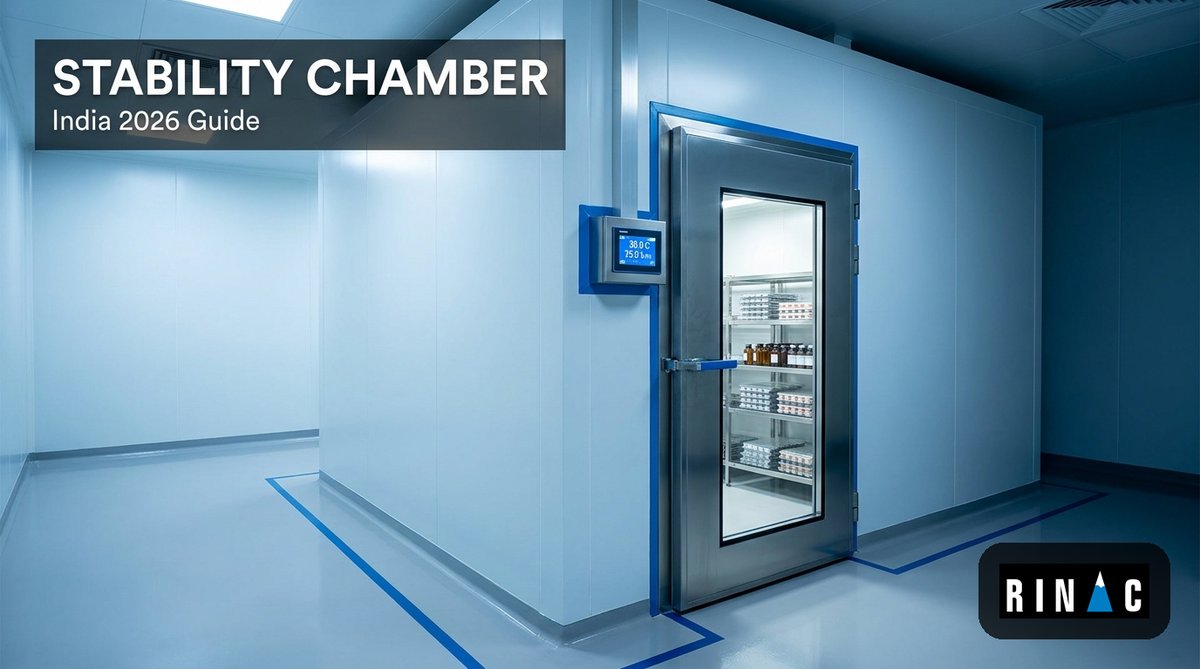
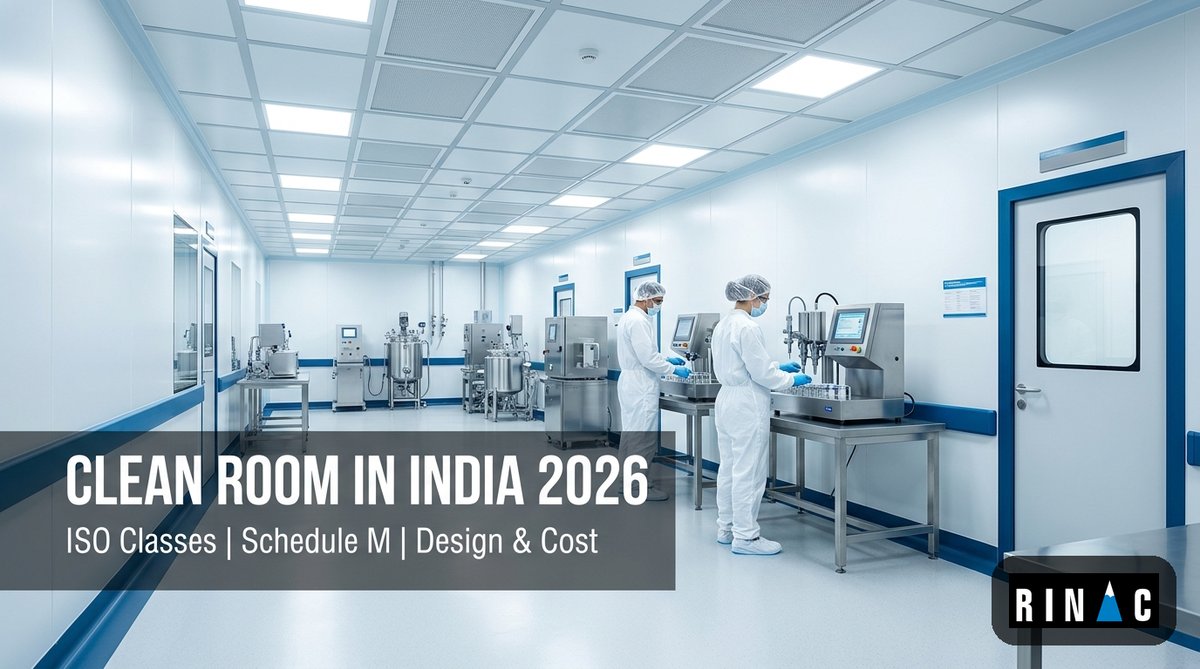
Pharmaceutical facilities and clean rooms. WHO-GMP and CDSCO good distribution practice expectations demand validated temperature zones, smooth cleanable surfaces, and documented control — pharma cold chain demand in India is projected to grow at roughly 13.5% CAGR through 2034 [7]. PIR’s fire class and dimensional stability suit it to these audited environments; see our outlook on pharmaceutical cold storage in India.
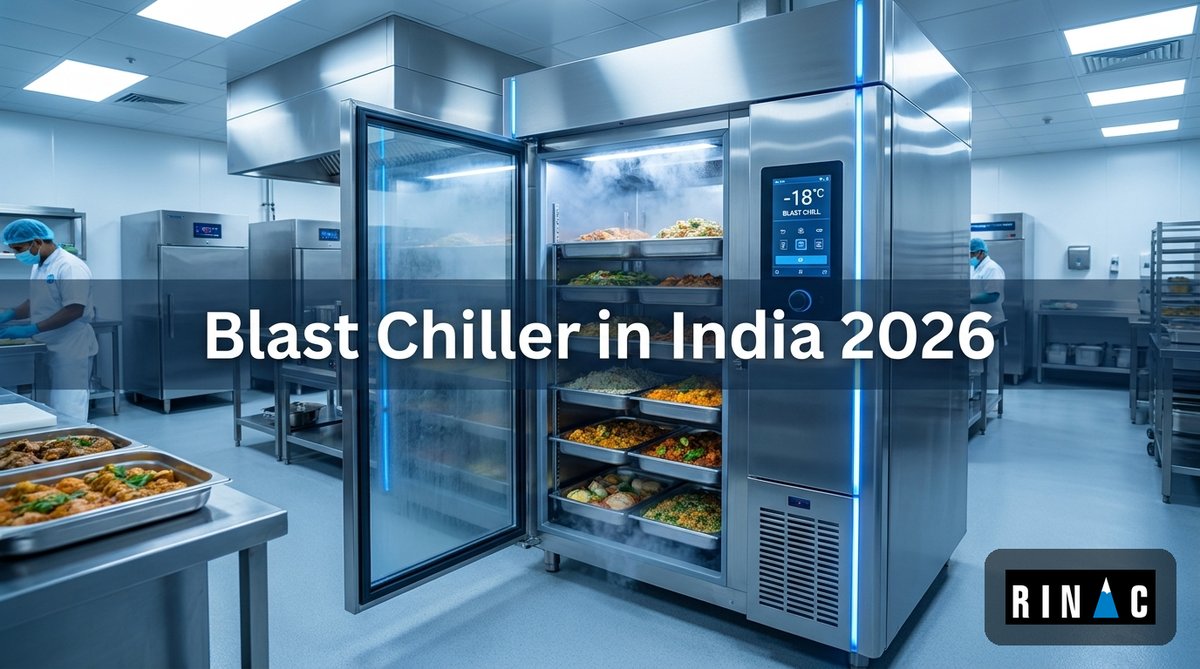
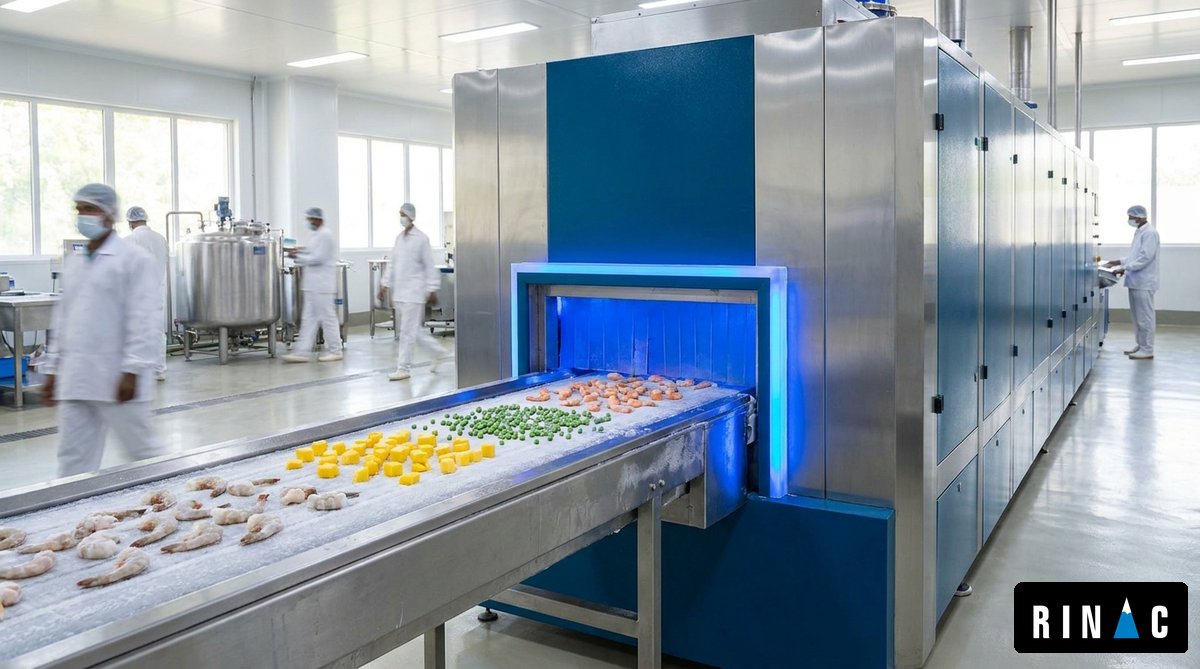
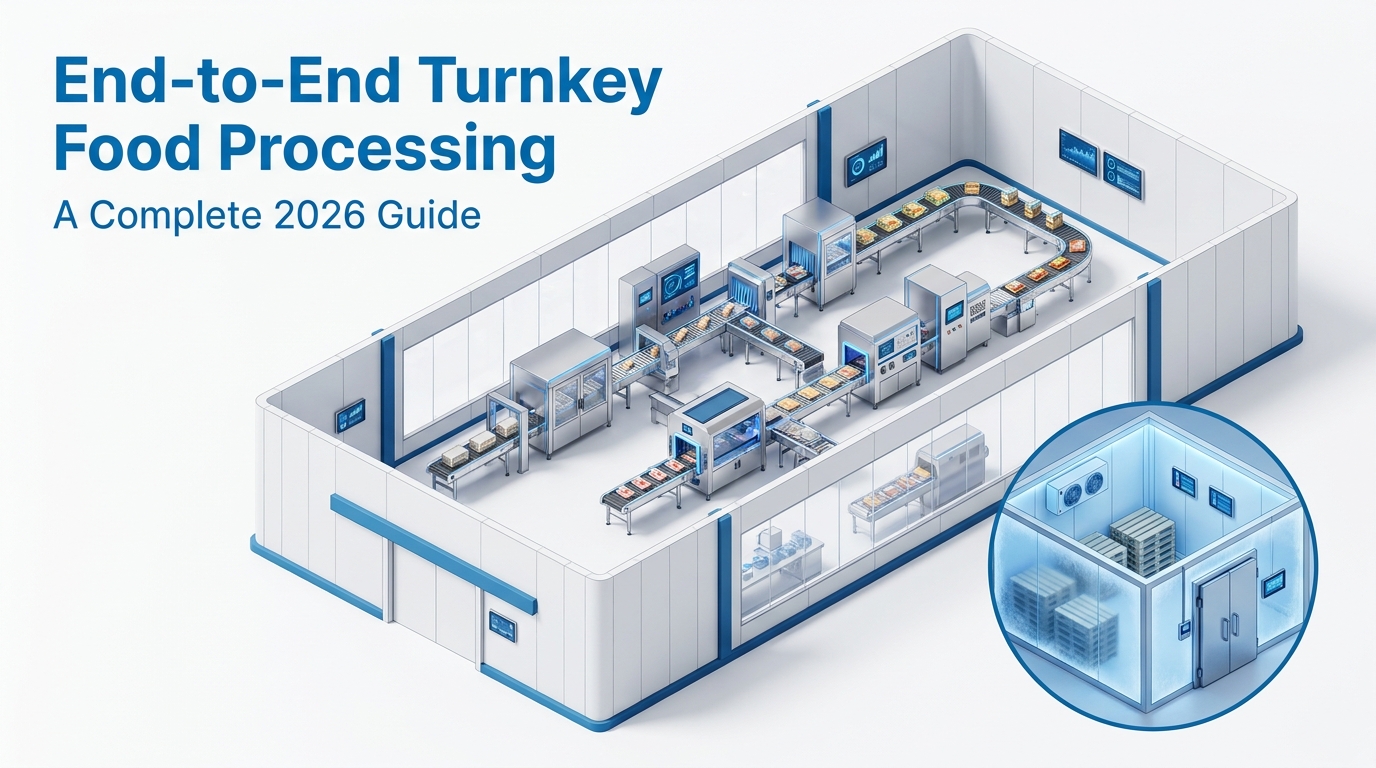
Food processing plants. Processing halls combine heat sources, wash-down hygiene regimes, and product safety audits — an environment where pir insulation panel walls and ceilings outperform. Rinac delivers these as part of turnkey food processing projects.
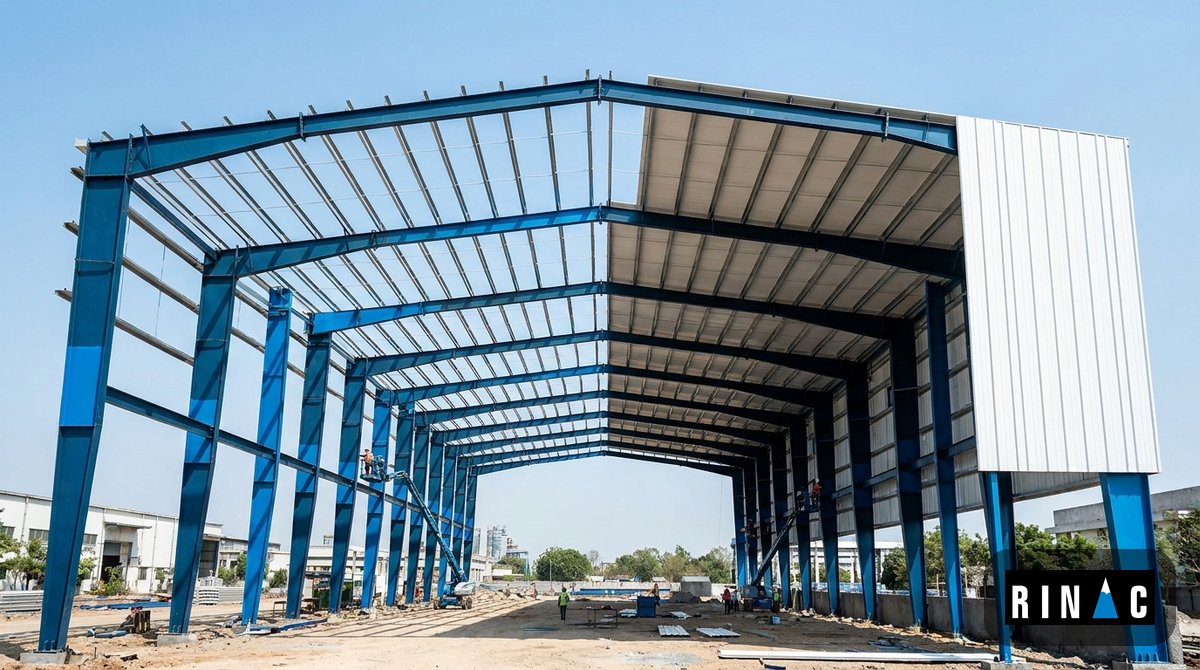
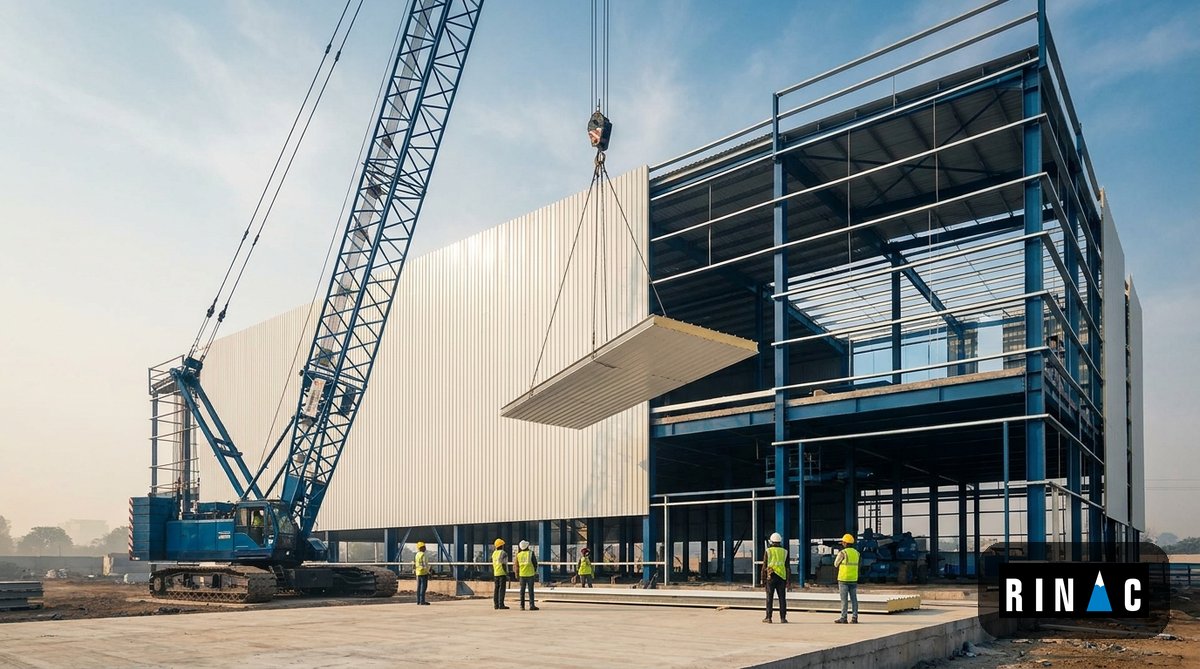
Prefabricated and modular buildings. PIR roof and wall panels are a natural fit for prefabricated buildings and Rinac’s patented HPCC (High-Performance Composite Construction), where speed of erection and envelope performance go together. Our guide to structural insulated panels in India explores this construction method end to end.
Indian Market Context: Cold Chain Growth, Schemes and Subsidies
The demand backdrop for PIR sandwich panels in India is structural. NCCD-reported data shows 8,815 cold storages totalling 402.18 lakh metric tonnes as of 30 June 2025, with capacity projected to reach about 440 lakh metric tonnes by 2031 at a 2.2% CAGR [1] — while the broader cold chain market value grows far faster: from INR 2,535.87 billion in 2025 to a projected INR 6,190.91 billion by 2034 (10.43% CAGR) [8], with cold chain logistics alone expanding from USD 23.28 billion in 2025 toward USD 33.12 billion by 2031 [9]. NCCD’s energy transition work also highlights how envelope quality drives the sector’s power consumption [10].
Government support directly reduces what you pay for panels as part of an integrated project:
- PM Kisan SAMPADA Yojana (MoFPI) — the Integrated Cold Chain and Value Addition Infrastructure scheme provides grants of 35% of eligible project cost in general areas and 50% in difficult areas and special categories, capped at ₹10 crore per project [11]. The Union Cabinet raised PMKSY’s total allocation to ₹6,520 crore for the period to March 2026 [12].
- NHB capital investment subsidy — credit-linked back-ended subsidy of 35% (general areas) or 50% (North Eastern, hilly and scheduled areas) for cold storage construction and modernisation for horticulture produce [13].
- MIDH — the Mission for Integrated Development of Horticulture supports cold rooms, pre-cooling units, and ripening chambers at the farm-gate level through similar assistance patterns [13].
- State-level initiatives — several states layer top-up incentives, power tariff concessions, or land support onto central schemes; check your state horticulture or industries department before finalising project cost.
Our step-by-step guide to accessing 35–50% cold chain grants in India walks through eligibility and application mechanics.
Compliance and Standards: FSSAI, HACCP, ISO, WHO-GMP, IGBC
Panel selection touches more compliance regimes than most buyers expect. FSSAI Schedule 4 requires storage areas to be protected from contamination, easy to clean, and capable of monitored temperature and humidity control, with records maintained [6] — smooth-faced PIR walls with hygienic coved junctions make that practical. HACCP plans treat temperature abuse as a critical control point, which the envelope must support. Pharmaceutical projects add WHO-GMP qualification, and green-building projects pursue IGBC ratings where high-performance insulation directly contributes to energy credits. Rinac’s facilities and processes are certified to ISO, FSSAI, HACCP, GMP, IGBC, and WHO-GMP standards, so compliance documentation arrives with the panels rather than after them.
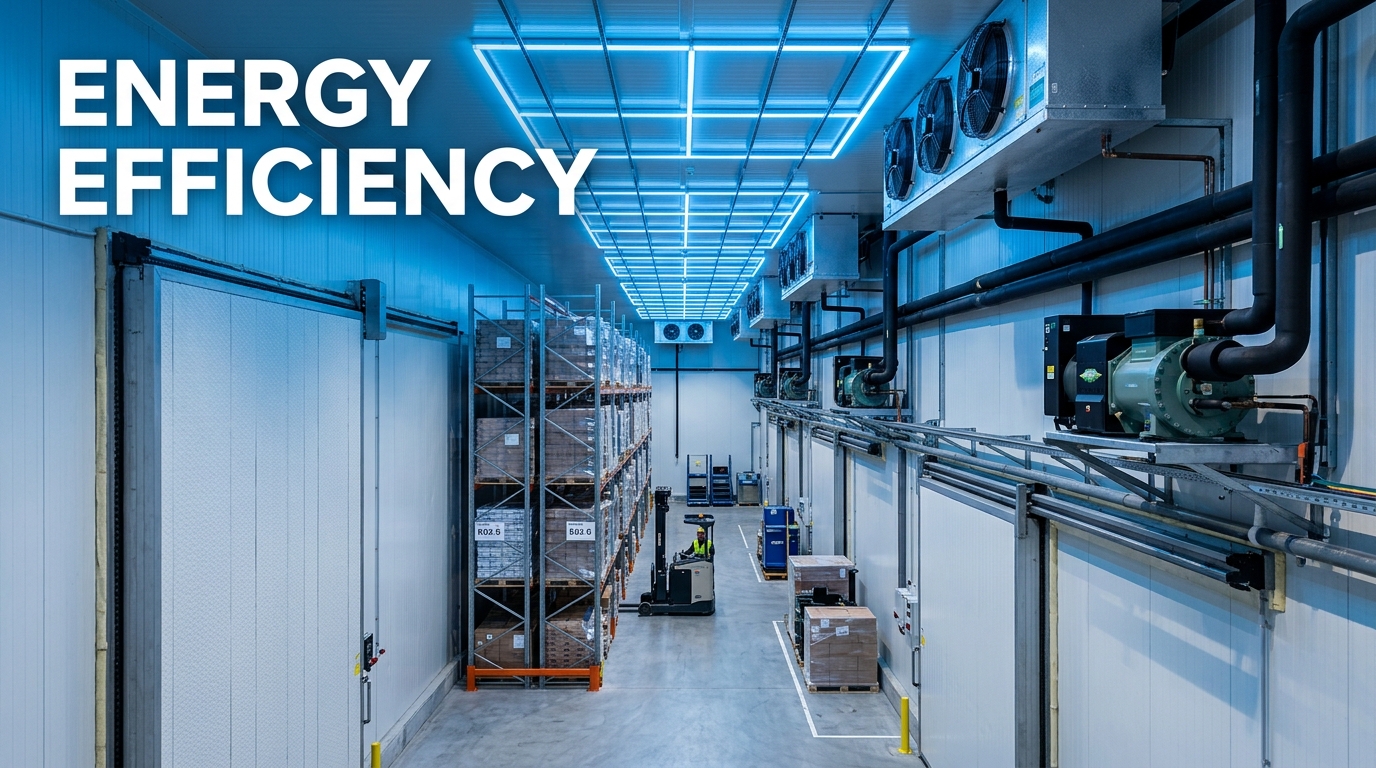
Sustainability bonus: a better-insulated envelope shrinks refrigeration plant size and running load for the facility’s entire life — NCCD’s energy transition analysis identifies envelope improvement as a key lever for decarbonising India’s cold chain [10].
How to Choose Among PIR Panel Manufacturers in India
When evaluating pir panel manufacturers in india, apply this checklist:
- Verified foam chemistry and fire documentation — certified PIR core with test reports; FM approval for insurer-grade projects (Rinac’s Firearmet range is FM-approved).
- In-house continuous manufacturing — consistent density and adhesion come from controlled lines, not job-shop foaming. Ask to audit the plant.
- Engineering support — thermal calculations, vapour barrier detailing, and structural spans should be engineered, not guessed. Rinac operates as solution architects and builders, handling design through installation.
- Project track record — demand references in your industry. Rinac has delivered 10,000+ projects for 6,000+ clients, including names like ITC, Britannia, and Biocon, across food, pharma, dairy, and fisheries.
- After-sales presence — panels live for decades; your supplier should too. Rinac supports projects through 14 branch offices with pan-India service coverage.
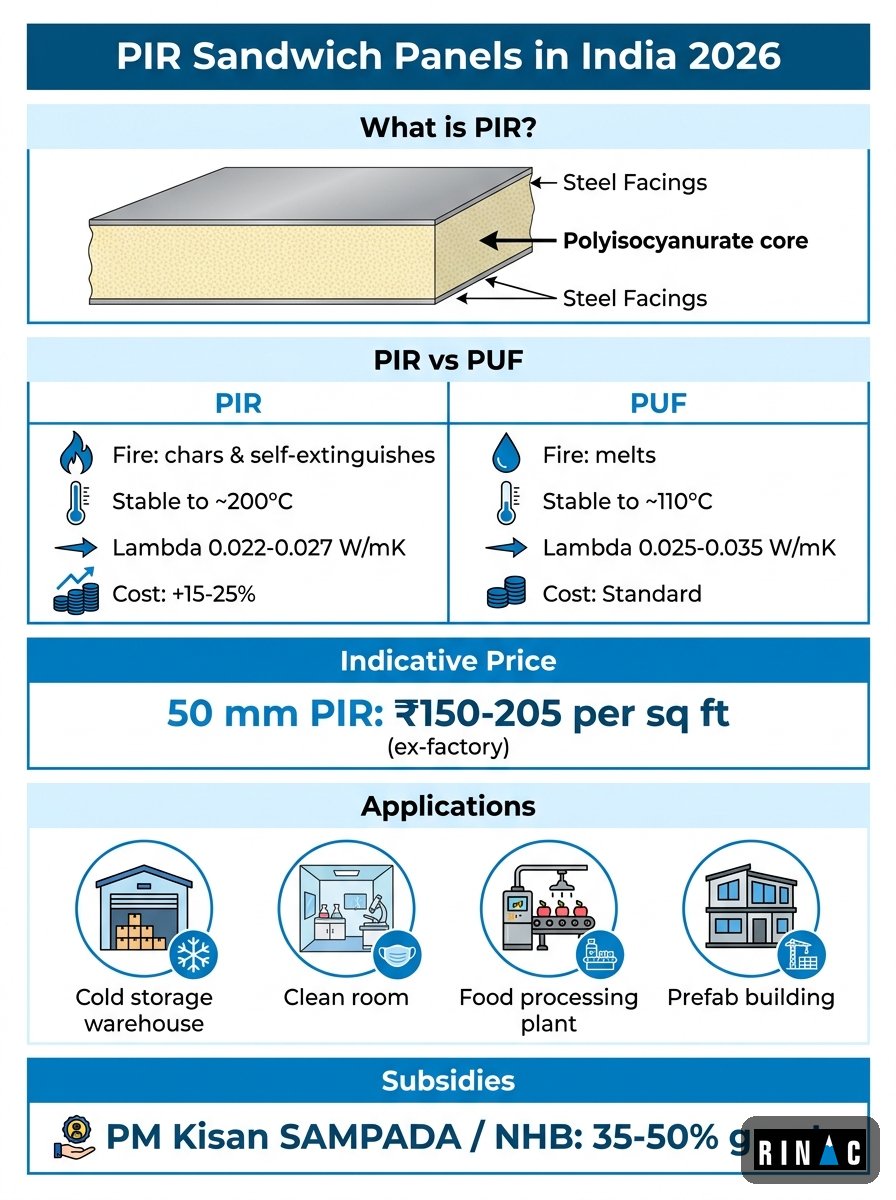
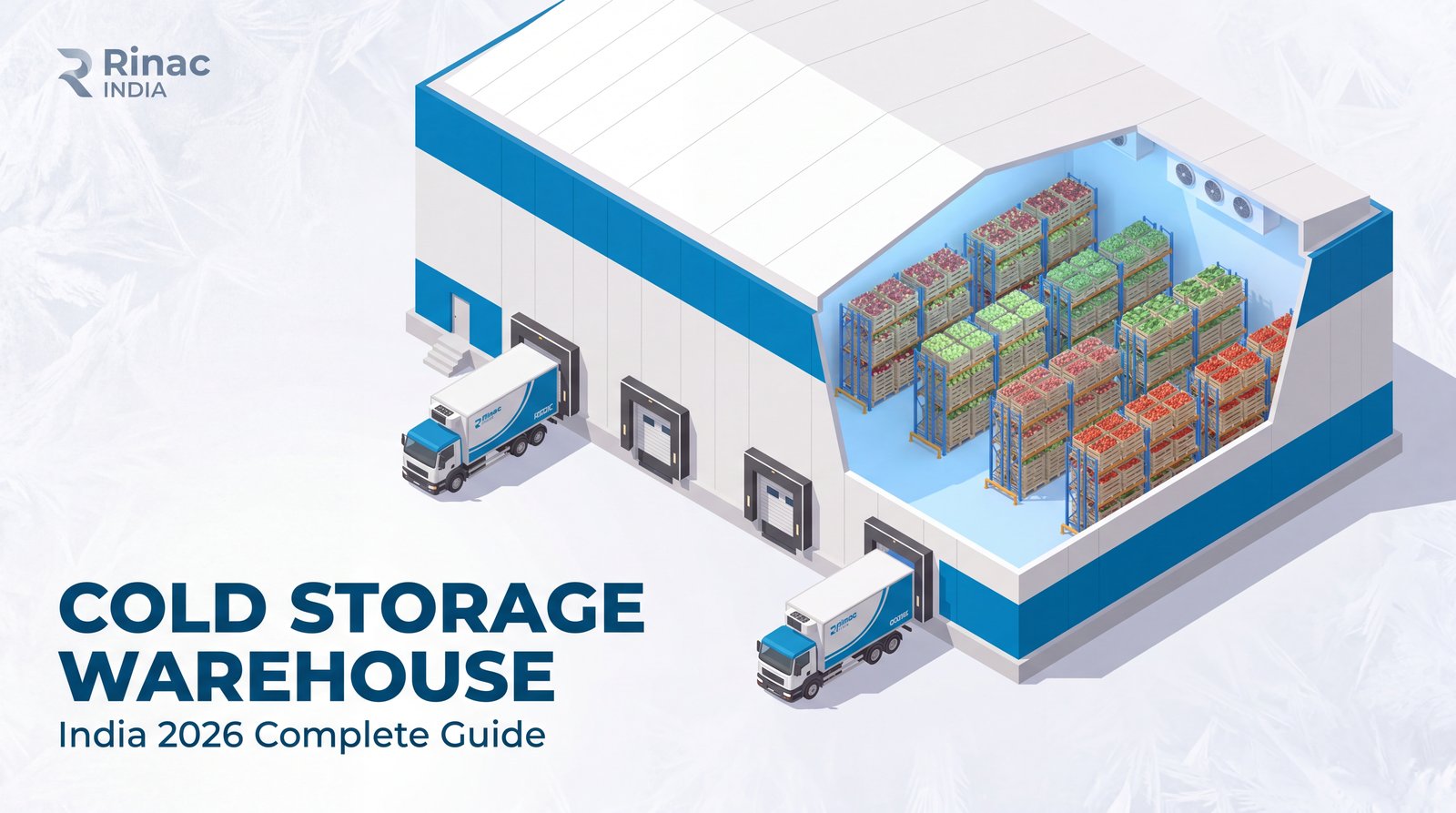
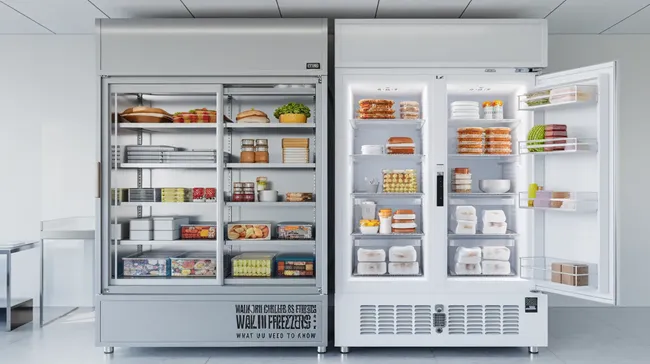
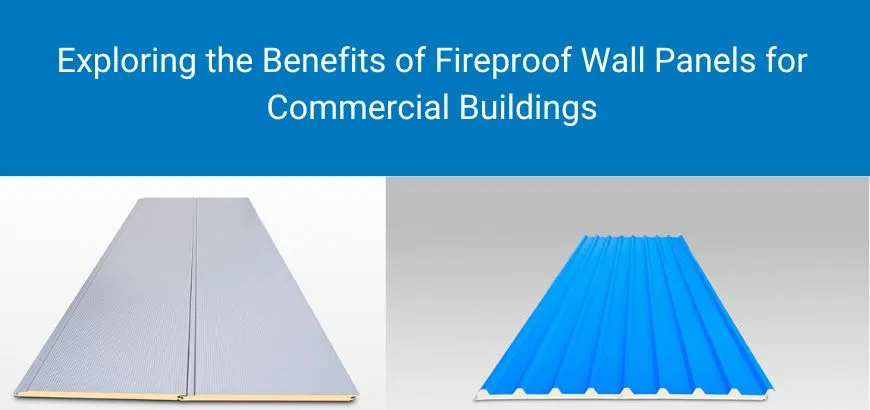
PIR sandwich panels at a glance: construction, PIR vs PUF, indicative pricing, and applications across India’s cold chain.
Frequently Asked Questions
Sources & References
- IIF-IIR: India — NCCD reports 2.2% CAGR in cold storage capacity (published February 2026; NCCD data as of 30 June 2025)
- PUR vs PIR: Which Is the Best Choice? — thermal conductivity and material comparison (accessed June 2026)
- FMax: PUF vs PIR Panels — 2026 Guide to Fire, Thermal & Cost (2026)
- Alfaa Panels: What Is a PIR Panel and How Is It Different from PUF Panels (accessed June 2026)
- Phoenixx Smartbuild: PUF Panel Price in India 2026 — Cost per Sq Ft Guide (2026)
- FSSAI: Handbook on Safe Storage, Distribution & Transportation of Food Products (FSSAI/FoSTaC)
- Grand View Research: India Cold Chain Market Outlook 2026–2033 (accessed June 2026)
- IMARC Group: India Cold Chain Market Size, Share & Outlook to 2034 (2025 base year)
- Mordor Intelligence: India Cold Chain Logistics Market Size & Share Analysis (2025–2031)
- NCCD: Energy Transition in Cold Chain Infrastructure in India (nccd.gov.in)
- MoFPI: Scheme for Integrated Cold Chain and Value Addition Infrastructure (mofpi.gov.in)
- PIB: PMKSY allocation raised to ₹6,520 crore (Press Information Bureau, July 2025)
- Invest India: Cold Chain Infrastructure in India and Its Future Potential (investindia.gov.in)
Disclaimer: This article is published for general informational purposes only and does not constitute professional engineering, legal, financial, or regulatory advice. Panel prices, raw material costs, subsidy percentages, scheme allocations, and regulatory requirements change over time — verify current terms directly with FSSAI, MoFPI, NHB, MIDH, and the relevant state agencies before making investment decisions. All statistics and claims are drawn from the public sources cited above as of the publication date, and Rinac India Limited makes no warranty as to their continued accuracy. For project-specific panel selection, thermal design, sizing, costing, and ROI analysis, request a formal consultation with Rinac’s engineering team via rinac.com/contact-us.
Whether you are building a single chiller room or a multi-chamber frozen distribution hub, the right panel decision made early saves crores later. Rinac’s team can help you compare PIR, PUF, and stone wool options against your fire risk, compliance, and budget requirements — backed by two manufacturing plants, 14 branches, and three decades of cold chain engineering.