TL;DR — Quick Summary
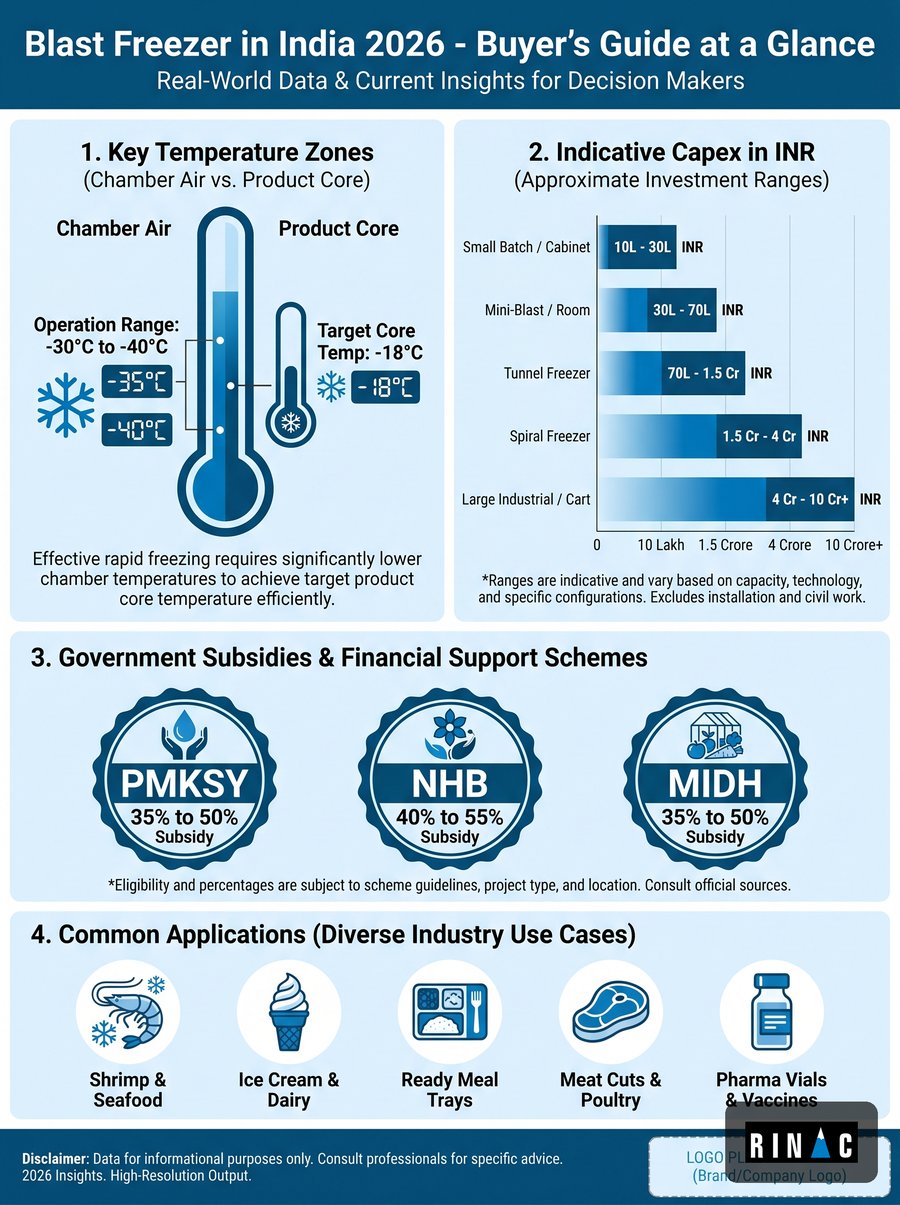
- A blast freezer uses high-velocity air at −30°C to −40°C to drop a product’s core temperature below −18°C within 90–240 minutes — locking in quality, food safety and FSSAI-compliant shelf life.
- Industrial blast freezer prices in India in 2026 typically range from ₹5 lakh for small batch units to ₹1.5–3 crore for tunnel and spiral systems, with payback typically inside 24–48 months for seafood, dairy and ready-meal processors.
- India’s cold chain market is on track for USD 24.85 billion in 2026 with capital subsidies of 35%–55% available through PMKSY, MIDH and NHB for eligible blast freezing projects.
- Air blast, plate and cryogenic blast freezers each suit specific products — choosing the right one shapes capex, opex and product yield for the next 15 years.
- Rinac India Limited has delivered 10,000+ cold chain projects across 23 countries over 30+ years, with FSSAI/HACCP/ISO/WHO-GMP certified blast freezing systems for seafood, dairy, bakery, ready meals and pharma.
Disclaimer: This guide is for informational purposes only and is not a substitute for professional engineering, regulatory or financial advice. All prices, subsidy rates and regulations cited are taken from publicly available sources as of the publication date and may change. Always verify current scheme rules directly with FSSAI, MoFPI, NHB and your state horticulture/food processing department before making investment decisions. For project-specific design, sizing and ROI, request a formal consultation at rinac.com/contact-us.
Blast Freezer Defined: What It Is and How It Differs from a Regular Freezer
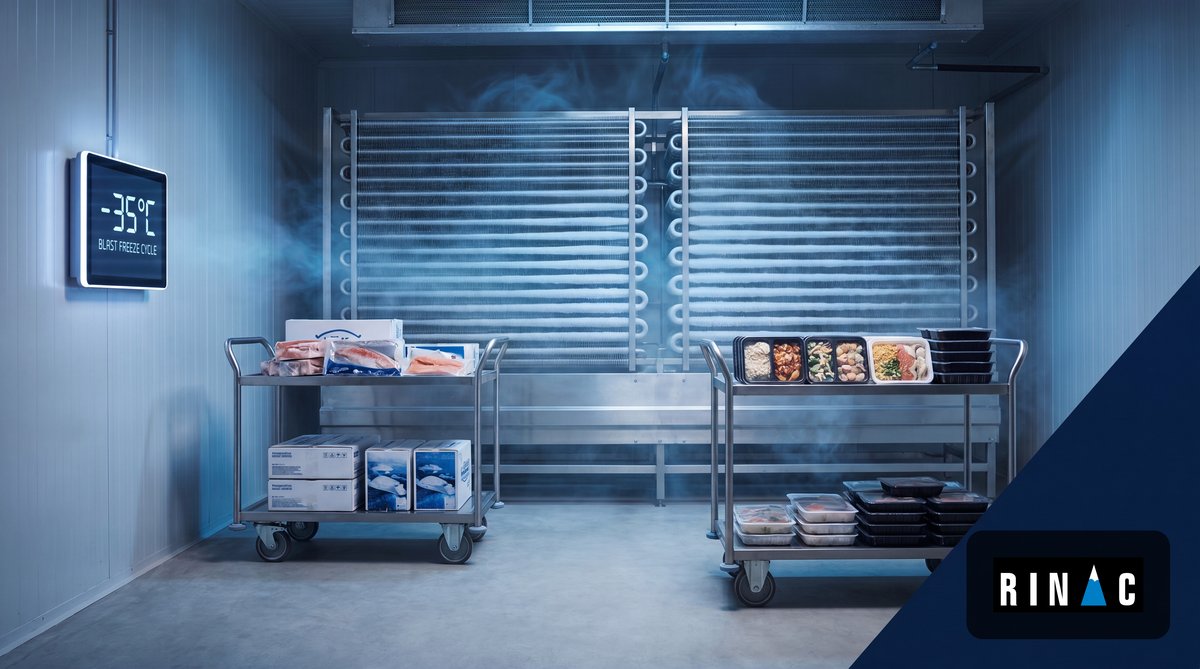
A blast freezer — sometimes called a shock freezer, rapid freezer or “blast freezer machine” — is an industrial refrigeration system that drives a product’s core temperature from ambient (or post-cook) all the way below −18°C in a matter of hours, not days. It does this by combining very low evaporator temperatures with very high air velocity, so the heat transfer rate is many times higher than what a normal storage freezer can achieve. If you have asked yourself what is a blast freezer, the simplest answer is: it is a freezer designed to remove heat fast, not to hold product cold.
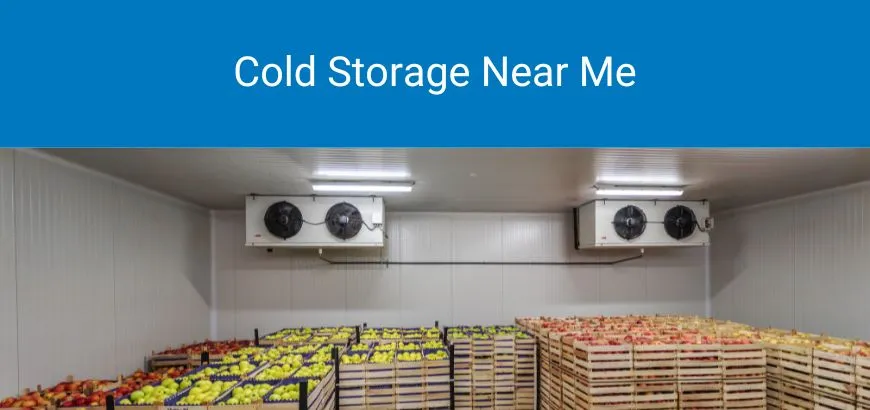
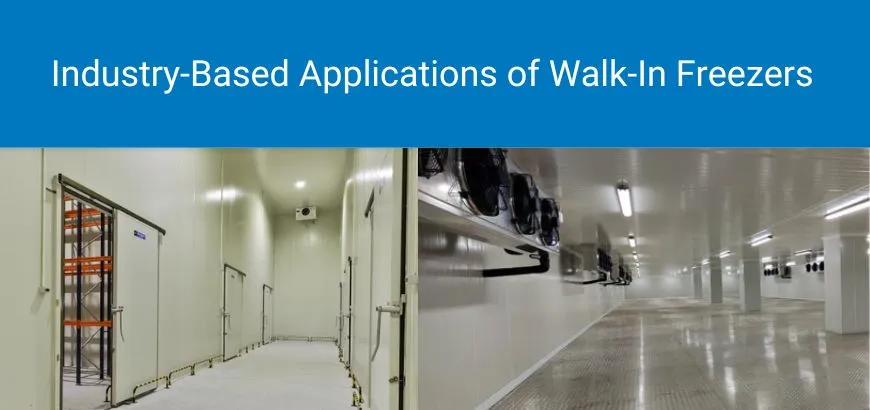
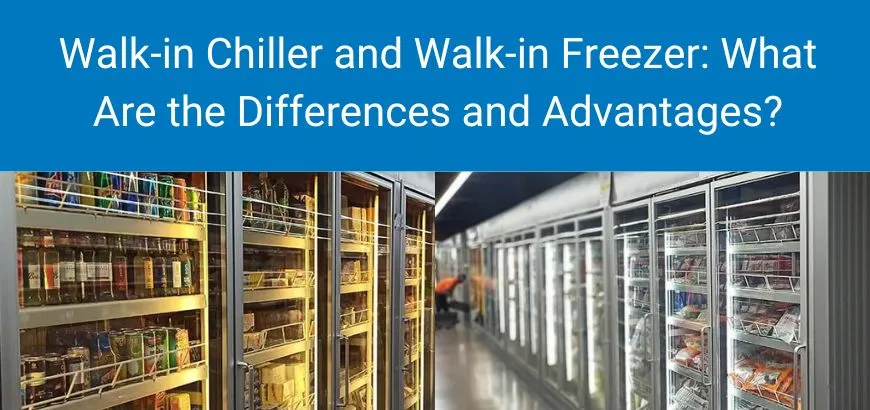
A typical walk-in storage freezer at a cold storage warehouse holds product at −18°C to −25°C and is sized to maintain temperature once everything inside is already frozen. A blast freezer, by contrast, is engineered for transient load — the moment fresh, hot or just-processed product is loaded in. Inside the chamber, fans push cold air across the product at 3–6 m/s, while the air is held at −30°C to −40°C. The result: the dreaded “zone of maximum crystal formation” (roughly −1°C to −5°C, where slow freezing creates large damaging ice crystals) is crossed in under 30 minutes for most products.
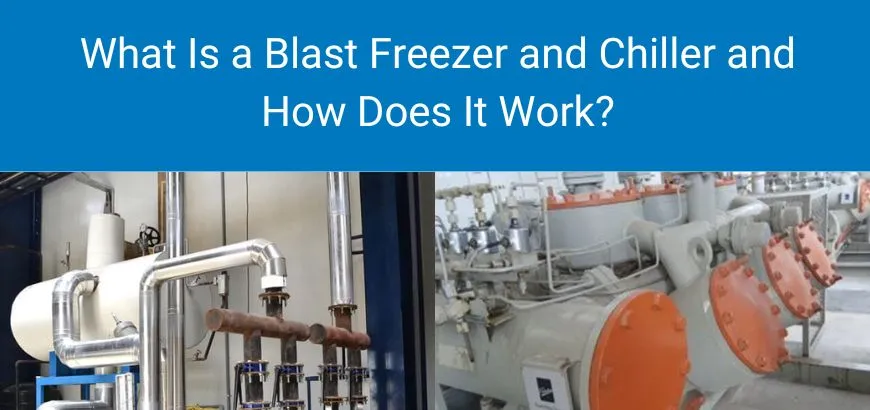
Rinac’s own engineering team explains the basics in Blast Freezer and Chiller Basics, which pairs well with this guide. For the broader cold storage architecture into which a blast freezer fits, see the Cold Storage Warehouse 2026 guide.
Blast Freezer vs Blast Chiller: Why the Distinction Matters
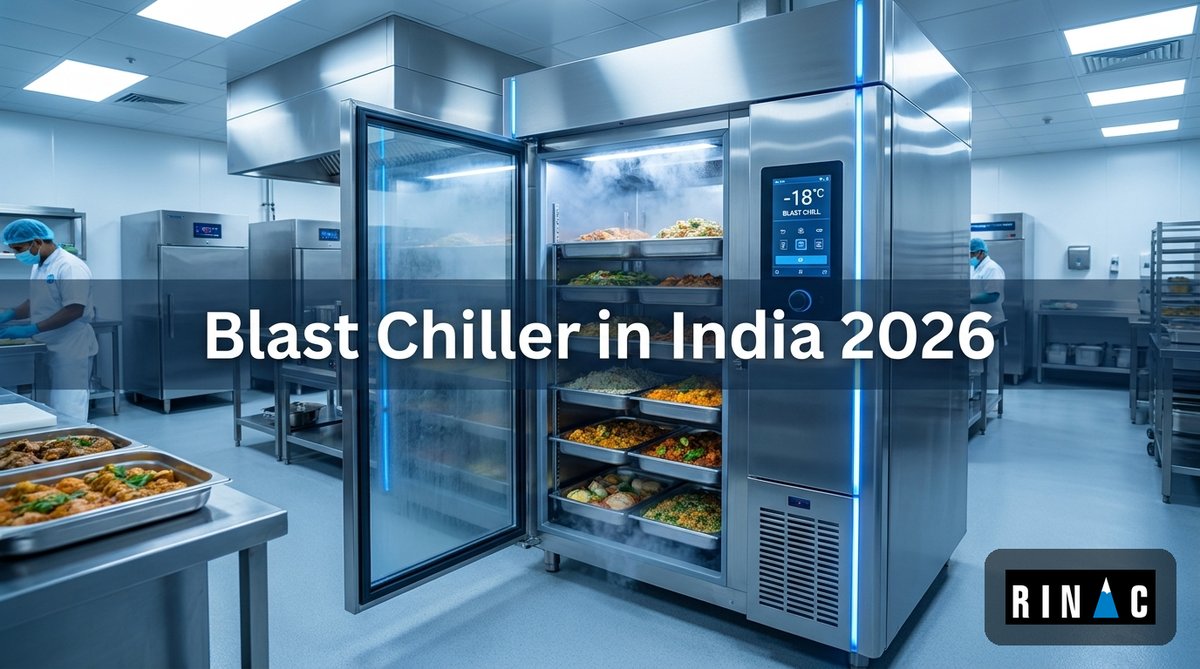
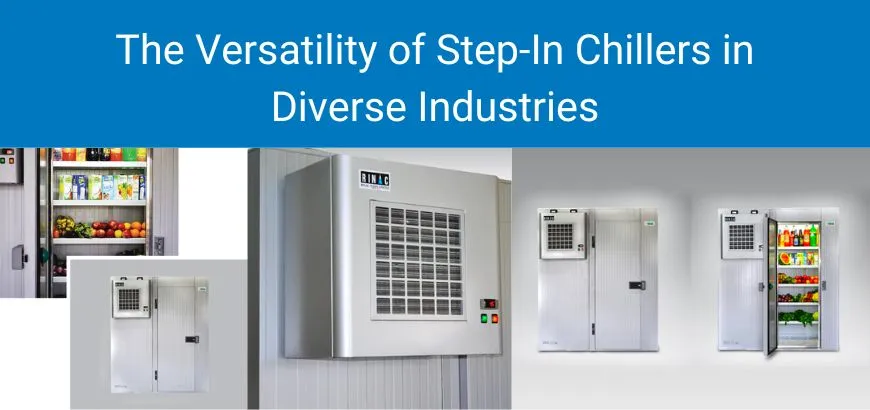
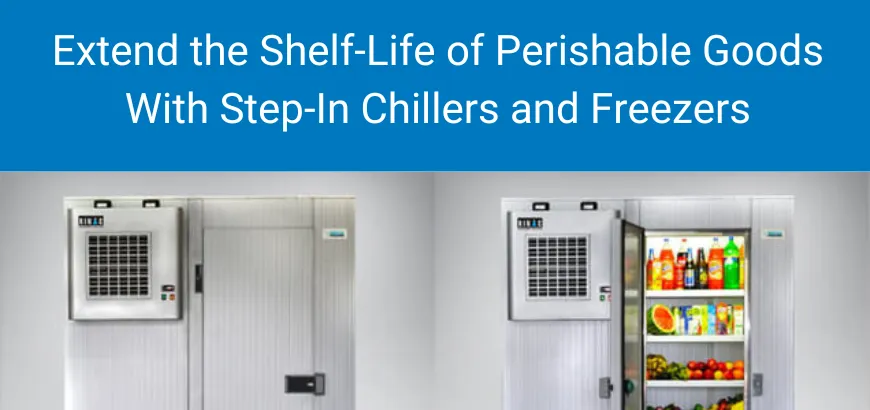
A blast chiller cools cooked food rapidly from +90°C to +3°C in under 90 minutes — it never crosses the freezing point. A blast freezer goes further, pushing the core temperature from +90°C (for cooked food) or +30°C (for raw fish, meat, dough) down to −18°C in 90–240 minutes. Many industrial cabinets sold in India as a “blast chiller freezer”, “blast freezer chiller” or “blast chiller/freezer” are dual-mode — they chill or freeze the same chamber based on the recipe loaded. Hotels, central kitchens, QSR commissaries and hospital catering buy these to comply with HACCP cook-chill principles. Food processors typically buy dedicated blast freezers for higher daily throughput.
Air Blast vs Plate vs Cryogenic Blast Freezers: How Each One Works
Engineers split the blast freezer family into three operating principles. Your choice is shaped by the product’s shape, throughput and target unit cost.
1. Air Blast Freezer
The air blast freezer is the workhorse of Indian food processing. High-velocity refrigerated air (at −35°C to −40°C) is blown over packed or unpacked product on trolleys, racks or stationary trays. It is the most flexible architecture — the same chamber can handle prawns, paneer cubes, idli, parathas, mutton portions, ice cream cups and ready-meals. Capital cost is moderate, and almost any product geometry fits because the freezing medium is air, not contact plates. The trade-off is slightly longer cycle times and small dehydration losses (typically 0.5%–1.5%) unless the product is properly packed. A typical air blast freezer in a small-to-mid Indian seafood plant cycles a tonne of headed-and-gutted product in 6–8 hours.
2. Plate (Contact) Blast Freezer
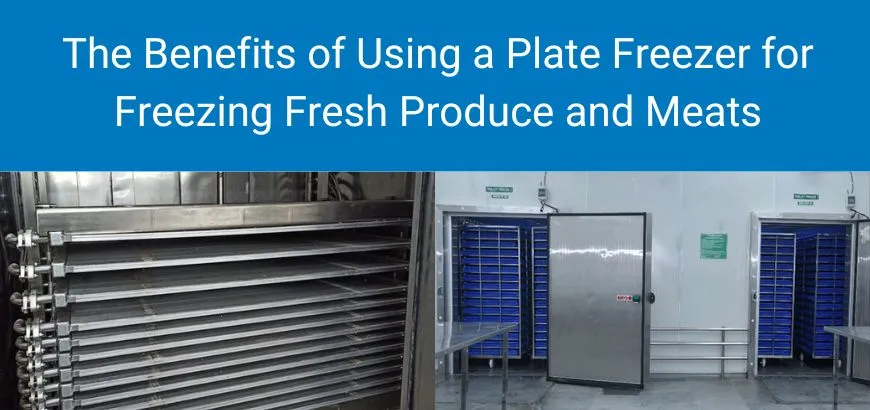
A plate blast freezer presses the product between hollow aluminium plates through which refrigerant flows directly. Heat transfer is conductive instead of convective, so cycle times for slab-shaped products (fish blocks, butter slabs, beef cartons) drop to 2–4 hours. Dehydration loss is near zero because the product surface is sealed between plates. The constraint is geometry — the product must be regular and packed in standard cartons. Indian seafood exporters running headless-shell-on (HLSO) shrimp blocks for the US and Japan markets often rely on plate freezers because the block freezing produces the rigid, square-edged 1.8–2 kg blocks that international buyers expect.
3. Cryogenic Blast Freezer
Cryogenic systems use liquid nitrogen (LN₂, boiling at −196°C) or liquid CO₂ sprayed directly into the freezing tunnel. The freezing rate is the fastest of any technology — some sushi shrimp lines run 5–8 minute cycles. The capex of the tunnel is low, but the opex is heavily dependent on cryogen logistics and pricing. In India, cryogenic blast freezing is used selectively for premium seafood, dehydrated specialty fruits and a few pharmaceutical applications where mechanical air blast cannot meet the freezing rate spec.
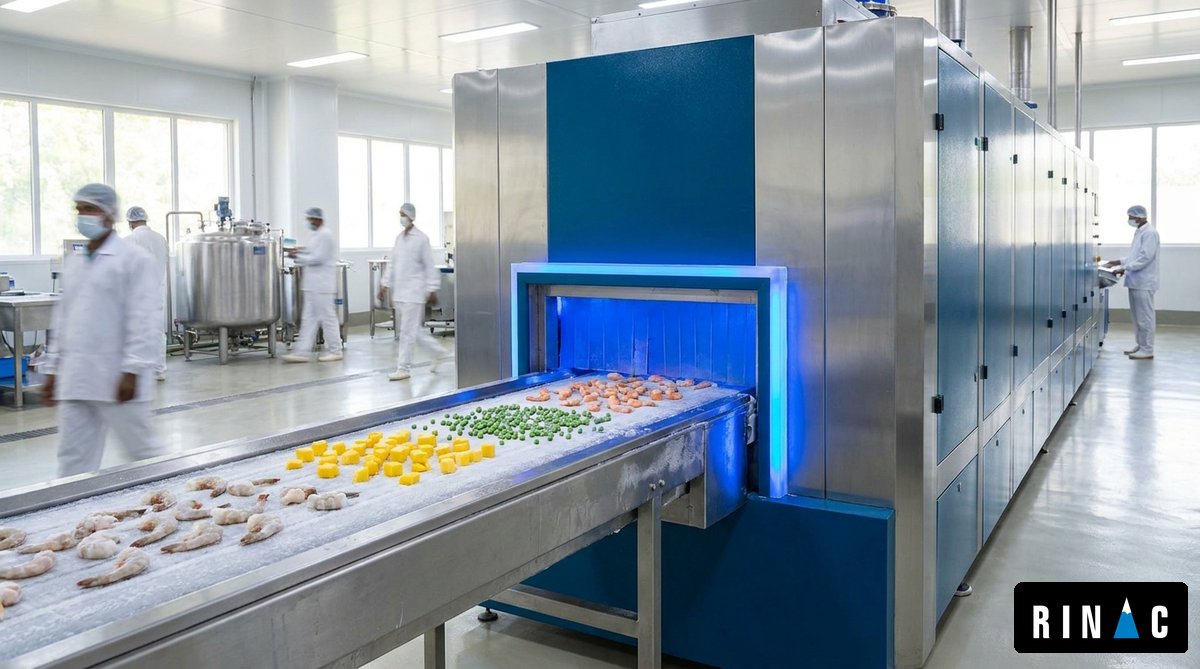
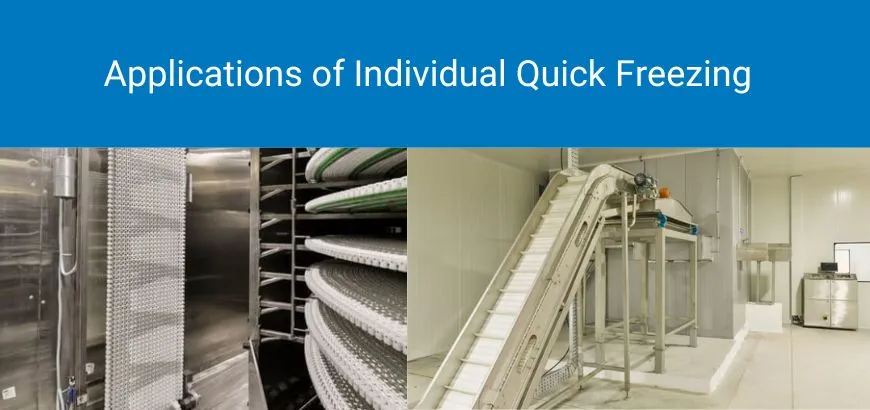
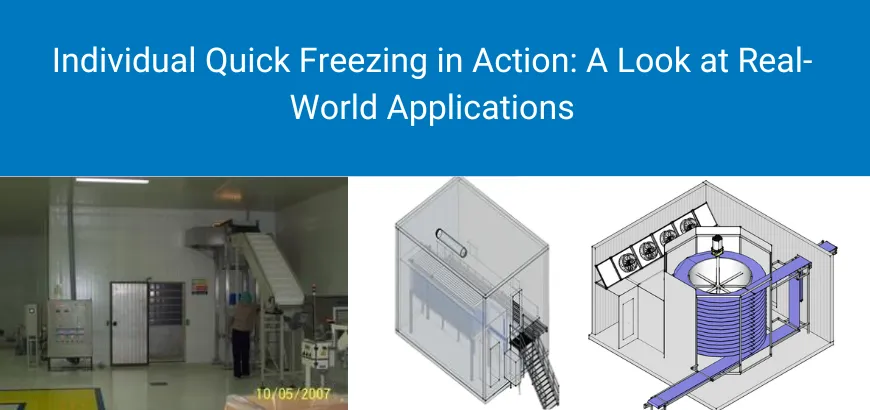
Rinac engineering note: For continuous, high-throughput freezing of free-flowing products (peas, prawns, berries, samosas), an IQF tunnel or spiral freezer usually beats batch blast freezing on unit cost — see our IQF Freezer Buyer’s Guide for India 2026. Use a blast freezer when batch processing, irregular shapes or in-pack freezing is needed.
Blast Freezer Temperature, Cycle Times and Core Components
The defining specification of a blast freezer is its ability to bring product core temperature — not just surface temperature — to −18°C within a controlled time window. The chamber air temperature, evaporator temperature and air velocity are the three knobs you tune to hit it.
Typical Blast Freezer Temperature Ranges
| Product family | Chamber air temp | Target core temp | Typical cycle time |
|---|---|---|---|
| Shrimp / fish (1–2 kg block) | −35°C to −40°C | −18°C or lower | 3–5 hours |
| Cooked ready meals (trays) | −30°C to −35°C | −18°C | 90–180 minutes |
| Ice cream (slab/cup, pre-hardening) | −35°C to −40°C | −25°C | 2–3 hours |
| Bakery (dough, pastry) | −30°C | −18°C | 60–120 minutes |
| Meat & poultry (cuts) | −35°C to −40°C | −18°C | 4–8 hours |
| Pharma (bulk API, biologics) | −30°C to −80°C | As per validation protocol | Per SOP |
FSSAI’s Safe Storage handbook confirms that for blast freezing during processing, temperatures of −30°C to −40°C are standard practice, and that storage and transportation must thereafter maintain at or below −18°C without interruption [11].
What’s Inside a Blast Freezer
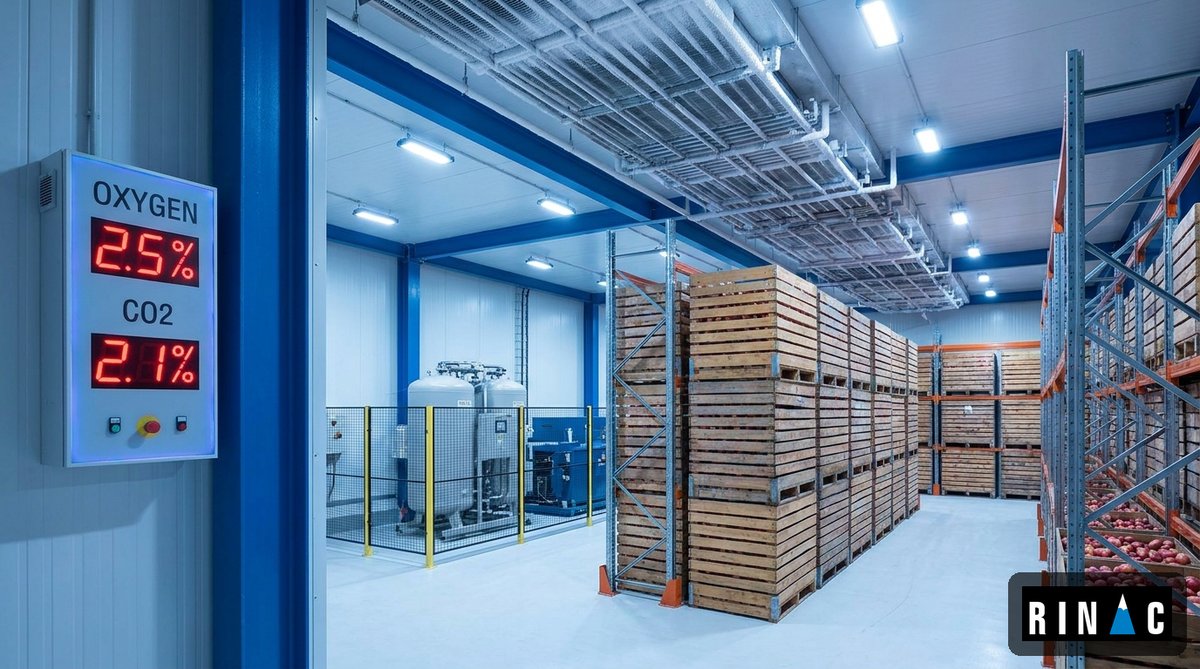
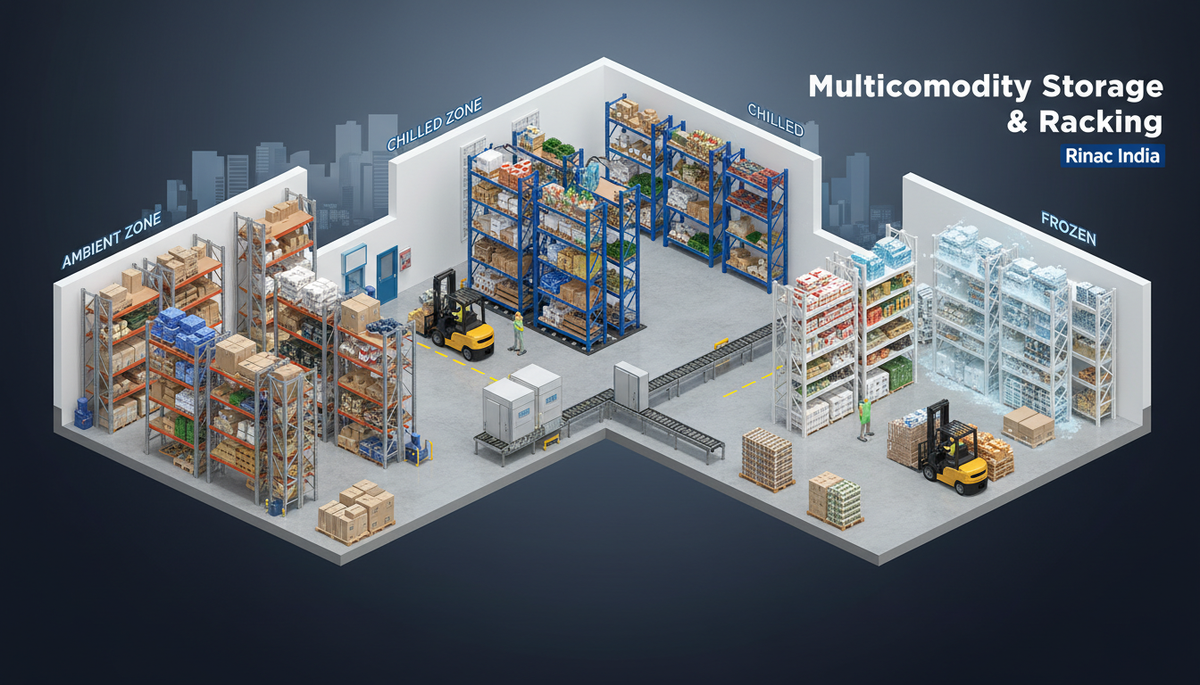
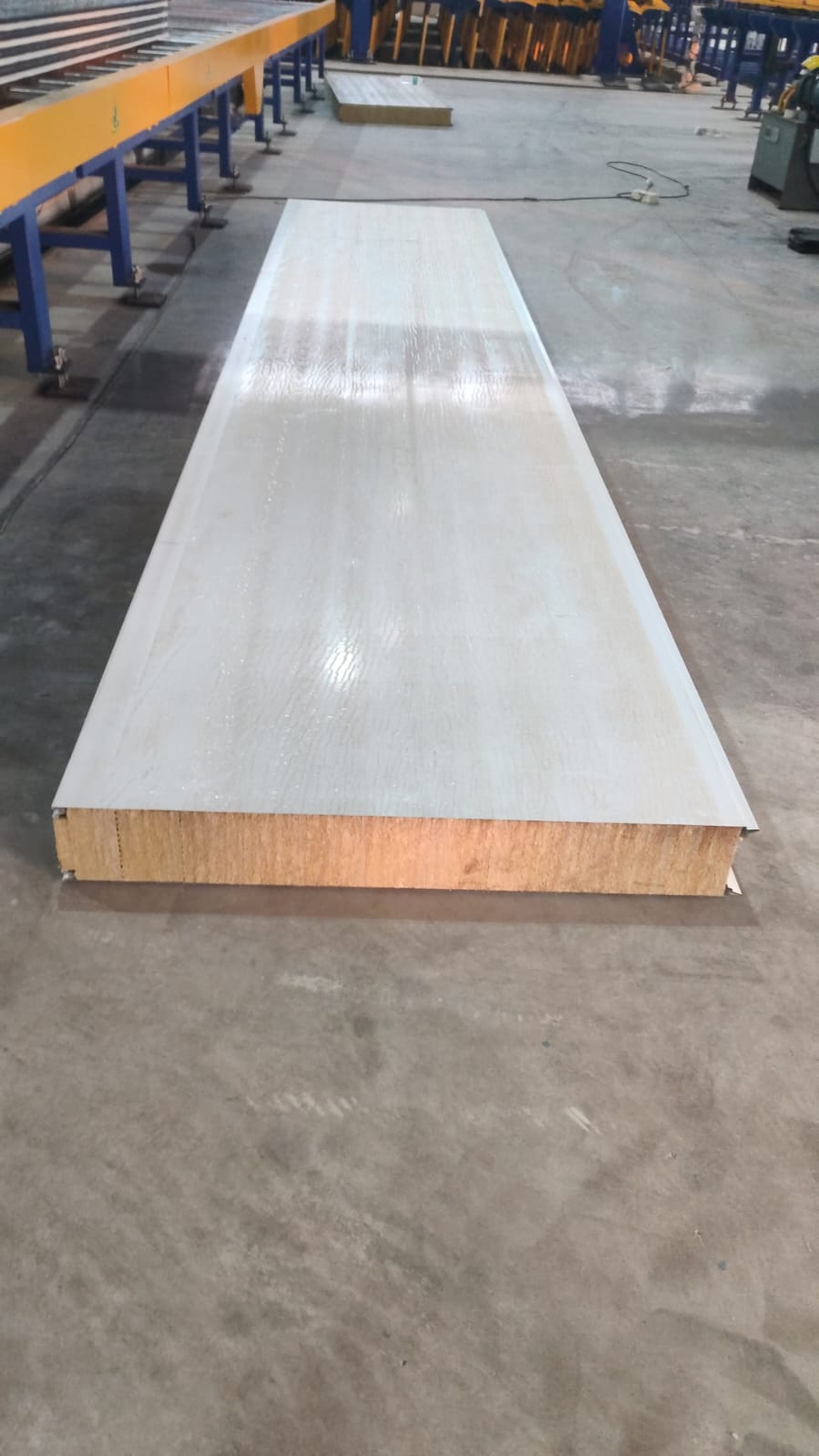
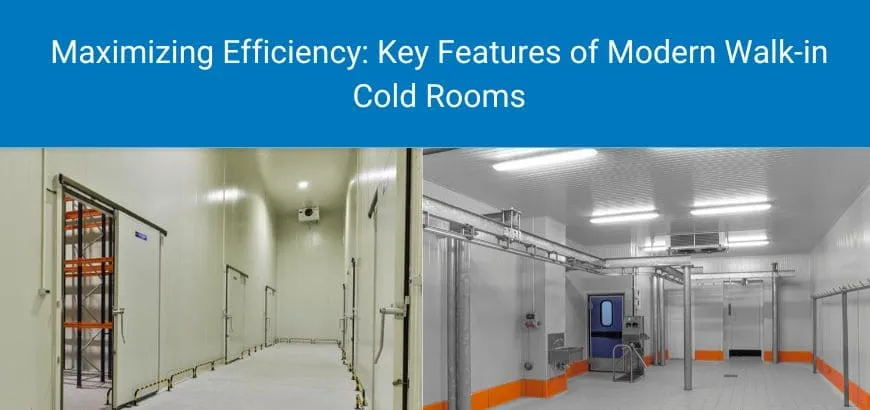
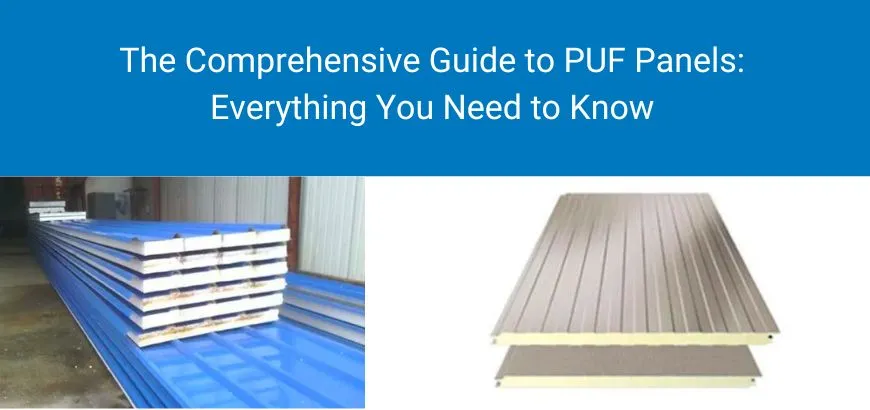
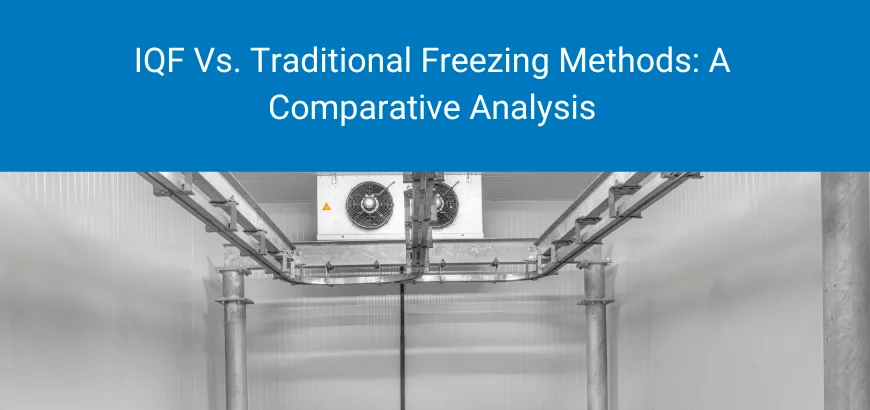
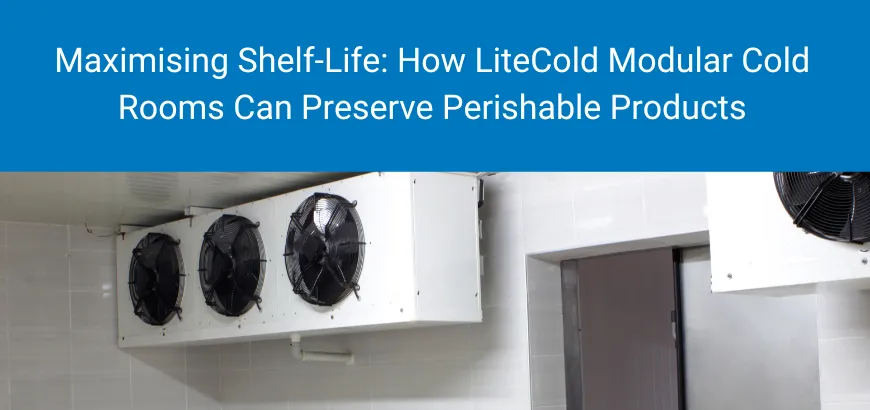
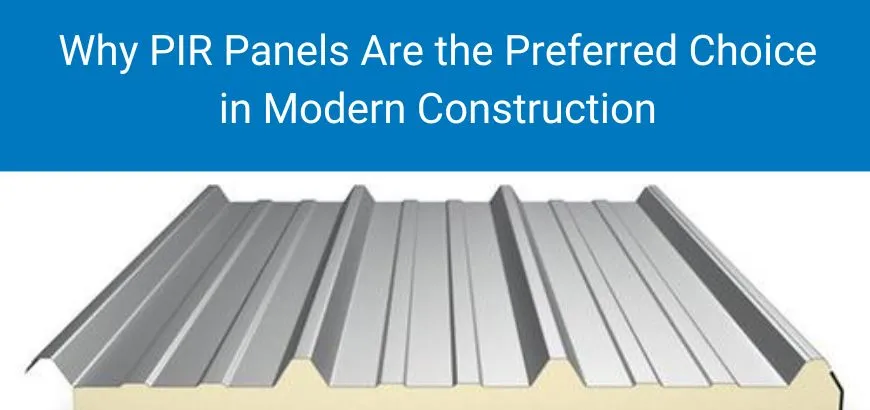
A properly engineered blast freezer in India in 2026 typically combines: low-temperature ammonia (NH₃) or freon (typically R-449A, R-507A) refrigeration system sized for the peak transient load; high-static-pressure axial fans pushing 3–6 m/s across the product; finned-coil evaporators with hot-gas defrost; high-density PUF or PIR insulated panels (typically 150–200 mm) on the chamber envelope; reinforced freezer-grade floor with under-floor heating to prevent permafrost; a vapour-tight door with electric frame heaters; and a PLC-based control system logging temperature, defrost cycle and product probe data for FSSAI/HACCP traceability.
Blast Freezer Price in India 2026: CapEx, OpEx and Total Cost of Ownership
The first question every promoter asks is the blast freezer price — and the honest answer is that “price” is rarely the right number to look at. A cheap cabinet that takes 12 hours to do what a properly engineered system does in four will erase the savings on the very first month’s electricity bill. That said, the buyer needs an order-of-magnitude band.
Indicative Blast Freezer Price Bands (India, 2026)
| System | Typical capacity | Indicative capex (INR) | Typical buyer |
|---|---|---|---|
| Reach-in commercial blast freezer cabinet | 10–40 kg / cycle | ₹1.5–6 lakh | Bakery, QSR, central kitchens, cloud kitchens |
| Modular air blast freezer room | 200 kg–2 t / batch | ₹15–45 lakh | Mid-size seafood, dairy, meat processors |
| Industrial trolley-loaded blast freezer | 3–10 t / batch | ₹50 lakh–1.5 crore | Large seafood, ready-meal plants, ice cream |
| Plate blast freezer (multi-station) | 5–15 t / day | ₹1–3 crore | Seafood exporters (block freezing) |
| Spiral / tunnel industrial blast freezer + IQF | 500 kg–5 t / hour (continuous) | ₹2.5–8+ crore | Large frozen food, QSR commissaries, exporters |
Important caveat: The bands above are illustrative ranges based on publicly observed Indian B2B marketplace listings (e.g. TradeIndia, IndiaMART) and Rinac’s recent EPC experience. Actual price depends on refrigeration type (ammonia vs freon), panel thickness, throughput, automation, civil interface and site conditions. Always benchmark against at least two detailed quotes. Indicative entry-level commercial cabinets advertised below ₹1.5 lakh on aggregator portals are typically not suitable for FSSAI-compliant industrial blast freezing.
Operating Cost: Electricity Dominates
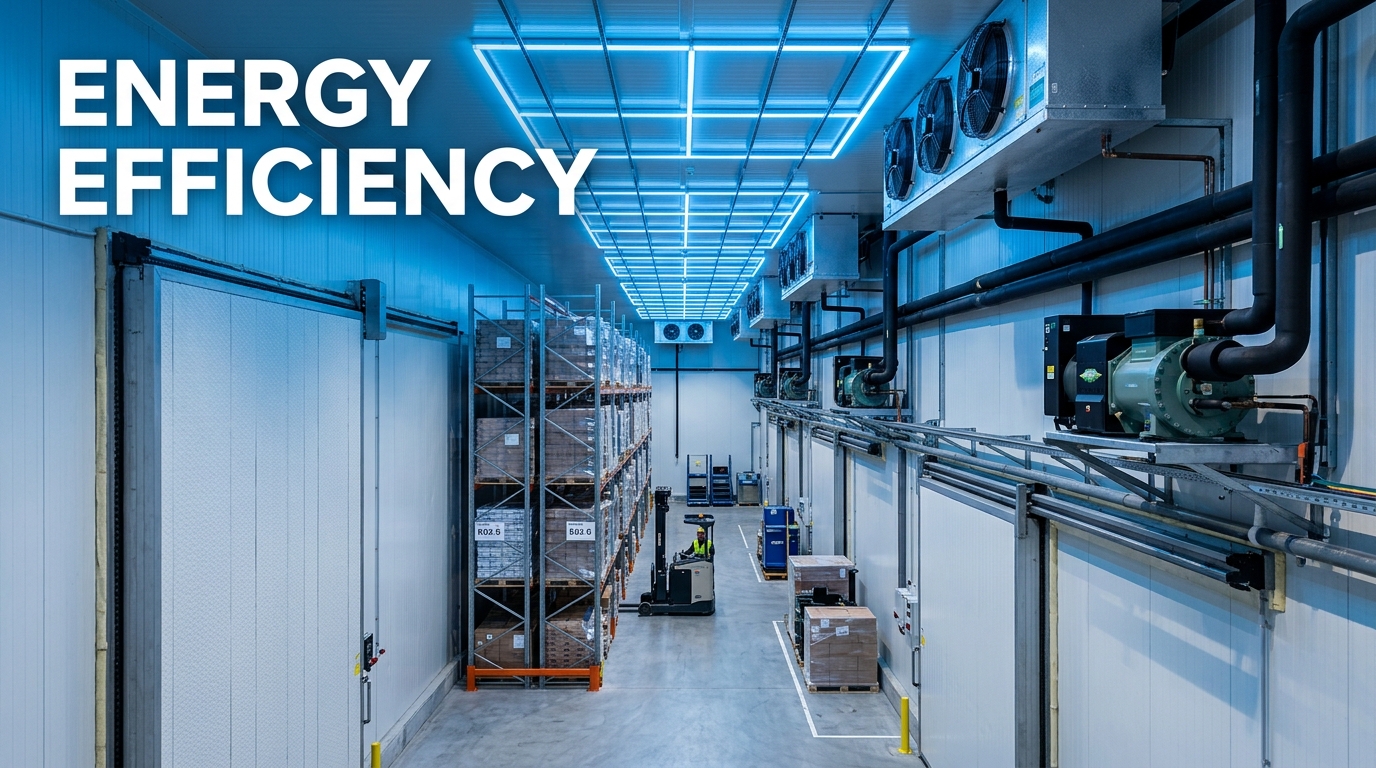
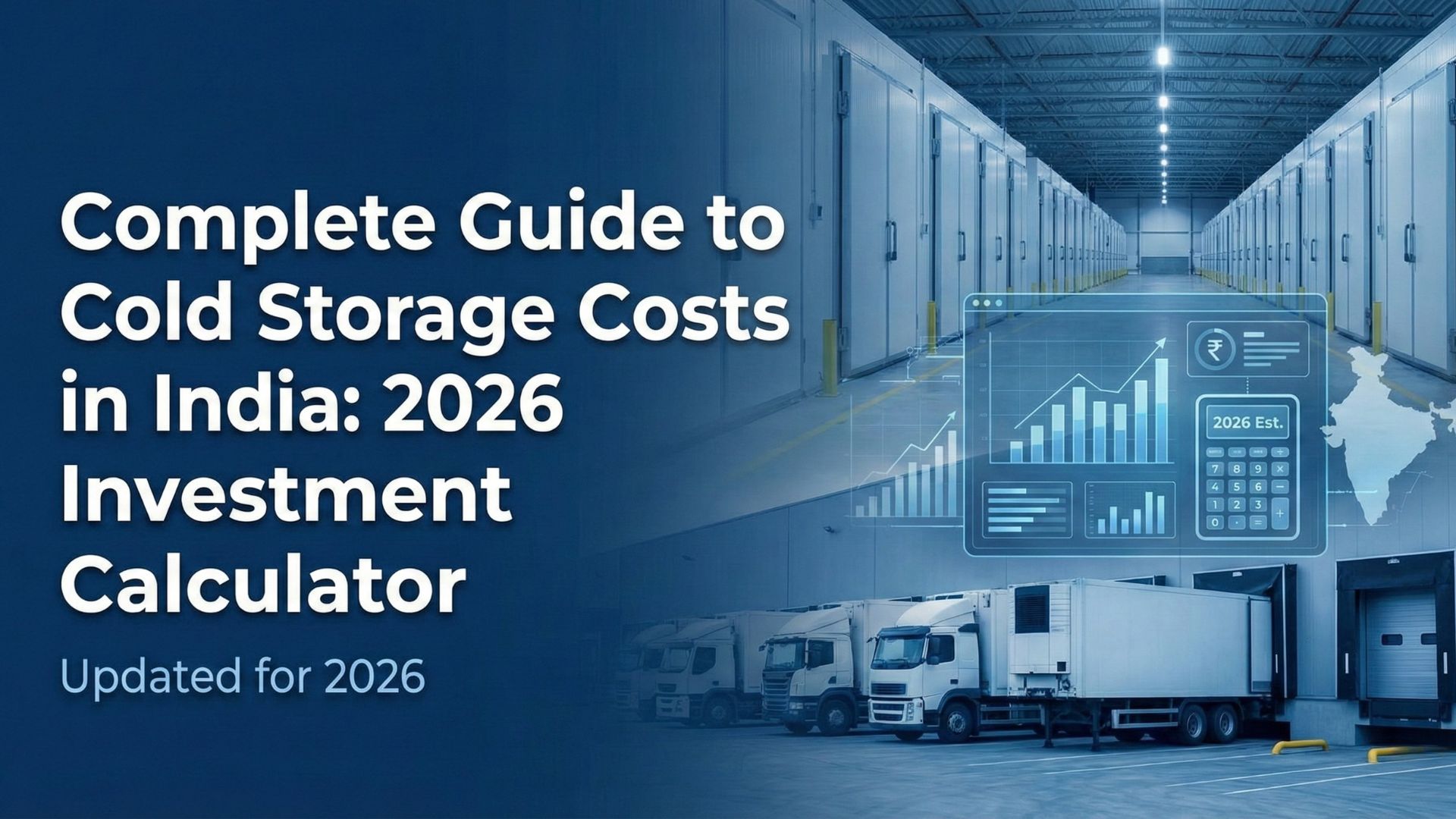
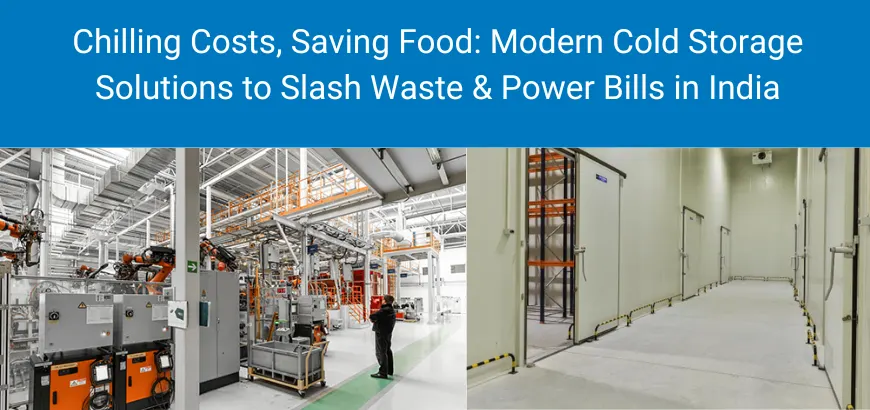
For a typical 1-tonne batch industrial blast freezer running 2 cycles per shift, electricity is normally 60%–75% of the lifetime operating cost. A well-designed system with VFD-controlled compressors, high-efficiency evaporators and a properly insulated envelope (150–200 mm PUF or PIR sandwich panels) can pull as little as 0.45–0.55 kWh per kg of product frozen. Older, oversized or poorly insulated cabinets can hit 0.9–1.2 kWh/kg — nearly double the bill, every shift, for the entire 15-year life. Rinac’s deep-dive on this trade-off is in Cold Storage Energy Efficiency: How to Reduce Operating Costs by 30%.
Indian Market Context: NCCD Capacity, PMKSY, MIDH and NHB Subsidies for Blast Freezers
India is the second-largest food producer in the world and yet still has a meaningful cold chain capacity gap. As of 30 June 2025, the National Centre for Cold-chain Development (NCCD) reports 8,815 cold storages with a combined capacity of about 402 lakh metric tonnes (~40 million MT), growing at roughly 2.2% CAGR [6]. The Mordor Intelligence outlook puts the India cold chain logistics market at USD 24.85 billion in 2026 with a 5.91% CAGR to USD 33.12 billion by 2031 [9]. Reefer truck capacity is at roughly 10,000 vehicles against an estimated requirement of 62,000 [8]. The opportunity for compliant blast freezing capacity — particularly for seafood, dairy, ready meals and pharma — is large and structurally underwritten by Government of India schemes.
₹72,325 crore
India seafood exports FY2025-26 (MPEDA), with frozen shrimp at ₹47,973 crore — all dependent on blast freezing capacity [10]
India seafood exports FY2025-26 (MPEDA), with frozen shrimp at ₹47,973 crore — all dependent on blast freezing capacity [10]
1. PMKSY — Integrated Cold Chain and Value Addition Infrastructure (ICCVAI)
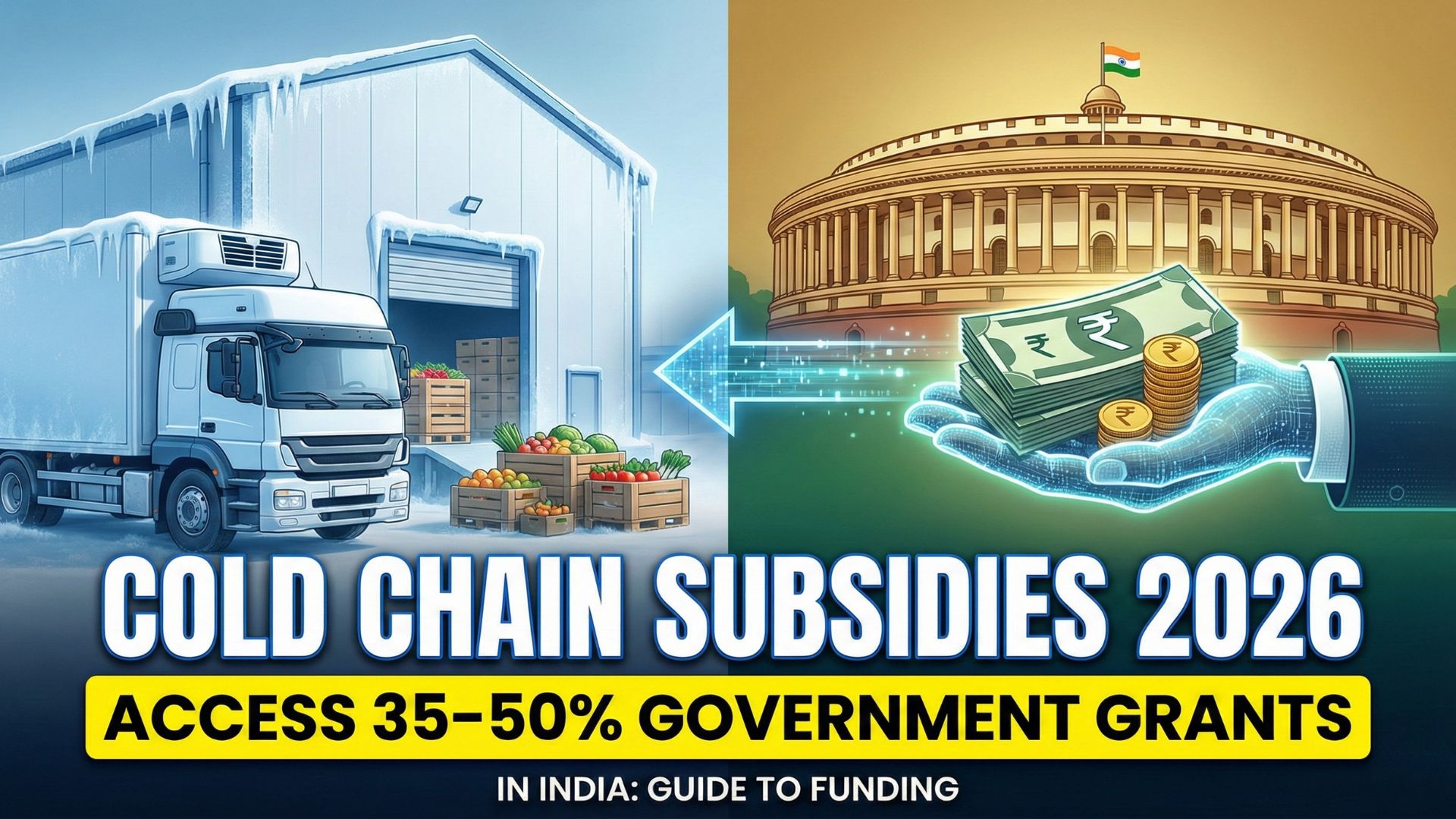
Under the Pradhan Mantri Kisan SAMPADA Yojana (PMKSY), the Integrated Cold Chain and Value Addition Infrastructure scheme administered by the Ministry of Food Processing Industries explicitly covers blast freezing along with pre-cooling, multi-temperature cold storage, CA storage, IQF and reefer vans [2]. The Union Cabinet, in July 2025, approved an additional outlay raising the total PMKSY allocation to ₹6,520 crore for the 15th Finance Commission cycle through 31 March 2026 [3]. Eligible promoters typically receive a capital grant of 35%–50% of eligible project cost, with the higher rate available to Special Category States, SC/ST promoters and FPOs. Revised operational guidelines were issued on 22 May 2025 [1].
2. NHB — Capital Investment Subsidy Scheme
The National Horticulture Board offers a credit-linked back-ended capital subsidy of 40% in general areas and 55% in hilly/scheduled areas for cold storage capacity up to 5,000 MT, and 35% / 50% for capacities between 5,000 and 10,000 MT [4]. Eligible components include multi-chamber cold storages with thermal insulation, humidity control and advanced cooling — the natural envelope that blast freezing chambers sit inside [5].
3. MIDH — Mission for Integrated Development of Horticulture
MIDH provides credit-linked back-ended subsidies of 35% of project cost in general areas and 50% in the North East and hilly states for construction, expansion or modernisation of cold storage facilities with capacity up to 5,000 MT [12]. MIDH support is widely used by FPOs and horticulture promoters who add blast freezing as a value-addition step to their pack-house.
Subsidy reality check: Subsidy rates, eligible cost lines and ceilings change frequently. Always download the latest scheme circular from mofpi.gov.in, nhb.gov.in or your state horticulture department before finalising your DPR. Rinac’s deep-dive guide is at Cold Chain Subsidies 2026.
Industry Applications: Where a Blast Freezer Pays for Itself
Seafood & Fisheries
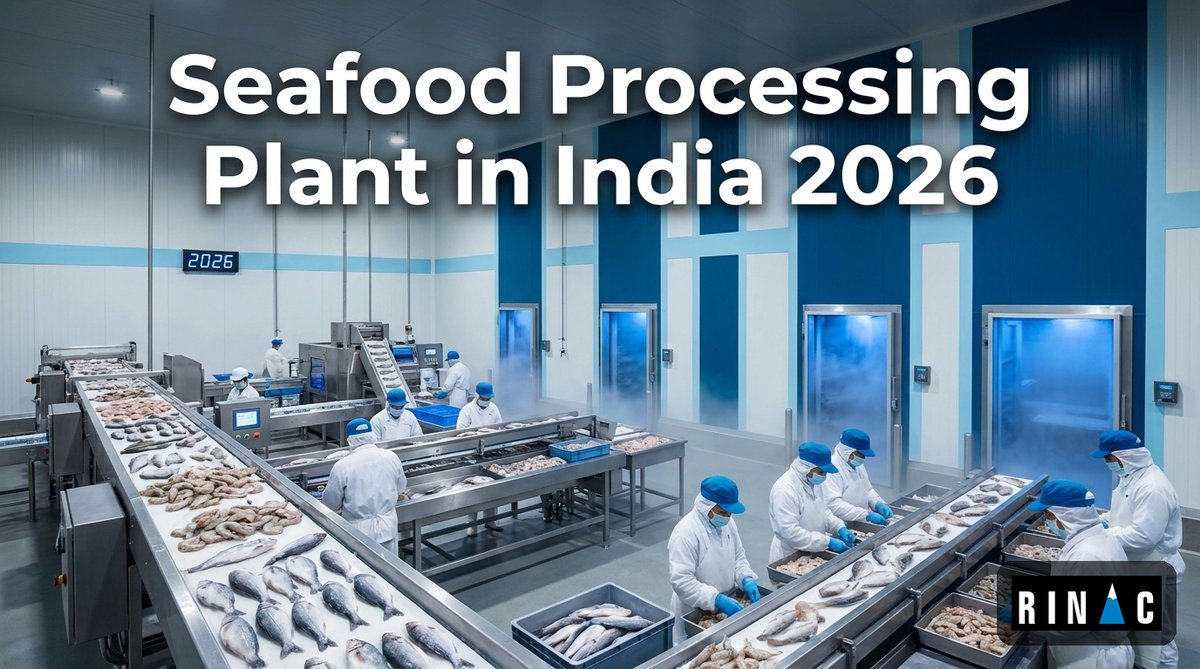
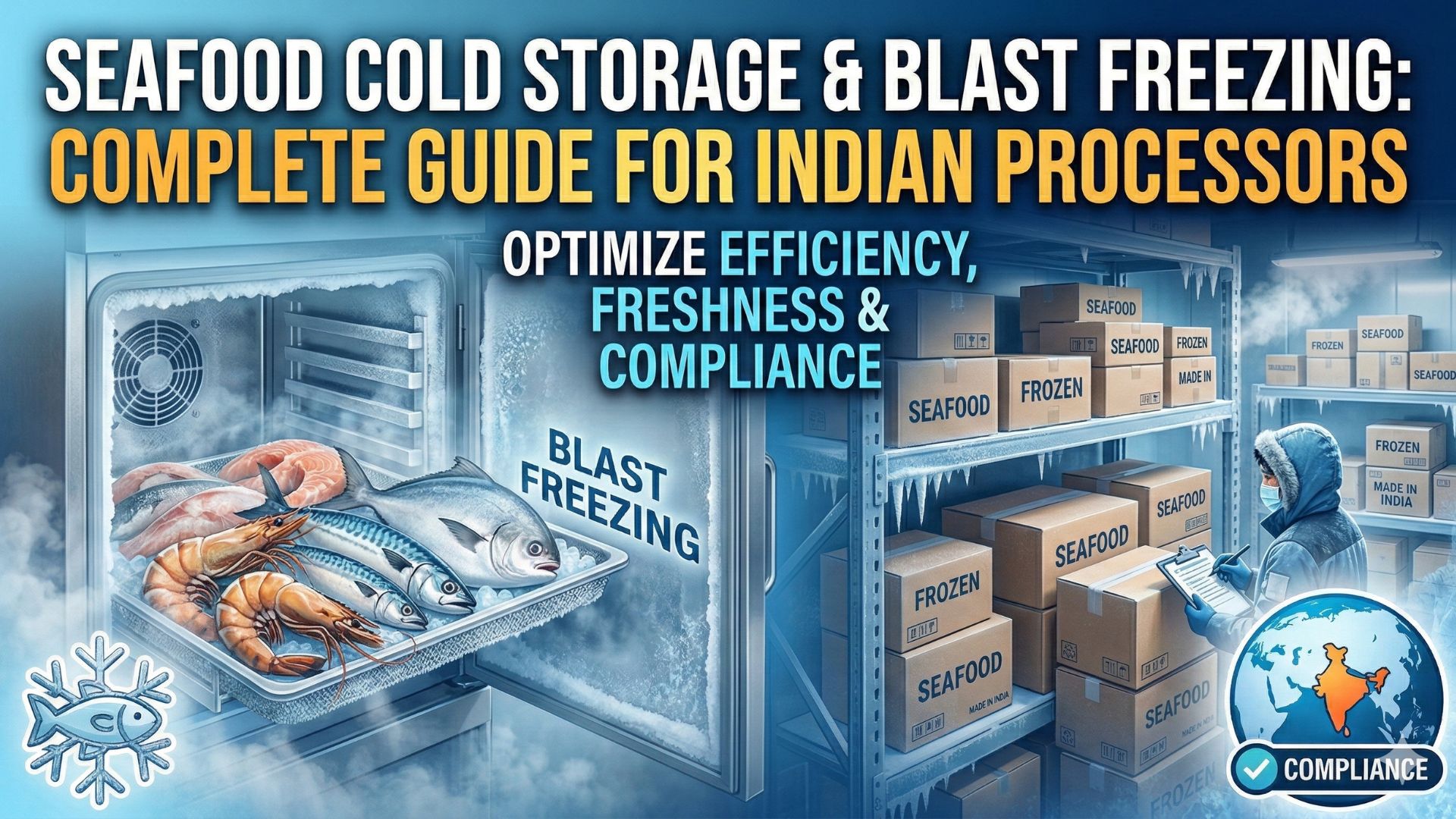
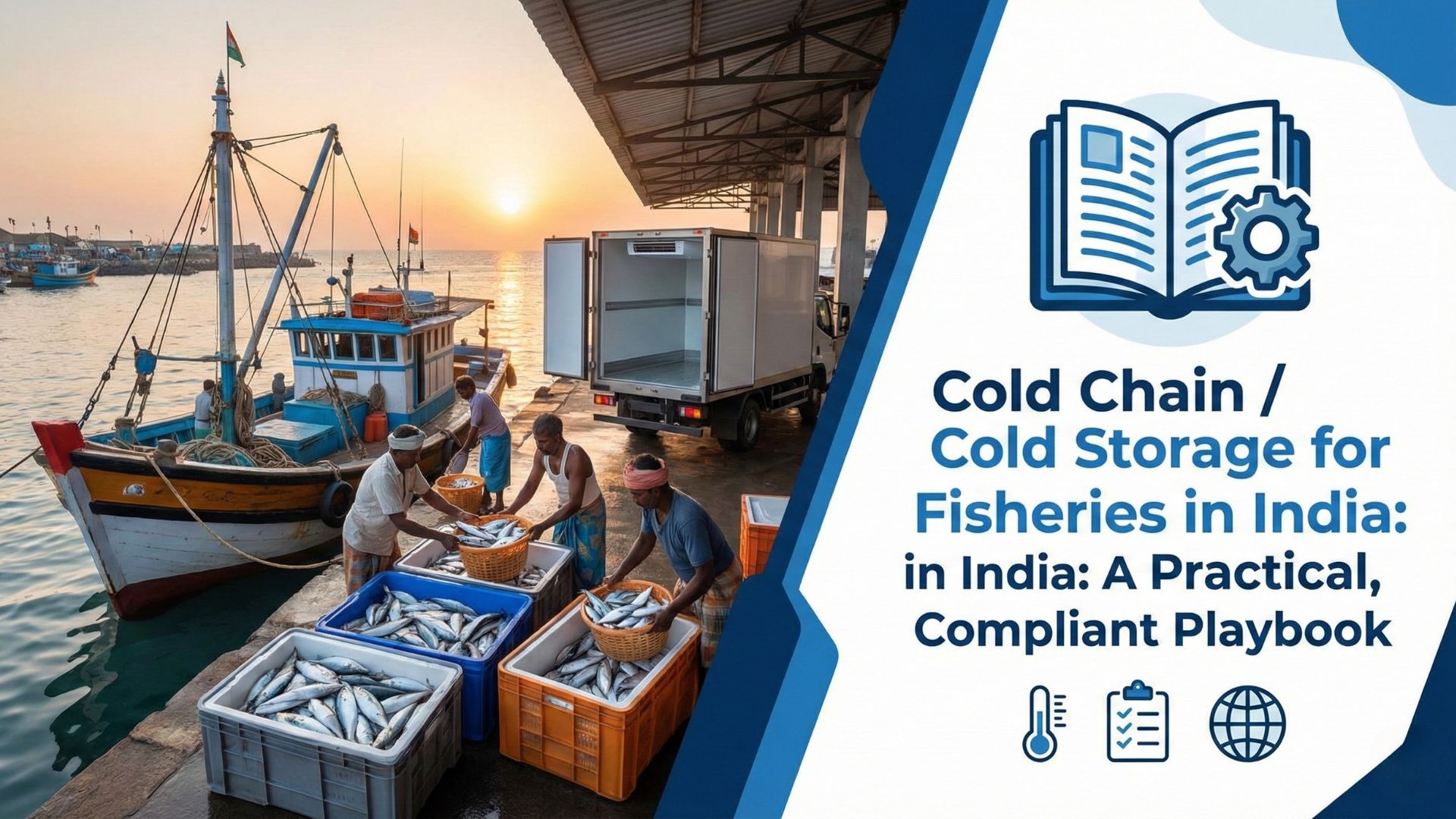
India shipped ₹72,325 crore of seafood in FY2025-26, with frozen shrimp alone at ₹47,973 crore — almost two-thirds of the export basket [10]. Every kilo of those exports is produced through a blast freezer or IQF tunnel. Rinac’s detailed playbook for this segment is in Seafood Cold Storage and Blast Freezing.
Meat & Poultry
For meat and poultry processors, blast freezing is the cornerstone of HACCP compliance. Carcass cooling, in-pack freezing of cuts and value-added portion freezing all need the rapid −30°C to −40°C air. See Meat and Poultry Cold Storage: FSSAI Compliance and Best Practices.
Dairy & Ice Cream
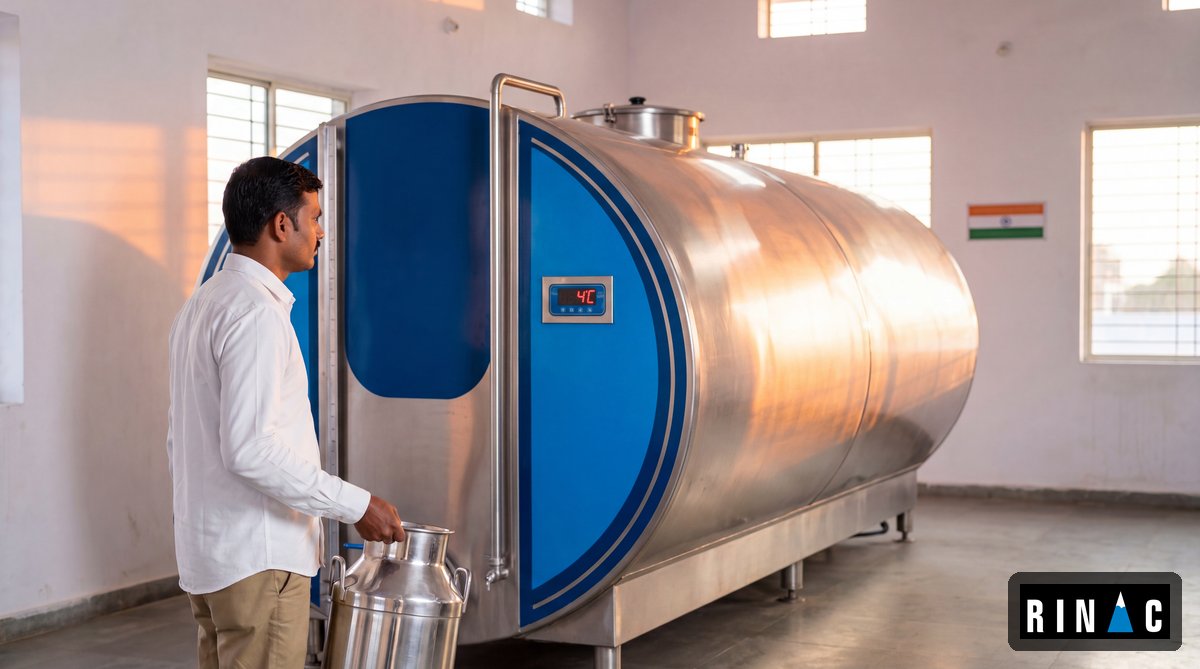
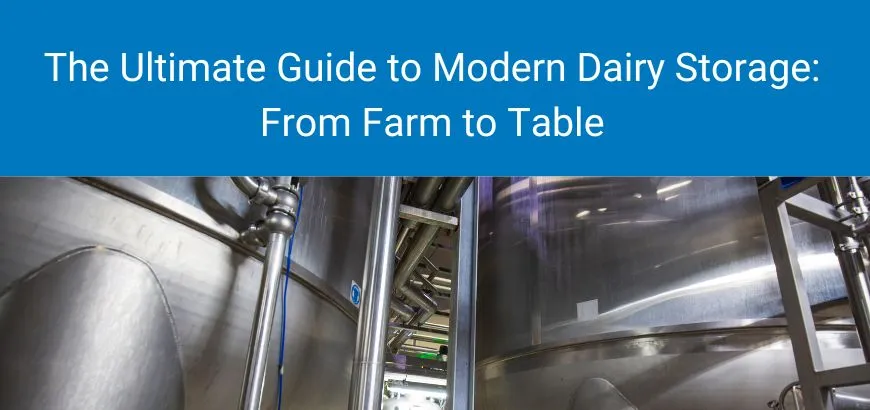
Ice cream production needs a blast freezer (often called a “hardening tunnel”) downstream of the continuous freezer, holding product at −35°C to lock in air cell structure. Paneer, mozzarella blocks and butter slabs all benefit from blast freezing before cold storage. Rinac’s adjacent guides on dairy cold chain include the Bulk Milk Cooler Buyer’s Guide.
Ready Meals, Bakery and QSR Commissaries
The Indian ready-to-eat and ready-to-cook segment is the fastest-growing cold chain end-use. Cook-chill SOP for parathas, biryanis, curries and frozen dough rely on a blast freezer to take the just-cooked or just-shaped product from +90°C / +30°C down to −18°C inside the 90–240-minute HACCP safety window. The same applies to bakery (par-baked breads, croissant dough, cookie dough), and almost every cloud-kitchen and QSR commissary built since 2020.
Pharmaceutical & Biologics
Pharma blast freezers (often called freeze blocks or shock freezers in this context) operate at −30°C to −80°C for bulk active pharmaceutical ingredients, vaccine intermediates and biologic excipients. The system here must be validated under WHO-GMP — controls, mapping and documentation matter as much as the box itself.
Engineering note from Rinac’s applications team: A blast freezer is rarely a stand-alone purchase. It is one node in a wider cold chain — pre-cooling, processing, blast freezing, −18°C storage, refrigerated transport. Designing the freezer in isolation is the most common reason capacity goes underutilised.
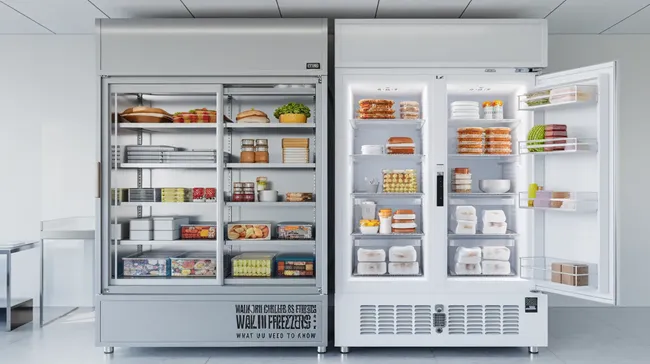
Blast freezer buyer’s guide for India 2026 — price bands, temperature ranges and subsidy snapshot.
Compliance & Standards: FSSAI, HACCP, ISO and WHO-GMP
A compliant blast freezer is not just one that gets cold. It is one that documents that it got cold, on time, every time. The applicable framework in India in 2026 includes:
- FSSAI: Schedule 4 hygiene requirements; mandated minimum frozen storage at or below −18°C; continuous documented temperature monitoring; calibrated probe thermometers for verification [11].
- HACCP: Freezing is a Critical Control Point; cook-to-chill or cook-to-freeze cycles must clear the +60°C→+10°C danger zone in < 4 hours.
- ISO 22000 / ISO 9001: Documented procedures, validated freezing curves, calibrated instrumentation, mapped chambers.
- WHO-GMP / Schedule M: For pharma applications, validation IQ/OQ/PQ, mapping, alarm management.
- IGBC (for green-rated facilities): Energy-efficient envelope and refrigeration design considerations.
Rinac’s engineering practice is certified to ISO, FSSAI, HACCP, GMP, IGBC and WHO-GMP — the relevant suite for almost every blast freezing application in India.
How to Specify, Size and Buy an Industrial Blast Freezer: A Practical 8-Step Roadmap
Here is the sequence Rinac’s applications team follows on greenfield and brownfield blast freezing projects. Use it as a checklist with your own consultant or EPC partner.
- Define the product mix and throughput. Daily kg / hourly kg of each SKU, packaging format, initial temperature, target core temperature.
- Calculate the transient refrigeration load. Not the average — the peak load right after loading. This is what sizes the compressor, condenser and evaporator.
- Select the freezing architecture. Air blast (flexible), plate (block products), tunnel/spiral (continuous), cryogenic (premium / ultra-fast).
- Choose the refrigerant. Ammonia (NH₃) for large industrial loads (lowest opex, regulatory clearances needed); freon blends (R-449A, R-507A) for mid-size systems; cascade CO₂ for very low-temperature pharma duty.
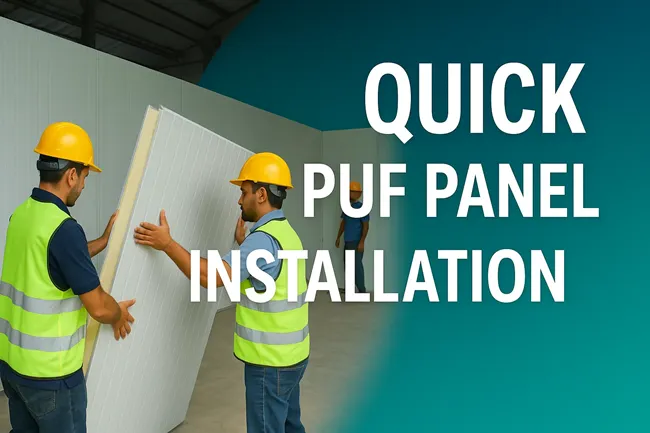
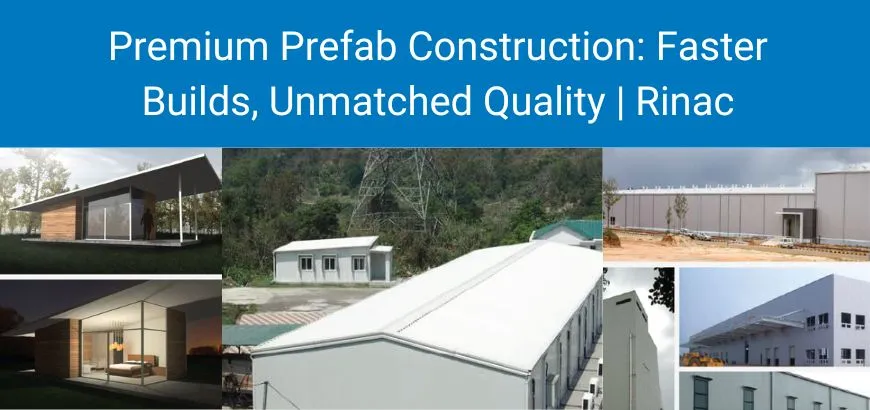
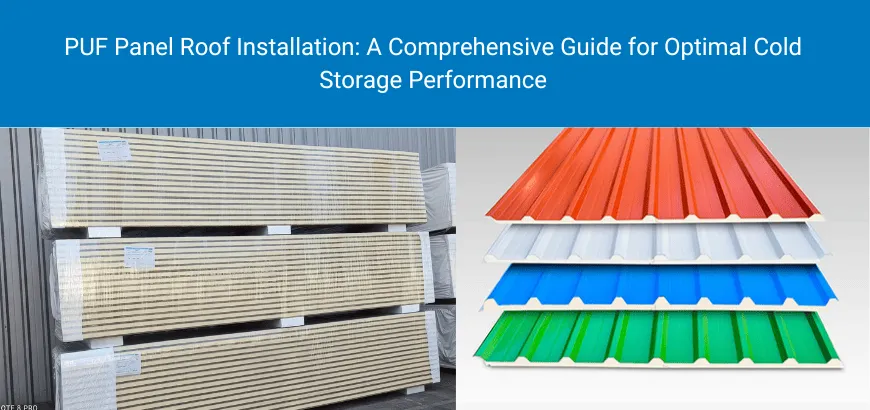
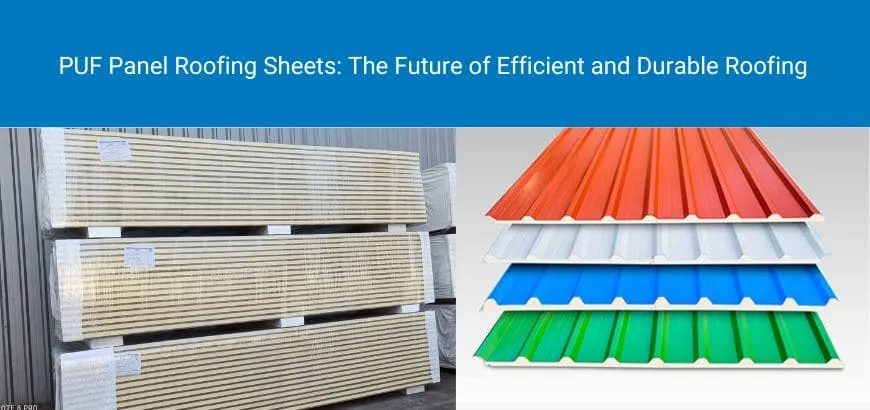
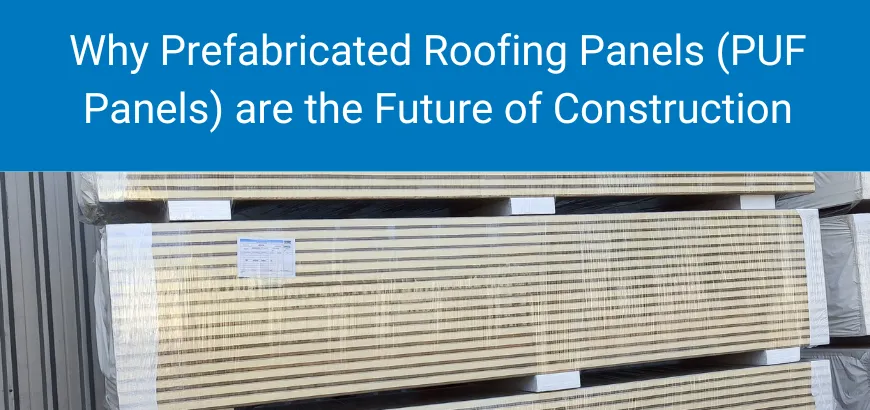
- Lock the envelope. 150–200 mm PUF/PIR sandwich panels, vapour-tight construction, freezer-grade flooring with under-floor heating. See PUF Panel Roof Installation Guide.
- Plan controls and traceability. PLC + HMI + temperature/humidity logging, audit-ready against FSSAI and HACCP.
- Engineer the civil and electrical interface. Foundation slab, structural canopy, transformer / DG backup, drainage, hygiene zoning.
- Document the DPR and apply for subsidies. PMKSY, MIDH or NHB — map your project to the right scheme and prepare a bankable Detailed Project Report.
Rinac advantage: Our Blast Chillers and Freezers are designed by the same in-house team that runs our turnkey food processing and cold rooms divisions — so the freezer is engineered in lock-step with the upstream processing and downstream storage. We have delivered 10,000+ projects across 23 countries over 30+ years, with 14 branch offices and a dedicated after-sales service network across India.
Why Rinac Blast Freezers: Engineering, Track Record and After-Sales
Rinac India Limited has been engineering cold chain infrastructure since 1994. We have served 6,000+ clients including ITC, Britannia, Tata, Reliance, Nestlé, Biocon and Pepsico — almost every category leader in India’s food, dairy, pharma and QSR space has bought a Rinac freezer, cold room or IQF system at some point. Our two manufacturing facilities at Bangalore and Murbad (Maharashtra) build the chamber envelope, refrigeration skid and controls in-house, which keeps quality control tight and project timelines on schedule.
For a blast freezer specifically, we typically combine our proprietary insulated panels (including Firearmet fire-rated panels where the application requires it), in-house engineered refrigeration with VFD-controlled compressors, and a documented FSSAI/HACCP/WHO-GMP compliant control package. We then back the installation with a 14-branch pan-India after-sales network a single freezer breakdown at midnight is responded to from the closest of our 14 service centres.
Frequently Asked Questions
Sources & References
- Ministry of Food Processing Industries, Revised operational guidelines for Integrated Cold Chain and Value Addition Infrastructure (PMKSY), 22 May 2025.
- Ministry of Food Processing Industries, Cold Chain Scheme overview, accessed 2026.
- Press Information Bureau, Cabinet approves additional outlay for PMKSY, 2025.
- National Horticulture Board, Capital Investment Subsidy Scheme, accessed 2026.
- National Horticulture Board, Schemes of National Horticulture Board (PDF), 2025.
- International Institute of Refrigeration citing NCCD, India NCCD reports 2.2% CAGR in cold storage capacity, 24 February 2026.
- National Centre for Cold Chain Development, NCCD official portal, accessed 2026.
- NCCD, Energy Transition in Cold Chain Infrastructure (PDF), 2025.
- Mordor Intelligence, India Cold Chain Logistics Market Size & Share Analysis, 2026.
- Nuffoods Spectrum citing MPEDA, India’s seafood exports hit all-time high of Rs 72,000 Cr, 22 April 2026.
- FSSAI, Handbook: Safe Storage, Distribution & Transportation of Food Products (PDF), 14 June 2017.
- ILO Consulting summary of MIDH cold storage subsidy structure, Government incentives and schemes for the cold chain industry, 2025.
- Invest India, Cold Chain Infrastructure in India and its future potential, 2025.
Final disclaimer: The information in this guide is provided for general informational purposes only and does not constitute professional engineering, legal, financial or regulatory advice. Prices, government subsidy rates and FSSAI/HACCP/WHO-GMP requirements change from time to time; figures cited reflect publicly available sources as of the publication date and should be re-verified directly with the relevant ministry or regulator before any investment or procurement decision. For project-specific blast freezer sizing, refrigerant selection, civil interface, automation and ROI modelling, request a formal consultation with Rinac India Limited via rinac.com/contact-us.