TL;DR – Quick Summary
- Potato cold storage is the single largest segment of India’s agricultural cold chain — potatoes account for the bulk of the country’s roughly 39 million MT of cold-store capacity, with four states holding about 60% of it.[2][10]
- Table potatoes store best at 2-4°C with 90-95% relative humidity; processing potatoes are held at 10-12°C with sprout-suppression to avoid cold-induced sweetening.[9]
- Cold storage cost runs about INR 8,000-12,000 per MT for single-commodity potato/onion stores and INR 12,000-18,000 per MT for multi-commodity facilities; a 5,000 MT store is broadly INR 3.5-4 crore.[6][7]
- Cold storage subsidy of 35-50% is available through NHB, MIDH and the PMKSY Integrated Cold Chain scheme (revised May 2025).[4][5]
- With 30+ years and 10,000+ projects, Rinac engineers turnkey potato and multi-commodity cold stores certified to ISO, FSSAI, HACCP and IGBC standards.
Disclaimer: This guide is for general information only and is not a substitute for professional engineering, legal or regulatory advice. Prices, subsidy rates and scheme rules change frequently — verify current details directly with FSSAI, MoFPI, NHB and your state horticulture department before making any investment decision.
Why Potato Cold Storage Is the Backbone of India’s Agricultural Cold Chain
India is the world’s second-largest producer of fruits and vegetables, yet it still loses an estimated 30-40% of its perishable produce after harvest — a leakage valued at more than INR 92,000 crore every year.[3] No single crop sits closer to this problem than the potato. Potato cold storage is the foundation on which India’s agricultural cold chain is built: potatoes are the most stored commodity in the country, and a large share of the nation’s roughly 39.37 million MT of installed cold-store capacity is dedicated to them.[2] For any farmer, FPO, trader, food processor or investor evaluating cold storage for potatoes, understanding how these facilities are engineered, costed and subsidised is the difference between a profitable asset and a stranded one.
The opportunity is structural. The National Centre for Cold Chain Development estimates a capacity shortfall of around 35 million MT against a national requirement of over 50 million MT for perishables.[2] India’s cold chain logistics market is expected to grow from about USD 24.85 billion in 2026 to USD 33.12 billion by 2031.[1] Against that backdrop, well-designed potato cold storage is both a public-good intervention against food loss and a commercially attractive piece of agri-infrastructure. As specialists in cold storage for agriculture and horticulture, Rinac sees demand rising fastest where storage science, energy efficiency and government support come together.
~16%
CPRI-ICAR estimate of overall post-harvest potato losses in India, much of it traced to inadequate cold storage
CPRI-ICAR estimate of overall post-harvest potato losses in India, much of it traced to inadequate cold storage
How Potato Cold Storage Works: Temperature, Humidity & Sprout Control
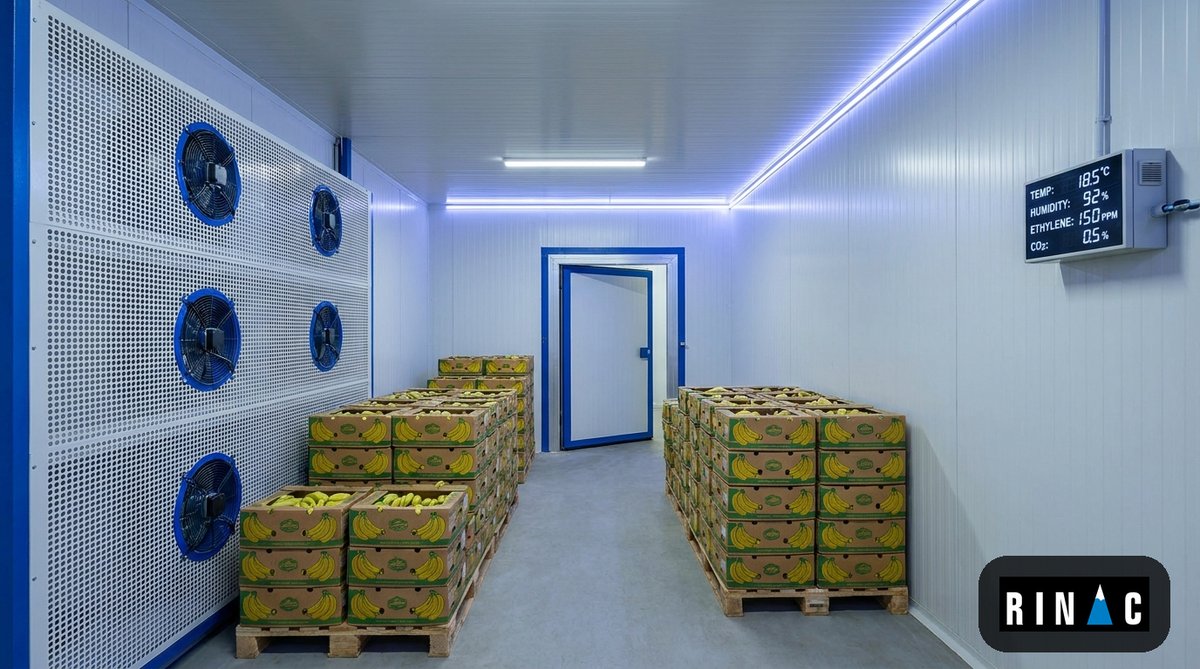
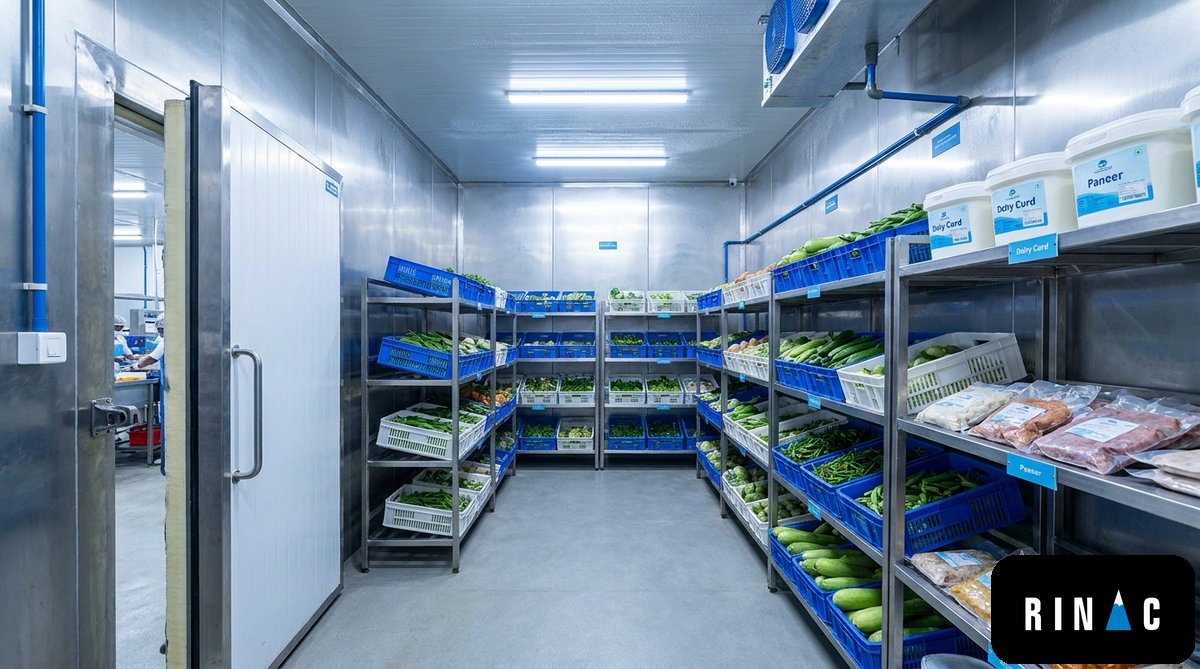
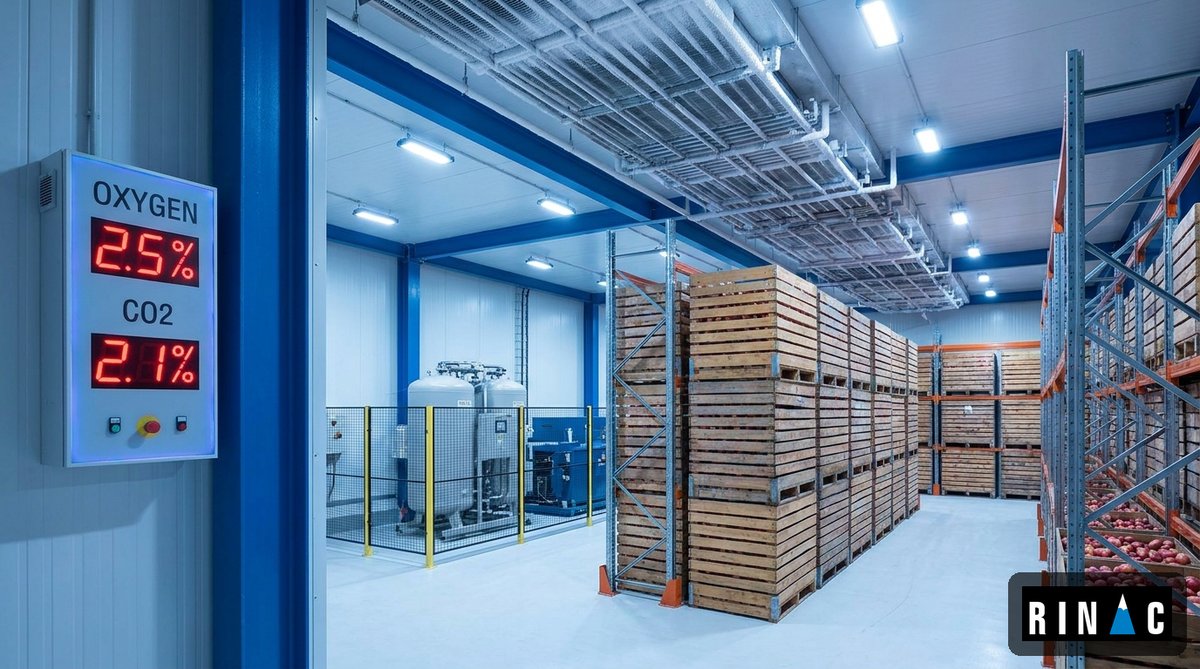
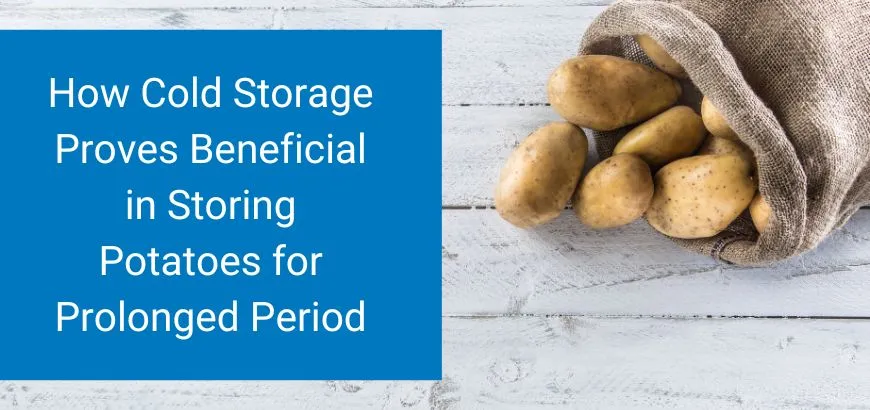
Potatoes are living tissue that keeps respiring after harvest. The job of a cold store is to slow that metabolism without damaging quality. The right setpoint depends on end use. Table and seed potatoes are typically held at 2-4°C with 90-95% relative humidity, which extends shelf life and keeps tubers firm through the year.[9] Processing-grade potatoes destined for chips and fries are stored warmer, around 10-12°C, because cold temperatures convert starch to reducing sugars and cause dark, unacceptable fry colour. At these warmer temperatures, sprouting must be controlled chemically (for example, CIPC-type sprout suppressants) or through newer storage-management practices.
Three engineering levers determine whether a potato cold storage facility performs: precise temperature uniformity, humidity control to prevent weight loss and shrivelling, and managed ventilation to remove respiration heat and carbon dioxide. Effective pre-cooling right after harvest pulls field heat out quickly and is critical to long-term quality. For premium produce and longer windows, controlled atmosphere storage can further slow respiration by lowering oxygen and raising carbon dioxide — a technique increasingly applied to high-value crops alongside potatoes.
Watch the setpoint: storing processing potatoes at table-potato temperatures (2-4°C) is one of the most common and costly mistakes in Indian cold stores. It triggers cold-induced sweetening and can render an entire lot unsuitable for the chips and fries market.
Types of Cold Storage for Potatoes and Other Agricultural Produce
There is no single template. The right configuration depends on the commodity mix, throughput and how long produce must be held:
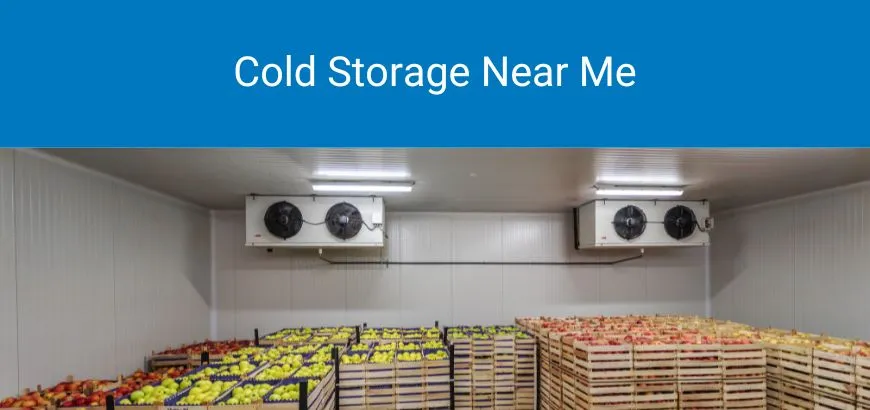
- Single-commodity potato stores — large-volume seasonal stores optimised for one setpoint, common in the potato belt and usually the lowest cost per MT.
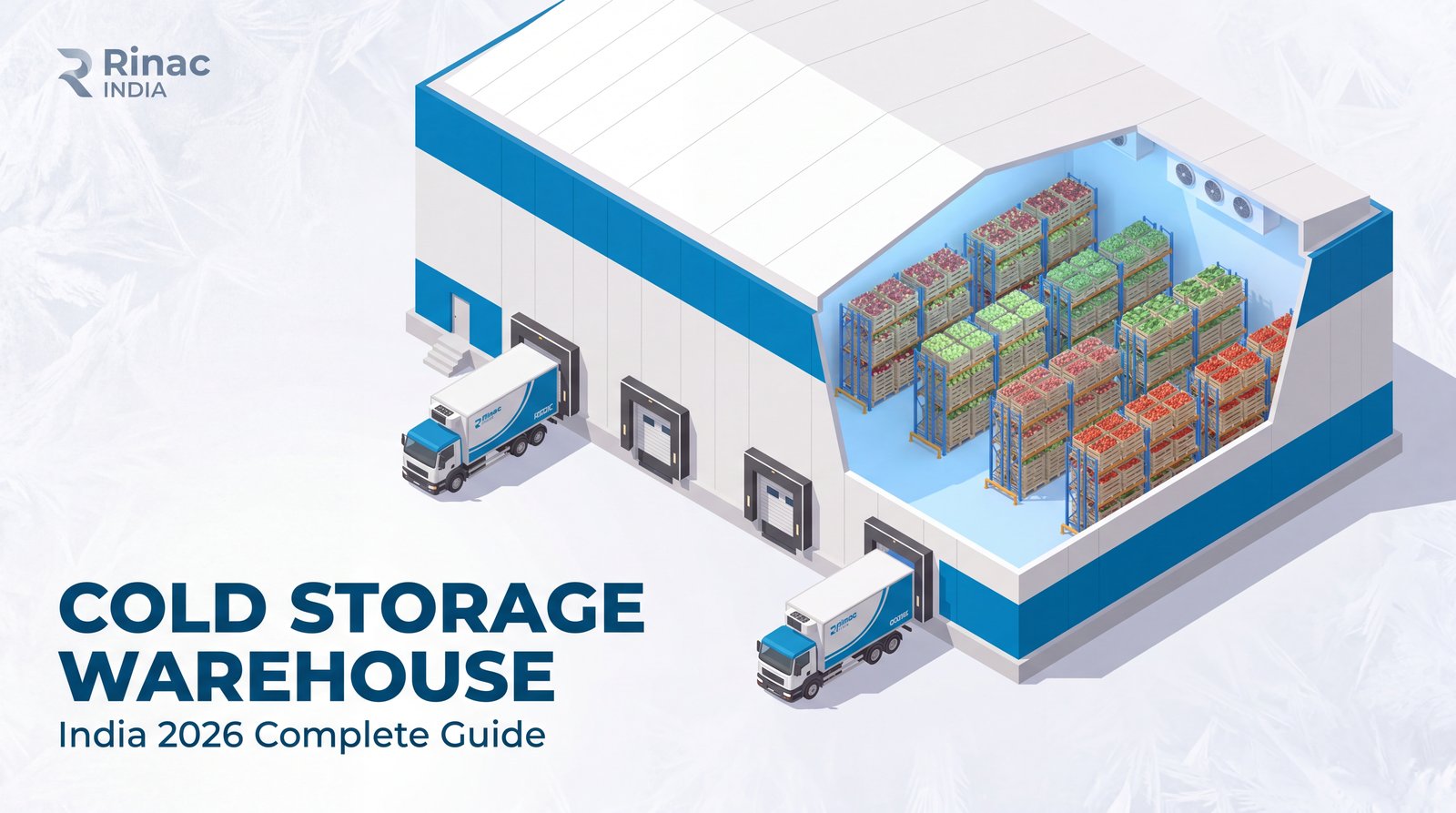
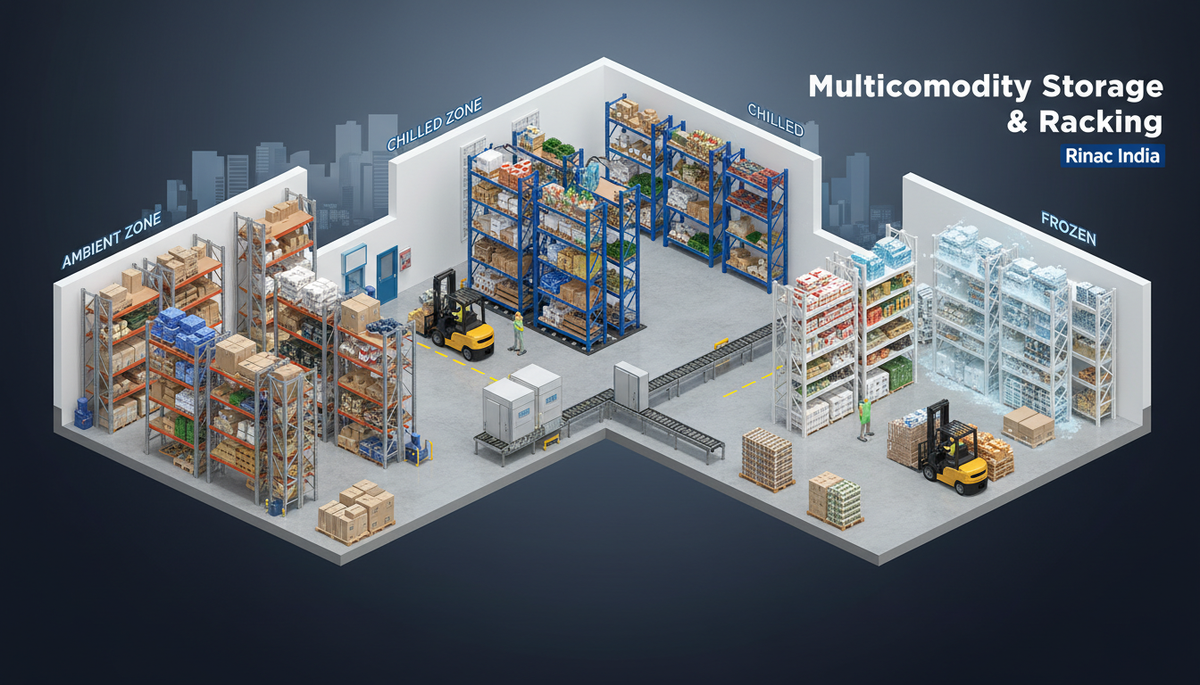
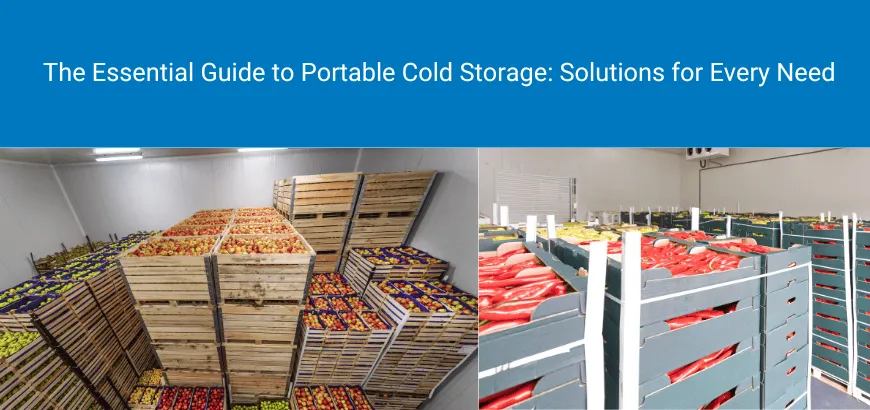
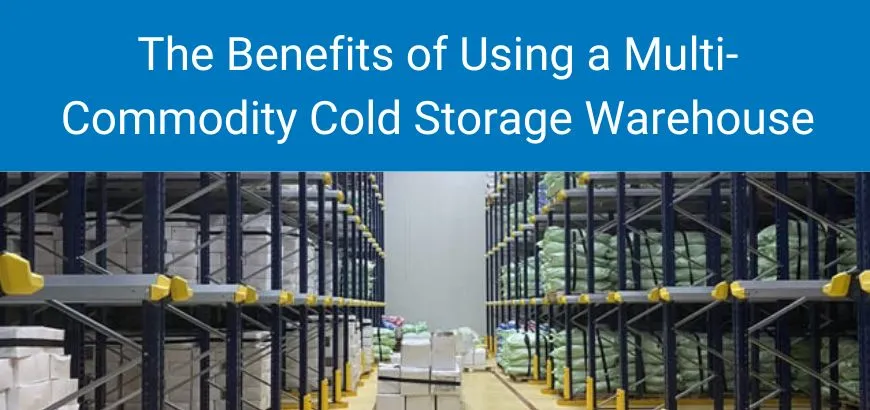
- Multi-commodity cold stores — multiple independently controlled chambers so a single facility can run vegetable cold storage at one temperature and chilled rooms for other produce at another, improving year-round utilisation.
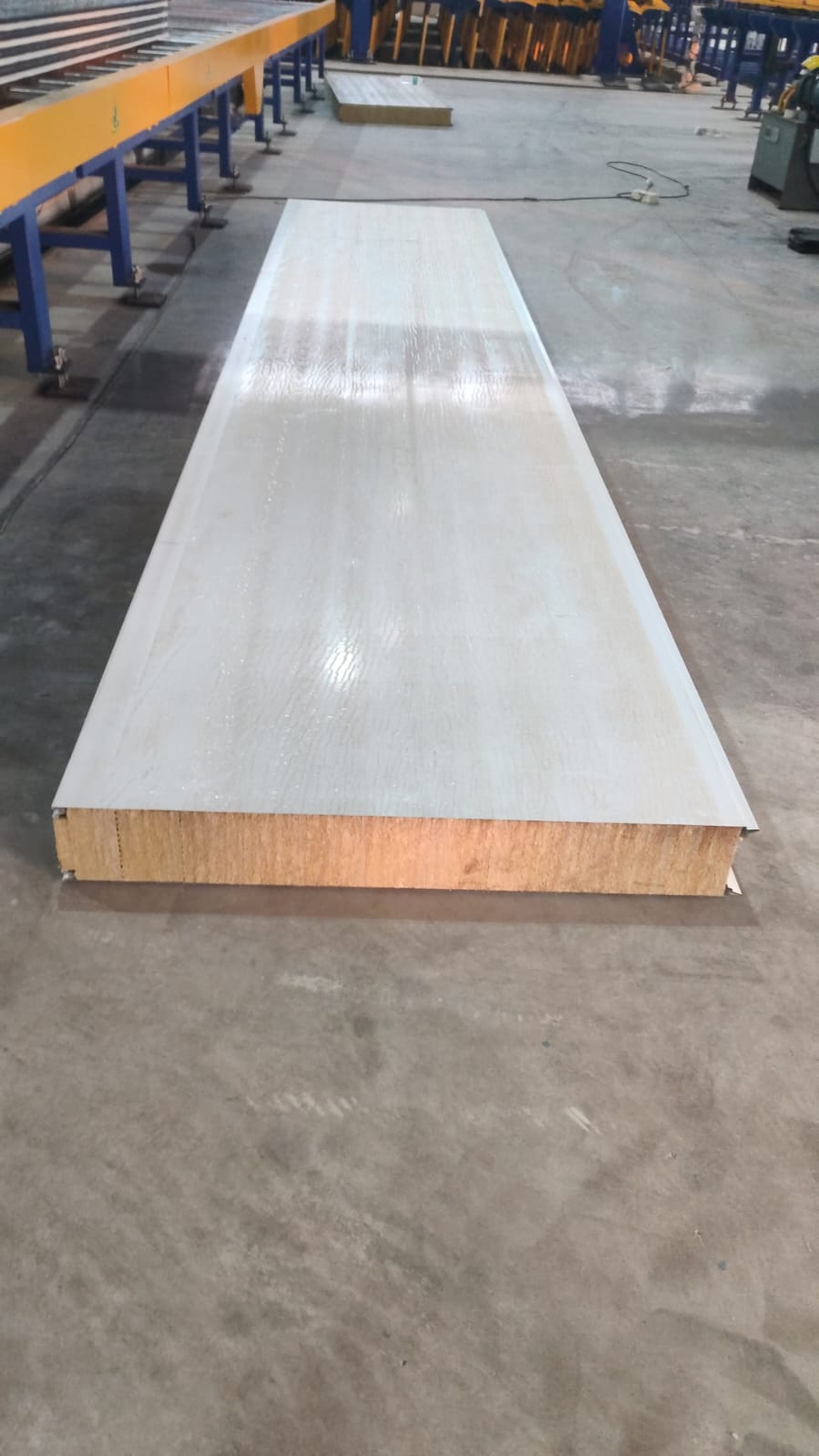
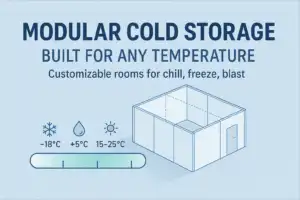
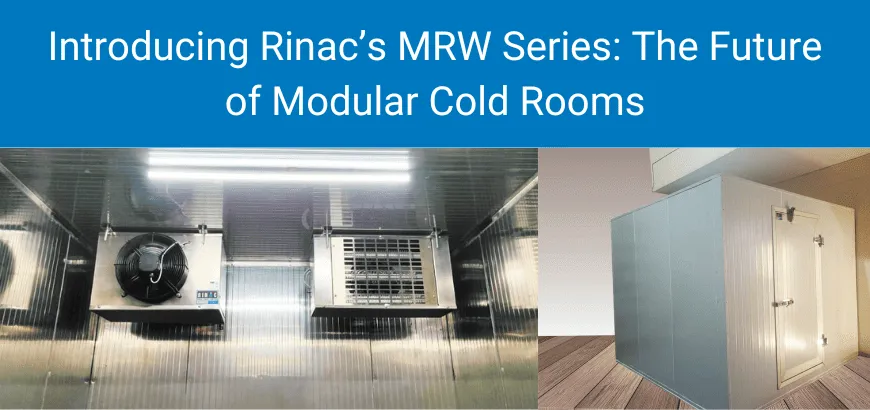
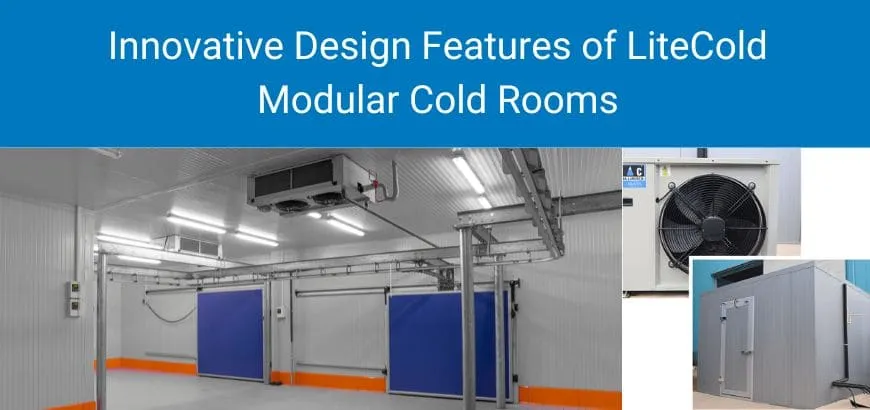
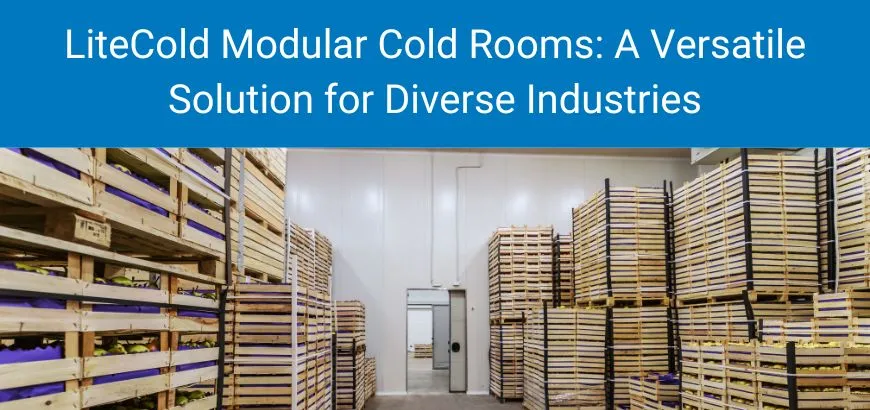
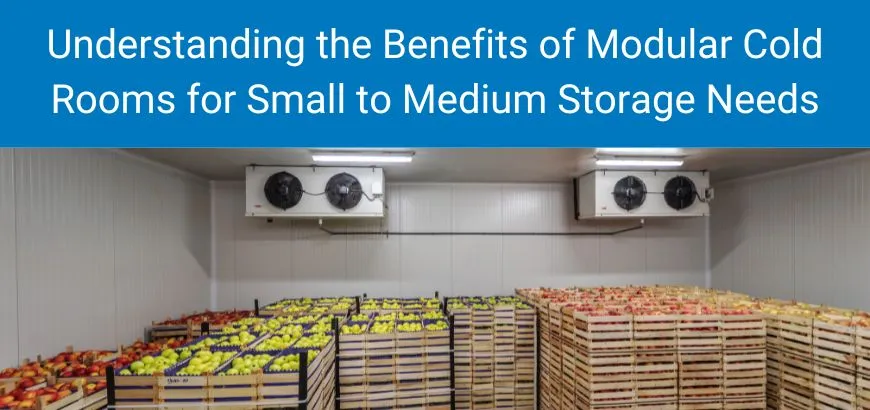
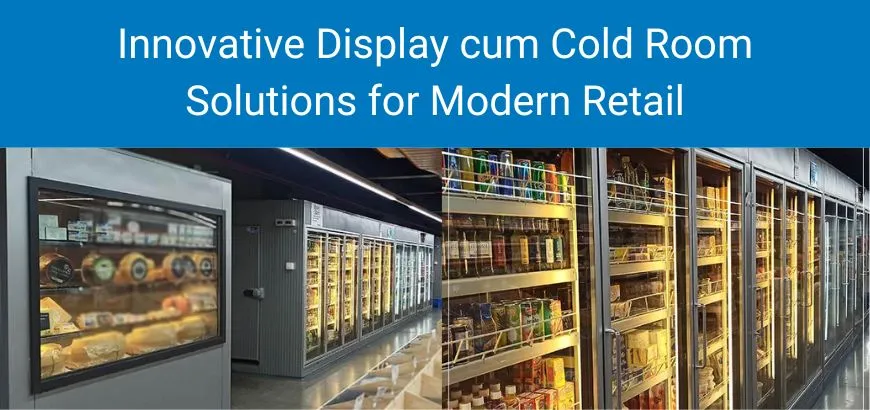
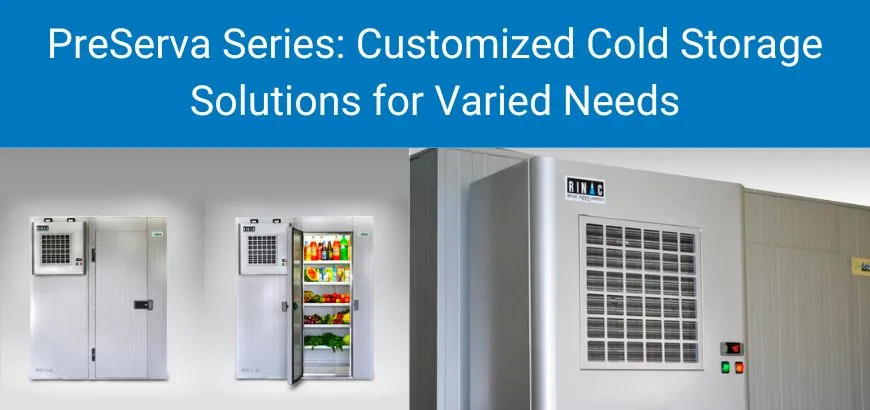
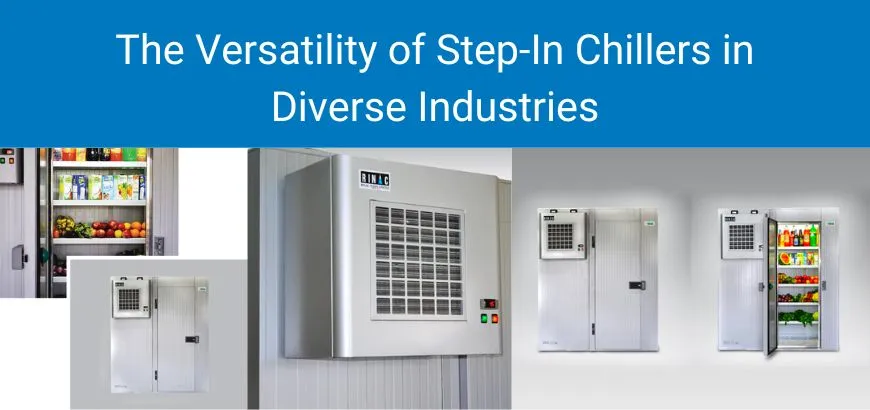
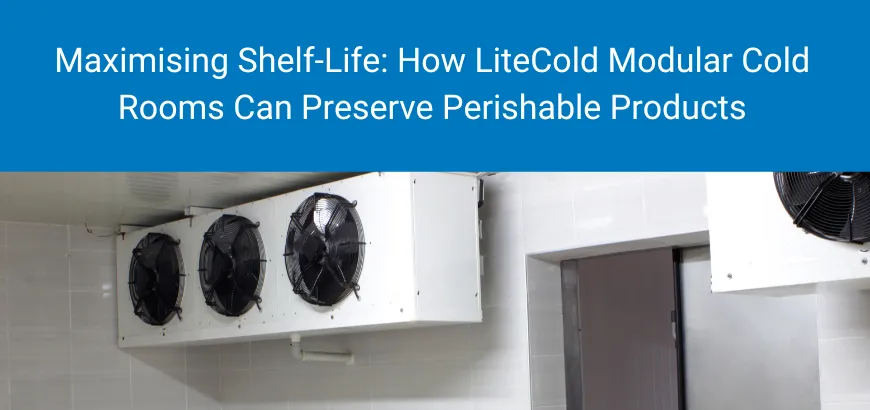
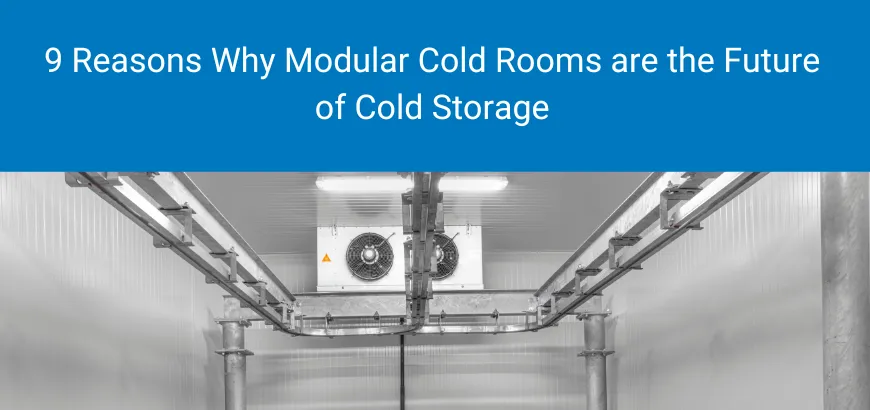
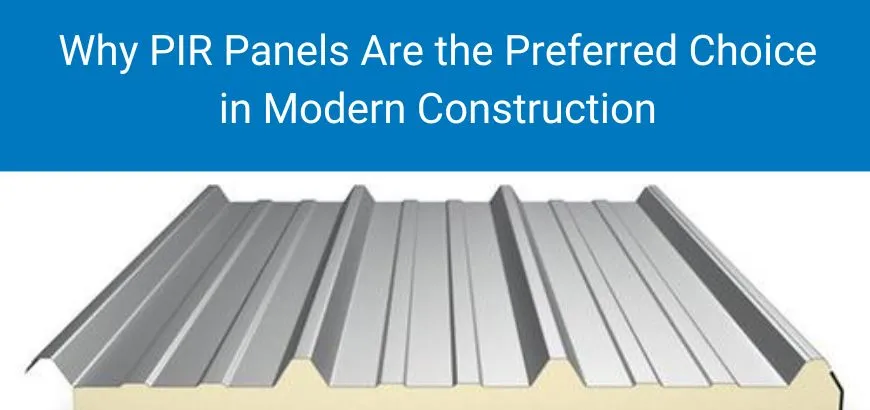
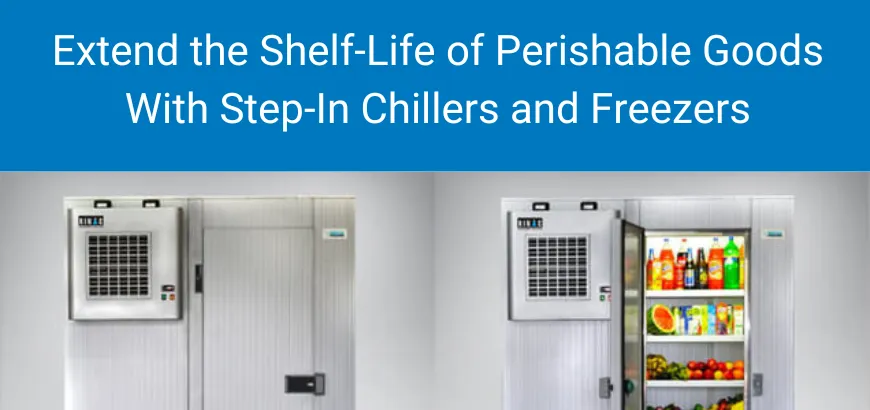
- Modular cold rooms — factory-built cold rooms using insulated sandwich panels, ideal for farm-gate and FPO-scale projects that need fast, clean installation. See our cold room buyer’s guide for sizing and panel selection.
- CA/MA chambers — for premium, long-duration storage of cold storage for fruits such as apples and pomegranate, often co-located with potato and vegetable lines.
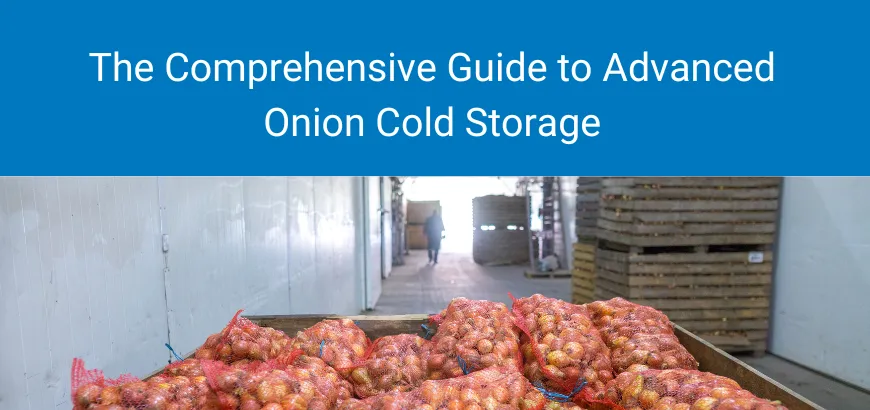
Crucially, the same facility envelope that serves potatoes can be engineered to handle cold storage for vegetables, fruits and other horticultural produce. Operators frequently pair potato lines with onion cold storage (which needs a very different, low-humidity regime) and dedicated fruit cold storage chambers to spread risk across crops and seasons.
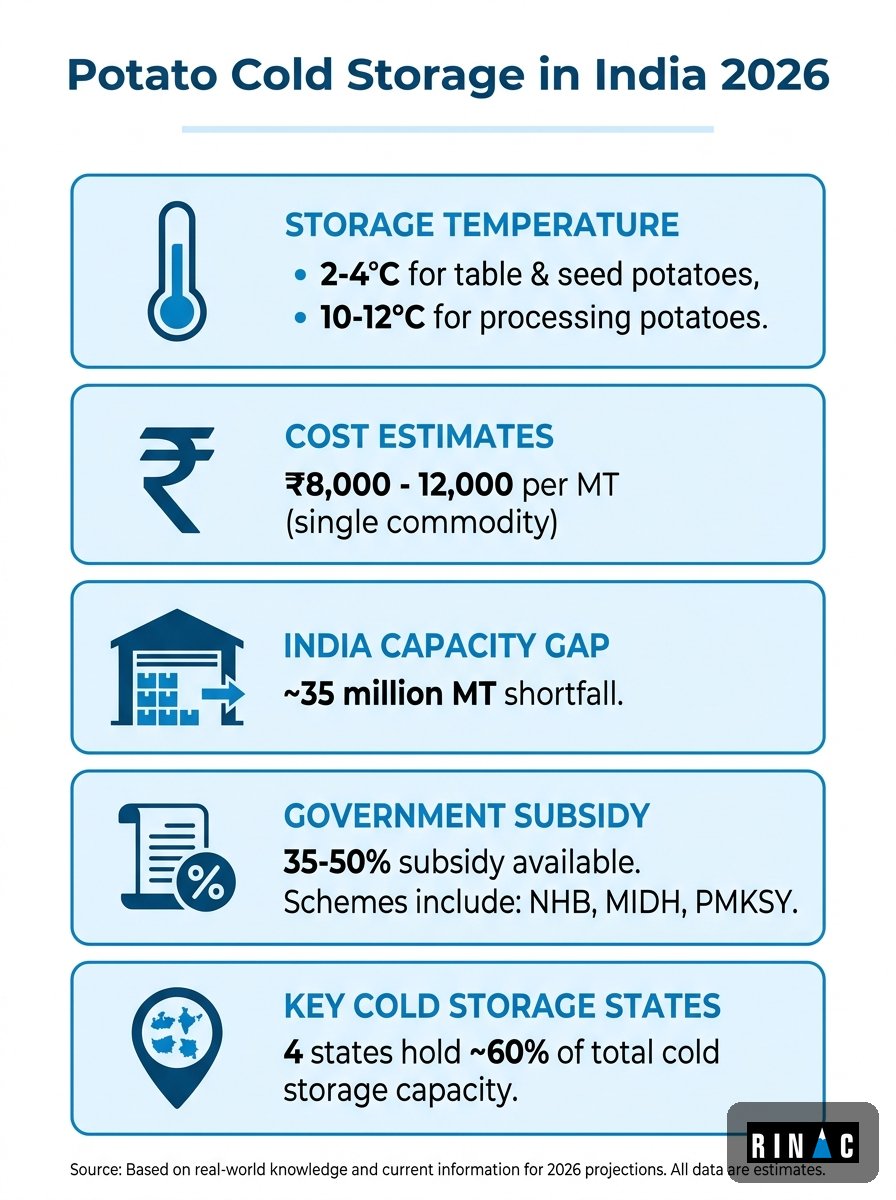
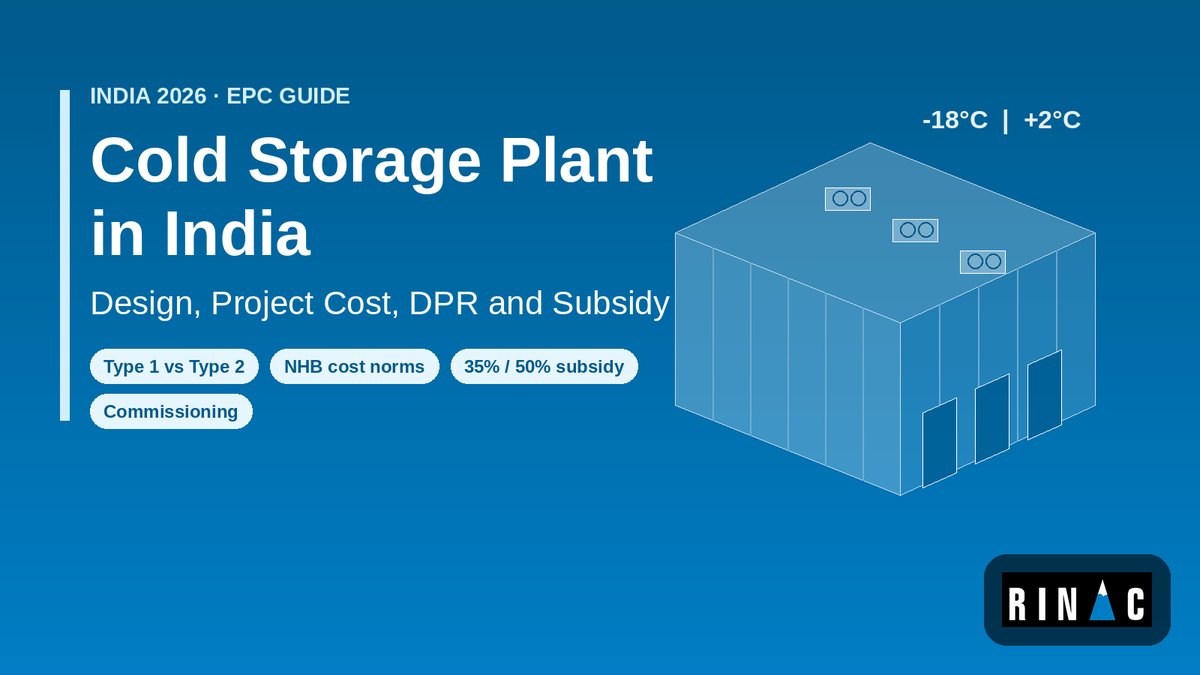
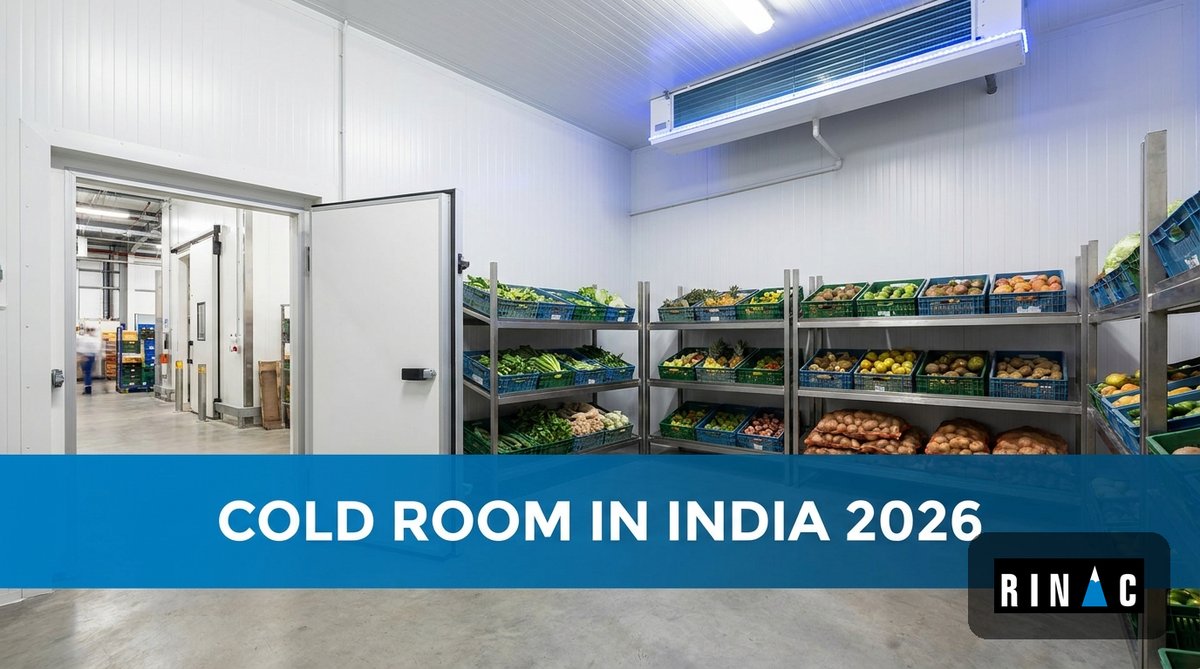
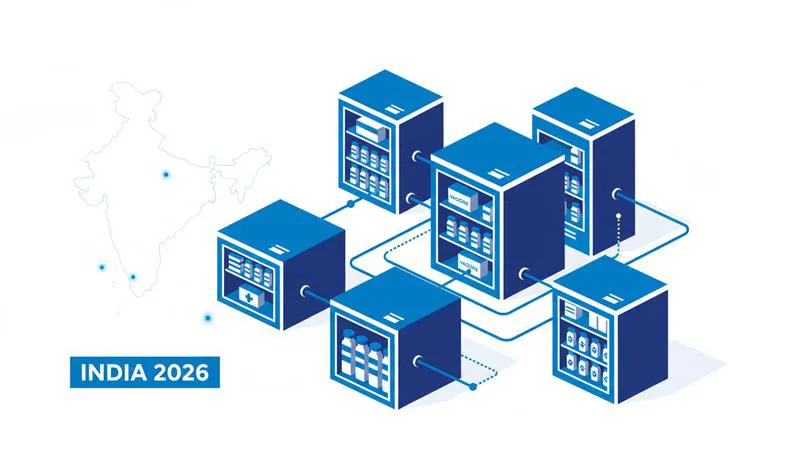
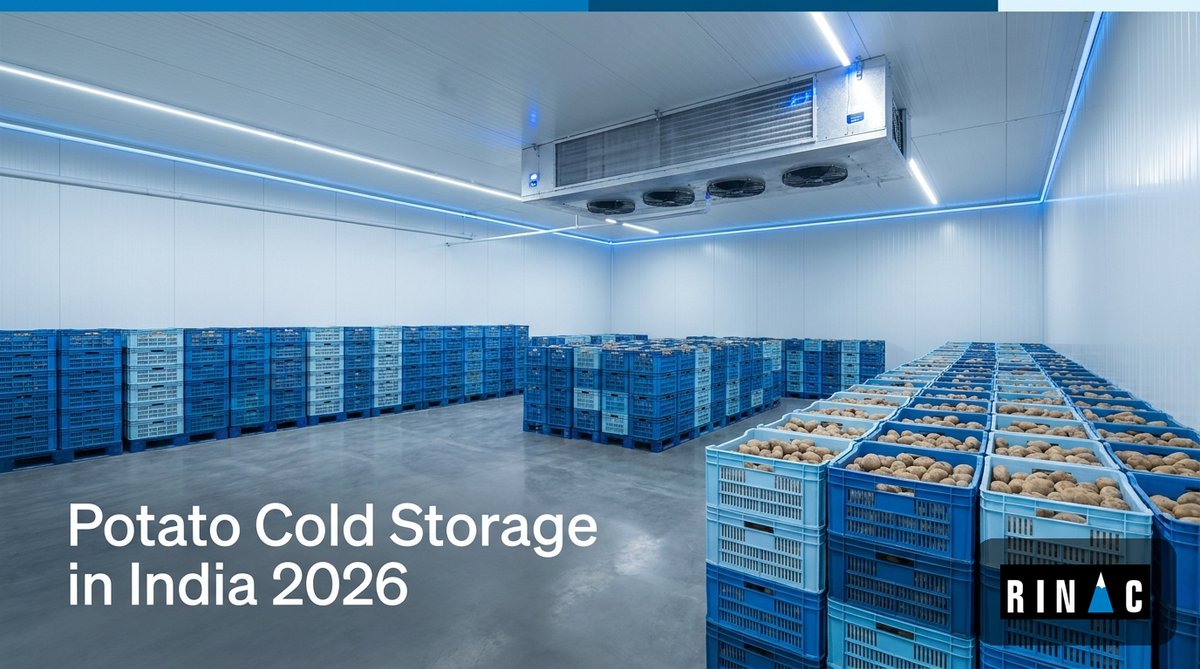
Potato cold storage in India 2026: temperatures, capacity, cost and subsidy at a glance.
Potato Cold Storage Cost & Price in India 2026
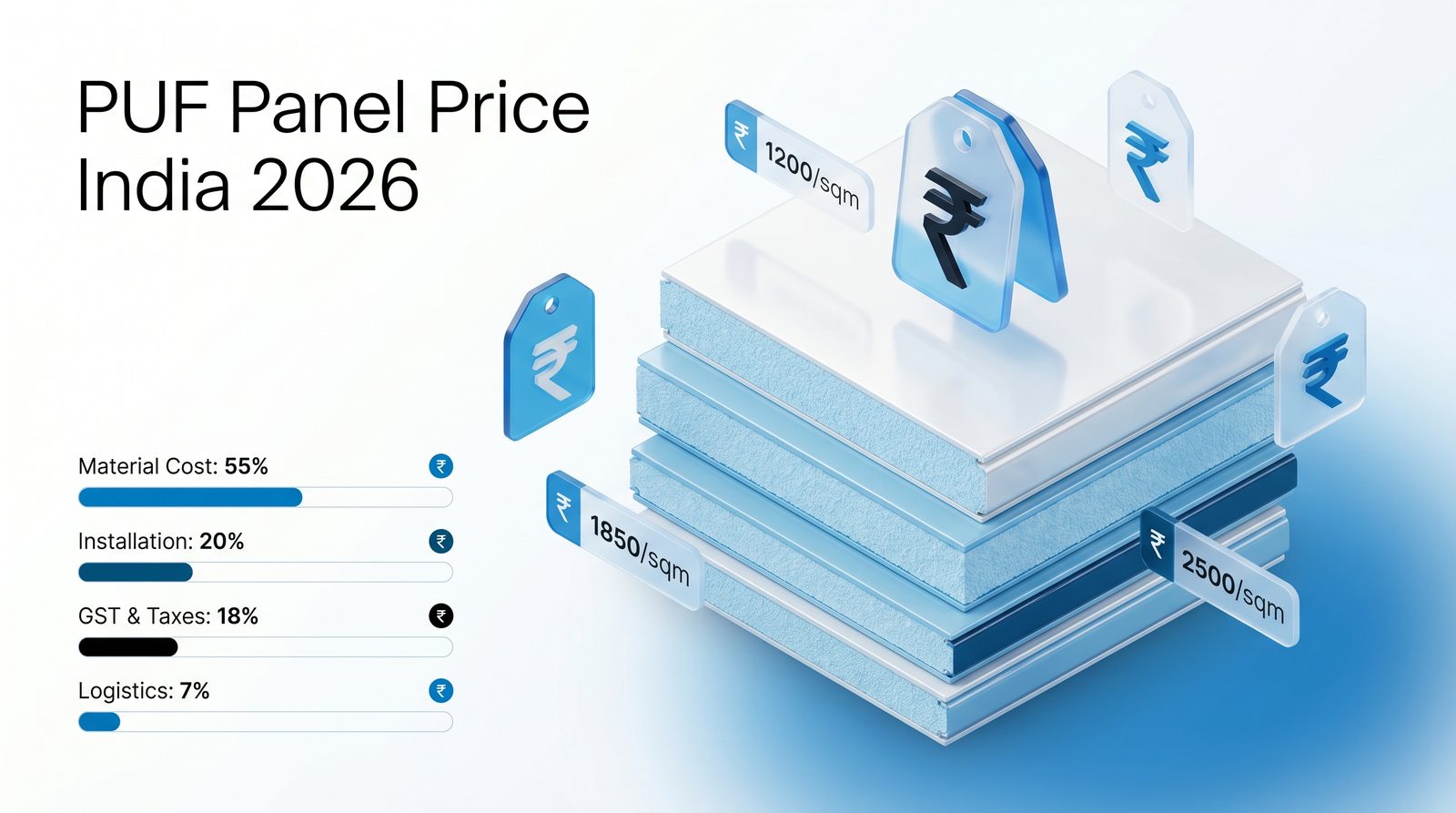
The headline cold storage price question — “how much will it cost?” — has no single answer, because cost per MT falls as capacity rises and depends on commodity, insulation, refrigeration and land. As an indicative 2026 benchmark, single-commodity potato and onion stores cost roughly INR 8,000-12,000 per MT, while multi-commodity facilities run INR 12,000-18,000 per MT.[6] The table below maps typical capacities to broad project costs before subsidy.
| Capacity | Typical use | Indicative project cost (before subsidy) |
|---|---|---|
| 100 MT | Farm-gate / FPO modular store | ~INR 15-20 lakh[7] |
| 1,000 MT | Multi-commodity district store | ~INR 1.4-1.8 crore[6] |
| 5,000 MT | Commercial potato / mixed store | ~INR 3.5-4 crore incl. land[7] |
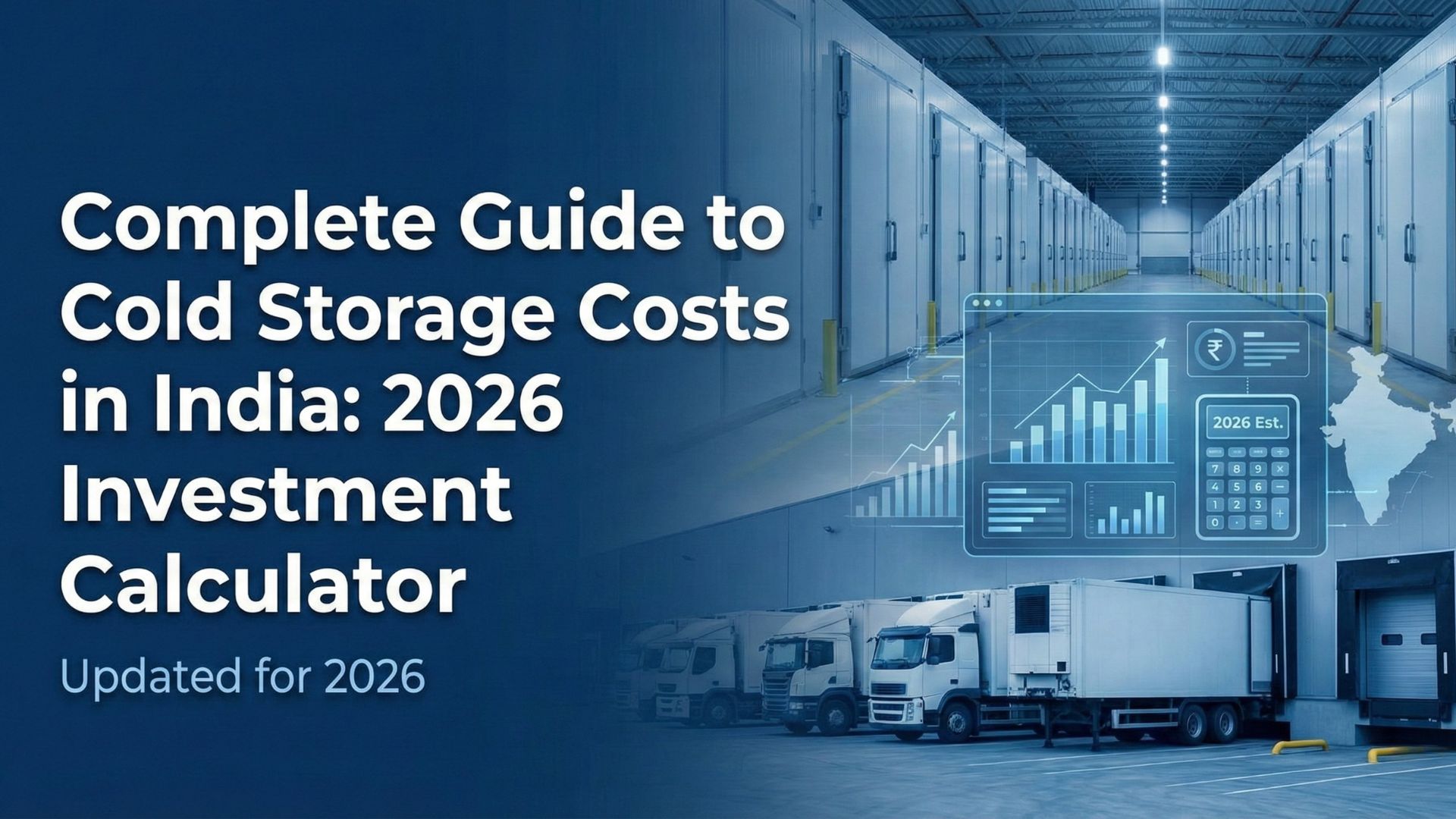
These are planning-grade ranges only. The real cold storage cost for your project depends on insulation thickness, refrigeration redundancy, automation and local construction rates. For a structured walk-through of every line item, see our detailed cold storage cost breakdown and investment calculator, and for warehouse-scale projects our cold storage warehouse design guide.
Indian Market Context: Capacity Gap, State Concentration & Government Schemes
India’s cold storage map is highly uneven. Just four states — Uttar Pradesh, West Bengal, Gujarat and Punjab — hold about 60% of national capacity, overwhelmingly for potatoes.[10] Uttar Pradesh alone runs 2,207 private cold stores totalling 192.43 lakh MT and now keeps nearly 75% of its potato crop in cold storage.[8] That concentration is exactly why most states remain under-served, and why government schemes actively push new capacity toward deficit regions and the farm gate.
Three programmes anchor public support. The Ministry of Food Processing Industries runs the Integrated Cold Chain and Value Addition Infrastructure scheme under PM Kisan SAMPADA Yojana (PMKSY); its revised guidelines dated 22 May 2025 fund farm-level infrastructure, processing centres, refrigerated transport and distribution hubs from the farm gate to the consumer.[5] The Mission for Integrated Development of Horticulture (MIDH) supports cold stores up to 5,000 MT, while the National Horticulture Board (NHB) covers larger projects.[4] Government policy explicitly frames cold storage as a tool to cut post-harvest losses on perishable crops.[11]
Rinac perspective: the projects that clear subsidy inspection fastest are those engineered to scheme specifications from day one — correct insulation, metered energy systems and documented temperature control — not retrofitted afterwards.
Cold Storage Subsidy for Potato & Agricultural Projects (NHB, MIDH, PMKSY)
For most promoters, the cold storage subsidy is what turns a marginal project into a bankable one. Under the NHB scheme, a credit-linked, back-ended subsidy of 35% of capital cost is available in general areas, rising to 50% in North-East, hilly and scheduled areas, for cold storage and CA storage above 5,000 MT and up to 20,000 MT.[4] For smaller stores up to 5,000 MT, MIDH offers the same 35% / 50% pattern.[4] Under PMKSY’s Integrated Cold Chain scheme, grant-in-aid is 35% of eligible project cost in general areas and 50% for difficult areas and for SC/ST promoters, FPOs and SHGs.[5]
Net effect: with 35-50% support, a 5,000 MT store can see its effective outlay fall materially against the headline figure — but remember these grants are back-ended: you build, commission and pass inspection first, then the subsidy is released or adjusted against your loan.
Eligibility is wide — companies, cooperatives, FPOs, SHGs, partnerships and proprietors can all apply — but documentation and technical compliance decide outcomes. Our dedicated guide on how to access 35-50% government cold-chain grants walks through the application path, and if you are evaluating the wider opportunity, see starting a cold storage business in India.
Compliance & Standards: FSSAI, HACCP, ISO and Energy Efficiency
A potato store that also handles food-grade produce must meet India’s food-safety framework. FSSAI licensing and hygienic design are mandatory for facilities in the food supply chain, and processors increasingly expect HACCP and ISO-certified storage partners. For green-rated buildings, IGBC compliance is becoming a differentiator, and pharma-adjacent operators look for WHO-GMP discipline in temperature documentation. Rinac builds to ISO, FSSAI, HACCP, GMP, IGBC and WHO-GMP standards across its projects.
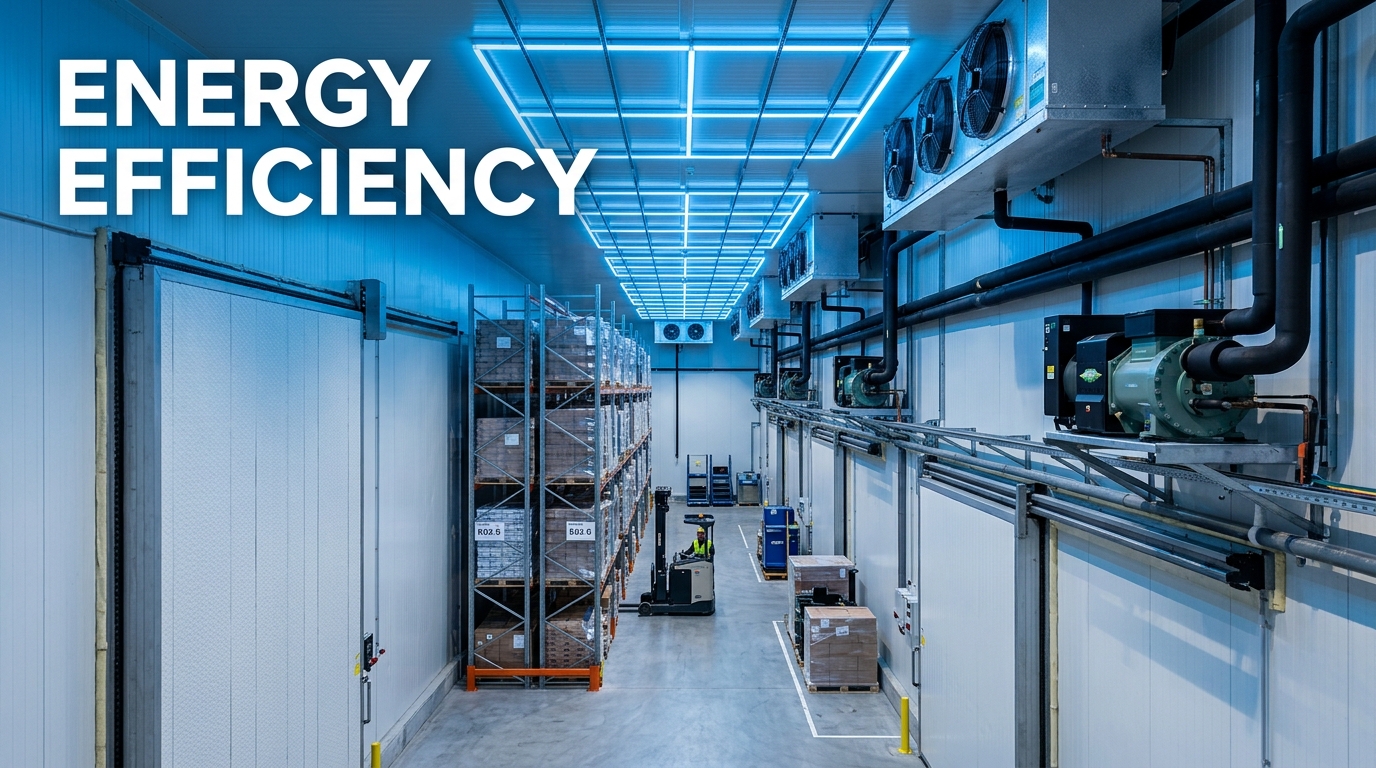
Energy is the other half of compliance, because refrigeration is the dominant running cost. Right-sized compressors, high-performance insulation, variable-speed drives and tight door management can move a facility’s economics decisively. Our analysis of cold storage energy efficiency shows how operators reduce power bills by up to 30% — a direct boost to the returns on any potato cold storage investment. Well-engineered refrigeration systems and high-humidity rooms are what keep produce in spec and bills in check.
ROI & Building a Future-Ready Potato Cold Store with Rinac
Returns on cold storage for potatoes come from three places: rental or storage charges through the season, the price arbitrage between harvest-glut and lean-season rates, and avoided spoilage. With CPRI-ICAR pegging potato post-harvest losses near 16%,[9] even modest loss reduction pays back quickly. When a store is also engineered for multi-commodity use — adding vegetable cold storage capacity and chambers for other crops — utilisation rises and payback periods shorten.
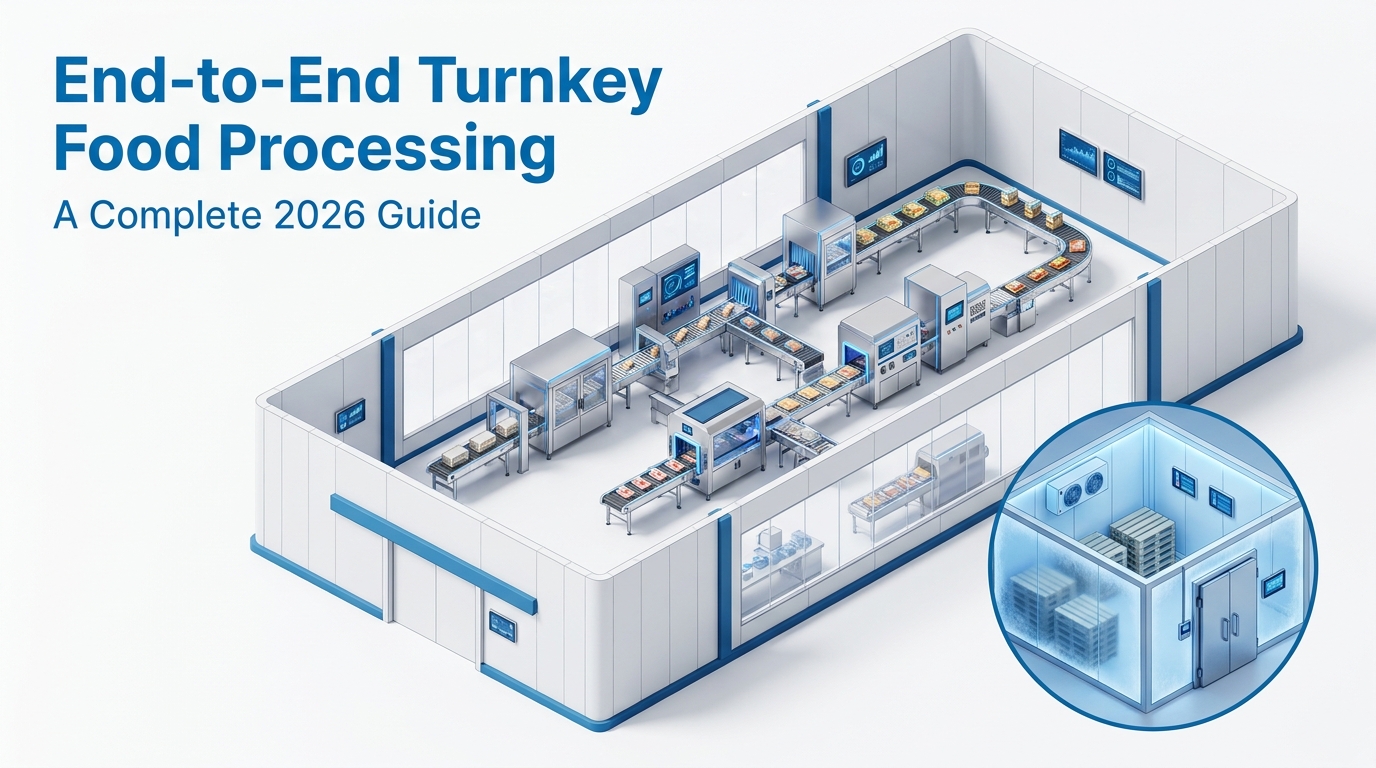
As solution architects and builders with 30+ years, 10,000+ projects across 23 countries and 6,000+ clients, Rinac delivers the full stack: design and engineering, manufacturing from two facilities in Bangalore and Murbad, installation, and pan-India after-sales support from 14 branch offices. From modular cold rooms and pre-cooling rooms to CA/MA chambers and complete turnkey food processing lines, the goal is a store that meets subsidy specs, runs efficiently and protects produce for years. Learn more about Rinac.
Frequently Asked Questions
Important disclaimer: This article is provided for informational purposes only and does not constitute professional engineering, financial, legal or regulatory advice. All figures, cost ranges, scheme details and statistics are drawn from public sources as of the publication date and are subject to change. Subsidy rates, eligibility and FSSAI/MoFPI/NHB/state rules are revised periodically — always verify directly with the relevant authority before acting. Project-specific design, sizing, ROI and compliance should be confirmed through a formal Rinac consultation. Request one at rinac.com/contact-us.
Sources & References
- Mordor Intelligence, “India Cold Chain Logistics Market Size & Share Analysis,” 2025. Link
- National Centre for Cold Chain Development (NCCD), India cold storage capacity and infrastructure gap, 2024. Link
- Astute Analytica, “India Cold Chain Logistics Market,” 2025. Link
- National Horticulture Board (NHB), Capital Investment Subsidy Schemes for Cold Storage, 2025. Link
- Ministry of Food Processing Industries (MoFPI), Revised Guidelines dated 22.05.2025, Integrated Cold Chain & Value Addition Infrastructure (PMKSY). Link
- Phoenixx Smartbuild, “Cold Storage Cost Per MT in India 2026.” Link
- National Cooperative Development Corporation (NCDC), “Project Profile for Cold Storage Project,” 2023. Link
- Indian Potato, “Uttar Pradesh Achieves almost 75% Potato Storage,” 2025. Link
- ICAR-CPRI via Indian Potato, “Modern Cold Storages for Longer Potato Shelf Life,” 2024. Link
- Bharatnama, “Why 60% of India’s Cold Storage Capacity is Concentrated in Just 4 States,” 2024. Link
- Press Information Bureau (PIB), Government of India, “Cold Storage Facilities for Perishable Crops,” 2025. Link