TL;DR – Quick Summary
- A cold chain vaccine system is the unbroken chain of refrigerated storage and transport that keeps vaccines within their safe temperature window, almost always +2°C to +8°C, from the manufacturer to the point of administration.
- India runs the world’s largest immunisation cold chain: over 27,000 functional cold chain points and roughly 29,000 storage centres tracked live on the eVIN platform, with about 95% of points sitting below the district level.
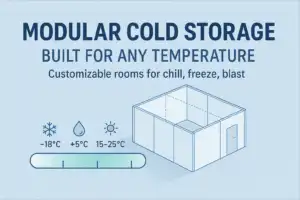
- The equipment layer matters: ice-lined refrigerators (ILR) hold +2°C to +8°C, deep freezers run -15°C to -25°C, and large programmes add walk-in coolers, walk-in freezers and modular cold rooms.
- Compliance is non-negotiable: WHO-GMP, CDSCO Good Distribution Practices, the revised Schedule M, FSSAI and HACCP all shape how a vaccine cold chain must be built, monitored and documented.
- India’s cold chain market was valued at about ₹2,535 billion in 2025 and is forecast to roughly double by 2034, with pharma and biologics the fastest-growing slice.
- As Solution Architects and Builders with 30+ years and 10,000+ projects, Rinac designs, manufactures, installs and services end-to-end vaccine cold chain infrastructure across India.
Disclaimer: This guide is for general information and educational purposes only and is not a substitute for professional engineering, legal, or regulatory advice. Temperatures, equipment specifications, market figures, subsidies, and regulations change over time. Verify all current requirements directly with FSSAI, CDSCO, MoHFW, MoFPI, NHB, and your state health authorities before making procurement or compliance decisions. All external figures cited here are drawn from public sources as of June 2026.
What Is a Vaccine Cold Chain? (And the Two Types of Cold Chain)
A cold chain vaccine system is the temperature-controlled supply chain that protects a vaccine’s potency from the moment it leaves the manufacturing line until it is administered to a child, a pregnant woman, or any patient. Vaccines are biological products. Expose them to too much heat or, for many of them, to freezing, and the active ingredient degrades. Once potency is lost, it cannot be recovered, and a visibly normal vial can still be clinically useless. That is why the vaccine cold chain is treated as the backbone of every immunisation programme, public or private.
When people talk about the “types of cold chain,” they usually mean two complementary dimensions. The first is the distinction between the refrigerated chain (+2°C to +8°C) used for the majority of routine vaccines and the frozen chain (-15°C to -25°C, or ultra-low down to -70°C/-80°C) used for specific products. The second is the operational split between the fixed cold chain (storage equipment that stays in one place, such as cold rooms, ice-lined refrigerators and deep freezers) and the mobile cold chain (vaccine carriers, cold boxes and refrigerated vehicles that move stock to the last mile). A robust programme needs both working in sync.
India’s experience here is world-leading. UNICEF and the Ministry of Health and Family Welfare describe the cold chain as the difference between a vaccine that protects and a vaccine that fails [11]. For businesses moving into temperature-sensitive pharma, the same engineering discipline that powers the Universal Immunization Programme applies to commercial vaccine distribution, and it overlaps heavily with broader pharmaceutical cold storage in India.
Cold Chain Vaccine Temperature Requirements
Temperature is the single most important variable in any cold chain vaccine operation. The widely applied rule, documented in the WHO and MoHFW immunization handbook, is that most vaccines must be stored and transported at +2°C to +8°C [5]. A smaller set of products needs frozen or ultra-low storage. Getting this layer right is the foundation of safe cold chain storage; everything else is built on top of it.
| Temperature band | Typical use | Equipment |
|---|---|---|
| +2°C to +8°C | Most routine vaccines (BCG, DPT, Hep-B, TT, Measles), biologics, many injectables | Ice-lined refrigerator (ILR), walk-in cooler, pharma cold room |
| -15°C to -25°C | Long-term storage of OPV, ice-pack freezing, some frozen biologics | Deep freezer, walk-in freezer |
| -70°C to -80°C (ultra-low) | Select mRNA and specialised products | Ultra-low temperature (ULT) freezer with dry-ice handling |
Freezing is a hidden risk. Many handlers focus only on heat. But several +2°C to +8°C vaccines are damaged by accidental freezing, which is why ice-lined refrigerators, not domestic fridges, are the standard for vaccine storage in India. Always validate that storage stays above 0°C for freeze-sensitive products.
Cold Chain Vaccine Equipment: ILR, Deep Freezers, Walk-in Coolers, Freezers and Cold Rooms
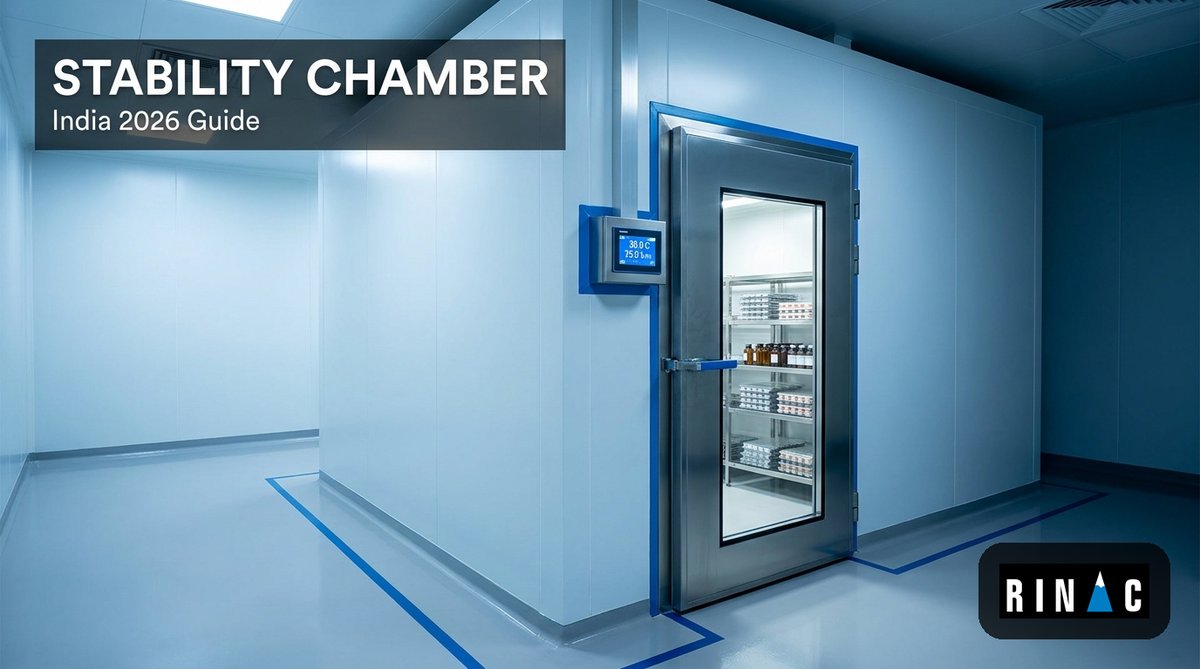
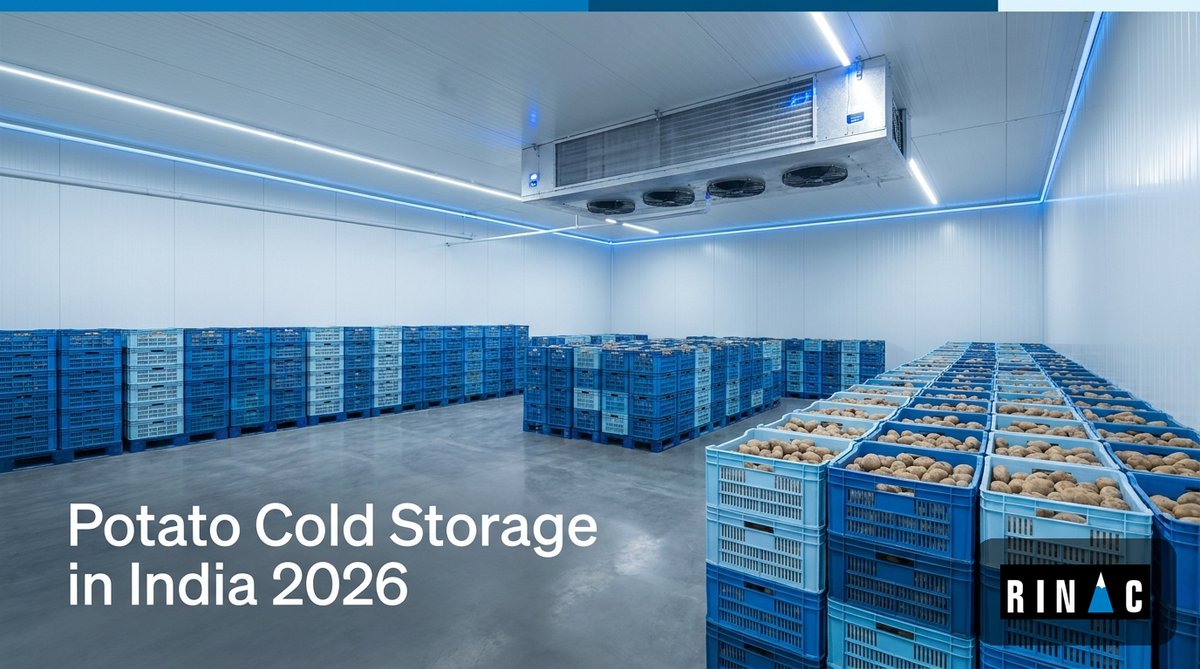
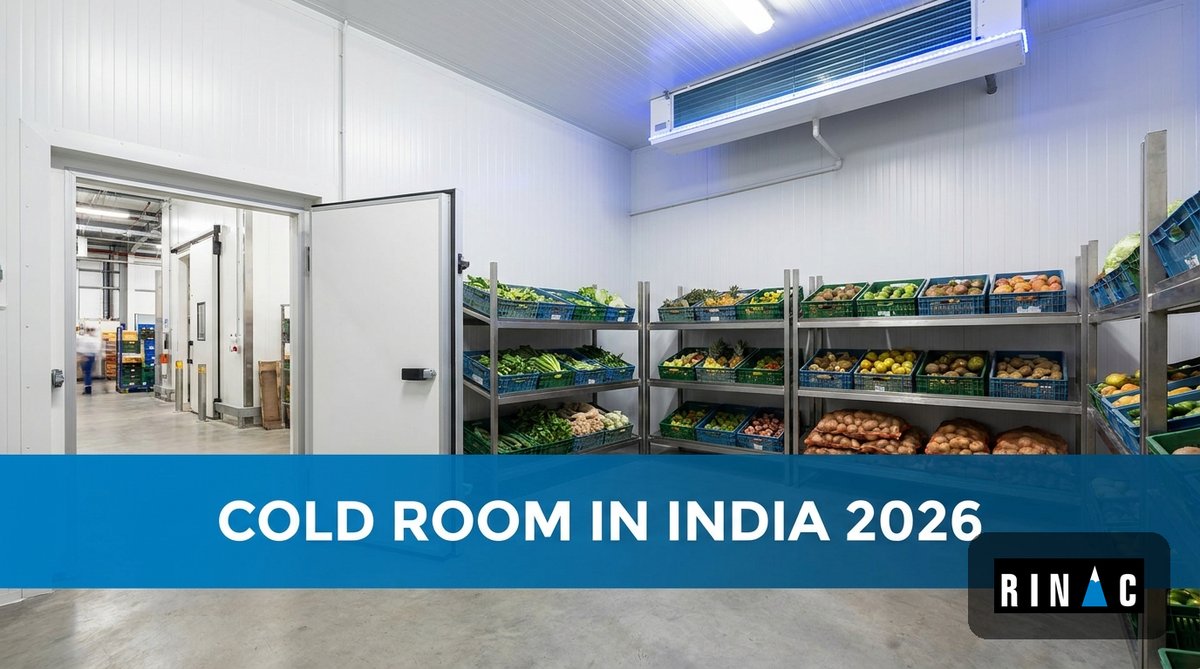
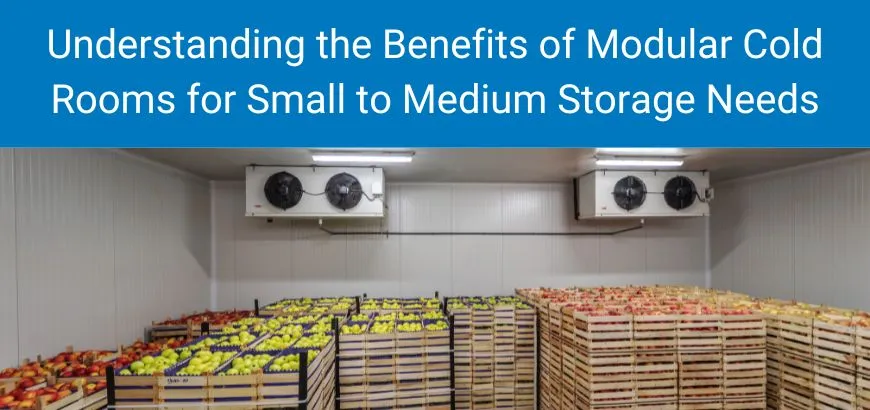
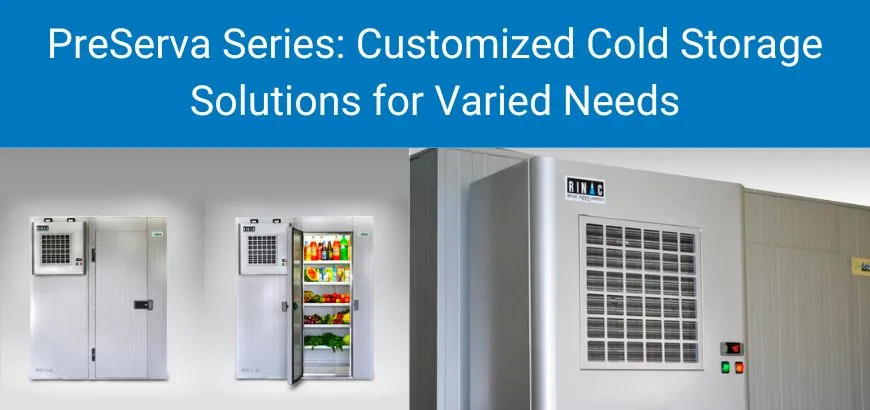
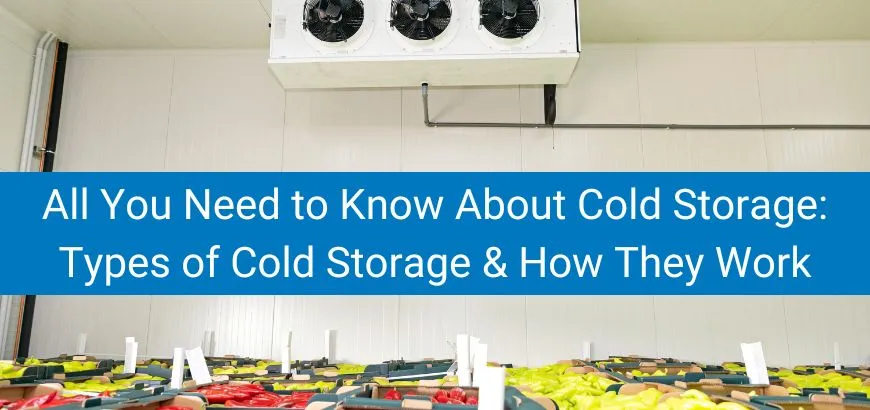
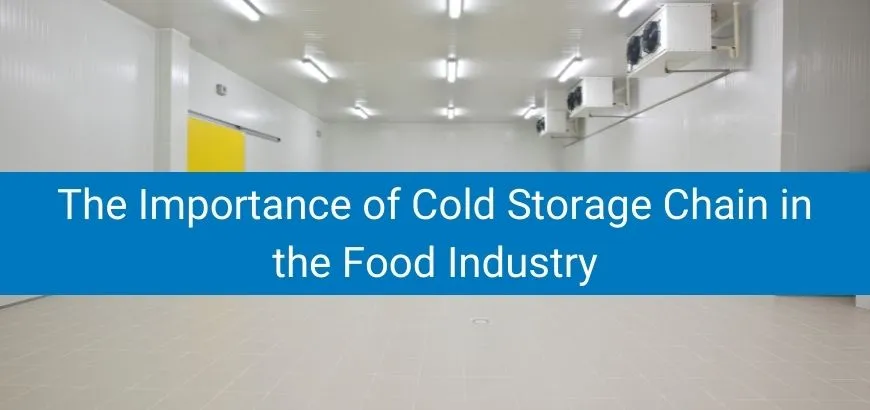
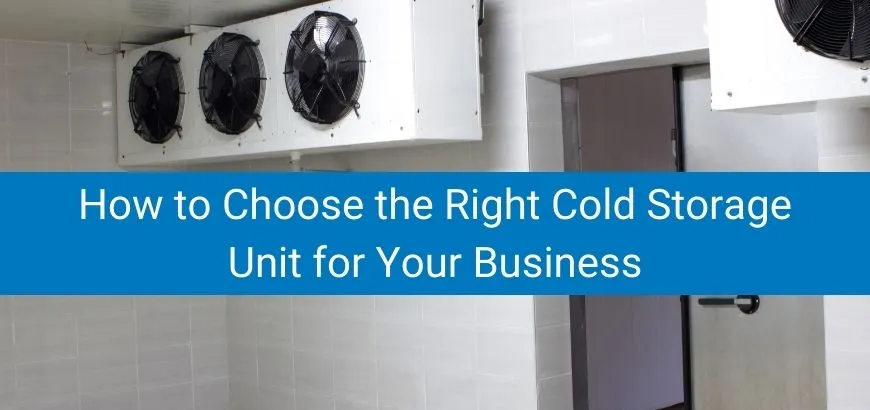
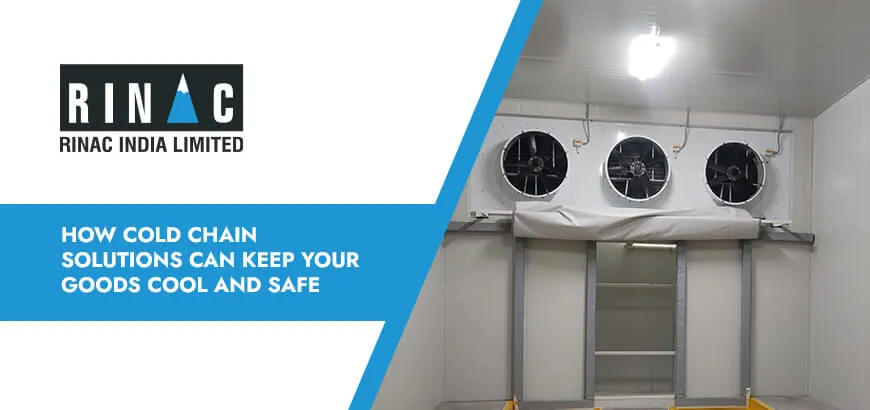
The cold chain vaccine equipment layer scales with volume. A single primary health centre may need only a small ILR and a deep freezer, while a state vaccine store, a private hospital chain, or a pharma distributor needs walk-in coolers, walk-in freezers and engineered cold rooms backed by redundant refrigeration. Understanding each piece helps you specify a system that holds temperature even during India’s frequent power interruptions.
| Equipment | Temperature | Best for |
|---|---|---|
| Ice-Lined Refrigerator (ILR) | +2°C to +8°C | PHCs and districts; holds temperature for hours during power cuts |
| Deep Freezer (DF) | -15°C to -25°C | OPV long-term storage and ice-pack preparation |
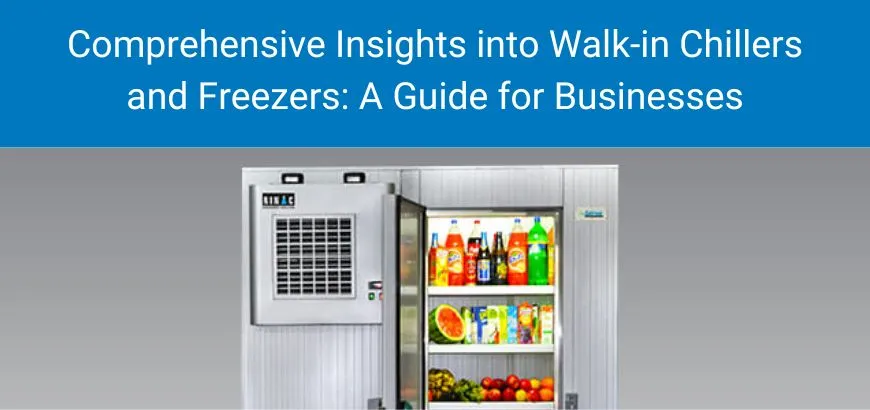
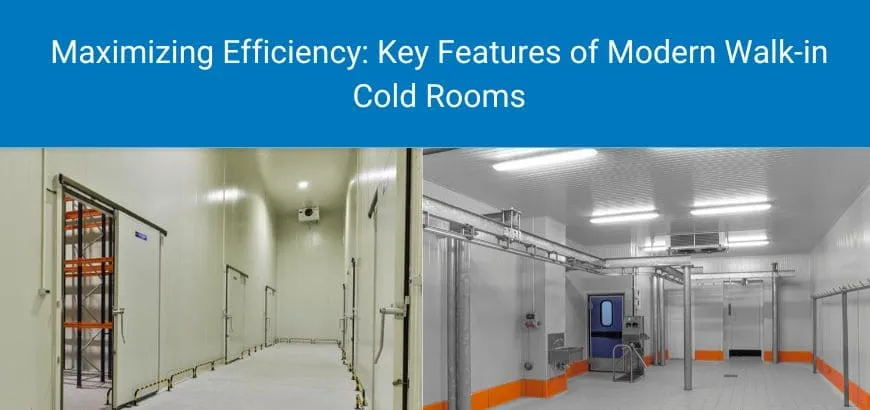
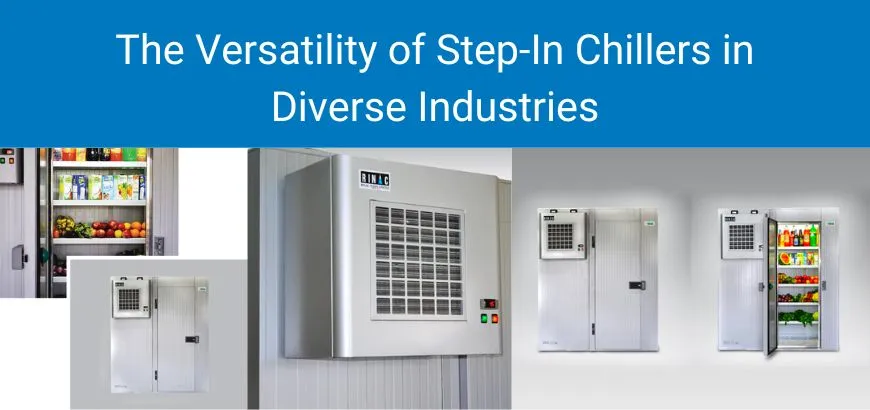
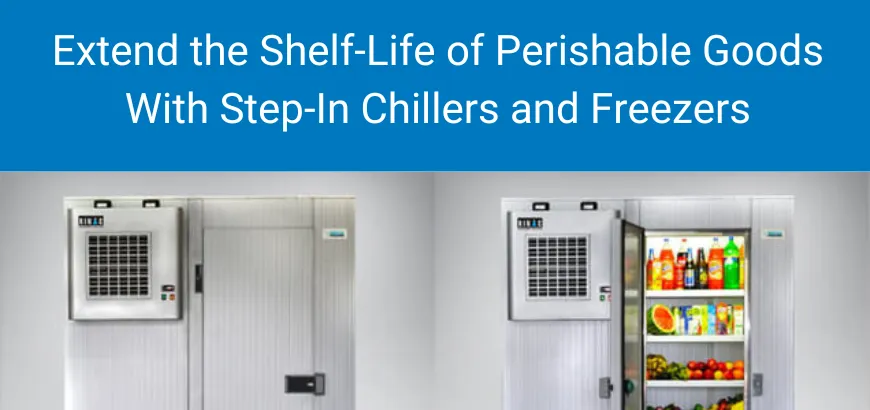
| Walk-in Cooler (WIC) | +2°C to +8°C | State and regional vaccine stores; high-volume buffer stock |
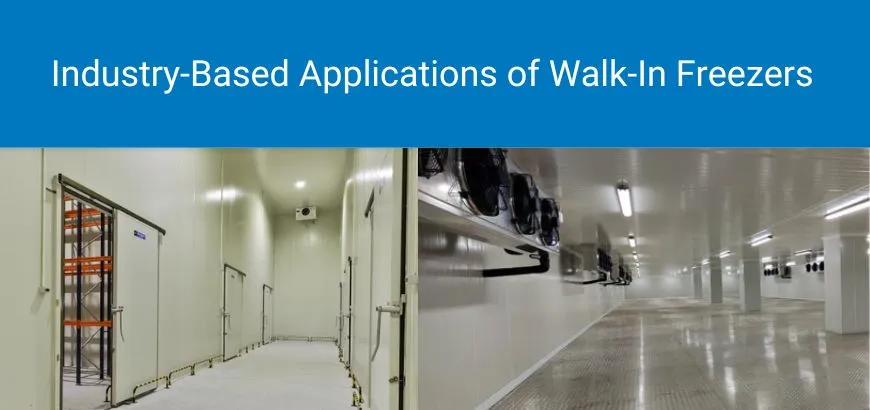
| Walk-in Freezer (WIF) | -15°C to -25°C | Bulk frozen stock and large-scale ice-pack output |
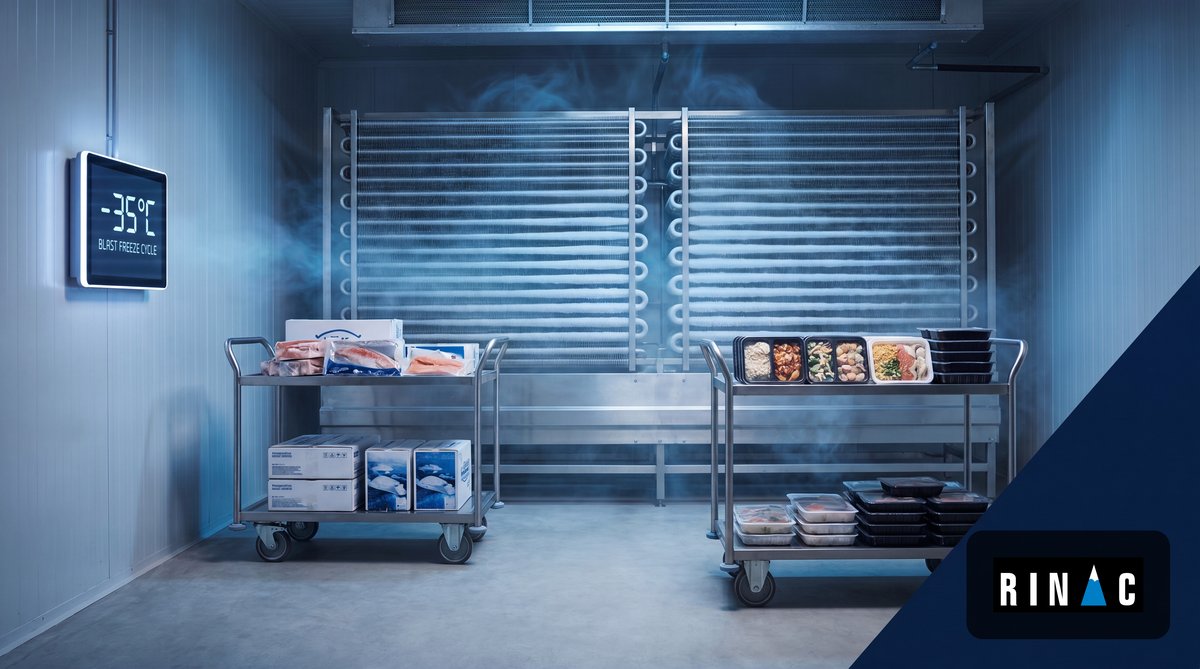
| Pharma cold room / ULT freezer | +2°C to +8°C / down to -80°C | Distributors, hospital chains, manufacturers, specialised products |
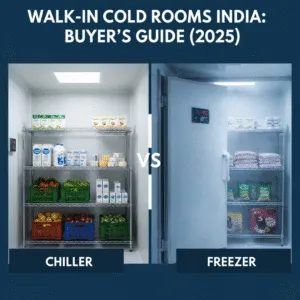
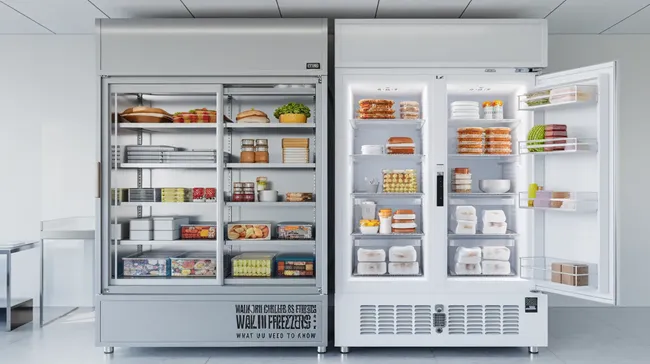
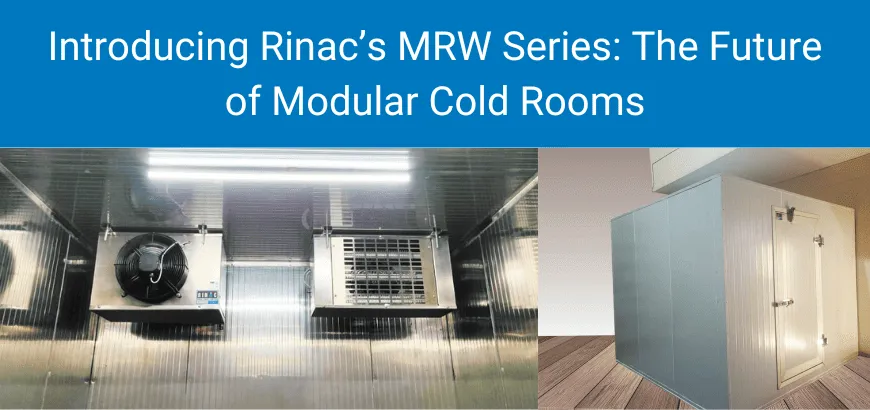
According to handler training material, an ILR is designed to maintain +2°C to +8°C even where mains power is available for as little as eight hours in a 24-hour day, which is exactly why it outperforms a domestic refrigerator in Indian field conditions [6]. For frozen requirements and large buffer volumes, programmes move up to a walk-in freezer, and the choice between a chiller and a freezer configuration is a common design decision we cover in our walk-in chillers vs walk-in freezers guide. Larger facilities increasingly specify modular construction; our cold room buyer’s guide walks through panels, temperature classes and capacity.
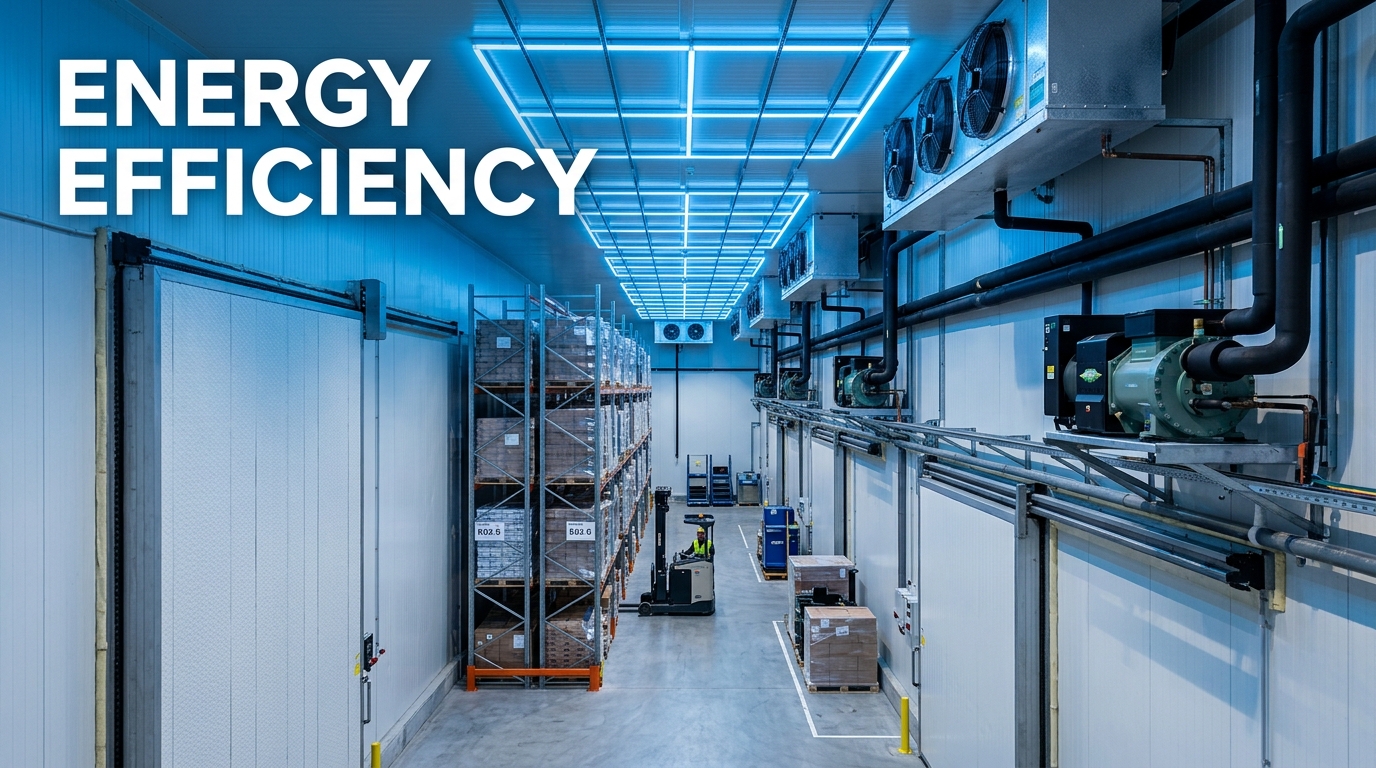
Engineering note: redundancy is the difference between a compliant vaccine store and a recall waiting to happen. Specify standby refrigeration, a backup generator or UPS, and an independent temperature alarm, not just the primary unit. A vaccine cold room is a safety system, not just a box.
Vaccine Cold Chain Logistics and Last-Mile Transport
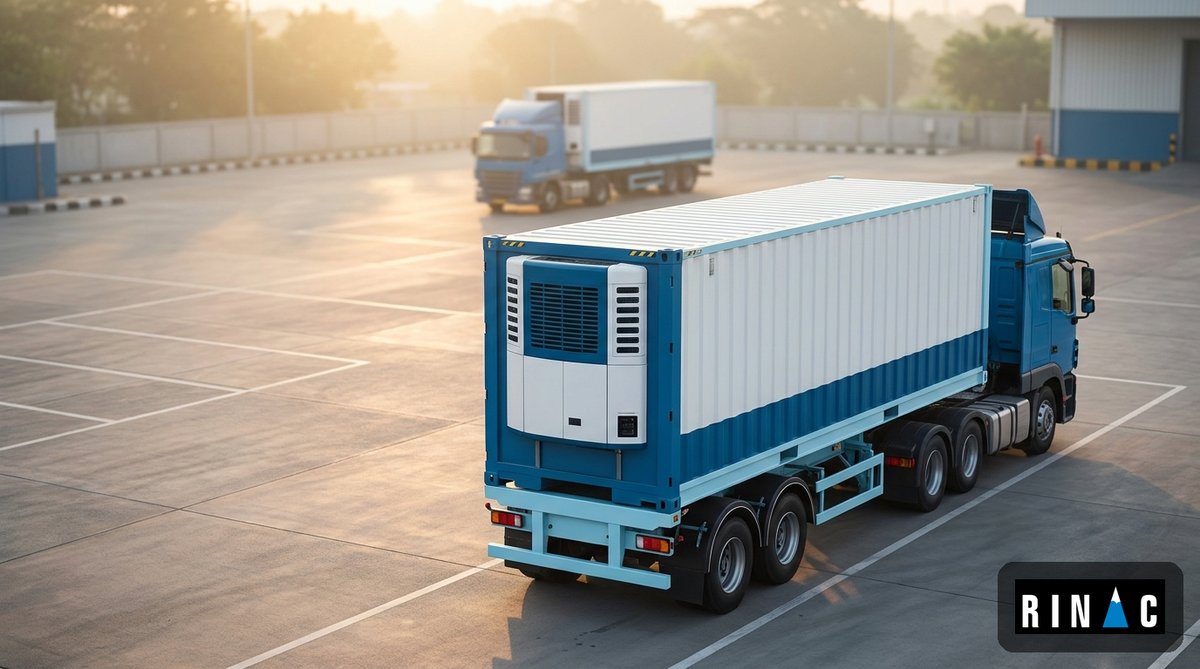
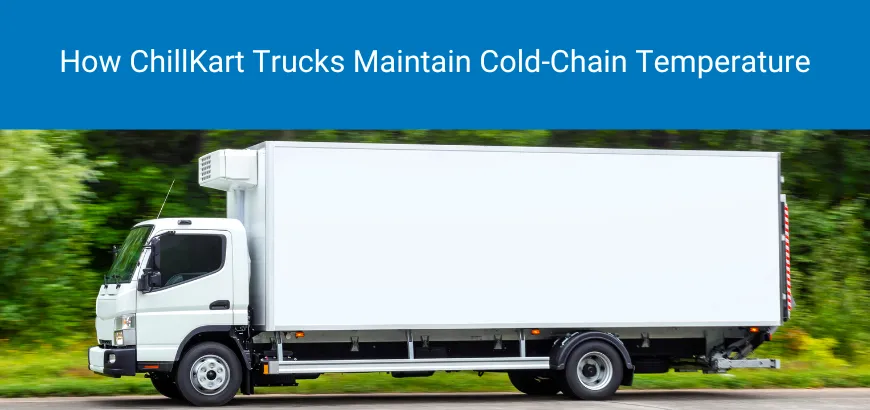
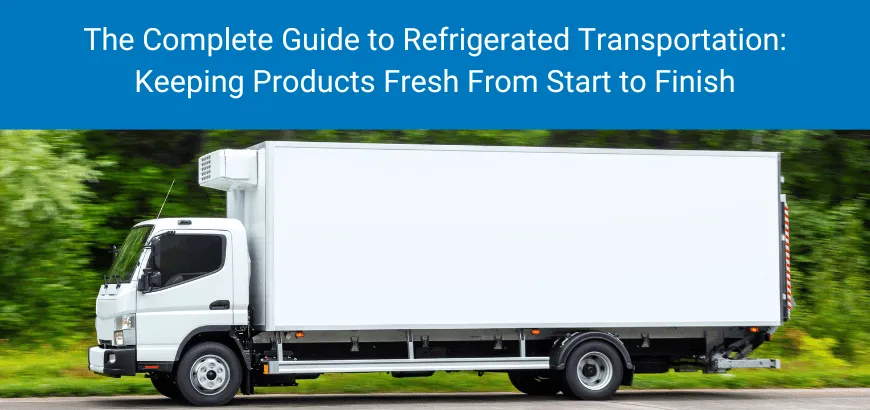
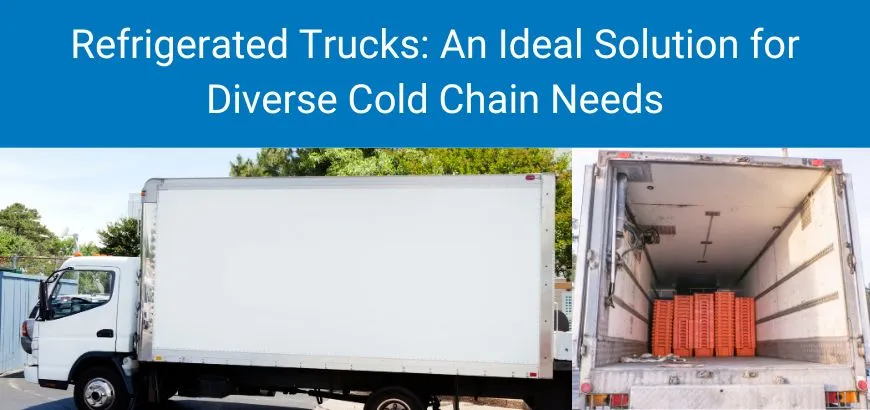
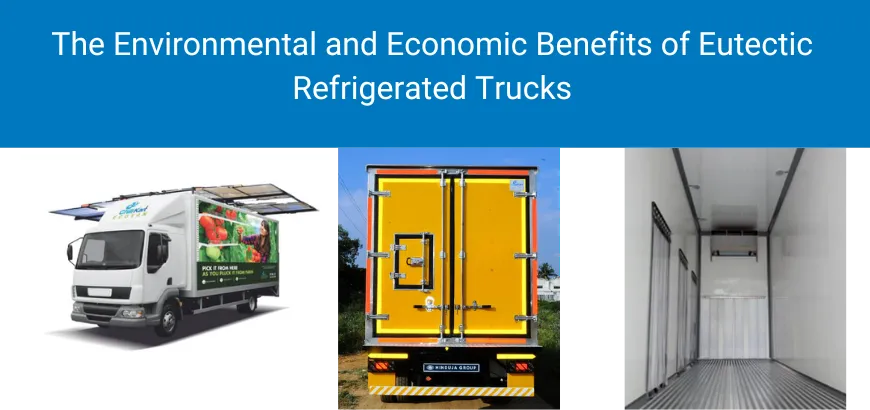
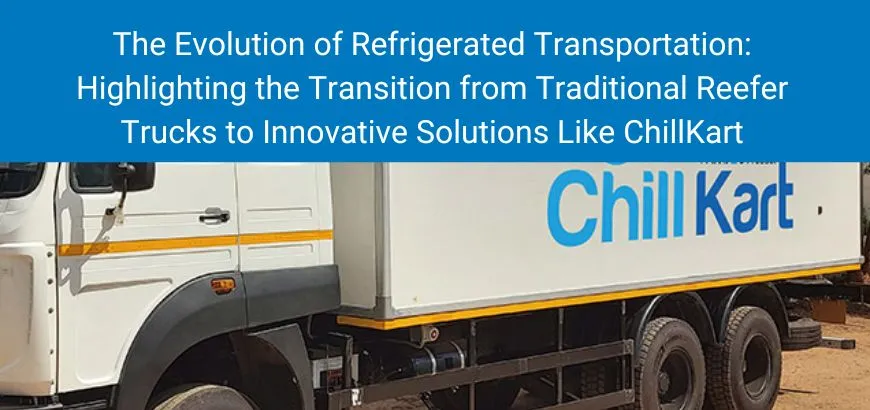
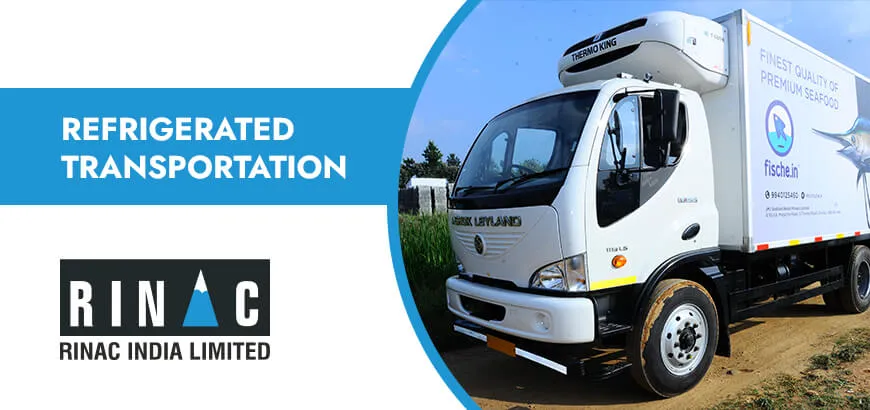
Storage is only half the system. Cold chain transport moves vaccines between the manufacturer, state and regional stores, district stores and the final session site, and every transfer is a moment where temperature can slip. The mobile cold chain uses insulated vaccine carriers and cold boxes with conditioned ice packs for short hops, and refrigerated vehicles (reefers) for bulk movement between stores. The same reefer engineering that protects food protects biologics; our refrigerated transportation systems and the broader guide to refrigerated transport explain how active cooling and data logging keep stock in band end to end.
Strong cold chain logistics in India now depends on real-time visibility. Temperature loggers, GPS and digital dashboards let managers see an excursion as it happens rather than discovering spoilage on arrival. This is the same digital shift reshaping commercial distribution, which we explore in how technology is transforming cold chain logistics operations in India. For organisations building a private vaccine network, integrating monitored transport with a compliant cold chain warehouse is what turns a collection of fridges into an auditable system.
The most common failure point in a cold chain vaccine network is the handover, the moment stock passes from a vehicle to a store or from a store to a session site. Each handover should have a defined responsible person, a calibrated thermometer reading recorded against stock, and a clear rule for what to do when a reading falls outside the safe band. Treating those handovers as formal control points, not informal steps, is often what separates a resilient cold chain vaccine programme from one that loses product quietly over months.
Indian Market Context: eVIN, UIP, Cold Chain Points and Government Schemes
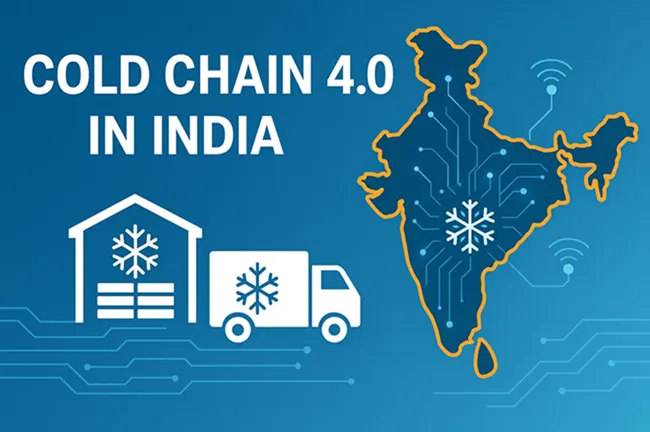
India operates one of the most sophisticated public vaccine cold chains anywhere, and the commercial market around it is expanding fast. The country’s Universal Immunization Programme is supported by upwards of 27,000 functional cold chain points, of which roughly 95% sit below the district level, putting storage within reach of the last mile [3]. Around 29,000 vaccine storage centres transact daily on the Electronic Vaccine Intelligence Network (eVIN), a smartphone and cloud platform built by MoHFW with UNDP support.
27,000+
functional cold chain points in India’s Universal Immunization Programme
functional cold chain points in India’s Universal Immunization Programme
The results of digitising this network are striking. eVIN supports a vaccine availability rate above 99% at cold chain points and has driven an over-80% reduction in stock-outs, with nearly 25,000 temperature loggers installed for real-time monitoring [4]. Invest India describes the country’s ambition to become a global vaccine storage hub on the back of this infrastructure [9].
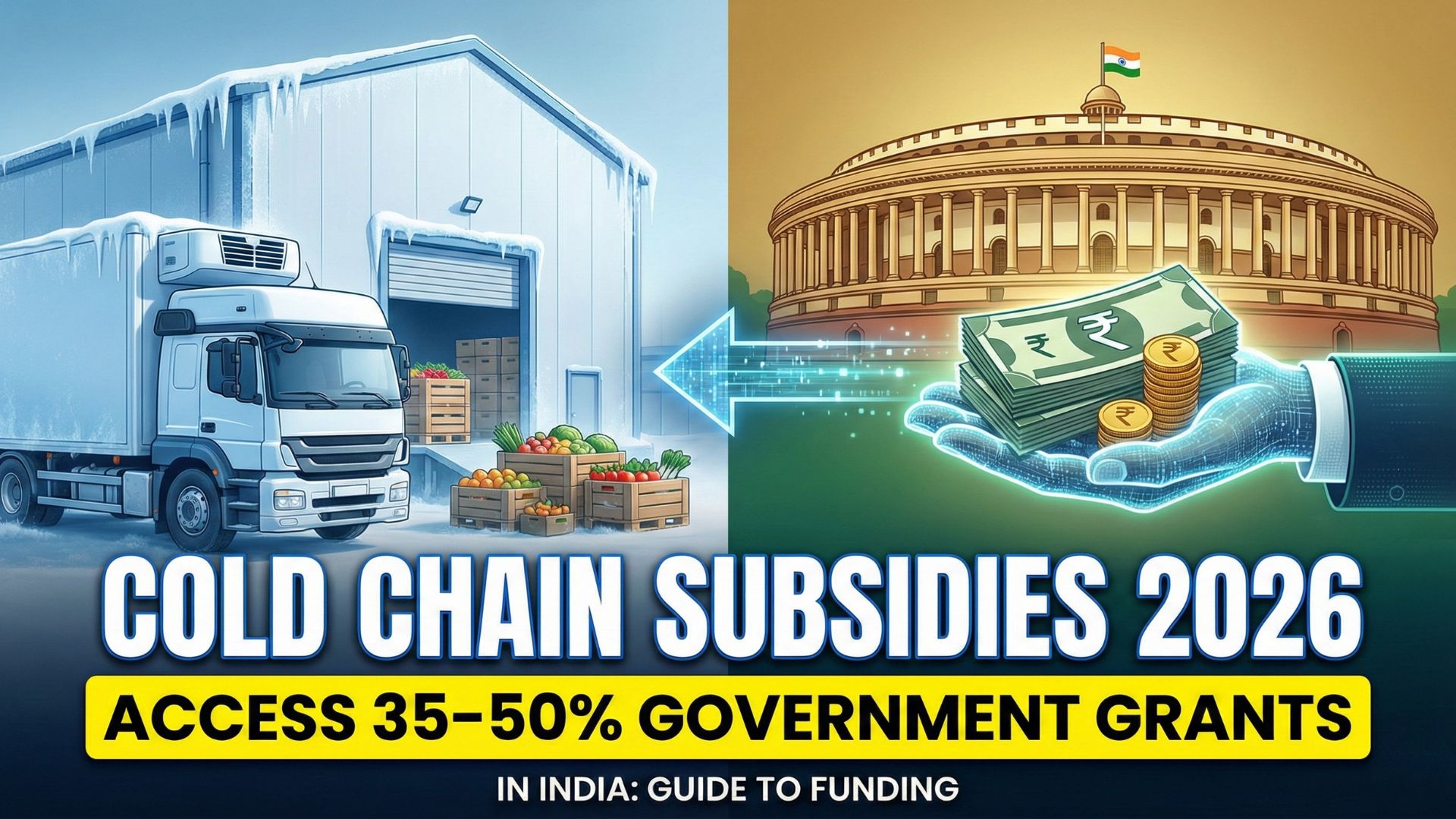
On the commercial side, India’s cold chain market was valued at roughly ₹2,535 billion in 2025 and is projected to reach about ₹6,191 billion by 2034, a CAGR of around 10.4% [1]. The cold chain logistics segment alone is forecast to grow from about USD 23.3 billion in 2025 toward USD 33 billion by 2031, with pharmaceuticals and biologics among the fastest-growing categories [2]. Government schemes underwrite much of the build-out: PM Kisan SAMPADA Yojana and Mission for Integrated Development of Horticulture (MIDH) support cold chain infrastructure, the National Horticulture Board (NHB) backs storage projects, and capital subsidies in the 35-50% range are available for qualifying cold chain investments [10]. We break these down in our 2026 cold chain subsidies guide, and the wider growth picture in inside India’s cold chain boom.
Compliance and Standards: WHO-GMP, CDSCO GDP, Schedule M, FSSAI and HACCP
A cold chain vaccine operation is a regulated environment, and cold chain management for vaccines is increasingly defined by documentation as much as by hardware. The Central Drugs Standard Control Organisation (CDSCO) has implemented WHO Good Distribution Practices (GDP) so that product quality is protected throughout distribution, with the standard storage band for drugs and biologics being +2°C to +8°C and a handful of products needing ultra-low temperatures down to -80°C [7]. CDSCO inspects and licenses cold chain facilities and expects real-time temperature monitoring, deviation logging, and full audit trails.
The regulatory bar is also rising. India’s revised Schedule M brings domestic GMP requirements substantially closer to WHO-GMP, EU-GMP and USFDA expectations, adding structured Pharmaceutical Quality Systems, validation, computerised-system compliance and data integrity under ALCOA+ principles, with compliance deadlines that have moved through 2025 into 2026 for smaller manufacturers [8]. For facilities that also handle food-grade or nutraceutical products, FSSAI licensing and HACCP hazard controls apply alongside ISO quality systems.
Build compliance in, don’t bolt it on. Rinac is certified to ISO, FSSAI, HACCP, GMP, IGBC and WHO-GMP standards, so monitoring points, validated panels, hygienic finishes and documentation are designed into the facility from day one rather than retrofitted before an audit.
Cost, Capacity and ROI: Planning a Vaccine Cold Chain Solution
Designing the right cold chain solutions starts with capacity, not equipment. Map your peak vaccine volume in net storage litres, add buffer for campaigns and seasonality, then size storage at each tier so no single node becomes a bottleneck. Costs vary widely with temperature class, redundancy and automation, so treat any rule of thumb as a planning starting point and confirm with a formal design. Our cold storage cost guide and cold storage warehouse guide give India-specific frameworks you can adapt to a pharma context.
Three levers move lifetime ROI more than purchase price. Energy is the largest running cost, so high-performance insulated panels, efficient refrigeration and smart controls pay back over years. Uptime protects inventory value: one prevented excursion on a high-value biologic can offset the entire cost of redundancy. And subsidy capture can cut capital outlay materially where the project qualifies under SAMPADA, MIDH or NHB schemes. The right partner models all three before a single panel is cut.
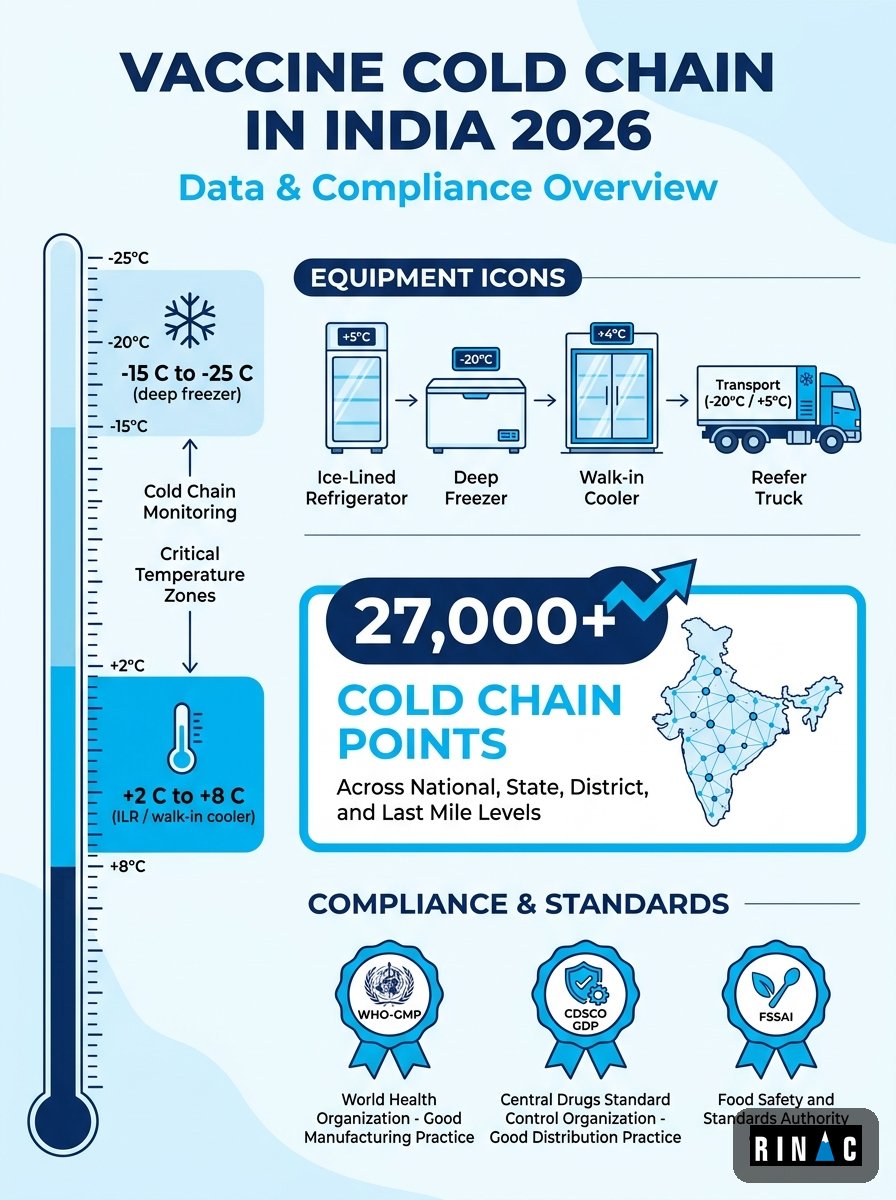
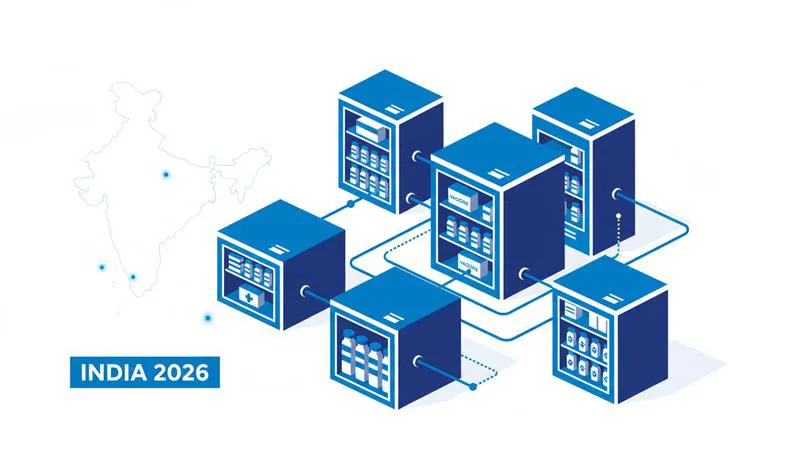
India’s vaccine cold chain at a glance: temperature bands, core equipment, infrastructure scale and compliance stack.
Designing and Building Vaccine Cold Storage with Rinac
Rinac is not just an equipment supplier; we are Solution Architects and Builders who take a vaccine cold chain from concept to commissioning and beyond. Over 30+ years and 10,000+ projects across 23 countries, we have served 6,000+ clients including ITC, Tata, Reliance, Nestle and Biocon, supported by two manufacturing facilities in Bangalore and Murbad and 14 branch offices for pan-India service. For temperature-controlled pharma and vaccine work, that means in-house refrigeration systems, validated panels, monitored cold rooms and after-sales coverage under one accountable roof.
A typical engagement runs in clear stages. We start with a needs assessment and capacity model, move to facility design with redundancy and monitoring built in, manufacture and install the cold rooms, ILR-class storage and freezers, then validate temperature mapping and hand over with documentation aligned to WHO-GMP and CDSCO expectations. Whether you are a private hospital network, a vaccine distributor, a CDMO or a public-health partner, the goal is the same: an auditable, resilient cold chain vaccine system that keeps every dose potent. Get the engineering right once, and the cold chain vaccine infrastructure becomes a quiet asset that protects both patients and inventory for decades.
Frequently Asked Questions
Important disclaimer. This article is provided for informational and educational purposes only and does not constitute professional engineering, medical, legal, or regulatory advice. It is not a substitute for consultation with qualified professionals. Vaccine handling, storage temperatures, equipment specifications, market figures, subsidy rates and regulations change and vary by product and jurisdiction; all external statistics are drawn from public sources as of June 2026 and may since have changed. Always verify current requirements directly with FSSAI, CDSCO, MoHFW, MoFPI, NHB and the relevant state authorities, and confirm manufacturer label instructions before storing or transporting any vaccine. For project-specific design, capacity sizing, ROI and compliance, obtain a formal Rinac consultation at rinac.com/contact-us.
Sources & References
- IMARC Group, India Cold Chain Market (2025).
- Mordor Intelligence, India Cold Chain Logistics Market (2025).
- UNDP India, Improving Vaccination Systems (eVIN).
- Press Information Bureau, Government of India, eVIN (2020).
- WHO / MoHFW, Immunization Handbook, Unit 4: Cold Chain & Logistics Management.
- NCCVMRC, Handbook for Vaccine & Cold Chain Handlers.
- CDSCO, Guidelines on Good Distribution Practices for Pharmaceutical Products.
- CDSCO Schedule M, Indian GMP Requirements (WHO-GMP alignment) (2025).
- Invest India, Cold Chain Revolution: India’s Path to Becoming the Vaccine Storage Capital.
- IBEF, How Cold Chain Infrastructure Is Transforming India’s Agriculture.
- UNICEF India, From Cold Chain to Care.