TL;DR – Quick Summary
- A reefer container is an insulated, actively refrigerated shipping container (typically 20 ft or 40 ft High-Cube) that holds cargo anywhere from roughly -30°C to +30°C, making it the backbone of temperature-controlled transport and on-site frozen storage.
- In India in 2026, a 20 ft reefer container generally costs about ₹5-10 lakh and a 40 ft unit about ₹8-15 lakh, while a purpose-built reefer truck or refrigerated van adds the chassis and running cost on top.
- India runs on roughly 10,000 refrigerated vehicles against an estimated need of 62,000 – an ~85% gap that drives 5-15% post-harvest losses in fruit and vegetables.
- Government schemes (PM Kisan SAMPADA Integrated Cold Chain, MIDH/NHB, the Agri Infrastructure Fund) offer 35-50% grant-in-aid or subsidised credit that can include reefer transport.
- Choosing between a reefer container, a reefer truck and a refrigerated van comes down to cargo temperature, distance, volume and compliance (FSSAI, HACCP, WHO-GMP) – the focus of this guide.
Disclaimer: This guide is for general information only and is not a substitute for professional engineering, legal or regulatory advice. Prices, subsidy rates and regulations change frequently – verify current figures directly with FSSAI, MoFPI, NHB and your state agencies before making a decision. All external figures are sourced from public references as of July 2026.
Why Reefer Containers and Refrigerated Transport Matter in India (2026)
India grows more fruit and vegetables than almost any country on earth, yet a large share never reaches the plate in good condition. According to a 2022 NABCONS study commissioned by the Ministry of Food Processing Industries, post-harvest losses run at 6.02-15.05% for fruits and 4.87-11.61% for vegetables, with perishables losing 15-20% nationally [6]. A big reason is the missing middle of the cold chain: the refrigerated link that moves produce, dairy, seafood, meat and pharmaceuticals from farm or factory to market. This is exactly where the reefer container and its road cousins – the reefer truck and refrigerated van – do their work.
The scale of the shortfall is stark. India operates roughly 10,000 refrigerated vehicles against an estimated requirement of at least 62,000 units to run a smooth national cold chain – an infrastructure gap close to 85% [5]. Meanwhile the wider cold chain market is booming, valued at about US$26.60 billion (₹2,28,700 crore) in 2024 and projected to grow at a 10.86% CAGR to US$70.50 billion by 2033 [2]. For food processors, exporters, dairies, fisheries and pharma companies, temperature-controlled transport is no longer optional – it is the difference between a saleable product and a write-off.
~85%
Estimated gap between India’s reefer vehicle fleet (~10,000) and the ~62,000 needed
Estimated gap between India’s reefer vehicle fleet (~10,000) and the ~62,000 needed
As refrigerated transportation solution architects with 30+ years and 10,000+ cold chain projects delivered, Rinac sees the same questions from buyers again and again: what does a reefer container actually cost, what temperature can it hold, and how does it compare with a dedicated reefer truck? This guide answers those questions with India-specific data, and links the decision back to compliance and subsidy realities on the ground.
What Is a Reefer Container and How Does Reefer Transport Work?
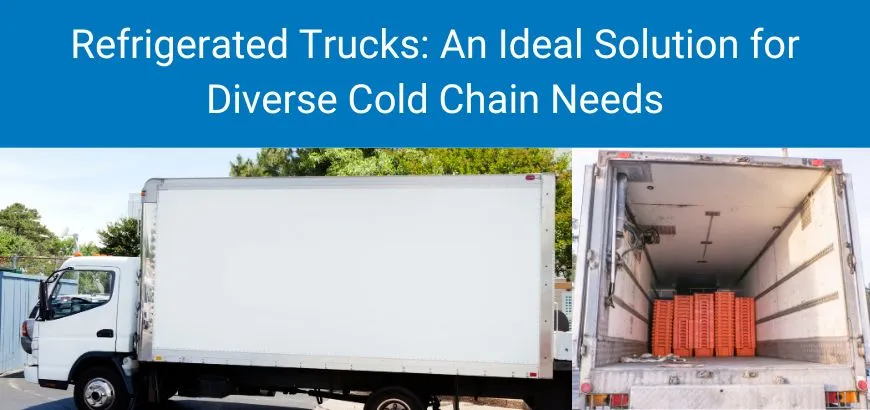
A reefer container (short for “refrigerated container”) is an ISO shipping container fitted with an integral refrigeration unit and insulated walls, floor and ceiling. Unlike a plain “dry” container, it actively controls temperature, humidity and air exchange so that perishable cargo stays within a precise band throughout a journey – whether that journey is intermodal (ship, rail and road) or a static deployment as an on-site frozen store. A standard reefer typically holds cargo from about -30°C to +30°C [10], which covers everything from deep-frozen shrimp to chilled dairy and tropical fruit held above chilling-injury thresholds.
The core components
Every reefer works on the same principles that drive a cold room or blast freezer: a compressor, condenser and evaporator move heat out of the box, while a controller holds the set-point. The key parts a buyer should understand are:
- Refrigeration unit (the “reefer unit”): the sealed system that removes heat. On a container it draws power from a ship, a quay, a grid connection or a diesel genset; on a reefer truck it is usually driven off the engine or a standalone unit.
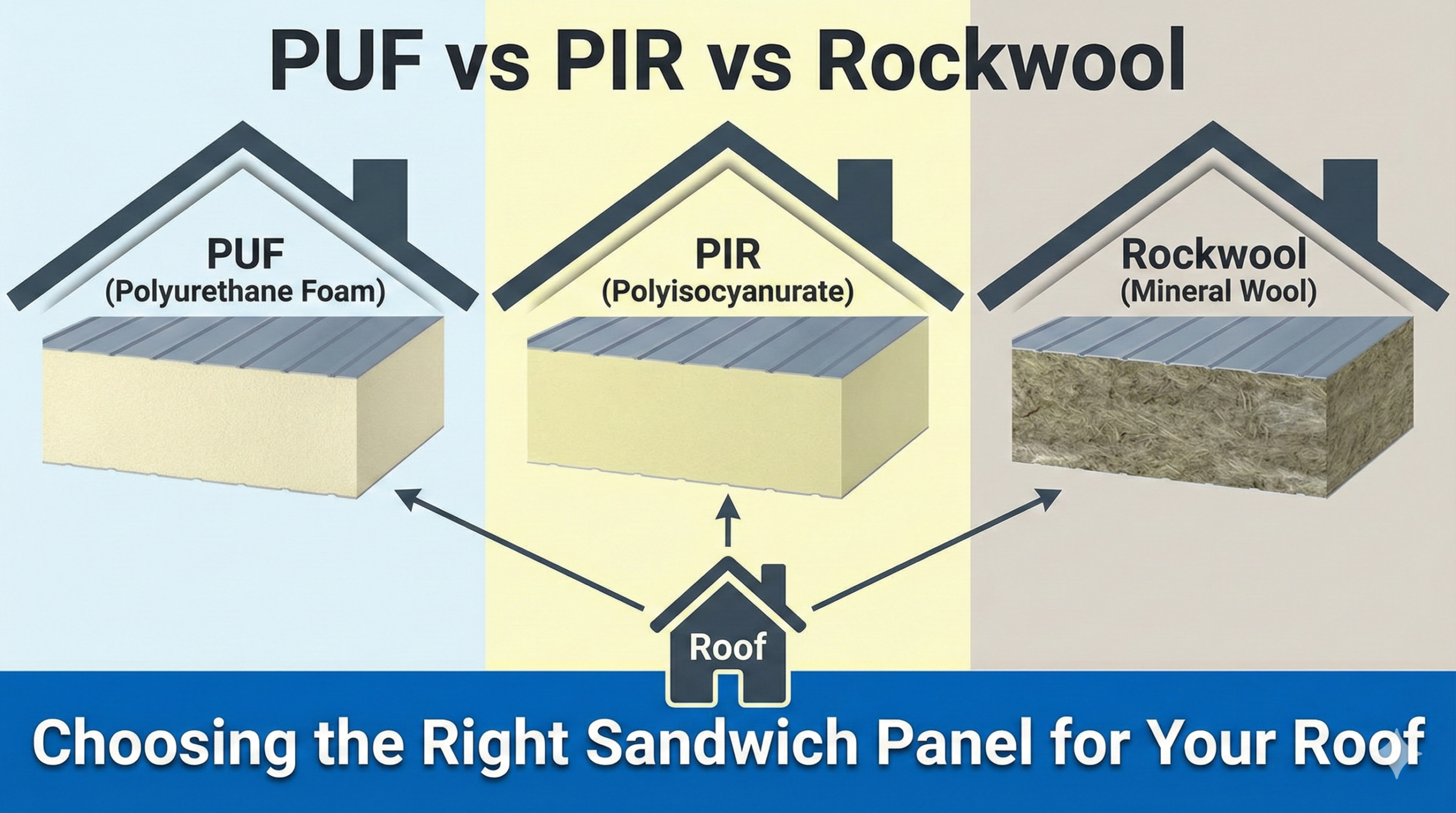
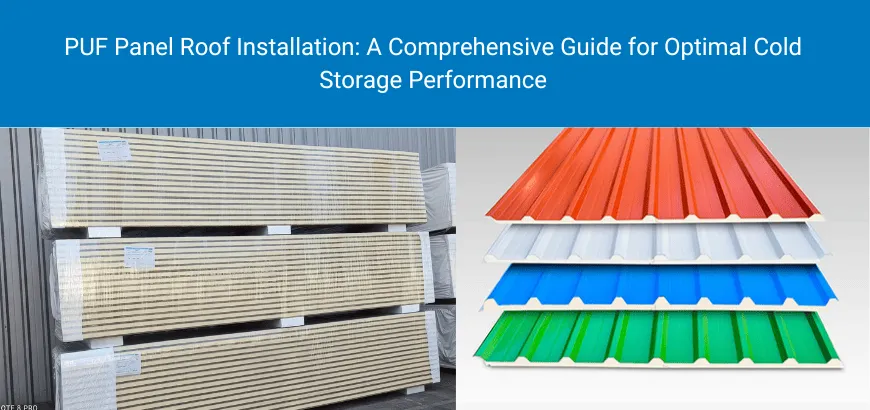
- Insulation: polyurethane (PUF/PIR) panels that resist heat ingress. Better insulation means lower running cost and tighter temperature control – the same panel physics Rinac uses across its cold chain builds.
- Airflow (T-floor): a grooved floor that forces chilled air up and around the cargo so every pallet sees the set-point, not just the front row.
- Controller and telematics: the brain that maintains temperature and logs it. Modern units add GPS and IoT sensors so shippers can prove the cold chain was never broken.
Expert note: a reefer maintains cargo temperature – it does not pull down warm cargo quickly. Freeze or chill your product first in a blast freezer or cold room, then load it cold. Using a reefer to “cool down” a hot load is the single most common cause of cold chain failures we see in the field.
Reefer Container Sizes and Specifications (20 ft and 40 ft)
Two sizes dominate the Indian market: the 20 ft reefer container and the 40 ft High-Cube. The 20 ft is the workhorse for on-site storage, smaller shippers and last-mile hubs; the 40 ft HC is the export and high-volume choice. Indicative specifications are below (always confirm exact figures against the specific unit, as they vary by make and refrigeration unit).
| Parameter | 20 ft Reefer | 40 ft High-Cube Reefer |
|---|---|---|
| Internal length (approx.) | ~5.4 m | ~11.6 m |
| Internal volume (approx.) | ~28 m³ | ~67 m³ |
| Max payload (approx.) | ~27-28 tonnes | ~29-30 tonnes |
| Temperature range | ~ -30°C to +30°C | ~ -30°C to +30°C |
| Typical use | On-site storage, small shippers, last mile | Exports, high-volume intermodal freight |
Dimensions are indicative and based on standard ISO reefer specifications [10]. Confirm exact figures for the specific unit.
Reefer Truck vs Refrigerated Van vs Reefer Container: Which Do You Need?
Buyers often use “reefer truck”, “refrigerated truck”, “refrigerated van” and “reefer container” interchangeably, but they solve different problems. The right refrigerated vehicle depends on payload, distance, cargo temperature and how the box is powered. Here is a practical comparison.
| Mode | Best for | Typical payload | Notes |
|---|---|---|---|
| Refrigerated van | Urban last-mile: dairy, ice cream, pharma, QSR | Up to ~1.5 tonnes | Agile, city-friendly, lower capex |
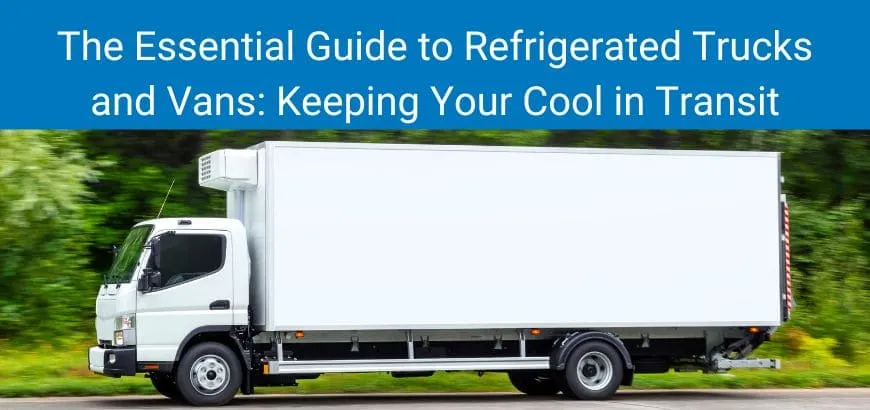
| Reefer truck / refrigerated truck | Regional and long-haul road freight | ~3-16 tonnes | Engine or standalone-driven unit; India’s road backbone |
| Reefer container (on trailer) | Intermodal export/import; long distance | ~27-30 tonnes | Ship-rail-road without re-handling cargo |
| Reefer container (static) | Portable/temporary cold store on site | 28-67 m³ volume | Grid or genset powered; buffer storage |
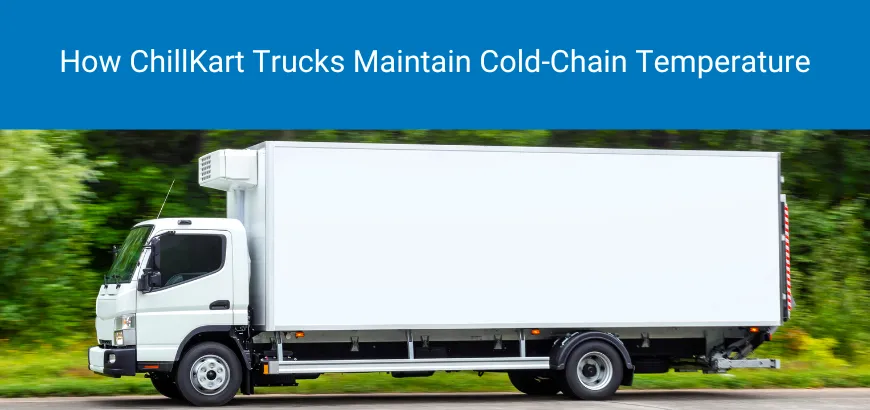
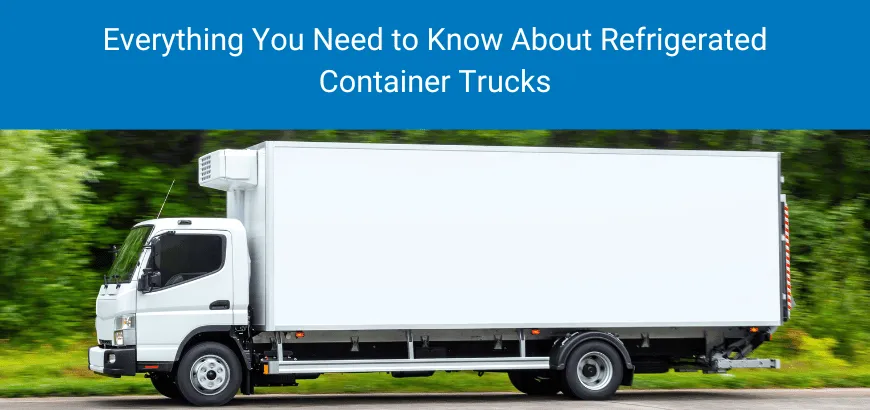
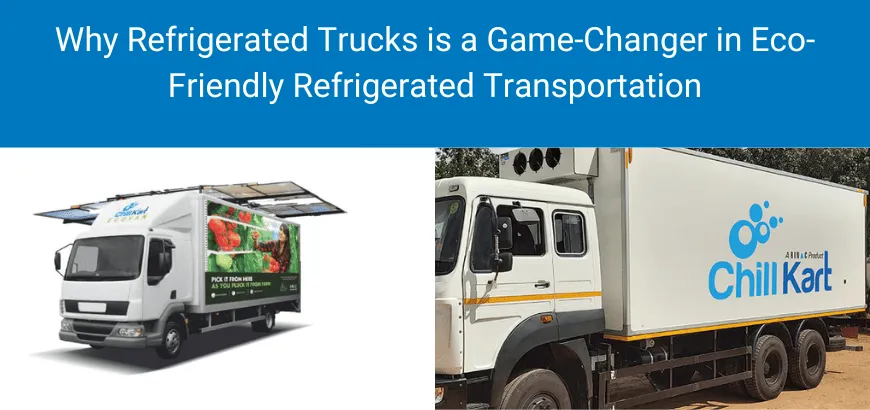
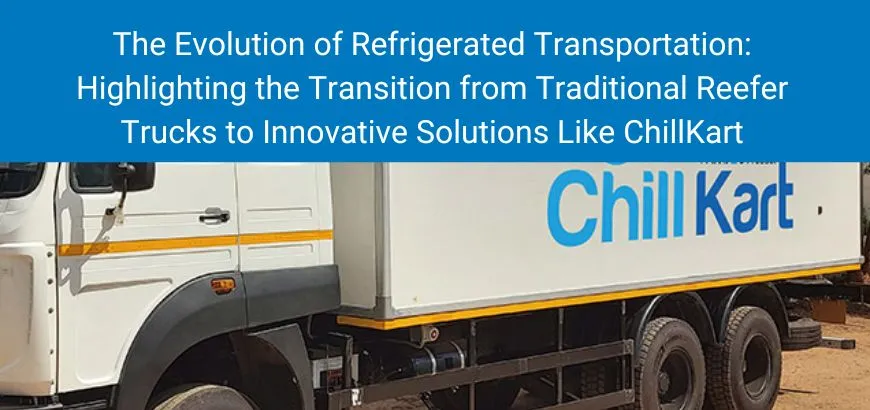
A useful rule of thumb: use a refrigerated van for city distribution, a reefer truck for point-to-point road haul within India, and a reefer container when cargo will cross ports or ride rail – or when you need a portable cold store you can drop anywhere. For a deeper look at road vehicles, see our guides on how ChillKart reefer trucks hold temperature and refrigerated container trucks.
Reefer Container Price in India 2026 and Refrigerated Truck Cost
Price is the first question every buyer asks. For a reefer container, the biggest variables are size, age (new vs used), insulation quality, the refrigeration unit brand and whether telematics are fitted. As an indicative 2026 guide for the Indian market [9]:
| Asset | Indicative 2026 price (INR) | Key cost drivers |
|---|---|---|
| 20 ft reefer container | ~₹5,00,000 – ₹10,00,000 | New vs used, unit brand, telematics |
| 40 ft High-Cube reefer container | ~₹8,00,000 – ₹15,00,000 | Size, insulation, refrigeration capacity |
| Reefer truck / refrigerated truck (body + unit, excl. chassis) | Varies widely by tonnage and unit | Payload, temperature range, brand |
Look beyond sticker price. The purchase cost is only part of the reefer container price and refrigerated truck cost equation. Diesel or genset fuel, maintenance of the refrigeration unit, telematics subscriptions and insurance all add up over a 10-15 year life. A cheaper, poorly insulated box can cost far more to run – the same lesson that applies to fixed cold storage, as we cover in our flake ice and cold chain guides.
Reefer Temperature Ranges by Cargo
The value of a reefer is precision. Setting the wrong temperature can be as damaging as no refrigeration – tropical fruit suffers chilling injury below its threshold, while dairy and meat spoil above theirs. Indian regulators are specific: FSSAI’s Food Products Standards Regulations, 2011 require 0°C to 4°C for chilled products and -18°C or below for frozen, with HACCP monitoring at every critical control point [8]. Common set-points:
| Cargo | Typical reefer set-point |
|---|---|
| Ice cream, deep-frozen seafood | -25°C to -18°C |
| Frozen meat, poultry, ready meals | -18°C or below |
| Chilled meat, dairy, fresh juice | 0°C to 4°C |
| Vaccines, most biologics | 2°C to 8°C |
| Apples, leafy vegetables | 0°C to 4°C |
| Bananas, mangoes (chilling-sensitive) | +12°C to +14°C |
For temperature-sensitive medicines, the bar is higher still. Pharma reefer transport must hold 2°C to 8°C with continuous data-logging – a discipline we unpack in our cold chain vaccine guide.
Indian Market Context: Demand, Gaps and Government Support
India’s fixed cold storage has grown to roughly 8,698 units with 395 lakh MT of capacity as of 2024, expanding at around 2.2% a year [3]. But storage without transport is a dead end – the National Centre for Cold-chain Development (NCCD) has repeatedly flagged that India’s cold chain is incomplete because of the large gap in pack-houses and the associated refrigerated transport [4]. With around 10,000 reefer vehicles against a need of 62,000 [5], demand for reefer containers, trucks and vans has a long runway. Technology is closing part of the gap – IoT telematics and route optimisation, as we explore in how technology is transforming cold chain logistics in India.
Schemes that can fund reefer transport
Several central schemes can support refrigerated transport as part of an integrated cold chain project:
- PM Kisan SAMPADA Yojana – Integrated Cold Chain & Value Addition Infrastructure (MoFPI): continued with a ₹4,600 crore allocation up to 31.03.2026, offering grant-in-aid for cold chain projects that can include reefer vehicles and refrigerated transport as part of an unbroken chain [7].
- MIDH / NHB horticulture cold chain support: credit-linked back-ended subsidies (commonly cited at 35-50% depending on component and region) for cold chain assets serving horticulture.
- Agri Infrastructure Fund (AIF): low-interest loans with a 3% interest subvention for post-harvest assets including cold stores, ripening chambers and refrigerated transport [11].
Structured well, subsidy and subsidised credit can meaningfully cut the effective reefer container price or refrigerated truck cost – but eligibility, caps and documentation are strict and change often. Our cold chain subsidies 2026 guide walks through the current landscape.
Compliance and Standards for Refrigerated Transport
A reefer is only as good as the compliance discipline around it. In India, temperature-controlled transport intersects several regimes:
- FSSAI: the Food Safety and Standards (Food Products Standards) Regulations, 2011 set chilled (0-4°C) and frozen (-18°C or below) requirements and expect verifiable temperature control in transport. Worryingly, an estimated 90% of India’s meat and poultry still moves through non-refrigerated systems [8] – a compliance and quality risk the sector is racing to fix.
- HACCP: hazard analysis with monitoring at every critical control point, including load-in temperature, in-transit logging and unloading.
- ISO and WHO-GMP: for pharmaceutical and biologic cargo, transport must align with WHO-GMP good distribution practice, calibrated sensors and audit-ready records.
- Tax and movement paperwork: GST and the e-way bill apply to temperature-sensitive freight like any other goods; keeping the reefer’s data-logger records with shipment documents is now standard practice for audits and claims.
Rinac builds to international standards – the company is certified across ISO, FSSAI, HACCP, GMP, IGBC and WHO-GMP – so cold chain assets, whether fixed or mobile, are engineered for compliance from day one. The same rigour applies to specialised segments like fisheries cold chain, where transport temperature is make-or-break for export quality.
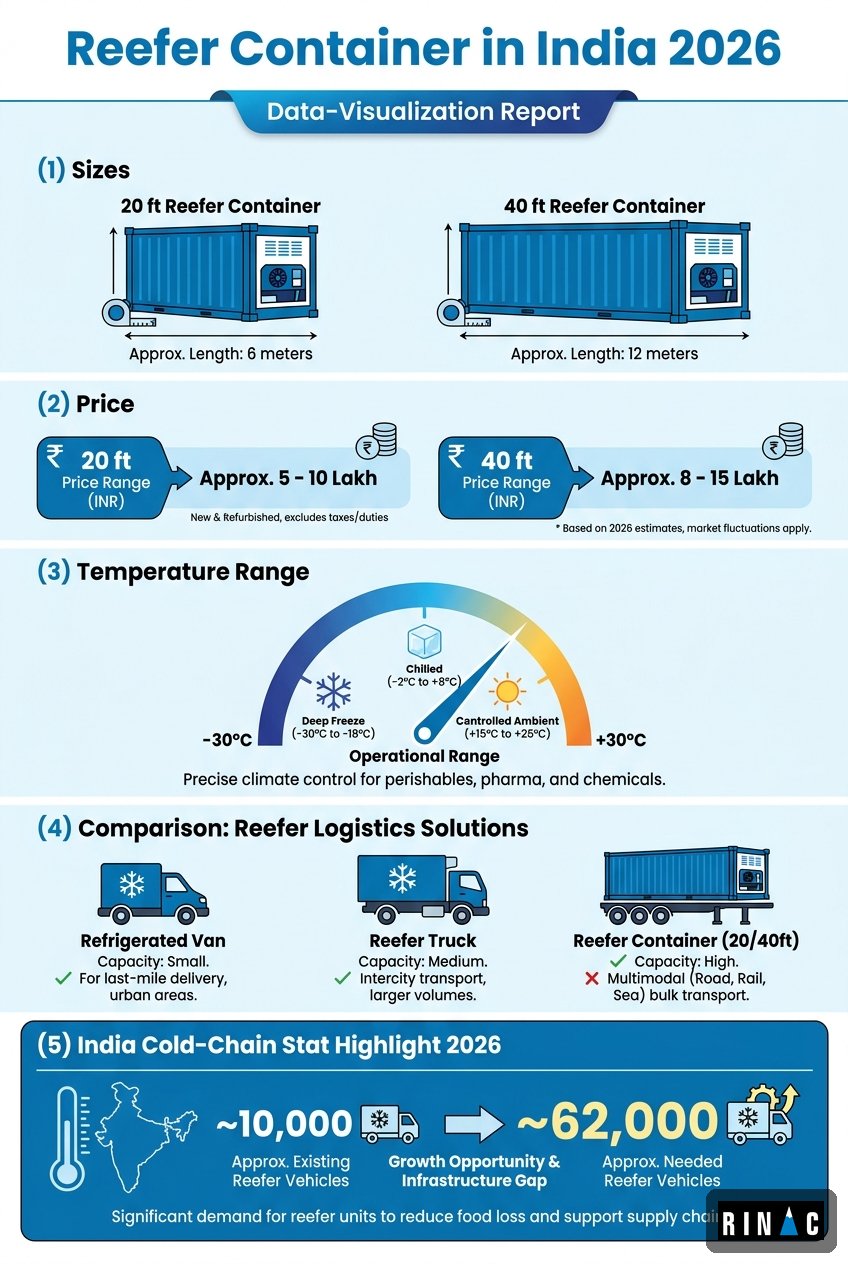
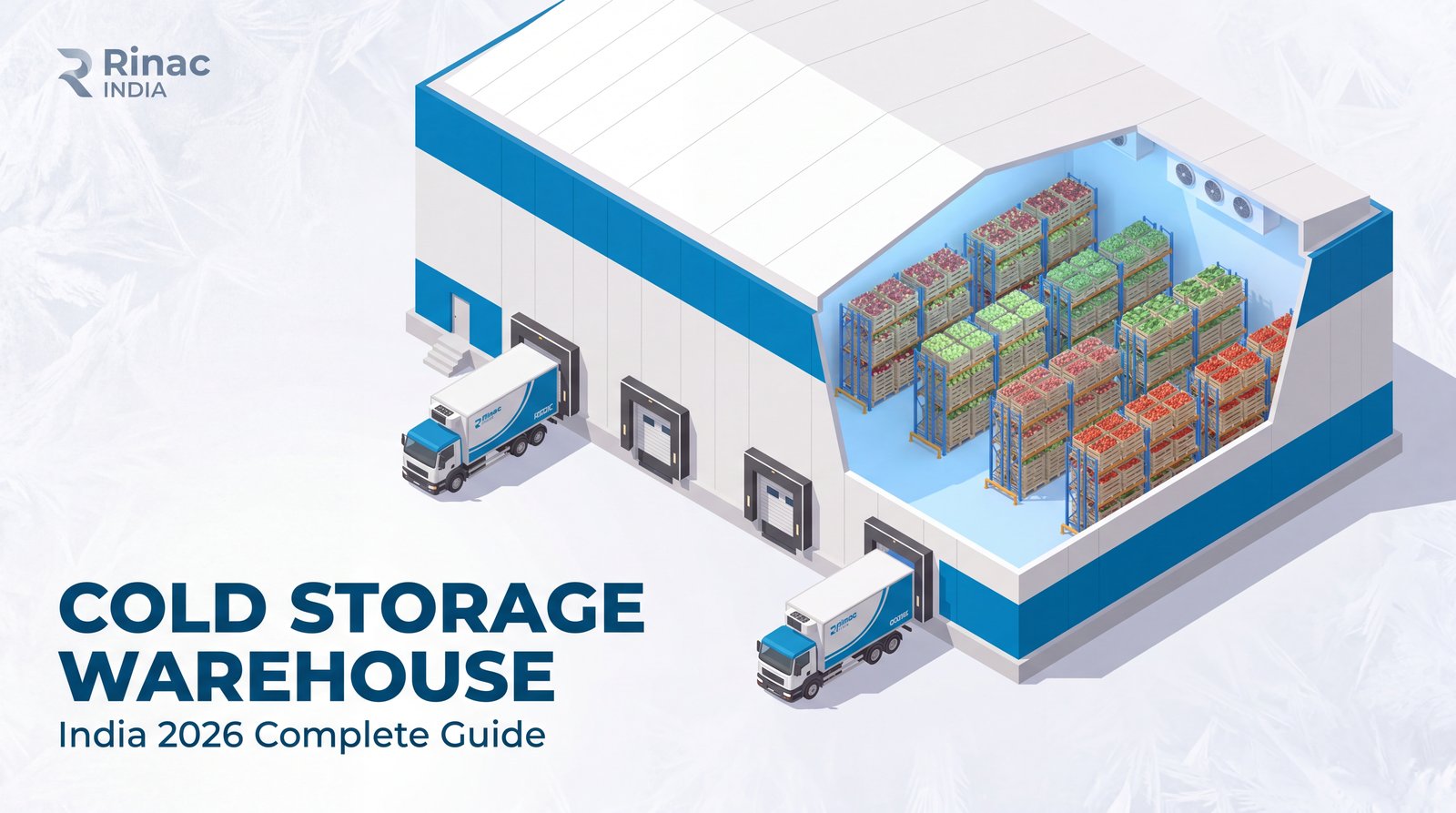
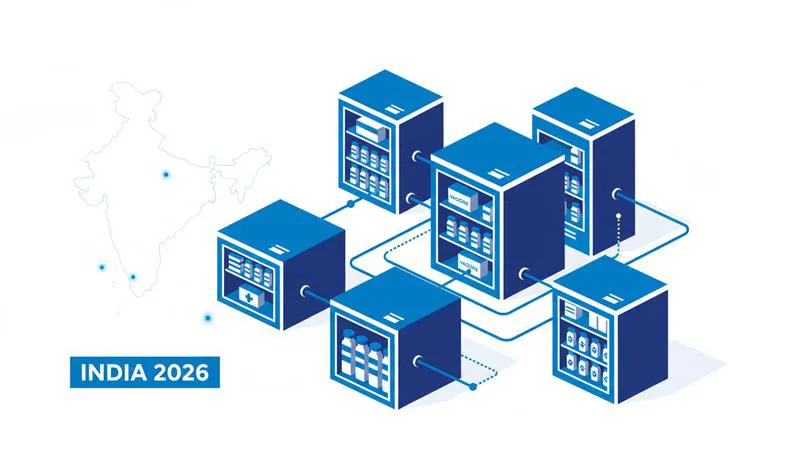
Reefer container and refrigerated transport in India 2026 at a glance – sizes, price bands, temperature set-points and support schemes.
Buy vs Rent and the ROI of Refrigerated Transport
Not every business should own its reefer fleet. The buy-vs-rent decision usually turns on utilisation and control:
- Buy when a reefer container or refrigerated vehicle will run at high utilisation, when you need guaranteed capacity in peak season, or when you want a static reefer as buffer cold storage on site.
- Rent or use 3PL reefers for seasonal spikes, new routes you are testing, or one-off export consignments where you do not want capex tied up.
Either way, the ROI case is anchored in avoided losses. If refrigerated transport prevents even a fraction of the 15-20% perishable losses India suffers [6], on high-value cargo like seafood, dairy or pharma it pays back quickly. The best results come from treating transport as one link in an engineered chain – pre-cool or freeze in the right equipment, load cold, hold temperature, and document it end to end.
How Rinac Supports Refrigerated Transport
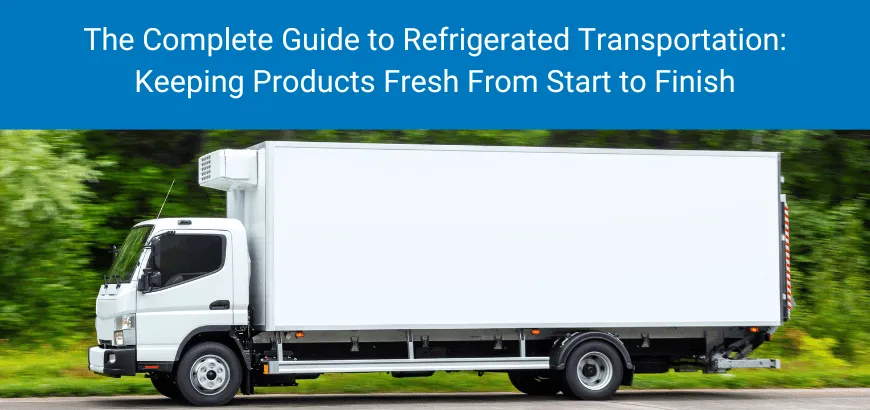
As solution architects and builders of cold chain infrastructure – with 30+ years, 10,000+ projects across 23 countries and 6,000+ clients including ITC, Britannia, Nestle and Biocon – Rinac approaches transport as part of an unbroken chain, not an afterthought. The ChillKart range covers refrigerated containers and vehicles, engineered with the same insulation and refrigeration know-how behind Rinac’s cold rooms, blast freezers and IQF systems. Backed by two manufacturing units and 14 branch offices across India, Rinac can design, build and service the fixed and mobile cold chain together, so cargo never sees a temperature break between factory, store and truck. Explore the full refrigerated transportation range or read the complete guide to refrigerated transportation.
Frequently Asked Questions
Important disclaimer: This article is provided for informational purposes only and does not constitute professional engineering, legal, financial or regulatory advice. Prices, subsidy rates, scheme allocations and regulations mentioned here are indicative, sourced from public references as of the publication date, and change frequently – always verify current figures directly with FSSAI, MoFPI, NHB and the relevant state agencies before making any decision. Reefer container and vehicle specifications vary by manufacturer and model; confirm exact details with the supplier. For project-specific design, sizing, temperature validation, ROI and compliance, please obtain a formal consultation from Rinac’s engineering team via rinac.com/contact-us.
Planning a reefer purchase or a full cold chain build? Call our enquiry line: 1800-4191166.
Sources & References
- Mordor Intelligence – India Cold Chain Logistics Market Size & Share Analysis (2026). Link
- IBEF – From Farms to Fridges: How Cold Chain Infrastructure is Transforming India’s Agriculture (2024). Link
- NCCD via IIF/IIR – India NCCD reports a 2.2% CAGR in cold storage capacity (24 Feb 2026). Link
- NCCD / NHB – All India Cold-chain Infrastructure Capacity: Assessment of Status & Gap (2015 baseline). Link
- Motor India – Cold Chain Transport in India, Carrier Transicold (2023). Link
- Down To Earth / MoFPI-NABCONS – Post-harvest losses as told to Parliament (6 Aug 2024). Link
- Ministry of Food Processing Industries (MoFPI) – Cold Chain / PM Kisan SAMPADA Yojana (2026). Link
- FSSAI – Food Safety and Standards (Food Products Standards) Regulations, 2011. Link
- Sub Zero – Understanding Reefer Containers and Their Prices in India (2024). Link
- DSV India – Reefer Container Dimensions, Sizes & Specifications (2024). Link
- Government of India / IBEF – Agri Infrastructure Fund for post-harvest assets incl. refrigerated transport (2024). Link