TL;DR – Quick Summary
- A modern seafood processing plant in India integrates pre-cooling, blast freezing or IQF, and temperature-controlled fish cold storage into one continuous cold chain from the landing centre to the export container.
- India is the world’s second-largest fish producer at 197.75 lakh tonnes in FY 2024-25, yet roughly 30% of marine catch is lost post-harvest and only about 35% of the required fisheries cold storage exists, leaving a large infrastructure gap.[4][6]
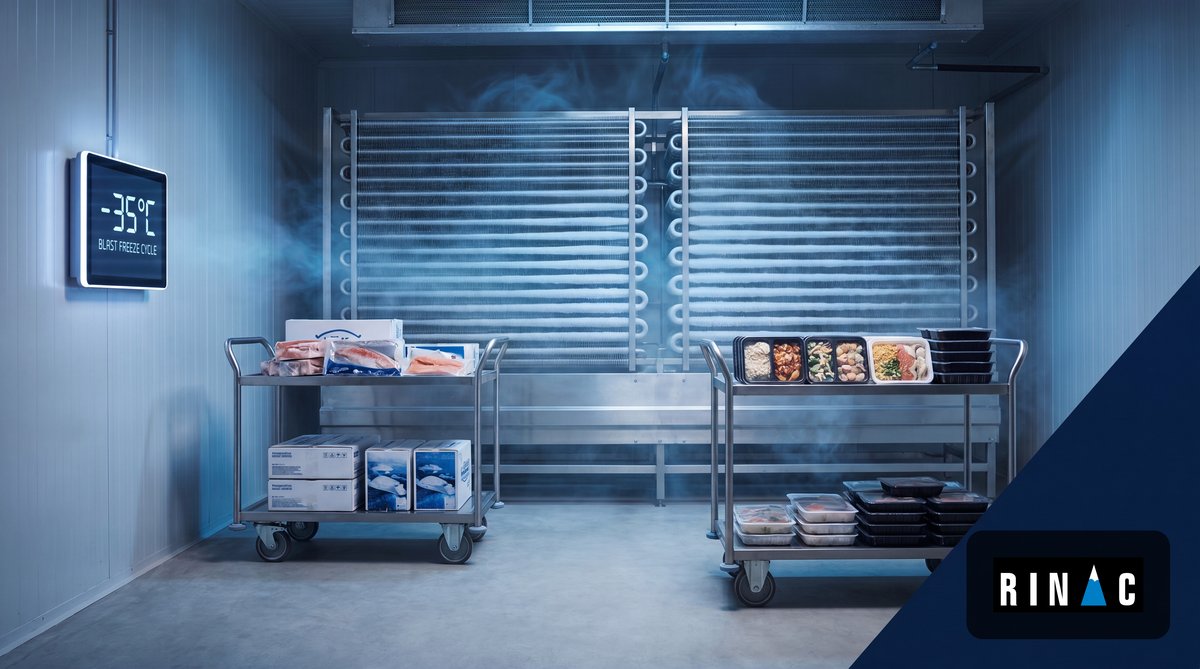
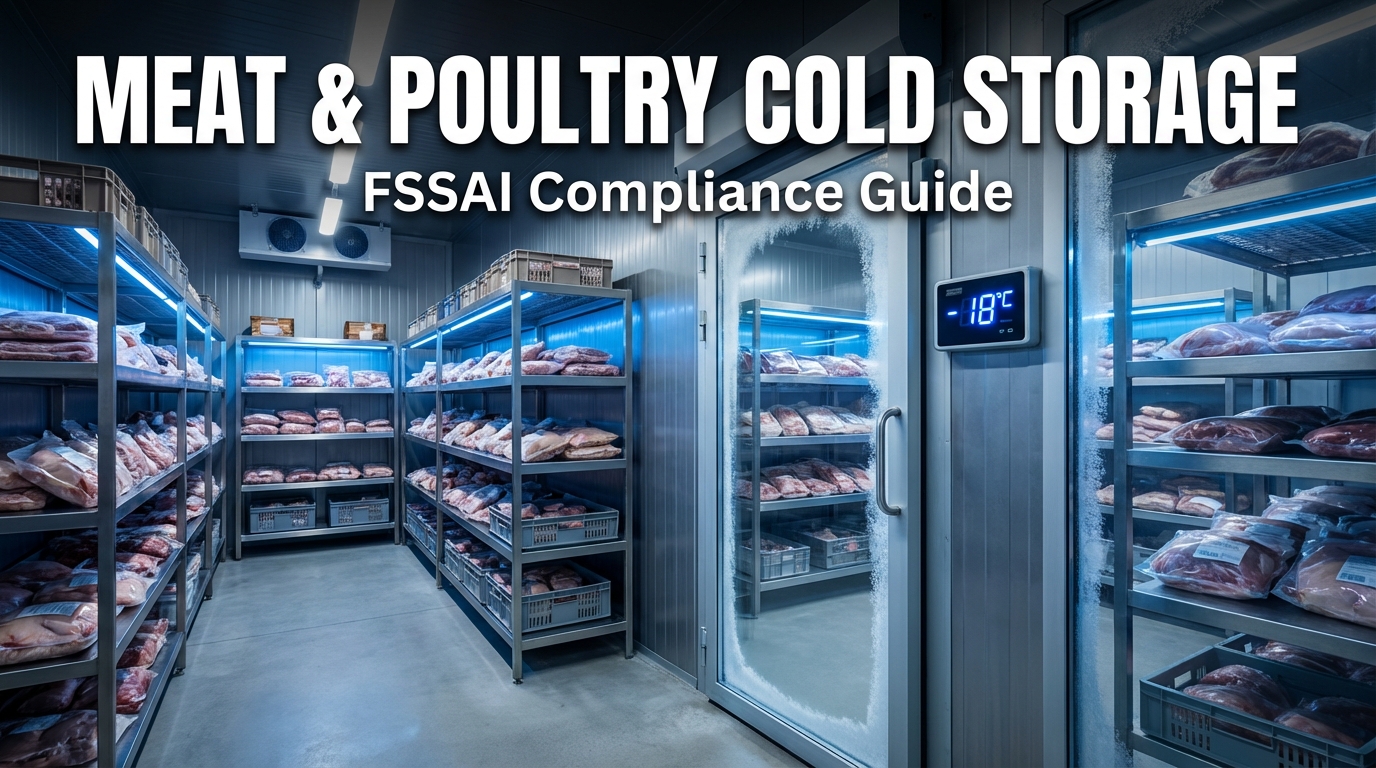
- Frozen seafood must be held at -18°C or lower per FSSAI; lean fish is stored at -18°C, fatty species at -24°C, and shrimp is blast-frozen at -35°C to -40°C.[15]
- Under PMMSY, cold storage and processing units qualify for 40% subsidy (general) and up to 60% (SC/Women), making 2026 a strong entry point for new investors.[9]
- Rinac, with 30+ years and 10,000+ projects, designs and builds end-to-end seafood processing and cold-chain facilities that meet FSSAI, HACCP, MPEDA and EIC requirements.
Disclaimer: This guide is for general information only and is not a substitute for professional engineering, legal, or regulatory advice. Costs, subsidies, and regulations change frequently. Verify current figures directly with FSSAI, MPEDA, the Department of Fisheries, and your state agencies before making any investment decision. See the full disclaimer near the end of this article.
Why a Seafood Processing Plant Is India’s Biggest Cold-Chain Opportunity in 2026
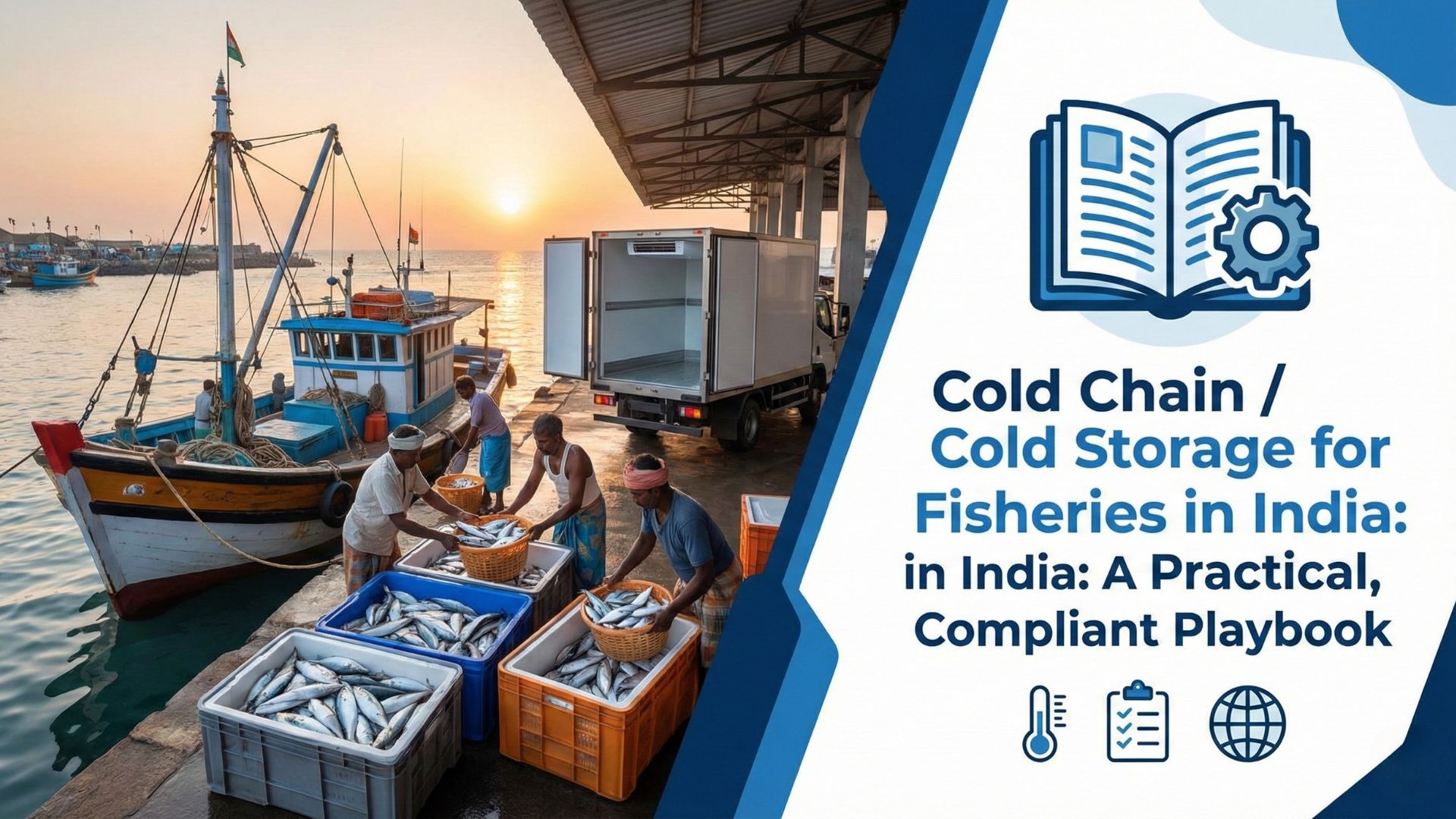
Building a seafood processing plant in India in 2026 means stepping into one of the fastest-growing food-export stories in the world. India shipped 16,98,170 metric tonnes of seafood worth US$7.45 billion (Rs 62,408.45 crore) in FY 2024-25, with frozen shrimp alone contributing nearly 70% of that dollar value.[1] Behind every one of those export cartons sits a processing line and a chain of refrigeration equipment that has to hold seafood at the right temperature without a single break. That is the real product a seafood processing plant delivers: unbroken cold.
India is now the second-largest fish producer on earth, contributing about 8% of global output and leading the world in shrimp production and export.[5] Total fish production climbed to 197.75 lakh tonnes in FY 2024-25, more than double the 95.79 lakh tonnes recorded a decade earlier.[4] Yet the cold-chain backbone has not kept pace with the catch, which is exactly where a well-designed processing and fish cold storage facility creates value. For a broader view of the sector, our practical playbook on cold storage for fisheries pairs closely with this setup guide.
US$7.45 billion
India’s seafood exports in FY 2024-25 (MPEDA)
India’s seafood exports in FY 2024-25 (MPEDA)
The opportunity is not only about exports. Rising domestic demand for frozen and ready-to-cook seafood, expanding modern retail, and government support through the Pradhan Mantri Matsya Sampada Yojana (PMMSY) all point in the same direction. As solution architects and builders of cold-chain infrastructure, Rinac has seen first-hand how a properly engineered plant turns a perishable catch into a bankable, export-grade product.
Anatomy of a Modern Seafood Processing Plant
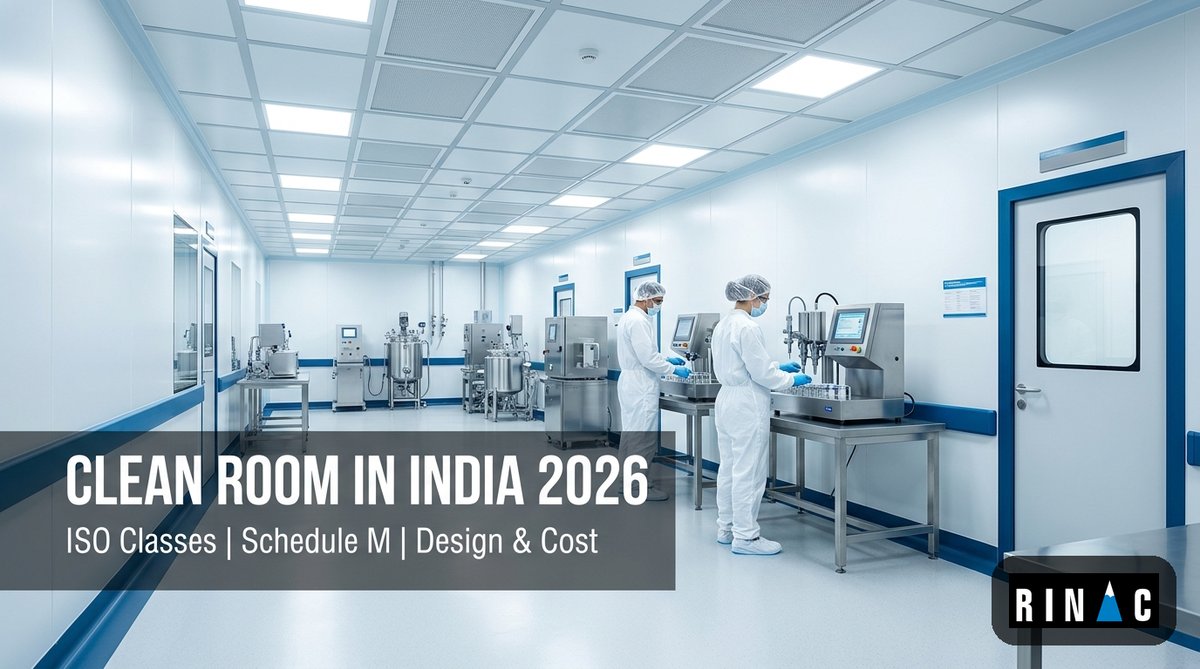
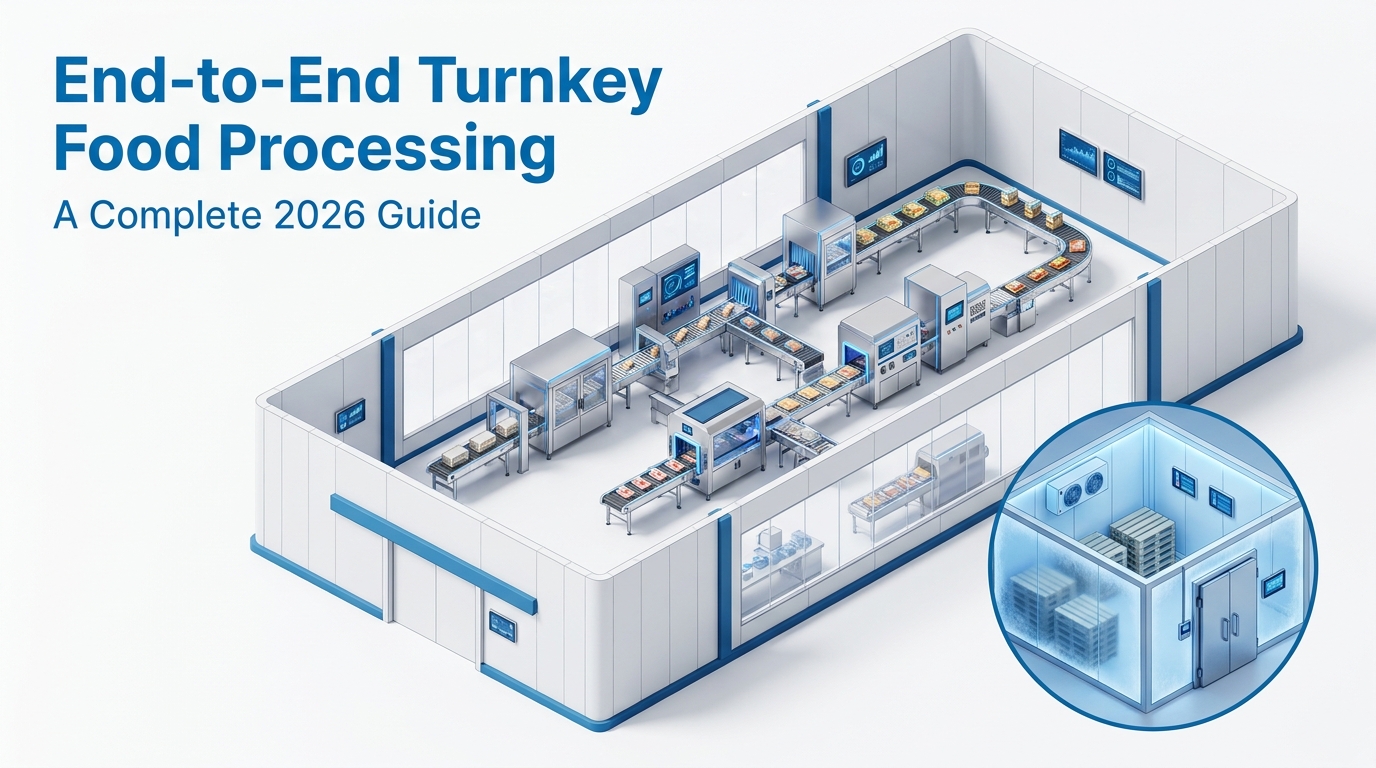
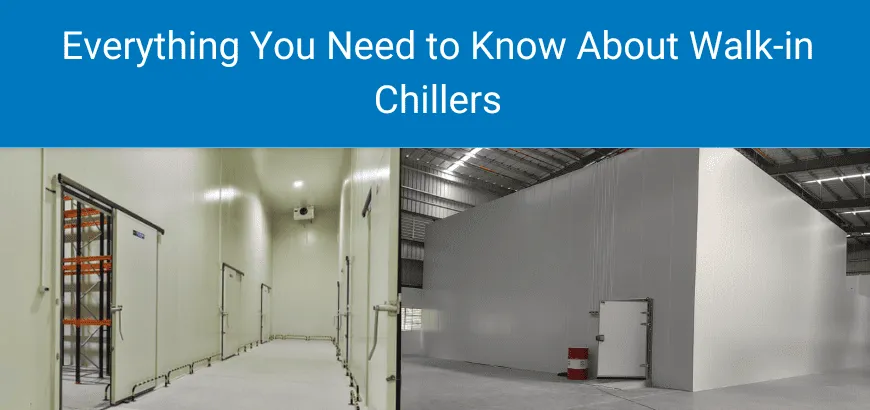
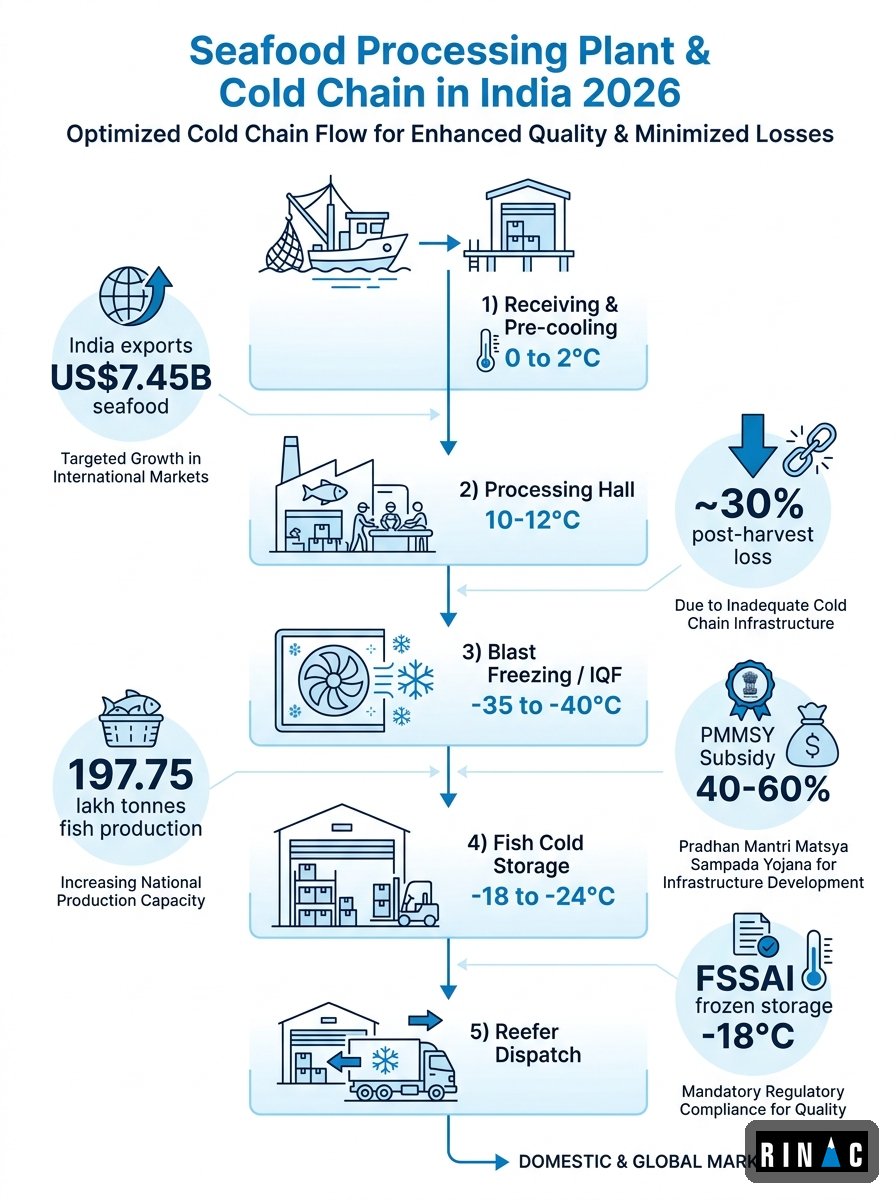
A seafood processing plant is best understood as a sequence of temperature stages, each one colder and more controlled than the last. Skip or under-size any stage and quality (and shelf life) drops immediately. Here is the typical flow for an Indian marine or aquaculture facility:
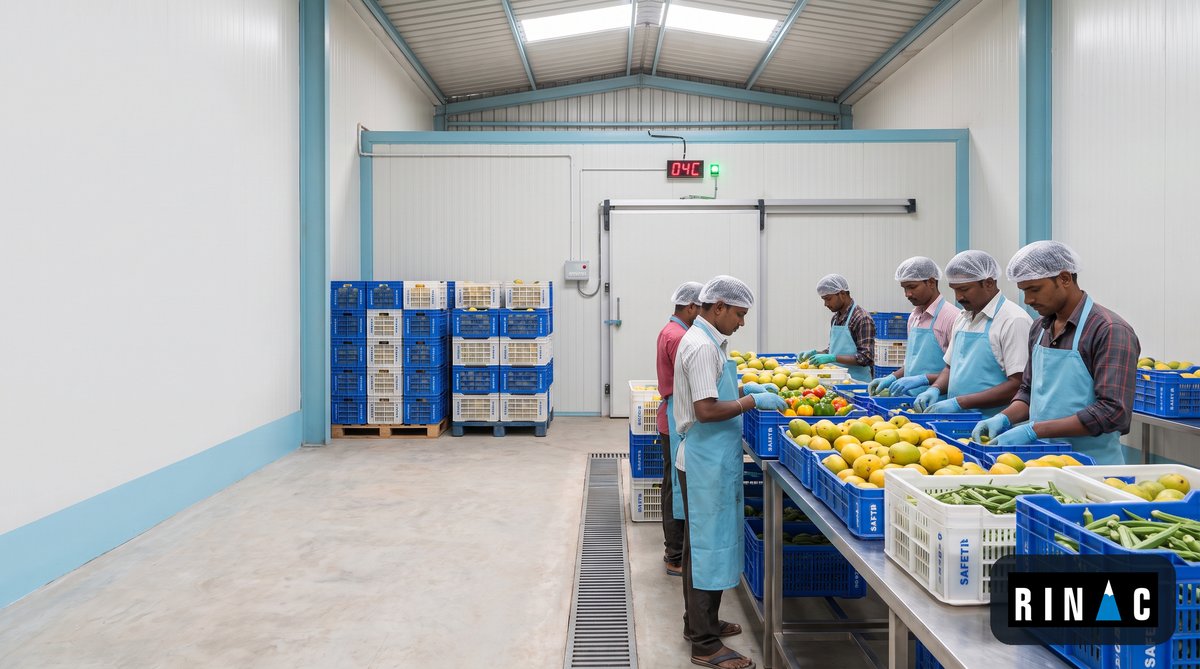
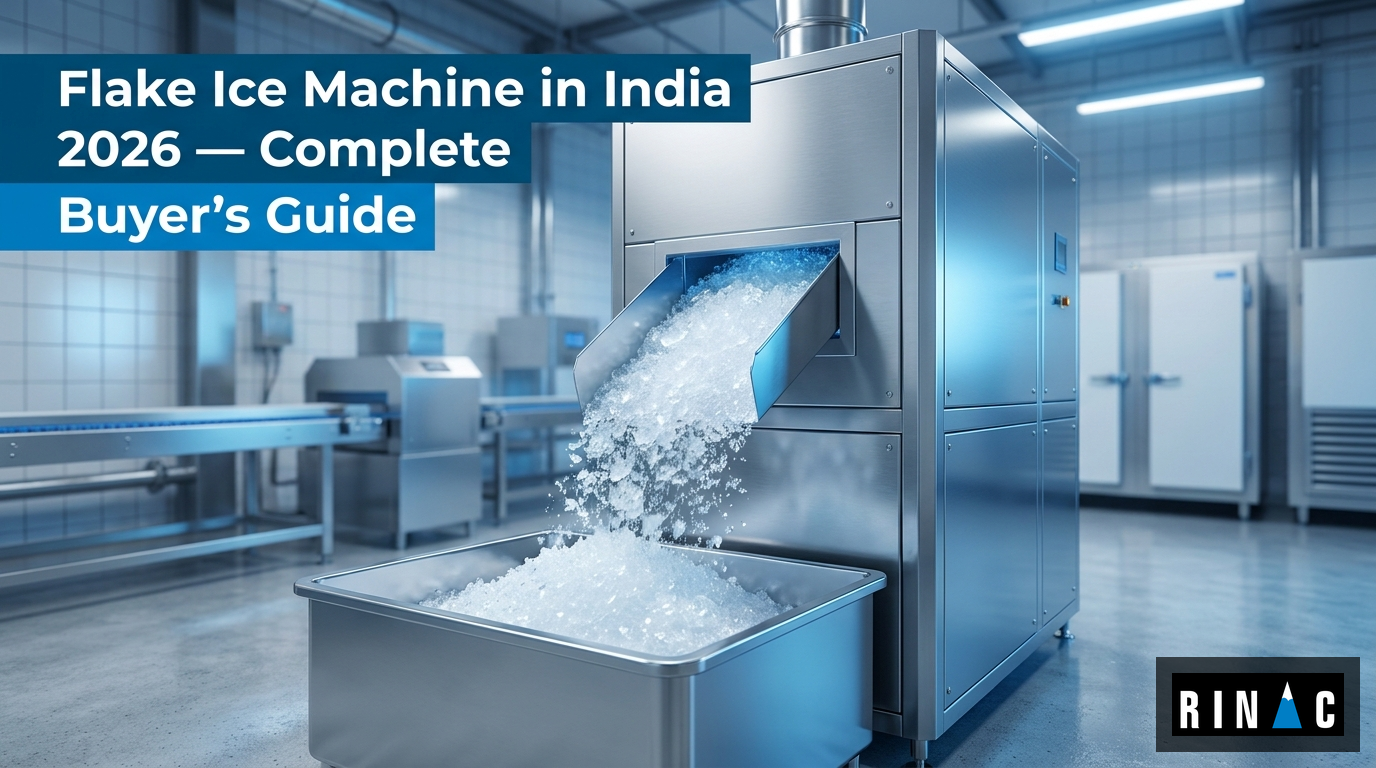
- Receiving and pre-cooling: Fresh catch arrives with flake ice and is chilled to near 0°C to arrest bacterial growth. Pre-cooling rooms and flake ice machines handle this first, critical step.
- Sorting, grading and processing: Cleaning, de-heading, peeling, filleting, and grading happen in a chilled hall, ideally held at 10-12°C to protect the product during handling.
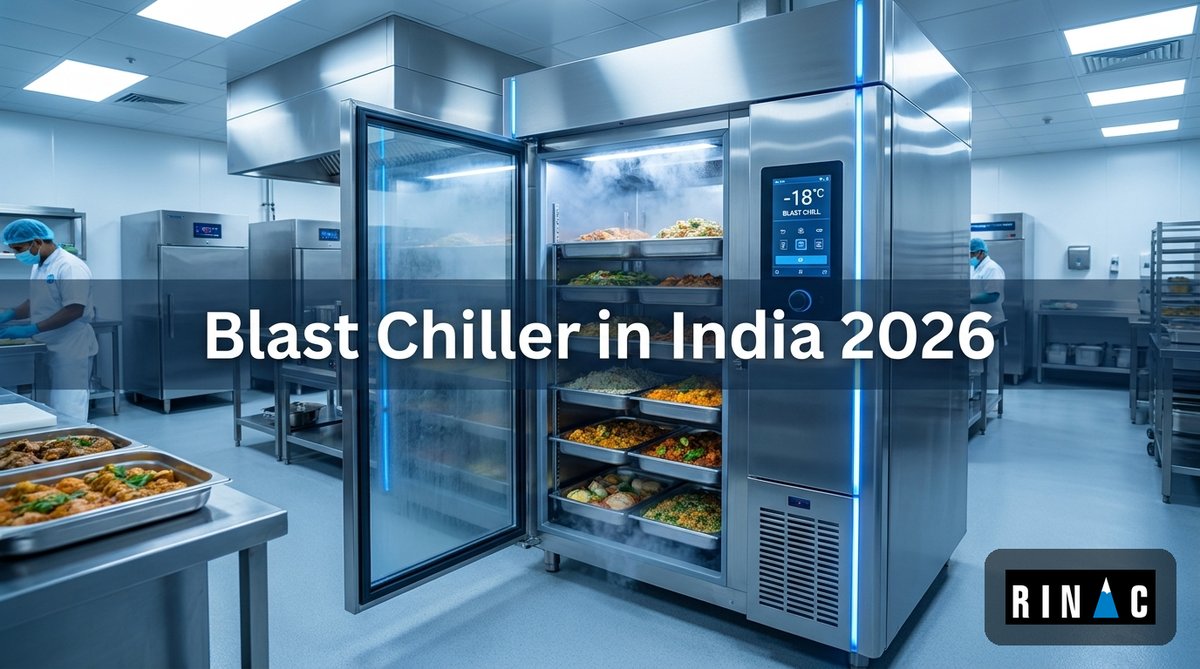
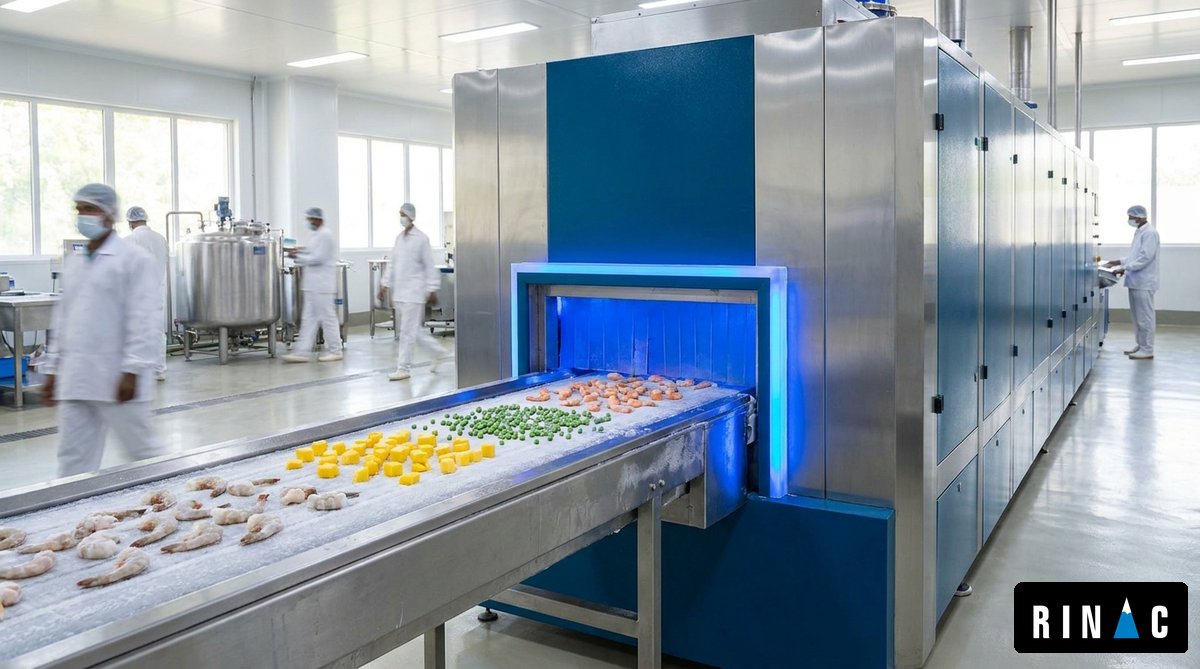
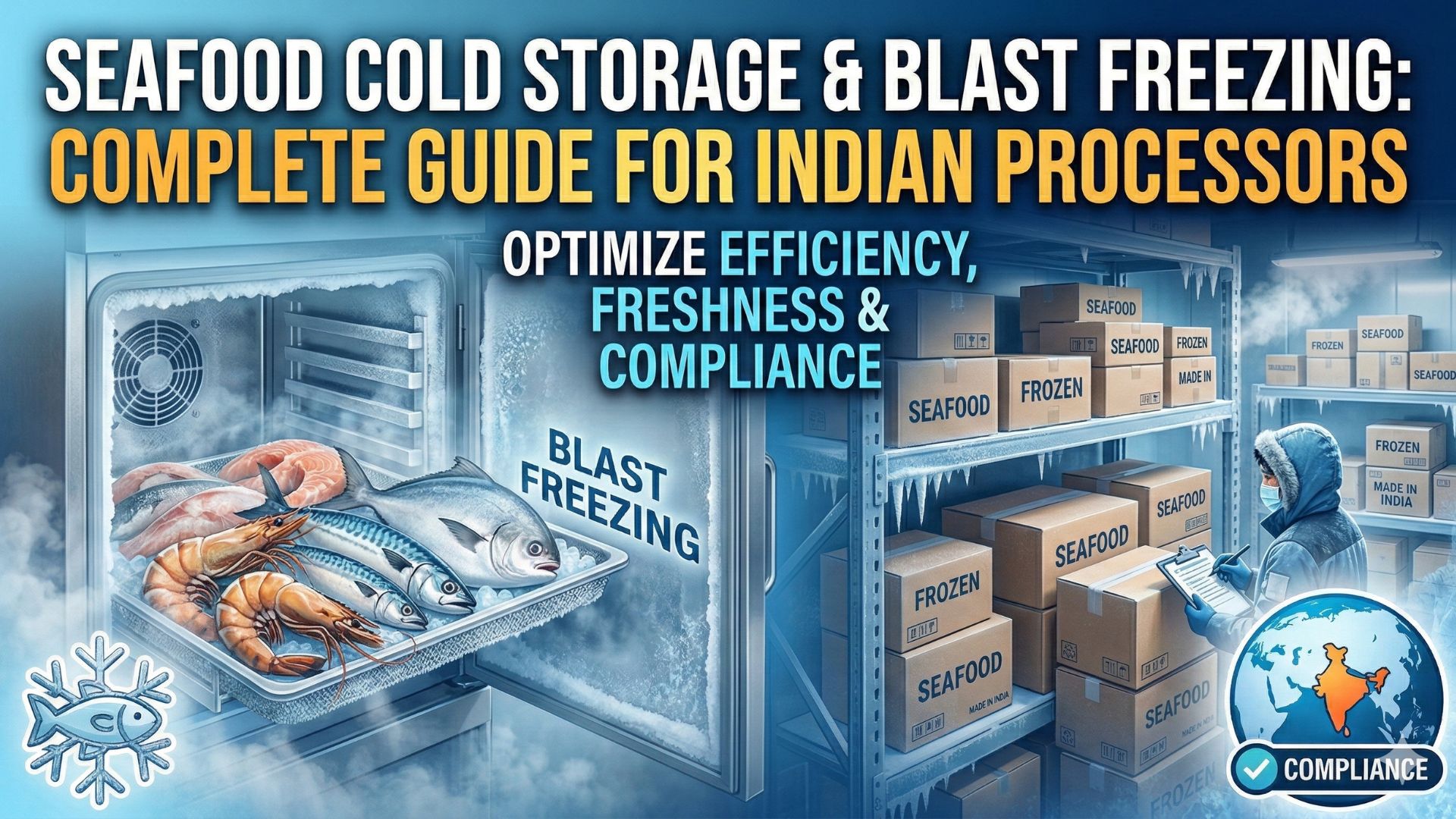
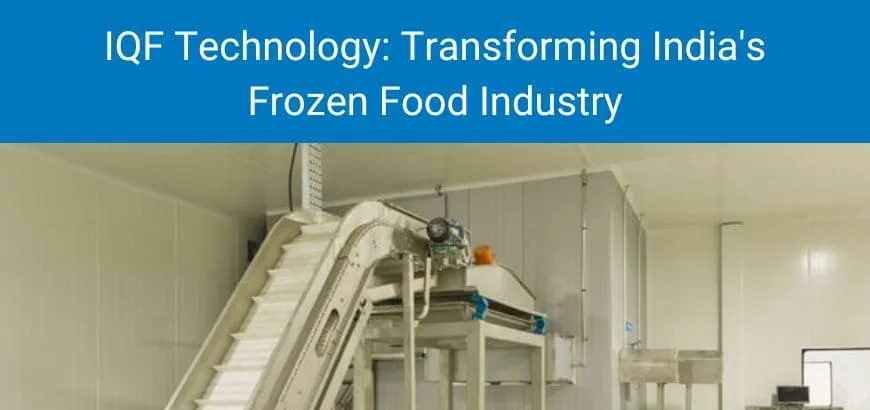
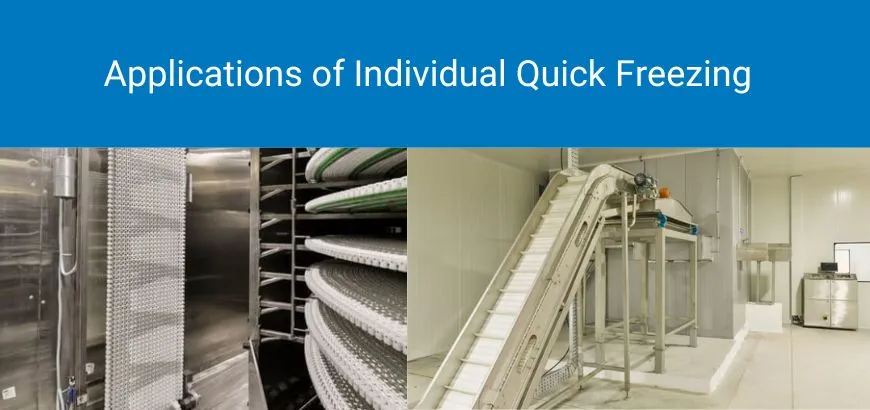
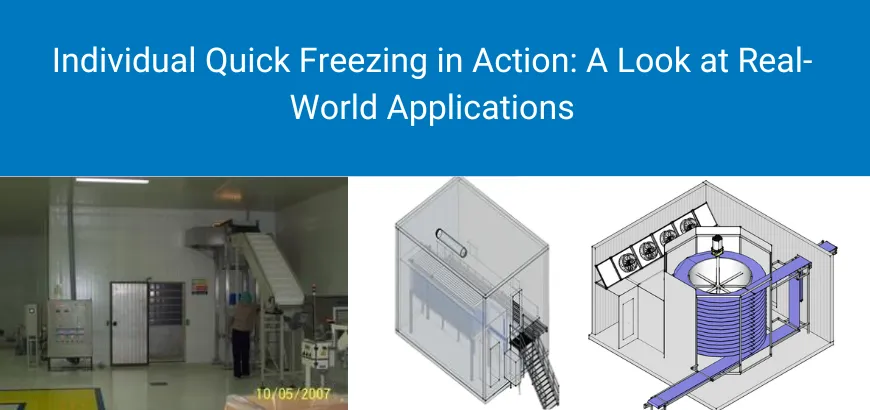
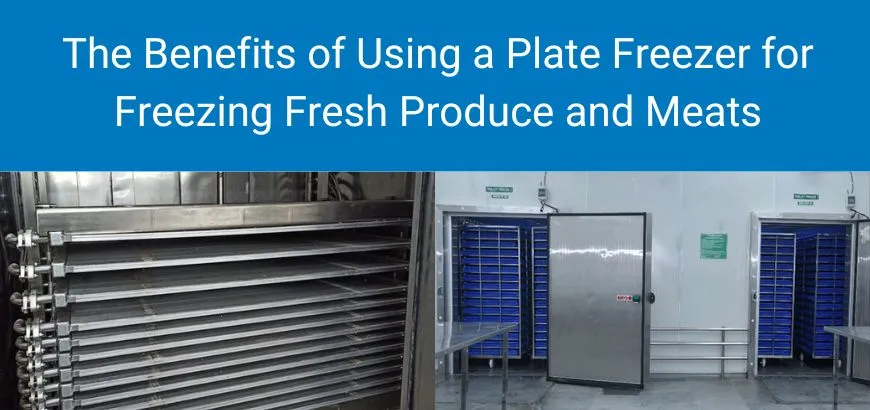
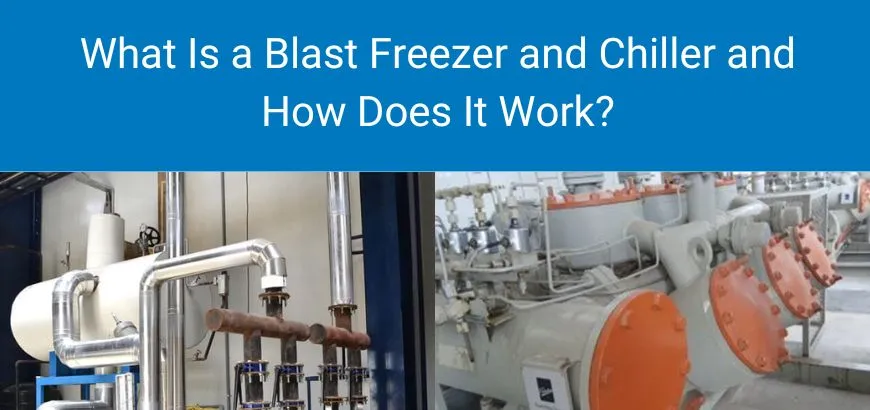
- Blast freezing or IQF: Product is frozen fast to lock in texture and colour. Shrimp and premium fillets typically go through individual quick freezers (IQF); block product goes through plate or air-blast freezers.
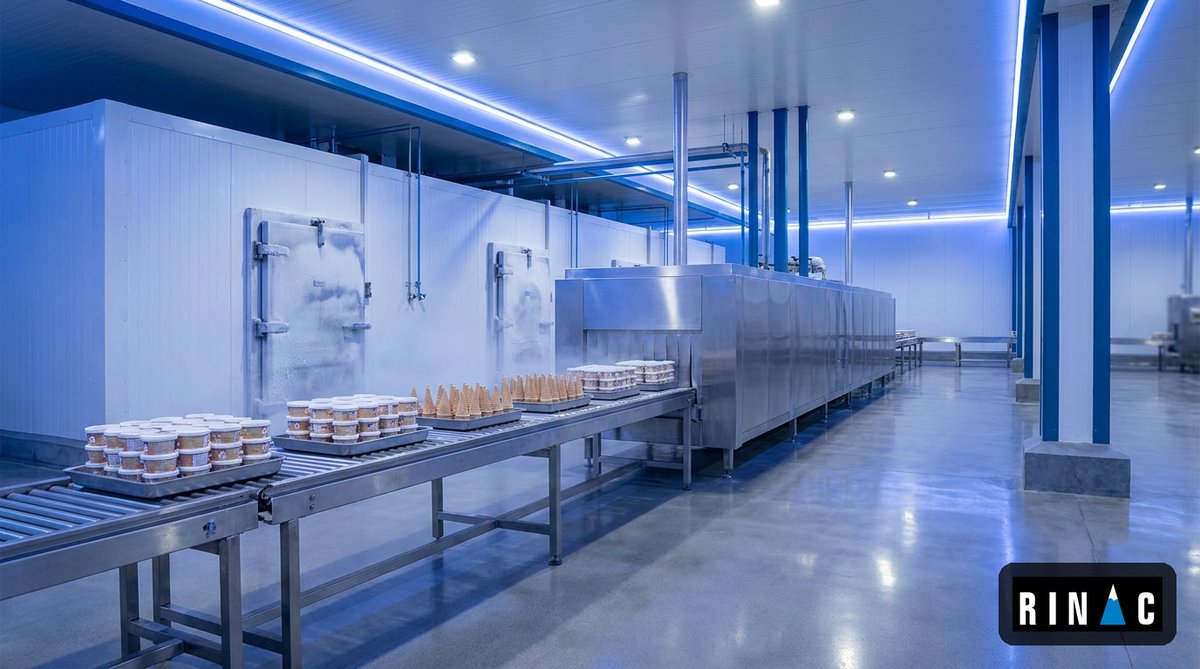
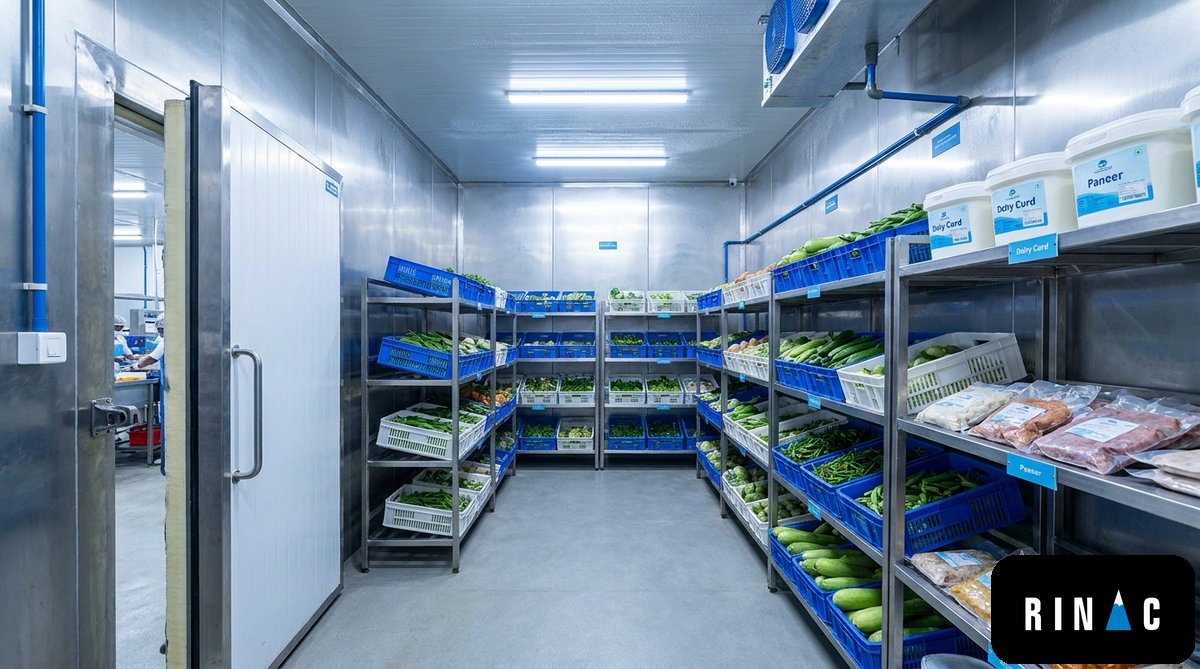
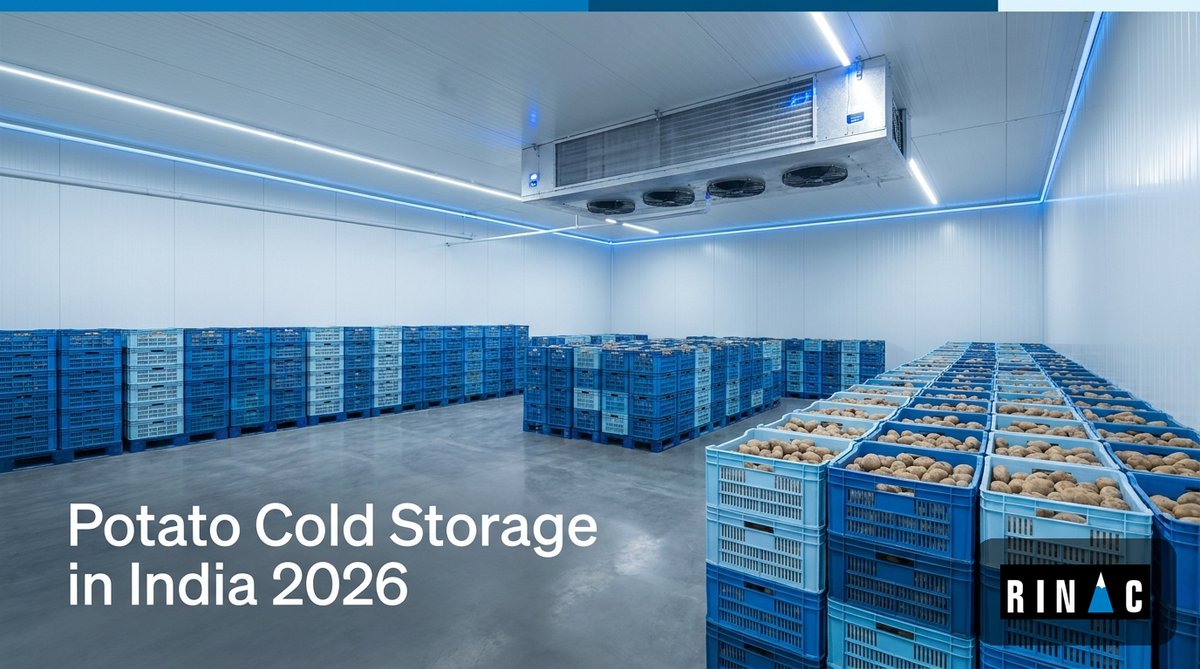
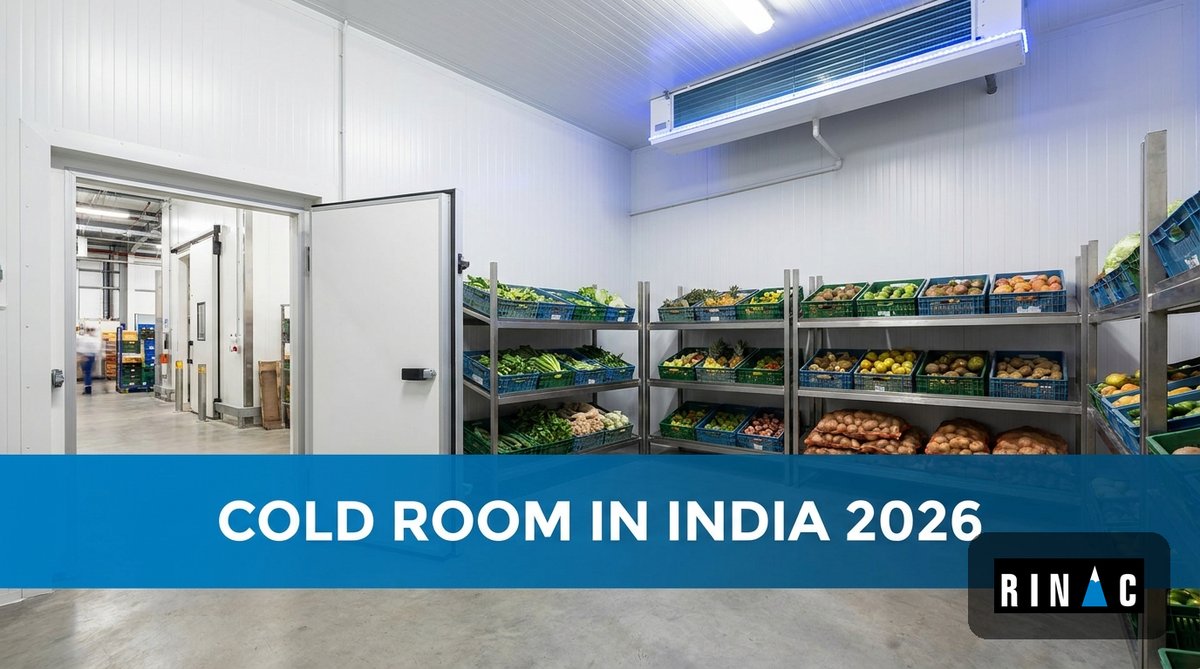
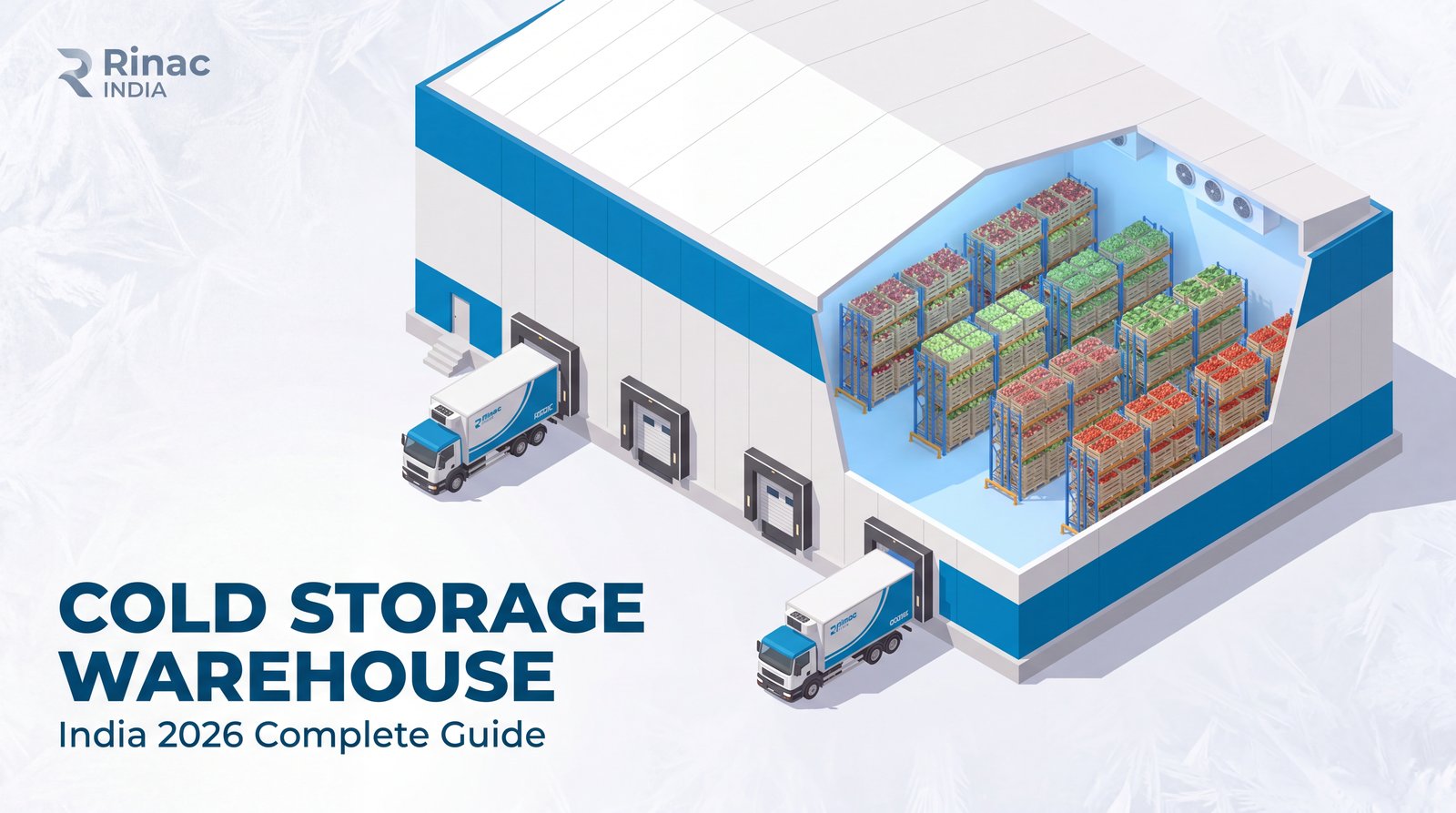
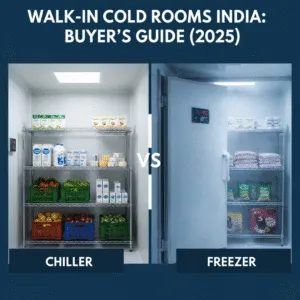
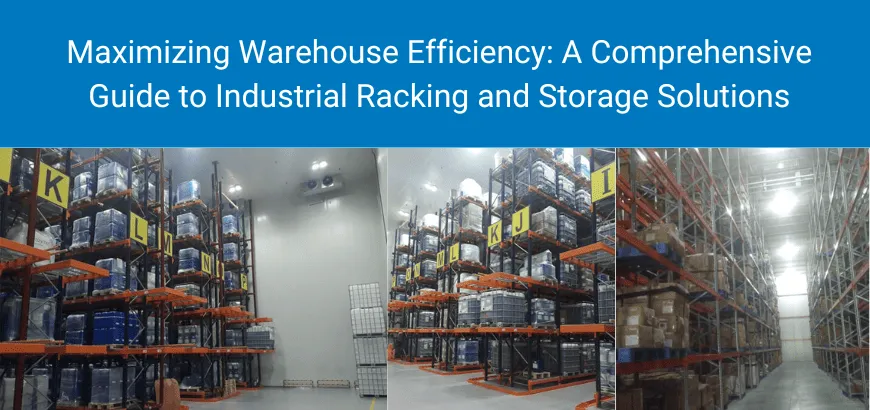
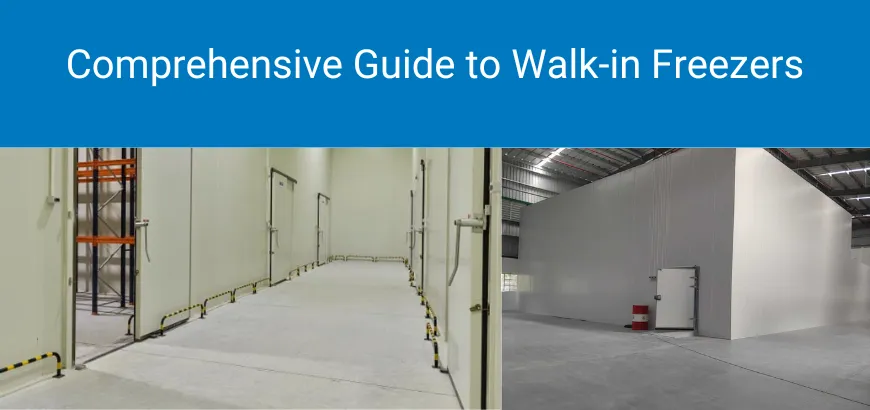
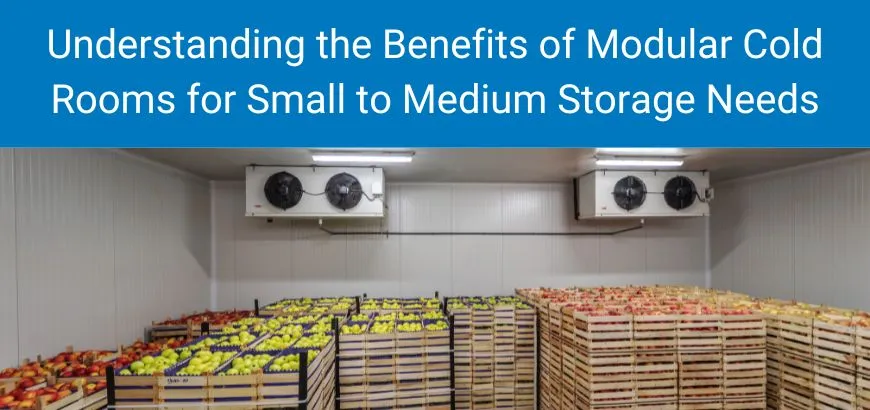
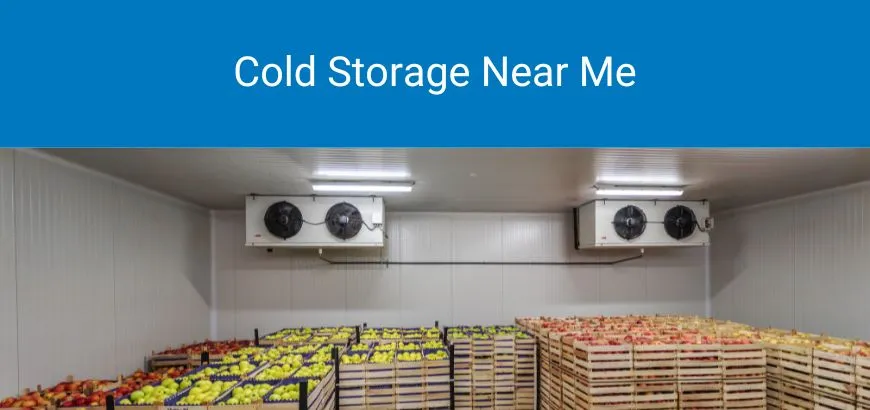
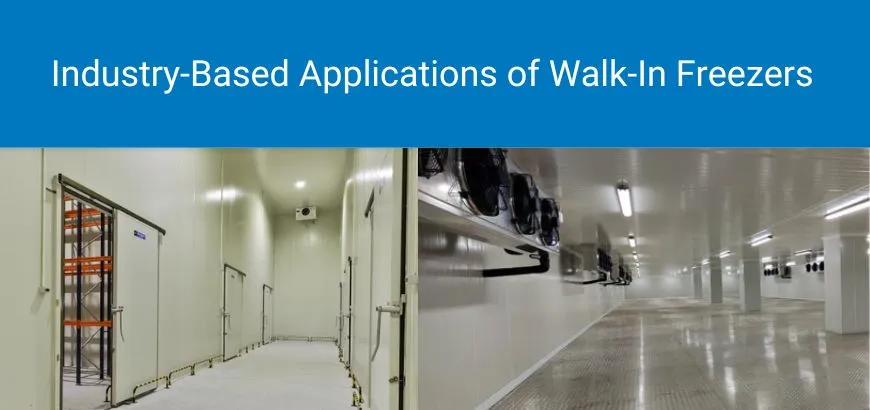
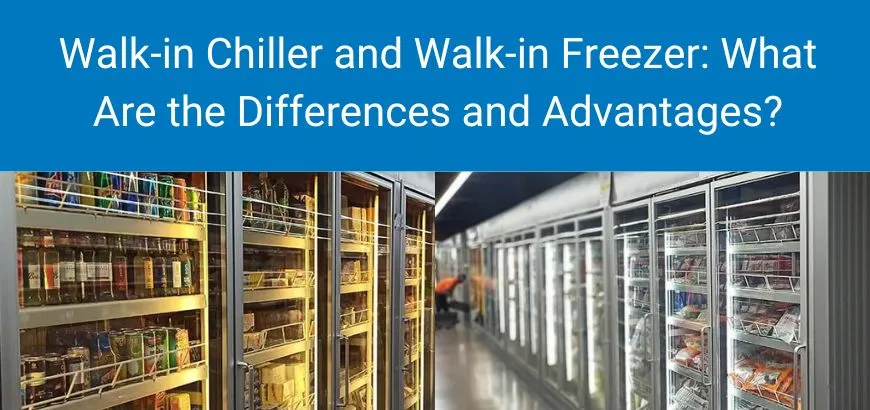
- Cold storage: Frozen finished goods move into a low-temperature cold room holding at -18°C to -25°C until dispatch.
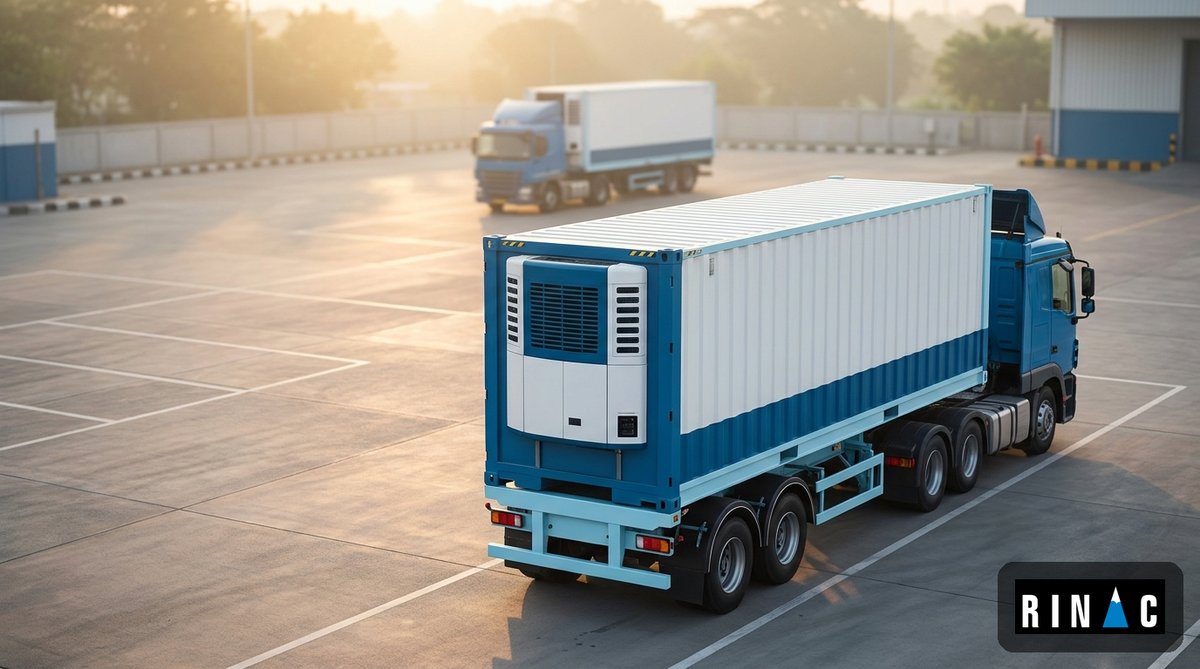
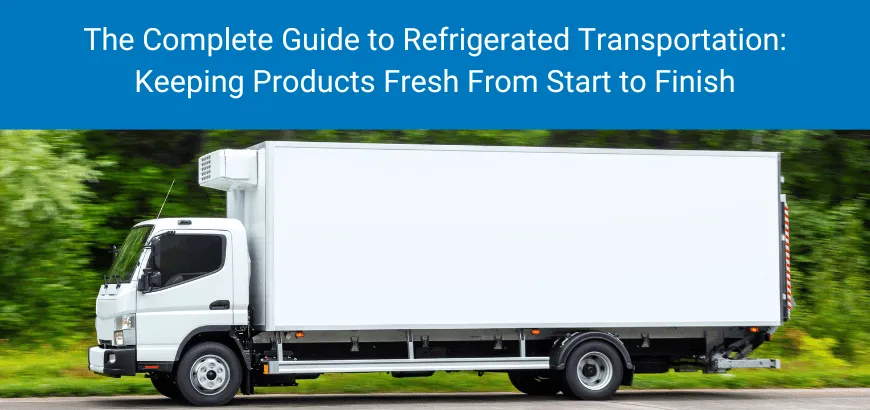
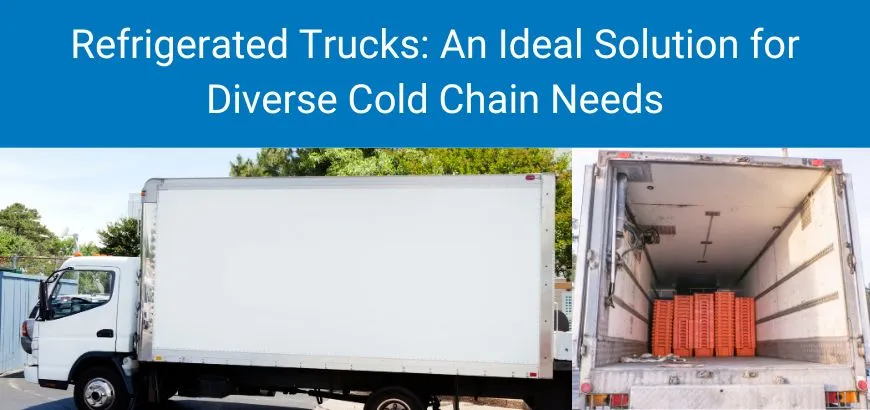
- Reefer dispatch: Product leaves in a reefer container or refrigerated truck, maintaining the cold chain all the way to the port or retailer.
Our earlier guide to seafood cold storage and blast freezing goes deeper on the freezing science; here we focus on how these stages come together as a plant. For a full-facility, turnkey approach, Rinac’s turnkey food processing service integrates civil work, panels, refrigeration and utilities under one contract.
Expert note: The single most common design mistake we see is under-sizing the blast freezer relative to the processing hall’s throughput. If the plant can process more than it can freeze, product waits at unsafe temperatures and quality is lost before it ever reaches cold storage.
Fish Cold Storage: Temperature Standards by Species
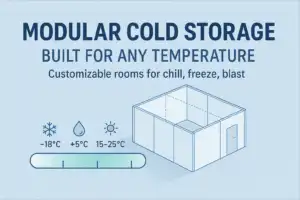
Correct temperature is the heart of any fish cold storage operation, and it varies by species and product form. Getting cold storage of fish right is both a quality and a compliance requirement. The International Institute of Refrigeration recommends -18°C for lean fish such as cod and haddock and -24°C for fatty species, while Codex and FSSAI reference -18°C or colder for quick-frozen fishery products.[17][15] The table below summarises the working temperatures that matter for cold storage for fish in Indian plants:
| Product / Stage | Target Temperature | Purpose |
|---|---|---|
| Fresh receiving / pre-cooling | 0°C to +2°C | Arrest bacterial growth on landing |
| Processing hall | +10°C to +12°C | Protect product during handling |
| Blast freezing (shrimp, fillets) | -35°C to -40°C | Fast freeze to lock texture and colour |
| Lean fish cold storage | -18°C | Long-term holding (cod, haddock type) |
| Fatty fish cold storage | -24°C | Prevent fat oxidation / rancidity |
Compliance note: The right fish cold storage temperature is not optional for exporters. FSSAI’s quick-frozen fish standard requires storage and retail display at -18°C or lower, and buyers in the US, EU and Japan audit temperature records rigorously.[15]
Blast Freezing and IQF: The Heart of the Seafood Cold Chain
Freezing speed decides seafood quality. Slow freezing forms large ice crystals that rupture cell walls, so when the product thaws it loses moisture, texture and market value. Fast freezing forms tiny crystals and preserves the product almost intact. That is why the freezing stage, not the cold room, is the true heart of a seafood plant.
Two technologies dominate. Air-blast and plate blast freezers are ideal for blocks, whole fish and bulk product, driving core temperature down to -35°C to -40°C in hours. IQF (individual quick freezing) systems freeze each shrimp, fillet or scallop separately, which is exactly what premium export buyers want because pieces do not clump. Since frozen shrimp accounts for nearly 70% of India’s seafood export earnings, IQF capacity is often the commercial make-or-break of a plant.[1]
Design tip: Match freezing capacity to your peak landing season, not your annual average. A plant sized only for average throughput will bottleneck during the shrimp harvest peak, precisely when margins are highest.
What a Seafood Processing Plant and Fish Cold Storage Cost in India
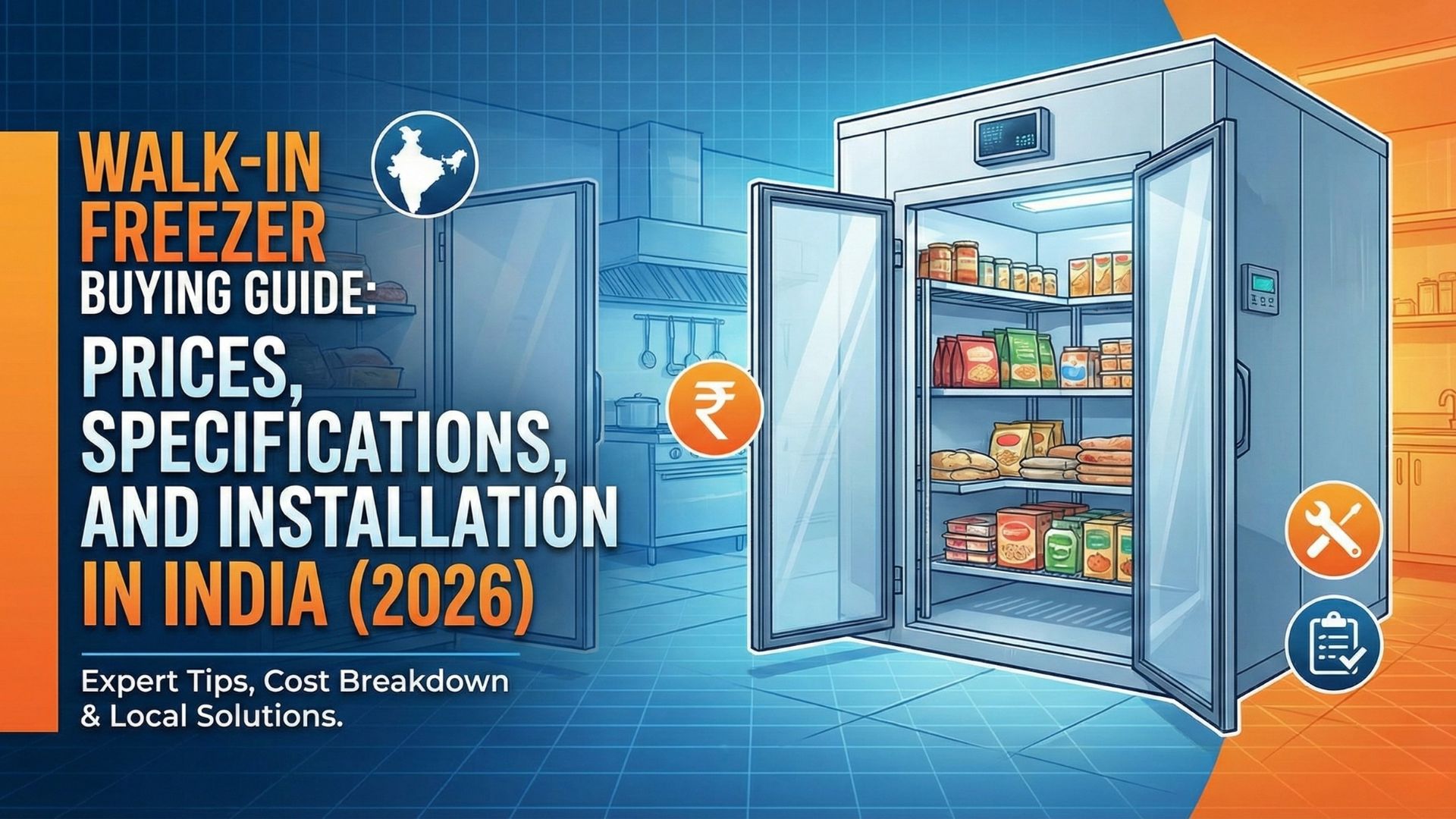
The honest answer is that cost depends on capacity, automation, location and product mix. That said, there are reliable reference bands. For frozen storage, Indian industry cost tables put construction at roughly Rs 20,000 to Rs 30,000 per MT of capacity, and a 1,000 MT frozen facility typically lands around Rs 1.4 to 1.8 crore covering civil work, insulated panels, the refrigeration plant, electricals and material handling.[12][13] A full processing plant adds pre-cooling, blast/IQF freezers, processing lines, effluent treatment and packaging on top of the seafood cold storage block.
| Cost Component | Indicative Range (INR) | Notes |
|---|---|---|
| Frozen cold storage (per MT) | Rs 20,000 – 30,000 / MT | Insulation, plant, MHE included |
| 1,000 MT frozen store (turnkey) | Rs 1.4 – 1.8 crore | Cold storage block only |
| Blast freezer / IQF line | Varies by capacity | Sized to peak throughput |
| PMMSY subsidy offset | 40% – 60% of project cost | General 40%, SC/Women up to 60% |
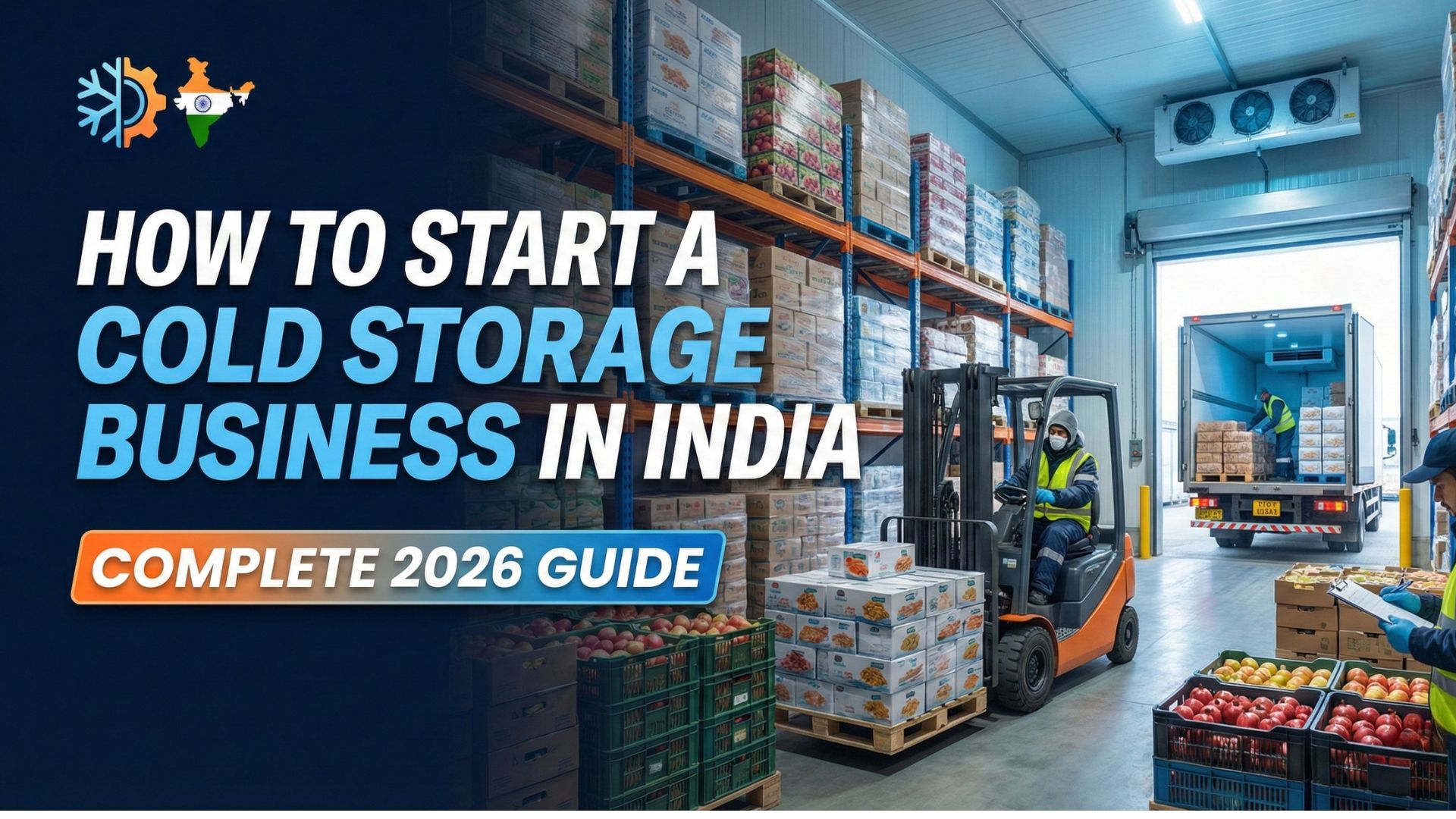
For a structured way to model your own numbers, use Rinac’s cold storage cost and investment guide, and if you are entering the sector from scratch, our guide to starting a cold storage business in India walks through the business case. Always treat these bands as planning references, not quotes; project-specific pricing depends on your site, soil, power and product mix.
Indian Market Context: PMMSY, MPEDA and Cold-Chain Subsidies
India’s fisheries policy environment in 2026 actively rewards new cold-chain investment. The flagship scheme, the Pradhan Mantri Matsya Sampada Yojana (PMMSY), carried a Rs 20,050 crore outlay for 2020-21 to 2024-25 and was designed specifically to close infrastructure gaps in the sector, including cold storage, ice plants and processing units.[8][10] For cold storage and ice-plant projects, PMMSY provides a subsidy of up to 40% of project cost for general-category beneficiaries and up to 60% for SC and women beneficiaries, delivered through state fisheries departments on a 60:40 centre-state funding pattern (90:10 for north-eastern and Himalayan states).[9][11]
Why does the government push so hard? Because the losses are enormous. Post-harvest losses in India’s marine sector are estimated at around 30%, worth roughly Rs 22,500 crore every year, according to the Ministry of Fisheries.[6] The National Centre for Cold-chain Development (NCCD) has flagged that the fisheries and perishables segment has only about 35% of the cold storage it needs.[7] Every new, well-run cold storage for seafood facility directly attacks that loss.
~30%
of India’s marine catch lost post-harvest (~Rs 22,500 crore/year)
of India’s marine catch lost post-harvest (~Rs 22,500 crore/year)
Beyond PMMSY, marine exporters benefit from MPEDA support and infrastructure schemes such as MIDH for allied horticulture cold chain. Alongside fisheries, many Rinac clients also serve agriculture and horticulture cold storage markets, spreading demand across the year.
Compliance and Standards for Seafood Processing in India
A seafood processing plant is a regulated food business, and export plants face an even stricter bar. At minimum you will work with the following framework:
- FSSAI: Food safety licensing and the quick-frozen fish standard requiring storage at -18°C or lower.[15] A Central License is generally required above defined turnover or capacity thresholds.
- HACCP: A Hazard Analysis Critical Control Points system is expected across the processing chain and is a standing requirement for export buyers.[16]
- MPEDA and EIC/EIA: Export-oriented units register with the Marine Products Export Development Authority and secure Export Inspection Council approval before shipping.
- ISO and WHO-GMP: International management-system and good-manufacturing standards are increasingly demanded by institutional buyers.
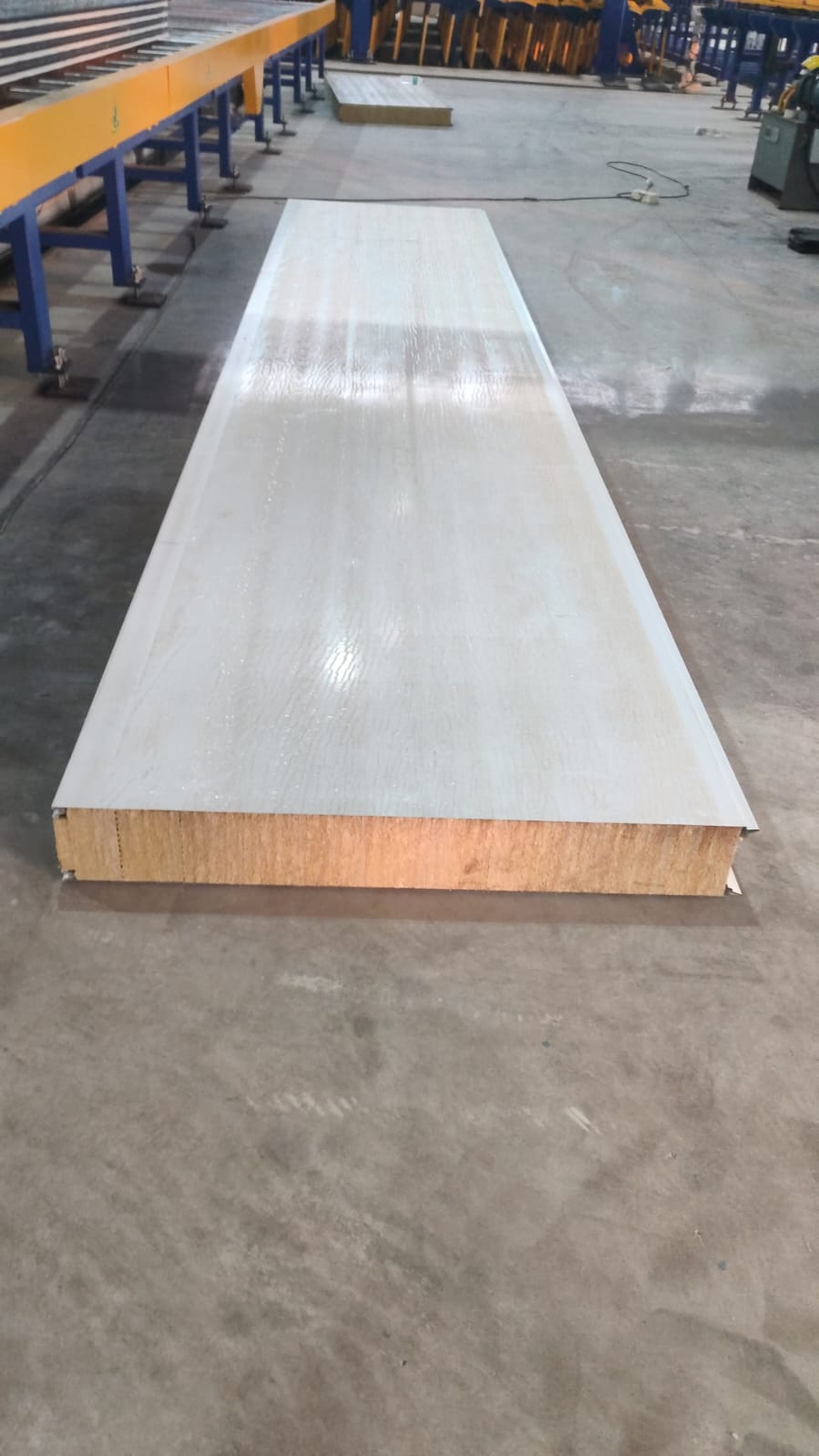
Rinac builds plants that are certified to international standards including ISO, FSSAI, HACCP, GMP, IGBC and WHO-GMP, and our panels include the FM-approved Firearmet fire-rated range for facilities where fire compliance matters. For food-safety-first plants, our note on ensuring food-safety compliance in cold storage is a useful companion read.
How Rinac Designs and Builds Seafood Processing and Cold-Chain Plants
Rinac approaches a seafood processing plant as solution architects and builders, not merely equipment suppliers. Over 30+ years and 10,000+ projects across 23 countries, serving 6,000+ clients including ITC, Britannia, Tata, Reliance and Nestle, we have refined a single-contract model that removes the coordination risk of stitching together separate vendors for panels, refrigeration, civil work and controls.
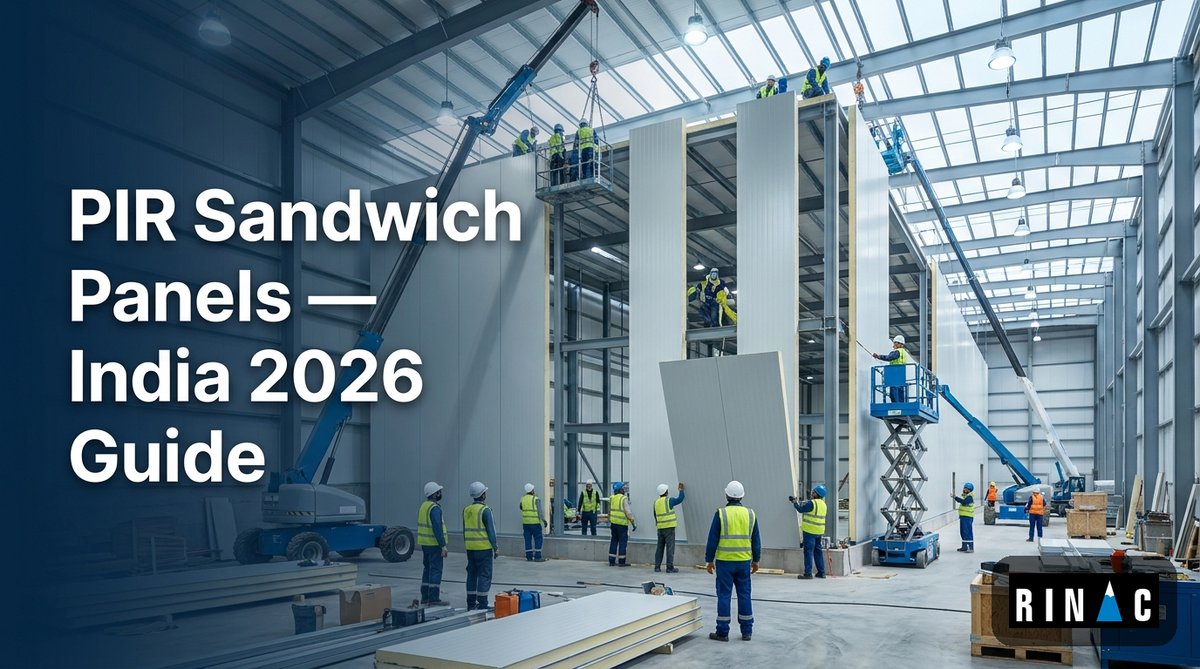
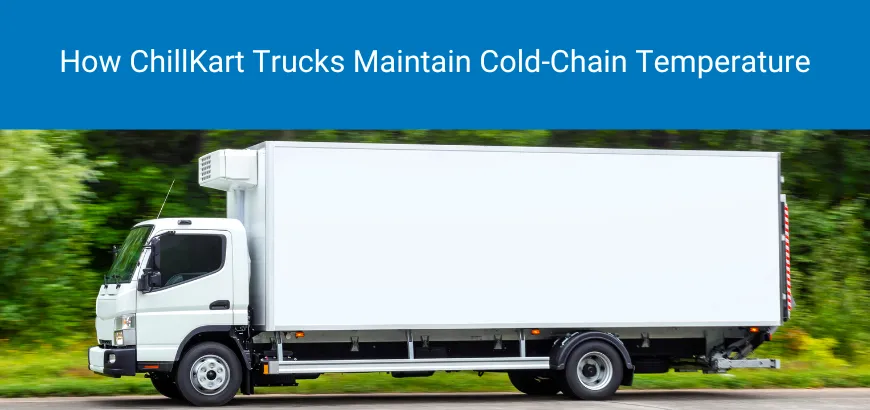
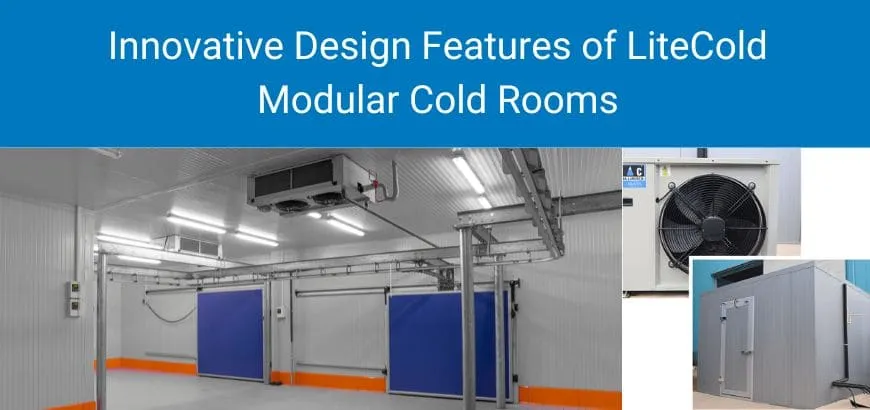
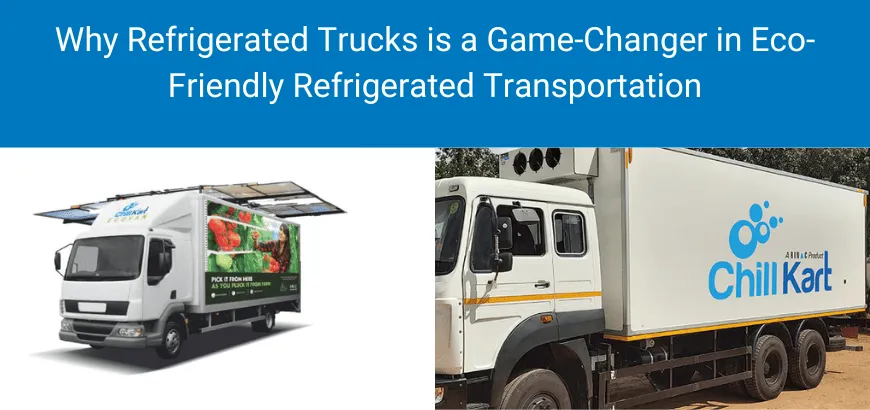
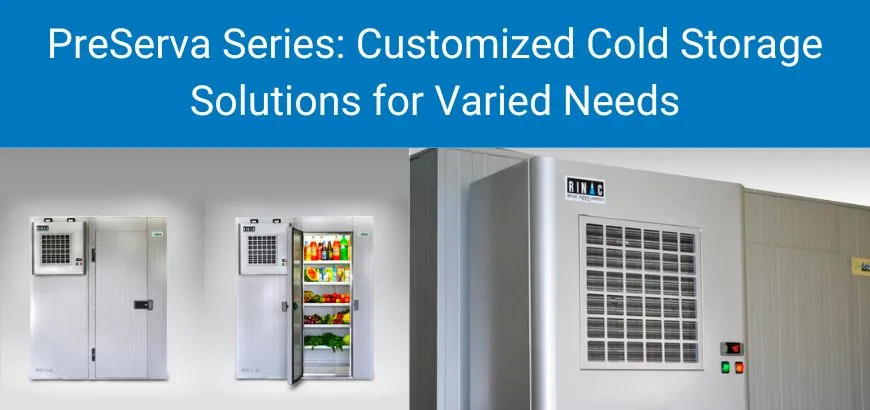
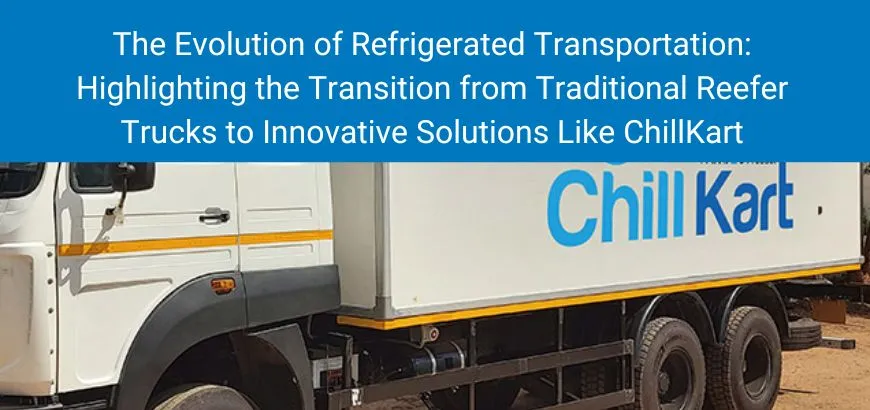
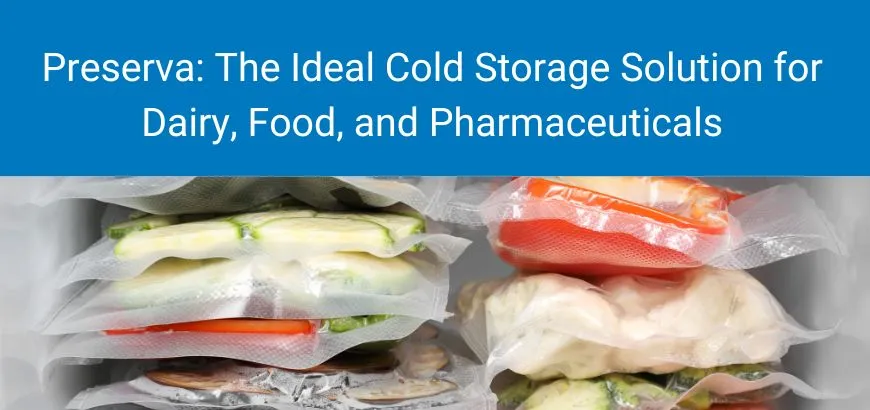
For fisheries clients that typically means an integrated scope: pre-cooling and flake-ice, blast and IQF freezing through our blast chillers and freezers and IQF systems, low-temperature cold storage fish rooms, and last-mile refrigerated transportation. Proprietary brands such as PreServa customised cold storage, LiteCold modular rooms and ChillKart reefer solutions let us tailor each stage to a plant’s throughput and budget. Two manufacturing facilities in Bangalore and Murbad, plus 14 branch offices, back every installation with pan-India after-sales support.
Frequently Asked Questions
Sources & References
[1] MPEDA / PinkKerala, “India’s seafood exports US$7.45 billion in FY 2024-25” (2025) – link
[4] PIB / Department of Fisheries, “Fish production 197.75 lakh tonnes in FY 2024-25” (2025) – link
[5] Vision IAS / FAO 2026, “India second-largest fish producer” (2025) – link
[6] IMPRI / Ministry of Fisheries, “Post-Harvest Losses in Fisheries” (2023) – link
[7] Ken Research / NCCD, “India Cold Chain for Fisheries Market” (2024) – link
[8] Department of Fisheries, “Pradhan Mantri Matsya Sampada Yojana (PMMSY)” (2024) – link
[9] Fisheries Department Haryana, “PMMSY subsidy for cold storage / ice plant” (2024) – link
[10] Department of Fisheries, PMMSY official portal (2025) – link
[11] NFDB, “PMMSY components” (2025) – link
[12] Phoenixx Smartbuild, “Cold storage cost per MT in India 2026” (2026) – link
[13] FMAX, “Cold Storage India Cost 2026 – capex/opex” (2026) – link
[15] FSSAI, “Fish and Fish Products standards” (2023) – link
[16] FSSAI, “Guidance Document – FSMS for Fish” (2018) – link
[17] FAO, “Freezing and refrigerated storage in fisheries – cold stores” – link
Full disclaimer: This article is provided for informational purposes only and does not constitute professional engineering, legal, financial, or regulatory advice. Prices, subsidy rates, eligibility criteria, and regulations referenced here change over time and vary by state and category; all figures and claims are drawn from public sources as of the publication date and should be independently verified with FSSAI, MPEDA, the Department of Fisheries, NFDB, and your state agencies before you act on them. For project-specific plant design, capacity sizing, cost estimation, ROI analysis, and compliance planning, obtain a formal Rinac consultation via rinac.com/contact-us.