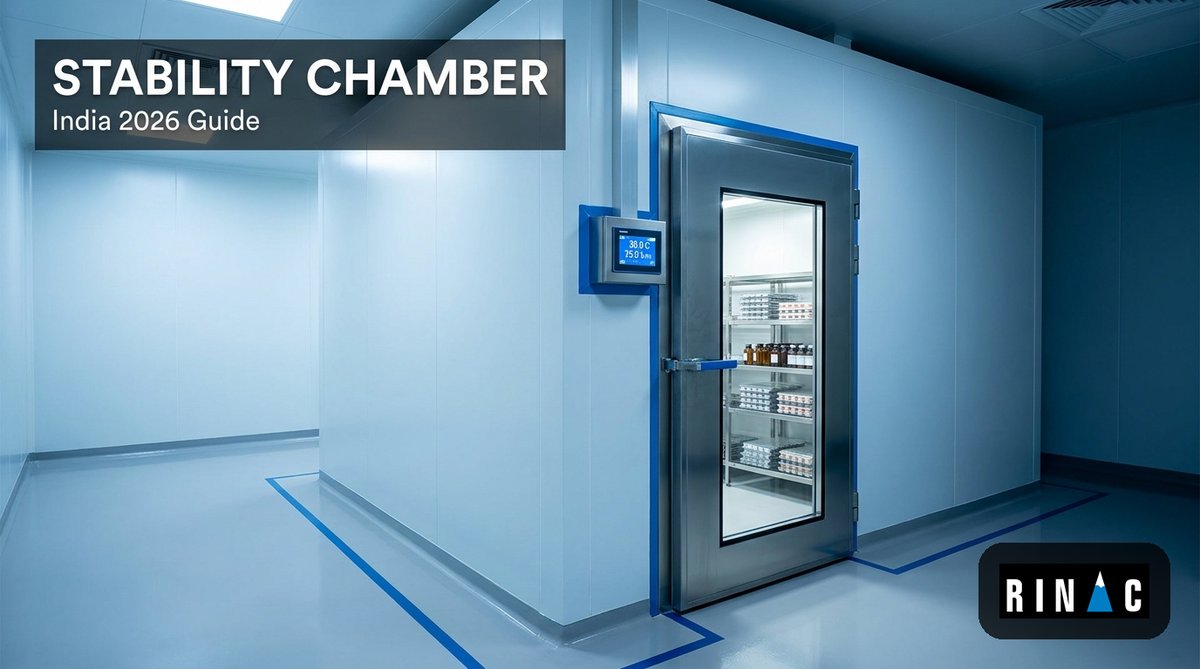
TL;DR – Quick Summary
- A stability chamber is a precision-controlled enclosure that holds a defined temperature and relative humidity so a drug product can be tested against ICH and WHO shelf-life conditions. India sits in climatic Zone IVb, so the long-term condition here is the toughest in the world: 30°C / 75% RH.
- ICH Q1A(R2) sets the working matrix most Indian formulators build around: long-term 25°C/60% RH or 30°C/65% RH, intermediate 30°C/65% RH and accelerated 40°C/75% RH, plus 5°C and -20°C conditions for cold-chain products.
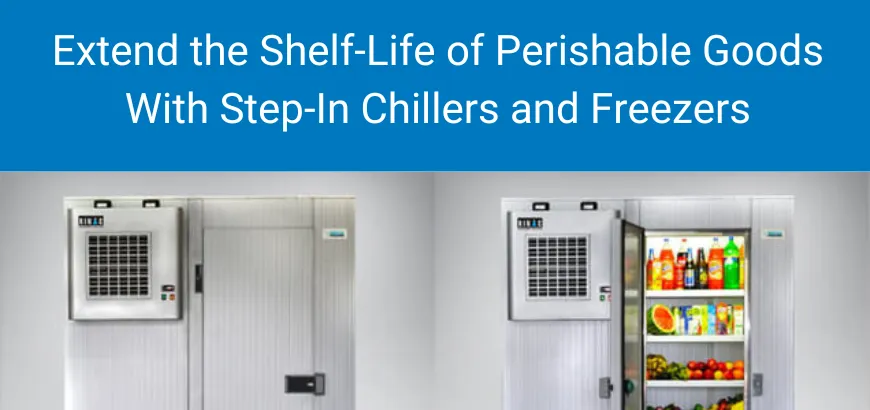
- Three formats matter commercially: benchtop and reach-in cabinets for R&D batches, and the walk-in stability chamber, a room-scale build that behaves far more like an insulated-panel cold room than like a laboratory instrument.
- Revised Schedule M pushed qualification, validation and stability studies as per recommended climatic conditions from good practice into legal obligation. Roughly 8,500 MSME units were given until 31 December 2025 to comply, and the government’s RPTUAS scheme has already sanctioned Rs 135.84 crore to 142 small and medium pharma companies for exactly this kind of upgrade.
- Budget realistically. Published Indian OEM list pricing for a walk-in stability chamber starts near Rs 8.97 lakh for a small unit, and the envelope, redundancy, qualification and mapping work usually costs more than the refrigeration package itself.
Disclaimer: This article is for informational purposes only and is not a substitute for professional engineering, legal or regulatory consultation. Prices, subsidy rates and regulatory requirements change. Verify current requirements directly with CDSCO, your State Licensing Authority, the Department of Pharmaceuticals or your notified body before committing capital. All figures cited here are drawn from public sources as of the publication date and are linked in the References section.
What Is a Stability Chamber, and Why India Is a Harder Case
A stability chamber is an enclosure that holds a specified temperature and relative humidity within tight tolerance, continuously, for months or years, so that a drug substance or finished product can be tested for degradation, potency loss, moisture uptake and physical change over its claimed shelf life. Everything else about it, the sensors, the alarms, the chart records, the qualification file, exists to prove that the set point was actually held. The role of a stability chamber in pharma is therefore evidentiary as much as it is technical: it produces the data that supports a shelf-life claim on a licence application.
What makes India different is climate classification. Under the WHO stability guidance in Technical Report Series 1010, Annex 10, hot and very humid territories fall into climatic Zone IVb, where up to 30°C / 75% RH is applied as the long-term storage condition [4]. A stability programme designed for a temperate European market and lifted unchanged into an Indian facility will under-stress the product. That is not a theoretical concern: the same WHO annex warns explicitly that applying Zone I or II conditions to products supplied into Zone III and IV markets can result in substandard product reaching patients.
The commercial backdrop explains why this equipment is being bought at pace. India’s domestic pharmaceutical market is estimated at around Rs 5,20,000 crore in 2026 [7], and exports of drugs and pharmaceuticals grew 92% in six financial years, from Rs 1,28,028 crore in FY2018-19 to Rs 2,45,962 crore in FY2024-25 [1]. Every one of those export dossiers needs a stability package behind it, and every stability package needs chamber time.
30°C / 75% RH
Long-term stability condition applied for climatic Zone IVb, which covers India
Long-term stability condition applied for climatic Zone IVb, which covers India
Stability Chamber Storage Conditions: The ICH Q1A(R2) Matrix
ICH Q1A(R2) is the reference document that defines what a general-case stability chamber has to deliver. The storage conditions below are the ones an Indian quality head will recognise from every protocol they have ever signed [3].
| Study Type | Condition | Minimum Duration at Submission | Typical Indian Use |
|---|---|---|---|
| Long term (general) | 25°C ± 2°C / 60% RH ± 5% RH | 12 months | Regulated-market export dossiers |
| Long term (Zone IVb) | 30°C ± 2°C / 75% RH ± 5% RH | 12 months | Domestic Indian and Zone IVb markets |
| Intermediate | 30°C ± 2°C / 65% RH ± 5% RH | 6 months | Triggered by significant change at accelerated |
| Accelerated | 40°C ± 2°C / 75% RH ± 5% RH | 6 months | Universal, every product |
| Refrigerated products | 5°C ± 3°C | 12 months | Biologics, injectables, insulin, vaccines |
| Frozen products | -20°C ± 5°C | 12 months | Certain biologicals and API intermediates |
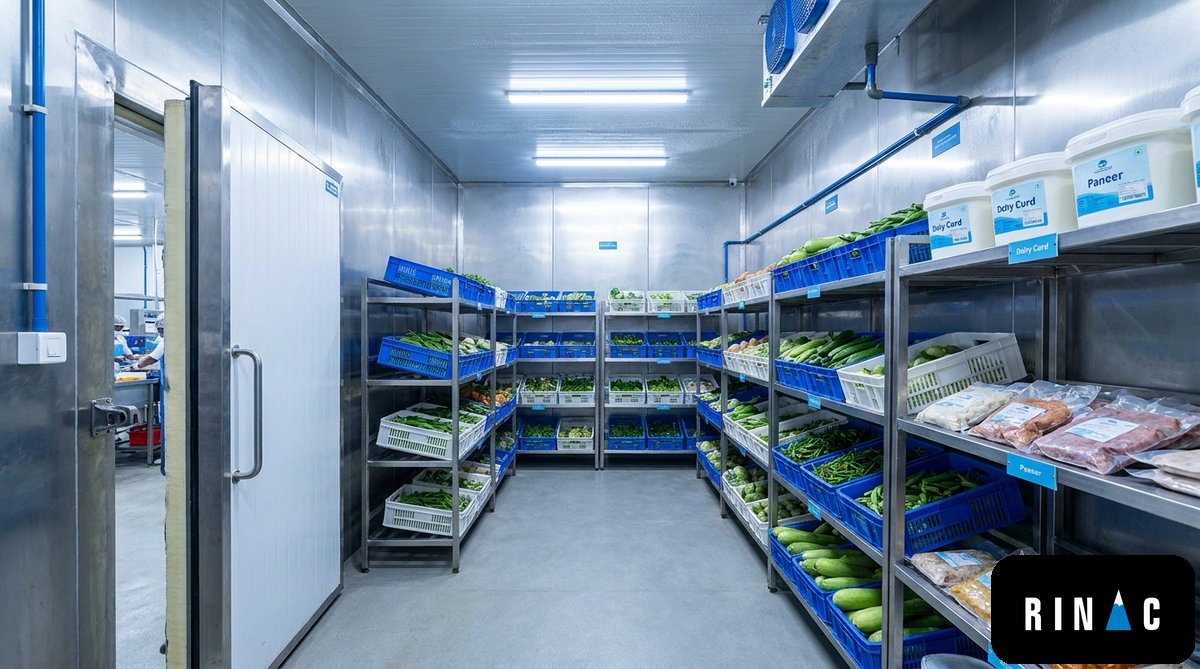
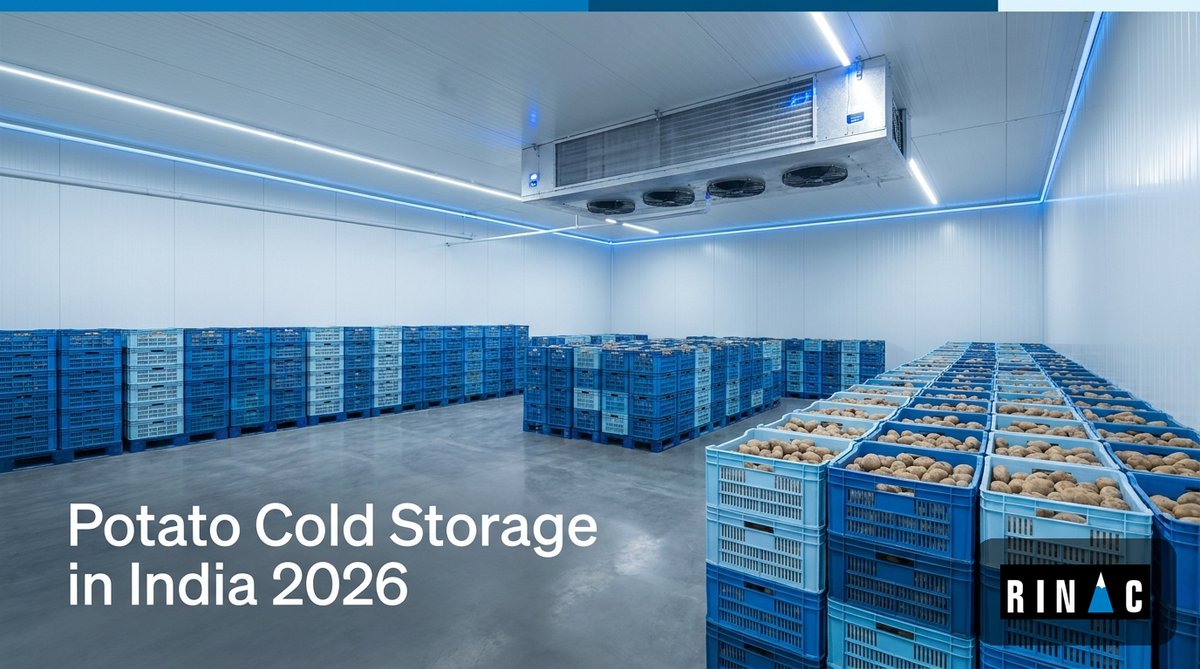
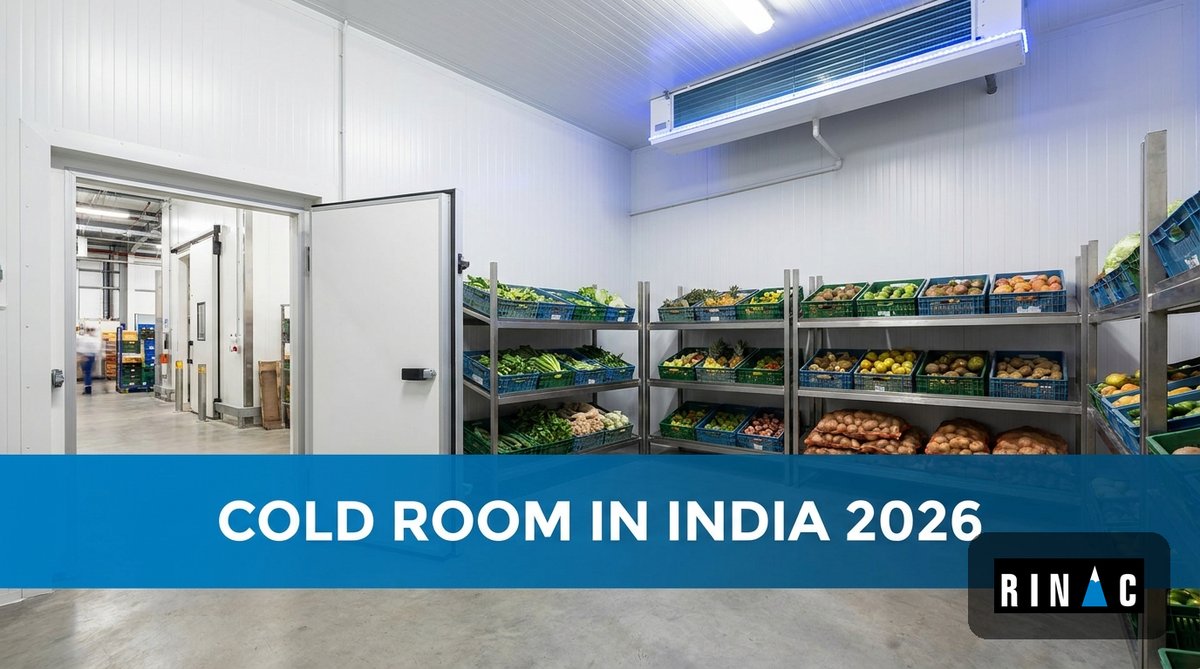
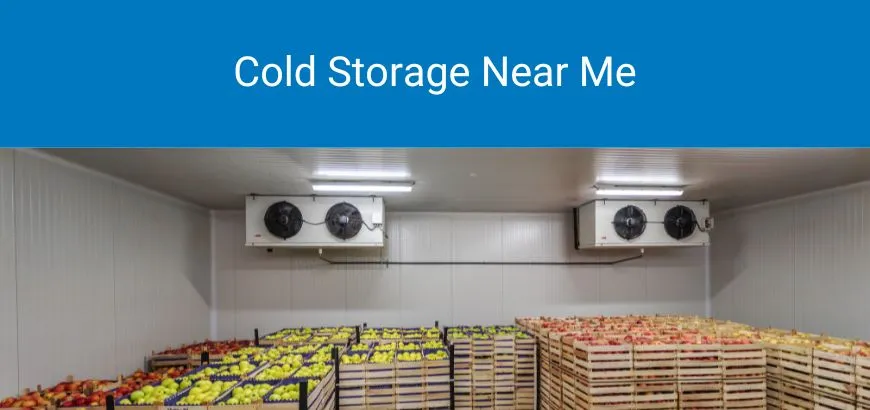
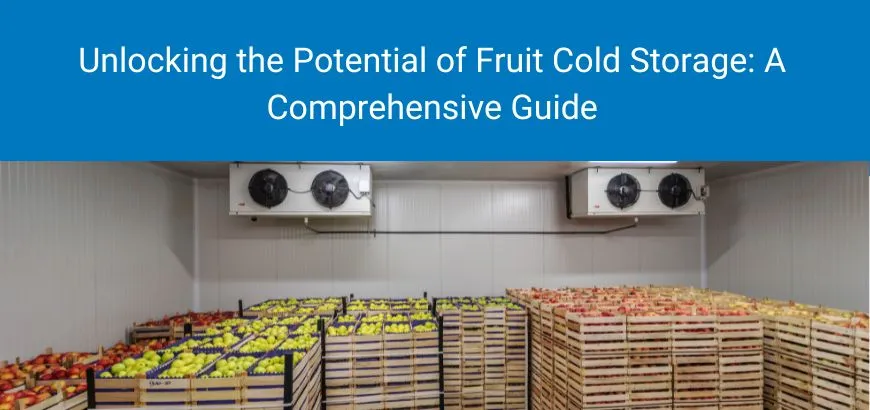
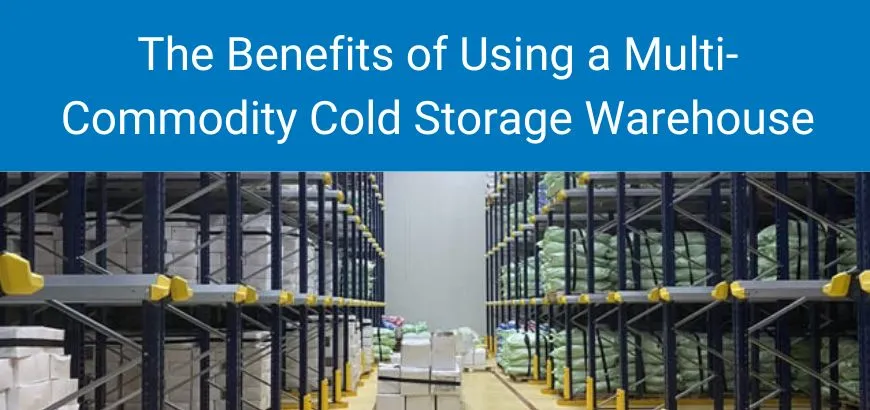
Two of those rows are worth pausing on. The 5°C and -20°C conditions are not chambers in the humidity-controlled sense at all. They are refrigeration problems, and they sit in exactly the same engineering family as the equipment covered in our cold chain vaccine guide and our pharmaceutical cold storage outlook. Many Indian sites end up running their 5°C stability condition inside a qualified modular cold room rather than a cabinet, simply because the sample volumes outgrew the cabinet within two product cycles.
Design note: Tolerance is not the same as control band. A chamber specified at 40°C ± 2°C must hold every monitored point in the loaded volume inside that band, not just the control sensor near the return air. That distinction is what separates a chamber that passes performance qualification from one that fails it on the corners and the top shelf.
Types of Stability Chamber: Benchtop, Reach-In, Walk-In and Photostability
Benchtop and reach-in cabinets
These are laboratory instruments, typically 100 to 1,500 litres, factory-built, plug-and-play, and supplied with their own controller and data logger. For an R&D team running a handful of batches, this is the right answer. The constraint is scale: once you are holding retention samples for dozens of SKUs across four conditions and multiple pack presentations, cabinet capacity becomes the bottleneck long before the science does.
Walk-in stability chamber
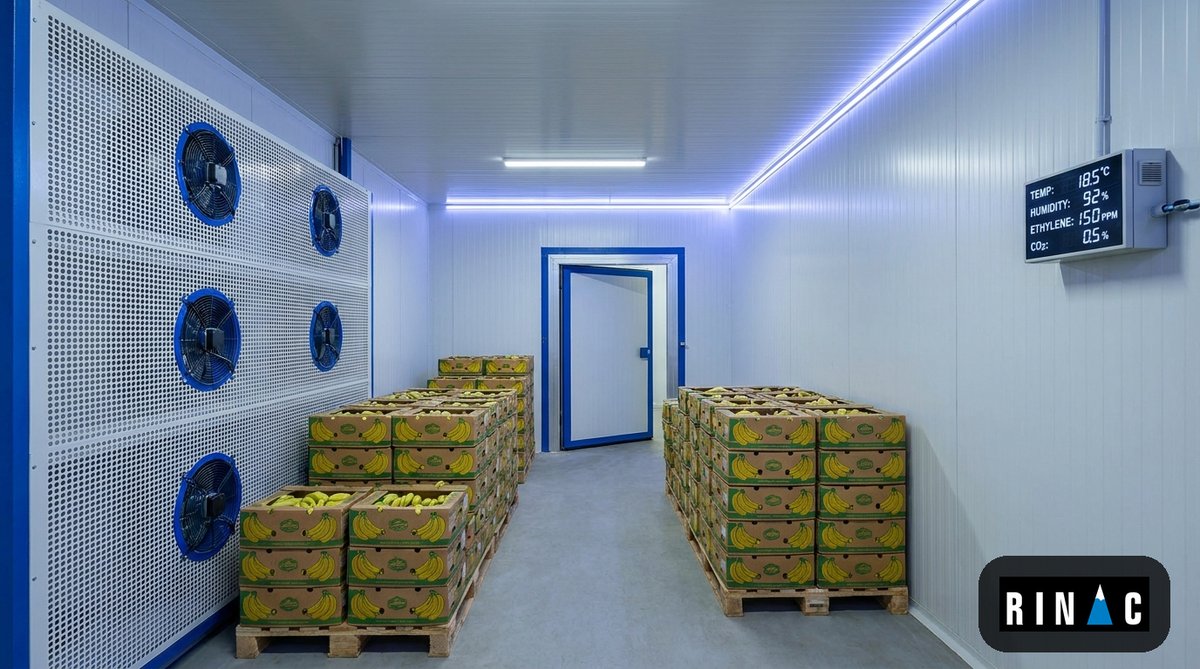
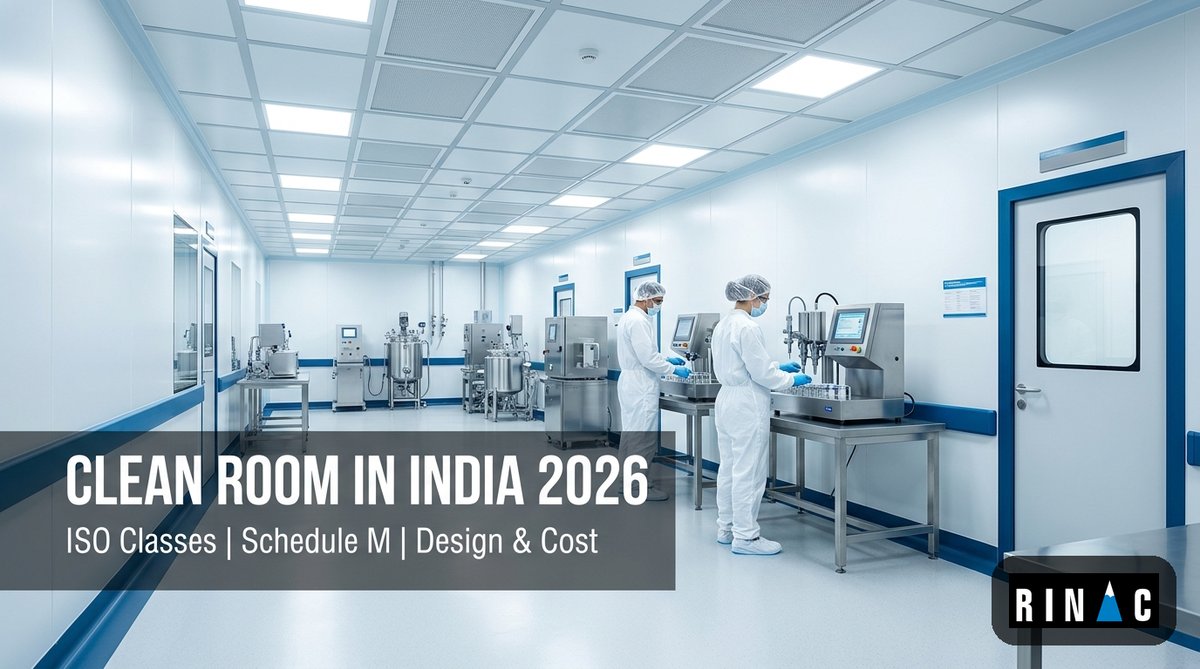
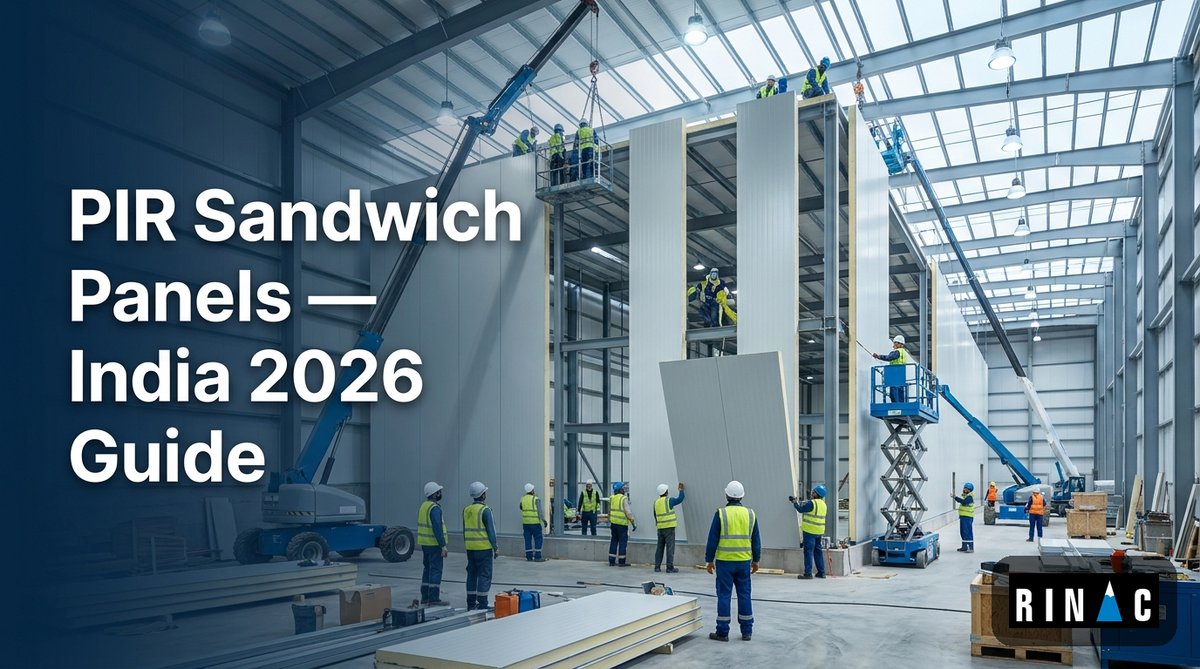
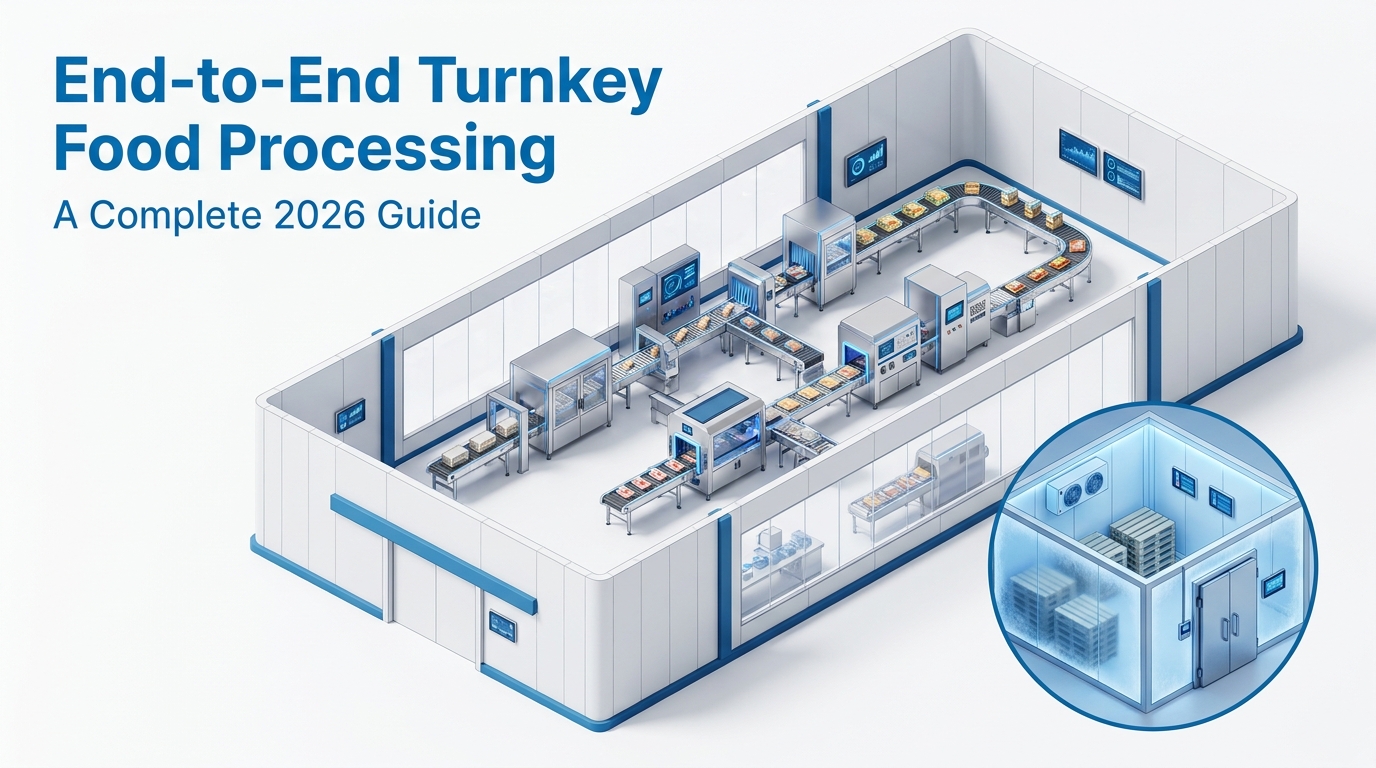
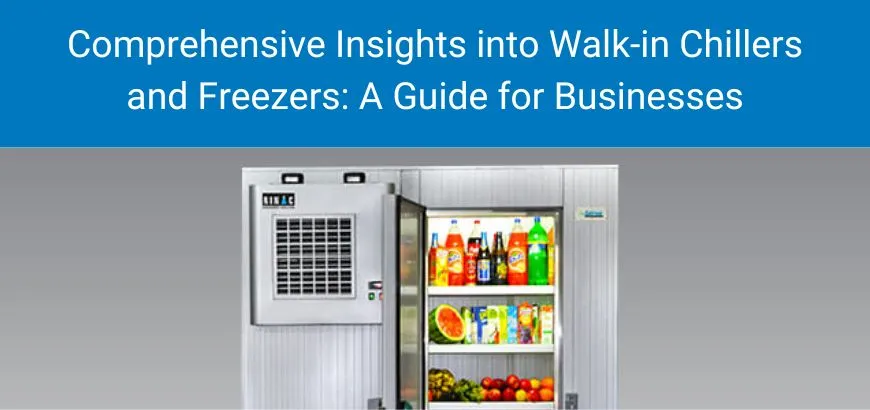
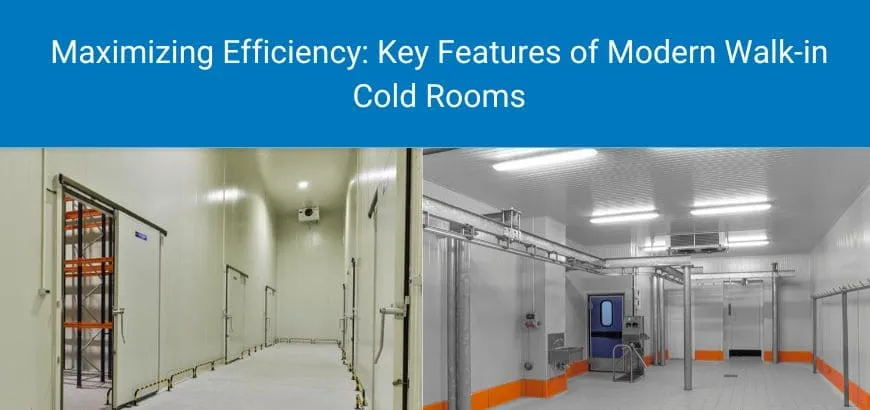
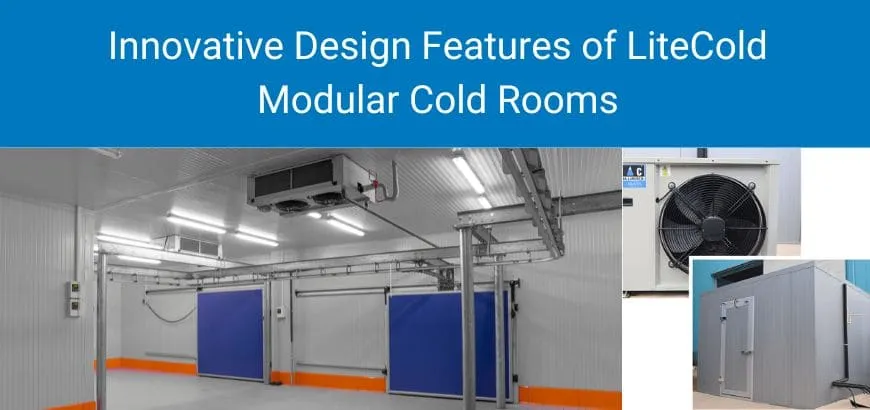
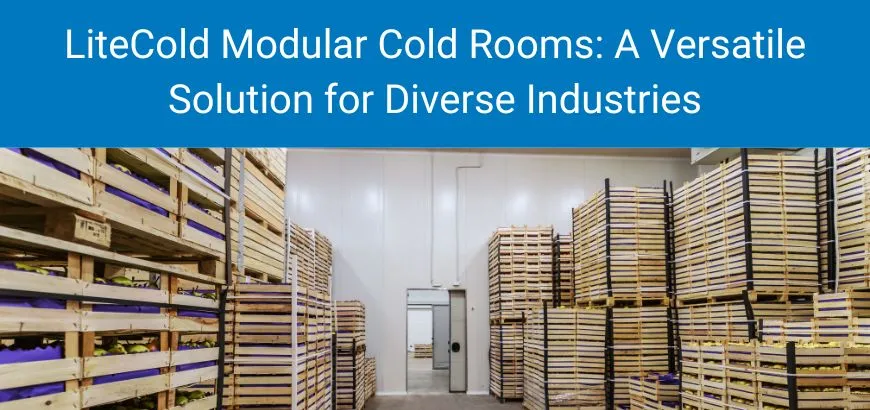
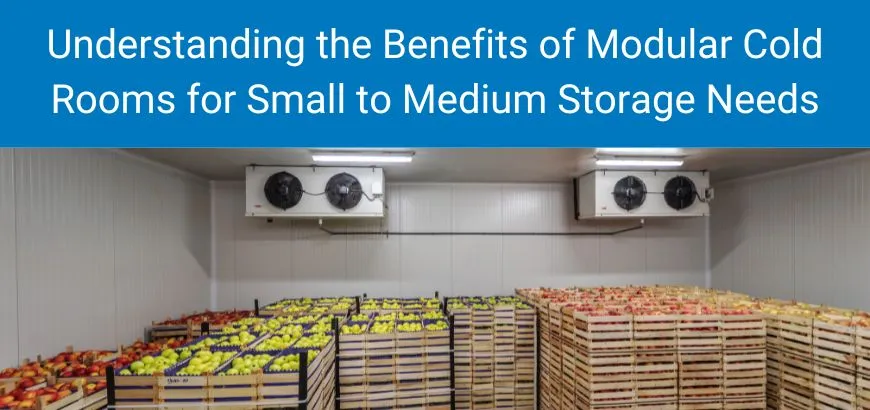
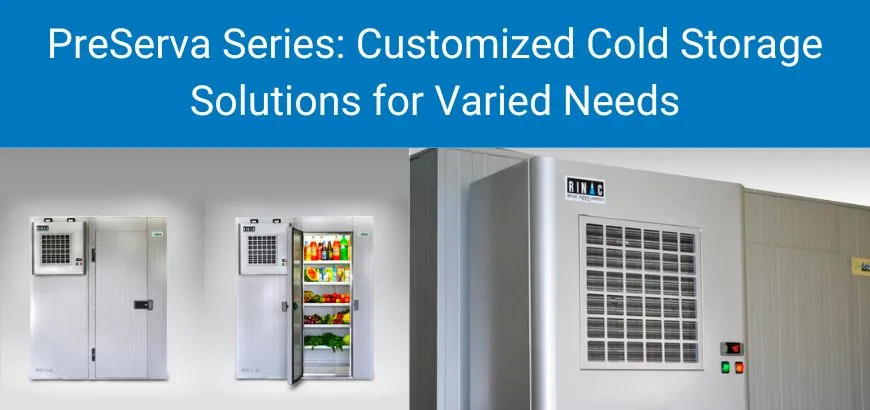
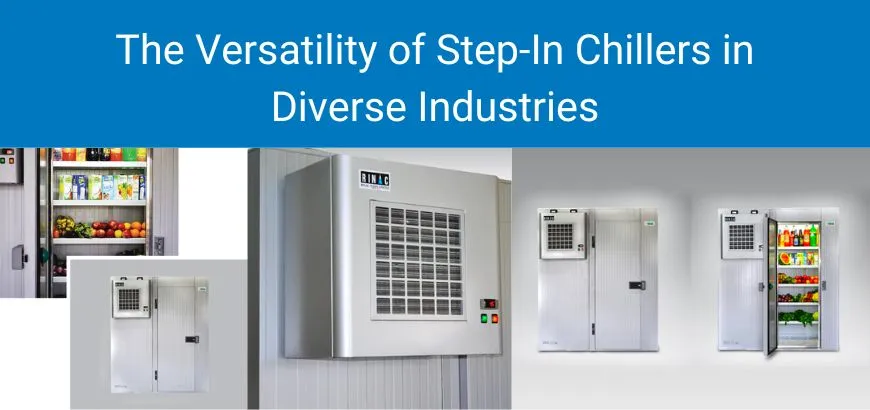
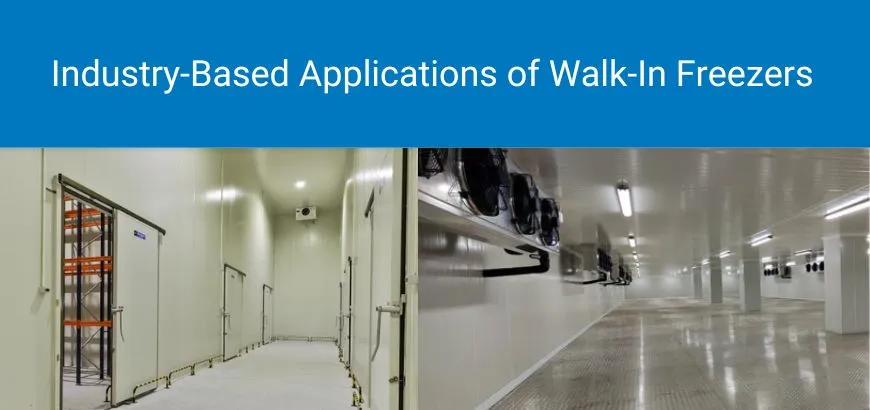
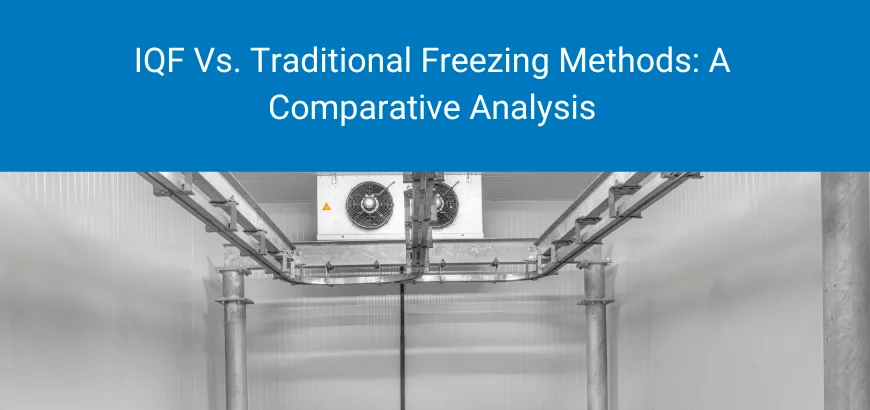
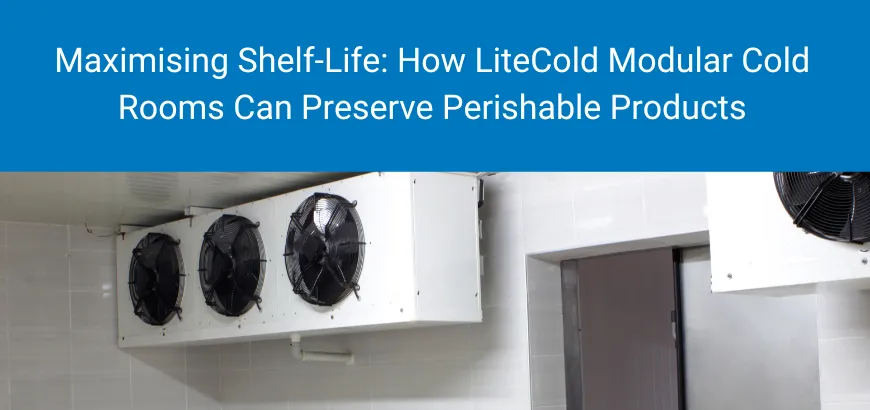
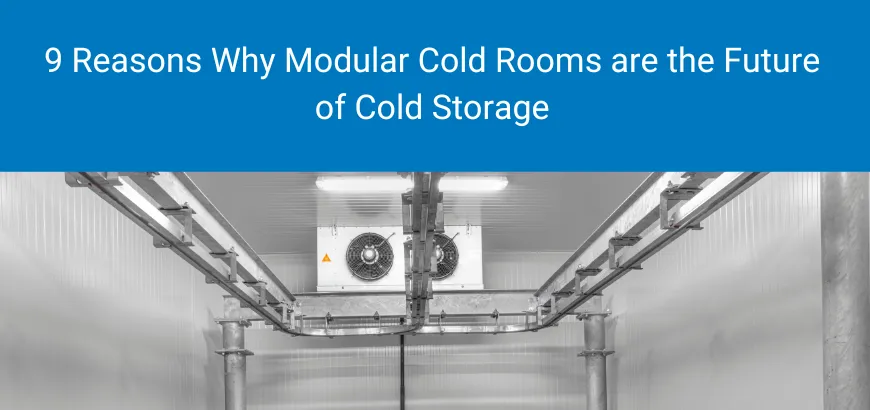
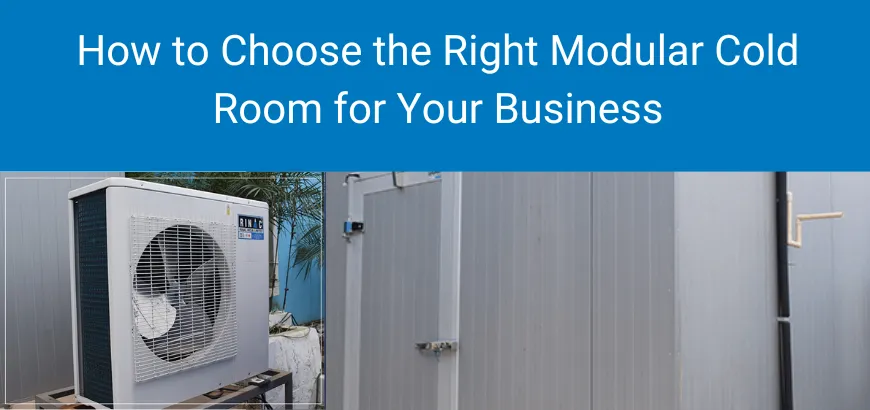
A walk-in stability chamber is a room, not an appliance. It is built from insulated sandwich panel, fitted with a dedicated refrigeration and humidification package, and racked internally so operators can pull samples on a schedule. Structurally and thermally it is closer to a walk-in chiller or a clean room than to a laboratory oven, which is precisely why room-scale requirements are usually best handled by a controlled-environment builder rather than an instrument supplier.
Photostability chamber
ICH photostability testing needs a calibrated light source in addition to temperature control, delivering a defined illumination and near-UV energy dose. A photostability chamber is therefore a specialist unit and is rarely combined with bulk long-term storage duty. Plan it as a separate asset.
Cold and frozen conditions
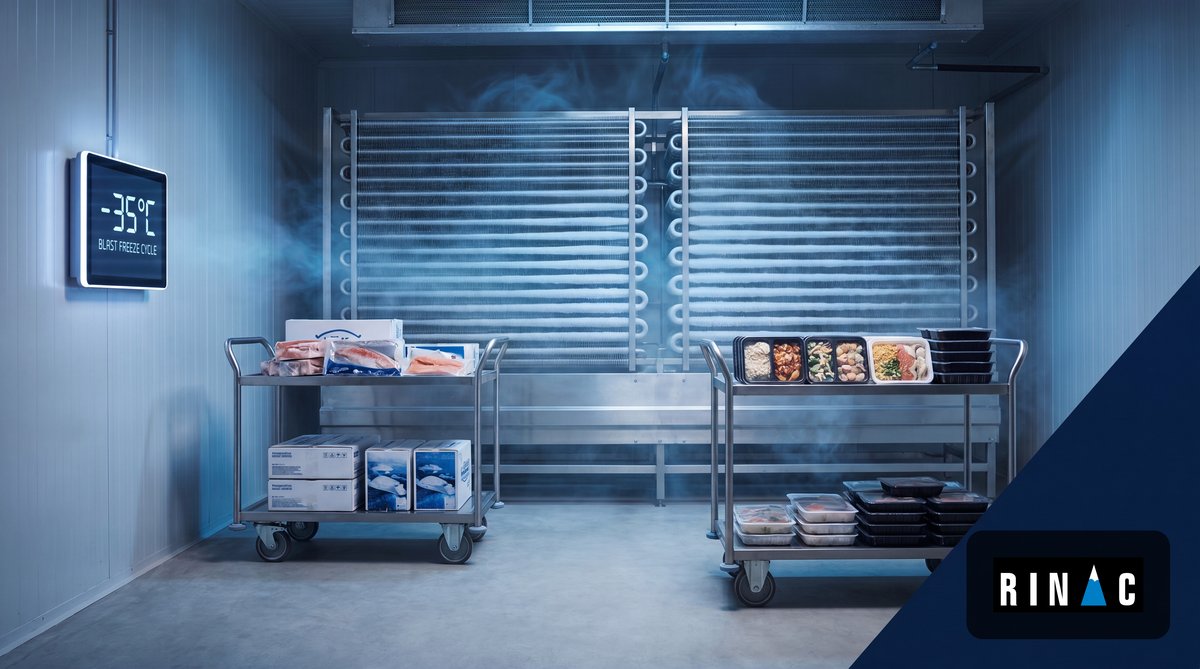
For the 5°C and -20°C rows of the matrix, you are specifying refrigeration hardware, not humidity hardware. Sizing, defrost strategy, evaporator selection and door-opening load all follow standard cold room logic, covered in more depth in our walk-in freezer buying guide and our blast freezer guide. A small number of programmes, typically cell and gene therapy or certain biological reference standards, also need ultra low temperature storage well below -20°C. That is a separate class of equipment procured from specialist laboratory freezer suppliers, and it should be planned and budgeted independently of the humidity-controlled chambers.
How a Walk-In Stability Chamber Is Actually Built
This is where most specification errors happen, because the buyer treats a room-scale stability chamber as a large cabinet instead of as a small building with an unusually demanding brief.
The envelope
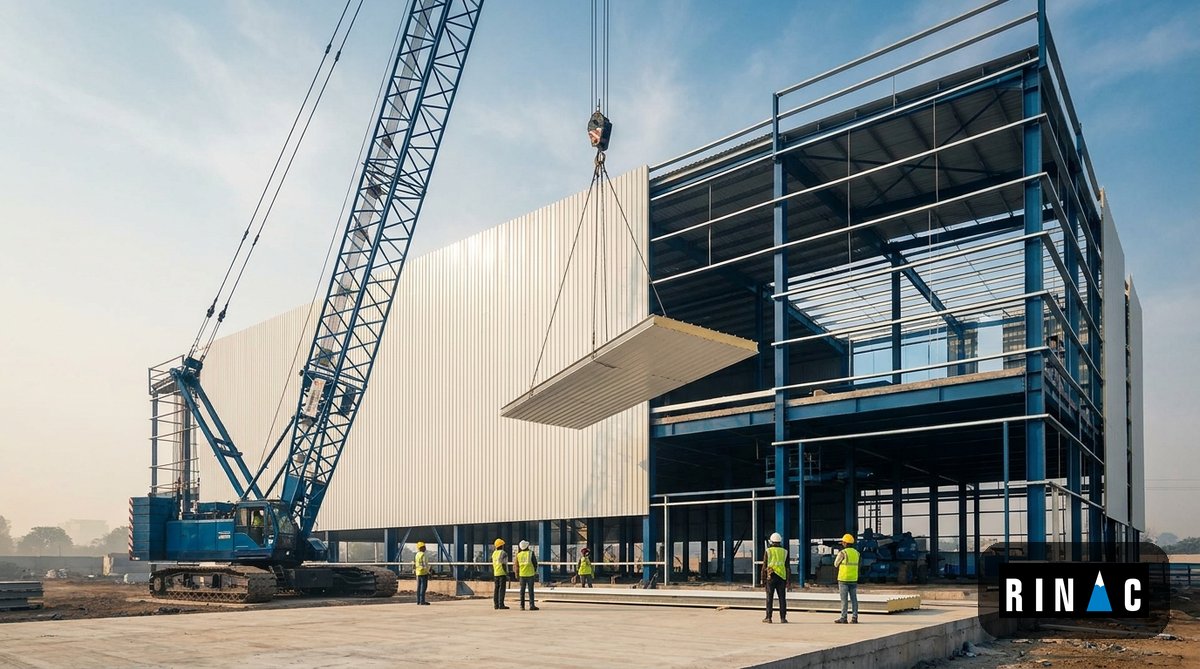
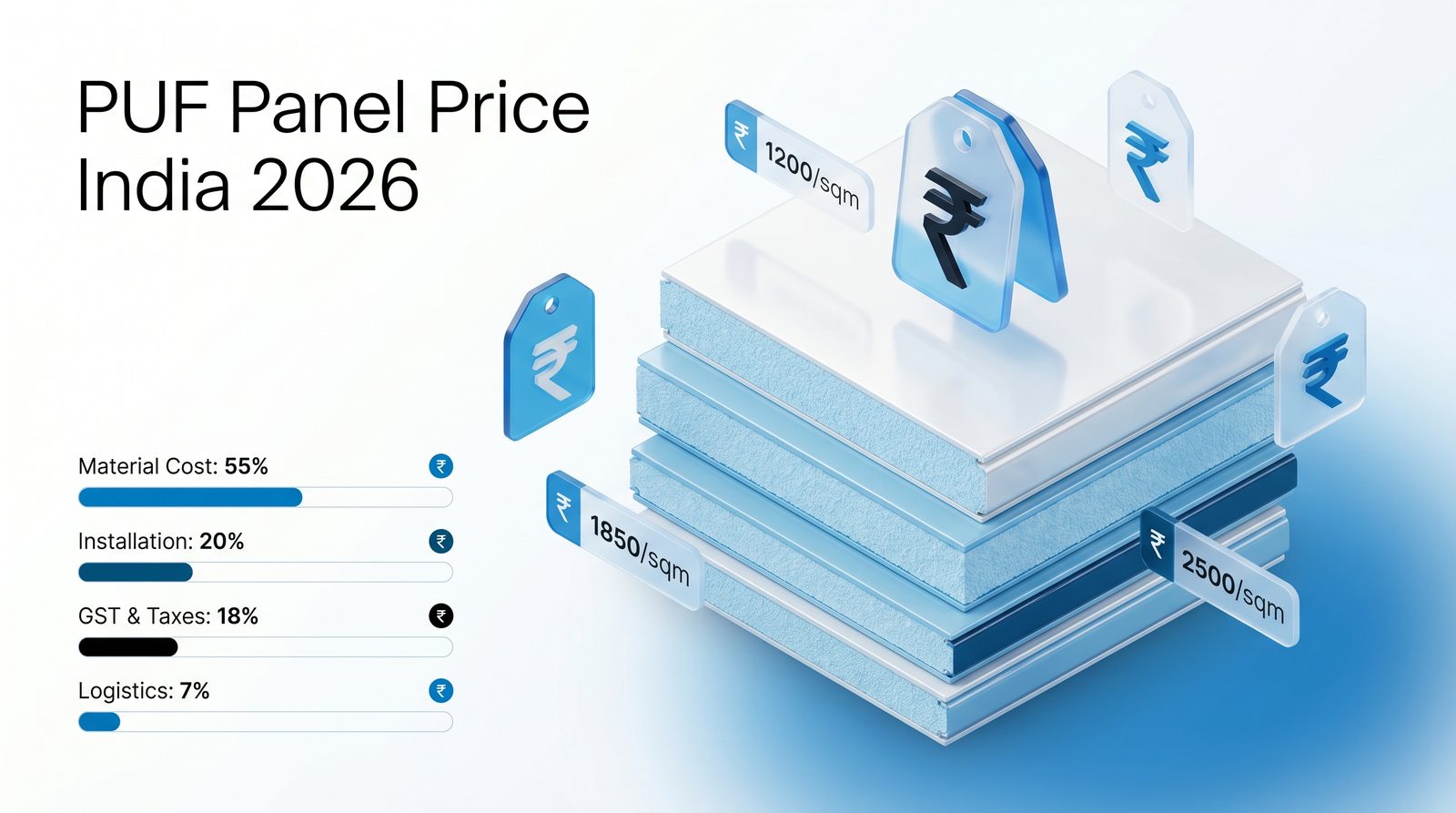
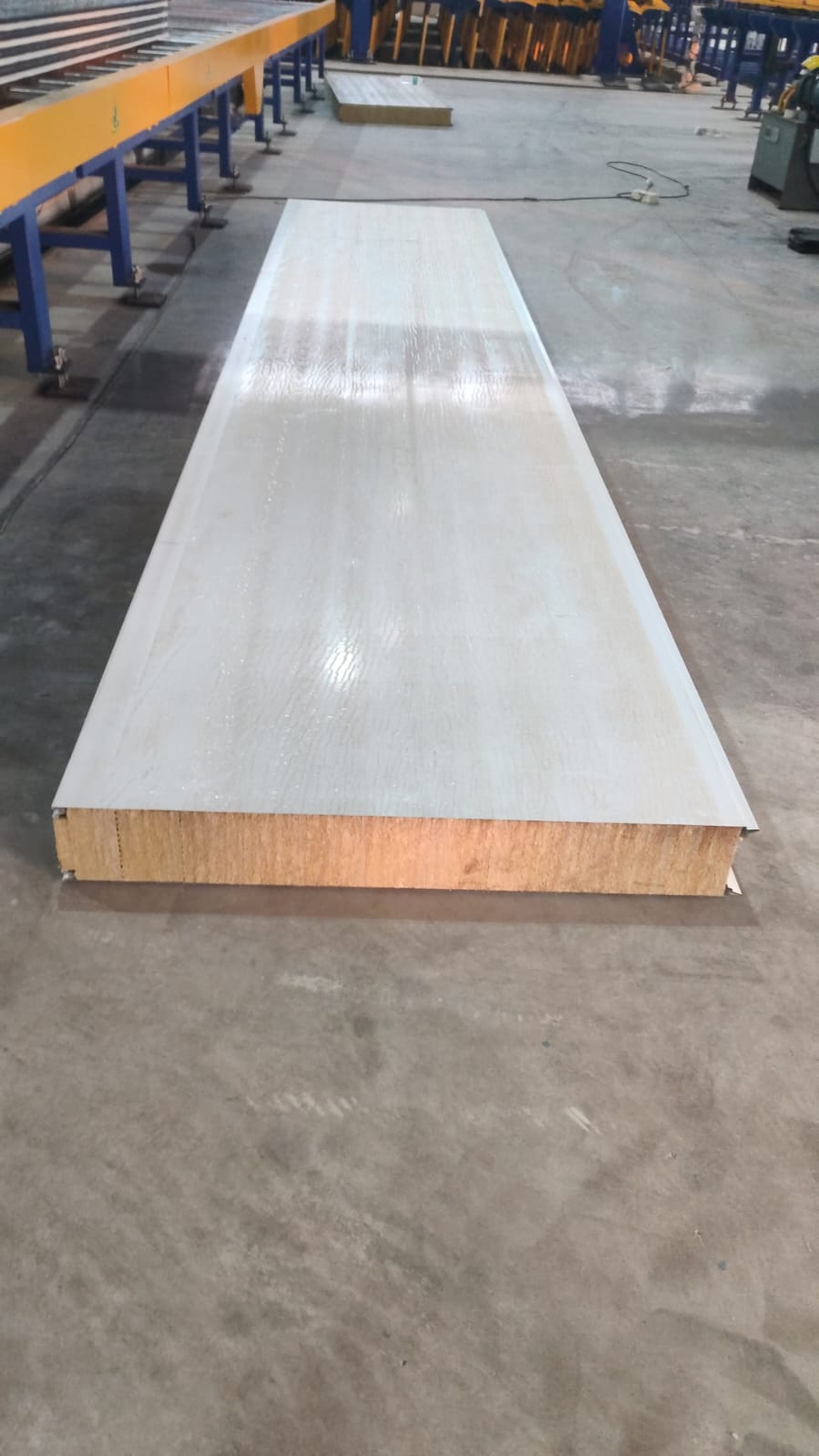
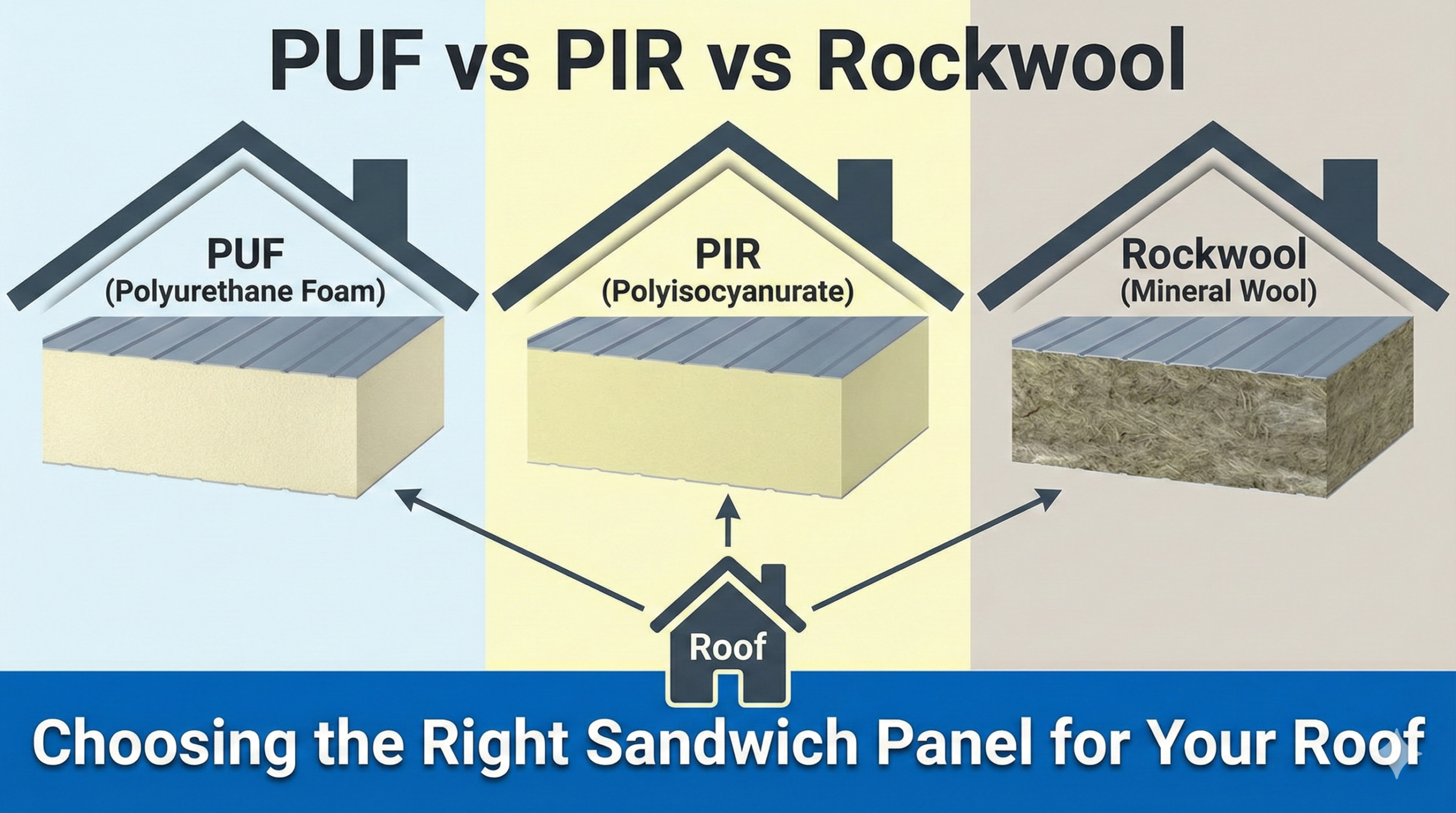
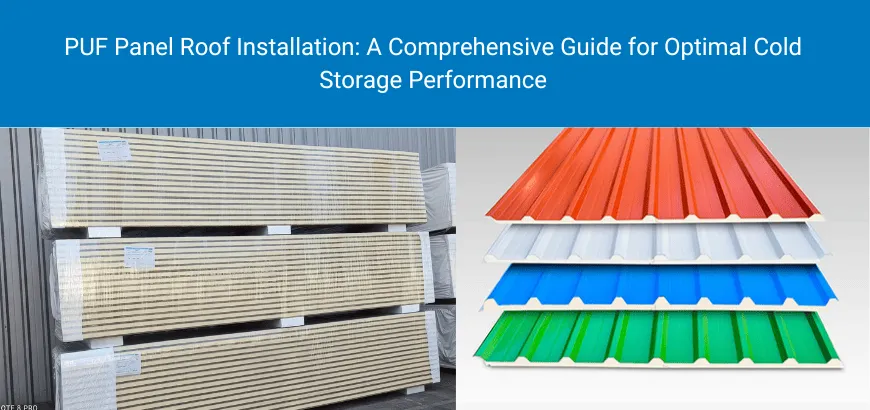
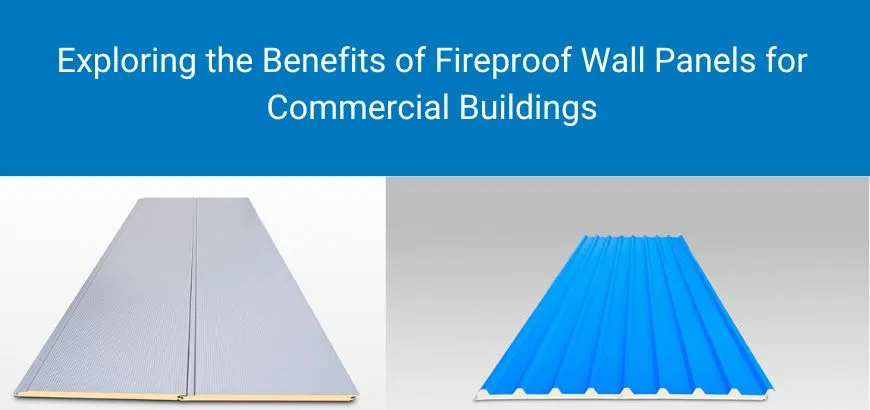
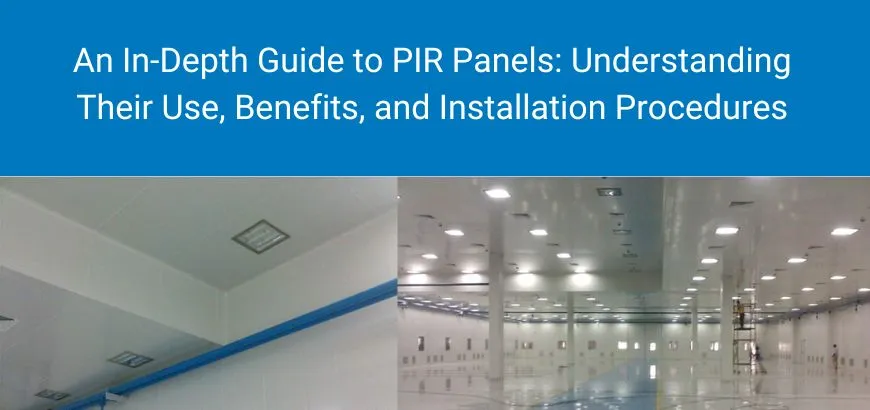
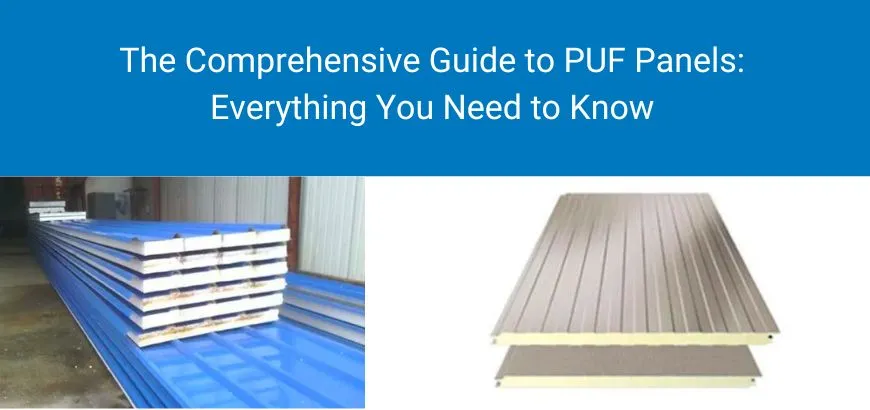
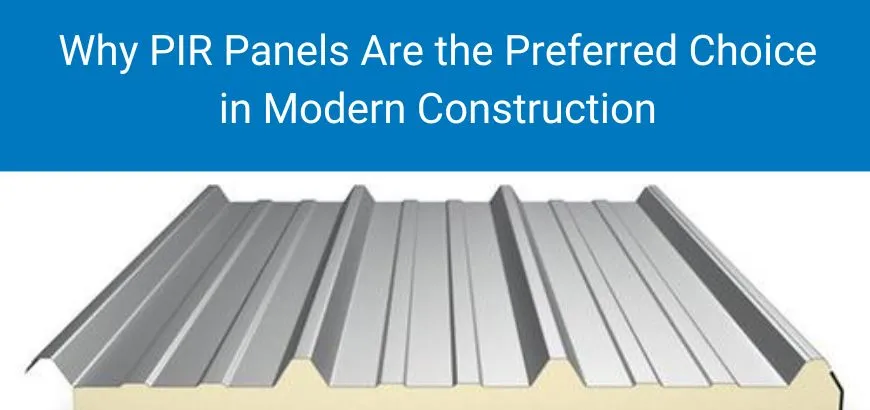
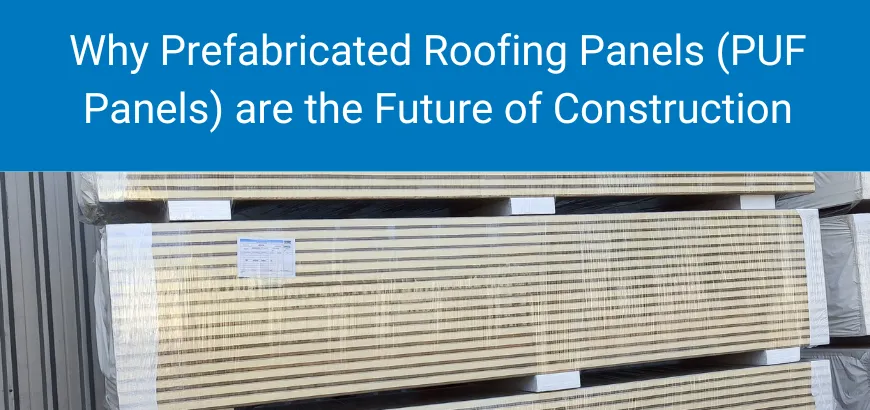
Panel selection drives everything downstream. A 30°C/75% RH room in a Bengaluru or Hyderabad summer has to hold a humidity gradient across the wall, not just a temperature gradient, so vapour sealing at joints, corners and service penetrations matters as much as the insulation core. Options run from PUF through PIR to mineral wool cores, each with different thermal and fire behaviour. Our comparison of PUF, PIR and rockwool and the detail in the PIR sandwich panel guide are the right starting point, with current rates in the PUF panel price guide. Where fire performance governs, Rinac’s patented Firearmet fire-rated sandwich panels are specified in place of standard cores. Panel thickness is a calculation, not a catalogue choice, and our thickness selection guide sets out the method.
Simultaneous temperature and humidity control
Holding 30°C and 75% RH together is harder than holding either alone. The cooling coil dehumidifies as it removes sensible heat, so the control loop has to reheat and re-humidify continuously to land back on set point. That means a coordinated package: refrigeration capacity, electric or hot-gas reheat, a clean steam or ultrasonic humidifier fed with treated water, and a controller that can sequence all three without hunting. Under-specifying the humidification side is the single most common reason a chamber drifts out of band at night when the ambient drops.
Airflow and load pattern
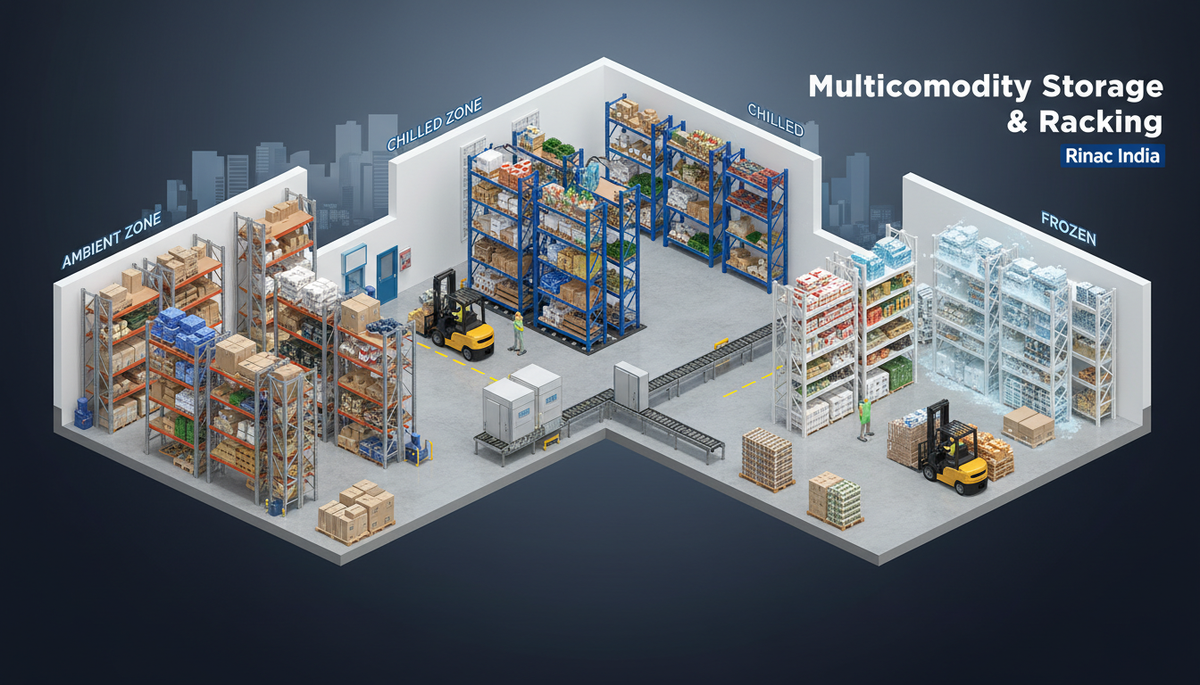
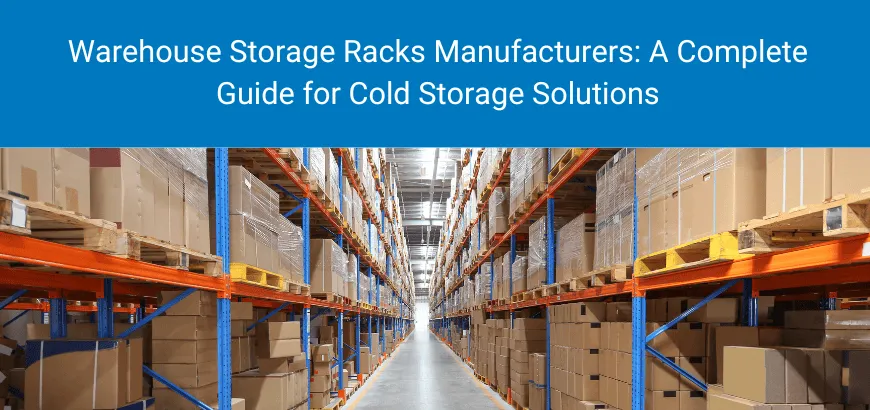
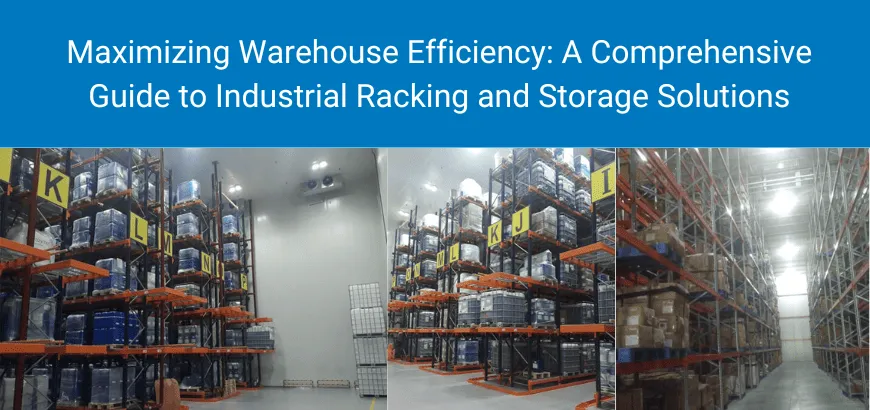
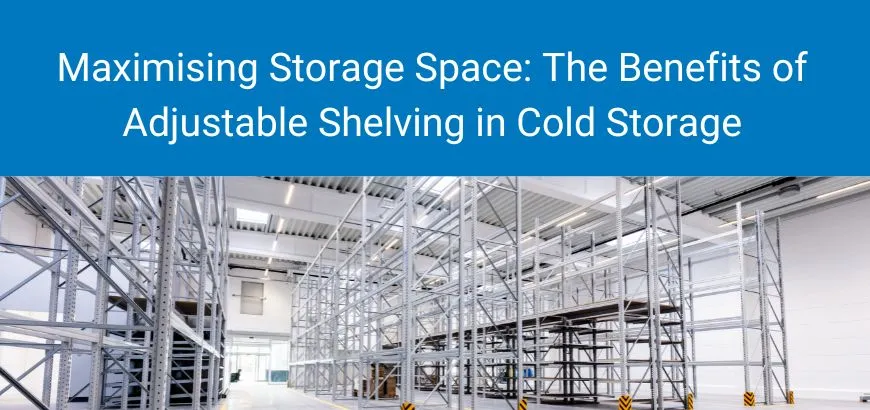
Uniformity is a function of air distribution, not of installed tonnage. Racks have to be laid out so return air is not short-circuited, and the sample load has to be capped at the level the chamber was qualified for. High-density racking helps only if it is designed with the airflow, which is the same discipline described in our storage and racking guide and the ASRS design guide.
Redundancy and power
A stability study that loses its condition for a weekend can invalidate months of data and, in the worst case, a submission timeline. Standby refrigeration circuits, automatic changeover, DG backup and a monitoring system that escalates by SMS and email are not luxuries here, they are the reason the asset exists. Energy discipline still applies, and the measures in our cold storage energy efficiency guide translate directly.
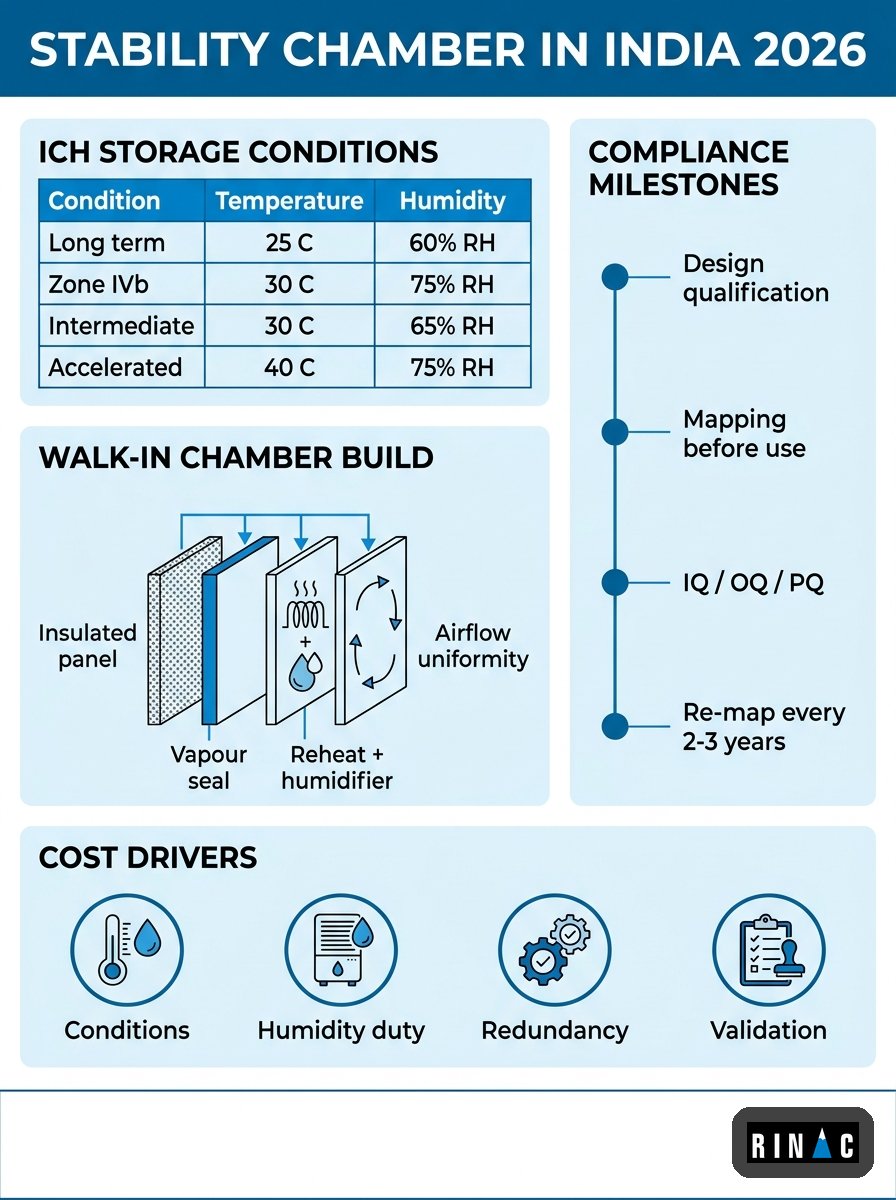
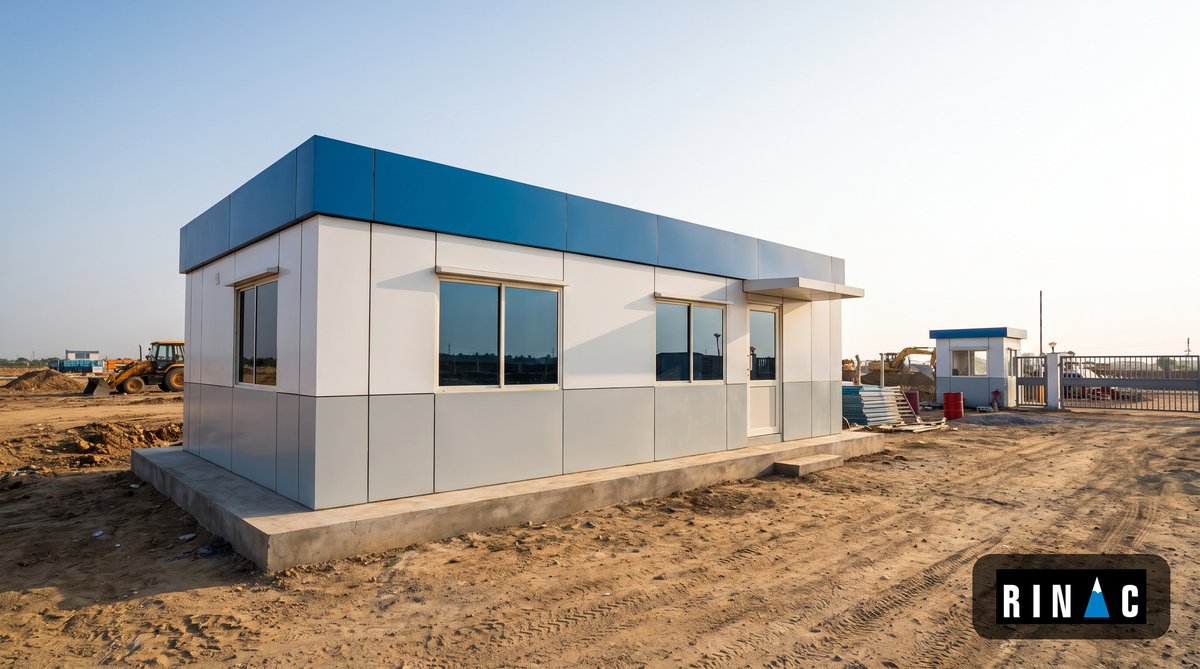
Stability chamber conditions, construction layers and compliance milestones for Indian pharmaceutical facilities.
Indian Market Context: Revised Schedule M and the Money Behind It
The Government of India notified the revised Schedule M on 28 December 2023, upgrading the requirement from good manufacturing practices to good manufacturing practices and requirements of plant and equipment for pharmaceutical products. Manufacturers above Rs 250 crore turnover were given six months. Those at or below Rs 250 crore were given twelve, and were later granted a conditional extension to 31 December 2025, provided they filed an upgradation plan in Form A within three months of 11 February 2025 [2]. CDSCO subsequently moved that filing online [11]. Roughly 8,500 MSME units fell inside that window [8].
Among the changes the revised Schedule M brings in are a formal pharmaceutical quality system, quality risk management, product quality review, qualification and validation of equipment, change control, self-inspection, and stability studies conducted as per recommended climatic conditions. That last clause is the one that converts a stability chamber from a nice-to-have into a licence condition. Put plainly, a qualified stability chamber for pharmaceutical products is now part of the compliance baseline for an Indian manufacturing licence, not an optional R&D investment.
Where Schedule M pharma funding sits
The Department of Pharmaceuticals runs the Revamped Pharmaceutical Technology Upgradation Assistance Scheme, aimed at small and medium pharma companies with average turnover under Rs 500 crore that are upgrading to meet revised Schedule M and WHO-GMP. As of 1 July 2025, RPTUAS had approved support for 142 micro, small and medium pharmaceutical companies with a total sanctioned amount of Rs 135.84 crore, an average of roughly Rs 96 lakh per unit [1]. For a facility whose gap analysis lands on stability infrastructure, qualification and documentation, that is meaningful capital.
Alongside it sit the wider Atmanirbhar schemes: the PRIP scheme with a Rs 5,000 crore outlay, the PLI scheme for pharmaceuticals under which cumulative investment reached Rs 37,306 crore by the third year against a six-year target of Rs 17,275 crore, three approved Bulk Drug Parks in Andhra Pradesh, Gujarat and Himachal Pradesh with total project cost over Rs 6,300 crore, and API-CF grants of Rs 139.33 crore for common facilities such as testing and R&D labs serving around 1,300 existing units [1]. Read together, they describe a decade of pharma capex in which controlled-environment infrastructure is a recurring line item.
Practical tip: If you are building a new block rather than retrofitting, put the stability chamber, the sample retention store and the 2 to 8°C store on the same utility spine and the same monitoring backbone. One qualification exercise, one alarm philosophy and one service contract across three rooms is materially cheaper over ten years than three separate islands added a year apart.
Compliance and Standards: Qualification, Mapping and Data Integrity
Buying the box is the easy part. Proving it works, and continuing to prove it, is the programme.
Qualification
WHO’s model guidance for time and temperature sensitive pharmaceutical products, TRS 961 Annex 9, carries a dedicated technical supplement on qualification of temperature-controlled storage areas, structured around the familiar installation, operational and performance qualification sequence [6]. Design qualification comes first in practice: agree the user requirement specification, the loaded and empty conditions, the alarm limits and the acceptance criteria before fabrication starts, not after commissioning.
Temperature and humidity mapping
Supplement 8 of the same annex covers temperature mapping of storage areas and sets the expectation clearly: for a new facility, mapping is carried out before use as part of installation and operational qualification, and for an established facility, mapping should be repeated at intervals of roughly two to three years [5]. Map empty and loaded, map through a door-opening cycle, map through a power-failure and recovery scenario, and place your permanent monitoring sensors at the worst-case locations the mapping identified, not at the convenient ones.
Monitoring and records
Continuous monitoring with audit-trailed electronic records, defined alarm escalation, calibrated sensors traceable to national standards, and a documented excursion investigation procedure. Under revised Schedule M the computerised system that holds those records is itself subject to validation. Facilities already certified to ISO, WHO-GMP, GMP and HACCP disciplines, as Rinac’s own delivery framework is, will recognise the pattern: the equipment file and the data file are audited together.
Common audit finding: a chamber that meets set point at the control sensor but has never been re-mapped after a change in racking layout or sample load. Mapping is tied to the configuration you qualified. Change the configuration and the mapping needs revisiting, whether or not two years have elapsed.
Stability Chamber Cost in India: What Actually Drives the Number
Indian buyers usually approach two very different supplier types. Laboratory instrument brands and stability chamber manufacturers compete on cabinet volume, controller features and price per litre. Controlled-environment contractors compete on envelope engineering, refrigeration design, qualification documentation and lifetime service. For a cabinet, the first route is correct. For a room, the second almost always is, because the cost that surprises people is never the compressor.
There is no single price, and any quote that arrives without a load calculation should be treated with caution. As a public anchor point, an Indian OEM lists a walk-in stability chamber at Rs 8,96,800 [9], which is a reasonable illustration of where a modest room-scale unit begins before site-specific engineering.
| Cost Driver | Why It Moves the Price |
|---|---|
| Number of conditions | Each simultaneous condition is a separate controlled volume with its own package. Four conditions is four builds, not one bigger one. |
| Humidity duty | 75% RH at 40°C needs meaningful humidification and water treatment. Dry conditions cost less. |
| Redundancy level | Standby compressor and automatic changeover can add substantially, and is usually justified by the value of the study. |
| Panel specification | Core type, thickness, facing and fire rating. Fire-rated cores carry a premium over standard PUF. |
| Monitoring and validation | 21 CFR Part 11 style audit trails, calibration, mapping studies and the qualification documentation set. |
| Site conditions | Ambient design temperature, available head room, floor loading, power quality and DG capacity. |
For a broader view of how controlled-environment capex behaves in Indian projects, our cold storage cost calculator and the cold storage warehouse guide set out the same cost logic at larger scale.
Specifying a Stability Chamber: A 10-Point Checklist
- List every condition you will run, including the Zone IVb long-term condition if you sell domestically, and state each as set point plus tolerance.
- Size the sample load honestly, then add the SKUs you expect in three years. Chambers are almost never replaced early; they are simply run overloaded.
- Fix the ambient design condition for your city. A Chennai or Ahmedabad summer is not a Pune summer, and the load calculation must say so.
- Decide the redundancy philosophy before the budget, not after. Standby circuits are hard to retrofit.
- Specify the humidification water. Treated water quality determines humidifier life and the frequency of interventions.
- Write the URS around qualification, referencing WHO TRS 961 Annex 9 supplements 7 and 8 explicitly so the vendor prices the mapping and documentation in.
- Nail down the monitoring system: sensor count, calibration cycle, audit trail, alarm escalation path and out-of-hours responsibility.
- Confirm panel and fire strategy with your insurer and the local authority, especially where the chamber sits inside a manufacturing block.
- Plan the door discipline: sample pulls are frequent, and every opening is a load event. Airlocks or pass-throughs pay for themselves on uniformity.
- Agree the service response time in writing. A chamber without a same-region service engineer is a study waiting to be lost.
In thirty years of building controlled environments, the projects that go wrong are almost never the ones where the refrigeration was undersized. They are the ones where nobody agreed, in writing and before fabrication, what the room had to prove and how it would prove it.
Where Rinac Fits in a Stability Chamber Project
Rinac has spent 30 years as solution architects and builders of cold chain and clean modular infrastructure, with more than 10,000 projects delivered for over 6,000 clients across 23 countries, two manufacturing units at Bangalore and Murbad, and 14 branch offices giving pan-India service reach. Pharmaceutical work sits at the centre of that record, including clients such as Biocon.
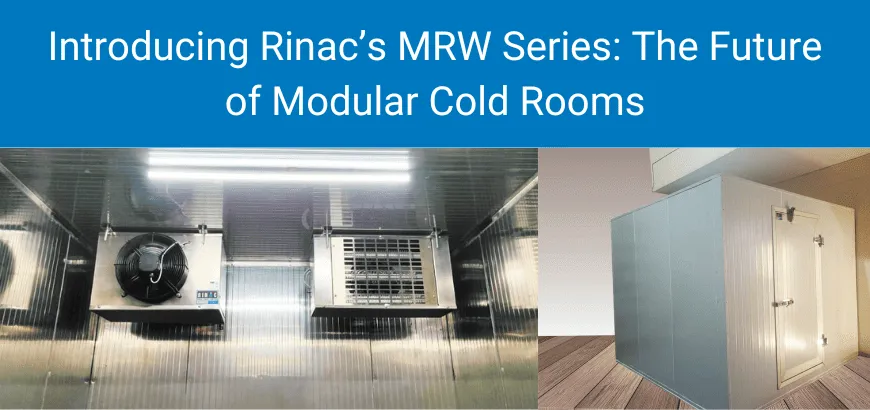
For room-scale requirements, a stability chamber is a controlled-environment build, and that is the discipline Rinac delivers every week: low relative humidity cold storage, high relative humidity cold storage, cold rooms, the MRW series walk-in cold rooms, refrigeration systems, and the clean modular envelope work described in our modular construction guide. Where the chamber forms part of a larger block, that extends into prefabricated buildings, patented HPCC high-performance composite construction and full engineering and construction solutions, with certification to ISO, FSSAI, HACCP, GMP, IGBC and WHO-GMP standards and backed by a dedicated after-sales service network. Our company profile sets out the full capability.
Frequently Asked Questions
Sources and References
- Press Information Bureau, Ministry of Chemicals and Fertilizers, “Number of schemes being implemented to realise the vision of Atmanirbhar Bharat in the pharmaceutical sector”, 22 July 2025.
- Press Information Bureau, Ministry of Health and Family Welfare, “Conditional extension of timeline to small and medium pharmaceutical manufacturers for compliance with revised Schedule M notification”, February 2025.
- ICH Harmonised Tripartite Guideline Q1A(R2), Stability Testing of New Drug Substances and Products, ICH.
- WHO Technical Report Series No. 1010, Annex 10, Stability testing of active pharmaceutical ingredients and finished pharmaceutical products, World Health Organization, 2018.
- WHO Technical Report Series No. 961, Annex 9, Supplement 8: Temperature mapping of storage areas, World Health Organization, 2011.
- WHO Technical Report Series No. 961, Annex 9, Supplement 7: Qualification of temperature-controlled storage areas, World Health Organization, 2011.
- India Brand Equity Foundation, Indian Pharmaceutical Industry Report, accessed August 2026.
- Business Standard, “Over 8.5K MSME pharma units get 1-yr breather to adopt Schedule M standards”, 12 February 2025.
- Remi Elektrotechnik Limited, Walk-in Stability Chamber listed price, TradeIndia, accessed August 2026.
- Business Standard, “CDSCO asks MSME pharma firms to apply online for Schedule M extension”, 24 March 2025.
Important disclaimer. This guide is published for general information and educational purposes only. It is not engineering advice, legal advice or regulatory advice, and it must not be relied upon as a substitute for a qualified professional opinion on your specific facility. Regulatory requirements, compliance deadlines, scheme eligibility, subsidy rates and equipment prices change, sometimes at short notice: verify the current position directly with CDSCO, your State Licensing Authority, the Department of Pharmaceuticals, the Ministry of Health and Family Welfare or the relevant state agency before making any investment or compliance decision. Every statistic, scheme figure, standard and price point in this article is attributed to a public source in the References section and reflects the position as of the publication date. Product selection, load calculation, sizing, qualification scope and return on investment for a stability chamber depend entirely on your product portfolio, site conditions, ambient design temperature and licence category, and can only be determined through a formal site assessment. For project-specific design and costing, request a Rinac consultation at rinac.com/contact-us.