TL;DR – Quick Summary
- A cold storage plant is an engineered system (insulated building, refrigeration plant, electrical and controls, material handling, fire safety) that has to be designed together, not bought as separate parts.
- India had 8,815 cold storages with 402.18 lakh MT of capacity as of 30 June 2025, and roughly 70% of bulk capacity sits in facilities more than 20 years old, so new builds and retrofits are both in play.
- NHB cost norms (₹8,000/MT for single-temperature Type 1, ₹10,000/MT for multi-chamber Type 2) are subsidy ceilings, not market prices. Subsidy is 35% in general areas and 50% in NE, hilly and scheduled areas.
- A bankable project report for cold storage needs heat load sheets, certified equipment data sheets and sectional insulation drawings, and NHB gives you 18 months from first loan disbursement to finish.
- An EPC (single point of responsibility) contract usually protects the owner best on performance guarantees, schedule and subsidy inspection readiness.
Quick disclaimer: This guide is for general information only and is not a substitute for professional engineering, legal, financial or regulatory advice. Subsidy rules, cost norms and regulations change, so verify current terms directly with NHB, MIDH, MoFPI, FSSAI and your state agencies before you act. All figures are sourced from public references as of September 2026.
Why the Cold Storage Plant Decision Matters in 2026
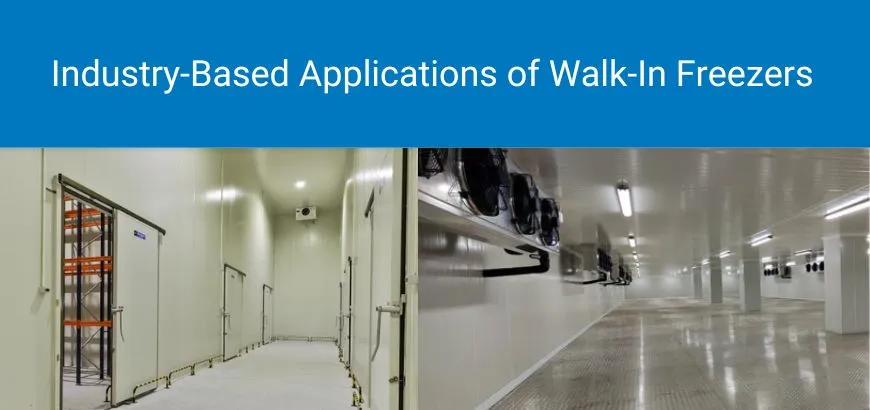
A cold storage plant is one of the few agri and food assets in India that is expected to run 24 hours a day for 20 years or more, in 45°C summers, on grid power that is not always stable. Get the design right and it quietly earns rent or protects product margins every season. Get it wrong and you pay for it in power bills, product claims and a subsidy file that fails joint inspection. That is why the cold storage plant decision deserves an engineering-first approach, not a price-first one.
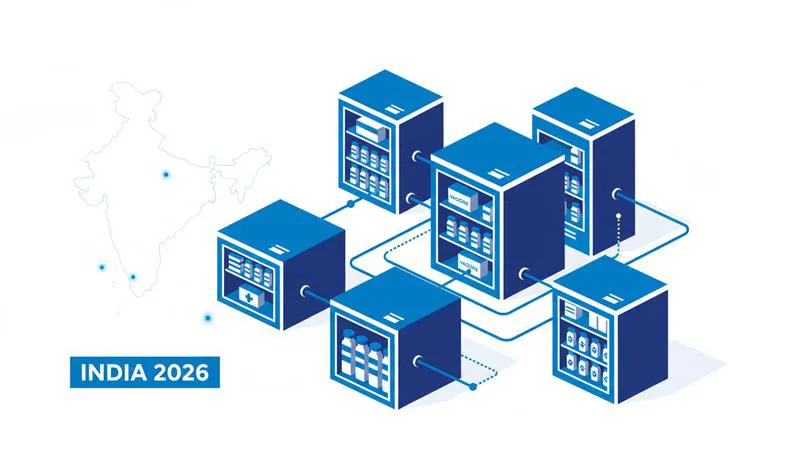
The demand side is not in doubt. A NABCONS study commissioned by the National Centre for Cold-chain Development (NCCD) put India’s cold storage requirement at 35 million MT against roughly 32 million MT of capacity [1], and by 30 June 2025 the country had 8,815 cold storages with 402.18 lakh MT of combined capacity [2]. The market around that infrastructure was valued at INR 2,535.87 billion in 2025, with IMARC projecting a 10.43% CAGR to 2034 [7].
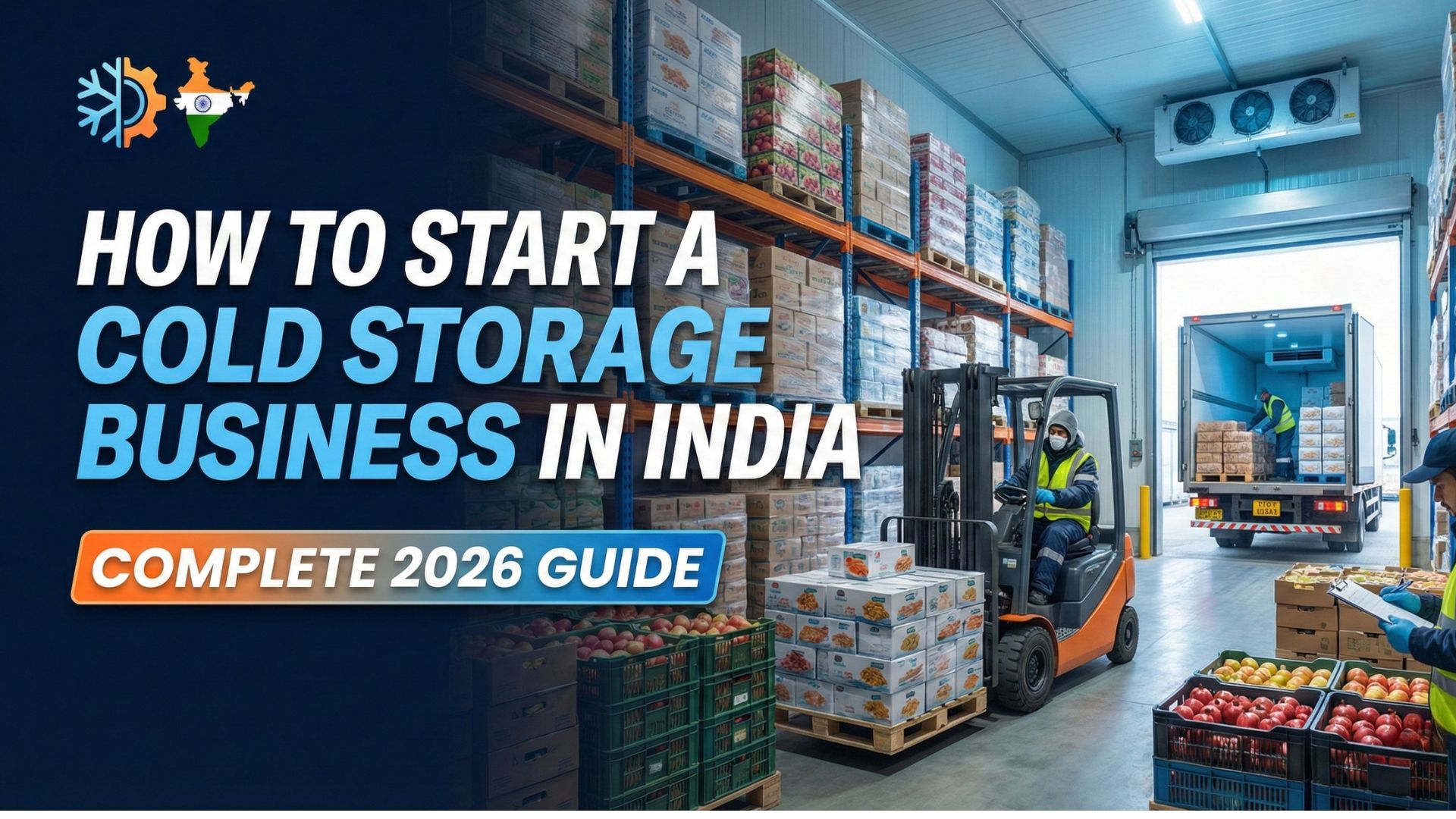
This guide is written for promoters, FPOs, food processors, investors and EPC teams who are planning a new cold storage plant or rebuilding an old one. If you are still deciding whether the business model works, start with our guide to starting a cold storage business in India and come back here when you are ready to engineer and build. For a broader primer on formats, see types of cold storage and how they work.
402.18 lakh MT
India’s cold storage capacity across 8,815 facilities as of 30 June 2025 (PIB data via IIR)
India’s cold storage capacity across 8,815 facilities as of 30 June 2025 (PIB data via IIR)
Indian Market Context: Where Cold Storage Plants Are Being Built
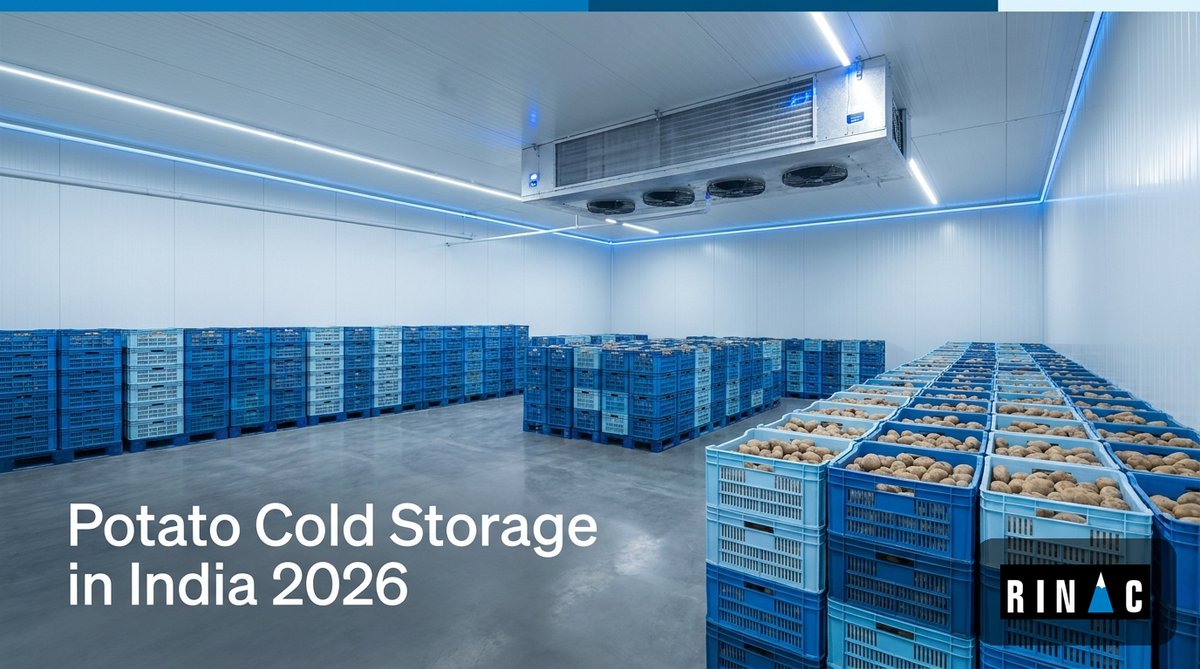
Capacity in India is heavily concentrated. NCCD’s September 2025 energy transition study lists Uttar Pradesh with 2,481 facilities and about 151 lakh MT, followed by West Bengal (59.5 lakh MT), Gujarat (40.4 lakh MT) and Punjab (26 lakh MT). The top ten states account for roughly 90% of capacity [3]. The same study notes that, as of 2017, about 75% of cold storage infrastructure served potatoes alone [3], which is exactly why single-commodity bulk stores dominate the landscape and why multi-commodity hubs near cities are where much of the new demand sits. If potatoes are your core commodity, our potato cold storage guide covers the storage regime in detail.
| State | Cold storage facilities | Installed capacity (lakh MT) |
|---|---|---|
| Uttar Pradesh | 2,481 | 151.00 |
| West Bengal | 517 | 59.50 |
| Gujarat | 1,023 | 40.40 |
| Punjab | 770 | 26.00 |
| Andhra Pradesh & Telangana | 471 | 19.10 |
| Bihar | 315 | 14.80 |
| Madhya Pradesh | 315 | 13.60 |
| Maharashtra | 655 | 11.70 |
Source: NCCD, Energy Transition in Cold Chain Infrastructure, September 2025, Table 4 (as of May 2024) [3].
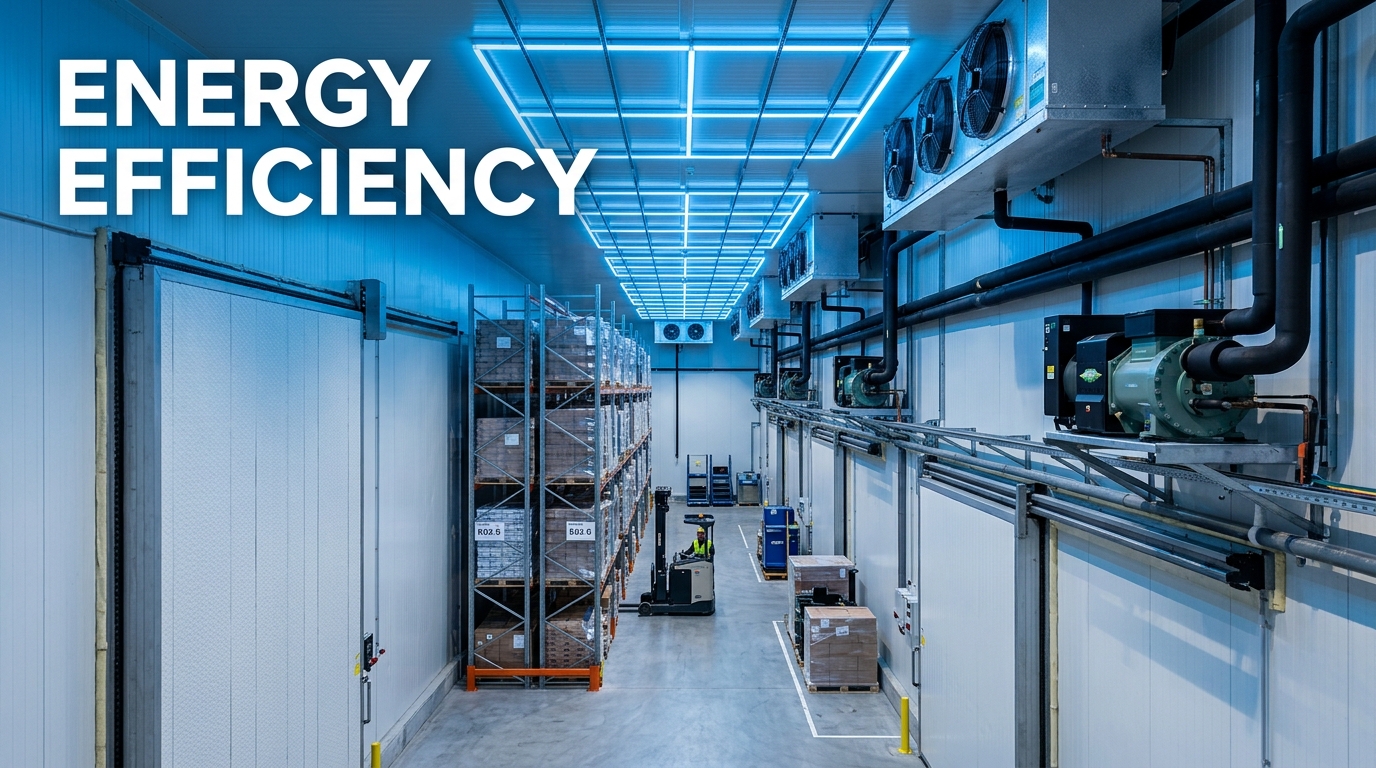
Two further findings from NCCD matter for anyone building a cold storage plant today. First, old bulk cold stores (more than 20 years old) make up about 70% of the bulk category and account for 1,643.26 GWh, or 33%, of the cold chain’s estimated energy use [3]. Second, newer facilities have moved from thermocol, rice husk and glass wool to PUF insulation, and bulk and hub stores predominantly run vapour compression systems on ammonia (R717) [3]. In plain terms: the efficiency gap between an old store and a well-engineered new cold storage plant is large, and it shows up every month on the electricity bill. Our cold storage energy efficiency guide explains where those savings come from.
Government schemes are the other half of the context. Under the Pradhan Mantri Kisan SAMPADA Yojana, the Union Cabinet raised the PMKSY outlay to ₹6,520 crore in July 2025, and 395 integrated cold chain projects have been approved since 2008, of which 291 are operational [5]. Under the Agriculture Infrastructure Fund, 2,454 cold storage projects worth ₹8,258 crore had been sanctioned by 30 June 2025 [6]. NCCD’s projections point to cold storage capacity of about 436.5 lakh MT by 2031 [3], so the build-out continues, just at a steady rather than explosive pace.
Type 1, Type 2 or CA: Choosing Your Cold Storage Plant Configuration
Before anyone draws a column grid, the plant configuration has to be fixed. NHB and NCCD use a simple typology that also drives your subsidy eligibility [3][4]:
| Configuration | What it is | Typical use | NHB cost norm (up to 5,000 MT) |
|---|---|---|---|
| Type 1: bulk, single temperature | Basic type with a single temperature zone, usually large bulk chambers | Potato, seed potato, single-commodity bulk storage | ₹8,000 per MT |
| Type 2: multi-chamber, multi-temperature | Multiple temperature zones and basic material handling equipment, typically in a PEB structure | Fruits, vegetables, dairy, frozen food, rental hubs near cities | ₹10,000 per MT |
| Type 2 with CA add-on | Type 2 plant with controlled atmosphere technology | Apple, pear, kiwi and other long-storage fruit | Type 2 rate plus ₹10,000 per MT for CA components |
| Type 4 (dry) | Controlled storage for dry commodities | Chilli, spices, pulses | As notified by NHB/NCCD |
Source: NHB Capital Investment Subsidy Scheme operational guidelines, Appendix I [4]; NCCD component typology [3].
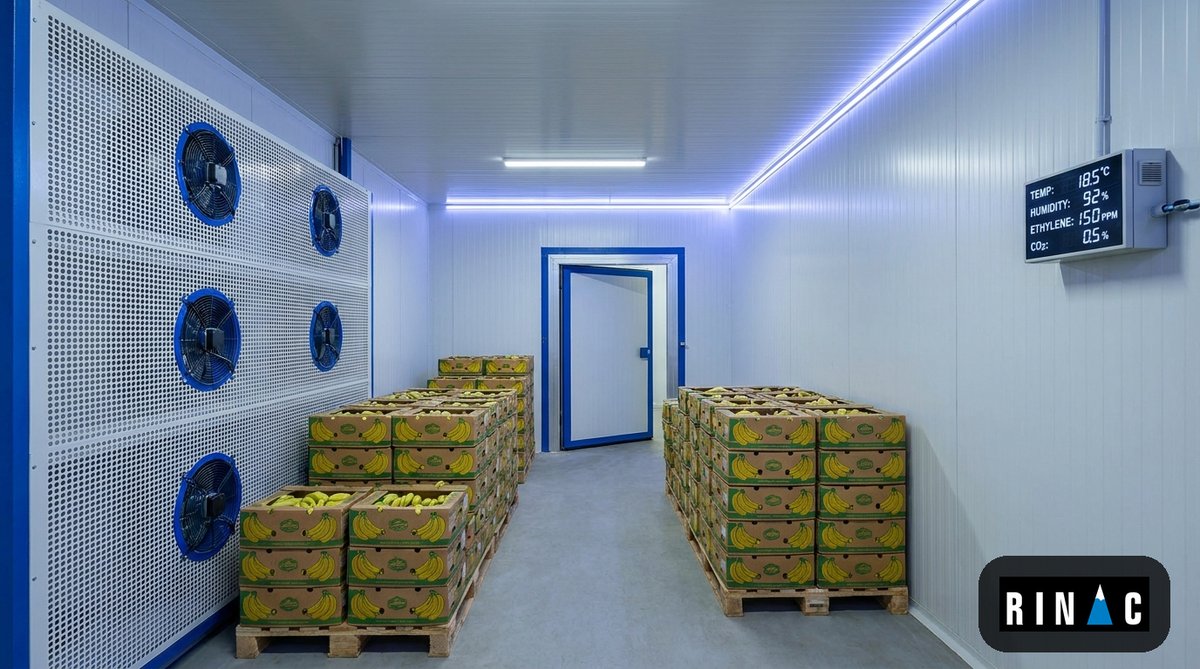
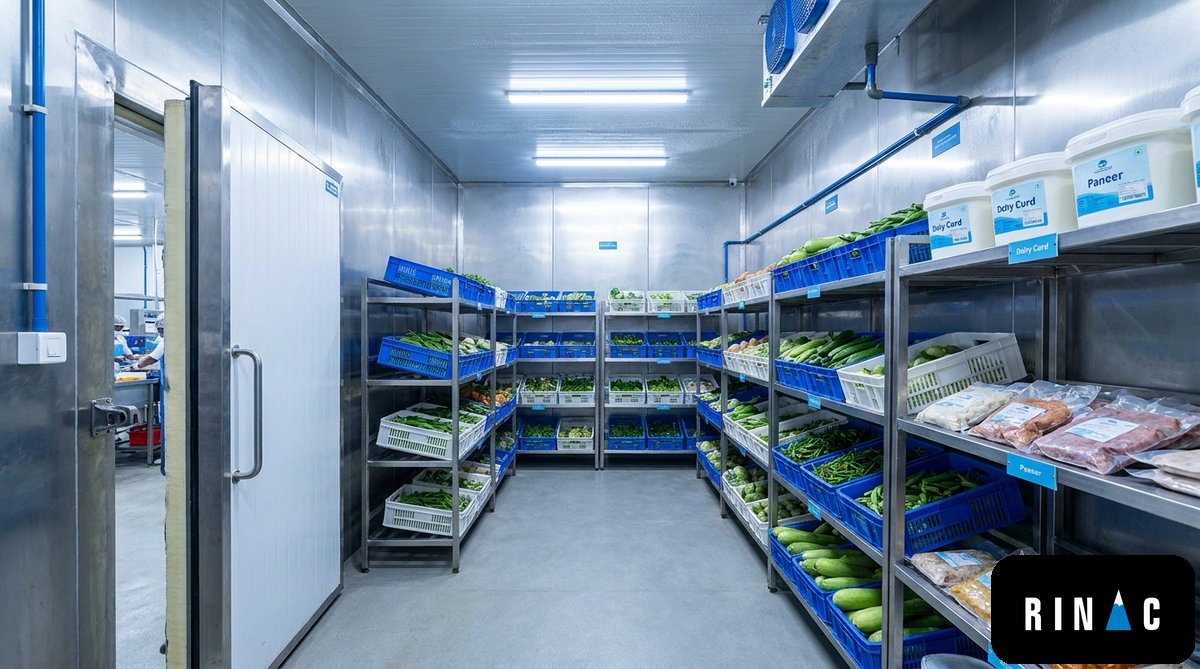
In practice, the configuration should follow the commodity mix and the business model. A potato-belt rental store in western UP is usually a Type 1 bulk plant with an ammonia system. A multi-commodity hub serving quick commerce, dairy and frozen food near Bengaluru or Pune is almost always a Type 2 plant with separate chill and frozen chambers, an anteroom and a temperature-controlled dock. If long-term apple or kiwi storage is on the plan, read our CA and MA storage guide and look at CA and MA chambers early, because the building has to be gas-tight from day one. Ripening lines for banana and mango, covered in our ripening chamber guide, can be integrated into the same plant.
Cold Storage Plant Design: The Engineering Packages Inside an EPC Scope
A cold storage plant is really six engineering packages that have to agree with each other. When they are designed by different vendors who never talk, the owner inherits the gaps. Here is what each package covers and what to check.
1. Heat load and thermal design
Everything starts with the heat load calculation: transmission through walls, roof and floor, product load (including field heat and respiration for fresh produce), air infiltration through doors, lighting, people, forklifts and fan motors. NHB requires detailed heat load calculation sheets, approved by a qualified engineer, as part of the subsidy application [4]. Undersize the load and the plant cannot pull down product in peak season. Oversize it and you pay for idle compressors for 20 years.
2. Building shell and insulation
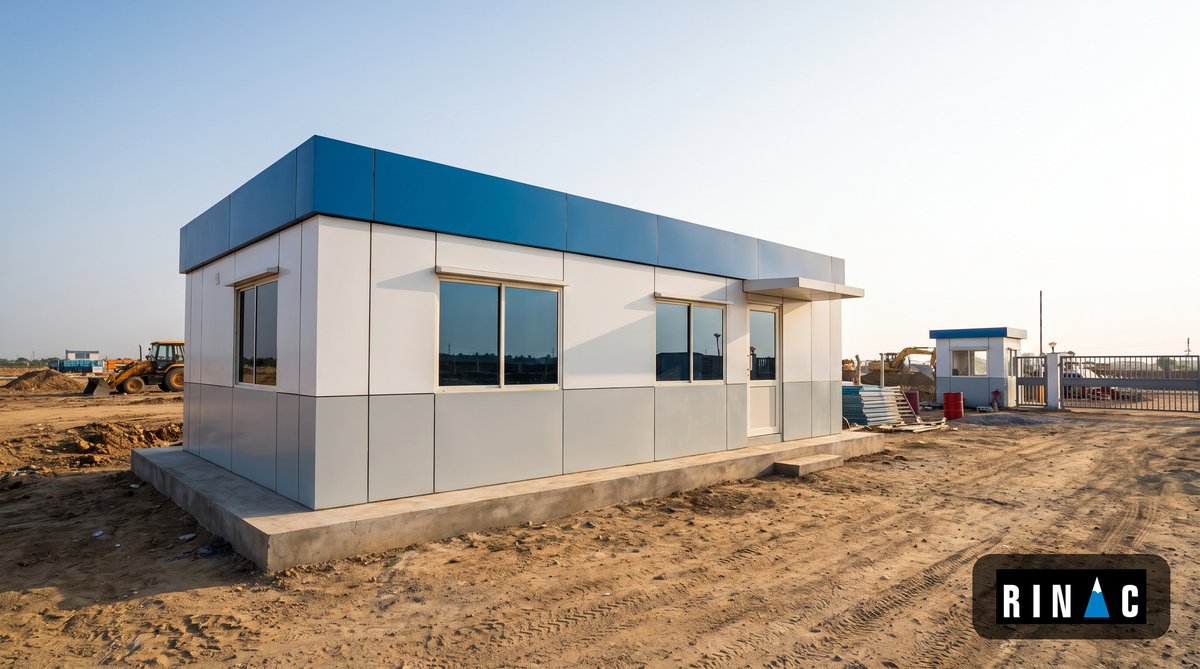
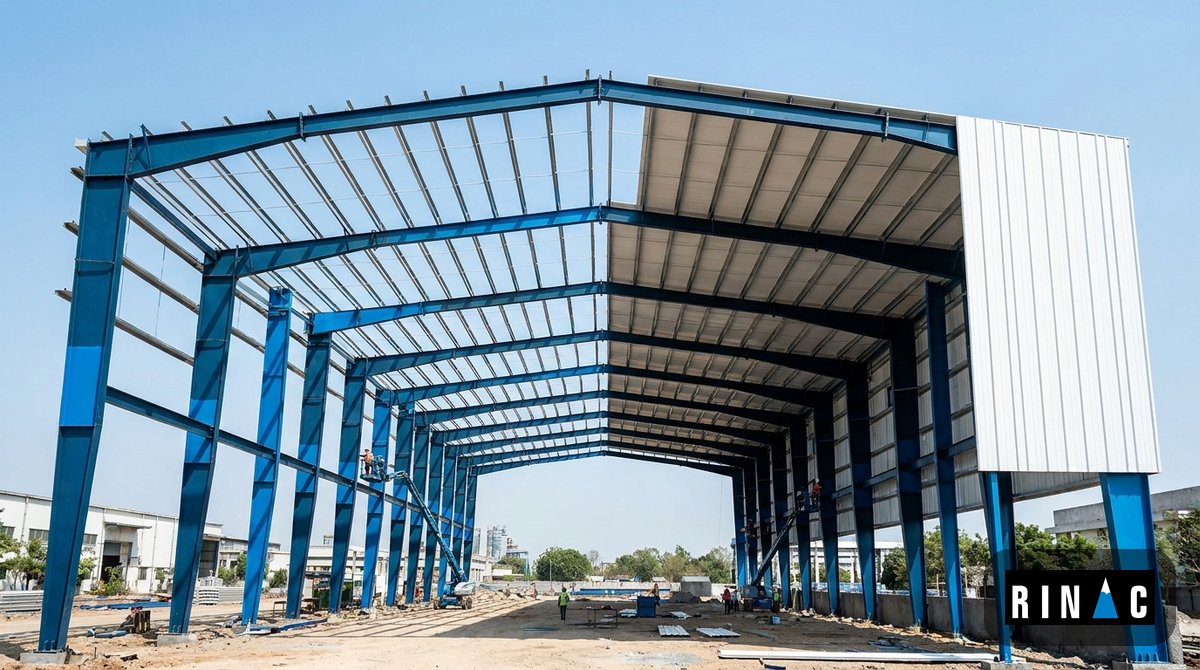
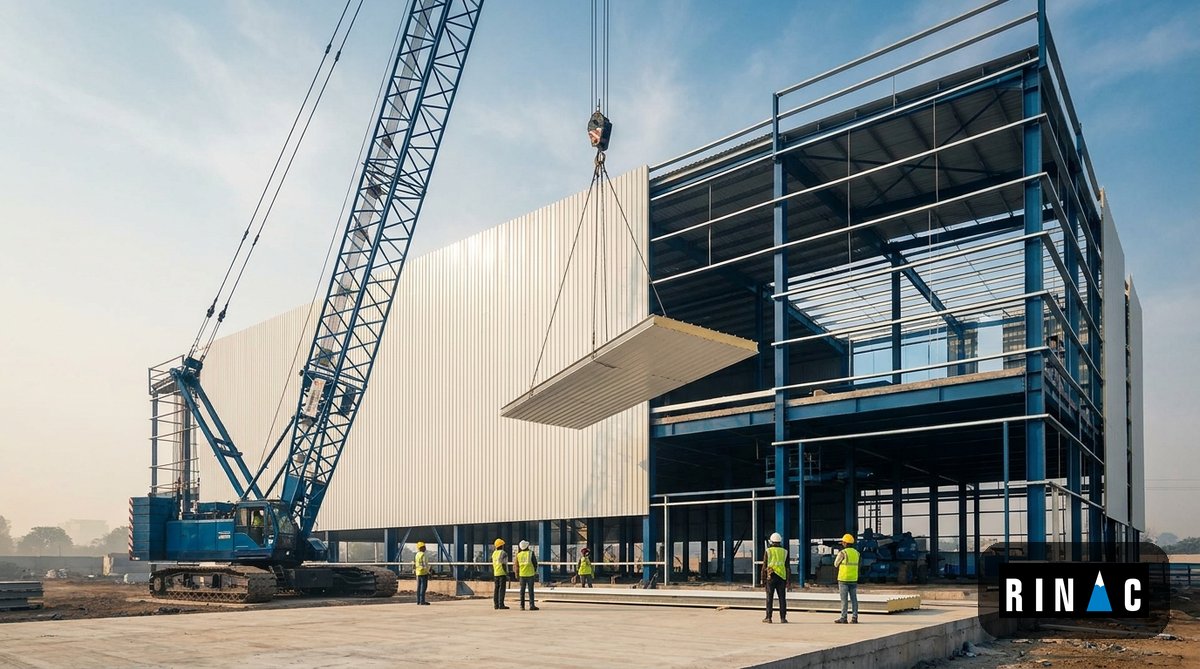
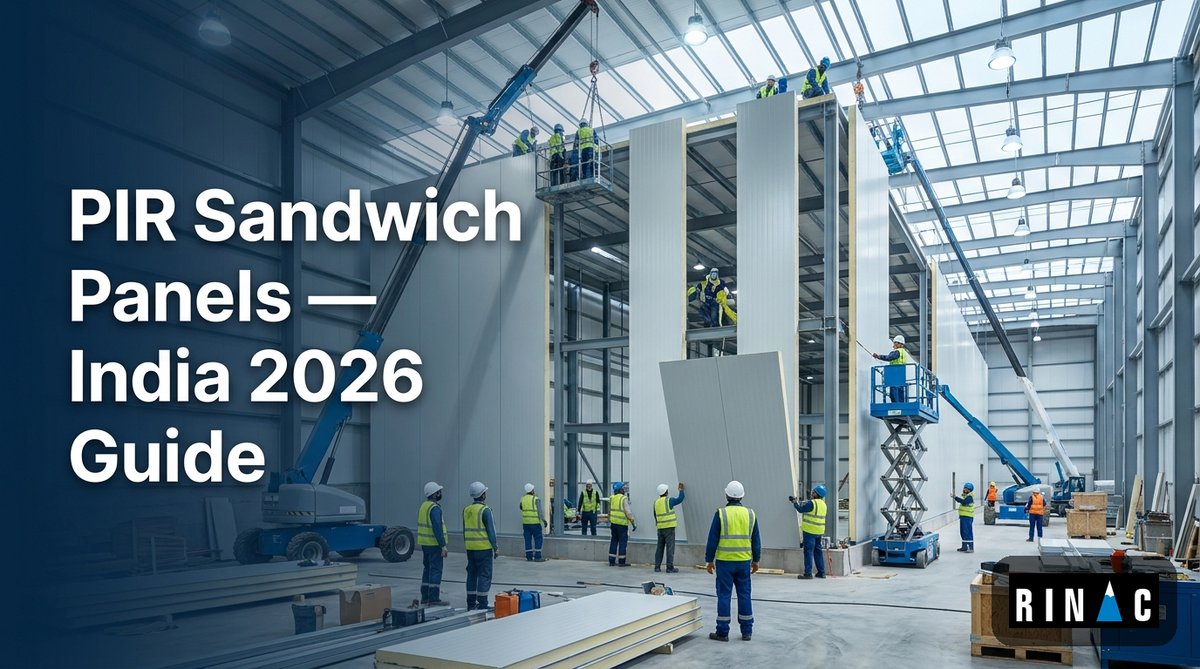
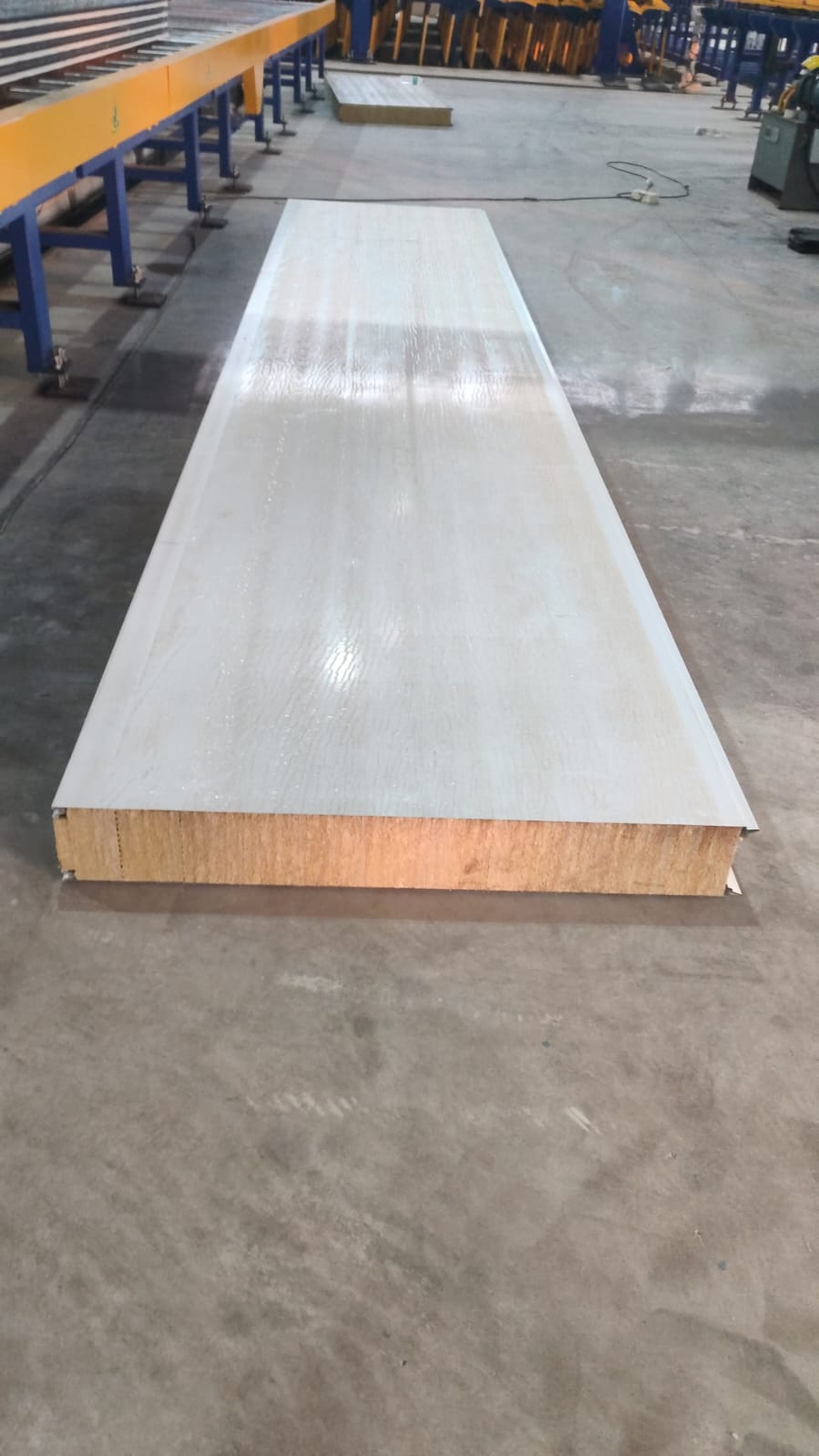
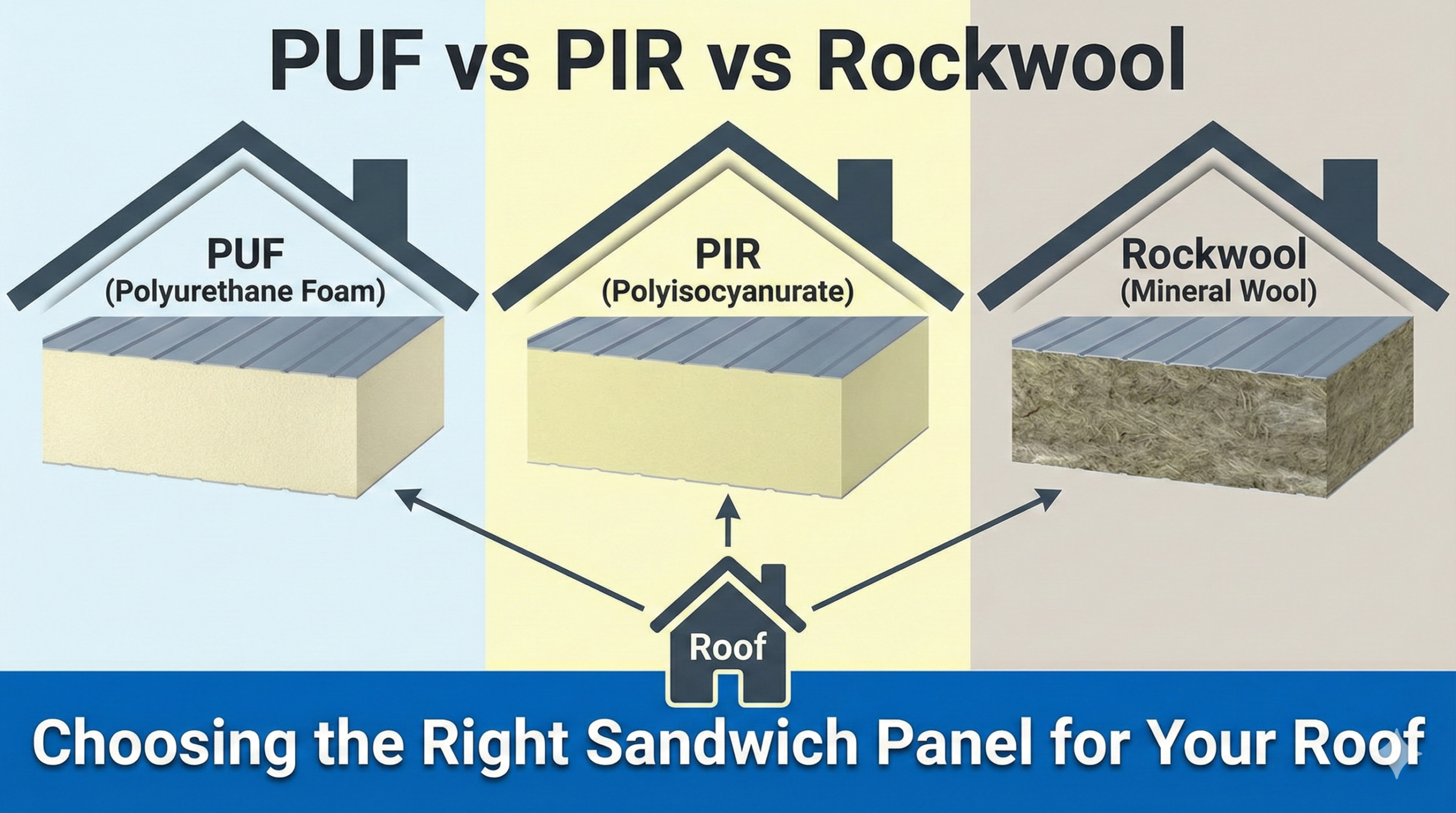
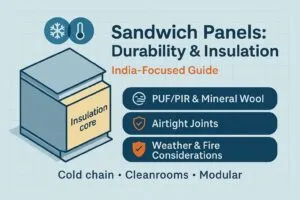
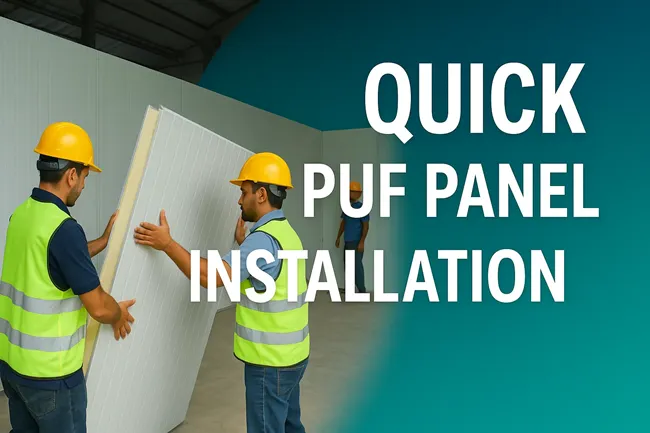
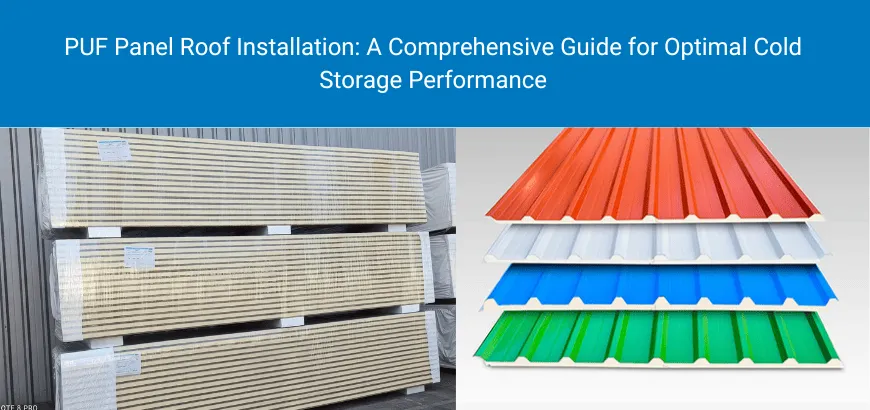
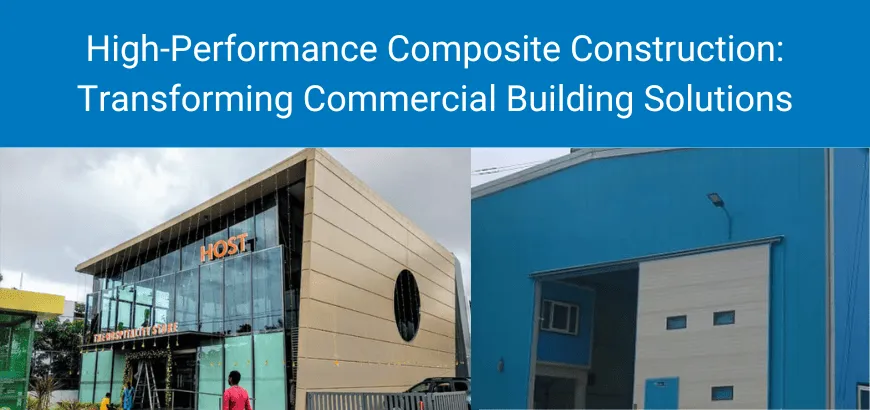
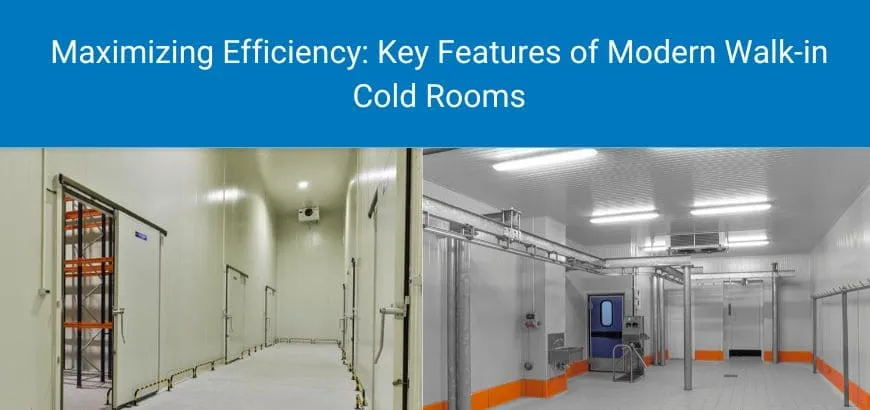
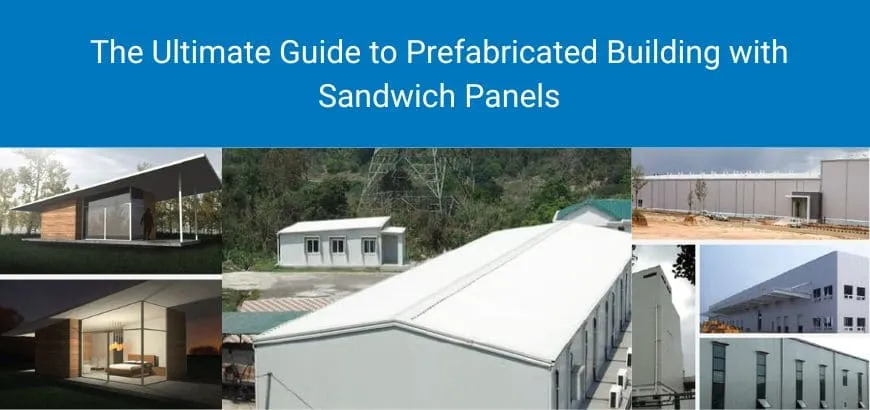
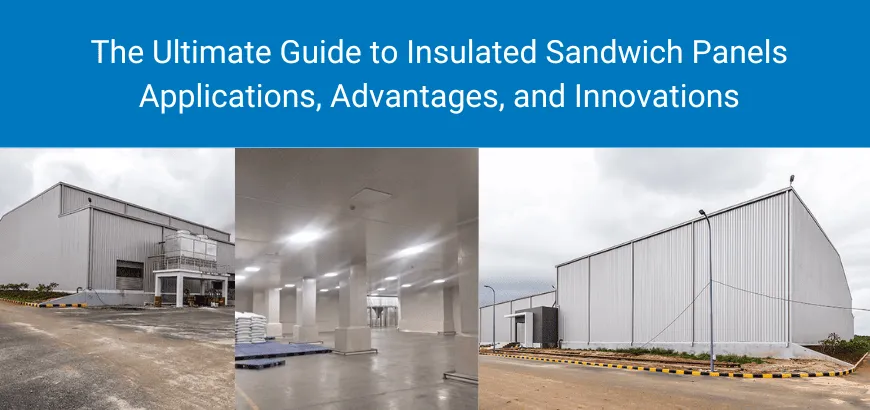
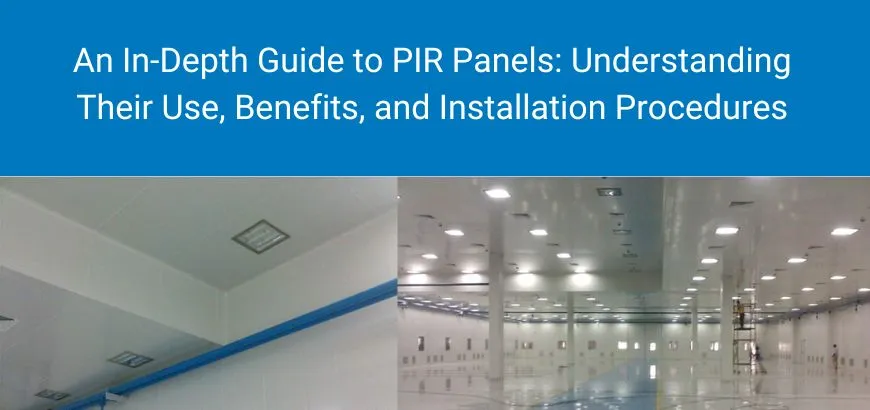
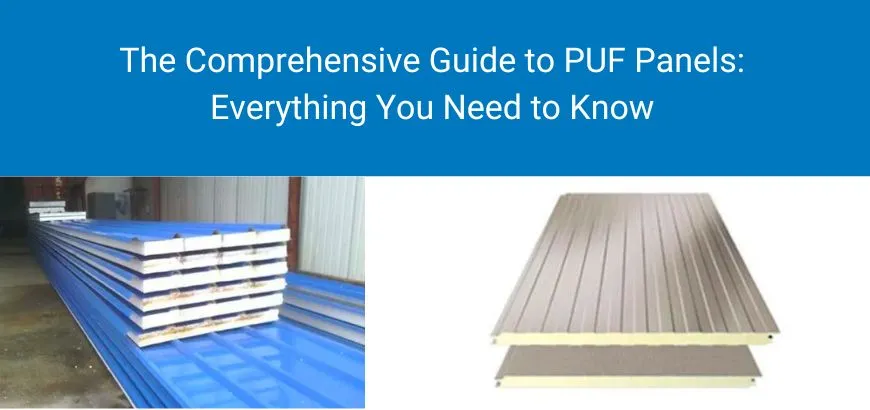
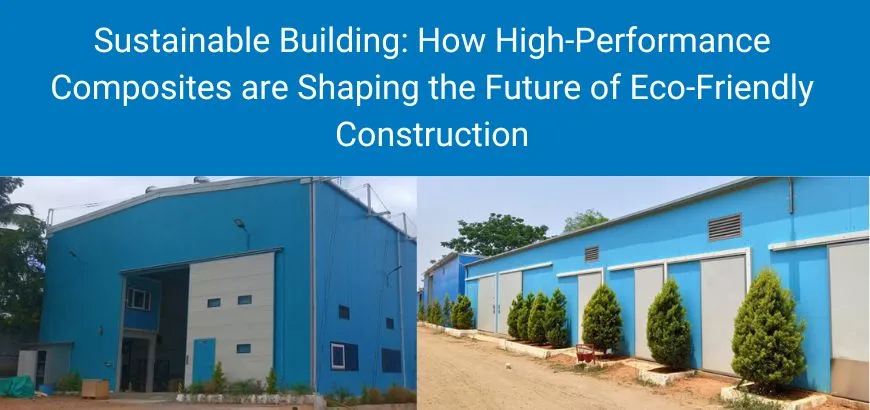
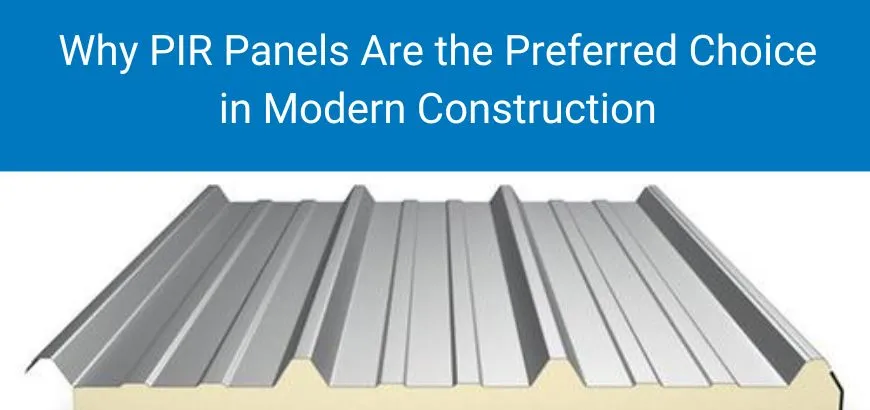
Most new Type 2 plants use a pre-engineered steel structure clad with insulated sandwich panels, and NHB’s basic data sheet explicitly asks whether the building is RCC with insulation slabs or pre-engineered steel with insulated panels [4]. Our pre-engineered building guide covers the structural side, and our PIR sandwich panel guide explains panel choice. Rinac engineers these shells as prefabricated buildings and, where fire performance is critical, specifies Firearmet fire-rated panels. For larger industrial campuses, Rinac’s patented HPCC (High-Performance Composite Construction) offers a composite building system built for speed and thermal performance. Floor insulation with heating (to prevent frost heave under frozen chambers), vapour barriers on the warm side and properly sealed panel joints are where cheap builds usually fail.
3. Refrigeration plant
Bulk and hub cold stores in India predominantly use ammonia (R717) vapour compression systems, while smaller chambers, packhouses and ripening rooms often use HFC-based unitary systems [3]. Refrigerant choice now has a regulatory horizon: India phased out HCFCs in new equipment manufacturing by 1 January 2025, is working towards complete HCFC phase-out by 2030, and has committed to an HFC phase-down from 2032 [9]. For a plant expected to run into the 2040s, that makes natural refrigerants and low-GWP options the default conversation. Rinac designs industrial refrigeration systems around the heat load, with compressor staging, evaporator selection and defrost strategy matched to each chamber.
4. Electrical, controls and monitoring
Transformer and DG sizing, power factor correction, VFDs on compressors and condenser fans, a PLC or SCADA for chamber control, and continuous temperature and humidity logging with alarms. The data logger is not optional: it is your evidence in any product claim and in food safety audits.
5. Material handling and storage
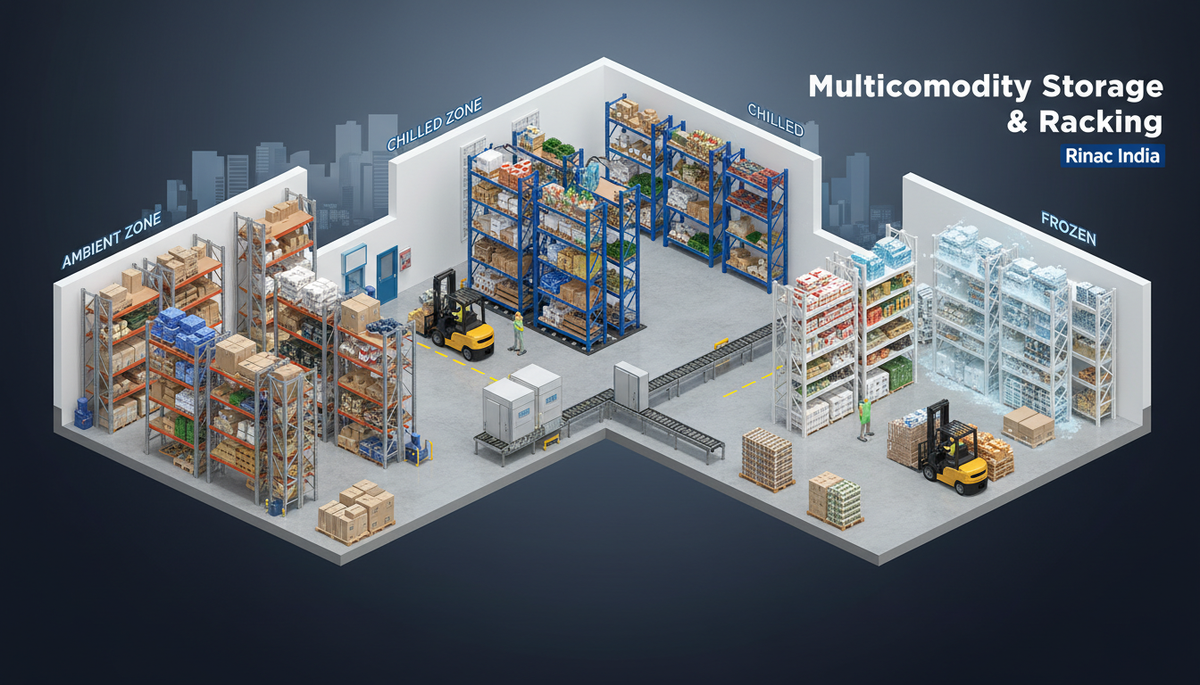
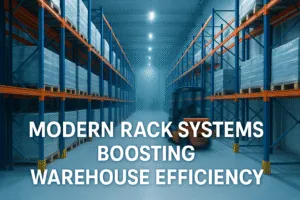
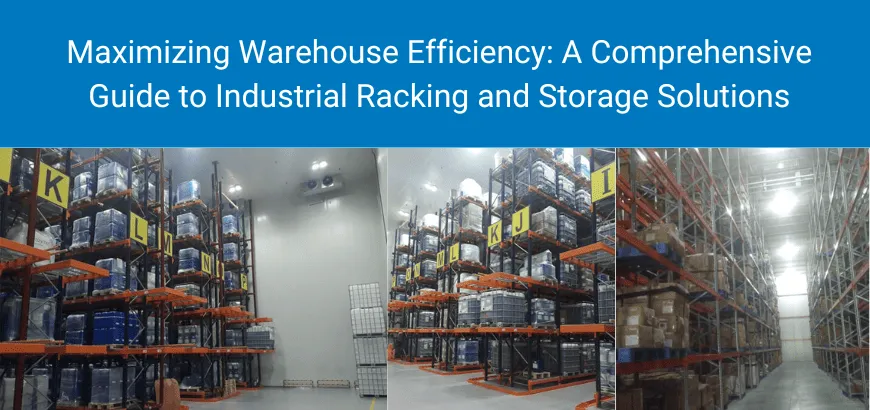
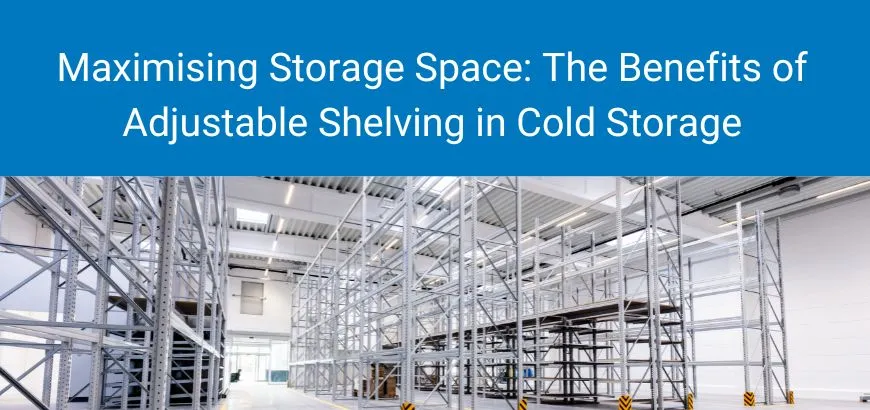
Dock levellers, dock shelters, pallet racking and forklifts decide how many pallet moves you can make per hour and how much cold air you lose at the dock. NHB’s modernisation norms even list dock levellers and racking as admissible add-on components [4]. Rinac’s StorEdge and Constructor storage and racking systems cover this package, and our cold storage warehouse guide covers layout logic in depth.
6. Fire and life safety
Insulated buildings carry real fire load. Fire compartmentation, panel fire performance, detection in ceiling voids, ammonia leak detection and emergency ventilation in the machine room, and safe egress from every chamber have to be designed in, not added after the fire NOC inspection.
In over 30 years and 10,000+ projects, the most expensive mistakes we see are rarely the equipment. They are interfaces: a floor slab poured before the underfloor heating was designed, a dock at the wrong height for the trucks that actually serve the site, or a panel joint detail nobody owned. An EPC scope exists to make somebody own the interfaces.
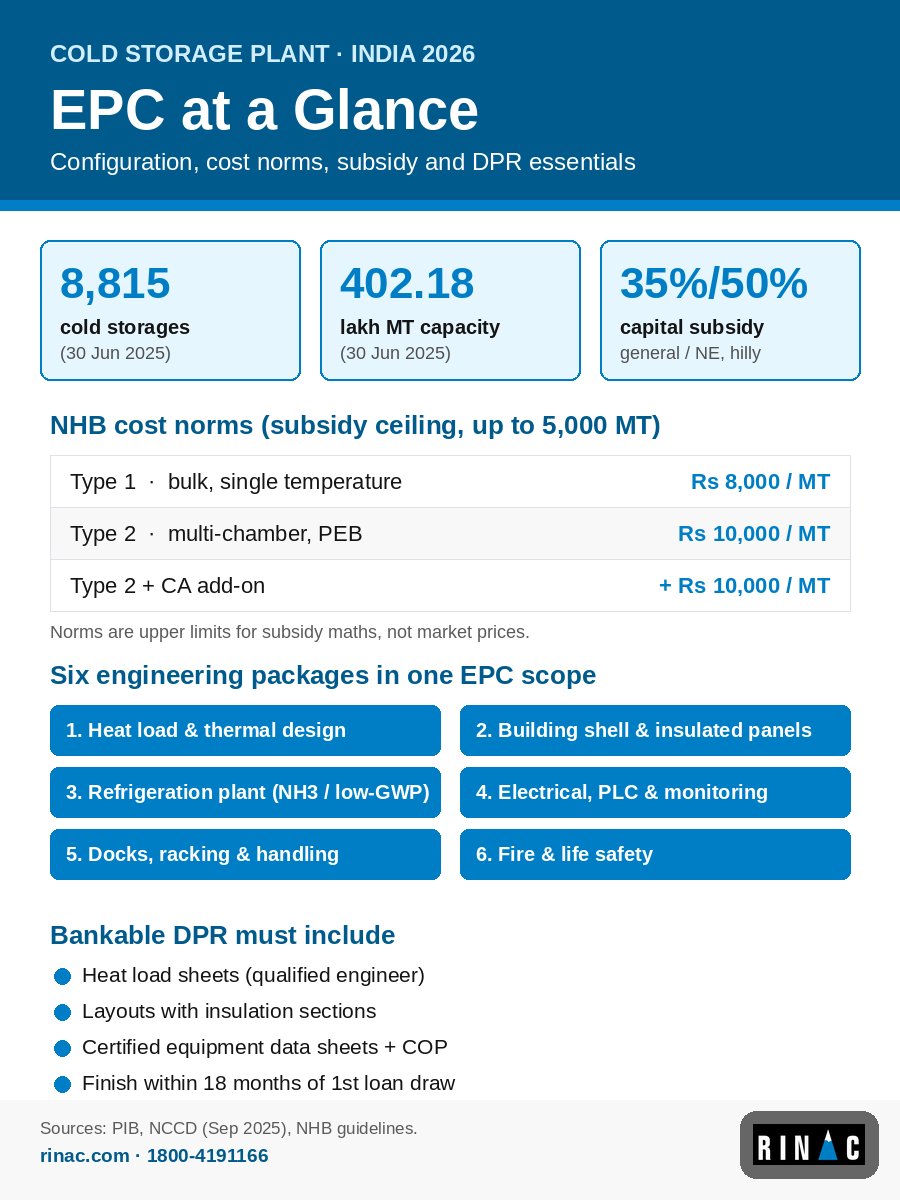
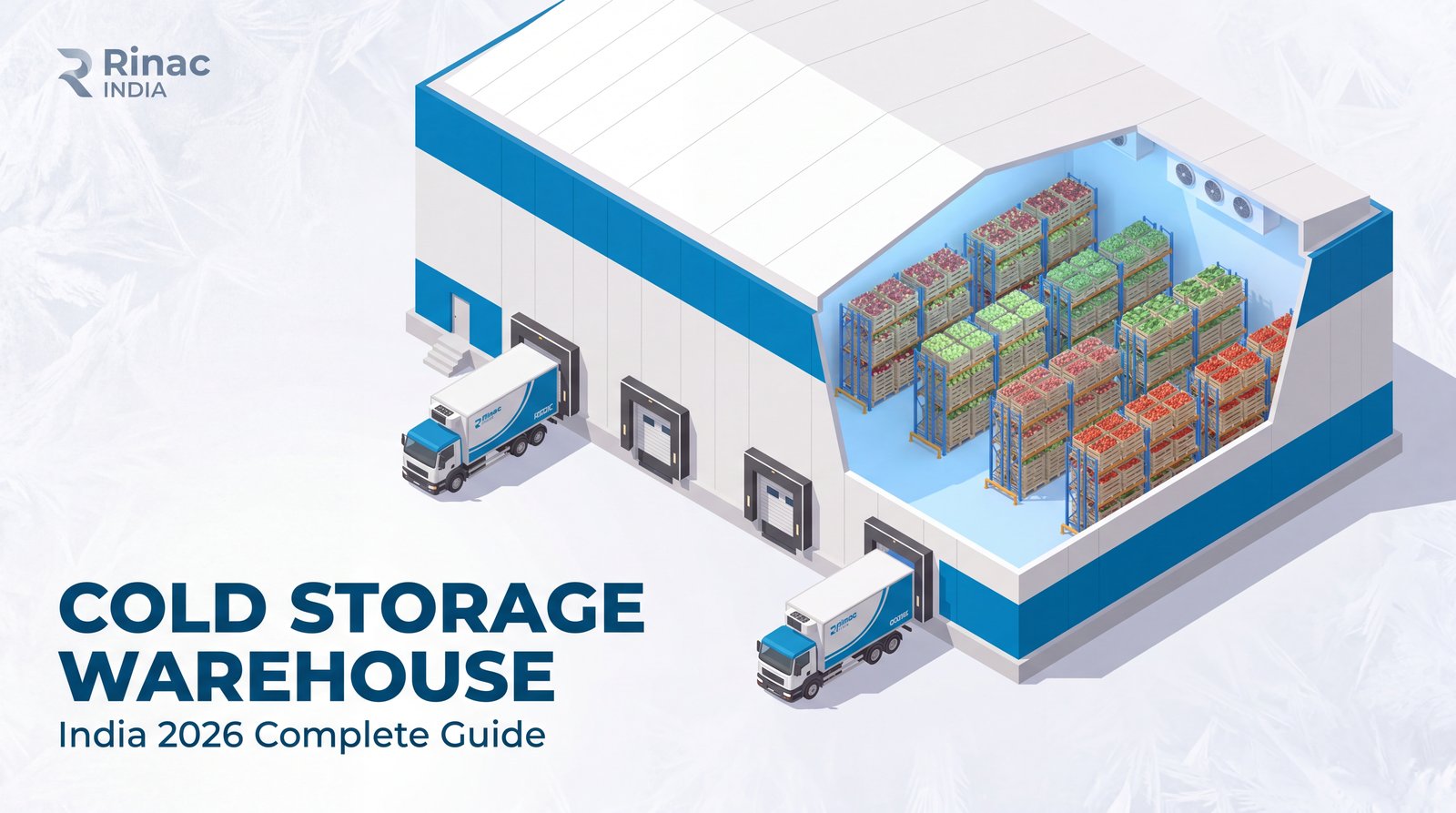
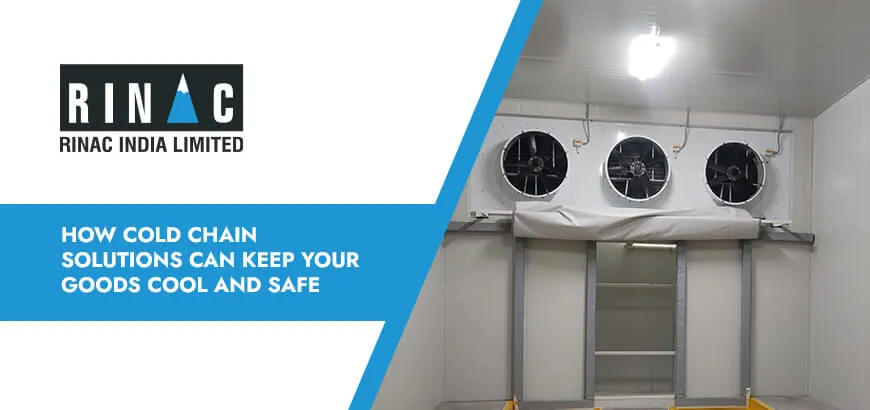
Cold storage plant EPC at a glance: configuration, cost norms, subsidy and project report essentials (Rinac India)
Cold Storage Construction Cost and Project Cost of Cold Storage: How to Read the Numbers
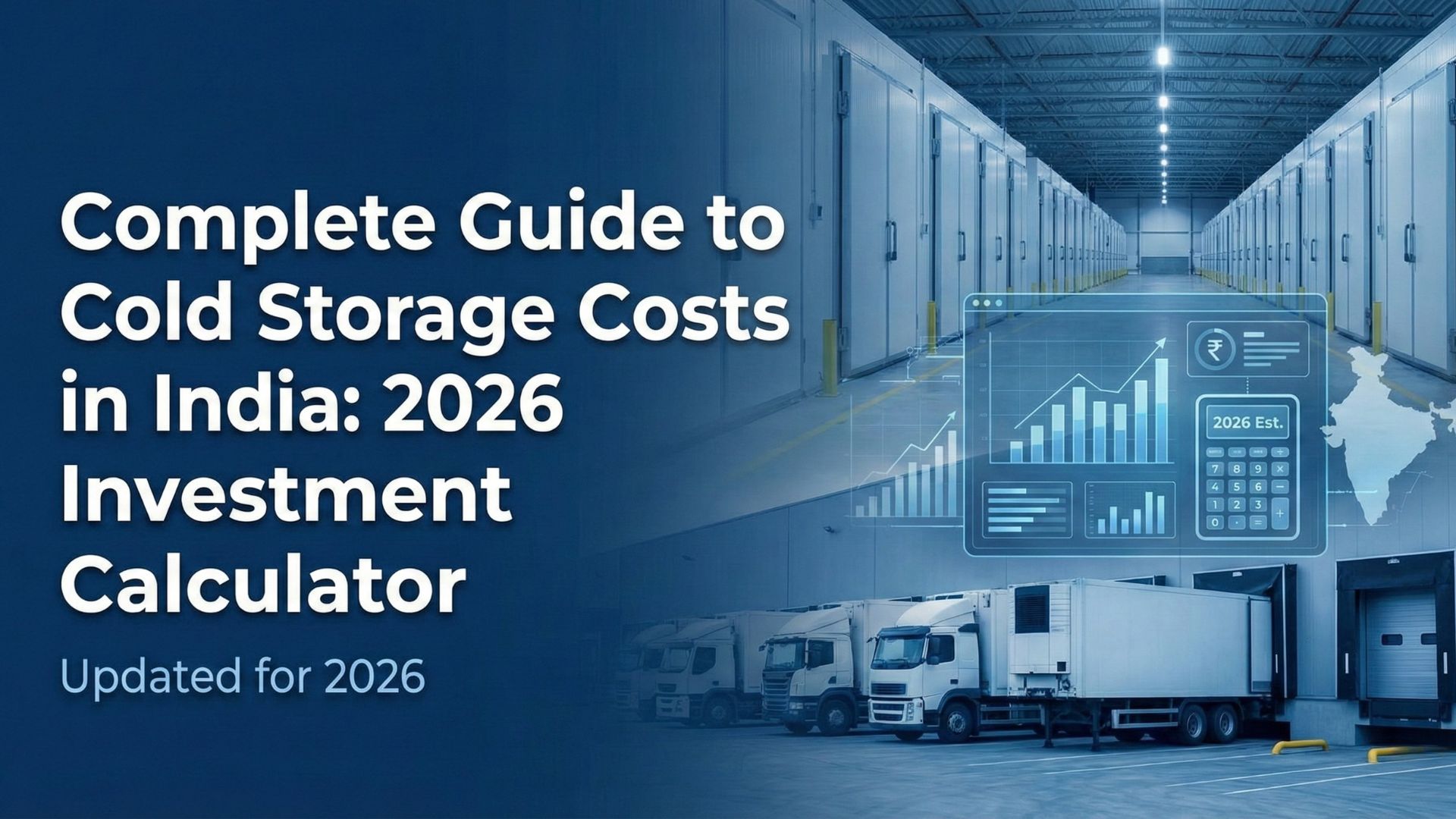
The most searched questions around a cold storage plant are about money: cold storage construction cost, project cost of cold storage, and cold storage plant cost per MT. The honest answer is that there is no single number, because the plant cost depends on configuration, temperature regime, capacity, insulation thickness, refrigerant, site conditions and how much material handling you include. What we can do is show you the official reference points and the drivers. For detailed market ranges per sq ft and an investment calculator, use our complete guide to cold storage costs in India.
Cost norms are not quotes. NHB states plainly that its cost norms are frequently misconstrued as market prices. They are upper limits used only to calculate subsidy, are broad-based at national level, and are not a funding mechanism for the project [4]. Your bank, your DPR and your EPC contract should all be built on real engineering estimates.
With that caveat, the NHB cost norms and the 35% subsidy rate let you calculate the maximum subsidy for common plant sizes [4]. The arithmetic below uses the up-to-5,000 MT norms.
| Plant size and type | Eligible cost ceiling (norm × MT) | Max subsidy at 35% (general areas) | Max subsidy at 50% (NE, hilly, scheduled areas) |
|---|---|---|---|
| 1,000 MT, Type 1 | ₹80 lakh | ₹28 lakh | ₹40 lakh |
| 1,000 MT, Type 2 | ₹1.00 crore | ₹35 lakh | ₹50 lakh |
| 5,000 MT, Type 1 | ₹4.00 crore | ₹1.40 crore | ₹2.00 crore |
| 5,000 MT, Type 2 | ₹5.00 crore | ₹1.75 crore | ₹2.50 crore |
| 5,000 MT, Type 2 with CA | ₹10.00 crore | ₹3.50 crore | ₹5.00 crore |
Worked from NHB Appendix I cost norms and pattern of assistance [4]. Subsidy is calculated on the lower of actual eligible cost and the norm, is credit linked and back-ended, and is capped at the bank term loan amount. Note that NHB’s own scheme covers projects above 5,000 MT; smaller plants are routed through State Horticulture Missions under MIDH.
What drives cold storage plant cost
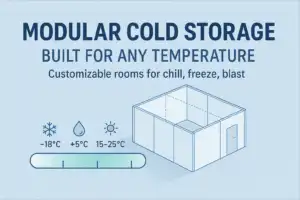
- Temperature regime: a frozen chamber at -18°C to -25°C needs thicker panels, floor heating, low-temperature evaporators and more compressor capacity than a +2°C to +4°C chill chamber.
- Number of chambers: a multi-chamber Type 2 plant costs more per MT than a single-zone Type 1 store because of extra doors, partitions, evaporators and controls, which is why its norm is higher.
- Height and racking: taller buildings with selective or high-density racking use land better but increase structural and material handling cost.
- Refrigerant and plant redundancy: ammonia plants cost more up front but are typically chosen for large bulk stores; standby compressors add capital but protect product.
- Site: soil conditions, power availability (new HT connection or not), road access and flood level can move civil costs significantly.
- Scope boundaries: land, boundary walls, DG sets, weighbridges, admin blocks, solar and effluent systems are often left out of headline numbers.
Mini cold storage plant cost in India
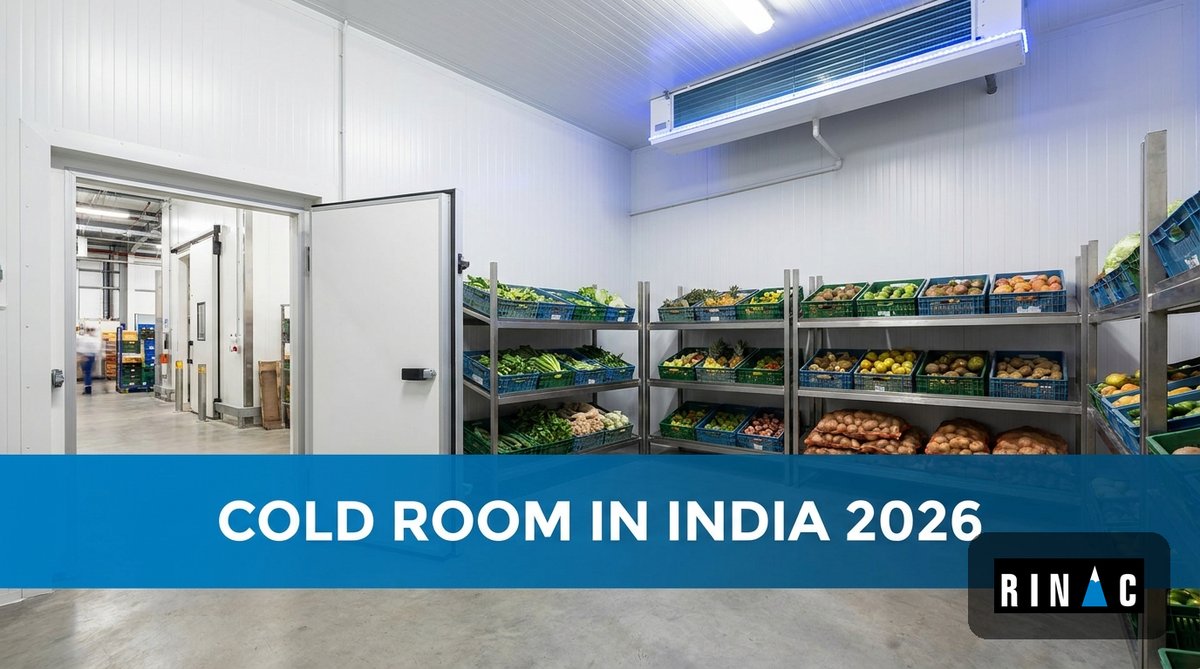
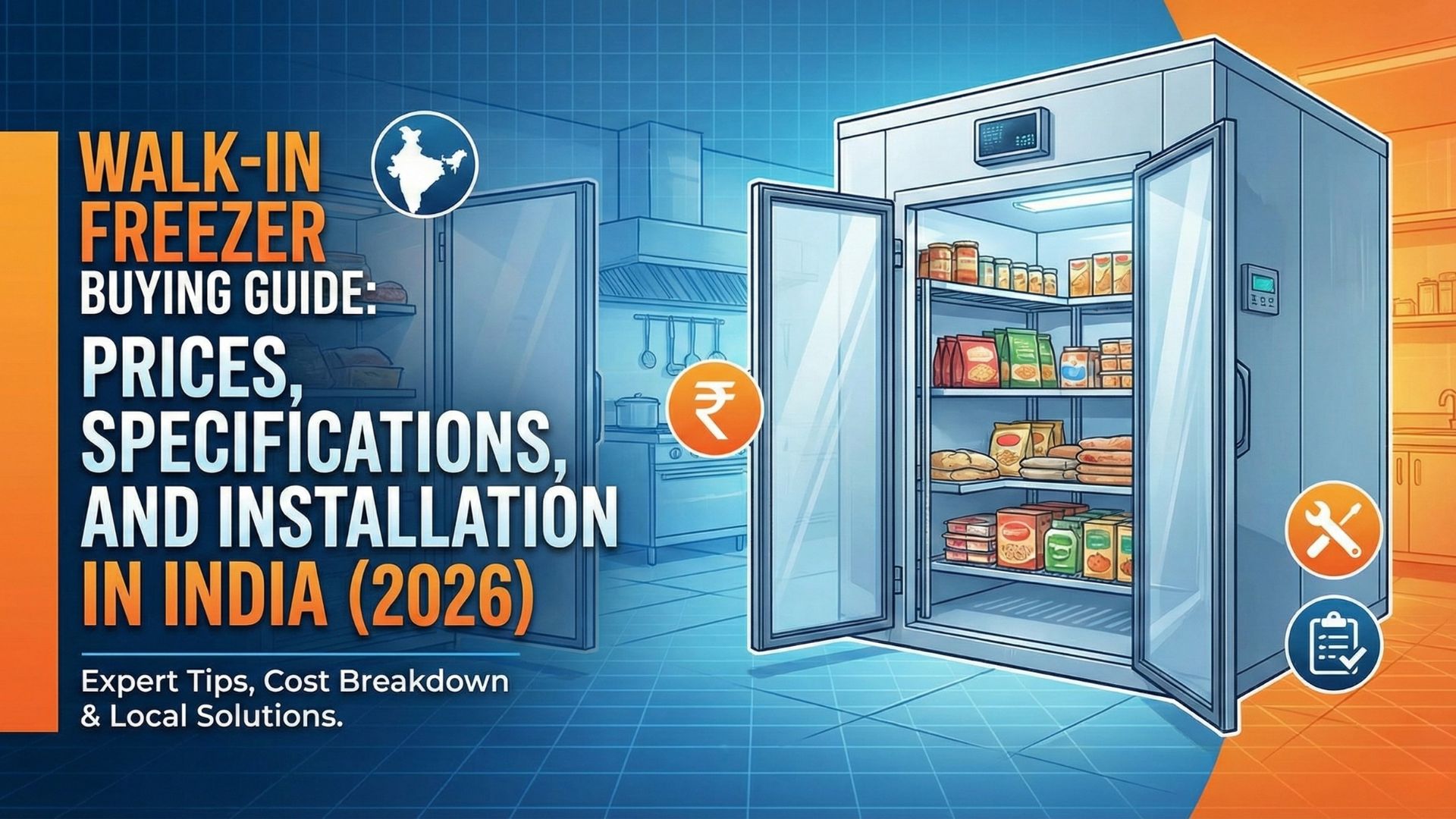
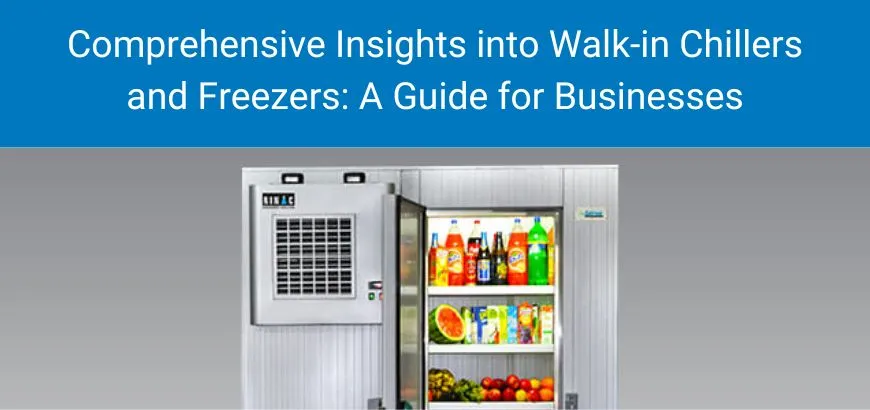
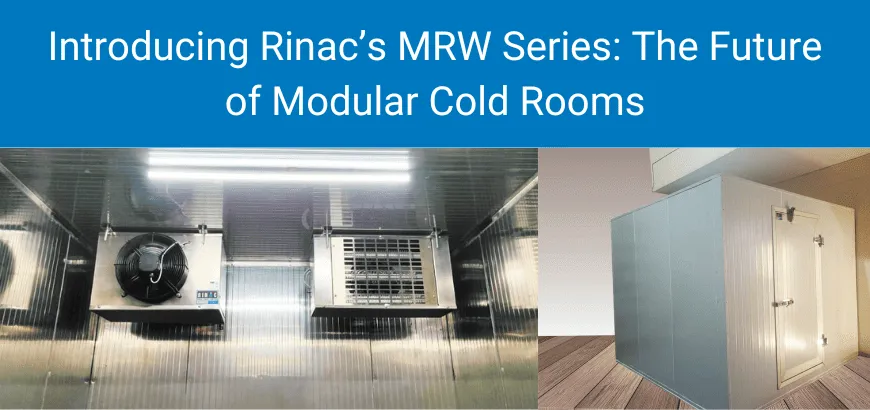
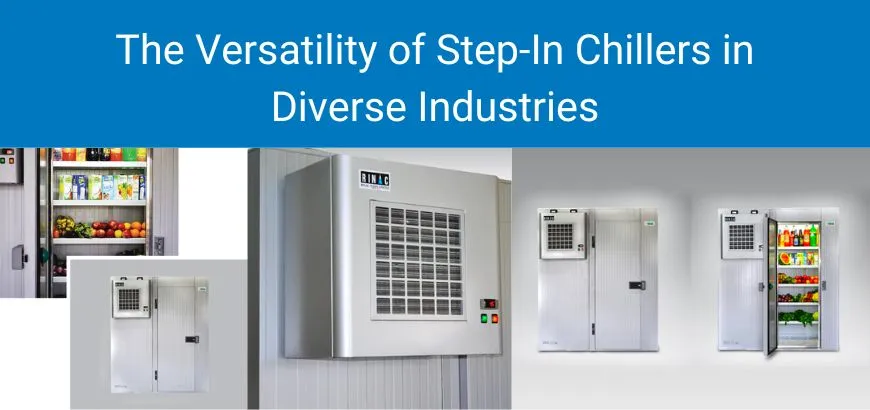
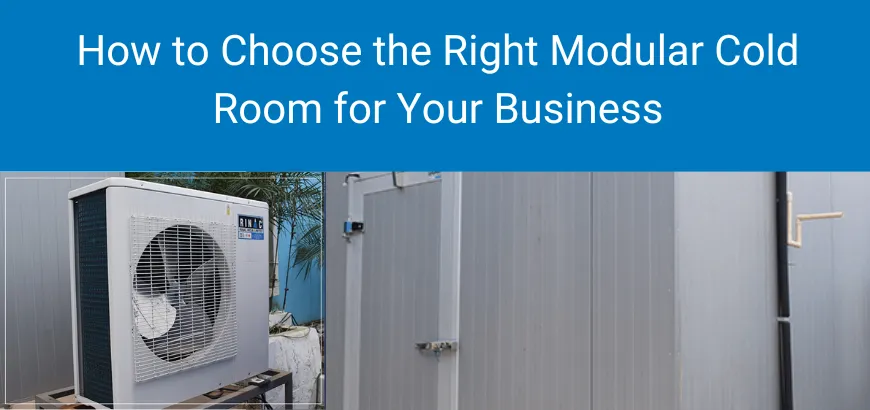
Searches for mini cold storage plant cost in India usually come from farmers, FPOs and small processors looking at 5 to 100 MT. At that scale, a factory-built modular cold room is often the right answer rather than a site-built plant. Rinac’s cold rooms and MRW series walk-in cold rooms are designed for exactly this range, and our cold room buyer’s guide explains sizing. Where produce arrives warm from the field, adding pre-cooling rooms ahead of storage protects shelf life more than any amount of extra storage volume.
Project Report for Cold Storage: What a Bankable, NHB-Ready DPR Must Contain
The search results for a project report on cold storage are full of generic PDFs. The problem is that a copied DPR rarely survives bank appraisal or NHB technical scrutiny. NHB requires the DPR to be signed on every page by the promoter and submitted along with a detailed term loan sanction letter, and every project is checked by an NHB-empanelled technical appraisal agency against the technical standards notified on 15 May 2015 [4]. A proper project report for cold storage should include:
- Market and commodity study: catchment, commodity calendar, storage period, rental or captive use, and realistic occupancy by month.
- Plant configuration: Type 1, Type 2 or CA, chamber schedule with dimensions, temperature and RH per chamber, and storage units (bags, crates, pallets).
- Plan and layout drawings: approved by a registered architect and structural engineer, conforming to local building by-laws and BIS codes, with sectional details showing insulation type, thickness and fixing method [4].
- Heat load calculation sheets: chamber by chamber, approved by a qualified engineer [4].
- Equipment data sheets: compressors, condensers, cooling towers and air cooling units with rated capacity, operating parameters and COP, certified by the manufacturer. NHB even specifies the evaporator details it wants to see: heat transfer area, fin spacing, rows, air flow, face velocity and air throw [4].
- Capital cost estimate: civil, structure, insulation, refrigeration, electrical, material handling, fire safety, pre-operatives and contingency, each tied to a vendor or EPC quotation.
- Operating cost model: power (connected load, diversity, tariff), labour, maintenance, insurance and refrigerant top-up.
- Means of finance and subsidy: promoter equity, term loan, eligible subsidy under the right scheme, and the subsidy reserve fund mechanism.
- Financial projections: revenue, DSCR, IRR, break-even occupancy and sensitivity to tariff and occupancy.
- Implementation schedule: realistic milestones that fit the scheme’s completion deadline.
Timeline to plan around: under the NHB scheme, the project must be completed within 18 months of the first term loan disbursement, extendable by 6 months only if the bank and NHB accept the reasons. A Joint Inspection Team then inspects the plant before subsidy is released into the Subsidy Reserve Fund Account [4]. Your EPC programme should be built backwards from that date.
This is where an engineering partner earns its fee. Rinac’s engineering and construction solutions team prepares heat load sheets, drawings and equipment schedules that match what is actually built, so the plant you commission is the plant in your DPR.
Government Subsidies and Finance for a Cold Storage Plant
Three central routes matter most for a cold storage plant in 2026. Our cold chain subsidies guide covers the application mechanics; here is how they map to plant types.
| Scheme | Who runs it | What it offers | Key condition |
|---|---|---|---|
| MIDH (via State Horticulture Missions) | Ministry of Agriculture | Credit-linked back-ended subsidy of 35% (50% in NE, hilly and scheduled areas) for cold storages up to 5,000 MT | Horticulture produce; annual state action plans |
| NHB Capital Investment Subsidy | National Horticulture Board | 35% (50% in NE, hilly, scheduled areas) for cold storage and CA stores of 5,000 MT to 20,000 MT | In-principle approval mandatory; technical standards conformity |
| PMKSY Integrated Cold Chain (ICCVAI) | MoFPI | 35% grant (50% in difficult areas and for SC/ST, FPOs, SHGs), up to ₹10 crore per project | Integrated chain required; standalone cold storage and fruits and vegetables excluded |
| Agriculture Infrastructure Fund | Ministry of Agriculture | 3% interest subvention on loans up to ₹2 crore for 7 years, CGTMSE credit guarantee | Loan disbursement window scheduled to close at end of FY 2025-26; check current status |
Sources: PIB ICCVAI backgrounder, October 2025 [5]; PIB AIF backgrounder, August 2025 [6]; NHB operational guidelines [4].
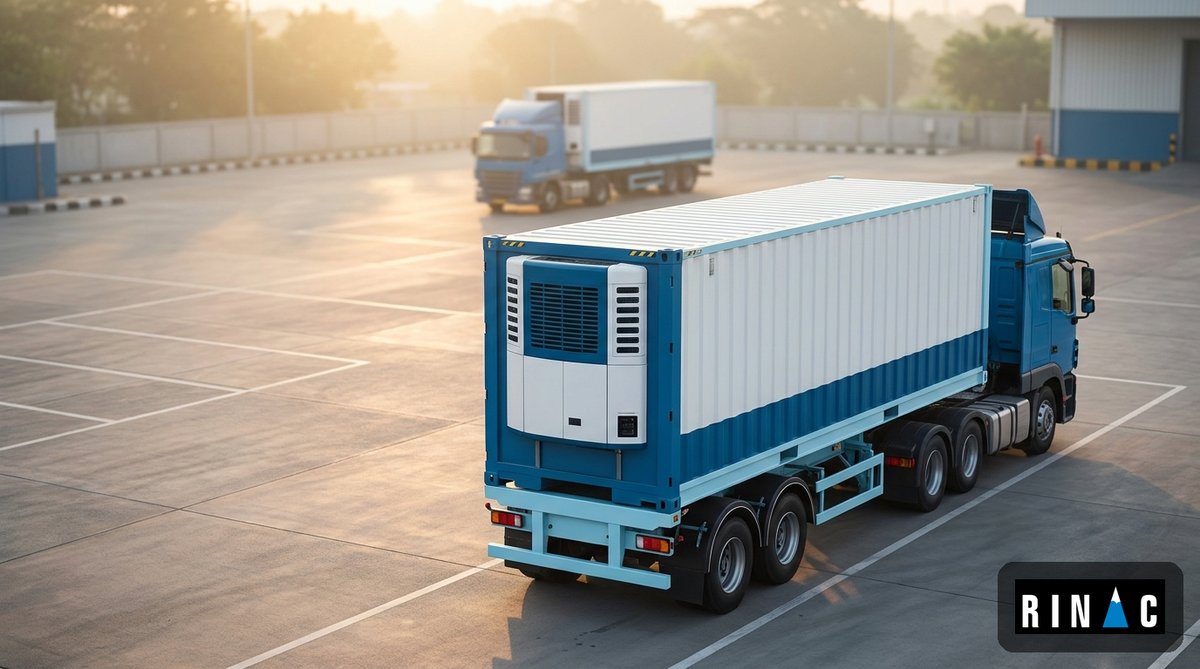
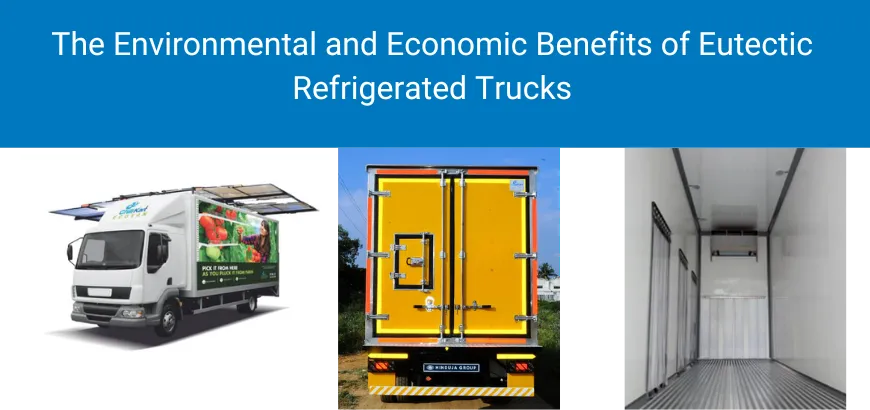
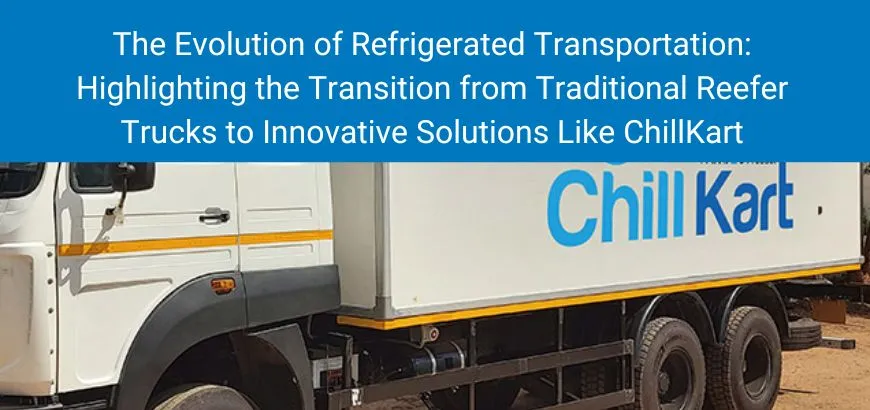
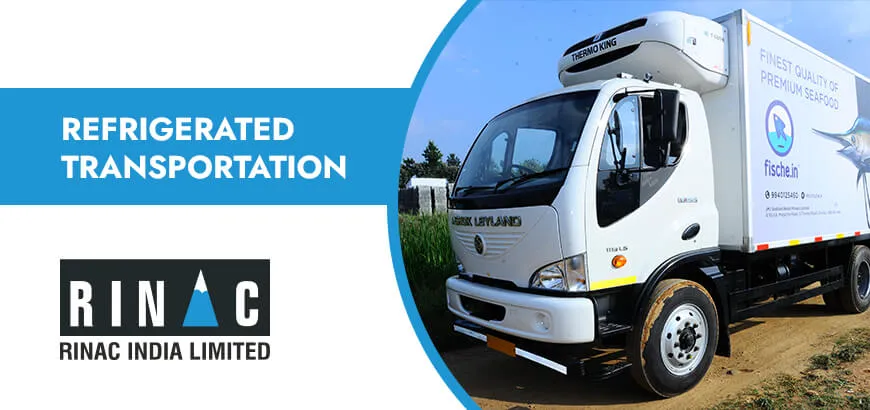
Two details trip up many promoters. First, under MoFPI’s revised cold chain guidelines of 22 May 2025, an applicant must set up farm level infrastructure and link it to a distribution hub and/or refrigerated transport; fruits and vegetables moved to Operation Greens in June 2022 [5]. A standalone cold storage plant will not qualify there. Second, subsidies are generally not stackable on the same component, so choose the scheme when you fix the plant configuration, not after construction. If reefer vehicles are part of the integrated chain, our reefer container guide and Rinac’s refrigerated transportation range cover that link.
₹10 crore
Maximum PMKSY grant per integrated cold chain project (35% general, 50% difficult areas)
Maximum PMKSY grant per integrated cold chain project (35% general, 50% difficult areas)
Compliance & Standards for a Cold Storage Plant
Compliance is not a checklist you add at the end. It shapes the drawings, the finishes and the operating procedures. The standards that most often apply to a food-grade cold storage plant in India are:
- NHB/NCCD technical standards: mandatory conformity for subsidised plants, checked by empanelled experts before and after construction [4].
- FSSAI: food businesses, including storage, operate under FSSAI licensing or registration and must meet the Schedule 4 hygiene and sanitary requirements for premises, equipment, pest control and records [8].
- HACCP: hazard analysis and critical control points, where temperature is almost always a critical control point and continuous logging is the evidence.
- ISO: ISO 22000 food safety and ISO 9001 quality systems are commonly expected by export buyers and large retail and QSR clients.
- WHO-GMP and GMP: essential where the cold storage plant also serves pharmaceuticals, vaccines or biologics, with mapping, qualification and validated monitoring.
- IGBC: green building rating for owners who want documented energy and water performance.
- National Building Code and state fire rules: fire NOC, egress, compartmentation and machine room safety.
- Refrigerant rules: Ozone Depleting Substances rules and the HCFC phase-out timeline [9].
Rinac’s delivery is certified to ISO, FSSAI, HACCP, GMP, IGBC and WHO-GMP standards, which matters to the food and pharma companies Rinac serves, including ITC, Britannia and Biocon. For pharma-grade facilities, our clean room guide explains the controlled-environment side.
EPC vs Itemised Contracting for a Cold Storage Plant
Many owners still buy a cold storage plant in pieces: a civil contractor, a PEB supplier, a panel vendor, a refrigeration contractor and an electrical contractor. It can look cheaper on paper. Here is how the two models usually compare.
| Factor | Itemised (multiple contractors) | EPC (single point of responsibility) |
|---|---|---|
| Design ownership | Split; owner or consultant coordinates | One team designs all packages together |
| Performance guarantee | Each vendor guarantees only its own item | Guarantee on pull-down, chamber temperature and power consumption for the whole plant |
| Interface risk | Owner carries it (floors, penetrations, doors, controls) | EPC contractor carries it |
| Schedule | Sequential, prone to hand-off delays | Parallel manufacturing and site work |
| Subsidy inspection readiness | Documents scattered across vendors | As-built drawings, data sheets and test reports in one handover file |
| Upfront price | Often lower headline | Often higher headline, lower total risk |
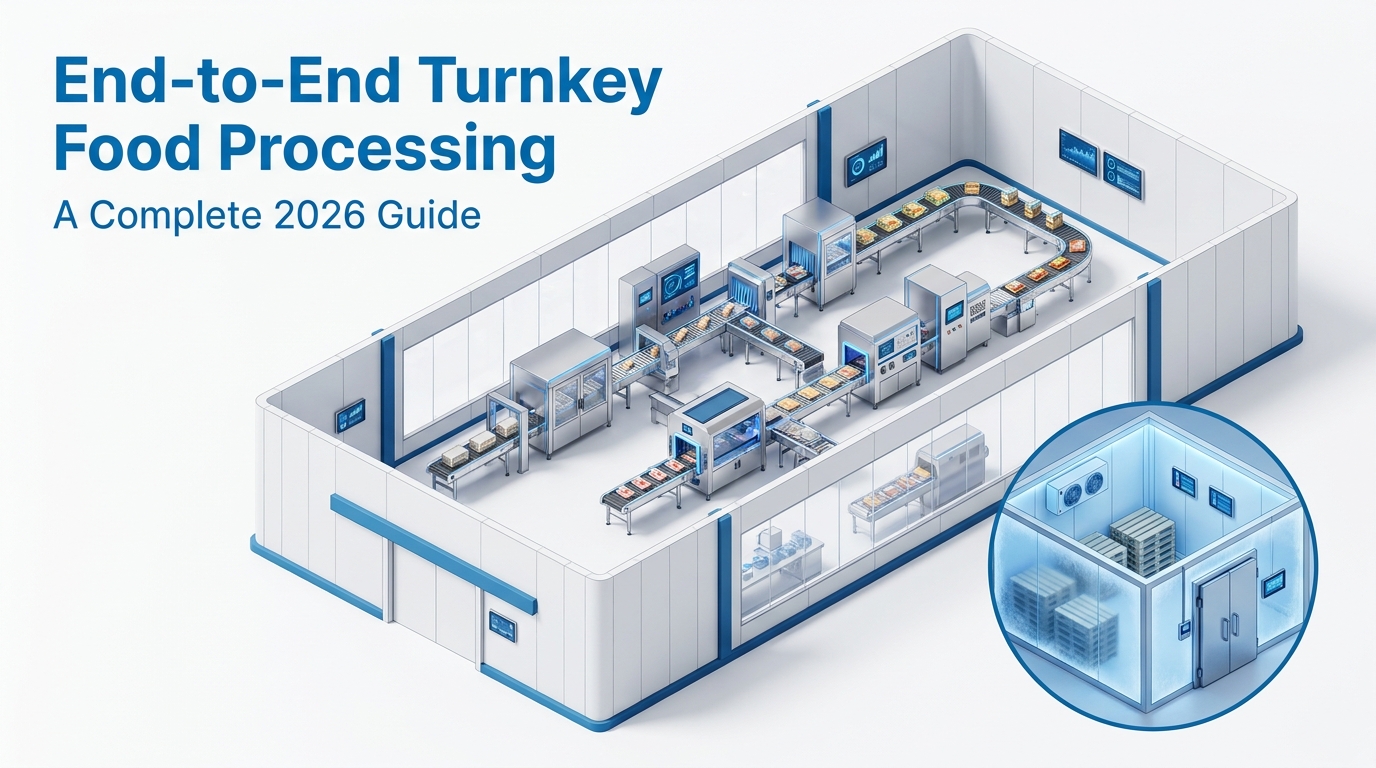
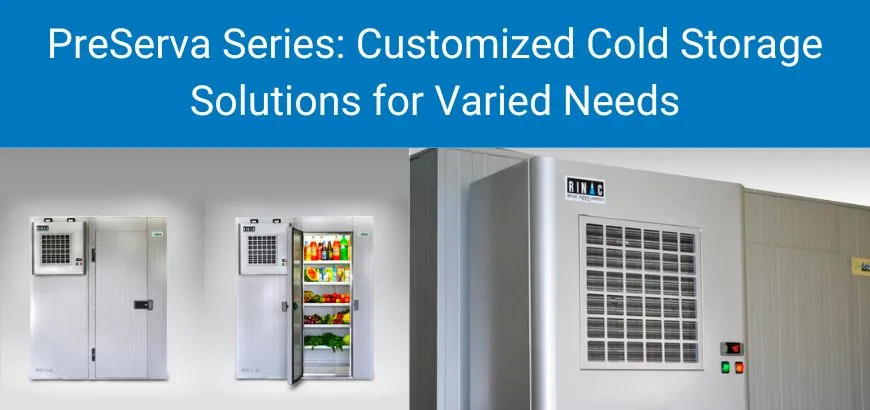
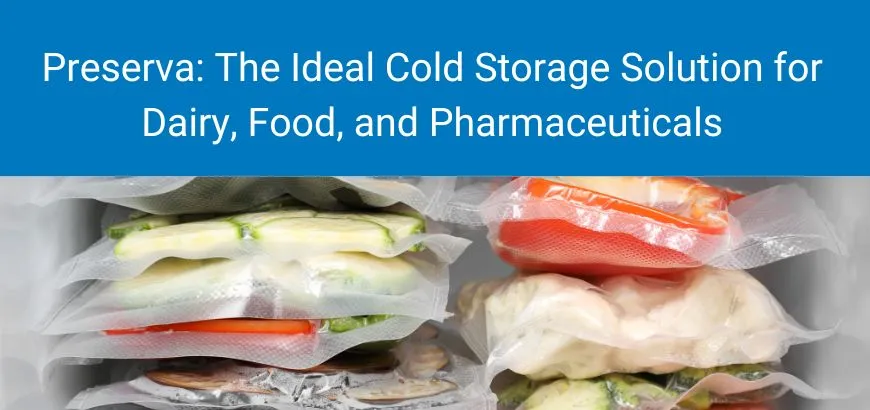
Rinac works as a solution architect and builder on these projects, from design and engineering through manufacturing at our Bangalore and Murbad facilities, installation, commissioning and after-sales service from 14 branch offices. For food processors who want the processing hall and the cold chain delivered together, our turnkey food processing practice extends the same single-point model, and for overseas projects we deliver through EPC exports across 23 countries. You can read more about Rinac and the PreServa series of customised cold storage solutions.
From Groundbreaking to Commissioning: A Cold Storage Plant Execution Checklist
- Freeze the brief: commodities, throughput, storage period, temperature and RH per chamber, future expansion.
- Site due diligence: soil test, flood level, power availability, water, access for trucks, land title and lease tenure (NHB expects ownership or a registered lease of at least 10 years).
- Concept and heat load: configuration, chamber schedule, refrigeration concept and preliminary load.
- DPR and financial closure: bank term loan sanction, subsidy in-principle approval where applicable.
- Detailed engineering: structural, insulation, refrigeration P&ID, electrical single line, fire and controls, all cross-checked.
- Manufacturing and civil works in parallel: panels, PEB and refrigeration skids built in the factory while foundations and floors are cast.
- Erection: structure, panels, doors, underfloor heating, refrigeration piping, electrical and controls.
- Testing: pressure and leak tests, insulation integrity checks, electrical tests, safety interlocks.
- Commissioning and pull-down: staged cool-down to avoid floor and panel stress, then performance test against guaranteed temperatures.
- Handover: as-built drawings, O&M manuals, operator training, AMC and the documents your bank and subsidy inspectors will ask for.
A well-run commissioning is visible in the numbers: every chamber holding set temperature under design load, logged power draw matching the design estimate, and a complete handover file that lets the Joint Inspection Team close the subsidy claim without back-and-forth.
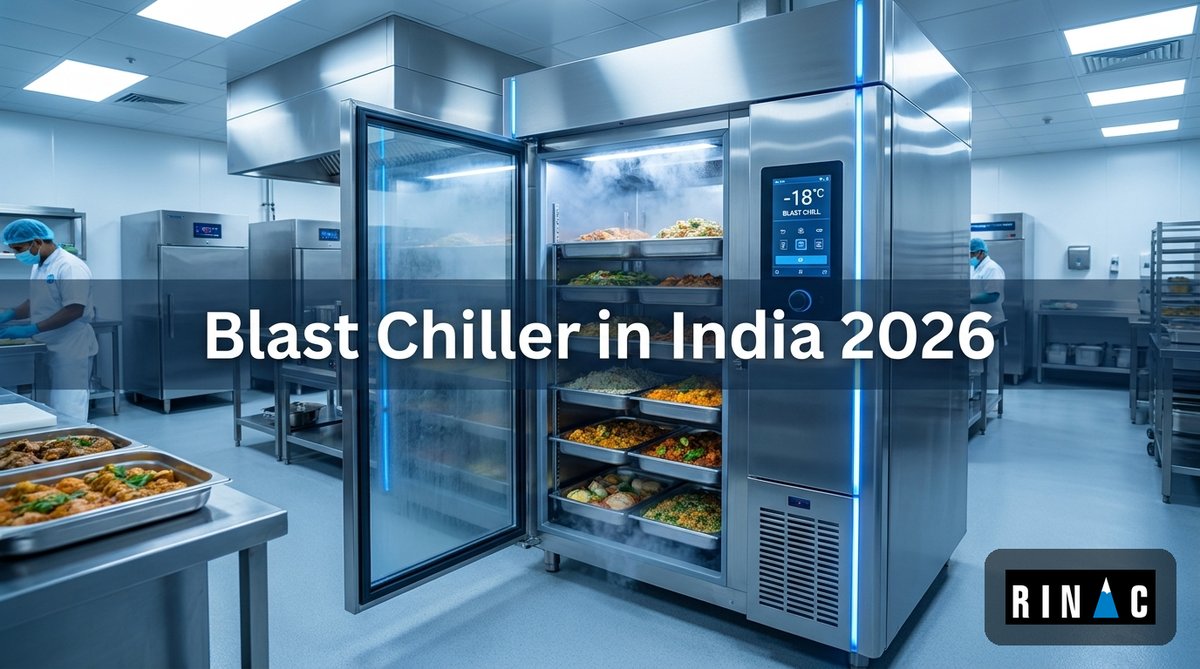
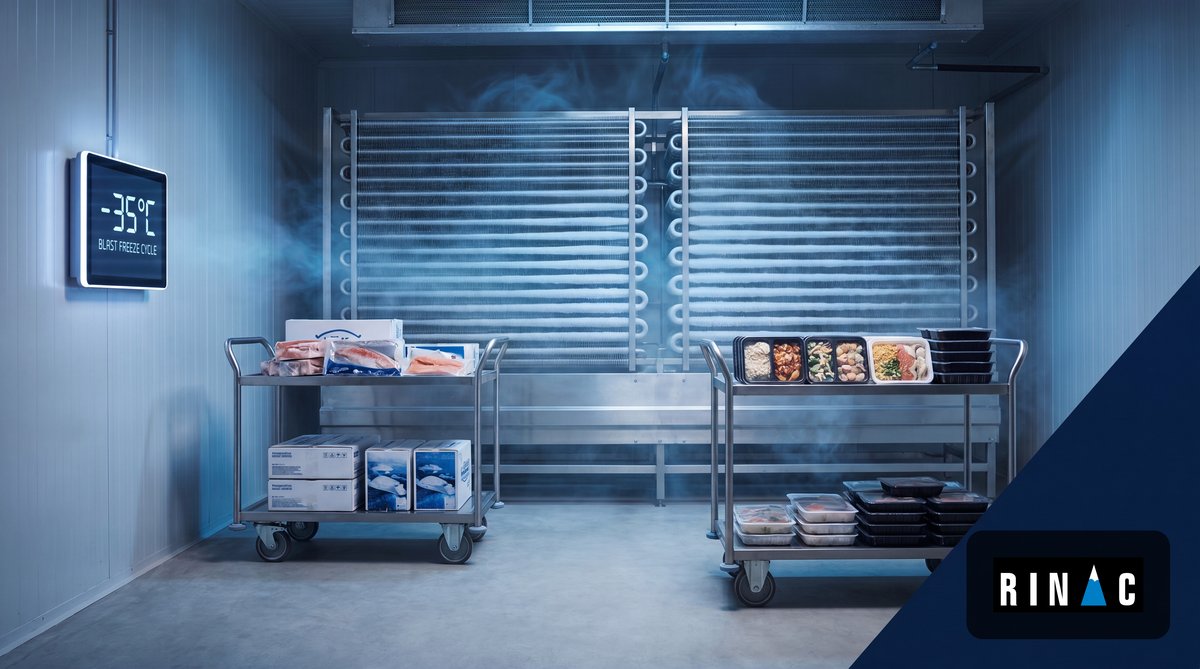
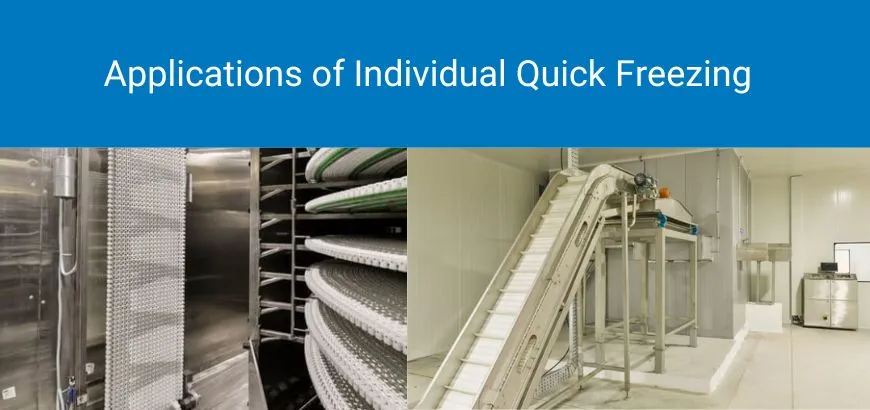
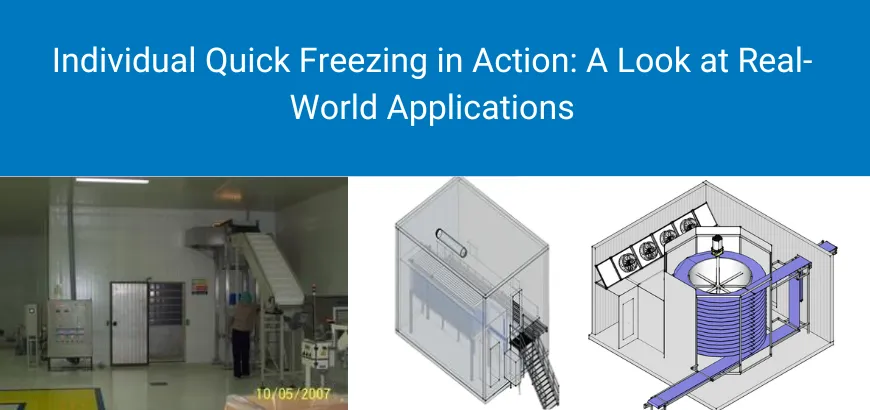
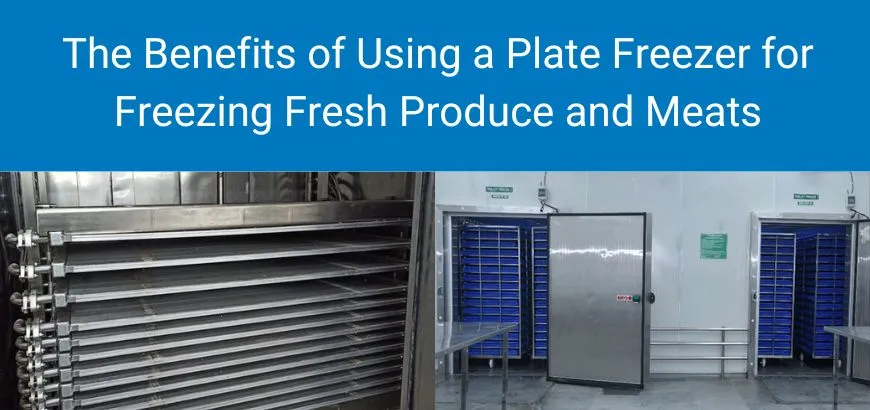
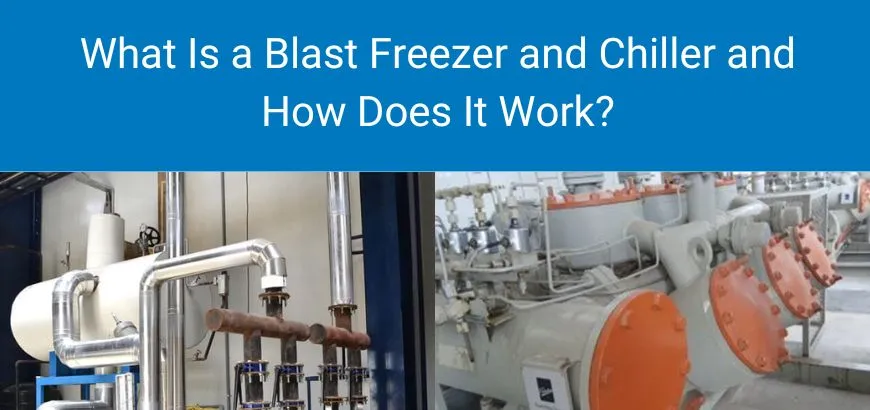
If your plant also needs rapid freezing ahead of storage, pair the storage chambers with blast chillers and freezers; our blast freezer guide covers sizing.
Frequently Asked Questions About Cold Storage Plants
Sources & References
- Press Information Bureau (MoFPI), ‘Capacity of Cold Chains’, Lok Sabha written reply citing NCCD/NABCONS study, 2 August 2022. https://www.pib.gov.in/PressReleaseIframePage.aspx?PRID=1847318
- International Institute of Refrigeration, ‘India: NCCD reports a 2.2% compound annual growth rate in cold storage capacity’ (reporting PIB data as of 30 June 2025), 24 February 2026. https://iifiir.org/en/news/india-nccd-reports-a-2-2-compound-annual-growth-rate-in-cold-storage-capacity
- National Centre for Cold-chain Development, Ministry of Agriculture and Farmers Welfare, ‘Energy Transition in Cold Chain Infrastructure’, September 2025. https://nccd.gov.in/uploads/ET_in_cold_chain_sector_in_India_v8_3bfe3b8148.pdf
- National Horticulture Board, ‘Operational Guidelines for Capital Investment Subsidy Scheme for Construction/Expansion/Modernization of Cold Storage and Storages for Horticulture Products’ (accessed September 2026). https://www.nhb.gov.in/pdf/SCHEME2Guidelinefinal.pdf
- Press Information Bureau, ‘Integrated Cold Chain and Value Addition Infrastructure (ICCVAI)’ backgrounder, October 2025. https://static.pib.gov.in/WriteReadData/specificdocs/documents/2025/oct/doc20251029679501.pdf
- Press Information Bureau, ‘Agriculture Infrastructure Fund: Boosting Agri Infra for Better Productivity’, 9 August 2025. https://www.pib.gov.in/PressNoteDetails.aspx?ModuleId=3&NoteId=154999®=3&lang=2
- IMARC Group, ‘India Cold Chain Market Size, Share and Outlook 2034’ (accessed September 2026). https://www.imarcgroup.com/indian-cold-chain-market
- Food Safety and Standards Authority of India, ‘Hygiene Requirements (Schedule 4)’ (accessed September 2026). https://fssai.gov.in/cms/hygiene-requirements.php
- Mongabay India, ‘How did India phase out ozone-depleting substances and what lies ahead?’, 17 January 2025. https://india.mongabay.com/2025/01/the-journey-of-phasing-out-ozone-depleting-substances/
Important disclaimer: This article is published for informational purposes only and does not constitute professional engineering, legal, financial, tax or regulatory advice. Subsidy schemes, cost norms, interest subvention windows, FSSAI rules, refrigerant regulations and fire codes change over time and vary by state, so verify every requirement directly with NHB, the State Horticulture Mission, MoFPI, FSSAI, the Ozone Cell and your local authorities before committing capital. All statistics and scheme details are drawn from the public sources listed above as of the publication date, and the subsidy calculations shown are illustrative arithmetic based on published norms, not an assurance of eligibility. For project-specific design, sizing, costing and ROI, request a formal consultation with Rinac through rinac.com/contact-us.
Planning a new cold storage plant or modernising an old one? Talk to the team that has delivered cold chain infrastructure for more than three decades.