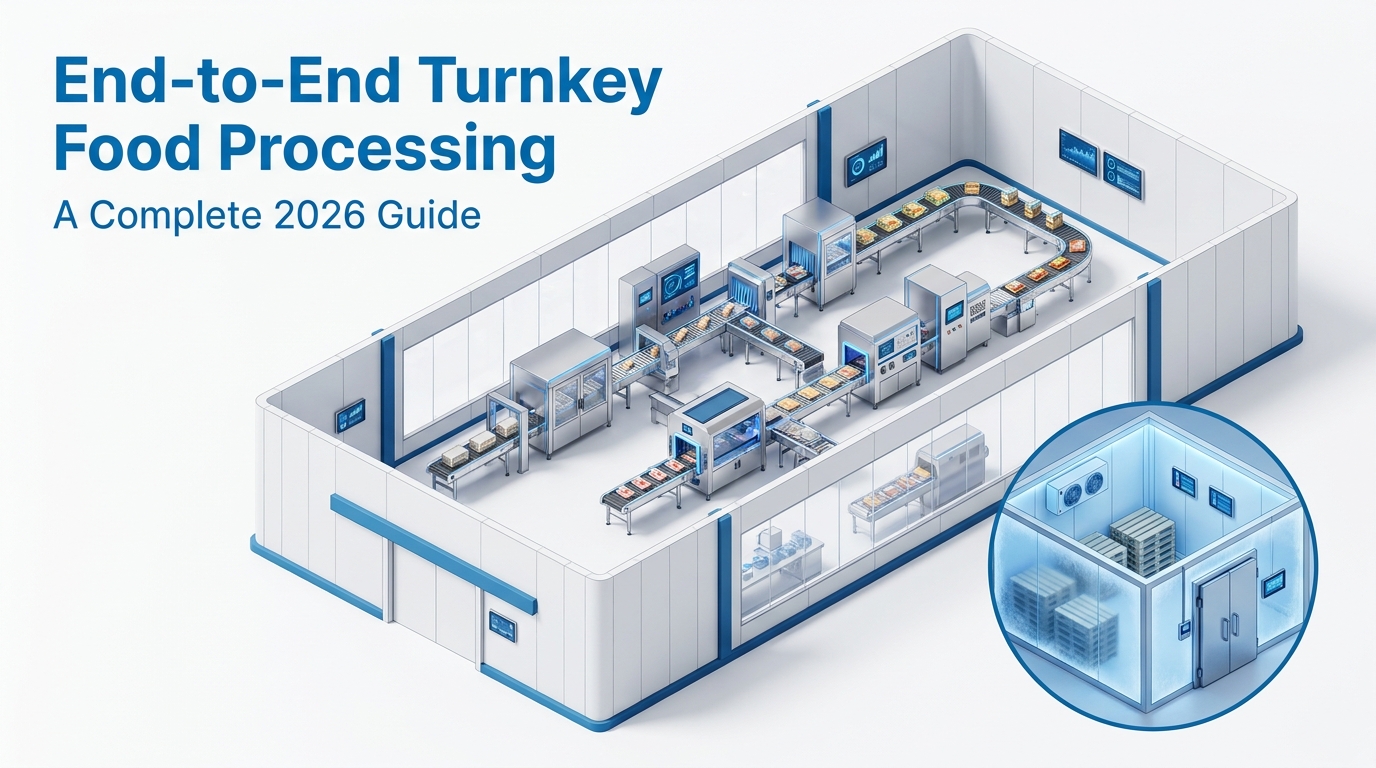
TL;DR – Quick Summary
- A roof insulation sheet cuts the solar heat that enters through a metal or concrete roof, which is the single largest heat entry point for most Indian factories, warehouses and cold stores.
- The main options are bubble foil, thermocol (EPS), rockwool, PUF and PIR. For industrial and food-grade roofs, factory-made PUF or PIR sandwich panels give the most predictable result, with foam core thermal conductivity in the 0.021 to 0.028 W/m·K range [9].
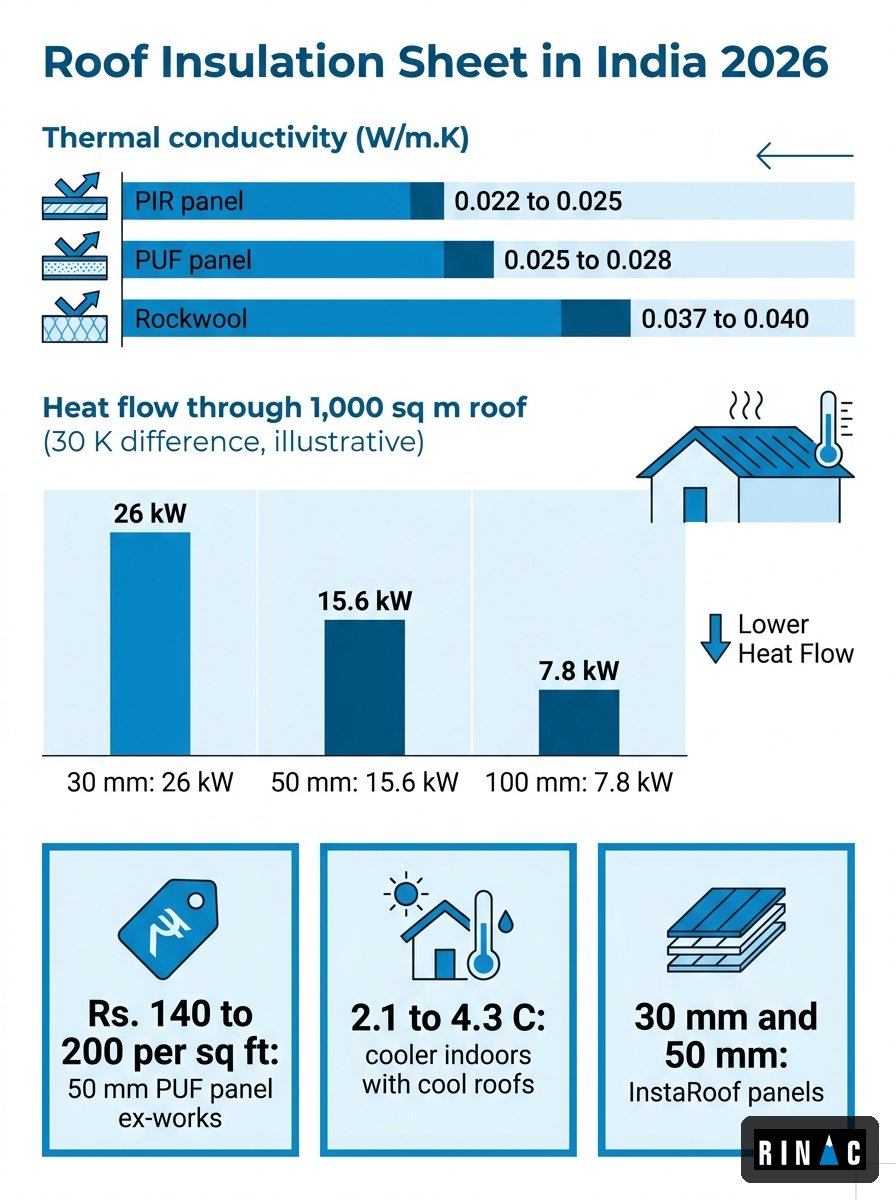
- As a working benchmark, a PUF roofing sheet panel costs roughly Rs. 140 to 200 per sq ft ex-works at 50 mm, and roof profiles run 6 to 10 percent above wall panels [10].
- Roof insulation is moving from optional to expected: Telangana now mandates cool roofs for non-residential buildings [3], and ECBC applies to commercial buildings above set load thresholds [6].
- Rinac designs, manufactures and installs InstaRoof insulated roofing panels in 30 mm and 50 mm, backed by 30+ years and 10,000+ projects.
Quick note: This guide is for general information only. It is not a substitute for professional engineering, legal or regulatory advice. Prices, subsidy rates and codes change, so verify current figures with the relevant authority and your engineer before you commit to a design or budget. A fuller disclaimer sits near the end of this article.
What Is a Roof Insulation Sheet, and Why Do Indian Roofs Need One?
A roof insulation sheet is any board, foil, foam or panel fixed on, under or within a roof to slow the flow of heat between the sun-heated outside and the conditioned or occupied space below. In India that job is harder than almost anywhere else. A bare GI or colour-coated metal roof absorbs strong solar radiation for most of the day, and a bare RCC slab stores that heat and re-radiates it into the night. Workers in a pre-engineered shed feel it as discomfort. A cold room or pharma store feels it as a heavier compressor load and a higher electricity bill.
The scale of the problem is growing. India’s cooling demand is projected to rise roughly eightfold between 2017-18 and 2037-38, and cool roofs are one of the cheapest levers available to blunt that growth [5]. For a plant manager, the more immediate question is simpler: which heat insulation sheet for roof use will actually perform for 15 to 25 years, survive monsoon and dust, and stay compliant with food and pharma hygiene rules?
Whether you call it a thermal insulation sheet for roof use, roof sheet insulation or insulated roof panels, the buying logic is the same. This guide answers that question for Indian industrial, agricultural and commercial buildings. It compares the common materials, shows the thermal arithmetic, gives 2026 price ranges, and explains where a factory-made insulated roofing panel beats a field-applied sheet. If you are also planning the structure itself, our guides to pre-engineered buildings and cold storage plants cover the wider design context.
2.1 to 4.3°C
Indoor temperature reduction reported for cool roofs versus conventional roofs, per Telangana policy research [3]
Indoor temperature reduction reported for cool roofs versus conventional roofs, per Telangana policy research [3]
Roof Insulation Sheet Types in India: Bubble Foil, Thermocol, Rockwool, PUF and PIR
Search results for roof insulation sheet are dominated by dealer listings for aluminium bubble foil and thermocol, which tells you what most buyers are shown first. They are not all solving the same problem. Some products mainly reflect radiant heat, others resist conduction, and only factory-made sandwich panels combine insulation, structure and weather skin in one element.
| Material | How it works | Best fit | Main limitation |
|---|---|---|---|
| Aluminium bubble foil | Reflects radiant heat; needs an adjacent air gap to work well | Sheds, temporary structures, retrofits under existing metal roofs | Thin, easily torn, performance depends on gap and installation; not structural |
| Thermocol (EPS) sheet | Closed-cell plastic foam resists conduction | Low-cost under-deck or false-ceiling insulation | Higher conductivity than PUF or PIR for the same thickness; weak fire behaviour unless treated; moisture and pest sensitive when unprotected |
| Rockwool or stonewool | Mineral fibre resists heat and fire | Fire-rated roofs, data centres, high-temperature zones | Heavier, lambda around 0.037 to 0.040 W/m·K, so needs more thickness for the same U-value [9] |
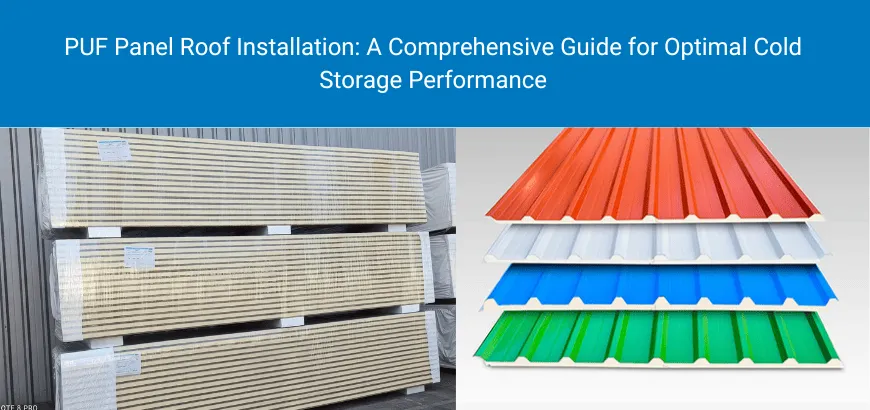
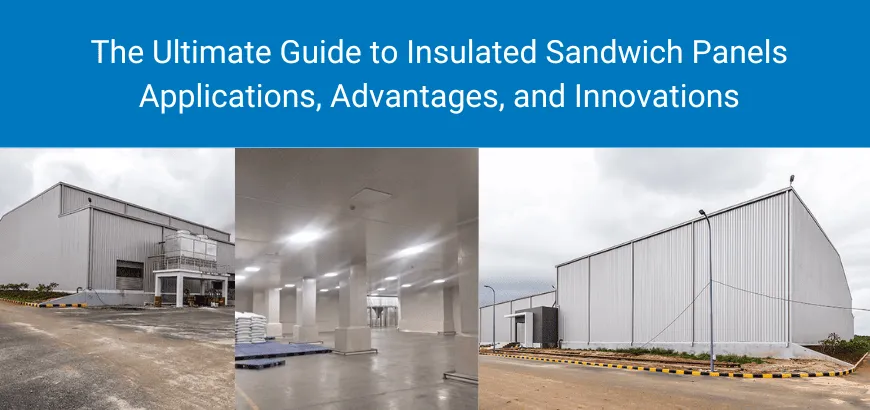
| PUF sandwich roof panel | Polyurethane foam core bonded between steel skins | Cold stores, food and pharma plants, warehouses, prefab buildings | Fire behaviour is weaker than PIR or rockwool; specify the right grade for the risk |
| PIR sandwich roof panel | Polyisocyanurate foam core between steel skins | Higher fire-risk occupancies, food and pharma, premium roofs | Higher price than PUF, typically a 15 to 25 percent premium in public price lists |
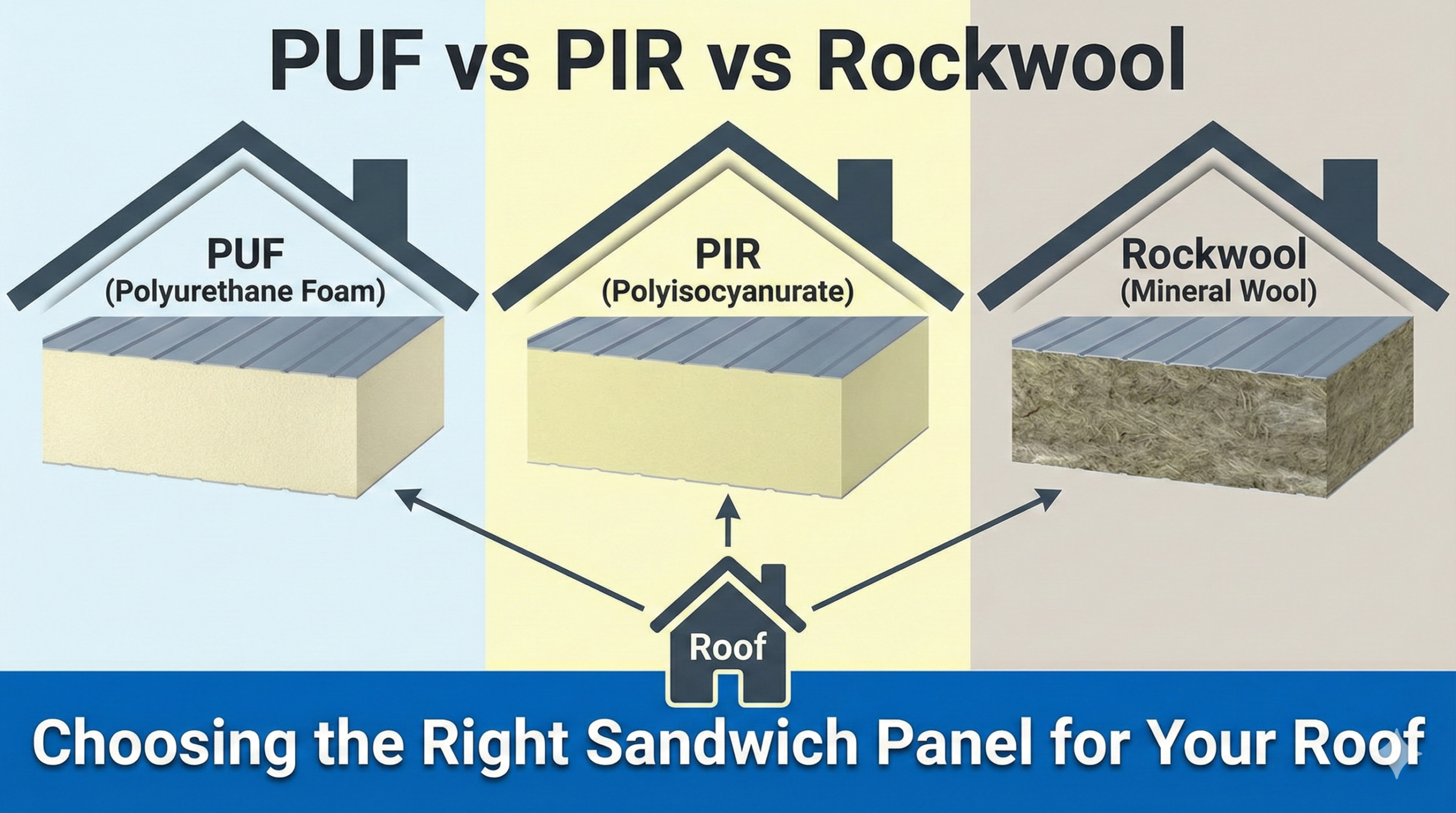
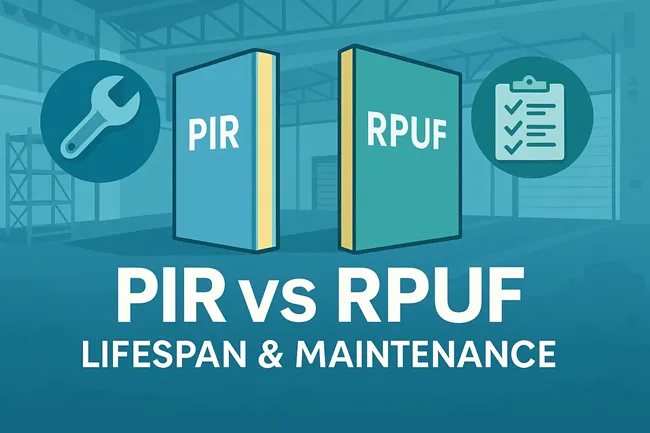
For most food, pharma and cold chain roofs, the decision narrows to PUF versus PIR. We compare them in detail in our guides on PUF vs PIR vs rockwool for roofs and PIR sandwich panels in India. Where fire rating is the controlling requirement, such as data halls, also look at stonewool panels.
Heat Insulation Sheet for Roof: What the Thermal Arithmetic Says
Heat gain through a roof follows a simple relationship: heat flow equals U-value multiplied by area and by temperature difference. A lower U-value means less heat passes through. For a foam-cored panel, the core dominates the result, so thickness and thermal conductivity (lambda) are the two levers you control.
Published comparisons place PUR foam at about 0.022 to 0.024 W/m·K in foam form and 0.025 to 0.028 W/m·K in finished sandwich panels, PIR at about 0.022 to 0.025 W/m·K in panels, and rockwool at about 0.037 to 0.040 W/m·K [9]. Manufacturers’ declared values differ, so always ask for the tested lambda of the exact panel you are buying.
Here is an illustrative core-only calculation, using a lambda of 0.026 W/m·K and a 1,000 sq m roof with a 30 K difference between roof surface and interior. It ignores air films and skins, so treat it as a comparison tool, not a design value:
| Core thickness | Core R-value (m²K/W) | Approx. U-value (W/m²K) | Conductive heat flow, 1,000 sq m, 30 K |
|---|---|---|---|
| 30 mm | 1.15 | 0.87 | about 26 kW |
| 50 mm | 1.92 | 0.52 | about 15.6 kW |
| 100 mm | 3.85 | 0.26 | about 7.8 kW |
Moving from 30 mm to 50 mm cuts conductive load on that roof by about 40 percent, and the gain from 50 mm to 100 mm is another 50 percent. The right answer depends on what sits under the roof. A dry warehouse and a minus 20°C freezer do not need the same panel, which is why our sandwich panel thickness guide is a useful companion to this article.
Insulation thickness is a one-time cost. Compressor and air-conditioning load is a cost you pay every hour of every year. Price the roof on lifecycle cost, not on the cheapest rate per sq ft.
PUF Roofing Sheet vs PIR: Thermal, Fire and Condensation Performance
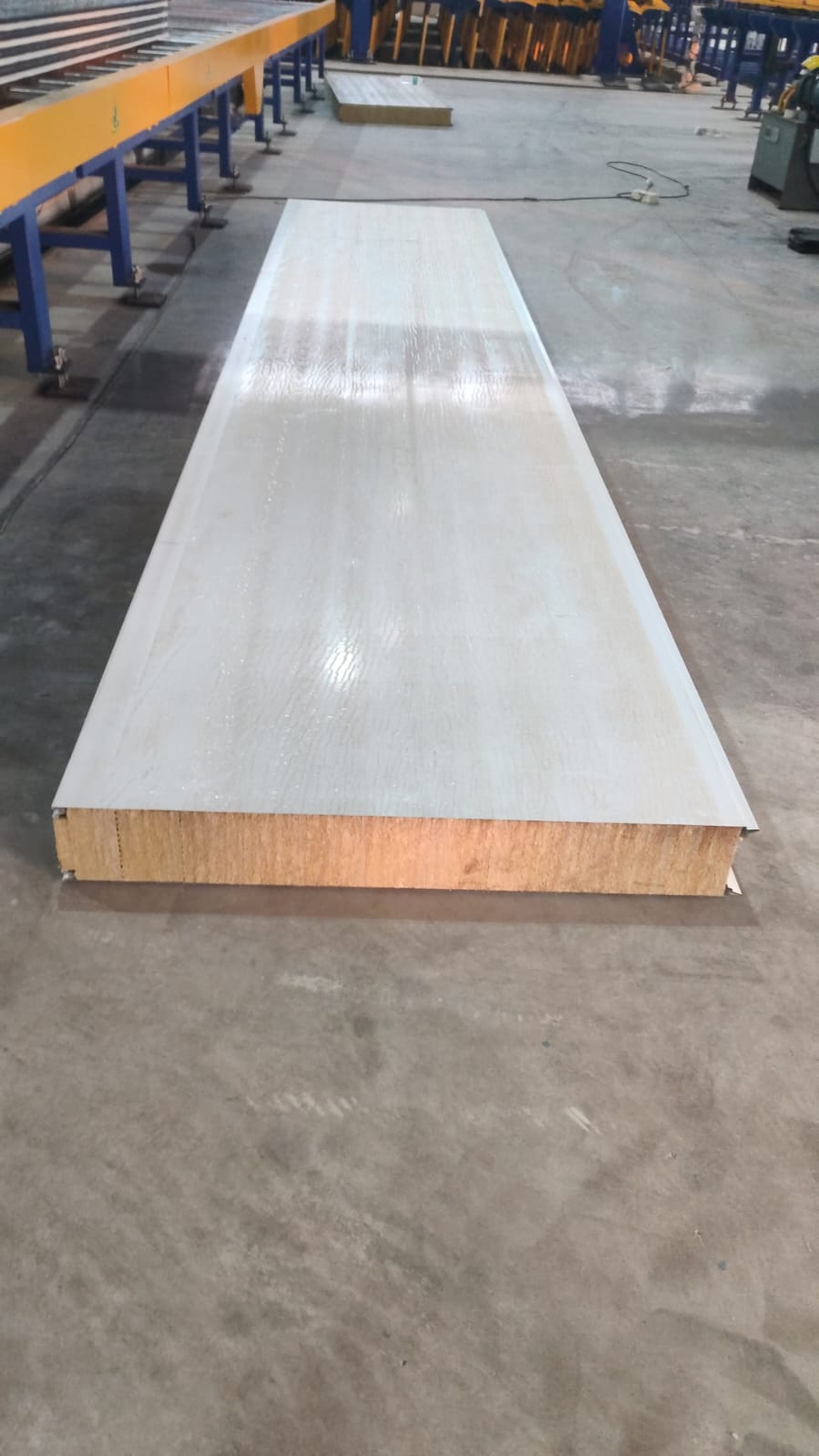
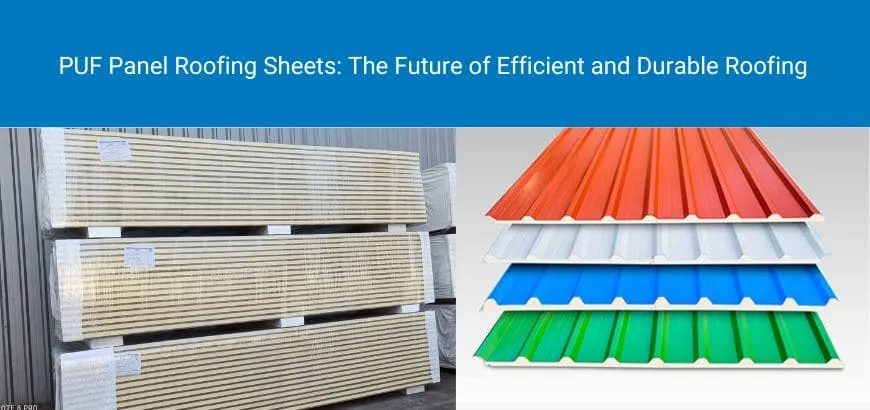
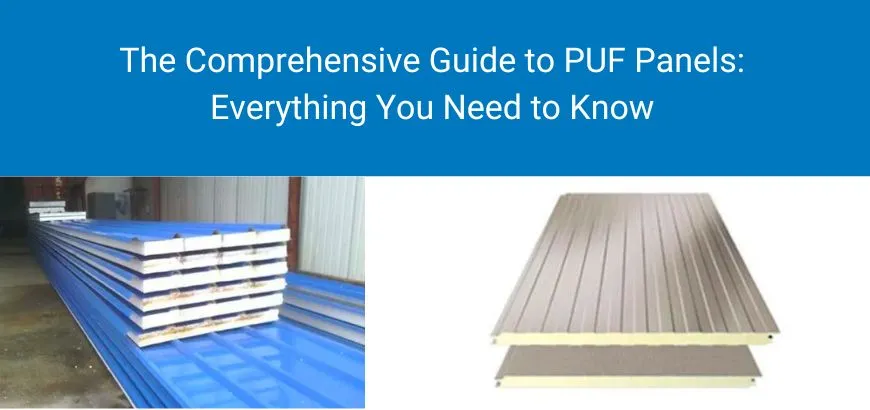
A PUF roofing sheet, more precisely a PUF insulated roofing sheet or panel, is a factory-made sandwich of two steel skins and a rigid polyurethane foam core. The foam is injected or laminated under controlled conditions, so thickness, density and bonding are consistent across the panel. That consistency is the main reason PUF and PIR panels outperform field-applied sheets: the insulation cannot slip, sag or get compressed at fixings, and there are few continuous gaps for moisture to enter.
PIR uses a modified chemistry that chars rather than melts under heat. Published comparisons class PIR panels at roughly Euroclass B-s1,d0 and PUR panels around Euroclass C-s3,d0, while rockwool reaches A1 as a non-combustible material [9]. For a general warehouse roof, PUF is usually adequate and economical. For food plants with large people loads, pharma, or insurer requirements, PIR or a fire-rated panel such as Rinac’s Firearmet FM-approved line deserves a serious look.
| Factor | PUF roofing sheet panel | PIR roof panel |
|---|---|---|
| Thermal conductivity in panels | About 0.025 to 0.028 W/m·K [9] | About 0.022 to 0.025 W/m·K [9] |
| Fire behaviour | Softer, lower class (about C-s3,d0) [9] | Chars, stronger class (about B-s1,d0) [9] |
| Typical ex-works price at 50 mm | About Rs. 140 to 200 per sq ft [10] | Typically a 15 to 25 percent premium over PUF |
| Best use | Warehouses, cold rooms, general food and pharma roofs | Higher fire-risk or insurer-driven projects |
Well-specified insulated roof panels also make it easier to control the inside surface temperature that drives condensation. Condensation is the failure mode most buyers underestimate. Warm, humid air meeting a cold surface drips onto product, breeds mould and corrodes steel. Properly sealed panel joints, correct vapour barrier detailing and well-finished flashings matter as much as the core. Our PUF panel roof installation guide walks through joint sealing and fixing in detail, and the roofing sheets overview covers profiles.
Roof Insulation Sheet Price in India (2026): Rates and Total Installed Cost
Any roof insulation sheet price quoted online should be read with three questions in mind: what is the core and its density, what is the skin thickness and coating, and is this ex-works or installed? Using Rinac’s published 2026 PUF panel guide as a reference, ex-works rates run about Rs. 100 to 140 per sq ft for 30 mm and Rs. 140 to 200 per sq ft for 50 mm, with trapezoidal roof profiles typically 6 to 10 percent above the same-thickness wall panel, which puts a 50 mm roof panel at roughly Rs. 148 to 220 per sq ft [10]. Installed cost with accessories, GST and labour adds roughly 30 to 40 percent on top [10].
| Option | Indicative cost basis | Notes |
|---|---|---|
| 30 mm PUF roof panel | Rs. 100 to 140 per sq ft ex-works (wall-panel basis) [10] | Suited to mild-duty roofs and ceilings; add 6 to 10 percent for roof profile |
| 50 mm PUF roof panel | About Rs. 148 to 220 per sq ft ex-works [10] | Common choice for factories and food plants |
| Cool roof coating | Rs. 25 to 100 per sq m (NRDC) [5] | Reflective only; does not add insulation or structure |
| Bubble foil, thermocol | Quotes vary widely by dealer and grade | Compare tested lambda, thickness and warranty, not just the rate |
Prices above are indicative reference ranges from public sources and change with steel, MDI and polyol costs. Treat them as a planning range and get a project-specific quotation before finalising a budget.
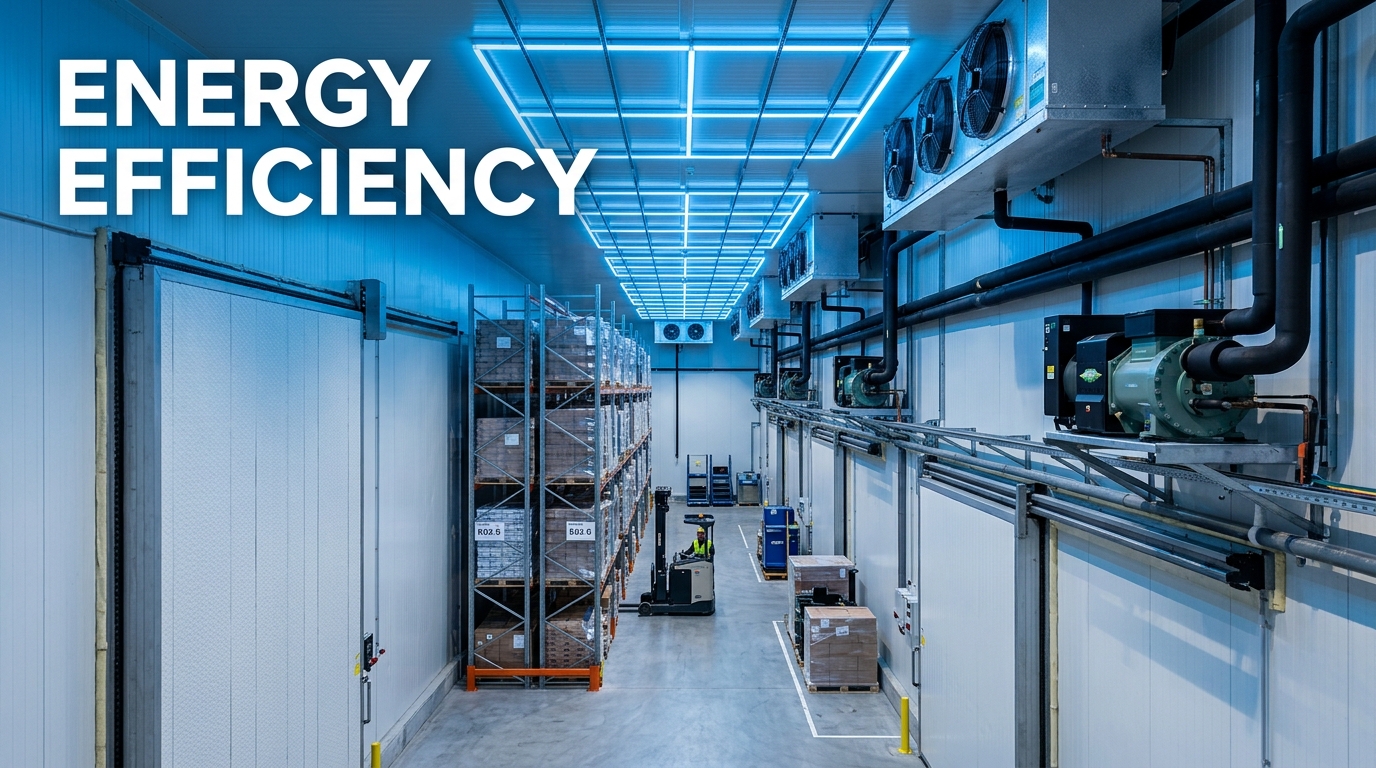
If your roof is part of a cold storage project, the roof panel is only one line in a much larger budget. Our PUF panel price guide breaks down the cost by thickness, and the cold storage energy efficiency article shows how insulation quality feeds into running cost.
Roof insulation sheet options at a glance: material, thermal conductivity, fire behaviour and typical use.
Choosing Thickness: 30 mm or 50 mm InstaRoof Panels?
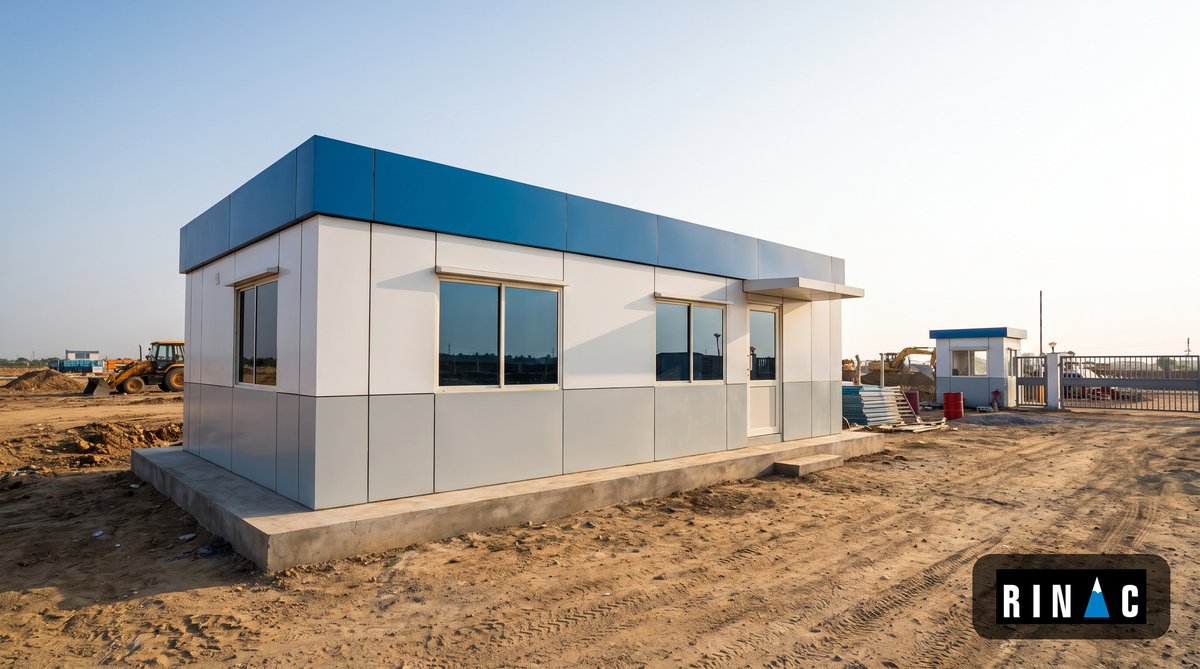
Rinac’s InstaRoof prefabricated insulated roofing panels are offered in 30 mm and 50 mm, designed for cooler interiors, lower heat load and faster installation. They sit alongside InstaCeil (30 mm ceiling panels) and InstaWall (50 mm wall and partition panels) in Rinac’s modular construction range, so a roof, ceiling and wall can come from one engineered system. See the full prefabricated buildings range for details.
A practical way to choose between the two is to start from the use of the space:
- 30 mm: ancillary buildings, site offices, utility rooms, dry stores, and ceilings under an existing roof where the main aim is to take the edge off solar gain.
- 50 mm: production halls, packing areas, ambient warehouses, and chiller-adjacent zones where a lower U-value pays back in comfort and reduced cooling load.
- Beyond 50 mm: cold rooms and freezers need deeper insulation sized to the set temperature. That is a cold room design question, covered in our cold room range and engineering team, not a choice of roof sheet.
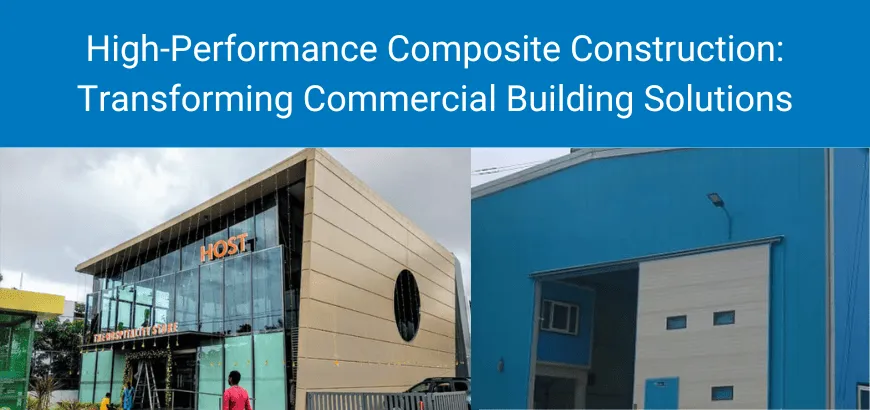
Rinac’s patented HPCC (High-Performance Composite Construction) goes a step further for projects that need an insulated, lightweight structure rather than just a roof sheet, and our engineering and construction solutions team can integrate the roof with the structure, services and refrigeration.
Indian Market Context: Cooling Demand, Cool Roof Policy and Cold Chain Funding
Three policy threads make a good roof insulation sheet specification more valuable in India today.
Cool roof policy is now mandatory in Telangana
Telangana launched India’s first state-wide cool roof policy on 1 April 2023, covering 2023 to 2028. Cool roofs are required for all government, non-residential and commercial buildings, and for larger residential plots, with a target of 300 sq km of cool roofs by 2028 [3]. The state estimates about 600 million units of annual electricity savings once fully implemented [4]. The policy is built into the building permit system, which is a template other states may follow.
National cooling targets
The India Cooling Action Plan released in March 2019 targets a 20 to 25 percent reduction in cooling demand and a 25 to 40 percent reduction in cooling energy requirement by 2037-38 [8]. Building envelope measures, including roof insulation, are central to hitting those numbers.
Cold chain capacity and grants
NCCD reports 8,815 cold storage facilities with combined capacity of about 402.18 lakh metric tonnes as of 30 June 2025, with capacity projected to grow at about 2.2 percent a year to 2031 [2]. For new cold chain projects, MoFPI’s ICCVAI scheme provides grant-in-aid of 35 percent of eligible cost in general areas and 50 percent in difficult areas, up to Rs. 10 crore per project [1]. Horticulture cold storages can also seek credit-linked back-ended capital subsidy through NHB at 35 percent in general areas and 50 percent in north-eastern, hilly and scheduled areas under the MIDH framework [11]. Roof and envelope insulation form part of a well-designed project, which is why we cover grant eligibility in our cold chain subsidies guide and cold storage warehouse guide.
Why this matters for your specification: an insulated, properly sealed roof reduces refrigeration and air-conditioning load, shortens payback on the whole facility, and supports scheme-related technical appraisals.
Compliance and Standards: ECBC, FSSAI, HACCP, ISO, IGBC and WHO-GMP
Roof insulation touches several frameworks. Check which apply to your building type before you freeze a specification.
- ECBC and ECSBC: The Energy Conservation Building Code 2017 applies to commercial buildings with a connected load of 100 kW or more, a contract demand of 120 kVA or more, or conditioned area generally above 500 sq m, and excludes buildings used purely for private residence [6]. BEE also lists the Energy Conservation and Sustainable Building Code (ECSBC) 2024 [7]. Roof U-factor limits depend on climate zone and compliance tier, so take the exact values from the current code text.
- FSSAI and HACCP: Schedule 4 of the FSS Licensing and Registration Regulations sets general hygienic and sanitary practices for food premises [12]. In practice that means smooth, cleanable, non-shedding roof and ceiling surfaces and condensation control. Panels with a food-grade pre-painted skin and sealed joints support HACCP-based hygiene plans.
- WHO-GMP and Schedule M: pharma stores and cleanrooms need roofs and ceilings that are cleanable, sealed and compatible with controlled environments. See our work on modular prefabricated buildings for how sealed ceiling and roof systems are detailed.
- ISO and IGBC: insulation that lowers energy use contributes to IGBC green building credits, and ISO-aligned manufacturing gives you traceable panel quality. Rinac works to ISO, FSSAI, HACCP, GMP, IGBC and WHO-GMP frameworks.
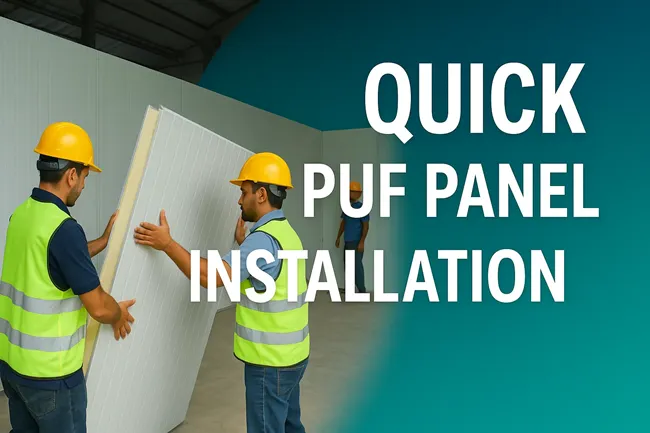
Roof Insulation Sheet Installation and Maintenance Checklist
Even the best roof insulation sheet underperforms if it is installed badly. A short site checklist protects the investment:
- Check structure first. Purlin spacing must match the panel manufacturer’s span table. Over-spanning causes deflection and ponding.
- Plan drainage and slope. Specify minimum slope for the profile, and size gutters and downpipes for peak monsoon intensity.
- Seal every joint. Side laps, end laps, ridges and penetrations are where leaks and condensation start.
- Use the right fasteners. Stainless or coated fasteners with sealing washers, driven to the correct torque.
- Protect panel edges. Cut edges need sealing and trims, especially in coastal and high-humidity zones.
- Inspect after the first monsoon. Re-check fasteners and sealants, then schedule yearly inspections.
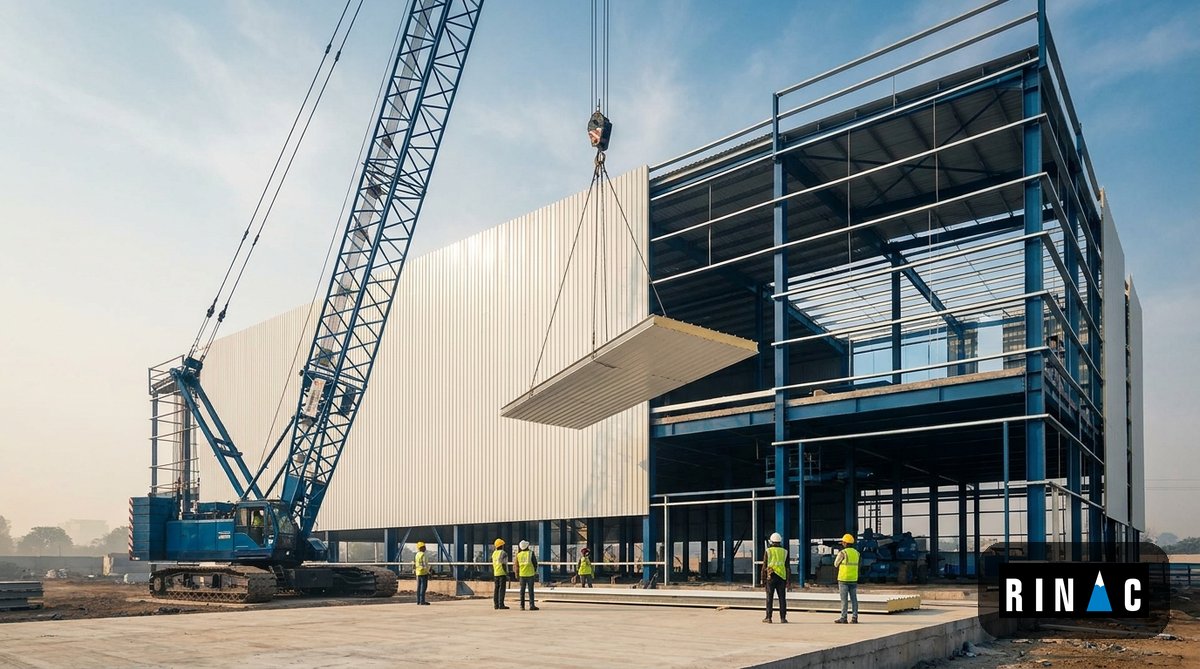
Roof panels are typically lighter than concrete or built-up roofs, which can cut structural steel cost and speed up erection. Our guide on the benefits of prefabricated roofing panels in food and pharma plants covers the build-speed argument in detail.
Roof Insulation Sheet Buyer’s Checklist
- Ask for the tested lambda value and core density, not just a thickness.
- Confirm steel skin thickness and coating, and the fire classification of the exact panel.
- Check the joint system: tongue and groove, sealant details and flashing accessories.
- Compare installed cost per sq ft, not ex-works rate alone.
- Match thickness to occupancy and temperature: ambient, chilled or frozen.
- Check warranty, service and spares support in your state. Rinac has 14 branch offices and pan-India after-sales service.
- Ask whether the supplier engineers and installs the whole envelope or only supplies sheets.
Rinac positions itself as a solution architect and builder rather than only a panel supplier: two manufacturing facilities (Bangalore and Murbad), more than 6,000 clients, and 30+ years across 23 countries. Read more on our about page.
Frequently Asked Questions
Important Disclaimer
Please read: This article is provided for informational purposes only and is not a substitute for professional engineering, legal, financial or regulatory consultation. Prices, subsidy rates, scheme guidelines, codes and regulations change frequently, so verify the latest position directly with FSSAI, MoFPI, NHB, BEE, your state agency or the issuing authority before acting. All figures and claims are drawn from the public references listed below as of the publication date (2 October 2026), and the illustrative thermal calculation is a comparison aid, not a design value. For project-specific design, sizing, return on investment and compliance, request a formal consultation with Rinac at rinac.com/contact-us.
Sources & References
- Integrated Cold Chain and Value Addition Infrastructure (ICCVAI), Press Information Bureau, Ministry of Food Processing Industries. https://www.pib.gov.in/PressReleseDetailm.aspx?PRID=2183607. Published/accessed: Guidelines issued 22 May 2025; status as of June 2025.
- India: NCCD reports a 2.2% compound annual growth rate in cold storage capacity, IIR (citing NCCD and PIB). https://iifiir.org/en/news/india-nccd-reports-a-2-2-compound-annual-growth-rate-in-cold-storage-capacity. Published/accessed: September 2025.
- Telangana Announces a Groundbreaking Cool Roof Policy, NRDC. https://www.nrdc.org/bio/prima-madan/telangana-announces-groundbreaking-cool-roof-policy. Published/accessed: 3 April 2023.
- The Story of India’s First State-Wide Cool Roof Policy (factsheet), NRDC. https://www.nrdc.org/sites/default/files/2023-12/cool-roofs-policy-factsheet-20231207.pdf. Published/accessed: December 2023.
- Addressing Rising Demand for Cooling in India with Cool Roofs (factsheet), NRDC. https://www.nrdc.org/sites/default/files/addressing-rising-demand-india-cool-roofs-fs-202210.pdf. Published/accessed: November 2022.
- Energy Conservation Building Code 2017 Users’ Manual, Bureau of Energy Efficiency (hosted by MEDA). https://www.mahaurja.com/meda/data/energy_conservation/pdf/ecbc_manual.pdf. Published/accessed: 2017.
- Energy Conservation Building Code (ECBC) resources and ECSBC 2024, Bureau of Energy Efficiency. https://beeindia.gov.in/sites/default/files/ECBC_FAQs_0.pdf. Published/accessed: Accessed October 2026.
- India’s Ambitious Plan to Cool a Growing Population (India Cooling Action Plan), NRDC. https://www.nrdc.org/bio/anjali-jaiswal/indias-ambitious-plan-cool-growing-population. Published/accessed: March 2019 plan release.
- PIR vs PUR vs Rockwool Sandwich Panels: Differences, Performance and Best Uses, Square Panel. https://sqpanel.com/blog/pir-vs-pur-vs-rockwool/. Published/accessed: 4 July 2025.
- PUF Panel Price in India 2026: Complete Cost Guide, Rinac India Limited. https://rinac.com/blog/puf-panel-price-india-2026-complete-cost-guide/. Published/accessed: 22 April 2026.
- Operational Guidelines, Capital Investment Subsidy Scheme for Cold Storage and Storages for Horticulture Products, National Horticulture Board. https://www.nhb.gov.in/pdf/SCHEME2Guidelinefinal.pdf. Published/accessed: Current guidelines; verify latest version with NHB.
- Food Safety and Standards (Licensing and Registration of Food Businesses) Regulations 2011, Schedule 4: General Hygienic and Sanitary Practices, Delhi Food Safety Department. https://foodsafety.delhi.gov.in/sites/default/files/generic_multiple_files/general_hygienic_and_sanitary_practices_to_be_followed_by_food_business_operators_schedule_4.pdf. Published/accessed: Regulation text as published by the state authority.