TL;DR – Quick Summary
- A modern dairy plant is a cold chain with a processing line in the middle: raw milk must be chilled to 5°C or below at bulk chilling centres, pasteurised (63°C for 30 minutes or 72°C for 15 seconds), and cooled to 4°C or below straight after [6]. Every step depends on refrigeration working on time.
- India produced 247.87 million tonnes of milk in 2024-25, up 3.58% on the year before, with per capita availability at 485 g/day [1]. More milk needs more chilling, processing and cold storage close to the farm.
- Funding is available. The Animal Husbandry Infrastructure Development Fund (AHIDF) has a revised outlay of Rs 29,610 crore, offering 3% interest subvention and loans up to 90% of project cost, with 465 projects approved by 10 December 2025 [2].
- Planning a layout of dairy plant starts with the cold chain: receiving, chilling, processing, packing, a cold room for finished goods, and dispatch in a one-way flow. Fixing the cold room size and the building envelope early avoids rework later.
- Rinac designs and builds the refrigerated and building parts of food plants, backed by 30+ years and 10,000+ projects, so the cold side of your dairy project is planned together with the shell.
Quick note: This guide is for general information only. It is not a substitute for professional engineering, legal or regulatory advice. Prices, subsidy terms and regulations change, so verify current details with FSSAI, the Department of Animal Husbandry and Dairying (DAHD), MoFPI, NABARD and your state agencies before you act. A fuller disclaimer sits near the end of this article.
What Is a Dairy Plant, and Why the Cold Chain Decides Its Success
A dairy plant is a food processing facility that receives raw milk, standardises and pasteurises it, and turns it into packed milk and milk products such as curd, paneer, butter, ghee or ice cream. Milk is among the most perishable foods a business can handle. It starts to lose quality within hours if it is not chilled, so a dairy plant is really two systems working together: the process line that treats the milk, and the refrigeration that protects it before, during and after treatment.
Searches such as 500 ltr milk processing plant cost and 1000 ltr milk processing plant cost show that most first-time buyers start with the processing machines. Experienced operators start with the chain. If milk arrives warm, waits at the gate or is stored in an undersized cold room, no pasteuriser can recover the lost shelf life. Our guide to cold storage for milk covers the storage side in detail, and our bulk milk cooler buyer’s guide covers the village and chilling-centre end.
This article walks through the stages of a dairy plant, the capacity tiers from a mini dairy plant to a full commercial unit, the layout and cold chain design, the compliance rules and the government funding that can reduce your capital outlay. It also tells you plainly what we can and cannot tell you about cost, because honest numbers matter more than a headline price.
How a Dairy Plant Works: From Milk Reception to Dispatch
Most dairy plants follow the same sequence, whatever their size. Each stage has a temperature or time target, and each one hands over to the next.
| Stage | What happens | Temperature or time target |
|---|---|---|
| Raw milk reception | Milk arrives from farms, collection centres or bulk milk coolers and is tested and weighed | Arrive within 4 hours of milking, cooled to 5°C or below [6] |
| Chilling and storage | Milk is held in insulated tanks before processing | Raw milk at bulk chilling centres kept at 5°C or below [6] |
| Standardisation and pasteurisation | Fat is adjusted and the milk is heat treated to destroy harmful bacteria | 63°C for 30 minutes (batch) or 72°C for 15 seconds (HTST) [6] |
| Cooling after heat treatment | Milk is cooled quickly through a heat exchanger and chilled water or ice water | Cool to 4°C or below immediately [6] |
| Packing and conversion | Milk is packed in pouches or bottles, or converted to curd, paneer, butter, ghee or ice cream | Per product specification |
| Cold room storage | Finished goods wait for dispatch in a refrigerated room | Refrigerated products held at 5°C or less but not frozen [7] |
| Dispatch | Insulated or refrigerated vehicles move product to depots and retail | Refrigerated dairy products transported at 4°C or less [7] |
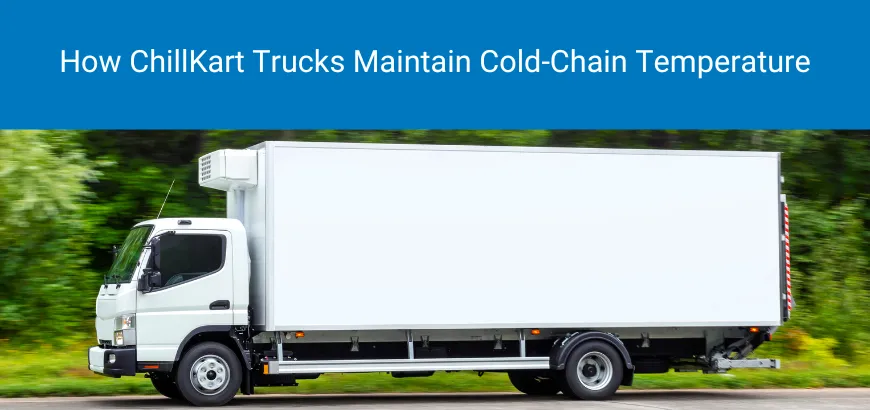
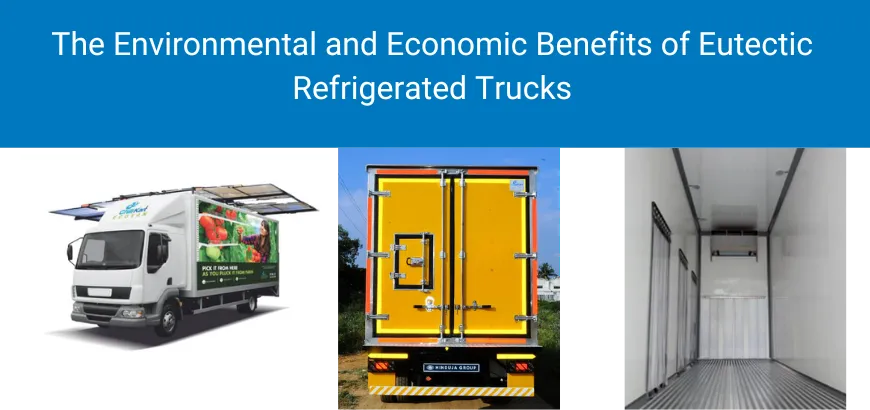
Notice how many rows depend on refrigeration. Chilled water or ice water cools the milk after pasteurisation, which is why many plants use an ice bank tank. Our ice bank tank page explains how stored ice supplies a steady, high-capacity cooling load during short processing peaks without oversizing the compressor. A cold room for finished goods and a refrigerated vehicle for dispatch finish the chain. Our ChillKart temperature control guide shows how the last leg is kept in range.
Mini Dairy Plant to Model Dairy Plant: Choosing Your Capacity Tier
The words people use for a dairy business usually hide a capacity decision. A mini dairy plant (sometimes searched as a dairy mini plant) typically means a small unit built around a milk pasteuriser, a chilling tank and a small cold room, serving a village, a farm cluster or a local brand. A model dairy plant is the term used in government project reports for a standard, bankable design, usually of a defined capacity such as 1,000 or 10,000 litres per day (LPD).
The NABARD Model Project on Milk Processing for 10,000 LPD, dated September 2014, shows how a model design is described. It covers toned milk at 3% fat, cream at 40% fat and ghee, needs about 2 acres of land and about 4,000 sq ft of building, and lists a stainless steel milk chiller and a refrigeration section among its equipment [8]. In that 2014 report, civil works were Rs 43.65 lakh and plant and machinery Rs 130.00 lakh out of a total project cost of Rs 258.24 lakh, so machinery was about half the project and civil work about one sixth (our calculation). Those are 2014 prices and are no guide to today’s cost, but the proportions show where the money goes.
| Tier | Typical use | What drives the design |
|---|---|---|
| Mini dairy plant (hundreds to a few thousand LPD) | Farm cluster, village or local brand selling pouched milk, curd or paneer | Reliable chilling, a small pasteuriser, a compact cold room, low power demand |
| Mid-size plant (several thousand LPD) | Regional brand with a few product lines | Separate raw and finished zones, an ice bank or chilled water loop, a larger cold room, packaging area |
| Large plant (tens of thousands of LPD and above) | Cooperative union or national brand | Continuous process lines, large cold stores, automation, effluent treatment, dock-level dispatch |
A dairy plant is easy to under-build on the cold side. We see more projects limited by cold room space and refrigeration capacity than by the processing line itself.
Layout of Dairy Plant: Flow, Zoning and the Building Shell
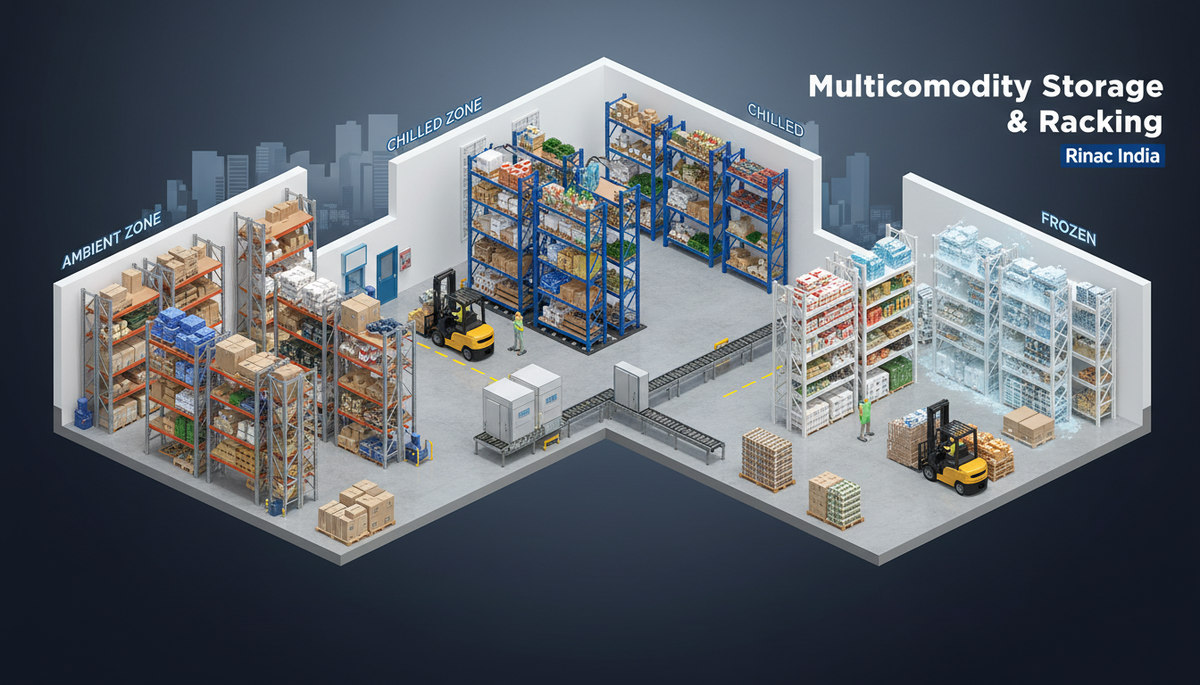
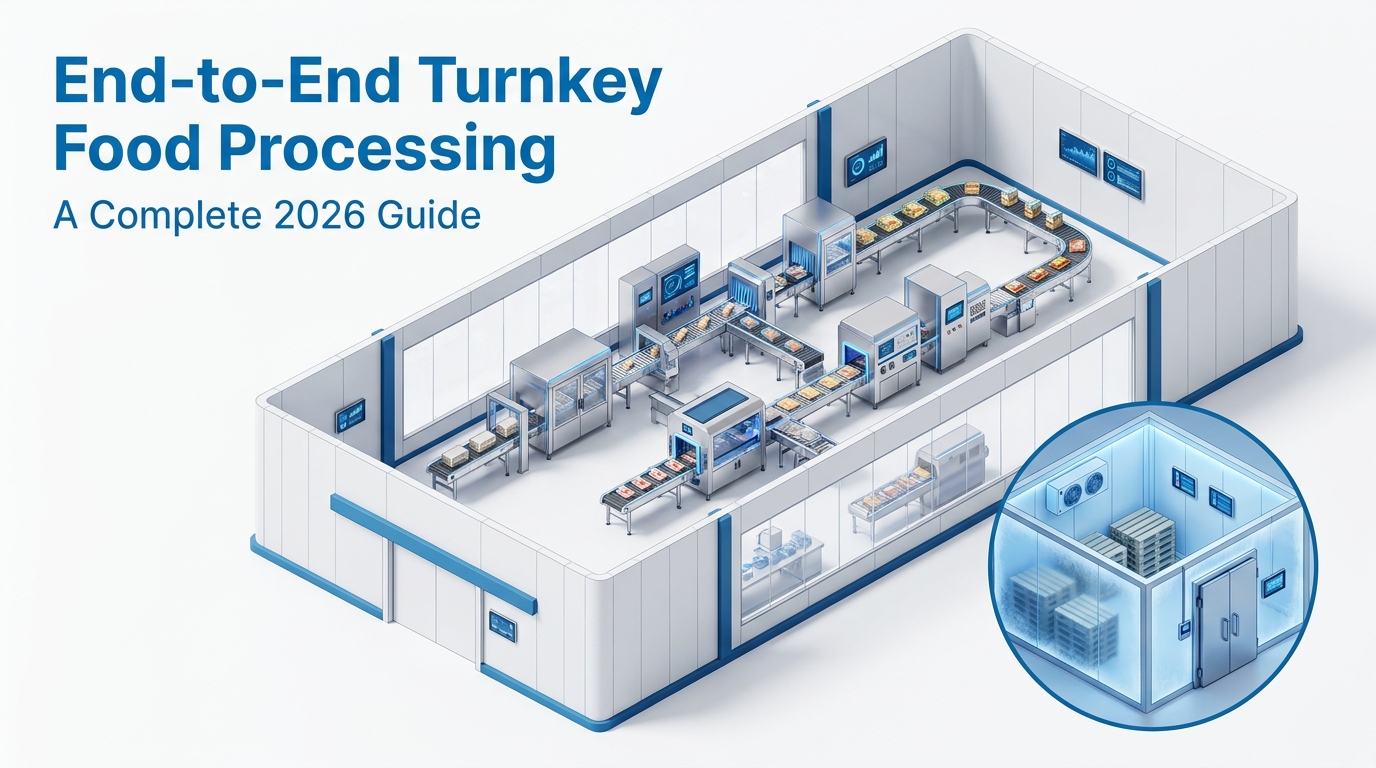
A good layout of dairy plant follows the milk. Raw milk enters at one end and finished product leaves at the other, and the two never cross. The same principle appears in our turnkey food processing guide, where flow, hygiene zoning and the building are designed together instead of one after another.
Zone the plant by hygiene risk
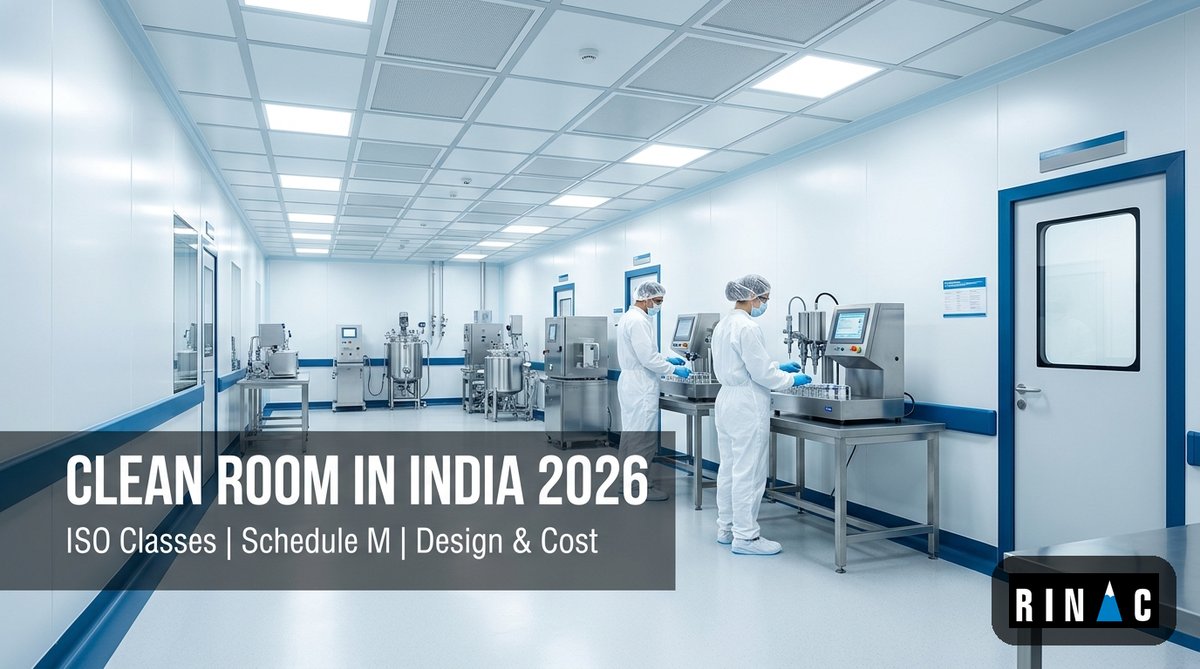
Keep the raw milk reception and tanker bay physically apart from the pasteurised milk, packing and cold room zones. Pasteurised product should move through a controlled, easily cleaned area. For the highest hygiene zones, a clean room style envelope with smooth, sealed, washable surfaces is a useful reference, even where a full classified cleanroom is not required.
Plan the cold side first
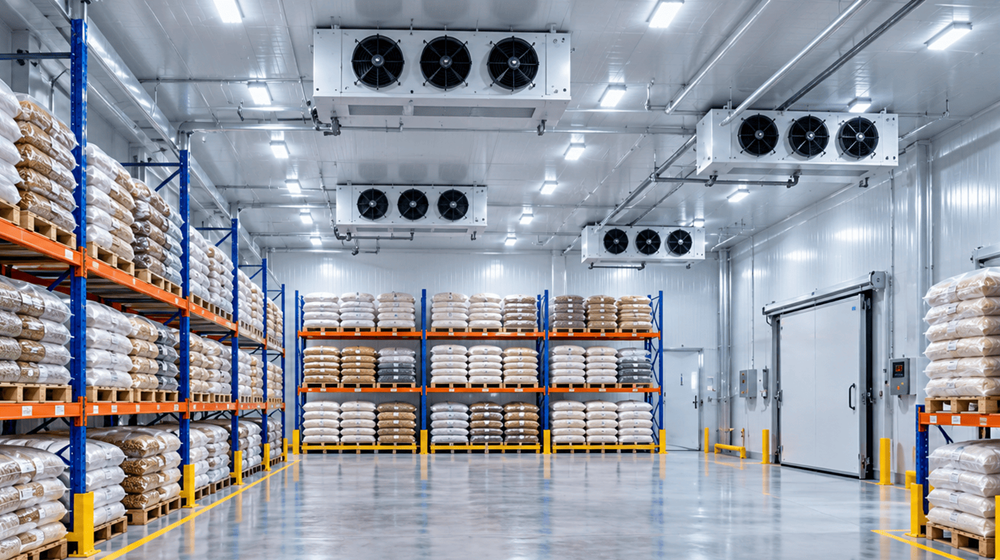
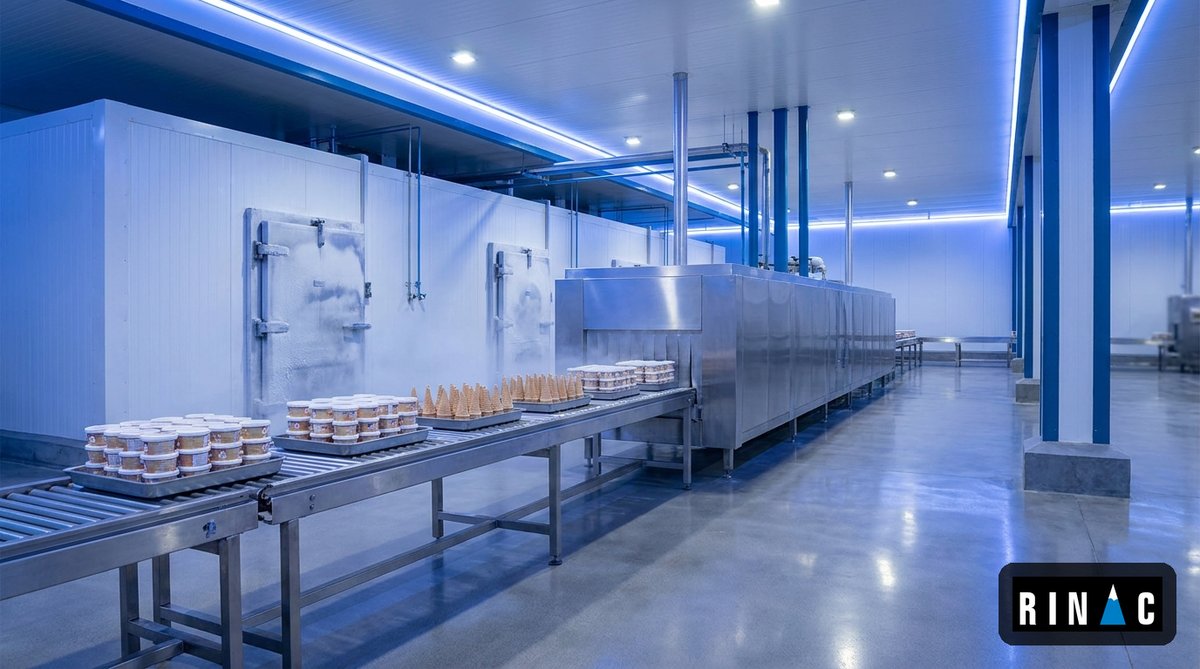
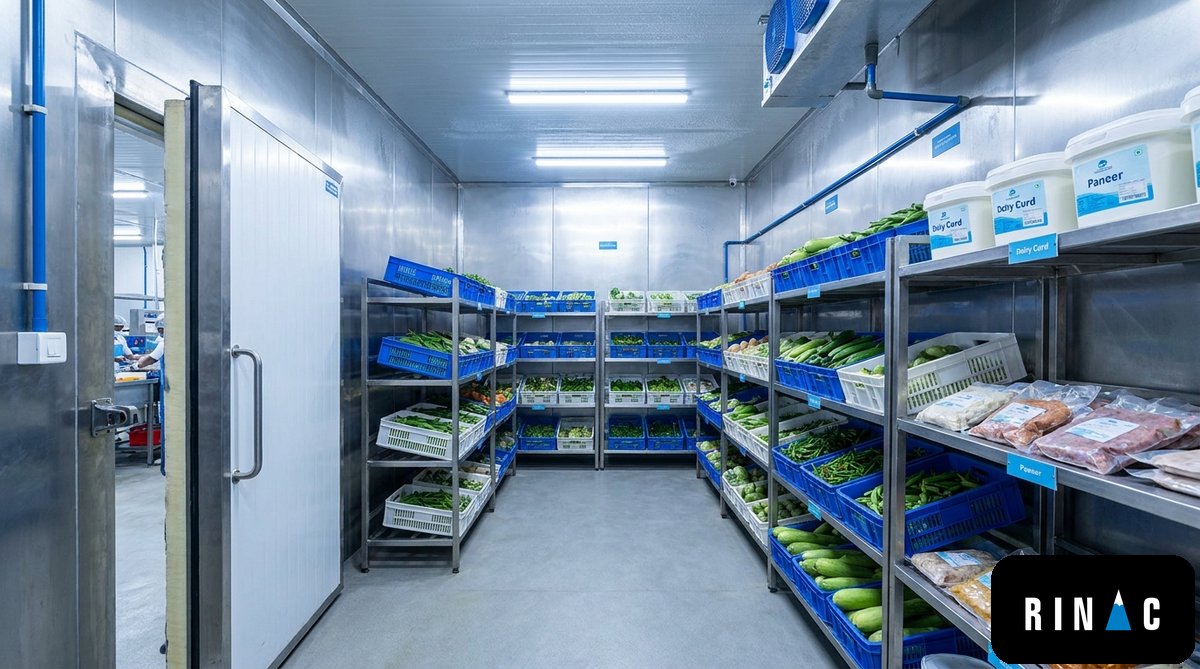
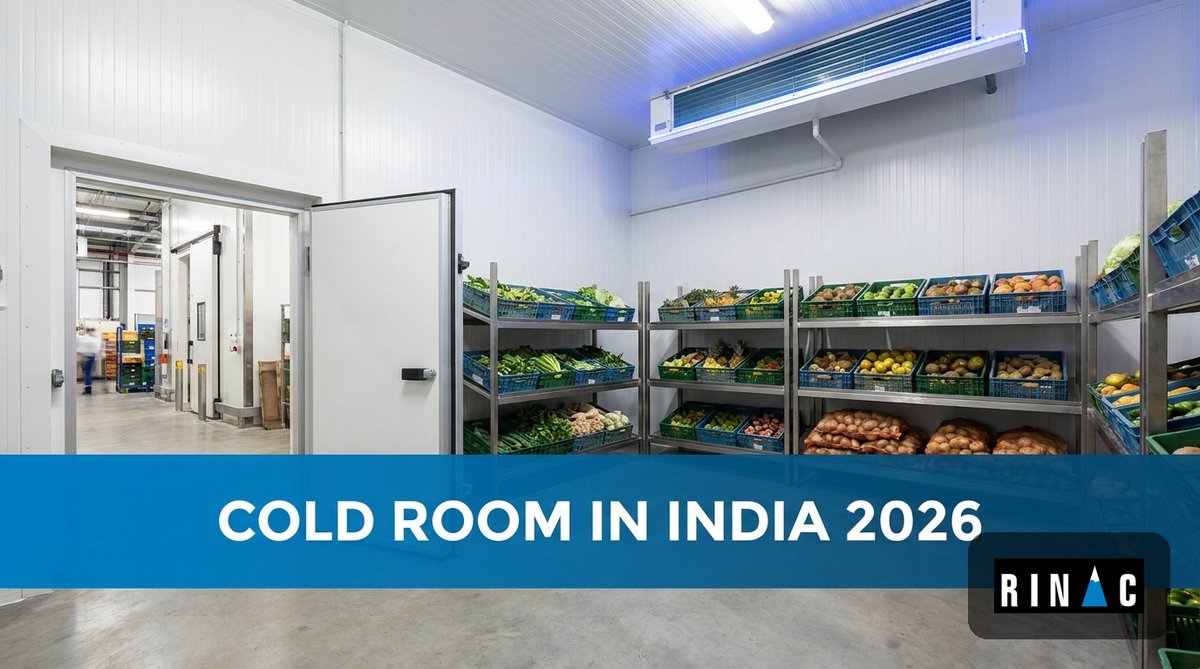
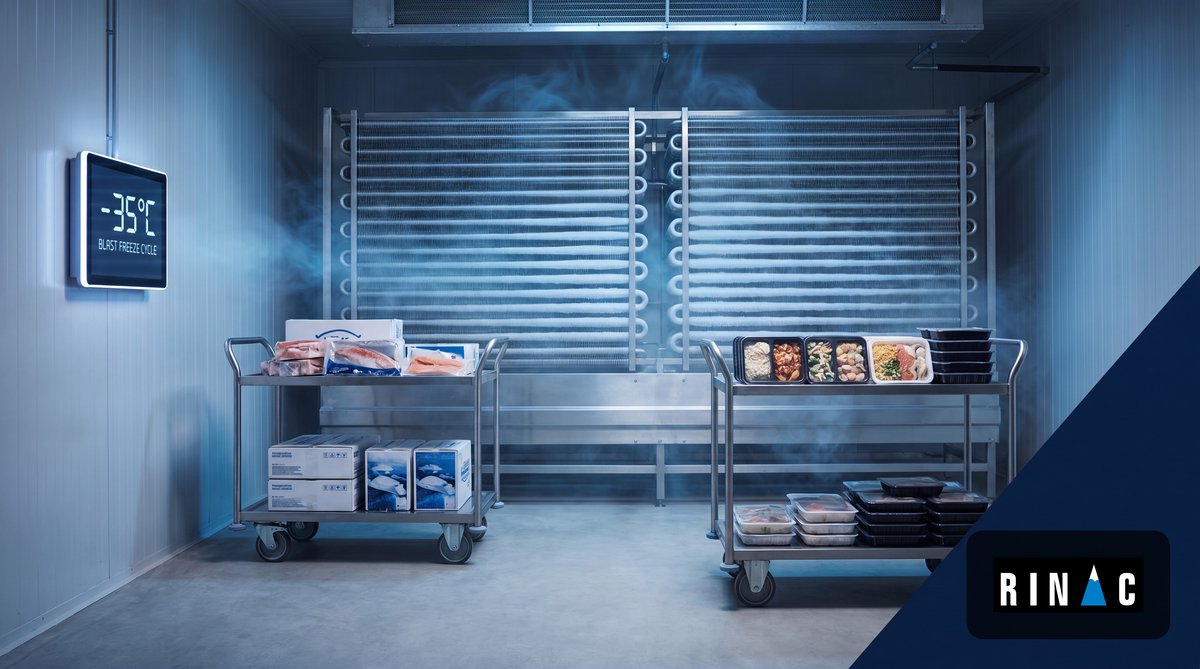
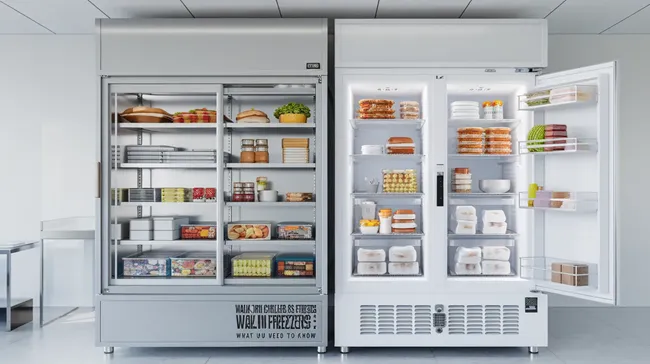
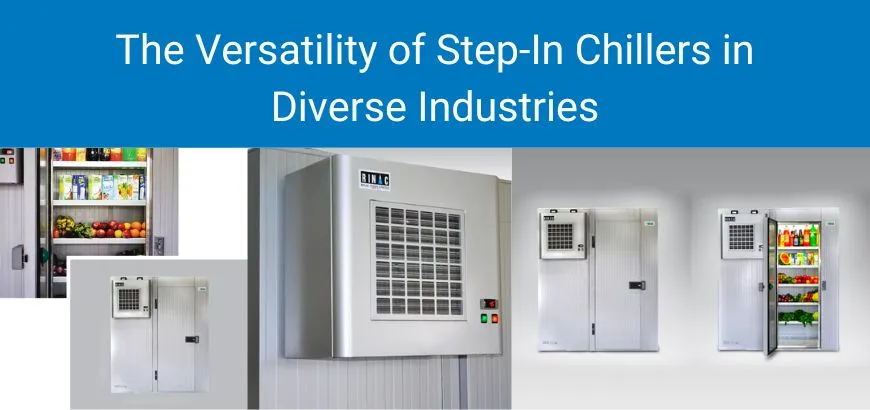
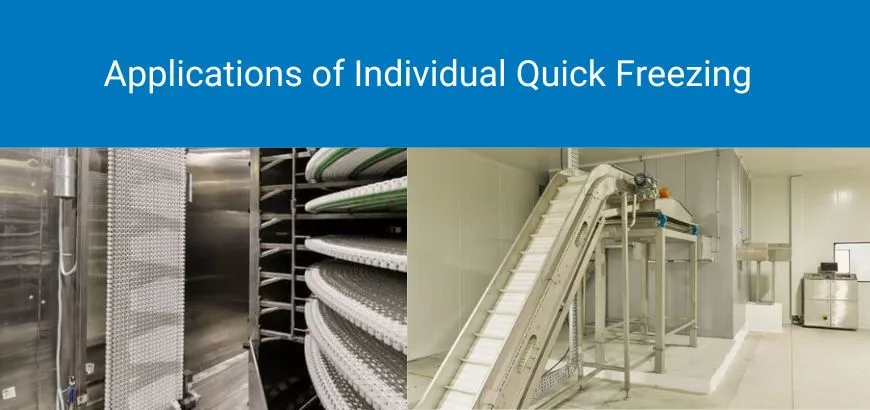
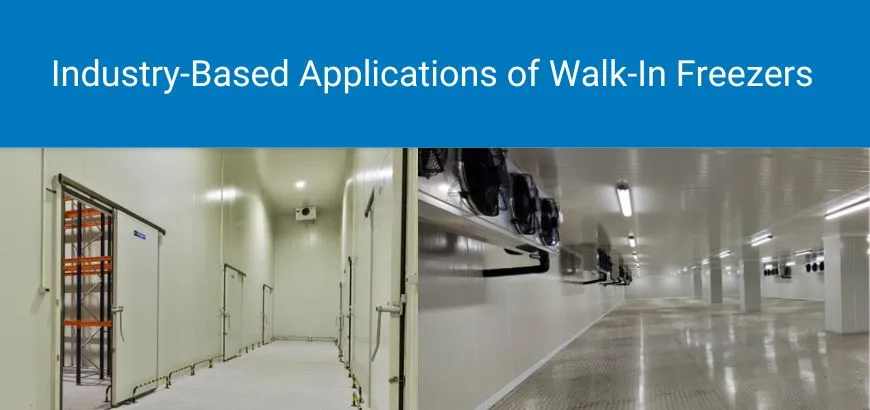
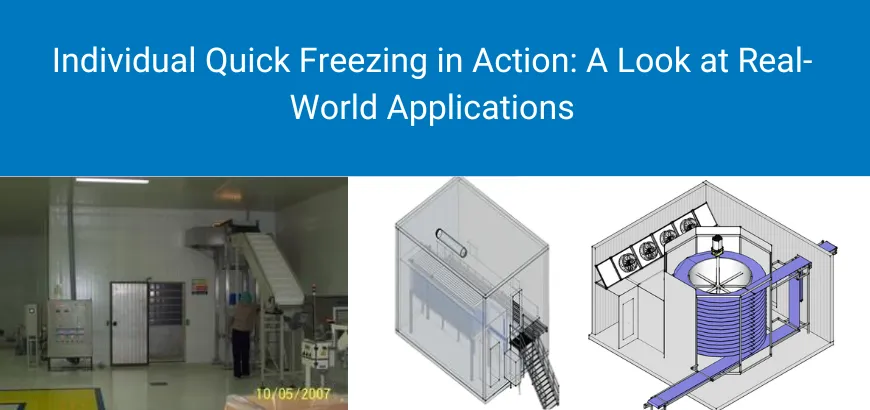
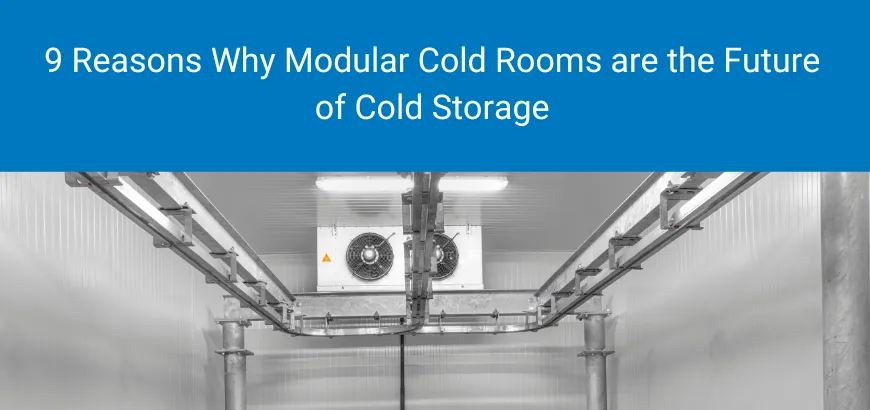
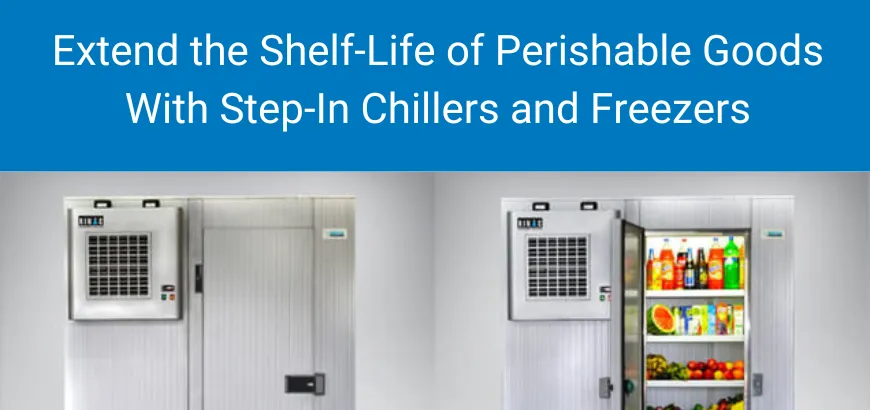
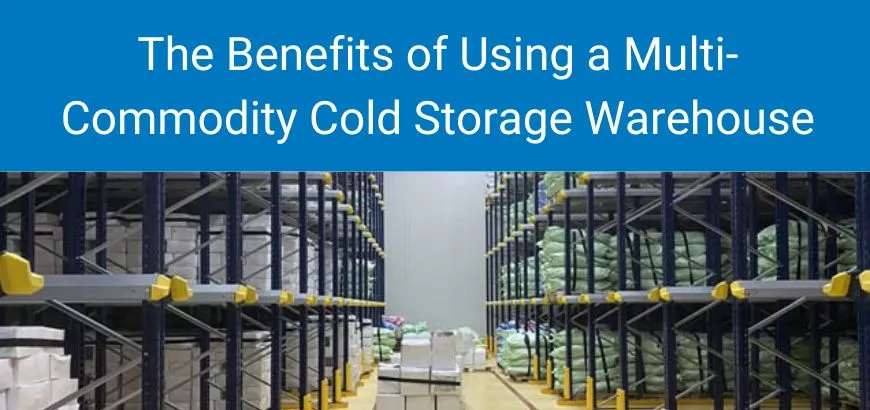
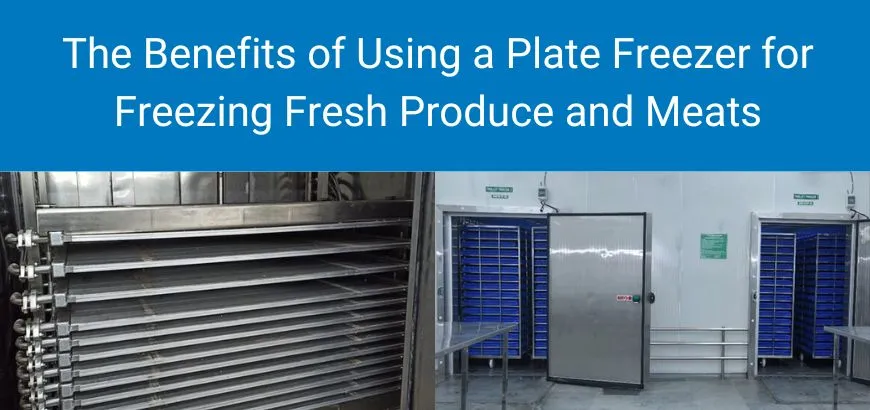
Decide the number and temperature of cold rooms before you finalise floor plans, because they set the refrigeration load, the plant room size and the power connection. Our cold room buyer’s guide explains sizing, and our cold rooms page lists the modular options. If you make ice cream or frozen desserts, hardening needs freezing capacity as well. Our ice cream manufacturing plant guide and blast freezer guide cover that step.
Choose a building that suits food hygiene
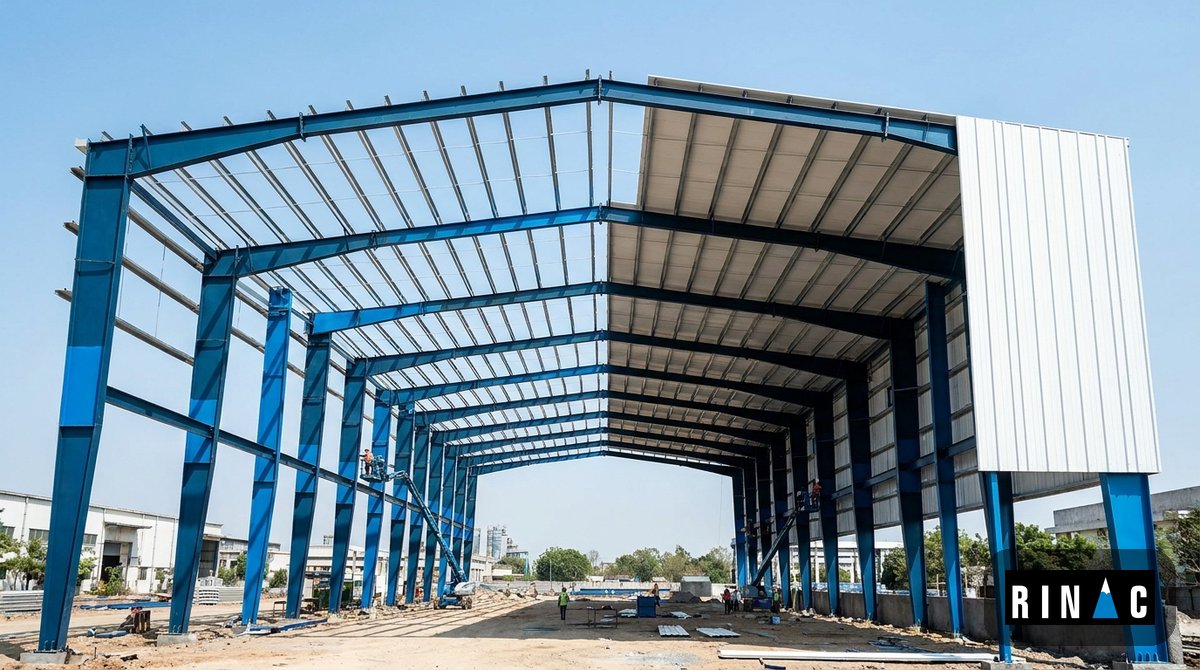
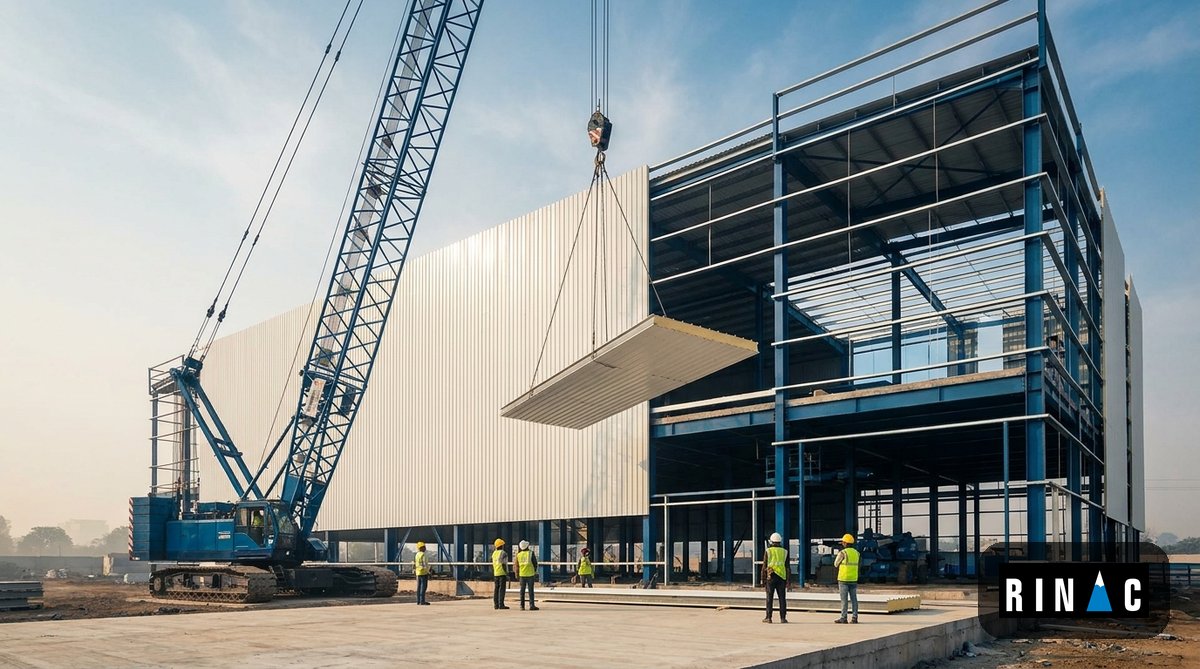
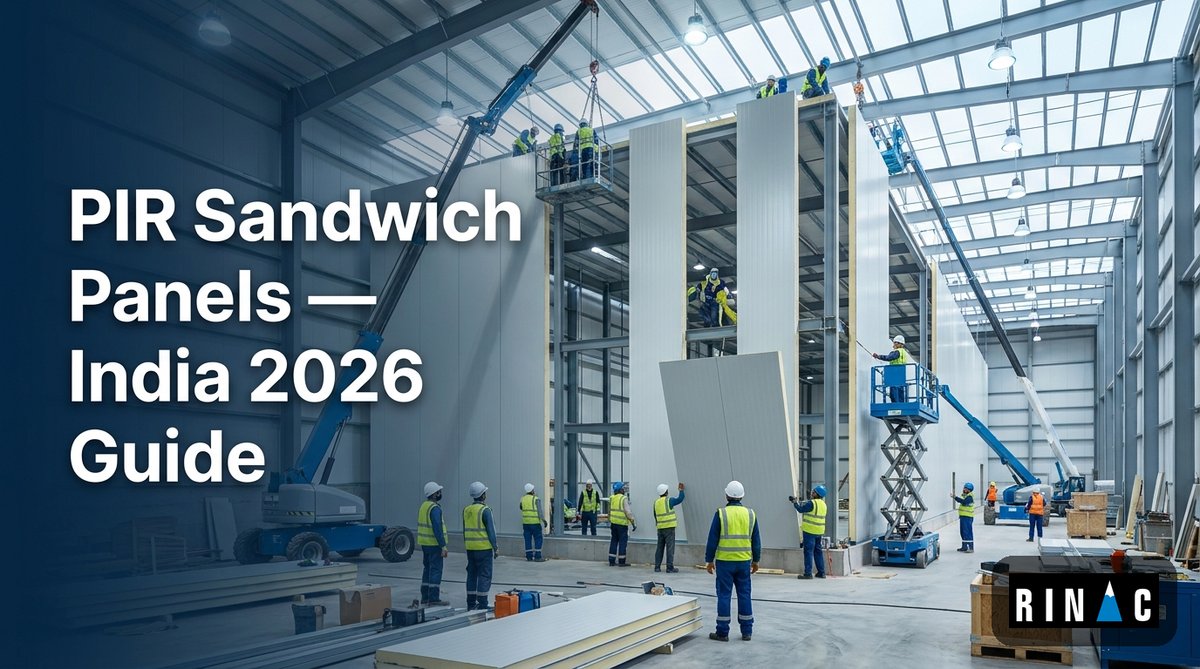
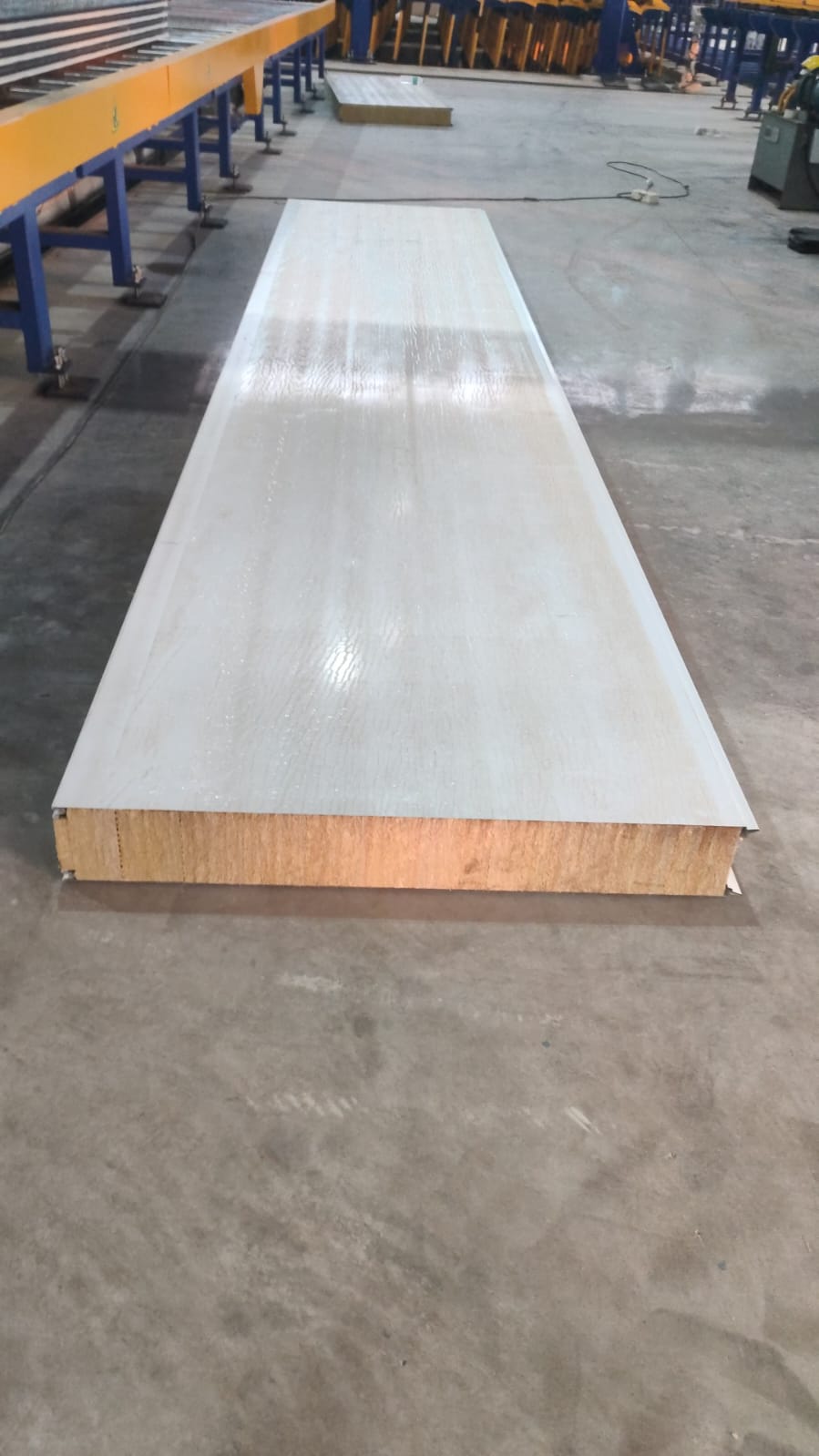
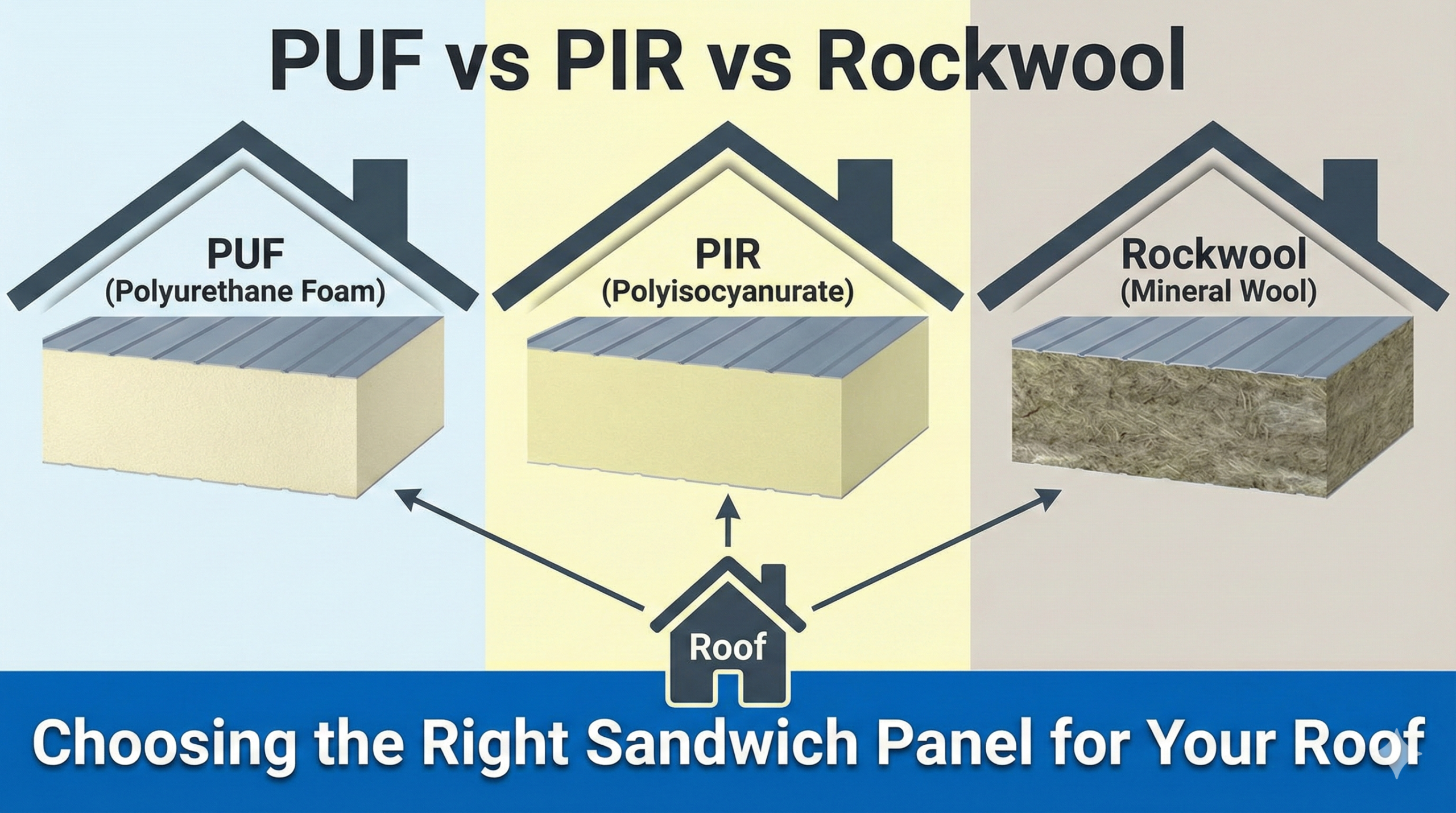
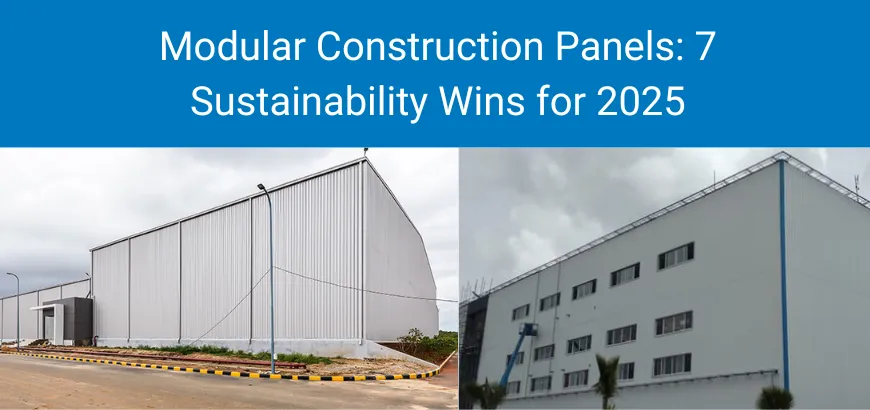
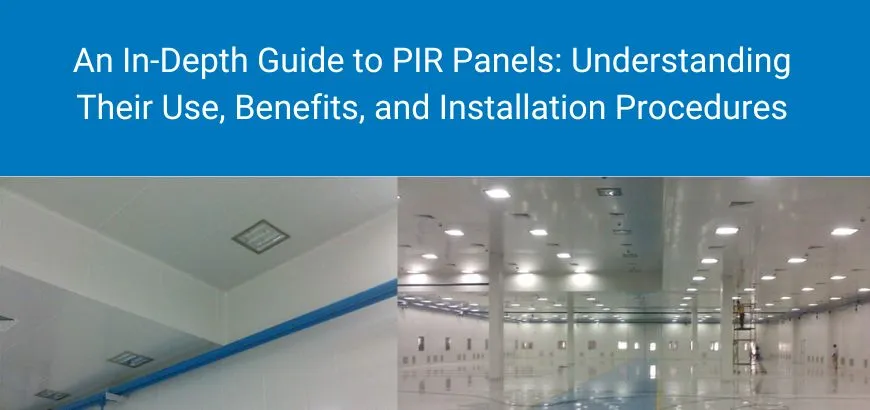
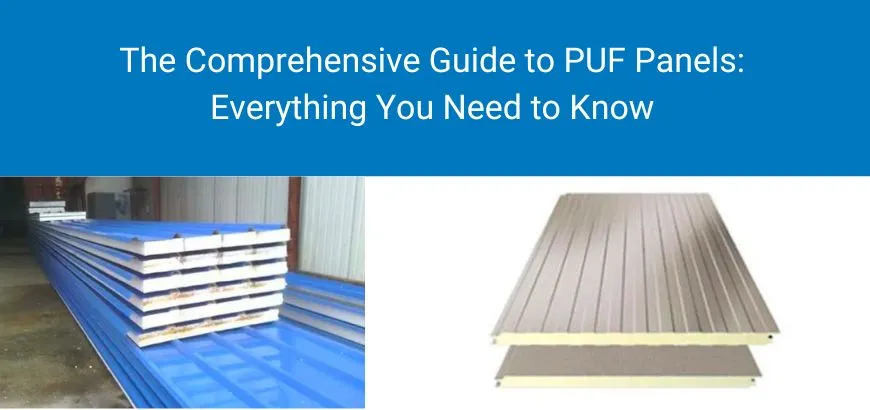
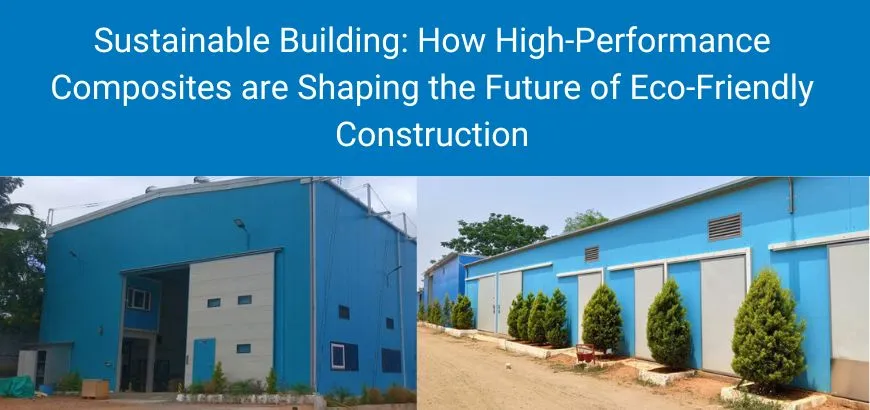
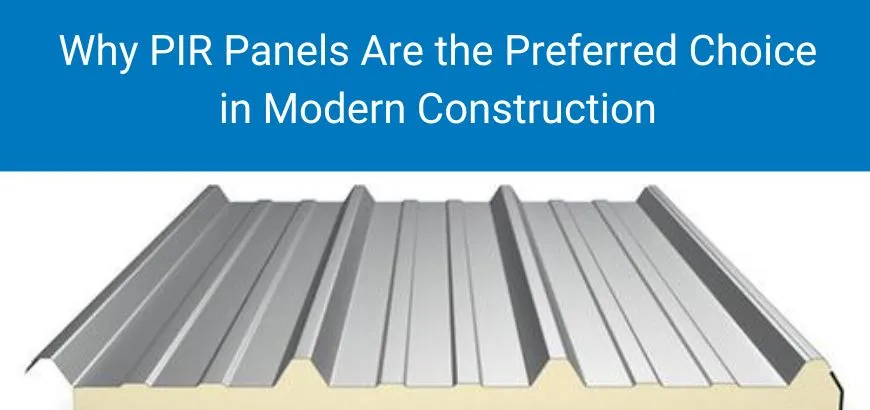
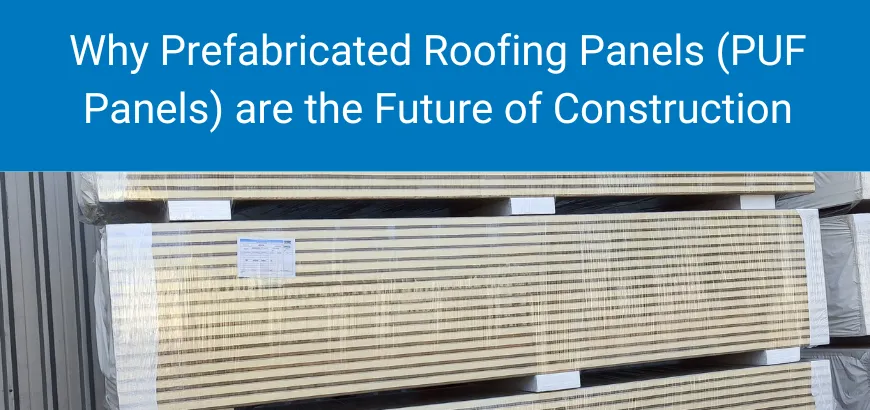
Insulated sandwich panel walls and ceilings give smooth, washable surfaces and keep heat out of processing and packing halls. Our PIR sandwich panel guide compares core options. For the structure, a pre-engineered building shortens construction, and Rinac’s patented High-Performance Composite Construction (HPCC) system is built for hygienic, rapid construction of food and pharma facilities. Our prefabricated buildings page shows the range.
Planning tip: Leave room to grow. Allow space in the plant room, the electrical room and the cold room block for a second compressor rack or an extra chamber, so that doubling capacity later does not mean rebuilding the walls.
Milk Storage Tank and Chilling: Getting the First Four Hours Right
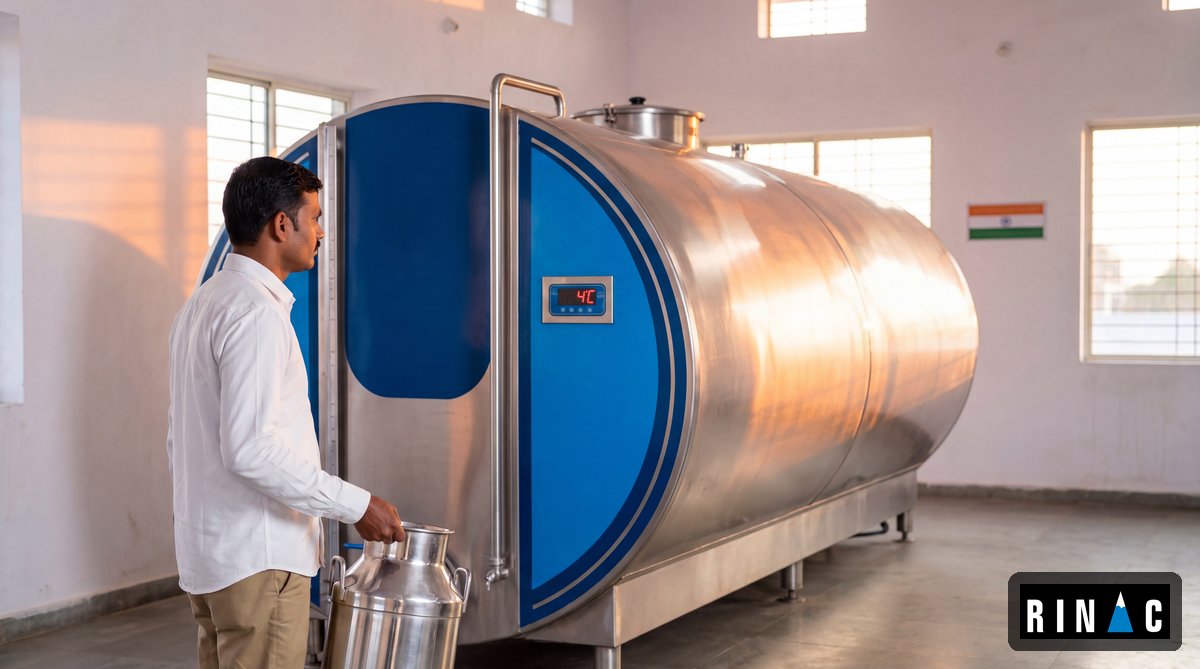
FSSAI’s guidance for the dairy industry asks that raw milk reach the plant, chilling centre or bulk cooler within 4 hours of milking [7]. A milk storage tank inside the plant is then the buffer between delivery and processing. Insulated stainless steel tanks with agitation and a cooling jacket hold the milk cold while it waits for the line. Keep the tank sized to a day’s intake plus a safety margin, and fit temperature sensors you can log.
At village level, a bulk milk cooler chills milk straight after collection. Our ice bank tank and bulk milk cooler guide cover those options. Cooperatives and private dairies alike depend on this front-end chilling, so check where your supply chain is weakest before you buy plant equipment.
4 hours
Maximum time FSSAI guidance gives for raw milk to reach the plant, MCC or BMC after milking [7]
Maximum time FSSAI guidance gives for raw milk to reach the plant, MCC or BMC after milking [7]
Milk Processing Plant Cost: What We Can and Cannot Tell You
Everyone asks about milk processing plant cost, and the honest answer is that no single number is right. Searches for the 500 ltr milk processing plant cost and the 1000 ltr milk processing plant cost return vendor quotes that differ widely, because they bundle different equipment, different automation and different civil scope. We have not found an official, current, published price for these tiers, so we do not quote one here. What we can give you is a way to build your own number.
| Cost block | What it includes | How it scales |
|---|---|---|
| Land and civil works | Land, building shell, floors, drains, effluent treatment, utilities rooms | Depends on site, state and building type. Panelised or pre-engineered shells can cut build time |
| Process equipment | Reception, tanks, pasteuriser, homogeniser, packing, product-specific machines | Grows with capacity and the number of products |
| Refrigeration and cold rooms | Chillers, ice bank tank, compressors, cold rooms, blast freezer if needed | Driven by daily litres, the temperature of each room and the finished goods held |
| Power and utilities | Electrical connection, backup generator, boiler, water | Sized to total connected load |
| Working capital | Milk procurement, packaging, wages for the first months | Depends on payment cycles with farmers and buyers |
The 2014 NABARD model shows the same pattern: machinery and civil works made up most of the project, and working capital was a smaller share [8]. Use a recent vendor quotation for each block rather than a rule of thumb. Our cold storage plant EPC guide and cold storage energy efficiency guide help you size the refrigeration block and estimate running cost.
Be wary of any quote that gives a total price without listing the cold rooms, the refrigeration capacity and the power load. Those are the items most often left out, and they decide whether the plant can actually hold its temperatures in an Indian summer.
Indian Market Context: Milk Supply, NCCD Data and Government Support
India is the world’s largest milk producer. The Department of Animal Husbandry and Dairying reports 247.87 million tonnes in 2024-25, up 3.58% from 239.30 million tonnes in 2023-24, with per capita availability rising from 319 g/day in 2014-15 to 485 g/day [1]. The top five states by share are Uttar Pradesh (15.66%), Rajasthan (14.82%), Madhya Pradesh (9.12%), Gujarat (7.78%) and Maharashtra (6.71%), together 54.09% of national output [1]. The PIB year-end review puts India’s share of global milk at 25% and the value of milk output above Rs 12.21 lakh crore in 2023-24 [2].
The cold storage base behind this supply is growing more slowly than the milk. The International Institute of Refrigeration, summarising the National Centre for Cold-chain Development (NCCD) report, notes about 2.2% compound annual growth in cold storage capacity, 40.22 million tonnes in 8,815 cold storages as of June 2025 per PIB, and a projection of about 44 million tonnes by 2031. NCCD notes that reefer vehicles mainly serve industries needing strict temperature control, such as dairy and processed foods [9]. That gap between milk growth and cold chain growth is the opportunity for new, well-chilled dairy plants.
Funding routes for a dairy plant
AHIDF. The Dairy Infrastructure Development Fund was subsumed into the Animal Husbandry Infrastructure Development Fund in February 2024, with a revised outlay of Rs 29,610 crore. Terms include 3% interest subvention and loans up to 90% of project cost. As of 10 December 2025, 465 projects were approved with an aggregate project cost of Rs 21,562.85 crore [2]. A PIB reply of August 2025 lists dairy processing units as an approved project type and open to individual entrepreneurs, private companies, FPOs, MSMEs, Section 8 companies and dairy cooperatives, with a 25% credit guarantee for MSME projects [3].
ICCVAI under PMKSY. The Integrated Cold Chain and Value Addition Infrastructure scheme offers grant-in-aid of 35% of eligible project cost in general areas and 50% in difficult areas, capped at Rs 10 crore per project, and covers dairy among other categories [4]. The Union Cabinet approved a Rs 6,520 crore outlay for PM Kisan Sampada Yojana in July 2025, including Rs 1,000 crore for ICCVAI [5]. Our cold chain subsidies guide explains how to apply. NHB and MIDH support is aimed at horticulture, so dairy projects normally look to AHIDF, ICCVAI and state schemes instead.
Compliance and Standards for a Dairy Plant in India
FSSAI sets the hygiene baseline. Its guidance for milk processing is built on Parts II and III of Schedule 4 of the Food Safety and Standards (Licensing and Registration of Food Businesses) Regulations and includes sections on HACCP, with sample flow charts and hazard analysis [7]. The same guidance asks for temperature records during shipping, loading and unloading and for monitored, recorded transport temperatures [7].
In practice a dairy plant needs: an FSSAI licence; a documented HACCP plan covering pasteurisation and cooling; good manufacturing and hygiene practices for the building and equipment; calibrated temperature sensors and records for tanks, cold rooms and vehicles; and water and effluent management. Many buyers also align with ISO systems. Rinac holds ISO, FSSAI, HACCP, GMP, IGBC and WHO-GMP certifications, and the hygienic building envelope, cold rooms and refrigeration we supply are designed to support your FSSAI and HACCP documentation. Our guides on food safety compliance for cold storage and cold chain monitoring show how to set up logging and alarms.
Reminder: Standards and licensing conditions are updated from time to time. Confirm the current text with FSSAI and your State Food Safety Commissioner before you finalise your design.
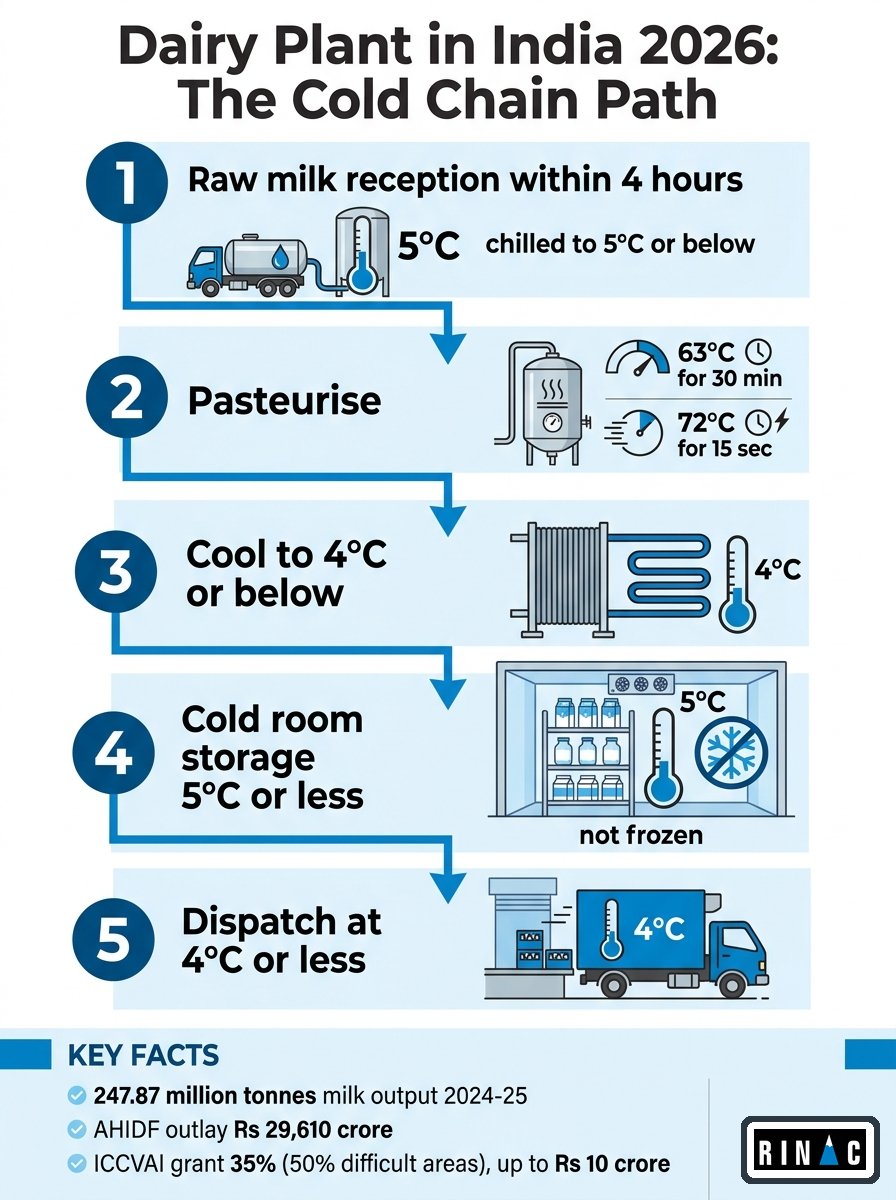
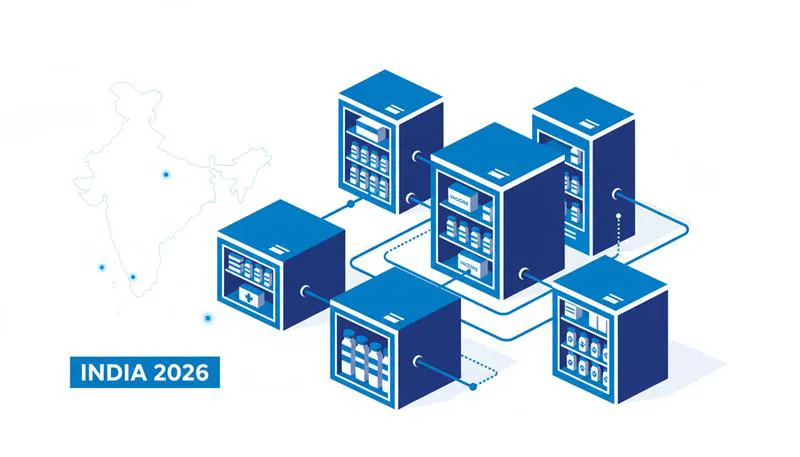
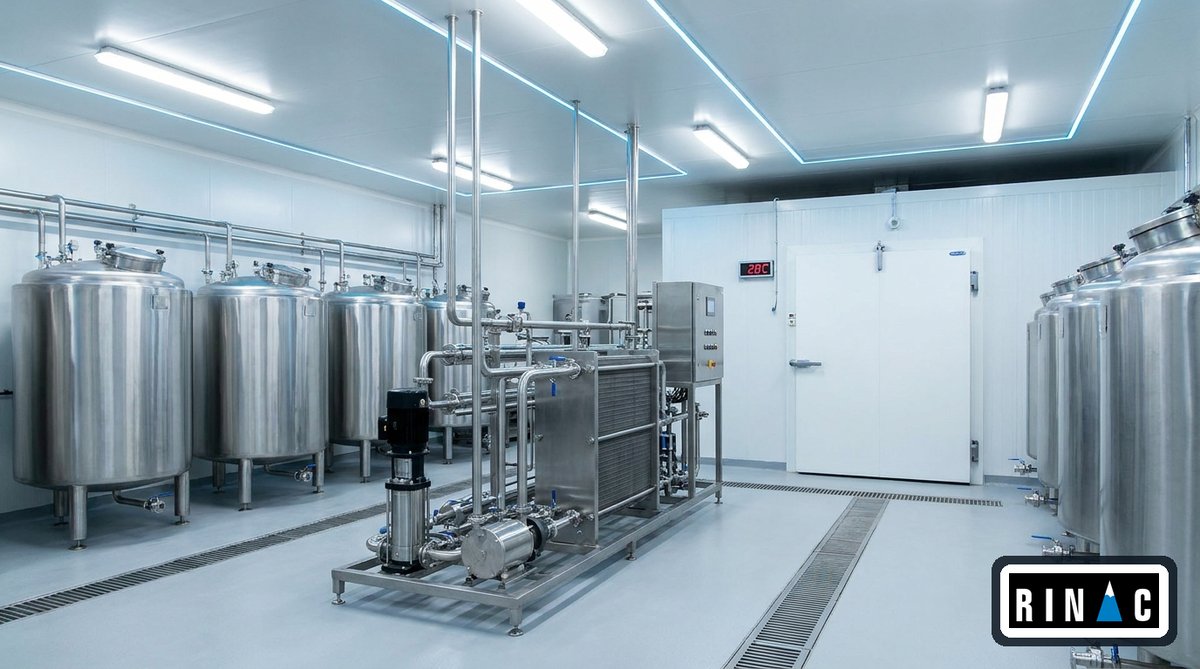
Dairy plant cold chain at a glance: chill, pasteurise, cool, store and dispatch, with the funding routes available in India.
How Rinac Supports Dairy Plant Projects
Rinac positions itself as a solution architect and builder rather than a catalogue supplier. For a dairy plant, that means we can plan the parts that sit around the process line: the insulated building, the cold rooms and blast freezers for finished goods and ice cream, the refrigeration systems and chilled water, the ice bank and chilling arrangements, and the refrigerated transportation for dispatch. Dairy process machines such as pasteurisers, homogenisers and packing lines normally come from dairy equipment specialists, and we coordinate the refrigeration and building interfaces so that they fit together. Our turnkey food processing page describes the wider scope.
With 30+ years, 10,000+ projects across 23 countries, 6,000+ clients, two manufacturing facilities in Bangalore and Murbad and 14 branch offices, we work with food, dairy and pharma customers across India. You can read more on our contact page or our about us page.
Dairy Plant Planning Checklist
Use this list to brief a consultant, a contractor or a lender. It keeps the cold chain in view from the first sketch.
- Define daily intake in litres, peak season volume and growth over five years.
- List every product (pouched milk, curd, paneer, butter, ghee, ice cream) and the storage temperature each needs.
- Map the milk supply: how far, how many collection points, and how it is chilled before it reaches you.
- Draw the layout of dairy plant with one-way flow and separate raw and finished zones.
- Size the milk storage tank for a day of intake plus a margin, and decide where the ice bank or chilled water sits.
- Size cold rooms and any blast freezer for finished goods plus dispatch buffer.
- Choose a building system and wall panel that suits washdown and speed of construction.
- Plan power, backup generation, water and effluent treatment together.
- Prepare the HACCP plan, FSSAI licence application and temperature monitoring before commissioning.
- Check AHIDF, ICCVAI and state scheme eligibility before you place orders, and confirm whether the scheme rules affect when you can start spending.
Frequently Asked Questions
Important Disclaimer
Please read: This article is for general information only. It is not a substitute for professional engineering, legal or regulatory consultation. Prices, subsidy terms, standards and licensing rules change over time and differ by state, so verify current figures directly with FSSAI, DAHD, MoFPI, NABARD, NCDC and your State Food Safety and Animal Husbandry departments before you act. Figures and claims here are drawn from the public references listed below as of the publication date, and some documents cited are undated or from 2014. We have not quoted a current price for any dairy plant tier, because we found no official published figure. Project-specific design, sizing, return on investment and funding eligibility depend on your product, site and market, so request a formal consultation through rinac.com/contact-us before you commit to a design or a budget.
Sources & References
- Release of Basic Animal Husbandry Statistics 2025 on the occasion of National Milk Day 2025, Press Information Bureau (Department of Animal Husbandry and Dairying). https://www.pib.gov.in/PressReleasePage.aspx?PRID=2195049®=3&lang=2. Published/accessed: 26 November 2025.
- Year End Review of Animal Husbandry and Dairy Department for the year 2025, Press Information Bureau. https://www.pib.gov.in/PressReleseDetailm.aspx?PRID=2212290®=3&lang=2. Published/accessed: 7 January 2026.
- Animal Husbandry Infrastructure Development Fund, Press Information Bureau (Rajya Sabha written reply). https://www.pib.gov.in/PressReleasePage.aspx?PRID=2153134. Published/accessed: 6 August 2025.
- Integrated Cold Chain and Value Addition Infrastructure (ICCVAI), Press Information Bureau (Ministry of Food Processing Industries). https://www.pib.gov.in/PressReleasePage.aspx?PRID=2183607®=48&lang=2. Published/accessed: 29 October 2025 (guidelines dated 22 May 2025).
- Cabinet approves Rs 6,520 crore outlay for Pradhan Mantri Kisan Sampada Yojana, All India Radio News. https://www.newsonair.gov.in/cabinet-approves-%E2%82%B96520-crore-outlay-for-pradhan-mantri-kisan-sampada-yojana/. Published/accessed: 31 July 2025.
- Milk Processing, Food Safety and Standards Authority of India (FSSAI) training material. https://ams.fssai.gov.in/doc/Milk_Processing.pdf. Published/accessed: Undated; verify the current text on fssai.gov.in.
- Guidance Document: Milk and Milk Products, Food Safety and Standards Authority of India (FSSAI). https://fssai.gov.in/upload/uploadfiles/files/Guidance_Document_Milk_14_03_2019.pdf. Published/accessed: 14 March 2019.
- Model Project Report on Milk Processing, 10,000 LPD, NABARD (hosted on Pashudhan Praharee). https://www.pashudhanpraharee.com/wp-content/uploads/2020/12/Model-Project-on-MILK-PROCESSING-10000-LPD.pdf. Published/accessed: September 2014 (2014 prices).
- India: NCCD reports a 2.2% compound annual growth rate in cold storage capacity, International Institute of Refrigeration (citing NCCD and PIB). https://iifiir.org/en/news/india-nccd-reports-a-2-2-compound-annual-growth-rate-in-cold-storage-capacity. Published/accessed: 24 February 2026.