TL;DR – Quick Summary
- Cold chain equipment in India covers the full path from pre-cooling and storage to freezing, ripening, racking and refrigerated transport. Treat it as one engineered system, not a shopping list.
- India held 8,815 cold storages with 402.18 lakh tonnes of capacity as of 30 June 2025, yet only about 10,000 reefer vehicles against an estimated need of at least 62,000 [1].
- Government grants of 35% (general areas) and 50% (difficult areas), capped at Rs 10 crore per project under the PMKSY cold chain scheme, can reduce the capital you fund yourself [2].
- Compliance now shapes the equipment spec: FSSAI temperature-abuse enforcement [7], revised Schedule M for pharma [8] and the HFC phase-down from 2032 [9].
- Buying the envelope, refrigeration, controls and transport under one EPC contract removes interface risk, which is where most cold chain projects lose performance.
Quick disclaimer: This guide is for information only and is not engineering, legal or regulatory advice. Figures come from the public sources listed at the end and may have changed. Please verify schemes and rules with the issuing authority before you act.
What Counts as Cold Chain Equipment in India?
When a food processor, dairy owner, pharma plant head or cold storage investor searches for cold chain equipment, the results usually show vaccine carriers and laboratory refrigerators. That is useful for immunisation programmes, but it is not what you need if you are building a 500 tonne pack house, a 5,000 tonne potato store or a frozen food line. In an industrial setting, cold chain equipment means every engineered asset that holds a product at its required temperature from farm gate or production line to the retail shelf.
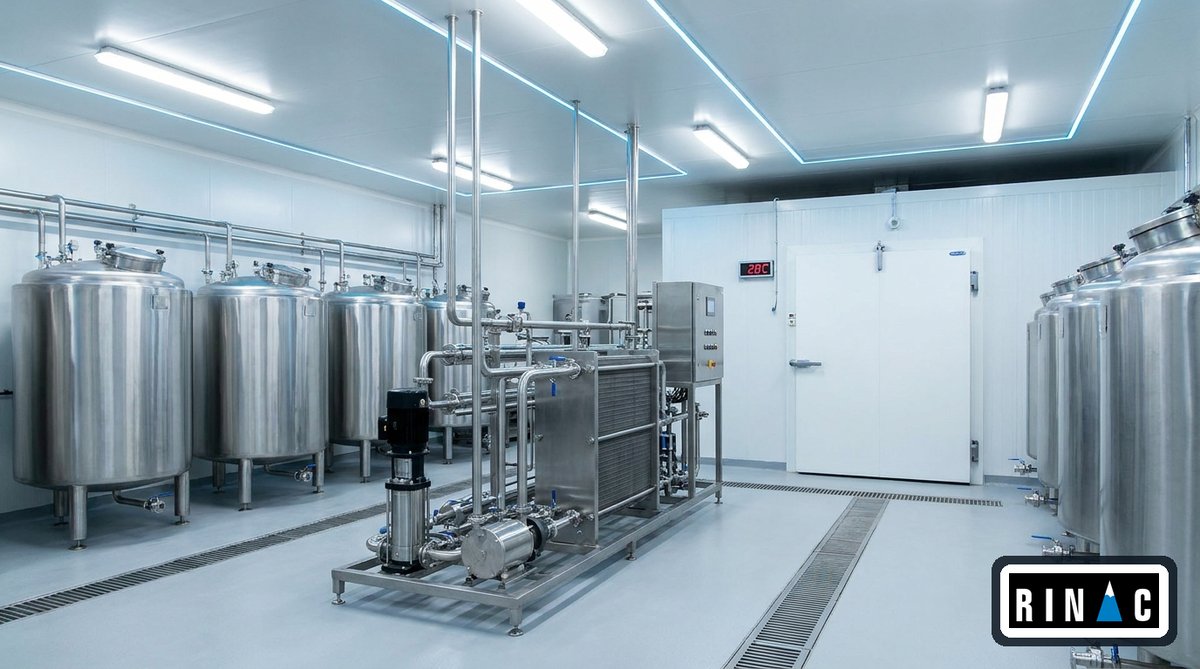
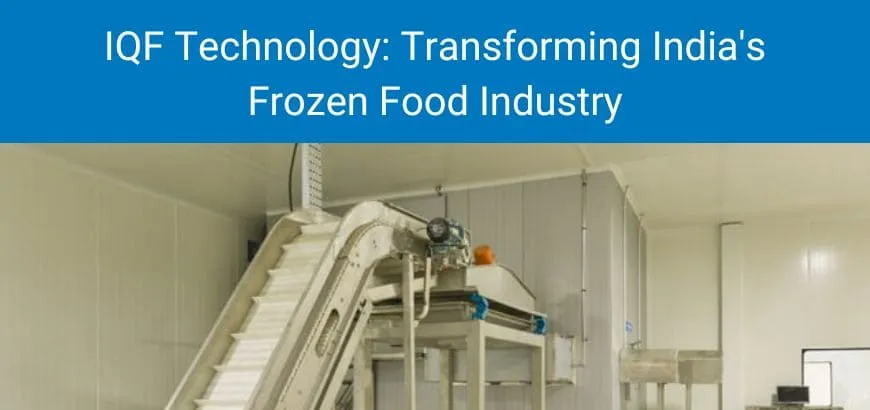
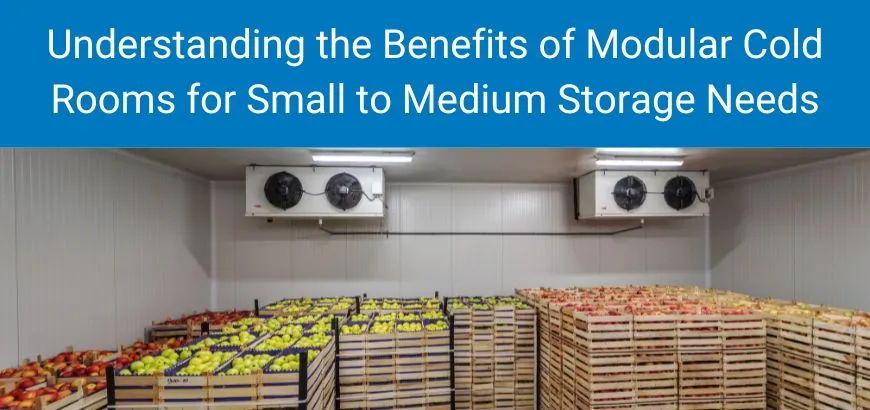
A practical cold chain equipment list has six layers: pre-cooling units, insulated storage envelopes (cold rooms, cold stores and CA/MA chambers), refrigeration plant, freezing systems such as blast freezers and IQF tunnels, ripening chambers, and refrigerated transport. Around these sit racking, doors, dock levellers, controls and temperature monitoring. The core equipment of cold chain operations therefore breaks into three groups. The components of cold chain performance are thermal (insulation and air-tightness), mechanical (compressors, condensers, evaporators) and digital (sensors, alarms, data loggers).
Rinac has delivered 10,000+ projects over 30+ years as Solution Architects and Builders, and the pattern is consistent: projects that specify the whole cold chain system together, rather than buying each item separately, hit their temperature and energy targets far more reliably. Our guides on the cold room, blast freezer and cold storage plant EPC process go deep on individual assets. This guide connects them.
Indian Market Context: NCCD Data, MoFPI Schemes and Subsidies
The National Centre for Cold-chain Development (NCCD) and the Press Information Bureau report 8,815 cold storages with 402.18 lakh metric tonnes (about 40.22 million tonnes) of capacity as of 30 June 2025. NCCD projects growth at roughly 2.2% a year, reaching almost 440 lakh tonnes by 2031 [1]. Capacity is only half the story. The same source notes about 10,000 reefer vehicles in operation against an estimated need of at least 62,000, and NCCD expects up to about 33,000 by 2031 [1].
8,815
cold storages in India with 402.18 lakh tonnes of capacity (30 June 2025)
cold storages in India with 402.18 lakh tonnes of capacity (30 June 2025)
The commercial backdrop is strong. FnB News, summarising industry reports, puts the Indian cold chain market at about Rs 2.29 lakh crore in 2024 and projects Rs 3.79 lakh crore by 2028. It also notes that NABARD studies point to a need for about 3.5 million tonnes of additional cold storage, and that food and beverage is the largest segment while pharmaceuticals is the fastest growing [6]. Forecasts differ by research house, so treat them as direction rather than precision.
MoFPI: Integrated Cold Chain and Value Addition Infrastructure
The Ministry of Food Processing Industries runs the Integrated Cold Chain and Value Addition Infrastructure (ICCVAI) scheme under PM Kisan SAMPADA (PMKSY). Grants-in-aid are 35% of eligible project cost in general areas and 50% in difficult areas (North-Eastern states, Uttarakhand, Himachal Pradesh, Jammu and Kashmir, Ladakh, ITDP areas and islands), with a ceiling of Rs 10 crore per project [2]. Since 2008, 395 projects have been approved and 291 are completed and operational, creating 25.52 lakh tonnes a year of preservation capacity, 114.66 lakh tonnes a year of processing capacity and about 1.75 lakh jobs [2]. In July 2025 the government approved an additional Rs 1,920 crore, taking the PMKSY allocation to Rs 6,520 crore [3].
NHB and MIDH: Horticulture Cold Storage
For horticulture, the National Horticulture Board offers a credit-linked, back-ended capital investment subsidy of 35% of eligible cost in general areas and 50% in hilly and scheduled areas for cold storages above 5,000 tonnes. NHB sanctioned 16 projects in 2021-22, 63 in 2022-23 and 75 in 2023-24 [4]. Smaller units up to 5,000 tonnes typically fall under MIDH. Our cold chain subsidies guide walks through the application sequence, and many state governments add their own top-ups, so check with your state horticulture or food processing department.
Why this matters for equipment selection: Subsidy schemes pay on eligible, documented project cost. Equipment that is specified, quoted and installed under a clear scope (ideally one EPC contract) is far easier to defend in a Detailed Project Report and in the physical verification that follows.
The Core Cold Chain Equipment List by Stage
Use this table as a starting checklist. Temperature bands below are typical design ranges for planning only. Your product, throughput and local climate decide the final set points, so confirm them with a design engineer.
| Stage | Equipment | Typical purpose | Rinac reference |
|---|---|---|---|
| Pre-cooling | Pre-cooling rooms, forced-air cooling | Remove field heat within hours of harvest | Pre-cooling rooms |
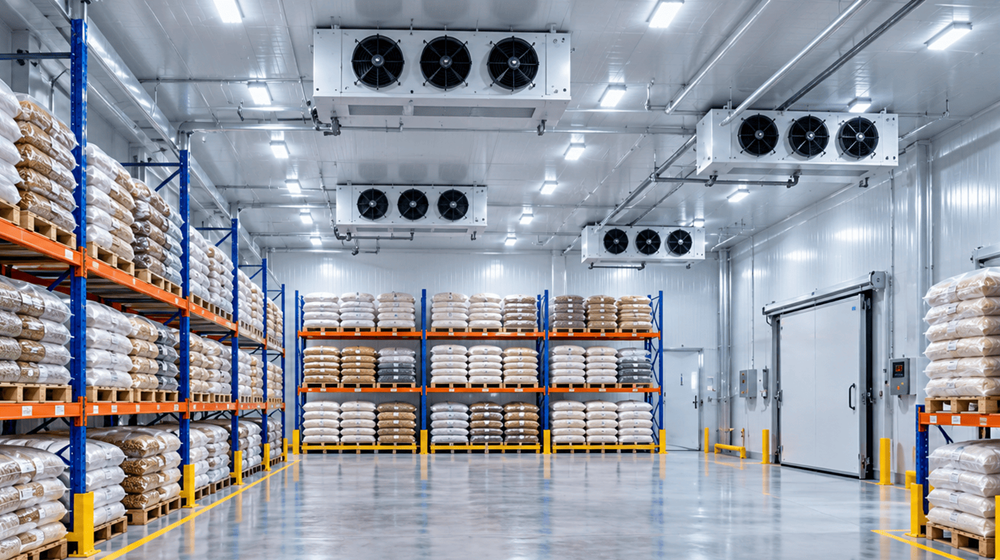
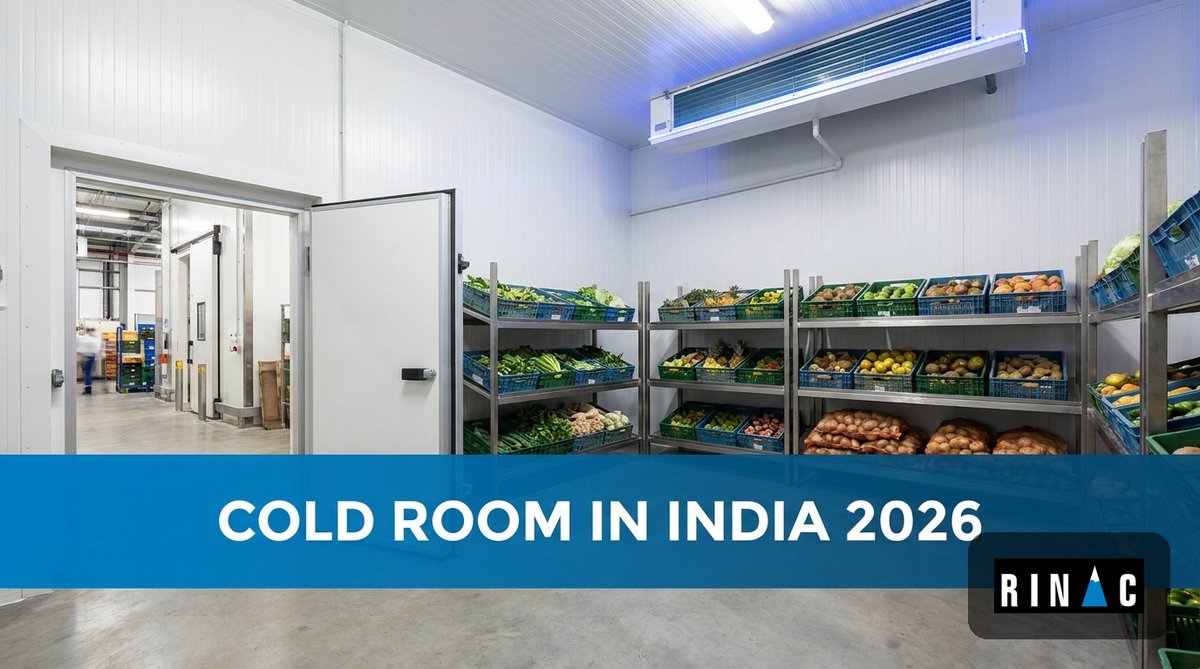
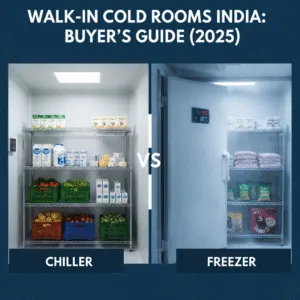
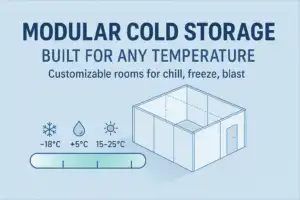
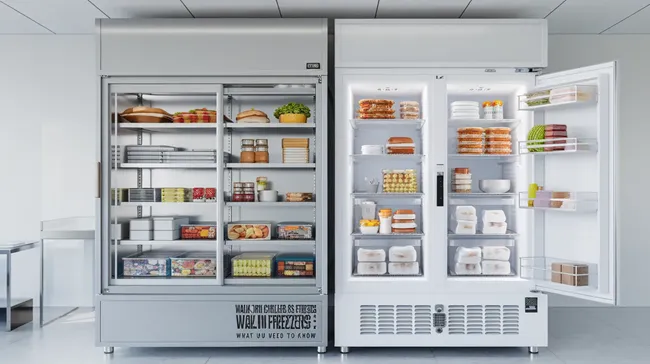
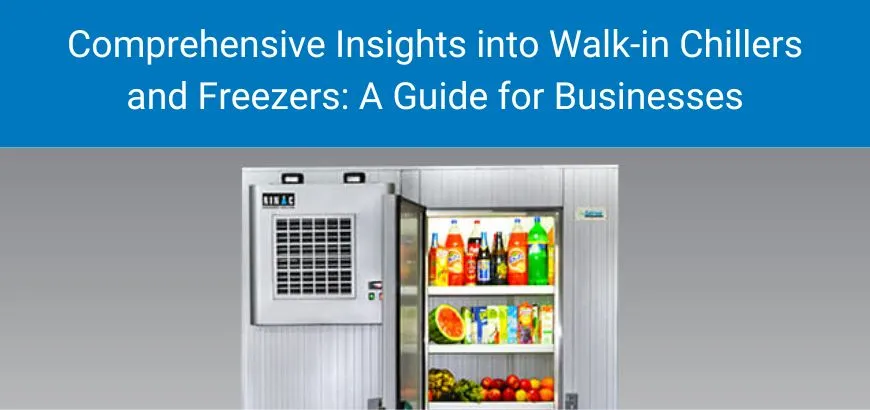
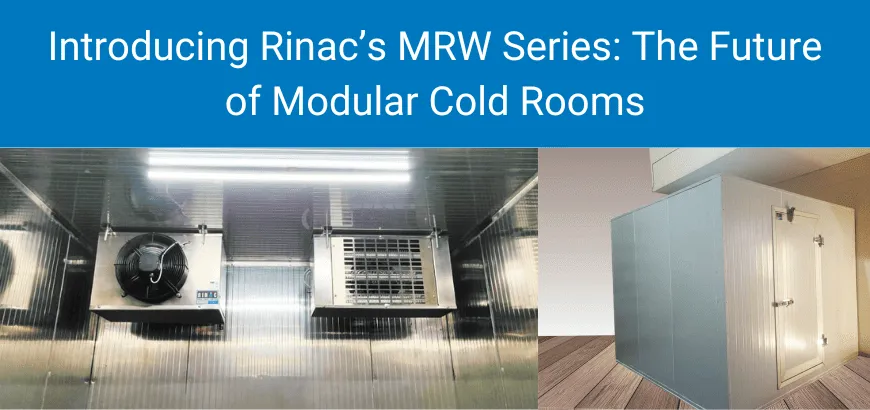
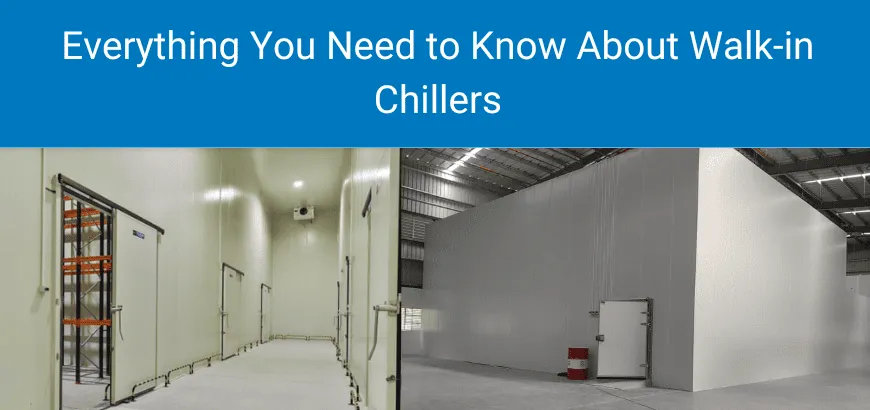
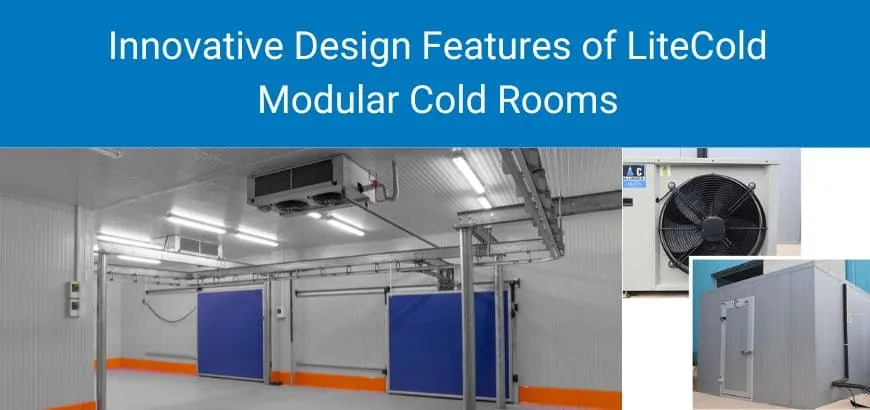
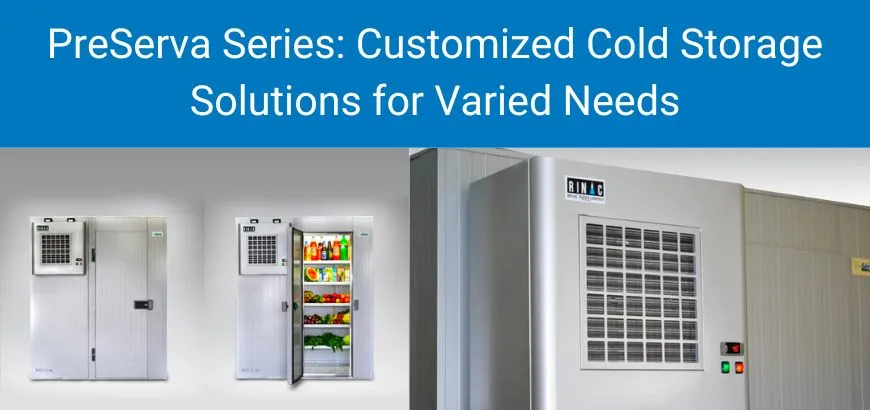
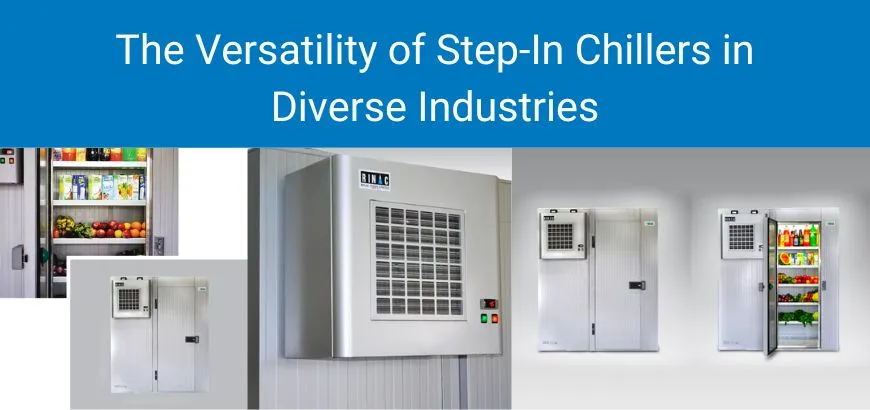
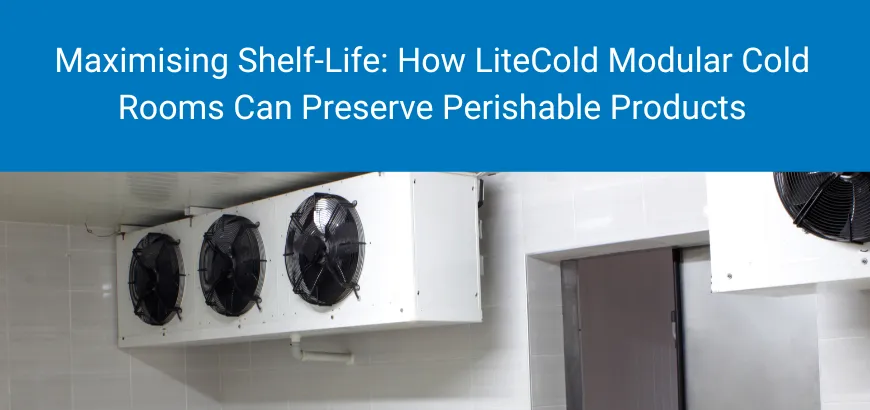
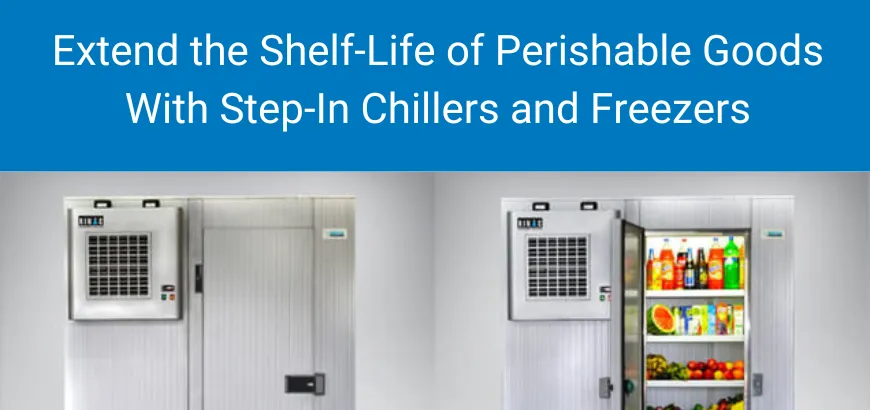
| Chilled storage | Cold rooms, walk-in chillers, MRW Series modular rooms | Hold fresh produce, dairy and chilled food, generally between 0 and 4 degrees Celsius | Cold rooms and MRW Series |
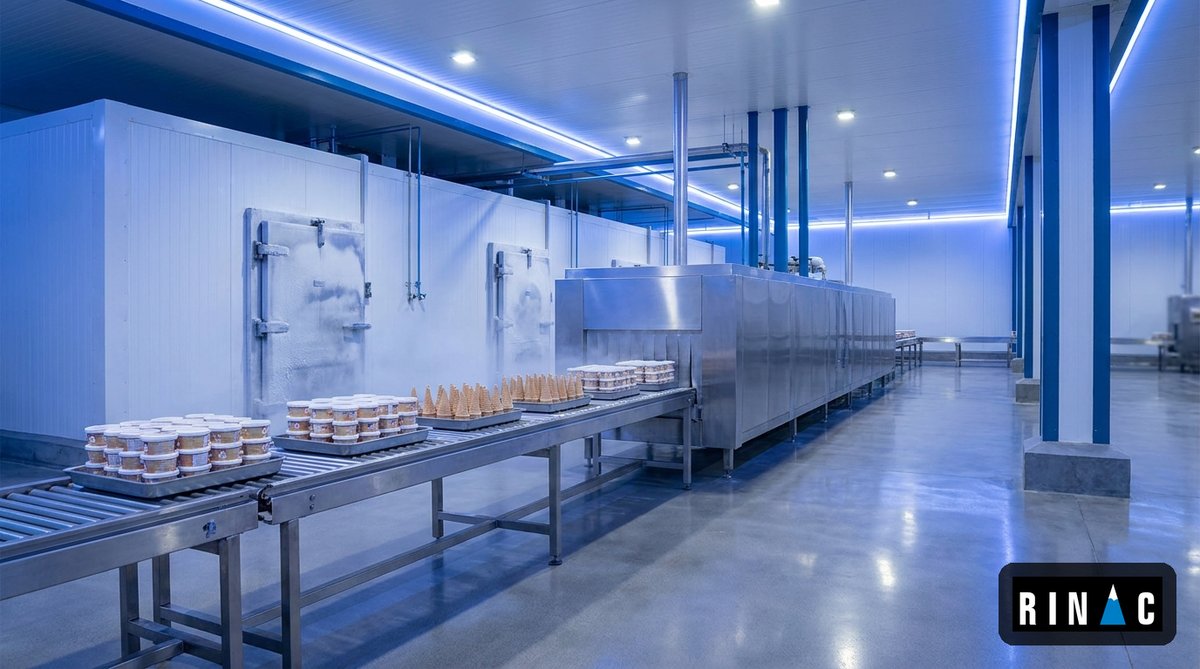
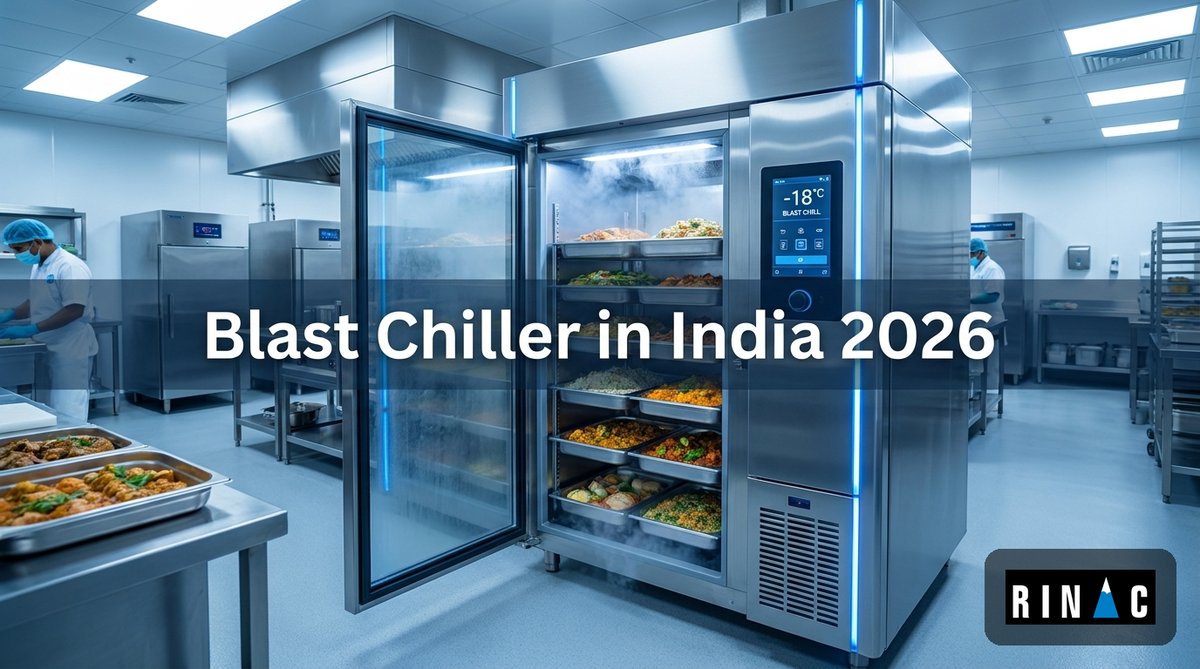
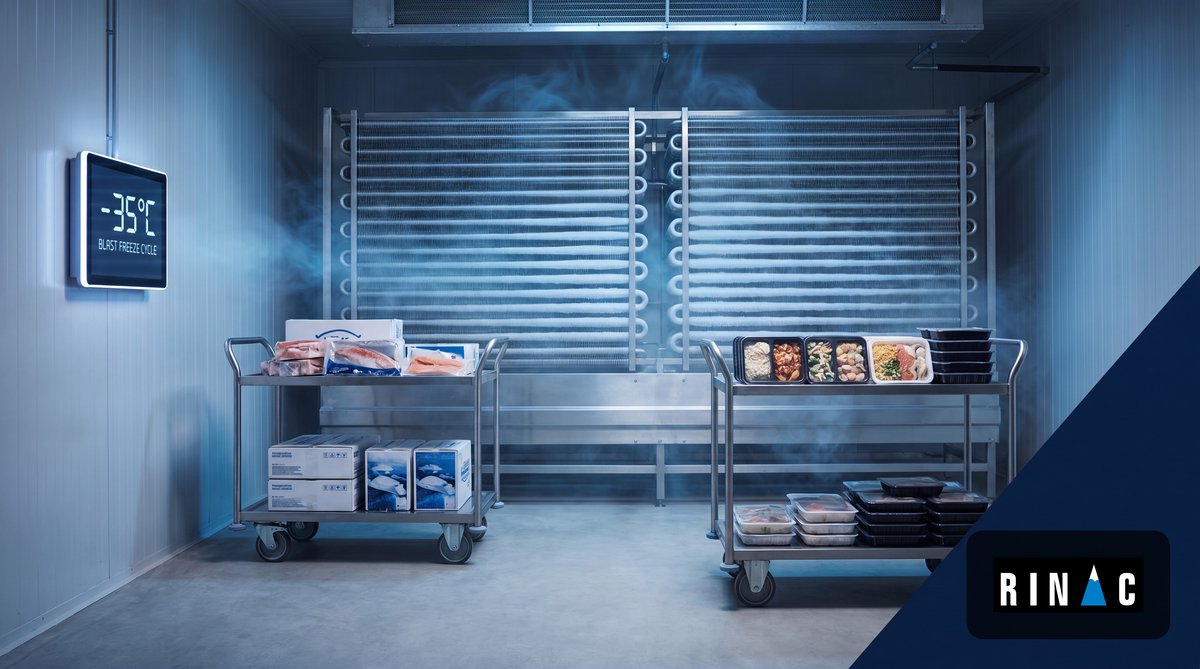
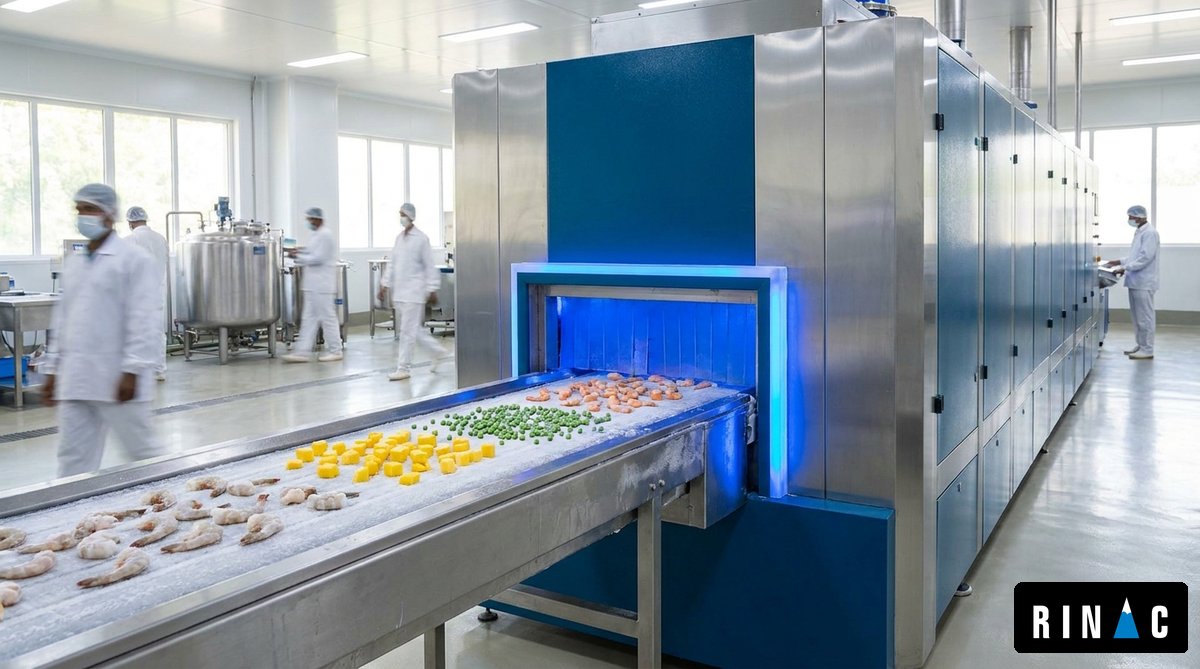
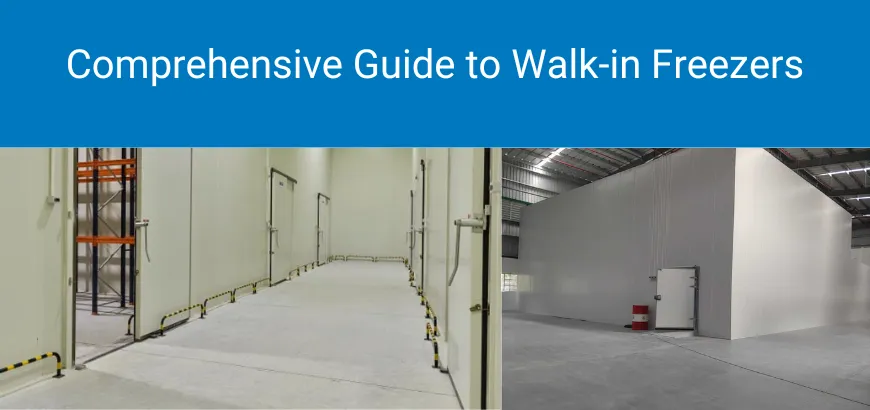
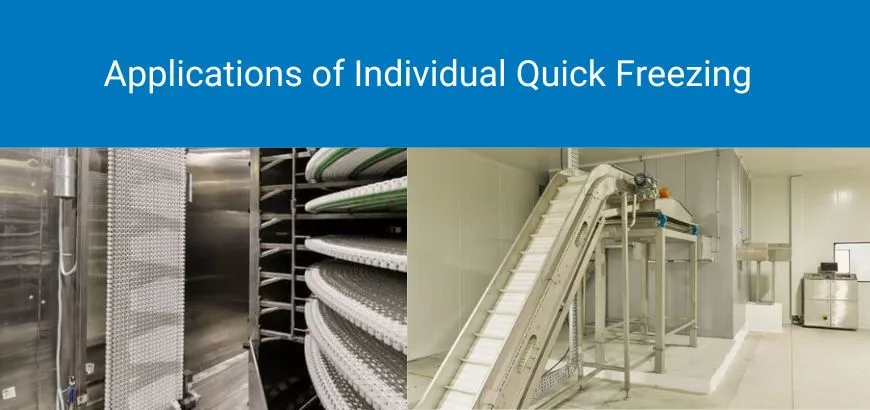
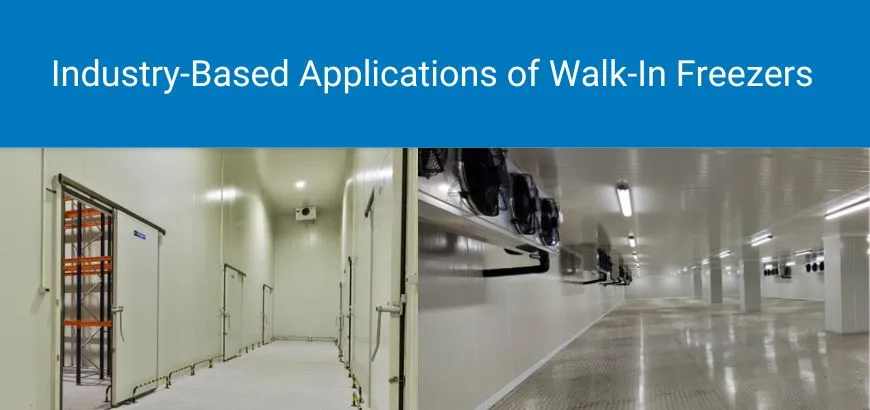
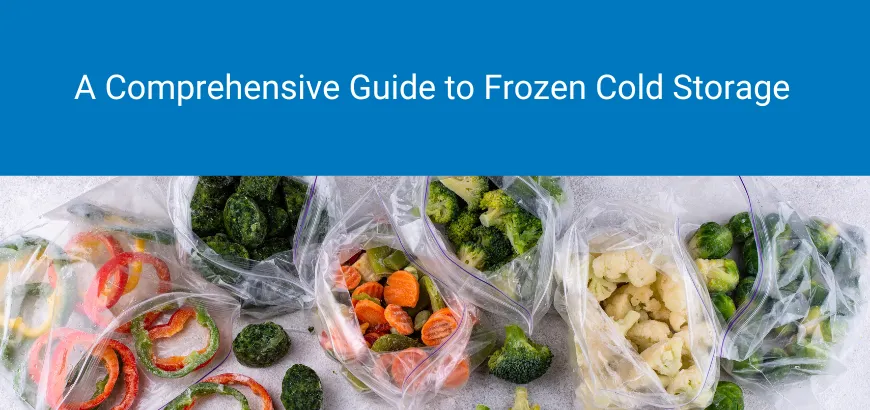
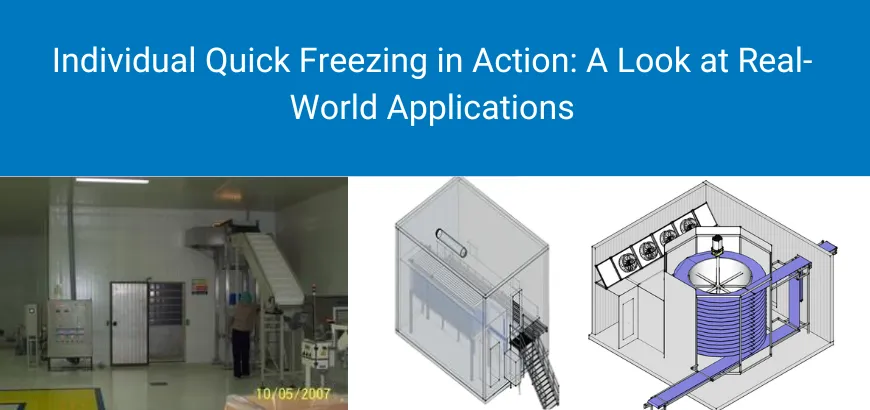
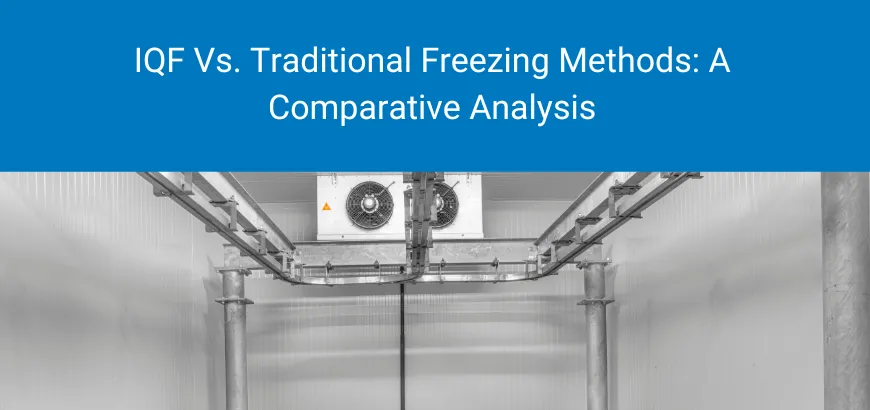
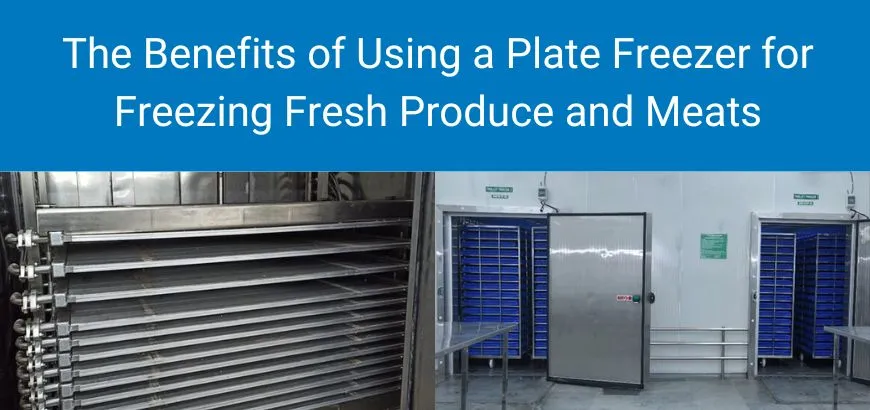
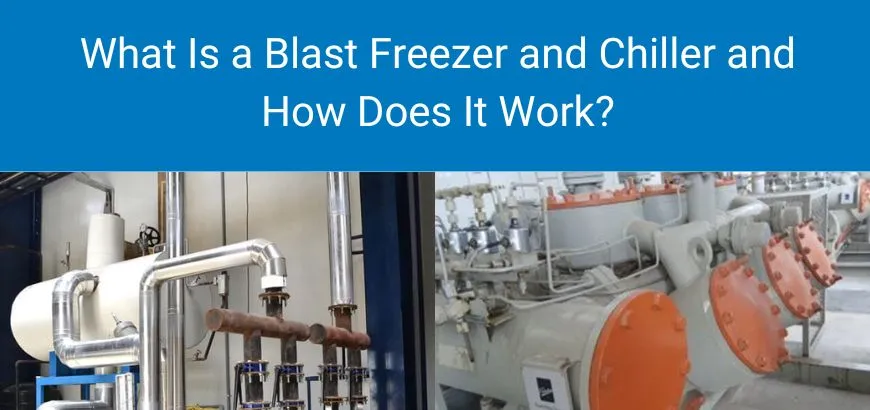
| Frozen storage and freezing | Blast chillers, blast freezers, IQF tunnels, walk-in freezers | Pull product through the freezing zone fast, then hold at minus 18 degrees Celsius or colder | Blast chillers and freezers and IQF |
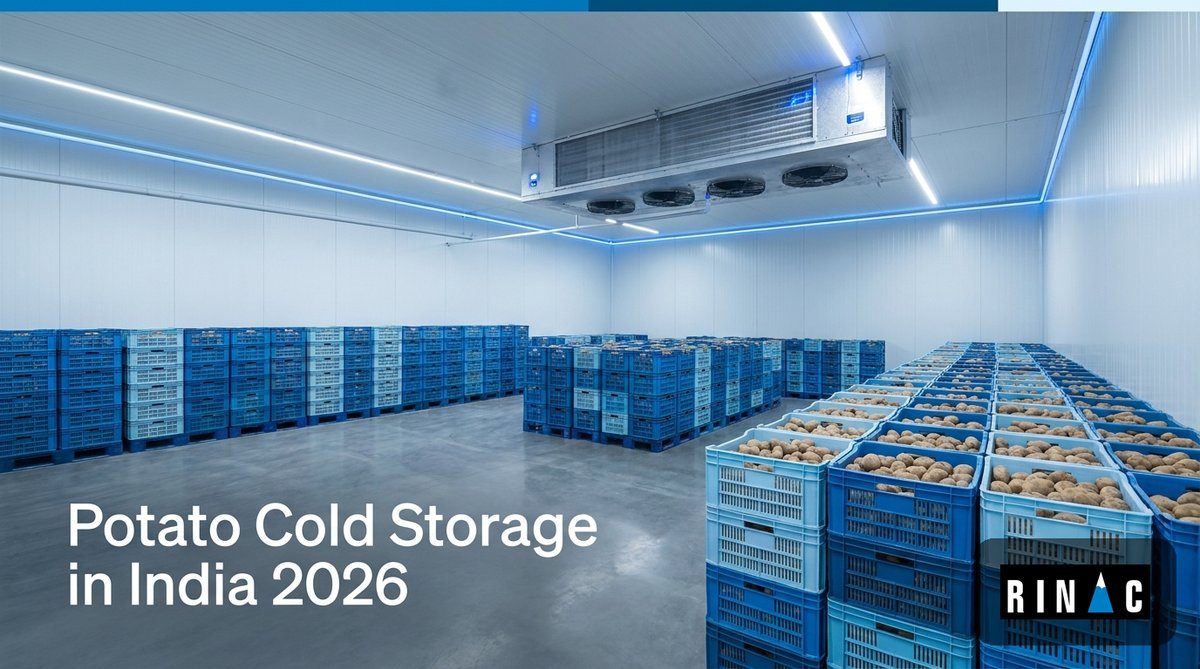
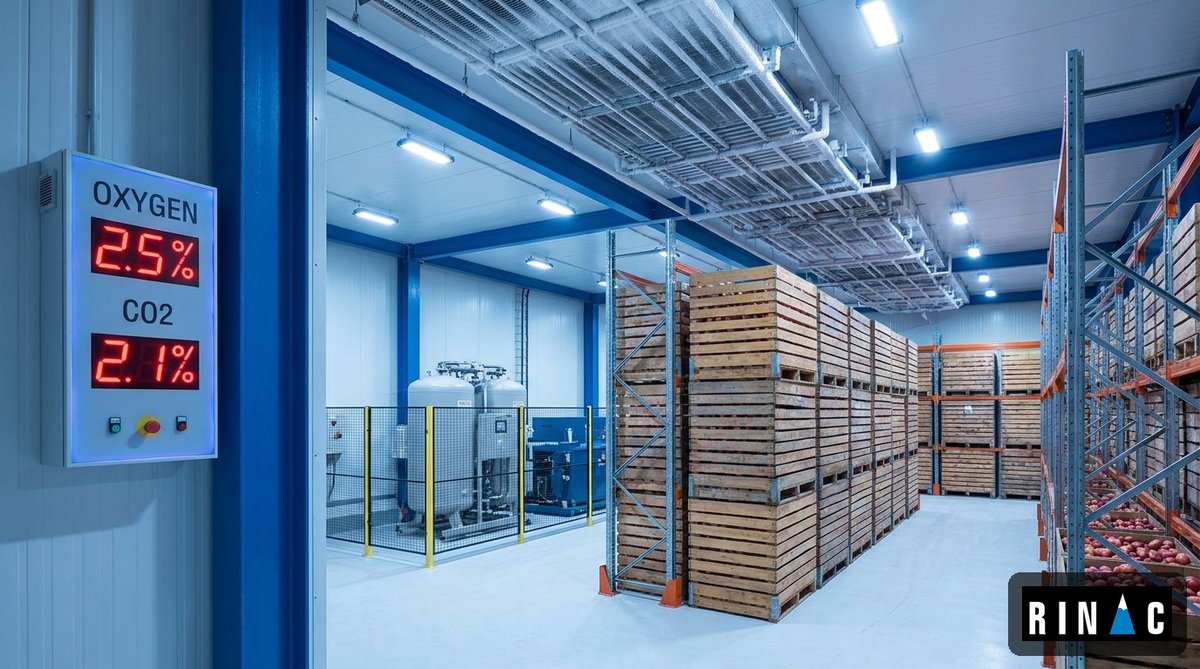
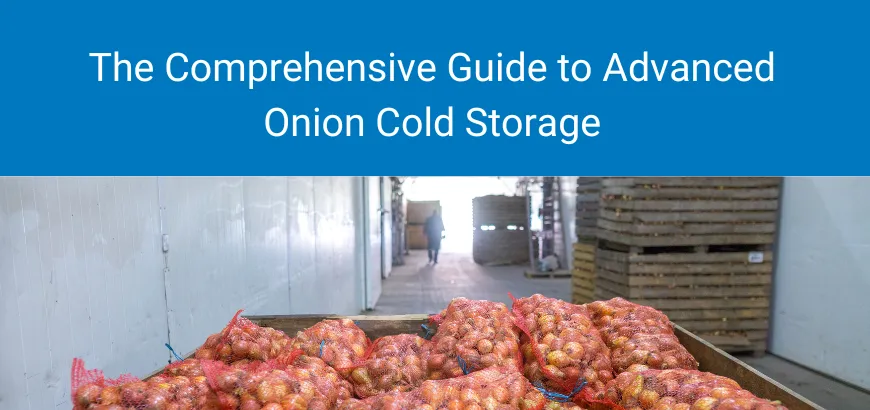
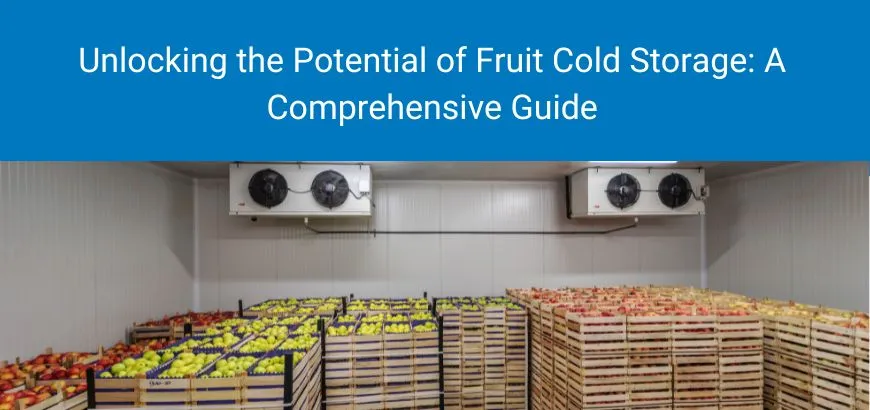
| Atmosphere control | CA and MA chambers, high RH and low RH stores | Extend storage life for apples, pears, potatoes and onions | CA and MA chambers |
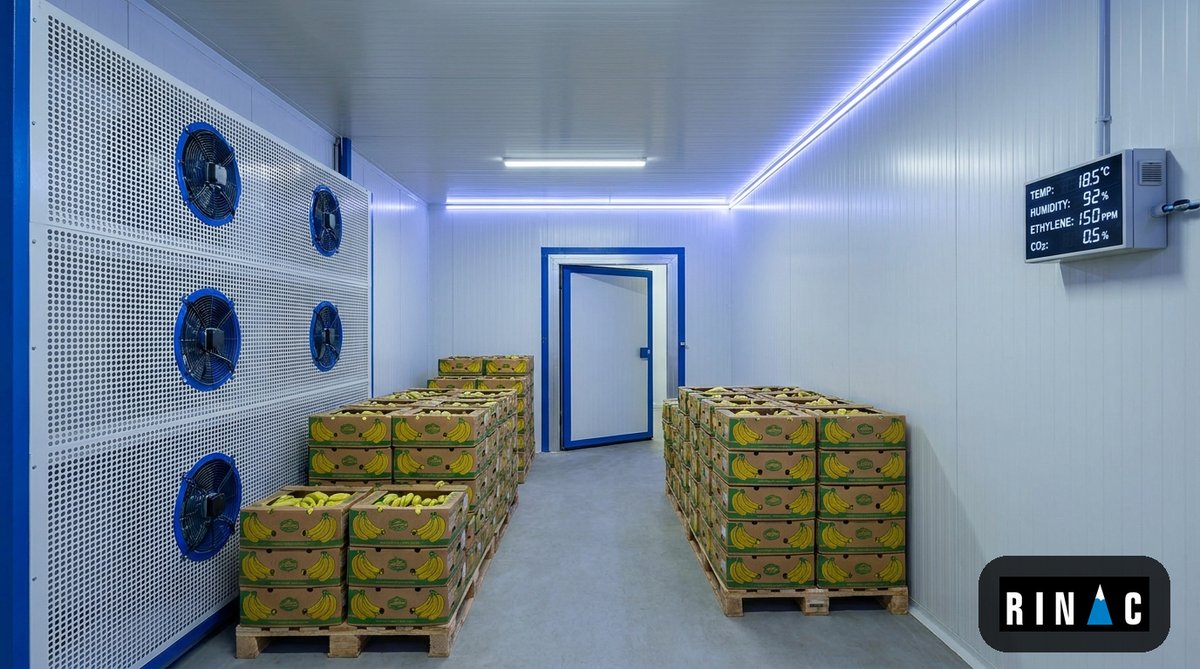
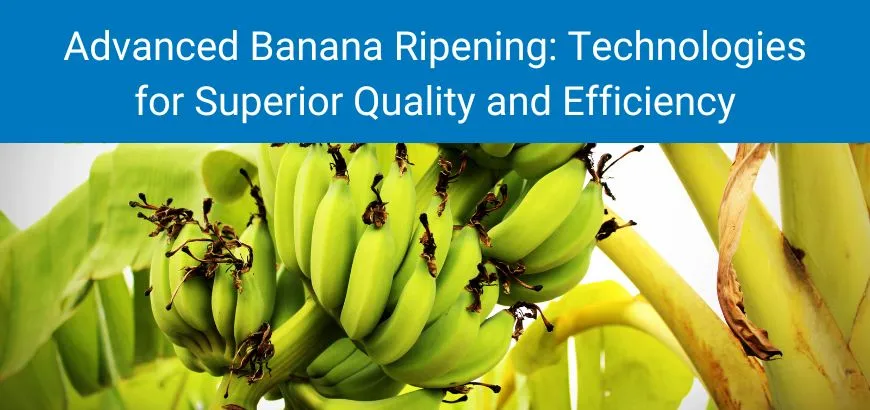
| Ripening | Ethylene-controlled ripening chambers | Uniform colour and firmness for banana and mango | Ripening chambers |
| Refrigeration plant | Compressor racks, condensers, evaporators, ice bank tanks | Deliver reliable capacity with efficient part-load operation | Refrigeration systems |
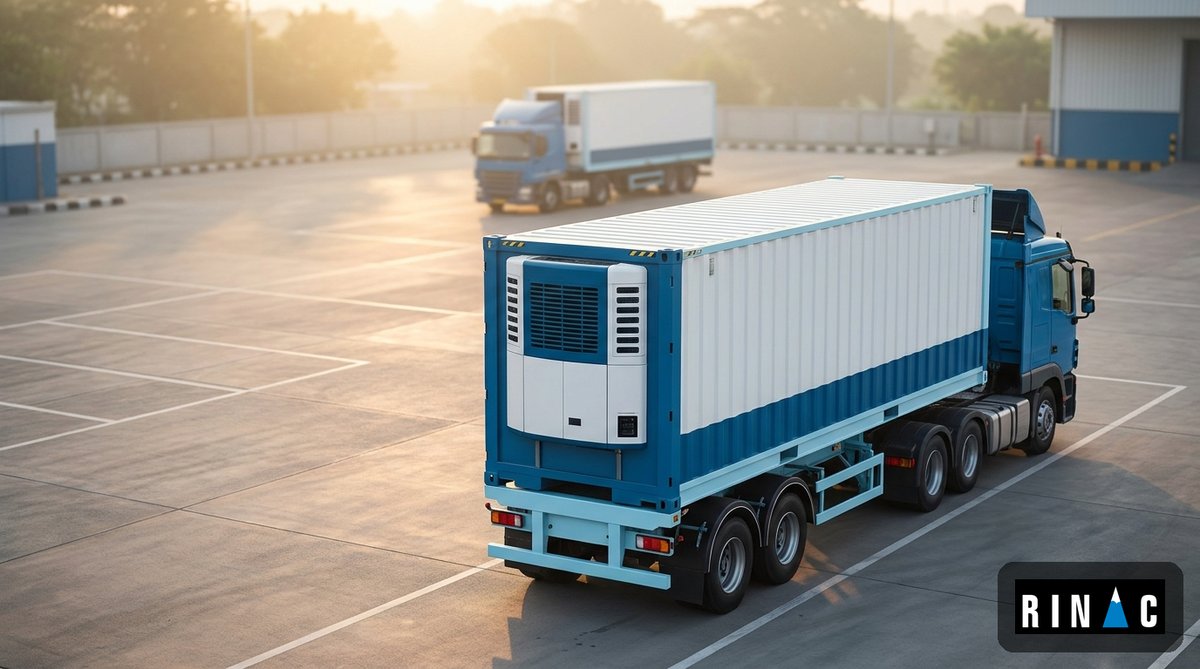
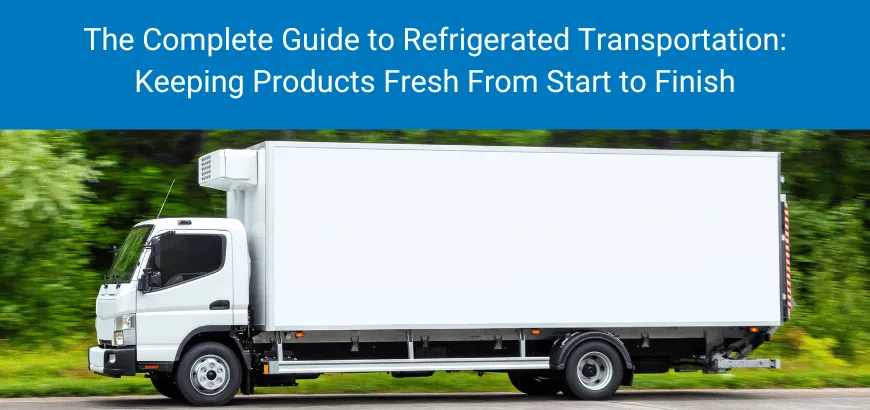
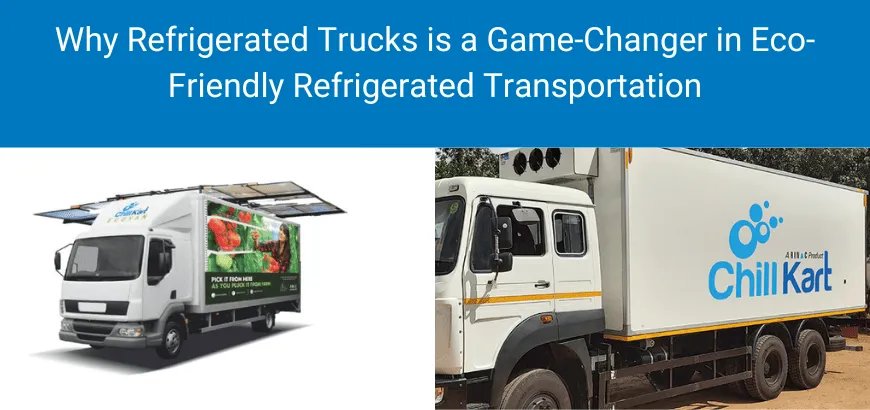
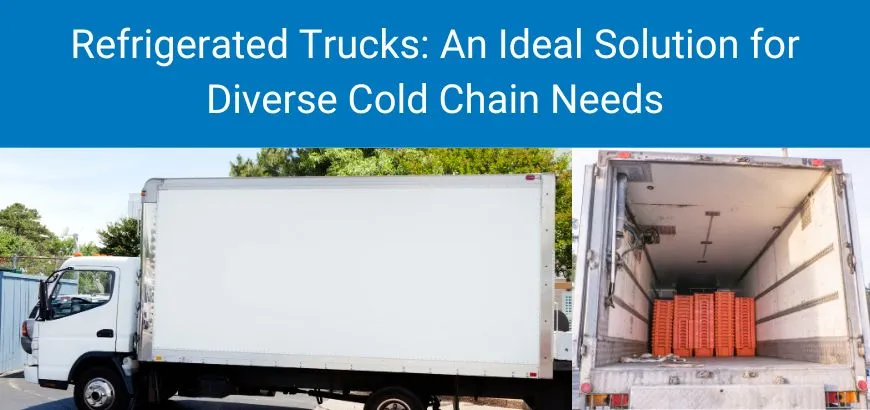
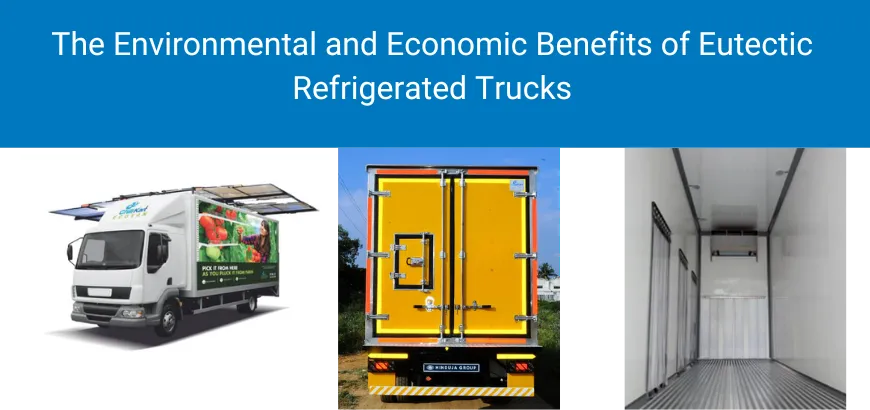
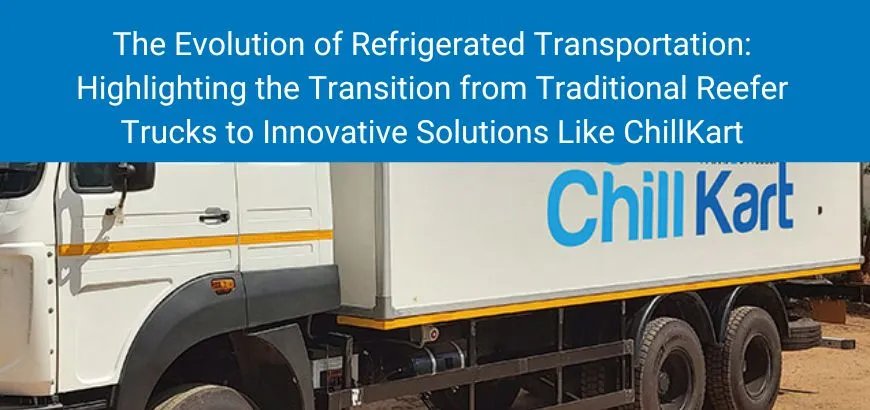
| Transport | Refrigerated trucks, vans and containers (ChillKart) | Keep temperature unbroken during movement | Refrigerated transportation |
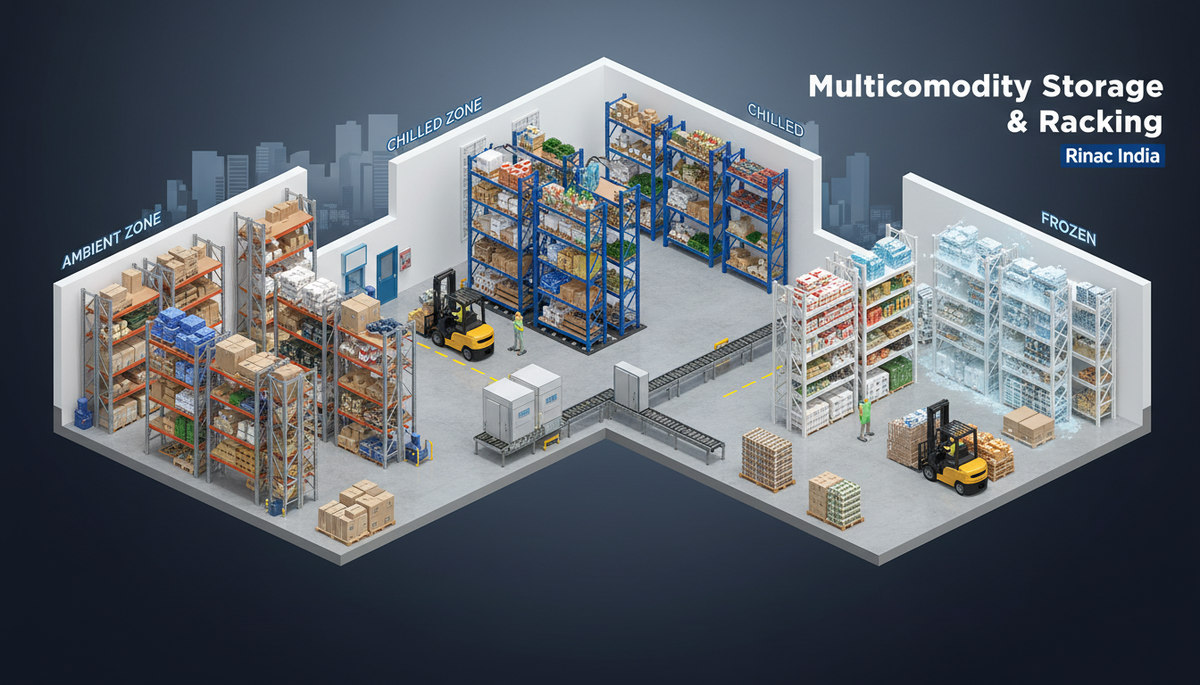
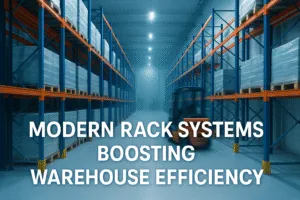
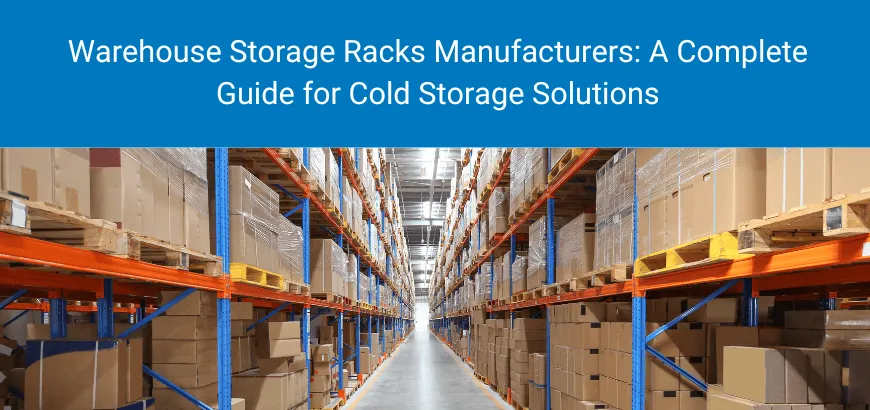
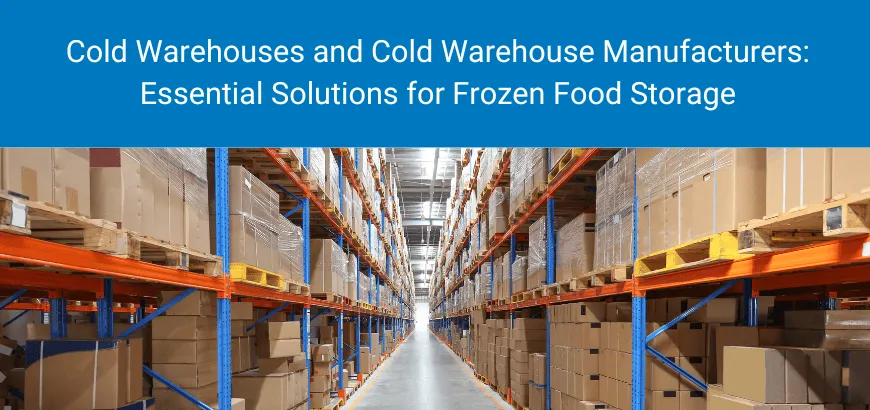
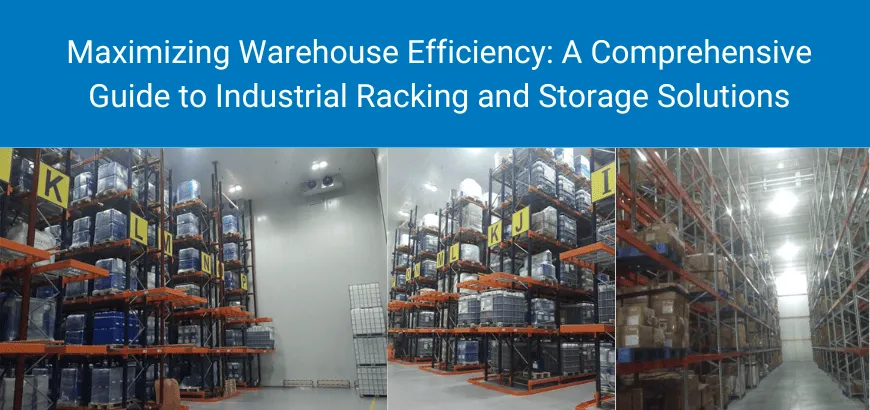
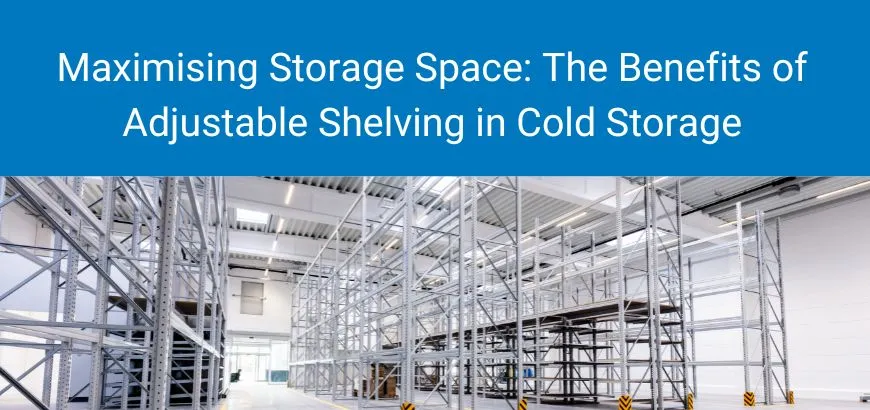
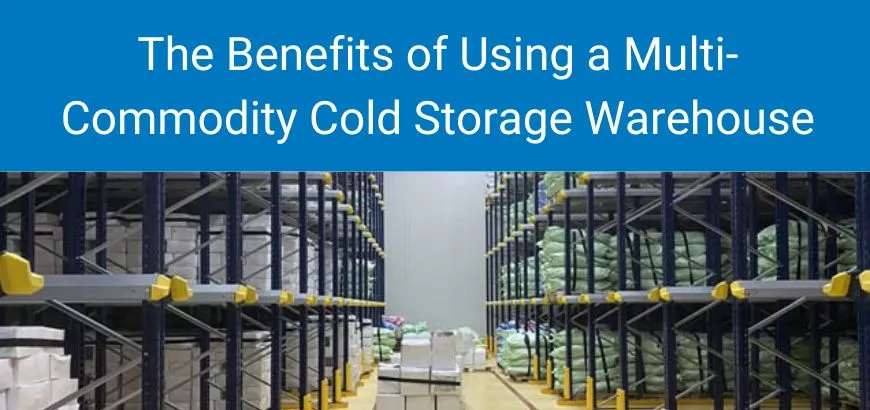
| Storage handling | Pallet racking, multi-commodity storage systems | Use cubic space and speed up picking | StorEdge and Constructor |
The Envelope Decides Everything Else
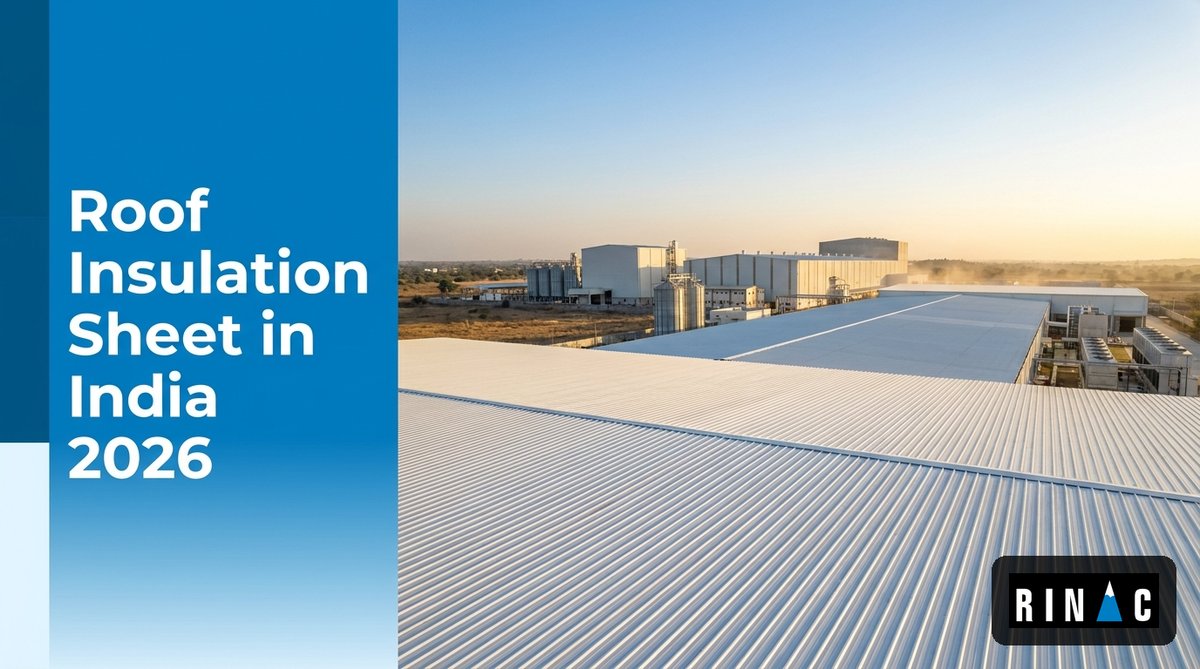
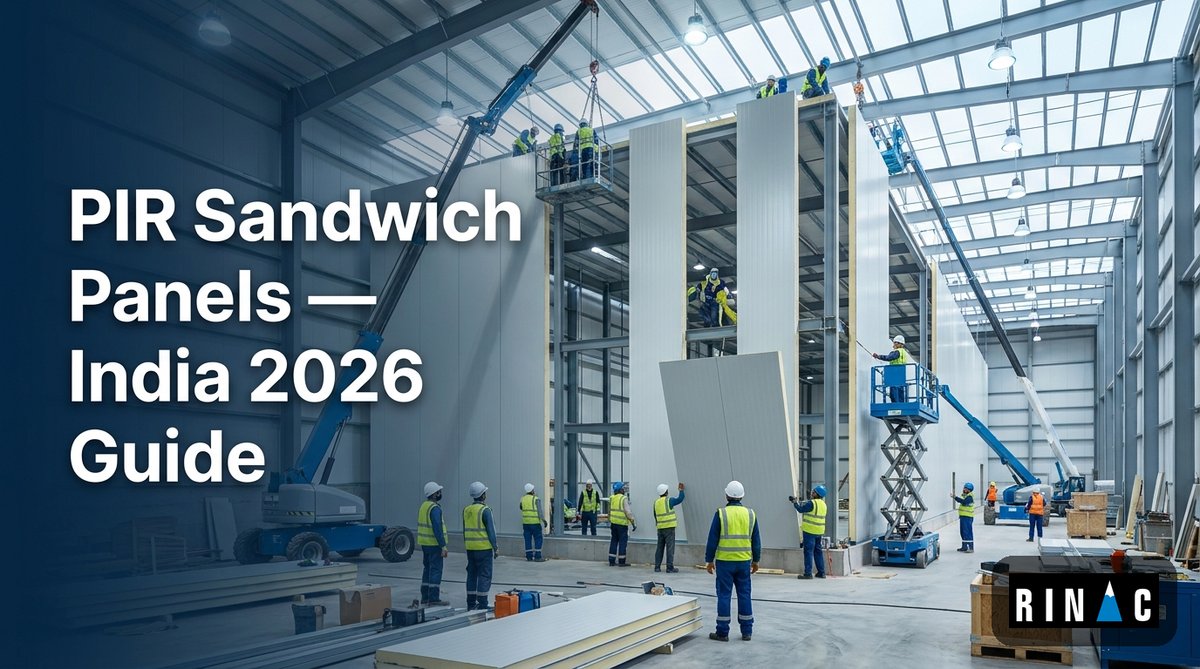
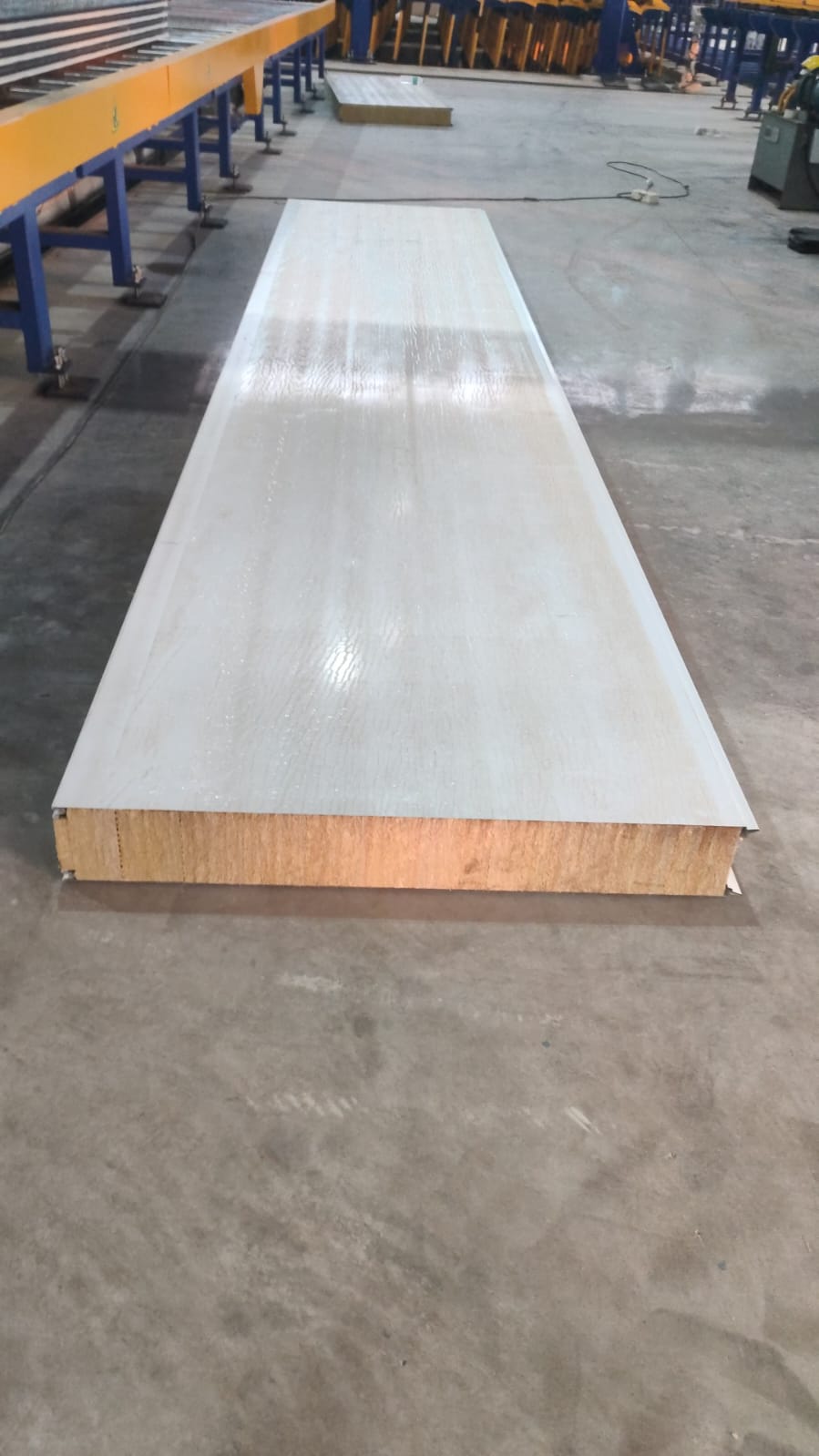
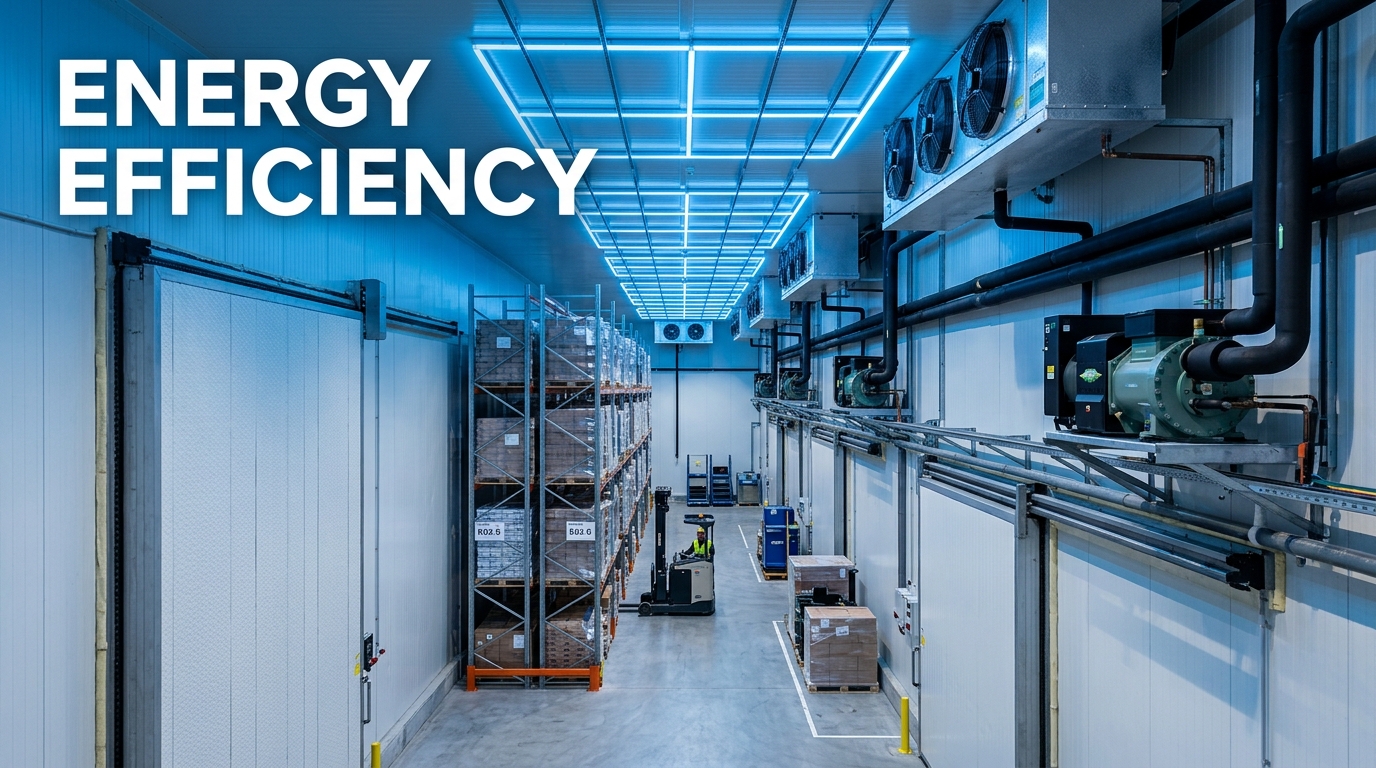
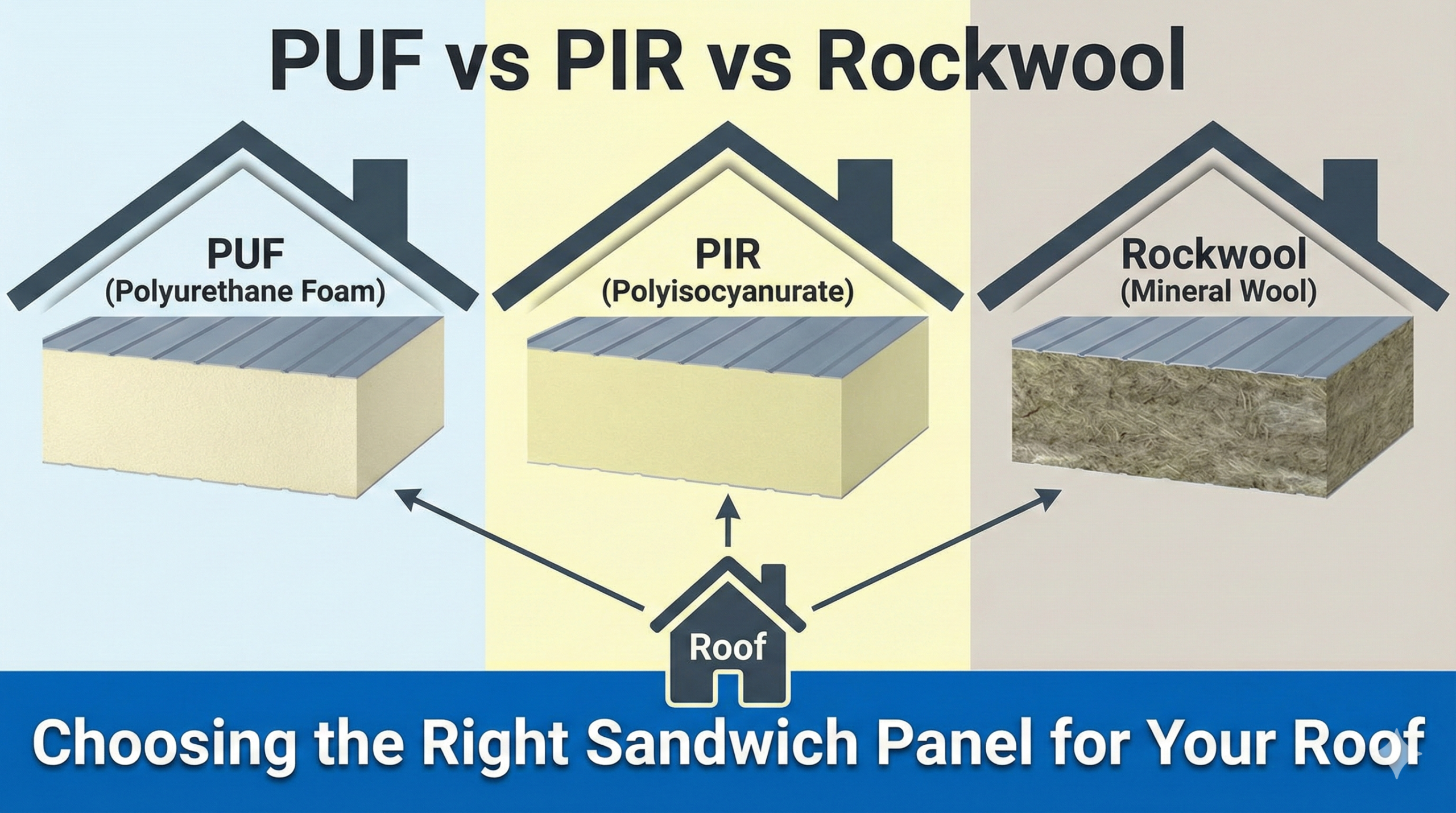
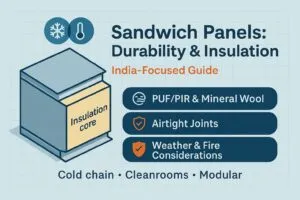
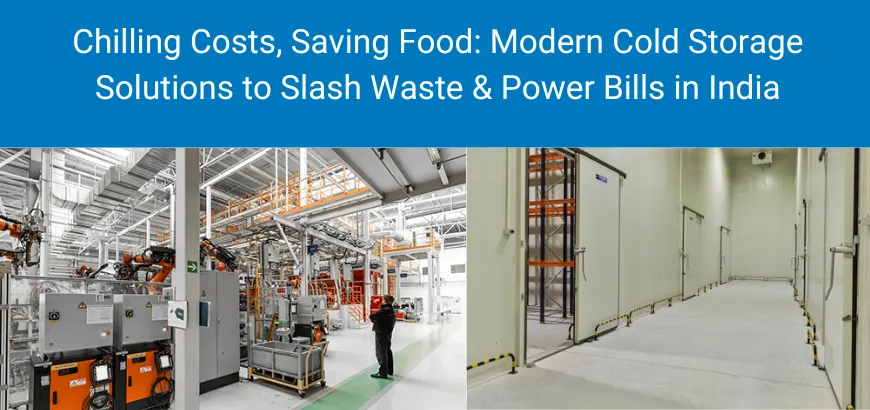
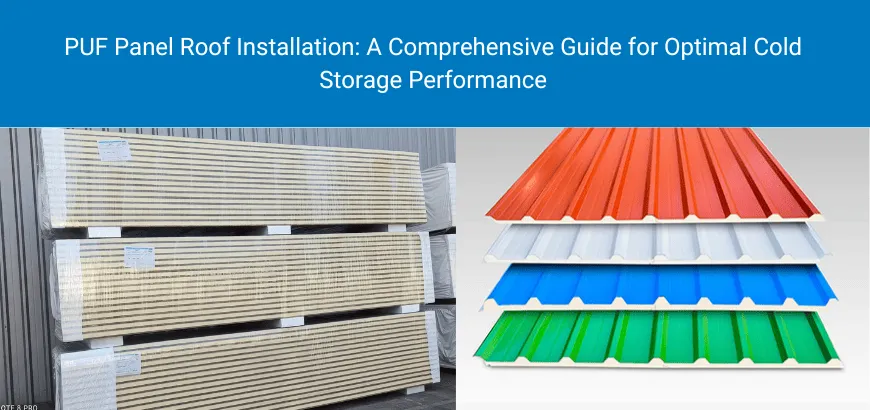
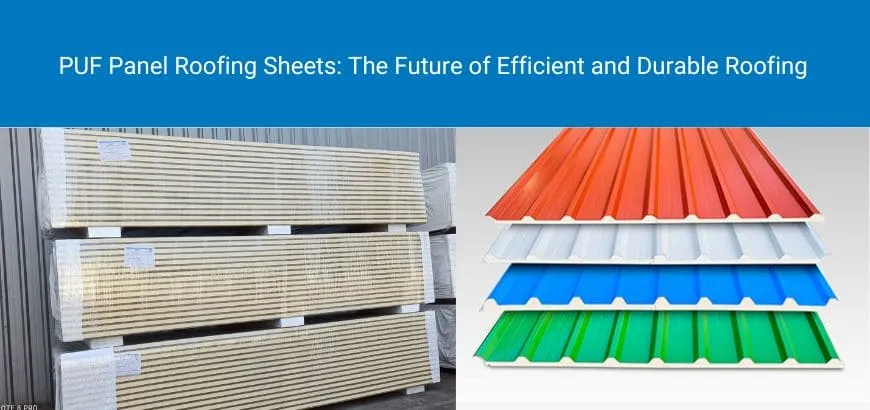
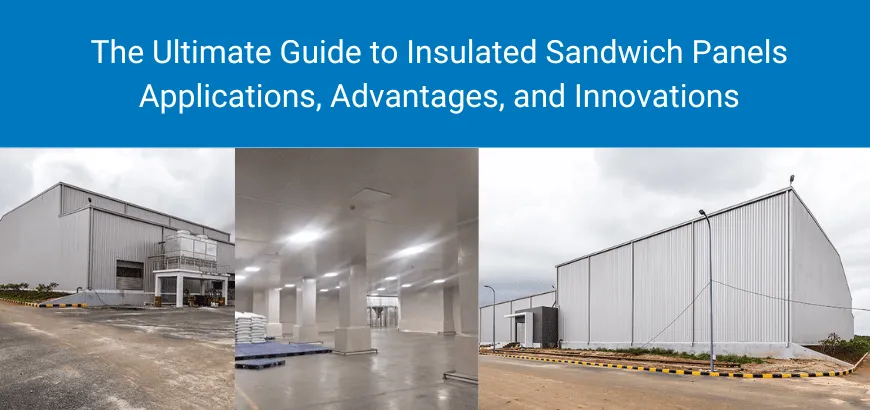
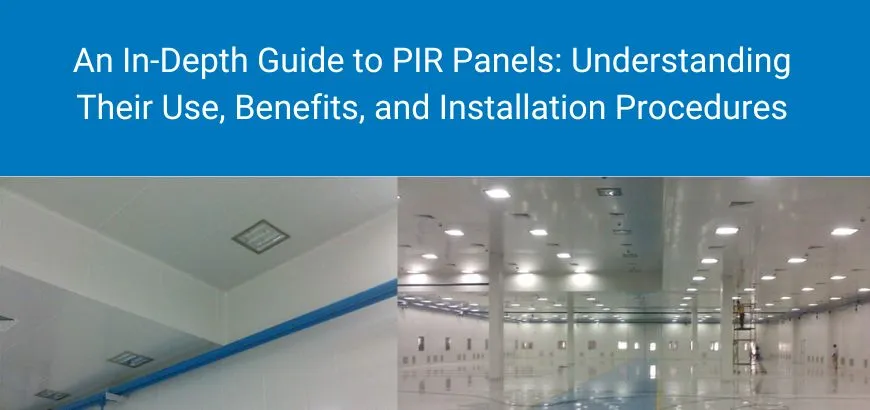
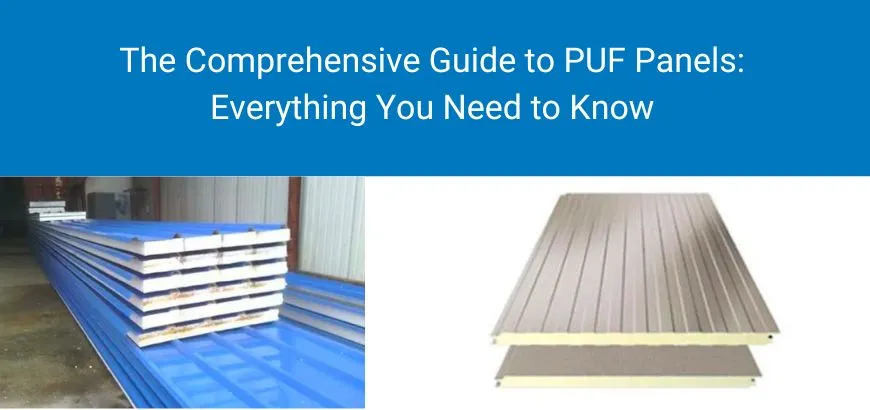
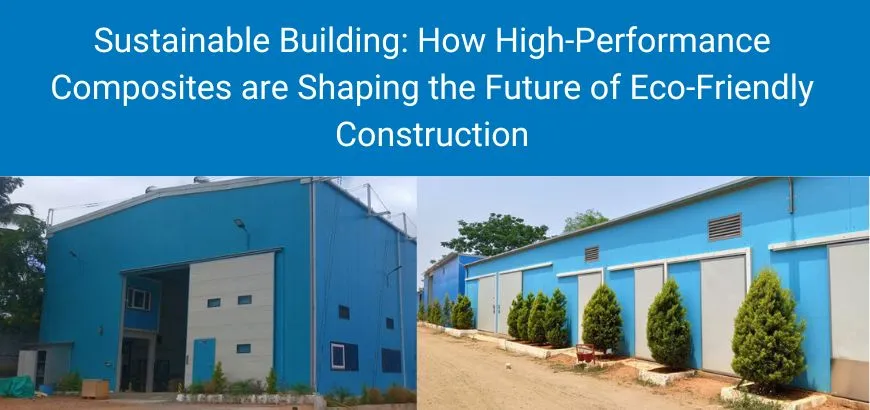
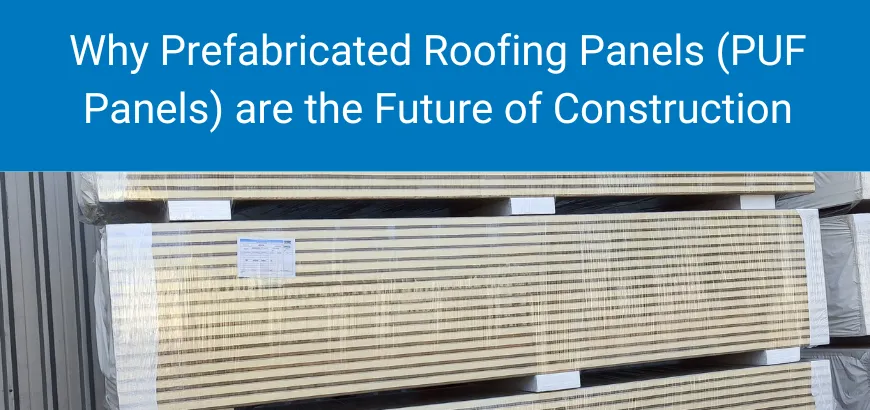
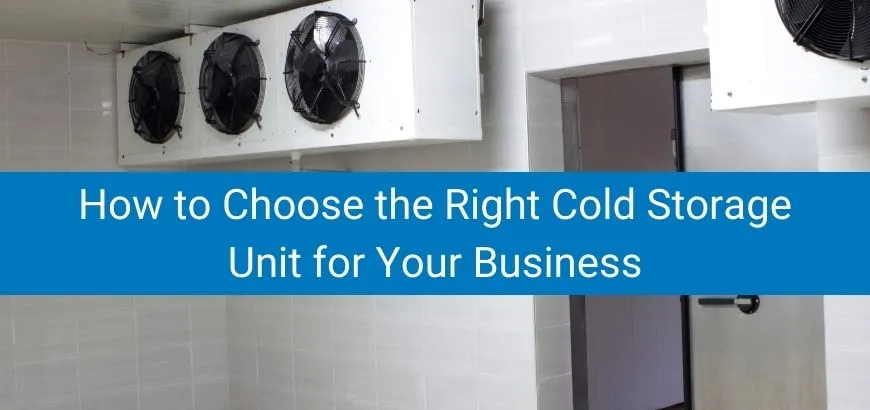
Compressors get the attention, but the insulated envelope sets the heat load that the compressors must beat every hour of every day. Panel thickness, joint quality, door design and floor insulation all feed into the cooling capacity you buy and the power bill you pay. Rinac’s patented HPCC (High-Performance Composite Construction) and Firearmet FM-approved fire-rated panels are part of this layer. If you are comparing panel options, read our notes on PIR sandwich panels and panel thickness selection. For running cost levers after commissioning, see cold storage energy efficiency.
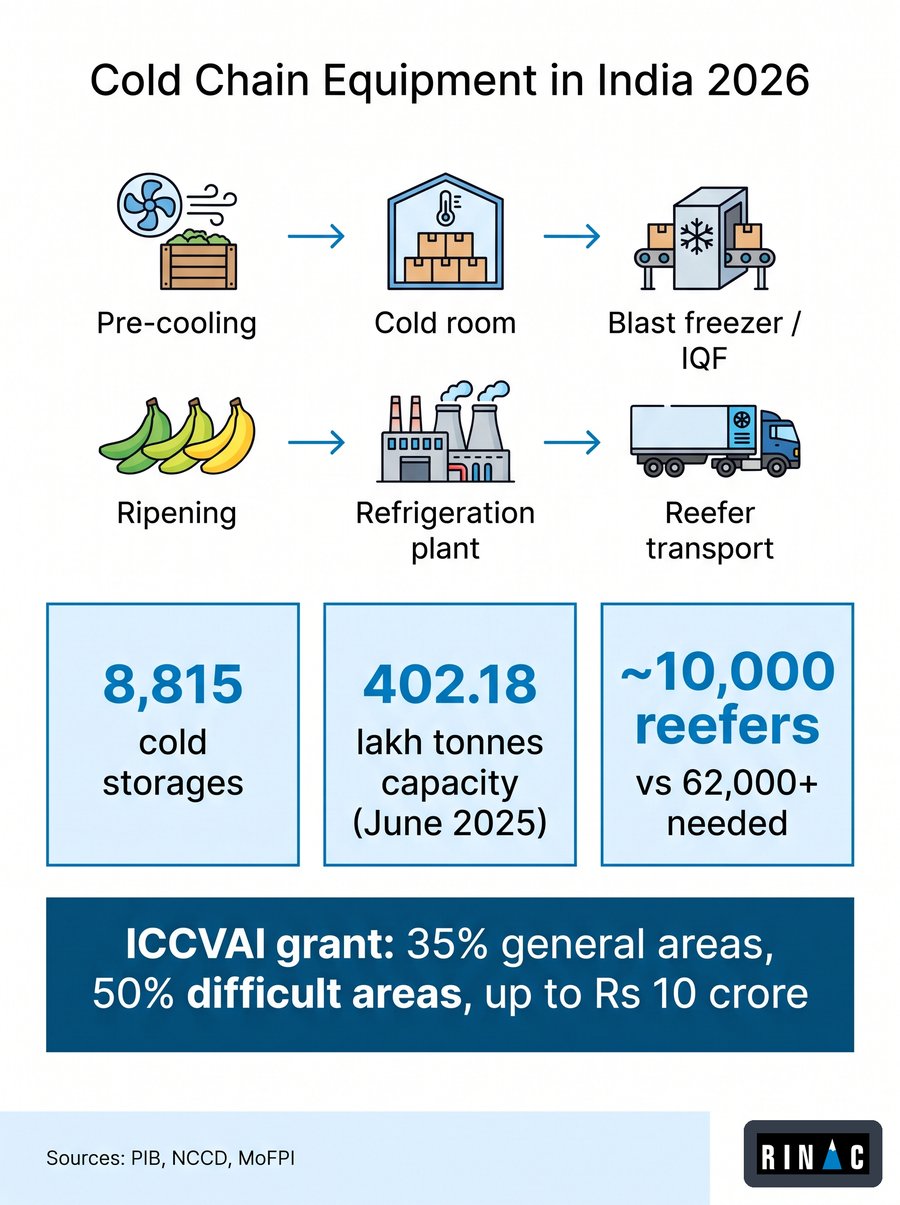
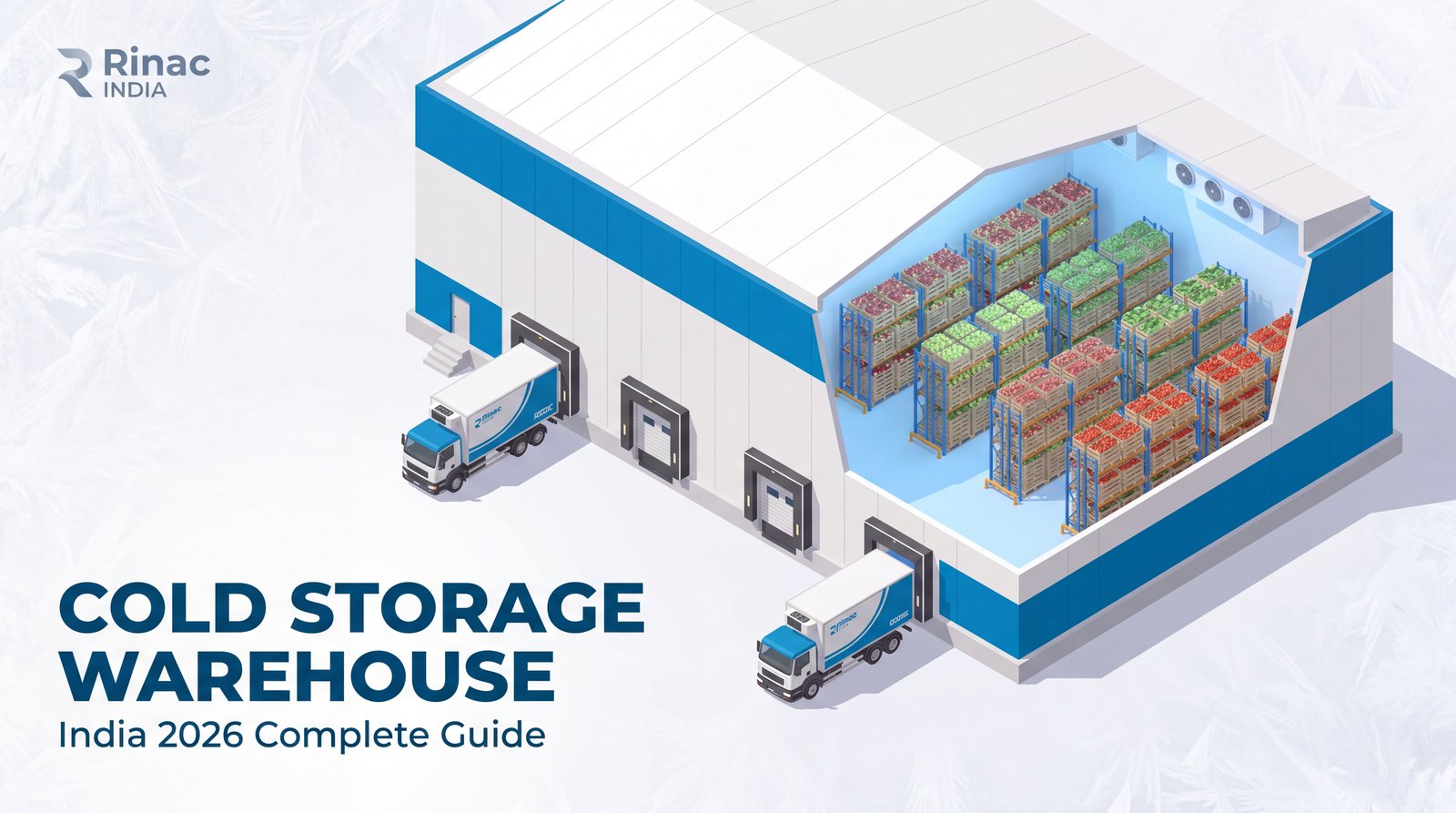
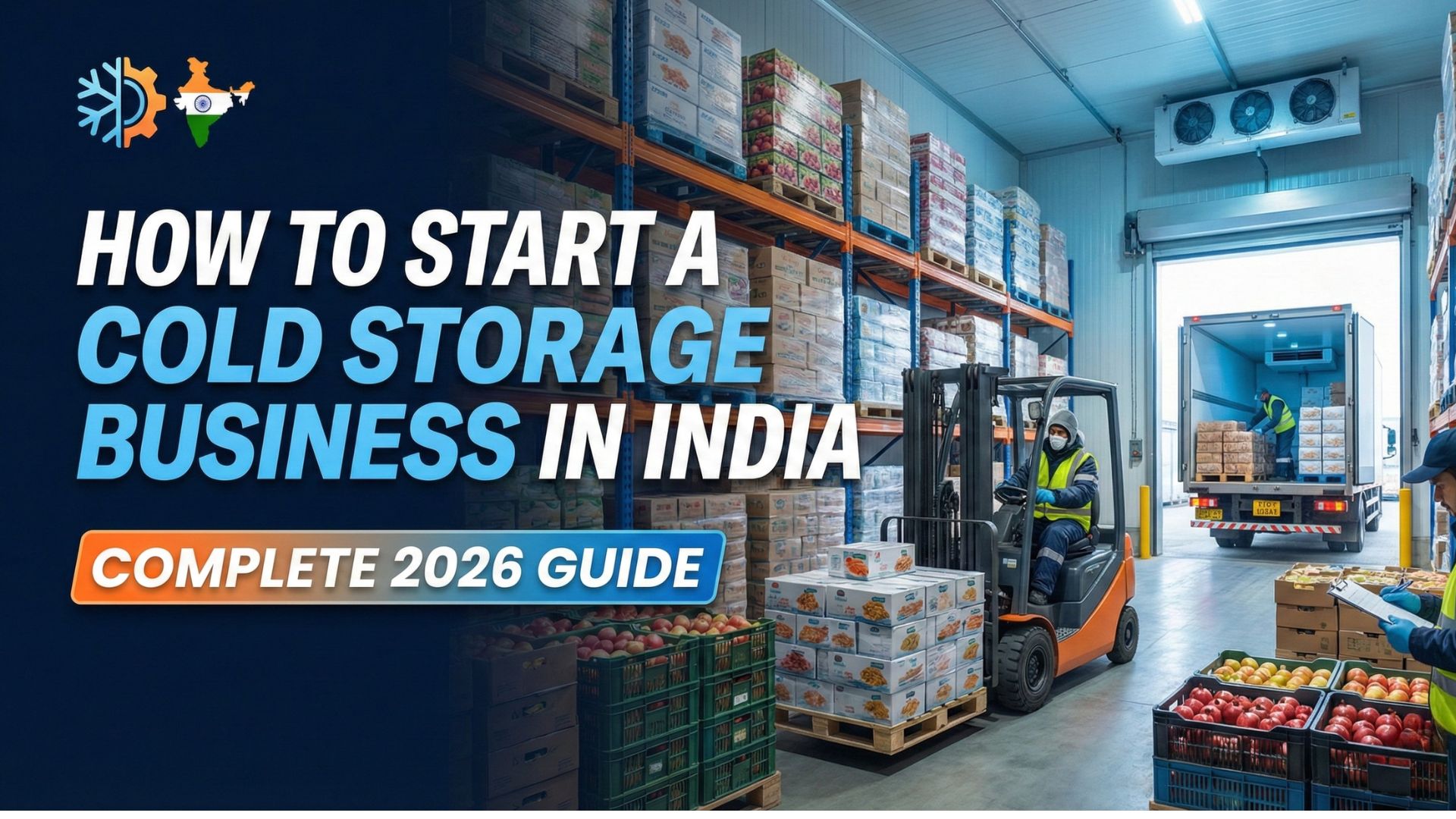
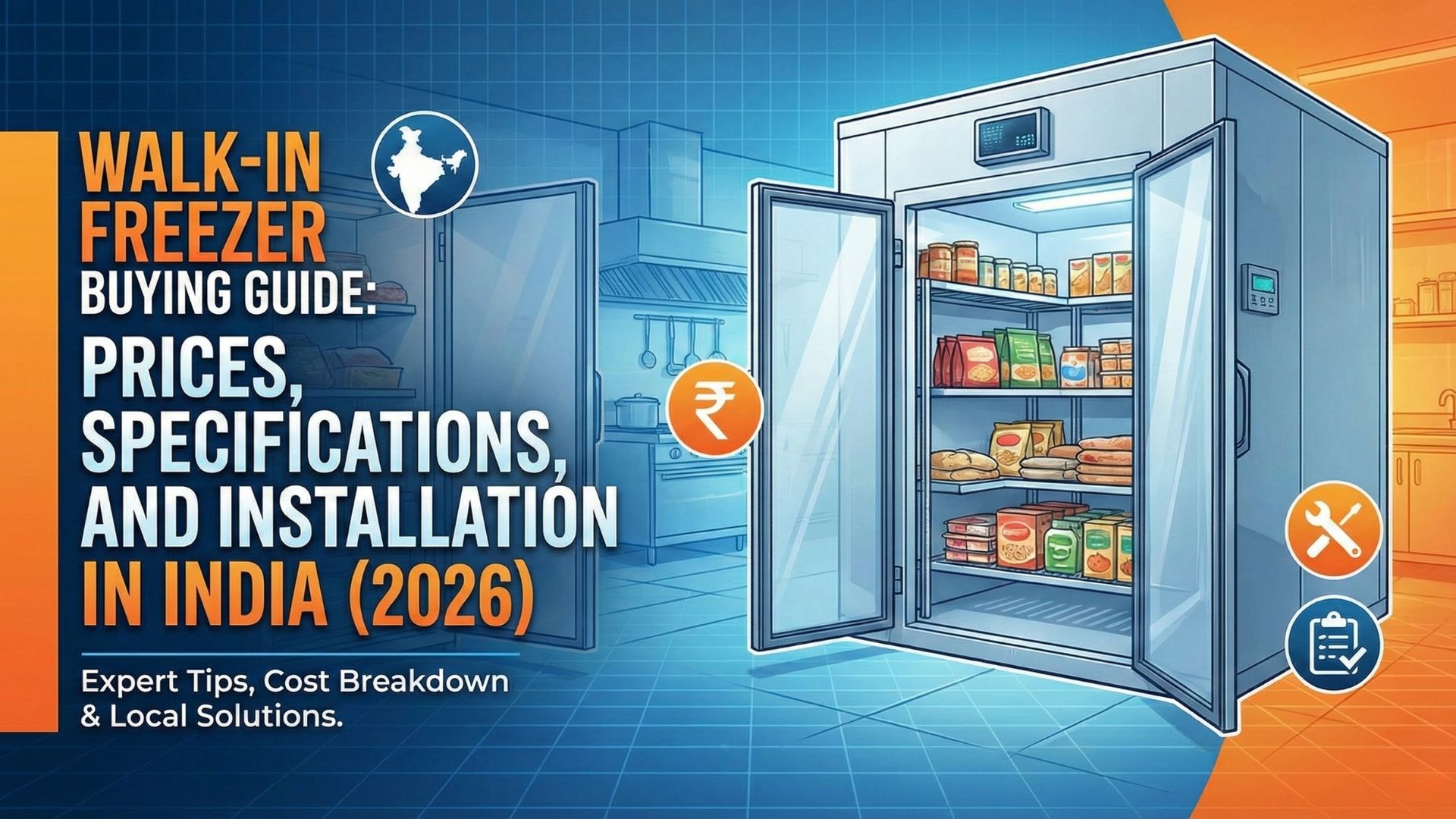
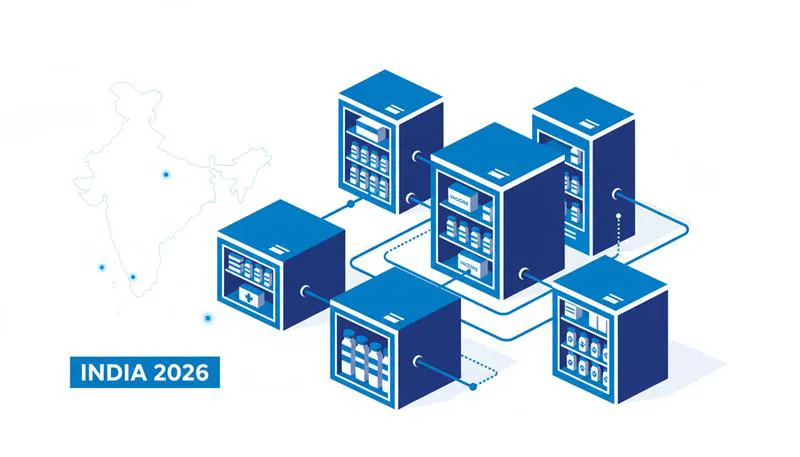
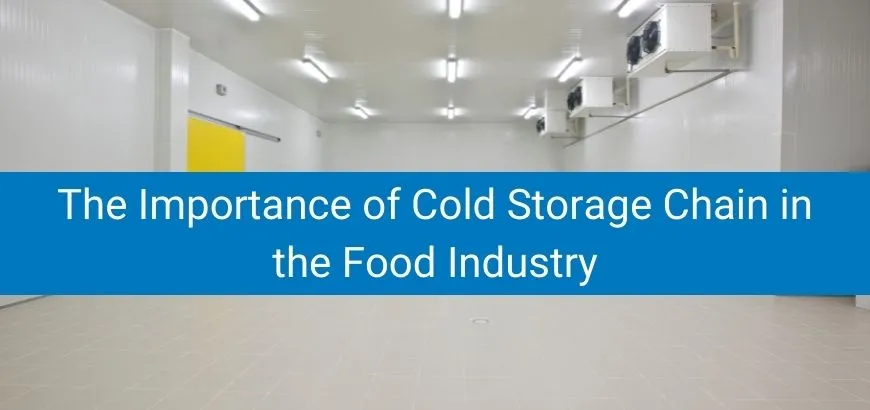
Cold chain equipment map for Indian food, agri, dairy and pharma projects, with subsidy and capacity data from NCCD, PIB and MoFPI.
How the Cold Chain System Changes by Sector
The same cold chain equipment list looks very different depending on what you store. Four patterns come up most often in Indian projects.
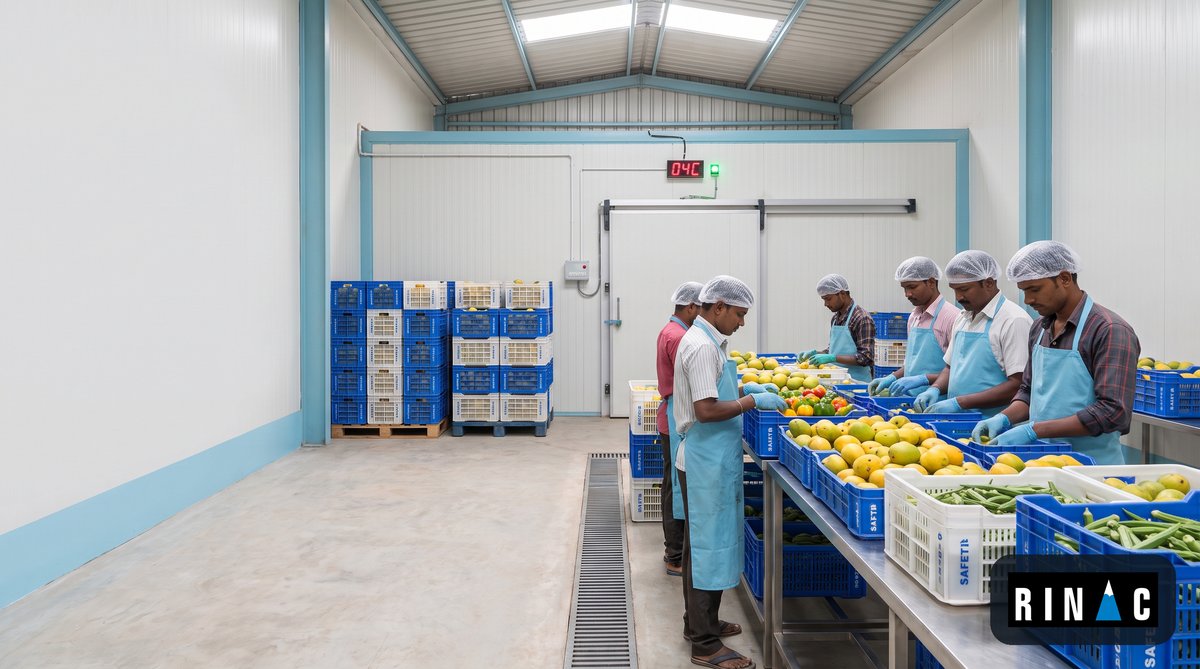
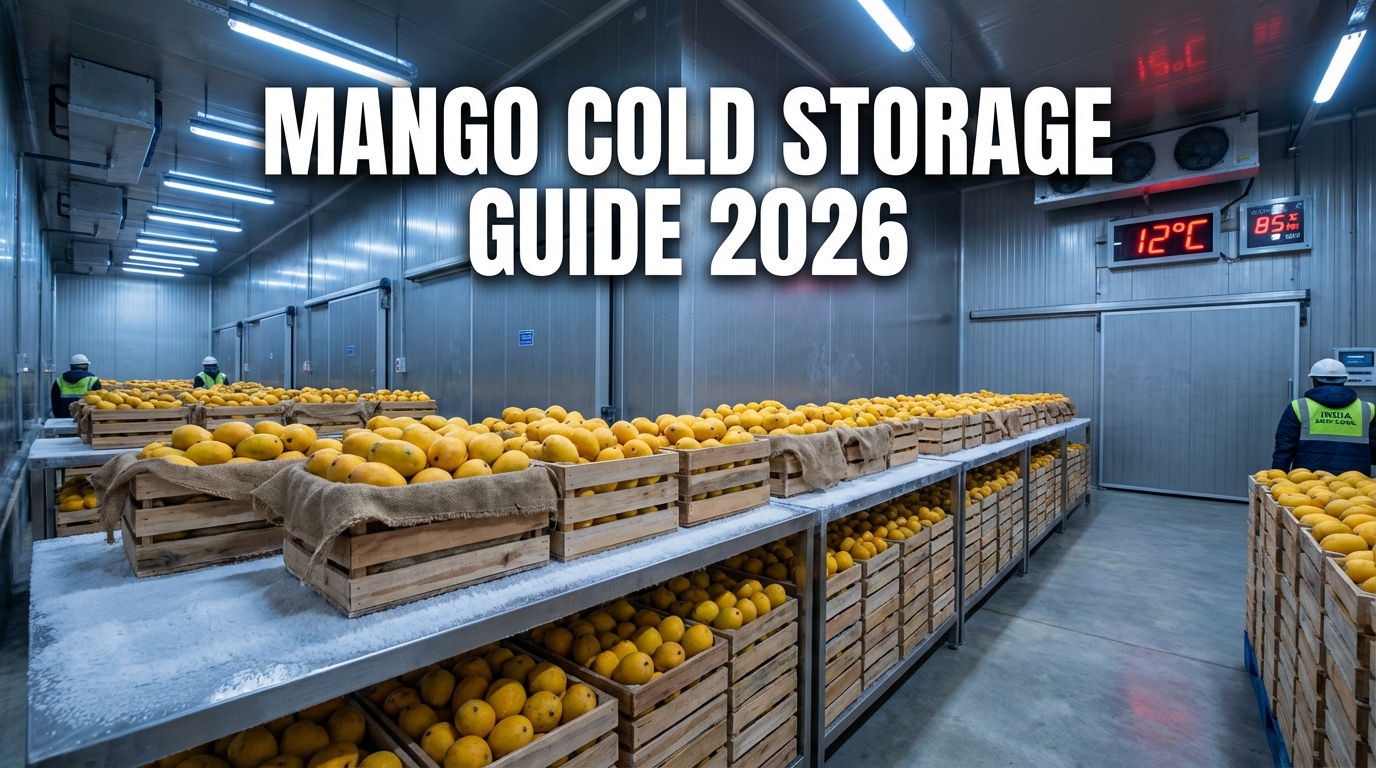
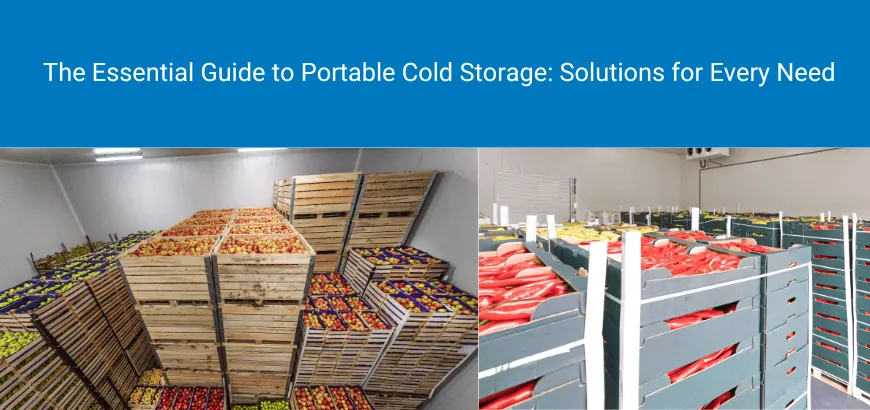
- Fruits and vegetables: Speed matters most. Field heat must come out fast, so pre-cooling and a compact pack house layout come first, followed by storage with the right humidity. See farm gate pack house design and ripening chamber protocols.
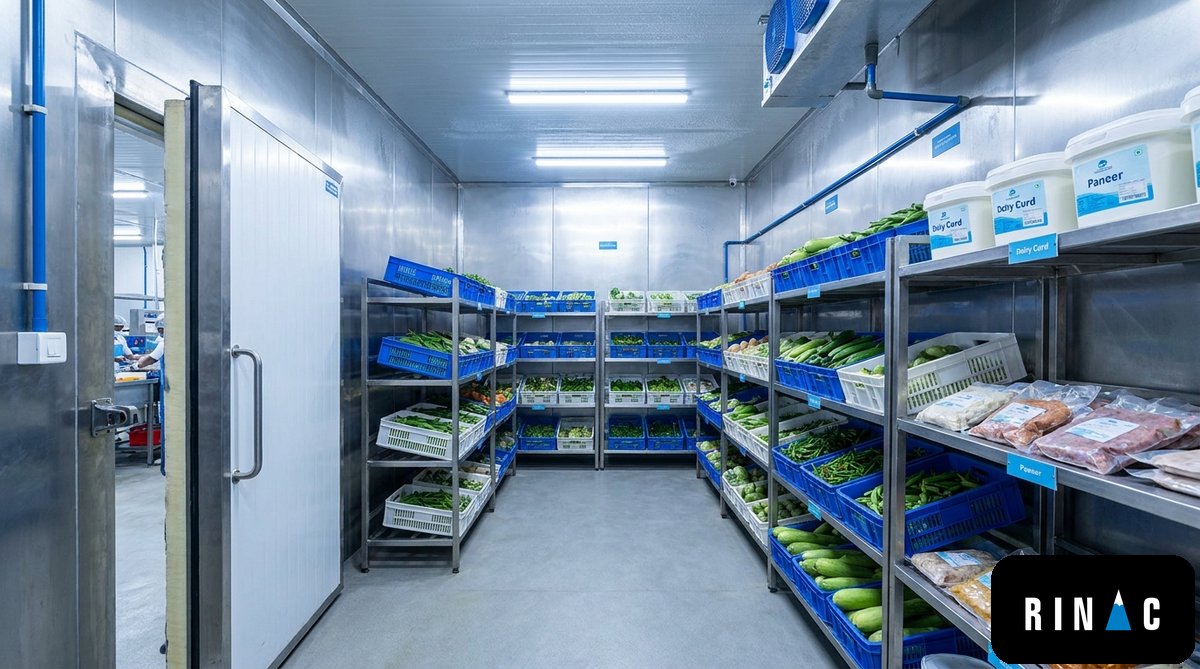
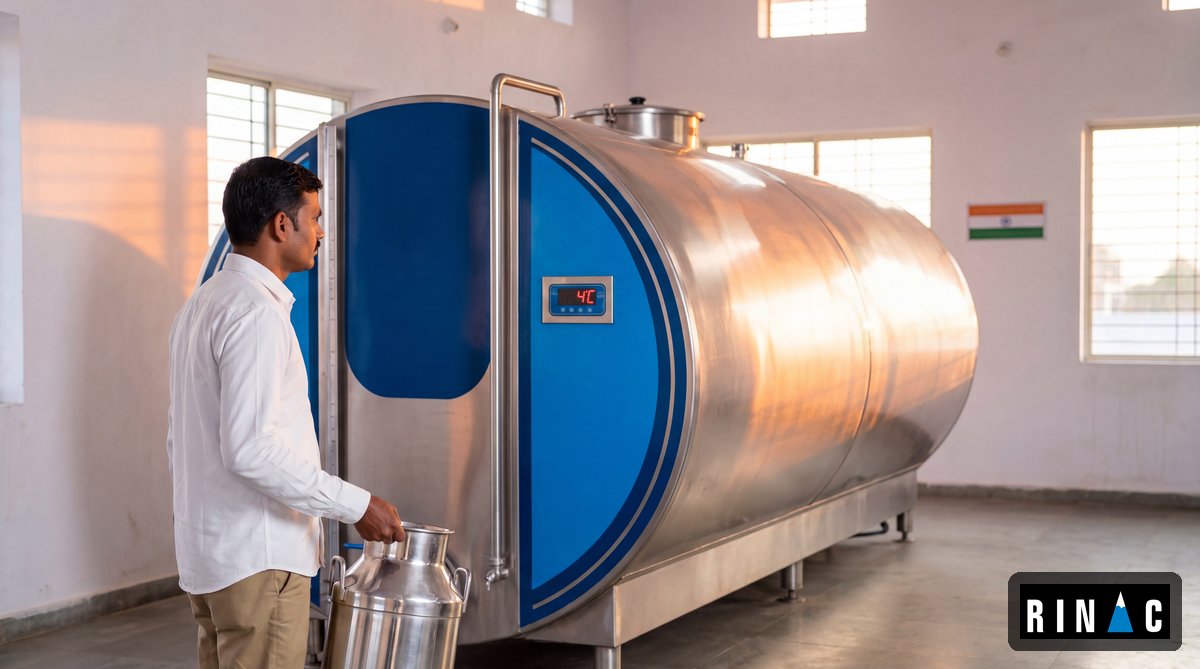
- Dairy and ice cream: Milk chilling, curd and paneer storage, and deep-frozen ice cream need separate temperature zones, plus hygienic finishes. Our guides to the dairy plant and ice cream plant explain the zoning.
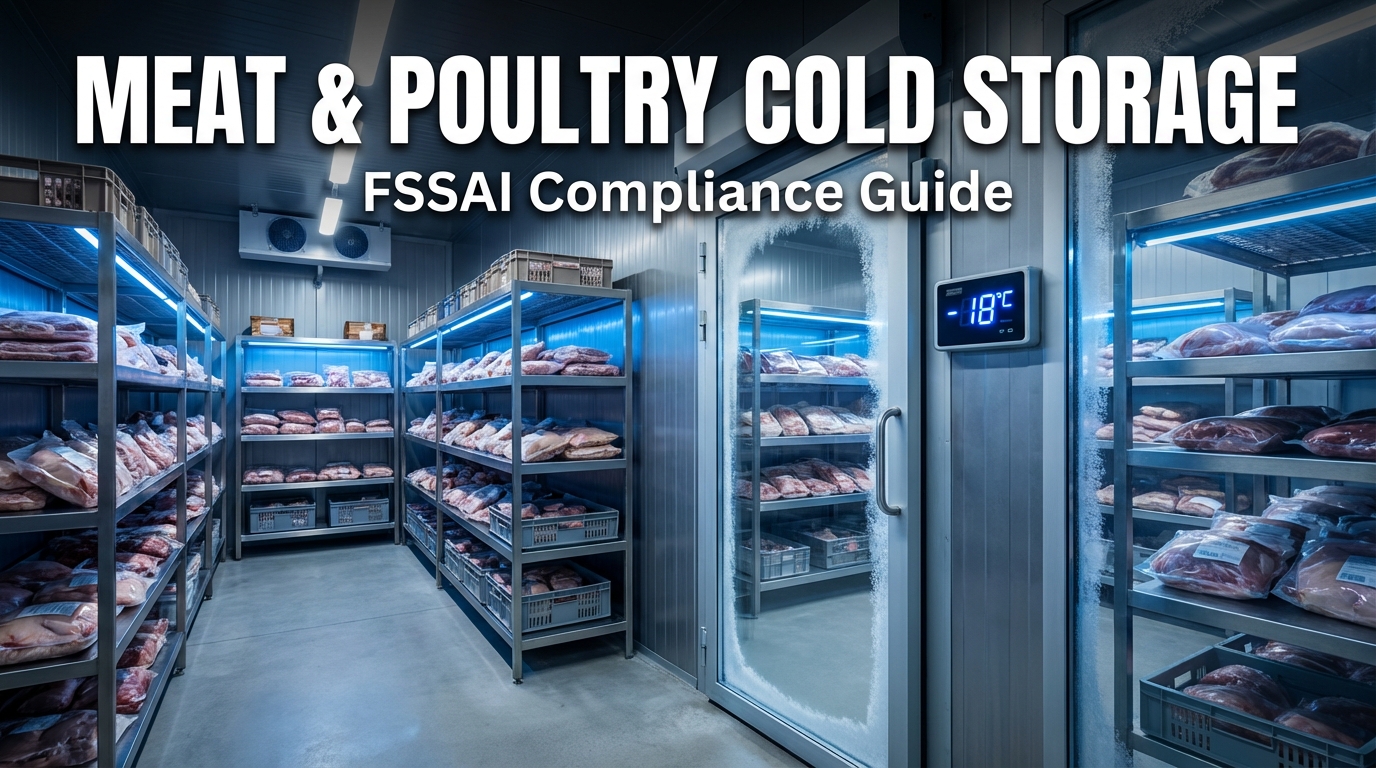
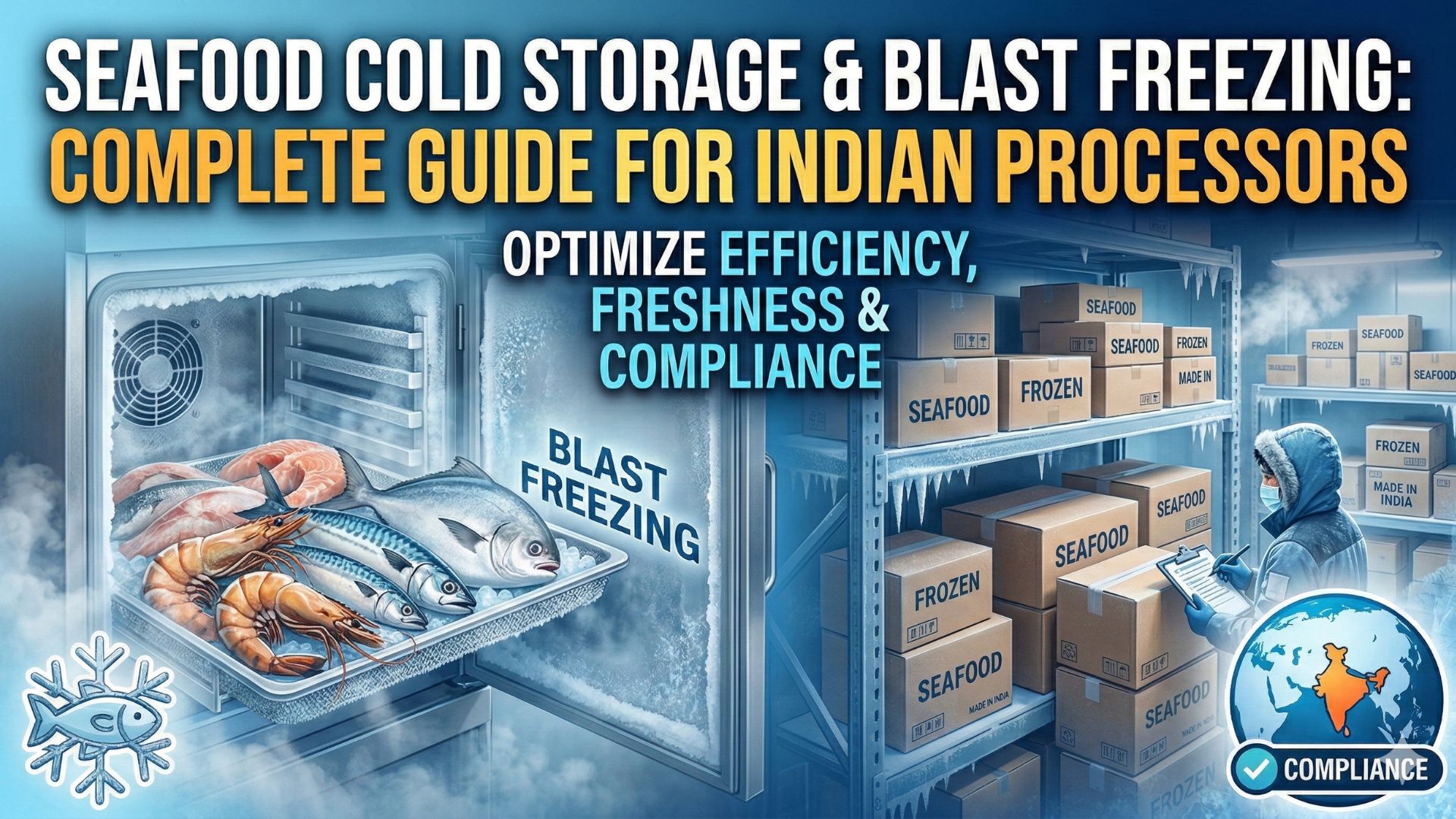
- Seafood and meat: Blast freezing and ice supply dominate. Review seafood processing plant planning and IQF freezer selection.
- Pharma and biotech: Validated, mapped and alarmed storage matters more than raw capacity. See cold chain monitoring for pharma.
“A cold room is only as good as the weakest link between the panel joint, the door gasket, the evaporator and the controller. We design the whole chain together so there is no weak link to find on day one.” (Rinac engineering perspective)
Why Buy Cold Chain Equipment Through an EPC Contract?
Many buyers collect separate quotes for panels, refrigeration, electricals and civil work, then discover that no one owns the gaps. A late door, an undersized condenser or a power connection that was never in anyone’s scope can stall commissioning for weeks. Industry practice around the management of cold chain assets points the same way: fewer hand-offs, one accountable party, and one set of drawings.
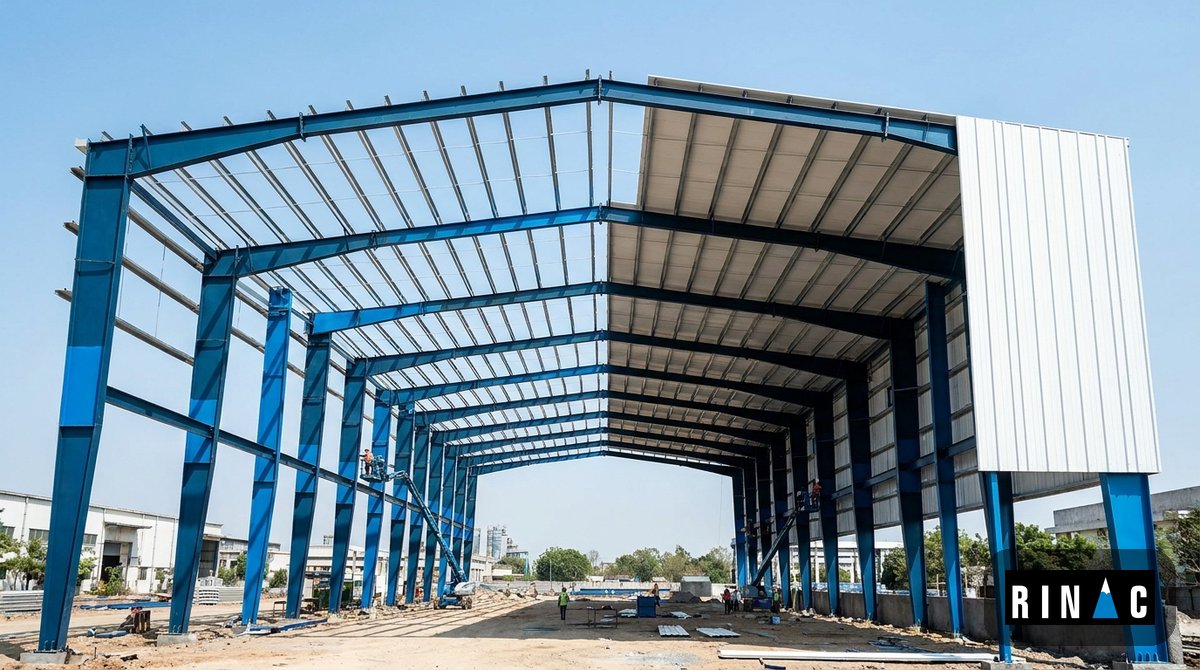
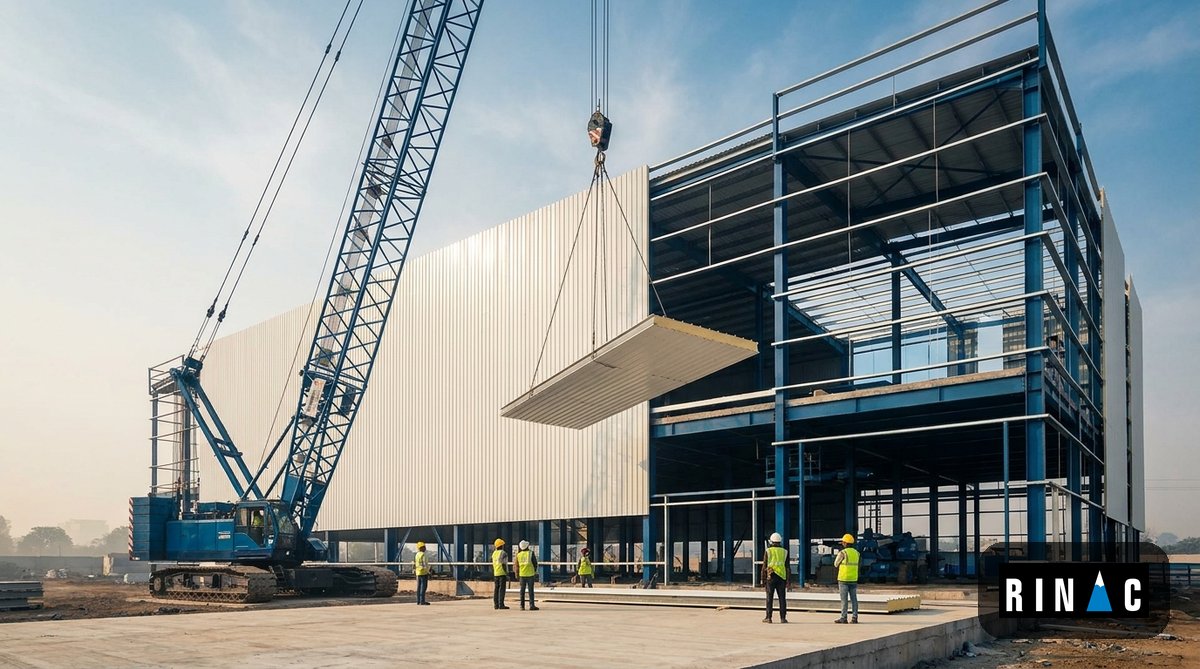
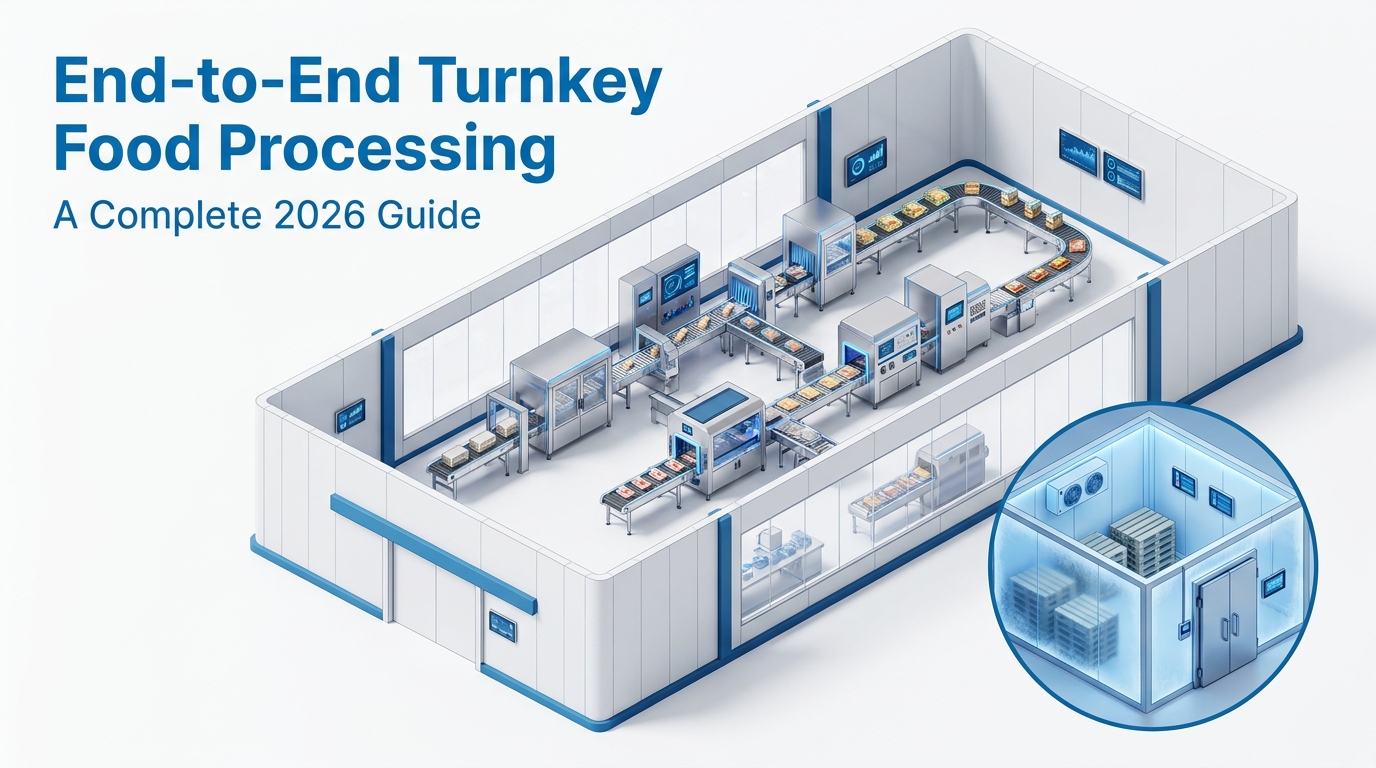
Under an EPC (Engineering, Procurement, Construction) model, Rinac handles design, manufacturing, installation and after-sales service. We manufacture at two facilities, Bangalore and Murbad in Maharashtra, and support customers through 14 branch offices across India. For a turnkey food plant, see our turnkey food processing offering and the guide on end-to-end turnkey food processing. For the engineering and civil scope, see engineering and construction solutions.
What a good EPC scope should state in writing: design heat load basis, panel specification, refrigeration capacity at your design ambient temperature, controls and alarm philosophy, power and water requirements, civil interfaces, testing and handover documents, and the after-sales service plan.
Illustrative Capital Planning With Public Cost Norms
The NHB cost norms give indicative upper limits per tonne that are used to calculate subsidy. For a single-temperature (Type 1) store up to 5,000 tonnes the norm is Rs 8,000 per tonne; for a multi-chamber (Type 2) store it is Rs 10,000 per tonne. A CA component adds Rs 10,000 per tonne on top of the Type 2 rate, a 6 tonne pre-cooling unit is norm-costed at Rs 25 lakh, and a 15 tonne refrigerated vehicle at Rs 30 lakh [5]. These are subsidy ceilings from an older plan period, not market prices, and actual project cost depends on site, specification and year of build.
| Item | NHB indicative norm | Simple arithmetic example |
|---|---|---|
| Type 2 cold store, up to 5,000 tonnes | Rs 10,000 per tonne | 5,000 tonnes x Rs 10,000 = Rs 5 crore eligible-cost ceiling |
| CA add-on | Rs 10,000 per tonne | 5,000 tonnes x Rs 10,000 = Rs 5 crore additional ceiling |
| Pre-cooling unit (6 tonne) | Rs 25 lakh per unit | Two units = Rs 50 lakh ceiling |
| Refrigerated vehicle (15 tonne) | Rs 30 lakh | Three vehicles = Rs 90 lakh ceiling |
The table shows arithmetic on published norms, not a quotation or a promise of subsidy. Eligibility, capacity thresholds and current norms differ between NHB, MIDH and MoFPI schemes [4][5]. Confirm with the scheme authority before you plan your financing.
Compliance and Standards That Shape the Equipment Spec
Compliance is not paperwork added at the end. It decides materials, set points, monitoring and documentation from the first drawing.
FSSAI and Temperature Abuse
FSSAI has directed food business operators to keep perishables at the temperature prescribed in their licences through storage, transport and delivery, and has treated temperature abuse as non-compliance with hygiene requirements. The advisory covers items such as khoa, paneer, meat and fish, and asks state food safety commissioners and railways to maintain strict vigilance, with seizure and destruction possible for violations [7]. In practice, that means calibrated sensors, data records and backup power belong in the base specification. Our guide to food safety compliance for cold storage adds detail.
HACCP, ISO and IGBC
HACCP-based hygiene design (cleanable surfaces, controlled traffic flow, pest-proof detailing) and ISO-based quality systems influence panel finishes, door types and drainage. Rinac is certified to ISO, FSSAI, HACCP, GMP, IGBC and WHO-GMP standards, and IGBC thinking is increasingly relevant to insulation choices and energy use in new buildings.
Revised Schedule M and WHO-GMP for Pharma
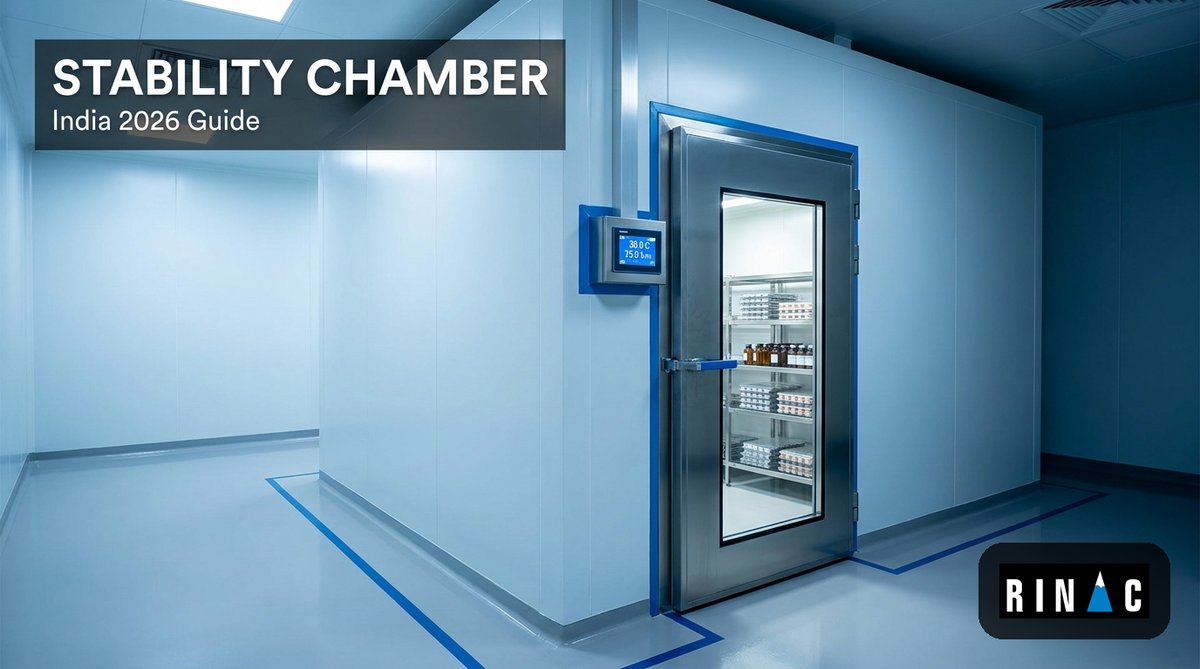
India notified revised Schedule M (GMP) on 28 December 2023. Large manufacturers had until 28 June 2024, and eligible MSME units received an extension to 31 December 2025 [8]. For pharma cold storage, this raises expectations on mapped, monitored and documented storage conditions, which is why our stability chamber and clean room guides are useful companions.
Refrigerants and the HFC Phase-Down
Under the Kigali Amendment, India committed to cumulative HFC reductions of 10% in 2032, 20% in 2037, 30% in 2042 and 85% in 2047 [9]. A cold store built today may run for 20 years or more, so refrigerant choice, system charge and leak-tightness deserve attention at design stage. Ask every bidder which refrigerant they propose and why. FnB News also notes a shift toward ammonia and other low-impact refrigerants and toward IoT monitoring in new facilities [6].
Monitoring, Maintenance and the Management of Cold Chain Assets
Good equipment still fails without disciplined operation. A sound management of cold chain programme usually includes continuous temperature logging with alarms, scheduled defrost and condenser cleaning, door and gasket inspections, thermal mapping after any layout change, and a spare parts plan. Rinac’s after-sales service team supports customers pan-India, and our note on cold chain technology covers sensors and analytics in more depth.
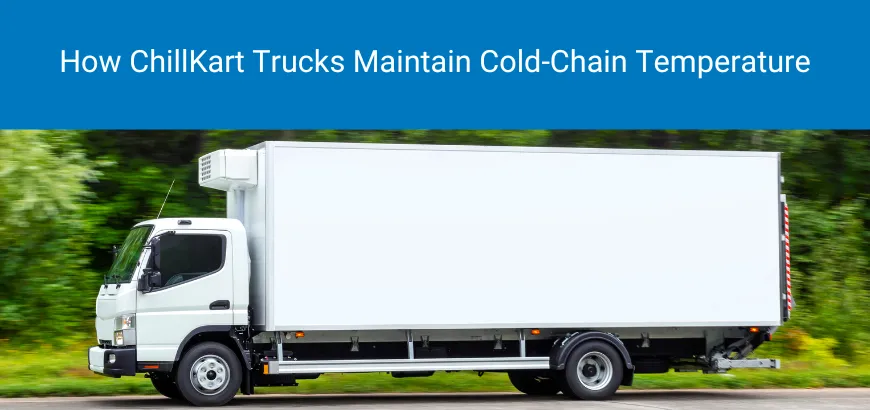
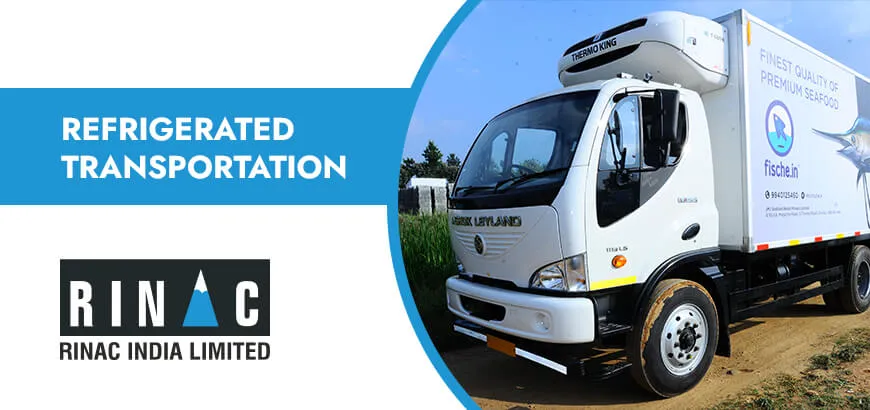
Do not forget the last mile. Refrigerated trucks and containers extend your cold chain beyond the plant gate, and India’s reefer gap is large [1]. See reefer container buying guide and how ChillKart trucks hold temperature.
A Practical Checklist Before You Order Cold Chain Equipment
- Define the product, daily intake in tonnes, pull-down time and storage duration before asking for any quote.
- Fix the design ambient temperature for your site, not a generic number, and ask bidders to state their capacity at that condition.
- Request the full equipment list with makes, models and capacities, so you can compare like with like.
- Check that panels, doors, refrigeration, controls and civil interfaces sit inside one accountable scope.
- Ask how temperature will be recorded, who gets alarms and what happens during a power cut.
- Confirm the refrigerant, expected energy use per tonne stored and service response times.
- Match your Detailed Project Report to the scheme you are targeting, and keep invoices and drawings organised for verification.
- Plan racking and dock layout together with the room dimensions to avoid lost cubic space.
Not sure where to start? Rinac engineers can review your product, throughput and site, and propose a single-scope design. Visit the contact page to share your requirement.
Frequently Asked Questions About Cold Chain Equipment in India
Sources and References
- India: NCCD reports a 2.2% compound annual growth rate in cold storage capacity (International Institute of Refrigeration, citing PIB and NCCD). Published: 24 February 2026. https://iifiir.org/en/news/india-nccd-reports-a-2-2-compound-annual-growth-rate-in-cold-storage-capacity
- Integrated Cold Chain and Value Addition Infrastructure (ICCVAI), Ministry of Food Processing Industries, PIB. Published: October 2025. https://static.pib.gov.in/WriteReadData/specificdocs/documents/2025/oct/doc20251029679501.pdf
- Strengthening India’s Cold Chain for Safer, Longer-Lasting Food, PIB backgrounder. Published: 1 December 2025. https://static.pib.gov.in/WriteReadData/specificdocs/documents/2025/dec/doc2025122714501.pdf
- Lok Sabha Unstarred Question No. 2220 on NHB Capital Investment Subsidy for cold storages, answered 12 March 2025. Published: 12 March 2025. https://eparlib.sansad.in/bitstream/123456789/3012665/1/AU2220_fcVgL1.pdf
- National Horticulture Board, Cost Norms appendix (indicative upper limits for subsidy calculation). Published: XII Plan era document, undated. https://nhb.gov.in/hindi/pdf/Cost%20Norms.pdf
- Cold Storage and Refrigeration Market: A Structured Overview, FnB News. Published: 15 December 2025. https://www.fnbnews.com/Special-Reports/cold-storage–refrigeration-market-a-structured-overview-85541
- FSSAI asks food business operators to ensure temperature controlled transport for all perishables, Deccan Chronicle. Published: October 2026. https://www.deccanchronicle.com/nation/in-other-news/fssai-asks-food-business-operators-to-ensure-temperature-controlled-transport-for-all-perishables-1996912
- Pharmaceutical SMEs in India Gain Time to Meet Enhanced GMP Standards Under Revised Schedule M, India Briefing. Published: 13 February 2025. https://india-briefing.com/news/india-extends-gmp-compliance-deadline-to-december-2025-35679.html
- Cabinet approves ratification of the Kigali Amendment to the Montreal Protocol, Ministry of Environment, Forest and Climate Change, PIB. Published: 18 August 2021. https://pib.gov.in/PressReleasePage.aspx?PRID=1746948
Important notice: This article is provided for general information only and does not replace professional engineering, legal or regulatory consultation. Prices, subsidies, norms and regulations change, so verify current details directly with FSSAI, MoFPI, NHB, NCCD and your state agencies before you act. All figures are drawn from public references as of the publication date and the dates listed above. Illustrative calculations are arithmetic examples, not quotations. For project-specific design, sizing and return-on-investment analysis, request a formal Rinac consultation through the Rinac contact page.