TL;DR – Quick Summary
- A walk in chiller is a positive-temperature walk-in cold room, typically held at +2°C to +8°C, used to keep fresh produce, dairy, meat, pharma and prepared food safe without freezing them.
- Chillers preserve texture and quality at storage temperatures above 0°C; freezers hold products at −18°C or below. Many Indian facilities run a combined walk in chiller and freezer to cover both.
- Indicative walk in chiller price in India starts around ₹2.5–5 lakh for a small room and scales with panel thickness, refrigeration capacity, door type and site conditions. Always size before you price.
- Central government schemes (MoFPI PMKSY and NHB/MIDH) offer 35–50% capital subsidy on eligible cold-chain projects.
- Rinac has engineered cold rooms for 30+ years across 10,000+ projects, 6,000+ clients and 23 countries — from a single retail chiller to turnkey multi-chamber facilities.
Quick disclaimer: This guide is for general information only and is not a substitute for professional engineering, legal or regulatory advice. Prices, subsidy rates and regulations change — verify current details directly with FSSAI, MoFPI, NHB or your State Horticulture Mission before you commit. All figures are drawn from public sources cited at the end, as of the publication date.
What Is a Walk-In Chiller? (And How It Differs From a Freezer)
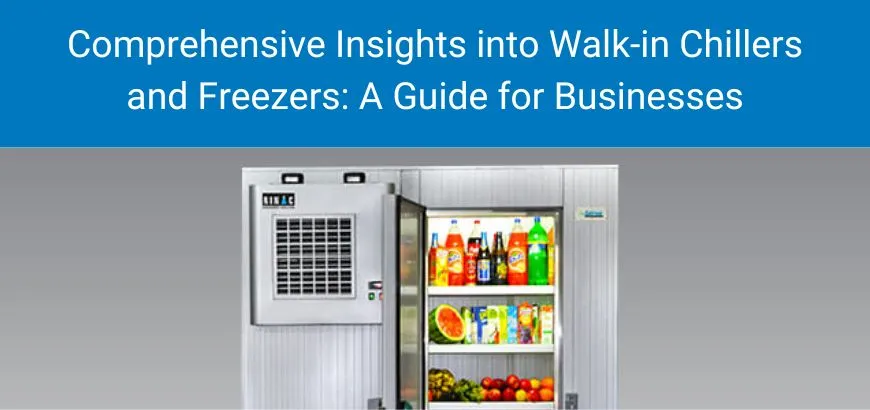
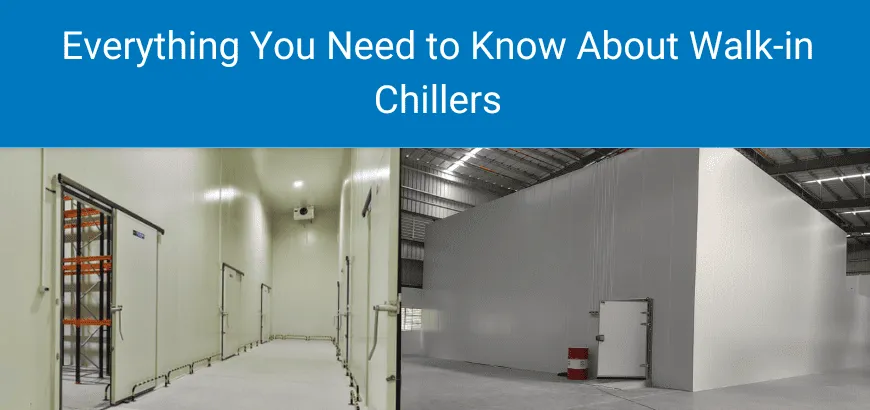
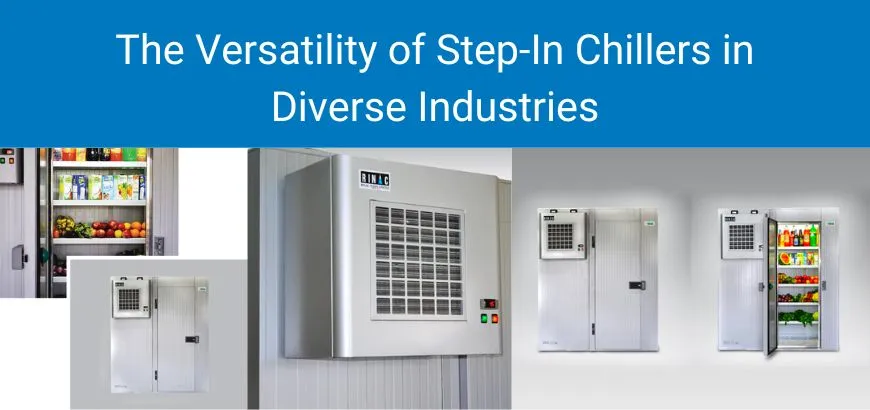
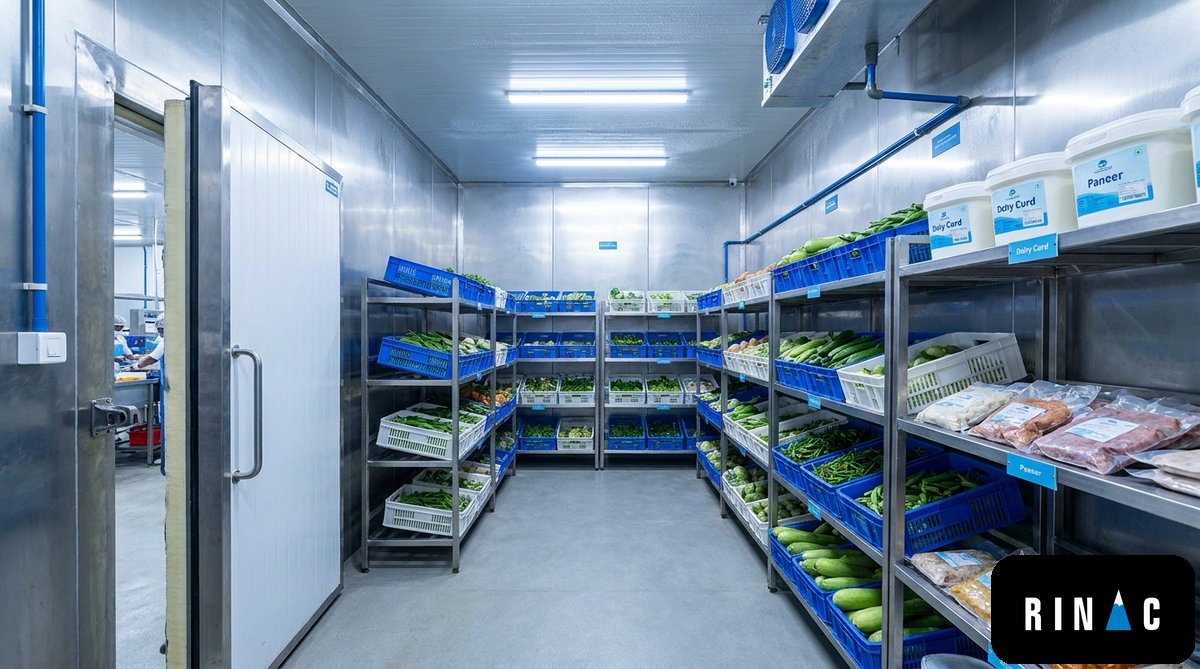
If you have ever typed what is walk in chiller into a search bar, the simplest answer is this: it is a room-sized refrigerator you can physically walk into, built from insulated panels and cooled by a dedicated refrigeration system to a temperature above freezing — usually +2°C to +8°C. It chills and holds perishable goods at their ideal storage temperature so they stay fresh for days or weeks, without the cellular damage that freezing causes. For Indian businesses handling fruits, vegetables, dairy, flowers, packaged food, meat or medicines, a well-designed walk in chiller is the single most important piece of cold-chain infrastructure on site.
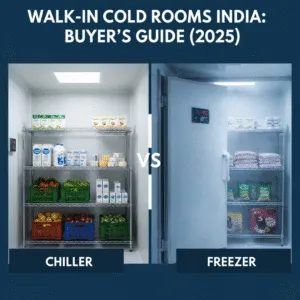
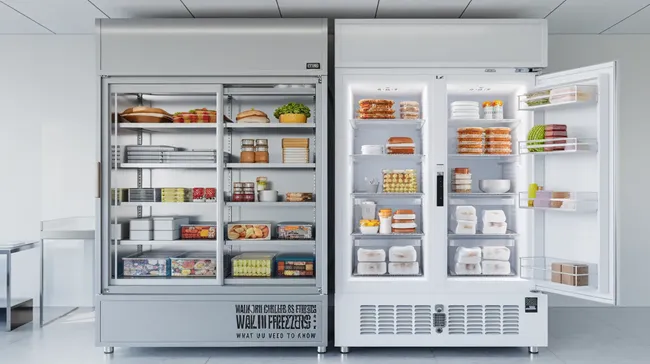
The distinction that trips up most first-time buyers is the difference between a chiller and a freezer. A walk in chiller keeps products cold but unfrozen, protecting flavour, texture and moisture. A freezer drives products down to −18°C or lower for long-term preservation. Many operations actually need both, which is why a combined walk in chiller and freezer layout — two temperature zones sharing one insulated envelope — is common in Indian dairies, QSR kitchens and seafood units. We cover the trade-offs in depth in our guide to walk-in chillers vs walk-in freezers, and if freezing is your primary need, our dedicated walk-in freezer buying guide is the better starting point.
Rule of thumb: if your product should stay fresh but never frozen — milk, curd, apples, leafy greens, cut flowers, vaccines — you need a chiller, not a freezer. Freezing these damages them.
Walk-In Chiller Temperature: The Right Range for Every Product
The correct walk in chiller temperature is not a single number — it depends entirely on what you store. FSSAI guidance for perishable food handling recommends chilled and refrigerated stores be maintained in the 0°C to 5°C band, with chilled meat and poultry held continuously at 0°C to 4°C [6]. Getting this band right is what separates a compliant, low-spoilage operation from one that loses stock and fails audits.
| Product / Application | Typical Chiller Temperature | Notes |
|---|---|---|
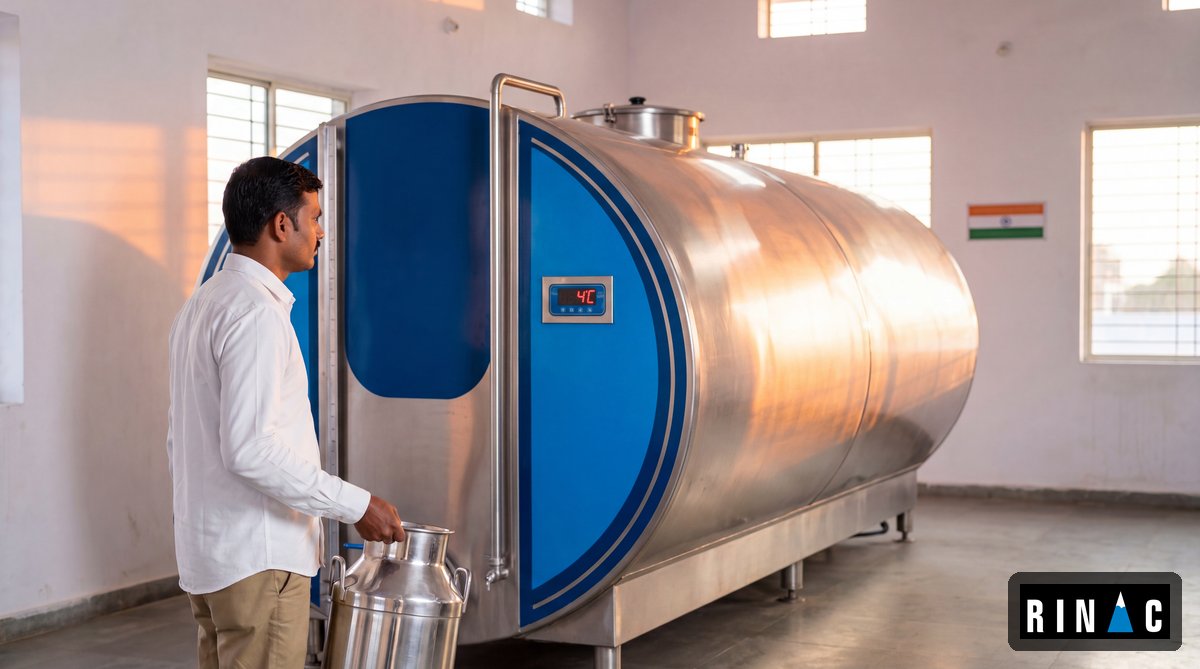
| Dairy (milk, curd, paneer, cheese) | +2°C to +4°C | Tight control needed; pairs with a bulk milk cooler |
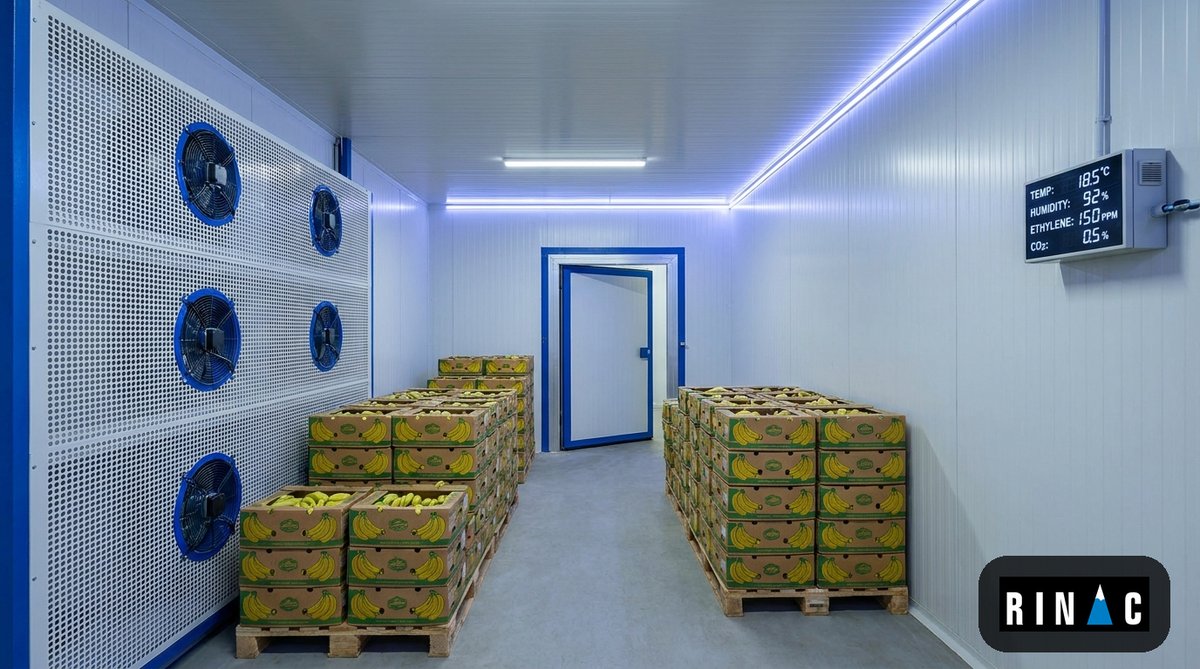
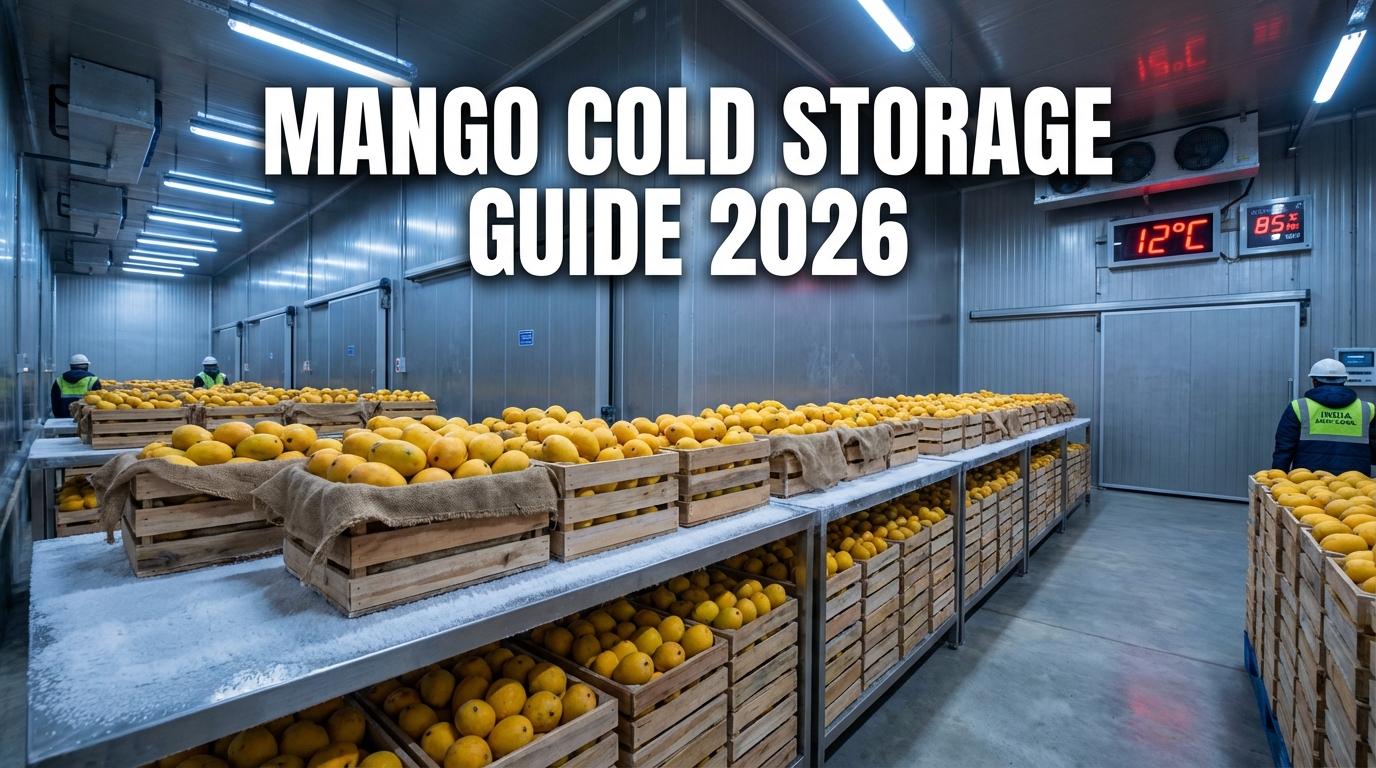
| Fresh fruits & vegetables | +2°C to +8°C (crop-specific) | Bananas and mangoes need higher; leafy greens lower |
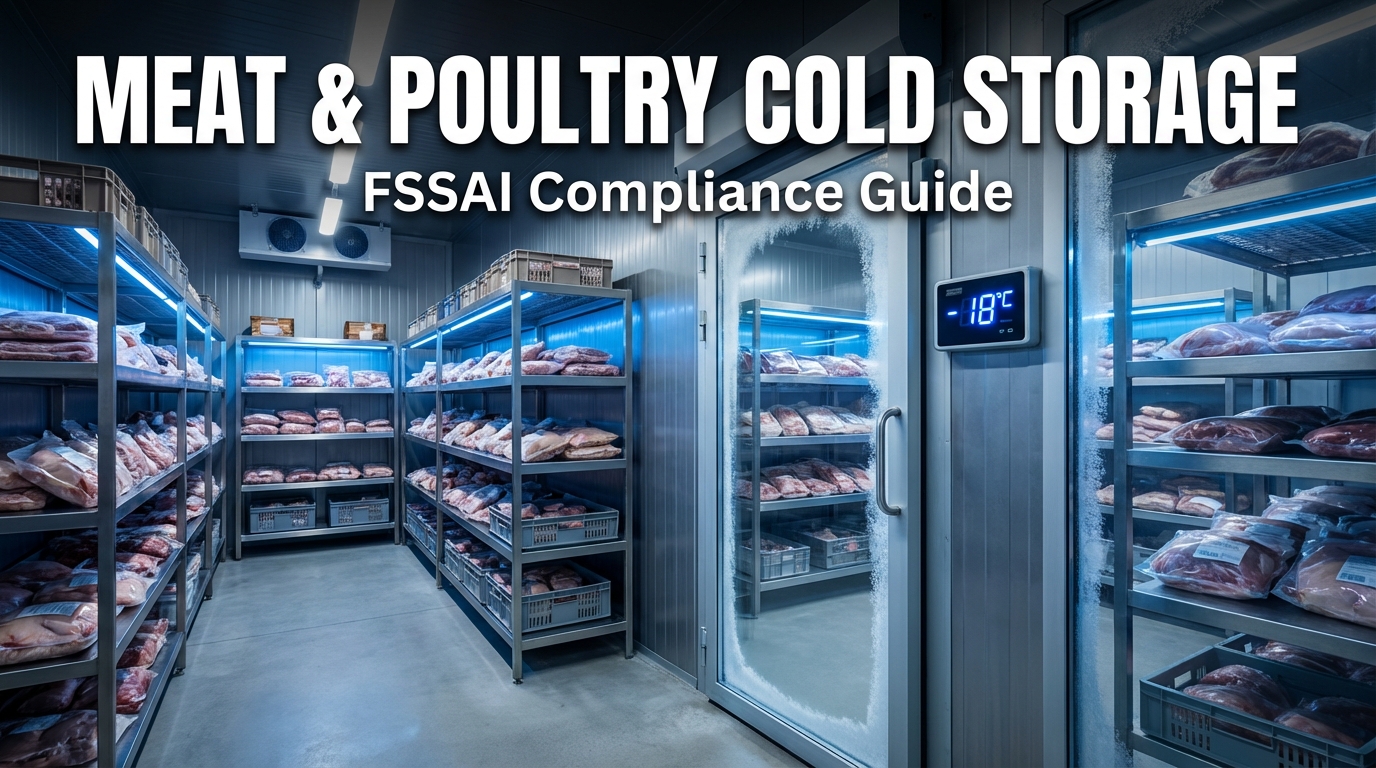
| Chilled meat & poultry | 0°C to +4°C | FSSAI-mandated continuous chain |
| Pharmaceuticals & vaccines | +2°C to +8°C | WHO-GMP mapping & validation required |
| Flowers & floriculture | +1°C to +4°C | High humidity to prevent wilting |
Watch the humidity, not just the temperature. Two chillers set to the same +4°C can behave very differently. Leafy vegetables and flowers need high relative humidity (90–95%) to avoid dehydration, while packaged goods prefer drier air. This is why Rinac offers distinct high-RH and low-RH chiller configurations rather than a one-size-fits-all box.
Types of Walk-In Chiller Rooms and Configurations
A walk in chiller room can be specified in several ways depending on your space, product mix and growth plans. The right configuration is an engineering decision, not a catalogue pick:
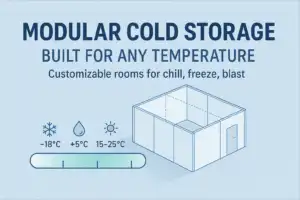
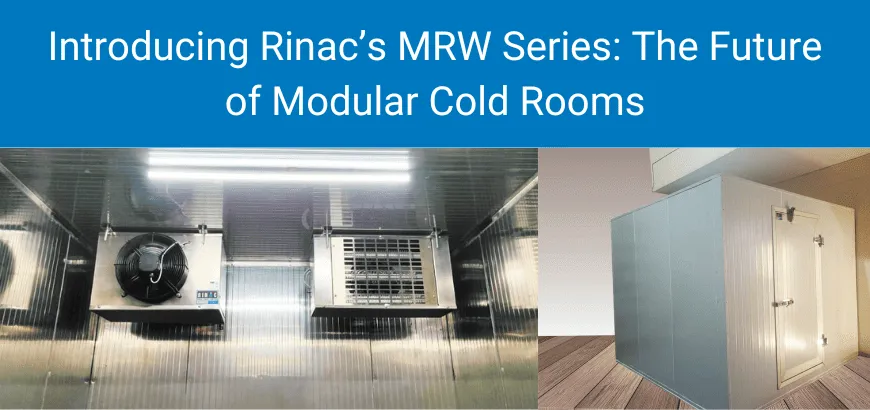
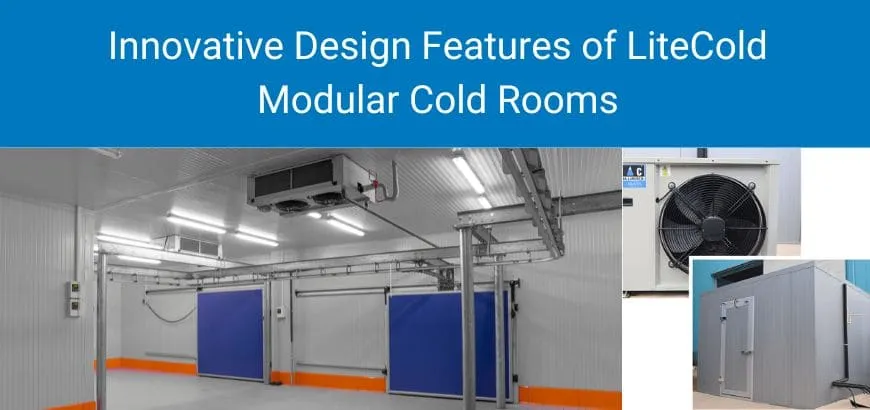
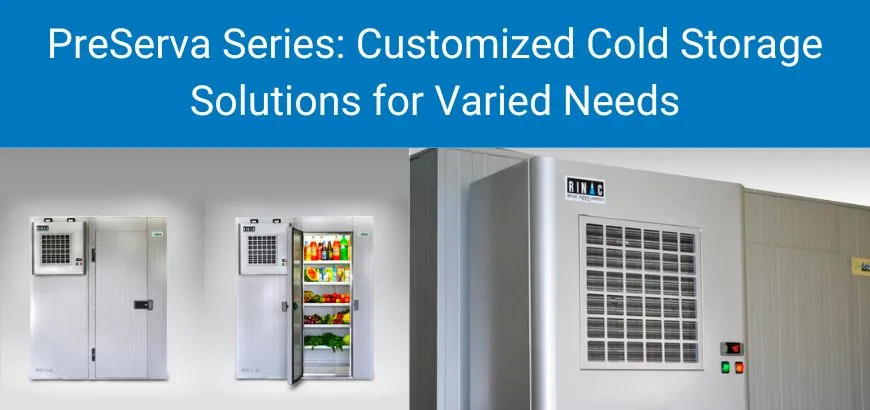
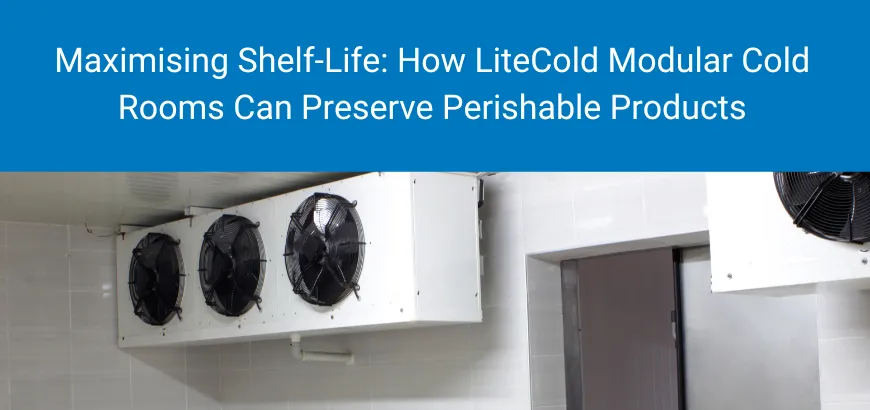
- Modular (bolt-together) chillers — factory-built insulated panels assembled on site. Fast to install, easy to expand or relocate. Rinac’s MRW Series modular cold rooms and LiteCold range are built exactly for this.
- Built-in-place chillers — integrated into an existing building shell, ideal where the room must fit an irregular footprint.
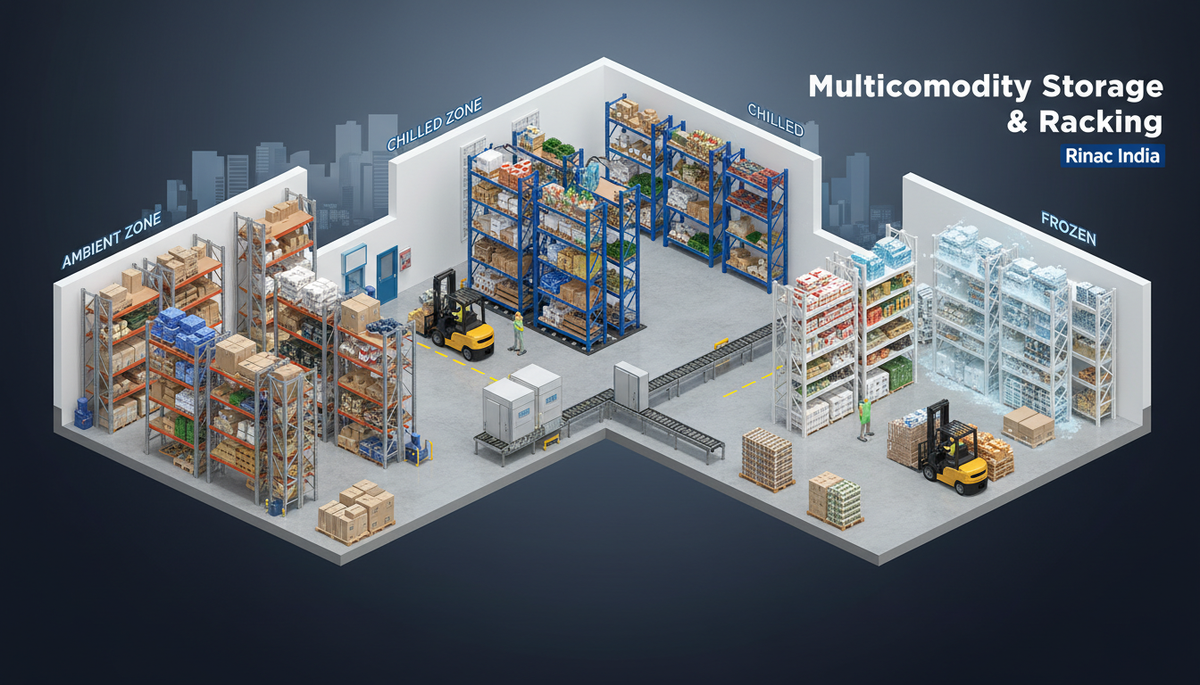
- Combined chiller-freezer rooms — a two-zone walk in chiller and freezer under one roof, sharing a machine room and vestibule to save cost and floor area.
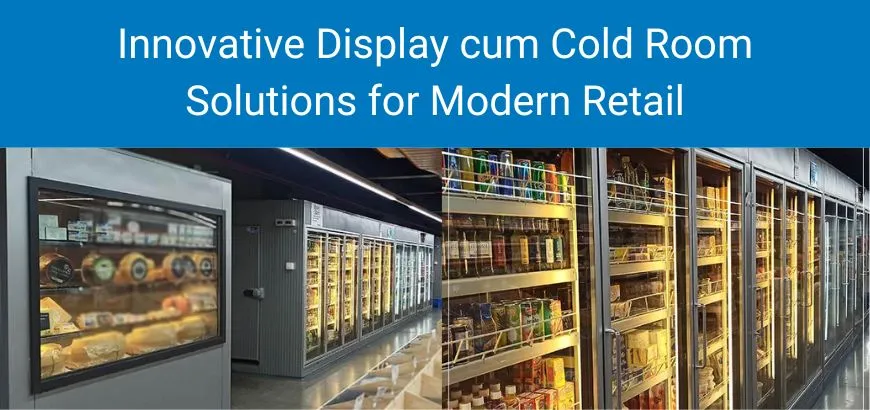
- Display chillers — glass-fronted rooms for retail visibility, such as the Rinac Sapphire display-cum-cold room line.
Sizing matters more than most buyers expect. Under-size the room and you lose capacity within a year; over-size it and you pay to cool empty air forever. A quick planning reference:
| Room Footprint | Indicative Storage | Typical Use |
|---|---|---|
| Up to 10 sq m | 2–5 MT | Restaurant, small dairy, clinic pharmacy |
| 10–30 sq m | 5–20 MT | Hotel, mid-size processor, distributor |
| 30 sq m and above | 20 MT+ | Cold-storage hub, large FMCG or export unit |
Insulated Panels, Doors and the Refrigeration System
Three components determine whether a chiller holds temperature efficiently for 15 years or bleeds energy from day one: the panels, the doors, and the refrigeration system driven by the walk in chiller compressor.
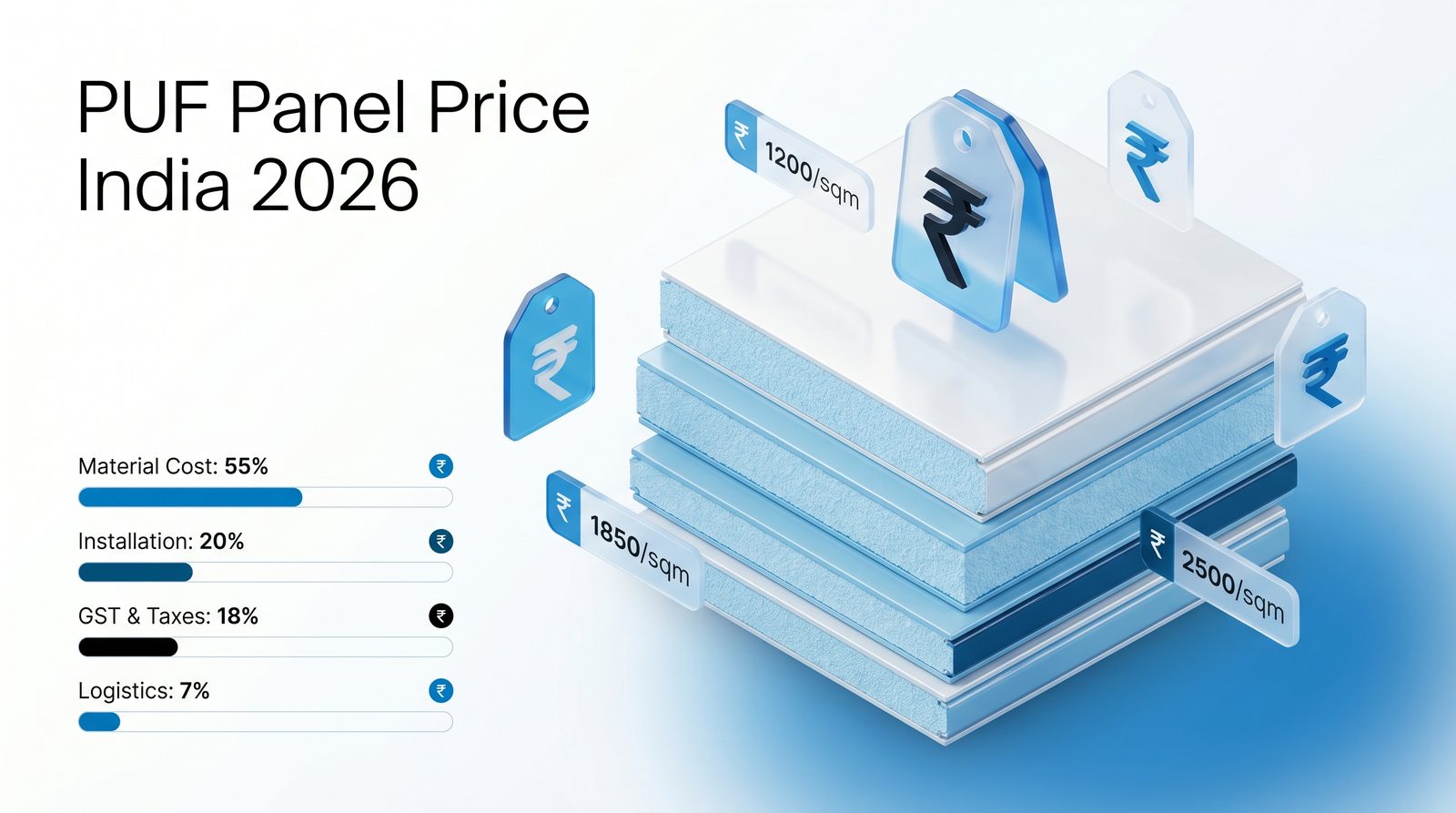
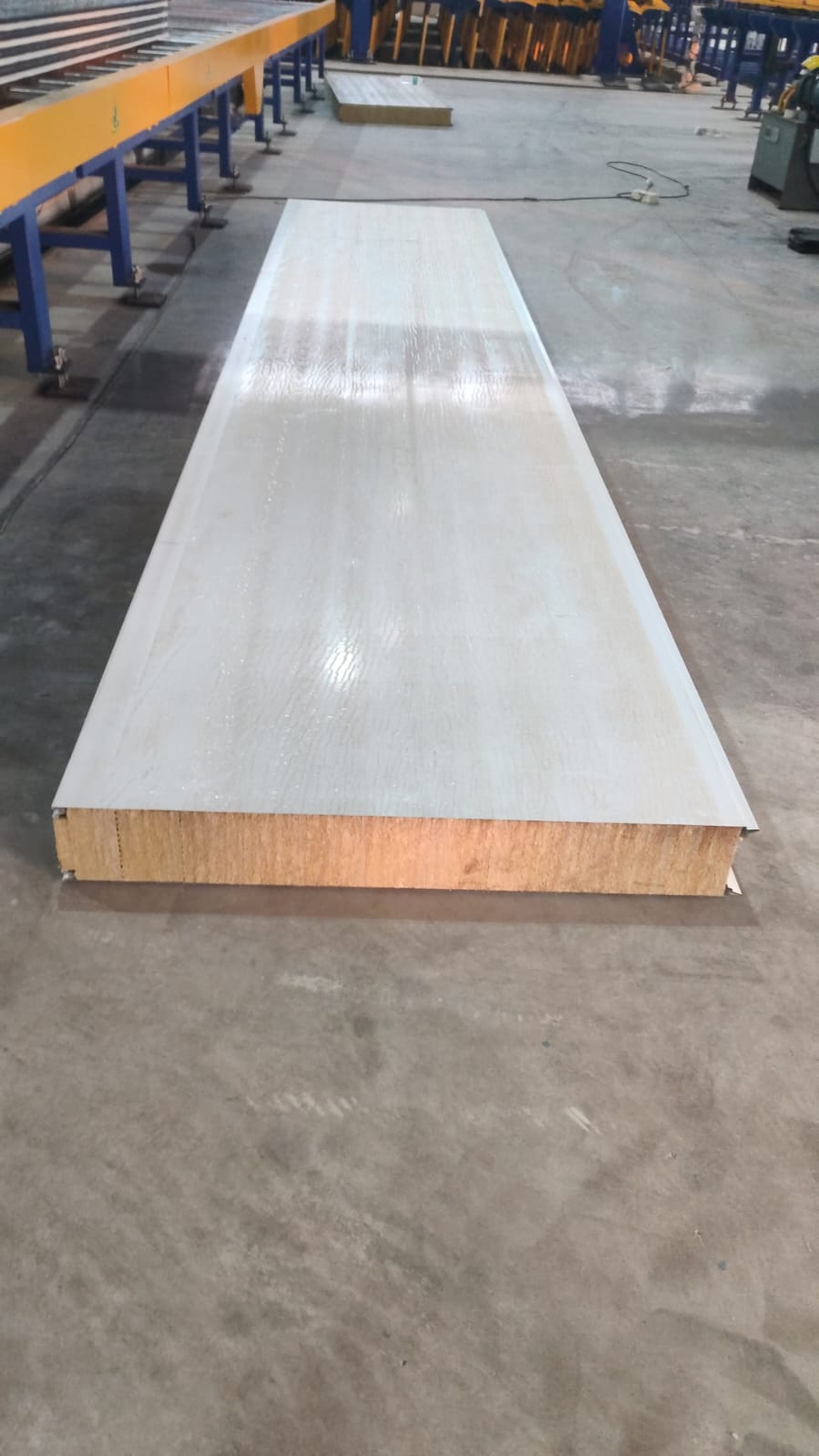
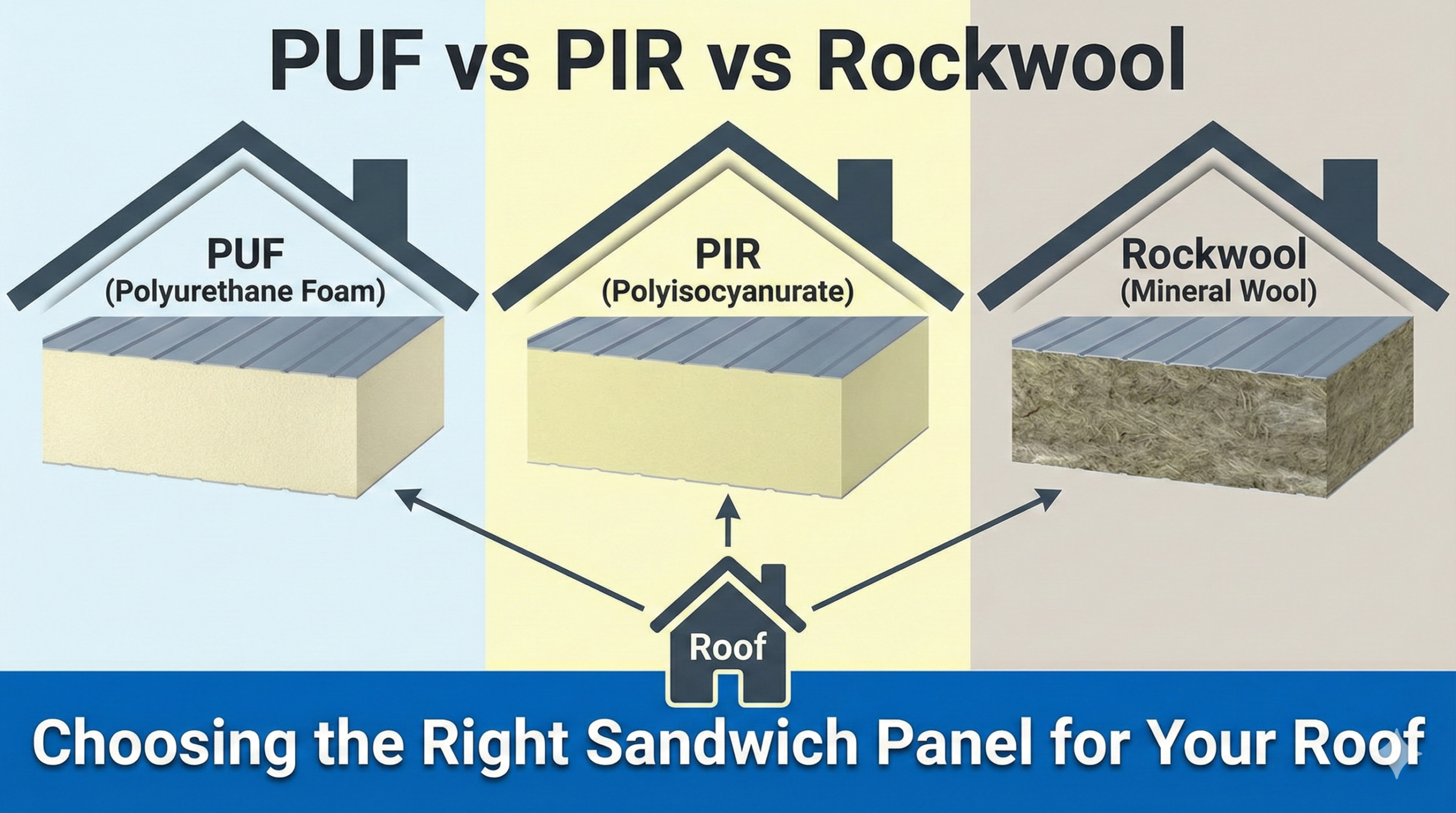
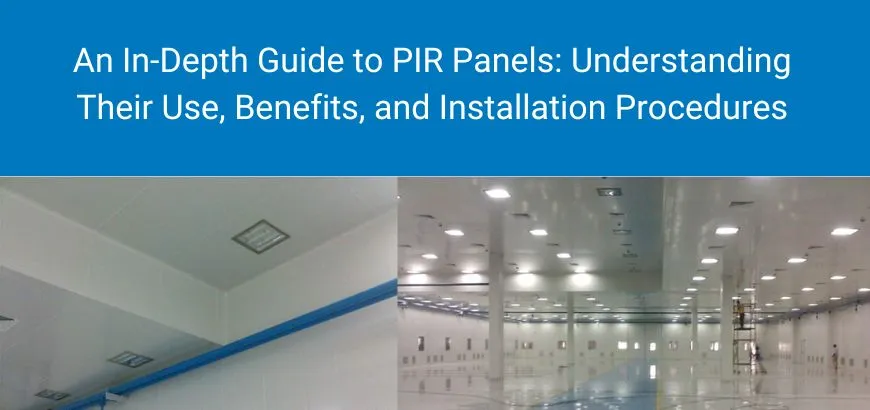
Insulated panels form the thermal envelope. For chiller applications, PUF (polyurethane) or PIR (polyisocyanurate) sandwich panels of 60–100 mm thickness are standard; PIR adds better fire performance. Panel quality — core density, skin thickness, joint design — is the biggest hidden driver of running cost. Our PUF panel price guide breaks down what to look for, and Rinac’s patented HPCC (High-Performance Composite Construction) and Firearmet FM-approved fire-rated panels push this further for demanding sites.
Doors are where most field failures start. A poorly sealed or badly hinged door lets warm, humid Indian air pour in every time it opens, forcing the compressor to overwork and inviting condensation and ice. Insulated doors with heated frames and reliable gaskets pay for themselves quickly.
The refrigeration system — compressor, condensing unit and evaporator coil — is the engine. The walk in chiller compressor must be sized to your heat load, ambient conditions and door-opening frequency, not just the room volume. Under-sizing means the room never holds temperature during a Chennai or Ahmedabad summer; over-sizing wastes capital and short-cycles the unit. Rinac designs matched refrigeration systems and offers energy-efficient options such as variable-speed compressors to trim power bills.
30%
of a chiller’s lifetime cost is energy — the right panels and compressor can cut a large share of it
of a chiller’s lifetime cost is energy — the right panels and compressor can cut a large share of it
Walk-In Chiller Price in India 2026: What Drives the Cost
There is no single walk in chiller price because a chiller is engineered to your product, not sold off a shelf. As an indicative planning reference, aggregated marketplace listings put small walk-in cooler rooms from roughly ₹2.5–5 lakh, with mid-size and large rooms scaling well beyond that [8]. Treat these as ballpark figures for budgeting only — the real number depends on:
- Room size and target temperature — lower temperatures and larger volumes need bigger refrigeration systems.
- Panel type and thickness — PUF vs PIR, 60 mm vs 100 mm, standard vs fire-rated.
- Refrigeration specification — compressor brand, redundancy (dual systems for pharma), and energy-efficiency features.
- Doors, flooring, racking and controls — insulated floors, data logging and alarms add cost but protect stock.
- Site and location — civil work, ambient climate and installation access.
Because the variables interact, the only reliable number comes from a proper heat-load calculation. Our cold storage cost calculator guide and the broader cold room buyer’s guide walk through the maths, but for a firm figure you should request a formal quotation.
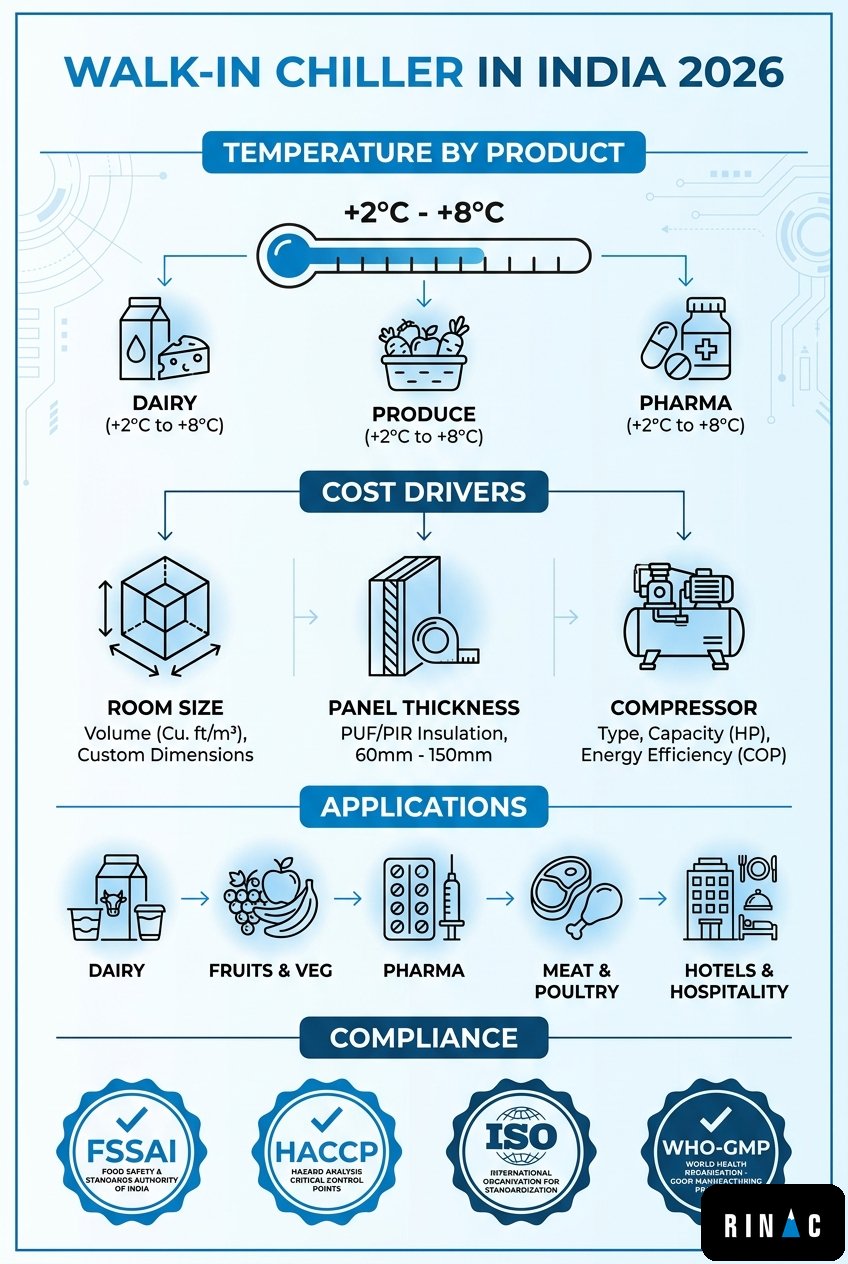
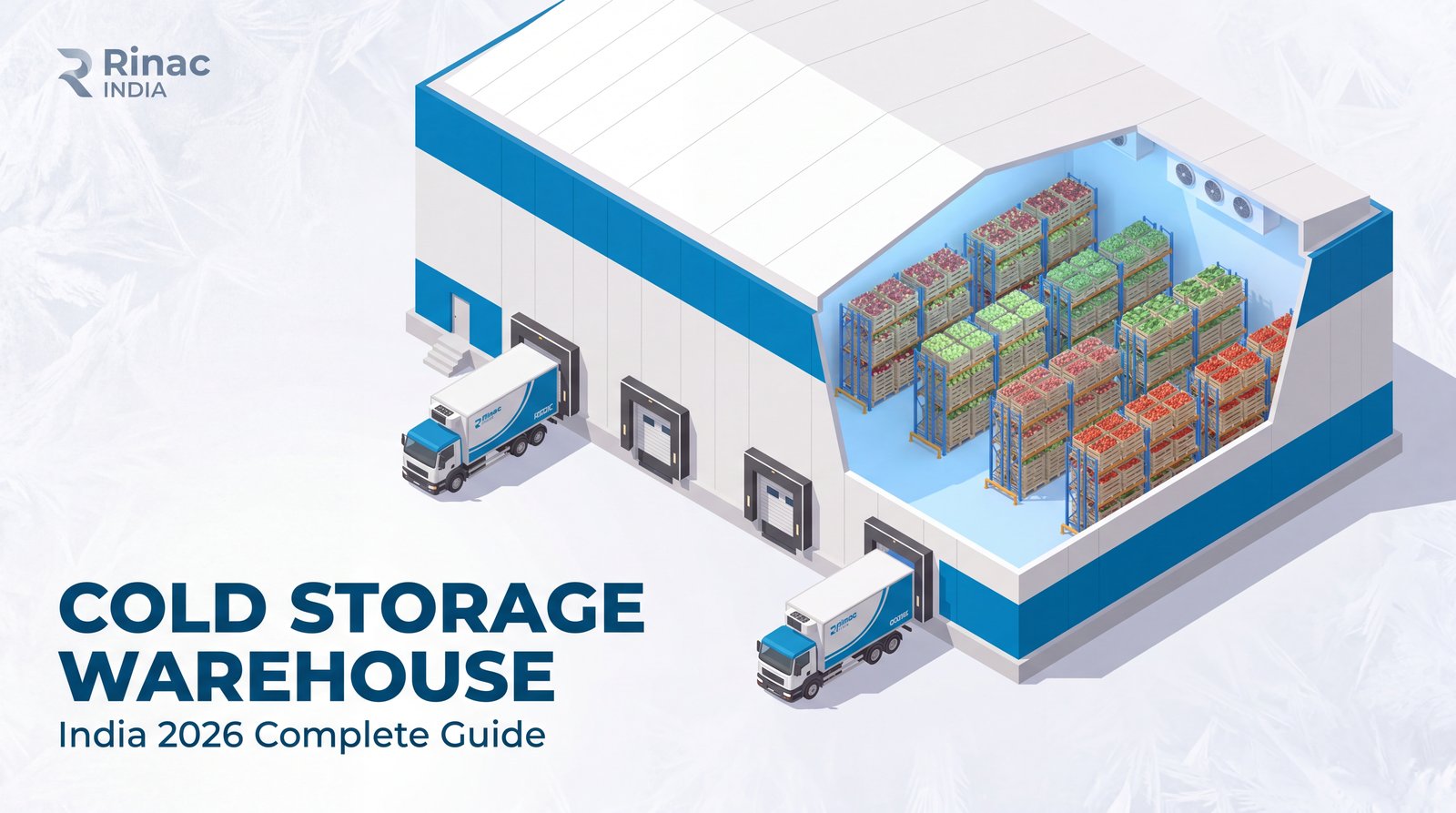
Walk-in chiller selection at a glance: temperature by product, cost drivers, applications and compliance in India (2026).
Running Cost, Energy Efficiency and ROI
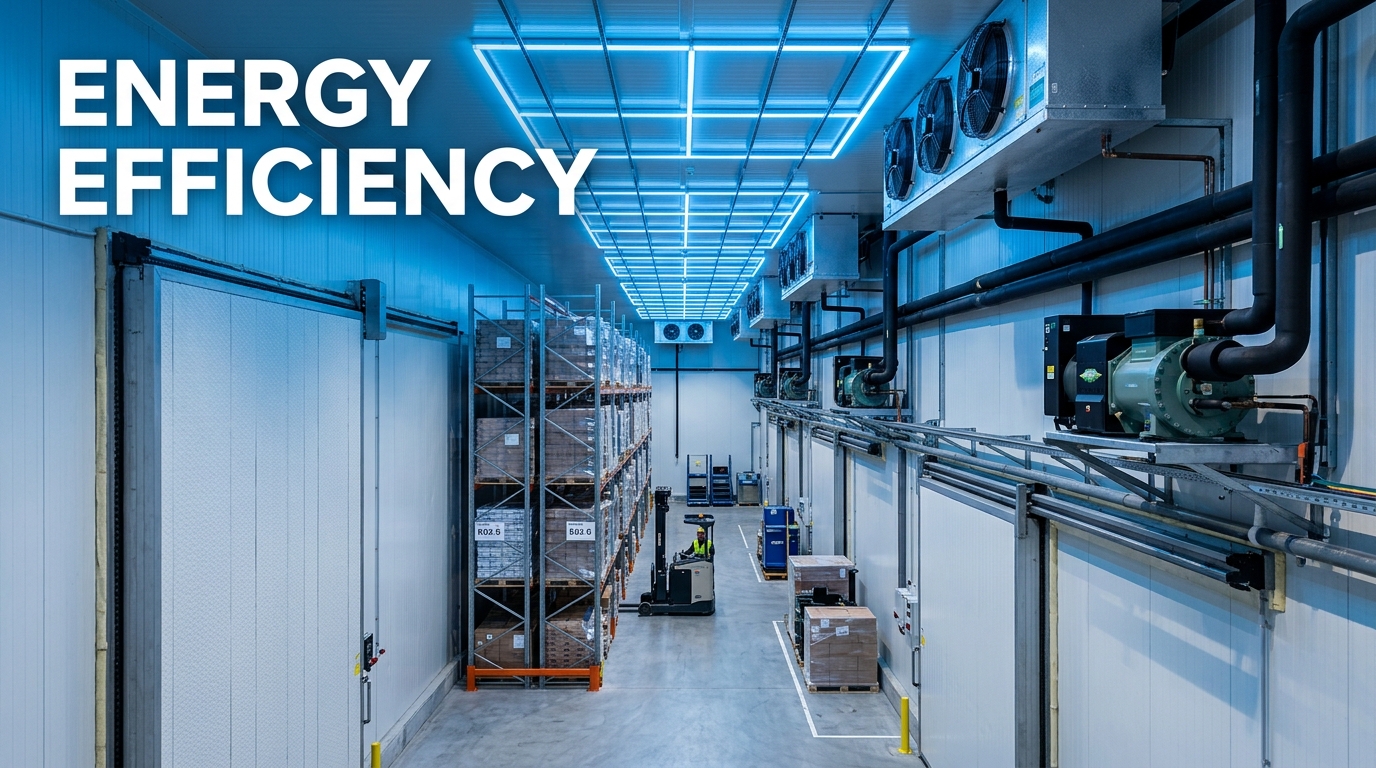
The sticker price is only the beginning. Over a chiller’s 15–20 year service life, electricity is often the single largest expense — which is why the cheapest quote frequently becomes the most expensive asset. Thicker insulation, efficient compressors, good door discipline and correct defrost settings compound into real savings. Our detailed breakdown of cold storage energy efficiency shows how operators have reduced running costs by around 30% without compromising temperature.
ROI comes from what you stop losing. With India losing an estimated 30–40% of horticultural produce and only about 12% of output ever reaching cold storage [3], a chiller that cuts your spoilage from 20% to under 5% often pays back faster than the electricity bill suggests.
Applications Across Indian Industries
Walk-in chillers sit at the heart of almost every temperature-sensitive supply chain in India:
- Dairy & ice cream — holding milk, curd, paneer and cheese at +2°C to +4°C before dispatch.
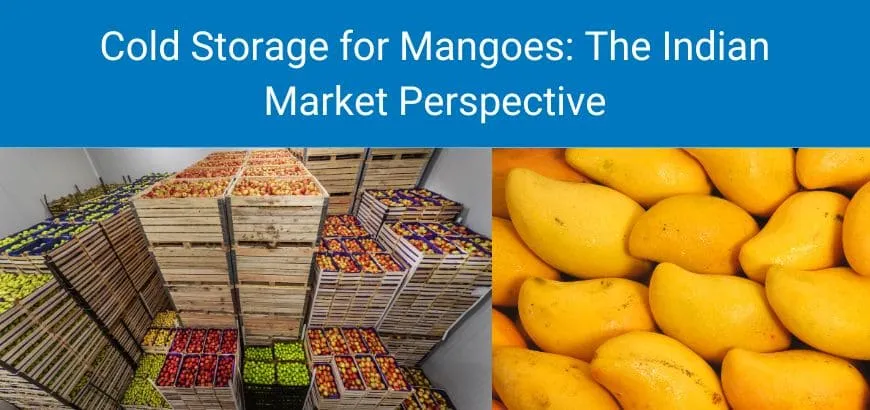
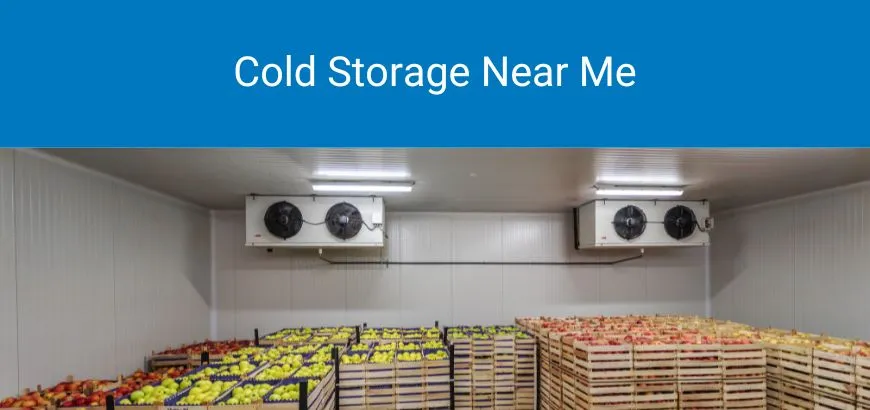
- Fruits, vegetables & floriculture — pre-cooling and short-term storage to extend shelf life and reduce post-harvest loss; often paired with pre-cooling rooms.
- Pharma & healthcare — +2°C to +8°C storage for drugs, vaccines and biologics under WHO-GMP discipline; see our note on pharmaceutical cold storage.
- Meat, poultry & seafood — FSSAI-compliant chilled holding, detailed in our guide to FSSAI cold storage compliance.
- Hotels, QSR & retail — back-of-house chillers and display cold rooms for high-turnover kitchens and supermarkets.
Indian Market Context: Cold-Chain Growth, Schemes & Subsidies
India’s cold chain is scaling fast. The market was valued at around ₹2,535 billion in 2025 and is projected to grow at a 10.43% CAGR through 2034 [2]. As of 30 June 2025, the National Centre for Cold-chain Development (NCCD) counted 8,815 cold storages with 402.18 lakh MT of capacity, still growing at roughly 2.2% a year against a large unmet demand [1]. For anyone weighing a chiller investment, the tailwind is clear — and government support is substantial.
Two central schemes matter most for chiller and cold-room projects:
MoFPI — PMKSY Integrated Cold Chain: grant-in-aid of 35% of eligible project cost in general areas and 50% in difficult areas (and for SC/ST promoters, FPOs and SHGs), subject to a ceiling of ₹10 crore per project [4]. PMKSY has been continued with a fresh outlay of about ₹6,520 crore [7].
NHB under MIDH: a credit-linked, back-ended capital investment subsidy of 35% in general areas and 50% in North-East, hilly and scheduled areas for construction, expansion and modernisation of cold storage and CA storage [5].
Subsidy rules, eligibility and ceilings change periodically and are administered through State Horticulture Missions and empanelled banks — always confirm the current terms before you plan around them.
Compliance & Standards: FSSAI, HACCP, ISO, WHO-GMP
A chiller is only as good as the compliance it enables. Food businesses must meet FSSAI storage-temperature rules and maintain records; processors targeting exports or institutional buyers usually need HACCP and ISO systems; and pharma storage must satisfy WHO-GMP and validation protocols. Rinac builds to these standards as a matter of course, with cold rooms certified across ISO, FSSAI, HACCP, GMP, IGBC and WHO-GMP frameworks. Designing for compliance from day one — correct temperature mapping, calibrated sensors, data logging and alarms — is far cheaper than retrofitting after a failed audit.
How to Choose a Walk-In Chiller Supplier in India
Choosing a walk in chiller supplier is a long-term decision: you are buying not just a room but 15–20 years of uptime, service and spares. A credible partner should offer in-house engineering (heat-load design, not guesswork), its own panel and refrigeration manufacturing for quality control, pan-India installation and after-sales service, and a track record you can verify.
This is where Rinac’s profile stands apart. As solution architects and builders — not just equipment sellers — Rinac brings 30+ years of experience, 10,000+ projects delivered, 6,000+ clients including ITC, Britannia, Tata, Reliance, Nestlé, Biocon and Flipkart, two manufacturing facilities (Bangalore and Murbad), 14 branch offices for pan-India service, and patented technologies like HPCC and Firearmet. Whether you need a single retail cold room or a turnkey multi-chamber facility, the same team designs, manufactures, installs and services it.
Frequently Asked Questions
Important disclaimer: This article is provided for general informational purposes only and does not constitute professional engineering, legal, financial or regulatory advice. Temperature specifications, prices, subsidy percentages and compliance requirements are indicative, drawn from the public sources cited below as of the publication date, and are subject to change. Government scheme eligibility and ceilings are decided solely by the administering authorities (FSSAI, MoFPI, NHB and State agencies) — verify current details directly with them before acting. For project-specific chiller design, sizing, heat-load calculation, ROI and compliance, request a formal consultation with Rinac’s engineering team via rinac.com/contact-us.
Sources & References
- NCCD / International Institute of Refrigeration (IIR) — India cold storage capacity: 8,815 cold storages, 402.18 lakh MT (as of 30 June 2025), 2.2% CAGR. Published 24 Feb 2026. iifiir.org
- IMARC Group — India Cold Chain Market: INR 2,535.87 billion (2025), 10.43% CAGR to 2034. 2025. imarcgroup.com
- Invest India — Cold Chain Infrastructure in India: 30–40% horticulture post-harvest loss; ~12% produce stored. investindia.gov.in
- Ministry of Food Processing Industries (MoFPI) — PMKSY Integrated Cold Chain scheme: 35% / 50% grant-in-aid, max ₹10 crore. mofpi.gov.in
- National Horticulture Board (MIDH) — Capital Investment Subsidy for cold storage: 35% / 50% credit-linked back-ended. nhb.gov.in
- FSSAI — Handbook on Safe Storage, Distribution & Transportation of Food Products: chilled 0–4°C, refrigerated stores 0–5°C, frozen ≤ −18°C. fostac.fssai.gov.in
- PIB / NewsOnAir — Cabinet approves ₹6,520 crore outlay for Pradhan Mantri Kisan SAMPADA Yojana. 31 July 2025. newsonair.gov.in
- IndiaMART — Walk-in Cooler / Walk-in Chiller indicative market price listings (aggregated). dir.indiamart.com